29 Summer Camp Traditions From the ’80s That Built Friendships for Life
Summer camp in the 1980s was an extended experience of structured freedom—weeks spent away from parents in communities designed entirely around peer interaction, outdoor skill-building, and the creation of intense temporary friendships that often outlasted the summer itself. What distinguished 1980s camp culture was the complete absence of parental contact, the presence of genuine risk in outdoor activities, and the assumption that distance from home was educational value in itself.
Campers returned to their home communities changed in ways they could articulate but couldn’t quite explain to non-camp people, carrying inside jokes, songs, and skills that marked their departure from childhood toward adolescence. The traditions that camps built and perpetuated created generation-spanning community experiences that transcended socioeconomic boundaries and geographic origin.
The camp songs, the campfire rituals, the bunk arrangements, and the structured social hierarchies created intensive socialization experiences that modern alternatives—day camps, virtual interactions, helicopter-parent-supervised overnight stays—simply cannot replicate.
The Multi-Week Complete Separation From Parents
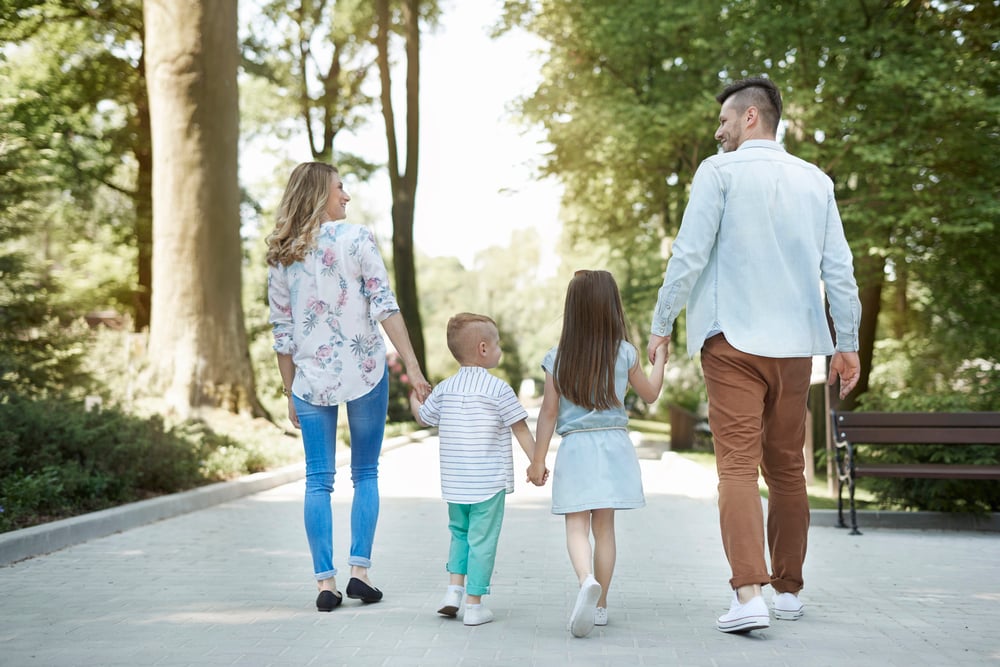
Camps operated on the assumption that children needed extended periods away from parental contact to develop independence, with phone calls home limited to scheduled times or entirely prohibited.
Bunk Assignments as Fate
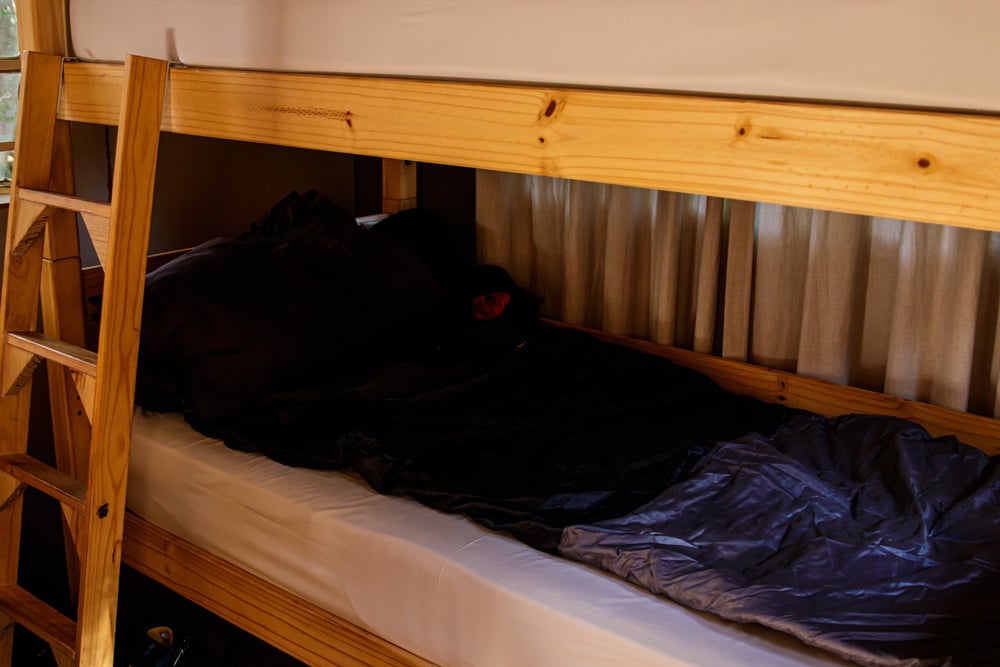
Kids arrived to discover their bunk companions had been assigned by camp directors, forcing immediate social negotiation with strangers who would become lifelong friends.
Opening Campfire as Bonding Ritual
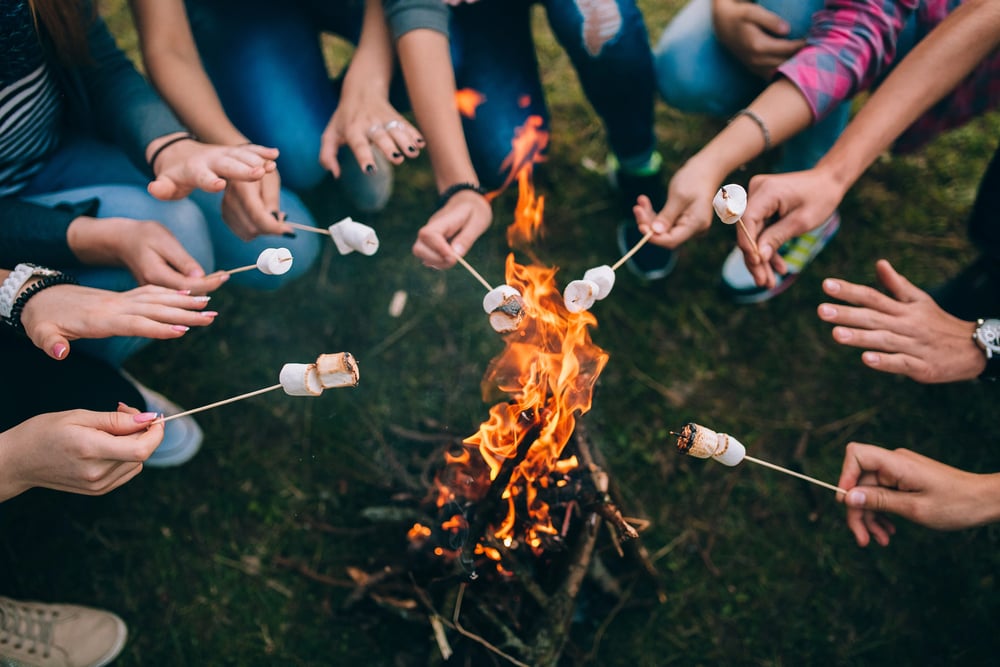
The first campfire gathering included songs, skits, and introductions that established camp culture and norms for the entire session.
Traditional Camp Songs With Regional Variations
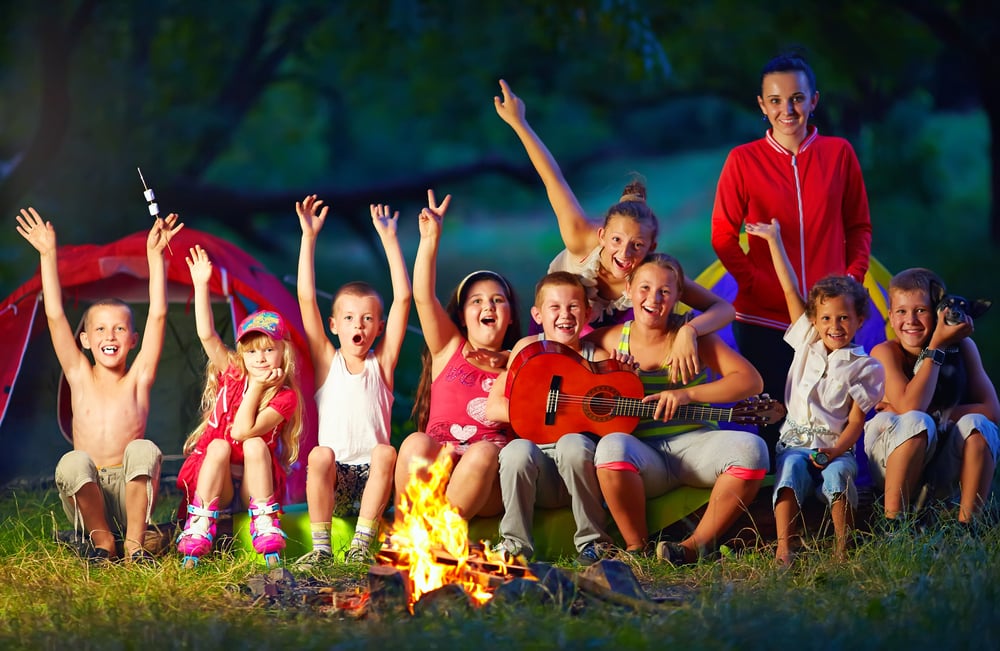
Each camp had distinctive songs that campers would learn, internalize, and continue humming years after the summer ended.
Evening Campfire as Daily Community Gathering
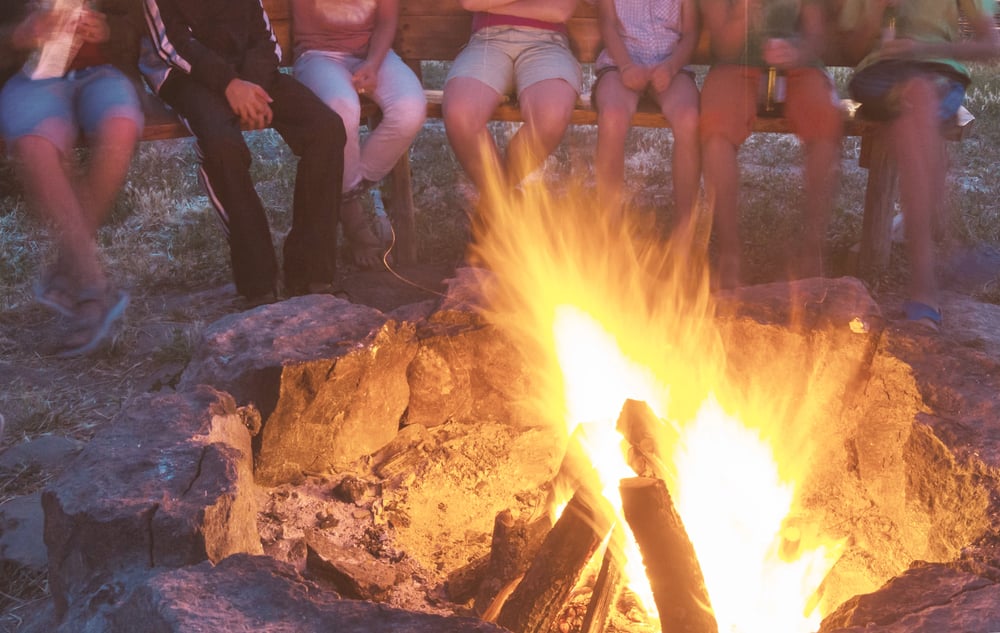
The nightly campfire served as the entire camp assembly, news bulletin, and entertainment venue combined into a single gathering.
Talent Show as Performance Platform

The camp talent show created opportunities for self-presentation and group entertainment that established individual reputations within the camp community.
Competitive Bunk Competitions
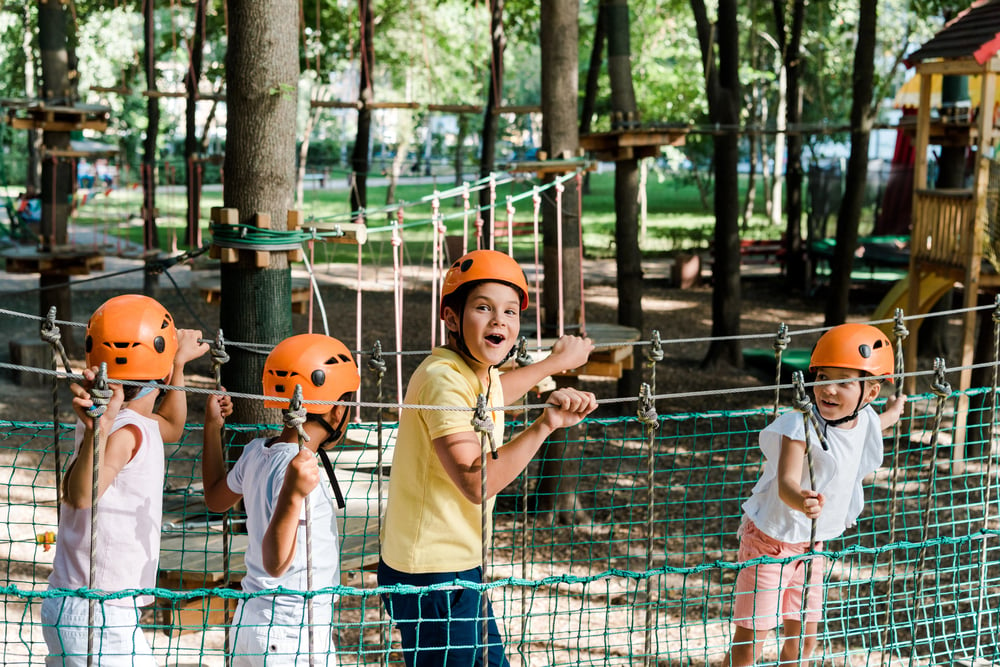
Different bunks competed against each other in organized contests, creating tribal identifications and rivalries that lasted the entire session.
Cabin Raids as Pranking Tradition
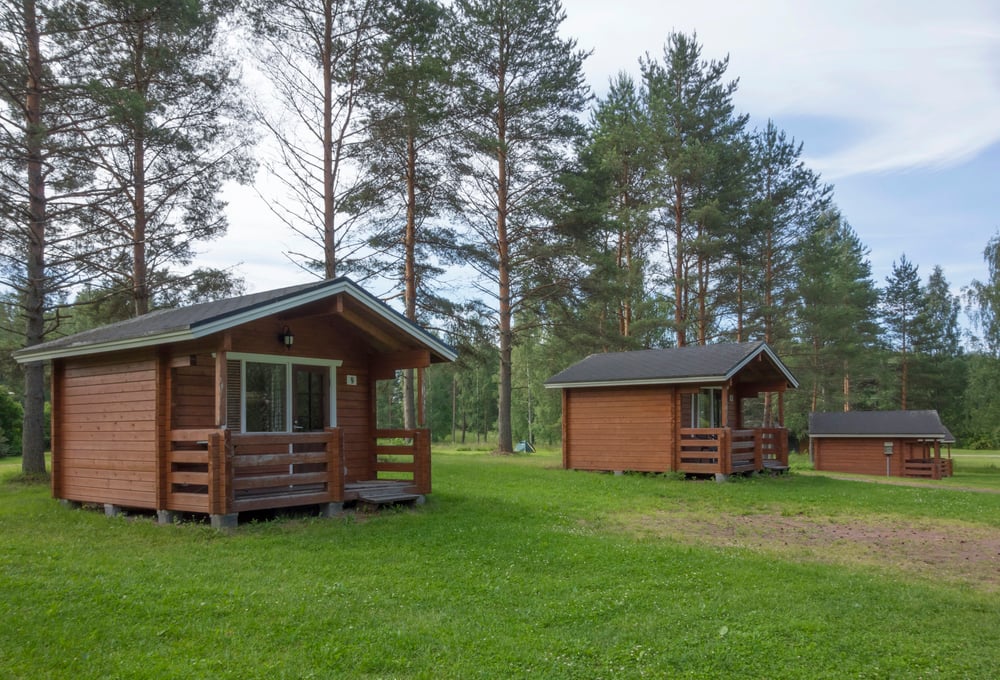
Cross-gender cabin raids involved coordinated pranking and mischief-making that served as sanctioned rule-breaking within structured bounds.
Unscheduled Free Time as Genuine Unstructured Socializing
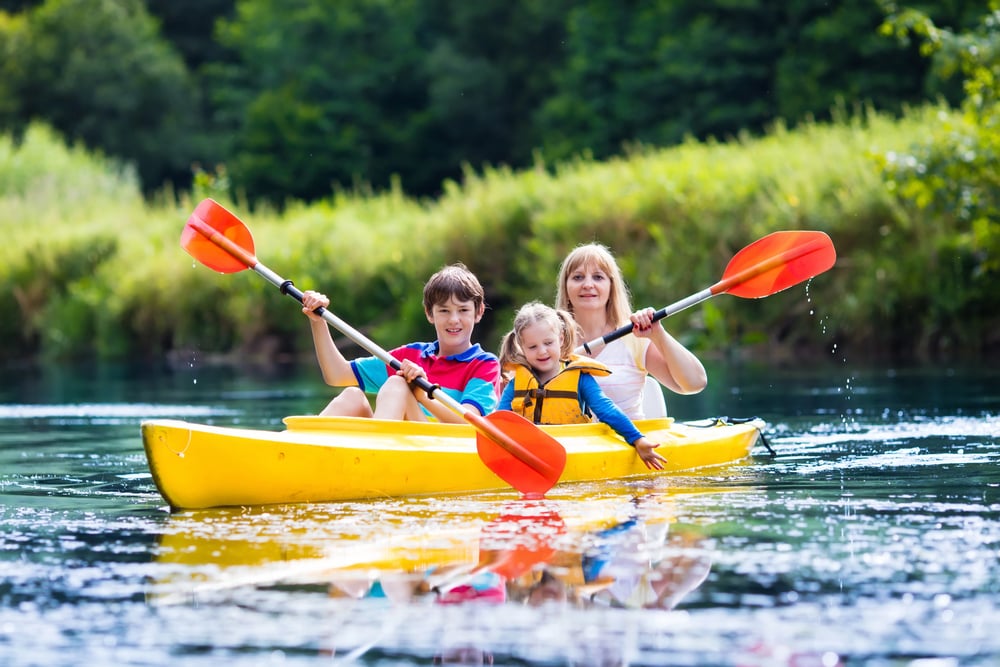
Blocks of time designated as “free time” were genuinely unscheduled, allowing campers to determine their own activities.
Waterfront as Social Sorting System
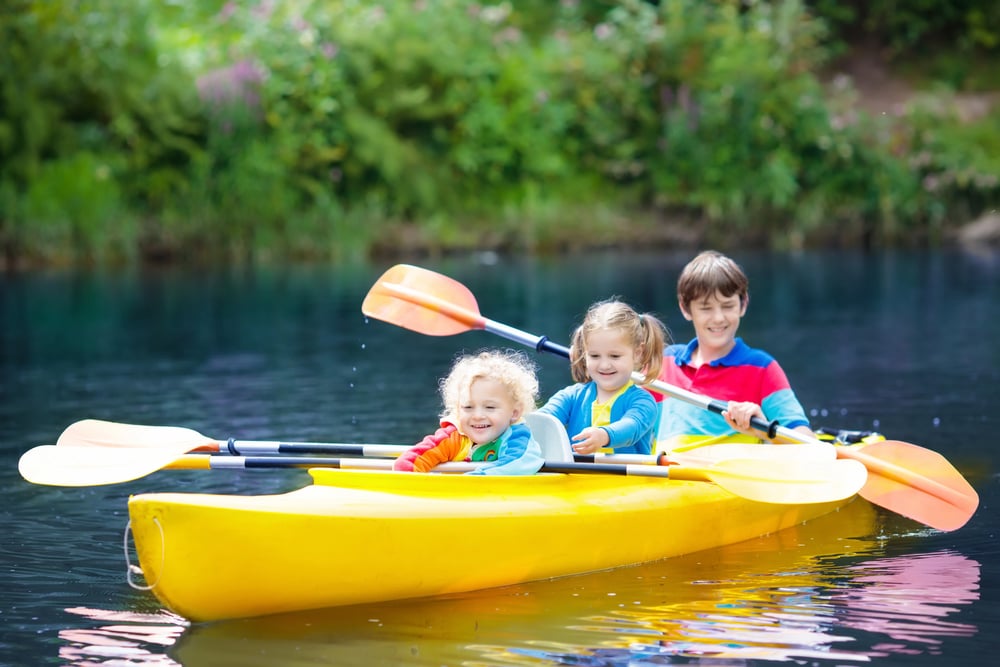
The swimming area and waterfront activities created visible skill hierarchies and social groupings based on ability.
Sailing and Canoeing Instruction as Skill Transfer
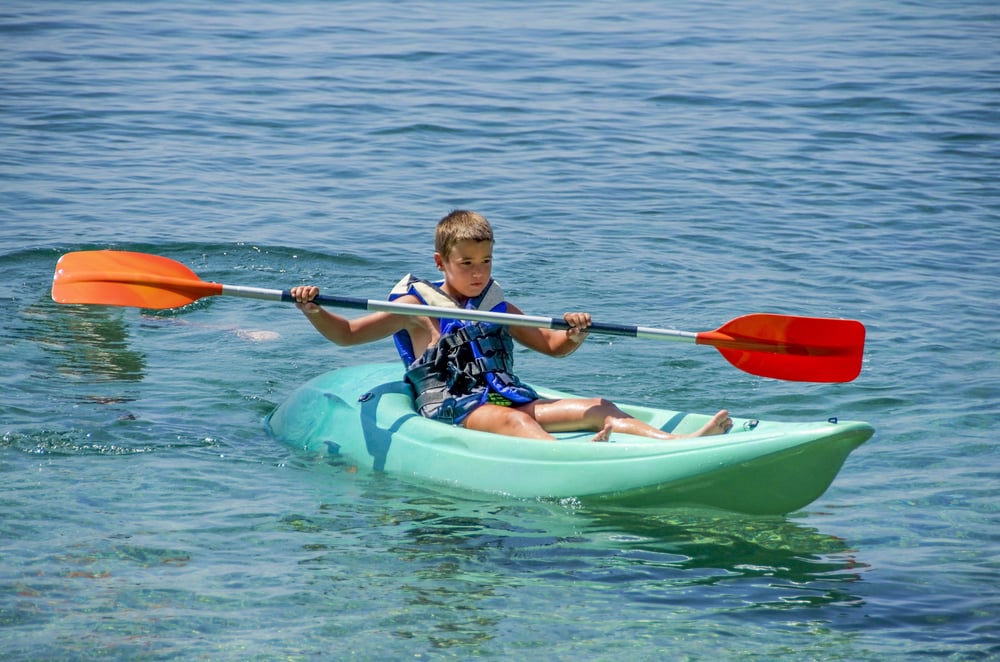
Water sports instruction taught genuinely useful skills that campers could apply independently after camp ended.
Horseback Riding as Activity Hierarchy
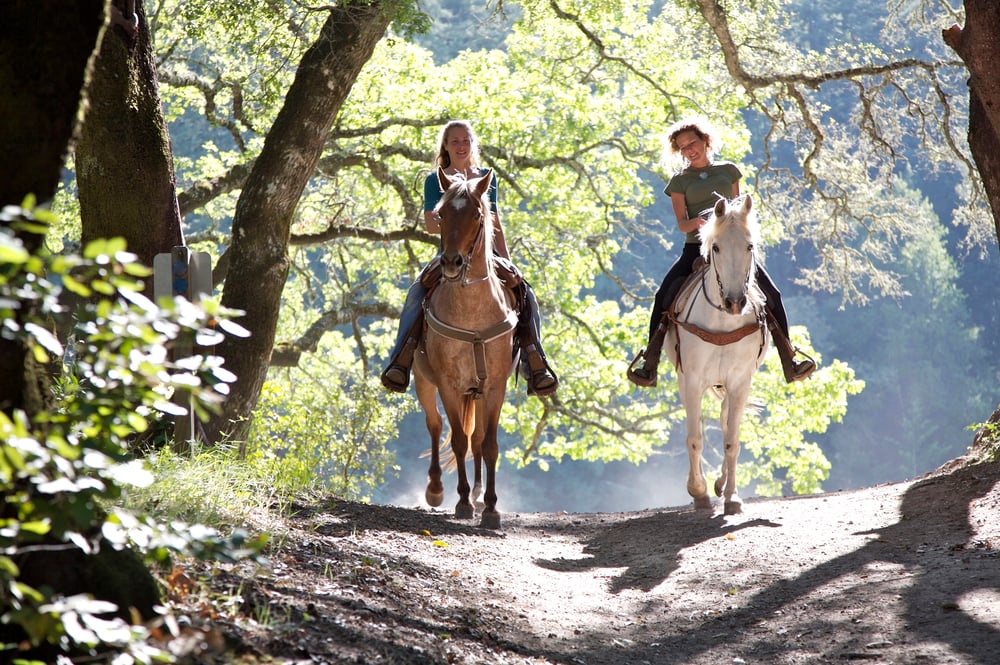
Equestrian activities often occupied premium camp real estate and represented aspirational activities kids trained toward.
Archery Instruction as Controlled Danger
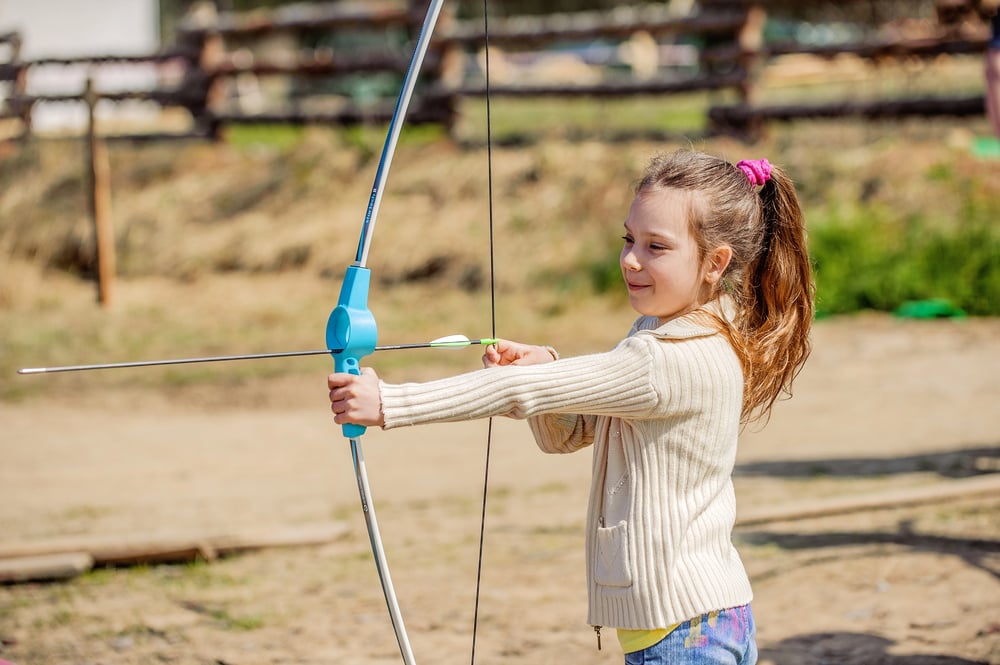
Archery provided experiences of genuine risk in controlled settings, teaching respect for weapons and consequence awareness.
Overnight Wilderness Trips as Expedition Structure
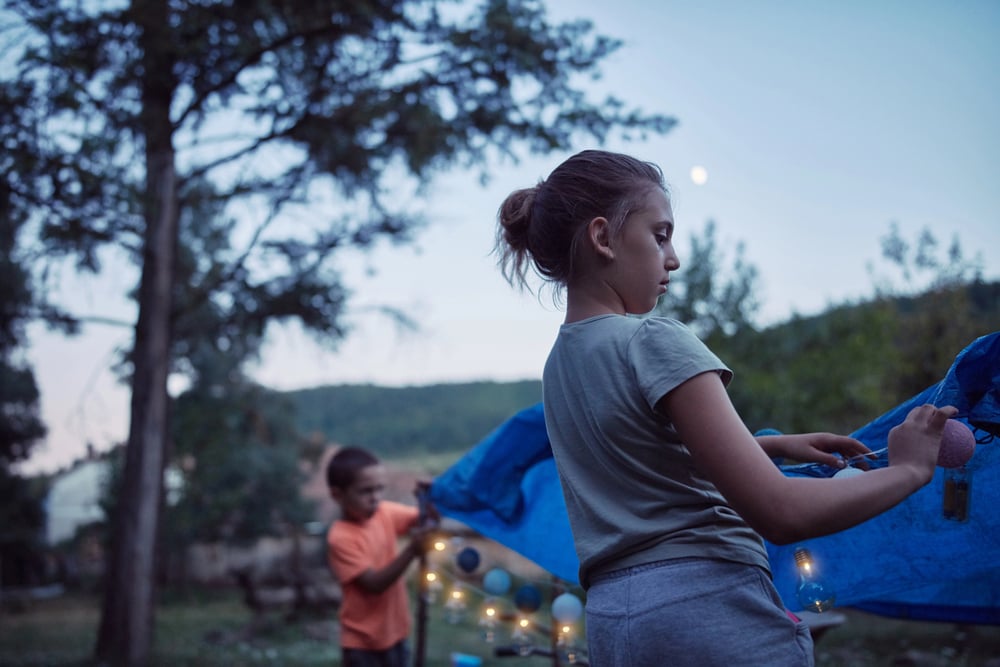
Multi-day backpacking trips required navigation, camping, and food preparation skills under minimal adult supervision.
Campfire Skits as Comedy Training
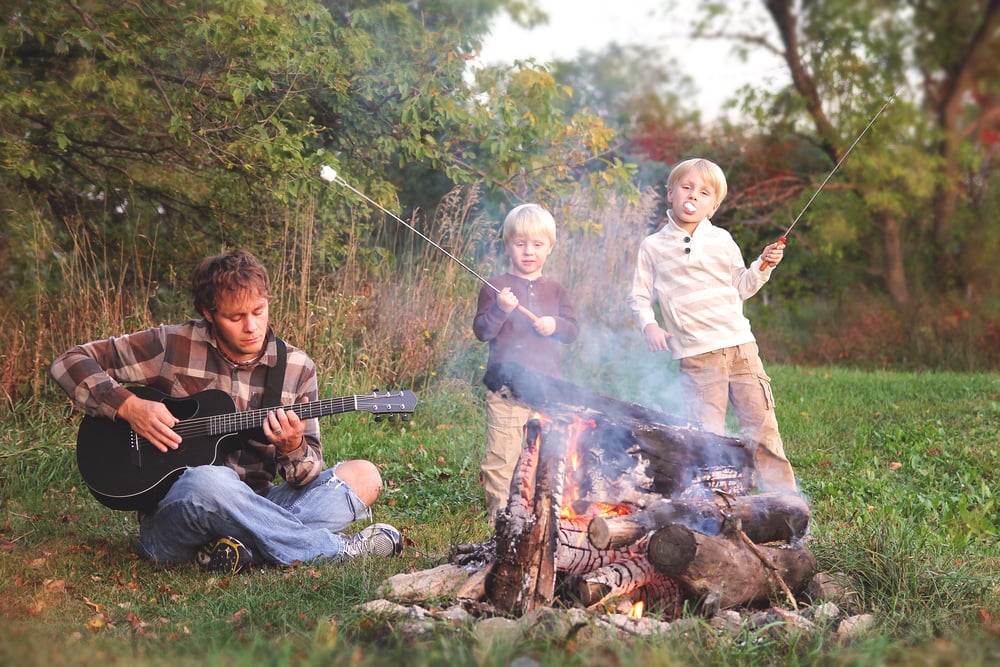
Kids performed prepared and improvised comedy sketches for peer audiences, learning performance skills through low-stakes public performance.
The Dining Hall as Social Institution
Meals were communal experiences with assigned seating rotations, serving as daily re-sorting of social groups and forced peer mixing.
Dining Hall Entertainment and Announcements
Campwide communications occurred during meals through structured announcements and entertainment between courses.
Kitchen Punishment Detail as Consequence

Working kitchen cleanup served as consequence for rule violations, creating immediate restitution opportunities.
Flag Raising and Lowering Ceremonies
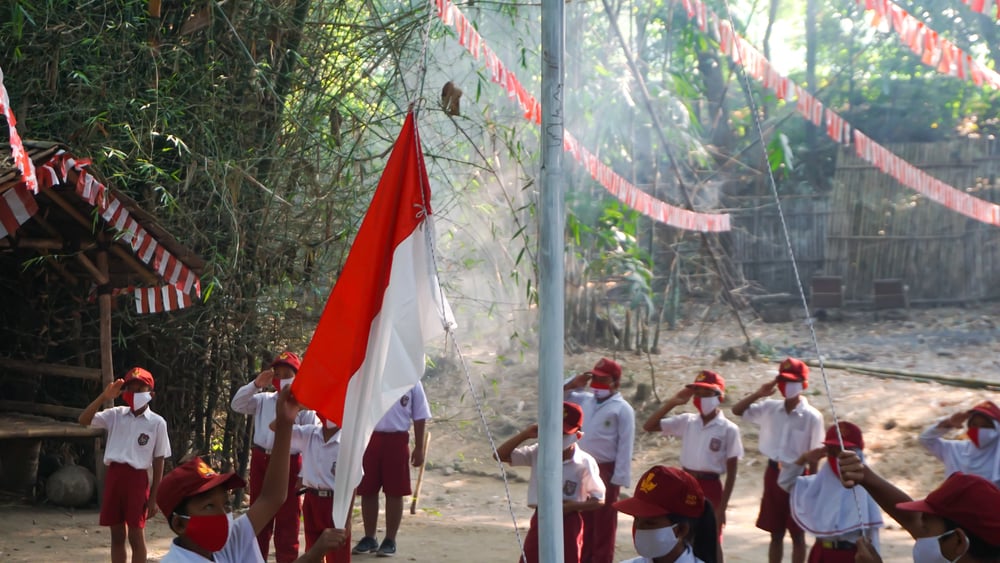
Daily flag ceremonies marked morning and evening, establishing consistent ritual structure to camp days.
Color Wars as Session-Long Competition

Some camps divided entire populations into competing color-coded teams, competing through entire session in coordinated events.
Arts and Crafts as Skill Development

Structured craft instruction ranged from jewelry making to pottery, creating take-home artifacts of camp experience.
Bonfire Dance Nights
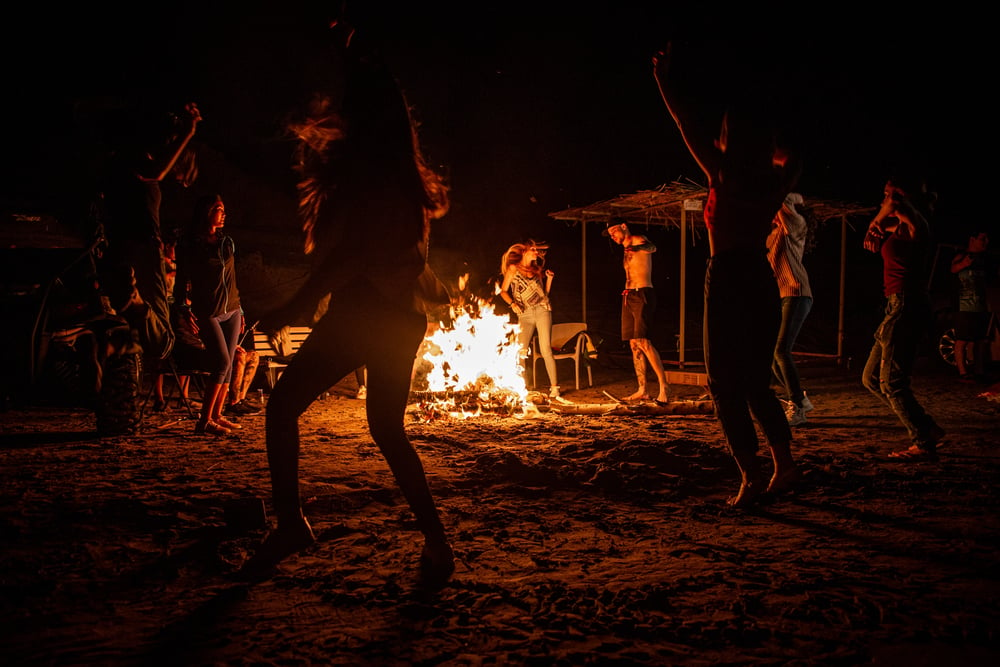
Evening dance events featured music, often with performance dancing from counselors, creating romantic and social tension.
Letters From Home as Communication Event

Mail delivery became a daily event, with receiving letters from parents celebrated within bunks as morale booster.
The Mysterious Equipment Lockers
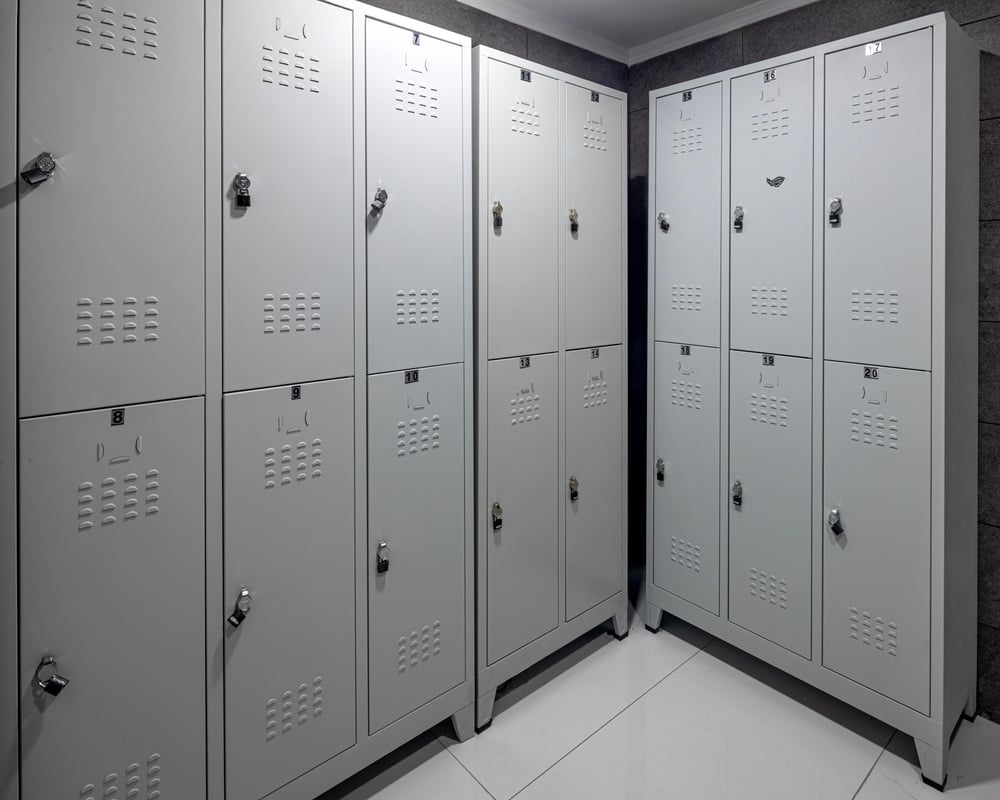
Campers stored personal equipment in assigned lockers, creating small domains of individual property within communal spaces.
Hierarchy of Camper Prestige

Campers developed observable prestige hierarchies based on athletic ability, social skills, artistic talent, and peer approval.
Counselor Relationships as Mentorship

Camp counselors occupied unique positions as trusted adult figures distinct from teachers and parents, creating mentorship relationships.
Camp Alumni Networks as Extended Family
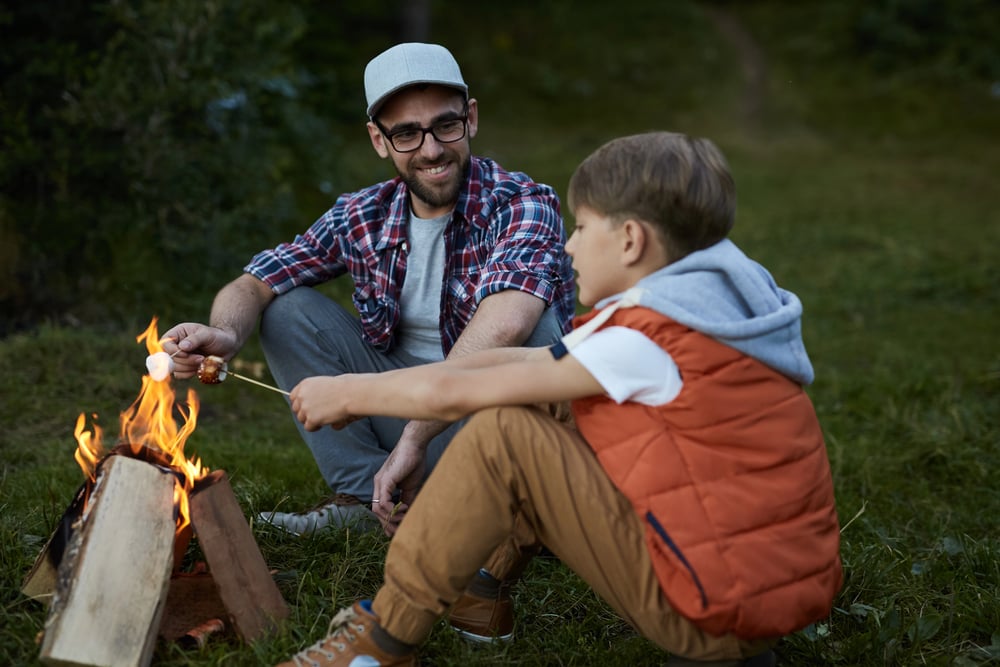
Former campers returned as counselors or staff, creating continuity of community across years and generations.
The Final Banquet as Bittersweet Closure

The closing night banquet balanced celebration of summer with acknowledgment of imminent separation, combining awards with emotional goodbye rituals.
Commitment to Staying in Touch Through Mail

Campers exchanged addresses with explicit intentions to maintain friendships through written correspondence post-summer.
The Permanent Marking of Time Into Before and After
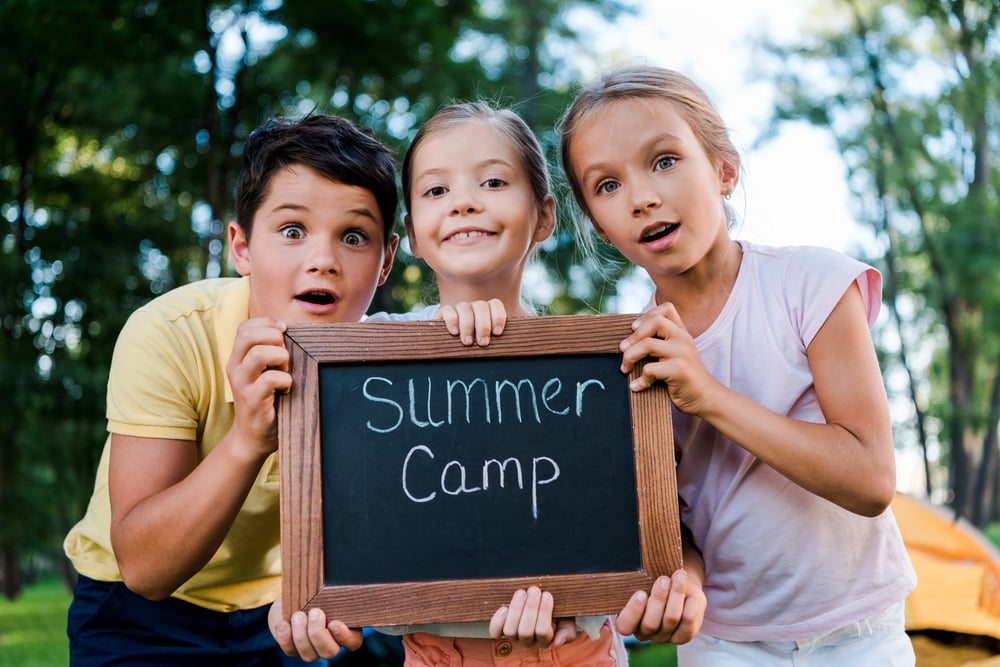
Many campers experienced summer camp as a clear temporal boundary in childhood, dividing experience into pre-camp and post-camp periods with clear behavioral differences observable to parents and home communities.
More from Go2Tutors!

- The Romanov Crown Jewels and Their Tragic Fate
- 13 Historical Mysteries That Science Still Can’t Solve
- Famous Hoaxes That Fooled the World for Years
- 15 Child Stars with Tragic Adult Lives
- 16 Famous Jewelry Pieces in History
Like Go2Tutors’s content? Follow us on MSN.