Unique Facts About the First Televised Sports
The moment sports met television changed entertainment forever. Before these early broadcasts, fans could only experience games through radio or by attending in person.
The marriage of sports and television transformed both industries, creating what would become a multi-billion-dollar relationship that shapes how millions of people watch games today. Here is a list of 14 unique facts about the first televised sports that reveal the fascinating, sometimes chaotic beginnings of an entertainment revolution.
Germany Beat America to the Punch

The 1936 Berlin Olympics claimed the title as the world’s first televised sporting event. Nazi Germany broadcast about 72 hours of Olympic coverage to special viewing rooms called Public Television Offices in Berlin and Potsdam.
The screens were barely larger than a modern tablet, and the black-and-white images had pretty low definition. Despite the primitive technology, around 150,000 people watched the Games in these public viewing rooms.
Jesse Owens Became Television’s First Sports Star

Ironically, the first athlete clearly visible on German television was African-American Jesse Owens winning the 100-meter final, which must have been awkward for the Nazi regime promoting Aryan superiority. German crowds in the Olympic stadium began chanting ‘O-vens, O-vens, O-vens’ as he dominated the competition.
The moment highlighted how television could create instant celebrity status across borders and political divides.
America’s First Sports Broadcast Was a College Baseball Game

On May 17, 1939, NBC’s experimental station W2BXS televised a college baseball game between Princeton and Columbia at Baker Field in New York City, making it the first sporting event publicly televised in the United States. Princeton defeated Columbia 2-1 in 10 innings.
The game was the second of a doubleheader because NBC had used the first game as practice to work out the technical kinks.
Only 400 TV Sets Could Watch
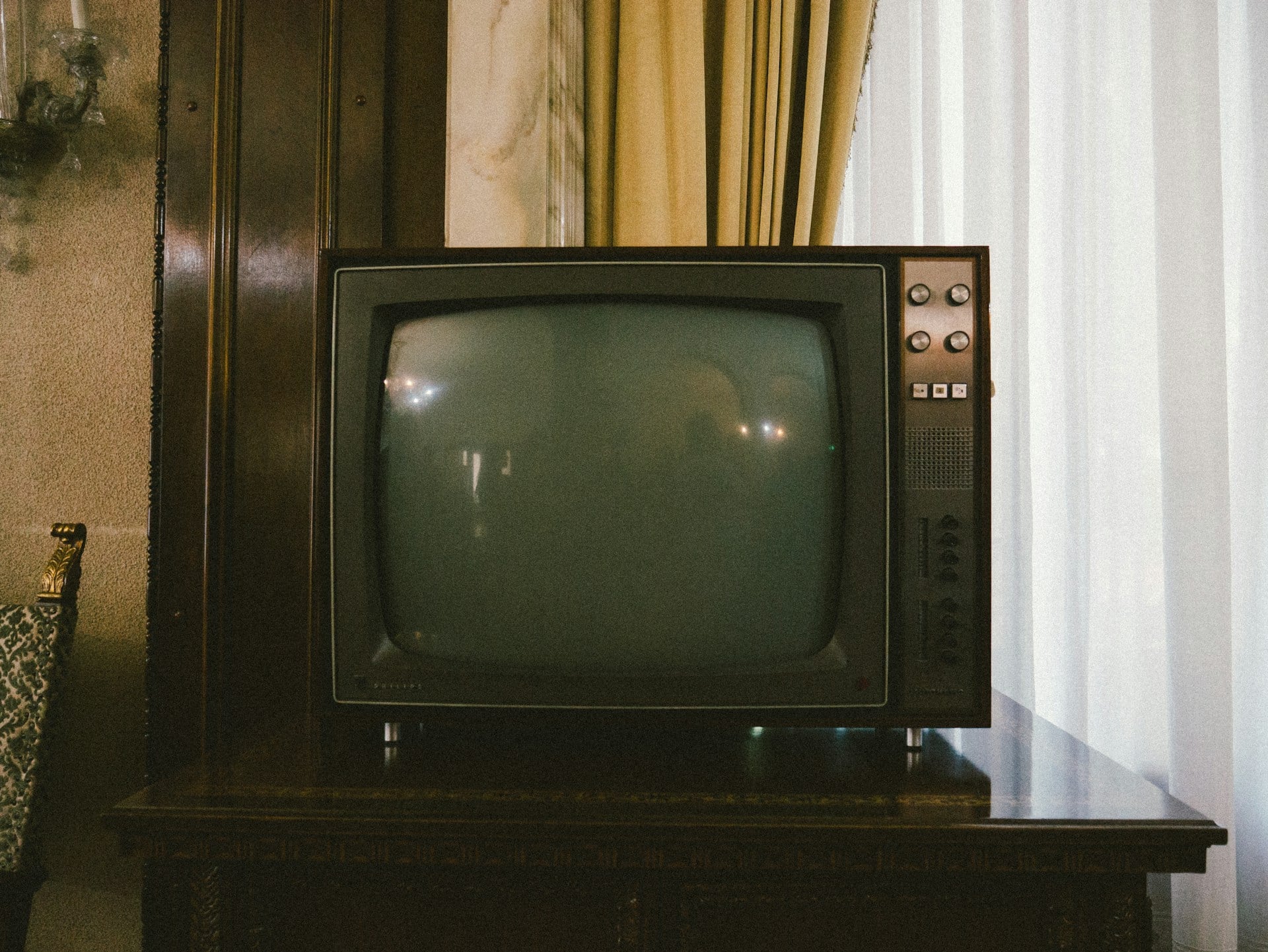
Fewer than 400 television sets existed in the New York area capable of receiving the Princeton-Columbia broadcast. Most Americans wouldn’t own TV sets until the mid-1950s, when regular network broadcasting finally caught on.
The tiny audience didn’t diminish the significance of the moment, but it meant more people were actually at Baker Field than watching at home.
A Single Camera on a Wooden Platform Did All the Work
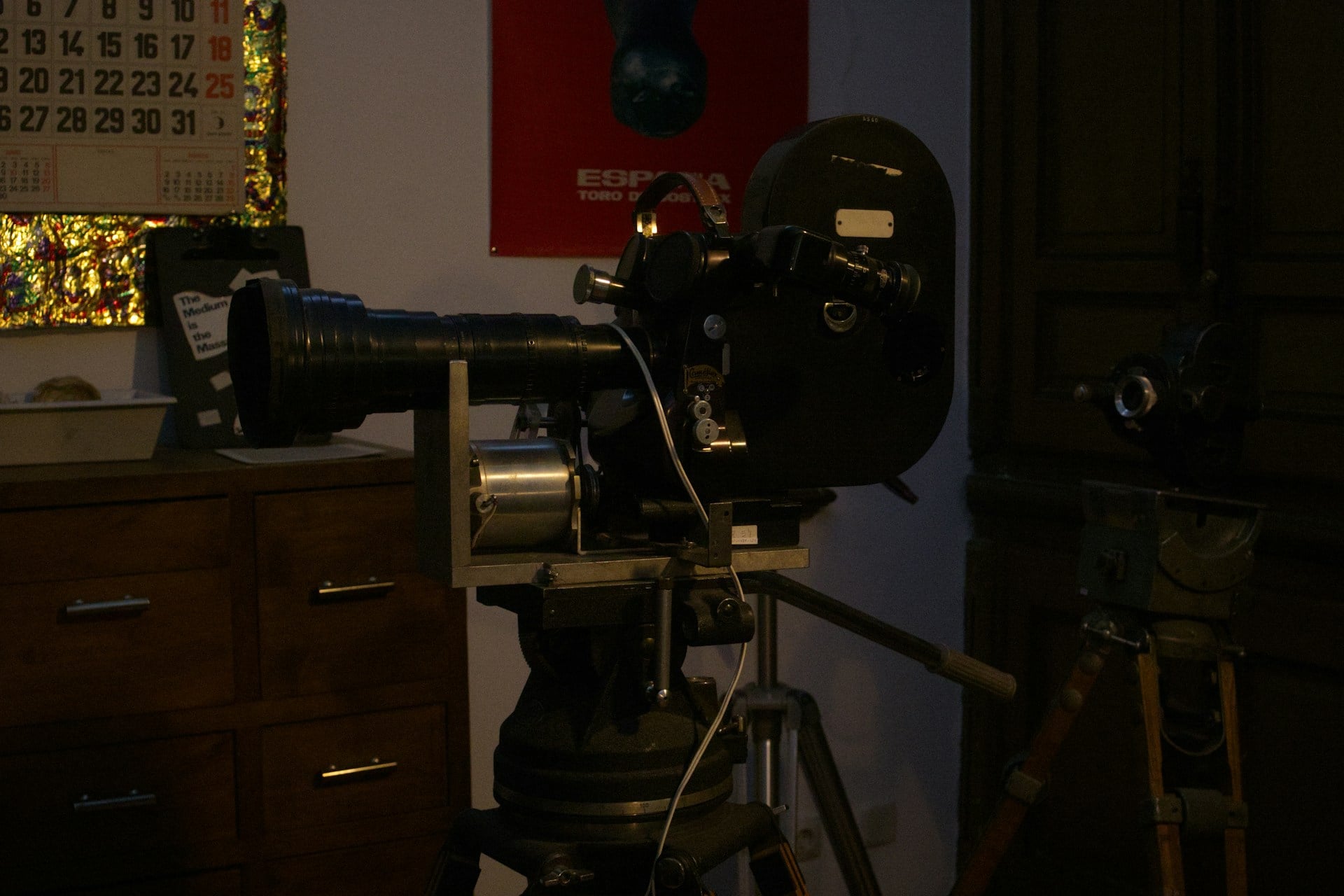
One camera perched on a 12-foot wooden stand down the third-base line captured the entire Princeton-Columbia game. The camera could only focus on about 50 feet of playing area and couldn’t show the pitcher and batter simultaneously.
Spectators at the game paid more attention to the weird futuristic equipment being set up than the actual first game of the doubleheader.
Bill Stern Wasn’t Sure What He Was Doing
Sportscaster Bill Stern opened the first televised sporting event with the words: ‘Good afternoon, ladies and gentleman. Welcome to the first telecast of a sporting event.
I’m not sure what it is we’re doing here, but I certainly hope it turns out well for you people who are watching.’ His honest uncertainty captured the experimental nature of the entire endeavor.
Stern also called the first televised football game on September 30, 1939, between Fordham and Waynesburg.
A Future NFL Legend Played Shortstop
Future Chicago Bears Hall of Fame quarterback Sid Luckman was Columbia’s starting shortstop during the first televised sporting event in U.S. history. Nobody watching that day could have predicted that the player standing at shortstop would become one of professional football’s greatest quarterbacks.
The coincidence shows how interconnected the early days of televised sports really were.
The First MLB Game Featured Two Cameras and No Monitor
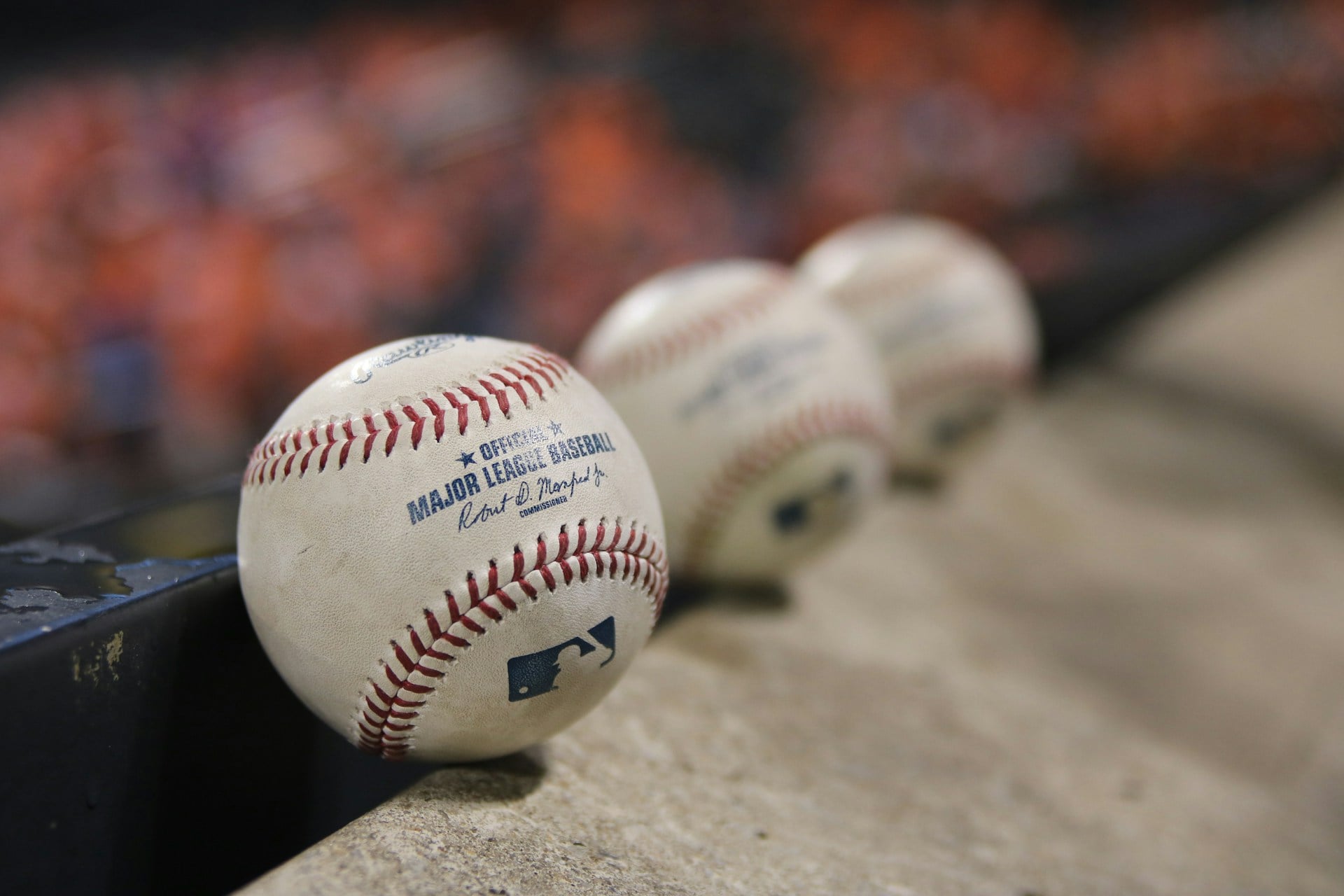
The first Major League Baseball game was televised on August 26, 1939, when the Brooklyn Dodgers hosted the Cincinnati Reds at Ebbets Field for a doubleheader. Legendary announcer Red Barber had to watch which camera’s red light was on and guess which direction it was pointing because he had no monitor to see what viewers at home were seeing.
To make matters worse, his headset also went out during the game, forcing him to wing the entire broadcast.
Red Barber Did Live Commercials During the Game
In addition to calling the game, Red Barber performed the first televised in-game commercials by pouring cream and sugar into a bowl of Wheaties and adding banana slices while also advertising Ivory soap and Mobil Oil, complete with a gas station attendant’s cap. The primitive commercial breaks seem charming now, but they established the advertising model that would eventually generate billions of dollars in revenue for sports broadcasting.
The Picture Quality Was Terrible
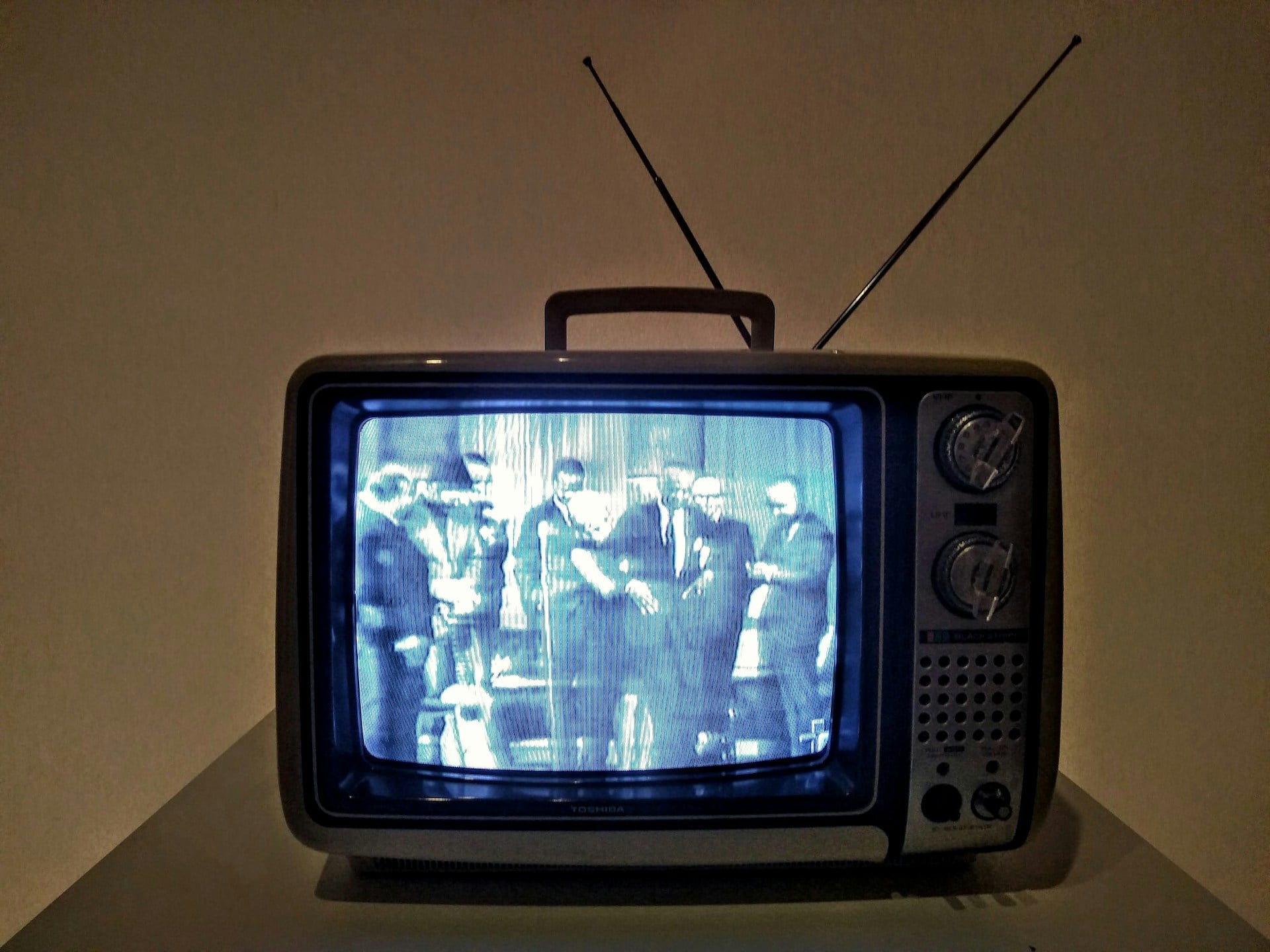
The New York Times called the single-camera setup for the first U.S. televised baseball game ‘woefully lacking,’ noting that one camera couldn’t see the complete field and that baseball by television needed three or four cameras. Viewers complained that swinging bats looked like paper fans, and the orb was all but invisible during pitches and hits.
Even the worst seat at the actual ballpark offered a better view than watching at home.
NBC Got Billed for Their Own Historic Moment
After making broadcast history, NBC sent Red Barber an engraved silver nicotine box to commemorate the occasion, then followed it up with a bill for 35 dollars to cover the cost of his souvenir. The detail perfectly captures the corporate penny-pinching attitude that existed even during groundbreaking moments in television history.
The 1939 World’s Fair Catalyzed Sports Broadcasting
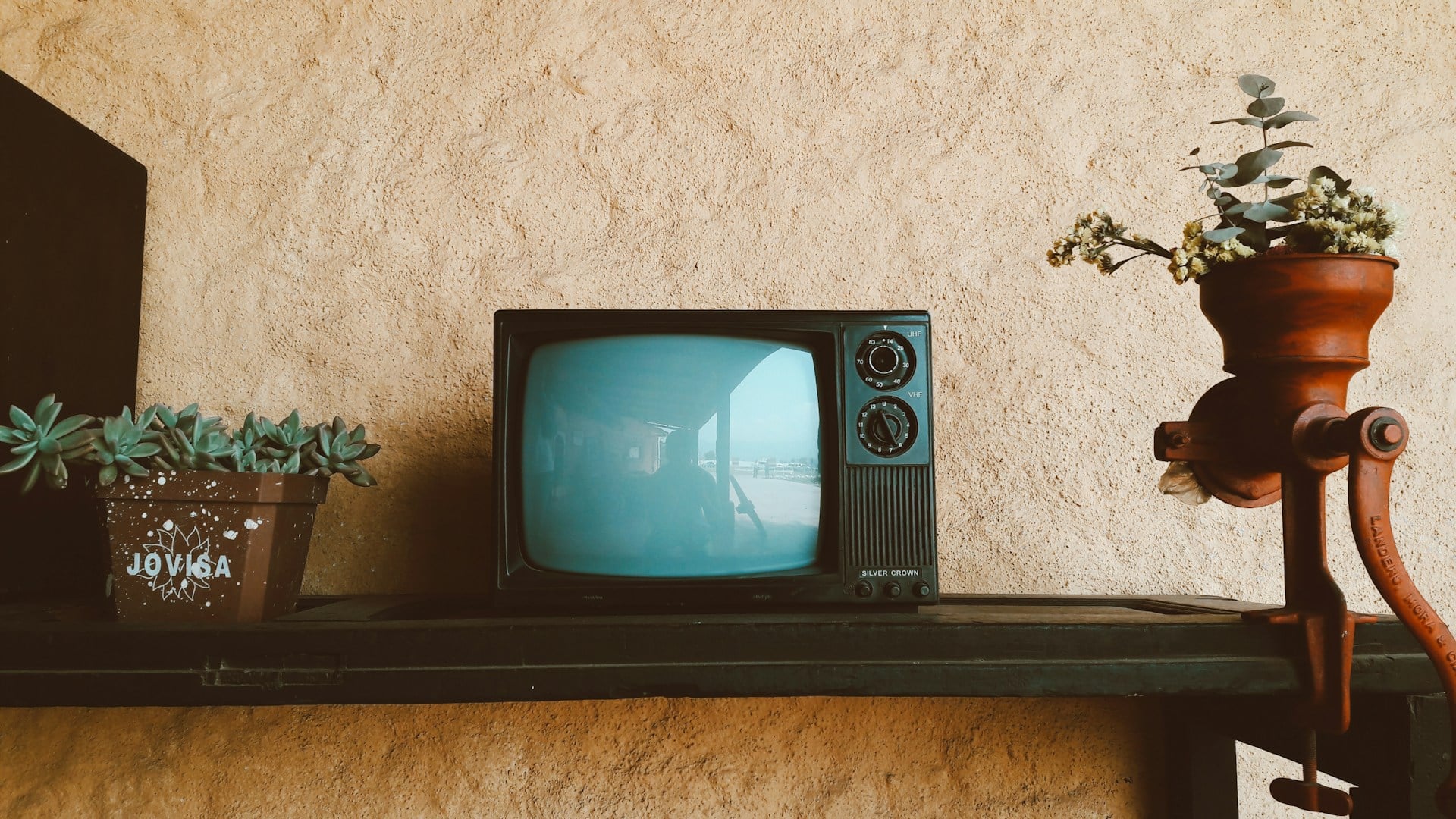
The 1939 New York World’s Fair, where television was a prize exhibit, became the catalyst for historic sports broadcasts as organizers wanted to showcase America’s grasp of the new technology. RCA had installed television sets at the fair and around town, bringing the total to about 400 receivers in the New York City area.
Broadcast Signal Traveled Through the Empire State Building

The picture from these early broadcasts was delivered through NBC’s 150,000-dollar van and relayed to a transmitter atop the Empire State Building, then picked up at local outposts. The broadcast could be seen in homes up to 50 miles away from the transmitter.
The Empire State Building, completed just eight years earlier, was already playing a crucial role in New York’s emerging television infrastructure.
Directors Had to Wave Players onto the Field

When it came time to start the second game of the Princeton-Columbia doubleheader, director Burke Crotty actually had to wave the players to their positions so they would be on the field when the camera panned the playing area for the first time. The players were so distracted by the television equipment and the novelty of the situation that they forgot to take the field on time.
This awkward moment showed that nobody really knew how television and sports were supposed to work together yet.
From Experiment to Cultural Institution
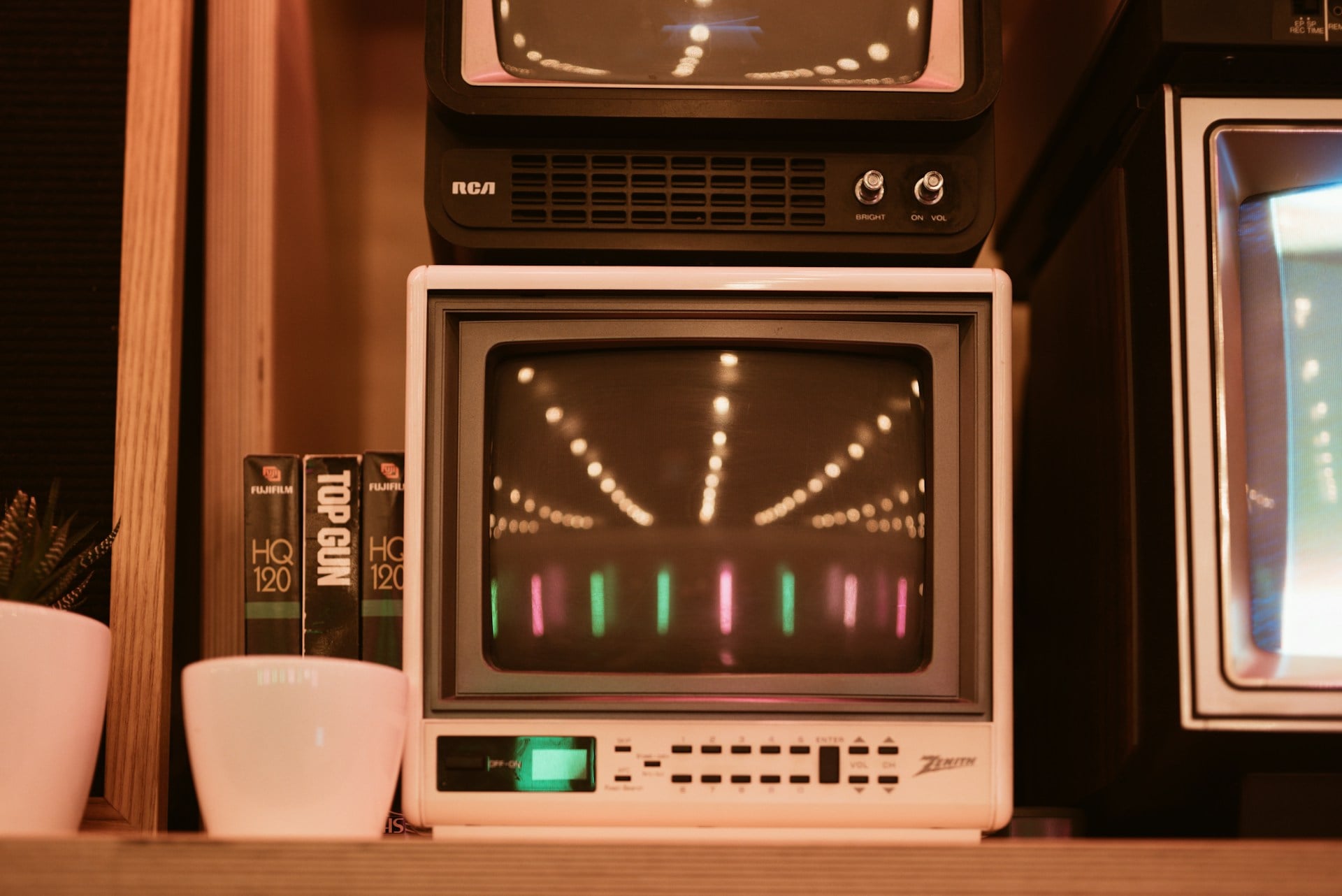
The journey from those shaky first broadcasts to today’s sophisticated multi-camera productions happened faster than anyone expected. By the mid-1950s, about 10,000 television sets were being sold every day in America.
The 1967 Super Bowl attracted a huge audience, launching Super Bowl Sunday as a veritable American holiday, while worldwide viewership of the 2002 Super Bowl hit an estimated 800 million people. What started with one wobbly camera on a wooden stand and an announcer who wasn’t sure what he was doing became the foundation for how billions of people experience sports today.
More from Go2Tutors!

- The Romanov Crown Jewels and Their Tragic Fate
- 17 Halloween Costumes Once Considered Taboo
- Famous Hoaxes That Fooled the World for Years
- 15 Child Stars with Tragic Adult Lives
- 16 Famous Jewelry Pieces in History
Like Go2Tutors’s content? Follow us on MSN.