27 Things Kids Used to Do After School That Nobody Does Anymore
After-school hours in the 1980s and 1990s existed in a vacuum of parental oversight, where children disappeared into neighborhoods and returned home when streetlights came on. The phrase “go outside and play” meant genuine freedom—absence of supervision, absence of scheduled activities, absence of parents tracking locations through phones.
Kids organized their own entertainment with no insurance liability waivers, no background-checked chaperones, and no structured curriculum. The unstructured afternoon became increasingly rare, then extinct, replaced by organized sports, tutoring, aftercare programs, and screen time.
The shift from unstructured afternoon freedom to managed, supervised activities happened gradually but completely. Modern childhood has no equivalent to the latchkey phenomenon, where children came home to empty houses and ran loose until dinner.
The activities that filled those hours—building forts, making mixtapes, riding bikes without helmets—relied on unsupervised time that modern parenting culture views with suspicion. Understanding what kids lost means understanding what childhood has become: safer statistically, but measurably less autonomous.
Leaving School Campus for Lunch

Many middle and high schools operated with open-campus lunch policies, allowing students to walk to nearby restaurants or stores for lunch and return by the time the bell rang. No supervision, no chaperones, just trust that students would return.
Modern schools keep campuses locked during the day for safety and liability reasons, making leaving for lunch unthinkable.
Walking Home Alone
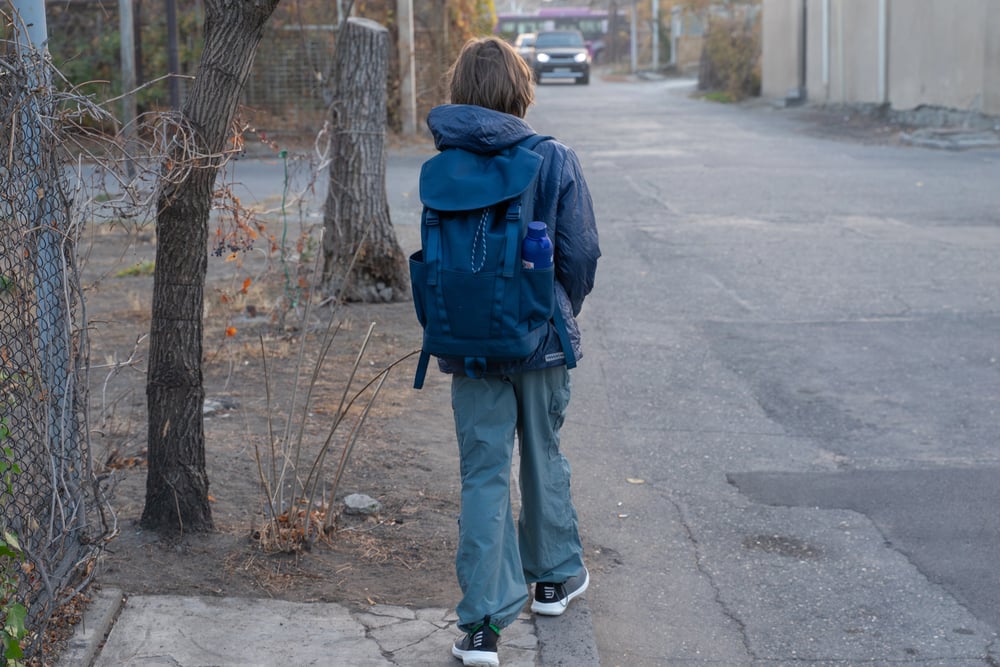
Elementary school-age children regularly walked home alone without adults, picking up friends house by house. By the 1980s, this was already uncommon, but it still happened.
Today, a parent allowing an eight-year-old to walk home alone would face accusations of neglect and potential intervention from authorities.
Playing Outside From End of School Until Streetlights Came On

Parents simply said “be back when the streetlights come on” and meant it. Children disappeared into neighborhoods for hours with no check-ins, no phone calls, and no location tracking.
The streetlights served as the universal signal that playtime was over and dinner was next.
Being a Latchkey Kid Without Stigma

Children came home to empty houses and spent hours alone without supervision. They let themselves in with their own key, made their own snacks, did (or didn’t do) homework, and sometimes cooked simple meals.
Latchkey kids were common and unremarkable rather than signs of parental neglect.
Building Treehouses With Unsupervised Access

Kids built entire structures in trees using scrap wood, nails, and imagination, then spent afternoons playing in them without adult supervision. The structures were often rickety, occasionally unsafe, and completely unsupervised.
Modern parents would never allow this degree of risk or autonomy.
Playing Flashlight Tag After Dark

As soon as evening fell, kids would turn off porch lights and play tag using only flashlights to illuminate movement. The game covered entire neighborhoods and required children to navigate streets in darkness while trying to avoid being caught in flashlight beams.
Modern parents rarely allow their children to be outside after dark unsupervised.
Riding Bikes Without Helmets
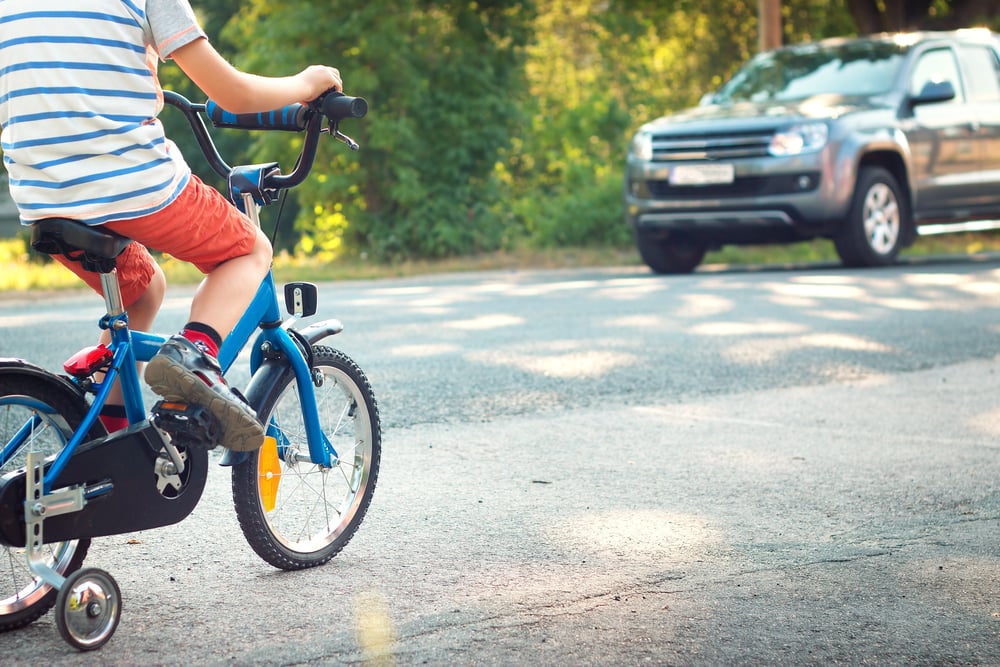
Bicycle helmets barely existed in the 1980s and early 1990s, and even when they appeared, most children didn’t wear them. Kids rode recklessly, performed stunts, and fell regularly without any protective equipment.
The casual relationship to head injuries would horrify modern safety advocates.
Building Homemade Ramps for Bikes and Skateboards
Children constructed elaborate ramps from scrap wood and performed stunts that often ended in crashes and injuries. There were no liability forms, no medical warnings, and no adult supervision.
Injuries were treated as learning experiences rather than reasons to ban the activity.
Roller Skating Through Neighborhoods

Roller skating was done on sidewalks and streets rather than in designated rinks, often with a boom box playing music while groups of kids formed rolling parties through streets. This mixed wheeled transportation with street movement in ways modern traffic laws would never allow.
Making Mixtapes From Radio

Sitting with a blank cassette and a radio tuner, children would record songs off the radio, timing button presses to capture exactly the right moment when each song began. It was tedious, imprecise, and created personalized playlists through hours of patient work.
Digital playlists eliminated both the labor and the effort investment that made mixtapes meaningful.
Trading and Collecting Trading Cards
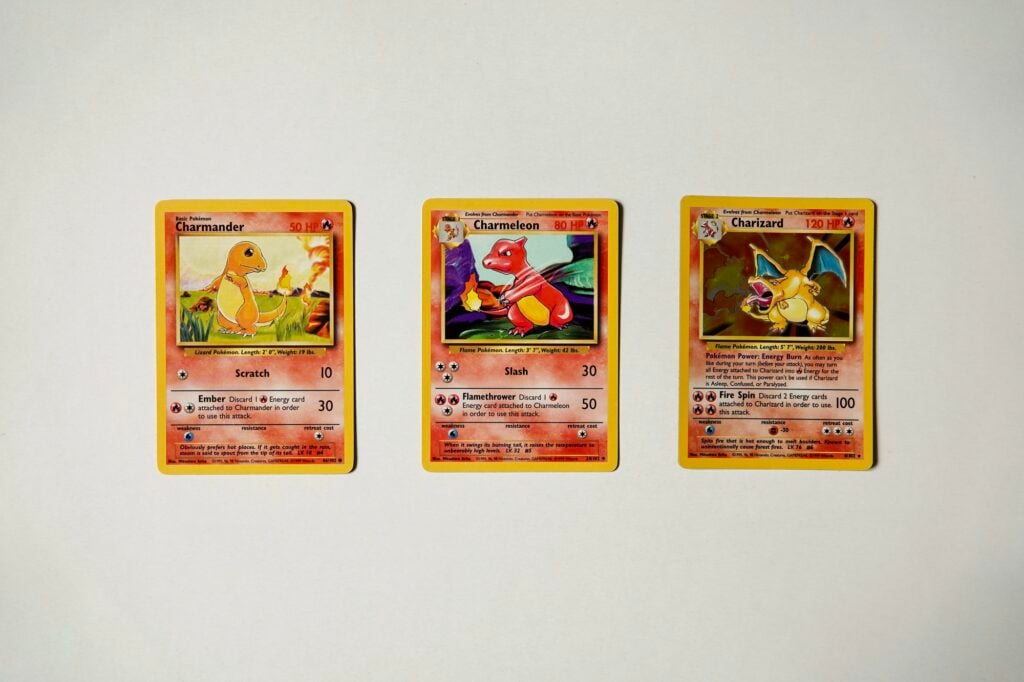
Kids accumulated elaborate collections of baseball cards, Pokemon cards, or other collectibles, spending recess and after-school time trading with friends. The secondary market for rare cards was entirely peer-to-peer, with no adults mediating transactions.
Modern card collecting is dominated by adult investors and authenticated third-party grading.
Hanging at the Mall Without Shopping
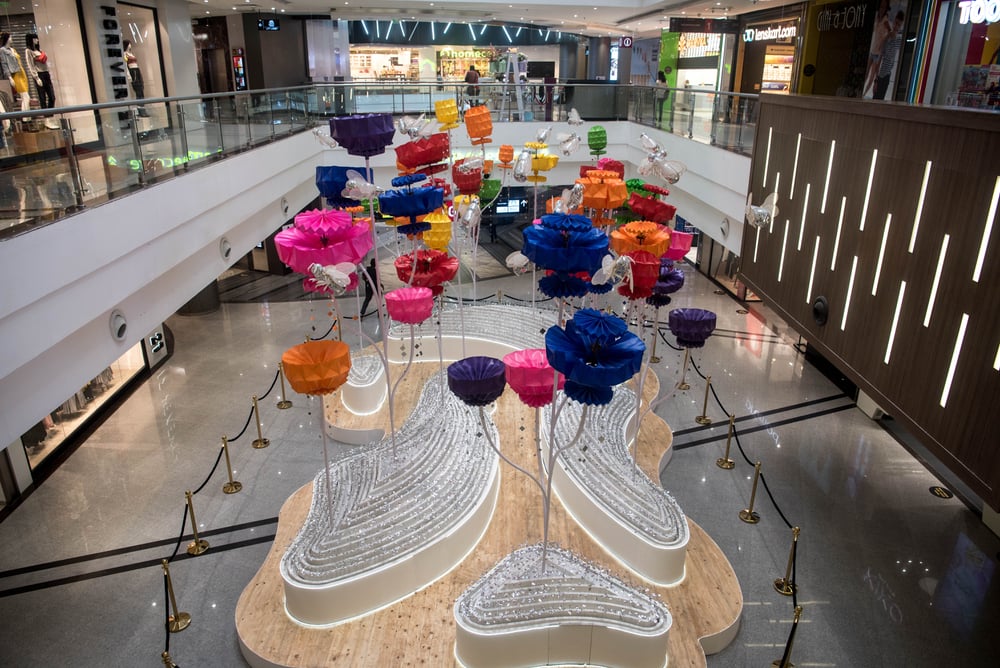
Malls served as teenage social hubs where groups of friends would spend afternoons walking, hanging out in arcades, visiting record stores, or sitting in food courts. Parents dropped kids off and picked them up hours later without tracking their exact location.
Malls as teen hangouts have largely disappeared as retail spaces have declined.
Watching Cartoons After School

Coming home directly after school meant rushing to turn on the television and catching the afternoon cartoon block. Shows aired on a fixed schedule, so missing your favorite meant waiting a full week for reruns.
Modern streaming means cartoons are available anytime, eliminating the appointment viewing that structured afternoon time.
Playing Video Games on Arcade Machines

Arcades existed as social gathering spaces where kids played games while friends watched, cheered, or offered unsolicited advice. The games required quarters, making arcade visits an economic activity where kids carefully budgeted entertainment spending.
Modern gaming has moved home, eliminating the social element.
Taking Care of Tamagotchis

These tiny digital pets required constant attention and feeding, with kids checking on them throughout the school day and spending after-school time ensuring their pet didn’t “die” from neglect. The technology was outdated within a few years and completely forgotten, but while it lasted, it created a weird pseudo-responsibility experience.
Using CB Radios or Walkie-Talkies

Kids communicated across neighborhoods using CB radios or walkie-talkies with limited range, creating technical communication networks that required learning actual radio protocol and call signs.
This created a generation that understood radio communication before cell phones rendered it obsolete.
Exploring Neighborhoods on Bikes
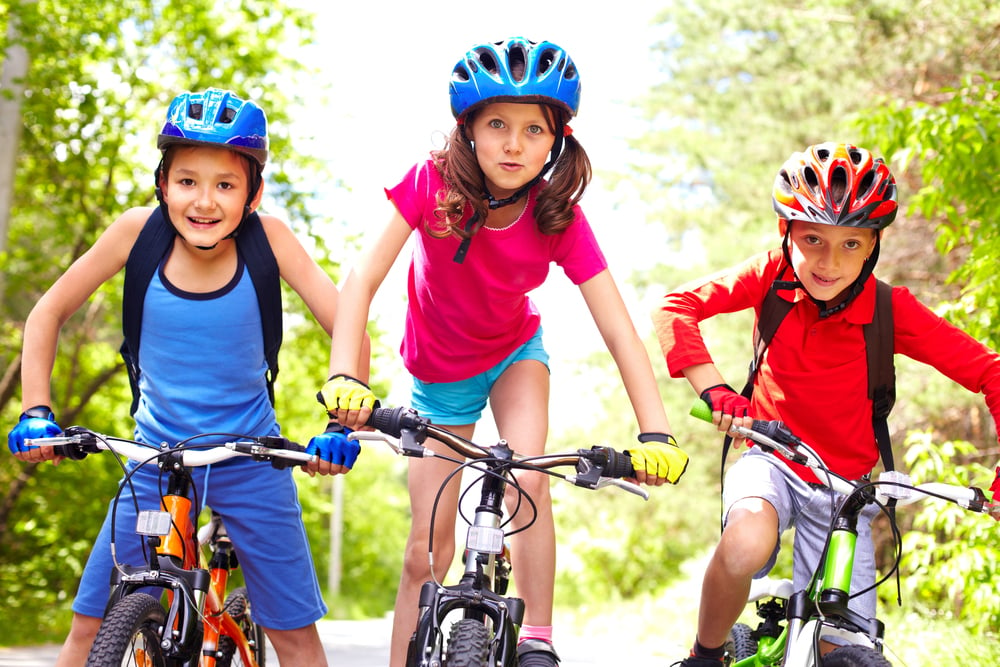
Long bike rides through neighborhoods, to neighboring towns, or to geographic destinations like a dam or river represented genuine exploration and adventure. Getting lost and finding your way back was part of the experience.
Structured bike outings with adults have largely replaced unsupervised exploration.
Attending Roller Rinks as Social Events

Skating rinks served as teenage social venues on Friday and Saturday nights, with music, games, and peer socializing. They’ve largely closed as entertainment options, replaced by movies or mall hangouts.
Modern teens rarely experience the specific awkwardness of roller skating parties.
Playing Marbles Tournament

Elementary school kids organized elaborate marble tournaments with specific rules for gameplay and betting systems using their collections. The games were peer-run without adult oversight and created an entire unofficial economy of marble trading and collecting.
Creating Elaborate Cardboard Box Forts

Children built cities and structures from discarded appliance boxes and cardboard, spending entire afternoons in their creations. The structures often contained multiple “rooms” built entirely from cardboard and imagination, with no adult assistance or planning.
Making Tie-Dye Shirts or Other Crafts

Summer after-school activities included making tie-dye shirts, friendship bracelets, or other crafts that reflected personal style. These projects took hours and represented personalization of clothing and accessories.
Modern clothing is more likely to come pre-made from commercial sources.
Playing King of the Hill

Kids gathered on any small hill or elevated area and attempted to defend the top position against everyone else, creating elaborate rules about allowable tactics. It was primarily a physical activity with significant risk of injury but no structured safety protocol.
Dirt Jumping on Bikes
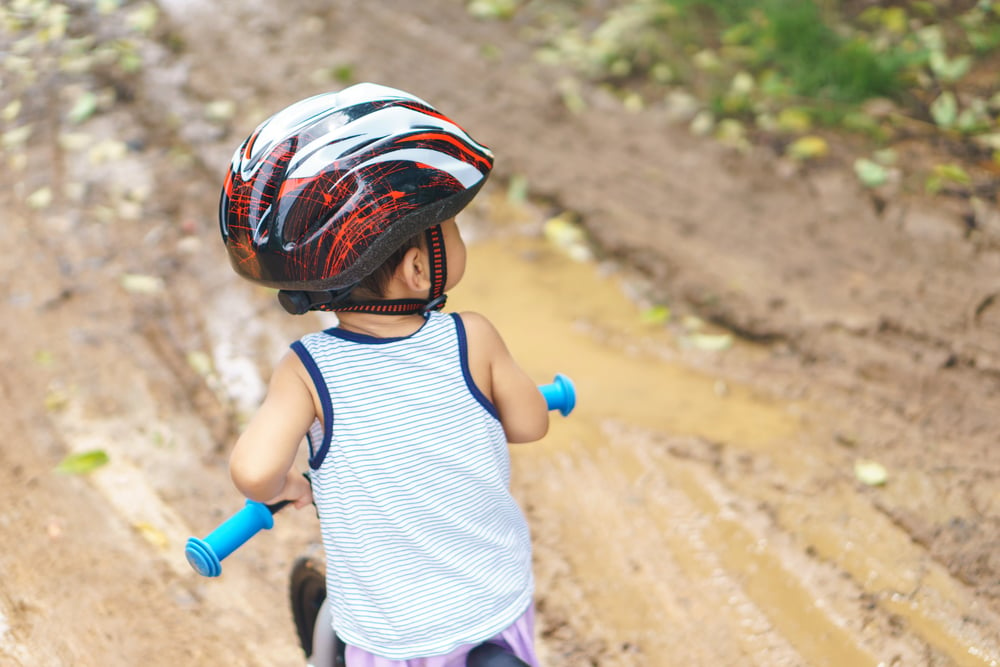
Creating elaborate dirt ramps in vacant lots or yards, kids would perform stunts and jumps, often crashing and getting injured. The activity had no instruction, no safety equipment, and no liability forms—it was simply what kids did in empty spaces.
Making Prank Calls

Before caller ID and call tracing, kids made crank calls to businesses or people, with varying degrees of creativity and maliciousness. This created a specific form of adolescent mischief that was possible only because of technological limitations that no longer exist.
Sitting on Stoops and Chatting

After-school time often meant simply sitting outside someone’s house, on a stoop or step, talking to friends for hours. There was no activity, no destination—just presence and conversation.
Modern socialization tends to be structured around specific activities rather than unstructured hanging out.
Catching and Collecting Bugs or Frogs

Kids spent after-school hours catching insects, frogs, and other small creatures, keeping them in boxes or jars to observe before releasing them. This naturalistic play connected kids to local ecology in ways that indoor entertainment does not.
Sneaking Into Vacant Buildings or Construction Sites
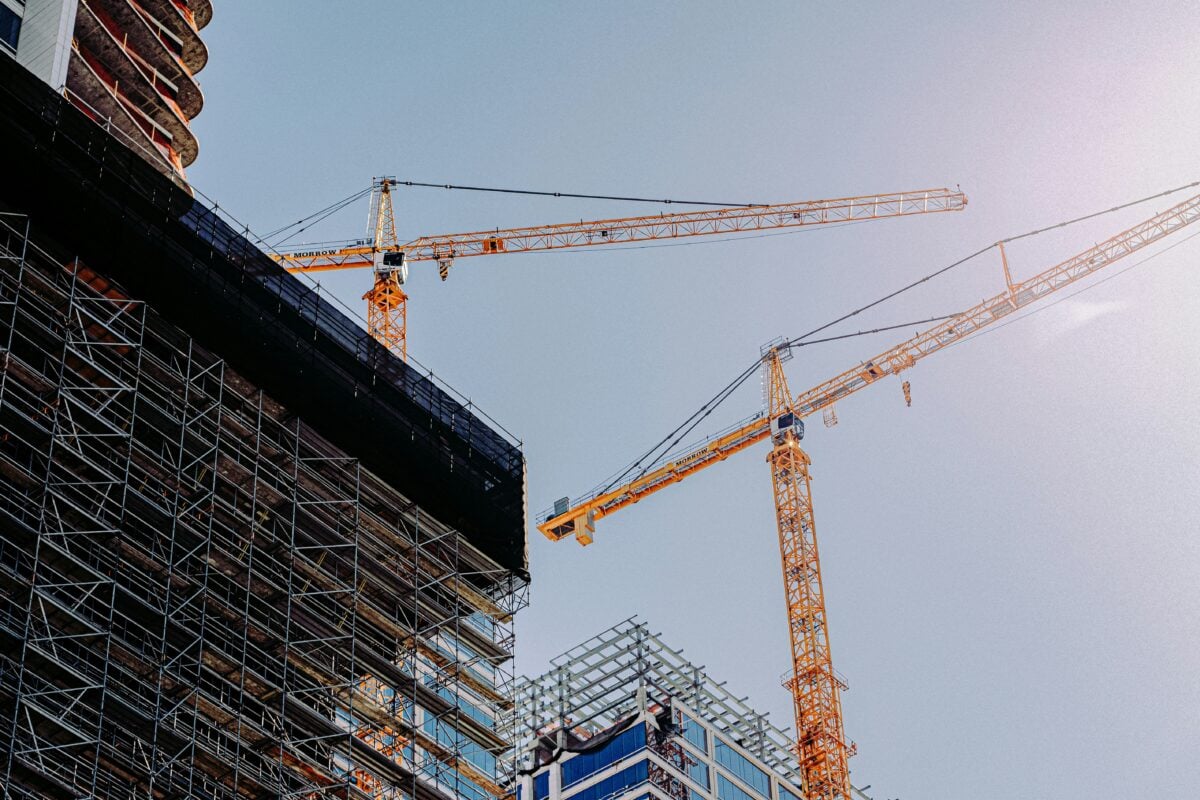
Exploring supposedly off-limits spaces like abandoned buildings or construction sites represented adventure and rule-breaking. While technically illegal, these spaces served as playgrounds for kids seeking thrills and discovering their neighborhood’s hidden infrastructure.
The Autonomous Afternoon Is Gone

After-school time in the 1980s and 1990s existed as genuine freedom within neighborhood bounds—long stretches where children managed their own activities, made their own decisions, and navigated minor injuries and social conflicts without adult mediation. The erosion of unstructured time happened gradually, driven by genuine safety concerns, parental anxiety, changing liability standards, and technology that made constant oversight possible.
Whether the trade-off was worth it remains fiercely debated, but the loss is total and irreversible—modern childhood simply has no equivalent to those long, unsupervised afternoons that once defined growing up.
More from Go2Tutors!

- The Romanov Crown Jewels and Their Tragic Fate
- 13 Historical Mysteries That Science Still Can’t Solve
- Famous Hoaxes That Fooled the World for Years
- 15 Child Stars with Tragic Adult Lives
- 16 Famous Jewelry Pieces in History
Like Go2Tutors’s content? Follow us on MSN.