30 Household Sounds That Completely Vanished From Modern Homes
Every home had a unique acoustic signature—a collection of sounds that anchored daily life and created the sensory background of childhood. These sounds were so ubiquitous they became invisible, barely noticed until they vanished completely.
A household from the 1980s or 1990s produced dozens of mechanical, electronic, and analog sounds that defined the rhythm of the day. Modern homes are far quieter and less sonically interesting, replaced by the hum of HVAC systems and the occasional notification buzz of a phone.
The loss of these household sounds represents the disappearance of tactile, mechanical technology that created acoustic richness. The sounds of a predigital home were constant reminders of how things worked—mechanical processes made audible.
Rotary phones announced their dialing through physical motion, televisions displayed their tuning through visual and audio static, and appliances created distinctive noises during operation. Modern technology is nearly silent, creating a home environment that is acoustically impoverished compared to the noisy households of the past.
Understanding what sounds have vanished means understanding how differently modern homes feel—quieter, more abstract, less materially present.
Rotary Phone Dialing Clicks
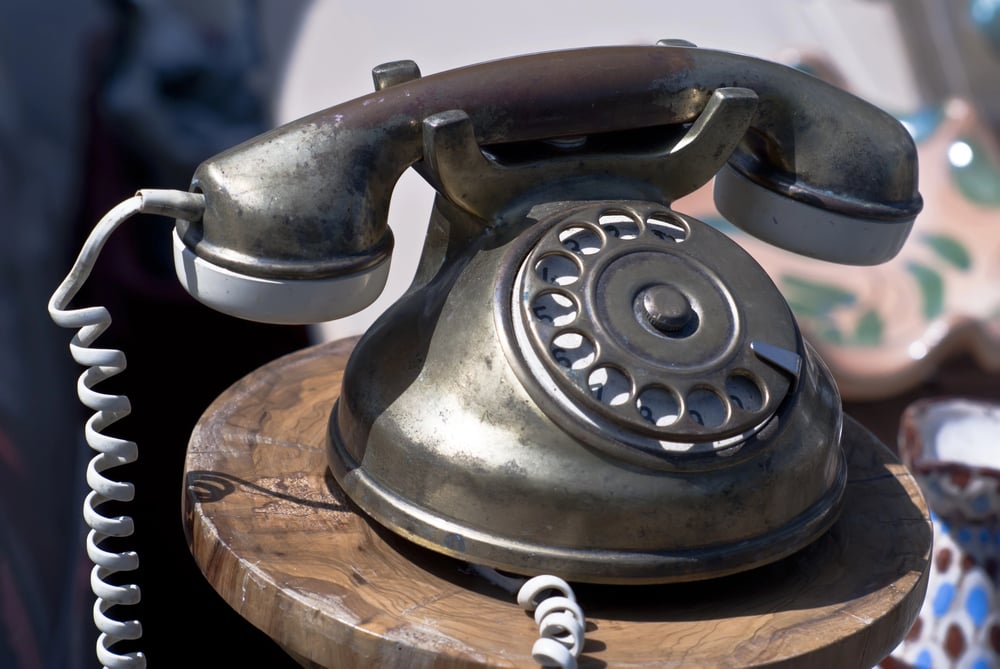
The mechanical whirring and clicking of a rotary phone as each digit was dialed created a rhythmic, satisfying sound. Phone numbers with multiple zeros were tedious to dial and took forever.
The sound was so distinctive that it became a cultural marker of a particular era, instantly recognizable to anyone who grew up with rotary phones.
Busy Signal Tone

Before call waiting, if someone was already on the phone, you got the busy signal—a loud, insistent double beep-beep pattern that meant you had to hang up and try again later. The sound was immediately recognizable and frustrating.
Now all calls go to voicemail or ring through to the caller’s phone simultaneously.
Dial Tone

The continuous dial tone indicating a phone line was ready to use had a specific pitch and timbre. Picking up a phone that didn’t have a dial tone meant the service was down or something was wrong.
The absence of a dial tone now means connectivity has changed, but you hear nothing when picking up a smartphone because there’s no physical connection.
TV Static

Turning on a television channel that wasn’t broadcasting, or adjusting the vertical or horizontal hold, produced “snow”—a visible and audible static that combined with a distinctive hissing sound. The noise was loud enough to get someone’s attention to fix the picture.
Modern televisions either show a solid color or an error message silently.
Dial-Up Modem Connection Screech
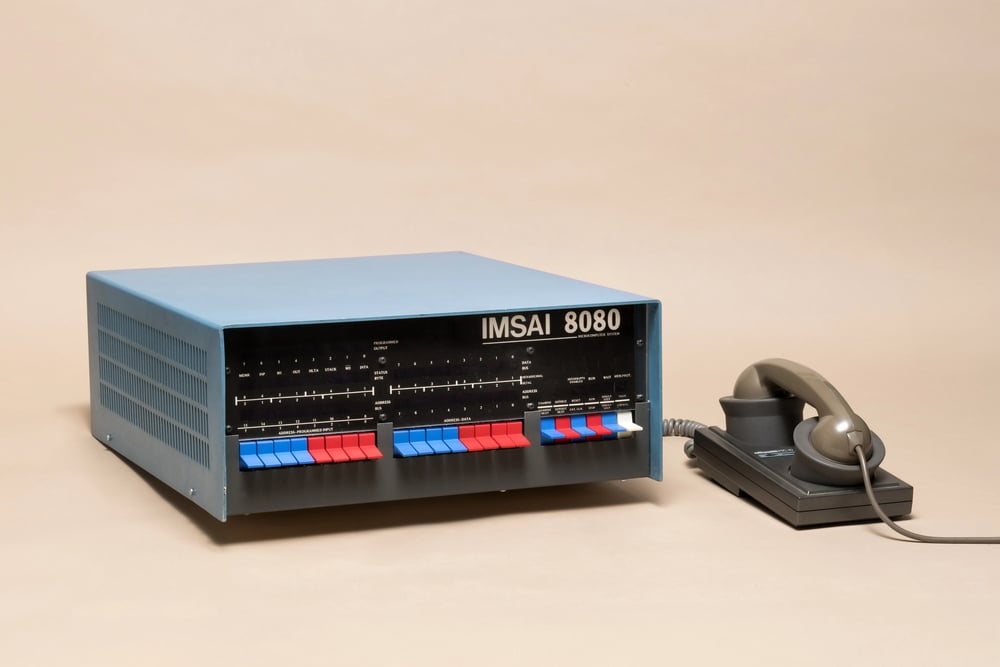
The loud, robotic wailing, chirping, and hissing sound of a dial-up modem connecting to the internet was distinctively late 1990s. The sound meant connection was imminent, and the duration of the screech indicated whether the connection would be fast or slow.
Broadband and wireless internet eliminated this entire category of household sound.
VHS Tape Rewinding
The mechanical whirring of a VCR rewinding a tape was a frequent household sound, especially with children constantly wanting to rewind movies. The sound varied based on how fast the rewind was happening.
Fast-forwarding produced a different-pitched whine. DVDs and streaming eliminated this entirely.
Computer Disk Drive Clicking
The clicking, whirring sound of a computer’s hard drive operating, reading, and writing data was constantly audible during computer use. Loud hard drives were a sign of intensive processing.
Modern solid-state drives are completely silent, eliminating this constant background noise.
Floppy Disk Insertion and Reading
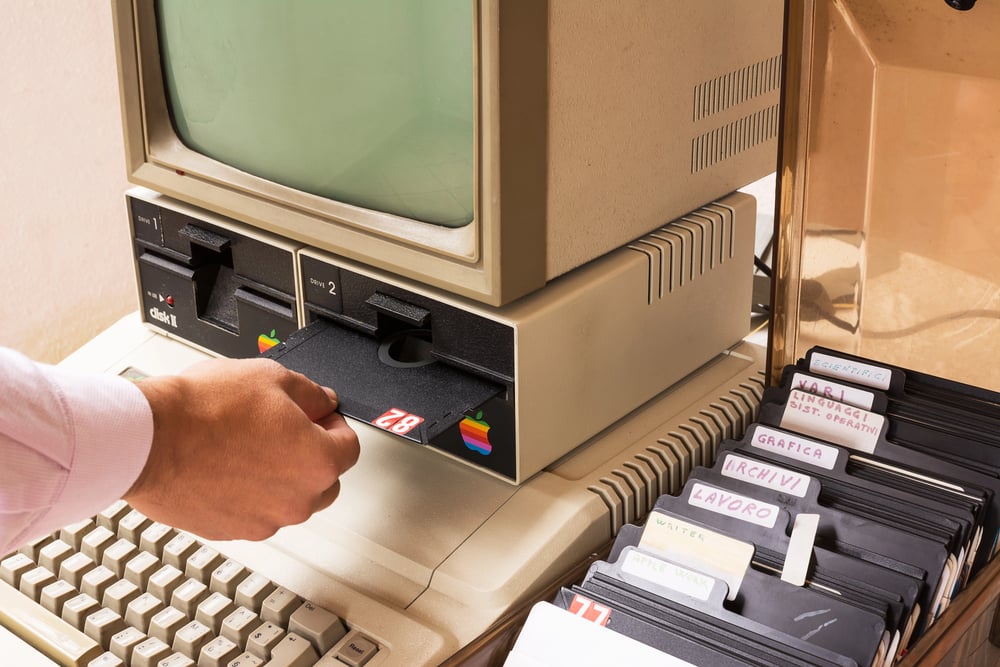
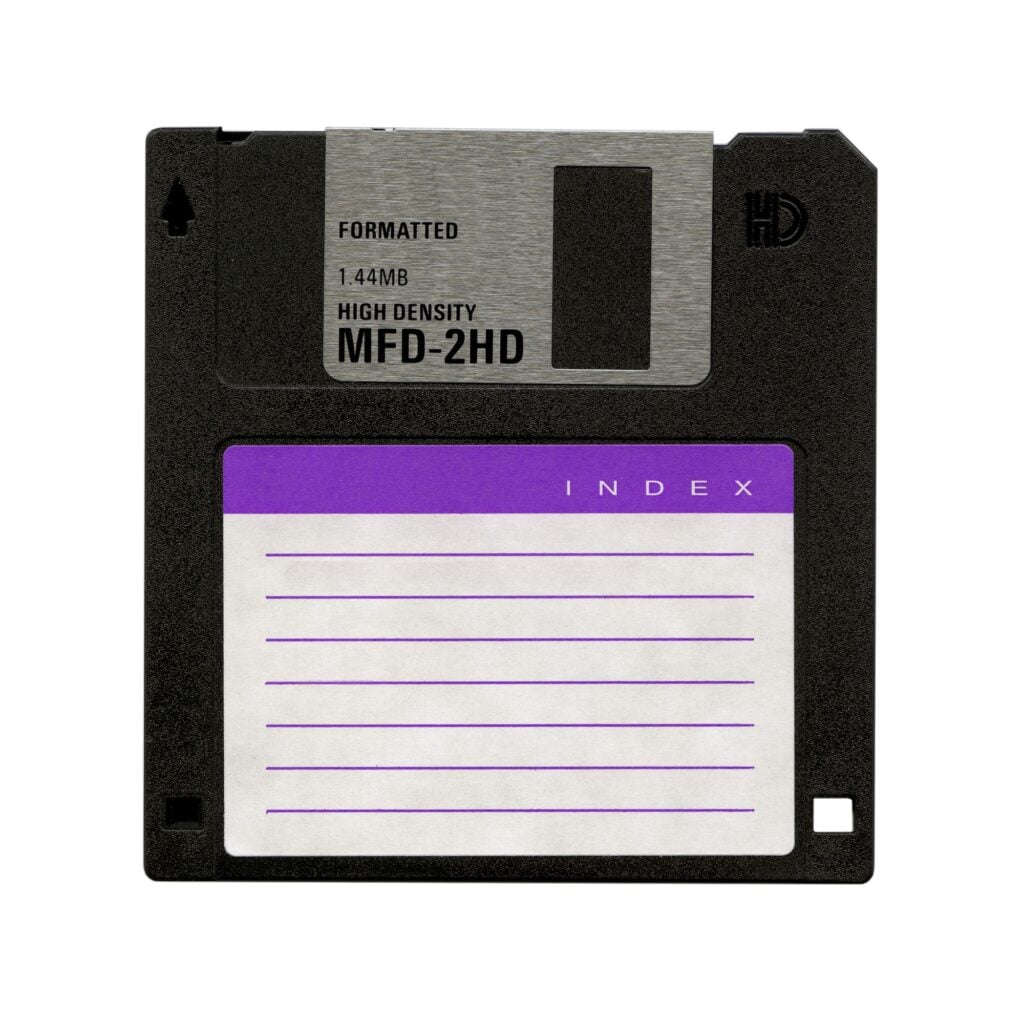
Inserting a 3.5-inch floppy disk into a computer produced a distinctive click and whir as the drive read the disk. The sound meant data access was happening.
Larger 5.25-inch floppy drives produced even louder mechanical sounds. Flash drives and cloud storage eliminated this sound entirely.
Dot Matrix Printer
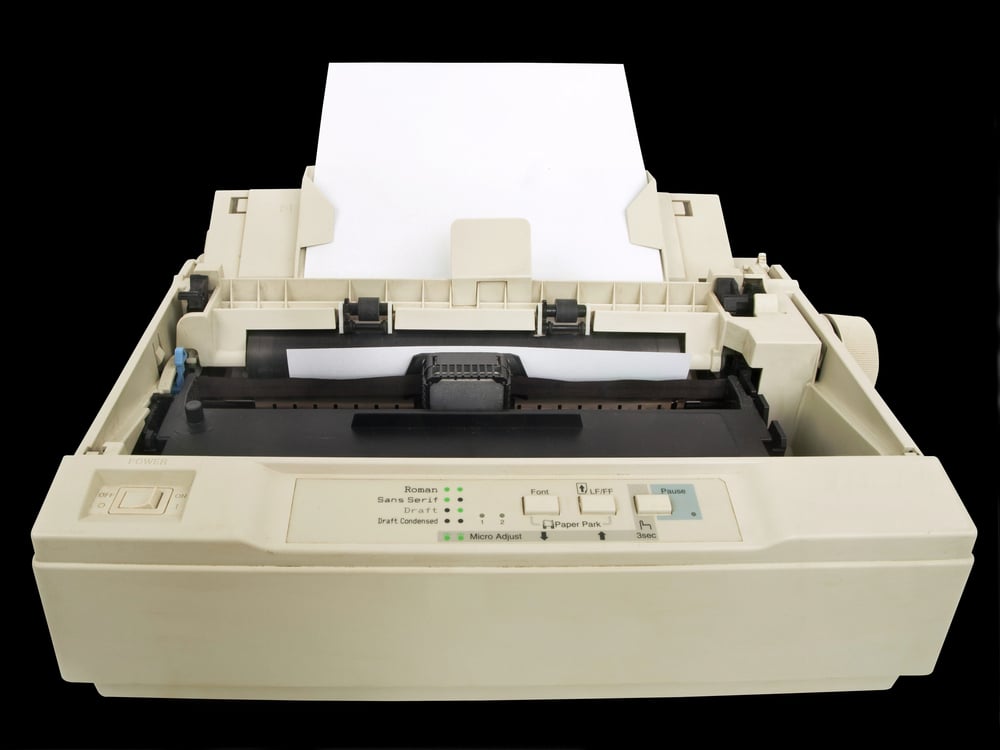
Dot matrix printers produced a rapid, machine-gun-like clacking sound as the print head struck the paper repeatedly to create dots forming letters. The sound was loud and distinctive, making printing a clearly audible household activity.
Modern inkjet and laser printers are much quieter.
Typewriter Carriage Return Bell

Electric and manual typewriters produced a loud bell or ding when the carriage reached the end of the line, signaling it was time to press the return lever. The bell was a satisfying sound that punctuated typing rhythm.
Typewriters have vanished, leaving no acoustic marker for line endings.
Cassette Tape Fast-Forward Whine

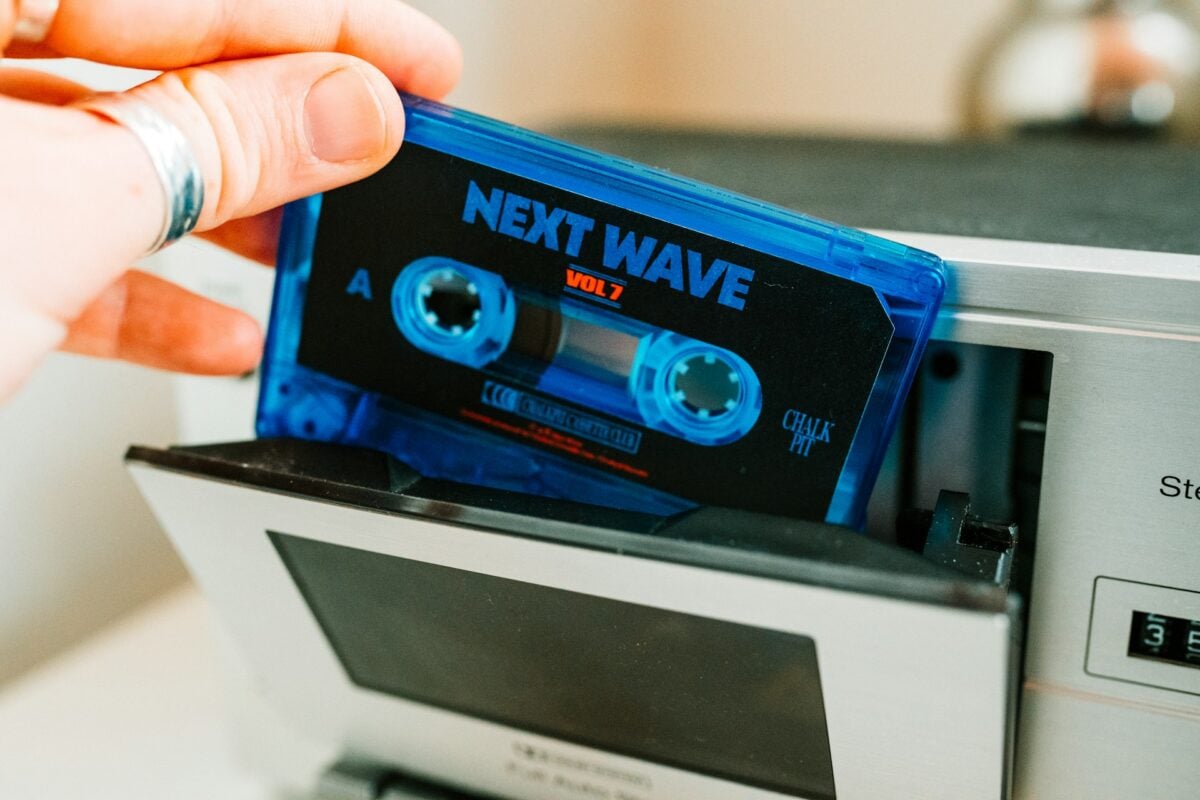
Fast-forwarding through a cassette tape produced a high-pitched whine that varied based on how quickly the tape was advancing. The sound indicated the tape was being repositioned.
Pausing cassettes was marked by an abrupt silence when the motors stopped. Digital audio eliminated this entirely.
Compact Disk Player Laser Focusing

The focusing laser in a CD player produced a subtle clicking and whirring sound as it positioned itself to read different areas of the disk. This sound was particularly noticeable on scratched CDs that required the laser to adjust constantly.
Modern digital playback is silent.
Record Player Needle Drop
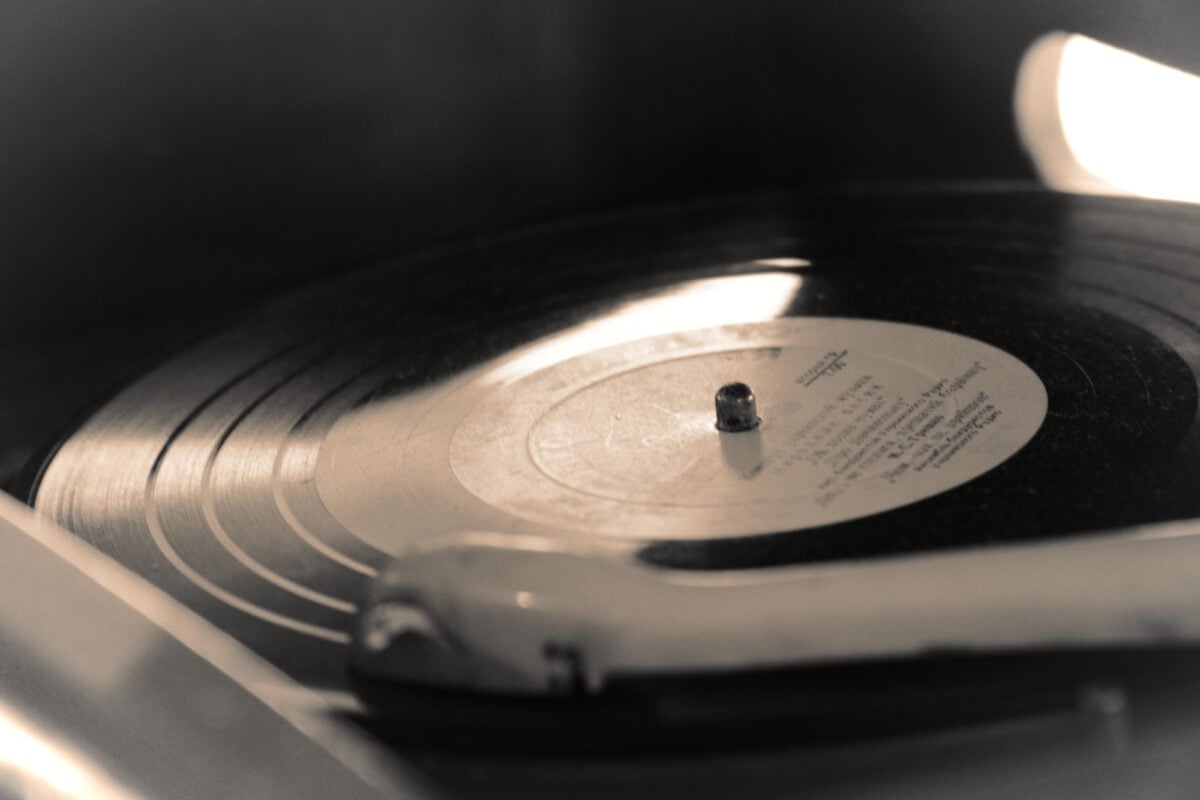
Gently lowering the needle onto a vinyl record produced a soft pop and crackle before the music started. The sound marked the deliberate act of selecting and playing music.
Vinyl is experiencing a revival, but the ritual has been replaced for most people by instant digital access.
Television Channel Changing

Turning a television dial through channels produced different tones and squeal sounds as the tuner passed through different stations. Pressing a remote control button changed channels silently.
The mechanical channel-changing sound was replaced first by digital beeps, then by complete silence.
Grandfather Clock Chiming
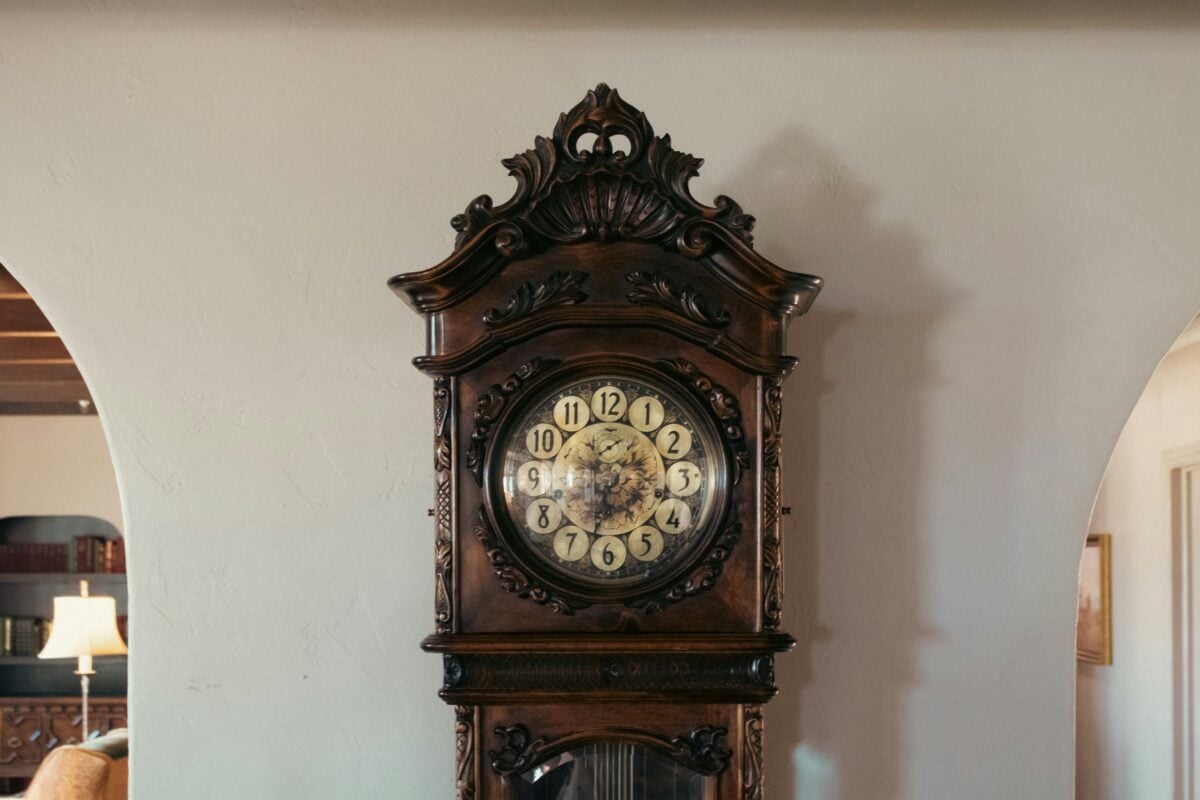
Hourly chimes from mechanical clocks were common in homes, marking the passage of time with repeated bell tones. Different clocks produced different chime patterns.
Modern homes rely on digital time displays that make no sound.
Wind-Up Alarm Clock Ringing
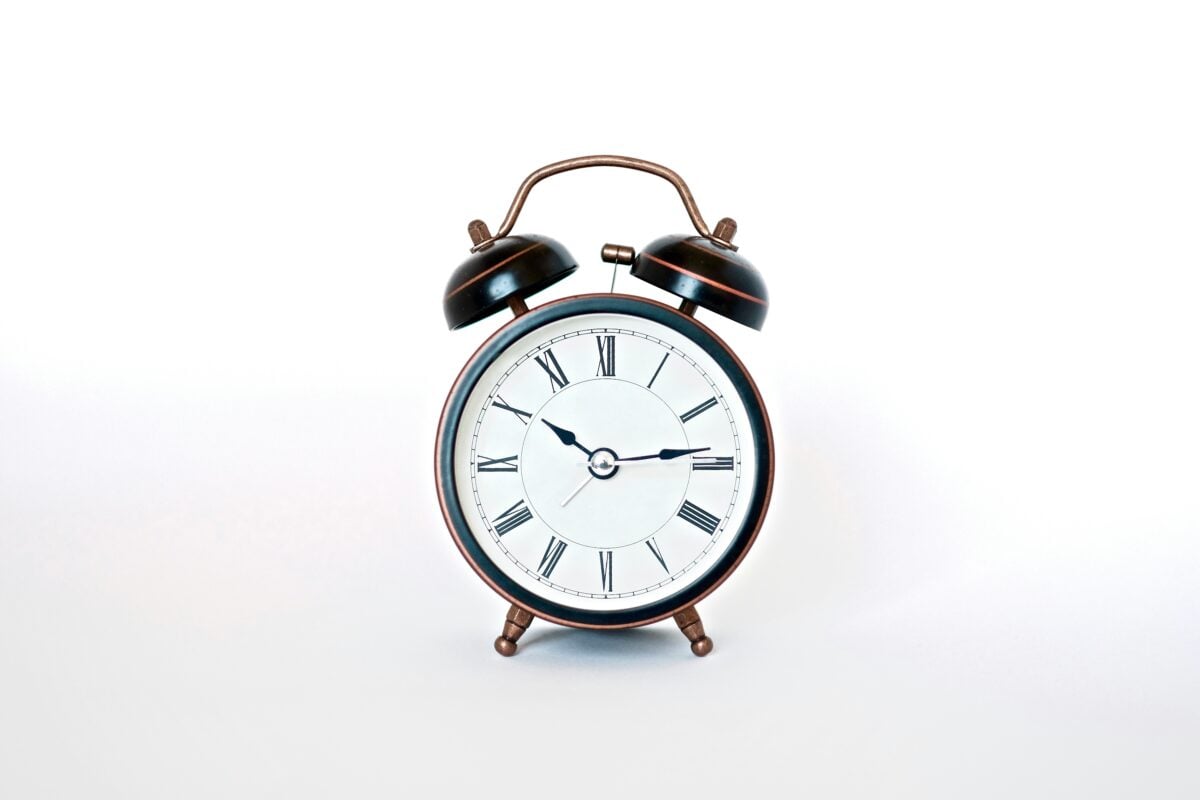
Mechanical alarm clocks produced distinctive ringing or buzzing as an internal hammer struck bells repeatedly. The sound was jarring and effective.
Alarm clocks now play digital tones or smartphone notifications that are far more varied.
Microwave Beeping

Microwave ovens announced completion with a loud beeping sound that could be heard throughout the house. The sound was necessary because there was no other way to know when food was ready.
Modern microwaves produce digital beeping that is generally quieter or sometimes muted.
Refrigerator Compressor Cycling

The loud humming, grinding, or clicking sound of a refrigerator’s compressor starting and stopping throughout the day was ubiquitous. Newer refrigerators are quieter, and modern noise insulation makes the cycling less audible.
The sound was so common it became background noise that only became noticeable by its absence.
Dishwasher Operation
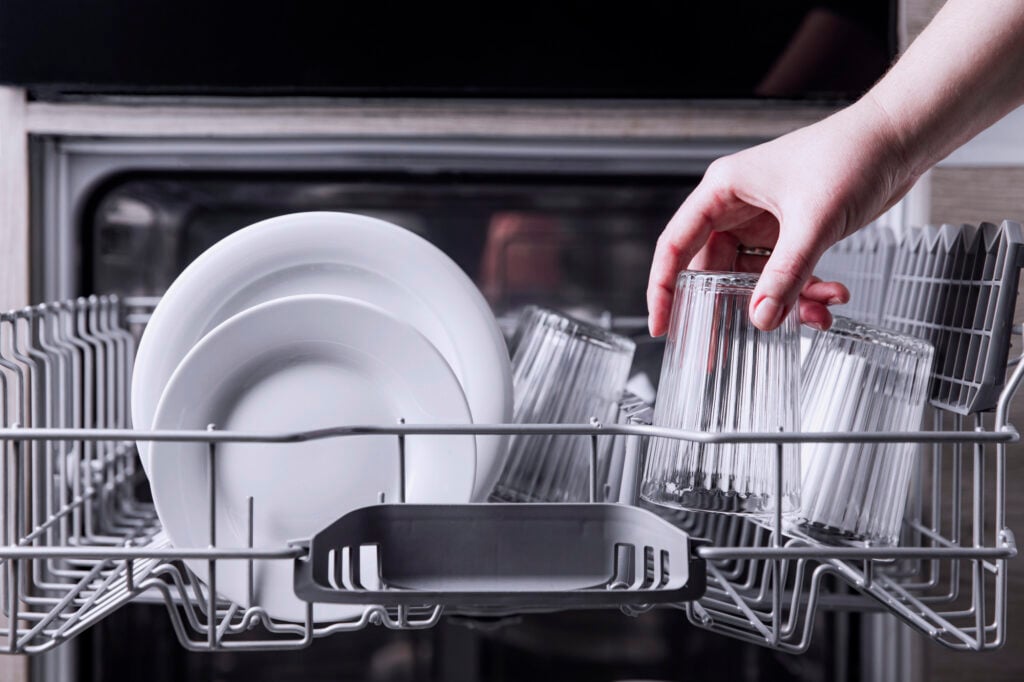
The loud churning, spraying, and draining sounds of a dishwasher running were major household noise events. Older dishwashers were louder than modern models, but the operation was always acoustically obvious.
Modern energy-efficient dishwashers are much quieter.
Washing Machine Spin Cycle Vibration
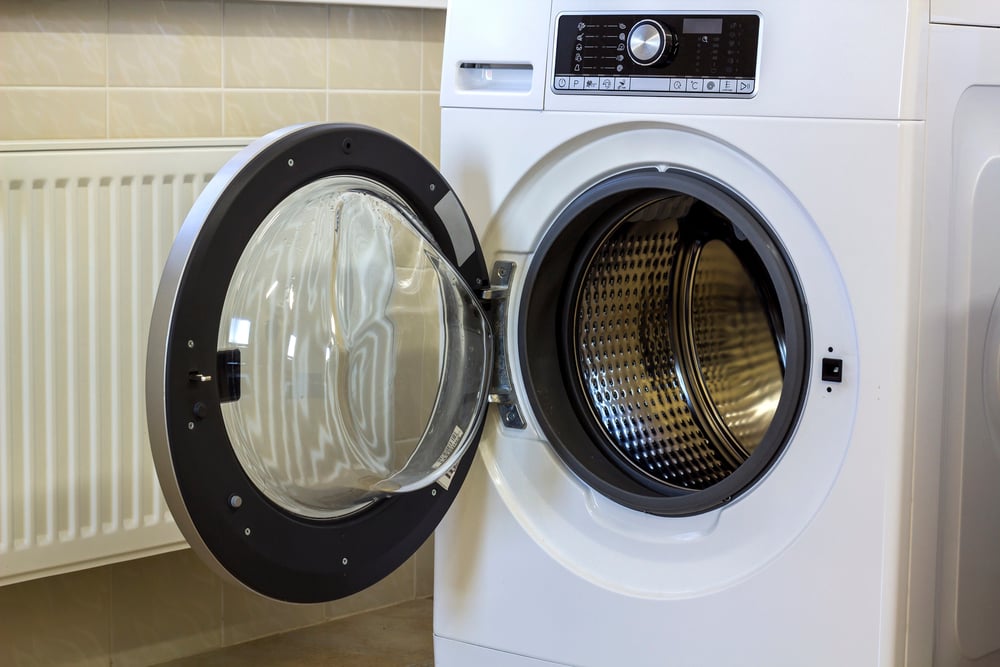
The violent vibration and roaring sound of a washing machine during its spin cycle created distinctive household noise. Older machines without vibration control produced even more dramatic sounds and vibrations.
Modern machines are significantly quieter.
Ice Maker Dropping Cubes

The mechanical grinding and crunching sound of an ice maker dispensing cubes into the bin was distinctive and somewhat startling. The sound announced ice production to the household.
Quieter ice makers produce less dramatic sounds.
Can Opener Motor
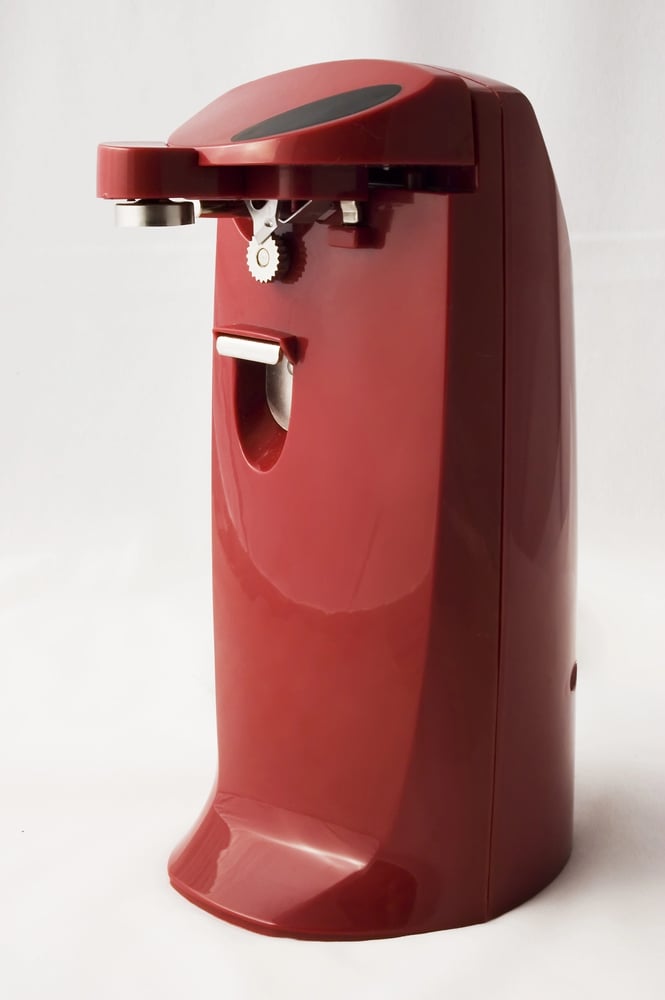
The whirring sound of an electric can opener operated by moving a lever was instantly recognizable. Manual can openers produced only grinding sounds.
Electric can openers have been largely replaced by quieter modern versions or completely eliminated as people buy pre-opened containers.
Door Chimes and Doorbells
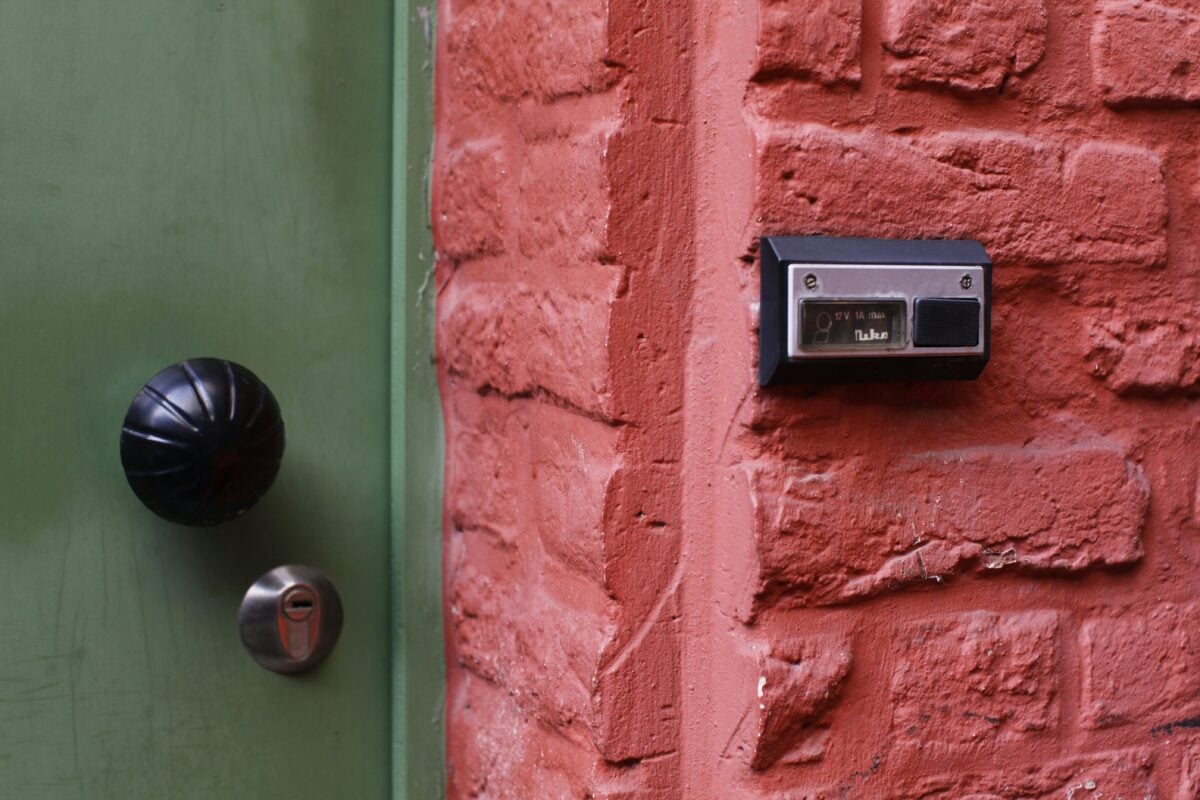
Mechanical doorbells and door chimes produced distinctive tones when triggered by visitors. Different chimes produced different notes.
Modern doorbell systems often have volumes that can be adjusted to be nearly silent, and many homes use video doorbells that replace the acoustic signal entirely.
Telephone Answering Machine Messages
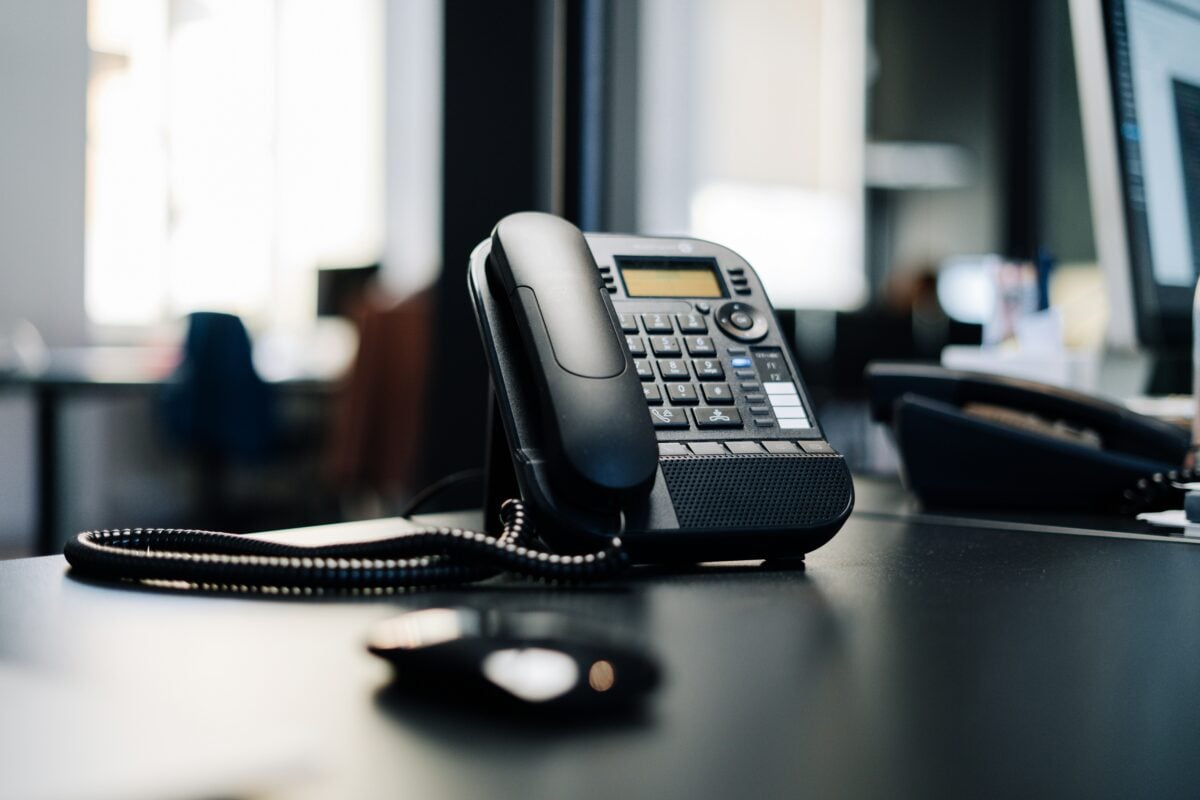
The mechanical clicking and whirring of an answering machine rewinding tape to play messages was a distinctive household sound. Press the play button and the tape spooled forward, occasionally creating grinding sounds if the tape was damaged.
Voicemail eliminated this sound entirely.
Television Turning On Warm-Up Hum
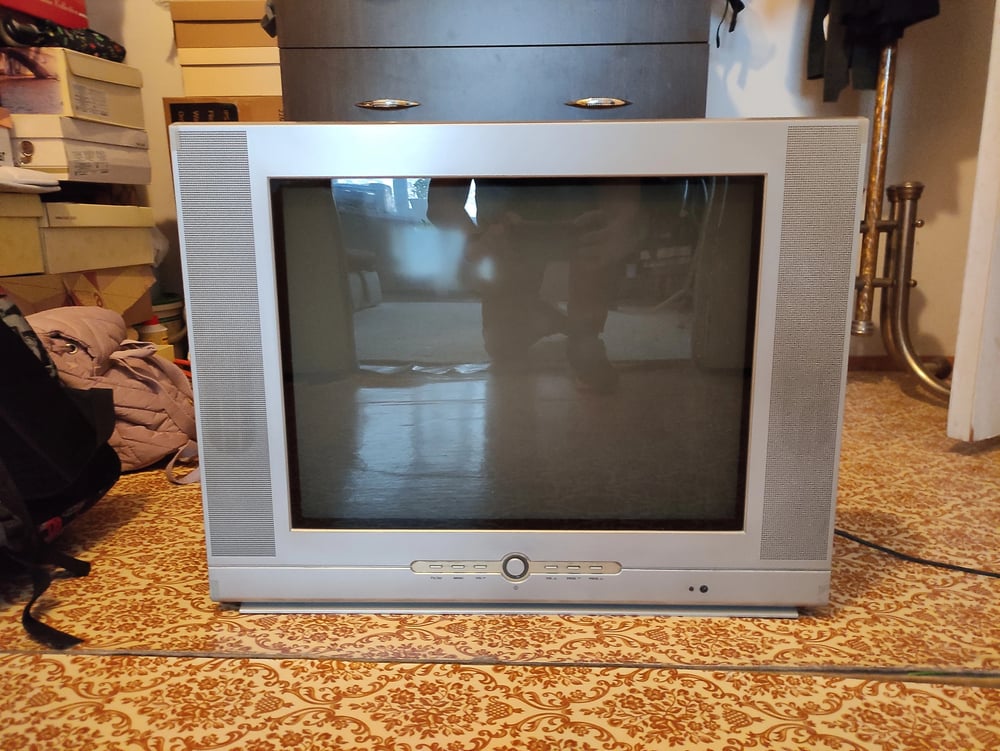
Old CRT televisions produced a high-pitched whine or hum as they warmed up when first turned on. The sound lasted for a few seconds and gradually faded.
Modern flat-screen televisions produce no warm-up sound.
Radio Tuning Through Stations
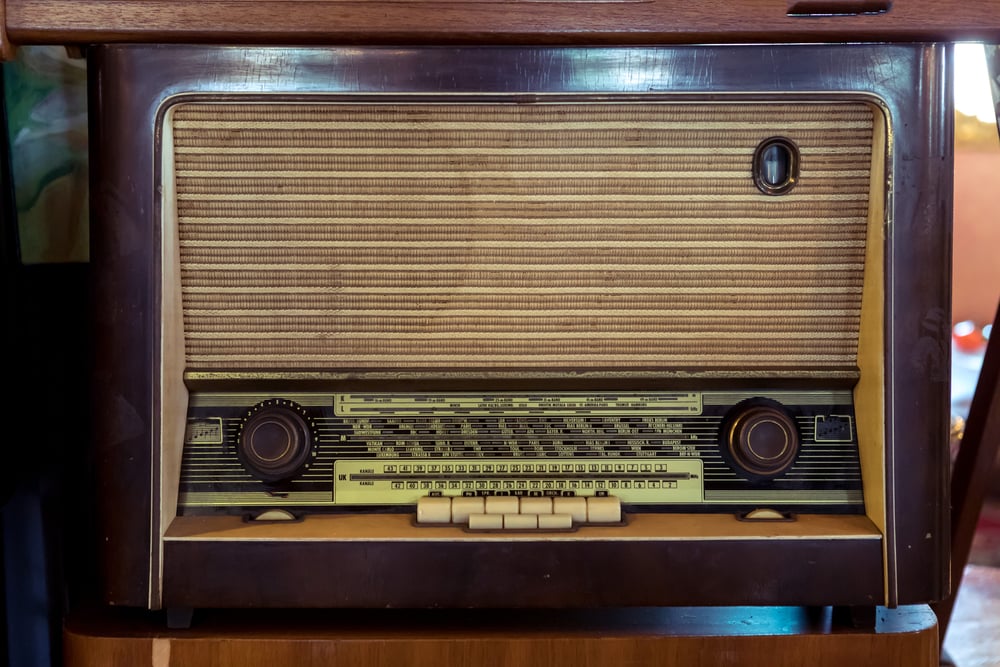
Tuning an AM or FM radio by moving a dial through the frequency spectrum produced loud static mixed with bits of different stations. This created a distinctive whooshing, squealing sound as you searched for a station.
Digital tuning is silent.
Grandfather Clock Pendulum Ticking
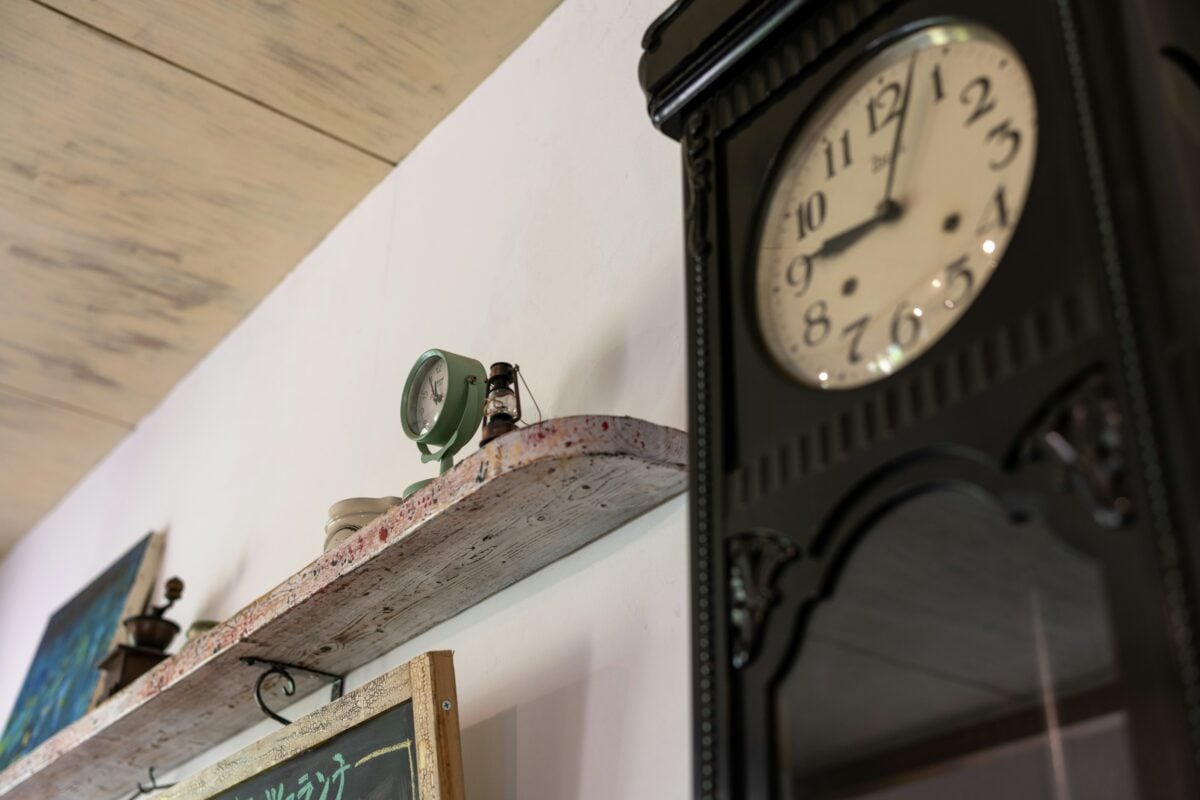
The steady, rhythmic ticking of a clock pendulum marked time with a metronomic sound that was common in homes with mechanical clocks. The sound created a constant acoustic anchor in the home.
Battery and digital clocks eliminated this sound.
Gas Stove Igniter Clicking
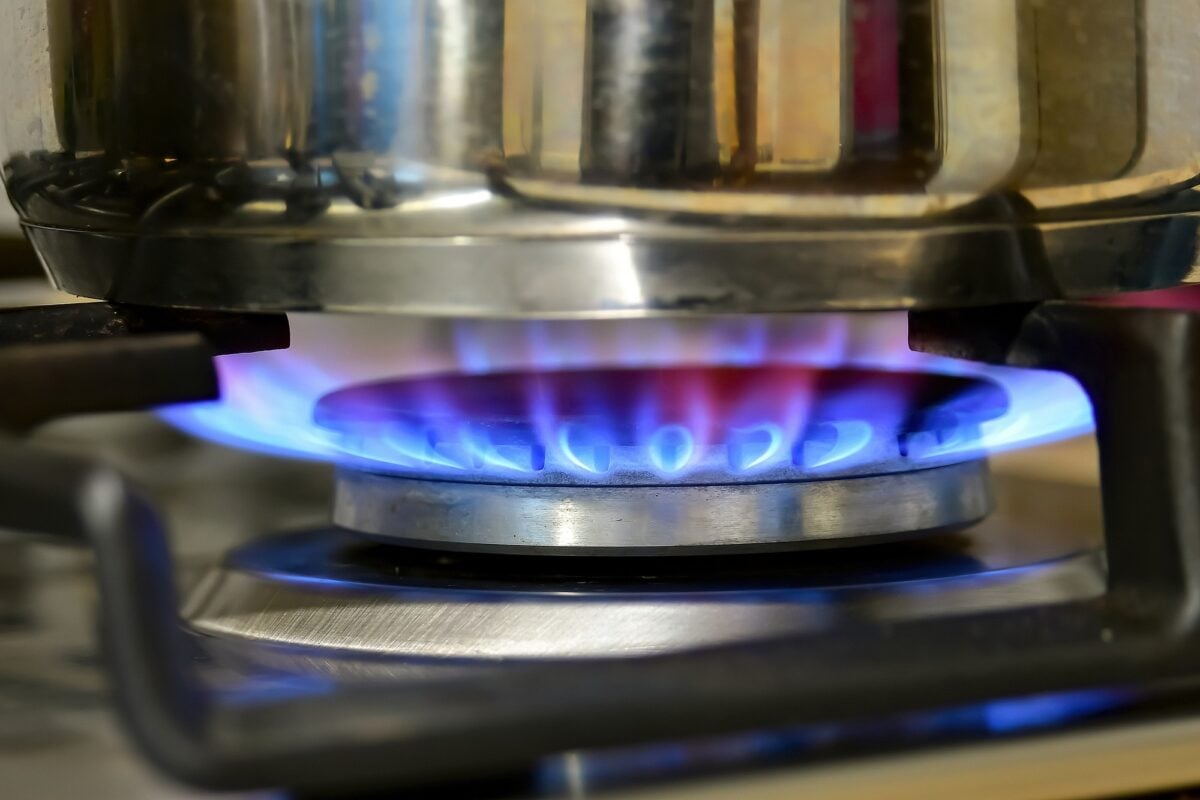
Turning on a gas stove produced a rapid clicking sound from the electric igniter creating spark to light the burners. The sound announced the stove was in use and reminded you it was active.
Modern stove igniters click quietly or produce no sound.
Light Switch Clicking
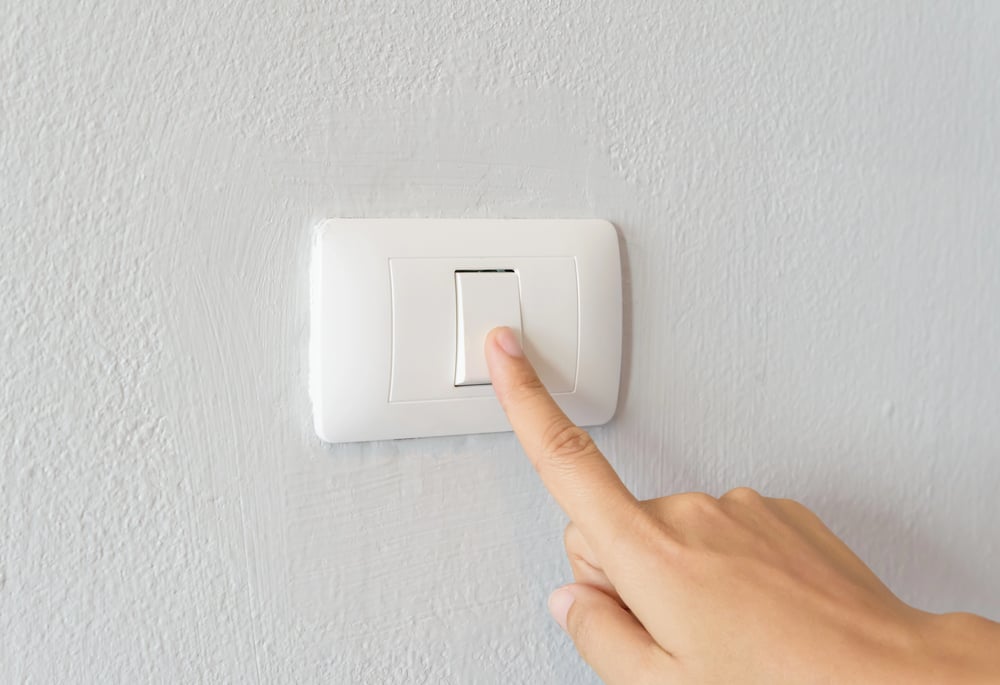
Toggling light switches produced a satisfying mechanical click. The sound confirmed the switch had been engaged.
Modern dimmer switches produce quieter clicks, and smart home systems eliminate the switch click entirely by using electronic control.
Door Latching and Locking Sounds
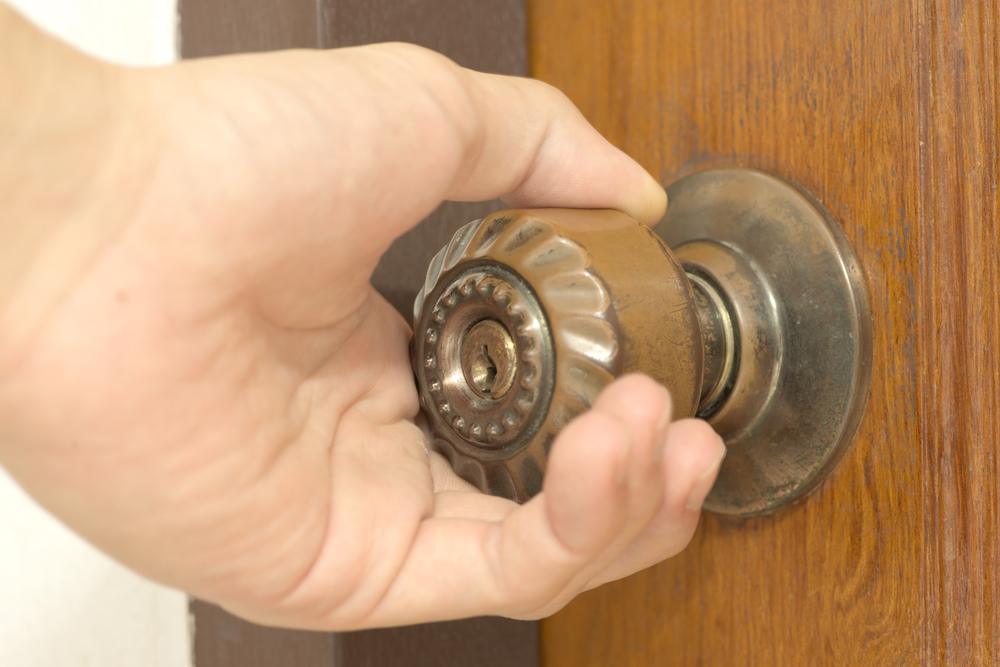
Closing doors produced definitive latching sounds that confirmed the door was properly closed. Locking a door meant hearing a mechanical deadbolt extend.
Modern soft-close doors and electronic locks eliminate these acoustic confirmations.
The Lost Acoustic World

Pre-digital households were noisier, more mechanically present, and acoustically richer than modern homes. Every appliance announced its operation through sound, every mechanical process created an audio event, and the home had a distinctive sonic signature created by the technology it contained.
Modern homes are quieter because technology is silent—electronic processes create no sound. The loss represents progress in efficiency but also the loss of a tactile, sensory environment where you could hear the machinery of everyday life working.
More from Go2Tutors!

- The Romanov Crown Jewels and Their Tragic Fate
- 13 Historical Mysteries That Science Still Can’t Solve
- Famous Hoaxes That Fooled the World for Years
- 15 Child Stars with Tragic Adult Lives
- 16 Famous Jewelry Pieces in History
Like Go2Tutors’s content? Follow us on MSN.