Sunday Traditions Families Have Quietly Stopped Doing
Sundays used to operate under a different temporal logic than the rest of the week—a day with its own rhythm, pace, and expectations. Stores were closed, offices were dark, and the day was structured around rituals that gave it meaning separate from the urgent, productive demands of weekdays.
Families scheduled their lives around Sunday traditions with the same automaticity they applied to getting to work Monday morning. The erosion of these traditions happened gradually and almost invisibly, driven by economic changes, shifting religious engagement, technological disruption, and the acceleration of culture.
Looking back, Sunday used to feel like a different world entirely—one that now seems almost foreign to how modern families structure their time. The disappearance of Sunday traditions represents a larger shift in American life toward continuous availability, individualized schedules, and the colonization of all time by productivity and consumption.
Sundays no longer pause for ritual because everywhere is always open, families are scattered across commitments, and the practice of synchronizing time around shared activities feels increasingly quaint. The loss of these traditions isn’t mourned loudly, but it marks a real change in how families experience togetherness and how weeks are structured.
Sunday Church Attendance

For much of American history, attending church on Sunday morning was the defining feature of the day—a ritual that anchored everything else that followed. Church attendance has declined from roughly 49% of Americans in the late 1950s to around 30% by the 2020s.
The decline isn’t just about lost religious practice; it removed the structural anchor that made Sunday different from other days.
The Large Sunday Dinner in the Afternoon
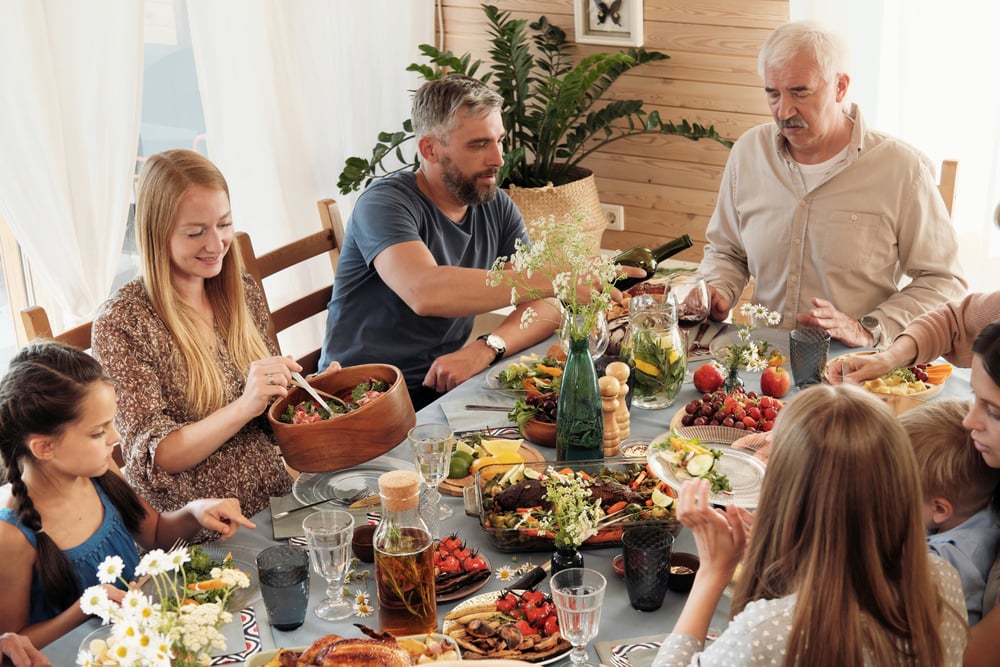
Families gathered for their most substantial meal of the week around 1 or 2 p.m.—a multi-course event featuring roast, ham, fried chicken, or similar centerpieces with elaborate side dishes. The meal often included extended family and took hours to prepare and consume.
Modern dual-income households, fragmented family schedules, and restaurant dining have displaced this ritual almost entirely.
Reading the Sunday Newspaper Together

The Sunday paper was the thickest of the week, with sections distributed among family members—dad got the sports section, kids grabbed the comics, mom read the household and food sections. Sitting at the kitchen table reading the paper over coffee was a ritual that structured Sunday morning.
Digital news consumption has replaced this entirely.
Sunday Drives

Families piled into the car with no particular destination, just to drive around the neighborhood, look at scenery, pass fruit stands, or take a spontaneous route they’d never traveled before. The drive was purely about spending time together and enjoying the ride, not about reaching a destination.
Modern scheduled activities and digital navigation eliminate this aimless, meditative form of family time.
Dressing Up for Sunday

Getting dressed in your best clothes—not just nice clothes, but genuinely formal attire—was preparation for church and the special nature of the day. The whole family would get dressed up even for non-religious Sunday activities.
Modern casual dress codes everywhere have made “dressing up” less meaningful and less routine.
Visiting Extended Family on Sundays

Sunday afternoons meant visiting grandparents, aunts, uncles, or cousins who lived nearby. These weren’t scheduled playdates; they were standing visits that happened regularly. The extended family gathered in living rooms and kitchens for hours of conversation, card games, and watching television together.
Modern family members are scattered geographically and schedules are too full for routine visits.
Watching Football Games as Family Events

The biggest football games aired on Sunday afternoon and evening, and family members gathered around the television to watch together. The game was a backdrop for conversation and togetherness, not the primary event.
Modern fragmentation of media and streaming make shared viewing less necessary or automatic.
Long-Distance Phone Calls to Relatives

Sunday evening was the standard time to call distant relatives on the shared family phone line. The calls were long, meandering, and represented the weekly connection ritual. Everyone was home and available, making the timing logical.
Modern instant communication has eliminated these scheduled Sunday check-ins.
Sunday Dinner Reservations and Restaurant Dinners

Many families had a standing reservation at their preferred restaurant every Sunday—a meal out that was their weekly indulgence. The restaurant was busy, family owned, and familiar.
Modern casual restaurant access throughout the week has eliminated the specialness of Sunday dining out.
Closing Stores Early on Sunday

Blue laws mandated store closings on Sunday, making the day genuinely different from other days. Stores that were open had limited hours. Shopping on Sunday was not an option, which meant the day felt protected from commerce.
The repeal of blue laws and 24-hour retail access eliminated this enforced separation.
No Youth Sports or Activities on Sunday

Organized youth sports and activities didn’t happen on Sunday, so the day was free for family time. Modern sports schedules include Sunday games and tournaments, forcing families to choose between activities and togetherness.
Sunday no longer pauses for anything.
Reading the Funnies as a Family Ritual
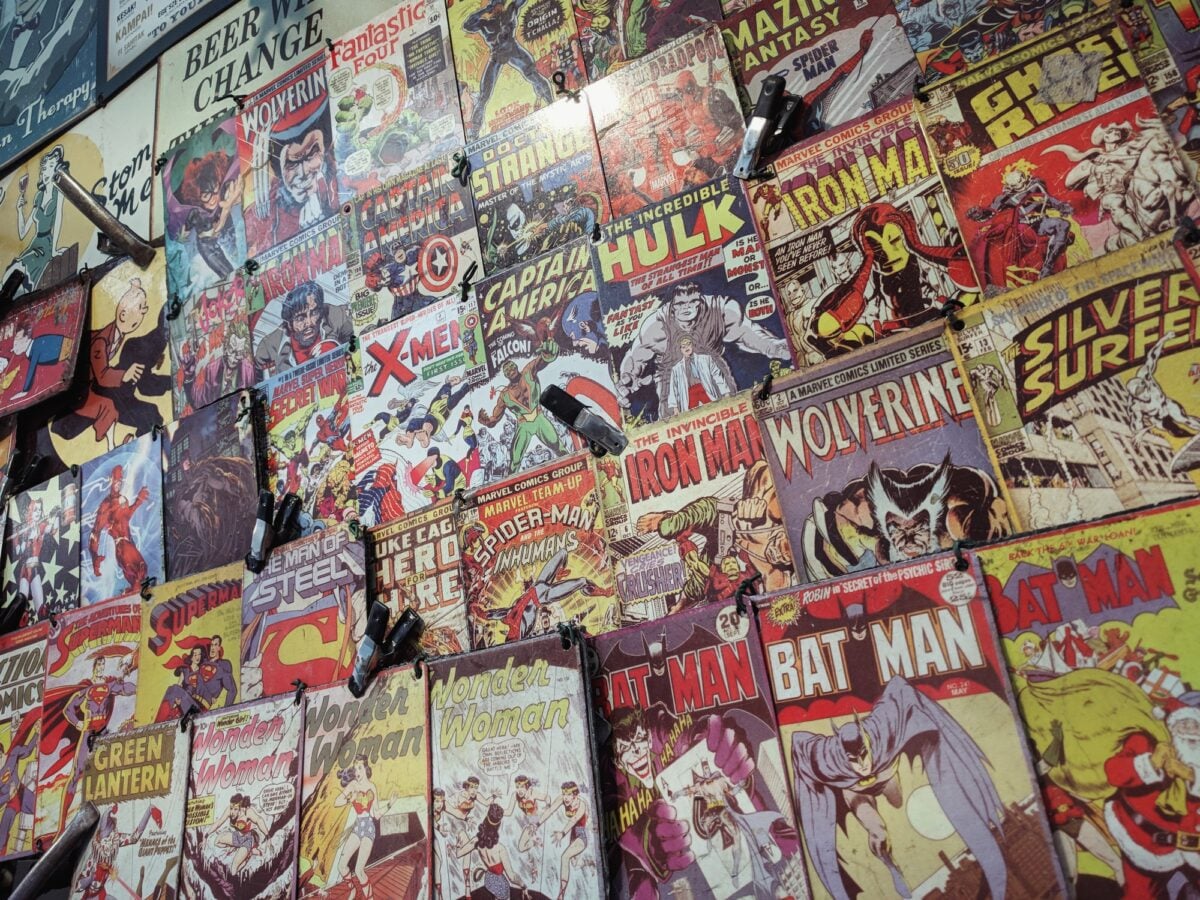
Kids woke up on Sunday specifically to read the newspaper comics—an anticipation that structured the morning. The comics were funny, strange, and a specific feature of Sunday papers.
Modern digital comics and streaming cartoons eliminated the specialness of Sunday comics.
Sunday Roast Traditions

Many families had signature Sunday roasts—specific cuts of meat, specific side dishes, specific preparation methods that were only done on Sunday. The roast anchored the meal and created anticipation throughout the week.
Modern varied eating patterns and restaurant takeout have displaced this tradition almost entirely.
Paying Respects Through Sunday Visits

Visiting sick relatives, elderly neighbors, or people who needed company was often a Sunday tradition—a structured time for community care. Modern healthcare systems and reduced community connection have replaced this informal visiting tradition.
Sunday as a Day of Rest

The concept of Sunday as a day designated for rest and restoration—not working, not doing chores, not engaging in commerce—has been largely replaced by Sunday as a day for catching up on chores, errands, and next-week preparation.
Modern culture treats Sunday as interchangeable with any other day.
The Slow Sunday Morning Ritual

Sunday morning used to be deliberately slow—time to sleep in, make a big breakfast, read slowly, move at a different pace. Modern schedule compression means Sunday mornings are filled with weekend activities, making slowness impossible.
The pace of all days has accelerated equally.
Card Games and Board Games After Dinner

Family card games and board games were often Sunday evening rituals, providing entertainment and togetherness before the evening ended. Modern screen-based entertainment has displaced these interactive games almost entirely.
Video games don’t replace the social interaction pattern.
Dressed-Up Family Photographs

Many families took formal family photographs on Sundays—professional portrait sessions or at-home photo days that were scheduled special events. Modern selfies and phone photos have eliminated the formal, deliberate nature of Sunday photographs.
When Sundays Were Set Apart

The disappearance of Sunday traditions represents the loss of a day that was genuinely different—a pause in the week with its own logic, pace, and expectations. Modern life offers no equivalent pause. Sundays now feel like Thursdays with slightly less traffic.
The rituals that made Sunday special have vanished not through conscious decisions but through gradual erosion driven by commerce, technology, and the cultural acceleration that has colonized all remaining unscheduled time. The impact on family structure and social cohesion remains contested, but the loss of Sunday as a ritually distinct day is real and nearly complete.
More from Go2Tutors!

- The Romanov Crown Jewels and Their Tragic Fate
- 13 Historical Mysteries That Science Still Can’t Solve
- Famous Hoaxes That Fooled the World for Years
- 15 Child Stars with Tragic Adult Lives
- 16 Famous Jewelry Pieces in History
Like Go2Tutors’s content? Follow us on MSN.