Artworks Sold for Pennies That Later Fetched Millions at Auction
The gap between what an artwork sells for and its eventual value reveals the art market’s capacity for dramatic miscalculation. Throughout history, masterpieces have changed hands for trivial sums only to become worth fortunes decades or centuries later.
These stories expose the fragility of contemporary judgment and remind collectors that the most valuable art often sits invisibly in attics, thrift stores, and family homes, waiting for the market’s eventual reassessment.
Van Gogh’s Red Vineyard for 400 Francs
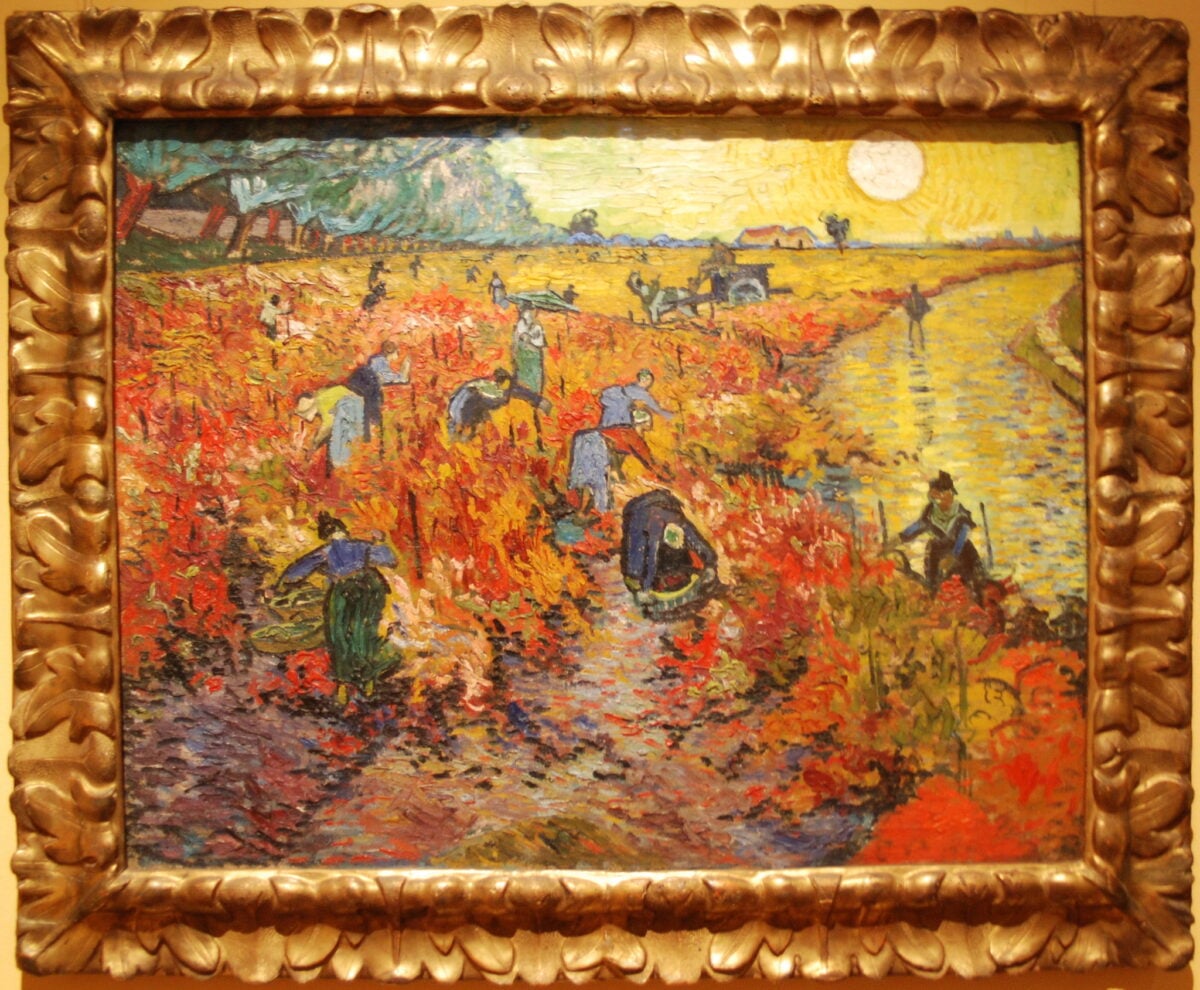
Van Gogh sold only one painting during his lifetime: The Red Vineyard, purchased in 1890 for 400 Belgian francs at an exhibition in Brussels. This single sale gave the artist temporary financial relief but no confidence that his work had commercial viability.
Today, a single Van Gogh painting at auction commands sums in the tens of millions. His Vase with Fifteen Sunflowers sold for $39.7 million in 1987, making Van Gogh’s initial sale price look almost insulting in retrospect.
Picasso’s La Gommeuse for $3,600

American film director Josef von Sternberg purchased Picasso’s La gommeuse in 1935, then sold it just fourteen years later at Sotheby’s for $3,600. The painting then passed through several hands before billionaire Bill Koch purchased it for $3 million in 1984.
When Koch consigned it to auction in 2015, it sold for $67.45 million. The work had multiplied in value by nearly twenty thousand times from its 1949 price.
Caravaggio’s Death of the Virgin Rejected, Then Priceless
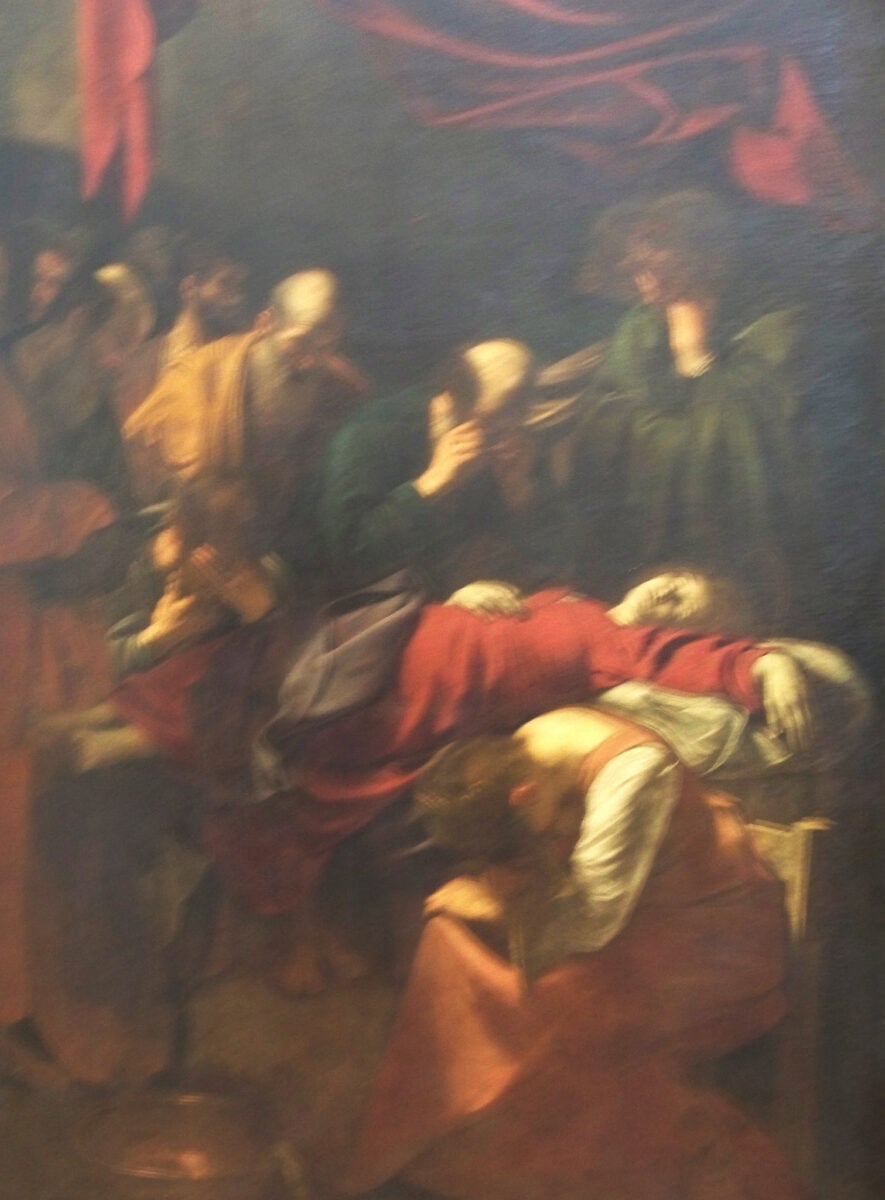
Caravaggio’s Death of the Virgin was rejected by its Church commissioners for being too realistic and improper in its depiction of the Virgin Mary. The church refused to pay for or display the work, leaving it essentially worthless at the moment of its creation.
Centuries later, after being recognized as a Baroque masterpiece, it was acquired by the Louvre and valued at tens of millions. The painting that was deemed unfit for a chapel became a treasured icon of Western art.
Monet’s Poplars Series Initially Undervalued
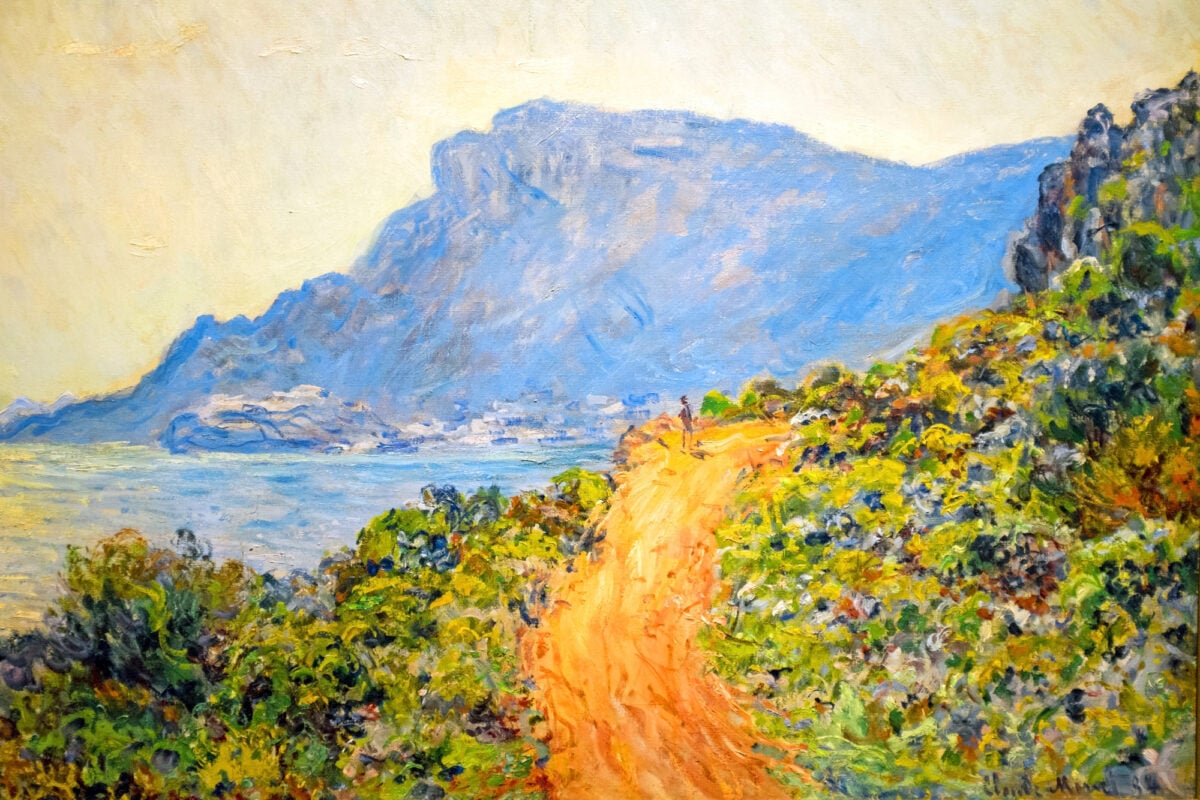
Monet’s paintings of haystacks and poplars were dismissed by contemporary critics as repetitive and insignificant studies rather than finished works. Collectors in the 1890s could purchase them for modest sums from dealers reluctant to commit serious gallery space to his experiments with light and series painting.
Today, individual paintings from these series sell for $40 million or more, making early collectors’ skepticism seem incomprehensible.
Cézanne’s Card Players Once Considered Crude
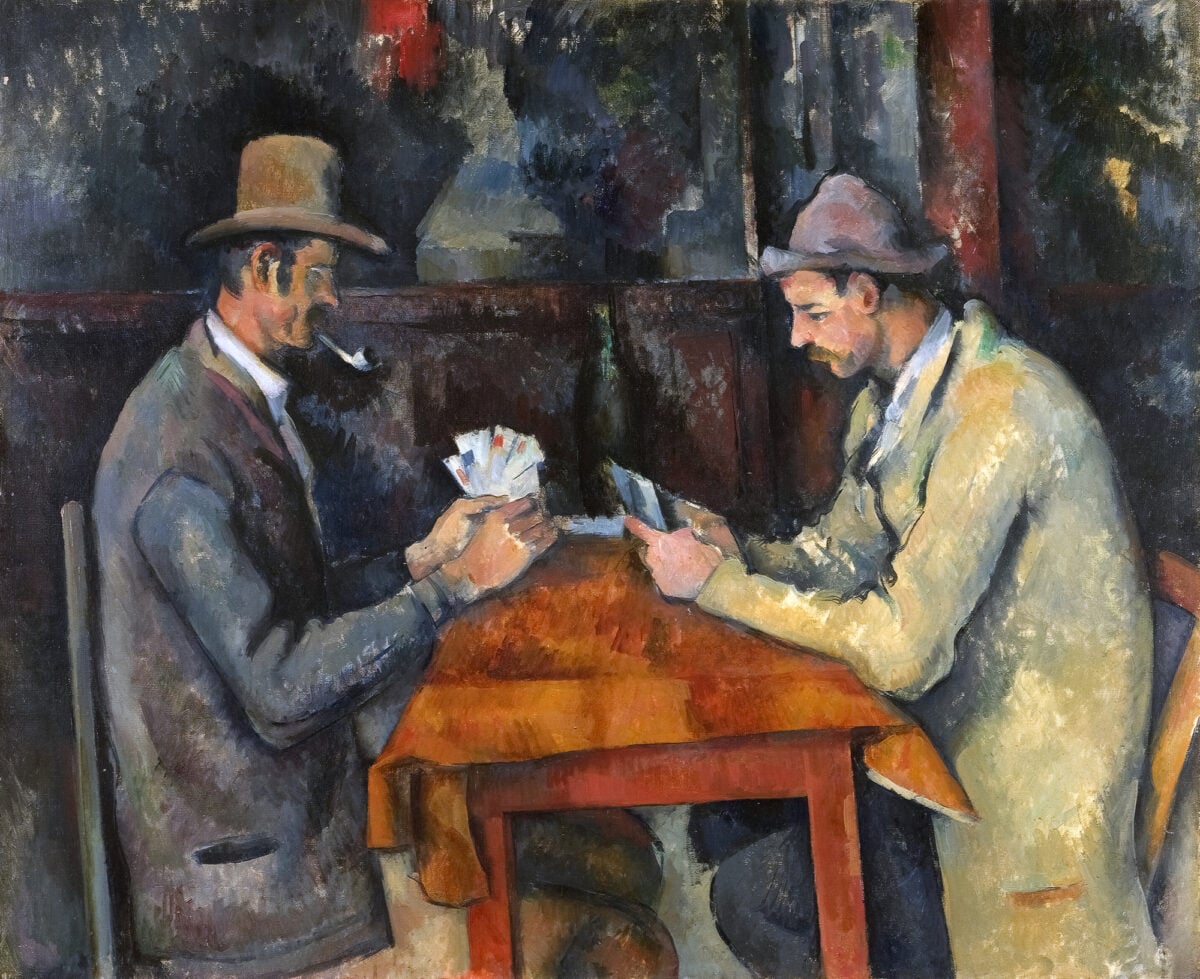
Cézanne’s Card Players were regarded as technically incompetent failures by academic standards during the artist’s lifetime. Dealers struggled to sell them, and collectors showed little interest in what they perceived as clumsy, unfinished work.
The paintings eventually proved foundational to modern art’s development. A Cézanne Card Player sold for $250 million in a private deal in 2011, representing perhaps the most dramatic valuation reversal in art history.
Vermeer’s Girl With a Pearl Earring Nearly Auctioned for Peanuts

Vermeer’s paintings were so undervalued in the 18th century that Girl with a Pearl Earring was nearly lost to obscurity, selling for negligible sums as it passed between hands. The work eventually found its way into a Dutch museum collection before being recognized as one of history’s most captivating paintings.
Today it sits in the Mauritshuis museum, considered priceless and never to be auctioned, but if it were, it would command nine-figure sums.
Gauguin’s Nafea Faa Ipoipo Long Underappreciated

Gauguin’s Nafea Faa Ipoipo (When Will You Marry?) circulated through collectors’ hands for decades without commanding significant attention or expense. The painting depicted Tahitian subjects in a style that Western collectors found unsettling.
In 2015, it sold for $303 million, establishing a record for any artwork ever sold. The trajectory from indifference to record-breaking price occurred within a generation.
Rembrandt’s Night Watch Damaged, Then Vandalized
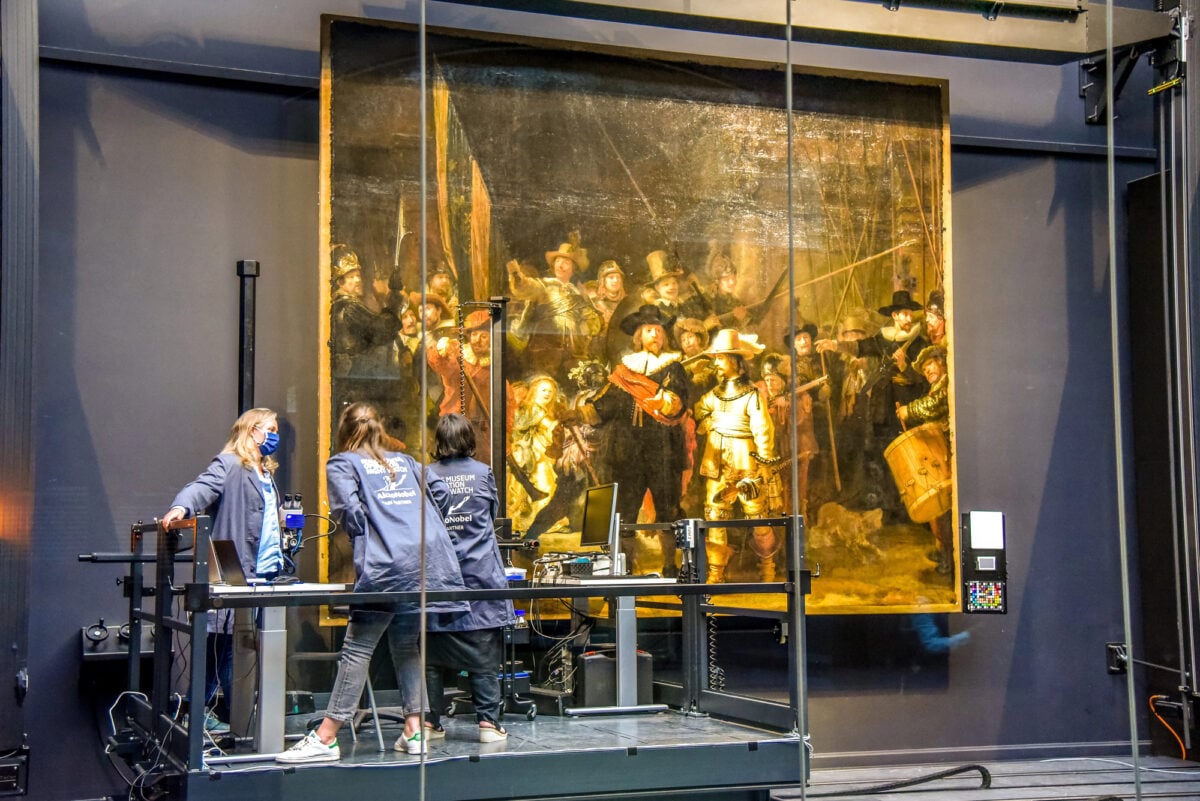
Rembrandt’s massive canvas The Night Watch was slashed by vandals and damaged multiple times throughout its history, with costs spent on repair rather than preservation suggesting it was viewed as damaged goods rather than priceless treasure. Today it anchors the Rijksmuseum’s collection and is considered one of Western art’s supreme achievements.
The painting survived only because no one deemed it valuable enough to steal.
Toulouse-Lautrec Posters Tossed as Trash
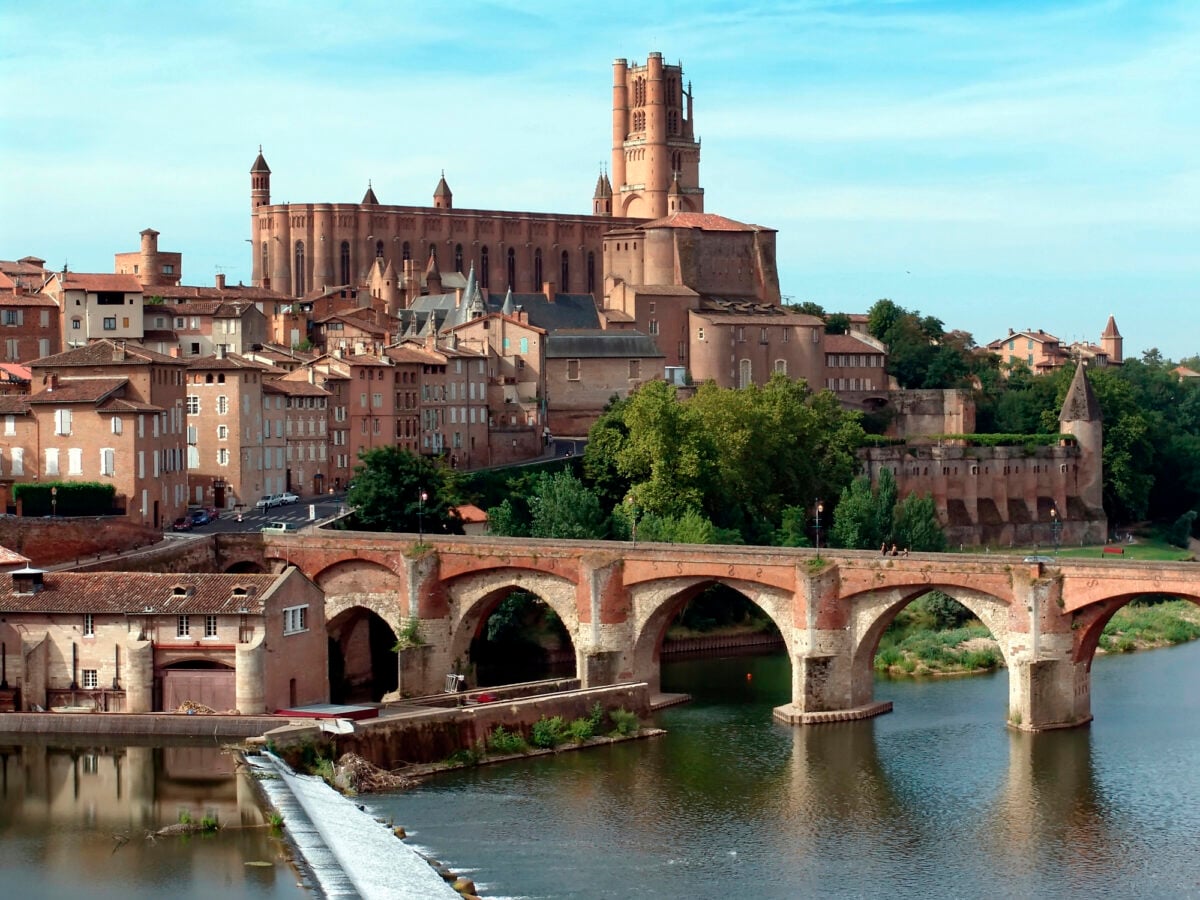
Toulouse-Lautrec’s concert and cabaret posters were considered commercial throwaway art, printed by the hundreds and discarded without hesitation. collectors regarded them as advertising material unworthy of serious collecting.
Today, authentic Toulouse-Lautrec posters from the 1890s are museum pieces valued at hundreds of thousands of dollars, with rare examples commanding over a million.
Matisse’s Fauve Paintings Initially Mocked as Ugly

Matisse’s wildly colored Fauvist paintings were ridiculed as aesthetic disasters by conservative collectors in the early 1900s. His bold use of pure color divorced from representational accuracy seemed like evidence of incompetence or fraud.
Paintings that couldn’t find buyers for modest sums in 1910 now sell at auction for tens of millions, validating the artist’s radical approach to color.
Diego Rivera’s Murals Defaced Then Reclaimed

Rivera’s monumental murals were vandalized and painted over by those who found their political content offensive or their artistic approach crude and heavy-handed. Conservative collectors refused to support the artist.
His works now hang in major museums and command astronomical prices at auction. A Rivera painting that was nearly destroyed as ideologically unacceptable is now a cornerstone of Latin American art history.
Egyptian Antiquities Almost Melted for Precious Metals
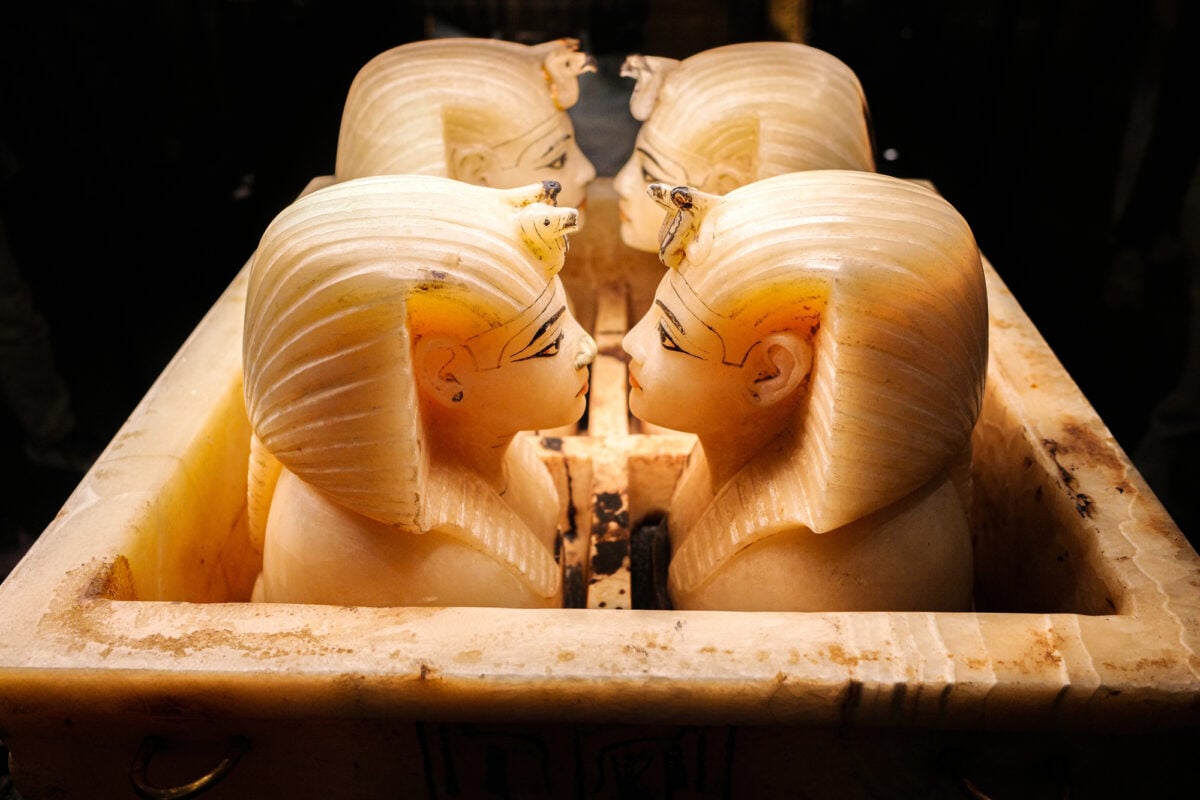
Egyptian artworks and sculptures were nearly melted down for their precious metal content during periods when their artistic or historical significance went unrecognized. Mummies were unwrapped and discarded.
Sculptures were defaced. The works that survived this systematic destruction are now among humanity’s most treasured artifacts, worth incalculable sums and protected by international law.
Medieval Manuscripts Removed From Books as Wastepaper

Medieval illuminated manuscripts were sometimes torn from bindings and used as bookbinding reinforcement or discarded as obsolete. Individual pages surfaced centuries later in collections where they commanded staggering prices.
A single leaf from a medieval manuscript can sell for hundreds of thousands of dollars, yet many were nearly destroyed because their worth wasn’t understood.
Pre-Columbian Artifacts Treated as Curiosities

Pre-Columbian sculptures and textiles were treated as primitive curiosities by European collectors well into the 20th century. Archaeological sites were looted and destroyed with little concern for cultural or artistic preservation.
The surviving works are now recognized as representing sophisticated artistic traditions, with major pieces commanding millions at auction and representing irreplaceable cultural heritage.
Japanese Prints Discarded as Packing Material

During the 19th century, Japanese woodblock prints were used as packing material in shipping crates or discarded without hesitation. European collectors eventually discovered their compositional sophistication and visual innovation, sparking intense demand.
Prints that were literally used to wrap fragile goods now sell for tens of thousands of dollars and influenced the development of Western modern art.
Photography Initially Dismissed as Mere Mechanical Reproduction

Early photography was dismissed by artists and collectors as technically interesting but aesthetically uninteresting mechanical reproduction unworthy of fine art consideration. Photographers struggled financially and faced constant derision.
Today, photographs by figures like Alfred Stieglitz and Edward Weston command prices equal to paintings, and photography is recognized as one of modern art’s most significant contributions.
The Market’s Blind Spots

The dramatic revaluations of these works reveal an uncomfortable truth about art collecting: contemporary judgment is frequently wrong. The market systematically undervalues what it doesn’t immediately understand, overvalues what confirms existing taste, and consistently fails to recognize genius until it becomes historically obvious.
Every period likely contains masterpieces sitting unrecognized in obscurity, dismissed as failures or incomprehensible experiments. The gap between initial valuation and eventual worth teaches humility about our ability to judge artistic merit and reminds us that some of the most valuable art may already exist, waiting invisibly for the world’s eventual recognition.
More from Go2Tutors!

- The Romanov Crown Jewels and Their Tragic Fate
- 13 Historical Mysteries That Science Still Can’t Solve
- Famous Hoaxes That Fooled the World for Years
- 15 Child Stars with Tragic Adult Lives
- 16 Famous Jewelry Pieces in History
Like Go2Tutors’s content? Follow us on MS