25 Superstitions People Still Follow Without Knowing Where They Came From
People perform rituals and avoid actions every day without understanding why. These superstitions persist across generations, passed along through casual instruction without anyone questioning their origins.
Most people engaging in superstitious behaviors don’t believe they’ll cause actual misfortune, yet they follow them anyway—a fascinating disconnect revealing how deeply cultural traditions embed themselves into behavior.
Knocking on Wood

Touching wood after uttering something hopeful supposedly prevents jinxing that wish. The practice likely traces to pre-Christian tree worship, when trees were considered sacred and touching them invoked protection.
Modern practitioners rarely connect their knocking to ancient spirituality, yet the gesture persists.
Breaking a Mirror Brings Bad Luck

A broken mirror allegedly causes seven years of misfortune. This superstition may derive from Roman times when mirrors were rare and valuable, or from mirror-based divination practices.
The specific duration of seven years has unclear origins despite its ubiquity.
Black Cats and Crossings

Black cats crossing paths supposedly bring bad luck. This likely stems from medieval witch-hunting beliefs that associated black cats with witchcraft and evil.
The superstition persists despite contemporary embrace of black cats as normal, valued pets.
Opening Umbrellas Indoors

Opening an umbrella inside a building supposedly brings bad luck. The origin is unclear but may relate to Victorian umbrella designs—some theories suggest opening them indoors damaged them, generating a practical rule that became superstition.
Walking Under Ladders
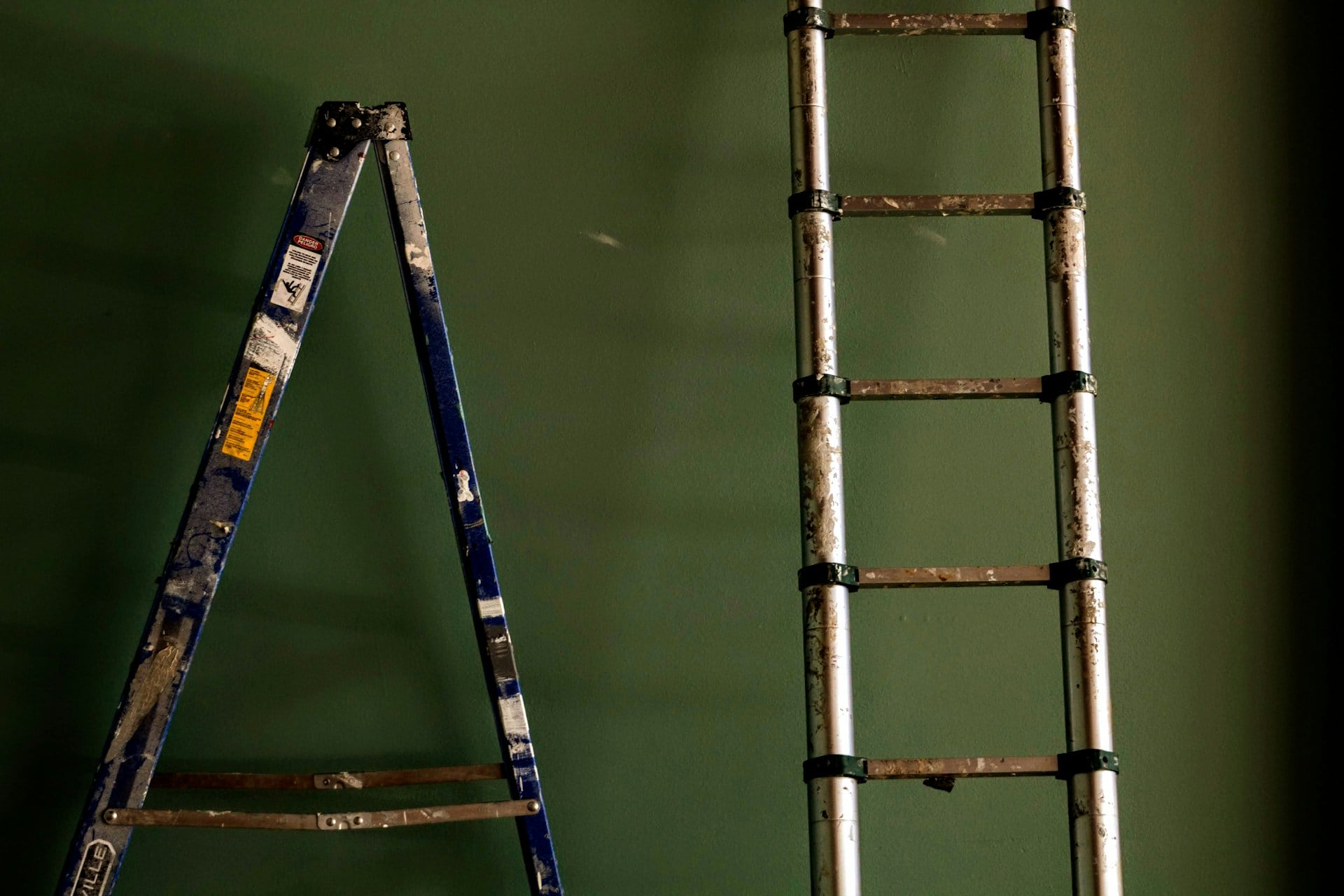
Passing under a ladder allegedly causes misfortune. A practical origin seems likely: ladders were used in Christian crucifixion imagery, and walking under one meant disrupting that sacred space.
Alternatively, the association could stem from the triangle formed by a ladder against a wall being considered sacred.
Salt Over the Shoulder

Throwing salt over one’s left shoulder after spilling it supposedly prevents bad luck. This likely originated with Leonardo da Vinci’s painting of the Last Supper, where Judas Iscariot spilled salt, linking salt spillage with betrayal.
Yet most contemporary practitioners have no idea of this source.
Ladybugs and Wishes

Releasing a ladybug or catching one and releasing it supposedly grants wishes. Medieval origins attributed magical properties to ladybugs connected to the Virgin Mary, creating the “lady” designation.
The connection to wish-granting is less clear historically.
New Shoes on the Table

Placing new shoes on a table supposedly causes bad luck. One theory traces this to the funeral practice of placing a dead person’s shoes on the table to signify death.
The superstition persists without most people knowing this origin.
The Number 13
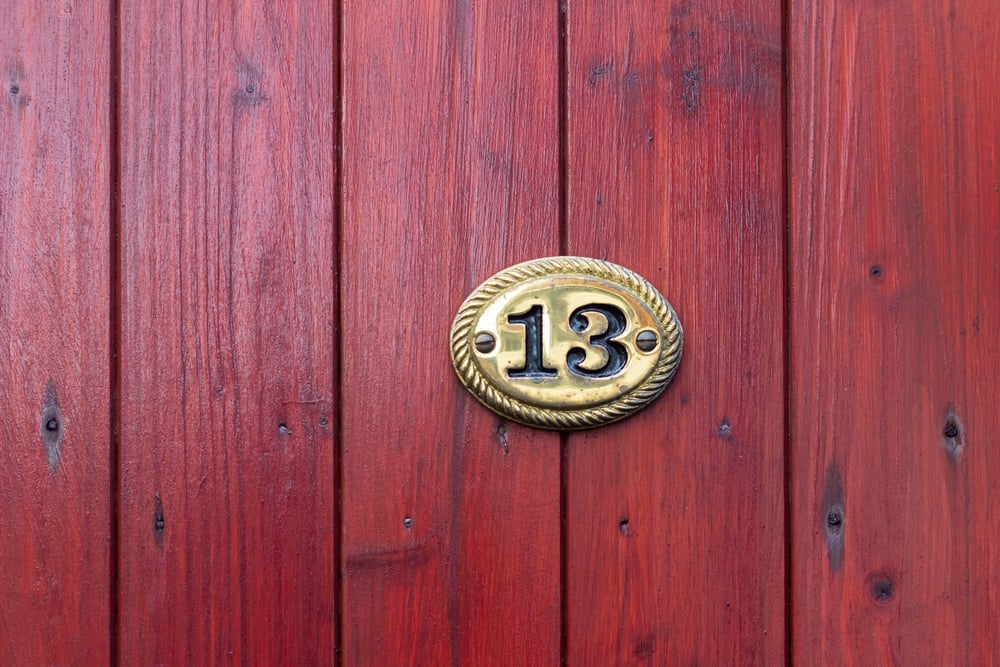
Thirteen is considered unlucky across many Western cultures. The Last Supper had thirteen diners, with Judas being the thirteenth guest, linking the number to betrayal and death.
Some buildings skip floor 13, and Friday the 13th remains considered inauspicious despite being statistically ordinary.
Crossing Fingers

Crossing one’s fingers while making a wish or lying supposedly invokes luck or absolution. Some theories trace this to Christian cross symbolism, while others suggest it relates to hand gesture protection rituals.
The exact origin remains debated.
Itching Palms

An itching palm supposedly signals incoming money. Medieval superstitions linked left palm itching to receiving money and right palm itching to losing it.
Contemporary people still report noticing palm itching specifically because of this association.
Whistling Inside
Whistling indoors allegedly brings bad luck or summons unwanted spirits. Some theories connect this to maritime superstitions where whistling on ships supposedly angered gods or summoned storms.
Other origins remain unclear.
Garlic Wards Off Evil

Garlic supposedly repels vampires and evil spirits. Medieval folklore created these associations, though their historical roots involve both practical medicinal properties and supernatural beliefs intertwined beyond clear separation.
Red Envelope Superstitions

Giving money in red envelopes during certain celebrations carries auspicious meaning in Asian cultures. The color red itself has ancient associations with luck and prosperity, yet contemporary practitioners don’t always understand the original symbolism.
Picking Up Pennies Face-Up
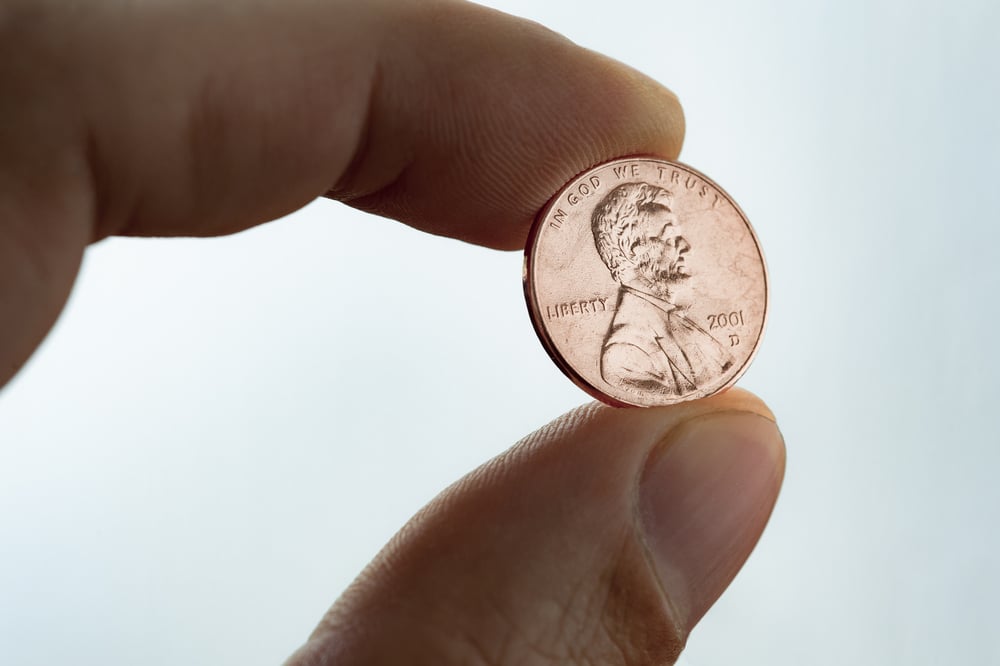
Finding a penny face-up supposedly brings luck, while a face-down penny should be left alone or flipped face-up for others. Modern origins appear weak; the superstition may be relatively recent invention rather than ancient tradition.
Wishing on Eyelashes

Wishing on fallen eyelashes supposedly makes wishes come true. The origin appears lost to history, but the practice persists widely among children especially.
Covering Mirrors During Mourning

In some traditions, mirrors are covered during mourning periods. Possible origins trace to concerns about captured souls or reflections, but clear historical documentation remains elusive.
Birthday Cake Candles and Wishes

Blowing out birthday candles while making a wish supposedly ensures the wish’s fulfillment. This appears to be relatively modern innovation combining ancient candle magic with contemporary birthday celebration, though firm historical origins are unclear.
Finding Pennies and Luck
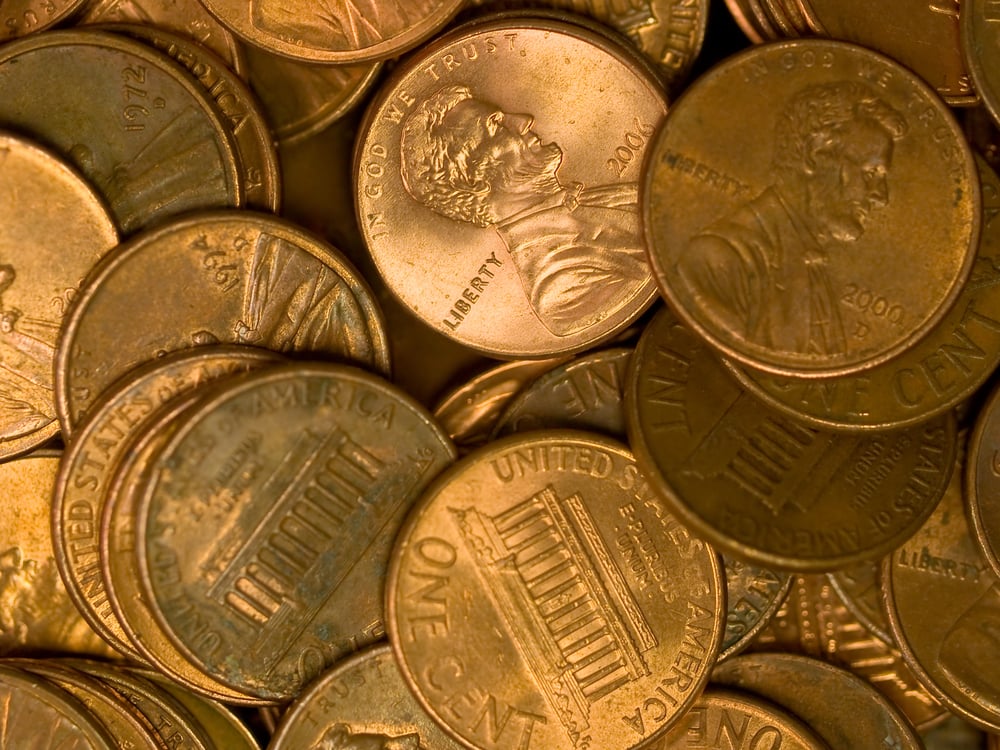
Discovering coins supposedly brings luck, with different superstitions attaching different meanings to coin types and orientations. The origins appear to trace to coins being valuable in ancient times, making discoveries genuinely fortunate.
Sleeping with Feet Toward the Door

Sleeping with one’s feet pointed toward a door supposedly invites death or bad luck. Chinese burial practices and feng shui probably contributed to this superstition, where feet-toward-door mirrors corpse positioning.
The Hamsa Hand
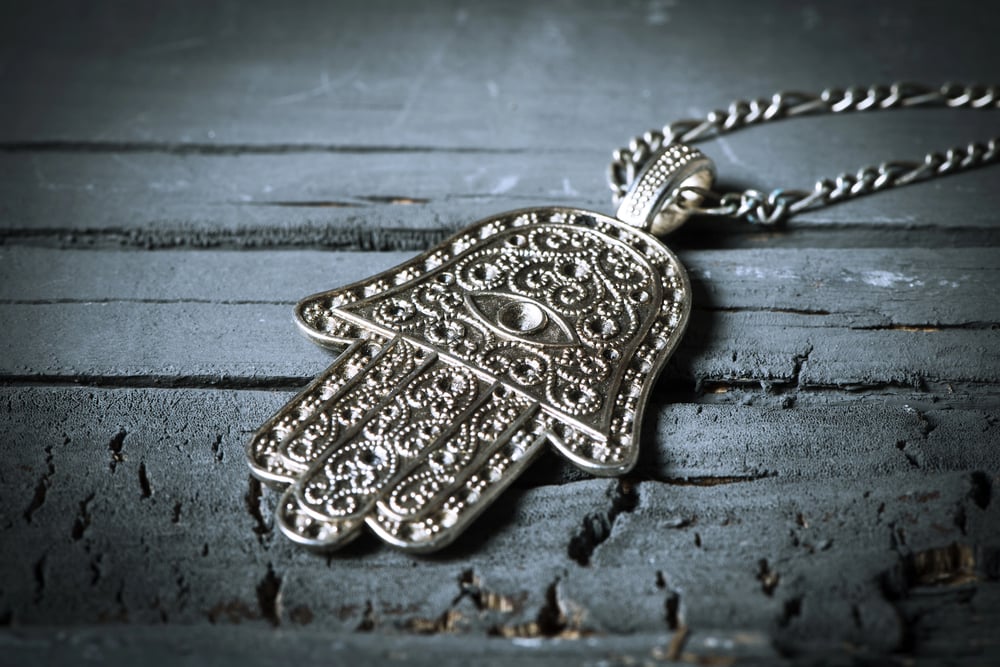
An open hand symbol supposedly wards off evil eye and brings protection. Ancient Middle Eastern, African, and Mediterranean cultures used this symbol, though modern practitioners often use it without understanding its origins or various cultural meanings.
Seeing Magpies

Different numbers of magpies carry different meanings ranging from sorrow to joy. The rhyme “One for sorrow, two for joy” memorializes this English superstition, though its historical origins remain unclear.
Ringing Bells for Storms

Ringing bells supposedly disperses storms or bad weather. Medieval church bell-ringing may have served this purpose through psychological comfort or actual atmospheric effects of bronze bells.
The superstition persists despite contradicting evidence.
Avoiding Boomerang Giving

Giving a boomerang as a gift supposedly brings harm or the gift’s return (both literally and metaphorically). This appears to be a modern invention rather than Aboriginal superstition, arising from misinterpretation of boomerang function.
The Horseshoe Symbol
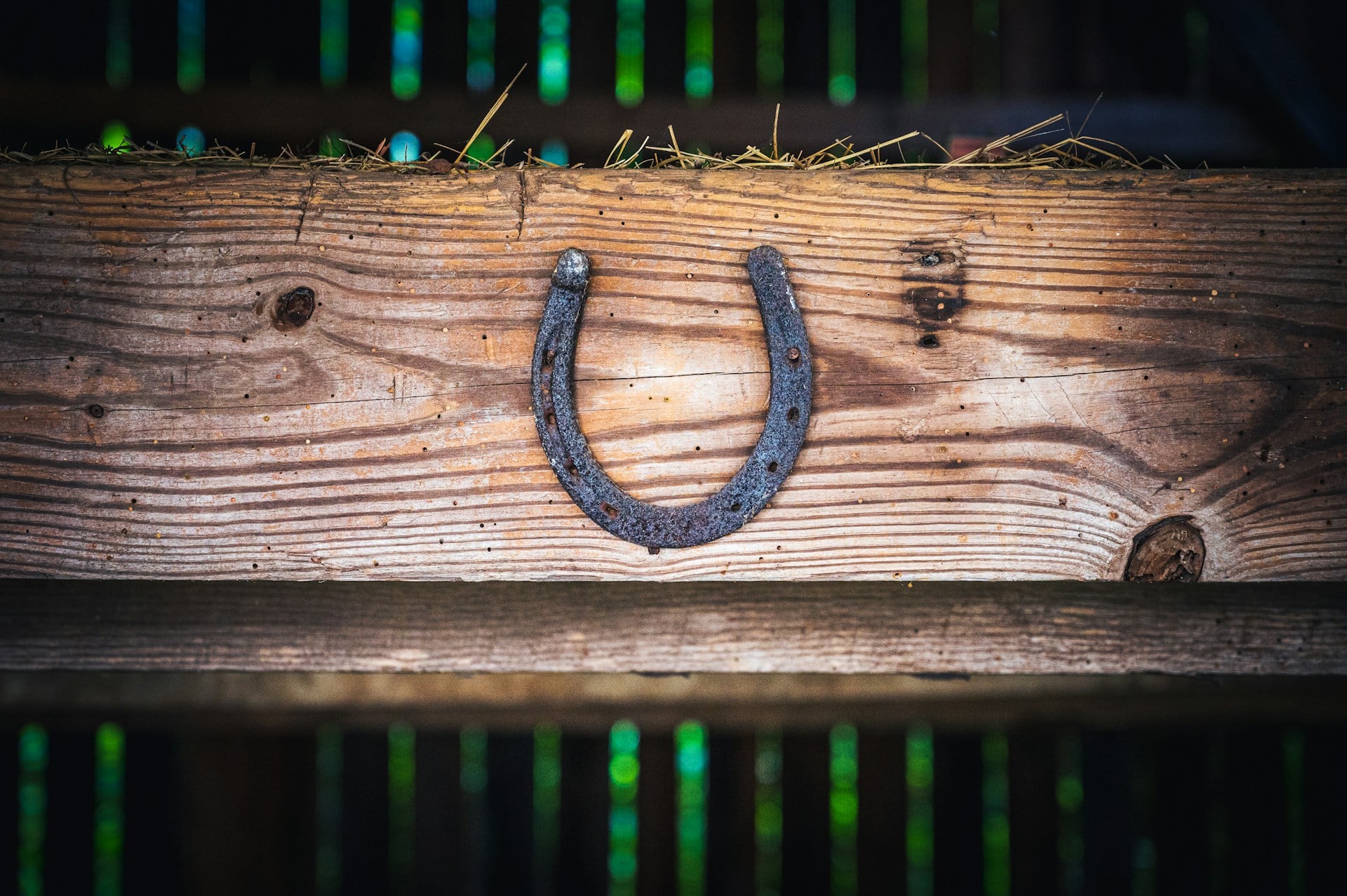
A horseshoe above a doorway supposedly brings luck. Origins may trace to iron being considered protective, or to horseshoes being valuable when iron-working was difficult.
Some superstitions require the horseshoe opening upward; others mandate downward orientation.
Why They Persist
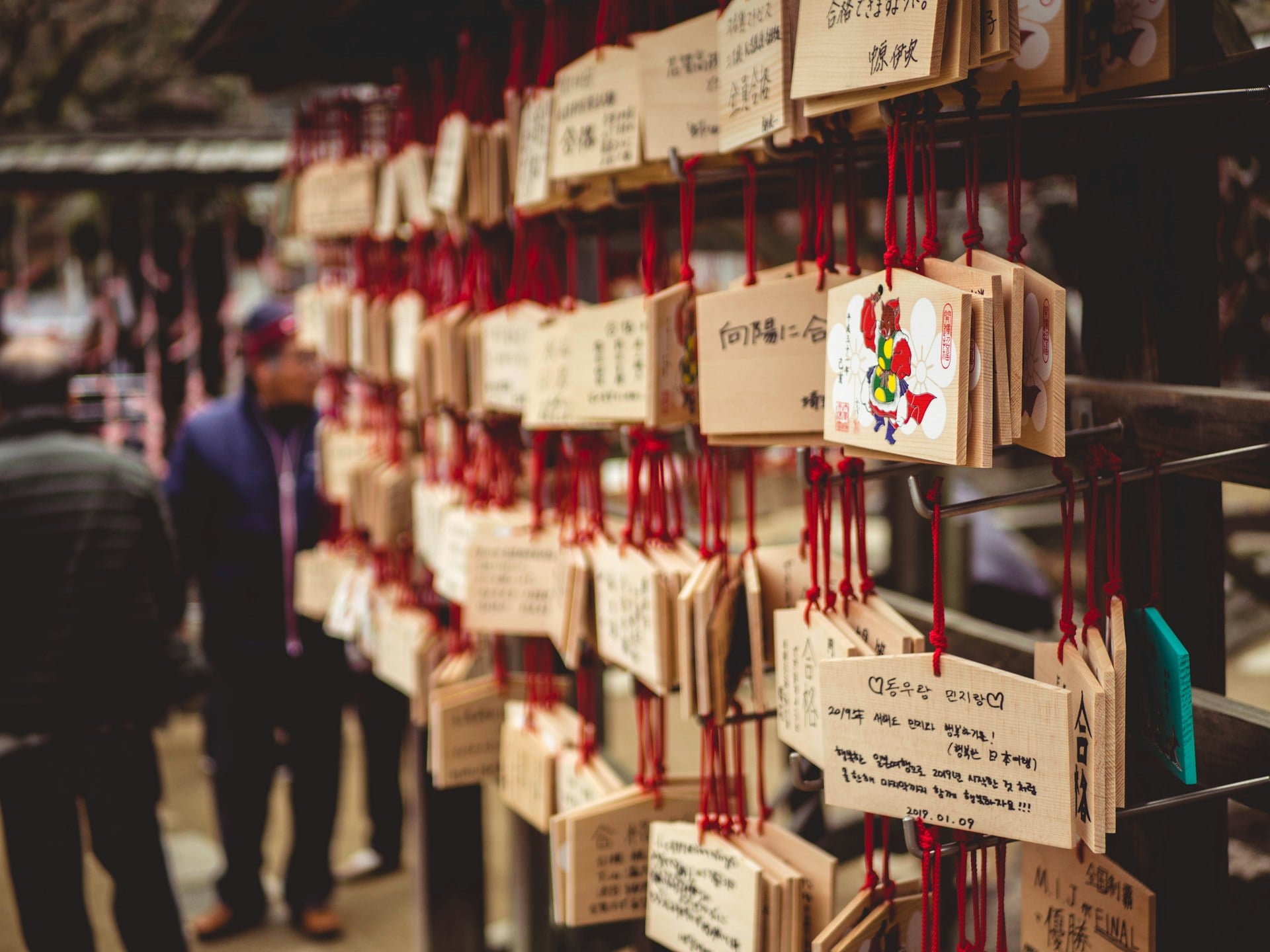
Superstitions persist because they’re culturally transmitted, provide psychological comfort, and remain mostly harmless. They also persist because people rarely learn their origins—superstitions detach from their historical contexts and become pure ritual.
This disconnection from source means rational arguments against superstitions prove ineffective, as people engage in them more through cultural participation than explicit belief.
More from Go2Tutors!

- The Romanov Crown Jewels and Their Tragic Fate
- 13 Historical Mysteries That Science Still Can’t Solve
- Famous Hoaxes That Fooled the World for Years
- 15 Child Stars with Tragic Adult Lives
- 16 Famous Jewelry Pieces in History
Like Go2Tutors’s content? Follow us on MSN.