Old Baseball Cards Mixed Into Random Collections That Turned Out to Be Rare
Baseball cards were designed to be handled. They came in packs with chewing gum, tucked into cig boxes, distributed with candy and bread and newspaper deliveries.
Children bent them, flicked them, rubber-banded them, clipped them to bicycle spokes with clothespins. Parents threw them away.
The ones that survived did so almost by accident, often mixed in with less important things, in shoeboxes and tins and rubber-banded stacks that nobody thought to look at carefully for several decades.
That randomness is part of why certain discoveries have been so dramatic. The rarest cards were not rare because they were treated with care.
They were rare because most copies were destroyed and a handful weren’t.
The T206 Honus Wagner — The Card That Changed Everything
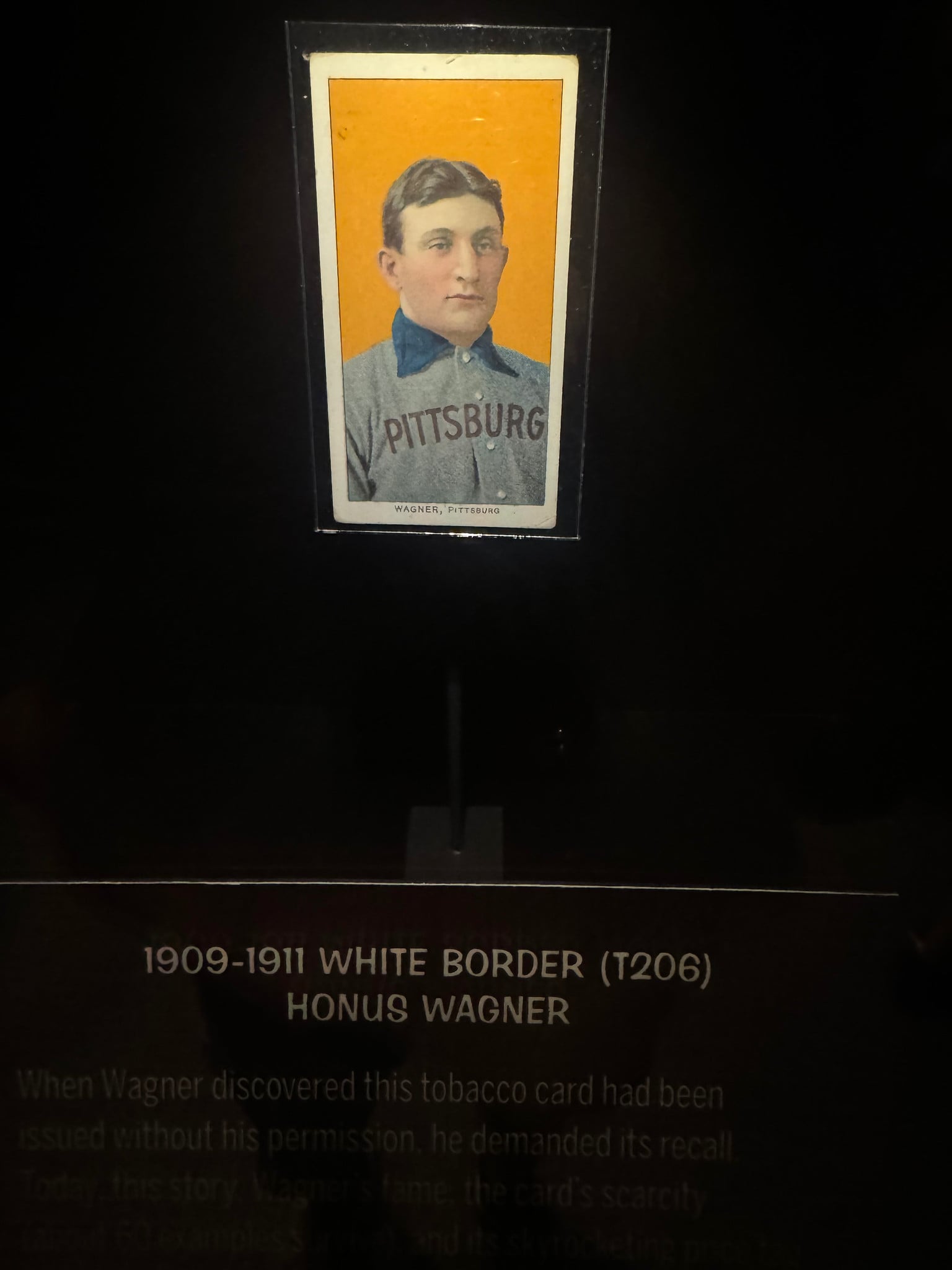
The T206 Honus Wagner is the most famous baseball card in existence — not because it features the greatest player of all time, though Wagner was exceptional, but because very few copies were produced. The American Company issued the T206 set between 1909 and 1911, and Wagner’s image was included until he objected and had production stopped.
Whether he objected because he didn’t want to be associated with cig products or because he wasn’t receiving compensation has been debated for more than a century. Whatever the reason, only around 50 to 60 authentic copies are believed to exist.
Copies in poor grade have sold for hundreds of thousands of dollars. The finest known example sold for $7.25 million in a private sale in 2022.
A family-owned copy that had been sitting in a collection since 1909 — acquired by their grandfather, Morton Bernstein, directly from a pack of Sweet Caporal cigs— sold through Goldin Auctions for $5.124 million.
The 1914 Baltimore News Babe Ruth — Sitting in a Baltimore Attic
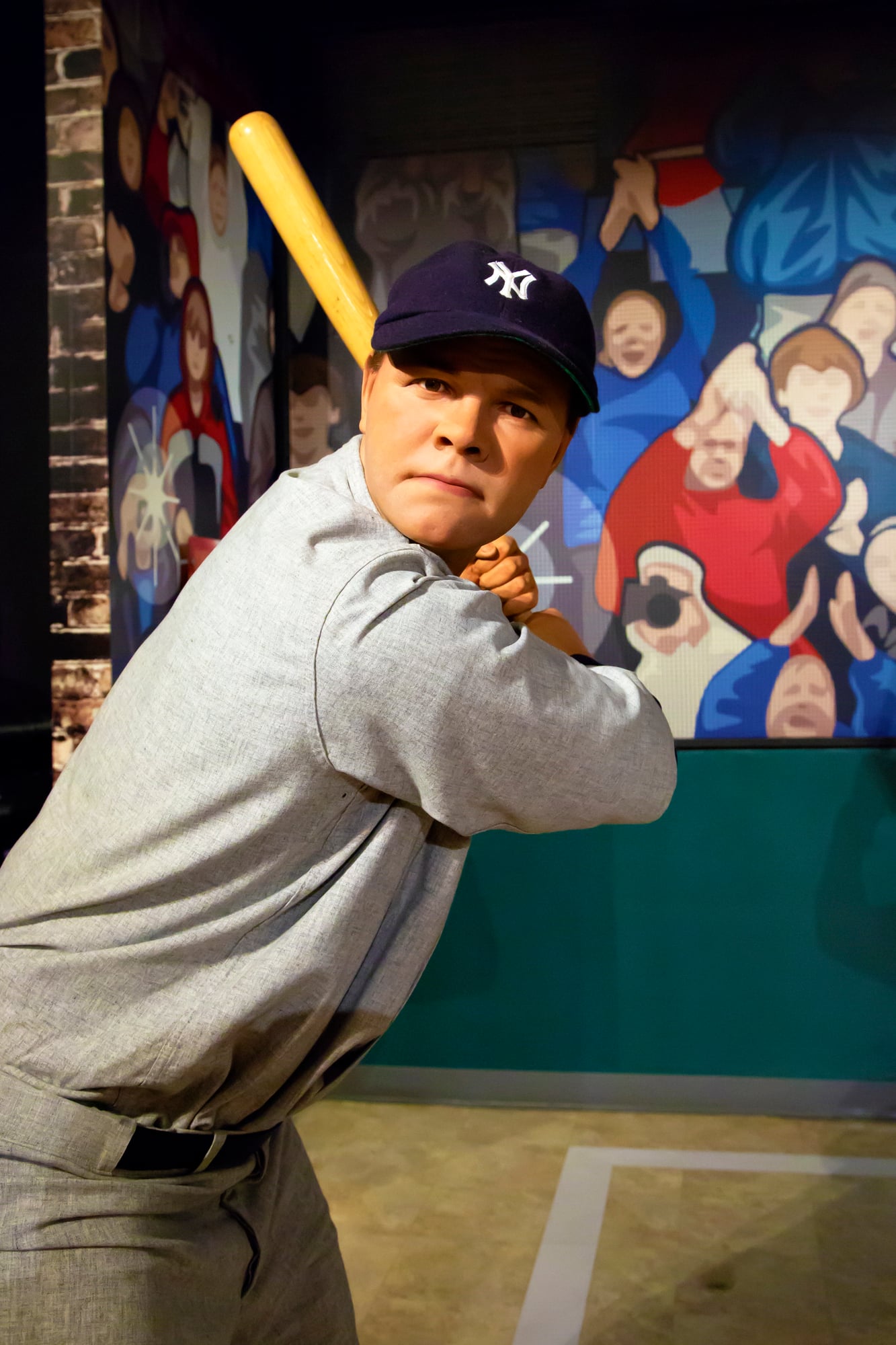
The 1914 Baltimore News cards were distributed in a local newspaper to cover a 16-year-old paper carrier’s favorite teams: the Baltimore Orioles minor league club and the Baltimore Terrapins. One of the players depicted was a 19-year-old pitcher named George Herman Ruth.
The set was entirely regional, almost entirely forgotten, and for most of the twentieth century, collectors hadn’t even confirmed that Babe Ruth was among its subjects. Only ten copies of the card have ever been graded.
The family of the original collector — Archibald Davis, that paperboy who saved his cards — passed them down for 107 years, often without fully understanding what they had. Children played with them.
The family eventually loaned the collection to the Babe Ruth Birthplace Museum in Baltimore. When a copy was finally auctioned in December 2023, it sold for $7.2 million.
Collectors report that multiple copies of the 1914 Baltimore News set have surfaced over the years from attics of old Baltimore row houses.
The 1952 Topps Mickey Mantle — Dumped Into the Ocean, Then Found
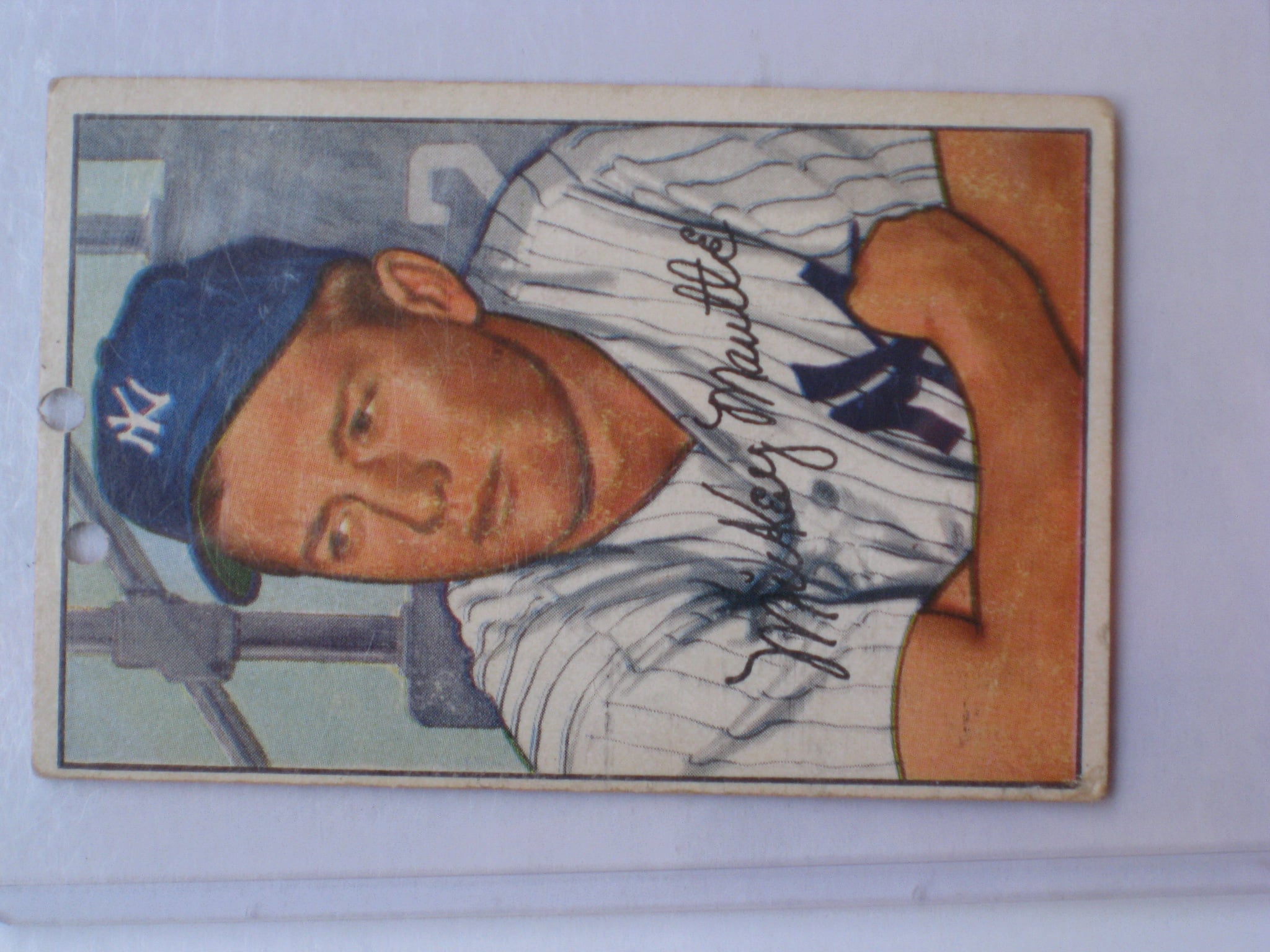
The 1952 Topps Mickey Mantle, card number 311, is one of the most valuable cards in existence — a gem-mint example sold for $12.6 million in 2022 — and a significant portion of its rarity comes from deliberate destruction. In 1952, Topps produced a “high series” of cards late in the season.
Retailers had already shifted to promoting the 1953 set and returned unsold 1952 high series cards to the manufacturer. Topps reportedly loaded several cases of unsold cards onto a barge and dumped them in the Atlantic Ocean off the coast of New Jersey.
The surviving high series Mantles are those that were purchased before the returns and survived in individual collections. A veteran of the United States Army stored his copy in a Farmdale Cheese Food box.
When it came to auction through Heritage, the cheese box came with it. It sold for $186,000, well under the famous copies but striking for the specificity of its provenance.
The Ty Cobb Lucky Seven Find
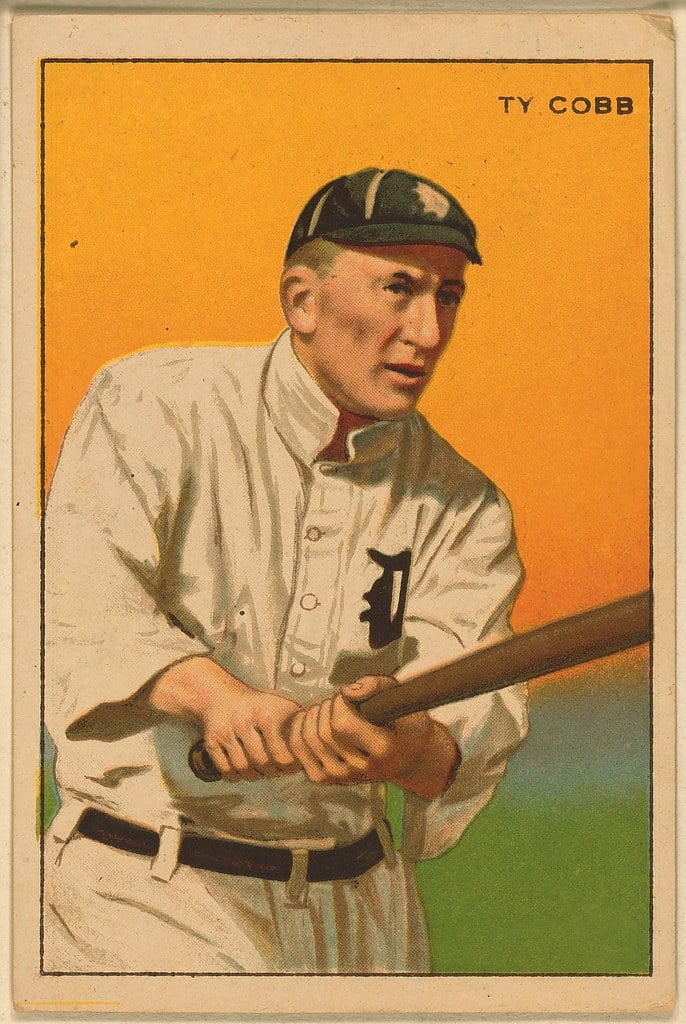
In 2016, family members cleaning out a house after the death of a relative found a paper bag they nearly threw away. At the bottom of the bag were seven T206 Honus Wagner series cards — all with the extremely rare “Ty Cobb Back,” a back variation featuring an advertisement for a specific cig brand that was distributed only briefly and in limited quantity.
Variations like the Ty Cobb Back are worth dramatically more than standard T206 backs of the same player. The discovery introduced previously unknown examples of an already rare variation to a market that had not seen new supply emerge and was widely reported in the sports card hobby press.
The Ohio Family’s Grandfather’s Collection
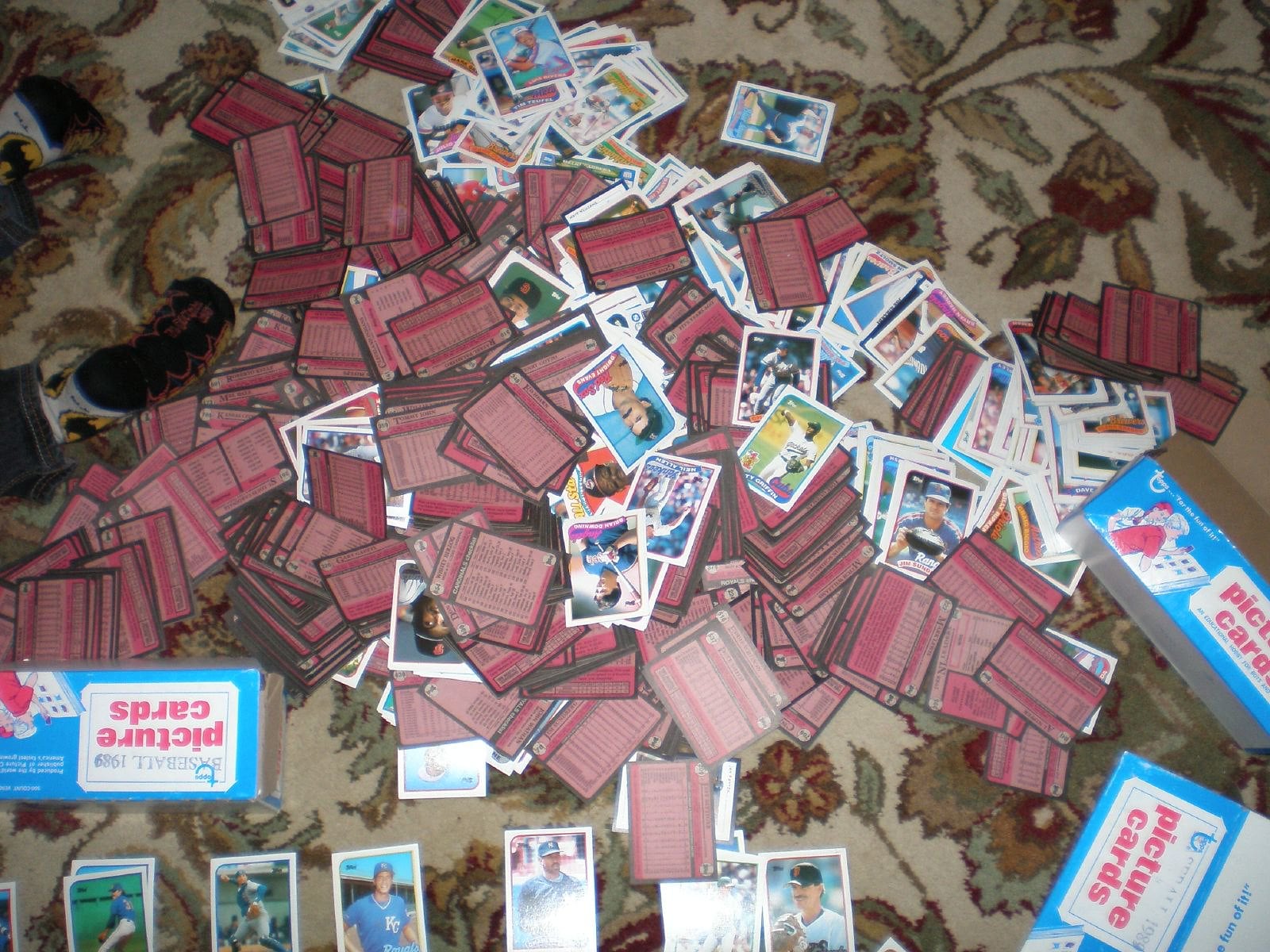
A family from Ohio inherited a collection from their grandfather that they knew was old but did not expect to be particularly valuable. When they opened the boxes, they found cards from the pre-war era including a T206 Honus Wagner and a Ty Cobb.
The collection was submitted to Heritage Auctions, and the first round of sales — just a portion of what had been found — brought in more than $566,000. Hobby press coverage at the time estimated the total collection could ultimately bring in around $3 million once the complete inventory had been sold.
The grandfather had collected the cards at the turn of the century and stored them without any particular preservation strategy. The condition of the cards, held for decades in a box rather than displayed or handled frequently, was a key factor in their final prices.
The 1933 Goudey Babe Ruth — Pulled From Ordinary Collections
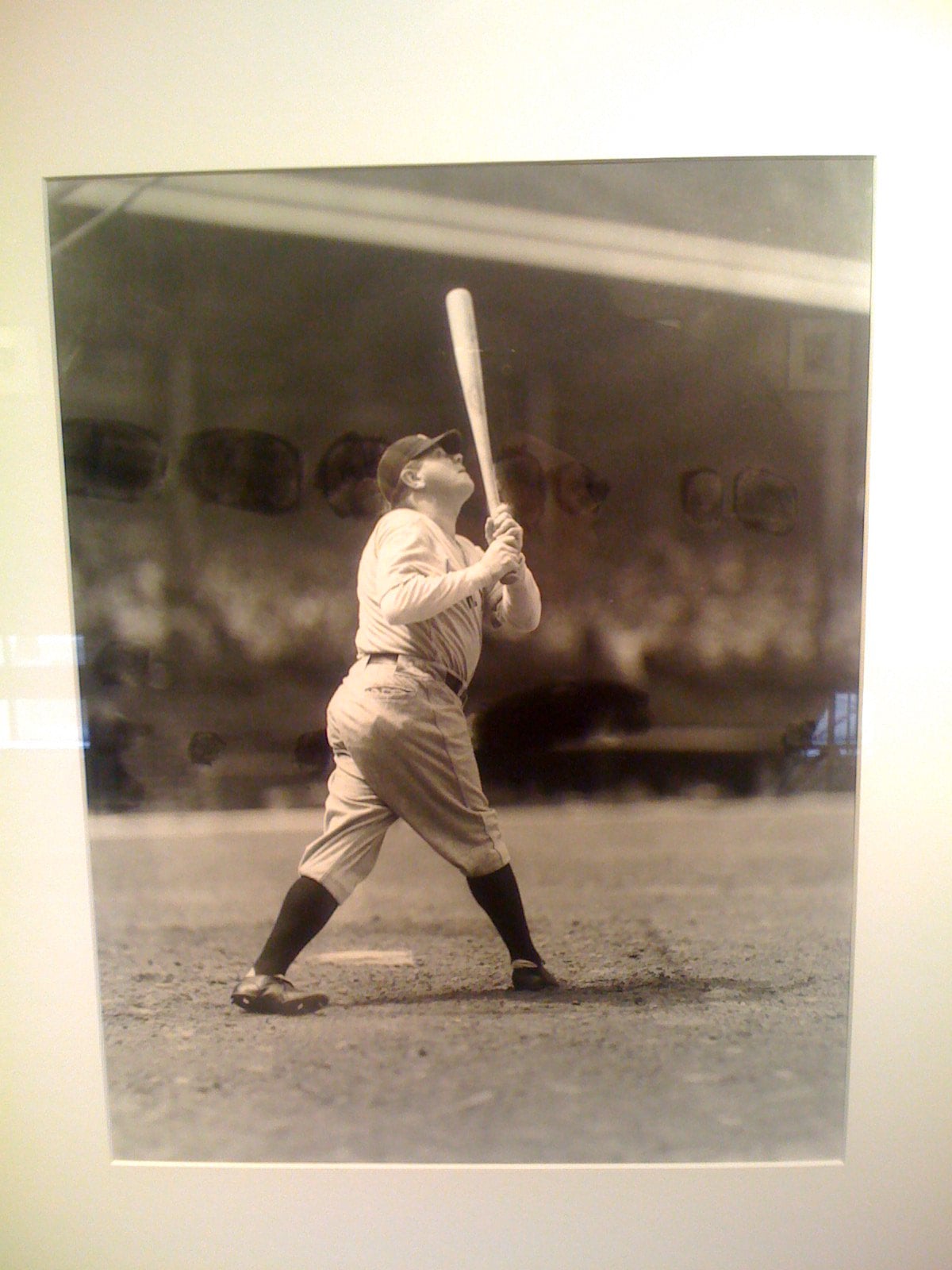
The 1933 Goudey set included four different Babe Ruth cards — numbers 53, 144, 149, and 181 — and all four are actively sought by collectors. They turn up occasionally in inherited collections assembled by relatives who bought packs of Goudey cards in the 1930s and stored them in assorted ways.
A high-grade Ruth #53 can sell for over $500,000. The cards are recognizable by their painted portraits and colorful backgrounds, clearly distinguishable from modern cards, but heirs who don’t collect often don’t know what they’re looking at when they open a grandfather’s drawer and find a stack of thick, old illustrated cards from the pre-war era.
The 1916 Famous & Barr Babe Ruth No. 151
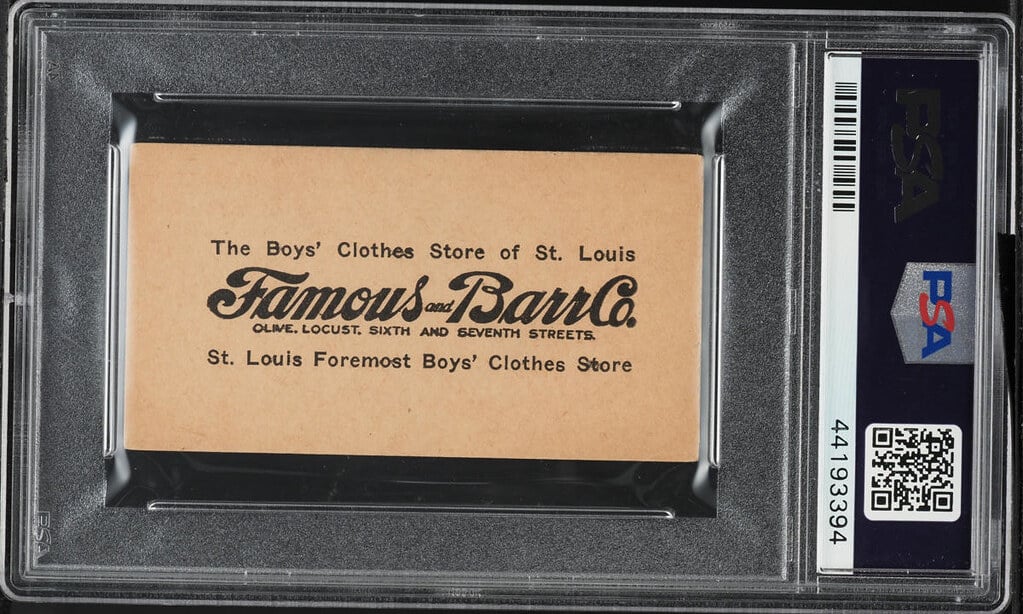
The 1916 Famous & Barr set was a regional issue from a St. Louis department store and is among the earliest cards to depict Babe Ruth. Only seven examples in any grade appear in the PSA Population Report.
The known copies have emerged from a variety of circumstances including estate sales and collections that had been handed down without anyone understanding what was inside. When one of the seven known copies sold through Heritage in a recent auction, it reached $645,000.
Ruth’s name was not universally known in 1916 — he was a 21-year-old pitcher for the Boston Red Sox — and regional issuers who included him at that point were responding to his early statistical record rather than to the fame that would come later.
The 1951 Bowman Mickey Mantle Rookie
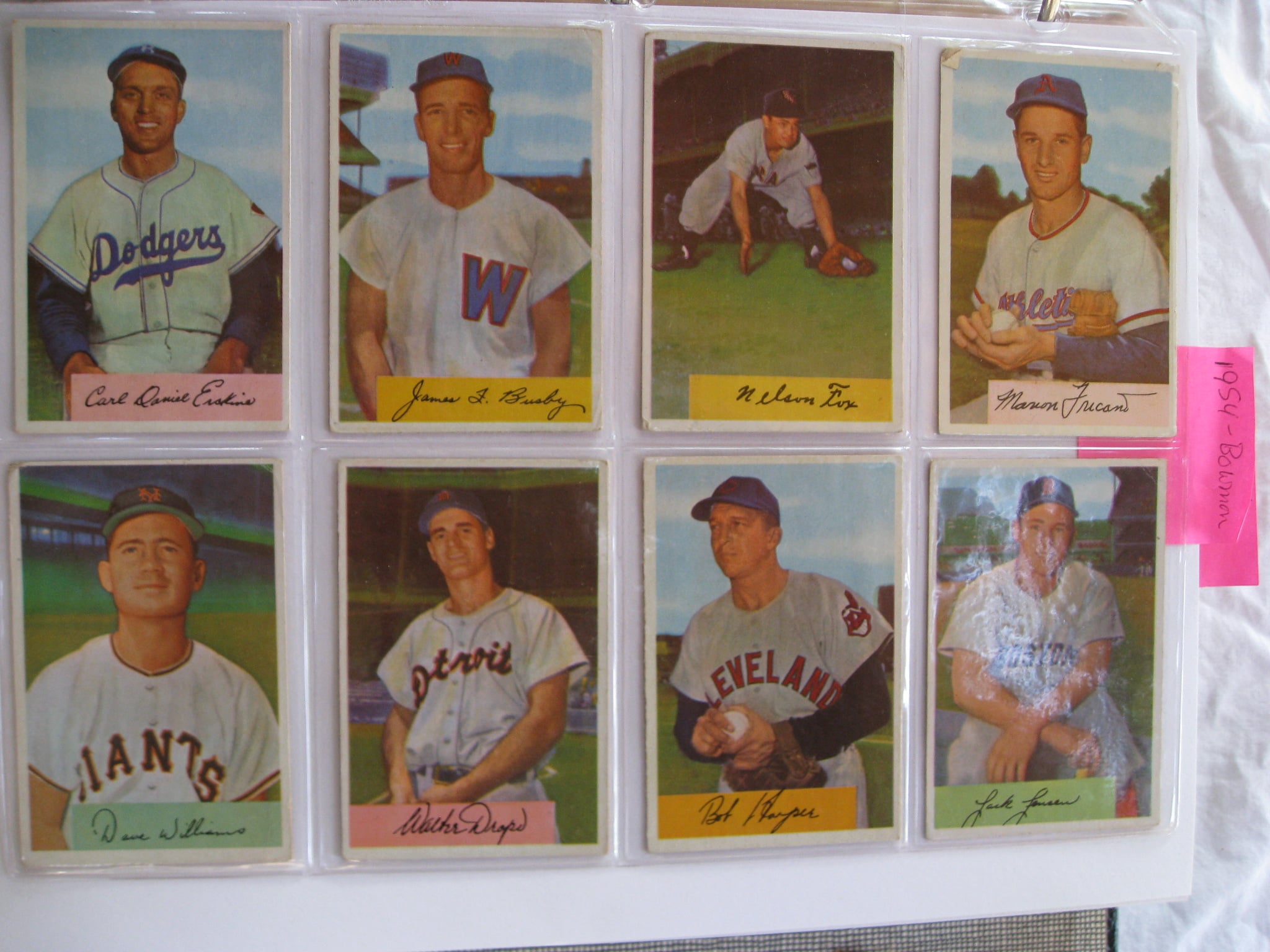
The 1951 Bowman set includes card number 253, widely recognized as Mickey Mantle’s true rookie card, depicting a young 19-year-old in his first season with the Yankees. While significantly more common than the 1952 Topps and produced in higher quantities, high-grade examples remain valuable — a gem-mint copy has sold for over a million dollars.
The more routine find is a mid-grade copy mixed into a general collection, which might sell for thousands rather than millions, but still represents a discovery of genuine value for someone who assumed grandpa’s old cards were worth very little. Mantle’s career was long, his cards numerous, and his image familiar on cards from the early 1950s through 1969; heirs sorting through collections frequently find multiple Mantle cards without knowing which editions carry the most value.
1948 Leaf Satchel Paige — Integration Era Cards
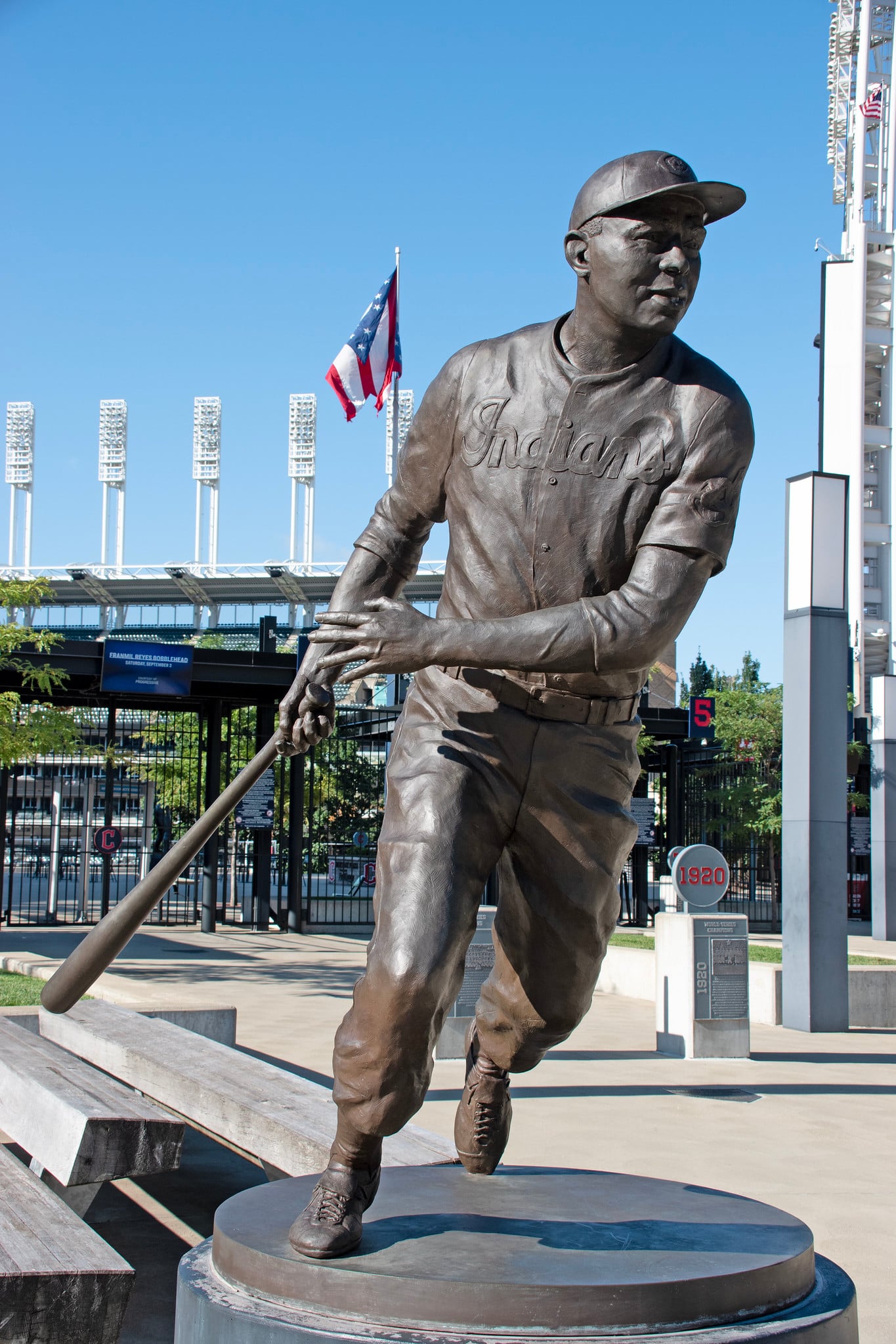
The 1948 Leaf set was the first major baseball card set issued after World War II and included cards of the first group of Black players to enter the major leagues following Jackie Robinson’s 1947 debut. The Satchel Paige card from this set is among the most sought-after, with high-grade copies selling for well over $100,000.
Paige’s card from this set turns up occasionally in collections from families who were fans of the era, mixed in with cards of other players who are far less famous today. What makes these discoveries notable is that the 1948 Leaf set was heavily circulated and played with, so surviving copies in excellent condition are genuinely uncommon.
Pre-War Cabinet Cards Found in Trunks
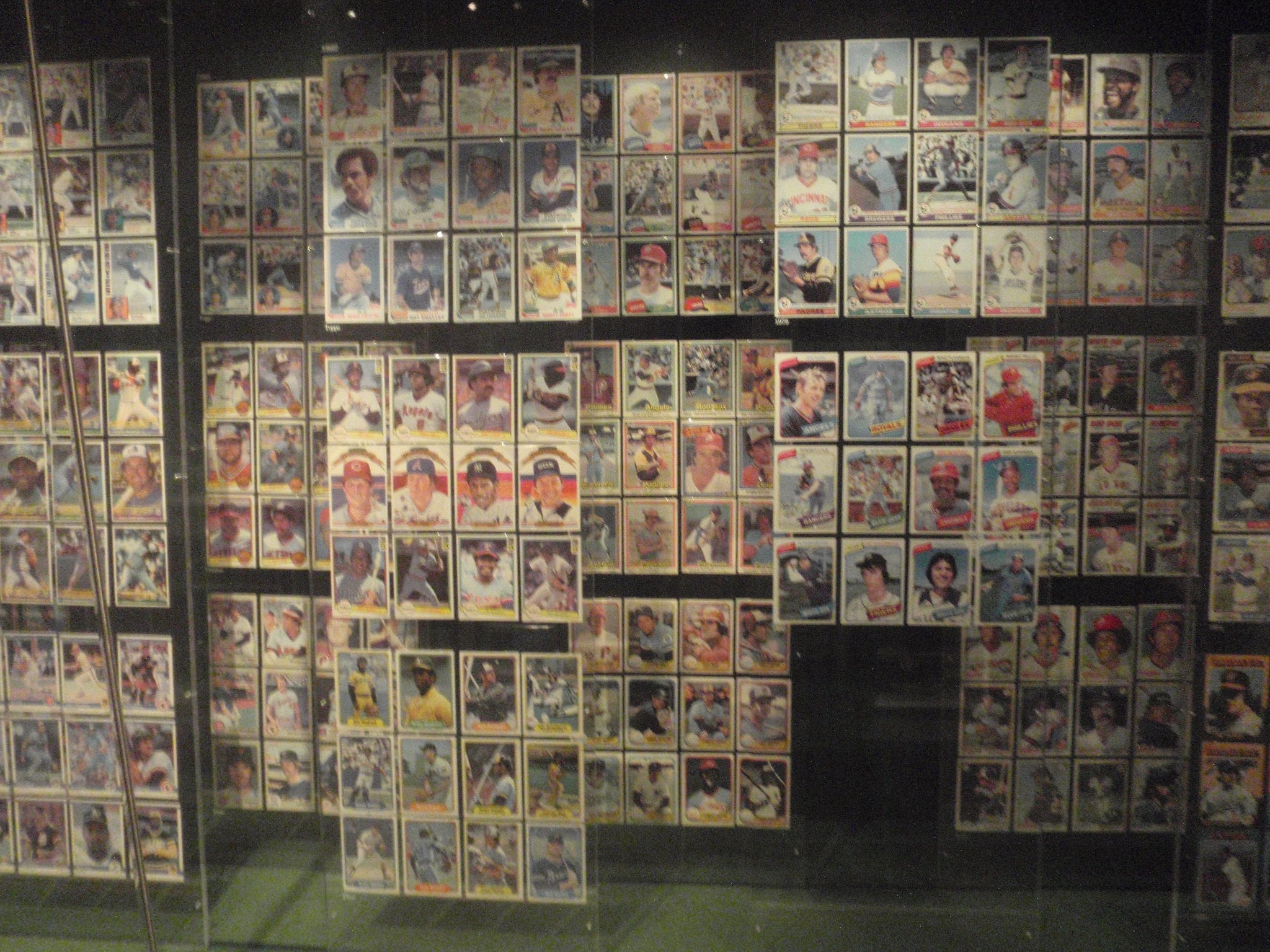
Before the modern baseball card era, late nineteenth-century baseball featured “cabinet cards” — larger-format photographs mounted on cardboard and sold in variety stores. Cabinet cards of players like Cap Anson, Mike “King” Kelly, and Buck Ewing have surfaced in family trunks and estate sales.
These cards predate the traditional hobby’s cataloguing systems and are often not immediately recognized as baseball collectibles by heirs. A cabinet card of an 1880s player in excellent condition can sell for several thousand to tens of thousands of dollars depending on the player, the team, and the specific image.
The T206 Eddie Plank — Almost as Rare as the Wagner
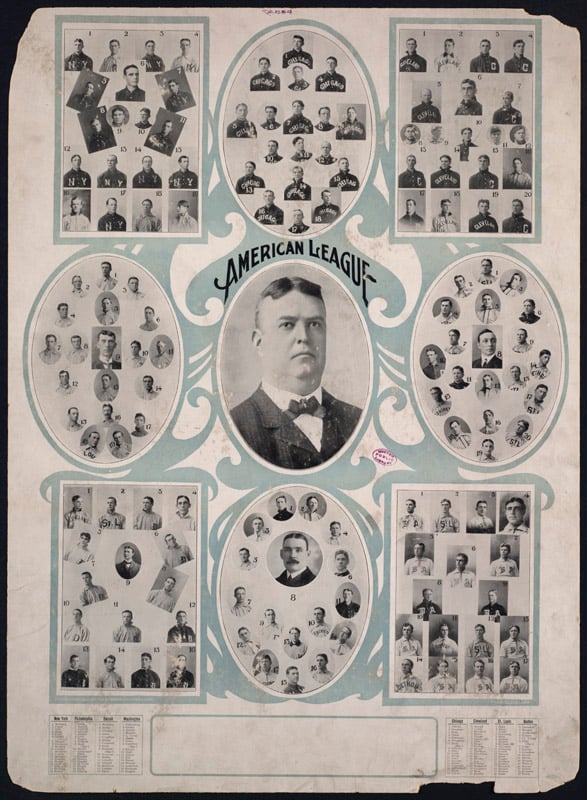
The T206 set contains one other card nearly as scarce as the Honus Wagner: the Eddie Plank, a Hall of Fame pitcher for the Philadelphia Athletics. Plank’s card is believed to be rare because the printing plate cracked during production, resulting in far fewer copies being distributed than for other players in the set.
Authenticated copies typically sell for $60,000 to $250,000 depending on condition. While far less famous than the Wagner, Plank cards turn up occasionally in collections where owners assumed they were simply looking at another old card of a player they didn’t recognize.
The 1909 T206 Cy Young — Multiple Poses
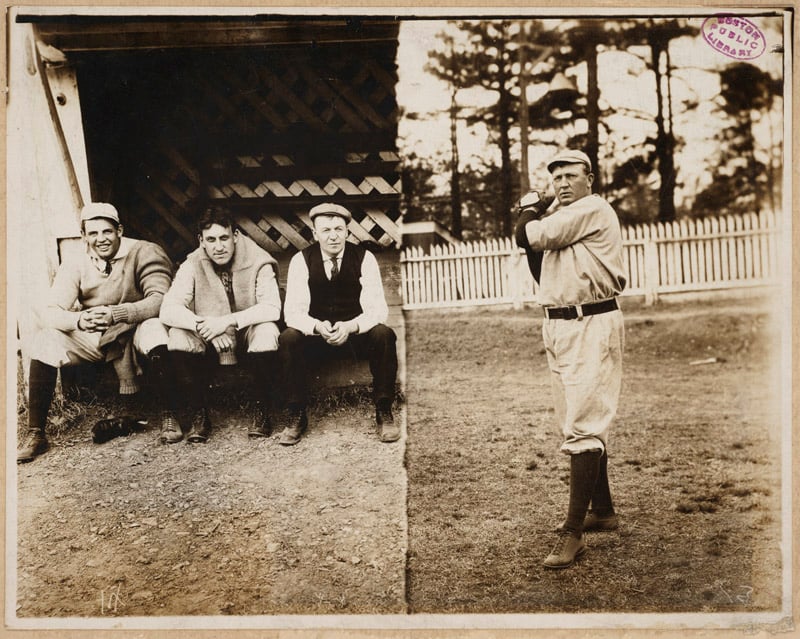
Cy Young appears in the T206 set in two distinct poses — a “glove side” and a “bare hand” variety — and both are valuable, with the bare hand version being scarcer. Young was still pitching in 1909, in the final years of one of the most statistically remarkable careers in baseball history, and the cards were contemporary rather than retrospective.
They turn up in inherited collections from fans of the era and are distinguished by the specific artwork style of the T206 set, which printed player portraits in illustrated rather than photographic form.
The 1934 Goudey World Series Cards — Regional Variants
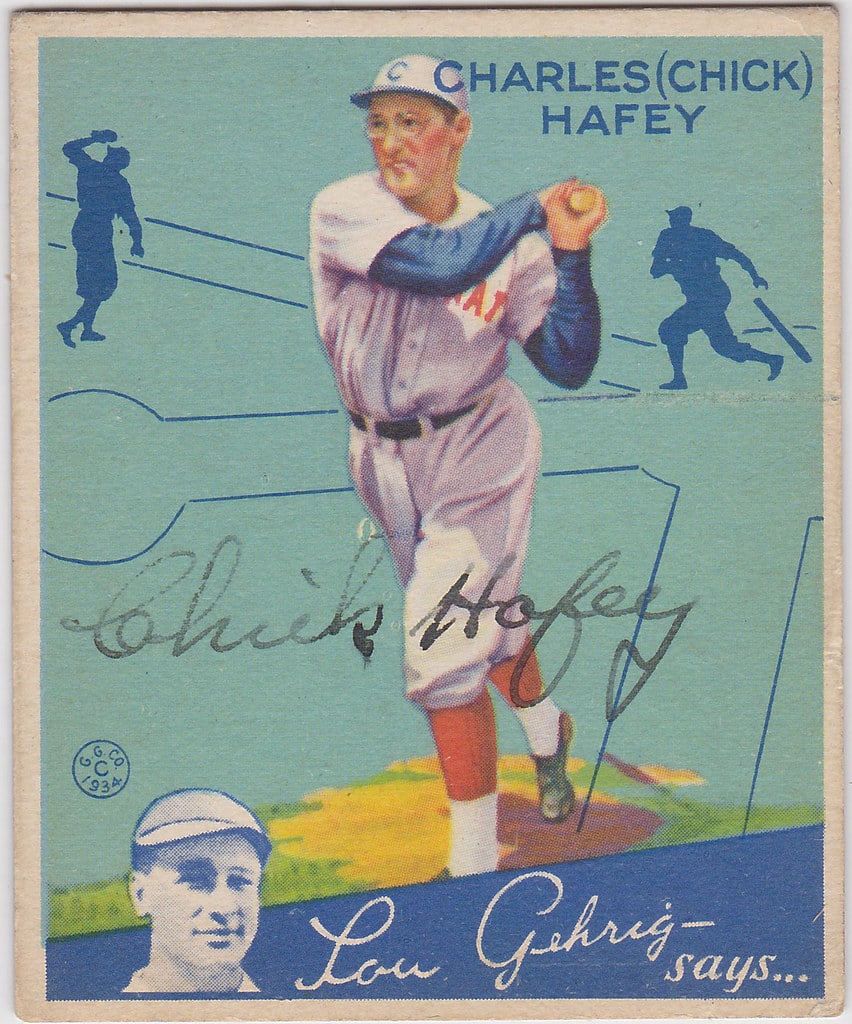
Some 1930s Goudey issues included regional variants where certain cards were produced in smaller quantities for specific markets. These variants are distinguished by subtle differences in printing, back text, or the color combinations used on the front.
Collectors who receive inherited Goudey collections frequently have the cards appraised only for the most famous players and overlook variant status in commons that turn out to be valuable precisely because of their production differences.
Condition and Its Consequences in Old Collections
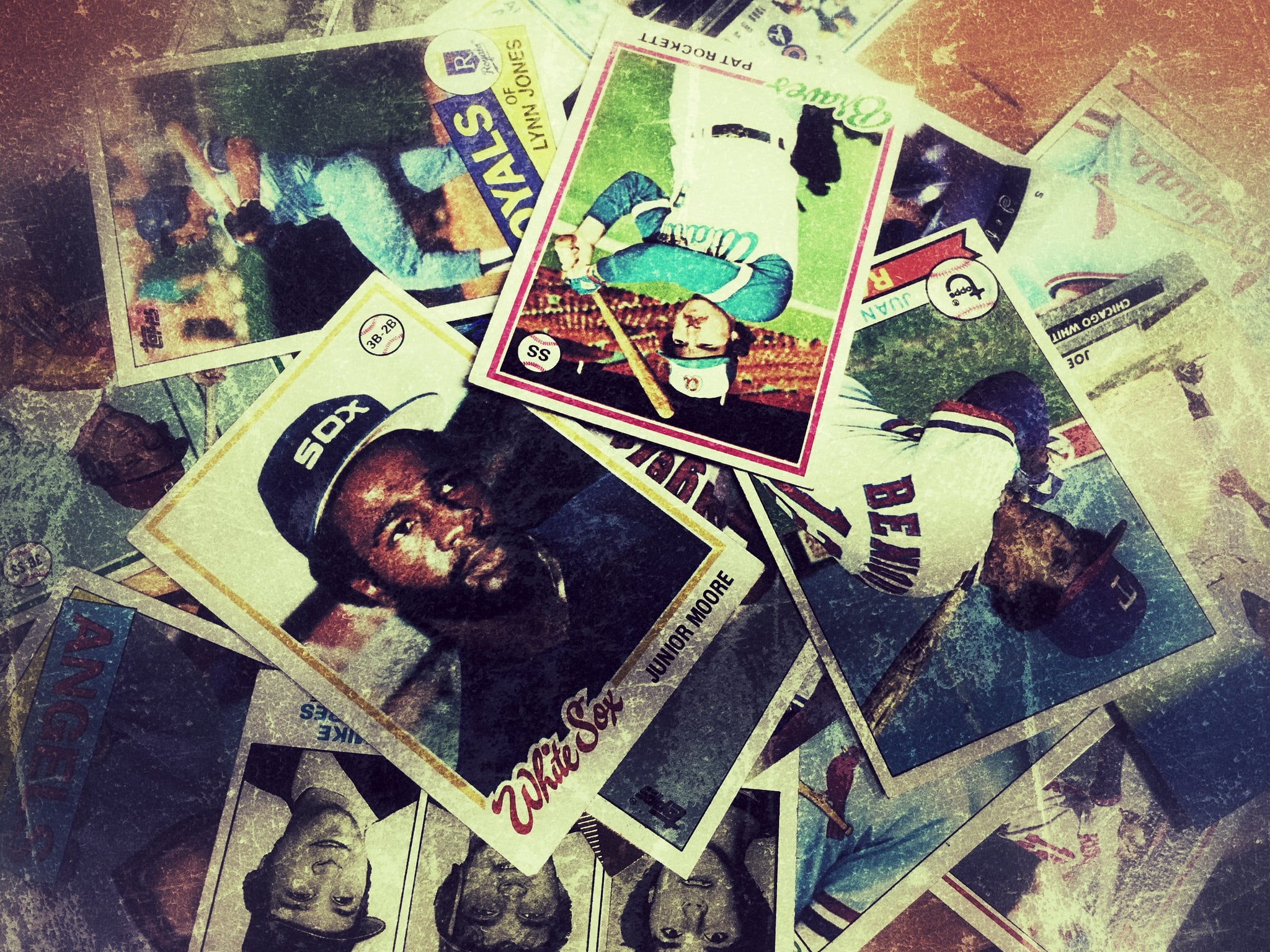
The factor that most determines the final value of any card found in an inherited is condition, and condition is determined by how the previous owners treated the card. A T206 Ty Cobb in poor condition still carries real value — any authentic T206 Wagner sells for at least several hundred thousand dollars regardless of grade.
But the gap between grades is enormous: the difference between a T206 Wagner graded PSA 1 (poor) and a PSA 5 (excellent) represents millions of dollars.
Cards stored in rubber bands develop crimp lines that permanently reduce grade. Cards stored face-down on rough surfaces develop surface wear.
Cards that were separated from the rest of a stack, handled least, or happened to be at the center of a bundle rather than the outside — those are the ones most likely to emerge in unexpectedly high condition after decades in a box.
The Habit That Builds Collections and Loses Them
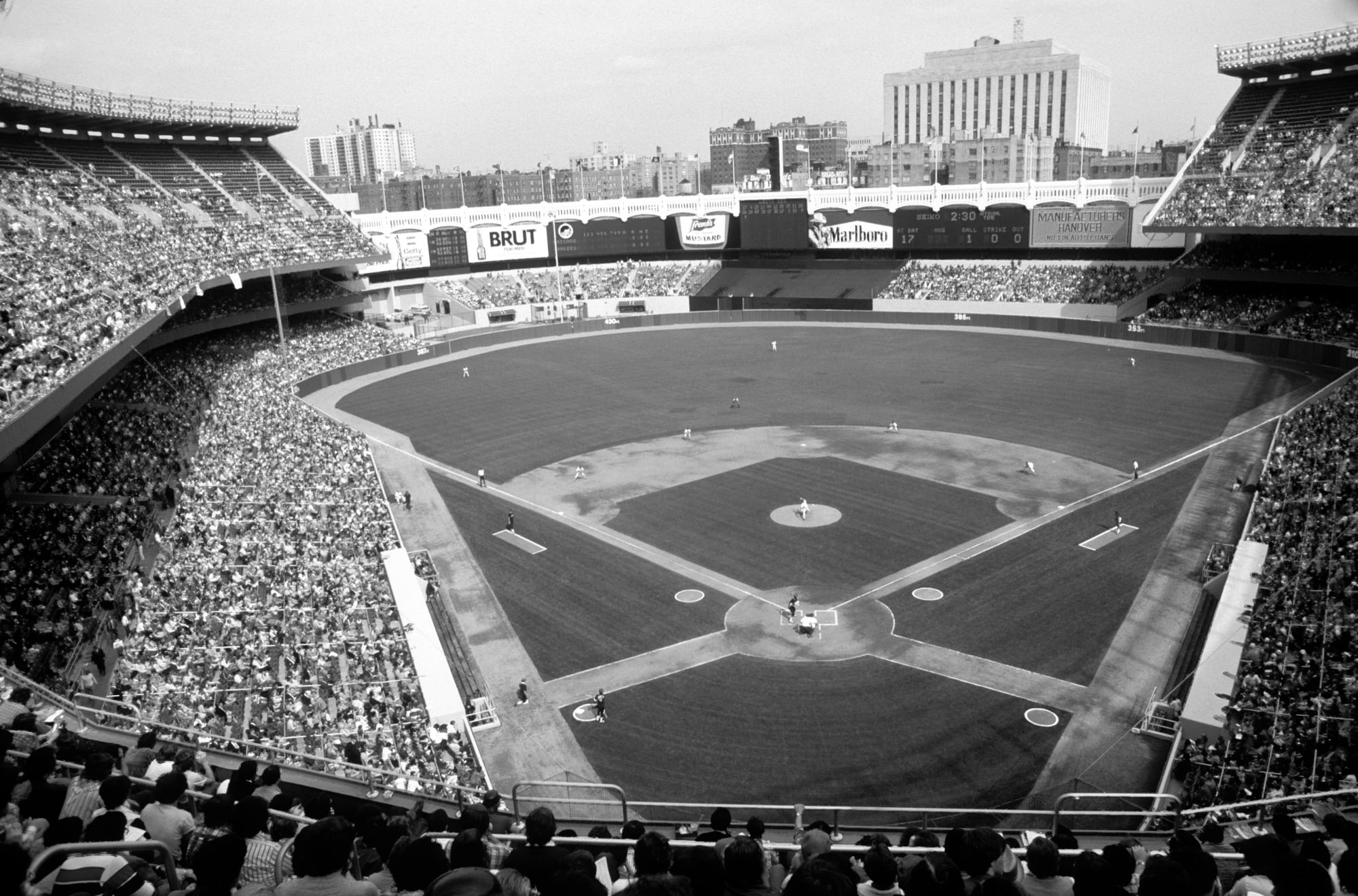
The pattern that produces these discoveries is consistent: someone who cared about baseball in the early to mid twentieth century accumulated cards the way contemporary fans collect, treated them with the attention of a fan rather than an investor, stored them when the immediate interest faded, and died without explaining what was in the box.
The heirs received the collection as part of an estate, estimated its value at close to nothing based on the absence of modern cards and the presence of things they didn’t recognize, and either kept the box without opening it or came very close to discarding it.
The difference between discovery and loss in most of these cases is a single decision: whether to open the box before calling the trash service, or whether to take the paper bag to the auction house rather than the recycling bin.
The cards that survive in these conditions do so not because anyone decided they should be preserved. They survive because no one decided to throw them away.
More from Go2Tutors!

- The Romanov Crown Jewels and Their Tragic Fate
- 13 Historical Mysteries That Science Still Can’t Solve
- Famous Hoaxes That Fooled the World for Years
- 15 Child Stars with Tragic Adult Lives
- 16 Famous Jewelry Pieces in History
Like Go2Tutors’s content? Follow us on MSN.