26 Candy Bars From the ’80s That Vanished From Store Shelves Without Warning
The 1980s candy aisle was a landscape of bold colors, adventurous flavors, and aggressive marketing—a time when candy manufacturers seemed convinced that bigger, sweeter, and more chemically complex was always better. But for every iconic bar that survived the decade to become a permanent fixture in modern convenience stores, there were dozens that appeared with great fanfare and vanished just as suddenly, leaving behind only fading memories and the occasional unopened wrapper sealed in a nostalgia collector’s vault.
What made these disappearances particularly jarring was that many of them weren’t slow declines into obscurity; they were abrupt removals from shelves, sometimes with no warning and no clear explanation from manufacturers.
The reasons varied—corporate mergers, poor sales during critical windows, changing tastes, or simply bad timing. But the shared experience of scanning the candy aisle and realizing your favorite bar was just gone remains a specific form of childhood loss for anyone who came of age in the 1980s.
These weren’t candies that faded gradually; they evaporated.
Marathon Bar
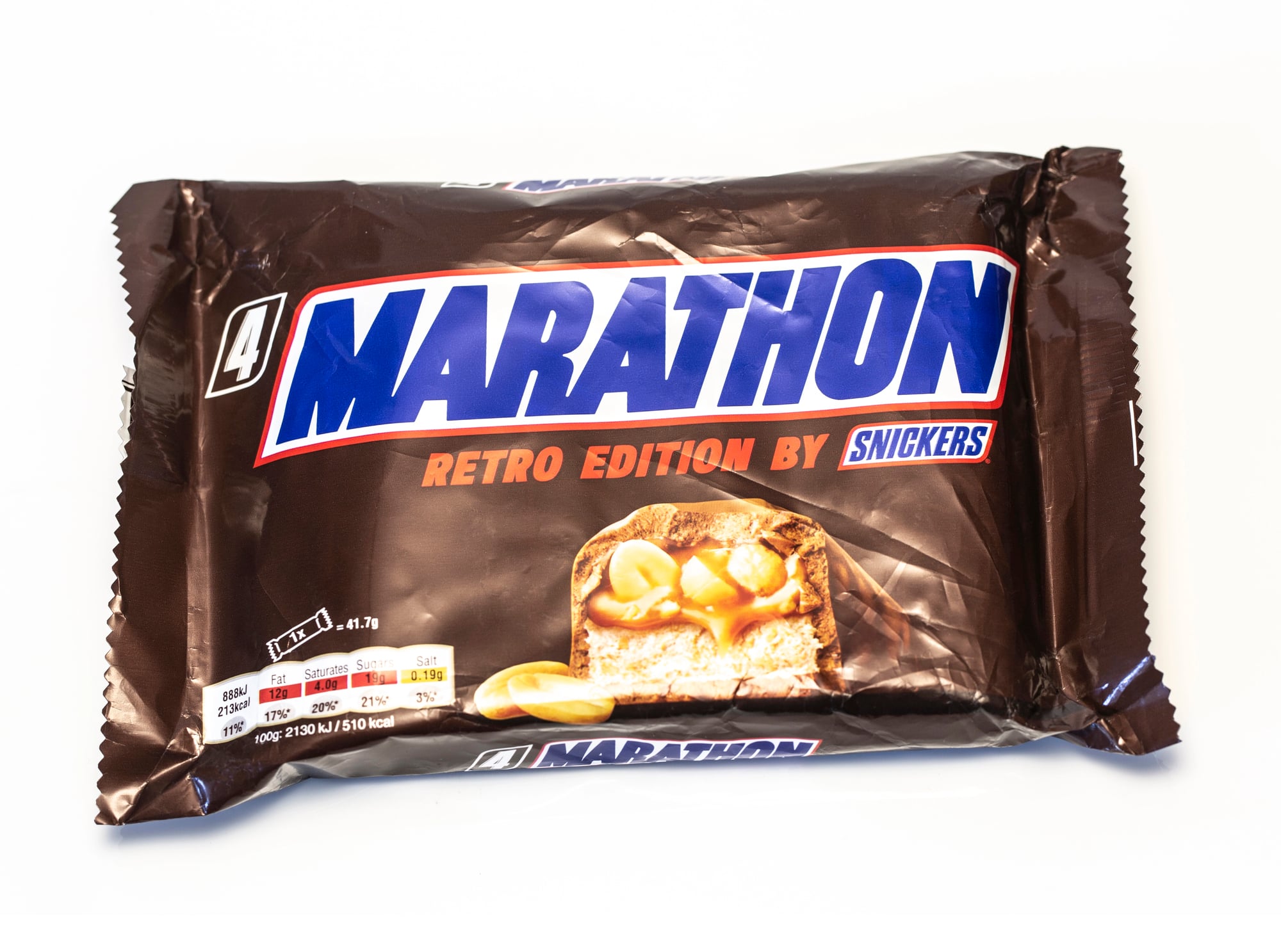
This eight-inch braided caramel bar coated in milk chocolate was discontinued in 1981 after only eight years on the market. Mars marketed it with the tagline “Lasts a good long time,” and the wrapper even featured a ruler down the side to emphasize the bar’s impressive length.
The cowboy-themed commercials featuring “Marathon John” became iconic, but the product itself proved economically unsustainable and vanished almost overnight.
Milkshake Bar
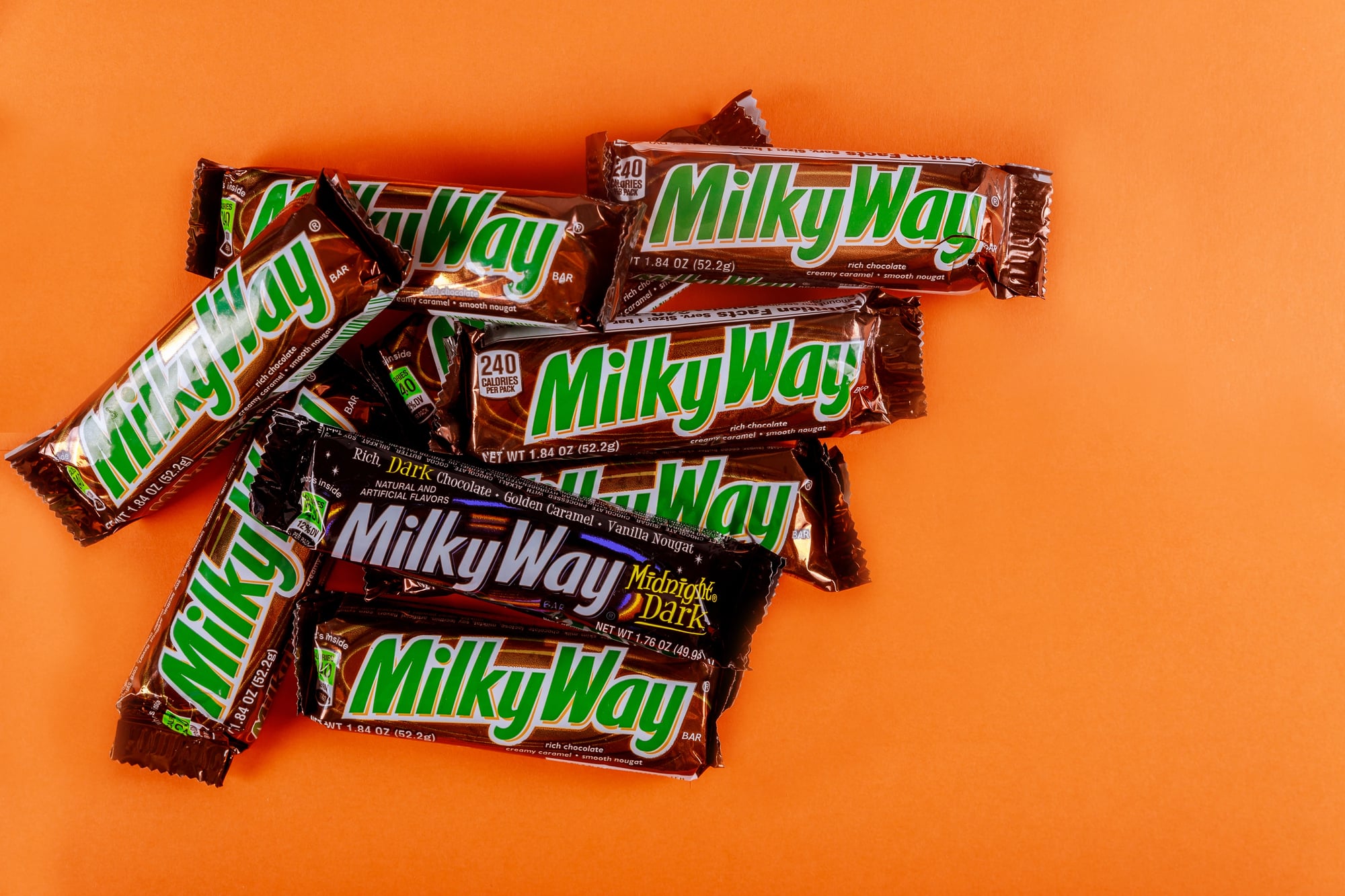
Originally introduced in 1927 by the Hollywood Candy Company as a competitor to the Milky Way, the Milkshake Bar featured a distinctive malt-flavored nougat center that was supposed to taste like a chocolate milkshake. The bar was particularly popular as a frozen treat at pool concessions and corner bodegas during summer months.
It was discontinued in 1980 when a devastating factory fire destroyed the specialized Illinois plant where the bar had been made for over 40 years, taking decades of proprietary manufacturing knowledge with it.
Reggie! Bar
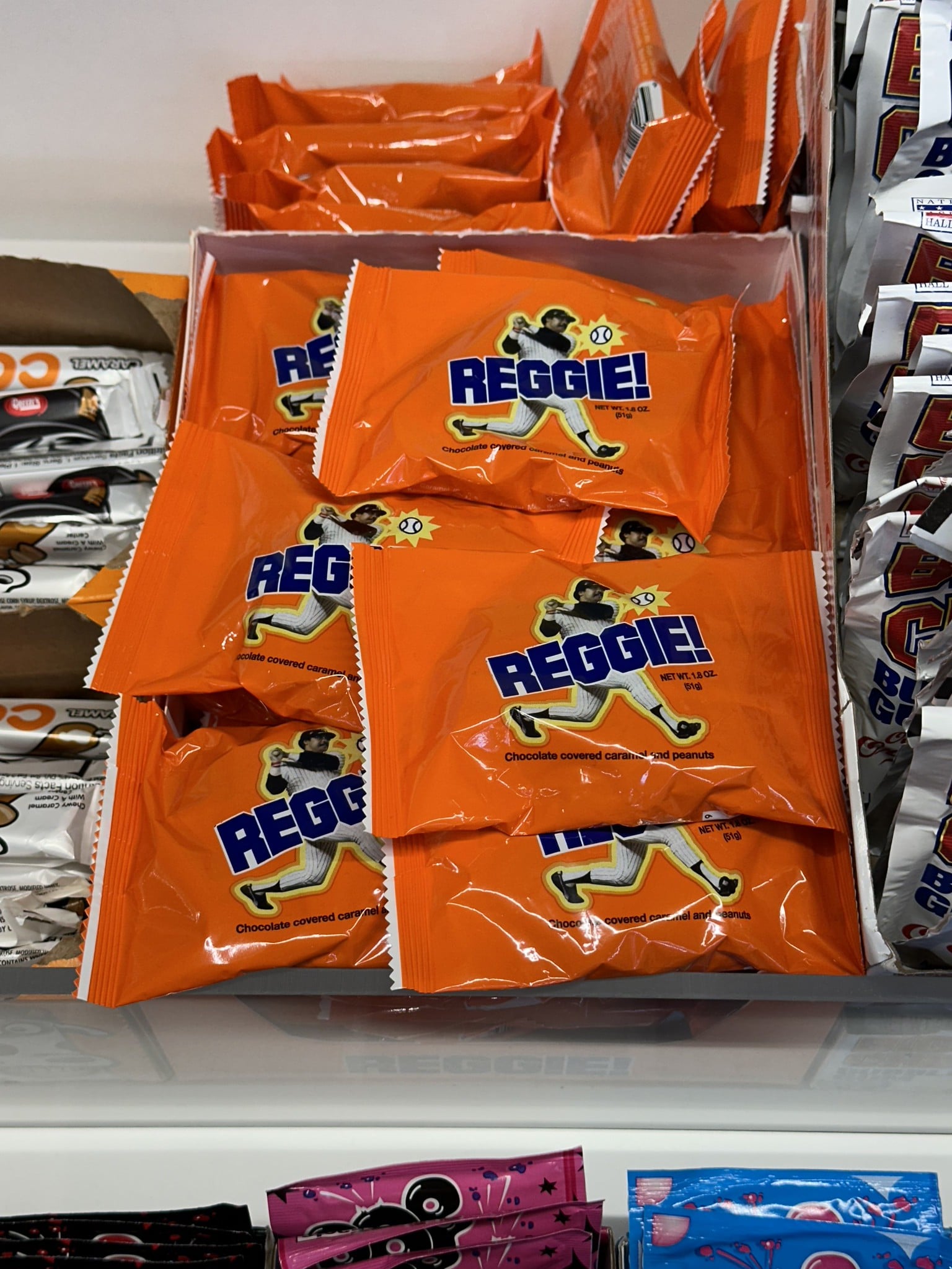
Launched in the late 1970s by Mars to capitalize on baseball superstar Reggie Jackson’s fame, this circular chocolate-covered treat featured caramel and peanuts. The bar was ubiquitous during Jackson’s playing days but struck out by the early 1980s when consumer interest in Jackson waned and the licensing deal apparently expired.
It represents one of the earliest examples of celebrity-endorsed candy dying the moment the celebrity’s cultural relevance decreased.
Alpine White
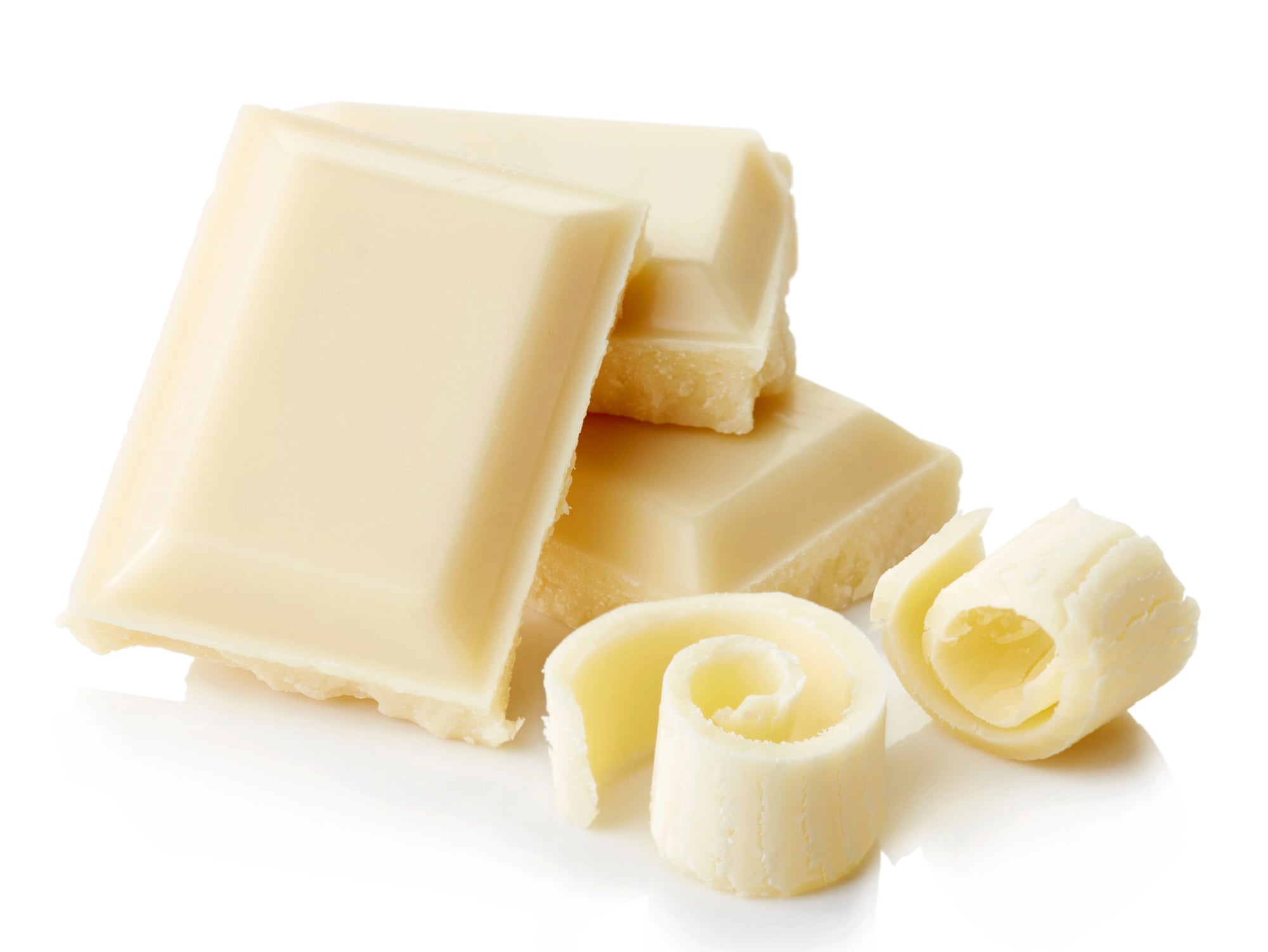
Nestlé released this white chocolate bar with real almonds in the 1980s just as white chocolate was becoming mainstream. Despite what seemed like perfect market timing, the bar never gained enough traction to survive and was discontinued around 1993.
The bar eventually developed such a cult following that fans launched a petition in 2020 attempting to bring it back.
Choco’Lite
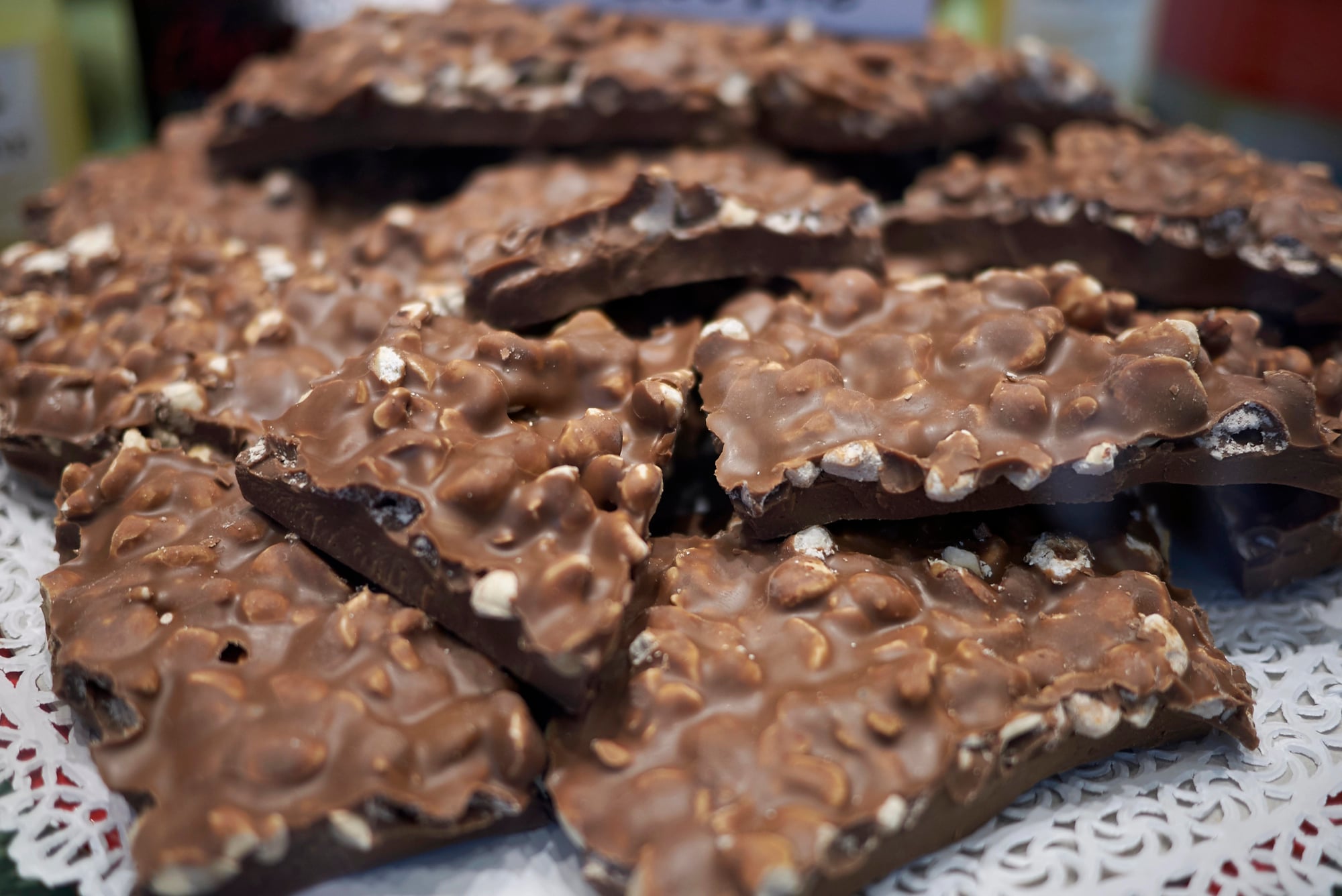
Nestlé’s puffed milk chocolate bar with crispy chips was advertised as “big, thick bites of light and creamy chocolate with crispy chips.” Introduced across New England and the Midwest in the 1970s, it maintained popularity through the early 1980s before being removed from shelves toward the end of the decade, leaving many regional fans devastated by its sudden disappearance.
Secret Bar

Introduced in the 1980s by Nestlé, this bar featured distinctive chocolate strands that required specialized manufacturing steps not used in the company’s other candy lines. It was discontinued just a few years after launch, likely due to the complexity and cost of its unique production process.
Petitions have circulated online calling for its return, but the bar remains firmly discontinued.
Bar None
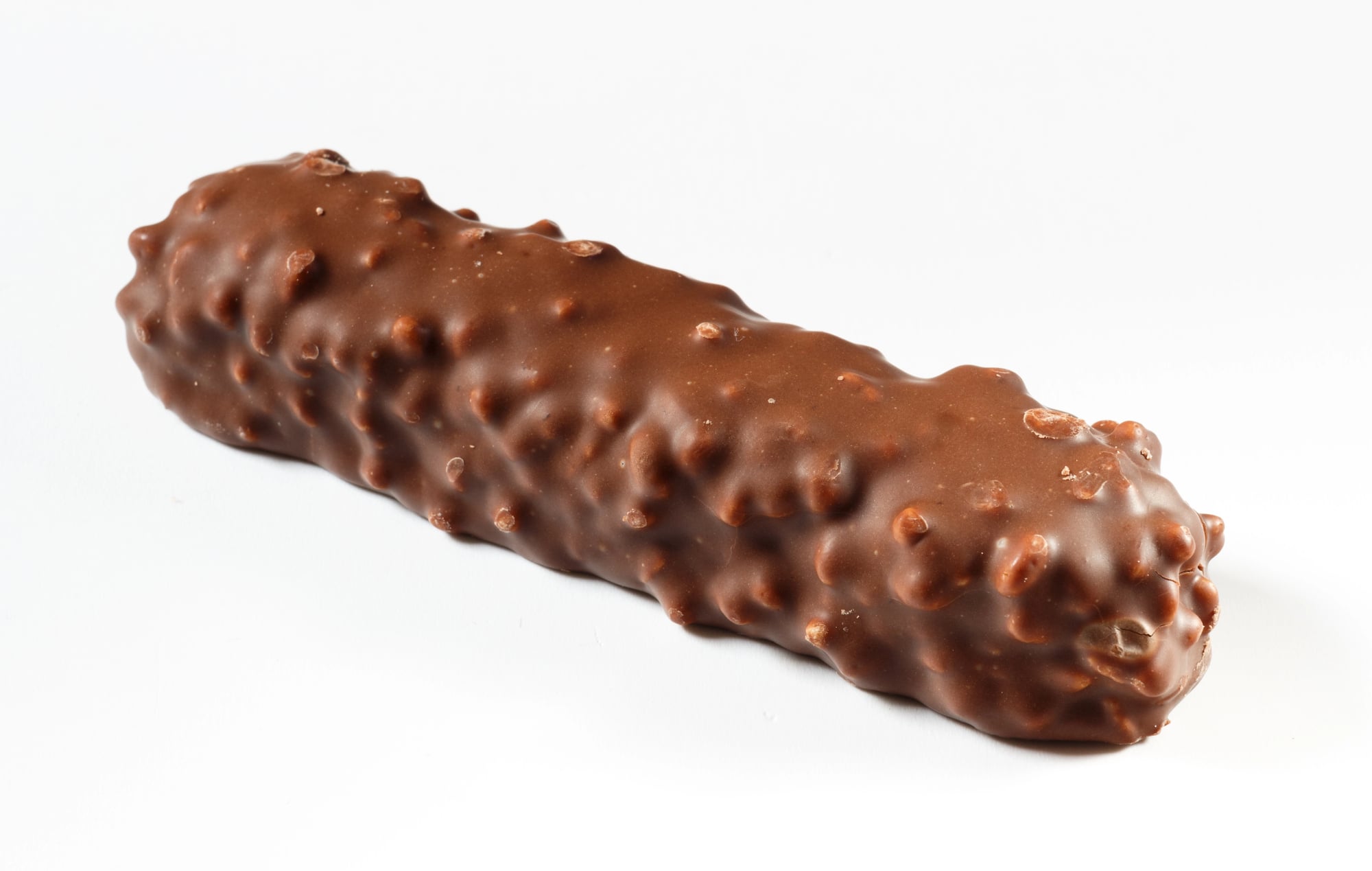
Introduced in 1987 by Hershey’s, Bar None was an instant hit featuring layered wafers, milk chocolate, peanuts, and chocolate cream all coated in chocolate. The 1989 advertisements called it “the supreme chocolate extravaganza” and promised it would “satisfy the chocolate beasty lurking in us all.”
Despite its innovative design and initial popularity, the bar eventually faded from production.
PowerHouse Bar
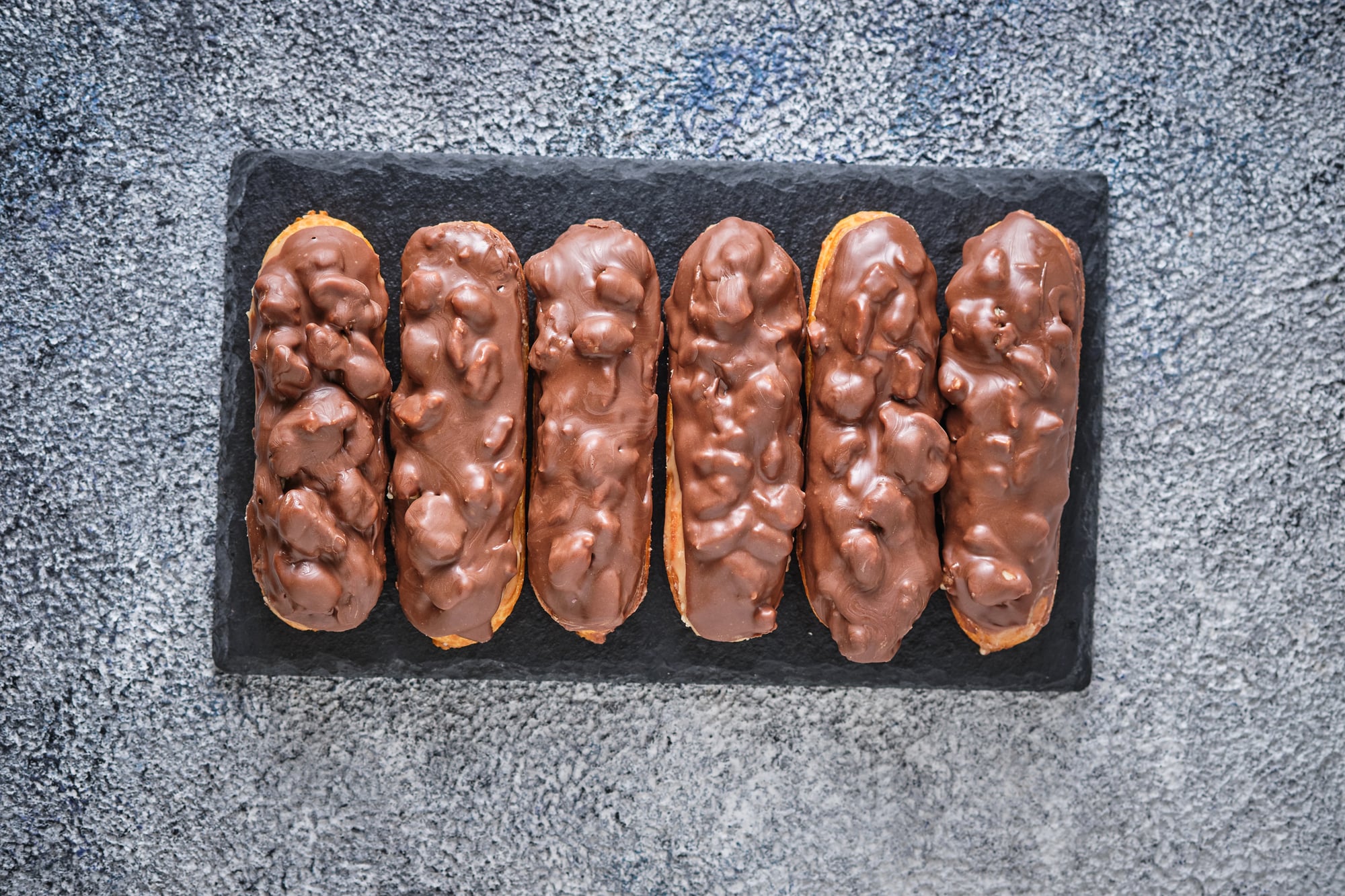
Originally introduced in the 1970s as a precursor to modern energy bars, this high-protein, high-calorie treat featured peanuts, caramel, and fudge covered in milk chocolate. It was marketed as an energy booster and was decades ahead of its time.
After Peter Paul merged with Cadbury in 1978 and Hershey’s subsequently acquired the U.S. division in 1988, PowerHouse was quietly discontinued in the late 1980s.
Summit Bar
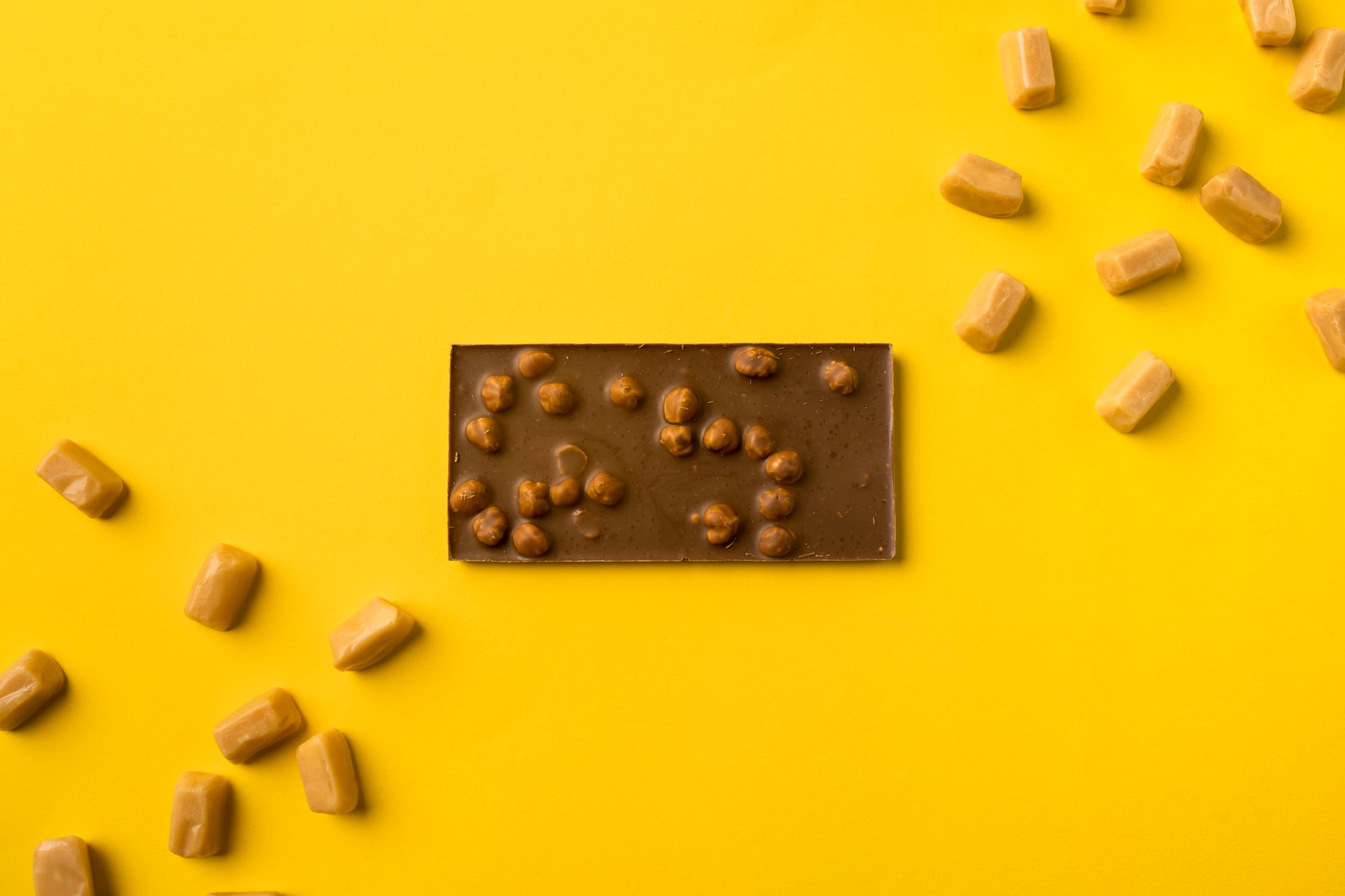
Mars released this wafer bar topped with peanuts and milk chocolate in 1977, and it developed a strong following among health-conscious consumers in the 1980s who appreciated its lighter texture compared to heavier nougat-filled alternatives. Robust advertising campaigns failed to sustain its market position, and it was discontinued in the mid-1980s, leaving a devoted fan base that still reminisces about its unique crunch.
Bonkers
Rolled out in the mid-1980s by Nabisco, Bonkers was a chewy, tangy treat with an intense fruit center that created a burst of flavor. The original concept was simple—imagine biting into a Starburst and getting an even more aggressive flavor hit.
It had a devoted but ultimately insufficient following, and it vanished from shelves.
Rumba Bar
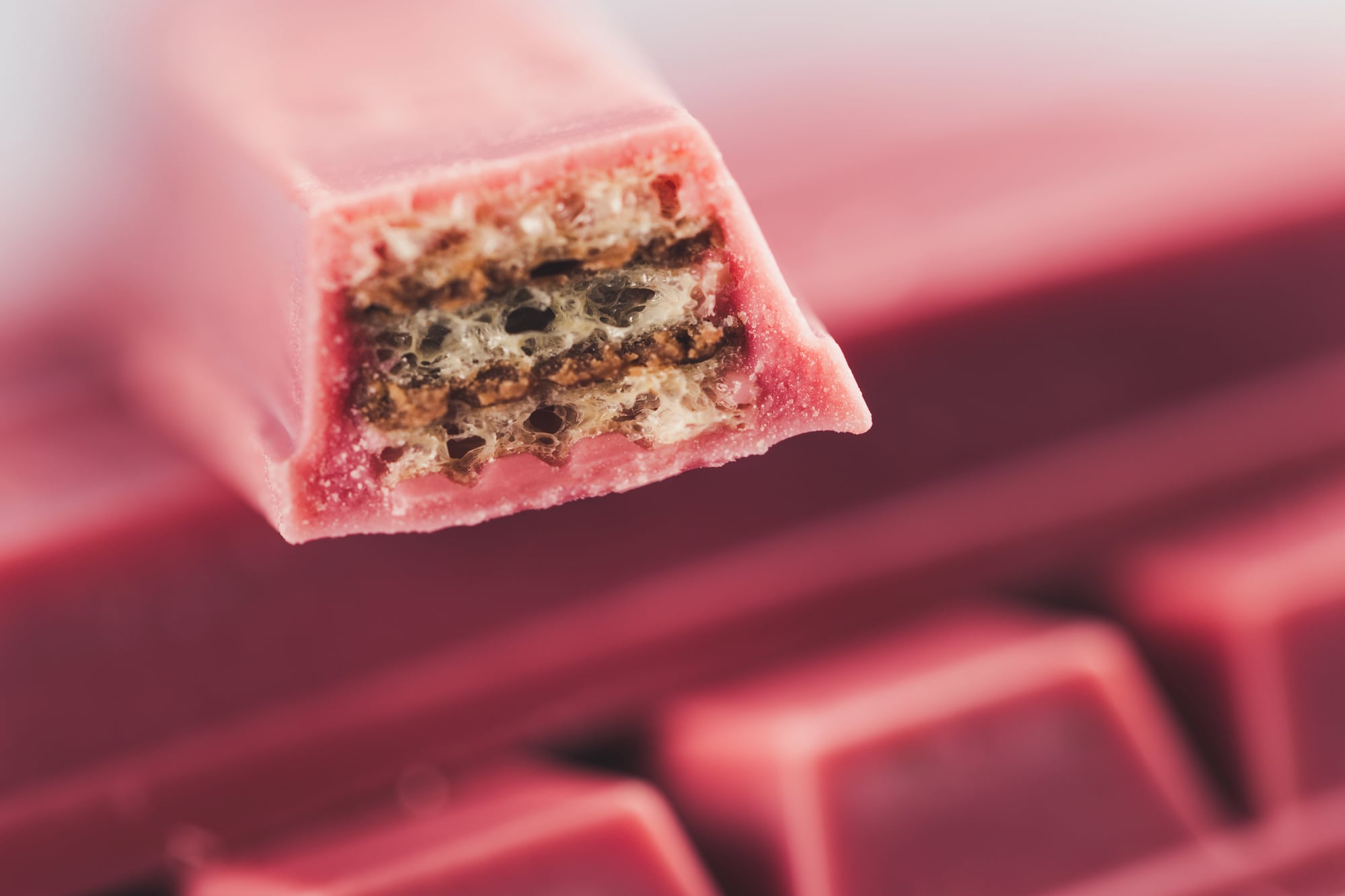
Cadbury’s rum-flavored bar featured rum flavoring, raisins, and fudge in a breakable format similar to a Kit Kat. The marketing slogan “Succumba to Rumba” failed to generate sales, and the bar disappeared quickly due to lack of consumer demand for rum-flavored candy.
It represents a swing-and-miss attempt at adult-oriented chocolate.
Whiz Bar
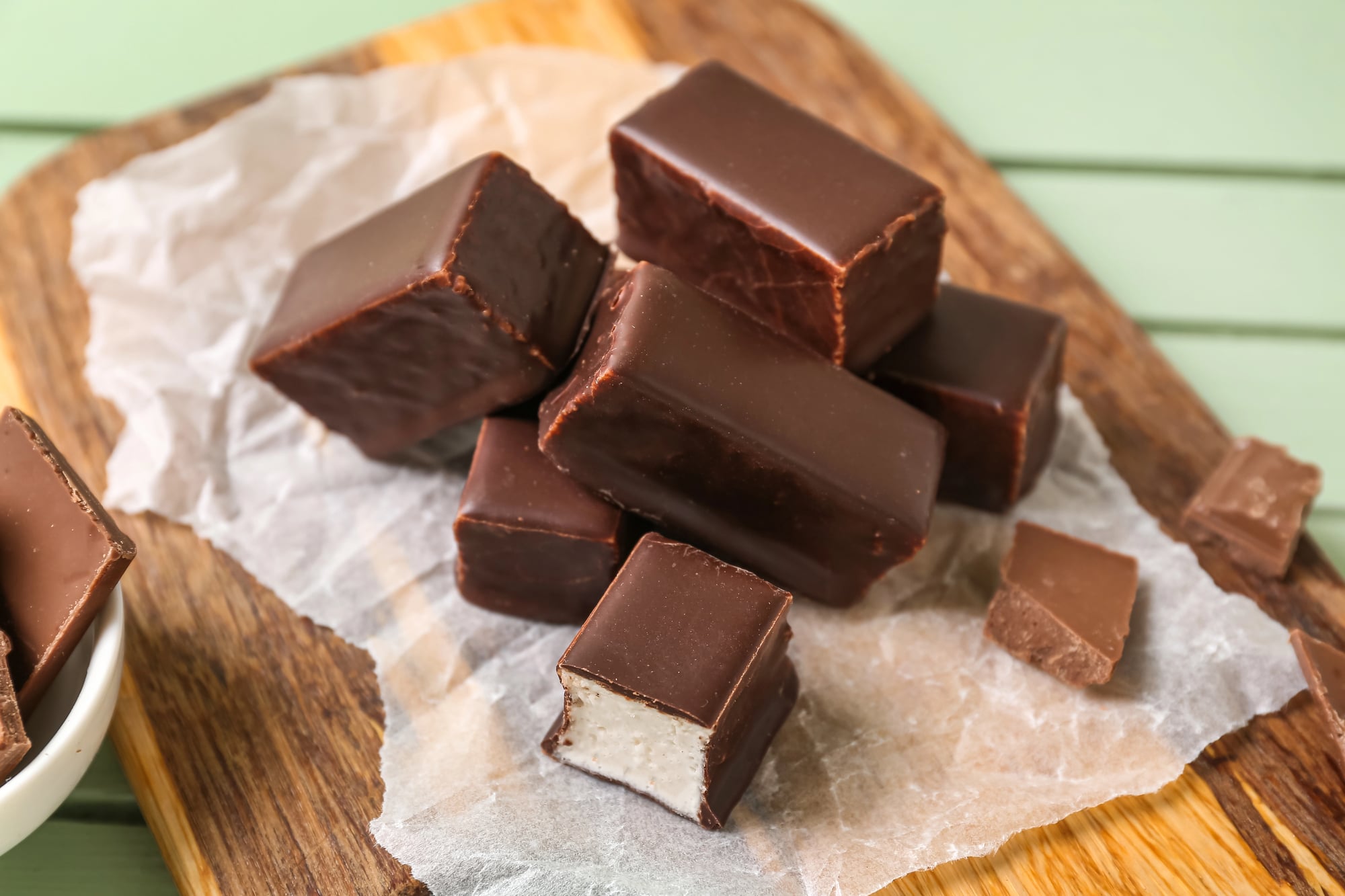
The Beich company produced this marshmallow-based bar covered in peanuts and chocolate with the slogan “Whiz, best nickel candy there iz-z.” It eventually faded from production as the company’s other brands commanded more shelf space and marketing resources.
Coconut Grove Bar
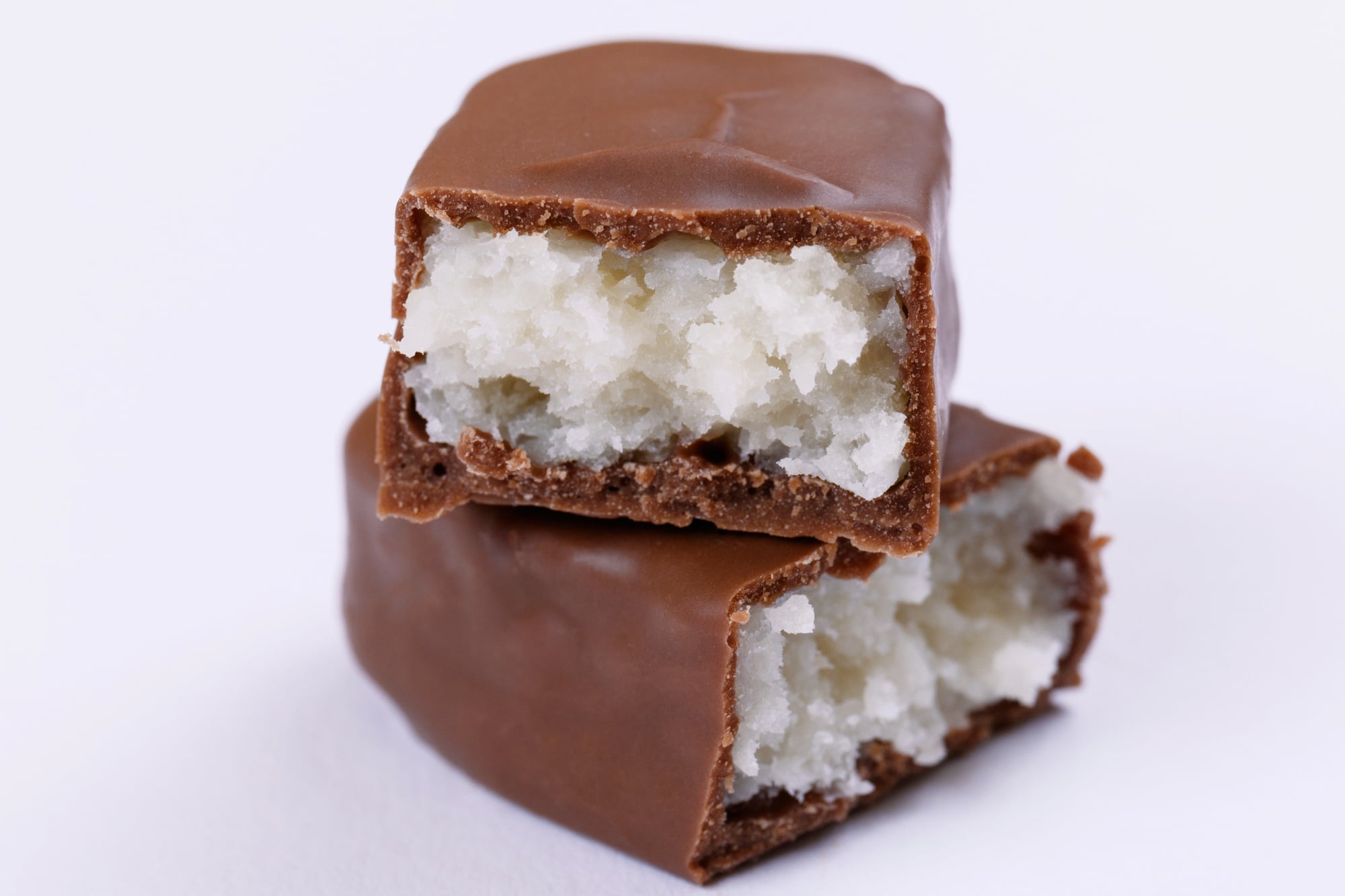
Originally launched by Curtiss Candy Company in 1949 as a tropical treat featuring coconut and chocolate, Coconut Grove ran into serious shelf life problems. After Curtiss was acquired in 1964 by Standard Brands, the new owners discontinued Coconut Grove shortly after due to its short shelf life caused by the natural coconut filling.
Dina-Sour Eggs

This novelty candy featured sour-flavored eggs that were popular among kids who enjoyed intense flavor combinations. The product capitalizes on the sour candy trend but was discontinued as the 1980s progressed.
Space Dust Candy
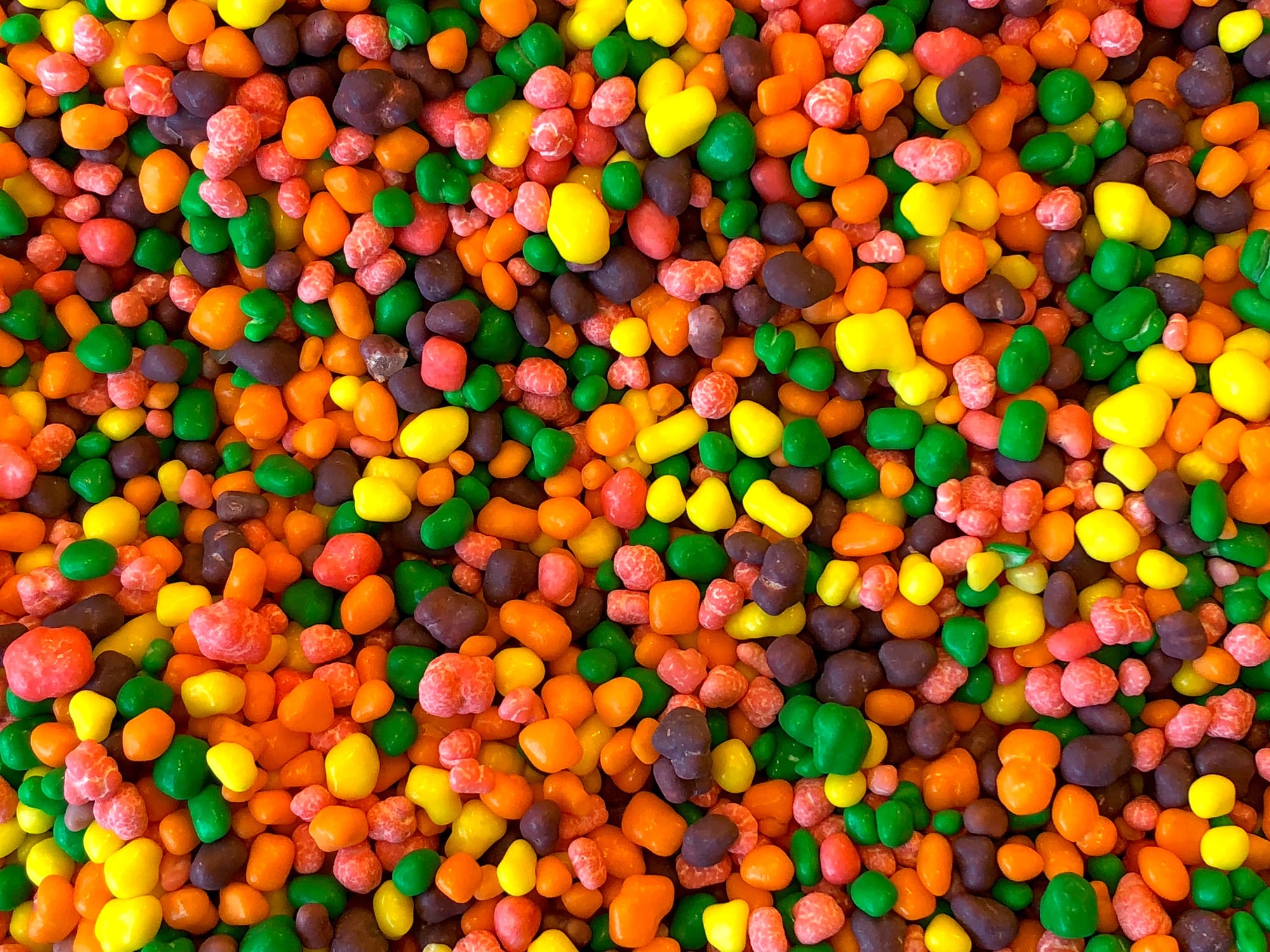
While technically a candy and not strictly a bar, Space Dust was a popping candy sensation in the 1980s that disappeared from shelves, representing the broader category of novelty candies that thrived during the decade only to vanish.
Topps Bubble Gum
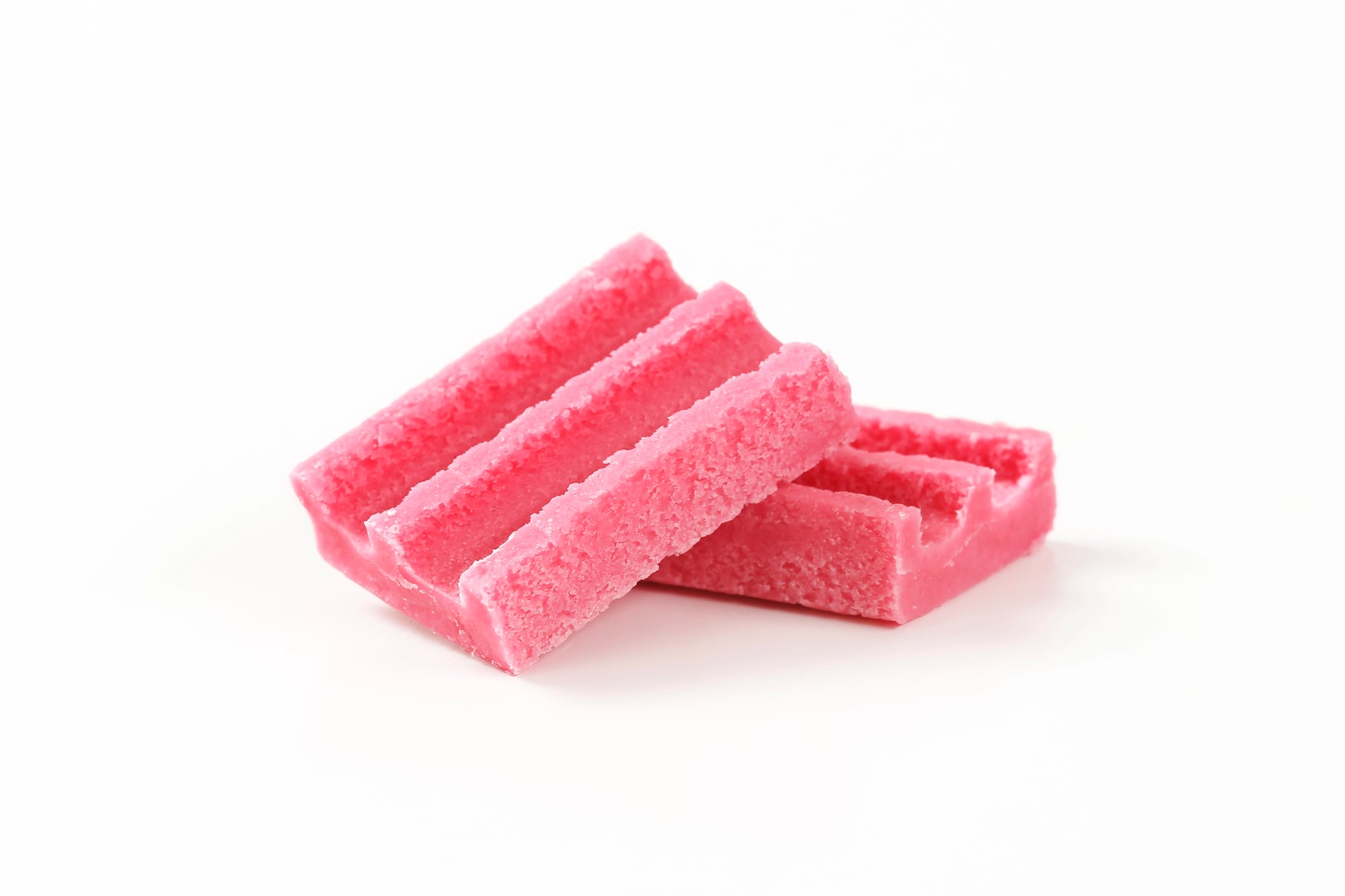
Remember Topps Bubble Gum for its thirty-second flavor burst? Despite short-lasting taste, it became a staple of the 1980s.
The packaging itself was a draw—unique cartons that made the candy as much a collector’s item as a consumable. The product was eventually discontinued, though examples can still be found on eBay with warnings that they are not fit for consumption.
Jell-O Pudding Pops
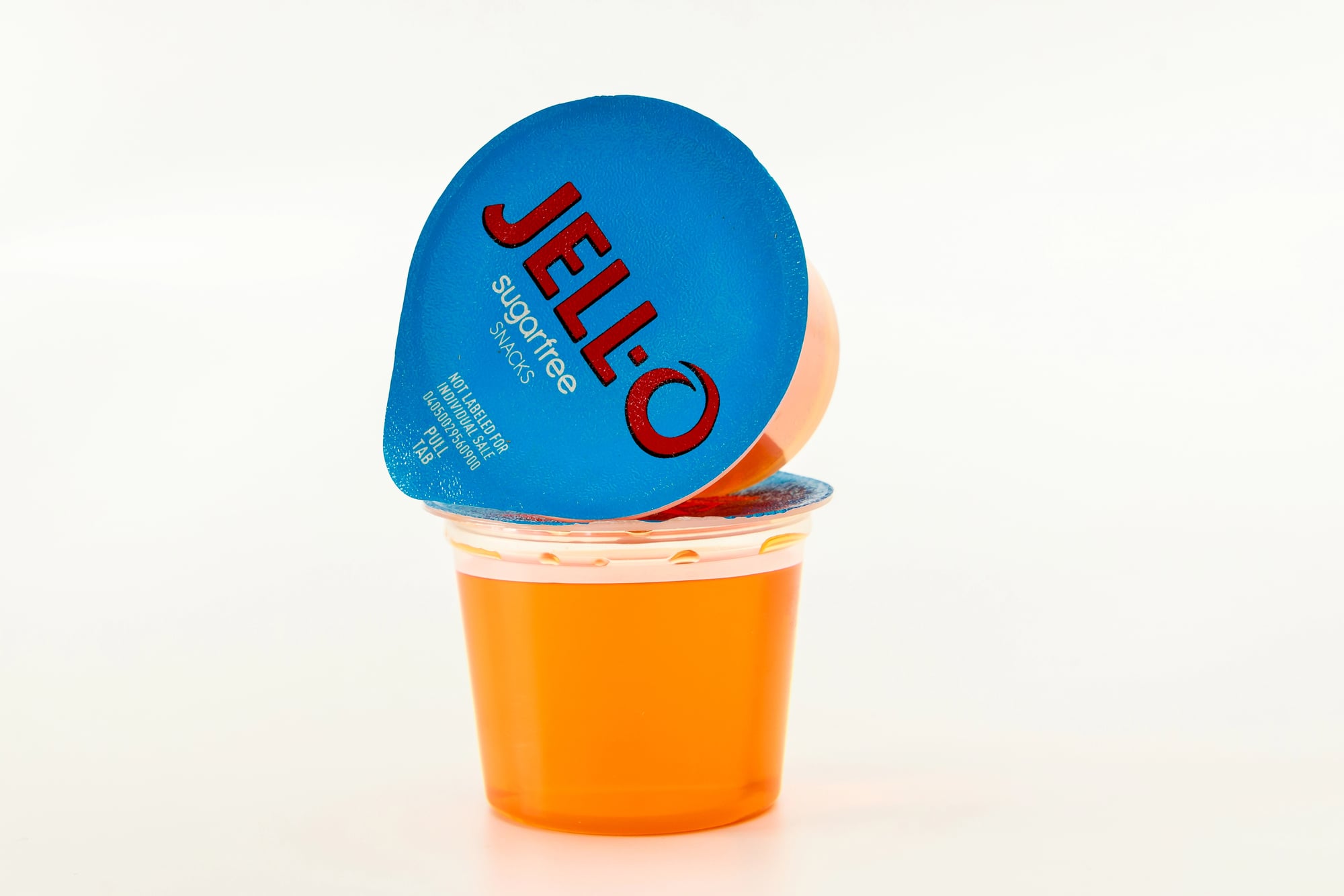
These frozen pudding pops with chocolate and vanilla swirls were staples of childhood summers and early 1980s freezers. They were discontinued after corporate changes, and fans spent decades trying to recreate them using instant pudding mix and popsicle molds.
The discontinuation happened before the 1990s health-conscious crackdown on sugar would have forced reformulation anyway.
Caravelle Bar
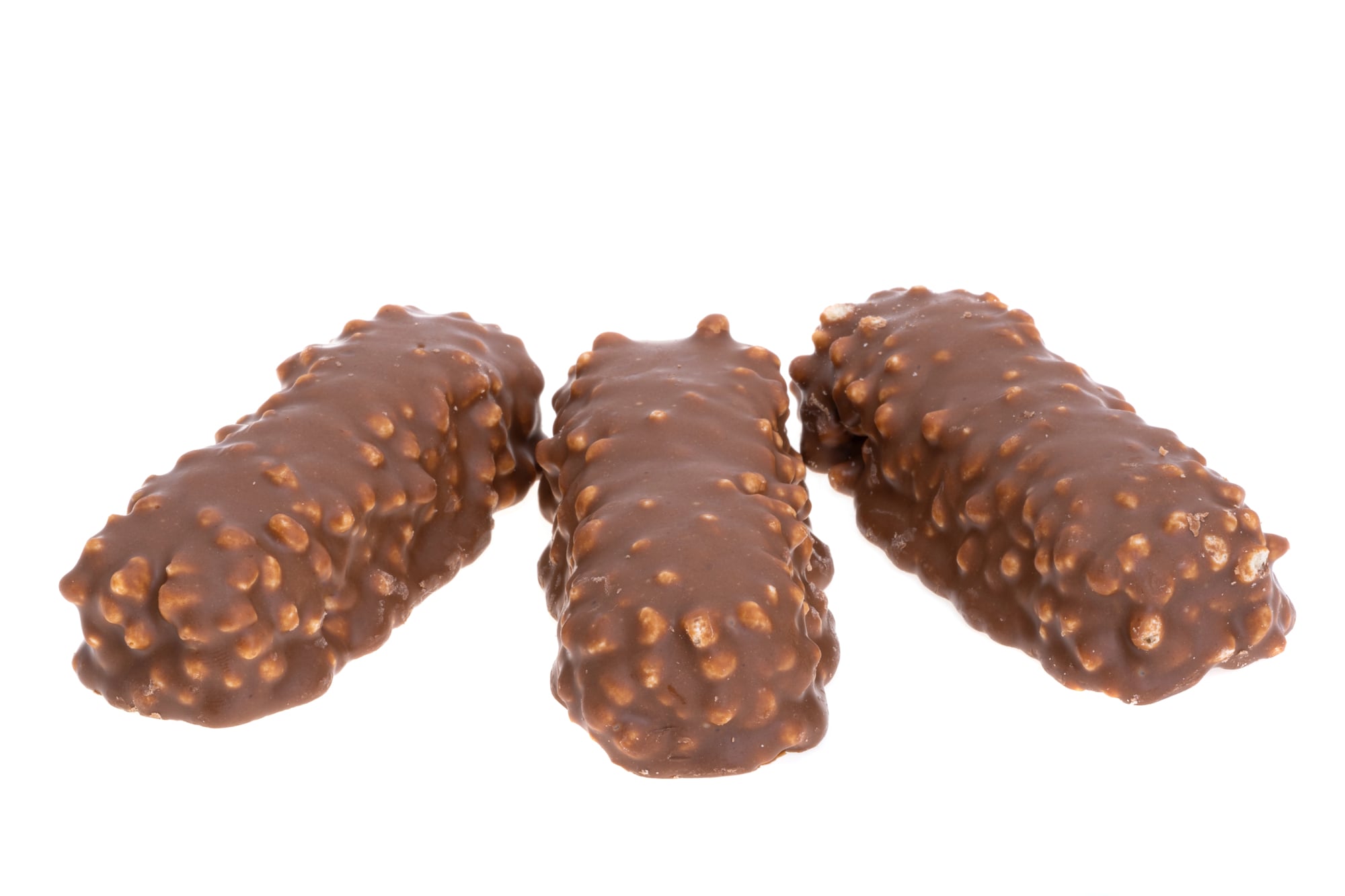
Made by Peter Paul Candy Company, Caravelle featured smooth caramel and crispy puffed rice enrobed in milk chocolate. Many fans swore it was far superior to the similar 100 Grand bar.
However, when Peter Paul merged with Cadbury-Schweppes in 1978, Caravelle was discontinued in the late 1970s before most of the 1980s could enjoy it.
Wonka Bar (Early 1980s Version)

The early Wonka Bars based on the 1971 film promotion were quickly removed from shelves due to production issues that meant the candy melted at room temperature. The timing made them nearly exclusive to 1980s nostalgia, though Nestlé would later reintroduce variations.
Kiddie Carnival Candy Bars
Various smaller carnival-themed candy lines disappeared throughout the 1980s as manufacturers consolidated their product lines and focused resources on flagship brands.
Nestle Secret

A 1980s introduction that was discontinued just a few years later, this bar required specialized manufacturing that made it economically unfeasible to continue production.
Raisin Bar Variations
Different raisin-chocolate combinations were tested and abandoned throughout the 1980s as manufacturers searched for the perfect formula without finding a market large enough to sustain production.
Mint Wafer Variations
Various mint-flavored wafer bars were introduced and discontinued throughout the decade, each hoping to capture niche markets that proved too small.
Caramel-Nougat Experimental Bars
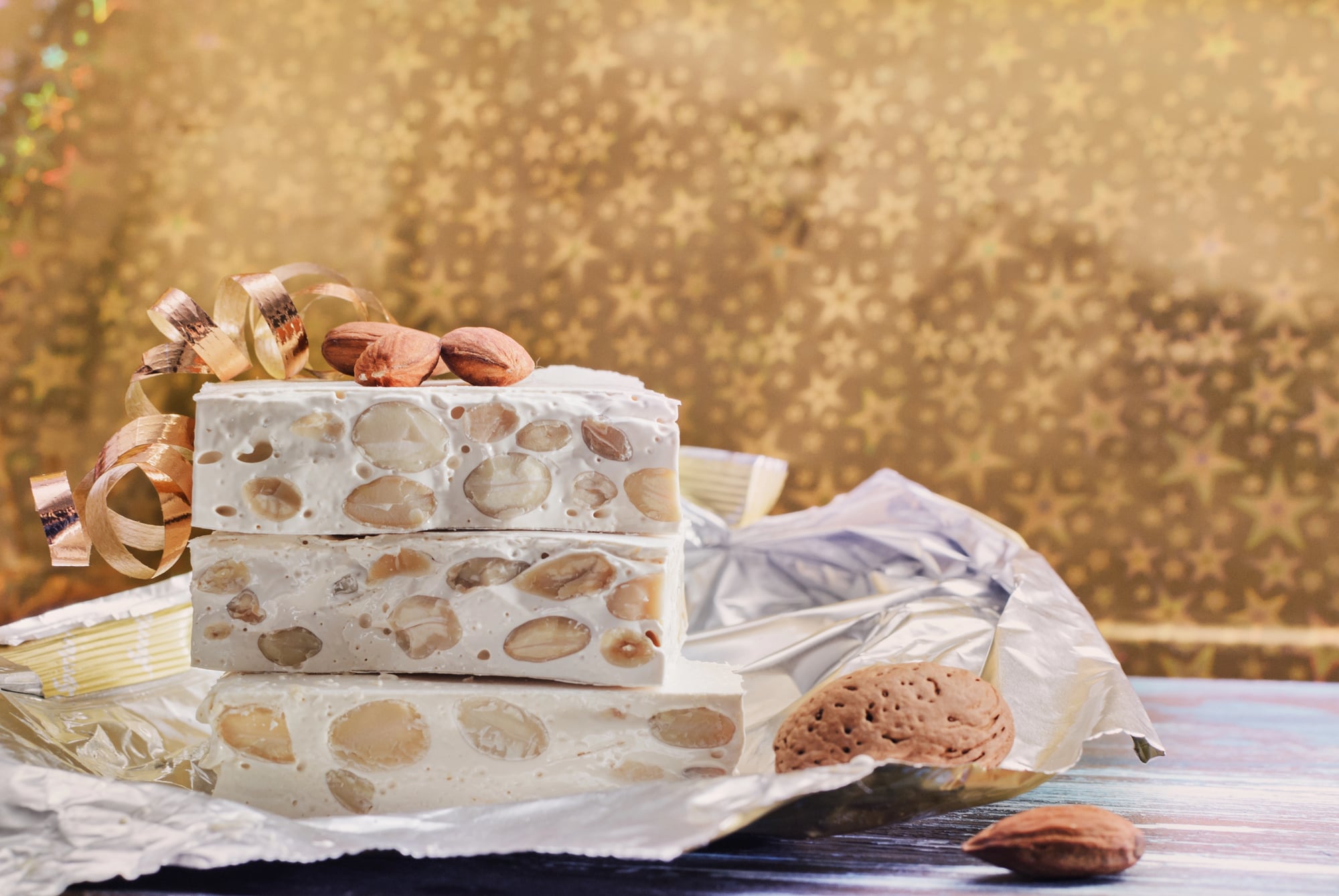
Multiple experimental bars combining caramel and nougat in new ways were test-marketed and quickly discontinued when consumer response didn’t justify continued production.
Fruit-Filled Chocolate Bars (Mid-Decade)
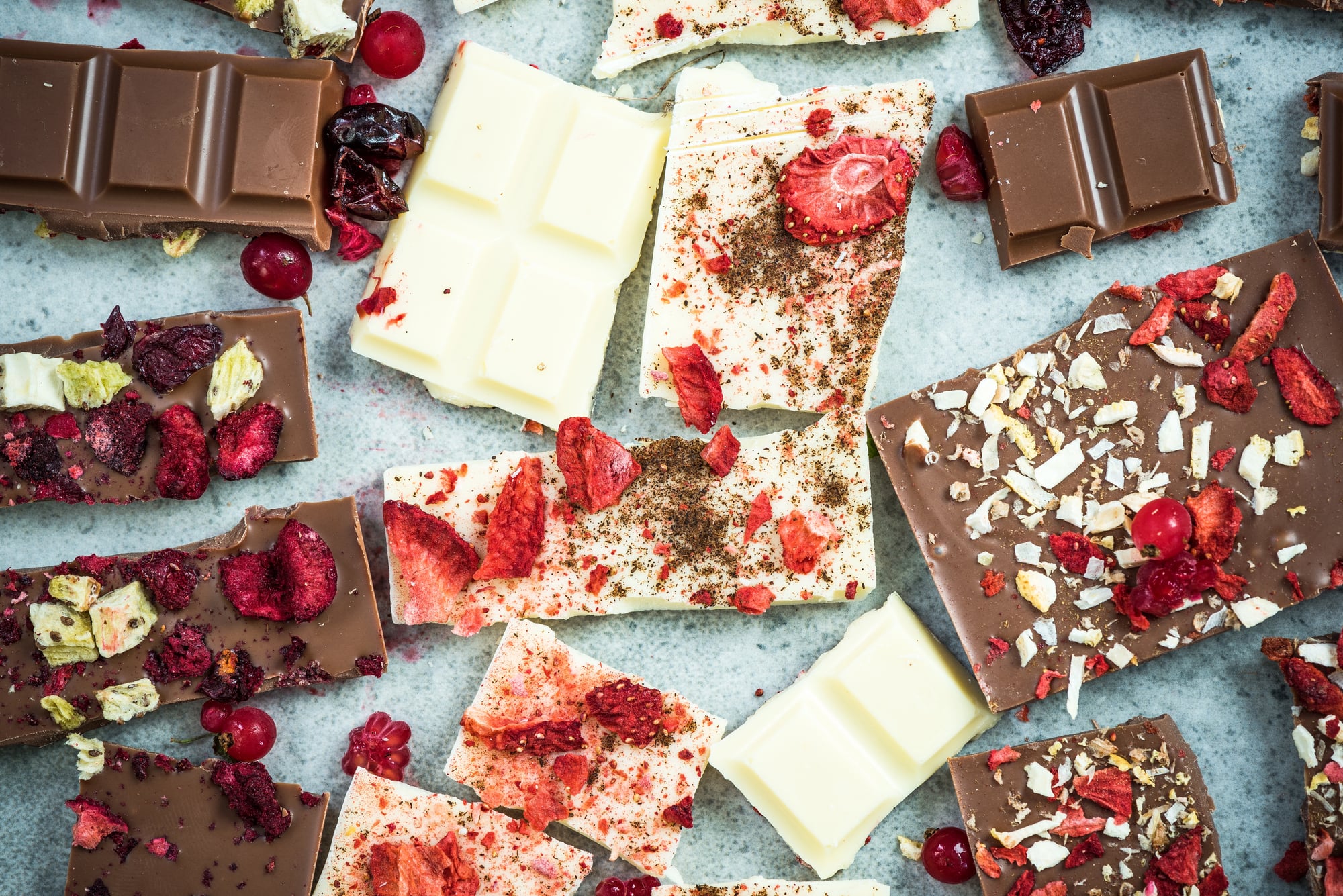
Several fruit-filled chocolate variations appeared and disappeared throughout the mid-1980s, predating the more successful fruit-chocolate combinations that would emerge in later decades.
Protein-Fortified Candy Bars
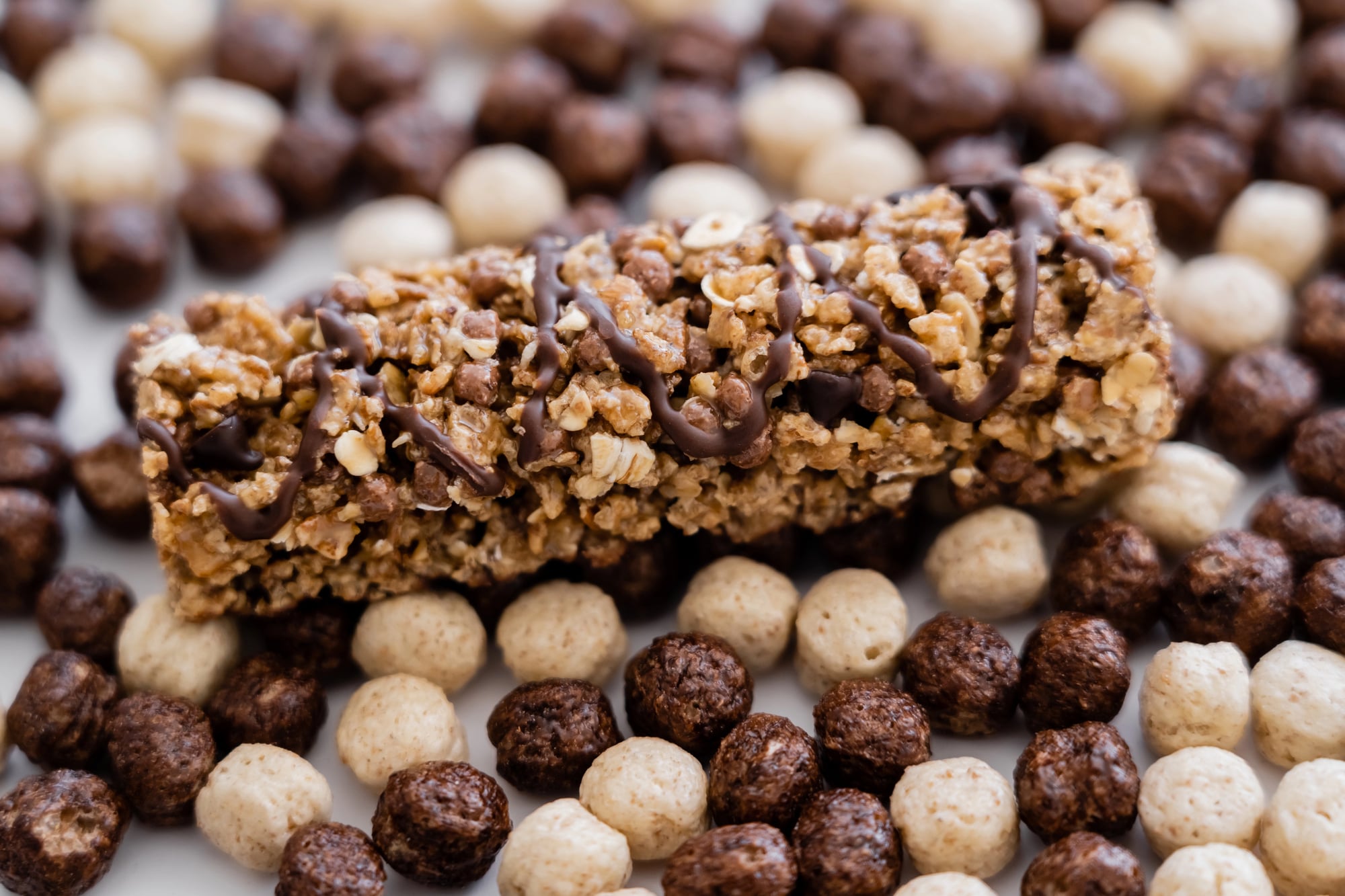
Various manufacturers experimented with protein-added candy throughout the 1980s, but most were discontinued as the formulations proved either unappetizing or unable to compete with dedicated energy bars.
When Candy Shelf Space Was a Life-or-Death Decision
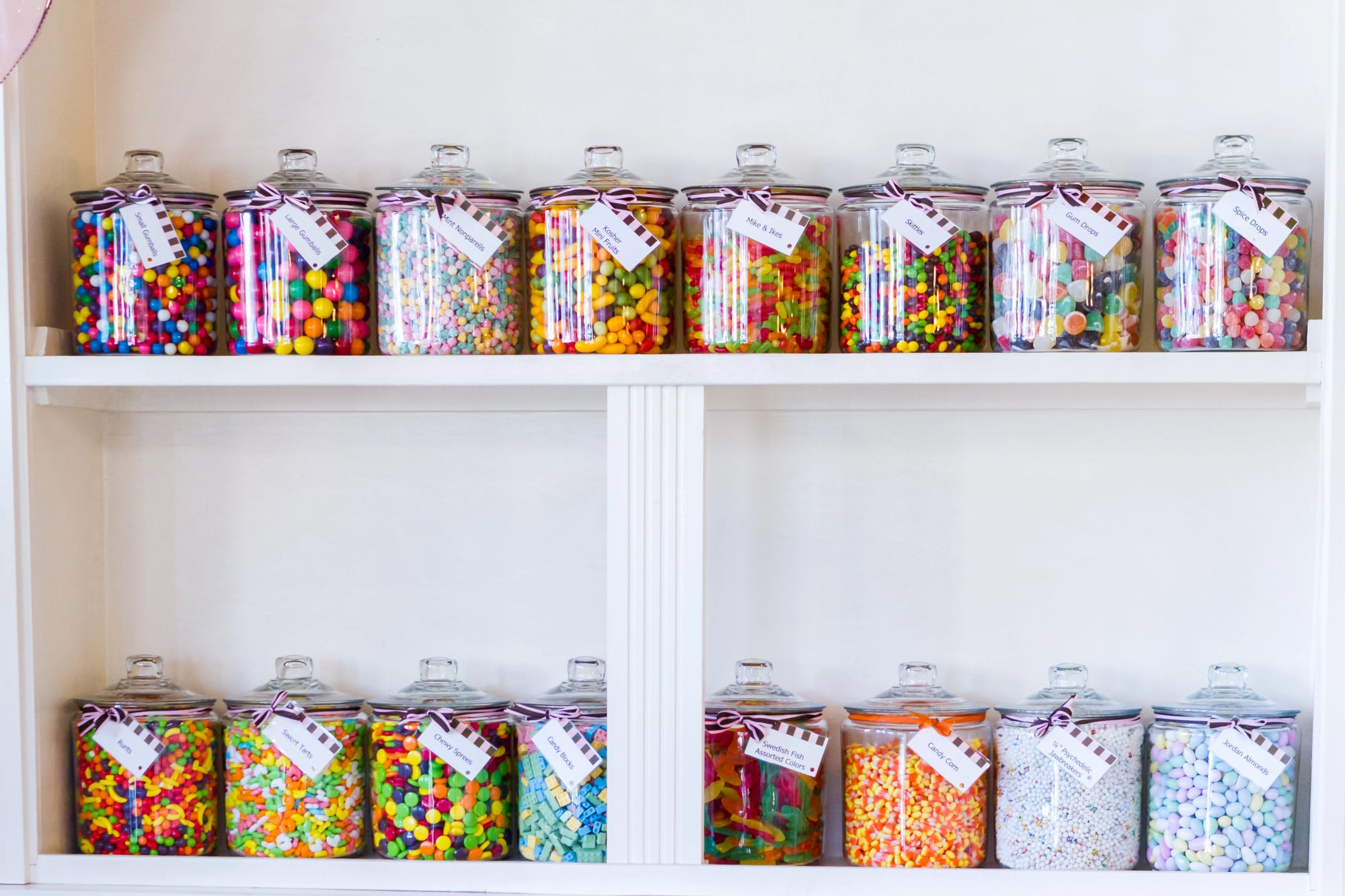
The 1980s represented a unique moment in candy manufacturing when innovation outpaced market realities. Manufacturers were introducing dozens of new bars annually, knowing that the vast majority would fail.
What made these disappearances particularly brutal was that they often happened with zero consumer warning—kids would return to their favorite candy bar to find it simply gone, replaced by something their parents had never heard of. There was no goodbye message, no final production run, just an empty space where a familiar wrapper used to be.
The candy companies had moved on, calculating that the market would too. For those who loved these vanished bars, the 1980s were a lesson in candy impermanence and the cruel logic of retail shelf space.
More from Go2Tutors!

- The Romanov Crown Jewels and Their Tragic Fate
- 13 Historical Mysteries That Science Still Can’t Solve
- Famous Hoaxes That Fooled the World for Years
- 15 Child Stars with Tragic Adult Lives
- 16 Famous Jewelry Pieces in History
Like Go2Tutors’s content? Follow us on MSN.