27 Everyday Foods That Are Completely Banned in Other Countries
Foods that sit on American supermarket shelves, appear in school lunches, and are marketed as safe by the FDA have been deemed too dangerous to sell in other countries. Some of these bans reflect legitimate health concerns supported by scientific research. Others represent differing regulatory philosophies or cultural food traditions. What’s considered acceptable in one nation becomes contraband across an ocean.
Brominated Vegetable Oil (BVO)
Common in American citrus-flavored sodas for decades to keep oils from separating, BVO was eventually banned by the FDA in 2024 after consumer petitions and safety concerns. However, it remains legal in some countries and continues appearing in certain beverages despite health risks documented in scientific literature.
Tartrazine (Yellow 5 Dye)
This common food coloring appears in thousands of American packaged foods, from cereals to candies. The European Union restricted its use significantly and requires warning labels on products containing it, citing potential links to behavioral issues in children. Several other countries have banned it entirely.
Butylated Hydroxyanisole (BHA)
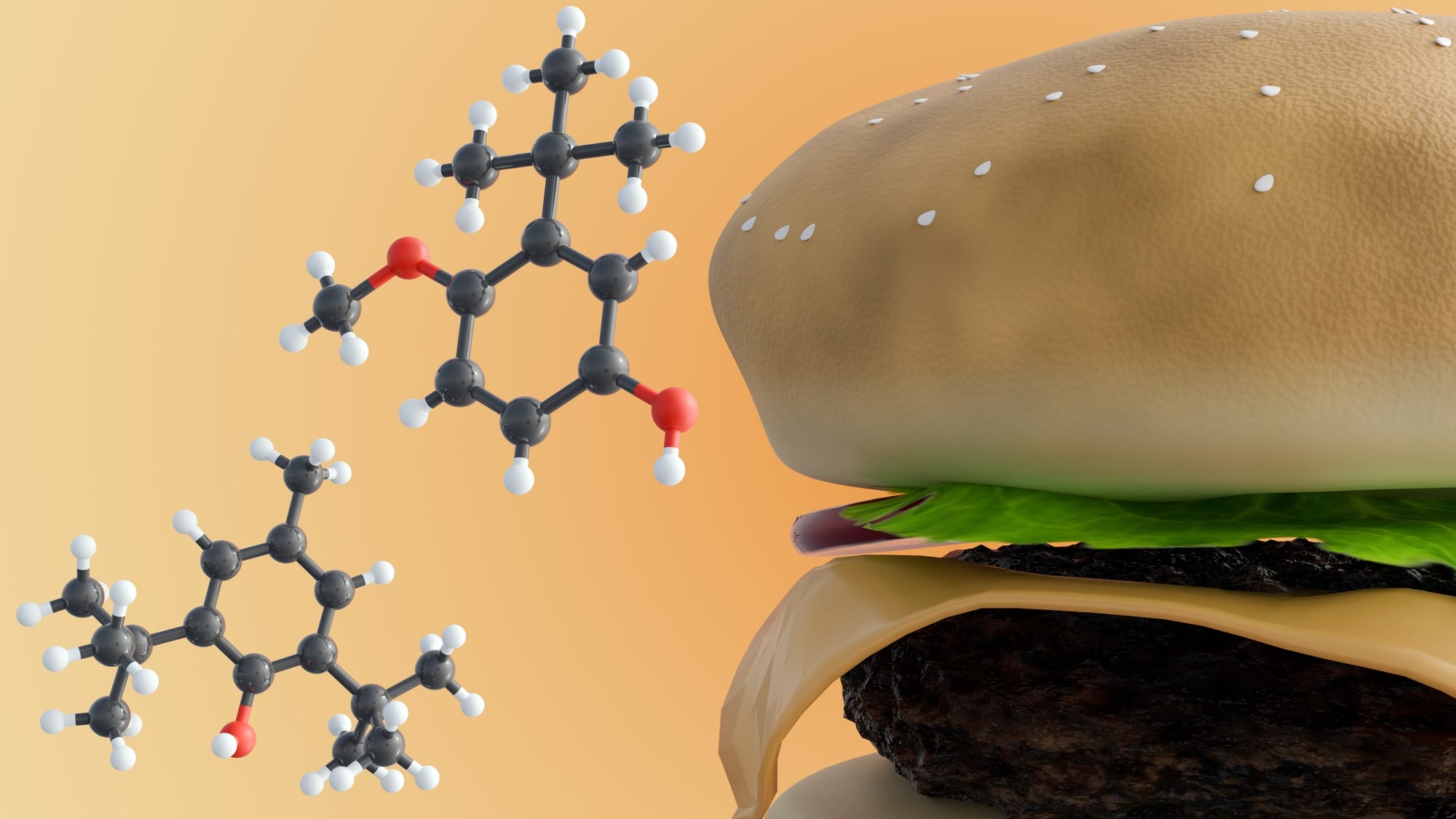
A preservative used in cereals, nuts, and processed meats in the United States, BHA has been banned or severely restricted in the European Union, Japan, and several other countries due to concerns about its carcinogenic potential and endocrine-disrupting properties.
Potassium Bromate
Added to flour to strengthen dough in American bakeries, potassium bromate is banned in the European Union, Canada, and multiple other countries. The FDA permits its use despite studies showing potential health risks. It’s banned in at least 130 countries.
Recombinant Bovine Growth Hormone (rBST)
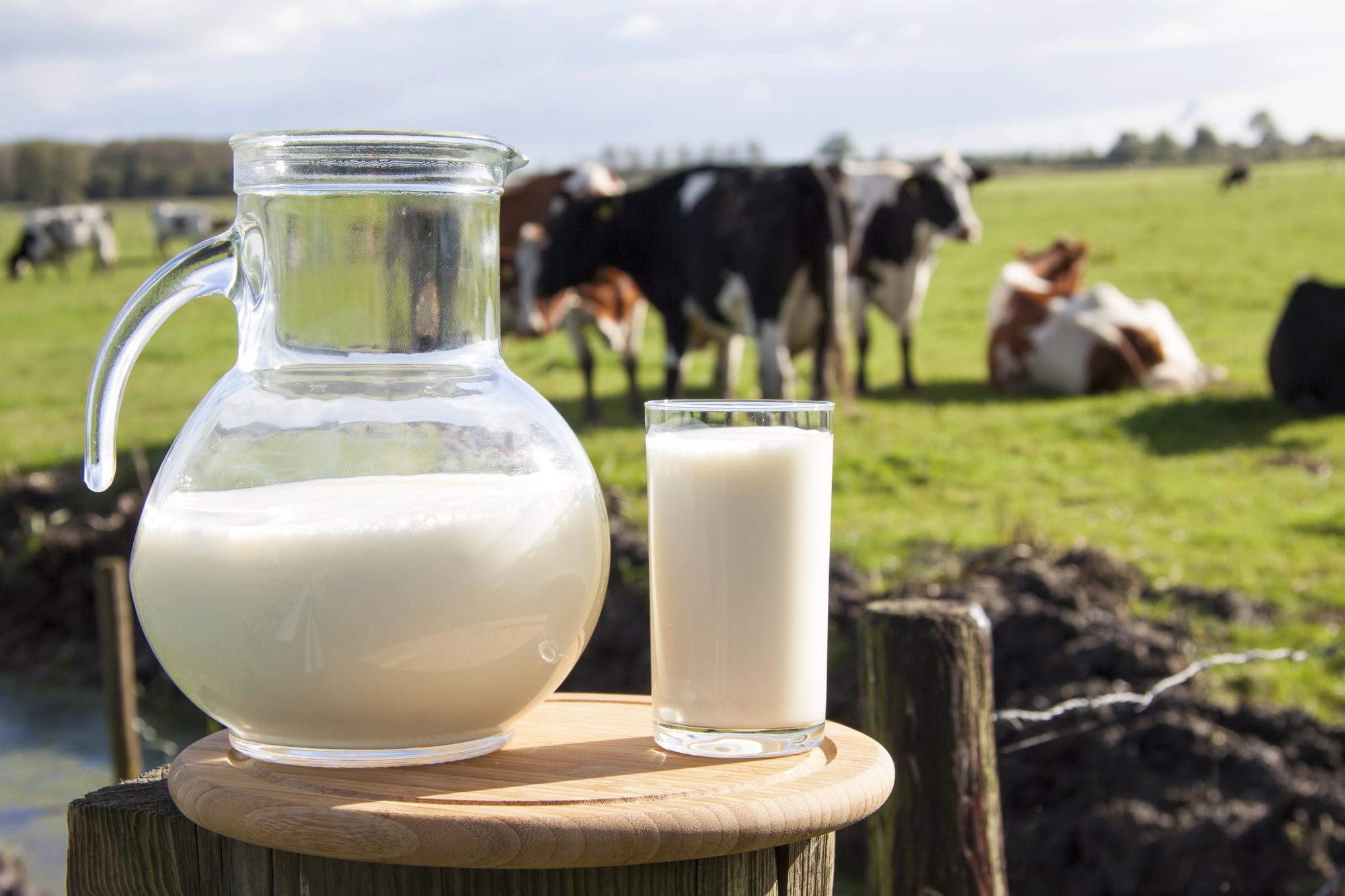
Widely used in American dairy farming to increase milk production, rBST is banned in Canada, the European Union, Australia, and Japan due to concerns about animal welfare and potential health effects. American cheese and milk products containing rBST cannot be legally sold in these countries.
Artificial Growth Promoters in Meat
American livestock producers use growth-promoting antibiotics and hormones banned throughout the European Union. Beef and pork treated with these additives cannot be imported to EU countries, effectively creating a trade barrier based on food safety concerns.
Sodium Nitrite in Processed Meats
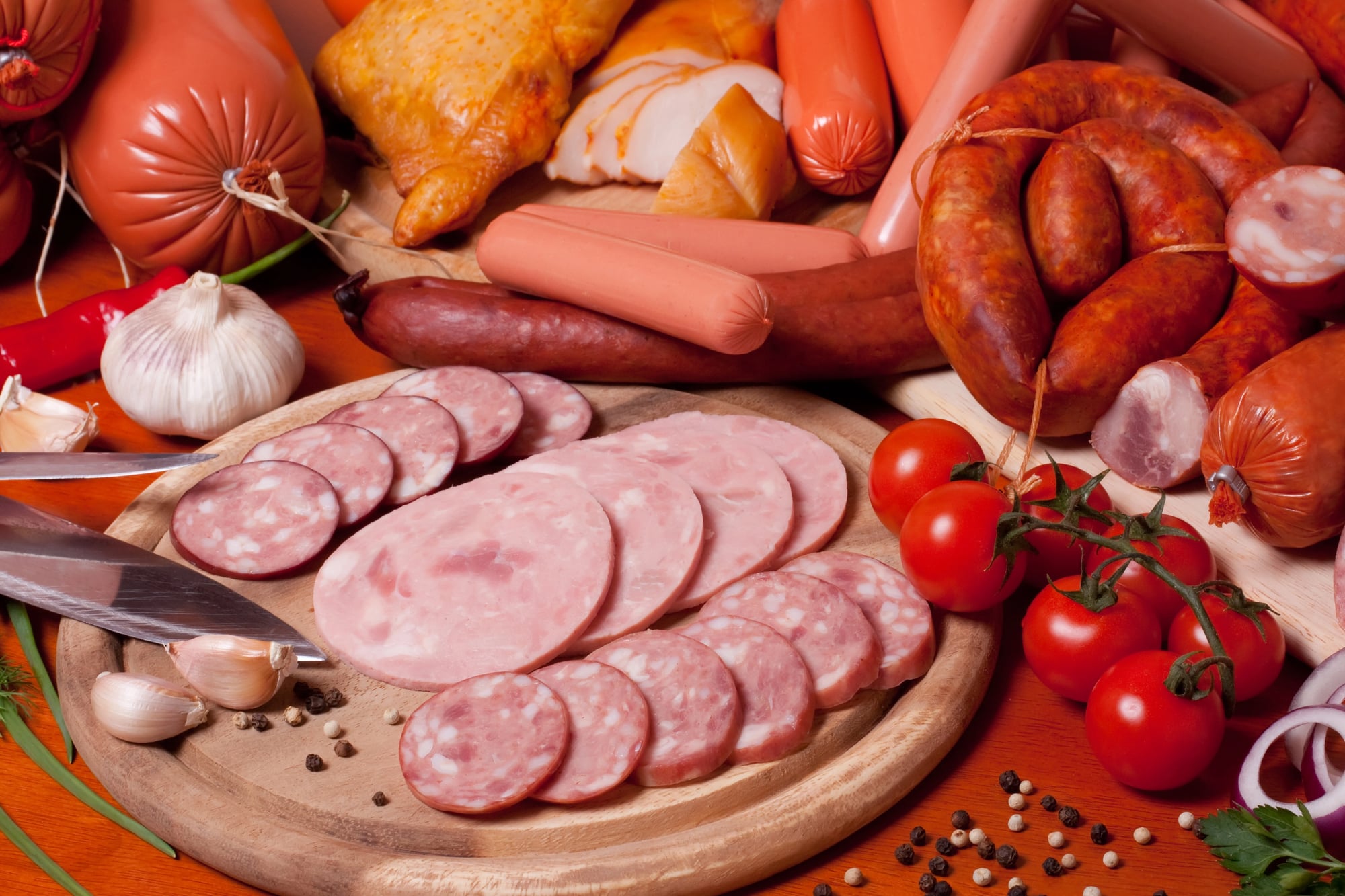
While used globally in cured meats, sodium nitrite levels permitted in America exceed those allowed in several European countries due to concerns about carcinogenic nitrosamine formation during digestion.
High-Fructose Corn Syrup
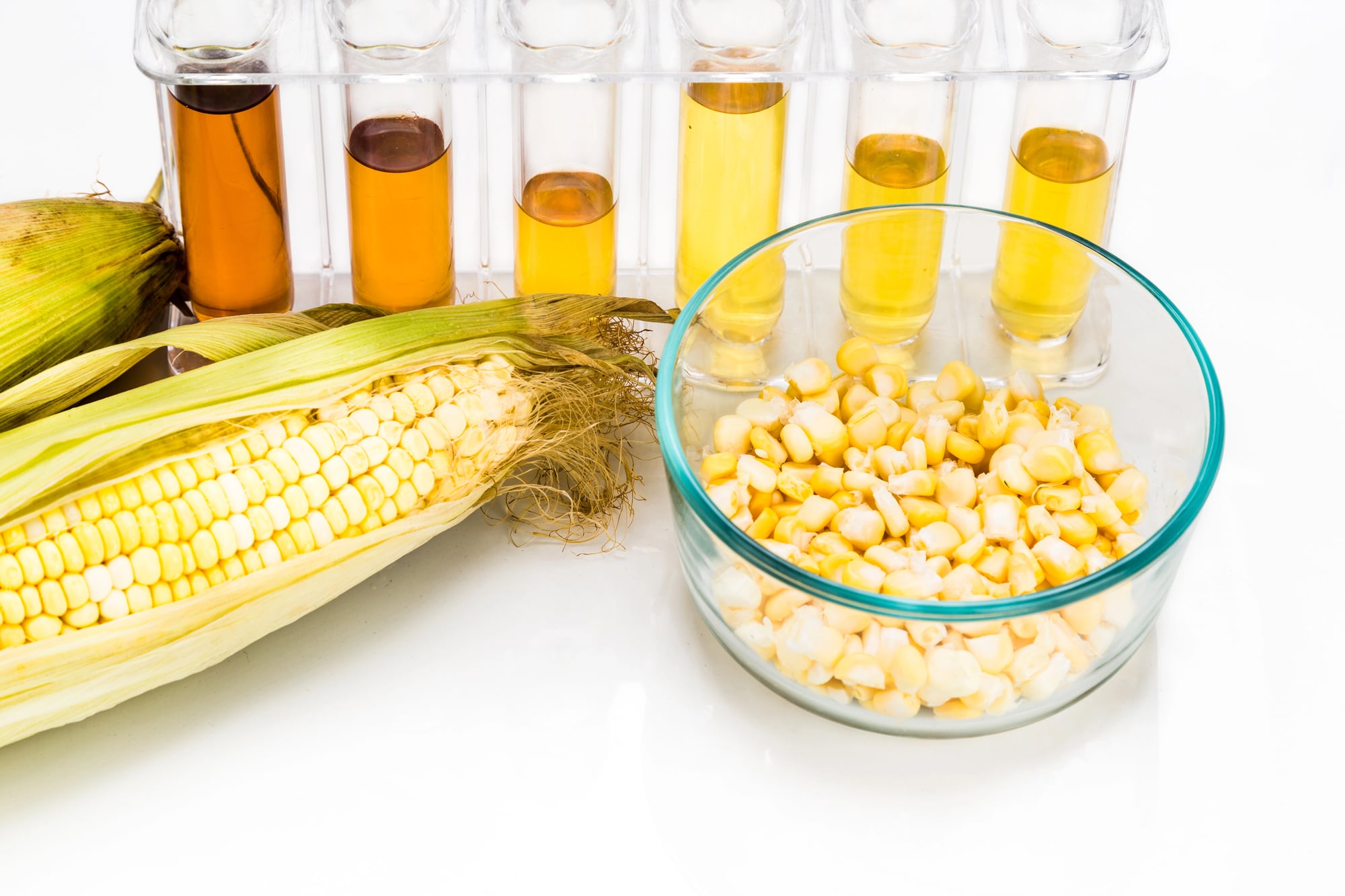
Though not technically banned anywhere, HFCS is rarely used in European products and faces increasing restrictions. Mexico and some other countries restrict or ban its use, viewing sugar as a preferable sweetener.
Partially Hydrogenated Oils (Trans Fats)
The FDA banned most trans fats in 2015, but they remain legal in certain food applications. Many countries banned them years earlier, recognizing their link to heart disease before American regulations caught up.
Azodicarbonamide (Azo)

Used to improve dough texture in bread and baked goods, azodicarbonamide has been banned in the European Union, Australia, and other countries. It remains legal in American flour despite concerns about health effects.
Brominated Flame Retardants
Brominated compounds added to certain oils were standard in American food production until recently. Several other countries banned them much earlier due to bioaccumulation and toxicity concerns.
Rennin from Genetically Modified Organisms
Used to make cheese, GMO-derived rennin is widely used in America but banned in the European Union and several other countries due to restrictions on GMO ingredients in food production.
Benzoyl Peroxide in Flour
Used to bleach flour and improve baking properties, benzoyl peroxide is permitted in the United States but banned in the European Union and many other countries due to health concerns.
Artificial Sweeteners (Specific Restrictions)

While not universally banned, individual artificial sweeteners face varying restrictions. Saccharin, cyclamate, and acesulfame K face bans or severe restrictions in different countries based on differing interpretations of safety data.
Caramel Coloring IV
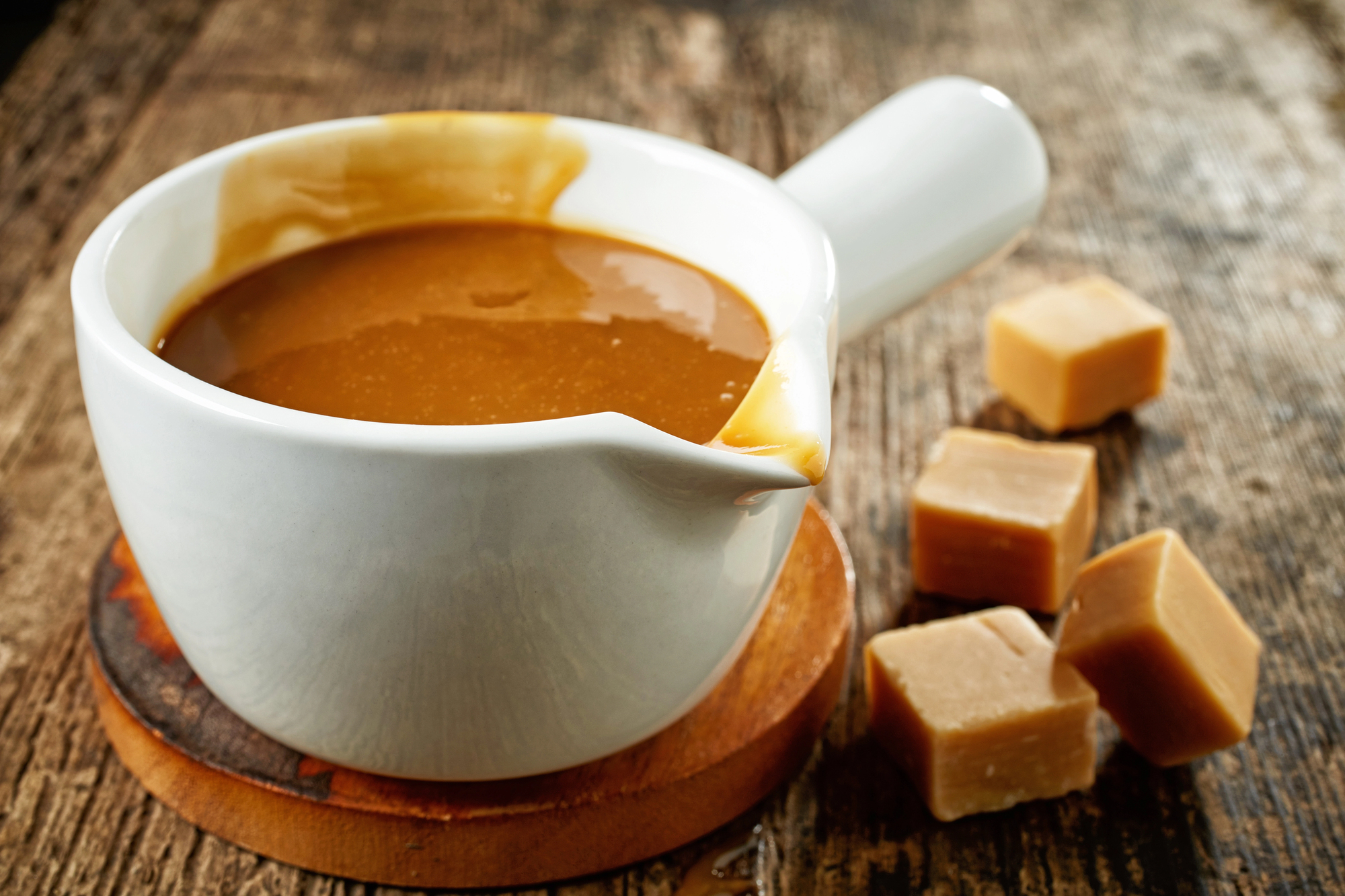
Certain types of caramel coloring used in American beverages and foods contain chemical byproducts banned or restricted in other countries. California requires warning labels for products containing high levels.
Magnesium Silicate in Spices
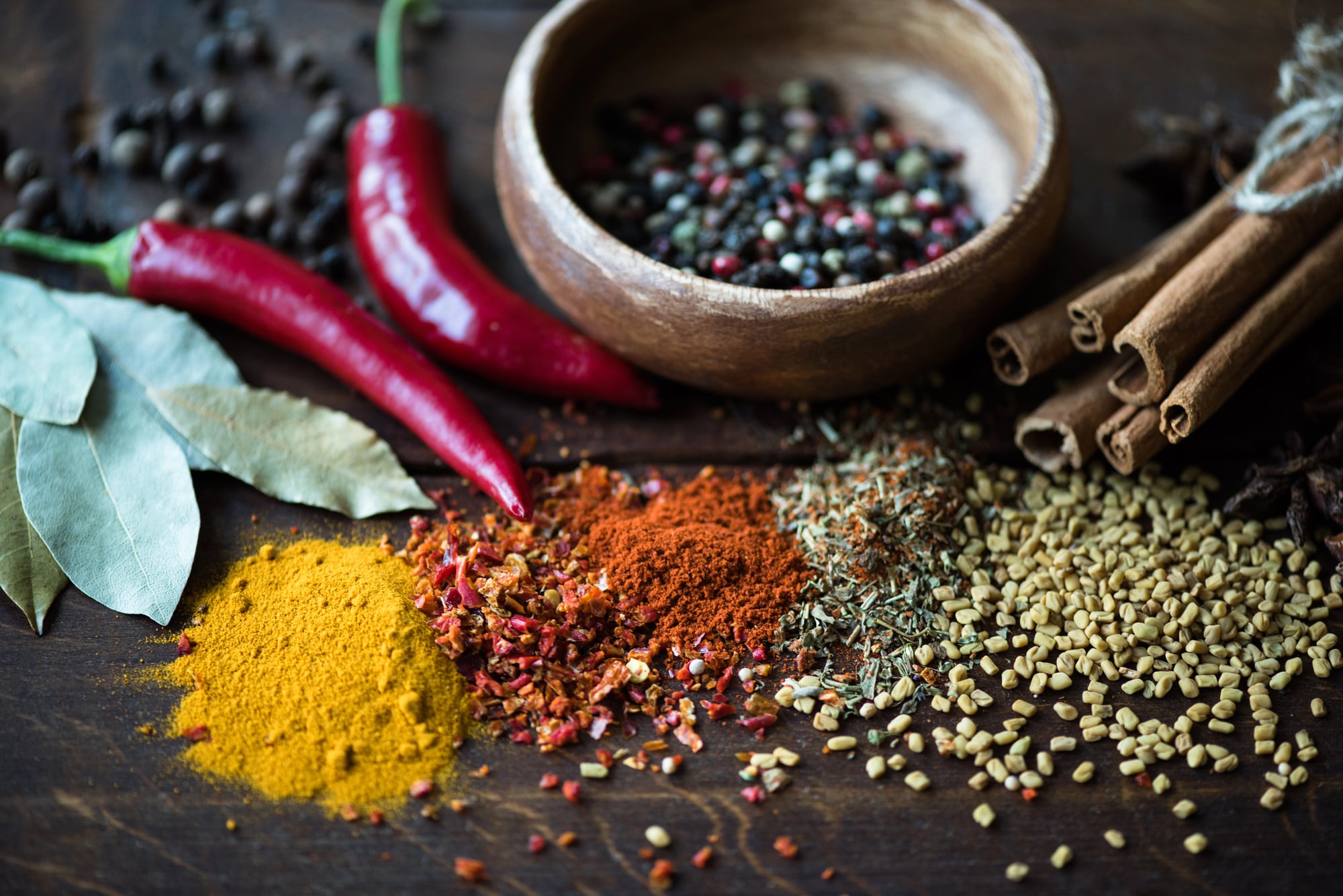
This anti-caking agent added to spices in America is not permitted in many European countries, which restrict the use of certain silicates in food.
Potassium Sorbate Restrictions
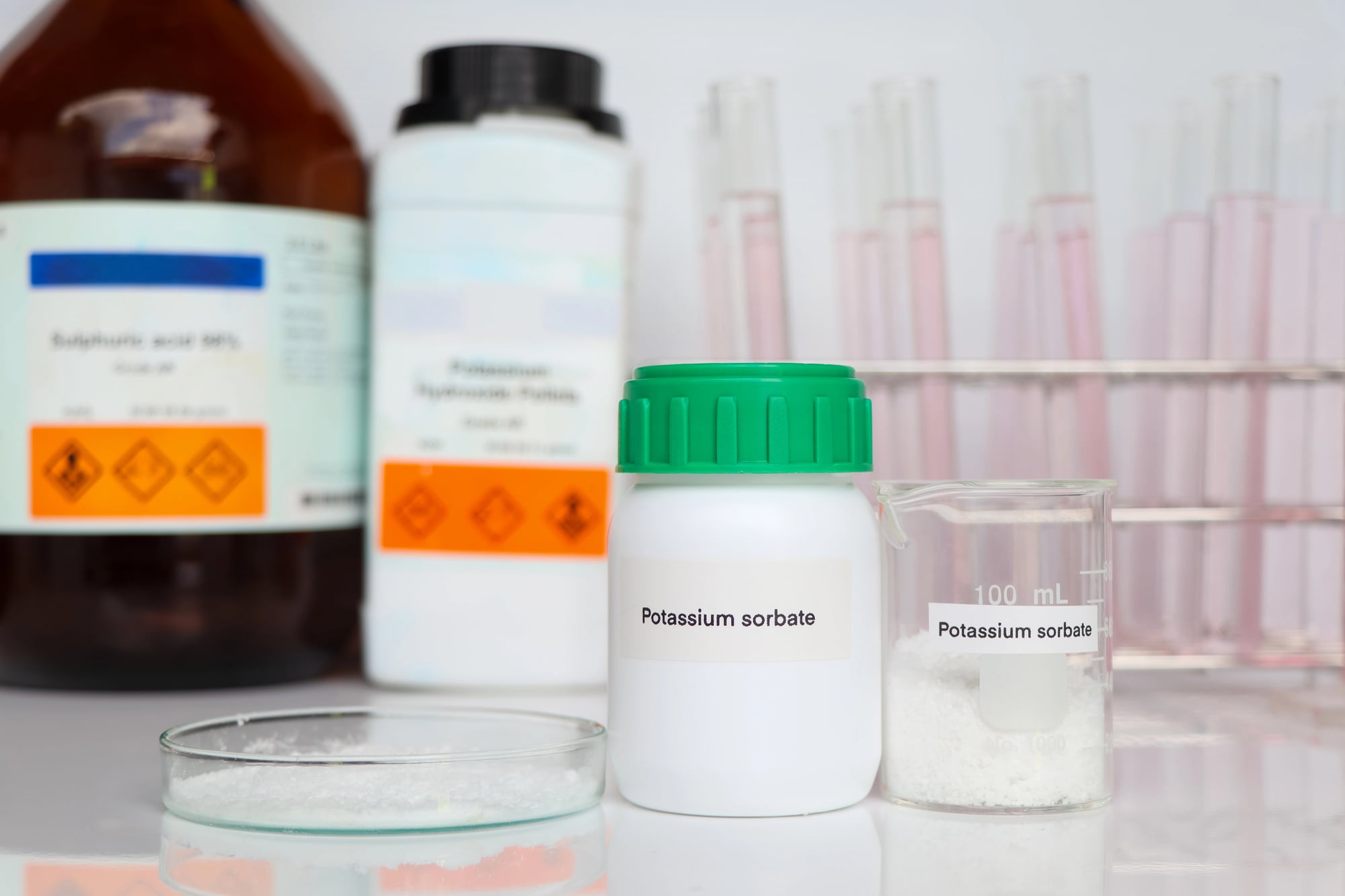
While widely used as a preservative globally, some countries restrict potassium sorbate levels more stringently than American regulations permit.
Titanium Dioxide Bans
Recently banned or restricted in the European Union due to concerns about nanoparticle absorption, titanium dioxide remains legal in many American food products as a whitening agent.
BHT (Butylated Hydroxytoluene)
Similar to BHA, this preservative is banned or restricted in the European Union and several other countries but remains legal in American foods.
Calcium Propionate in Bread
Used as a mold inhibitor, calcium propionate faces restrictions in some countries that limit its use in bread products, viewing alternative preservation methods as preferable.
Cyclamate
This artificial sweetener was banned in America in 1969 but remains legal in many countries. Some nations permit its use while America forbids it—the opposite of most other food chemical disputes.
Acesulfame K (Ace-K)
This sweetener is approved in America but banned in Japan and restricted in several other countries due to concerns about safety studies and potential health effects.
Gelatin from Beef Sources
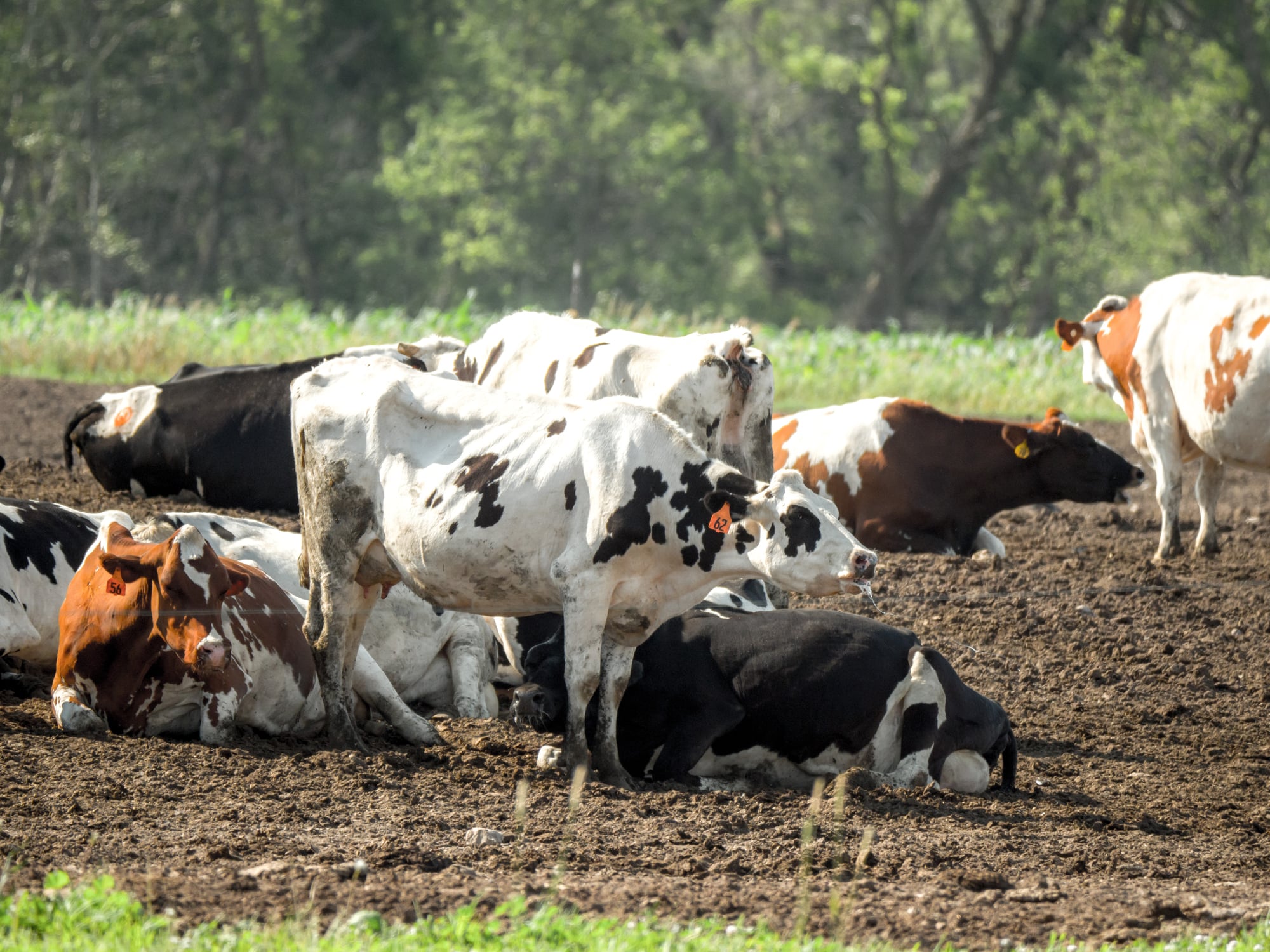
Countries with strict BSE (mad cow disease) regulations restrict beef-derived gelatin, affecting American products using this thickener.
Certain Pesticide Residues
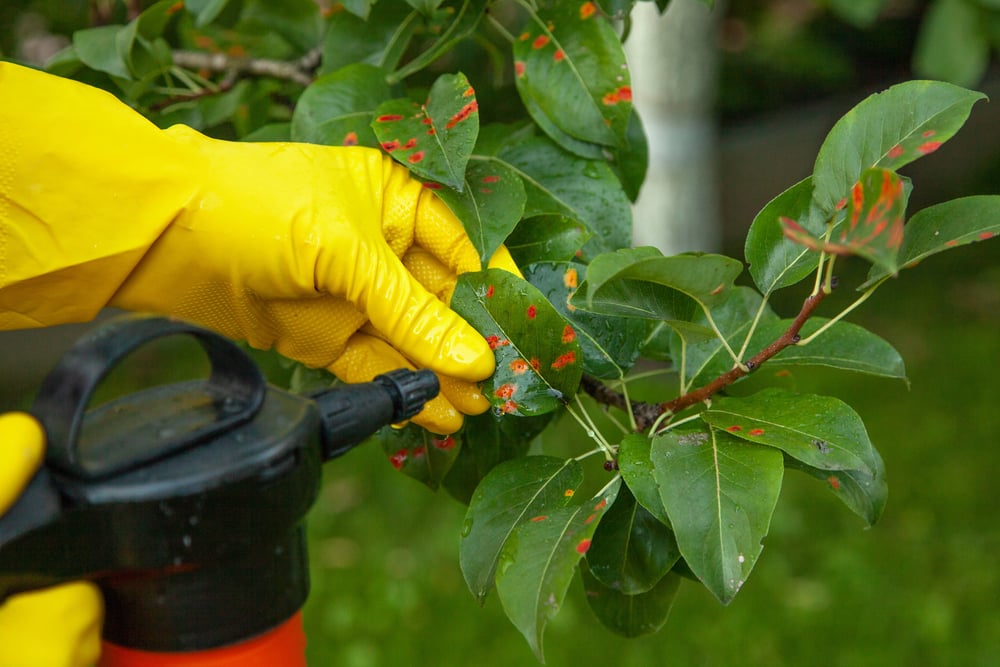
American agricultural pesticides permitted at higher residue levels than European standards allow mean American crops sometimes cannot be imported to EU countries without exceeding their pesticide limits.
Paraquat Herbicide Residues
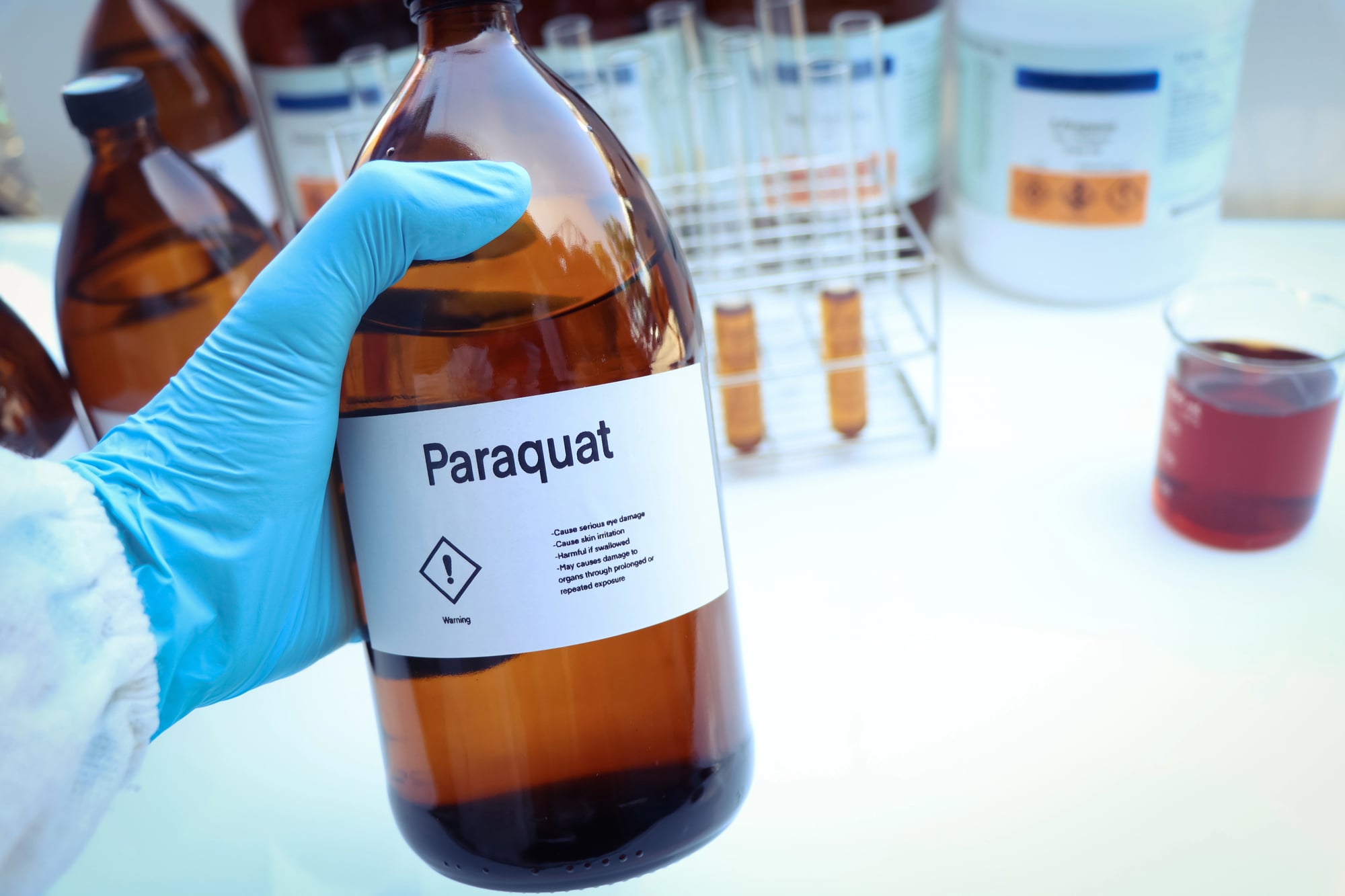
Though paraquat itself is banned in the EU, American crops may contain residues from paraquat application. This creates trade tensions between nations with differing herbicide regulations.
Glyphosate Residues
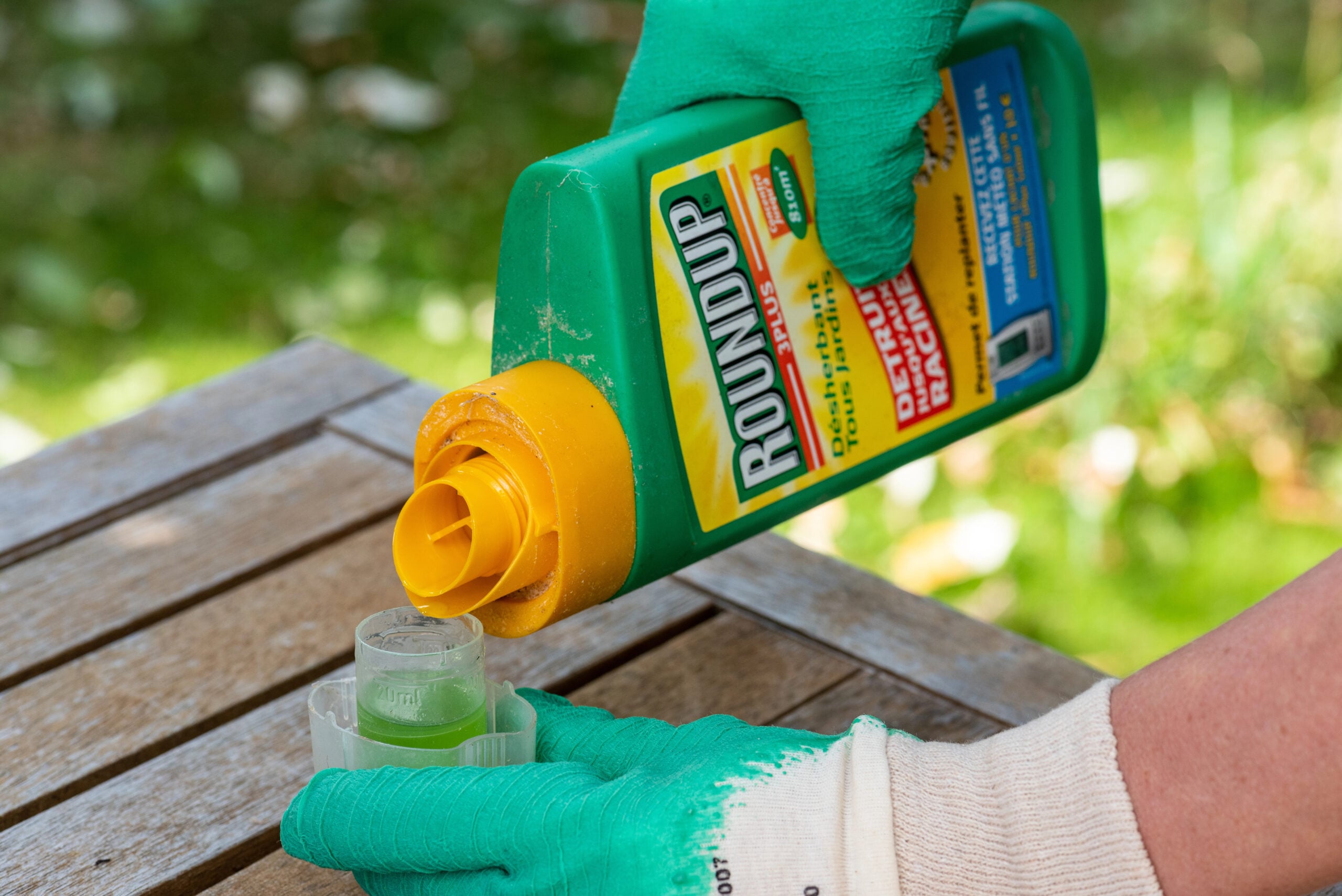
American products often contain higher glyphosate residues than permitted in the European Union, reflecting differing regulatory approaches to this herbicide’s safety.
Flame-Retardant Chemicals in Packaging

Some food packaging chemicals used in America face restrictions in other countries due to concerns about chemical migration into food. Regulations governing safe packaging materials diverge significantly between nations, affecting which American packaged foods can be legally sold abroad.
When Standards Diverge
The gap between American and international food safety standards reveals a fundamental question about regulation: Does caution become excessive, or does convenience become reckless? For American consumers, this distance means supermarket shelves hold products that foreign governments deem unfit for sale. A breakfast cereal legal here might be illegal in Berlin. A loaf of bread in Boston would be contraband in Paris. The regulatory divergence isn’t always a matter of one nation being right and another wrong—it reflects different philosophies about the burden of proof, the weight given to industry studies versus independent research, and acceptable risk thresholds.
American regulators typically approve chemicals until proven dangerous, while many foreign counterparts restrict until proven safe. This philosophical gap means chemicals persist in American food long after being abandoned elsewhere, and consumers sometimes discover their ordinary breakfast cereal carries warning labels or is simply unavailable in other countries.
More from Go2Tutors!

- The Romanov Crown Jewels and Their Tragic Fate
- 13 Historical Mysteries That Science Still Can’t Solve
- Famous Hoaxes That Fooled the World for Years
- 15 Child Stars with Tragic Adult Lives
- 16 Famous Jewelry Pieces in History
Like Go2Tutors’s content? Follow us on MSN.