Influential TV Shows That Changed Our Culture
Not long ago, TV wasn’t something you simply ignored while doing other things. When done well, it became a kind of cultural glue – connecting strangers through familiar lines, looks, laughter, even ideas.
Before digital platforms split viewers into isolated pockets, some series found nearly everyone watching together, leaving echoes in everyday talk long after they ended. It wasn’t just how many people watched that gave these shows impact.
Just as seasons shifted, so did tastes – new family shapes appeared on screen, jokes cut deeper, plots pulled viewers in like co-creators instead of silent observers. Slowly, their presence bent what folks thought TV might become.
Seeing them today feels less like nostalgia and more like reading cultural fingerprints left behind. Peering into television reveals stories that reach beyond amusement.
Some changed how people act today, quietly reshaping habits. Moments on screen grew into real shifts off it.
Not every show stayed confined to its time. A few rippled forward, altering small things in daily routines.
These series planted ideas now woven into common practice. Their influence settled softly but never faded.
I Love Lucy
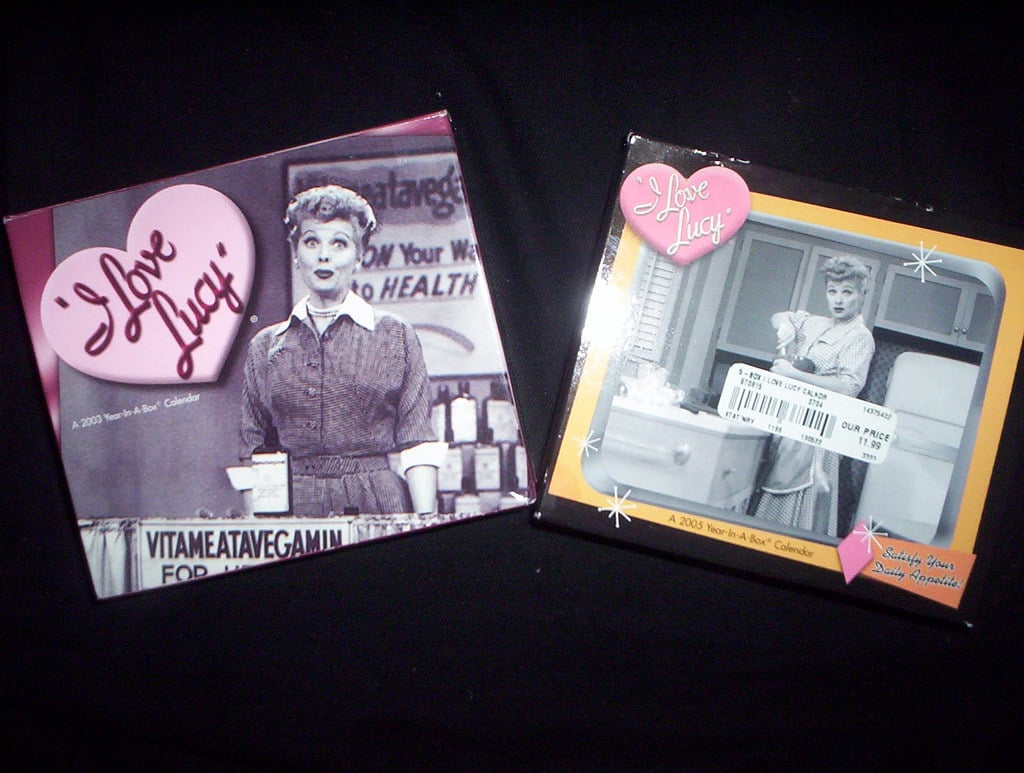
When I Love Lucy first aired, it redefined what television comedy could look like. Its use of multiple cameras and a live studio audience set a technical standard that would be copied for decades.
Just as importantly, it centered a woman whose ambition and comedic presence drove the story rather than supporting it. That shift mattered culturally. Lucy Ricardo’s schemes, flaws, and physical comedy challenged the restrained roles typically given to women on screen.
The show normalized the idea that women could be messy, funny, and central to a household narrative. Its influence remains visible in sitcom structure and performance style, proving that format changes can ripple outward into cultural norms.
The Twilight Zone
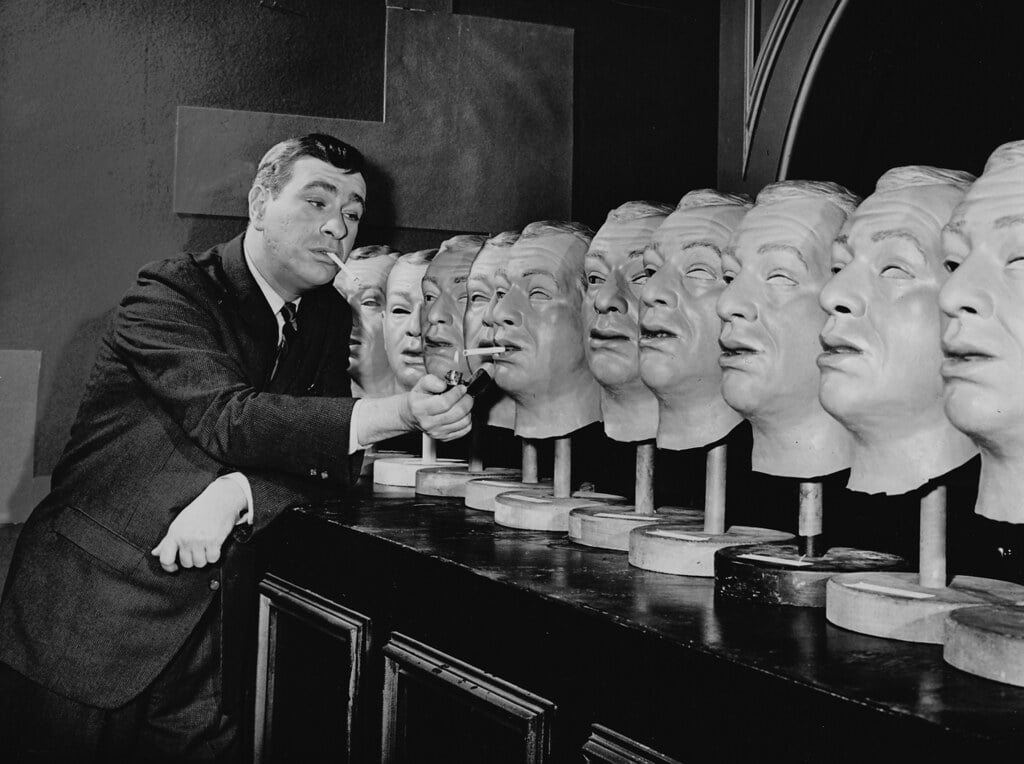
The Twilight Zone arrived during a period of social anxiety and rapid change. Its anthology format allowed it to explore fear, morality, and human behavior through speculative storytelling.
Each episode stood alone, yet together they formed a commentary on power, conformity, and consequence. Still, its cultural impact went beyond genre.
The show introduced the idea that television could be intellectually unsettling, asking viewers to sit with ambiguity rather than tidy resolutions. Phrases and themes from the series entered everyday language, and its approach influenced generations of writers.
It helped establish television as a space for ideas, not just diversion.
All in the Family

All in the Family forced uncomfortable conversations into American living rooms. By centering a character whose views were intentionally abrasive, the show used comedy to expose prejudice rather than excuse it.
Topics previously considered inappropriate for prime-time television became unavoidable. That approach changed expectations around what sitcoms could address.
Audiences were no longer shielded from social tension, and laughter became a tool for critique. The show influenced how television engaged with politics and identity, opening the door for later programs that treated current issues as part of everyday storytelling rather than special episodes.
MAS*H

Set during wartime but created in the shadow of more recent conflict, MAS*H balanced humor with emotional gravity. Its characters joked to survive, using wit as a coping mechanism rather than a punchline factory.
This tonal complexity was rare at the time. As the series progressed, it leaned further into commentary about authority, trauma, and moral compromise.
The cultural impact was profound, particularly in how audiences accepted that comedy and seriousness could coexist. MAS*H demonstrated that television could acknowledge pain without losing accessibility, reshaping how future dramas and comedies blended tone.
The Simpsons

The Simpsons transformed animation from a children’s format into a vehicle for sharp cultural satire. Its depiction of a deeply flawed family reflected societal contradictions with humor that cut across age groups.
The show’s longevity allowed it to comment continuously on politics, media, and consumerism. That said, its influence is most visible in how satire entered mainstream television.
Catchphrases, visual gags, and character archetypes became cultural shorthand. More importantly, it proved that animated shows could tackle complex themes while remaining widely popular.
Much of modern animated television owes its existence to that breakthrough.
Friends
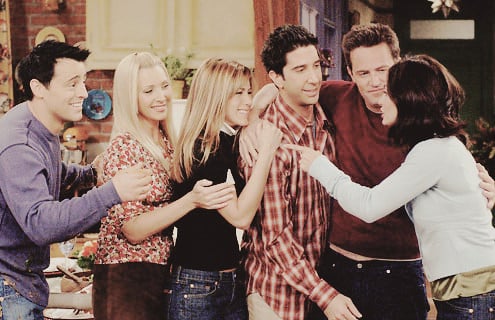
Friends shaped how a generation understood adulthood, friendship, and urban life. Its portrayal of chosen family resonated strongly, particularly as traditional milestones shifted later in life.
The show presented companionship as a central source of stability, not a secondary concern. Fashion, language, and relationship expectations were all influenced by its reach.
While later critiques have highlighted limitations in representation, its cultural footprint remains undeniable. Friends helped normalize extended adolescence and communal living, reinforcing the idea that personal connection could matter as much as traditional success.
The X-Files
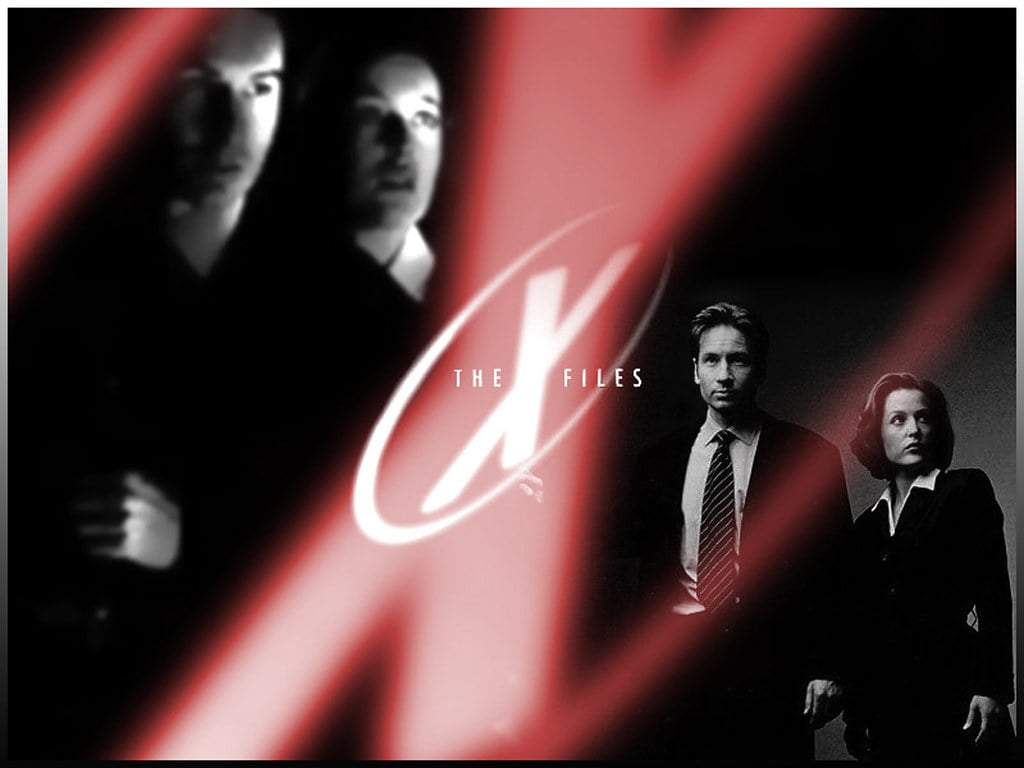
The X-Files captured a growing distrust of institutions and fascination with the unknown. Blending procedural storytelling with long-form mythology, it encouraged viewers to question official explanations and look for hidden narratives.
Its influence extended into how audiences engaged with television. Fan theories, online discussion, and obsessive attention to detail became part of the viewing experience.
The show helped pioneer participatory culture, where audiences felt invited to interpret and debate rather than simply watch. That shift paved the way for more complex serialized storytelling.
The Sopranos

The Sopranos marked a turning point for television drama. By centering a deeply flawed protagonist, it rejected clear moral binaries.
Viewers were asked to empathize without endorsement, a challenge that reshaped narrative expectations. The show’s cinematic style and psychological depth elevated television’s status relative to film. It demonstrated that long-form storytelling could explore character in ways movies often could not.
The rise of prestige television is difficult to imagine without its influence, as it redefined what audiences expected from serialized drama.
The Wire

The Wire approached storytelling with patience and precision. Rather than focusing on individual heroes, it examined systems, showing how institutions shaped outcomes regardless of intent.
Each season expanded the scope, linking education, media, and governance to everyday life. Culturally, the show influenced how people talked about social structures and accountability.
It rewarded attention and reflection, resisting easy conclusions. Though its audience grew slowly, its long-term impact has been substantial, shaping how serious television addresses complexity and realism.
Breaking Bad

Breaking Bad explored transformation in uncomfortable detail. Its central arc showed how incremental choices could reshape identity, rejecting sudden turns in favor of gradual change.
This emphasis on process over spectacle made the story feel unsettlingly plausible. The show’s cultural influence lies in how it reframed the antihero.
Viewers were forced to confront their own shifting sympathies, questioning why they rooted for certain outcomes. Breaking Bad reinforced television’s ability to sustain moral tension over time, influencing both storytelling techniques and audience expectations.
Why these shows still matter

Out here, those TV series keep echoing long after they first aired. Storytelling got a new rhythm because of them, topics shifted into view, viewers started leaning in differently.
Some brought moves or ideas we now take for granted – roots blurred by time. Timing links these moments.
When each emerged, people were ready to accept something new because culture had shifted beneath their feet. One following another reveals TV does not drift apart from life – it moves within it, mirroring beliefs while quietly steering them.
What stays visible today appears less in repeats or nods than in how stories are now built, suggesting transformation sometimes slips into view during evening viewing.
More from Go2Tutors!

- The Romanov Crown Jewels and Their Tragic Fate
- 13 Historical Mysteries That Science Still Can’t Solve
- Famous Hoaxes That Fooled the World for Years
- 15 Child Stars with Tragic Adult Lives
- 16 Famous Jewelry Pieces in History
Like Go2Tutors’s content? Follow us on MSN.