Animals That Look Harmless But Are Surprisingly Dangerous Up Close
Physical appearances deceive. Some of the most dangerous animals on Earth look benign at first glance: they’re small, they’re slow, they seem almost cartoonish in their features. Then you learn what their venom does, or how their defense mechanisms actually work, or what damage their teeth can inflict. The following 24 animals challenge the assumption that bigger and more aggressive-looking equals more dangerous.
Poison Dart Frog
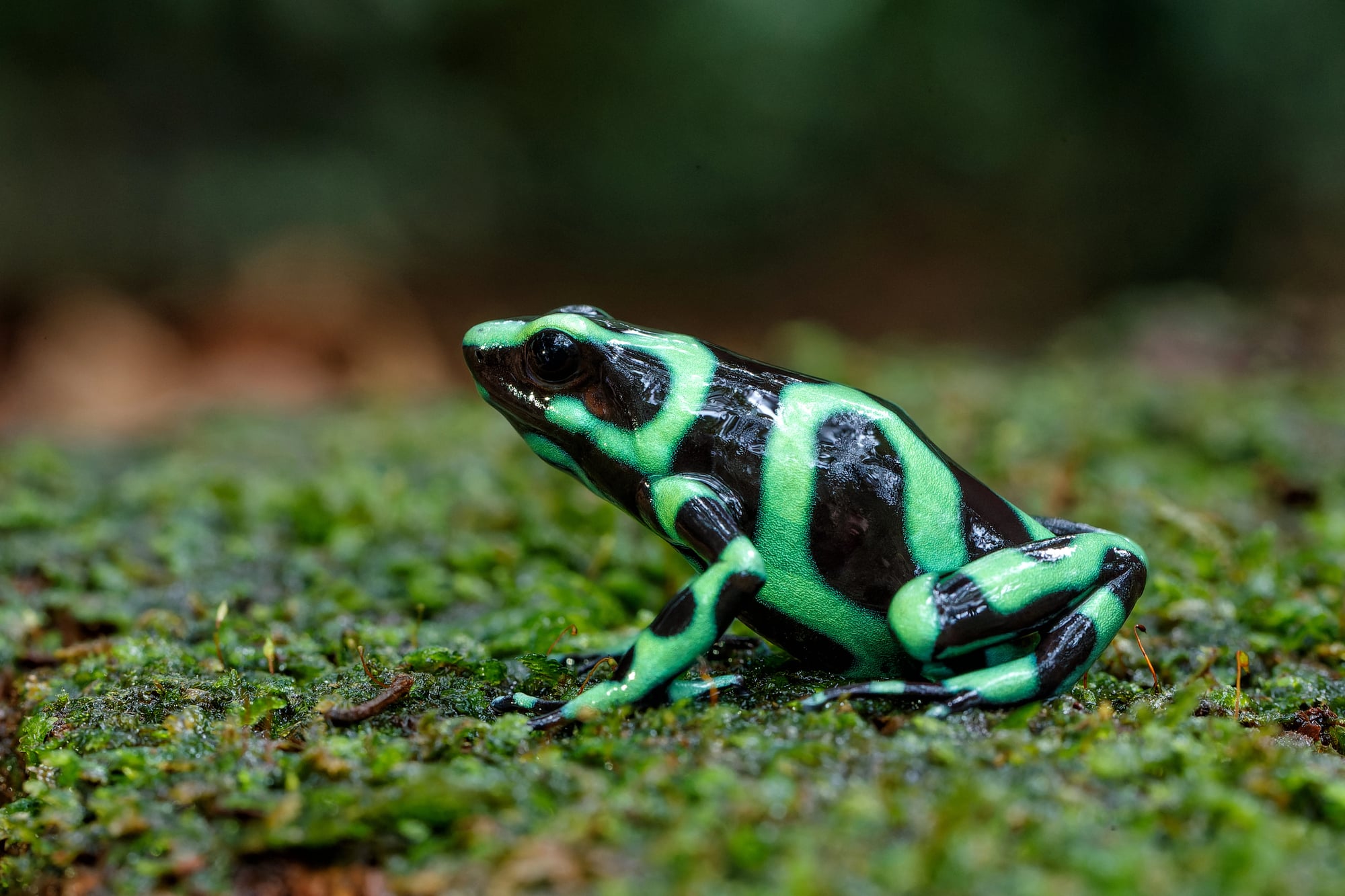
No larger than a human fingernail, poison dart frogs come in brilliant colors that should signal danger but instead appear decorative. Their skin secretes toxins so potent that a single frog contains enough poison to kill a human. The lethal dose is measured in micrograms.
Indigenous peoples used their toxins on hunting darts, giving the frogs their name. Captive-bred poison dart frogs lose their toxicity without a specific diet of wild arthropods, suggesting the poison is acquired from prey rather than produced by the frogs themselves.
Stonefish
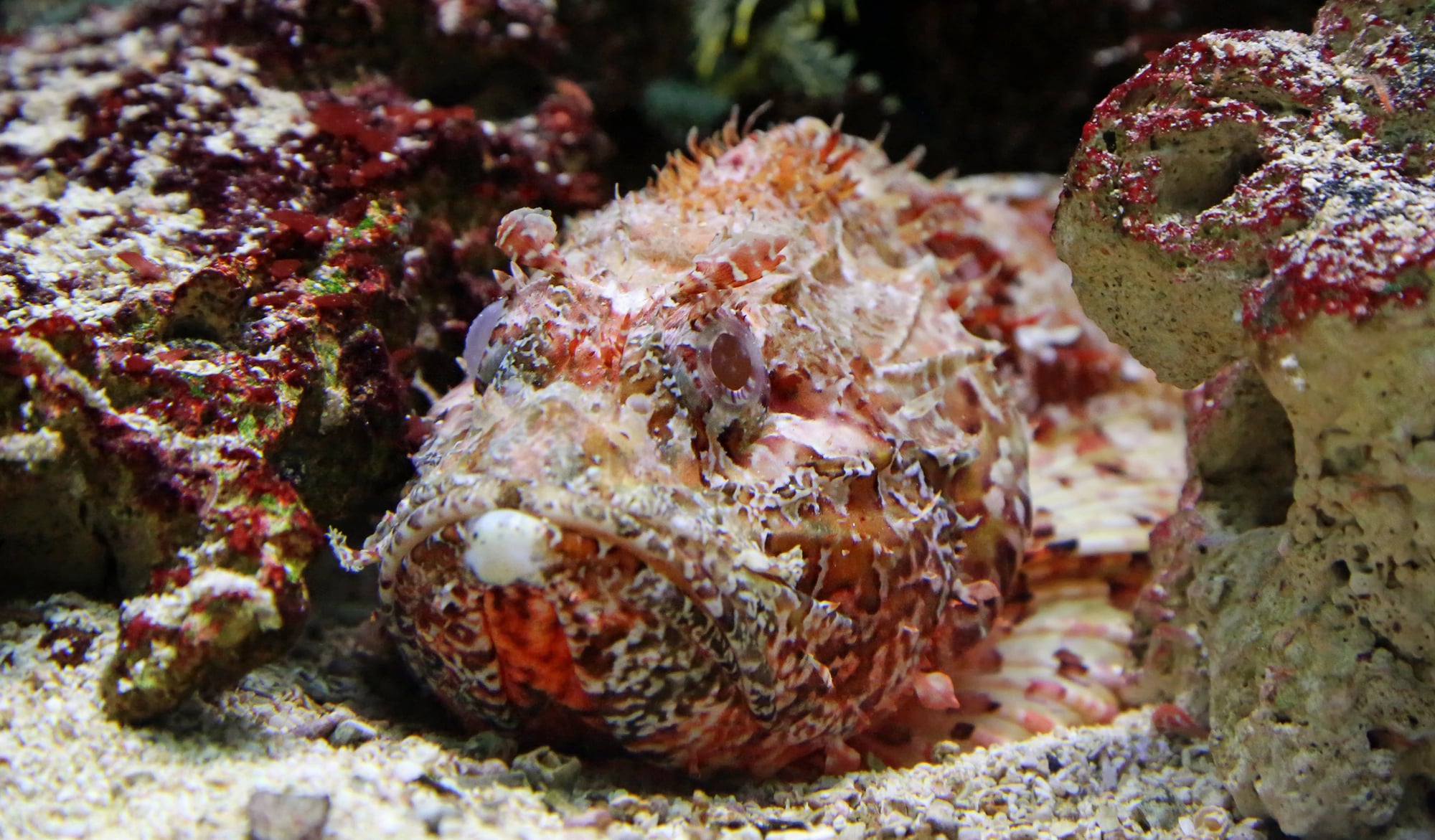
Camouflaged to look like rocks on the ocean floor, stonefish are nearly invisible until stepped on or handled. Their dorsal spines deliver venom ranked among the most venomous fish species worldwide. Envenomation causes extreme pain, potential tissue death, and can be fatal without treatment. Their perfect camouflage makes them a significant danger to waders and divers in Indo-Pacific waters.
Platypus
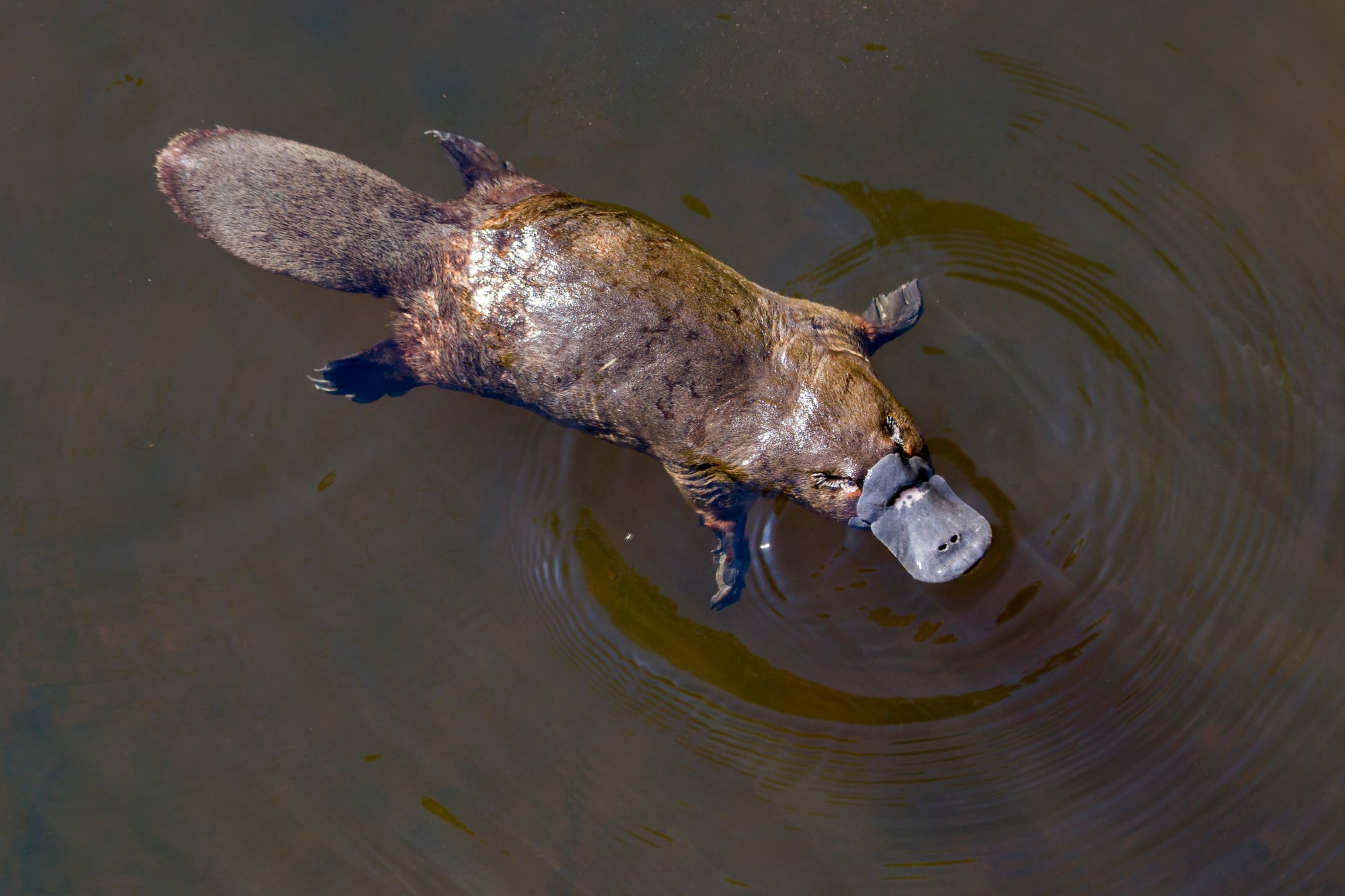
The platypus appears almost cartoonish: a mammal that lays eggs, has electroreception, and looks like a cross between a duck and a beaver. Male platypuses possess venomous spurs on their hind legs that deliver a cocktail of venom powerful enough to kill a human-sized animal. The venom causes intense localized pain lasting months and can be fatal to smaller creatures.
Castor Bean Tick
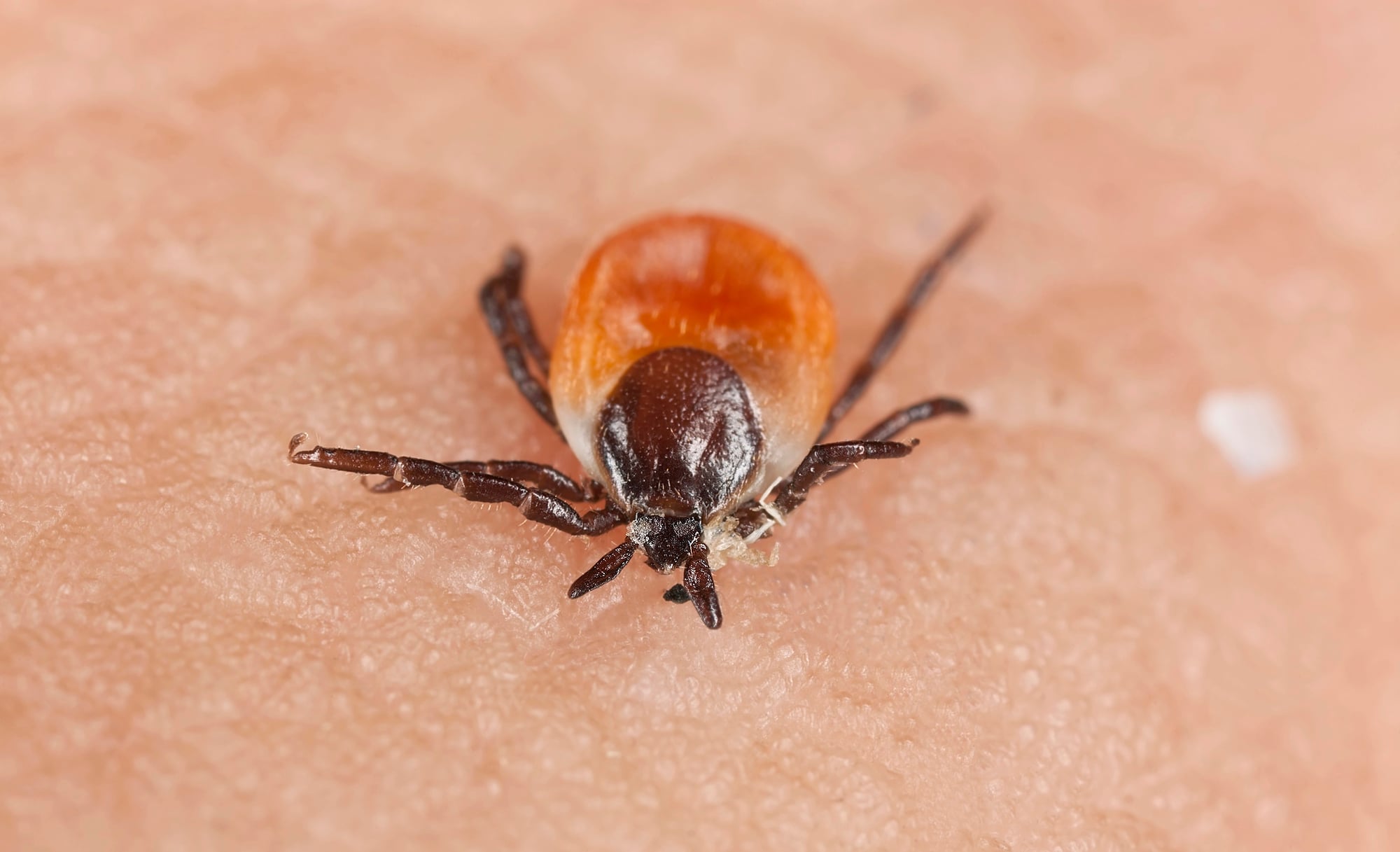
Resembling any other small tick, the castor bean tick can transmit Crimean-Congo hemorrhagic fever, a disease with fatality rates as high as 40 percent in humans. Tick bites rarely feel significant, yet the virus it carries causes devastating hemorrhagic illness. The tick’s danger lies not in its appearance but in the pathogens it vectors.
Lamprey
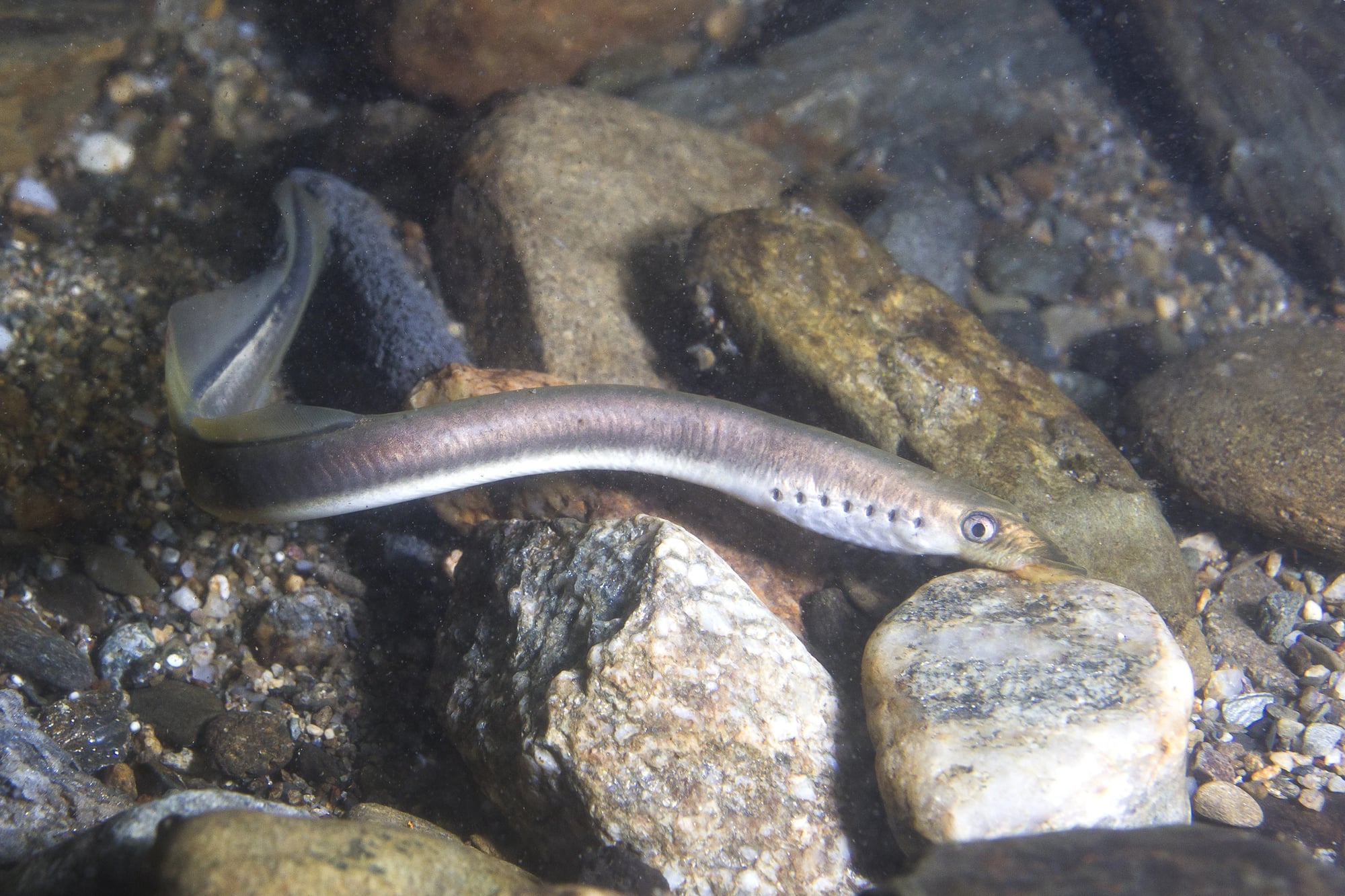
Looking like an eyeless snake, the lamprey is actually a living fossil with a circular mouth lined with keratin teeth and no upper or lower jaw. It attaches to fish and rasps away tissue and blood. Despite their alien appearance, lampreys can seem harmless because they move slowly and look primitive. Their damage to fisheries and their ability to devastate native fish populations belies their seemingly benign appearance.
Slow Loris
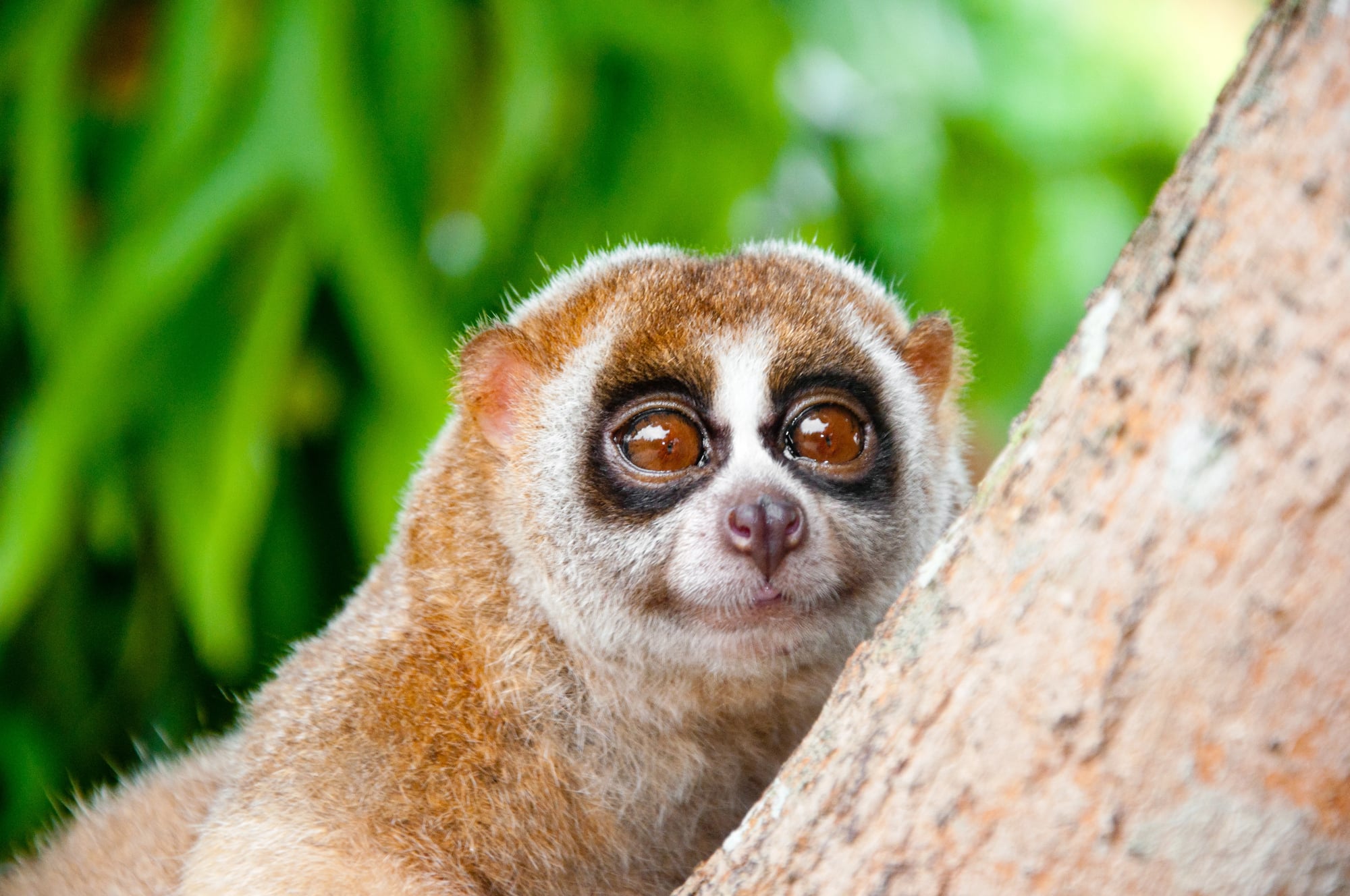
This small, wide-eyed primate appears incredibly cute and helpless, which is precisely why they’re popular illegal pets. What observers miss is that slow lorises are venomous—they’re one of very few venomous primates. They produce toxins in glands on their arms that they mix with saliva, creating a venomous bite. Poachers often break their teeth or remove them before selling them as pets, unaware they’re handling a venomous animal.
Shrews
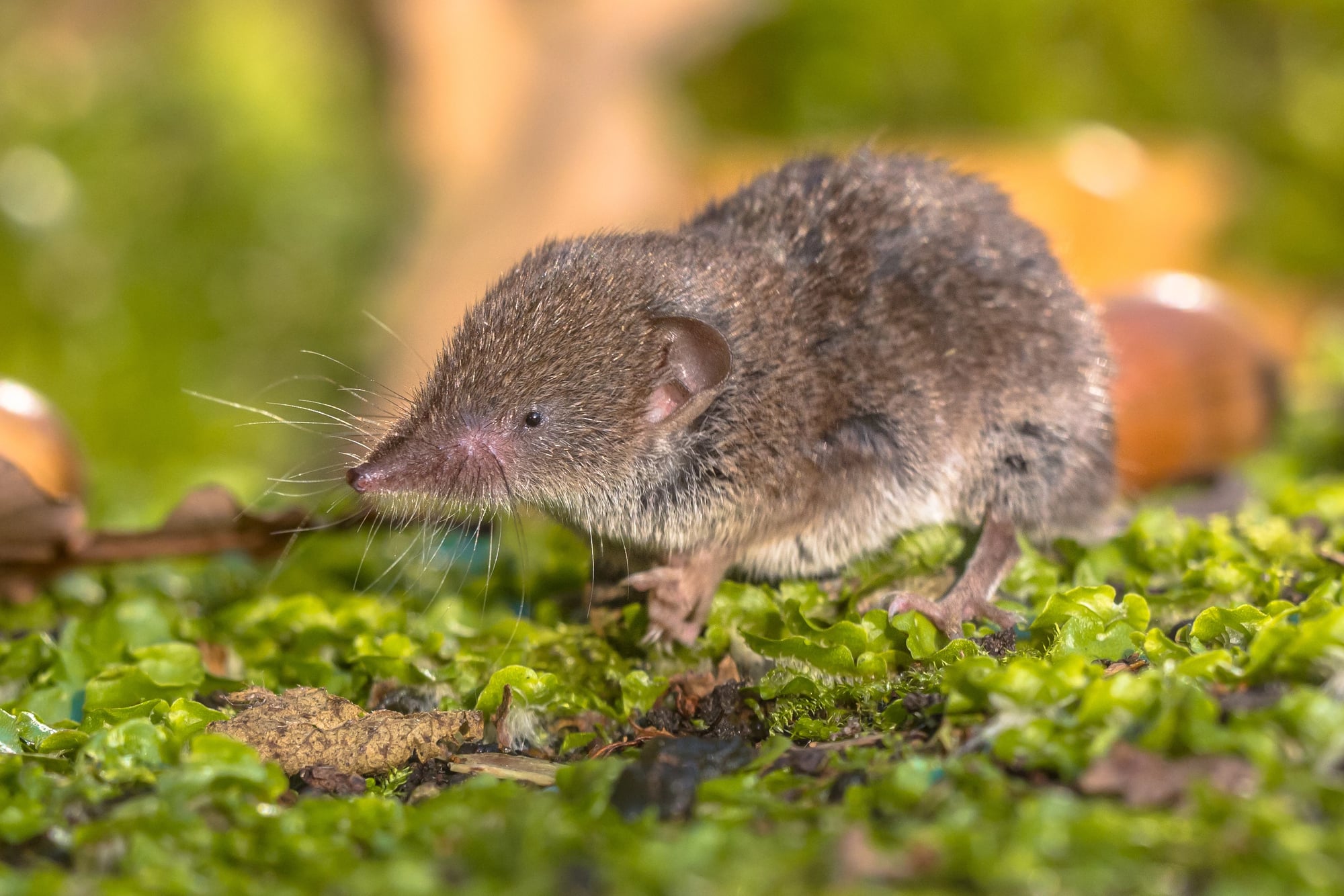
Shrews are small, mouse-like creatures that appear harmless at a glance. Yet several shrew species produce venom in salivary glands and inject it through their teeth. The venom is painful and can kill small animals. Their tiny size and apparent fragility mask their status as venomous predators.
Jellyfish
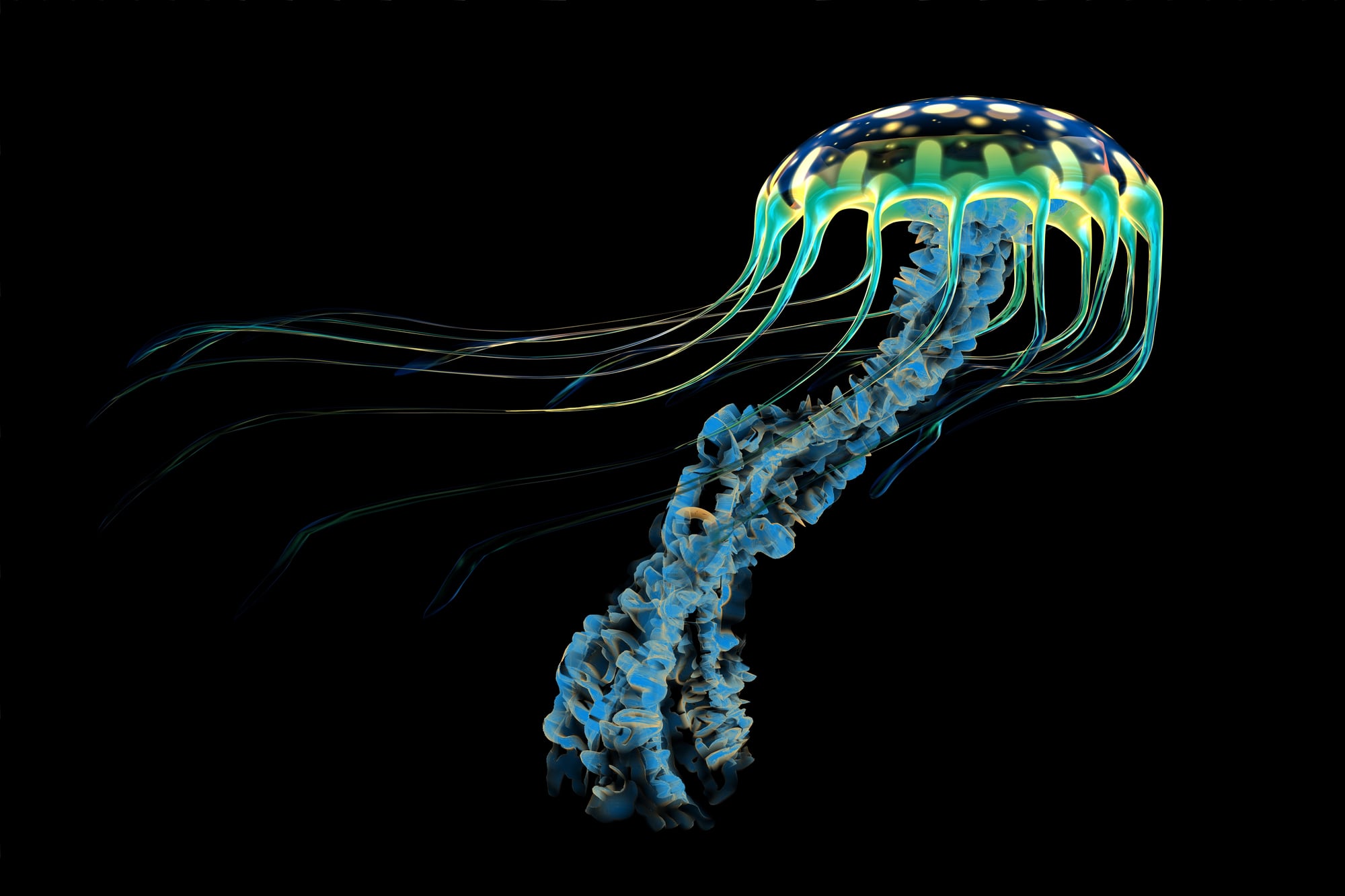
Jellyfish drift through the ocean like gelatinous ghosts, appearing almost peaceful. Yet certain jellyfish species, particularly box jellyfish, possess nematocysts that fire with the force of a bullet and inject lethal venom. The box jellyfish Chironex fleckeri has killed humans in minutes. Their transparent, seemingly delicate appearance makes them easy to accidentally encounter.
Peacock Mantis Shrimp
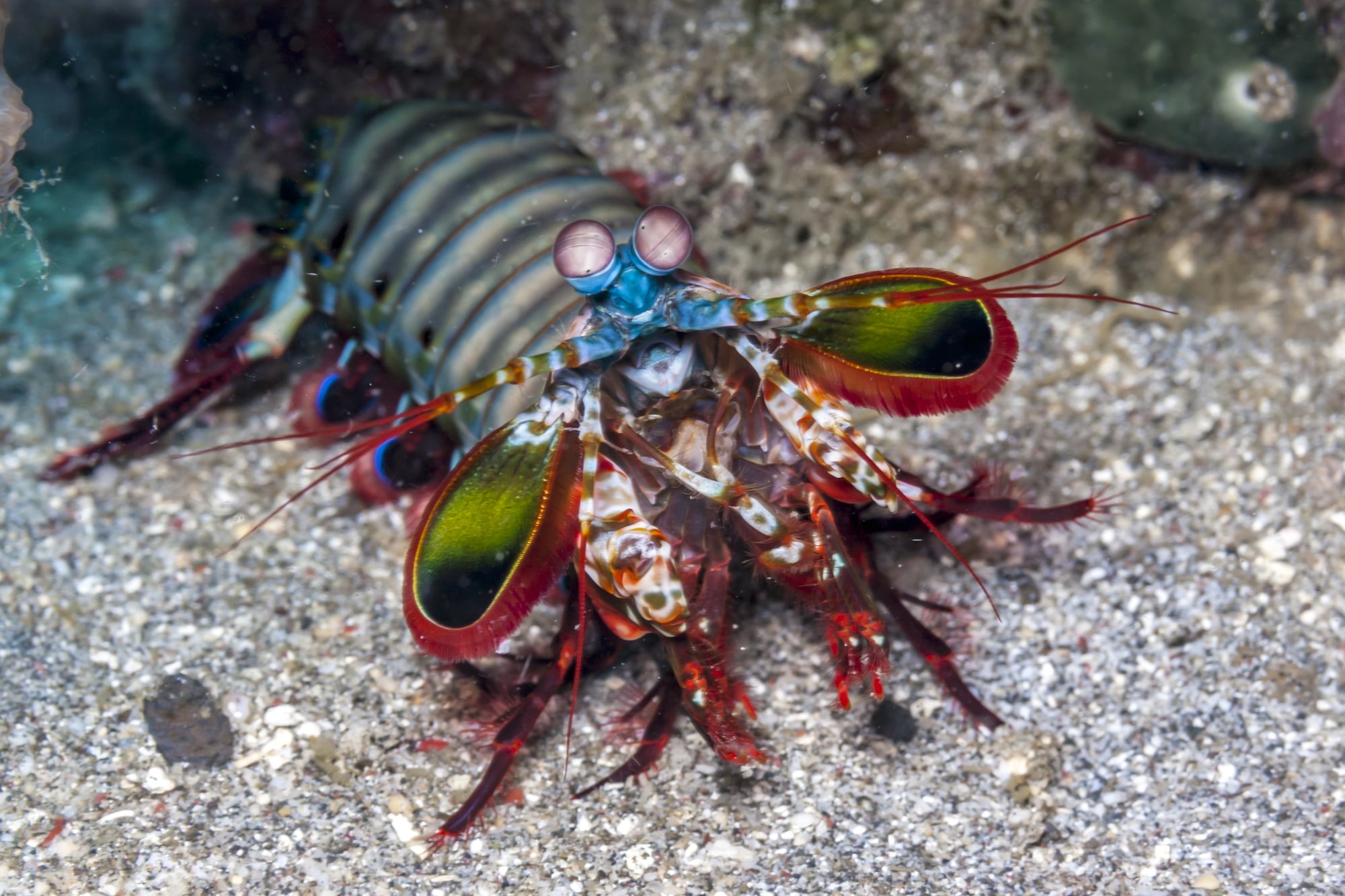
With colors so vibrant they appear almost unreal, mantis shrimp look like decorative organisms. In reality, they deliver the fastest punch in the animal kingdom—their claws accelerate faster than bullets. The force generates shock waves capable of killing prey and generating light through cavitation. Despite their brilliant coloration, few people recognize them as apex predators.
Gila Monster
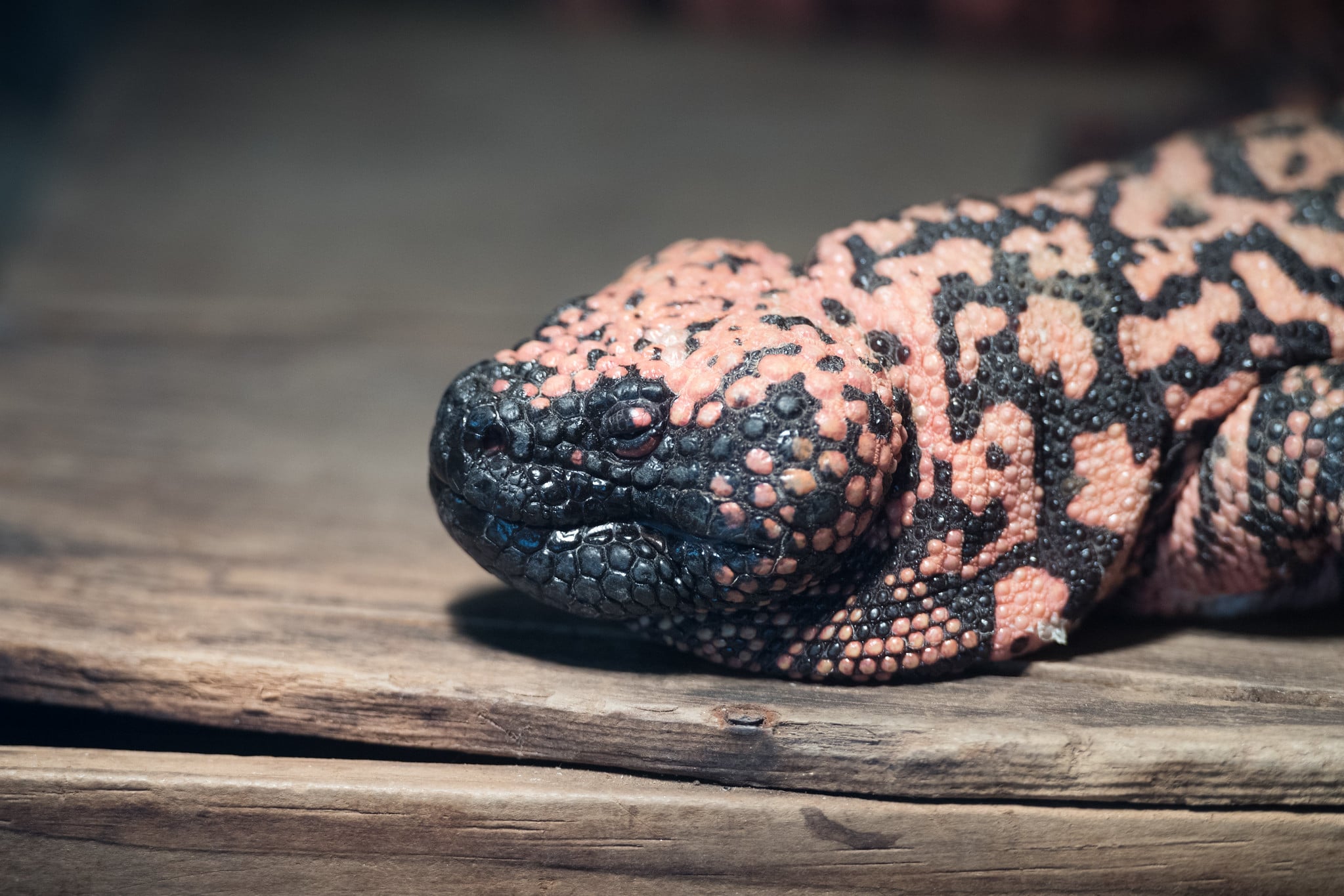
This stocky, colorful lizard looks like a moving jewel. Yet Gila monsters are venomous, delivering toxins through grooved teeth. Their venom is potent enough to kill a human, though deaths are rare due to medical intervention. Their slow movement makes them appear unthreatening, yet their bite delivers serious envenomation.
Water Moccasin
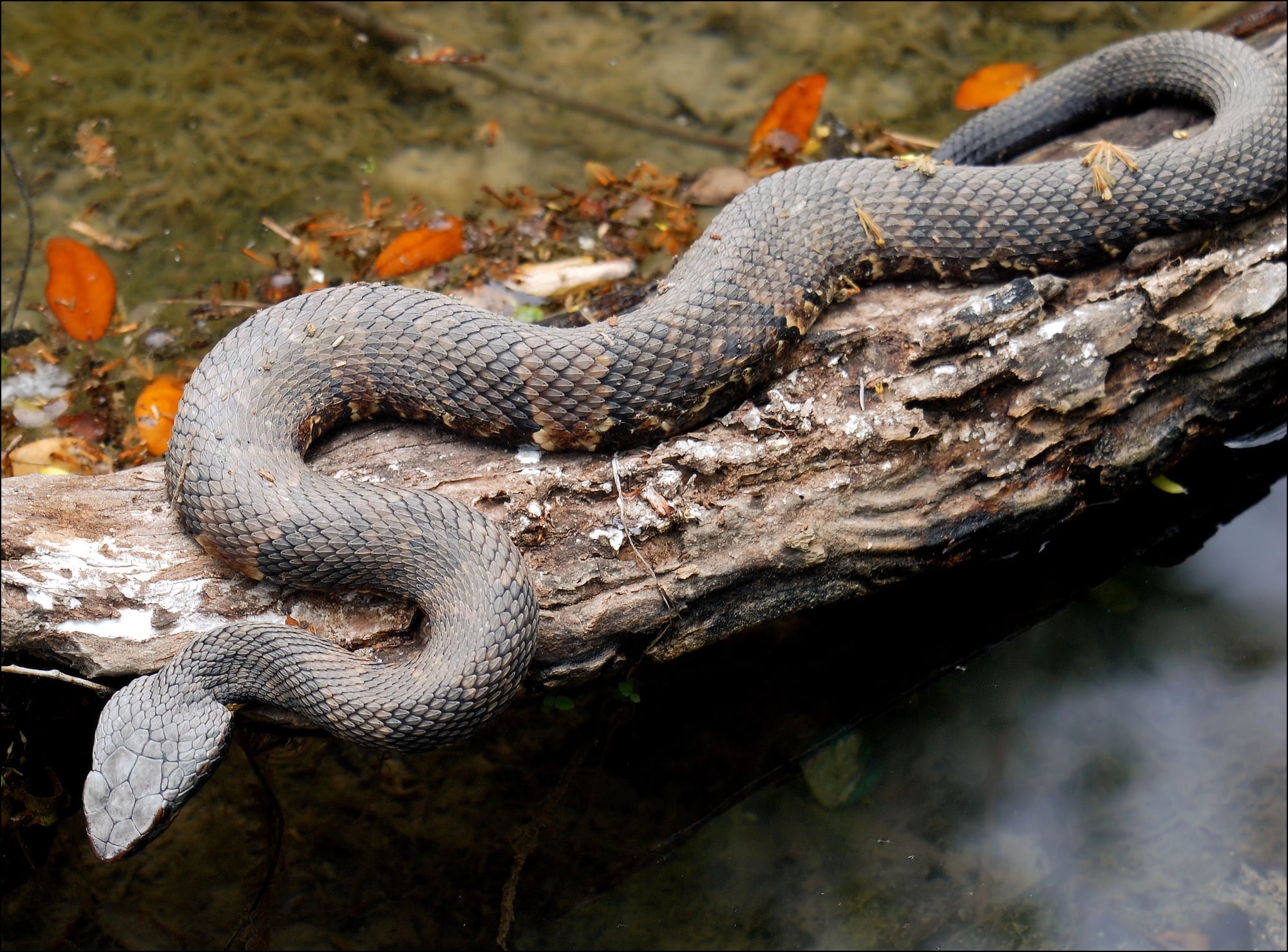
Often called the cottonmouth, this venomous snake appears relatively harmless because of its often sluggish behavior and slow movements. Yet water moccasins deliver haemotoxic venom that destroys tissue. They’re responsible for more deaths and injuries than any other venomous North American snake, partly because their appearance doesn’t trigger the same caution that more obviously dangerous-looking snakes do.
Sting Ray
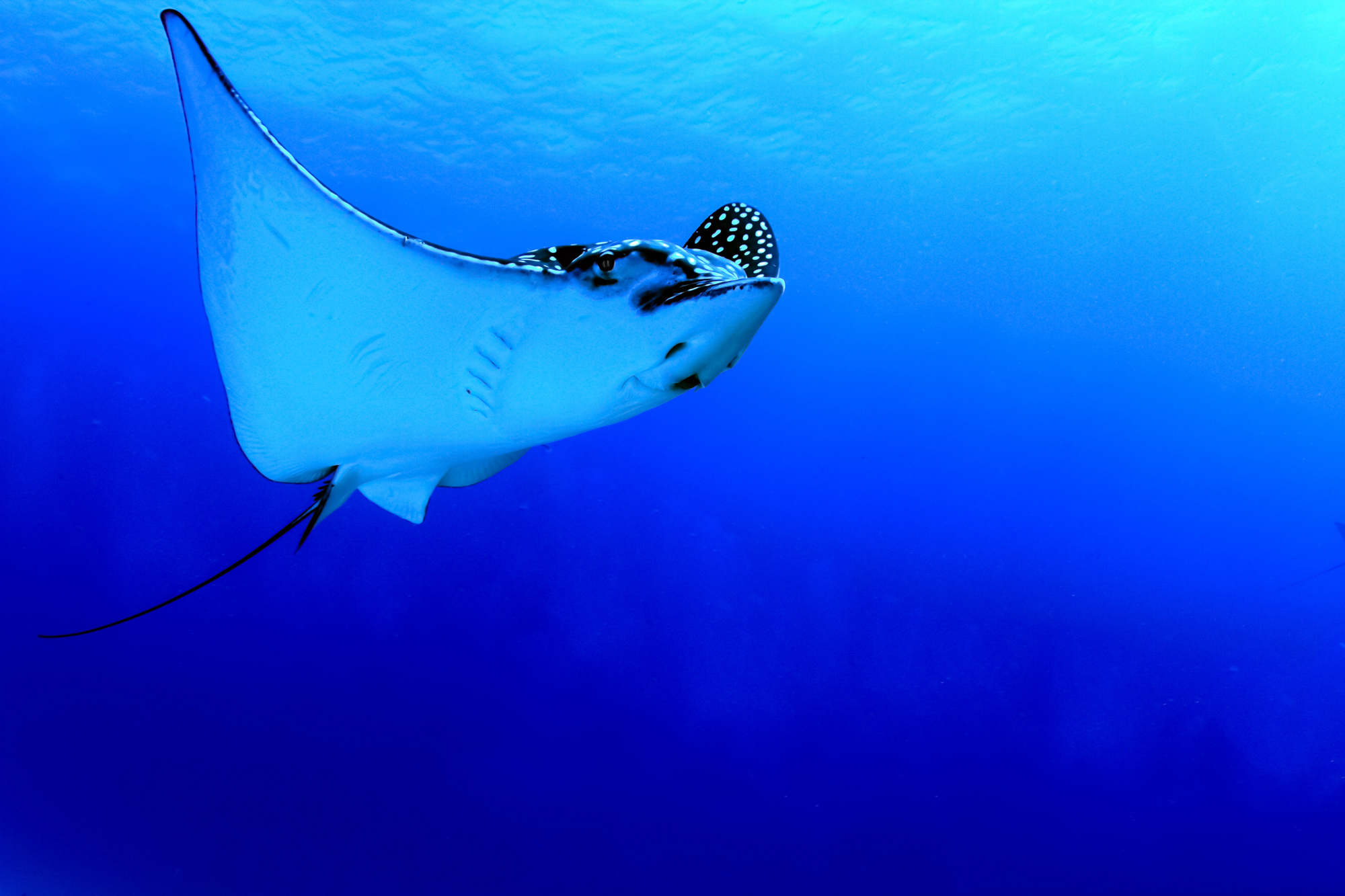
Gliding gracefully along the ocean floor, sting rays appear peaceful. Yet their barbed tail spine delivers potent venom into any creature stepping on them or handling them carelessly. Steve Irwin’s death from a sting ray barb, despite his expertise with dangerous animals, illustrates how quickly this unassuming creature can cause fatal injury.
Hooded Pitohui
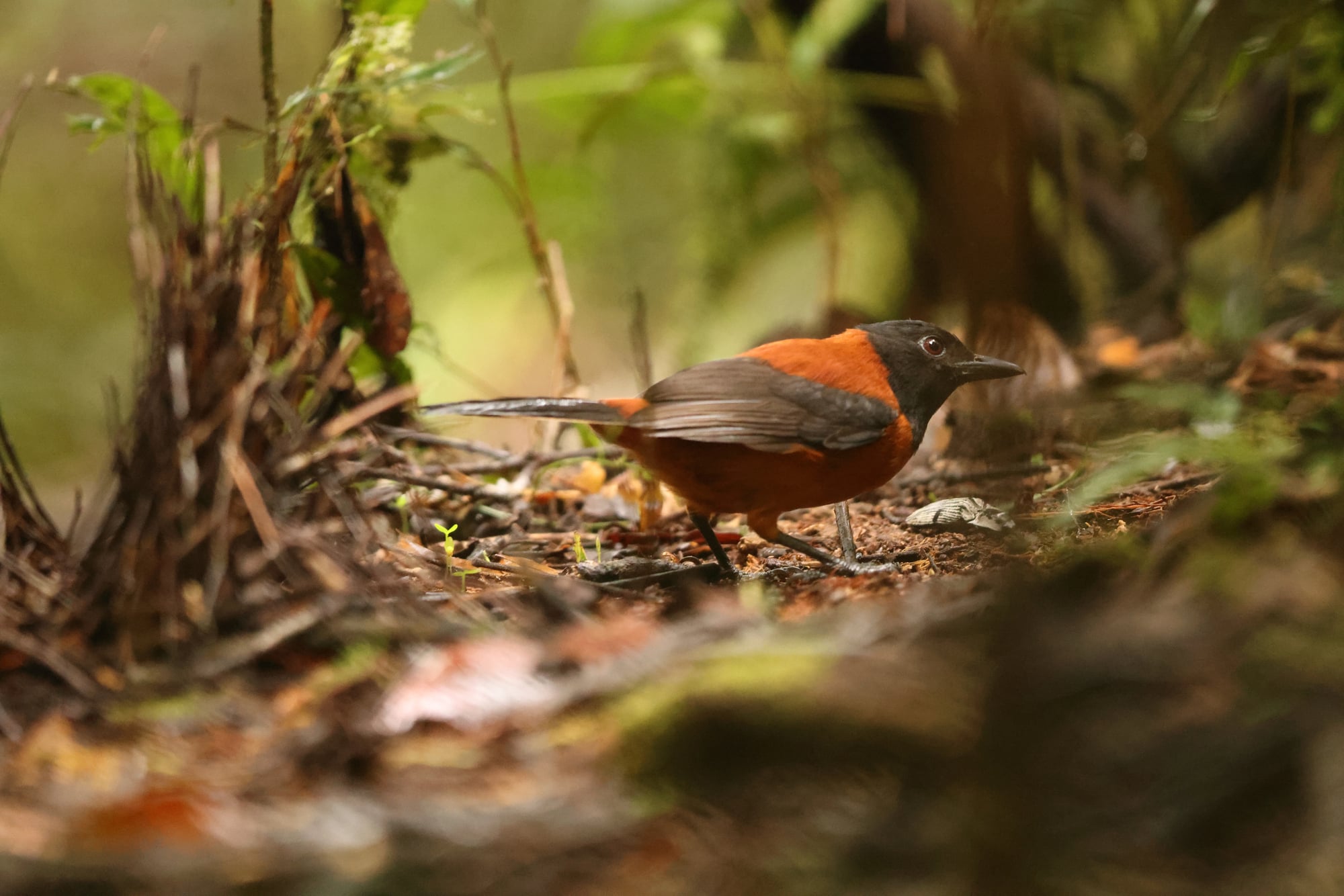
This Papuan bird looks ordinary, yet it’s one of very few birds that are toxic. Its feathers and skin contain batrachotoxins, the same toxins found in poison dart frogs. Ingesting or even handling the bird can cause poisoning, yet the danger goes unnoticed because birds are rarely expected to be toxic.
Centipedes
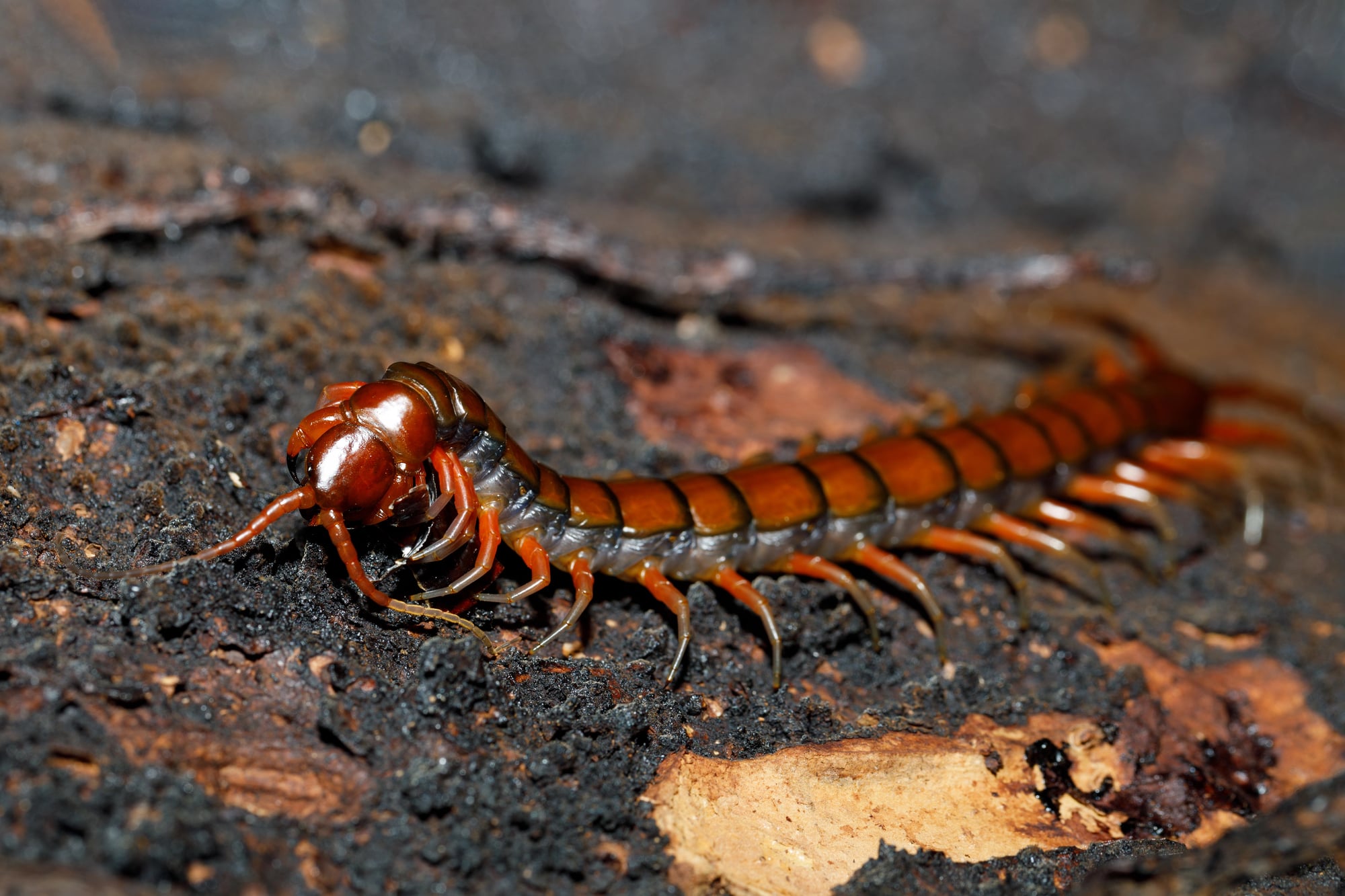
Centipedes appear to be just elongated insects, relatively harmless compared to spiders or snakes. Some centipede species are venomous, delivering toxins through modified front legs. Giant centipedes can kill small mammals and their bite is intensely painful. Their quick movements and low profile make them easy to accidentally encounter in dark spaces.
Mosquitoes
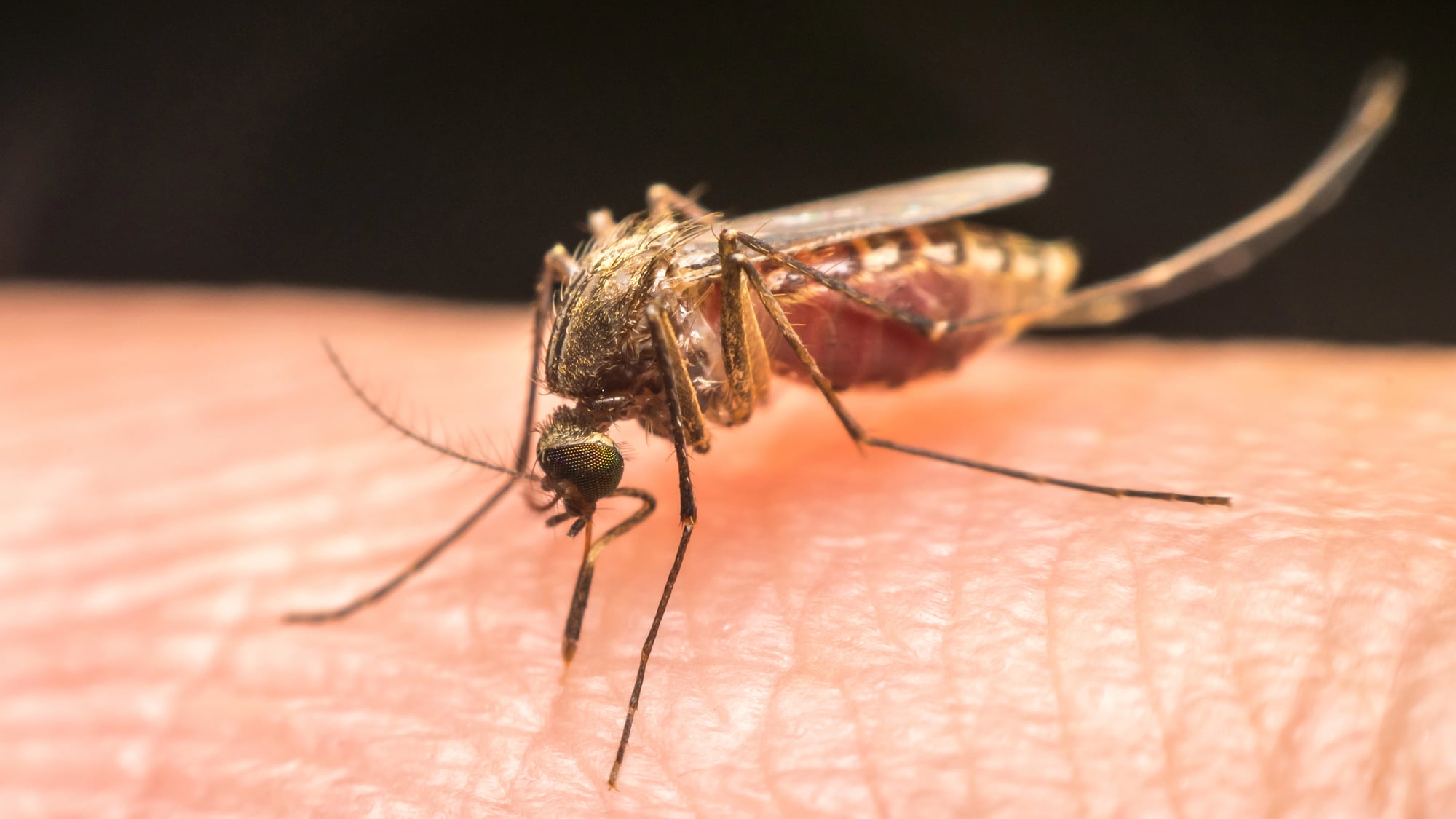
Appearing as insignificant insects, mosquitoes are arguably the most dangerous animals on Earth when measured by human deaths. They transmit dengue, malaria, Zika, and yellow fever. No animal kills more humans annually than the mosquito, yet their tiny size and ordinary appearance make them easy to dismiss as unimportant.
Pandas

Giant pandas appear cuddly and gentle, beloved worldwide as symbols of conservation. Yet they possess powerful jaws, sharp claws, and an aggressive temperament when threatened. Zookeepers and researchers have sustained serious injuries from pandas that violated what many people thought was an inherently gentle animal.
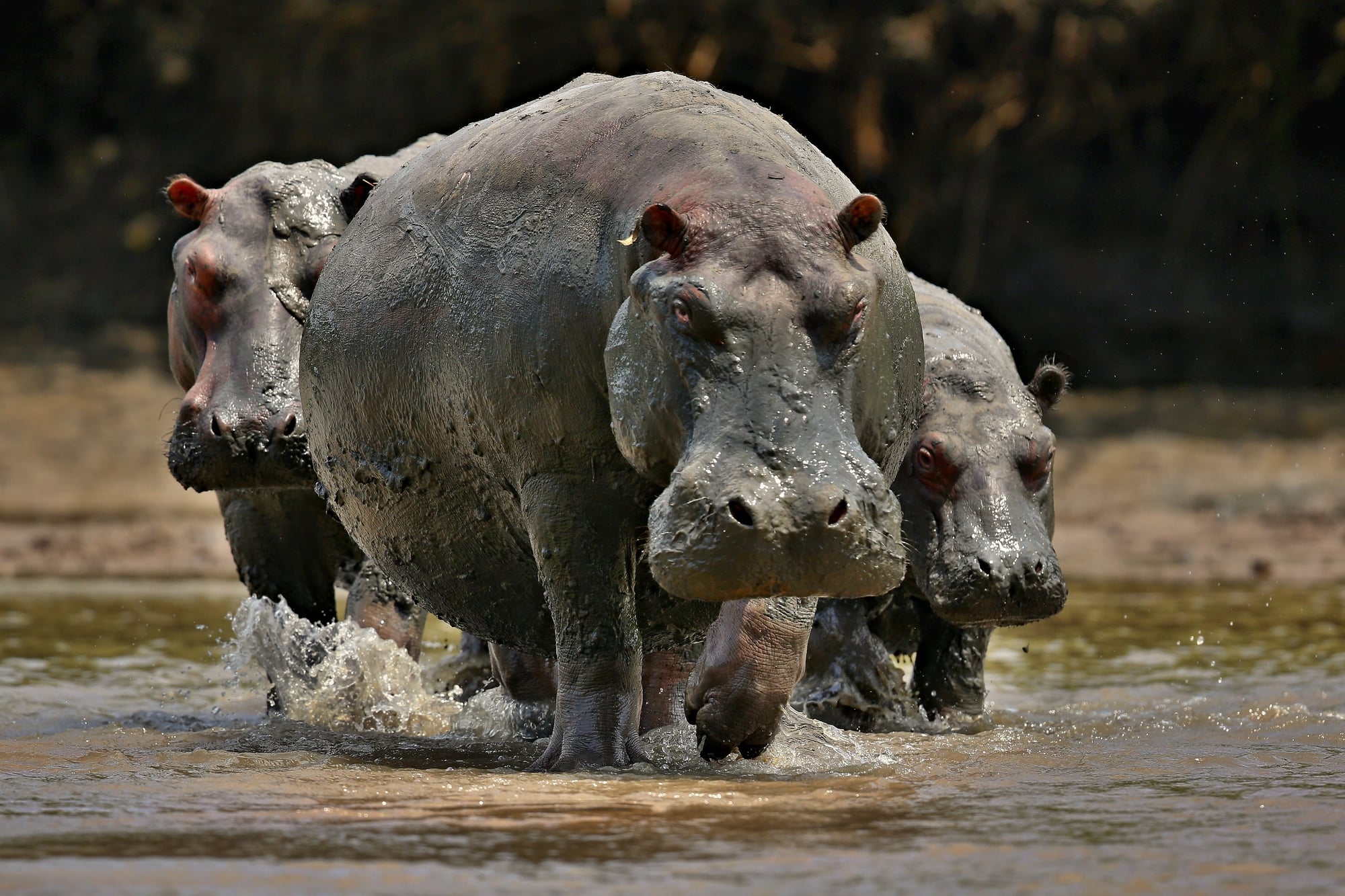
Hippopotamus
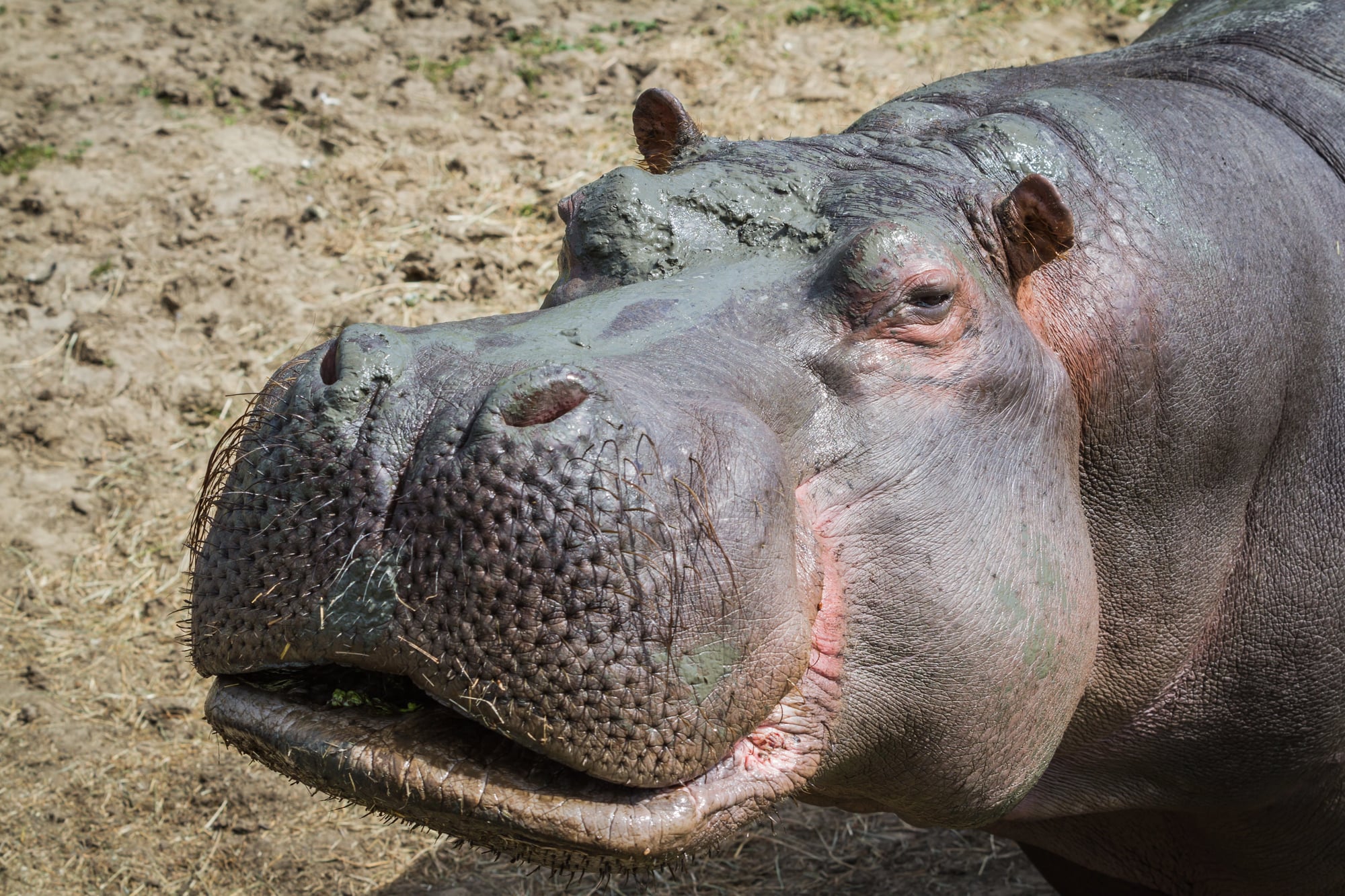
Hippopotamuses look sluggish and almost comical in appearance, leading people to underestimate their danger. Yet hippos are responsible for thousands of deaths annually in Africa. Their huge bite force and extreme territorial aggression make them one of Africa’s deadliest animals, though their barrel-shaped body and herbivorous diet suggest otherwise.
Emus
DepositPhotos
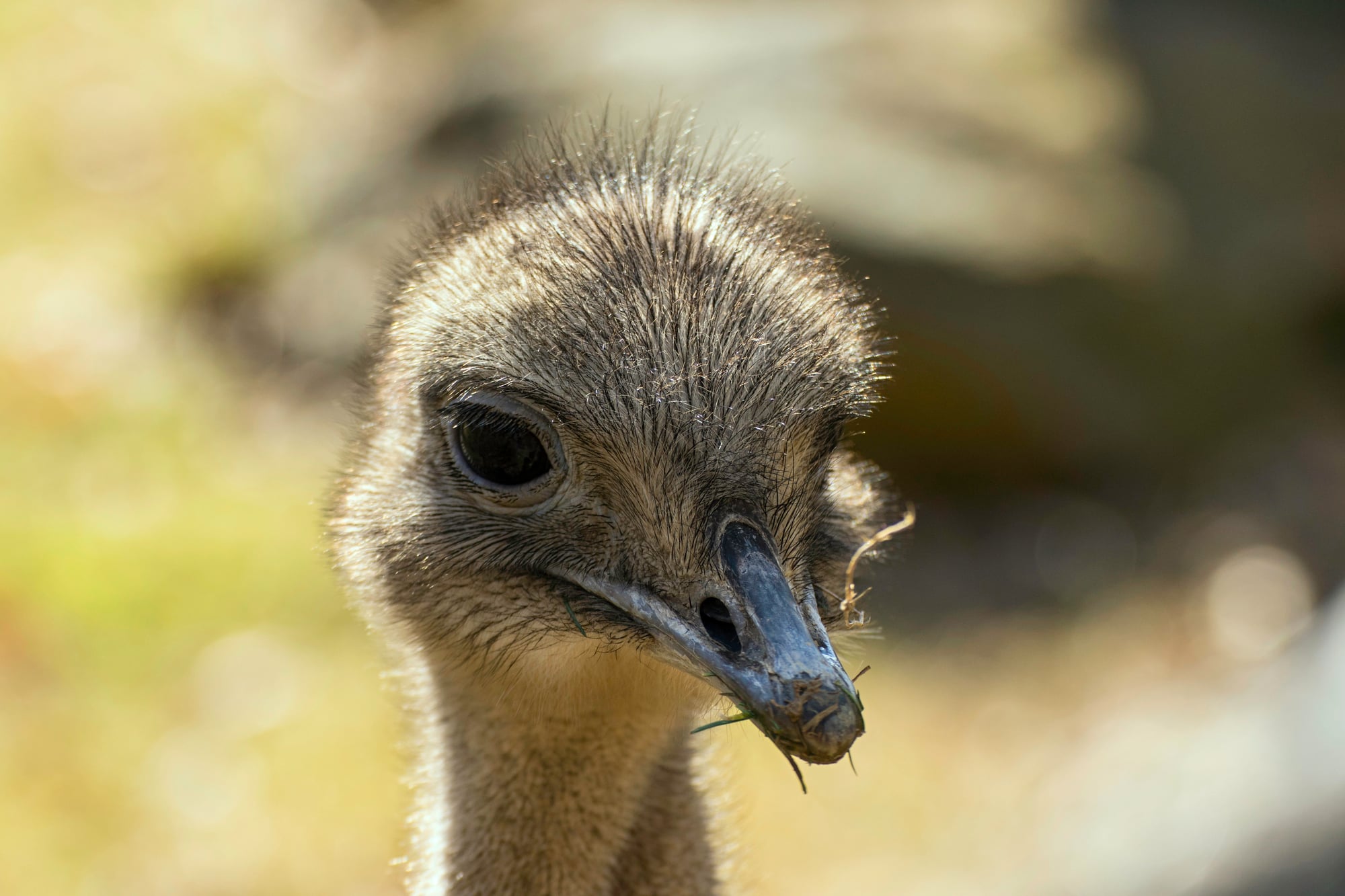
Emus are tall birds with long legs that appear almost silly in their movements. Yet they can run at 50 kilometers per hour and their legs are powerful enough to deliver fatal kicks. Australian farmers discovered this when an emu “war” resulted in the birds defeating a military unit sent to cull them.
Cassowary
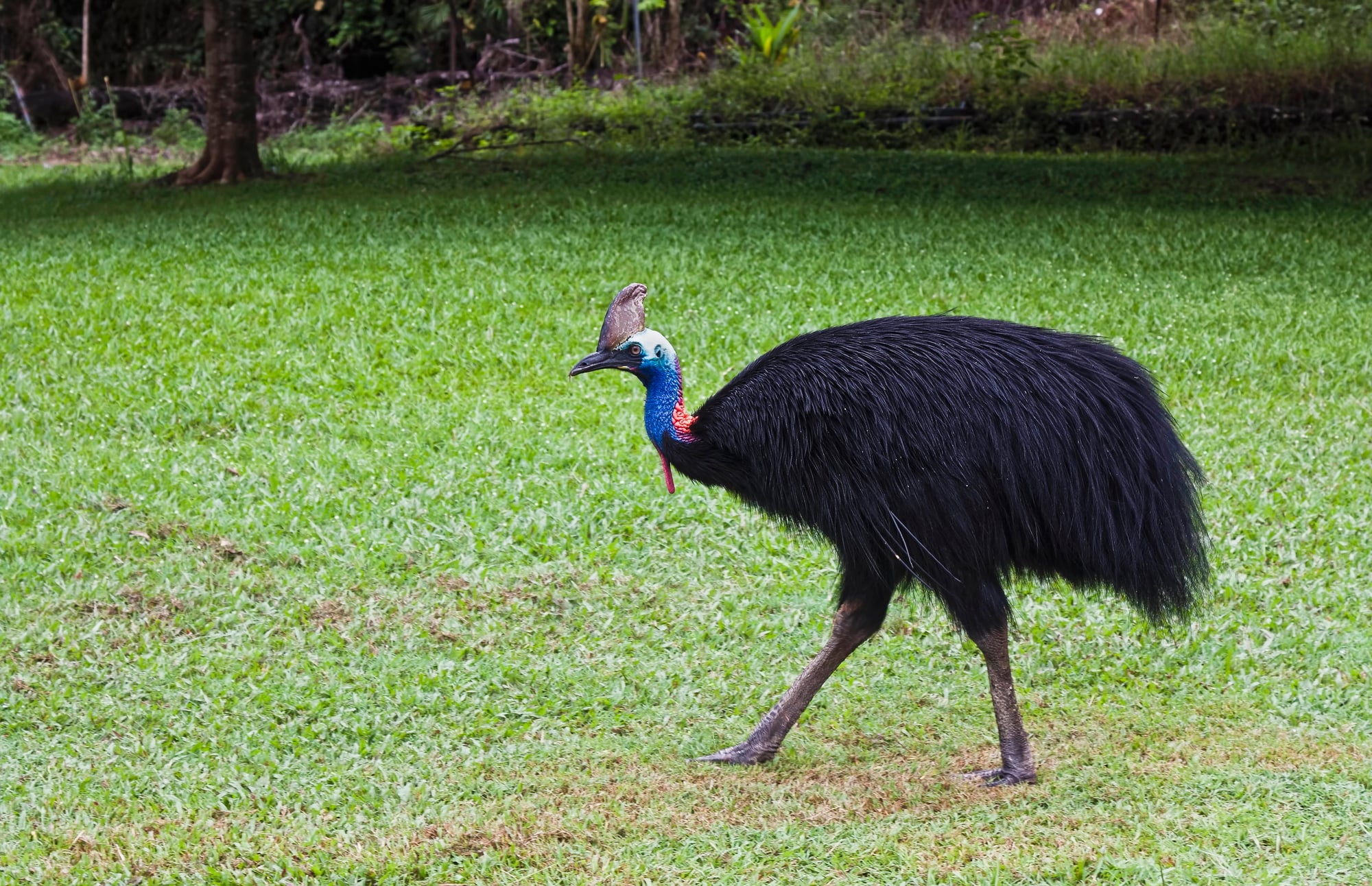
This large flightless bird from Australia appears to be just a tall, colorful emu. Yet cassowaries possess a sharp claw on each foot that can inflict deep lacerations. Attacks on humans, while rare, result in serious injuries. Their size combined with their claws makes them far more dangerous than their appearance suggests to those unfamiliar with the species.
Porcupine
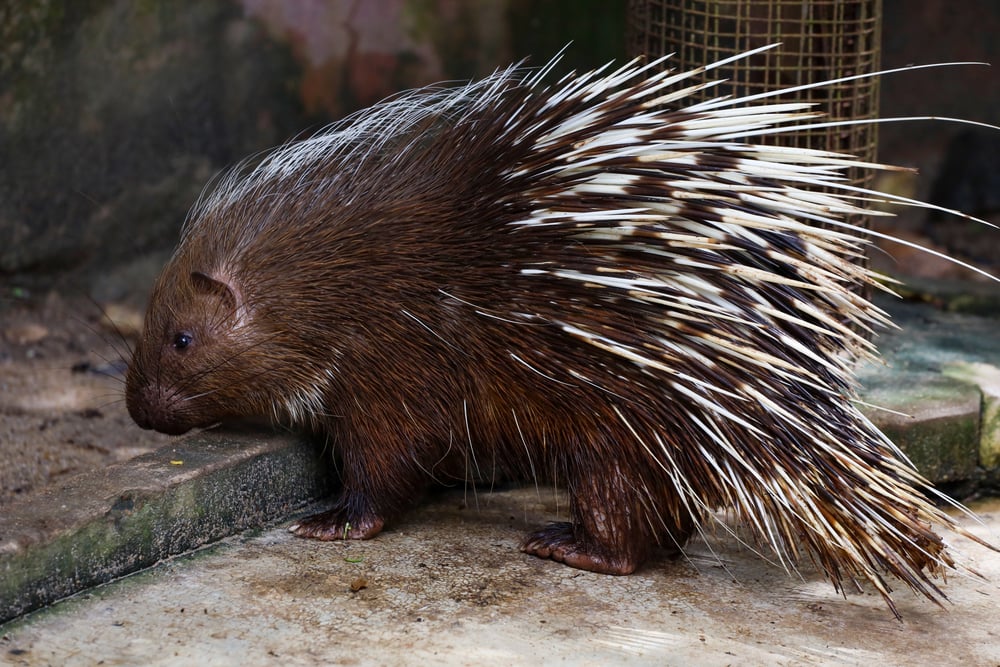
Porcupines appear awkward and slow, almost vulnerable due to their need to defend with spines. Yet their quills detach and lodge in animal tissue, and they can be difficult to remove. Many animals and some humans have died from infections following porcupine quill injuries that weren’t properly treated.
Cormorant
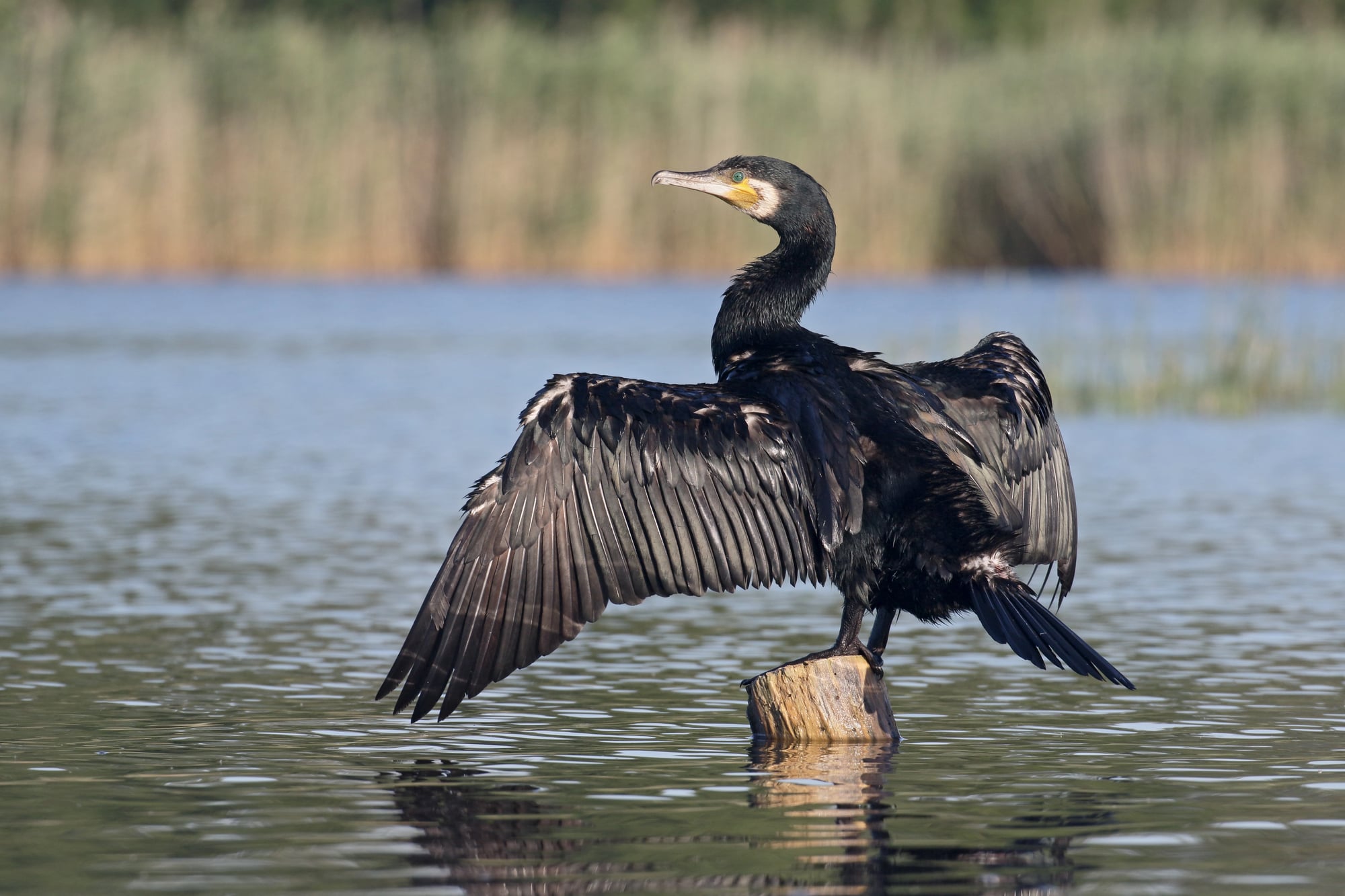
These diving birds look ordinary and unthreatening. Yet in Japan during feudal times, they were used as living hunting weapons in a form of cormorant fishing. Their speed underwater and aggressive behavior toward prey fish made them effective hunters. A cormorant’s bite and aggressive defense can injure humans.
Badger
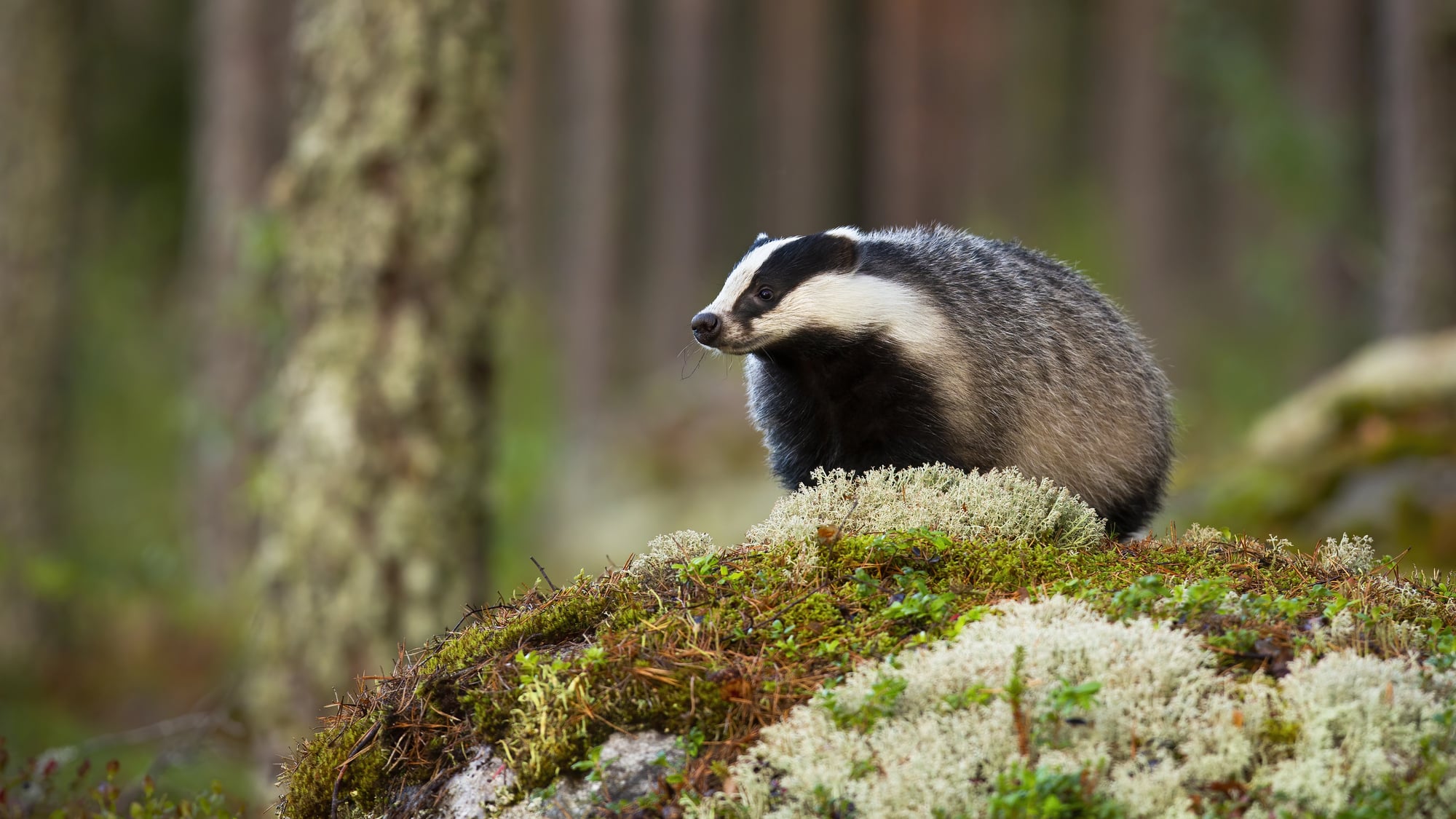
Badgers appear small and almost cute due to their round features and stocky bodies. Yet they’re incredibly fierce and aggressive when threatened. They possess powerful jaws, sharp claws, and an absolute refusal to back down from larger animals. Many animals significantly larger than badgers avoid confrontation with them.
Moose
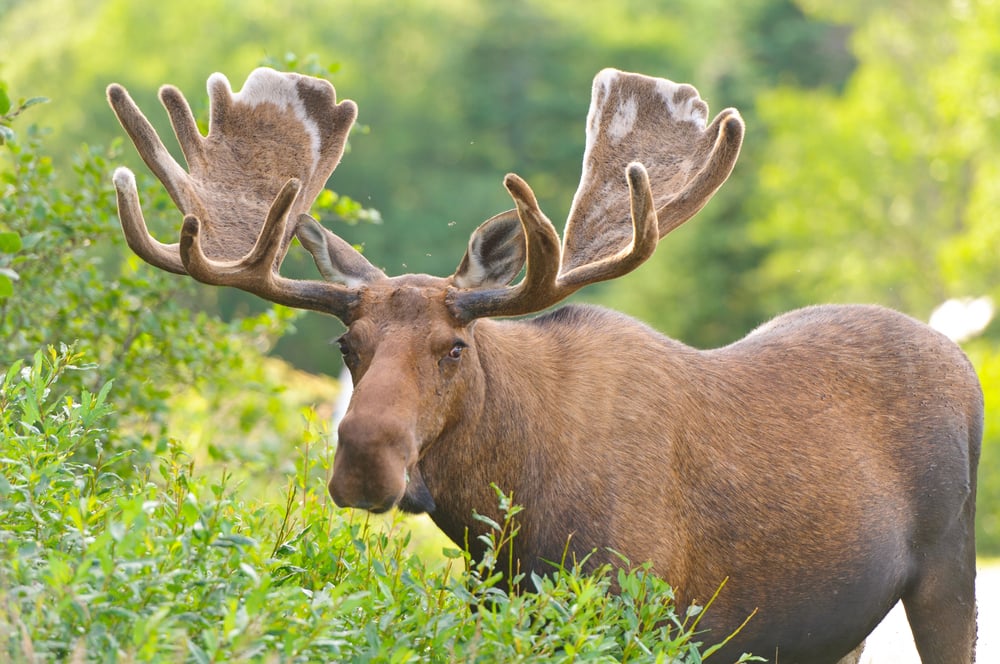
Looking like oversized deer, moose appear herbivorous and peaceful. Yet moose are extremely dangerous when defending territory or offspring. Their size combined with surprising speed makes a moose charge catastrophic. More Americans die from moose encounters than bear encounters annually.
Swan
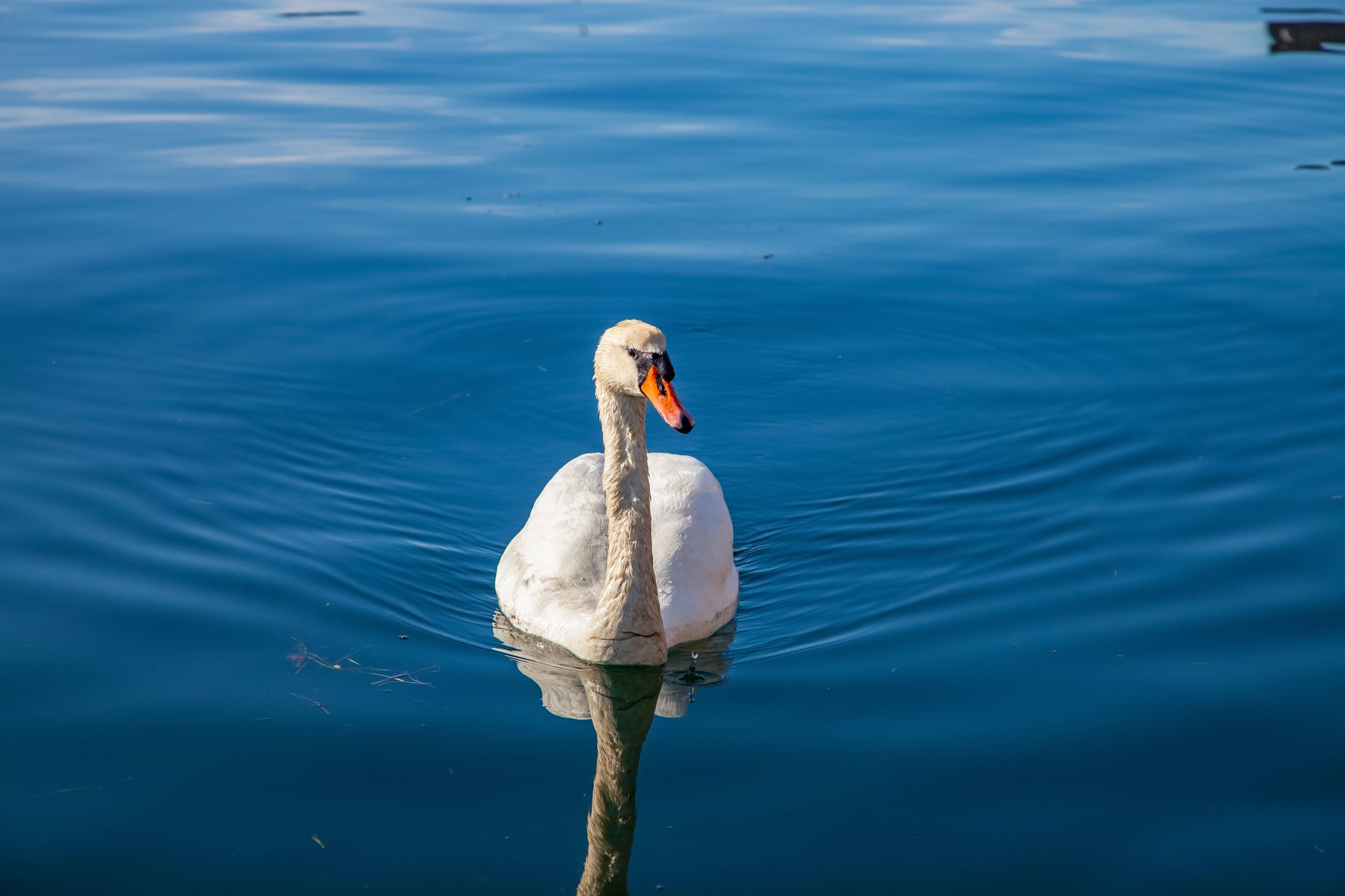
Swans are symbols of grace and beauty in many cultures. Yet they’re extremely aggressive, particularly during breeding season. Their wings can deliver powerful blows, and they will attack without hesitation. People have sustained serious injuries from swans they thought were docile birds.
Beauty and Lethality Are Unrelated
The most striking pattern across these 24 animals is that appearance and actual danger operate in completely separate categories. A poison dart frog’s neon coloring, a peacock mantis shrimp’s iridescent shell, a giant panda’s round features—these traits signal nothing about lethality and everything about how we perceive safety. We’ve evolved to read certain signs: large teeth, aggressive posture, intimidating size. We’ve become blind to the ones that matter.
Nature doesn’t care whether its weapons look dangerous. The most lethal creatures often rely on the fact that victims won’t take them seriously until it’s too late. A mosquito will kill more people today than any lion will kill in a year. A casual wading step lands on an invisible stonefish. A wildlife expert approaches what looks like a slow-moving turtle and gets struck by a barbed spine. The dangerous animals aren’t the ones that look scary—they’re the ones that look safe enough to ignore.
More from Go2Tutors!

- The Romanov Crown Jewels and Their Tragic Fate
- 13 Historical Mysteries That Science Still Can’t Solve
- Famous Hoaxes That Fooled the World for Years
- 15 Child Stars with Tragic Adult Lives
- 16 Famous Jewelry Pieces in History
Like Go2Tutors’s content? Follow us on MSN.