Everyday Phrases With Dark Origins Most People Have No Idea About
The words we use casually every day are often packed with history we’ve completely forgotten. What started as a warning about torture or a reference to suffering has been smoothed down by centuries of repetition until it sounds entirely innocent.
We trade these phrases without knowing we’re referencing amputations, mercury poisoning, or the deliberate reversal of wishes to fool malevolent spirits. Language is archaeology, and every common saying is an artifact from someone’s worst day.
The stories behind these phrases reveal that everyday speech isn’t neutral—it’s haunted by the practices and fears of the past. What we find most troubling is that many of these dark origins are no longer the primary versions people believe; better research has shown some “origins” were urban legends all along, proving that we’re drawn to morbid explanations even when reality is duller.
Bite the Bullet—Civil War Surgery Without Anesthesia
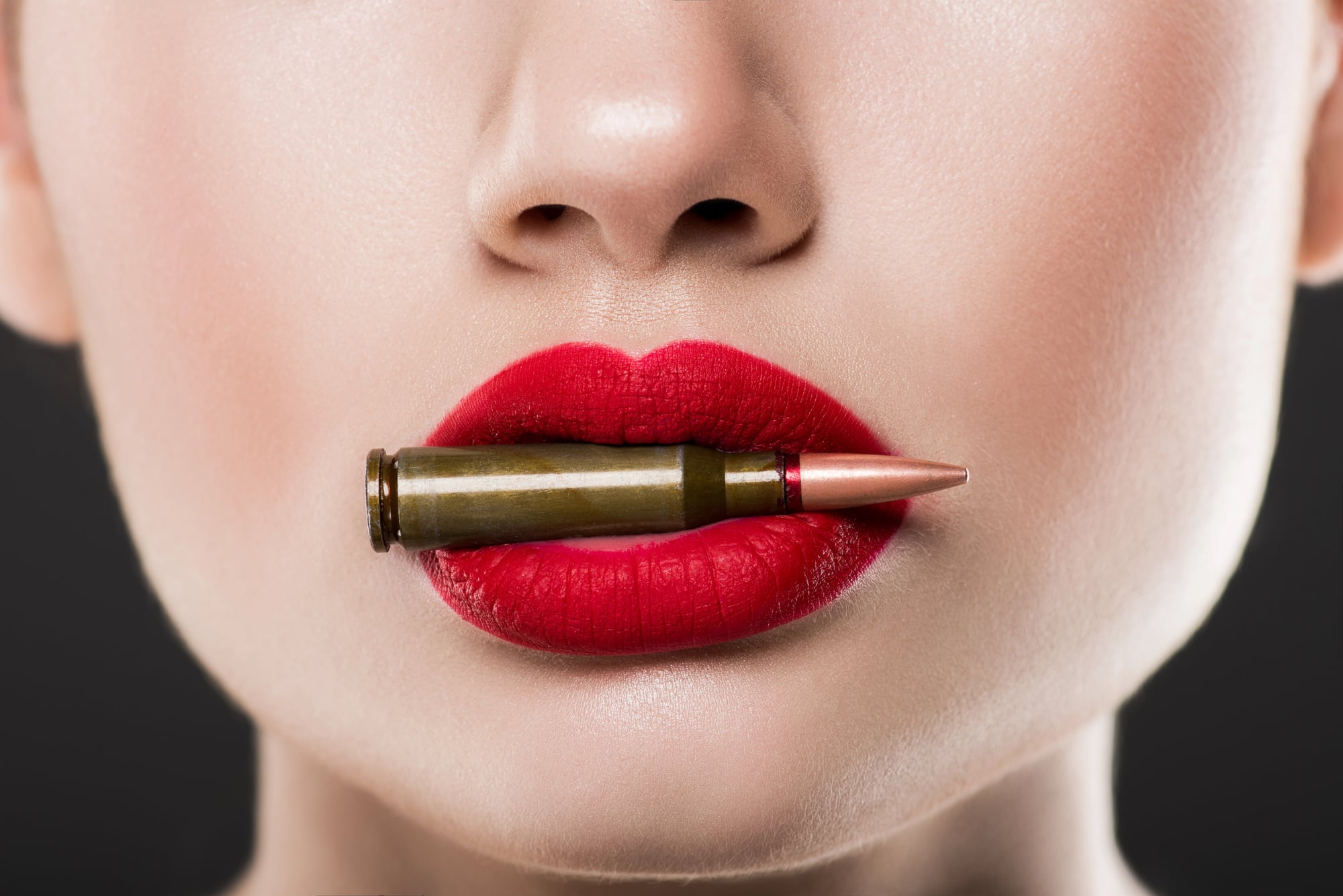
Wounded soldiers during the American Civil War received a lead bullet to bite down on during surgery, and no anesthesia. The phrase references that brutal necessity: soldiers literally bit down on bullets while surgeons amputated limbs or removed shrapnel.
The action became so tied to enduring pain without complaint that “bite the bullet” became shorthand for facing something terrible head-on.
Break a Leg—Reversing a Curse With the Opposite Wish

Theater people developed this tradition because speaking of good luck onstage was considered inviting evil spirits to prevent exactly that. By wishing the opposite—that a performer break their leg—theater-goers tried to reverse the evil eye.
The phrase may also derive from German theater and World War I Luftwaffe pilots, who similarly used phrases translating to “neck and leg break” as reverse-psychology good wishes before dangerous flights.
Mad as a Hatter—Mercury Poisoning in the Hat-Making Industry

In the 18th and 19th centuries, hat-makers used mercury nitrate in a process called “carroting” to turn animal fur into felt. Hatters worked in poorly ventilated spaces, inhaling mercury vapors daily, and chronic exposure caused a condition called erethism or “mad hatter’s disease.”
Symptoms included tremors, mood swings, hallucinations, and lost teeth—essentially, mercury poisoning attacked the nervous system and made workers appear unhinged. By 1837, the phrase “mad as a hatter” was common enough slang to appear in print, decades before Lewis Carroll wrote about it.
Cat Got Your Tongue—Possible Naval Punishment or Ancient Superstition
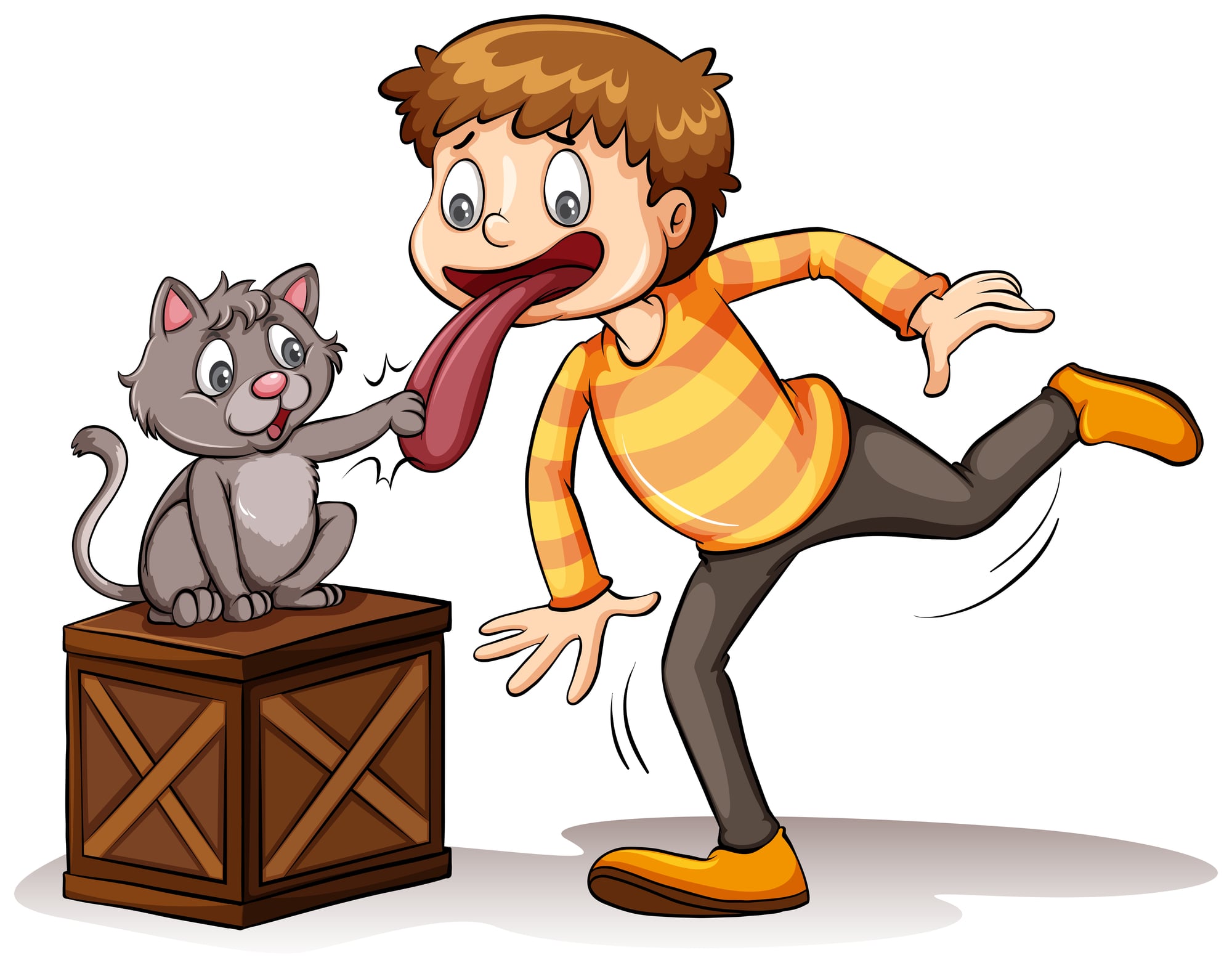
The exact origin is uncertain and may come from two different historical horrors. One theory traces it to sailors being punished with the “cat o’ nine tails” whip—a naval instrument whose marks resembled scratches from a cat and whose pain rendered victims speechless.
Another references ancient Egypt, where removing a criminal’s tongue and feeding it to sacred cats was (allegedly) a punishment, though documented evidence is thin. The phrase appears in print by 1881, but the roots are murky and possibly apocryphal.
Spill the Beans—Ancient Greek Democracy and Secret Voting

Athenian citizens used white beans to vote “yes” and black beans to vote “no” in elections. Voting had to be unanimous, and the results weren’t revealed until the ballots were poured out together.
If someone accidentally spilled the beans before the vote was complete, a stray white or black bean could be seen, compromising the secrecy and forcing the vote to restart. The phrase survives as a reference to revealing a secret prematurely.
Saved by the Bell—Boxing Rounds and Literal Rescue
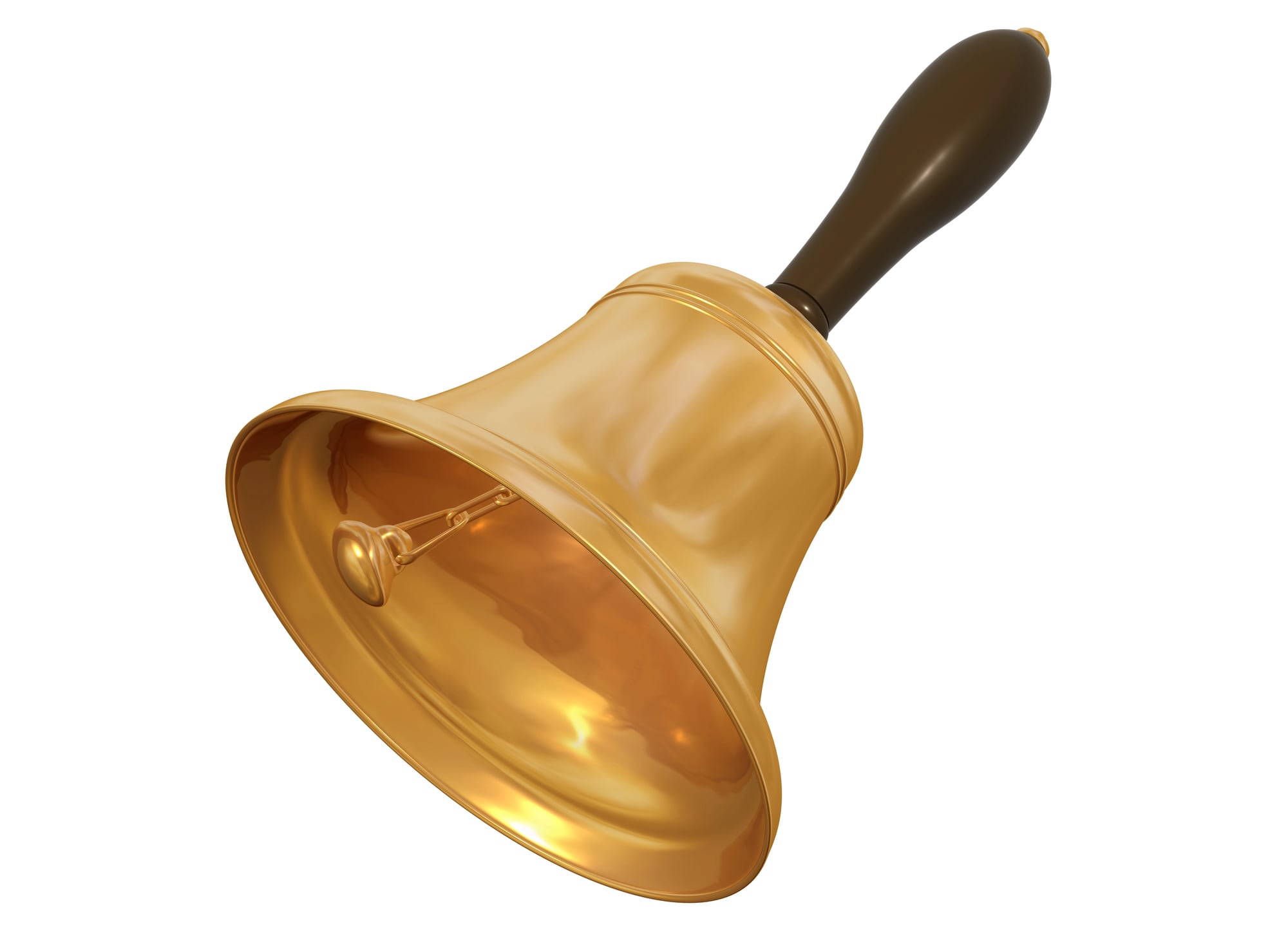
The urban legend claims this phrase references premature burial and coffins equipped with bells to alert grave diggers if someone woke up underground. The real origin is boxing: a boxer on the verge of defeat could literally be saved by the bell that signals the end of a round, giving him time to recover before the next round begins.
Premature burial coffins had bells but didn’t generate this phrase.
Let the Cat Out of the Bag—Medieval Market Fraud
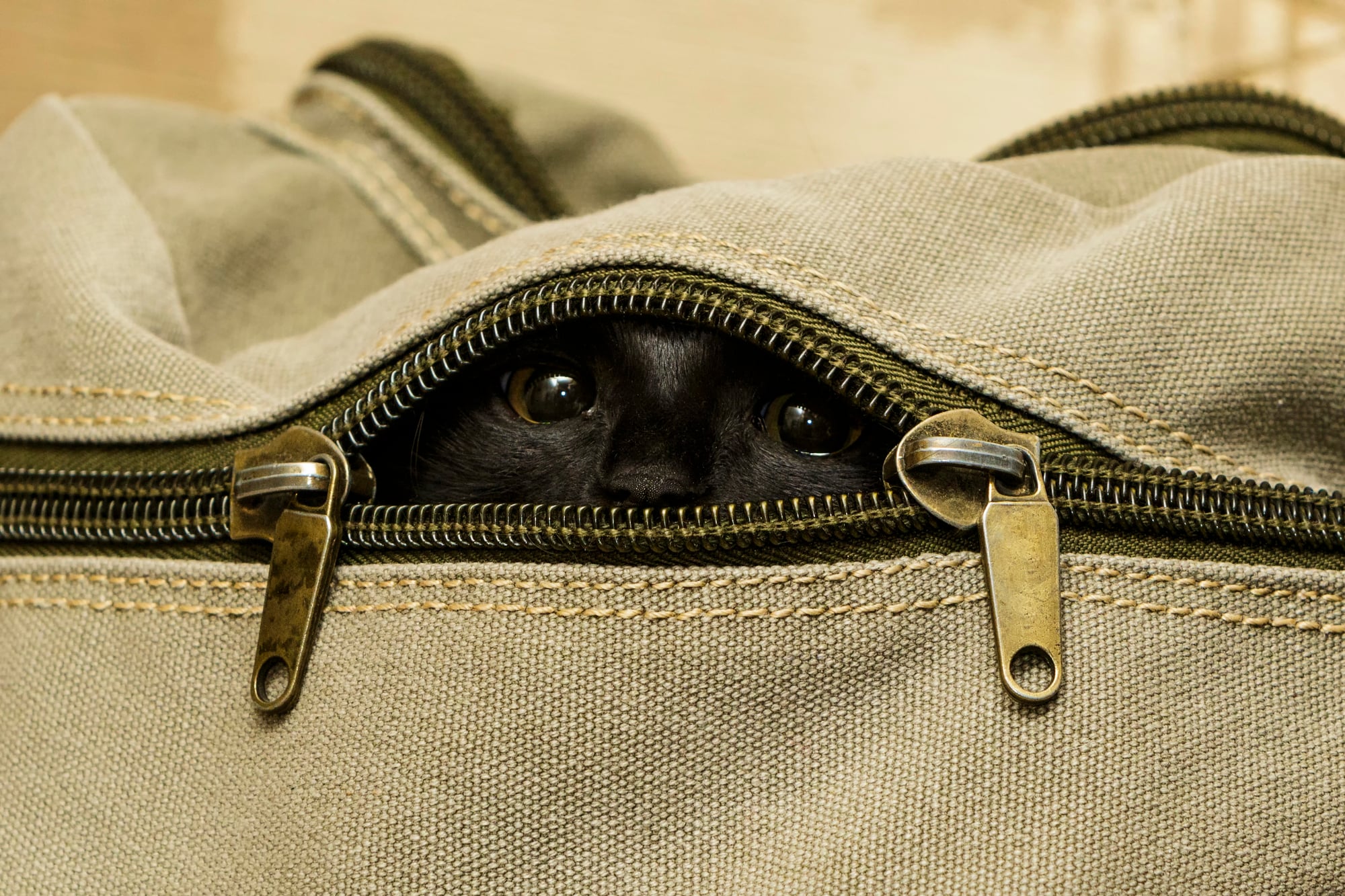
Pig sellers in medieval markets sometimes substituted a cat inside a bag when a buyer agreed to purchase a pig without inspecting it first. Only when the buyer opened the bag at home did they discover they’d been swindled.
“Letting the cat out of the bag” became a reference to revealing a deception that couldn’t be undone—the secret (or the fraud) was now visible to everyone.
Bury the Hatchet—Genuinely Wholesome Peace Negotiations

This is one of the few phrases with a documented, genuinely wholesome origin. Algonquian and other Native American tribes would literally bury weapons, including hatchets, as part of peace treaties and agreements.
European settlers adopted the practice and the phrase, making this one of the rare idioms that refers to something actually symbolic and peaceful rather than dark.
Blood on Your Hands—Guilt in Shakespeare’s Era

The phrase appears in parliamentary records from the 1400s and throughout literature to indicate direct responsibility for harm or death. In Shakespeare’s time and beyond, the image of literal blood staining hands after committing violence was so visceral that it became the standard metaphor for guilt, especially in works like Macbeth where Lady Macbeth cannot wash the imaginary blood from her hands.
Don’t Throw the Baby Out With the Bathwater—Scarcity and Waste in the 16th Century

During times when fresh water was scarce, the entire household would bathe in the same tub of water, with the baby going last. By then the water was so murky and dirty that adults joked you could accidentally toss the baby along with the filthy water if you weren’t careful.
The phrase warns against discarding something valuable while removing something undesirable.
Sleep Tight—Rope-Tied Mattresses or Simply Sleeping Soundly

A common myth claims this refers to coffin lids or grave-side wishes. The actual origin is likely old rope-bed mattresses, which needed their ropes pulled taut each night to keep them evenly distributed and comfortable.
Alternatively, it’s simply an old-fashioned way of wishing someone to sleep soundly (tightly), without reference to anything morbid.
Hand to Mouth—Poverty and Immediate Survival Needs

Living “hand to mouth” references the poorest condition imaginable: having nothing between immediate need and immediate consumption. Food went from wherever it came (hand) directly into the mouth without storage, preparation, or planning.
The phrase emerged in the 1500s to describe absolute destitution.
Left in the Lurch—Abandonment During the Card Game Lurch

“Lurch” was a 16th-century card game, and being “left in the lurch” meant being abandoned by your card partner in the middle of play, left at a disadvantage. The phrase came to mean being abandoned or deserted without help in any difficult situation.
Butcher’s Hook—Rhyming Slang for Looking or a Reference to Actual Butchers

In Cockney rhyming slang, “butcher’s hook” rhymes with “look,” so saying “have a butcher’s” meant “have a look.” However, the phrase may also simply reference the distinctive curve of a butcher’s hook, which was recognizable shorthand for examining something closely.
Turn a Blind Eye—Nelson’s Famous Naval Maneuver

British Admiral Nelson allegedly held his telescope to his blind eye during the Battle of Copenhagen in 1801, claiming he could not see the signal to retreat. By ignoring an order he disagreed with, he won the battle.
The phrase now means deliberately ignoring something obvious, referencing his refusal to “see” the signal.
Beat a Dead Horse—Pointless Repetition After Exhaustion

The image is straightforward and brutal: striking an already-dead animal serves no purpose, just as continuing to argue a point that’s already been settled or thoroughly defeated is pointless. The phrase appears in American writing by the 1800s, likely referencing the futility of trying to extract more work from an animal that’s already gone.
Kick the Bucket—Medieval Slaughter or Buckets in Execution
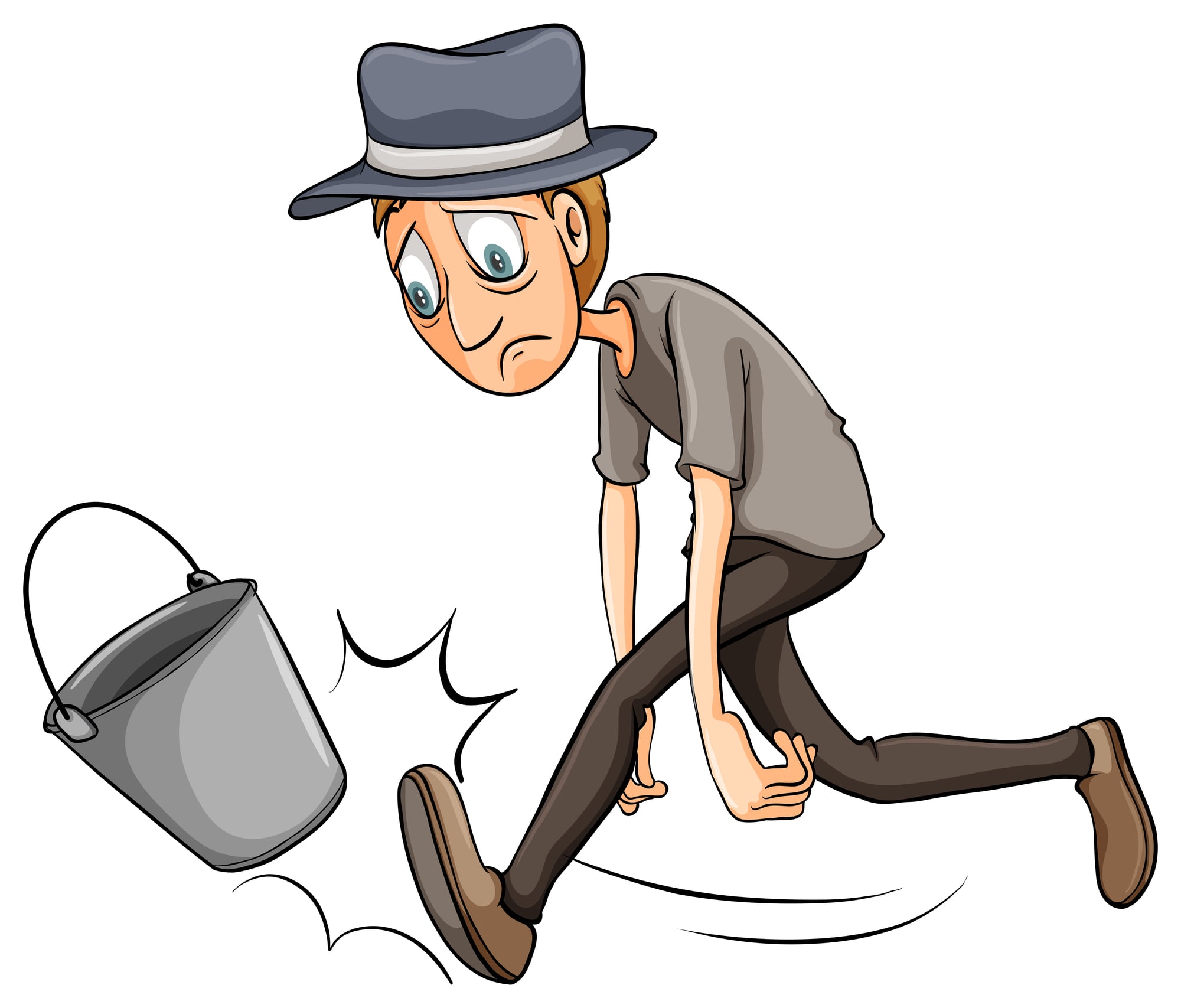
The origin is contested. One theory traces it to “buckets” used in slaughterhouses where animals were hung; they would kick their feet against these buckets as they died.
Another suggests it references the bucket people stood on to reach a hanging rope. A third, less supported version claims it comes from stepping over a wooden yoke called a “bucket” placed on someone’s body. Most etymologists believe the slaughterhouse theory is most plausible.
Lose Your Head—Literal Beheading in Earlier Centuries

Though now used metaphorically for panicking or losing emotional control, the phrase historically referenced actual beheading, a common form of execution. Losing your head literally meant execution; the metaphorical version suggests acting with the same lack of sense a beheaded person would display.
Wear Your Heart on Your Sleeve—Medieval Tournament Gestures

During medieval tournaments, knights wore ribbons given by ladies they admired, displaying these favors openly on their sleeves. Wearing your heart on your sleeve originally meant displaying your romantic affections and emotions openly and without protection, making yourself vulnerable to judgment or rejection.
Hang by a Thread—Ancient Sword of Damocles

The Sword of Damocles legend describes a sword suspended by a single hair above the head of Damocles, meant to illustrate the precarious nature of power and fortune. Any situation hanging by a single thread is one where catastrophe is constant and imminent, held back only by the most fragile possible means.
Giving Someone the Rope—Deliberately Allowing Failure

Giving someone rope to hang themselves means allowing them to proceed with a destructive plan, knowing they’ll eventually cause their own ruin. The phrase references the literal practice of providing rope for execution, though metaphorically it’s about watching someone self-destruct with tools you’ve provided.
Cleanliness Is Next to Godliness—Religious Purity Doctrine

Though often assumed to be from religious texts, this phrase may have originated as a secular saying about hygiene in the 1600s. Later religious figures adopted and promoted it, making it sound biblical when it wasn’t originally.
The phrase conflates physical cleanliness with moral and spiritual purity, a connection that shifted how people thought about both hygiene and morality.
Double-Cross—Betrayal and Historical Warfare

The origin of “double-cross” is debated but may reference the use of X (or a cross) as a marker for deception or betrayal in historical documents, or it may simply derive from crossing over (crossing a line) twice—betraying once and then again. The phrase entered common usage around World War I.
The Whole Nine Yards—Various Proposed Military and Fabric Origins
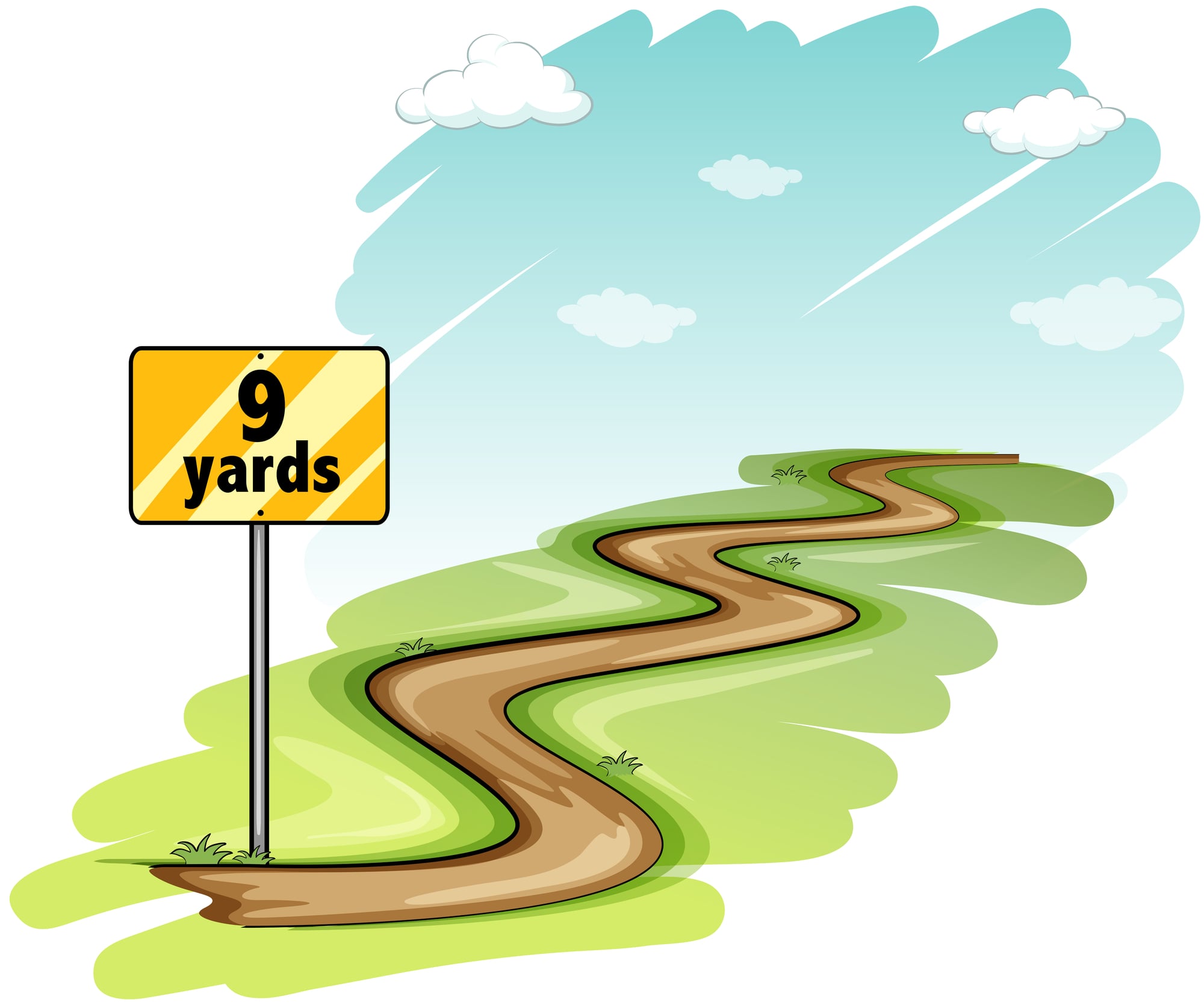
The origin of this phrase is notoriously unclear. Theories include ammunition belt lengths on military planes, fabric bolt widths, concrete mixer drum capacities, and lengths of ship anchors, but none are well documented.
The phrase appears prominently by the 1950s in American English, but its earlier life is a mystery that linguists have yet to solve satisfactorily.
Words Matter More Than We Know
Every phrase in this list represents someone’s attempt to process trauma, fear, or injustice through language. The hat-maker’s mercury poisoning, the theater person’s superstition, the sailor’s lashing—these become compact stories told in four or five words.
Over time, we forget what the stories actually refer to and simply use them as signs with no weight. Understanding their origins doesn’t change how we speak, but it can change how we listen, reminding us that ordinary language contains extraordinary history.
More from Go2Tutors!

- The Romanov Crown Jewels and Their Tragic Fate
- 13 Historical Mysteries That Science Still Can’t Solve
- Famous Hoaxes That Fooled the World for Years
- 15 Child Stars with Tragic Adult Lives
- 16 Famous Jewelry Pieces in History
Like Go2Tutors’s content? Follow us on MSN.