Fans Who Saved TV Shows from Cancellation
Television networks make cold, calculated decisions about which shows live and which ones die based on ratings and advertising revenue. Sometimes these decisions make sense, but other times networks pull the plug on genuinely great shows that just needed more time to find their audience.
When that happens, passionate fans occasionally mount campaigns so loud and creative that executives have no choice but to listen. These are the times when viewers refused to accept cancellation and actually won their fight to bring beloved shows back from the dead.
Star Trek’s letter-writing campaign

NBC announced plans to cancel Star Trek after its second season in 1968, and fans immediately organized a massive letter-writing campaign. The network received over one million pieces of mail from viewers demanding the show continue.
Caltech students even held a protest march to NBC’s Burbank studios carrying signs and chanting slogans. The network gave in and ordered a third season, though they slashed the budget and moved it to a terrible time slot.
Those extra episodes kept Star Trek alive long enough to enter syndication, where it became a cultural phenomenon that spawned an entire franchise worth billions.
Family Guy’s DVD sales brought it back

Fox cancelled Family Guy in 2002 after three seasons of declining ratings and constant time slot changes. The show found new life when Cartoon Network started airing reruns that attracted huge audiences.
DVD sales shattered records for a cancelled television series, proving fans wanted more content. Fox executives noticed people were literally paying money for a show they had thrown away.
The network brought Family Guy back in 2005, and it has been running continuously ever since, becoming one of Fox’s most profitable properties.
Jericho fans sent 40,000 pounds of nuts

CBS cancelled this post-apocalyptic drama in 2007 after one season, and fans launched one of the most creative protest campaigns in television history. A key line from the show’s finale was ‘Nuts!’ so viewers mailed over 40,000 pounds of peanuts to CBS headquarters.
The network’s offices were literally overrun with packages of nuts arriving by the truckload. CBS relented and ordered seven more episodes to wrap up storylines.
The short second season didn’t lead to long-term revival, but it gave fans closure they wouldn’t have gotten otherwise.
Timeless supporters crowdfunded a billboard

NBC cancelled Timeless twice, and both times fans fought back hard enough to earn reprieves. Supporters organized social media campaigns, contacted advertisers, and even crowdfunded a billboard in Times Square thanking NBC for the first save.
The second cancellation led to such outcry that NBC ordered a two-hour finale movie to properly end the series. Fans called themselves Clockblockers and coordinated efforts across multiple platforms.
Their persistence showed networks that engaged fan bases have real value beyond just overnight ratings.
Lucifer’s streaming numbers proved its worth

Fox cancelled Lucifer in 2018 after three seasons, but Netflix saw opportunity in the show’s strong international following and steady streaming numbers. Fans launched the hashtag SaveLucifer within hours of the cancellation announcement, and it trended worldwide for days.
Warner Brothers shopped the show to multiple platforms while fans kept up constant pressure on social media. Netflix picked it up and produced three more seasons that attracted massive viewership.
The show became one of Netflix’s most-watched series, proving Fox had given up on a goldmine.
Brooklyn Nine-Nine’s same-day rescue

Fox cancelled Brooklyn Nine-Nine in May 2018, and fans immediately exploded across social media with their outrage. Celebrities including Mark Hamill, Lin-Manuel Miranda, and Seth Meyers publicly called for someone to save the show.
NBC picked up Brooklyn Nine-Nine less than 32 hours after Fox announced the cancellation. The speed of the rescue showed how valuable a passionate fan base had become in the streaming era.
The show ran for several more successful seasons on its new network.
The Expanse got Jeff Bezos involved
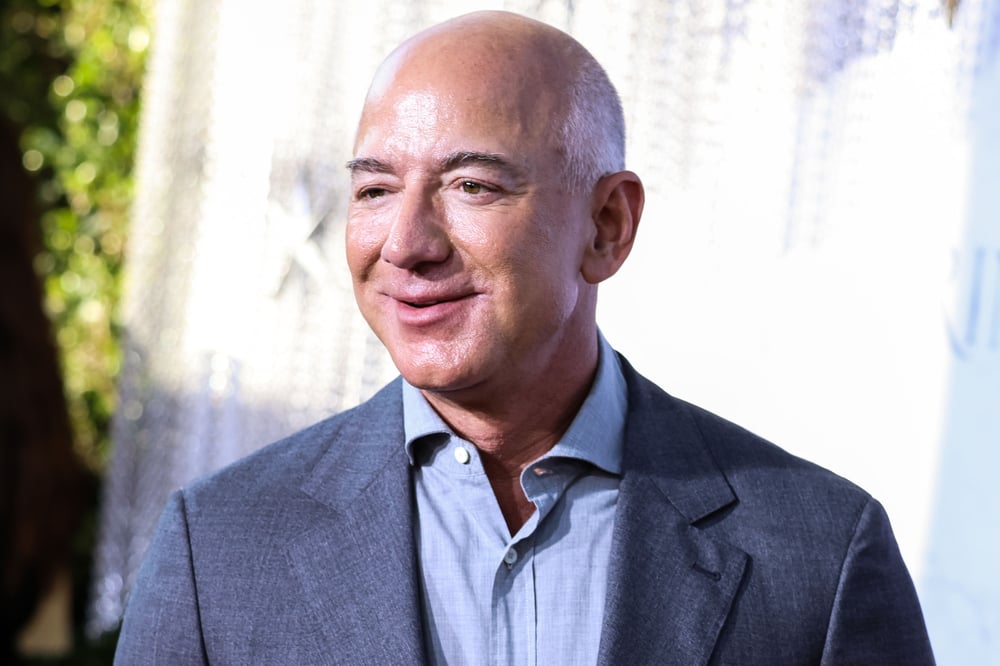
Syfy cancelled The Expanse after three seasons despite strong critical acclaim and a devoted following. Fans organized sophisticated campaigns including flying a banner plane over Amazon Studios and trend-jacking to get attention.
Science fiction legend George R.R. Martin publicly advocated for the show’s renewal. Jeff Bezos himself, a fan of the show, announced at a space conference that Amazon Prime Video would pick it up.
The show ran for three more seasons and became one of Prime’s flagship science fiction series.
Roswell fans sent Tabasco sauce bottles

The WB considered canceling Roswell after its first season in 2000, and fans sent thousands of bottles of Tabasco sauce to network executives. The hot sauce referenced a running joke from the show about aliens loving spicy food.
The campaign worked and Roswell got renewed for a second season. When cancellation threatened again, fans repeated the Tabasco tactic and earned a third season.
The creative protest inspired future fan campaigns to use show-specific items to make their point.
Veronica Mars’ Kickstarter broke records
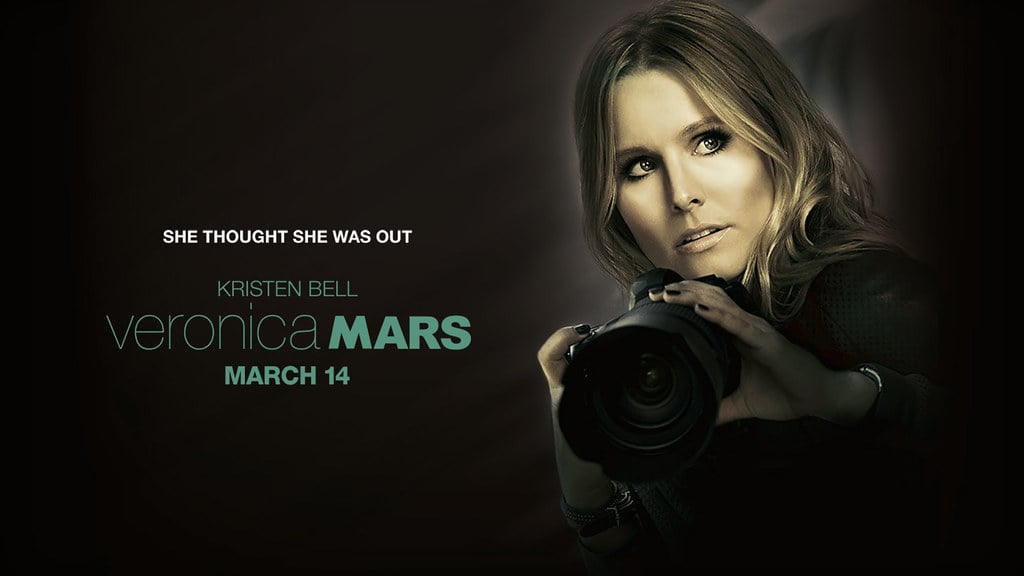
Warner Brothers wouldn’t finance a Veronica Mars movie after the show ended in 2007, so creator Rob Thomas launched a Kickstarter campaign in 2013. Fans pledged over two million dollars in less than 11 hours, completely shattering crowdfunding records.
The campaign eventually raised nearly six million dollars from 91,000 backers. The resulting movie proved fan-funded content could work at a professional level.
The success later led to a revival season on Hulu in 2019.
Community’s six seasons and a movie dream

NBC cancelled Community after five seasons, and fans immediately rallied behind the show’s catchphrase ‘six seasons and a movie.’ Yahoo Screen picked up the show for its sixth season, though the platform eventually shut down.
The campaign continued for years with fans refusing to let the idea die. In 2023, Peacock finally announced a Community movie in production.
The decade-long persistence paid off and became a legendary example of fan dedication.
The Mindy Project now on Hulu

After three years, Fox ended The Mindy Project in 2015. Yet Hulu noticed how well it did online.
So they brought it back for another trio of seasons. That made it one of the streamer’s early saves.
Fans of Mindy Kaling moved right along with the show. They stuck around every step.
Saving it showed streaming sites could revive network shows. Because of that move, others later took chances on dropped series too.
Arrested Development’s cult following paid off

A cheer went up when fans’ loyalty finally brought results. After Fox pulled the plug in 2006, despite just three seasons marked by praise but weak viewership, something unexpected happened.
DVDs started flying off shelves while conversations kept it alive. Years passed – Netflix noticed.
By 2013, one new chapter arrived, then another in 2018. What felt like an ending turned into a doorway for others waiting quietly.
Fans pushed hard – then the show got its ending

That ending surprised viewers when Netflix pulled the plug on Sense8 following season two. Fans believed streamers might stick with programs longer than traditional channels.
A wave of posts across digital platforms began spreading fast. Signatures piled up by the hundred thousand through web-based appeals.
Its audience stretched wide, crossing borders thanks to its worldwide appeal. In time, the platform consented to film a closing special lasting about two hours.
Story threads got tied together because of public pushback. Rare at the time, the move showed viewer power could shift corporate choices.
Designated Survivor’s Netflix move
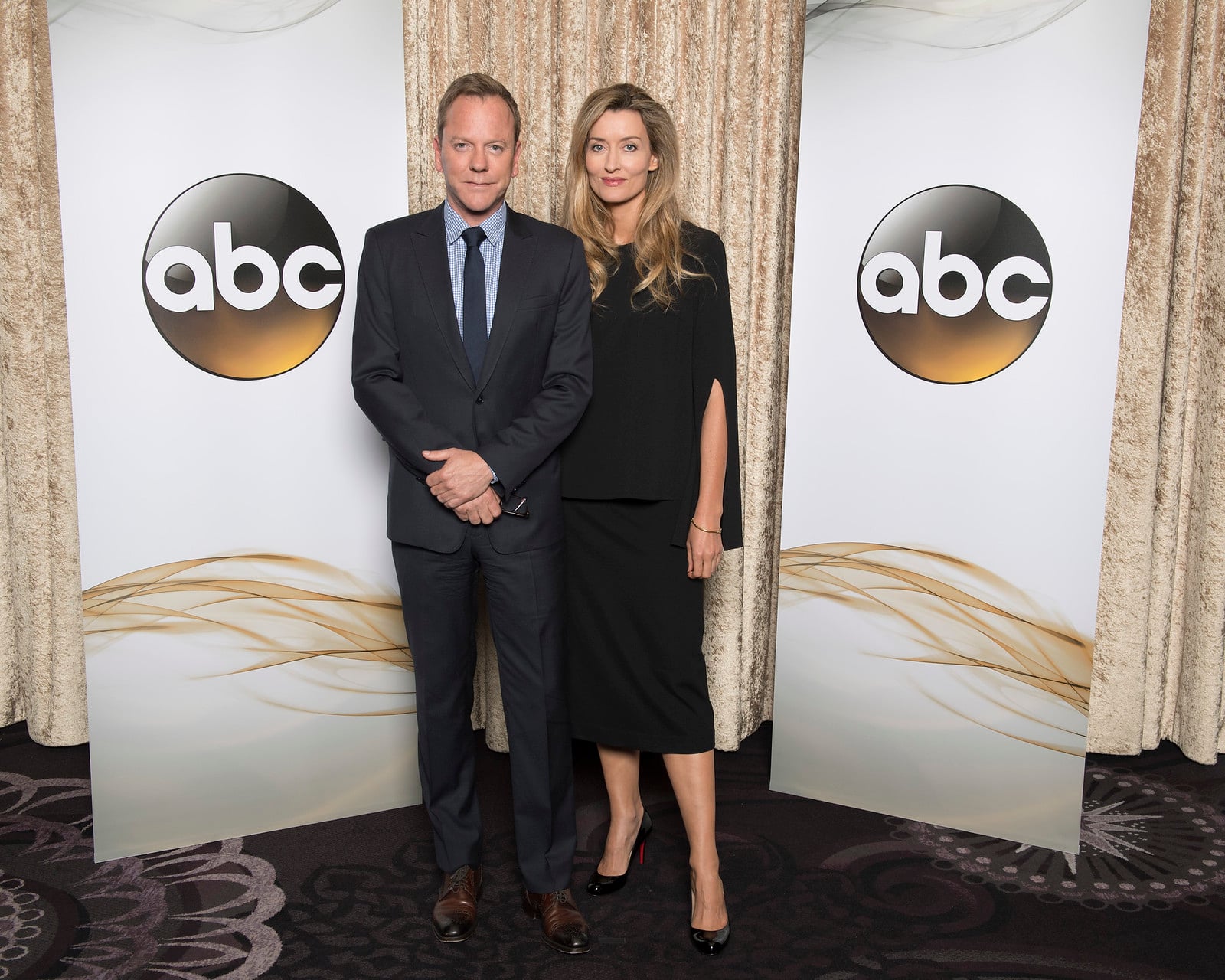
When ABC ended Designated Survivor in 2018 following two seasons, few expected a comeback. Yet by early the next year, Netflix brought it back for another round.
Strong overseas viewing figures gave the streaming platform confidence in its worldwide appeal. Viewers across continents kept pushing through tweets, posts, emails – never letting the idea fade.
That new chapter leaned into grittier themes, going places network TV couldn’t touch. What unfolded proved fans beyond U.S. borders can weigh just as heavily as home audience numbers.
Manifest’s incredible resurrection
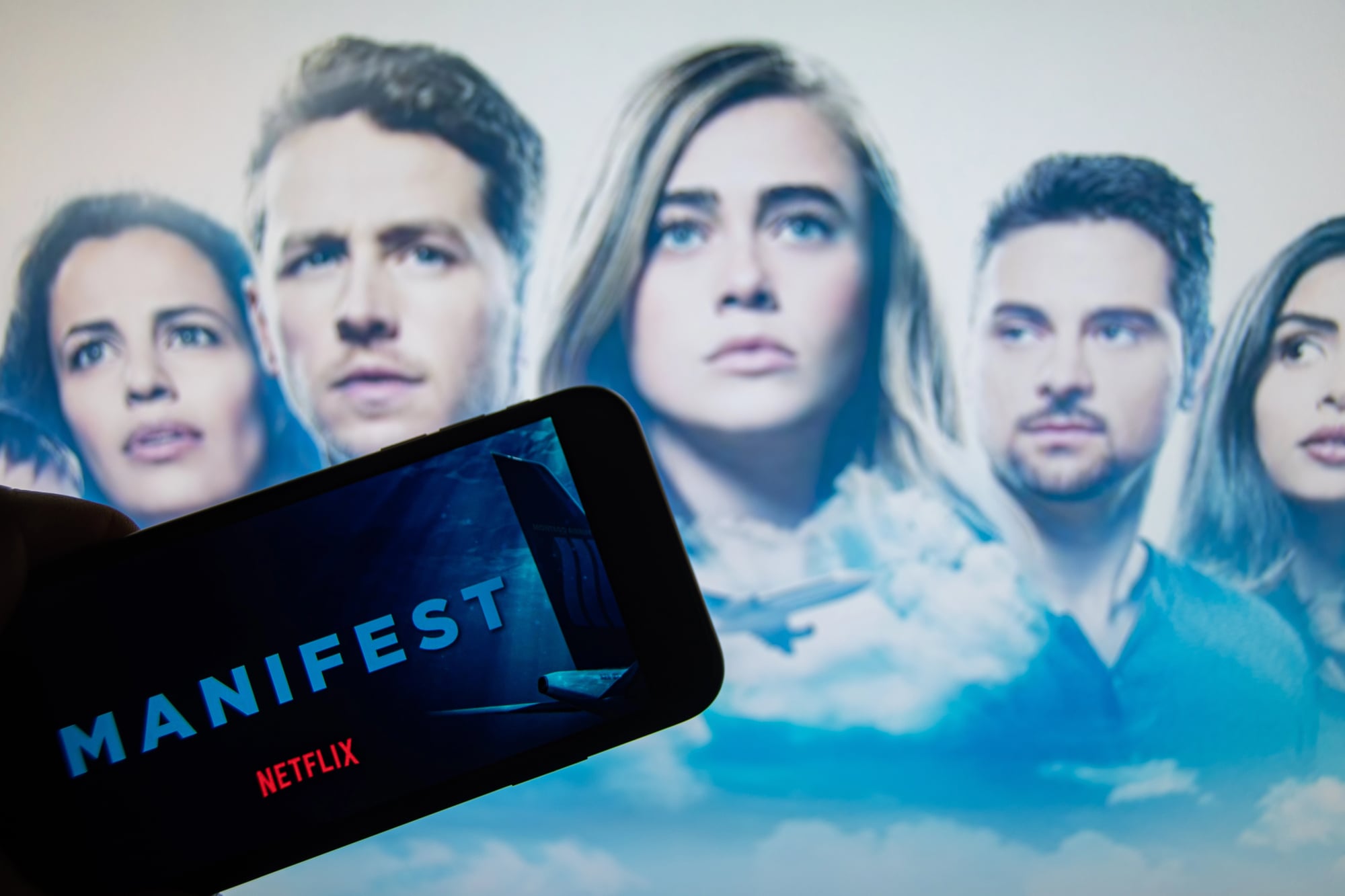
Something strange happened with Manifest. After NBC ended it following season three, questions hung in the air without answers.
Then came summer 2021 – suddenly everyone was watching on Netflix. It stayed near the top of their list for weeks, impossible to ignore.
Viewers took to online platforms, refusing to let go, asking, pleading for more. Eventually, Netflix gave in, announcing twenty new episodes to finish the story properly.
Few comebacks like this have ever made so much noise. Proof? Numbers matter when a series finds its real audience later.
Fueled by enthusiasm, fans are gaining more influence every day

Once upon a time, TV spoke at people, not with them – stations decided everything. Now? Fans shout back through tweets, posts, videos, using digital tools to rally attention.
These voices add up fast when enough care deeply about a story they love. Numbers still count, yes, but who shouts loudest often shifts the balance behind closed doors.
Passion turns into profit – one viral push can spark renewed life in something thought dead. Proof it works spreads quickly: another show returns after vanishing once.
This ripple effect builds courage elsewhere; silence breaks under pressure from crowds refusing goodbye too soon.
More from Go2Tutors!

- The Romanov Crown Jewels and Their Tragic Fate
- 13 Historical Mysteries That Science Still Can’t Solve
- Famous Hoaxes That Fooled the World for Years
- 15 Child Stars with Tragic Adult Lives
- 16 Famous Jewelry Pieces in History
Like Go2Tutors’s content? Follow us on MSN.