Why Certain Board Games from the ’80s Are Worth More Sealed Than Open
A sealed copy of Fantasy Forest from 1980 sells for $900 on the collector’s market. The same game, opened and played but in good condition, fetches $65.
That $835 difference isn’t about the playability of the game—it’s about something the sealed copy has that the opened one lost the moment the shrink wrap came off. Understanding this gap matters if you’re sitting on 1980s board games in your closet, because the condition of that seal makes an enormous difference to a collector’s wallet.
The video game market taught collectors a lesson that has now migrated into board games: sealed is always worth more. But for board games specifically, the reasons run deeper than just artificial scarcity.
The Guarantee of Completeness
Opened board games might be missing pieces. Sealed board games cannot be.
A collector buying a sealed 1980s board game is purchasing a guarantee that every component that came in the original factory packaging is still there. In an era when finding replacement pieces for decades-old games ranges from difficult to impossible, this completeness becomes the central value proposition.
Dark Tower, an electronic game from 1981, has tiny parts that are impossible to replace. An opened copy might have all the pieces still—or it might not.
A sealed copy eliminates that doubt entirely.
Condition of the Box and Graphics
Sealed board games spend their life protected from light, dust, and handling. The box artwork remains unfaded and crisp.
The original graphics remain vibrant. An opened game’s box, even if carefully stored, has been exposed to years of environmental damage that accumulates slowly and invisibly.
UV light fades the colors. Dust settles into the cardboard. The box gets handled, moved, and stored in varying conditions.
The visual presentation of a sealed game is the presentation from 1980—exactly as retailers and collectors remember it.
The Shrink Wrap Itself Becomes Provenance

In the board game collecting world, factory shrink wrap serves as a physical seal of authenticity. It proves the game hasn’t been resealed after being opened and potentially played. Collectors authenticate sealed games by inspecting the type of shrink wrap, the way it was folded, the lack of tears or seams.
A buyer looking at a sealed copy from the 1980s has confidence not just that the game is complete but that it hasn’t been opened, played, and then fraudulently repackaged. Opened games require the buyer to trust the seller’s claims about condition; sealed games let collectors see the proof directly.
Protection Against Electronic Component Failure
Games from the 1980s often included electronic elements that degrade with age and exposure. Dark Tower’s electronic computer component is famously fragile.
Sealed games have been stored in climate-controlled warehouses or homes, protected from temperature fluctuations and humidity. Opened games were played, potentially stored poorly, and exposed to environmental conditions that stress batteries, circuits, and connections.
An opened Dark Tower might have electronics that work perfectly—or electronics that failed decades ago. A sealed copy has never been tested and thus carries the theoretical hope that it will work when opened.
Rarity Multiplies Dramatically at the Sealed Level
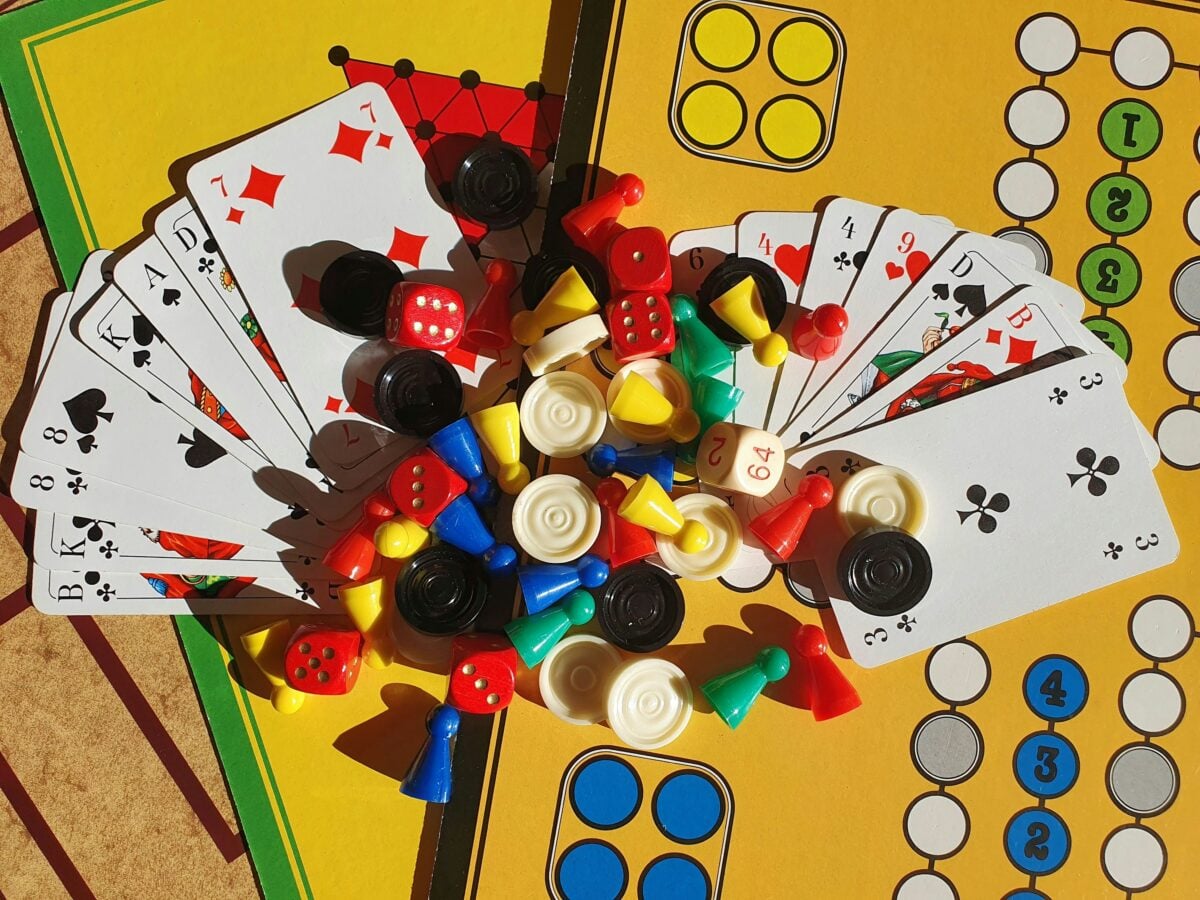
A board game from 1982 that sold 50,000 copies might have 100 surviving opened copies in good condition. The same game might have only three sealed copies known to exist.
The rarity compounding is severe. Most board games from the 1980s were played, not preserved.
Collectors who bought these games opened them immediately and played them with their families. Finding someone who kept a game sealed for 40 years is genuinely unusual.
This drives a massive price differential because sealed copies exist in much lower quantities.
Collector Psychology: The Preservation Impulse
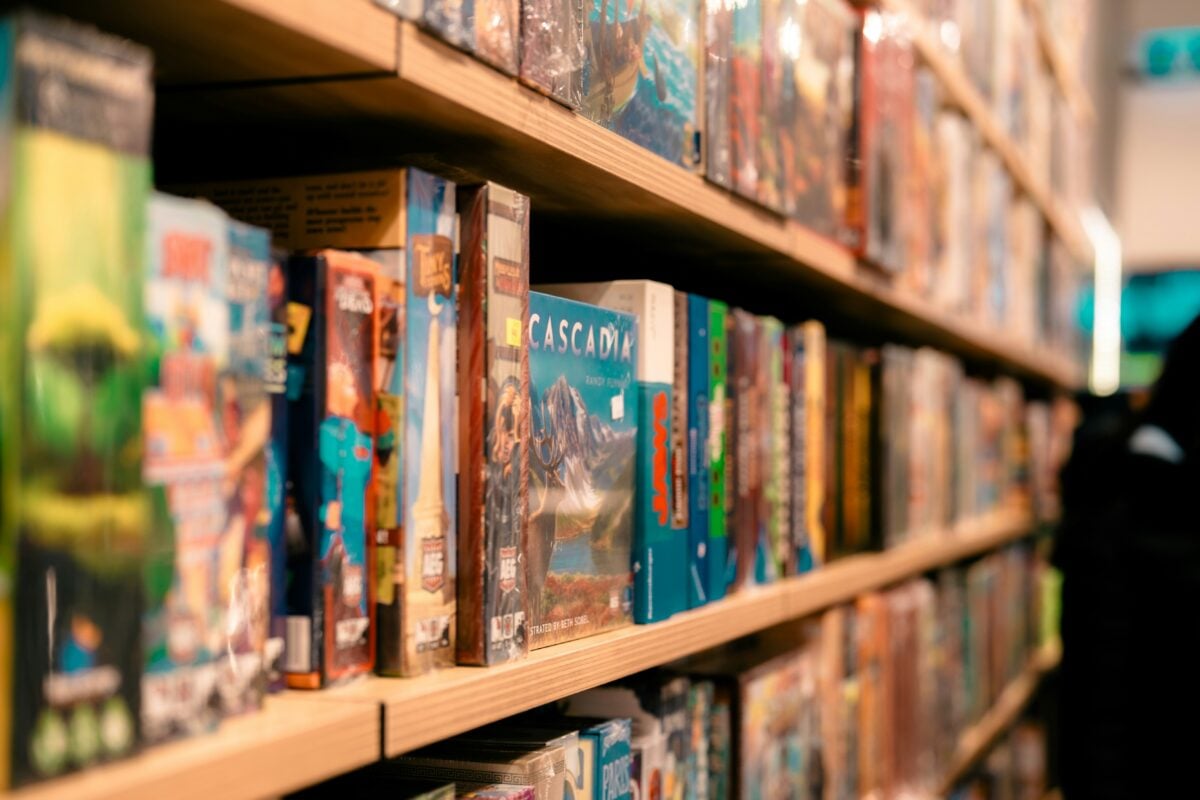
A sealed board game triggers a psychological response in collectors that opened games do not. The collector looks at the sealed game and sees potential—the chance to own something in its original state, preserved exactly as it was.
This appeals to a collecting philosophy that values preservation and authenticity as much as the item itself. An opened game is a product that has been used; a sealed game is a time capsule.
Collectors are willing to pay significantly more for the time capsule experience.
Documentation Value for Researchers
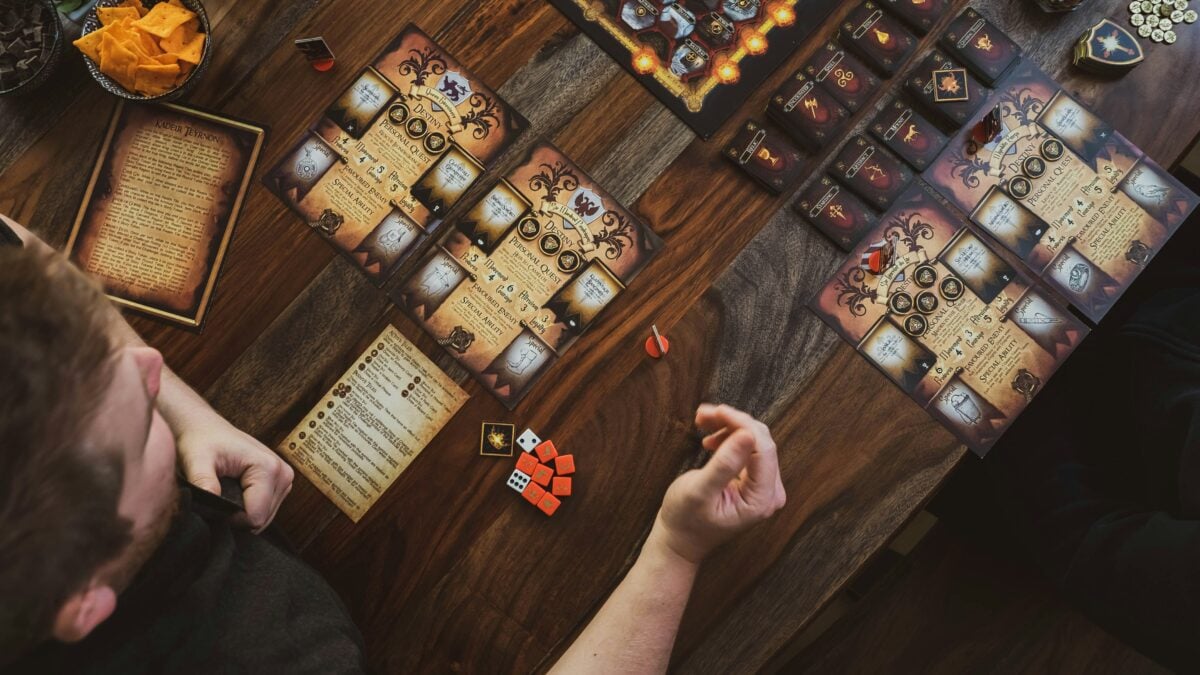
Collectors and game designers interested in the history of tabletop games study sealed games to understand original manufacturing, packaging decisions, and design intent. A sealed copy preserves the exact materials designers chose for release. Instructions, component artwork, box design—everything remains unaltered.
Researchers in the board game community value sealed examples because they represent an unmodified historical record. Opened games may have been altered, with pieces replaced or instructions damaged.
The sealed copy is the primary source document.
Investment Value and Market Confidence
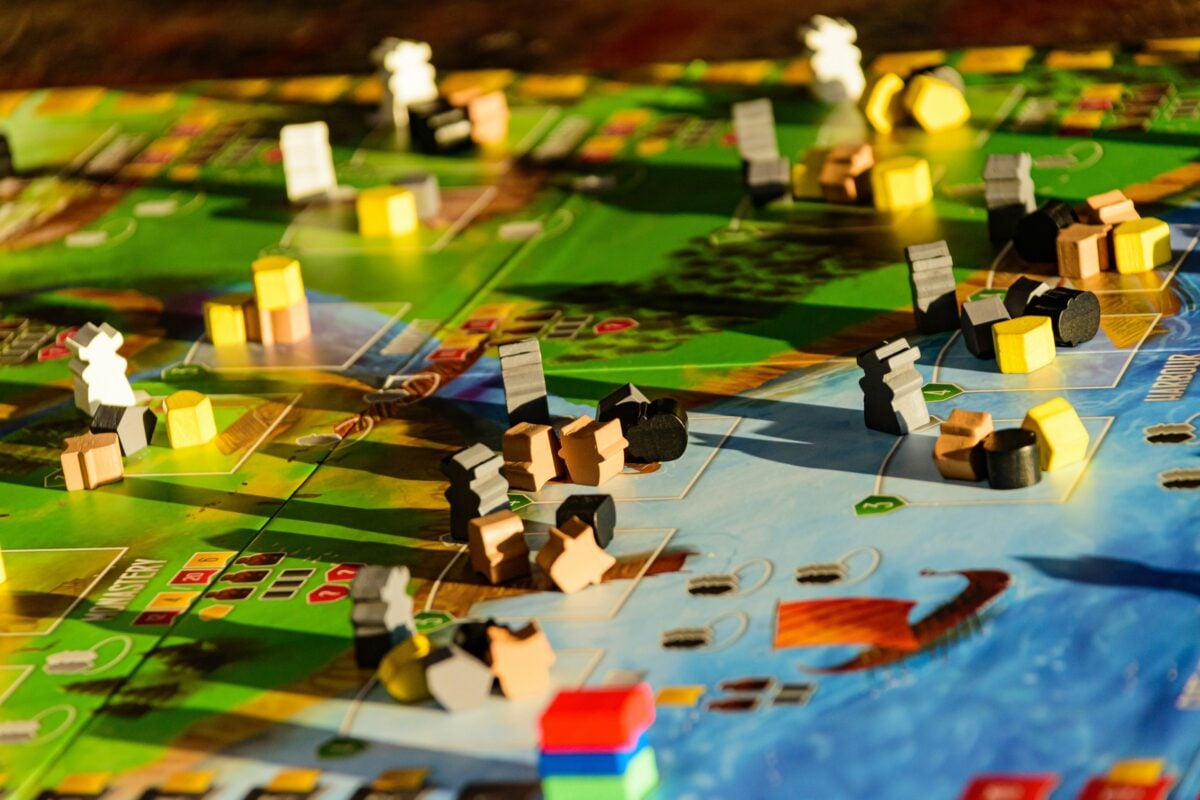
Sealed board games have appreciated more consistently over time than opened games. Collectors see sealed games as more stable investments because rarity compounds and the condition can never deteriorate further.
An opened game might become damaged or lose a piece, causing its value to crater. A sealed game’s value depends on whether it stays sealed and in good condition—but it can’t become “more opened” or “more played.”
This makes sealed games lower-risk investments in the collector’s mind, which drives demand and prices upward.
The Scarcity of Storage Discipline
Most people who owned board games in the 1980s either played them or gave them away. The discipline required to buy a board game, decide not to open it, store it in a climate-controlled location for decades, and resist the urge to check what’s inside is genuinely rare.
Collectors know this. They understand that sealed games represent a deliberate, unusual choice made 40 years ago.
This rarity of behavior increases the appeal. Finding someone who kept the seal on a board game they owned for that long is finding evidence of unusual commitment to preservation.
Licensed Properties and Nostalgia at Peak Value
Board games based on movies or franchises—Star Wars Escape from Death Star, for example—carry the nostalgia of both the movie and the game itself. A sealed copy preserves not just a game but the exact version of that licensed property from when it was released.
Opened games mean the box has been handled and potentially the components modified. A sealed Star Wars game is a sealed artifact from the height of the franchise’s original popularity.
That nexus of licensing, nostalgia, and preservation drives collectors’ valuations upward in ways that opened games cannot match.
Reprints and Re-releases Never Feel the Same
Many 1980s board games have been rereleased, usually with updated components or rules. A sealed 1980s original is not the same as a sealed 2000s reprint, even if the game is identical.
Collectors specifically hunt originals, and sealed originals command exponentially higher premiums. An opened 1980s original at least cannot be mistaken for a reprint—the wear proves its age.
A sealed original is the holy grail: authentic, original, and preserved. This drives its value far beyond what opened versions can command.
The Digital Asset Parallel
The video game industry established that sealed games are collectible objects, not items to be used. This philosophy has carried into the board game world.
Younger collectors who grew up with sealed video game collecting understand sealed board games as digital-era artifacts that deserve preservation. They view opening a sealed game as destroying value rather than enabling play.
This generational shift has made sealed board games more valuable to the current collector base than they would have been if this mindset hadn’t migrated from video games.
What Sealed Means for Your Collection
If your 1980s board games are still in sealed condition, you’re sitting on what collectors call “pristine original issue” items. The difference between selling a sealed 1980s game and an opened one might be several hundred dollars.
That gap exists because sealed games represent something opened games cannot: a perfect preserved moment from four decades ago. The shrink wrap is not packaging; it’s insurance.
More from Go2Tutors!

- The Romanov Crown Jewels and Their Tragic Fate
- 13 Historical Mysteries That Science Still Can’t Solve
- Famous Hoaxes That Fooled the World for Years
- 15 Child Stars with Tragic Adult Lives
- 16 Famous Jewelry Pieces in History
Like Go2Tutors’s content? Follow us on MSN.