31 Abandoned Hospitals, Prisons, and Asylums With Chilling Backstories
Abandoned medical and detention facilities carry the weight of trauma embedded in their walls. These buildings once housed the vulnerable—the mentally ill, the incarcerated, the dying.
What remains today are empty corridors, peeling paint, and the faint echoes of suffering. Many were closed after documented abuses and inhumane conditions came to light.
Others were simply forgotten when smaller, newer facilities replaced them. What they share is history—often dark history that society preferred to leave behind.
These are the institutions that refused to stay buried. Below are thirty-one verified examples of abandoned and decommissioned facilities whose legacies demand remembrance.
Pennhurst Asylum (Pennsylvania, USA)
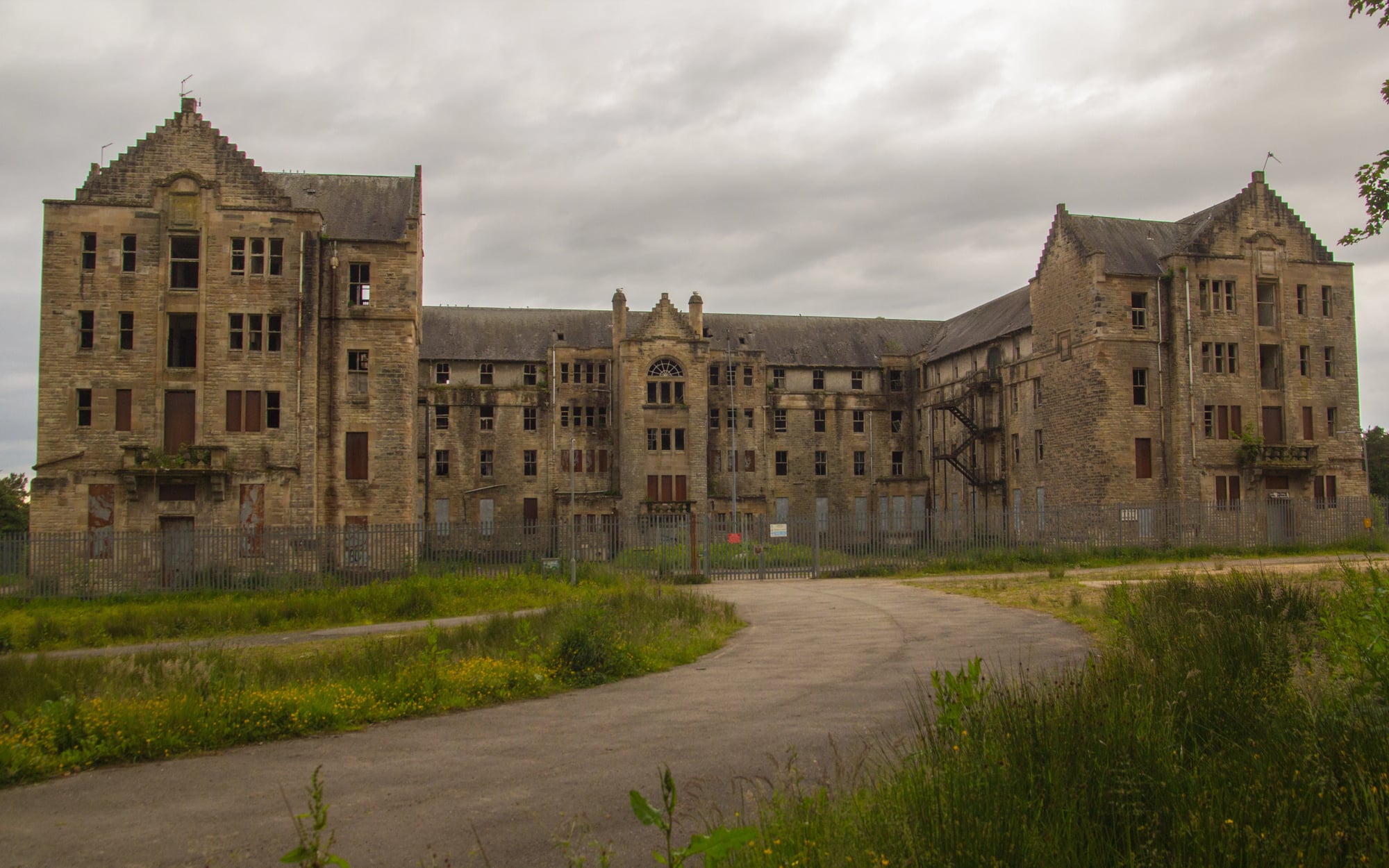
Pennhurst is famous among urban explorers for its thoroughly documented abuse and neglect. Patients were housed in filthy conditions, restrained for hours, and left without basic hygiene.
Staff shortages meant patients weren’t adequately supervised, resulting in violence between patients going unchecked. Investigations in the 1960s-1980s revealed systematic abuse.
The facility wasn’t fully closed until 1987, decades after abuses were documented. Today it hosts a museum dedicated to honoring victims and educating the public about psychiatric care failures.
Taunton State Hospital (Massachusetts, USA)
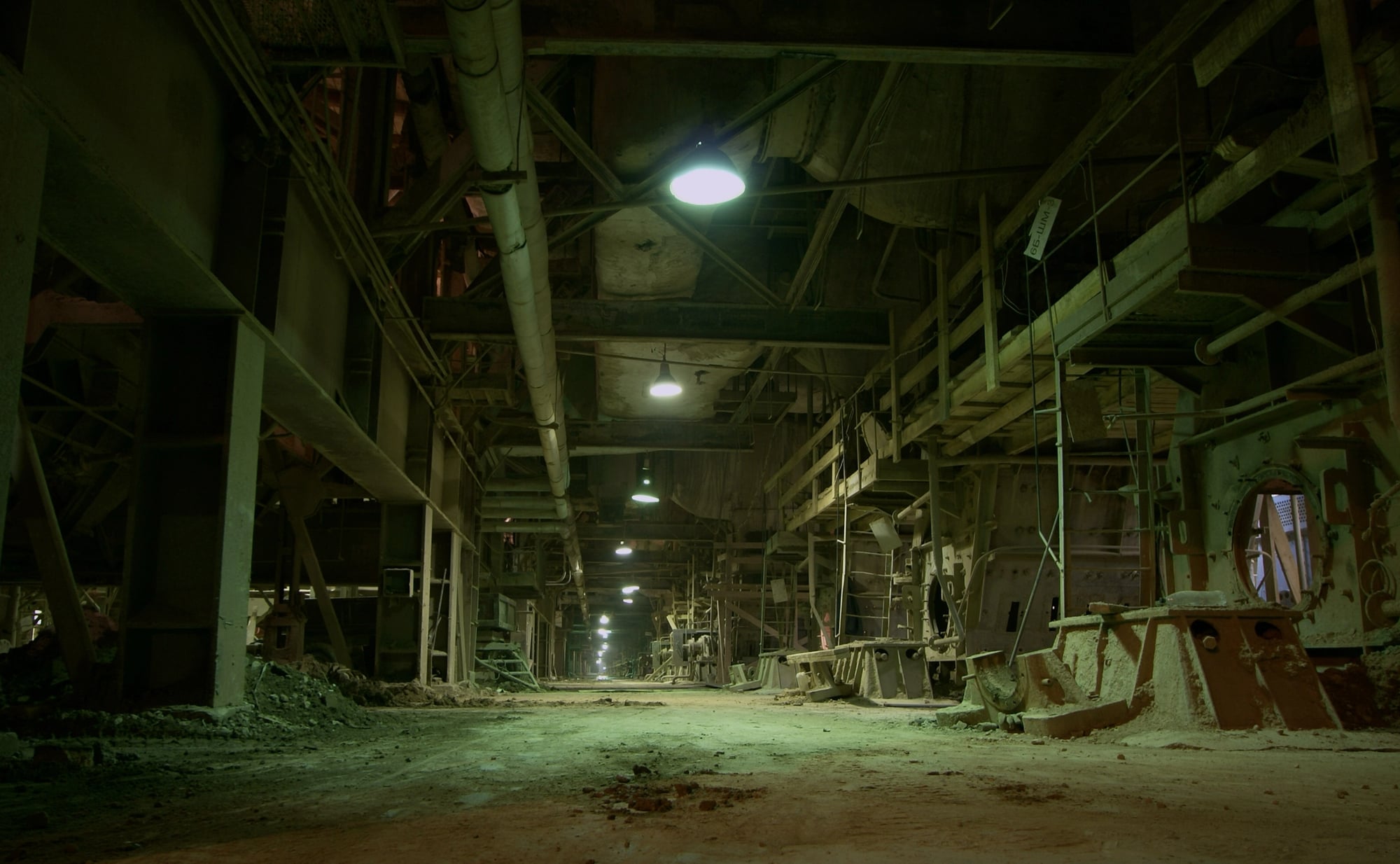
Taunton operated for over a century and became notorious for overcrowding and institutional neglect. Patients were packed into wards with insufficient staff and resources.
The hospital underwent multiple investigations and reform efforts, but conditions remained poor. Violence between patients and staff was endemic.
The hospital was slowly reduced in capacity through the 1970s and 1980s and fully closed by 2010. The remnants stand as testimony to institutional failure.
Greystone Park Psychiatric Hospital (New Jersey, USA)
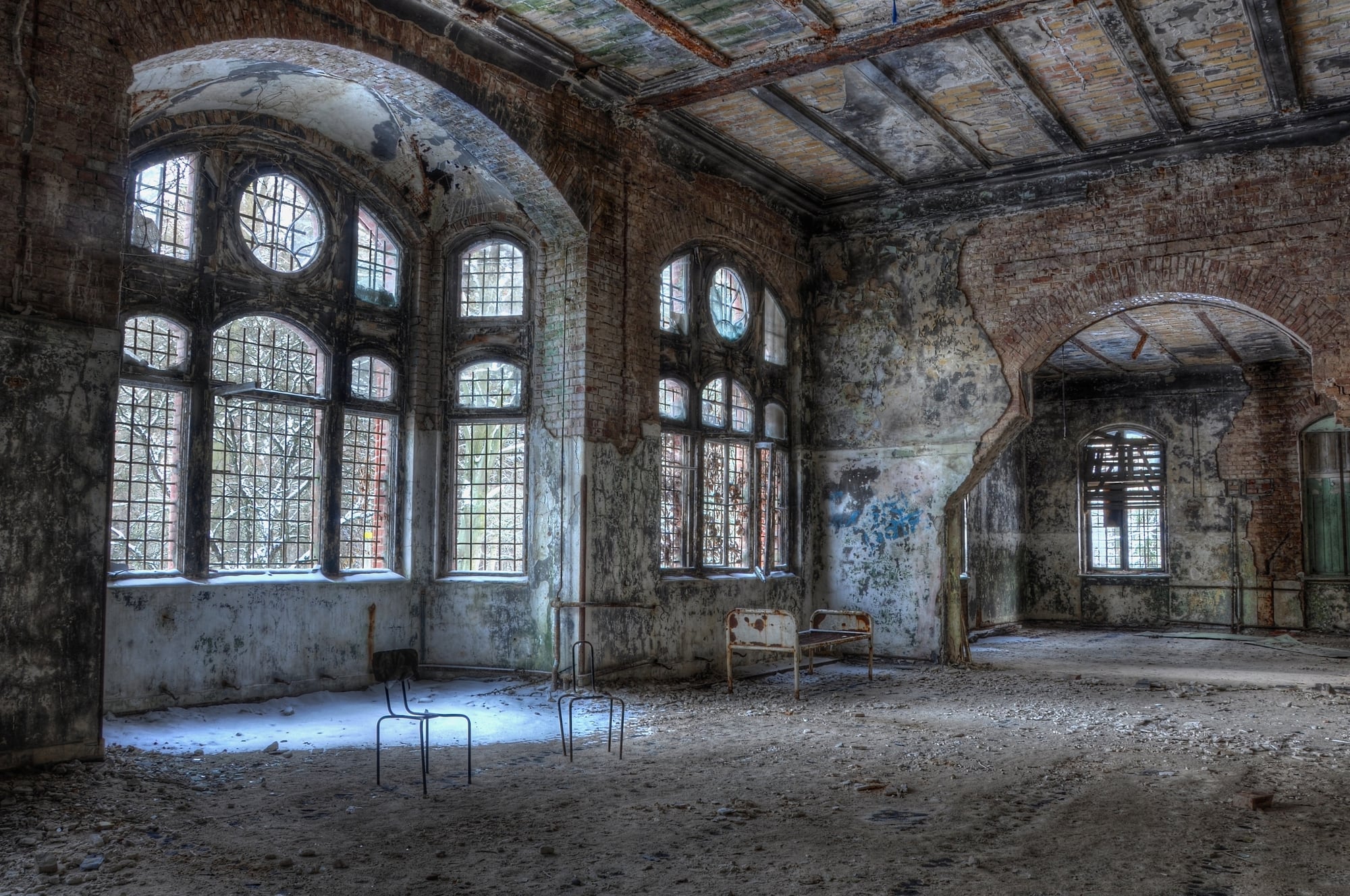
Greystone Park became a symbol of American psychiatric institutional failure. Built as a state-of-the-art facility in 1876, it gradually declined into a warehouse for unwanted patients.
By the mid-20th century, overcrowding and lack of funding created horrifying conditions. Patient deaths went uninvestigated, and abuse by staff was rampant.
The facility was finally closed in 2008. Explorers report the buildings are frozen in time—patient files scattered, wheelchairs abandoned, the remnants of forced pharmaceutical management visible in medication cups left everywhere.
Parkland Hospital’s Psychiatric Wing (Dallas, Texas, USA)
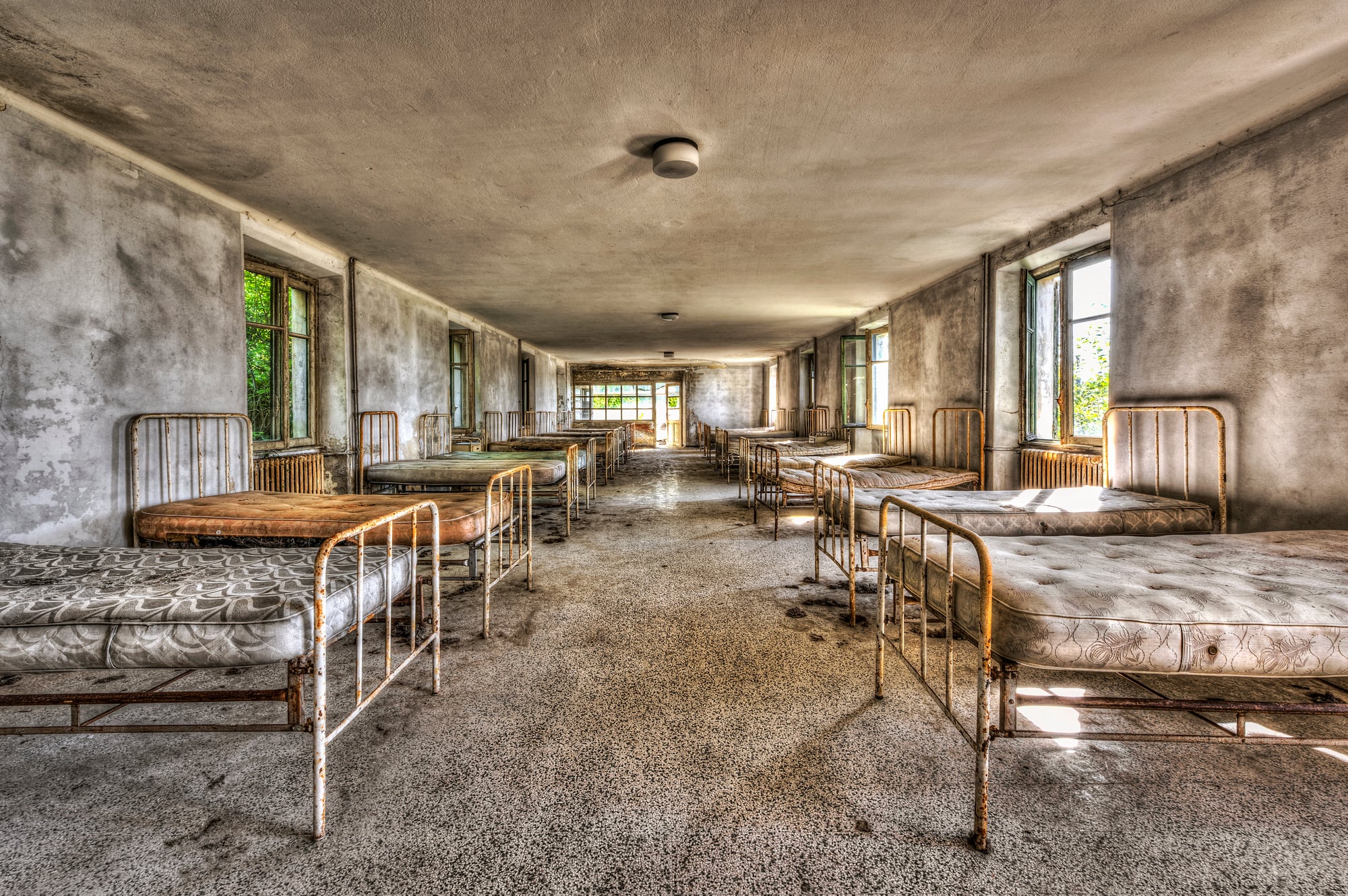
Parkland’s psychiatric ward housed dangerous criminals and violent patients in conditions of extreme confinement. The wing operated under secrecy, with minimal oversight.
Staff abuse of patients was documented and largely ignored. The ward was finally closed and the building demolished.
The secrecy around this facility meant that many details of what happened inside remain unknown—a deliberate forgetting endorsed by the institution.
Bedlam Asylum (London, England)
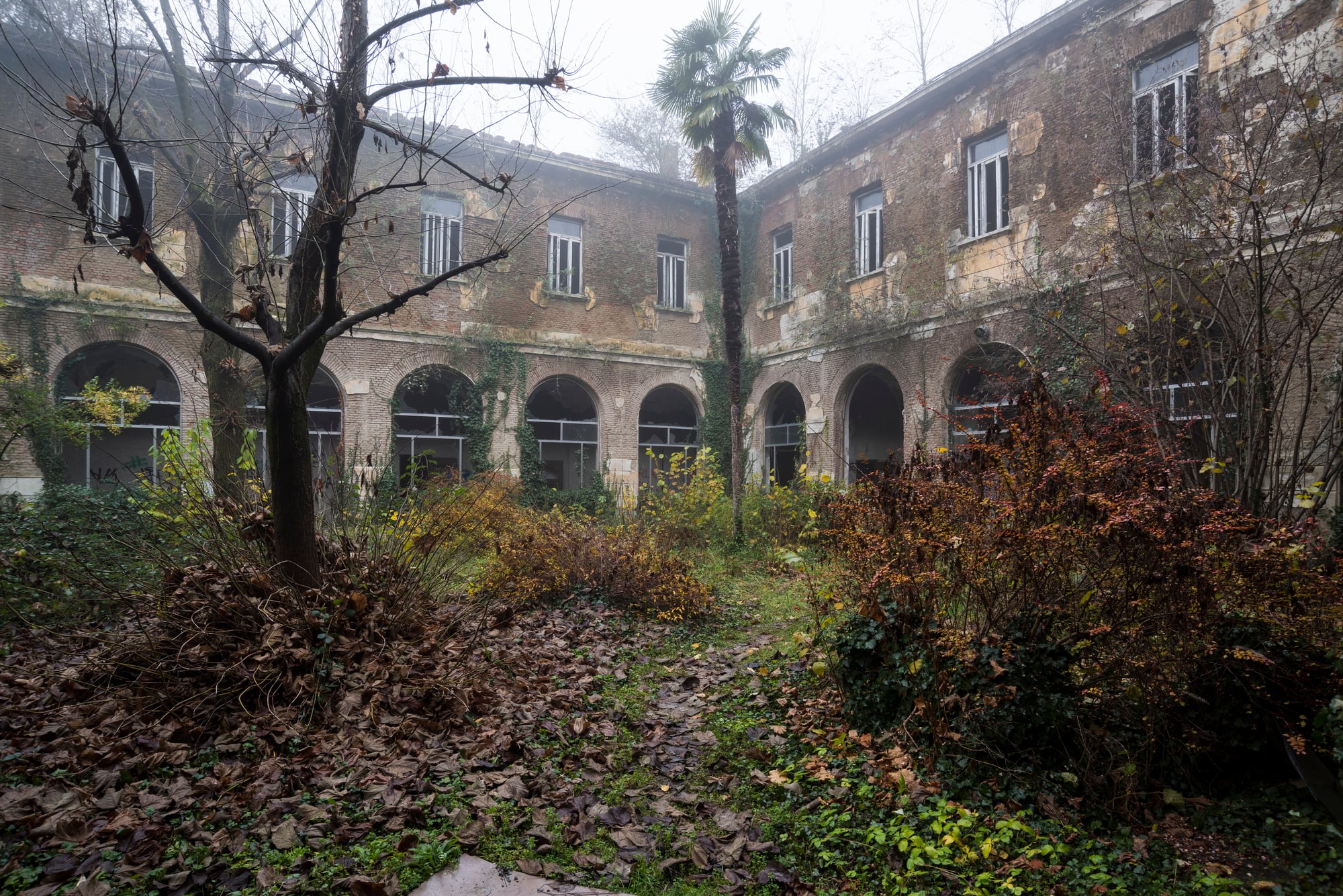
Bethlehem Royal Hospital, colloquially known as Bedlam, is the oldest psychiatric institution in continuous operation (founded 1247). For centuries, it was a dumping ground for London’s unwanted poor, including the mentally ill, epileptic, and developmentally disabled.
Conditions were beyond horrible. Patients were chained, beaten, and left in filth.
The word “bedlam” entered English language meaning utter chaos precisely because of this asylum’s conditions. The original building is long gone, but the psychiatric hospital still operates in a modern facility.
Danvers State Hospital (Massachusetts, USA)
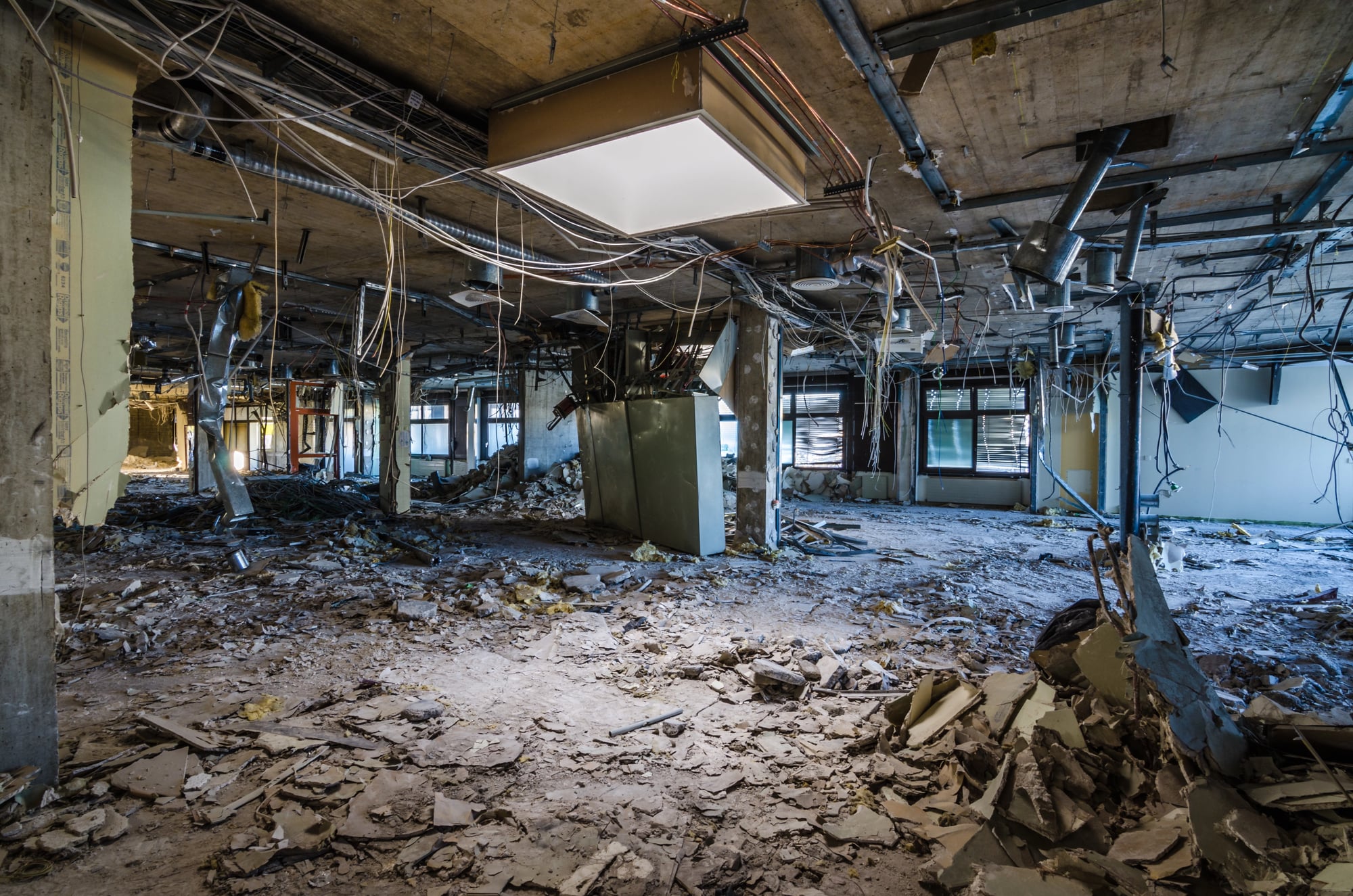
Danvers became the model for H.P. Lovecraft’s fictional Arkham Asylum after he toured the facility and was struck by its architecture. The hospital’s design was intended to mimic a human brain.
Overcrowding was severe, and lobotomies were performed at rates far exceeding national averages. Electroshock therapy was administered liberally.
By the 1970s, the facility was a hellscape of neglect and abuse. It was closed in 1992 and the buildings stood abandoned for years, becoming a destination for urban explorers seeking the “real Arkham.”
The main building was demolished in 2007.
Eastern State Penitentiary (Philadelphia, Pennsylvania, USA)
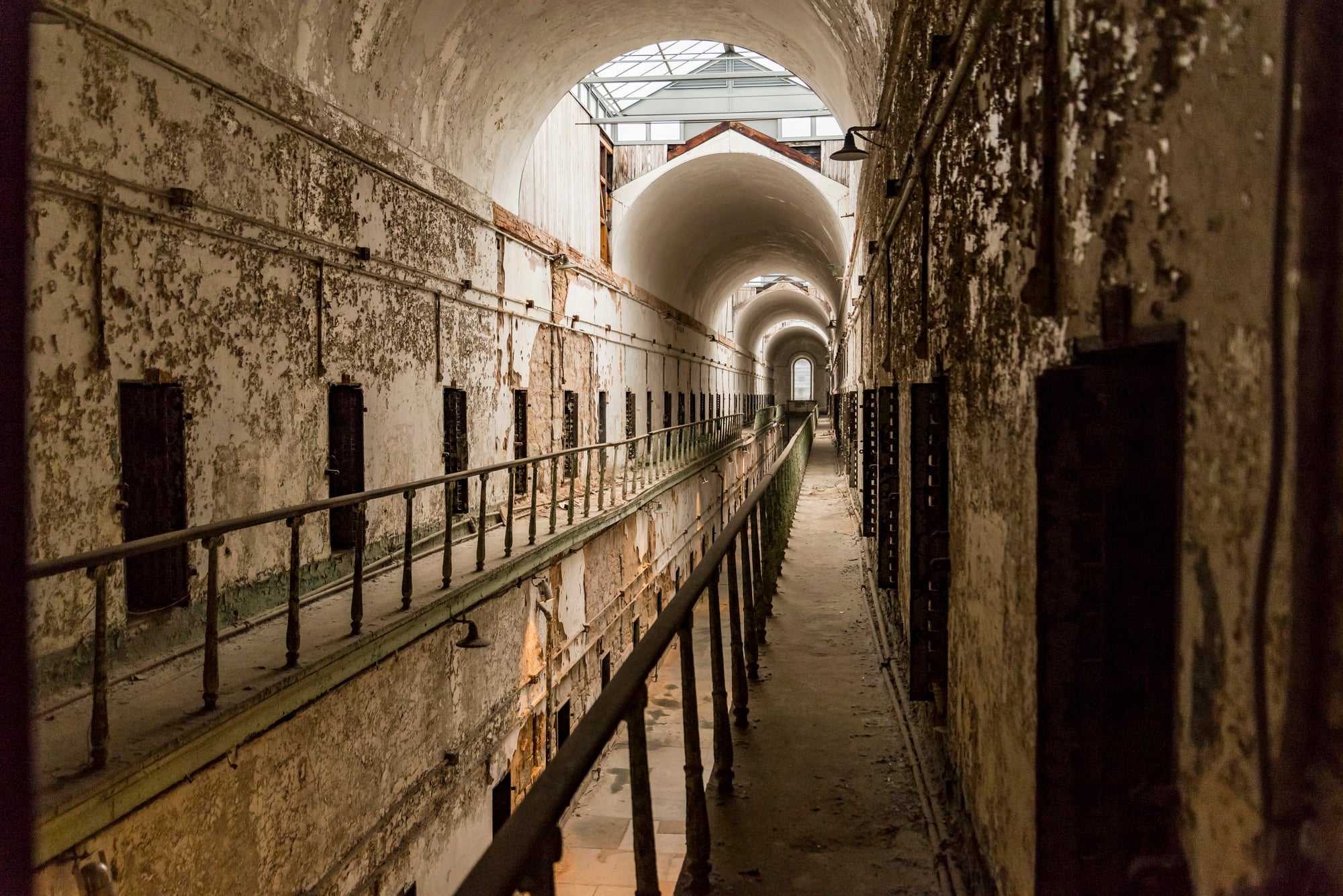
Eastern State pioneered the solitary confinement model that became standard in American prisons. Cells were designed so inmates couldn’t see or communicate with each other, leading to psychological deterioration.
Al Capone was imprisoned here in solitary for extended periods in 1929-1930. The constant sensory deprivation and isolation drove inmates to insanity.
The facility became a model for prisons worldwide, spreading a torture technique disguised as rehabilitation. Eastern State closed in 1971 and now operates as a museum.
Holmesburg Prison (Philadelphia, Pennsylvania, USA)
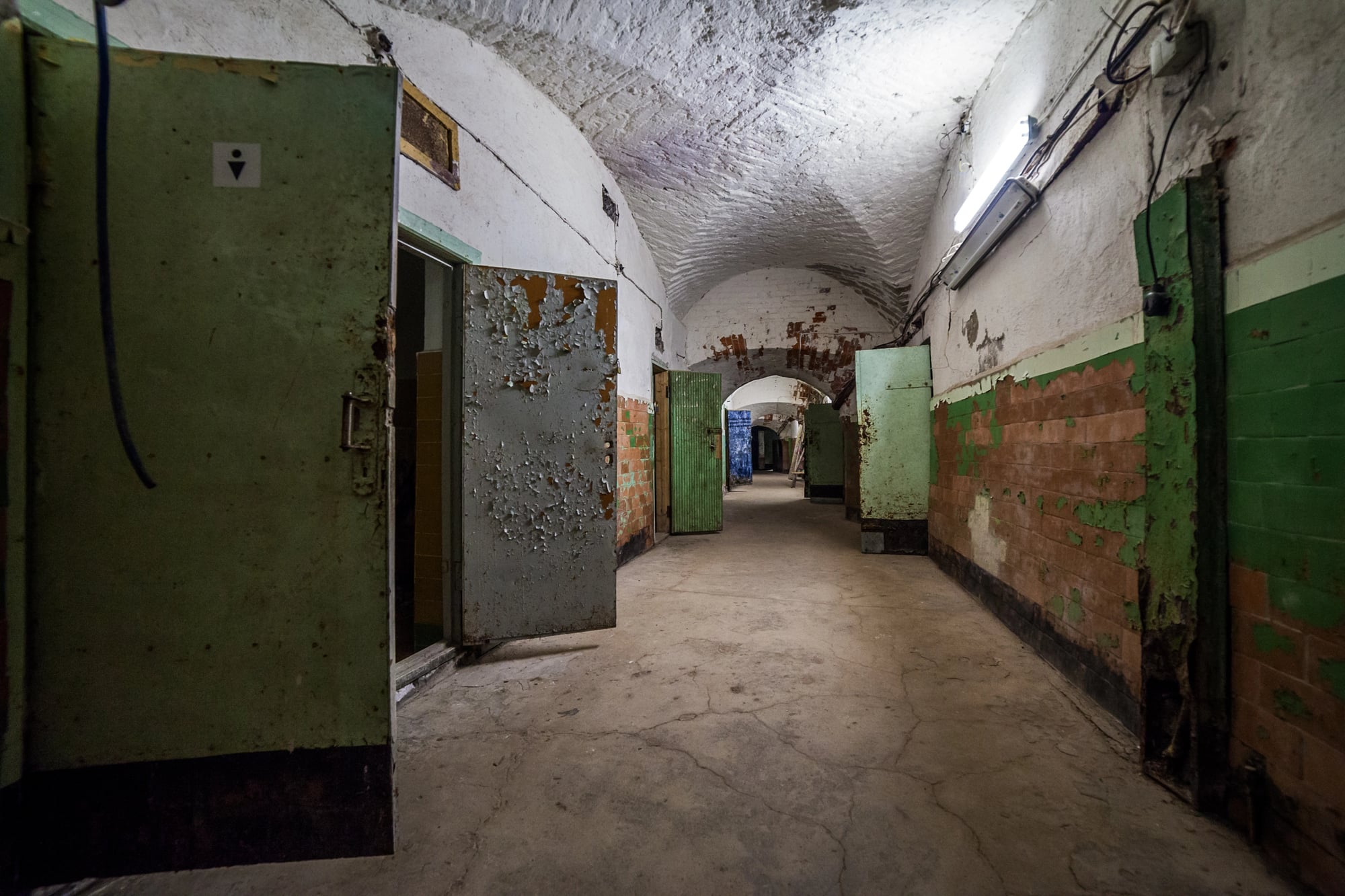
Holmesburg is infamous for hosting medical experiments on inmates without consent. Pharmaceutical companies and universities paid to use prisoners as test subjects for new drugs, toxins, and weapons testing.
Inmates’ skin was burned with dioxin, exposed to potential biological weapons, and injected with untested drugs. Many subjects suffered permanent injury.
The experiments continued from 1951-1974 with institutional knowledge and tacit approval. Holmesburg was closed in 1995, but the harm inflicted on inmates persists.
Fort Jefferson’s Medical Facilities (Florida Keys, USA)
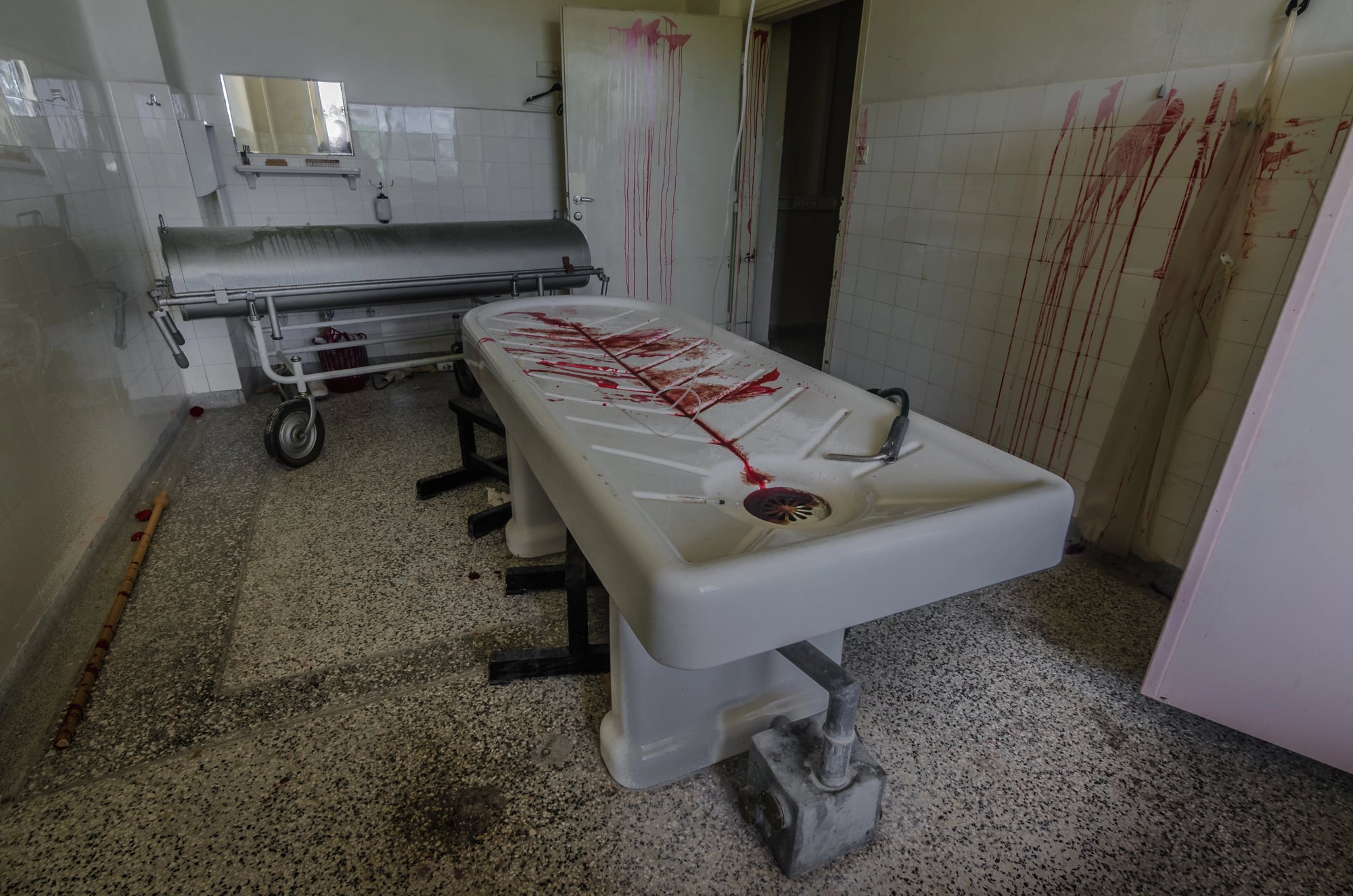
Fort Jefferson, a Civil War-era prison in the Florida Keys, housed prisoners in sweltering conditions with rampant disease. Yellow fever epidemics swept through the facility, killing guards and prisoners.
Medical care was nonexistent; people were essentially left to die. The prison was particularly notorious for its harsh treatment of guards accused of conspiracies.
The fort is now a national park, and tourists walk the same corridors where prisoners died of untreated disease.
Alcatraz Prison Hospital (San Francisco, California, USA)
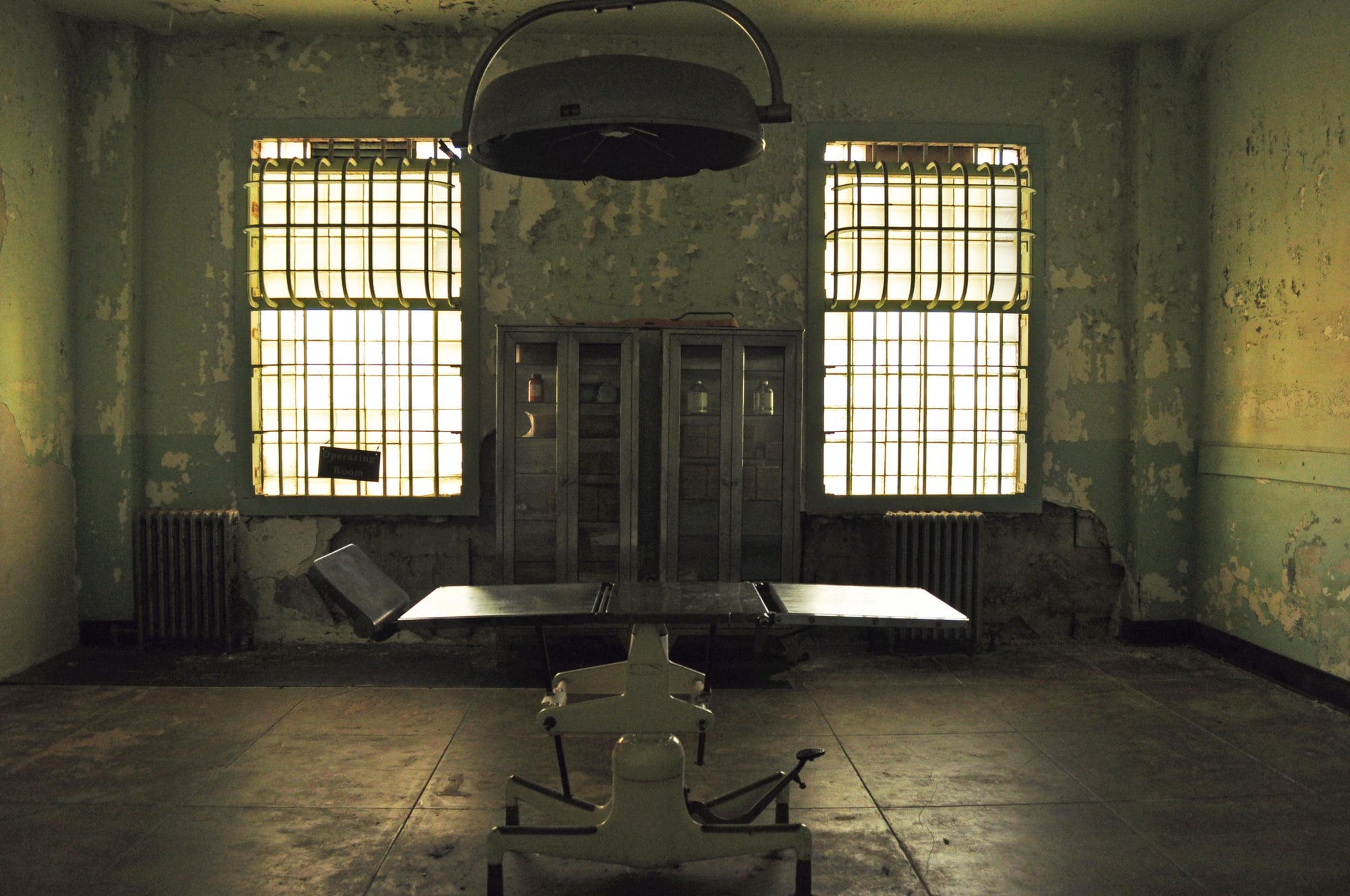
Alcatraz’s hospital wing was designed for America’s most dangerous prisoners. Conditions were deliberately harsh—minimal medical care and harsh isolation for those in the medical unit.
Prisoners with mental illness were kept in dungeons beneath the prison with minimal light and sanitation. The medical unit was essentially a control experiment in how to break human psychology.
Alcatraz closed in 1963, but the hospital wing remains preserved, a stark reminder of the prison’s brutality.
Letchworth Village (New York, USA)

Letchworth was an institution for people with developmental disabilities. Overcrowding, filthy conditions, and severe staff abuse were documented repeatedly over decades.
Abuse of vulnerable residents went uncontrolled. Patients died from neglect and malnutrition.
Survivors and advocates fought for decades to close the facility. When it finally closed in 1996, its closure was treated as a victory against institutional abuse.
Explorers later found disabled residents’ possessions abandoned in buildings—photographs, journals, personal items left behind as if residents were erased.
Aradale Asylum (Victoria, Australia)
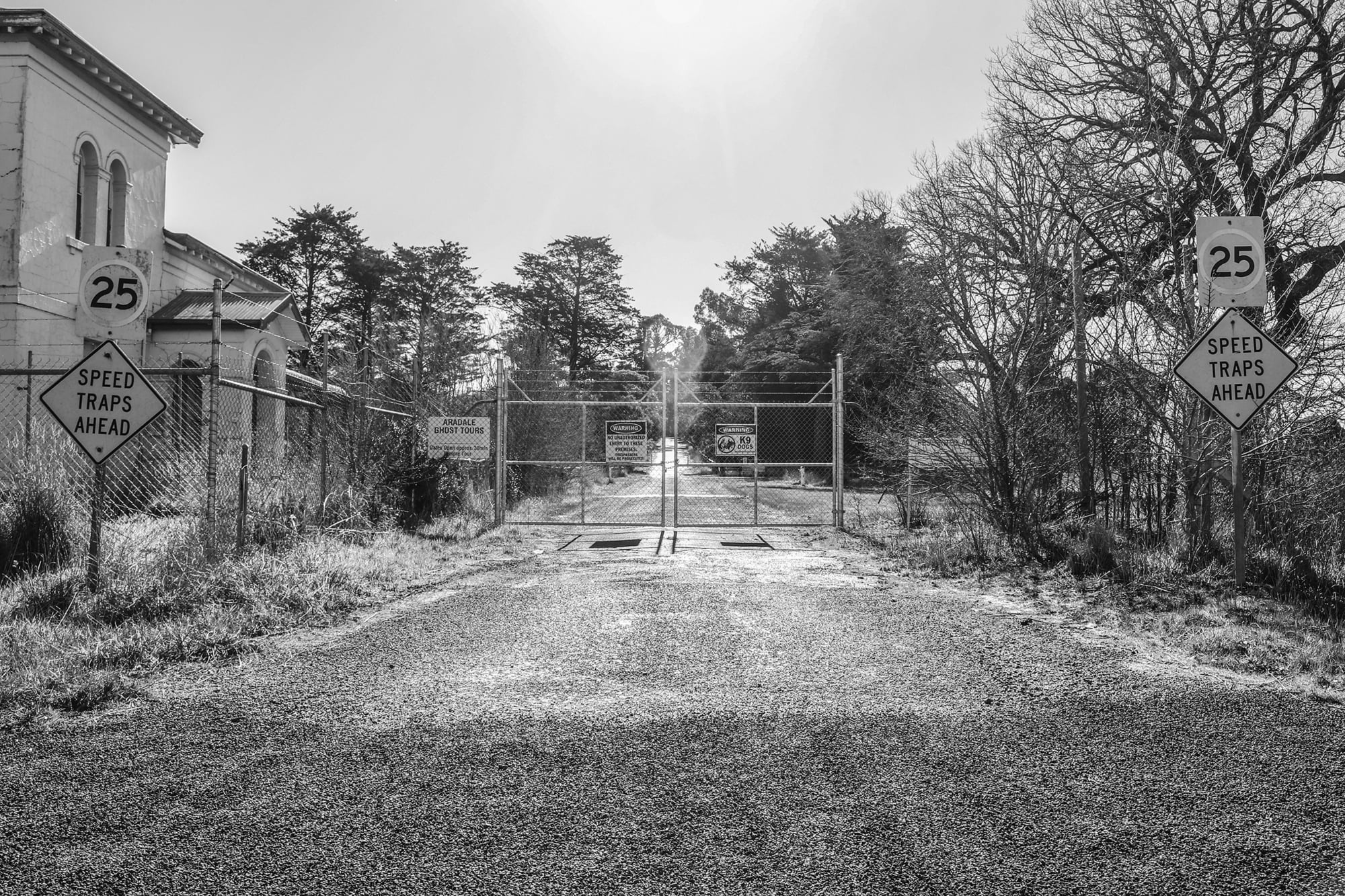
Aradale was Australia’s largest mental health facility and operated from 1867 until 1998. Thousands of patients died within its walls, many from untreated conditions or deliberate neglect.
The asylum became a dumping ground for difficult cases—people with mental illness mixed with elderly, developmentally disabled, and socially undesirable individuals. Abuse was systematic.
The facility is now a museum where visitors can tour the wards and see the conditions in which people were institutionalized.
Waverly Mental Hospital (Weston, West Virginia, USA)
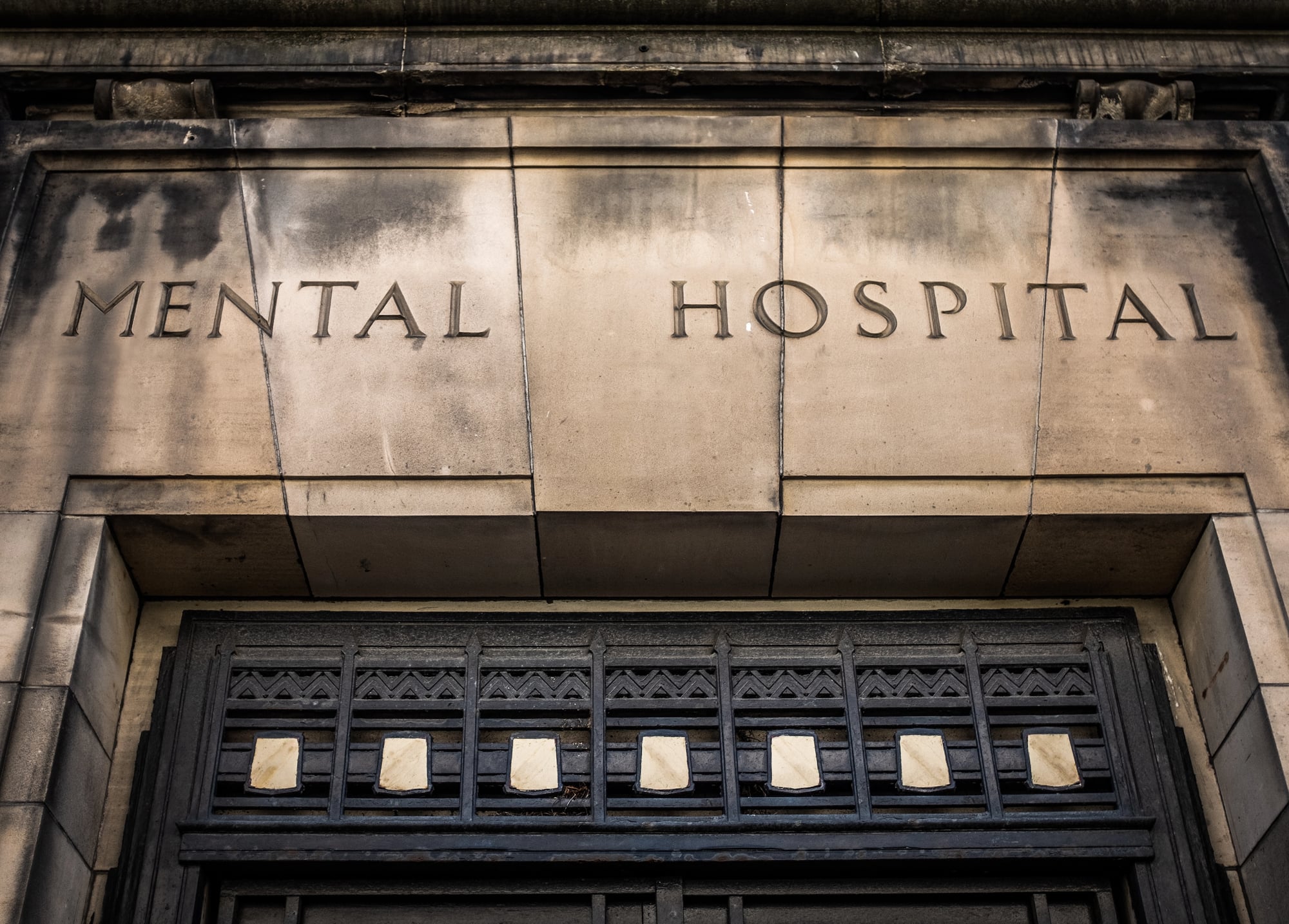
Waverly operated from 1908 to 1994 and became notorious for mistreatment of patients. Electroshock therapy, ice baths, and forced medication were routine.
Patients were kept in chains. Deaths were not properly investigated.
Overcrowding created dangerous conditions with insufficient staff. The facility deteriorated to the point that the buildings themselves became dangerous—asbestos contamination, structural failures.
When it closed, many buildings were left standing, eventually demolished due to hazardous conditions.
Morningside Psychiatric Hospital (Glasgow, Scotland)
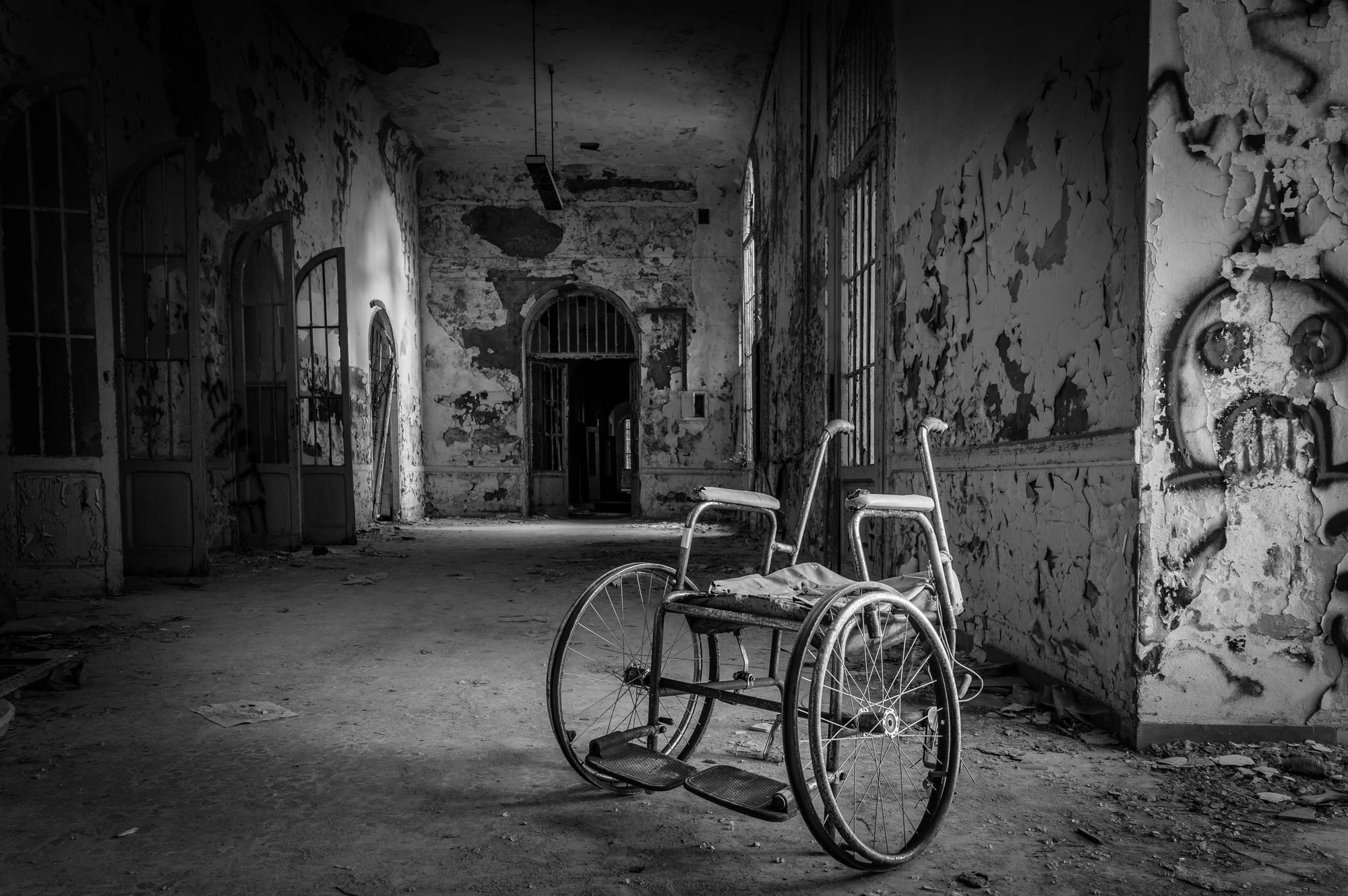
Morningside was Scotland’s most famous mental health facility, operating from the 19th century until its gradual closure beginning in the 1990s. Conditions deteriorated significantly in later decades.
Patients were warehoused in overcrowded wards. Staff shortages meant neglect was endemic.
Violent incidents between patients and against staff were common. While the facility was eventually closed, mental health care in Scotland didn’t improve meaningfully for the populations that Morningside served.
Hellingly Hospital (East Sussex, England)
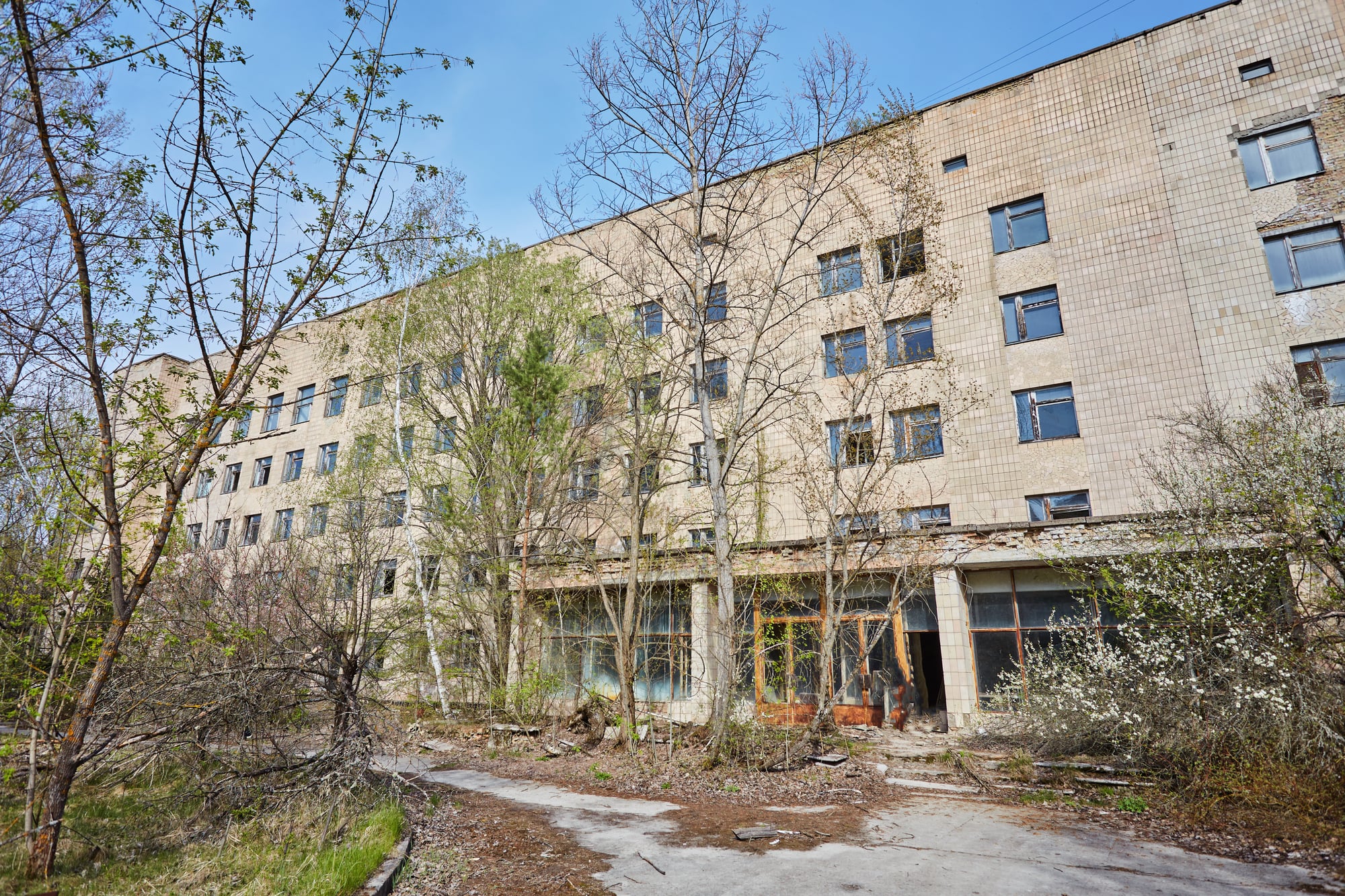
Hellingly was a Victorian-era mental health facility designed to house and treat mental illness but which became a warehouse for unwanted patients. Neglect was severe, particularly in wings housing the most vulnerable residents.
Patients with no family to advocate for them essentially disappeared into the institution. When Hellingly was abandoned in the 1990s, explorers documented rooms filled with abandoned patient records, medications, and personal belongings.
The building stood deteriorating for years, a symbol of forgotten patients.
Gonjiam Psychiatric Hospital (South Korea)
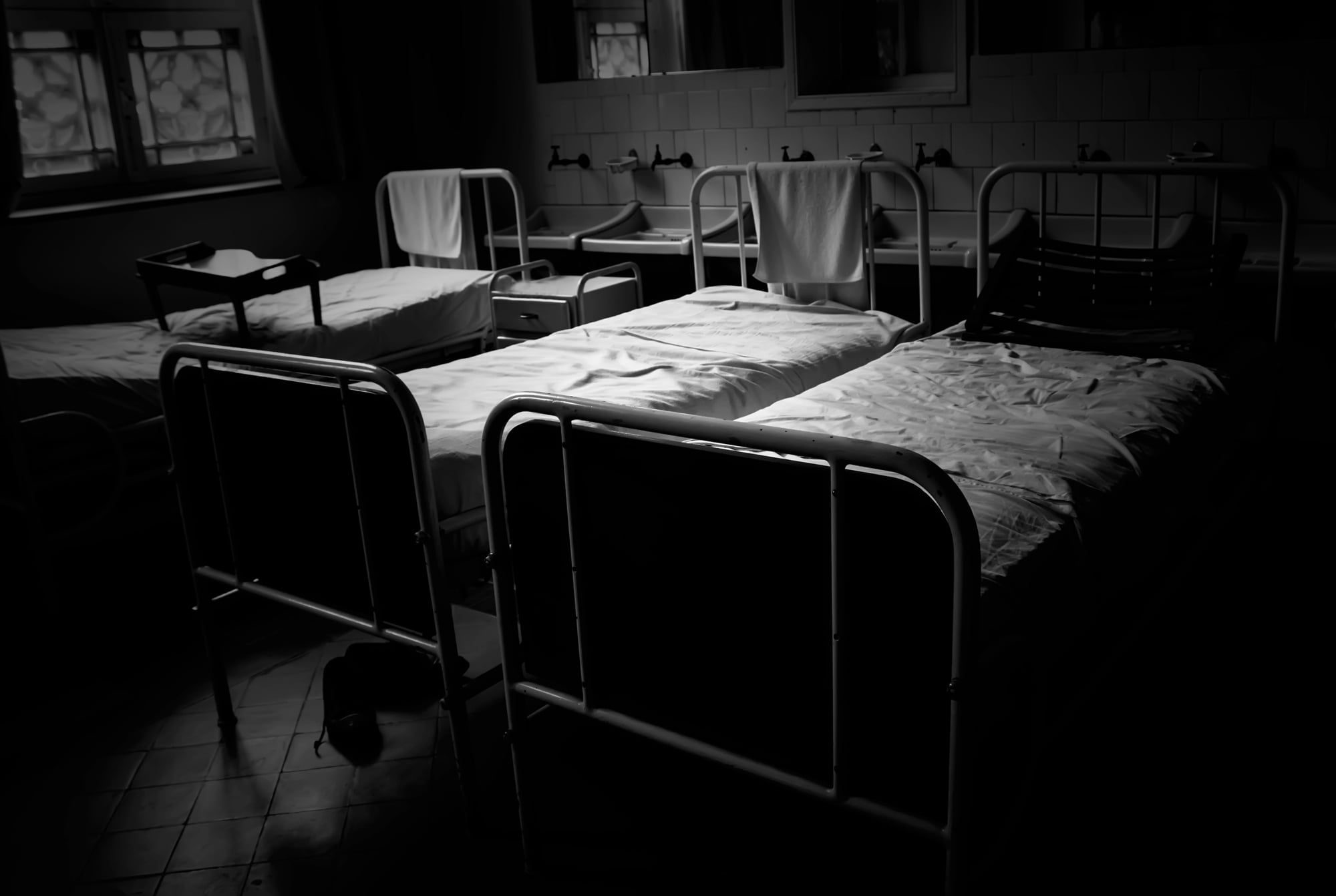
Gonjiam was abandoned so abruptly that machinery, equipment, and patient files were left in place. Rumors of abuse circulated, though details are sparse due to language barriers and South Korea’s censorship practices.
The building became famous on the internet as a haunted place. Explorers documented wheelchairs in rows, medical equipment covered in dust, and the complete absence of any closure procedure.
The sudden abandonment suggested something was hidden or suppressed.
Ridges Hospital (Ohio, USA)
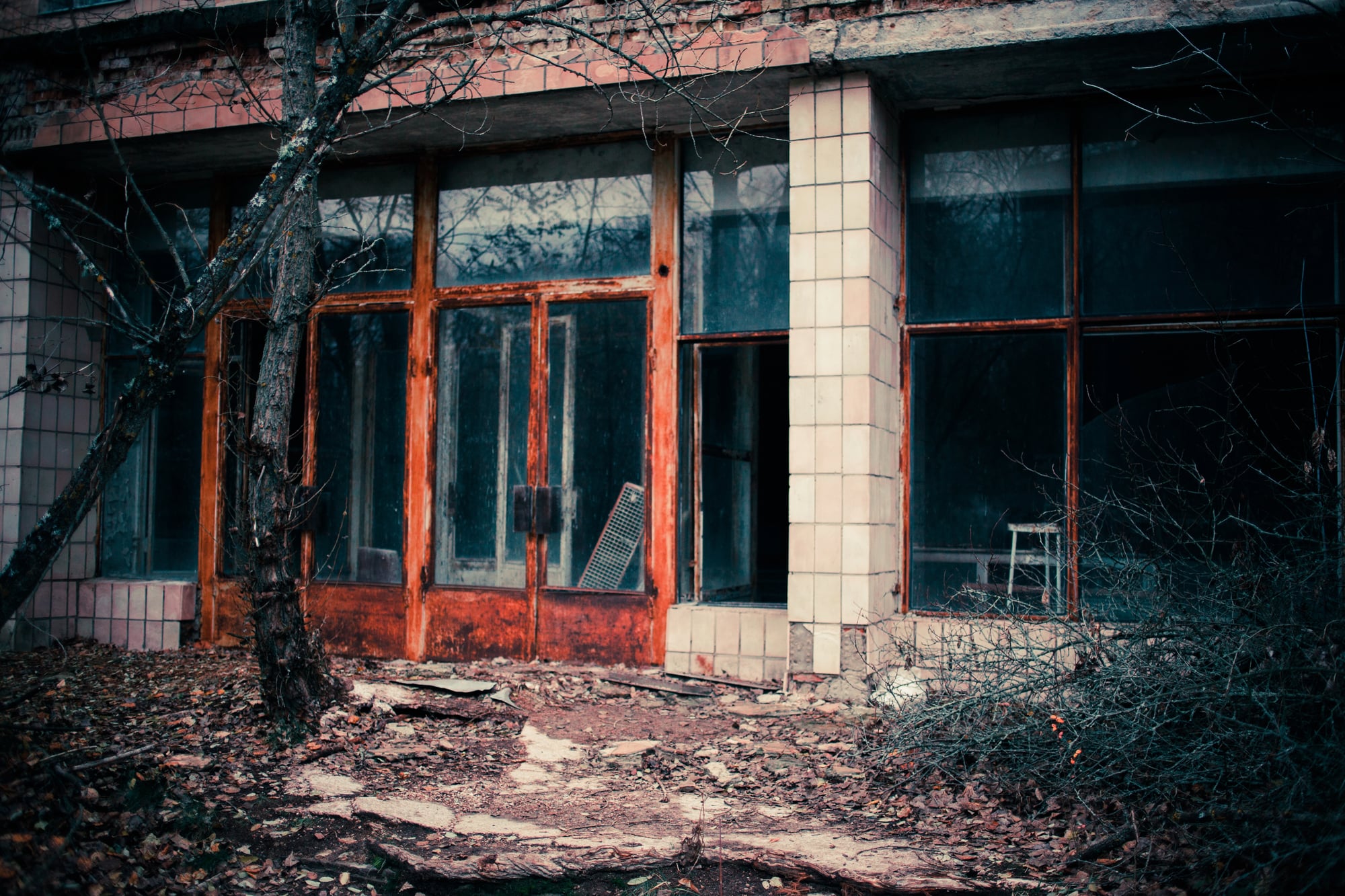
Ridges Hospital was an asylum complex designed to treat mental illness through work and fresh air. Instead, it became a hellhole of overcrowding and abuse.
Patients were worked to exhaustion in unpaid labor. Violence was common.
The hospital murdered a patient (later revealed through forensic investigation) and covered it up. When the hospital finally closed in 1993, one of its central buildings was painted green and pink to make it less creepy before conversion to student housing—a jarring attempt to erase its history.
Trans-Allegheny Lunatic Asylum (West Virginia, USA)
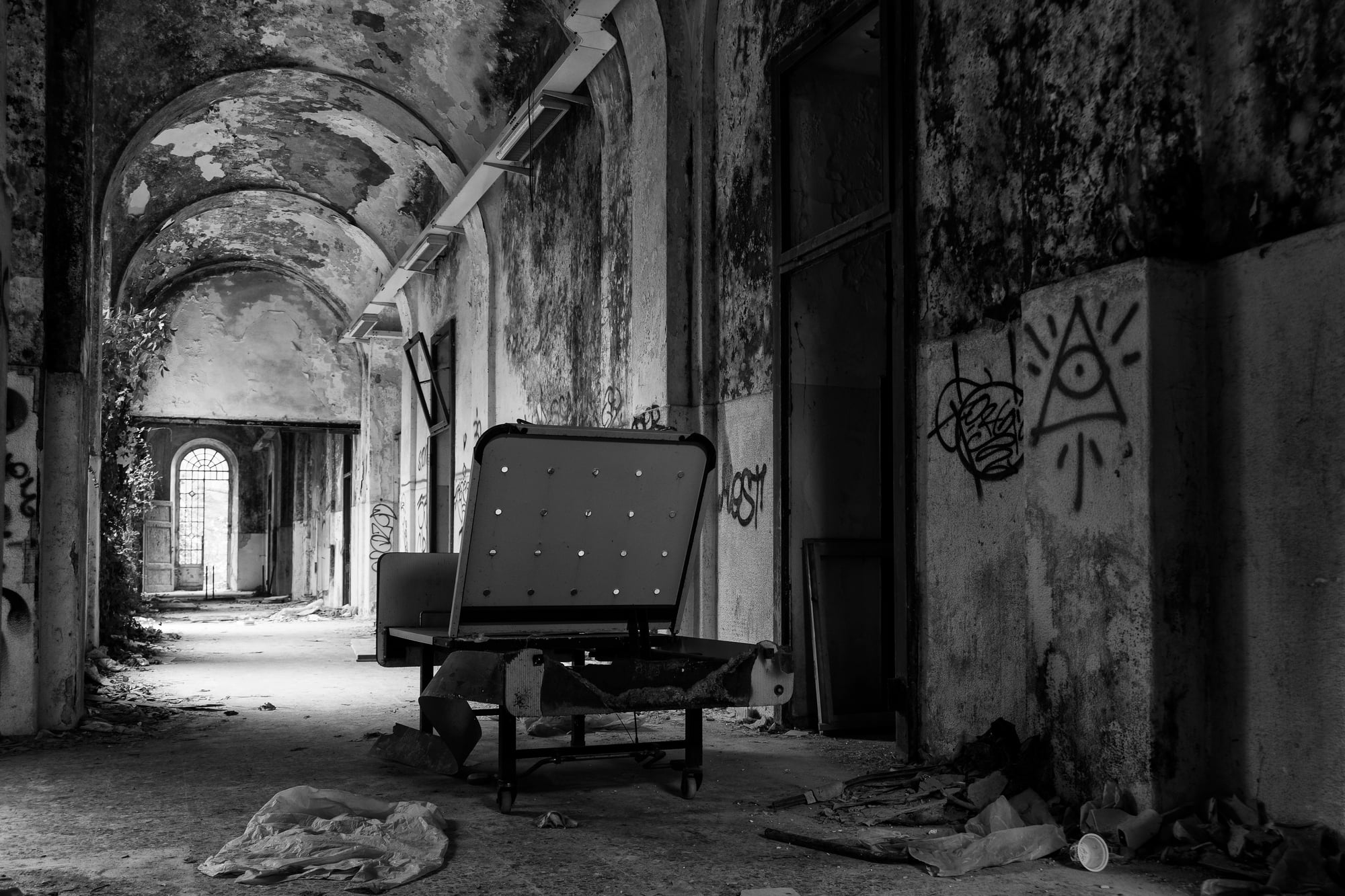
Trans-Allegheny was West Virginia’s largest mental health facility and, by its final decades, a monument to institutional failure. Overcrowding was severe—wards designed for 250 held 1,500 people.
Violence was endemic. Electroshock therapy was administered with abandon.
Patients died from treatable conditions due to medical neglect. The facility closed in 1994 but some buildings remain, now offering “haunted” tours—a commercialization of trauma that turns psychiatric abuse into entertainment.
Sengkang Hospital’s Morgue (Singapore)
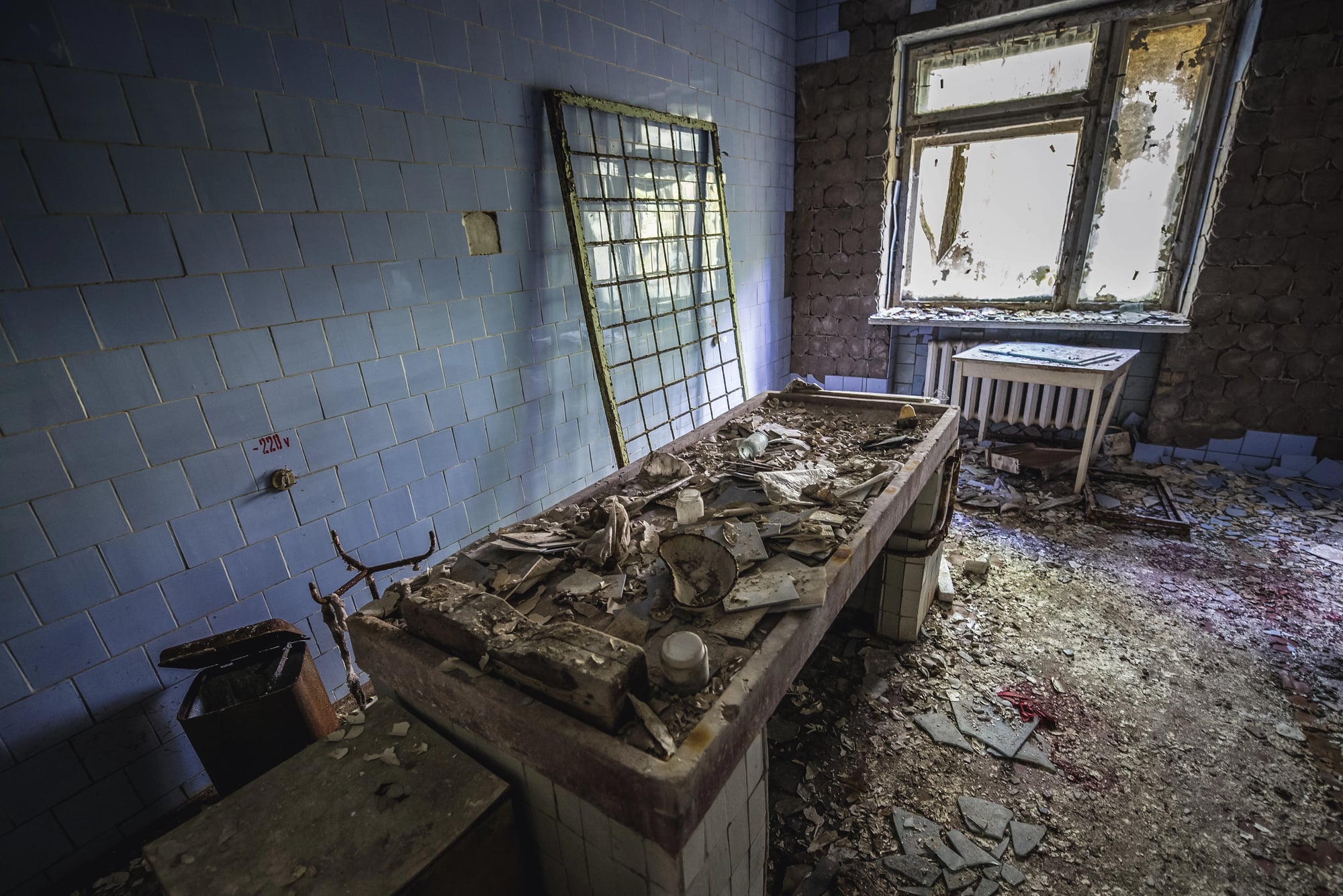
Sengkang Hospital operated a secure psychiatric ward that became infamous for abuse. Patients subjected to electroshock therapy and chemical restraints suffered severe psychiatric deterioration.
The hospital’s morgue was large and frequently in use—an ominous indicator of mortality rates far exceeding national averages. While the psychiatric ward eventually relocated, the hospital building remains, and rumors of mistreatment persist despite official denials.
Woodville State Hospital (Mississippi, USA)
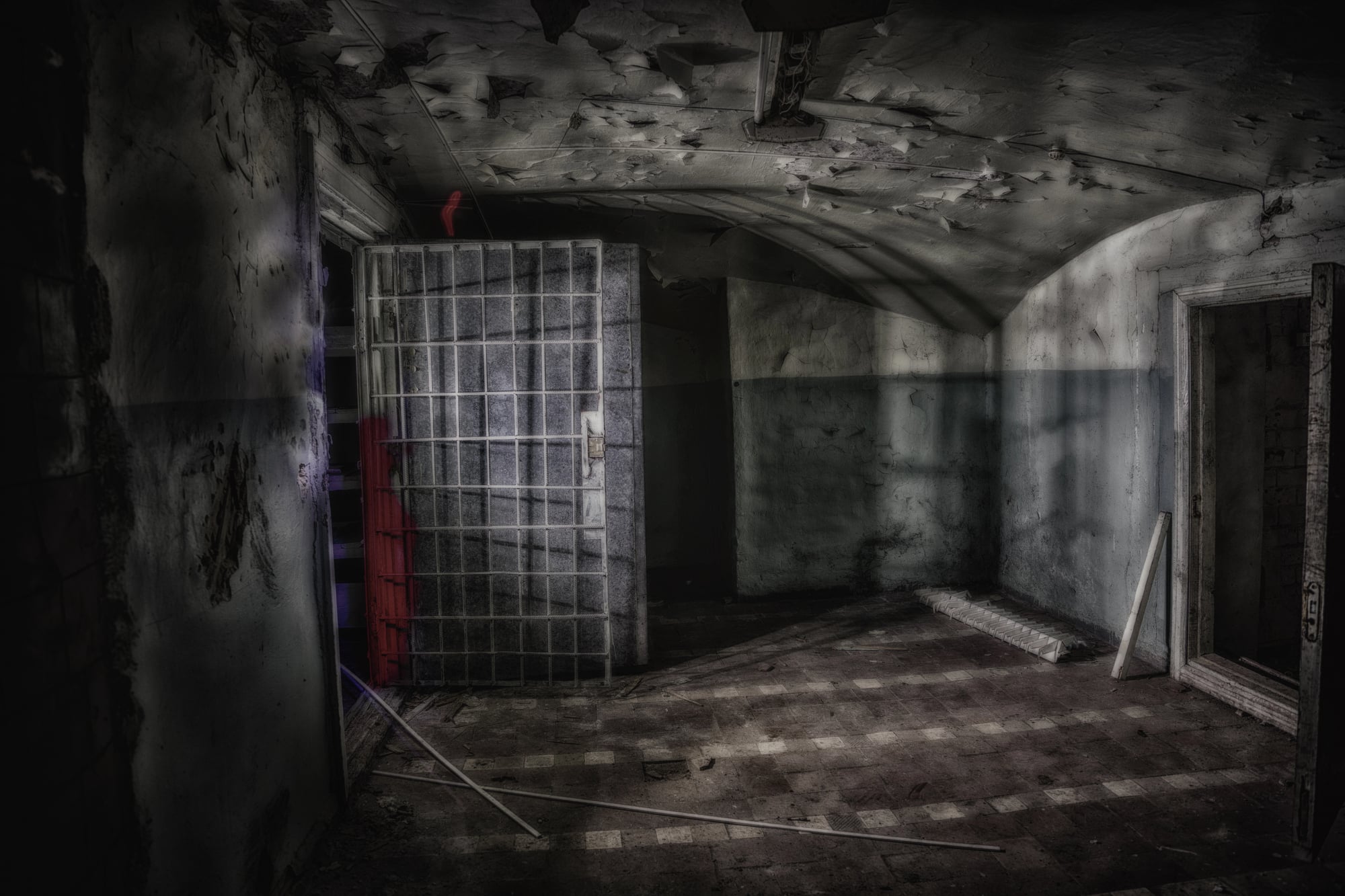
Woodville was one of the few African American mental health facilities in the segregated South. Conditions were deliberately worse than White facilities due to racial discrimination.
Patients were essentially enslaved, working unpaid. Medical care was minimal.
Abuse by staff went unchecked. The facility was closed in 1994.
Records indicate that many patients died from treatable conditions, with deaths often unreported. The racial dimensions of institutional abuse remain largely unacknowledged.
Denbigh Hospital (Wales)
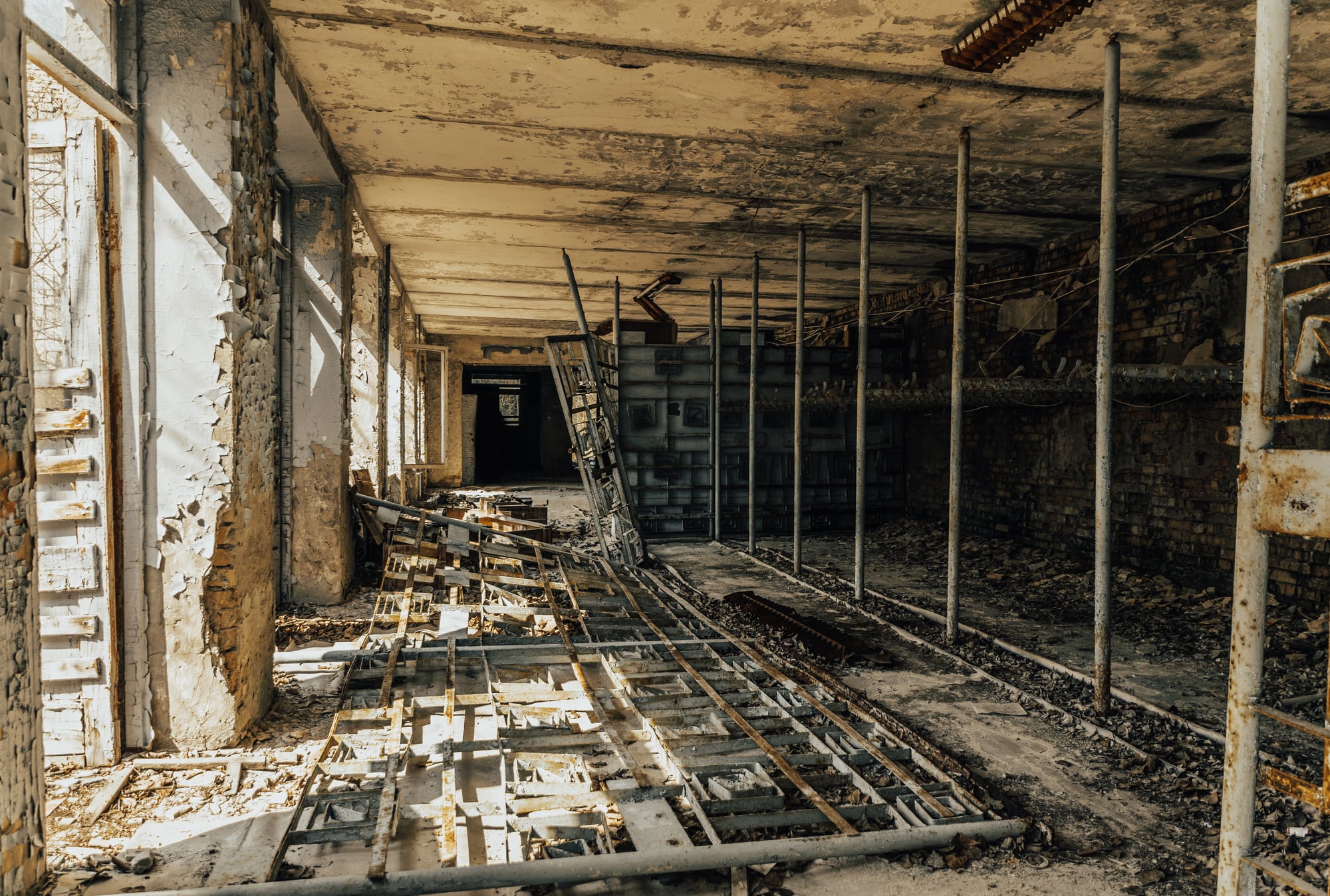
Denbigh was Wales’ most significant mental health facility, operating from the 1840s onward. During World War II, it housed both Welsh patients and German prisoners of war in inhumane conditions.
Staff was insufficient, facilities deteriorated. By the late 20th century, the hospital was essentially a warehouse for the chronically mentally ill, with minimal treatment and maximum neglect.
It was gradually reduced in capacity and fully closed by 2003.
Overbrook Asylum (New Jersey, USA)
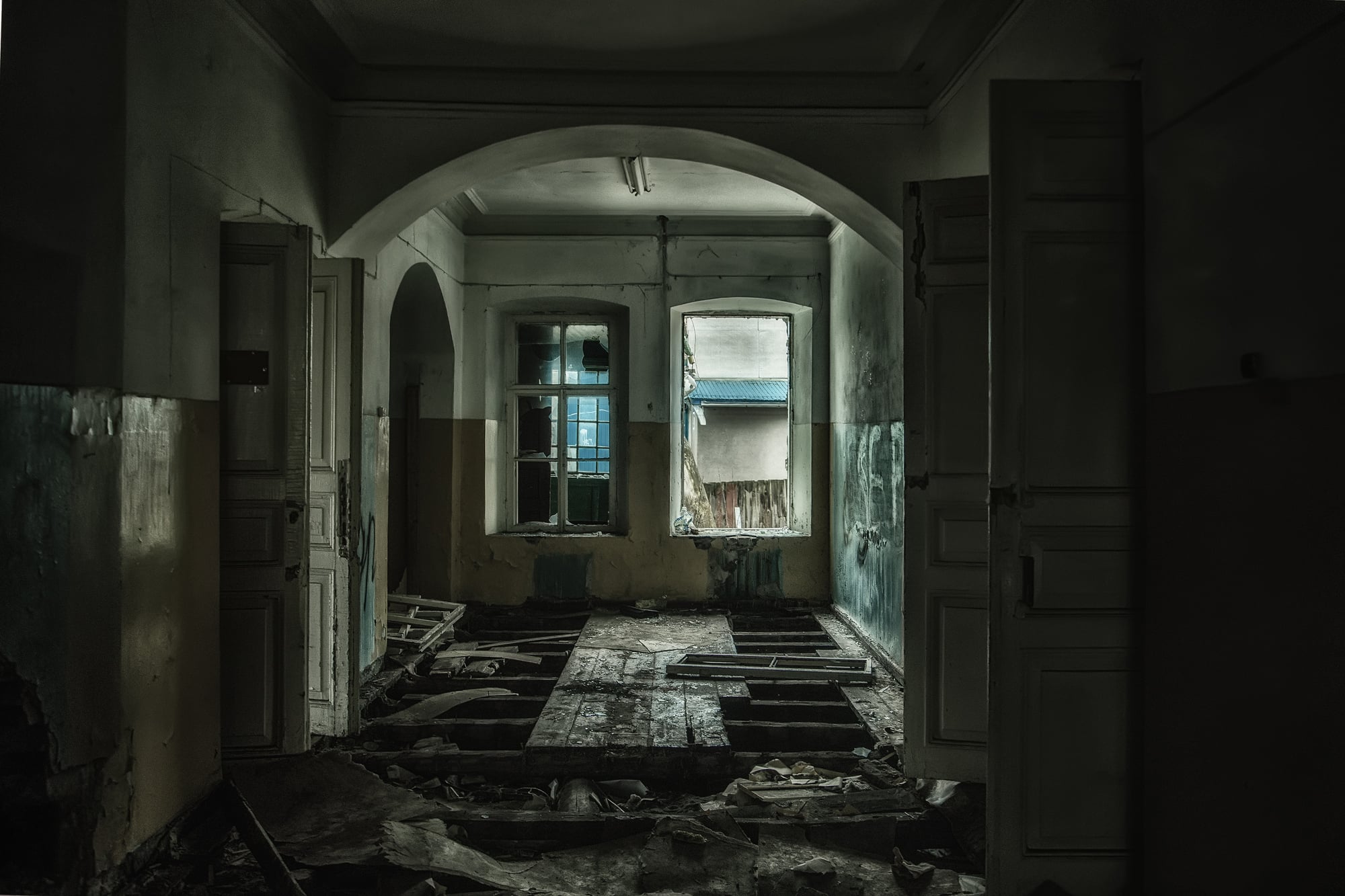
Overbrook was a tuberculosis hospital and asylum combined—housing both tubercular patients and those with mental illness. Cross-infection was inevitable.
Medical care was inadequate for both populations. Patients with TB transmitted the disease to mentally ill patients, who had no ability to refuse contact.
Deaths were frequent. When Overbrook closed in the 1990s, the deteriorating buildings stood abandoned for years, an architectural reminder of the era’s medical failures.
Kingsley Hall (London, England)
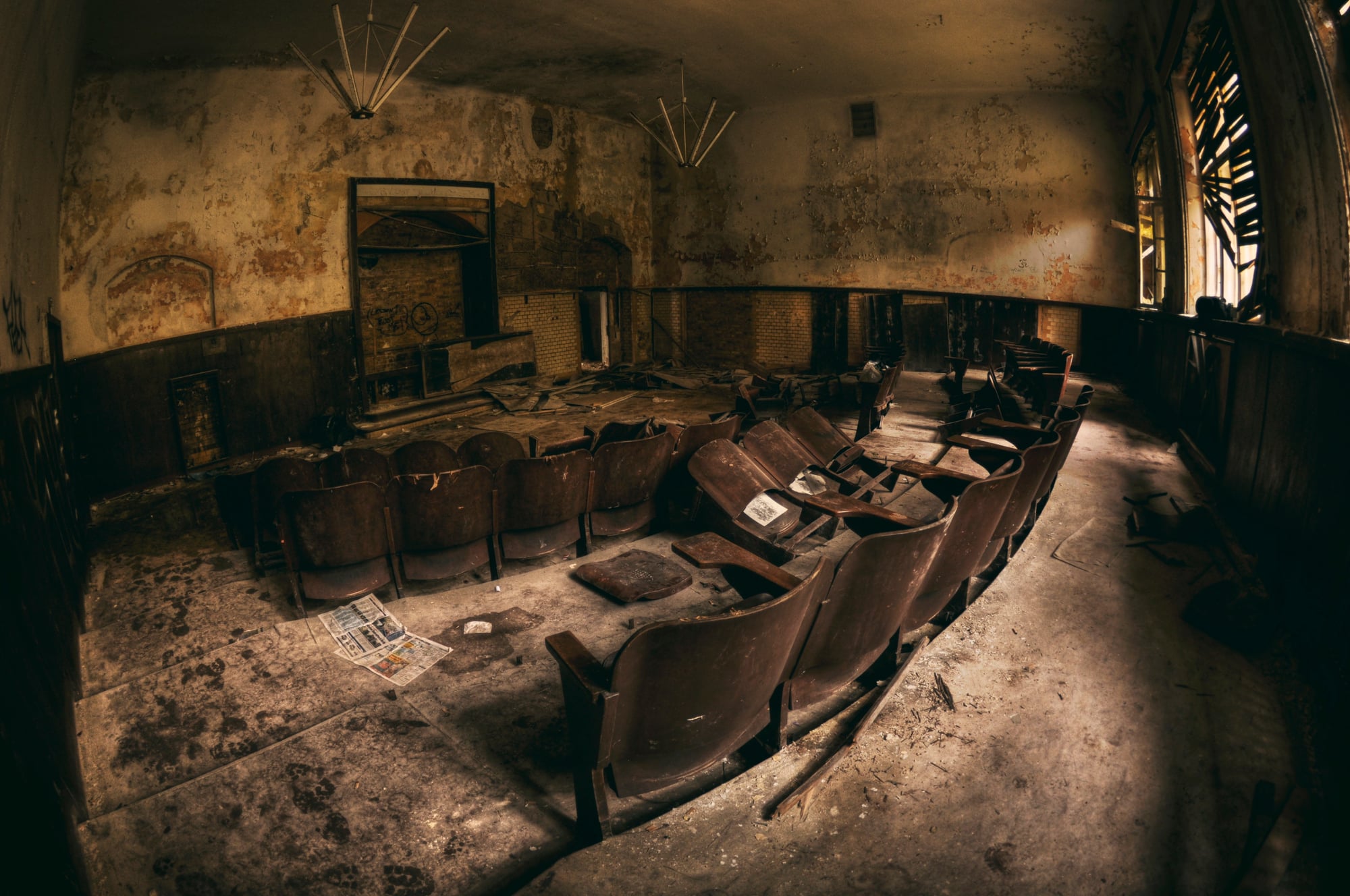
Kingsley Hall was an experimental therapeutic community intended to treat psychosis through community living and shared vulnerability. It operated from 1965-1980 and became famous through R.D. Laing’s anti-psychiatry movement.
However, conditions deteriorated, and the therapeutic model broke down. Residents experienced both therapeutic benefit and abuse depending on the current power dynamics.
The facility’s closure marked the end of the radical experiment, leaving behind trauma and inspiration in equal measure.
York Retreat’s History (Yorkshire, England)
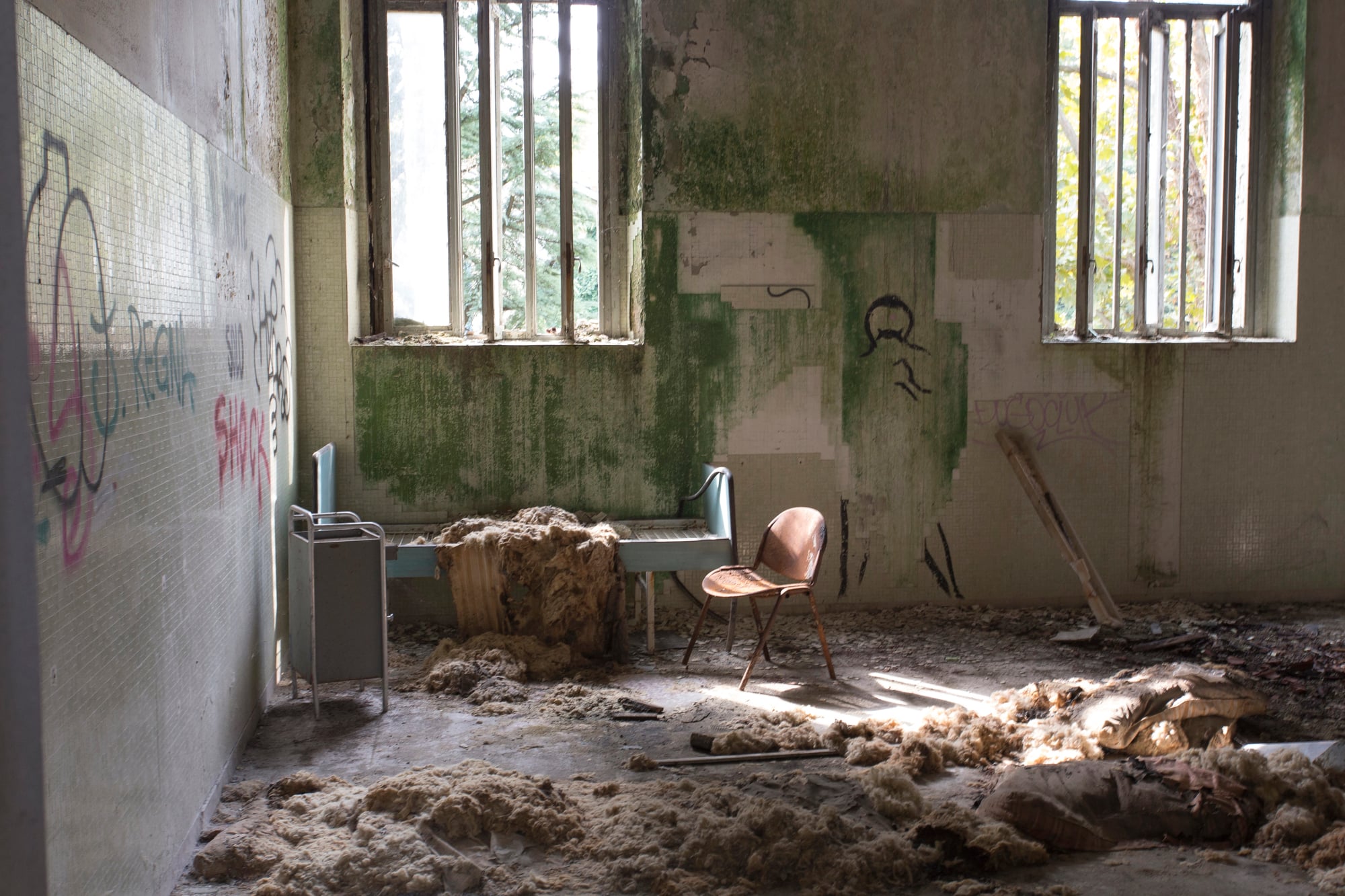
While York Retreat still operates as a mental health facility, its historical record is relevant. Founded in 1796 as a Quaker-run alternative to asylums, it pioneered “moral treatment”—kindness, structure, and dignity for patients.
Yet even this supposedly enlightened facility housed patients in locked wards and sometimes subjected them to restraint and punishment. The facility’s existence proves even progressive institutions were constrained by the era’s beliefs about mental illness and confinement.
Volk State Hospital (Iowa, USA)
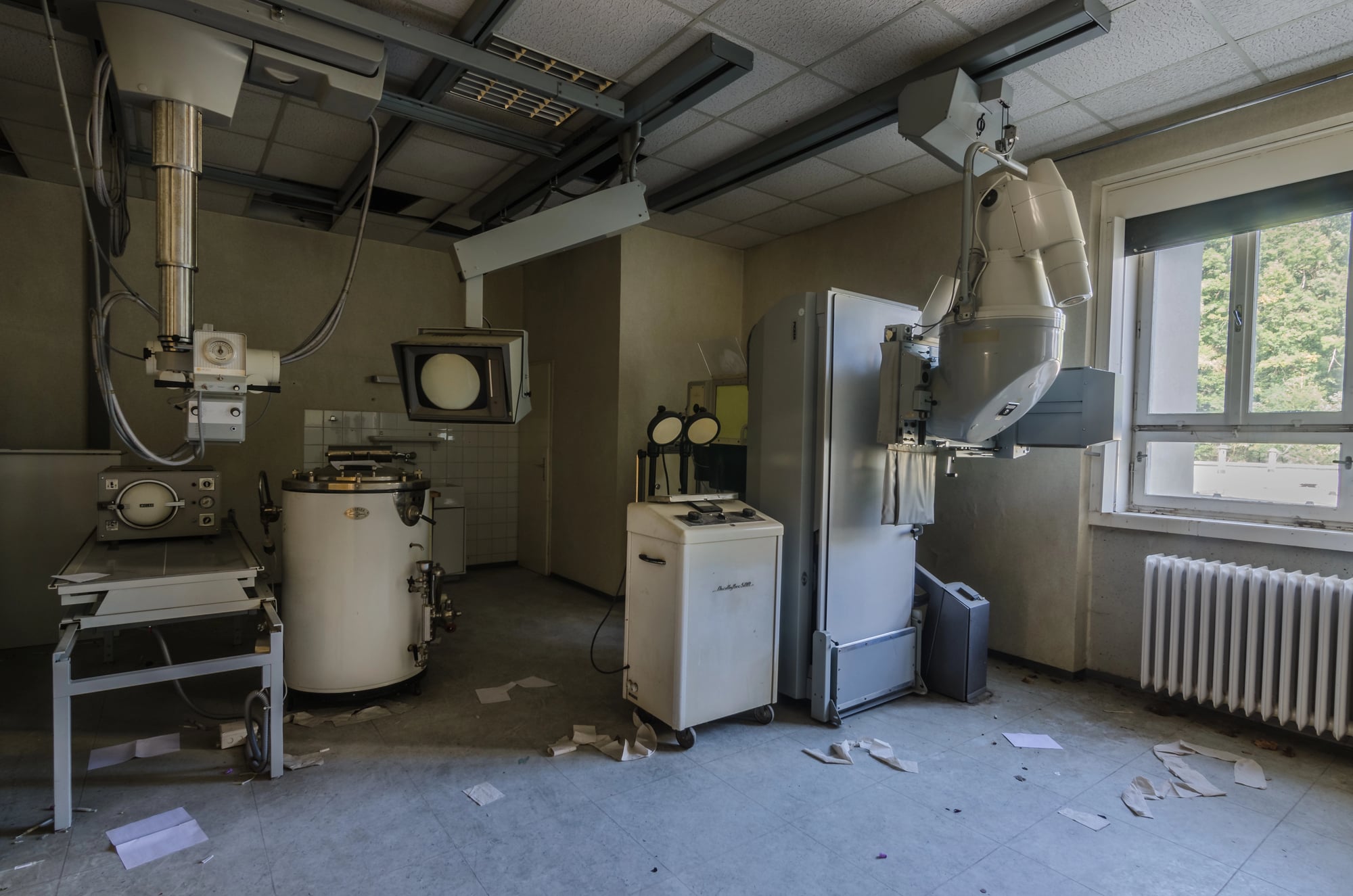
Volk was built to treat intellectual disability but became a warehouse for those considered socially defective. Abuse by staff was systematic.
Assault of vulnerable residents was rampant and ignored. Patients were forced to perform unpaid labor.
Conditions were so poor that infectious disease spread quickly. When Volk finally closed in 1998, the revelation of abuse shocked even those expecting institutional neglect.
Cane Creek State Hospital (Alabama, USA)
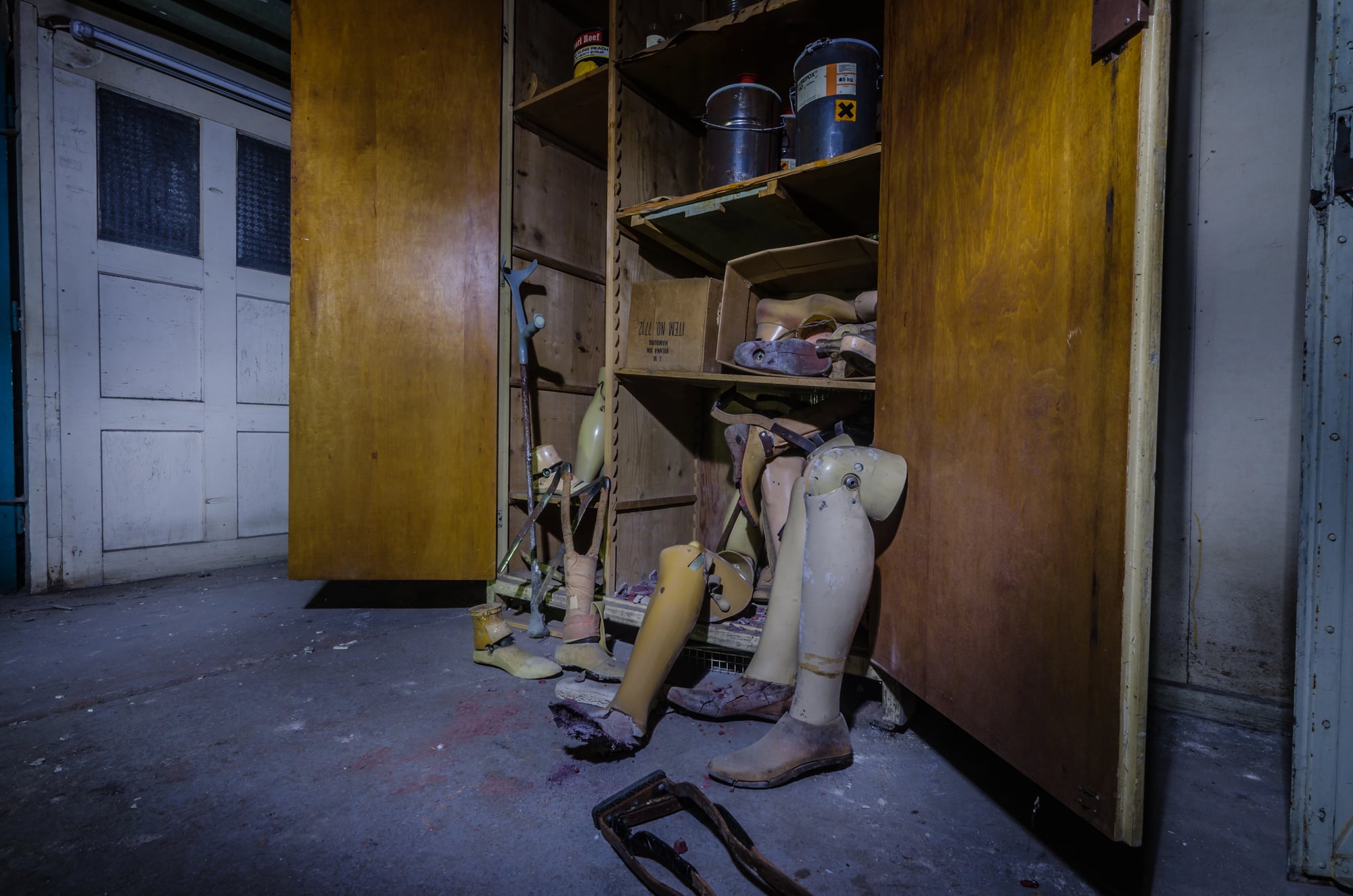
Cane Creek operated as a state hospital for the mentally ill with chronic underfunding and staffing shortages. Patients lived in squalid conditions.
Violence between patients was common and not adequately controlled. Medical care was minimal.
The hospital’s closure in 1994 was not marked by any public acknowledgment of the suffering that occurred within its walls.
Camarillo State Hospital (California, USA)
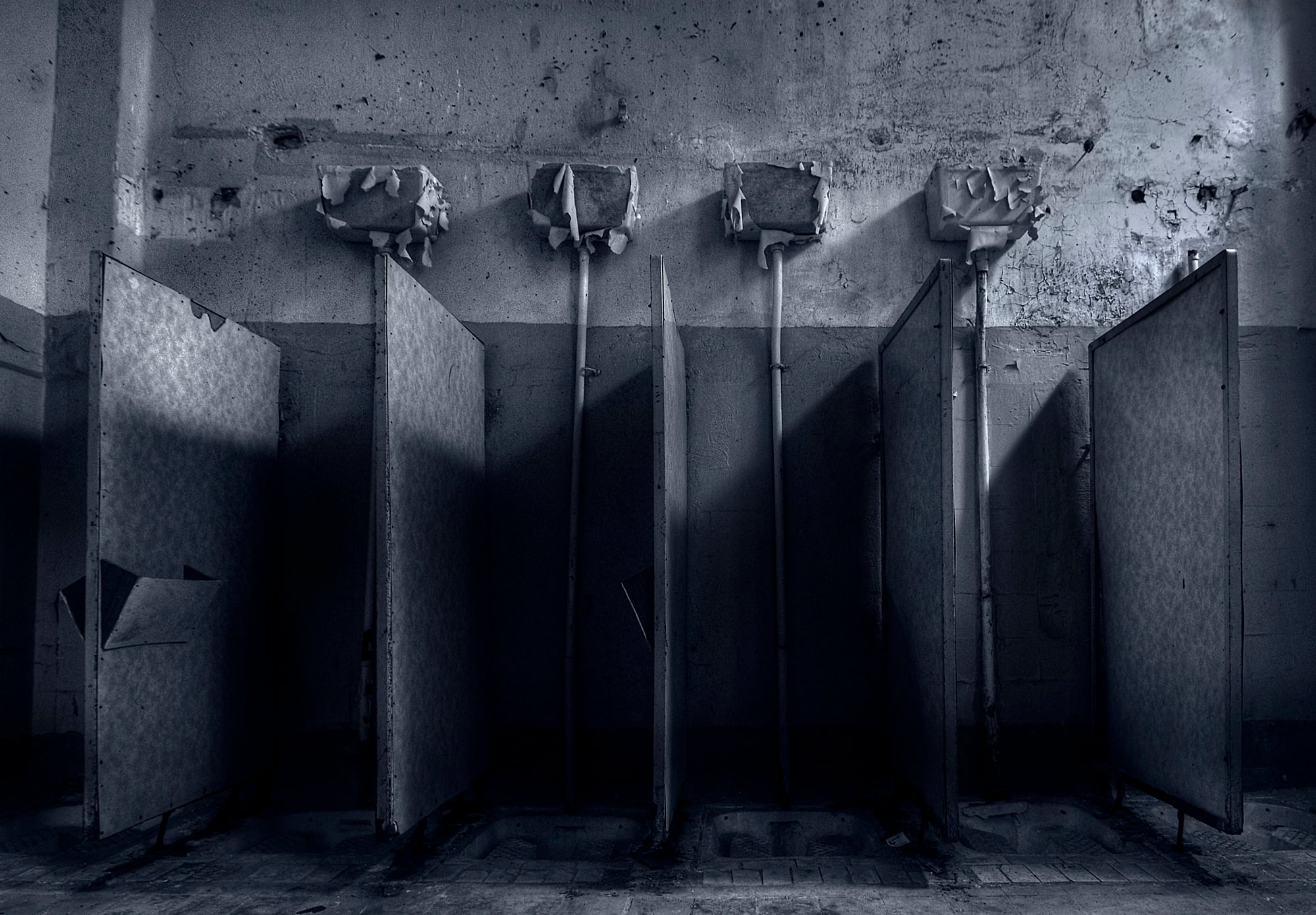
Camarillo operated from 1936-1997 as California’s largest state hospital at peak capacity. Overcrowding was severe.
By the 1970s-1980s, the hospital was deteriorating rapidly. Patients were neglected, and abuse by staff was documented.
When the hospital closed, no systematic process existed for transferring patients or ensuring continuity of care. Many discharged patients became homeless, suggesting the hospital closure created new social problems rather than solving old ones.
Fairfield Hospital (New Zealand)
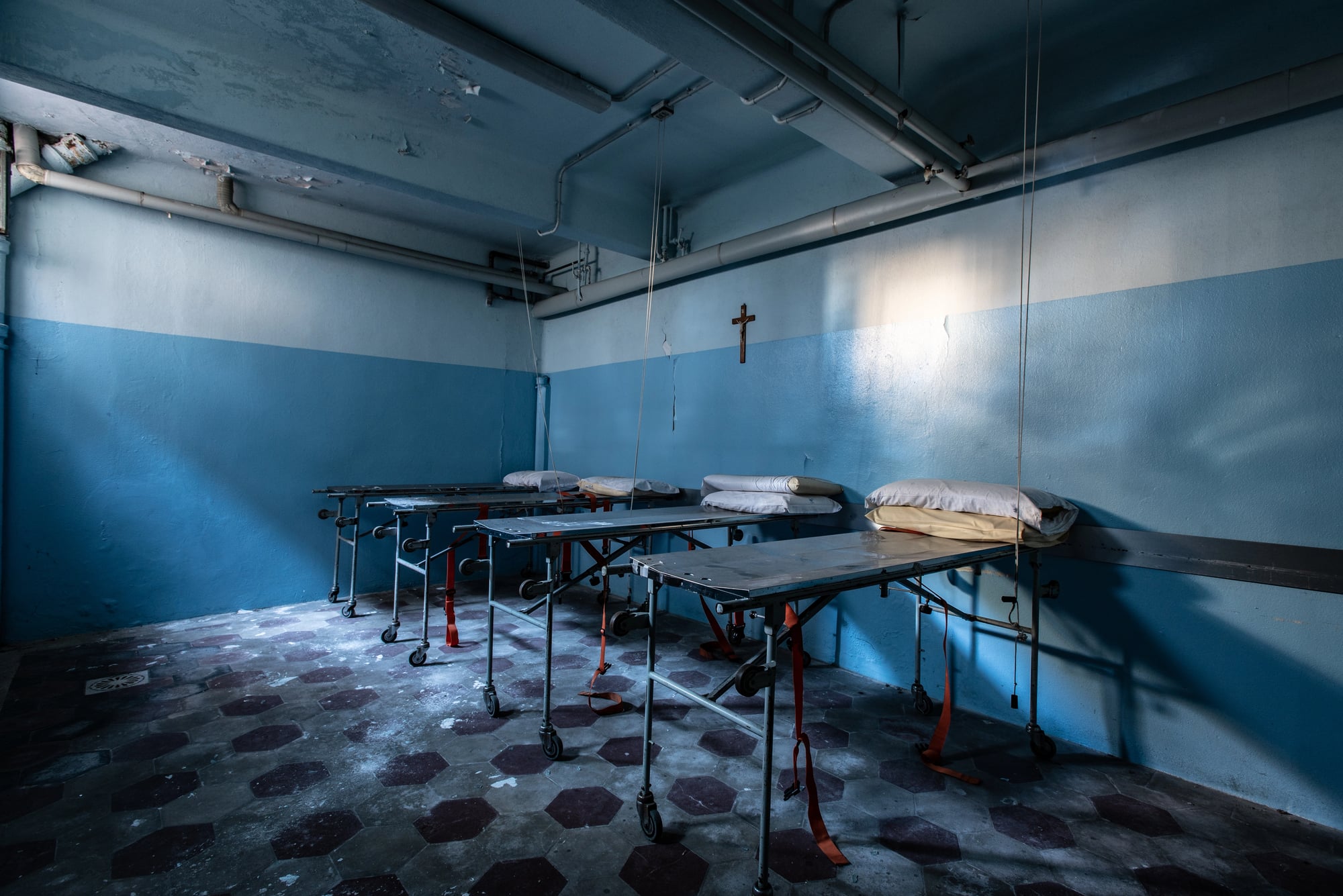
Fairfield was New Zealand’s main psychiatric hospital and operated under systems that favored institutional control over patient wellbeing. Treatments included unnecessary electroshock therapy and chemical restraint.
Patients’ civil rights were minimal. When Fairfield closed in 1998, records revealed systematic abuse that had continued for decades with institutional knowledge.
Aberdour Hospital (Scotland)
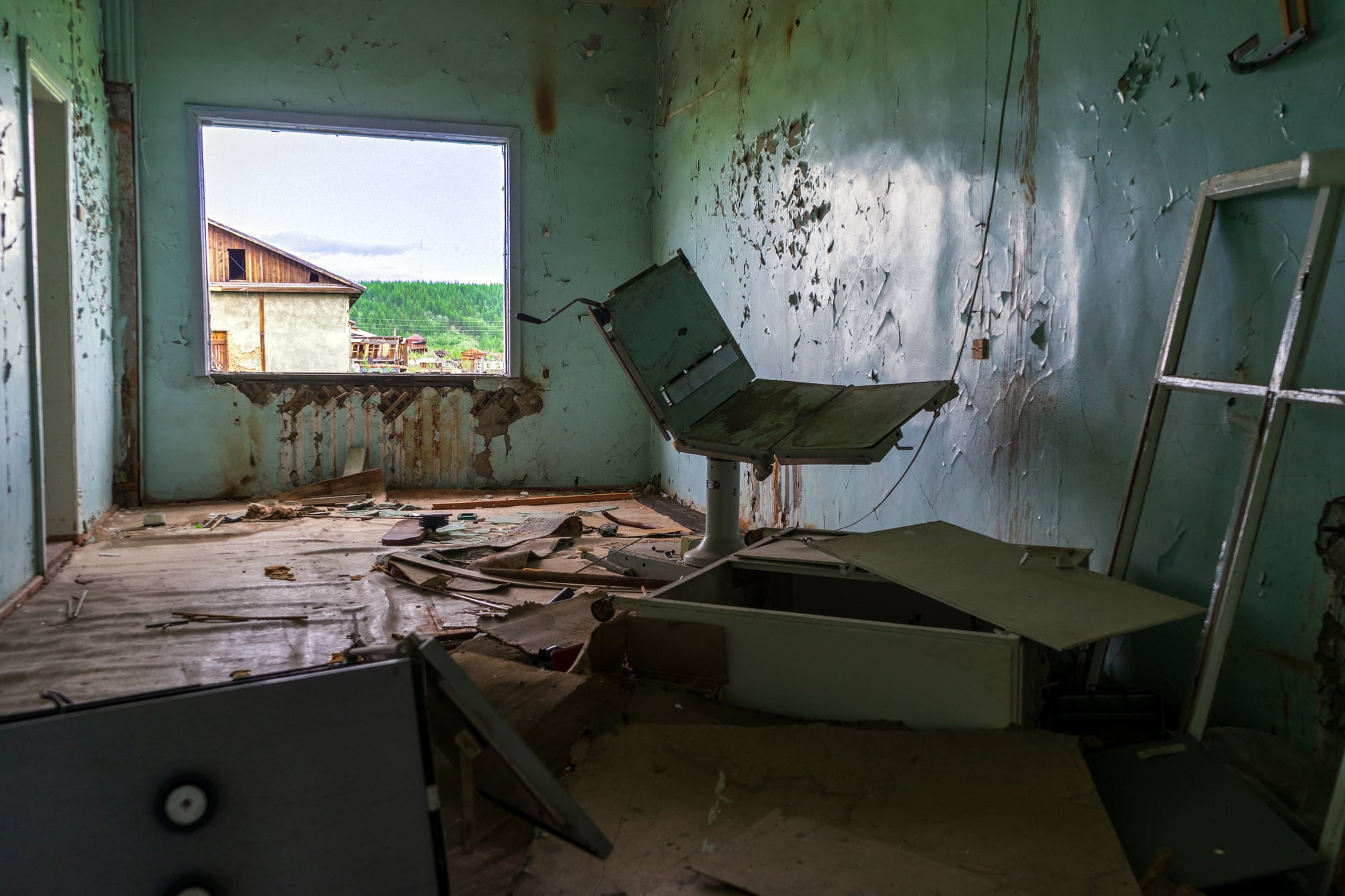
Aberdour was a psychiatric facility that operated under minimal oversight. Abuse by staff was common and uncontrolled.
Patients’ autonomy was stripped away through forced medication and confinement. When the hospital closed, survivors’ accounts revealed systematic psychological manipulation and control that went beyond typical institutional abuse.
The Gatehouse Hospital Basement (England)
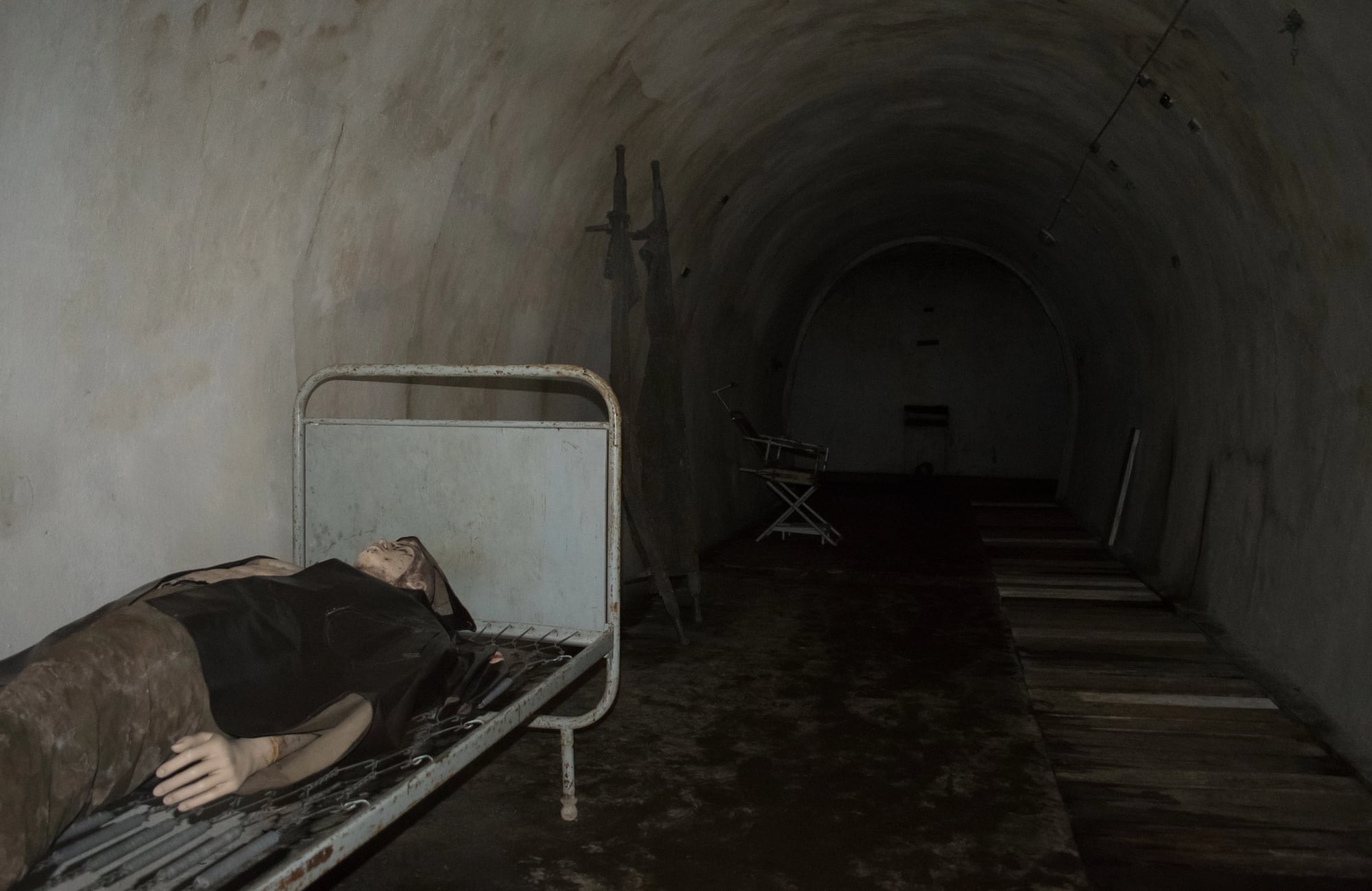
The Gatehouse was an early psychiatric facility where basement rooms were discovered after closure to contain restraint equipment, isolation cells, and evidence of severe abuse. The basement area had been sealed off and forgotten—a literal vault containing the institution’s darkest practices.
The discovery of these hidden areas forced acknowledgment of what the institution had been hiding.
Structures Built to Forget
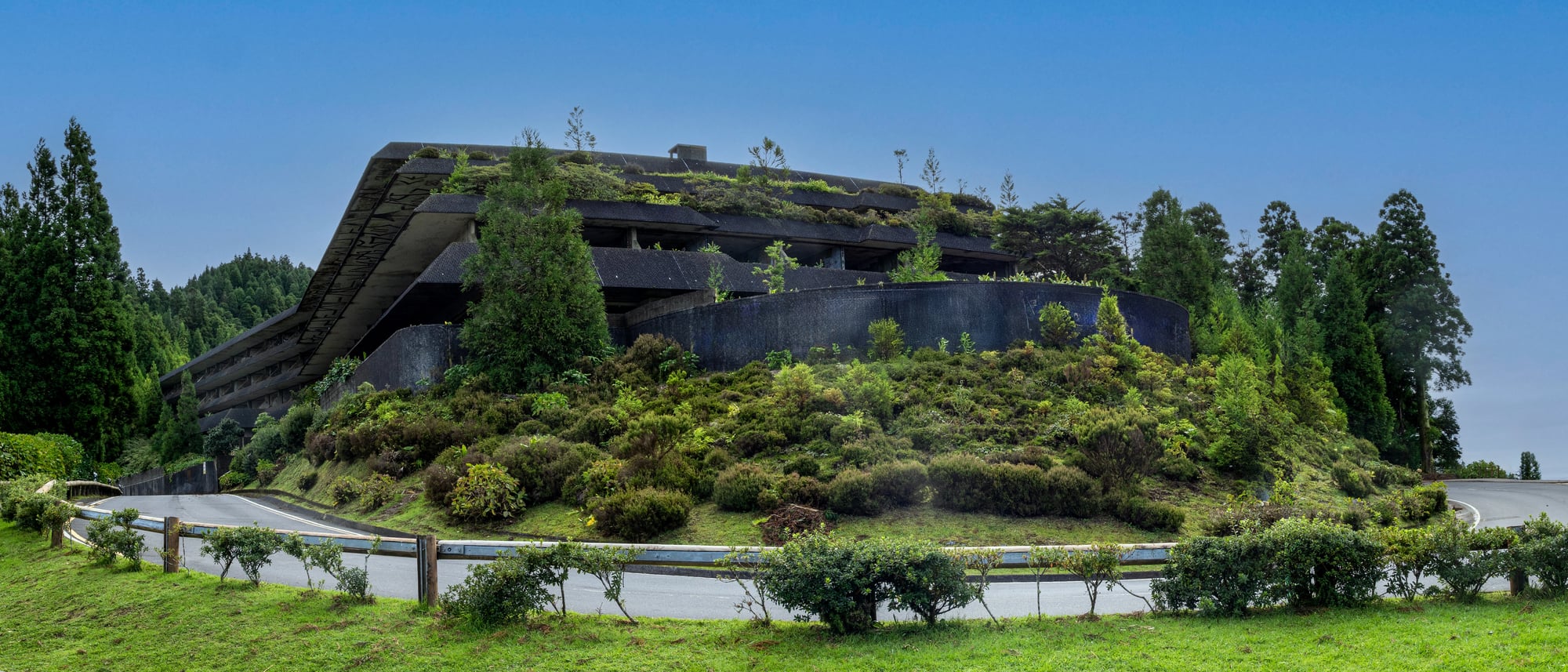
These institutions share a common trajectory: founded with reform ideals, corrupted by neglect and underfunding, then abandoned and sometimes demolished to erase evidence of what happened inside. The architecture of forgetting is itself an architecture—boarded windows, sealed basements, demolished wings.
What makes these places chilling is not ghosts but the deliberate human decision to turn away from documented suffering. The buildings stand empty because society chose not to look.
When patients’ records were scattered or destroyed, when abuse investigations were suppressed, when closures happened quietly with no public accounting, the institution was given permission to vanish. Yet explorers keep returning, not out of morbid curiosity but out of a refusal to let these places disappear from memory.
What was hidden, what was forgotten, what was meant to stay buried—these remain the institution’s final, unintended confession.
More from Go2Tutors!

- The Romanov Crown Jewels and Their Tragic Fate
- 13 Historical Mysteries That Science Still Can’t Solve
- Famous Hoaxes That Fooled the World for Years
- 15 Child Stars with Tragic Adult Lives
- 16 Famous Jewelry Pieces in History
Like Go2Tutors’s content? Follow us on MSN.