26 Things Babysitters Used to Let Kids Get Away With That Would Shock Parents Today
The babysitting economy of previous decades operated under completely different assumptions about supervision, safety, and permissible behavior than contemporary parental expectations. Babysitters—often teenagers earning money through neighborhood recommendations rather than vetted childcare professionals—exercised substantial discretion over what they allowed, monitored, and reported to parents.
The disconnect between what actually happened during childcare and what parents believed happened often created parallel universes of childhood experience. Contemporary parental anxiety, liability awareness, and regulatory oversight have completely transformed childcare dynamics, making the casual permissiveness of previous babysitters seem almost reckless.
Yet children raised under these arrangements generally survived to adulthood with intact development, suggesting either that consequences were more severe than contemporary childhood or that hovering was never actually necessary for adequate development. The babysitter era represented childhood freedom granted through circumstance and indifference rather than explicit parental permission.
Unlimited Access to Television Whatever the Time
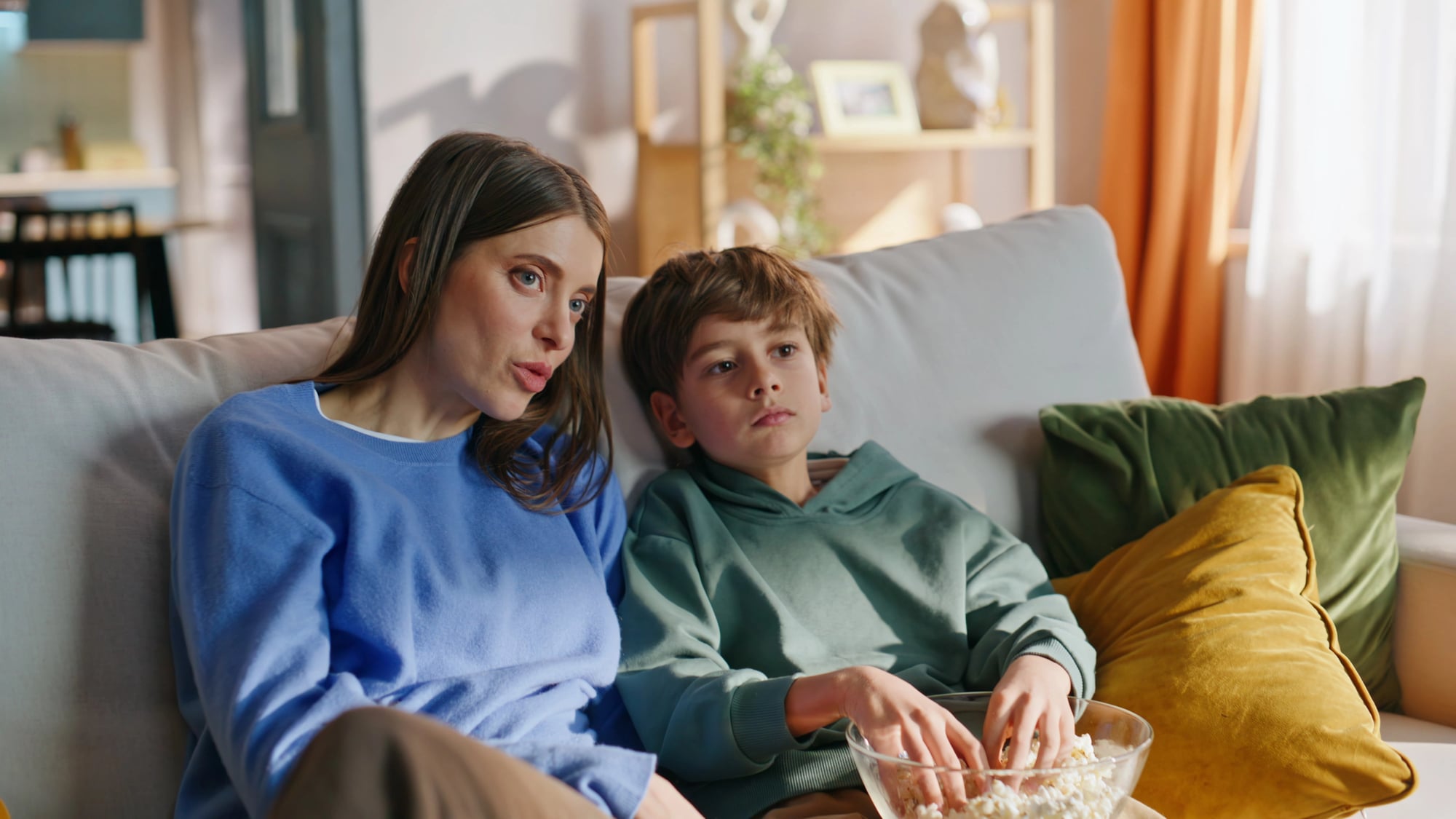
Babysitters rarely enforced television restrictions, allowing kids to watch late into evenings without parental authorization. The assumption that television would function as babysitter for the babysitter created unlimited viewing permission.
Bedtime Hours Flexible to Babysitter Mood

Bedtimes were often negotiated or forgotten entirely, allowing children to stay awake hours past scheduled sleep times if babysitters felt indifferent to enforcing routines.
Unsupervised Outdoor Play in Complete Darkness

Kids could remain outside playing after sunset without flashlights or adult monitoring, returning home only when personal hunger or exhaustion motivated return.
Entire Neighborhoods Navigated Without Check-Ins
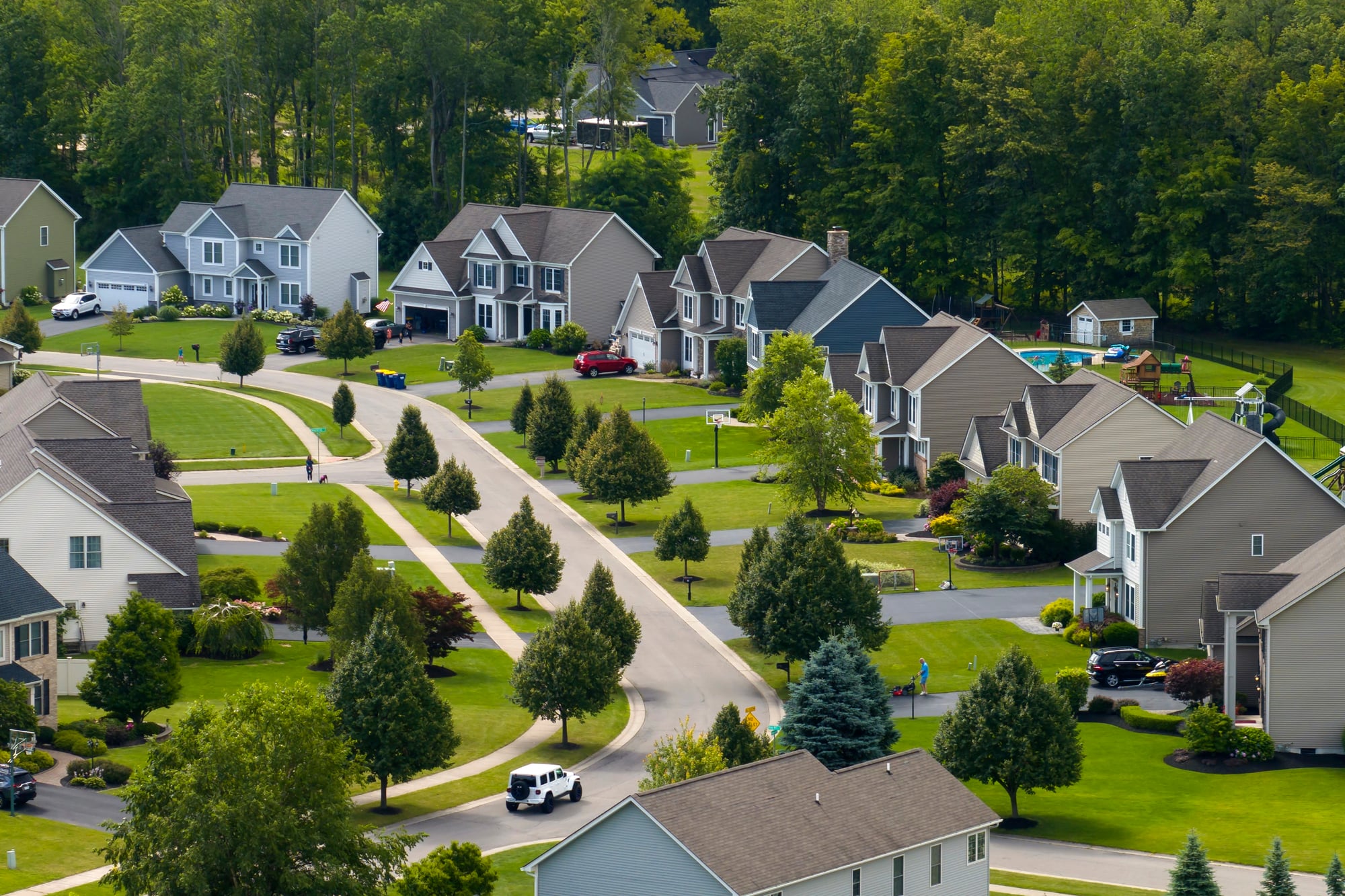
Children ranging across multiple blocks and into others’ homes required no communication with babysitters about location or expected return times.
Peers Invited Over Without Parental Permission or Notification

Babysitters would allow multiple neighborhood children to enter homes and remain for hours without informed parental knowledge or explicit permission.
Snacks and Meals Consisting Entirely of Junk Food

Babysitters would allow unlimited access to whatever cookies, chips, and candy existed, serving ice cream as dinner if kids requested it.
Trampolines Used Without Helmets or Protective Gear
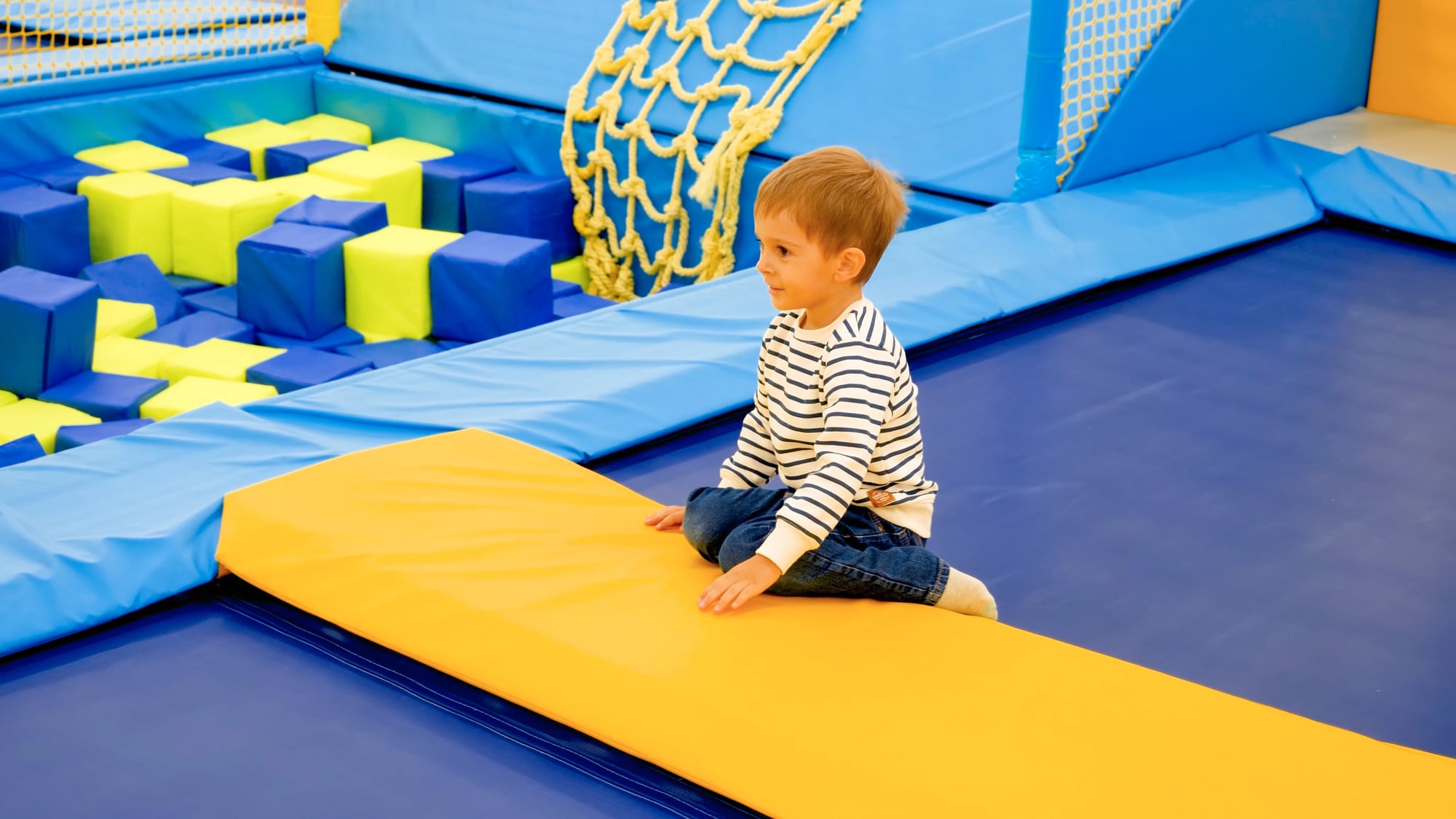
Neighborhood trampoline activities happened without any safety equipment, with babysitters watching passively or not at all.
Wrestling and Play Fighting Permitted Without Intervention

Roughhousing that would now raise child safety concerns was permitted and sometimes encouraged without safety monitoring or injury prevention.
Swimming in Neighbors’ Pools With Minimal Supervision

Water activities happened with minimal lifeguard-level monitoring, with babysitters casually watching from lawn chairs or inside homes.
Basement Sleepovers With Minimal Oversight
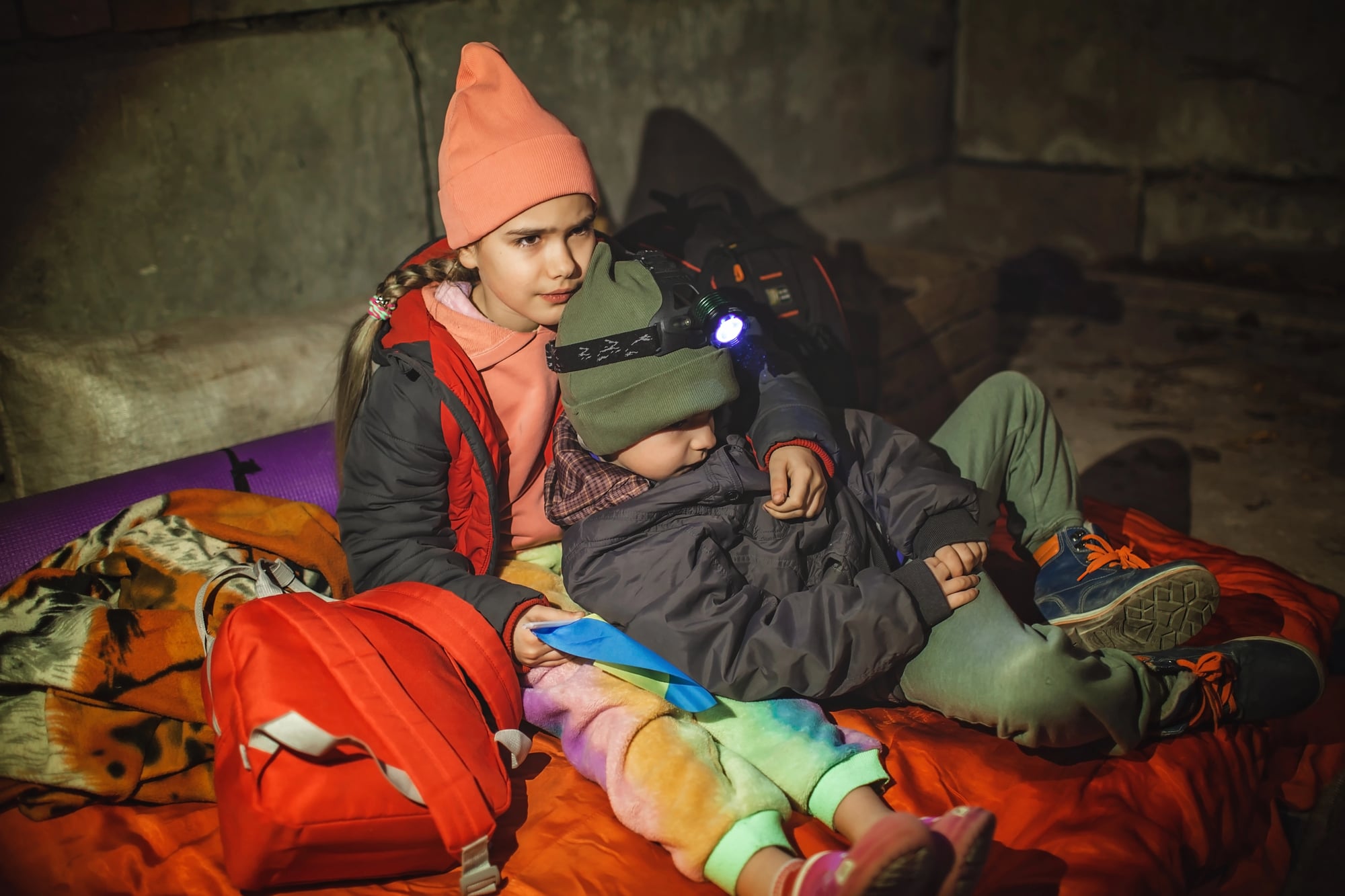
Children from the neighborhood would remain overnight without thorough supervision, occupying basement spaces while babysitters retired to other rooms.
Unsupervised Access to Garage Tools and Equipment

Kids could access hammers, screwdrivers, and power tools without permission or supervision, creating projects with minimal safety guidance.
Riding Bicycles Far from Home Without Communication

Extended bike rides across entire town regions happened with no parental contact or check-in, with children determining their own return times.
Climbing Trees and High Spaces Permitted Entirely
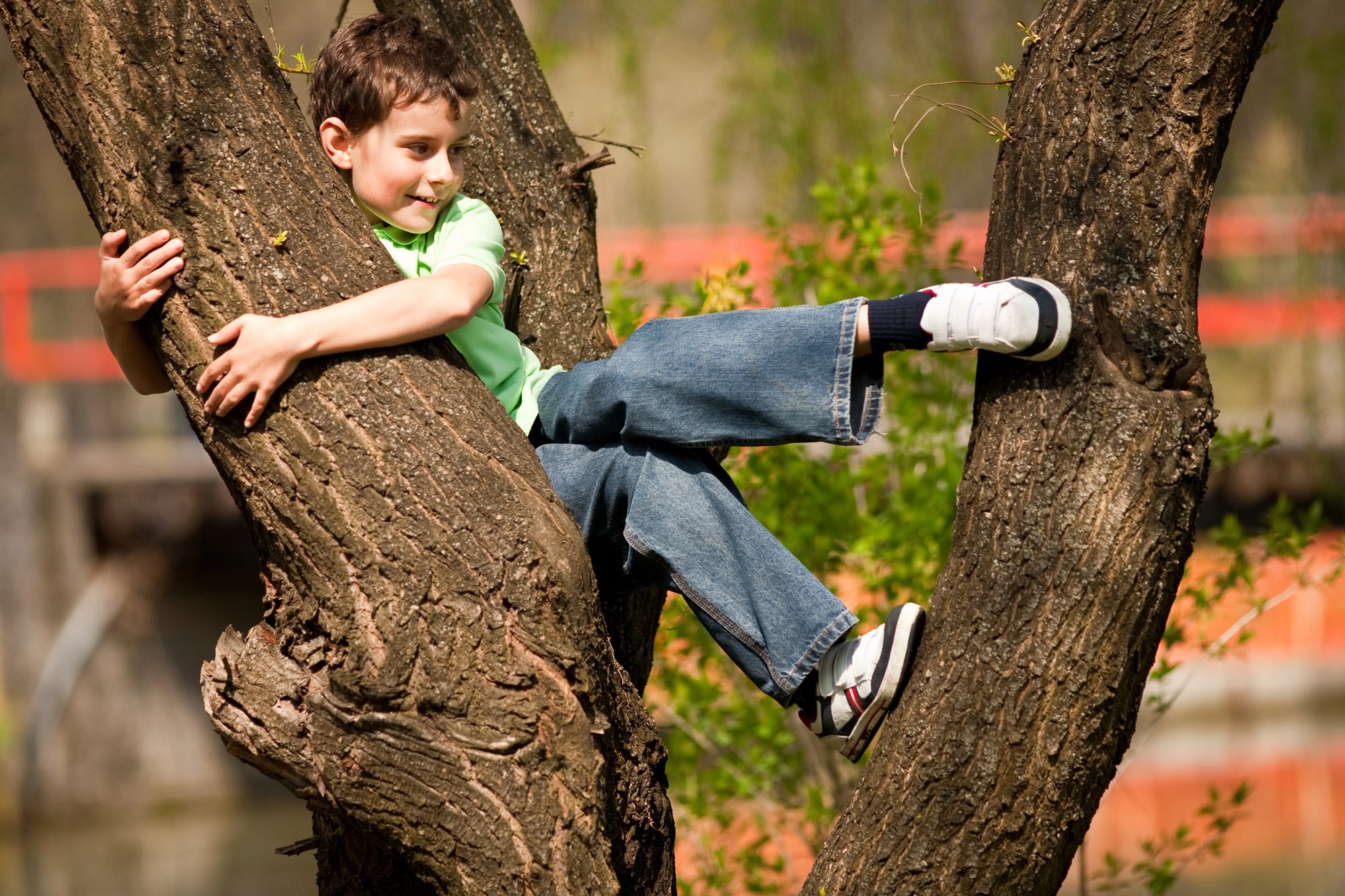
Tree climbing and roof access required no parental permission and received minimal supervision despite obvious injury risk.
Videos and Entertainment Never Screened for Appropriateness

PG-13 and R-rated movies were watched by children if babysitters personally found them acceptable, with parental preferences rarely enforced.
Arguing With Babysitters Resulting in Minimal Consequences
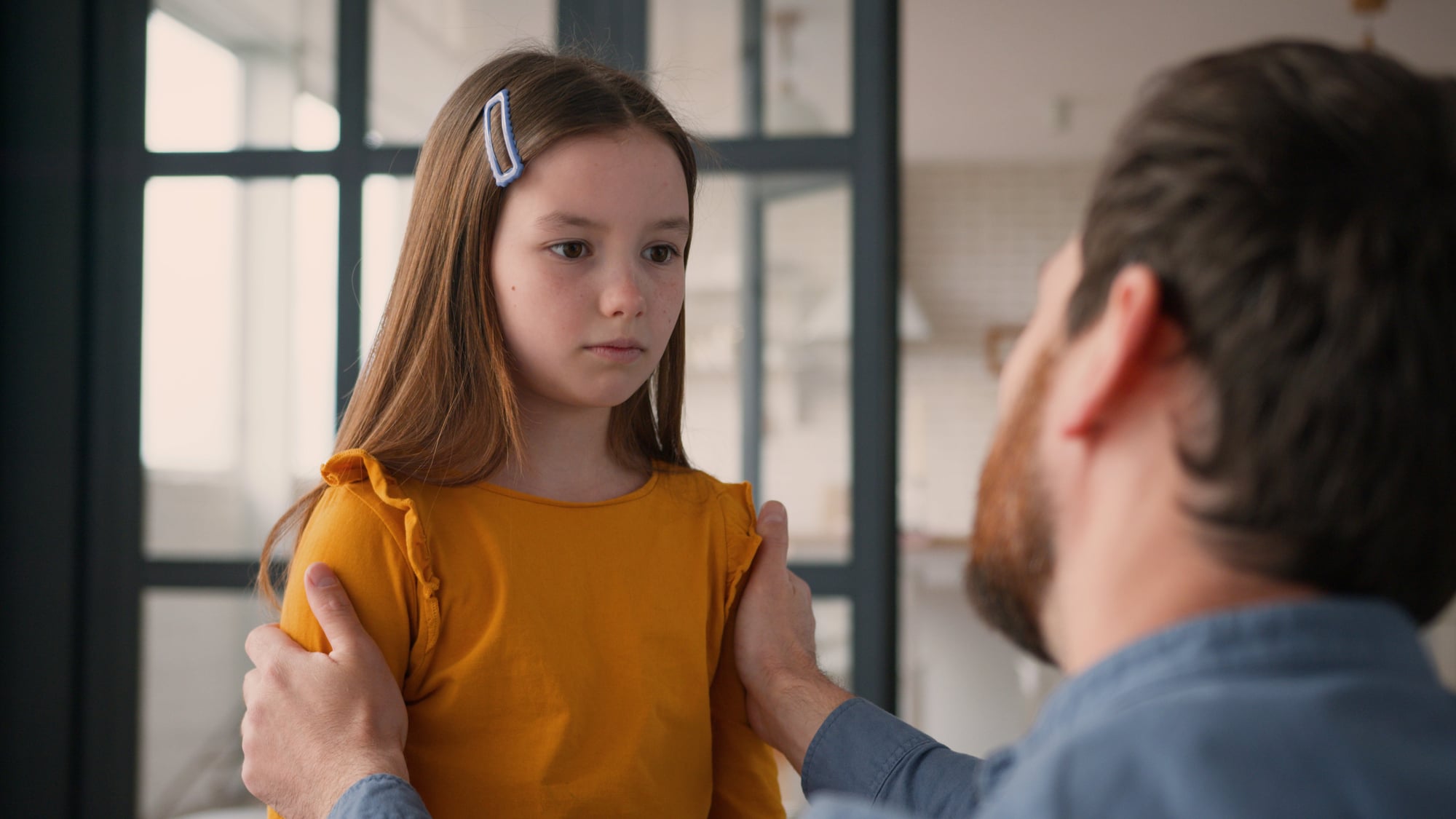
Talking back or disagreeing with babysitter authority generally resulted in dismissal of the behavior or minor consequences not reported to parents.
Friendships and Social Decisions Made Entirely by Children

Babysitters rarely intervened in friendship conflicts, social exclusion, or peer dynamics, allowing children to manage social hierarchies independently.
Neighborhood Adventures Lasting Hours Without Planned Return

Extended explorations of nearby woods, creeks, and undeveloped land happened with no predetermined schedule or location communication.
Homework Largely Ignored Without Parental Oversight

Academic work was permitted to remain undone without babysitter enforcement or parental communication about incomplete assignments.
Television Channels and Content Accessed Without Restriction
Babysitters permitted access to any programming available, with parental broadcast guidelines essentially unenforced.
Late-Night Snacking Without Portion Limits
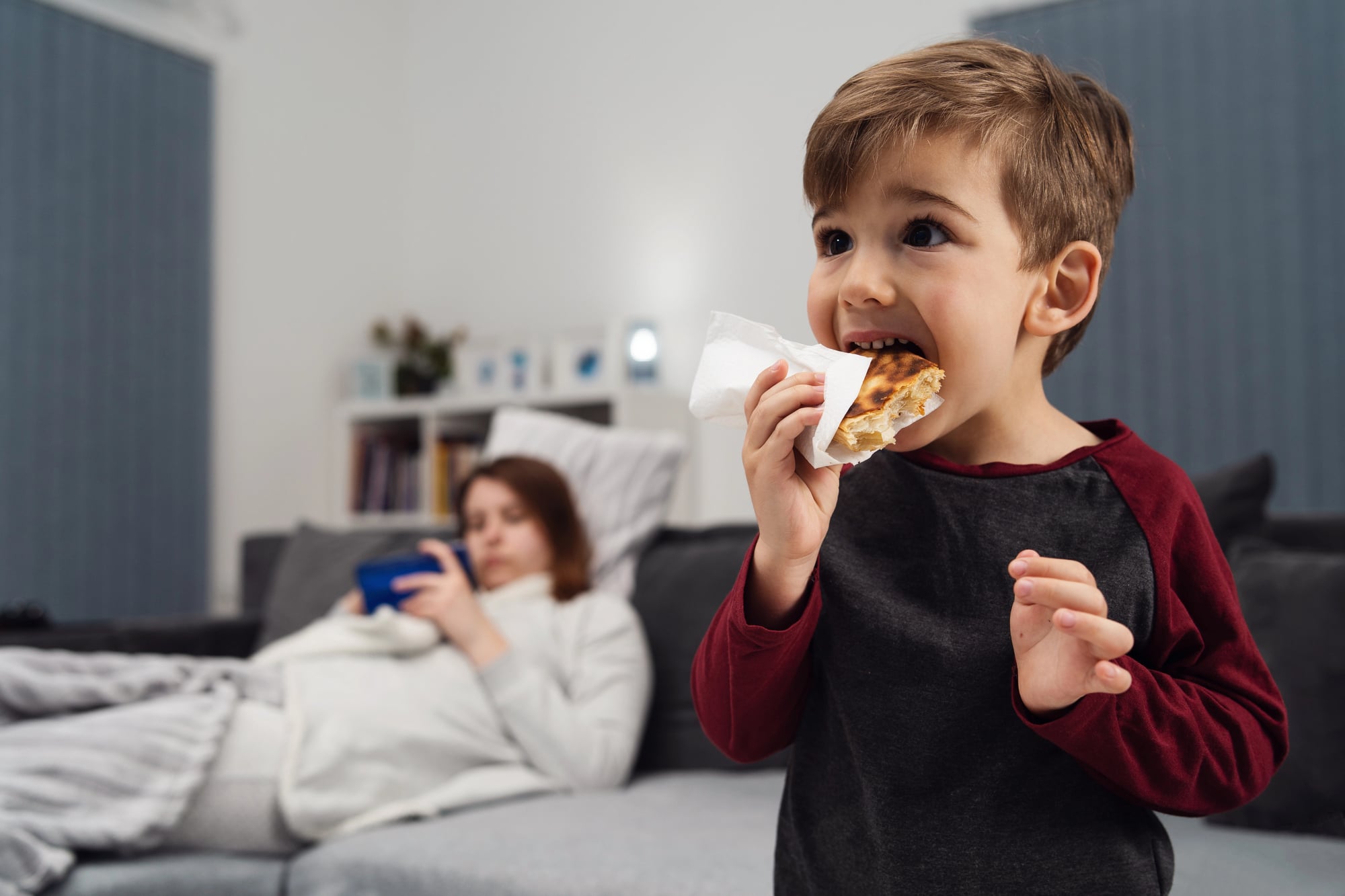
Unlimited access to pantries and refrigerators after dinner was permitted, with children determining their own intake without nutritional monitoring.
Disagreements With Siblings Settled Through Conflict Rather Than Mediation
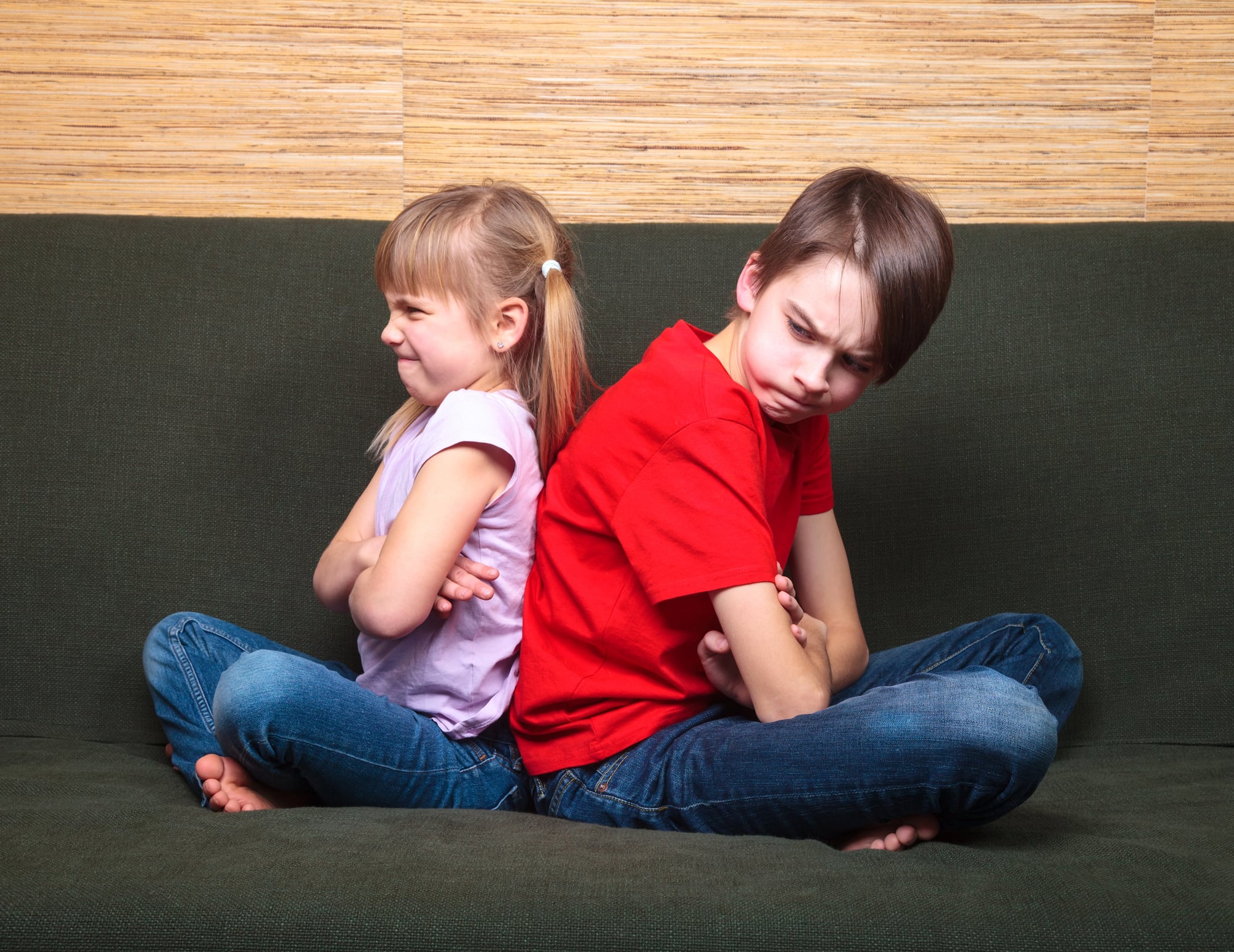
Fighting between siblings was permitted to continue until one child yielded or physical exhaustion stopped conflict, with minimal babysitter intervention.
Neighborhood Exploration Including Strangers’ Yards

Trespassing through neighborhood properties and strangers’ yards during play was permitted without significant concern or intervention.
Pet Interactions Occurring Without Safety Supervision

Neighborhood pets were handled and played with without safety instruction or supervision, with injury risk essentially unmonitored.
Game Playing With Established House Rules Modified Without Question

Children could change game rules mid-play without babysitter correction, making outcomes dependent entirely on social negotiation without adult arbitration.
Parental Rules Modified or Waived Based on Babysitter Preference
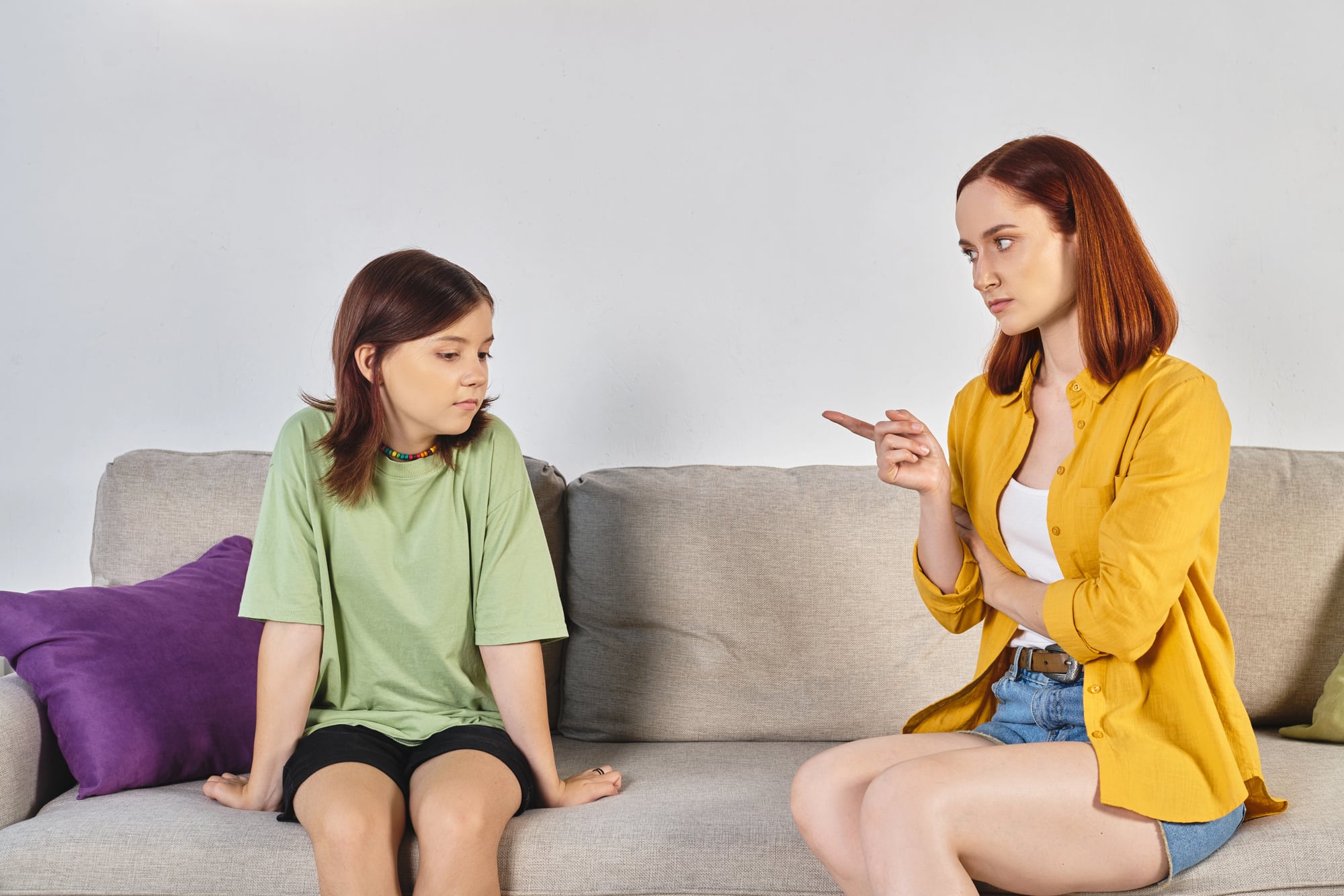
Household rules that babysitters found inconvenient were simply not enforced, creating alternative behavioral standards during parental absence.
Conflict Resolution Involving Minimal Adult Intervention

Children worked out playground disputes, friendship tensions, and social problems through direct negotiation without requiring adult mediation.
The Evolution From Childhood Freedom to Curated Supervision

The casual permissiveness of previous babysitting represented not negligent supervision but realistic acceptance that children could manage substantial freedom independently. Helicopter parenting and constant monitoring represent radical departure from the assumption that supervised outdoor play, occasional check-ins, and permissive entertainment policies constituted adequate childcare.
Whether this represents improvement remains contested—contemporary childhoods certainly involve less injury and more academic achievement, yet they simultaneously feature greater anxiety, reduced independence, and childhood understood as requiring constant adult facilitation. The babysitter era represents a form of childhood that would now be classified as neglectful, yet that same childhood reportedly produced generations of adults who developed independence, resilience, and capacity for autonomous decision-making in ways contemporary heavily-supervised childhoods may not replicate.
More from Go2Tutors!

- The Romanov Crown Jewels and Their Tragic Fate
- 13 Historical Mysteries That Science Still Can’t Solve
- Famous Hoaxes That Fooled the World for Years
- 15 Child Stars with Tragic Adult Lives
- 16 Famous Jewelry Pieces in History
Like Go2Tutors’s content? Follow us on MSN.