28 Rulers Who Were Removed From Power in Ways Nobody Saw Coming
History’s most dramatic political transitions often arrive suddenly, despite their inevitability in hindsight. Rulers removed from power through unexpected means reveal vulnerabilities no amount of military force could prevent—betrayal by trusted allies, popular uprising that overcame apparent control, psychological collapse that froze their ability to respond, or simply the weight of circumstance becoming unbearable.
Nicolae Ceaușescu (1989)
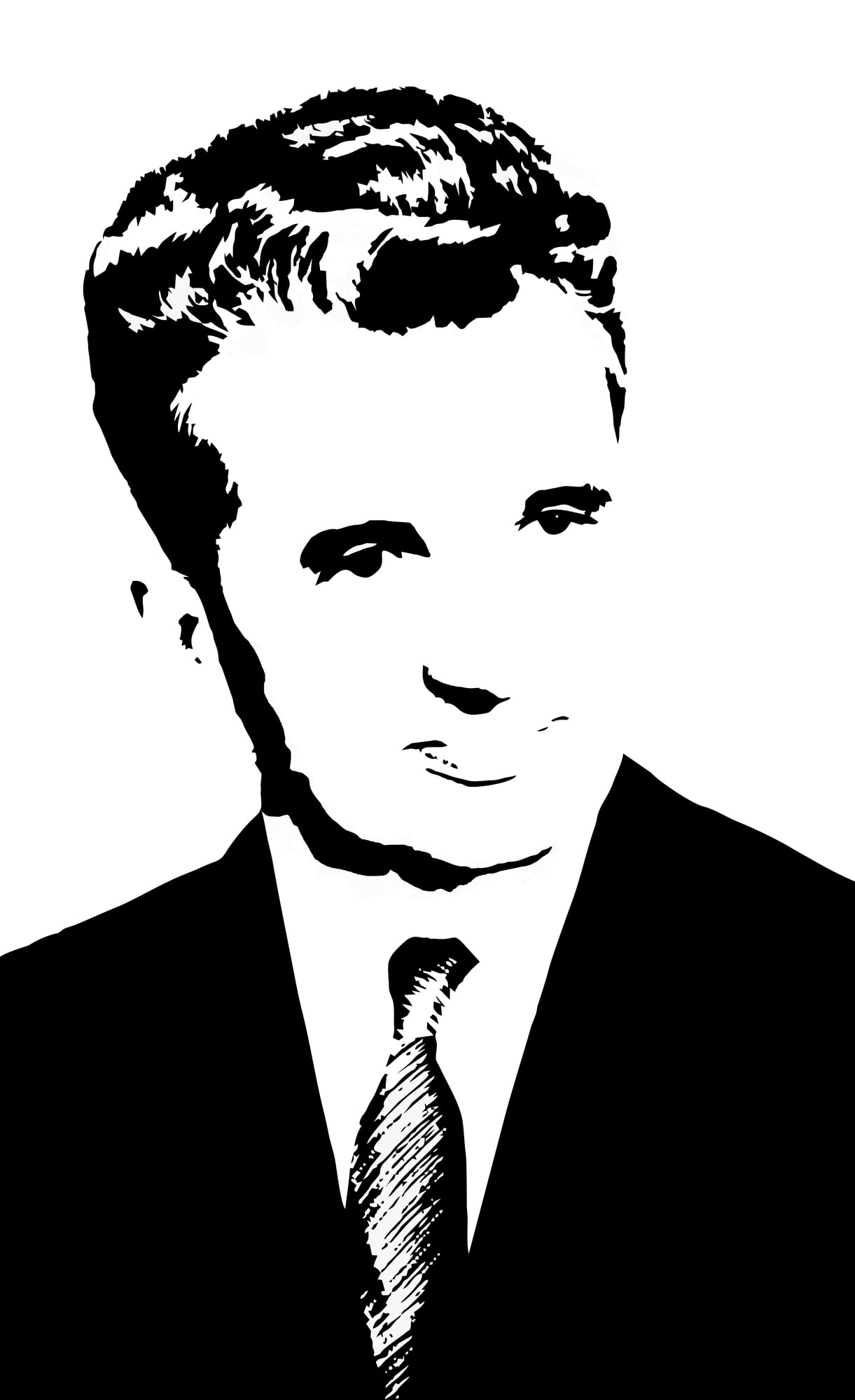
The Romanian dictator was shot by firing squad weeks after being secure in absolute power. His sudden collapse came through popular uprising that overwhelmed security forces.
Shah Mohammad Reza Pahlavi (1979)
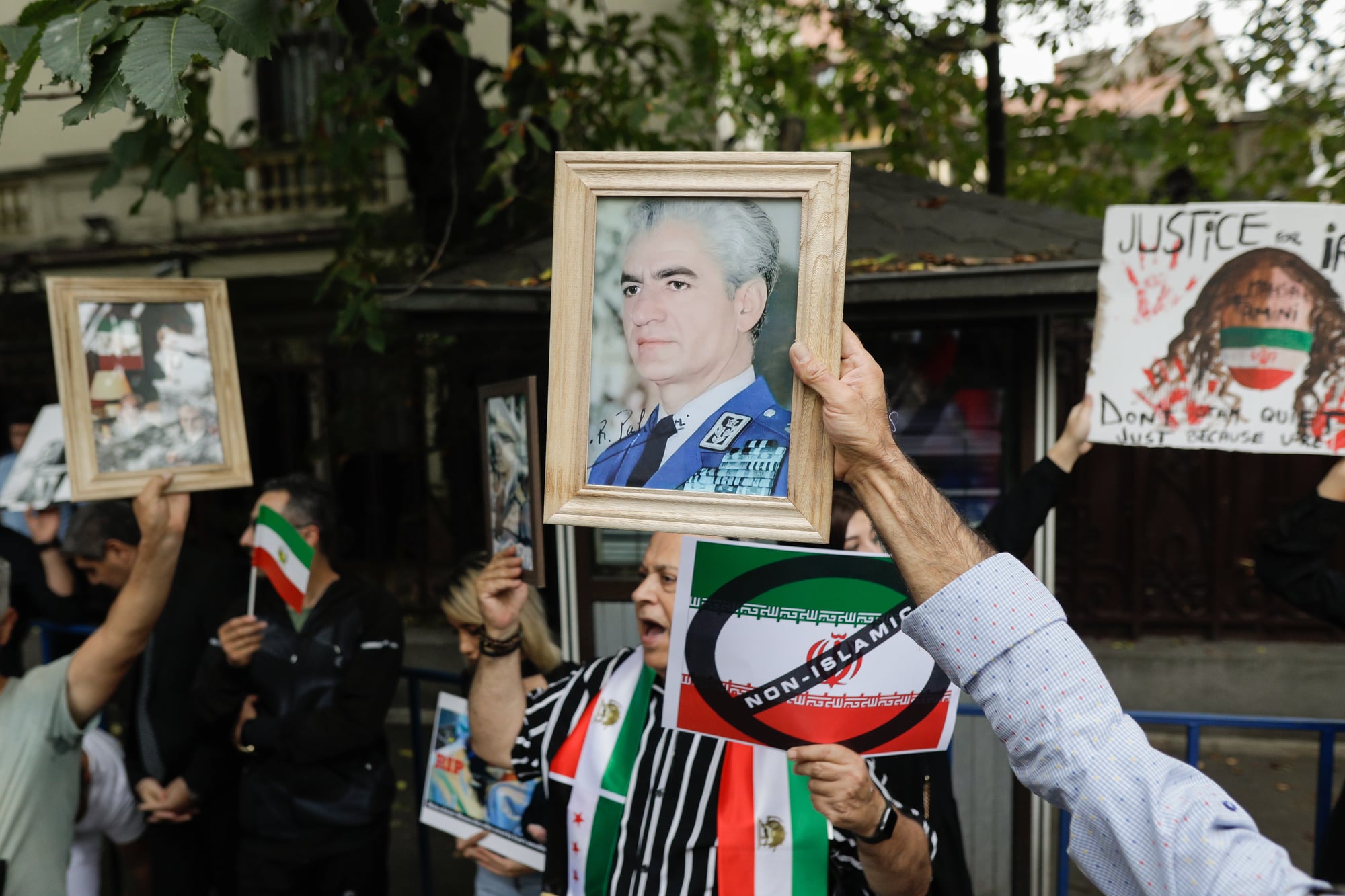
Iran’s shah fled the country as revolutionary forces mobilized. His flight came after decades appearing secure and heavily armed with American support.
The Kaiser Wilhelm II (1918)
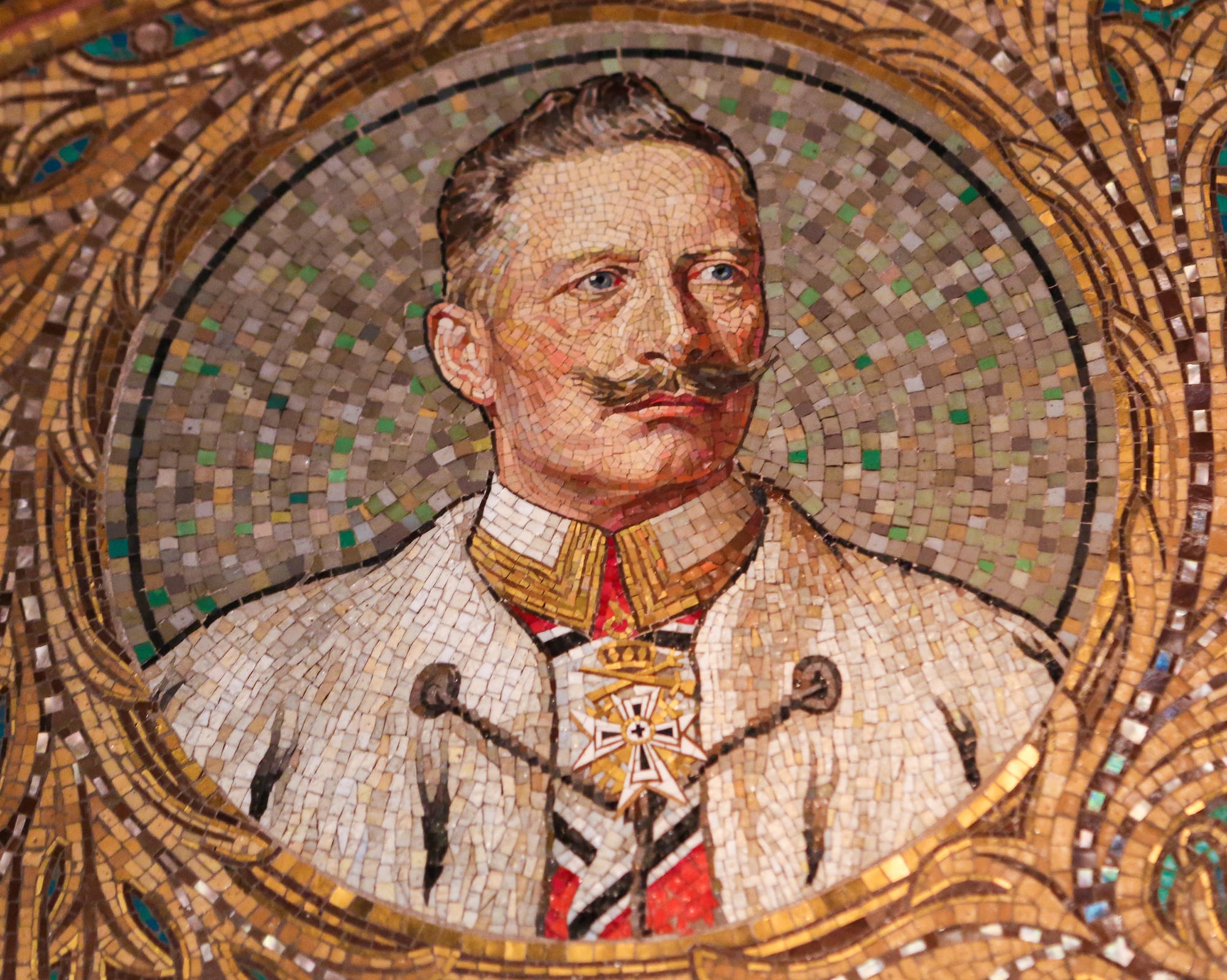
The German emperor abdicated and fled to Netherlands as revolution broke out during World War I’s final week.
Benito Mussolini (1943)
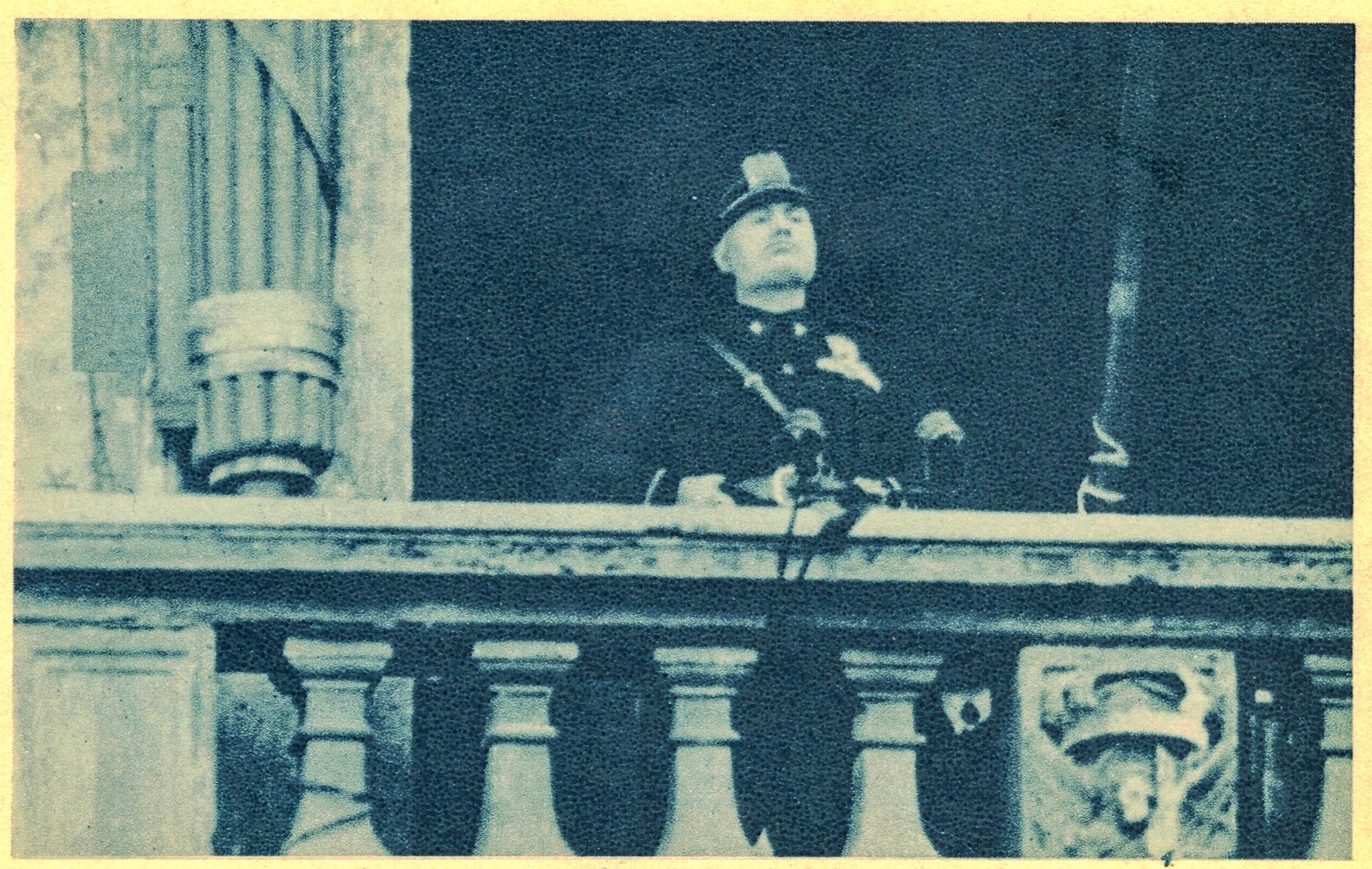
Mussolini was removed from power by the Fascist Grand Council and arrested. Hitler rescued him later, but his initial removal came through internal political maneuver.
Emperor Napoleon (1815)
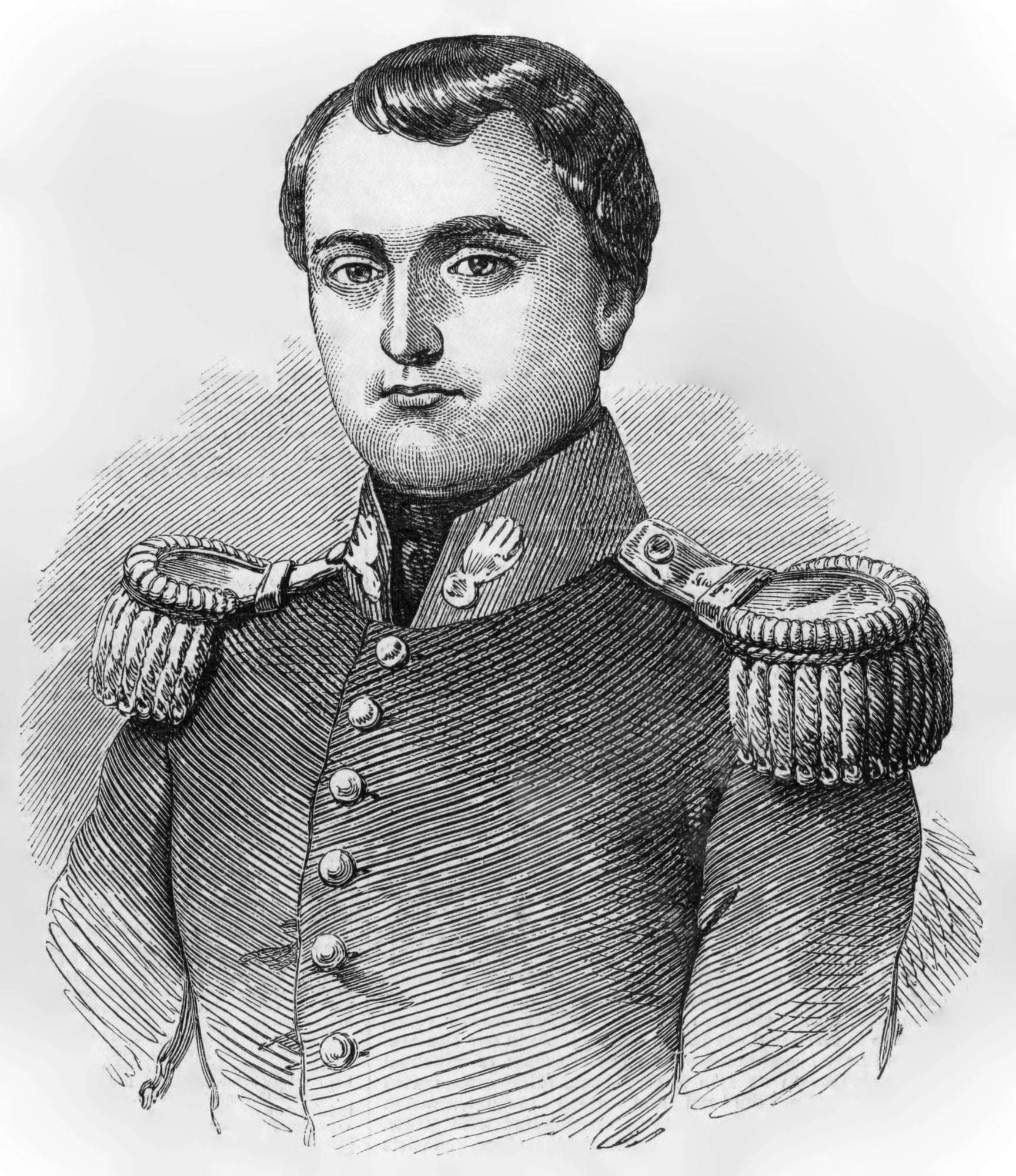
The military genius faced overwhelming alliance arrayed against him. His abdication came after his marshals refused further fighting, not through military defeat in battle.
Tsar Nicholas II (1917)
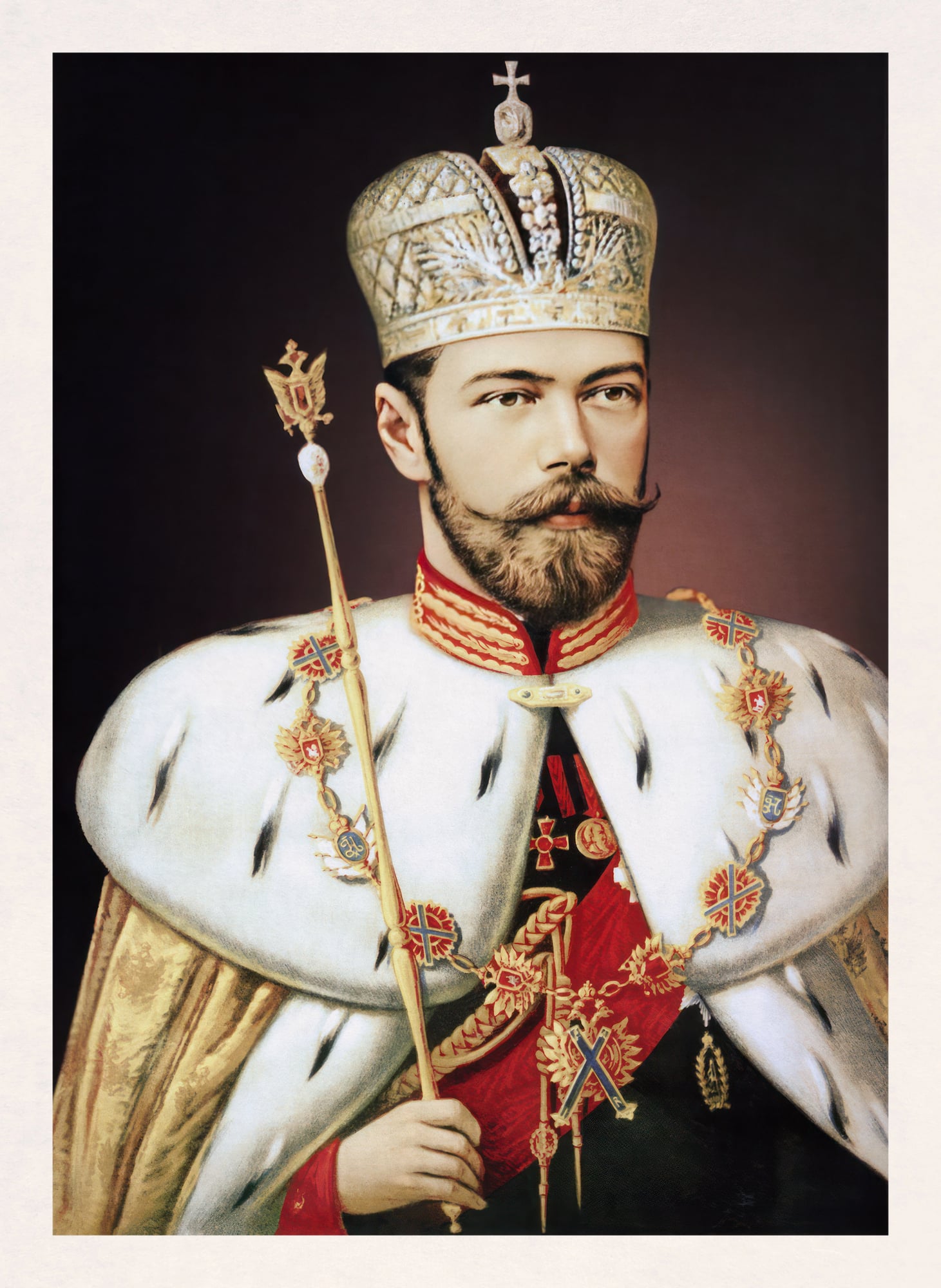
The Russian tsar was forced to abdicate as revolution consumed Russia. His removal came through urban insurrection rather than military invasion.
Charles I of England (1649)
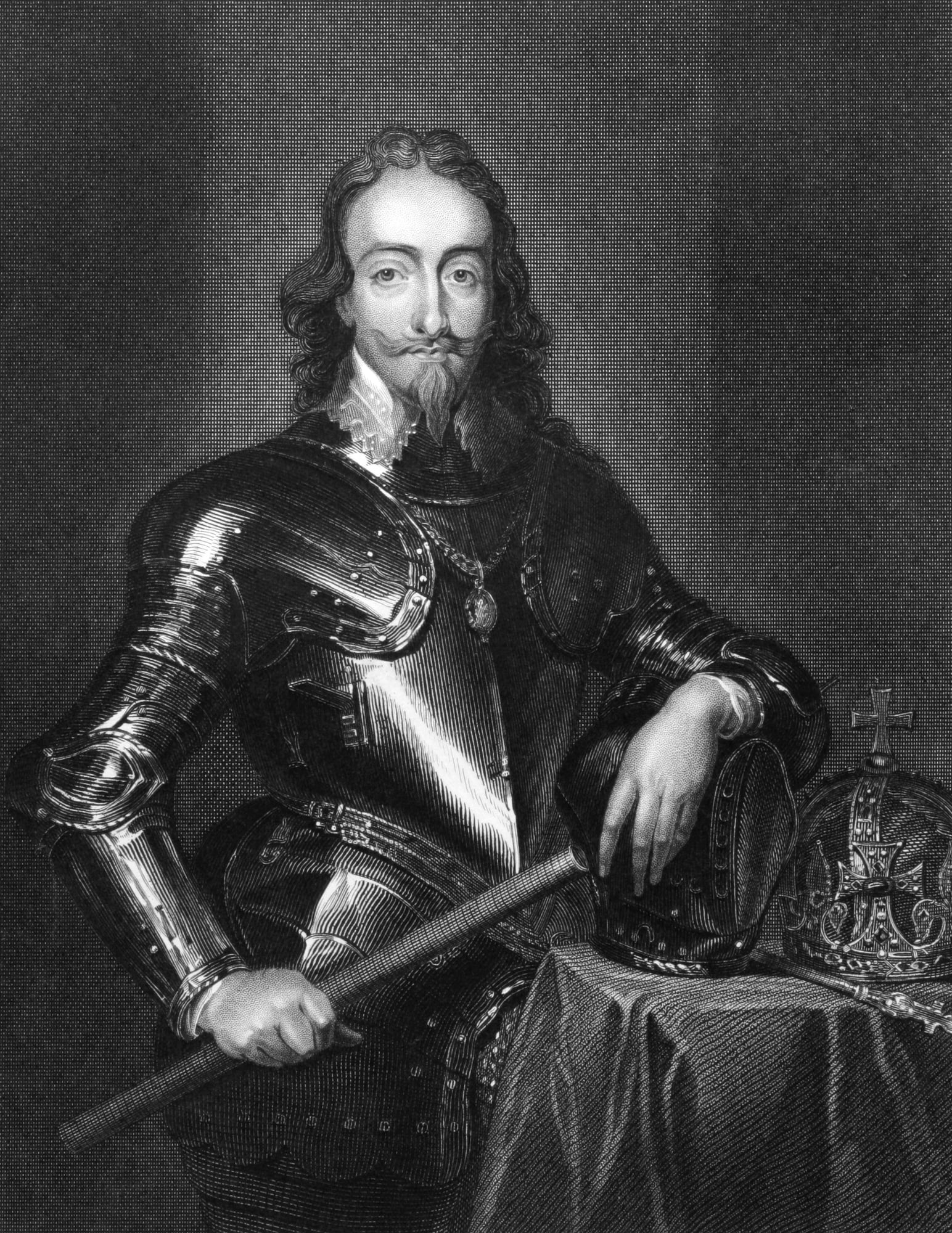
The English king was tried and executed by parliament in an unprecedented act. His removal came through legal process rather than military conquest.
Queen Marie Antoinette’s Arrest (1793)

Though a queen, not a ruler, her arrest during the French Revolution shocked Europe with its irreverence toward royal status.
Louis XVI (1792)
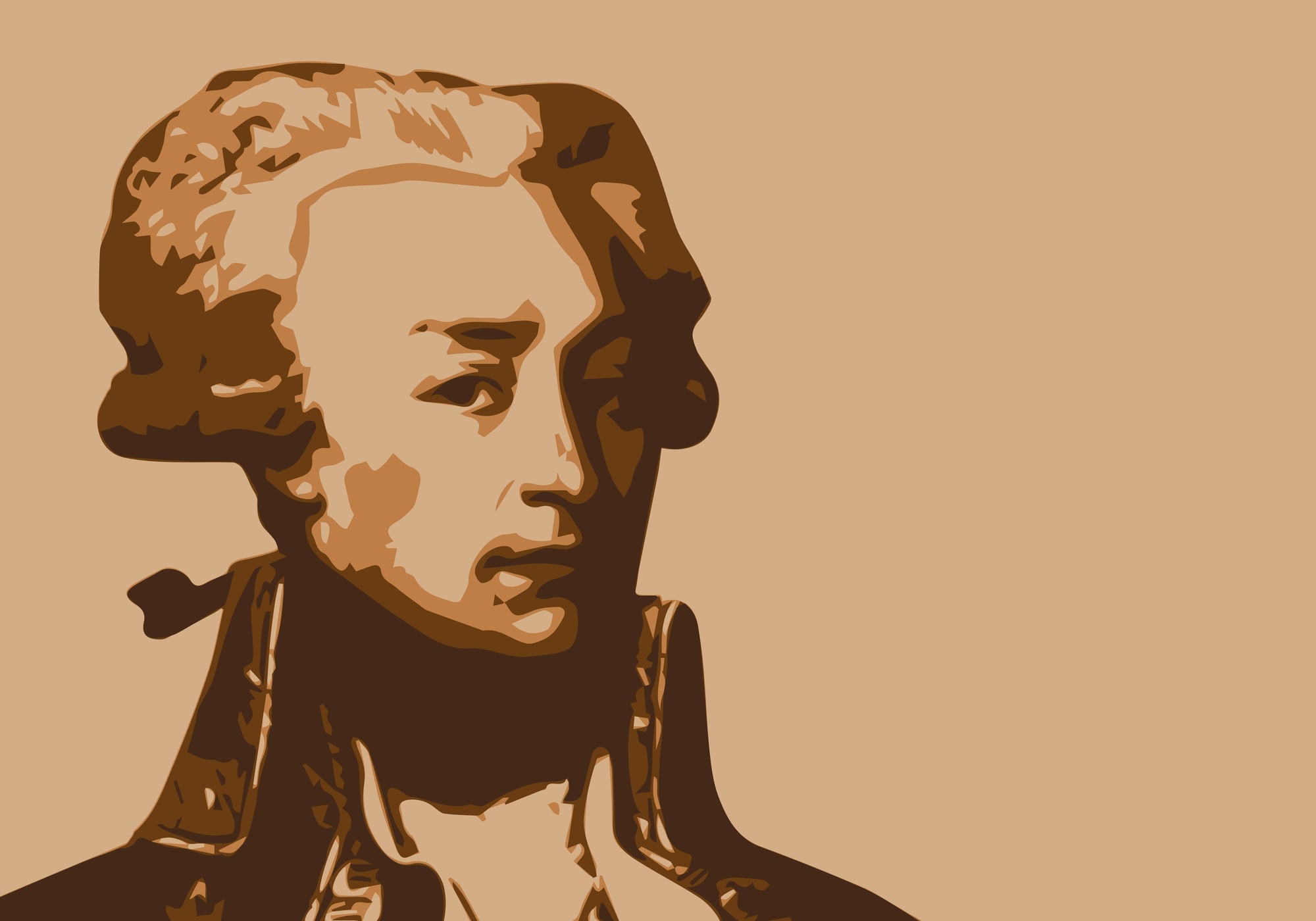
The French king’s removal came through popular uprising and storming of the palace. His execution created shock across European monarchies.
The Thai Coup of 1932
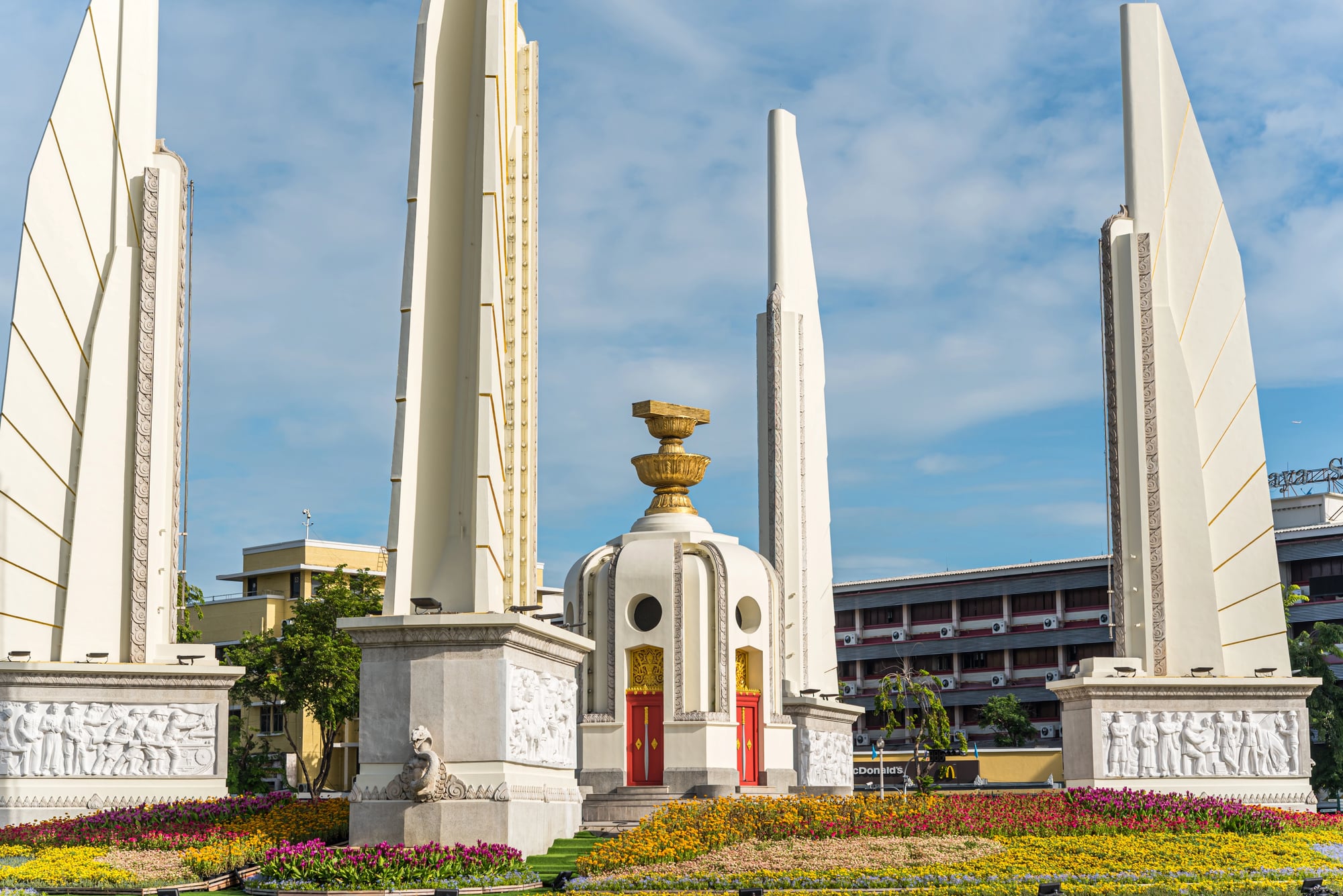
The absolute monarchy’s power was ended through a coup that established a constitutional system. The transition surprised both the King and international observers.
The Greek Coup of 1967
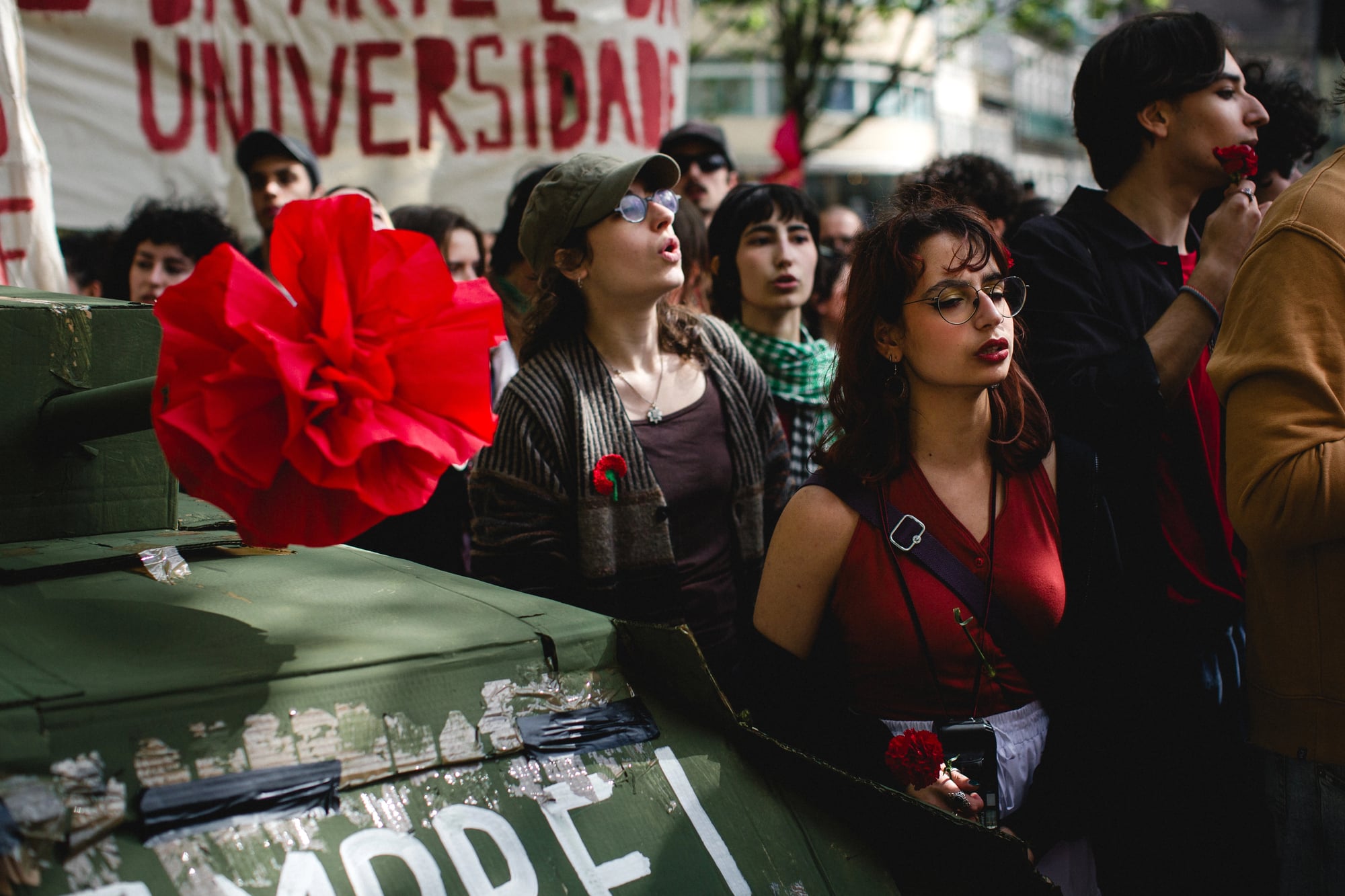
A military coup removed the government in a matter of hours without significant resistance. The military’s speed and efficiency shocked the public.
The Indonesian Coup (1965)
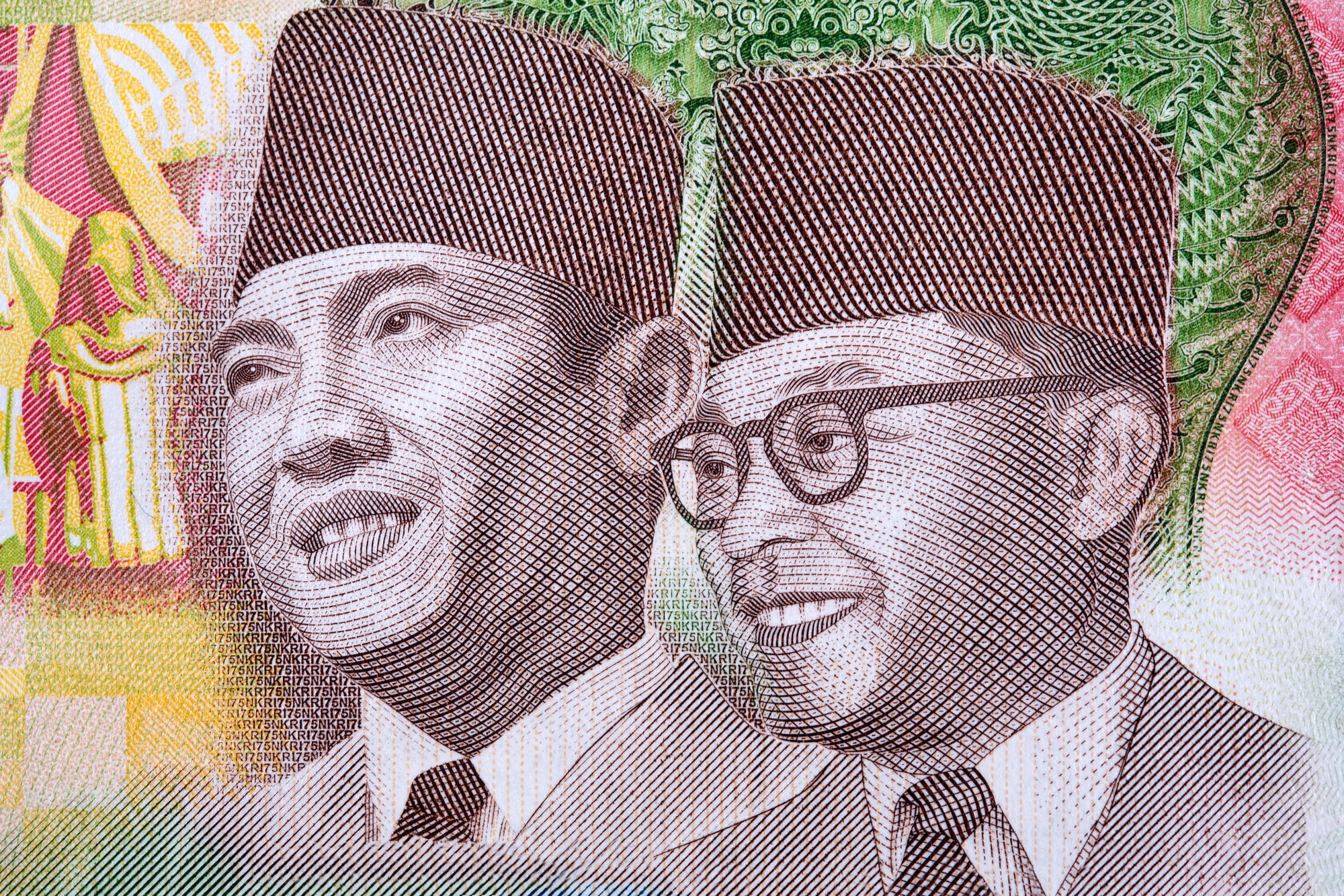
Sukarno’s power was removed through military maneuver by General Suharto. The transition occurred through backroom maneuvering rather than overt conflict.
The Argentine Military Coups (1976, 1983)
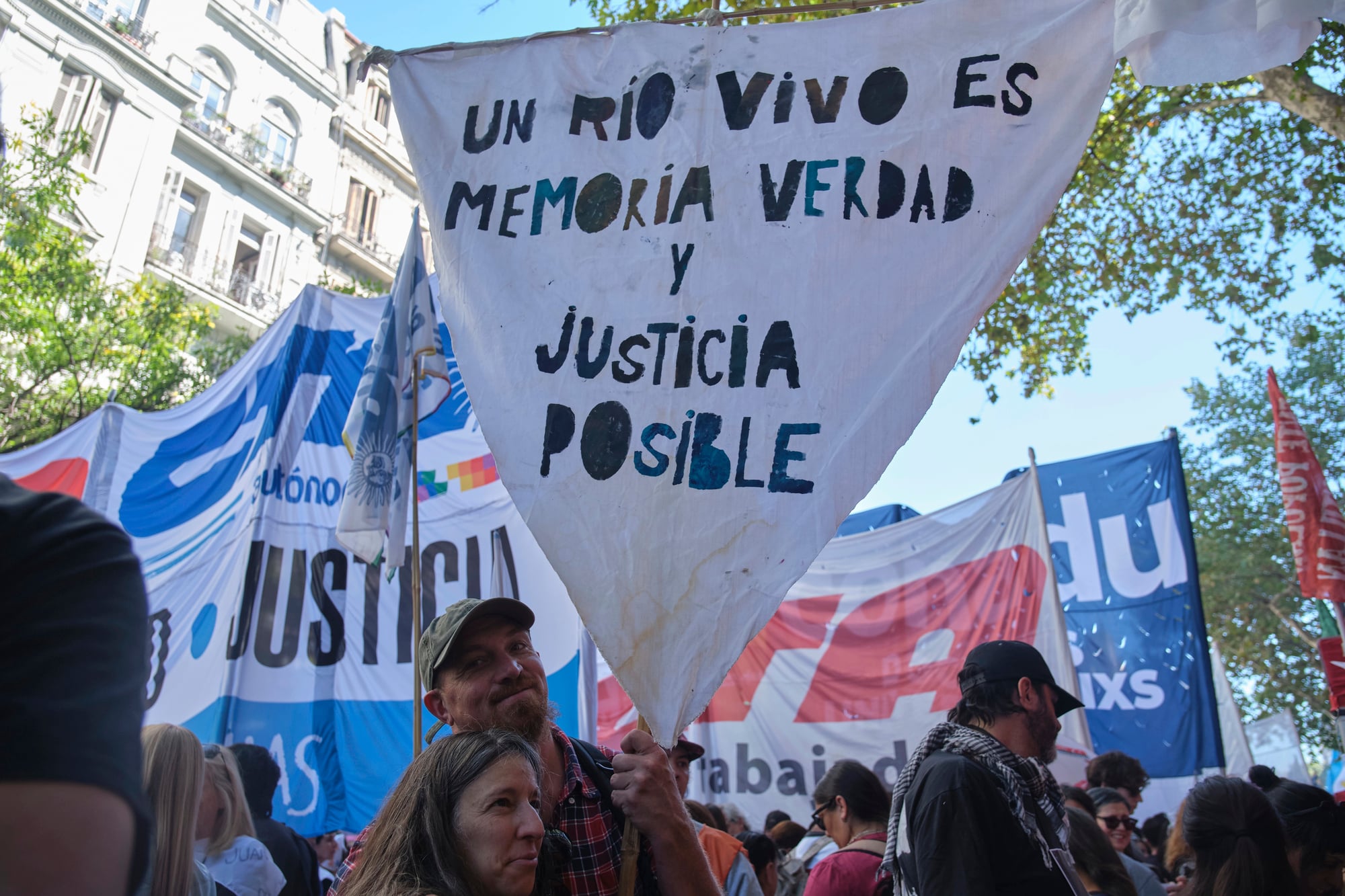
Perón supporters were removed repeatedly through military intervention, with each coup arriving as dramatic political shock.
The Philippine EDSA Revolution (1986)
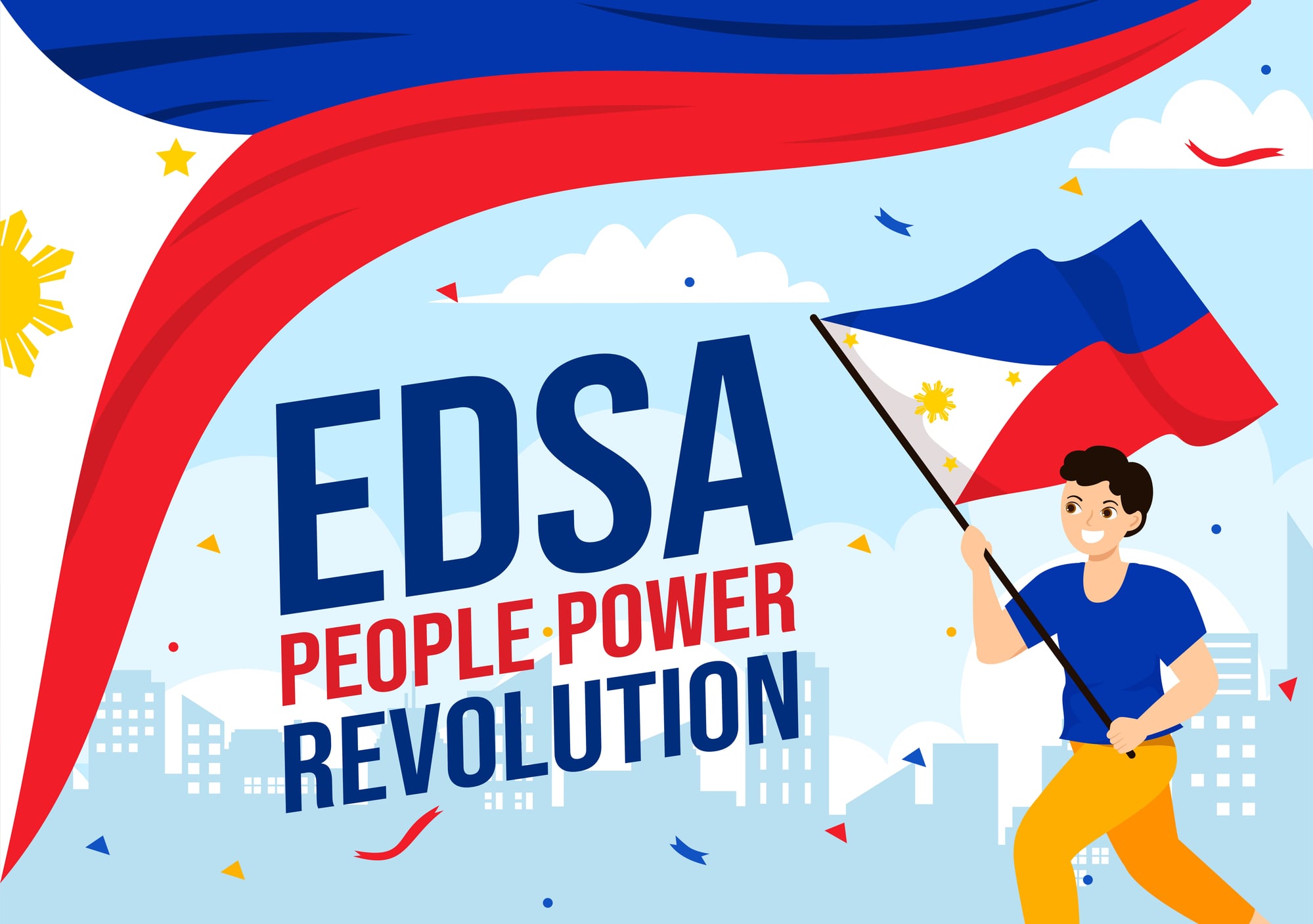
Dictator Ferdinand Marcos fled the country as popular uprising overwhelmed security forces. His sudden flight shocked the region.
The Romanian Revolution (1989)
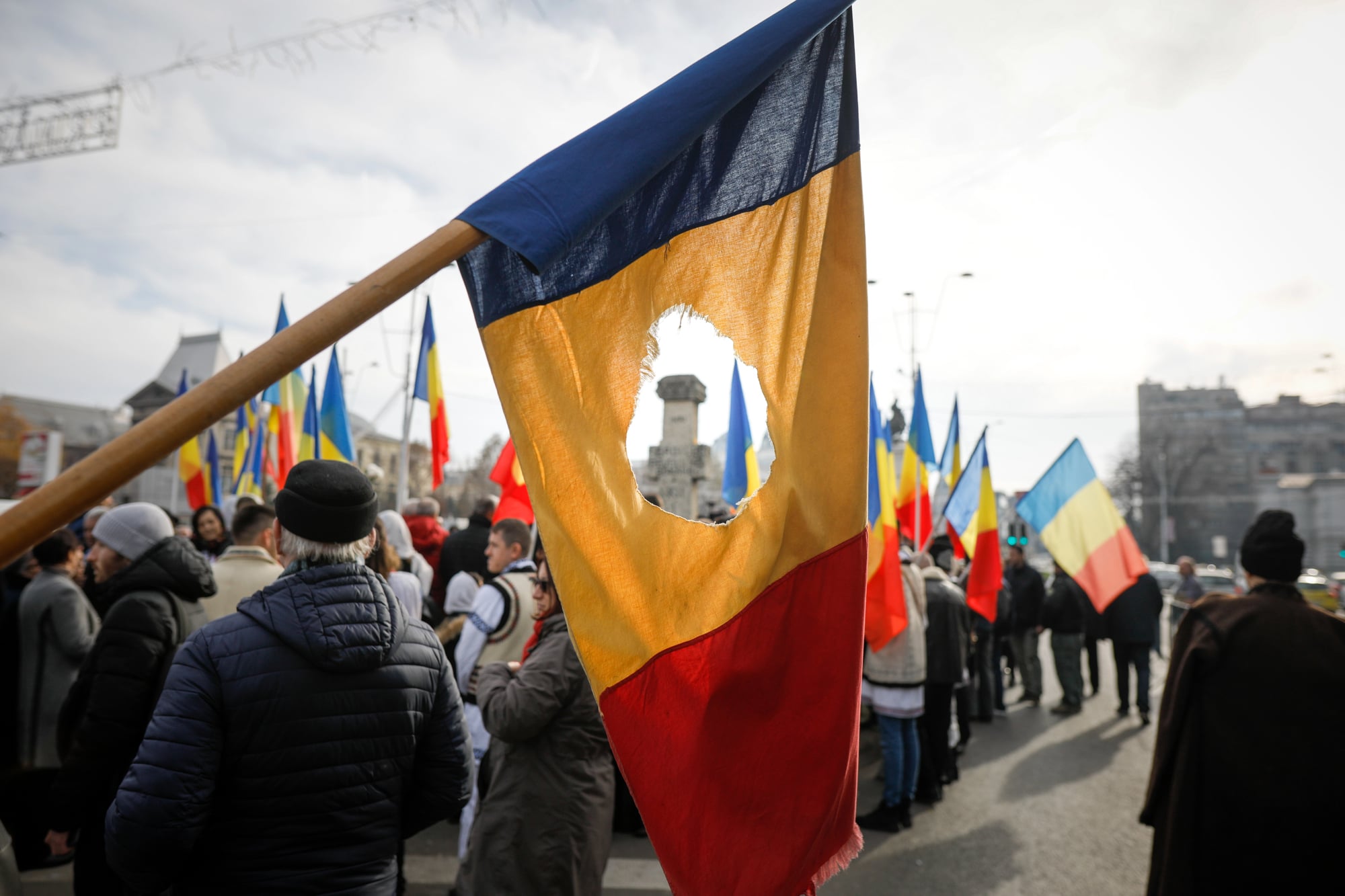
Ceaușescu’s removal came through coordinated popular uprising that military forces refused to suppress.
The Fall of the Berlin Wall (1989)
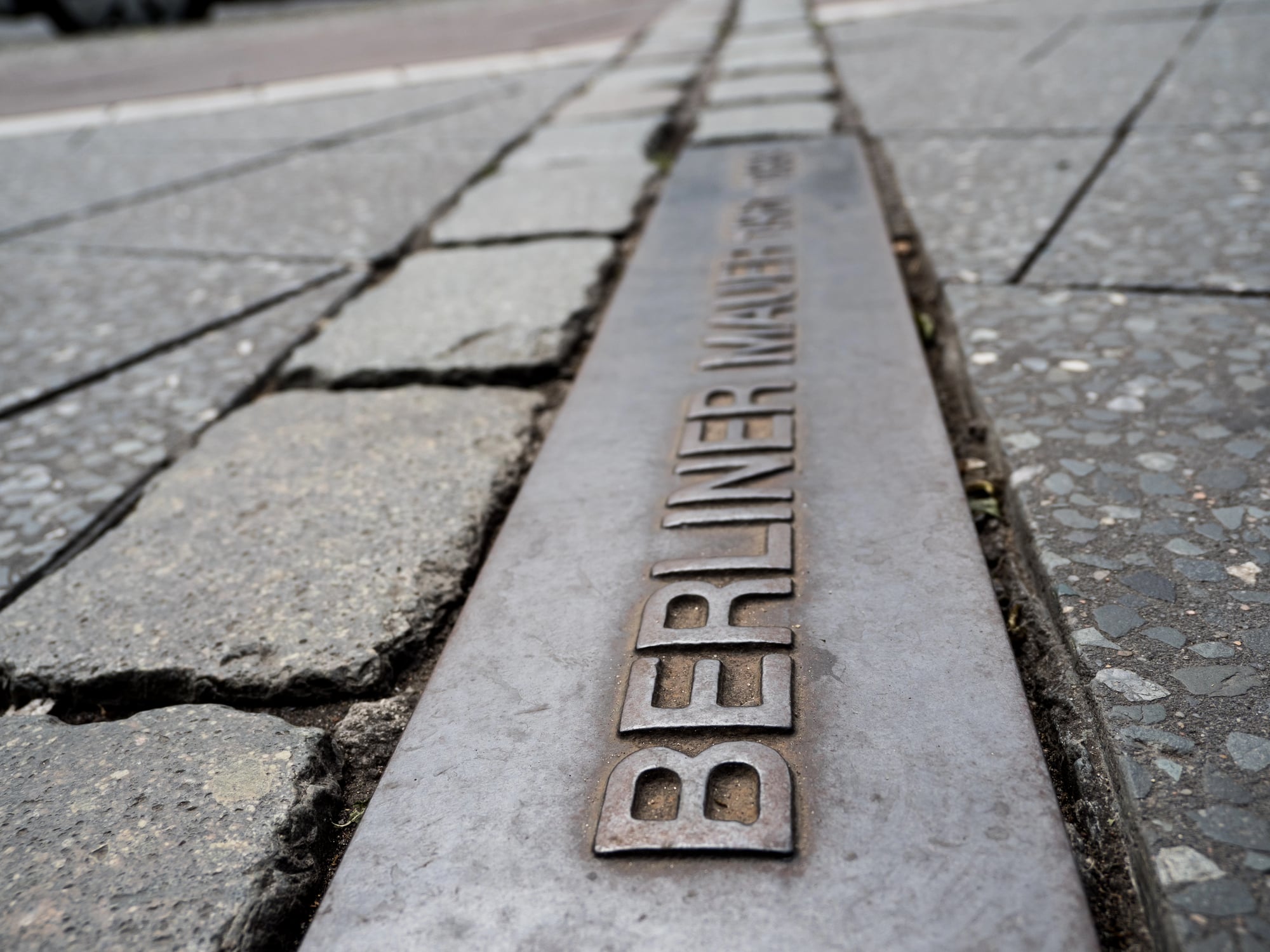
The sudden opening of the border came unexpectedly even to policymakers, leading to German reunification and communist regime collapse.
Boris Yeltsin’s Resignation (1999)
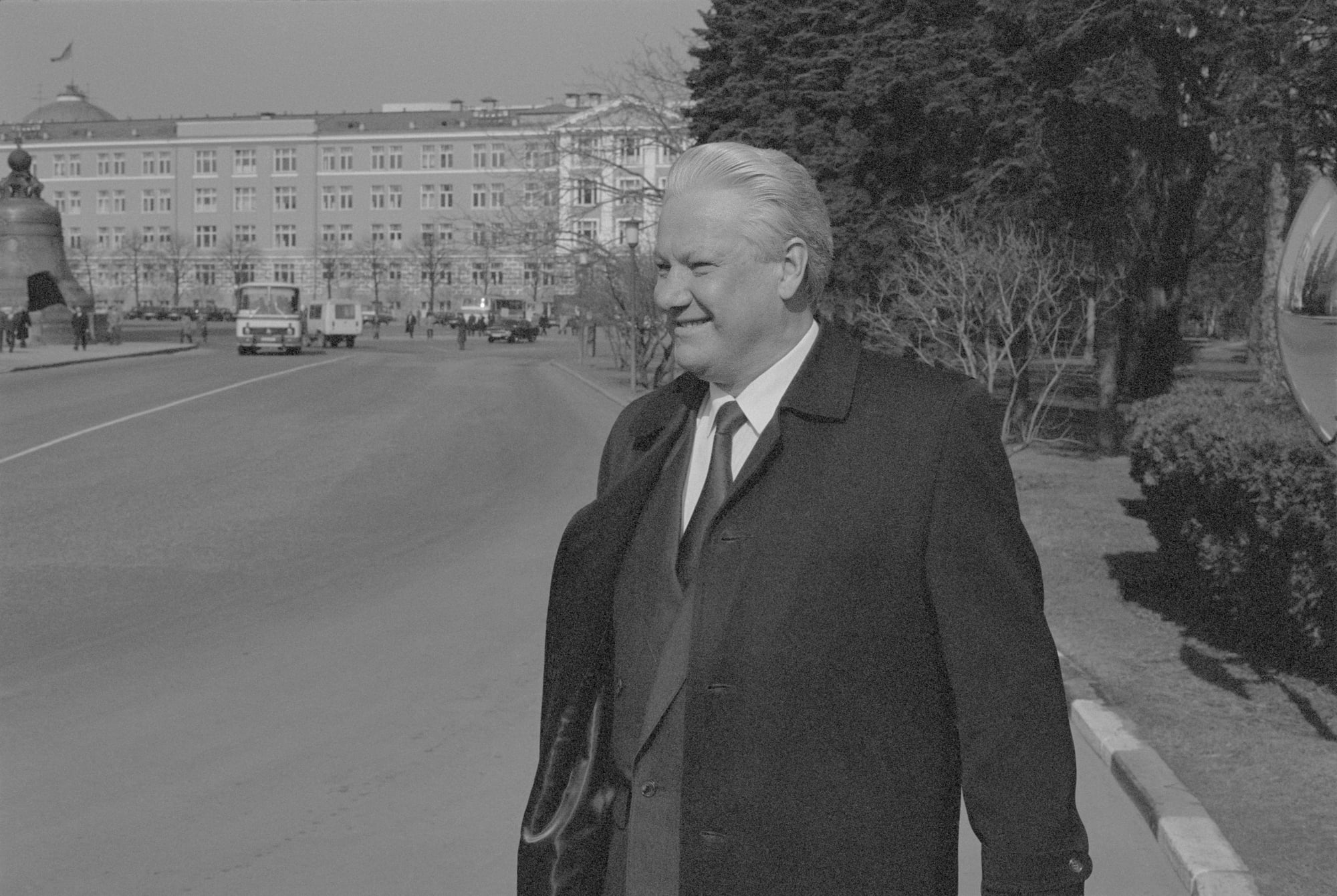
The Russian leader resigned suddenly on New Year’s Eve, transferring power to Vladimir Putin in an unexpected move.
The Ukrainian Orange Revolution (2004)
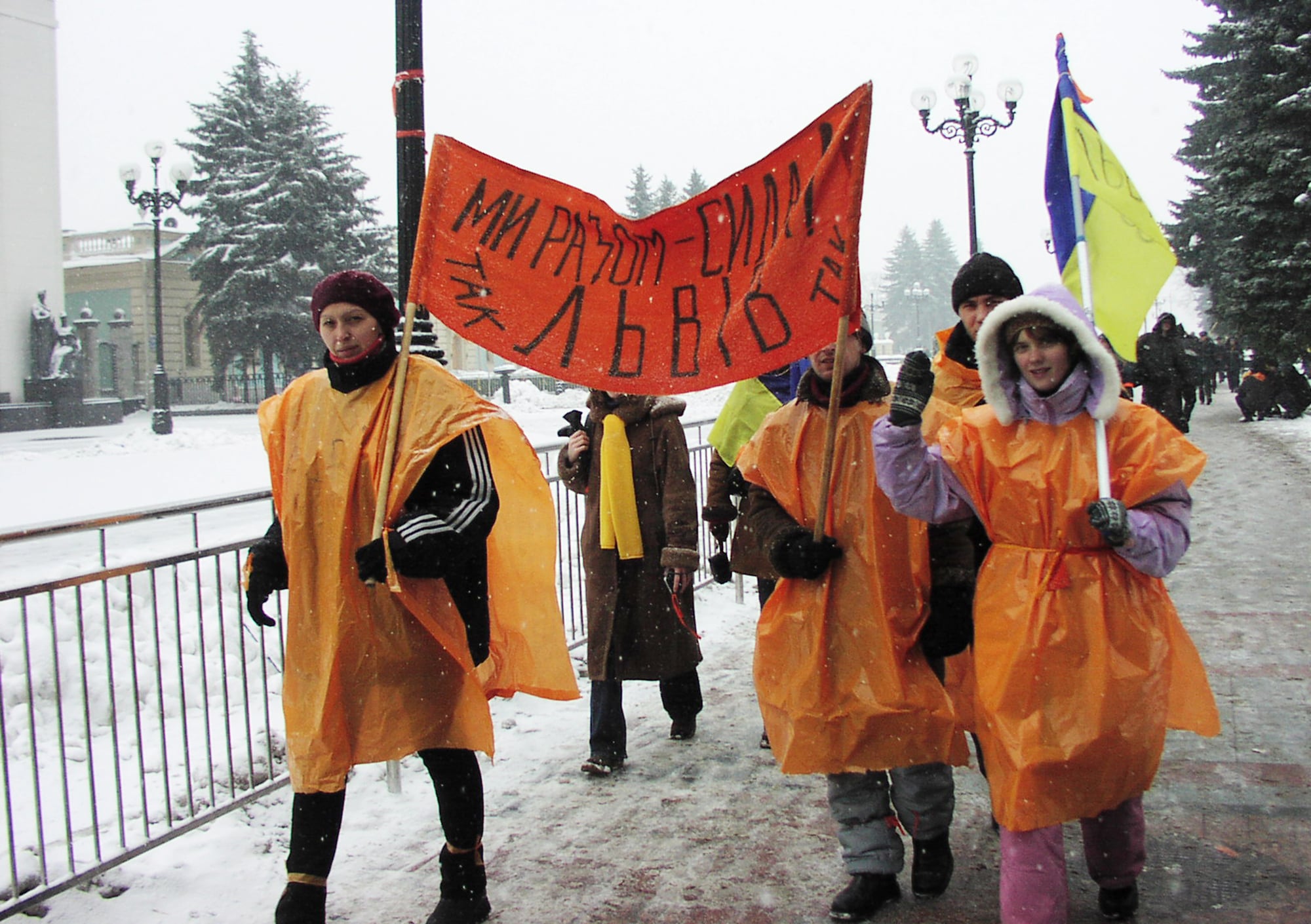
The Ukrainian Orange Revolution (2004-2005) led to Viktor Yushchenko winning the presidency after election dispute. Viktor Yanukovych, who came to power later in 2010, was removed during the 2014 Euromaidan protests.
The Fall of Hosni Mubarak (2011)
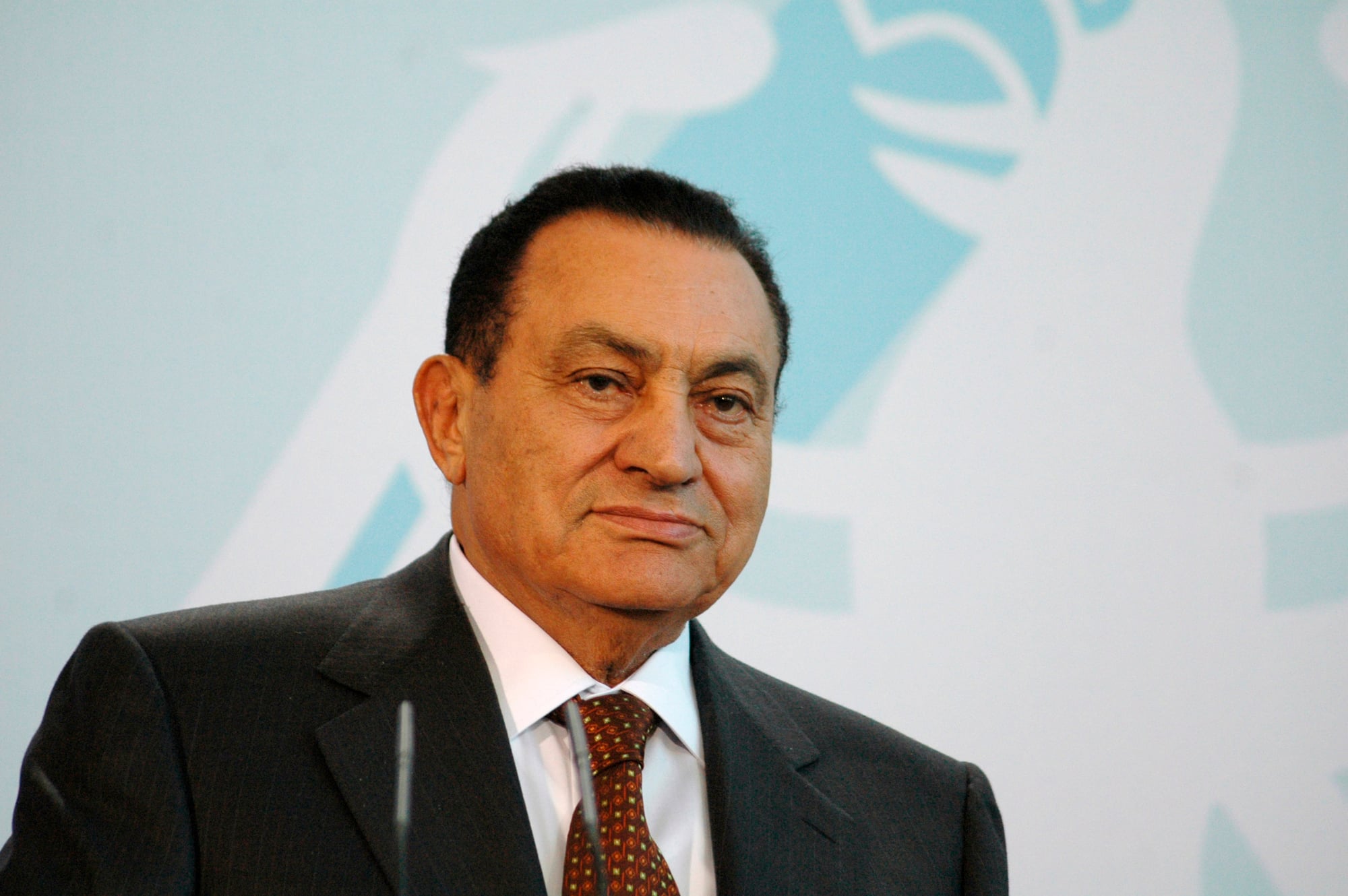
Egypt’s president fled the country as popular uprising in Tahrir Square grew beyond control. His sudden departure shocked observers expecting him to hold power.
Libyan Civil War (2011)
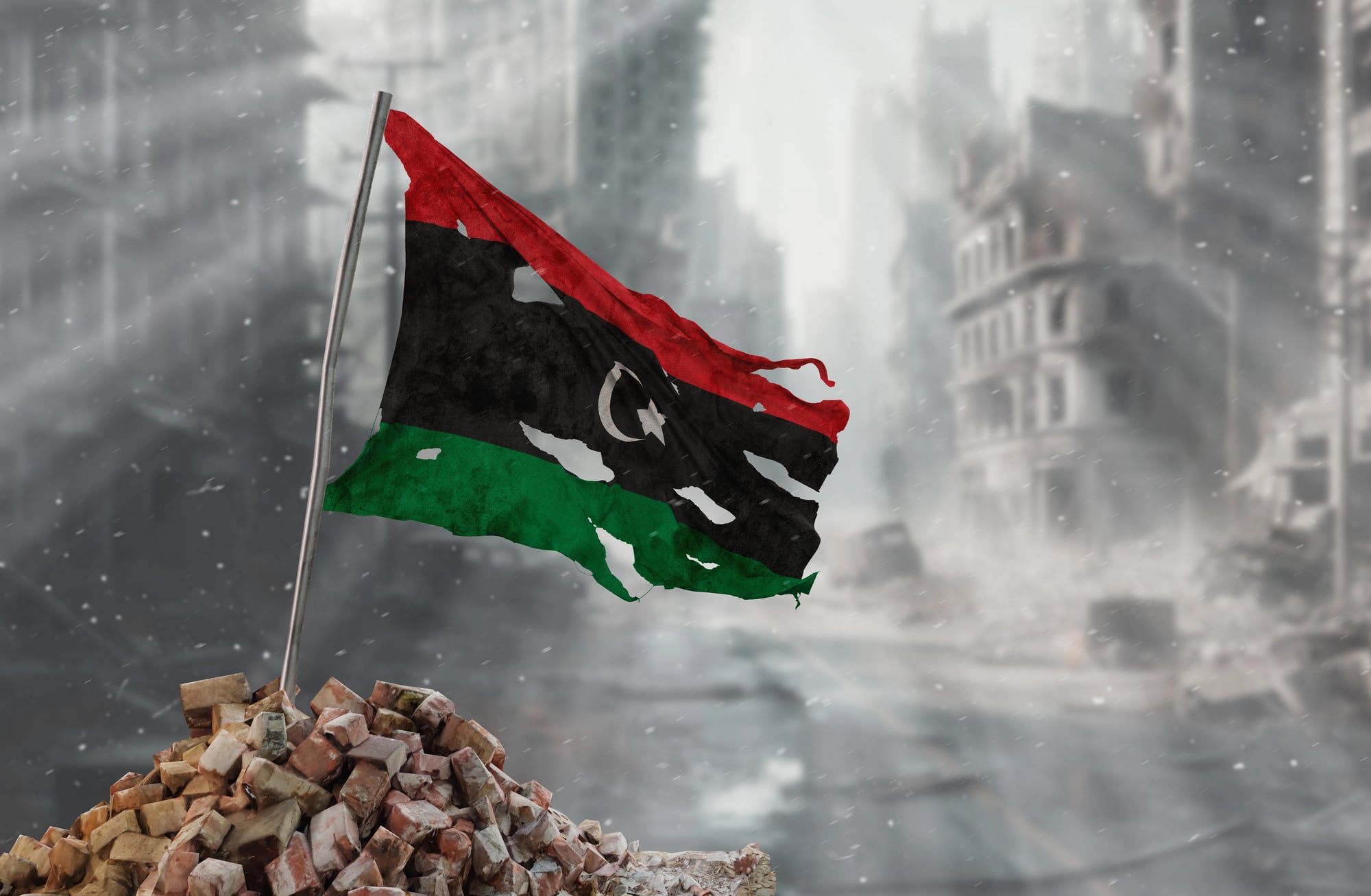
Muammar Gaddafi’s removal came through NATO intervention and rebel forces. His capture and execution shocked observers.
The Taliban’s Return (2021)
Afghanistan’s government collapsed within weeks as American forces withdrew. The rapidity shocked those expecting longer resistance.
The Myanmar Coup (2021)
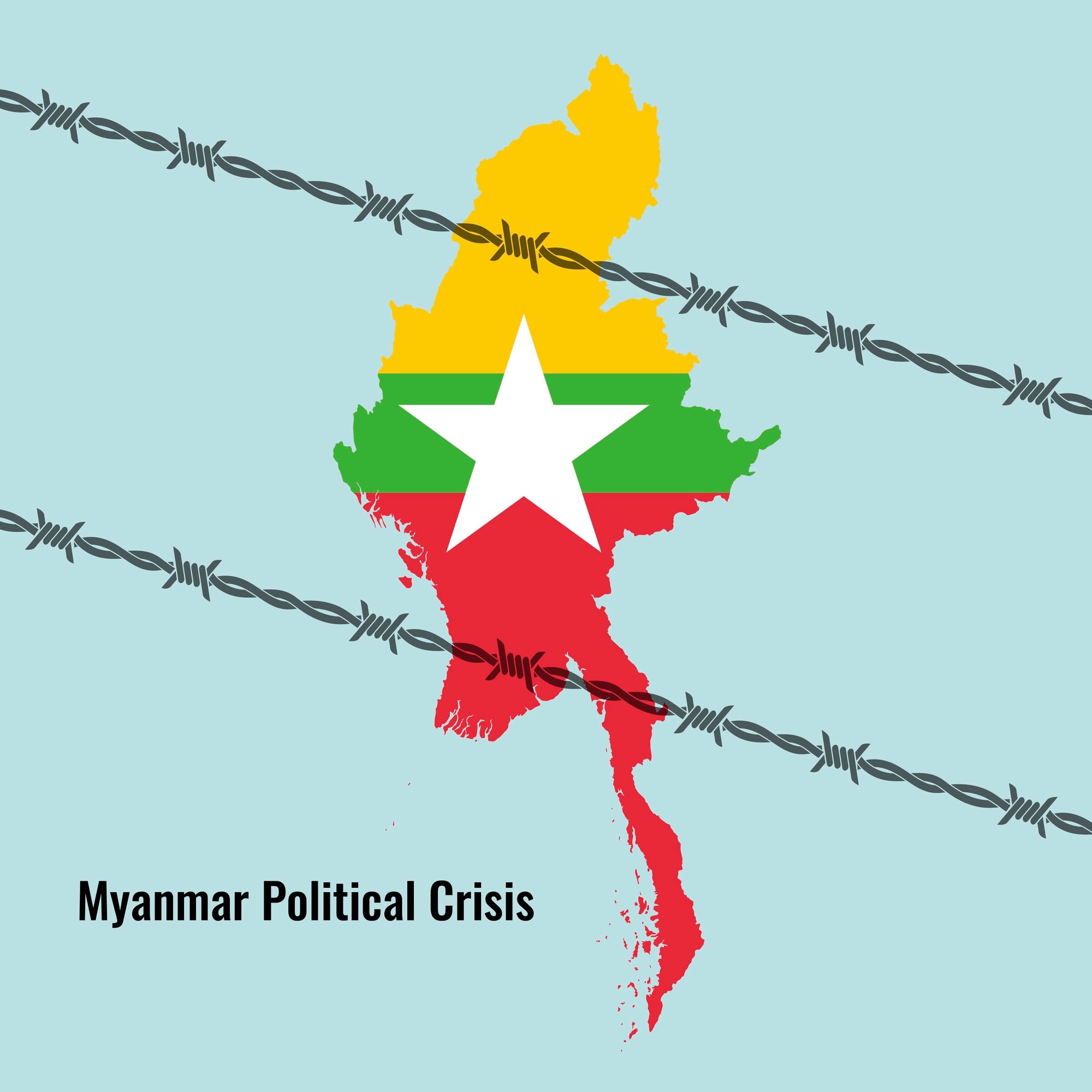
Military forces removed an elected government in a sudden coup that reversed apparent democratic transitions.
The Pakistan Coup (1999)
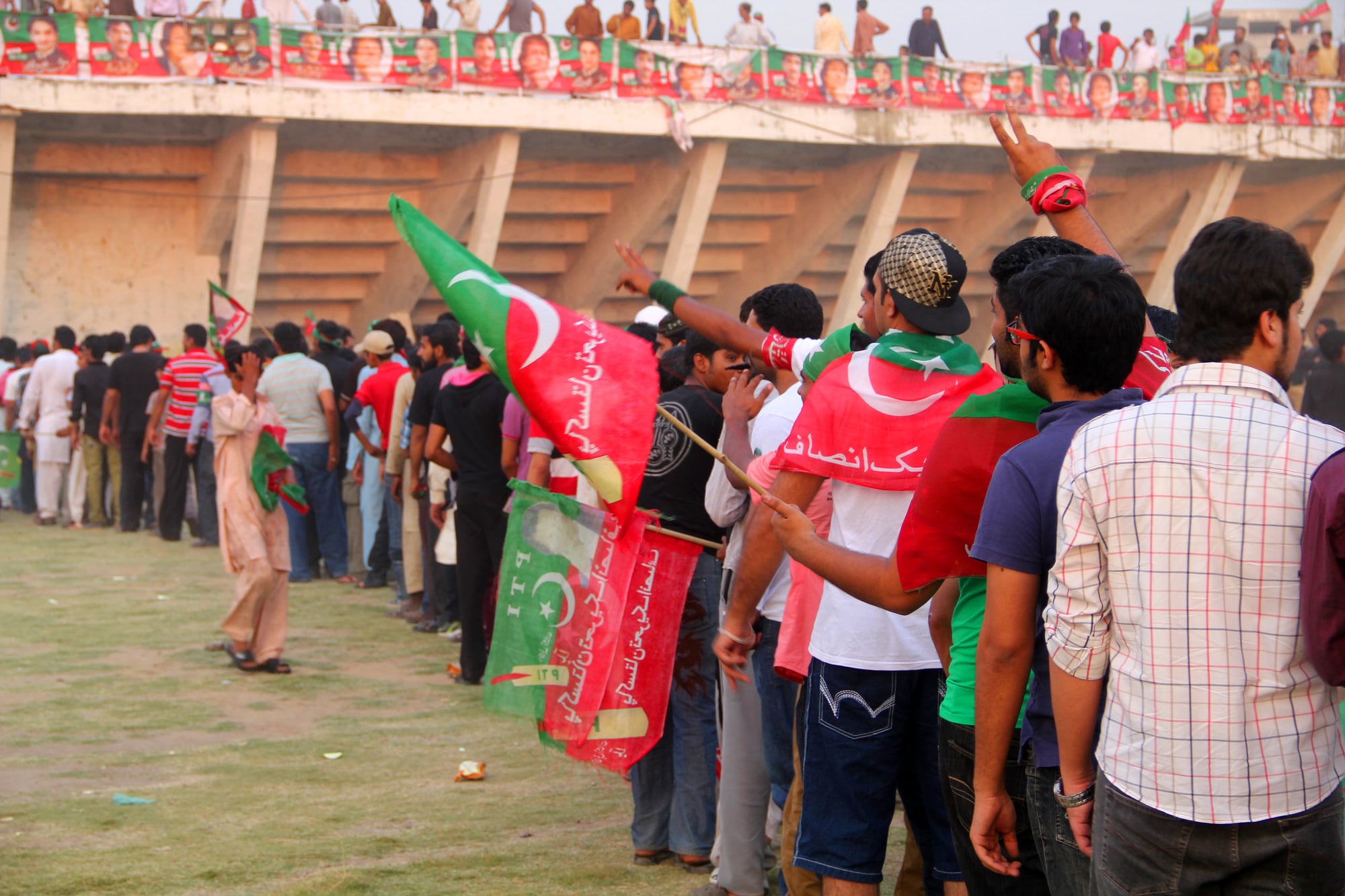
General Musharraf removed Prime Minister Nawaz Sharif through military intervention, surprising observers.
The Thailand Coup (2006)
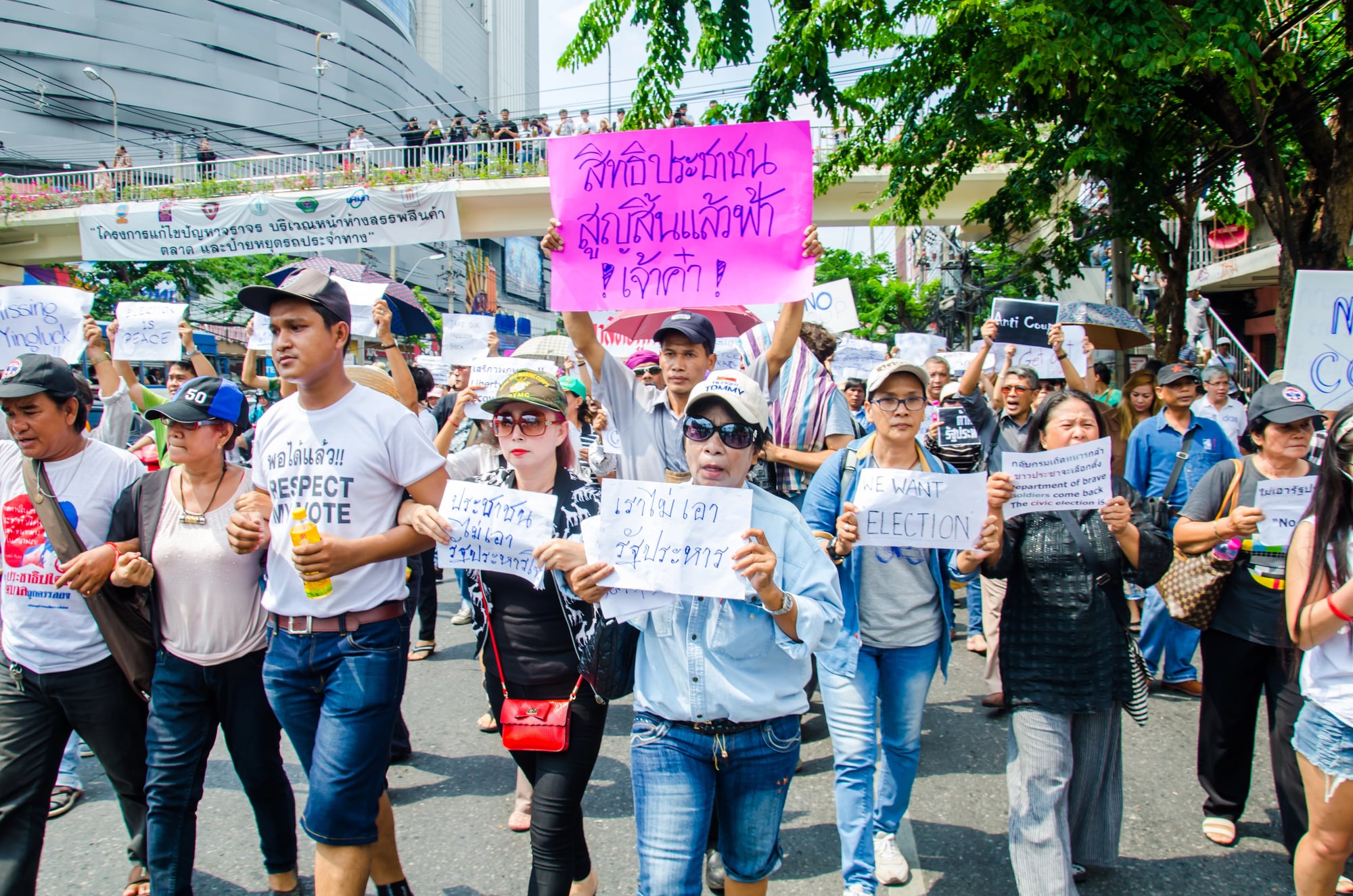
Military forces removed Prime Minister Thaksin Shinawatra in a coup that demonstrated the fragility of elected government.
The Equatorial Guinea Overthrow Attempt (2004)
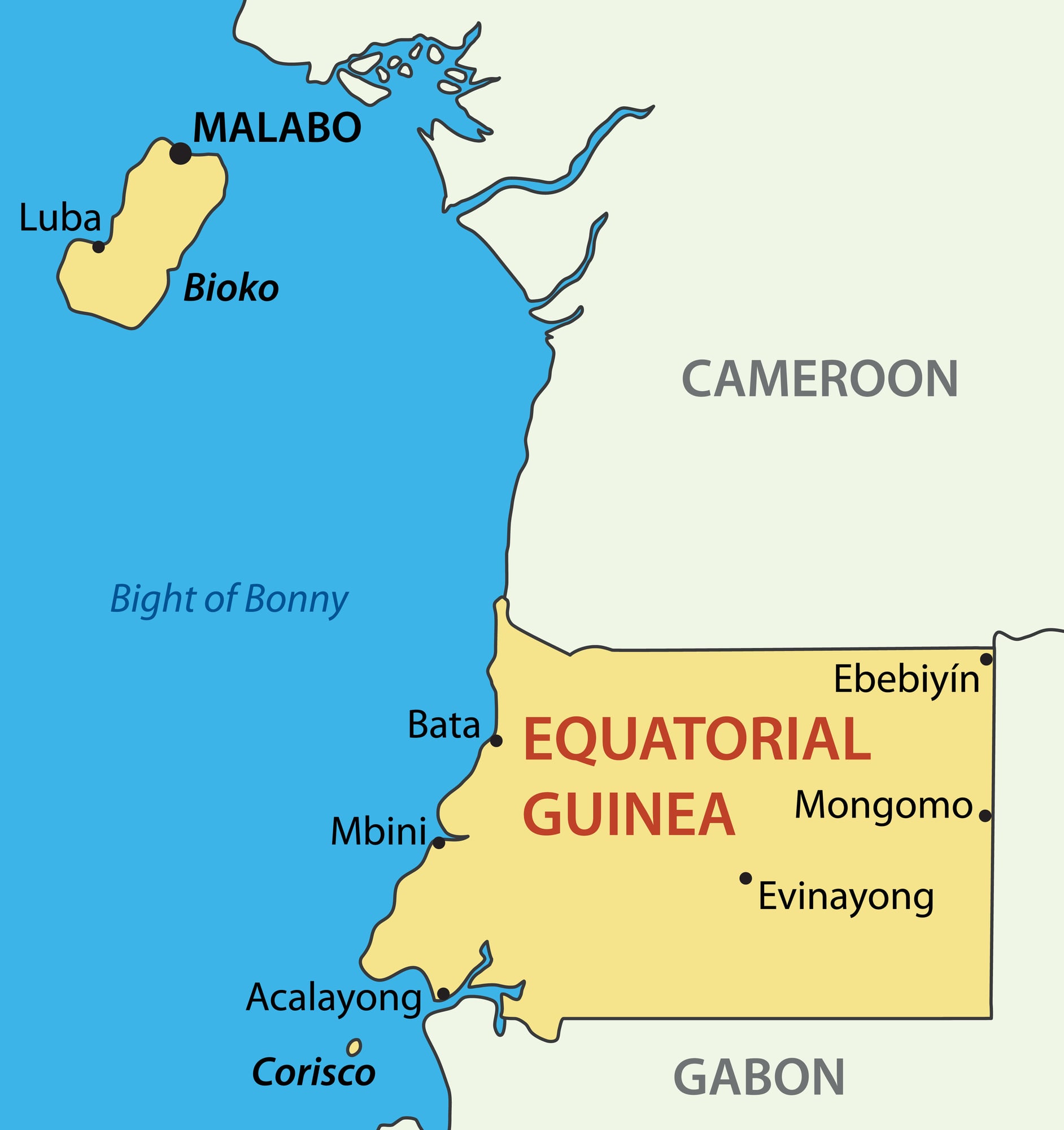
Mercenaries attempted to overthrow Teodoro Obiang Nguema. The coup attempt failed but revealed the regime’s vulnerability.
The Khartoum Coup (2021)
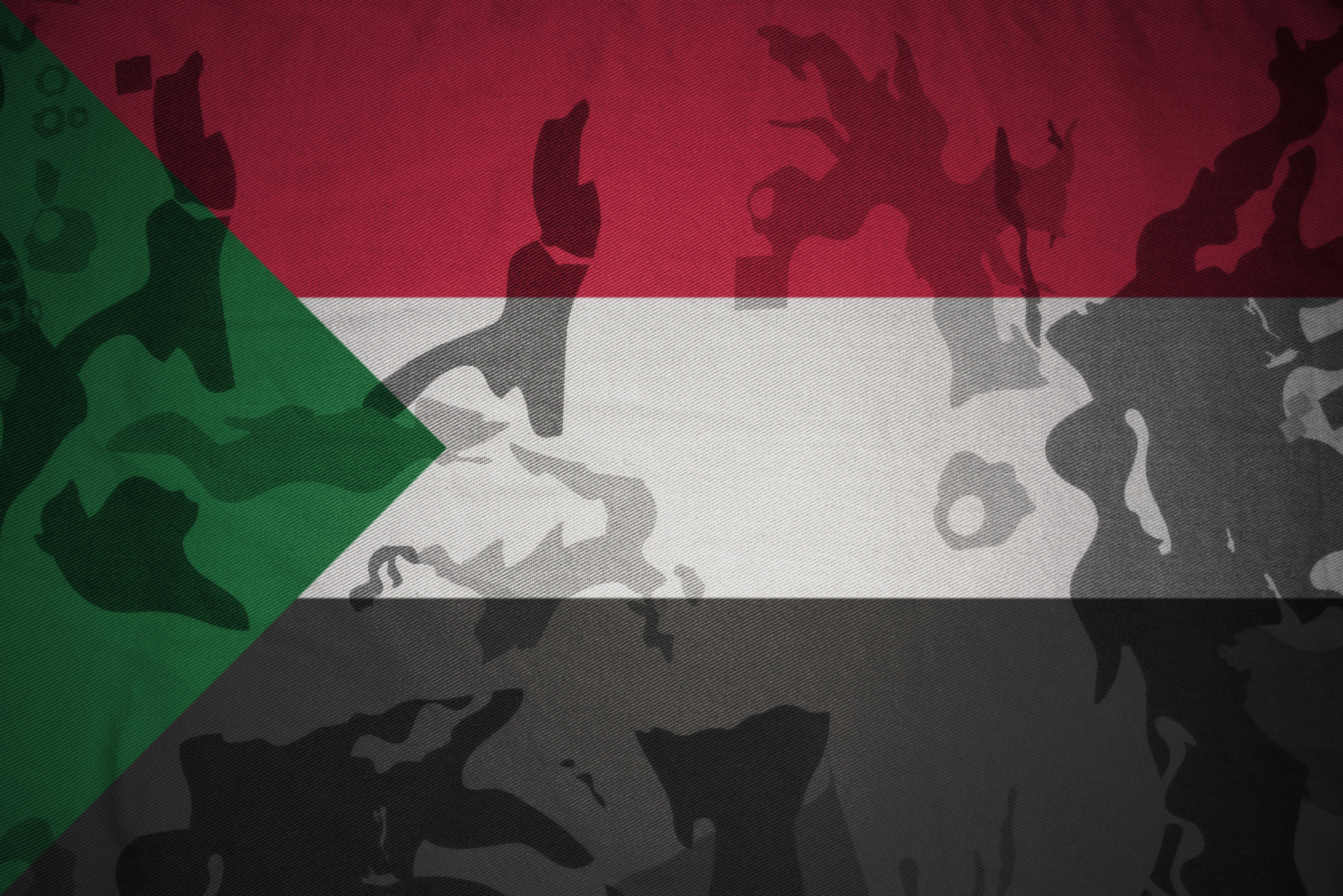
Sudan’s military removed the transitional government in a surprise coup that reversed apparent democratic progress.
The Peru Political Crisis (2022)
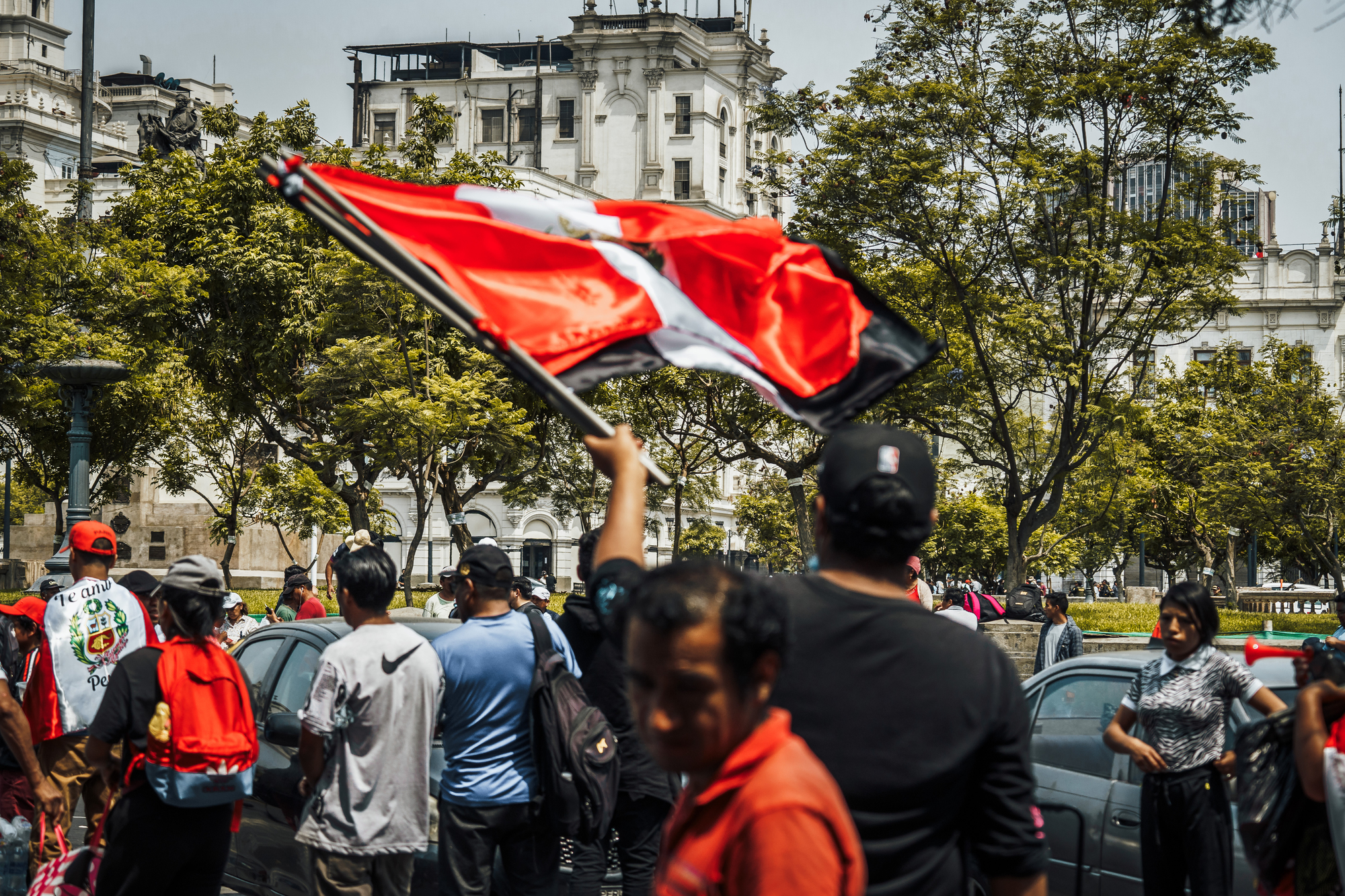
Pedro Castillo was removed through constitutional removal and arrested. His dramatic arrest while attempting a coup shocked observers.
The King’s Flight (Multiple monarchies)

Various monarchs fled their countries during revolutions or wars, revealing how suddenly power can evaporate.
The Pattern of Sudden Falls

What removes rulers unexpectedly is rarely the overt challenge but the sudden withdrawal of support from those who sustain power—military officers, bureaucrats, or population masses. When enough people stop cooperating with authority, it collapses suddenly despite appearing impregnable moments before.
More from Go2Tutors!

- The Romanov Crown Jewels and Their Tragic Fate
- 13 Historical Mysteries That Science Still Can’t Solve
- Famous Hoaxes That Fooled the World for Years
- 15 Child Stars with Tragic Adult Lives
- 16 Famous Jewelry Pieces in History
Like Go2Tutors’s content? Follow us on MSN.