Reasons the Family Station Wagon Beat Any Modern Vehicle for Road Trips
The family station wagon was the pre-SUV answer to the question of how to move a family and all their traveling necessities efficiently. The design offered space without pretense, practical capability without the aggressive stance of modern trucks, and a certain ungainliness that made it identifiable from a distance and memorable decades later.
Station wagons carried families on vacation, transported kids to Little League tournaments, and functioned as mobile extensions of home during road trips. The design reflected an era when vehicles were expected to serve purpose over image.
Modern family vehicles have become more comfortable, more powerful, and more technologically sophisticated, yet something essential has been lost in the transaction. The station wagon existed as an honest design, making no claims to off-road capability or aspirational lifestyle. It simply moved families and their stuff from place to place with remarkable effectiveness.
Expansive cargo space without the massive footprint
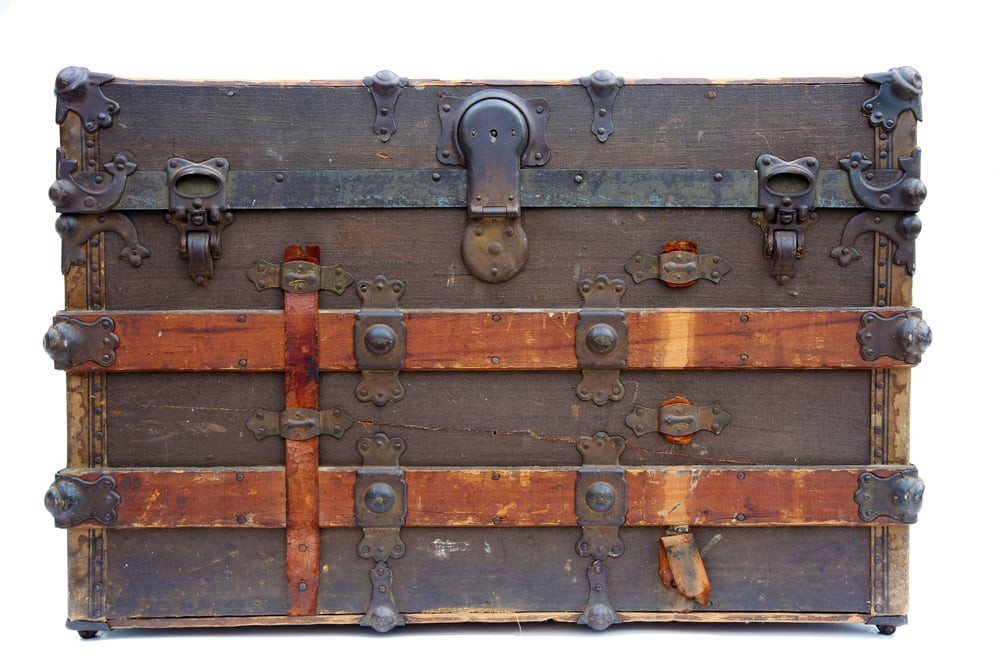
Station wagons provided storage capacity approaching small trucks while maintaining car-like dimensions and handling. The space allowed families to pack everything they needed for extended trips without requiring the high step-up or three-point turns of modern SUVs.
Low loading height for cargo and children
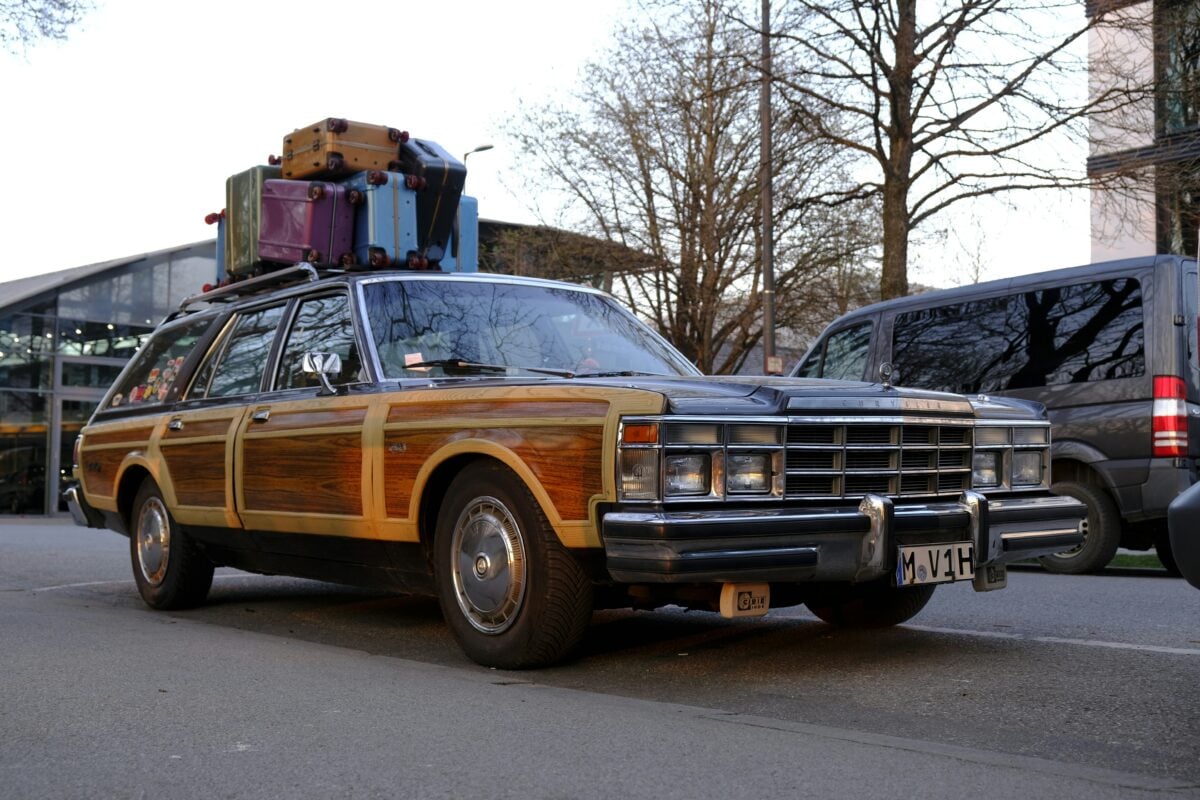
The rear cargo area opened at a height that made loading luggage realistic without requiring a step stool or upper body strength that small children didn’t possess. Parents could see children climbing in and out without obstruction.
Easier access to cargo while traveling
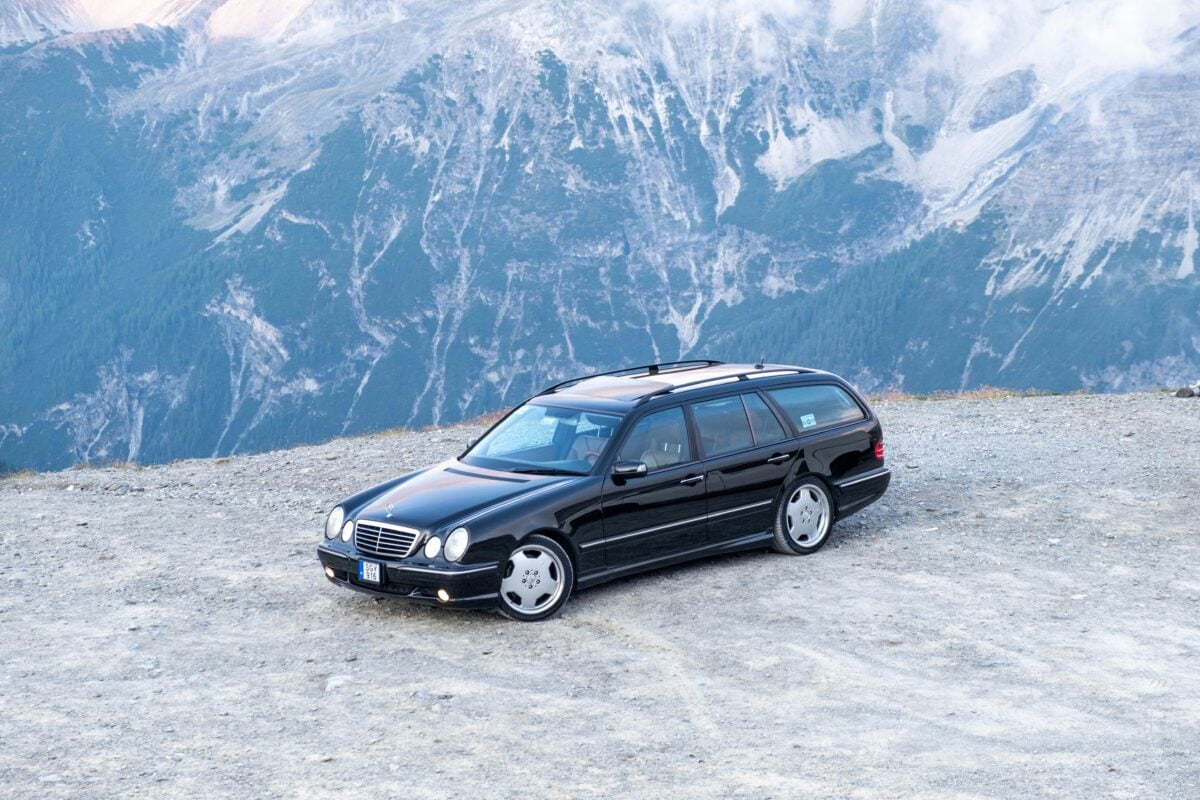
The station wagon’s design allowed opening the rear cargo door while stopping to retrieve items from the middle of packed luggage without removing everything else. Modern vehicles with vertical tailgates obscure packed cargo.
Clear rear visibility for the driver

Station wagons maintained excellent rear visibility, allowing drivers to see behind the vehicle without relying on backup cameras. The lack of blind spots made parking and reversing less hazardous than modern tall vehicles.
Comfortable seating position for long drives
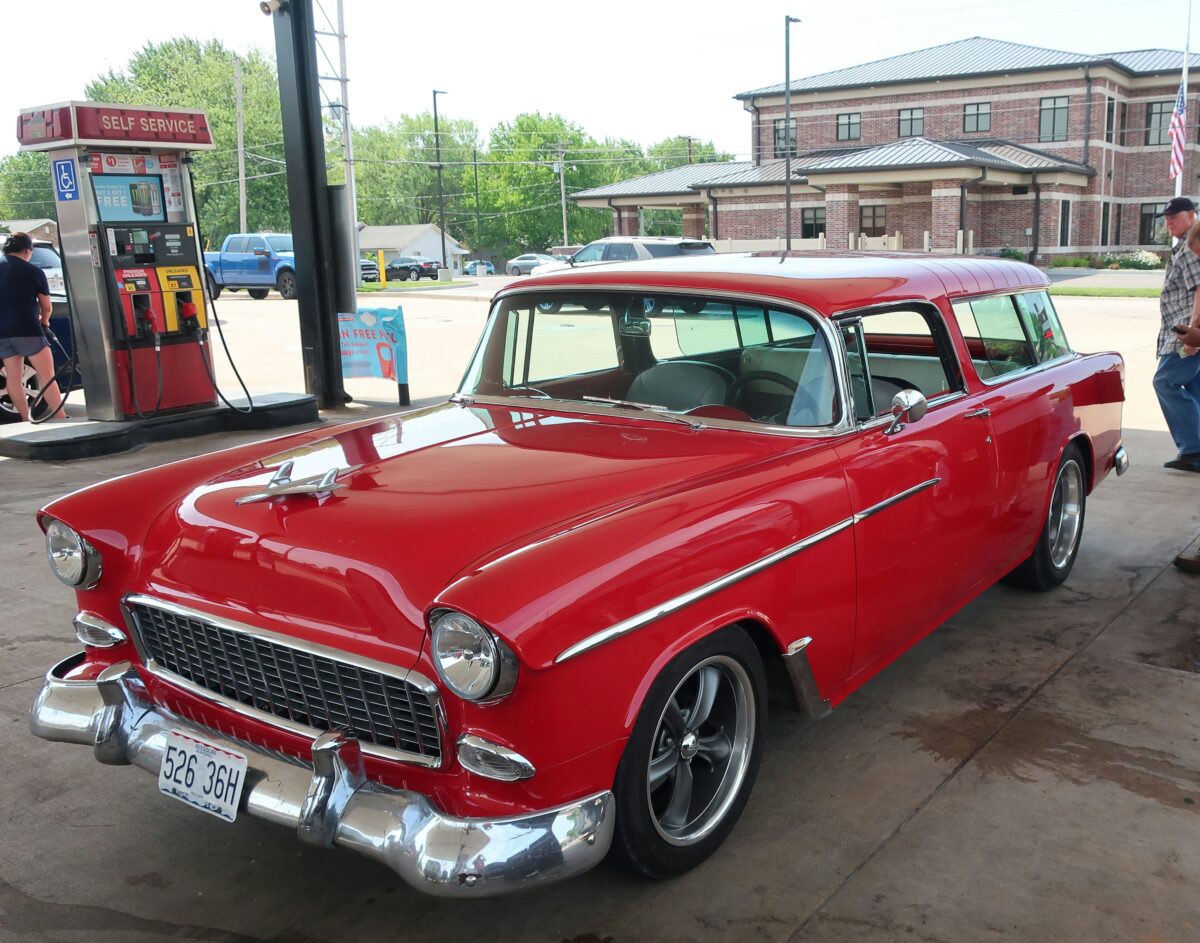
Station wagon seats positioned drivers at a height that reduced fatigue on long drives, avoiding both the low sports car position and the elevated SUV position that some drivers found uncomfortable. The seating felt neutral and neutral proved optimal.
Fold-flat rear seats providing truly flat cargo space
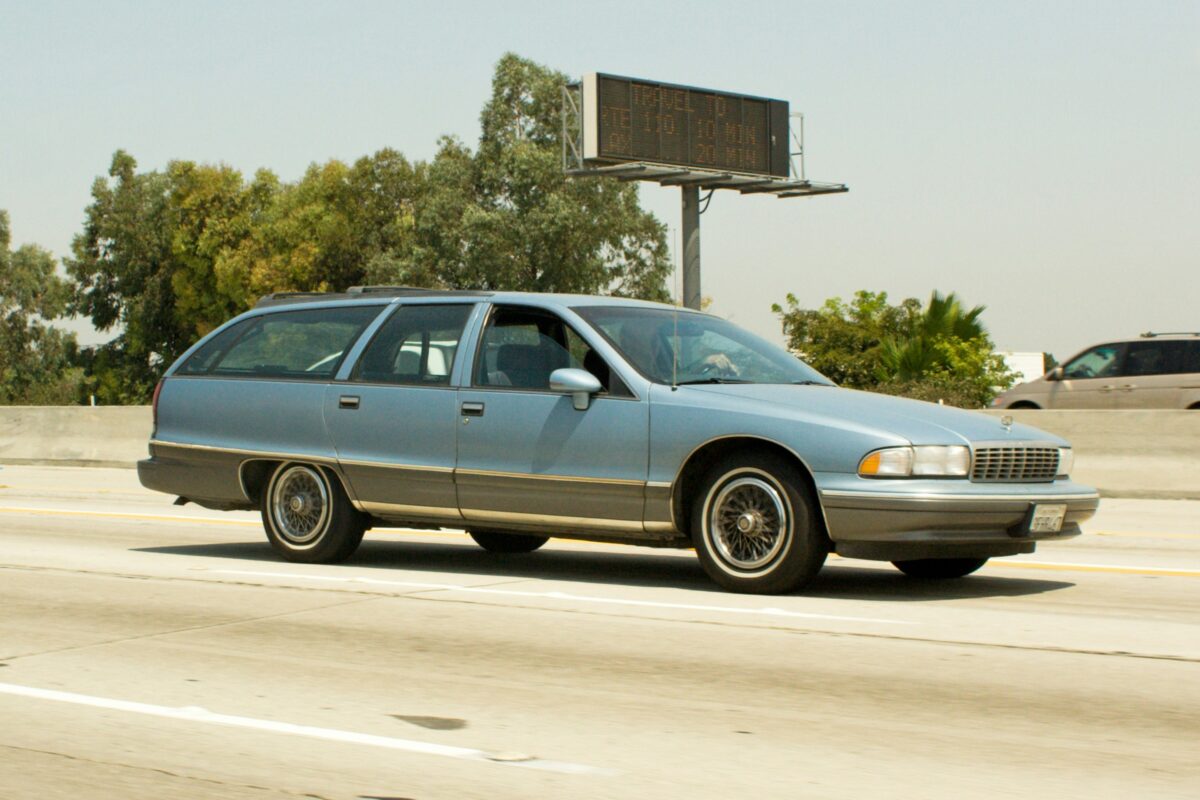
When rear seats folded down, they created genuinely flat cargo floors with no intrusion from wheel wells or undercarriage components. Modern vehicles often retain slopes or obstacles even with seats folded.
Simplicity of mechanical systems
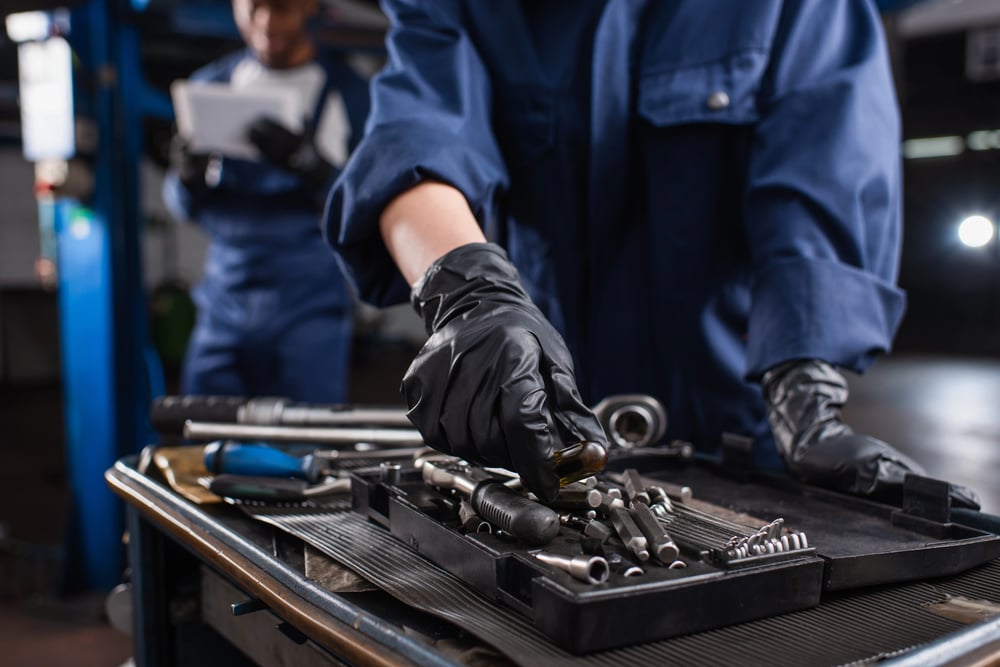
Station wagons of the ’70s and ’80s featured simpler mechanical systems that owners could often repair themselves or mechanics could fix without computer diagnostics. Breaking down on road trips was less catastrophic when the problem was addressable.
Moderate fuel consumption for the carrying capacity
Station wagons achieved reasonable fuel economy despite their large cargo capacity, avoiding both the inefficiency of SUVs and the impracticality of smaller vehicles for family trips. A 25-mile-per-gallon wagon represented honest efficiency.
Child accessibility to the cargo area while driving

Older station wagons featured no barrier between the driver and cargo area, allowing parents to hand back items, snacks, or supplies without stopping. Modern safety regulations eliminated this practical convenience.
Genuine wood-panel options that aged beautifully
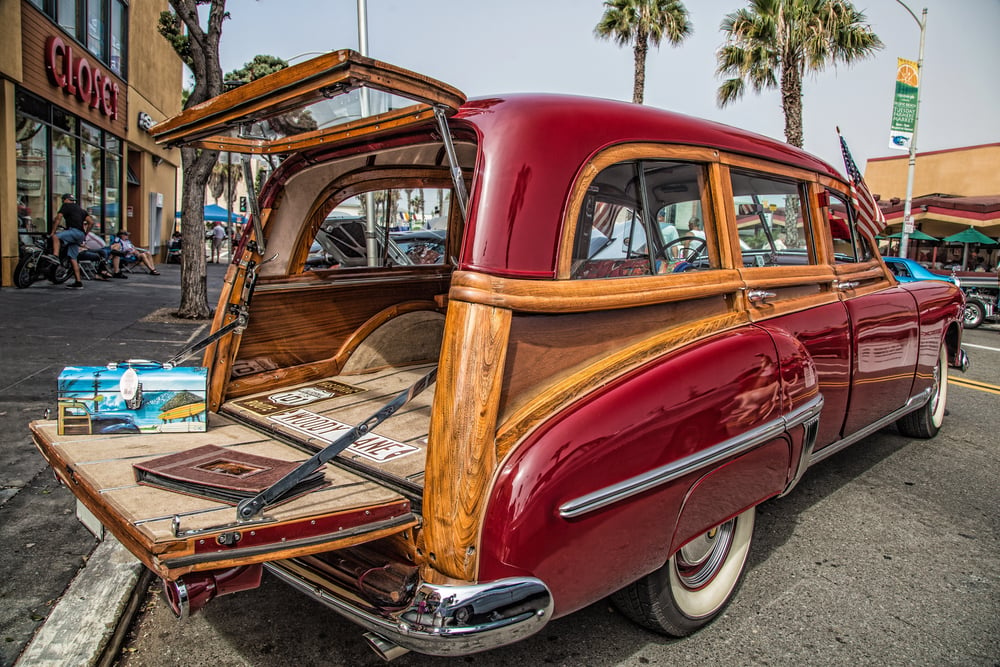
Wood-paneled station wagons developed patina over decades, weathering gracefully in ways that vinyl siding on modern vehicles cannot replicate. The wood created an aesthetic that improved with age.
Modest profile reduced wind noise and buffeting
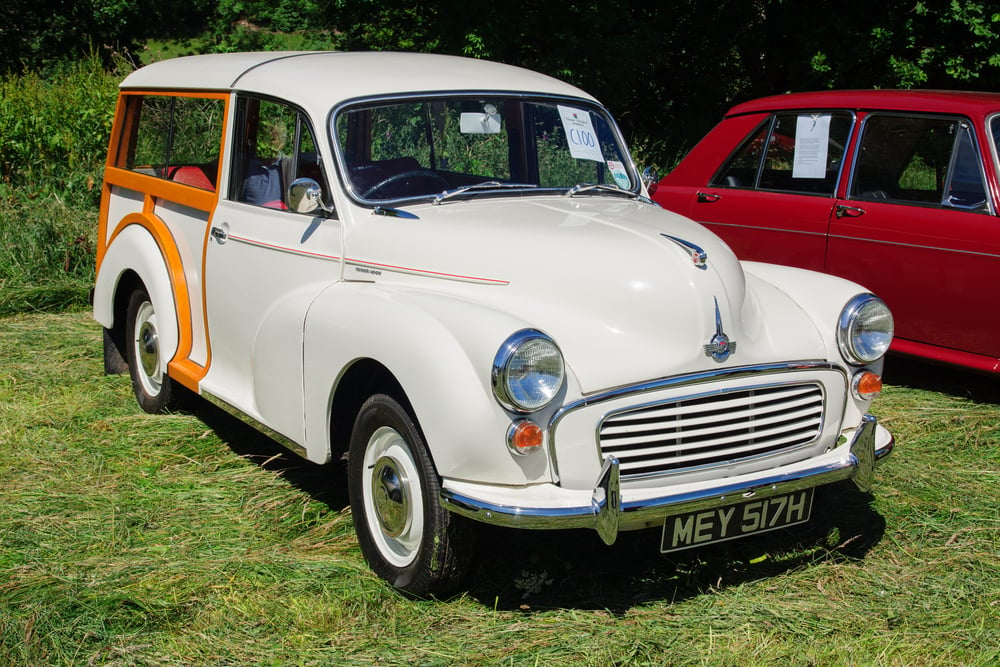
Station wagons’ more moderate height and width resulted in less wind noise and buffeting at highway speeds. Modern tall vehicles create hollow wind noise that contributes to driver fatigue.
Easier manual loading for adults
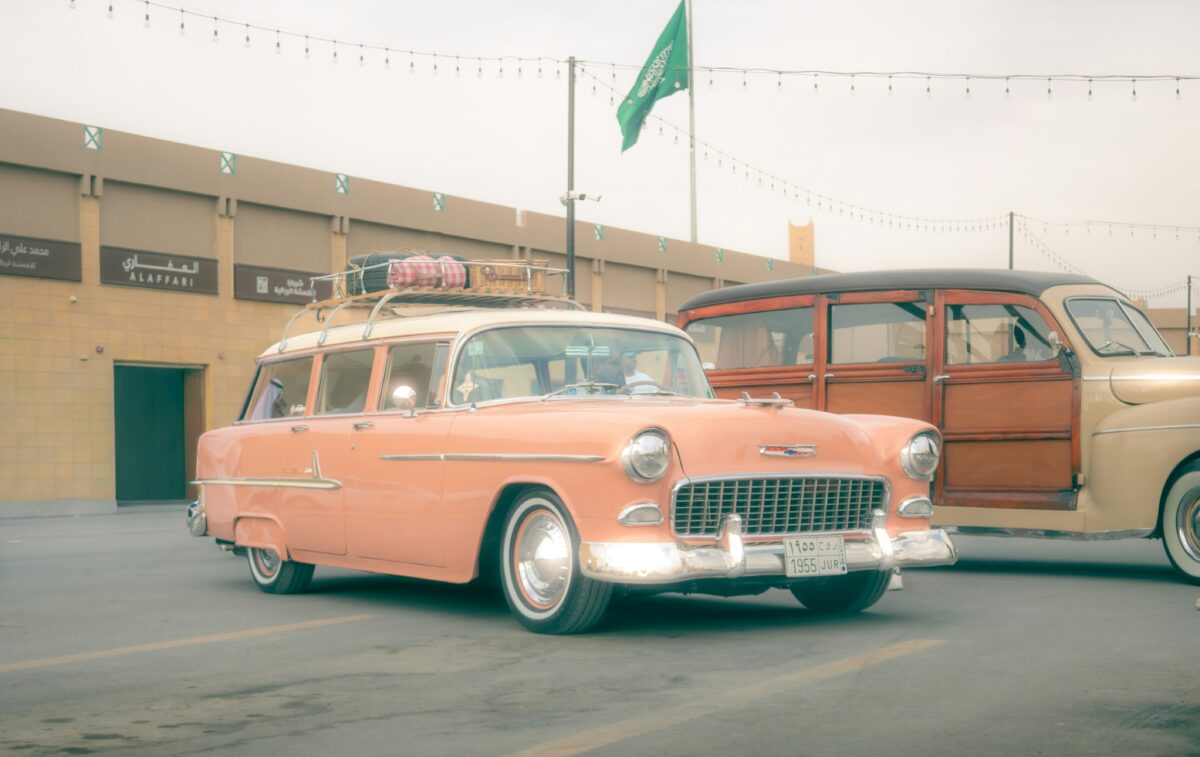
The positioning and dimensions of station wagon cargo areas allowed adults to load and arrange items ergonomically. Modern tail gates positioned too high or too far back create awkward loading angles.
Adequate power for highway driving without excess

Station wagon engines provided sufficient power for highway cruising and passing without the overkill power of modern family vehicles. The horsepower matched actual need rather than exceeding it substantially.
Simplified climate control that worked predictably

Station wagon air conditioning and heating systems were straightforward, creating predictable temperature control throughout the vehicle. Modern systems with zone controls and automatic adjustment often felt less reliable.
Lower operating costs for fuel and maintenance

Beyond fuel economy, station wagon maintenance and repair costs remained manageable for middle-class families. Modern vehicles with complex electronics created maintenance expenses that justified payment plans.
Honest advertising reflecting actual capability
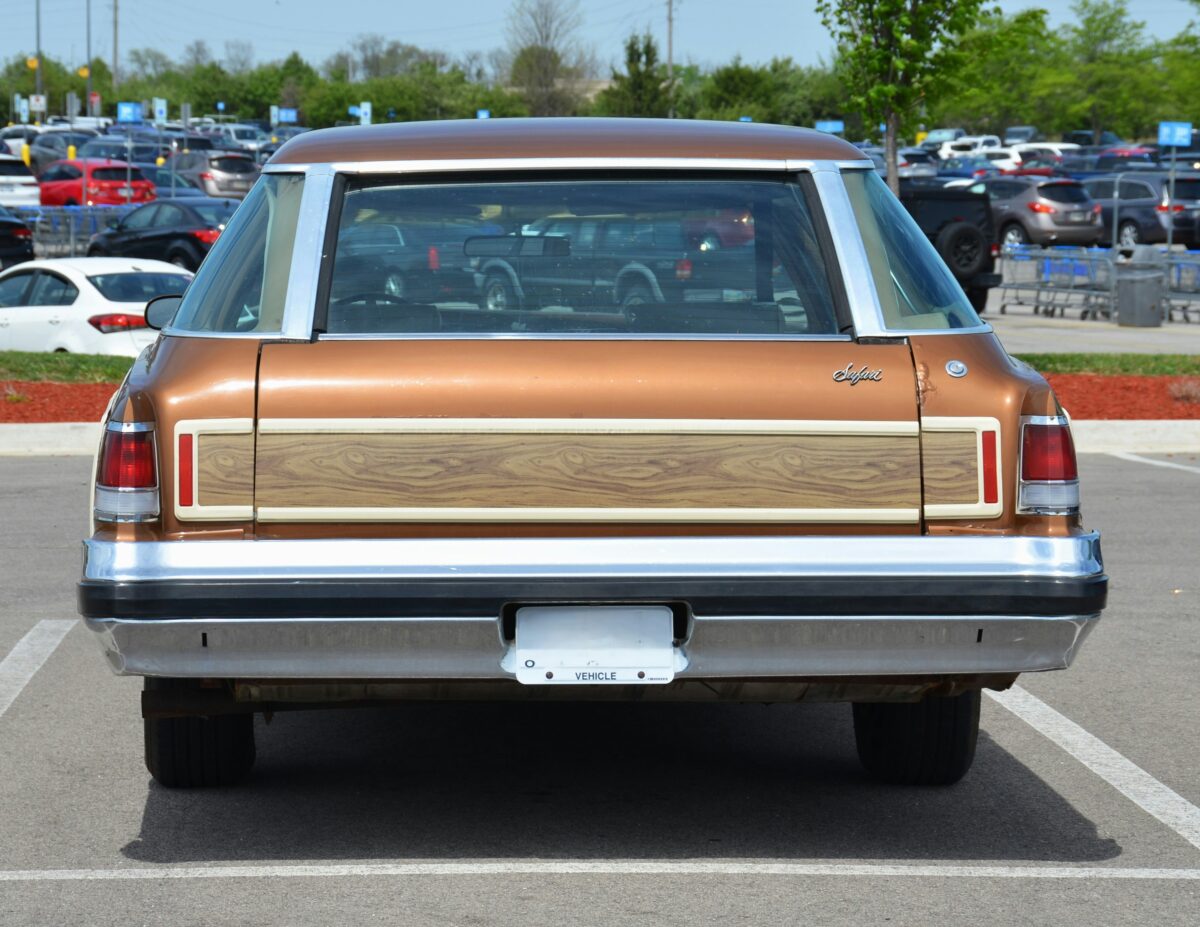
Station wagon advertising made modest claims about what the vehicles could do, reflecting realistic expectations. Modern advertising sells lifestyle aspirations rather than actual performance metrics.
Interior that benefited from wear rather than showing every detail
Station wagon interiors aged in ways that hid normal wear and accumulated patina without looking neglected. Modern vehicle interiors with light colors and numerous technological screens show every dust particle.
No technological distractions during family time
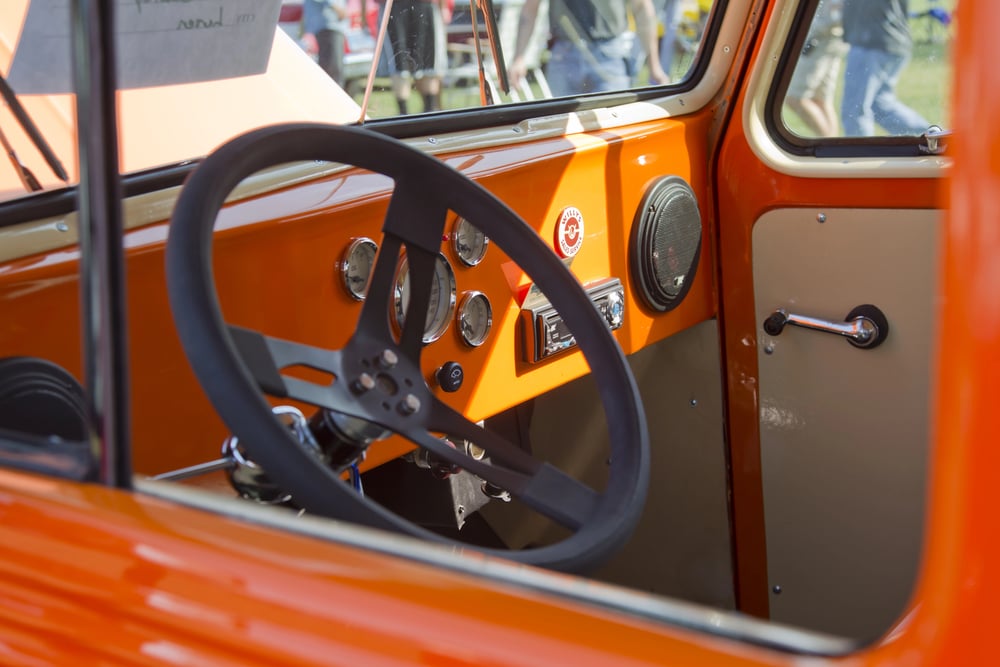
Station wagons lacked entertainment systems, GPS, or communication devices beyond radio, creating enforced family time on road trips. Children engaged with each other or the landscape rather than digital screens.
Consistent experience across model years
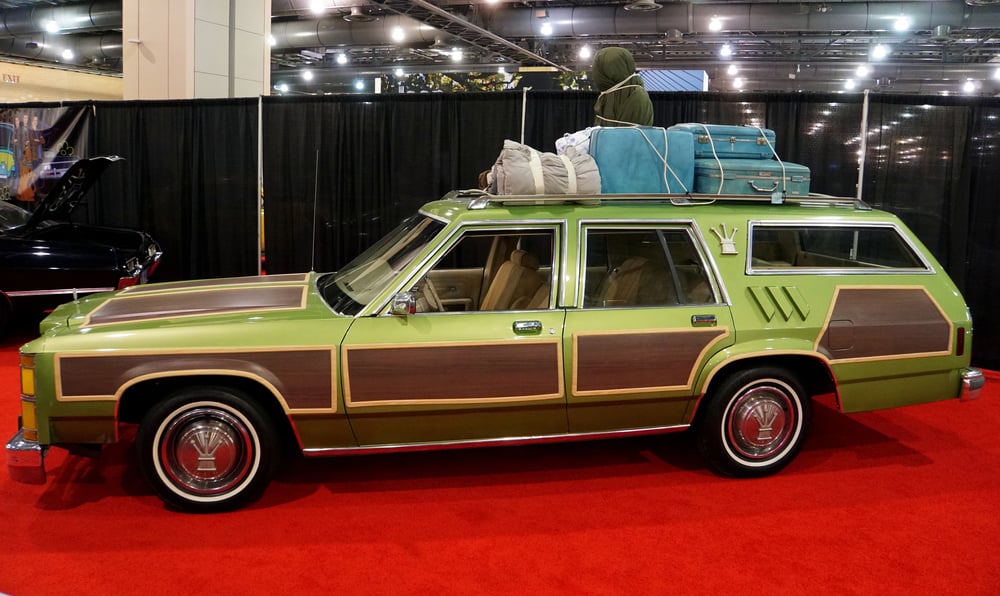
Station wagons maintained design consistency across multiple model years, making them recognizable and predictable. Modern vehicles redesign aggressively every few years, creating obsolescence pressure.
Visibility from the road for locating parked vehicles

Station wagons’ distinctive profile made them easily identifiable in parking lots. The boxy shape was instantly recognizable from a distance.
Trunk that provided weather protection without requiring high lift
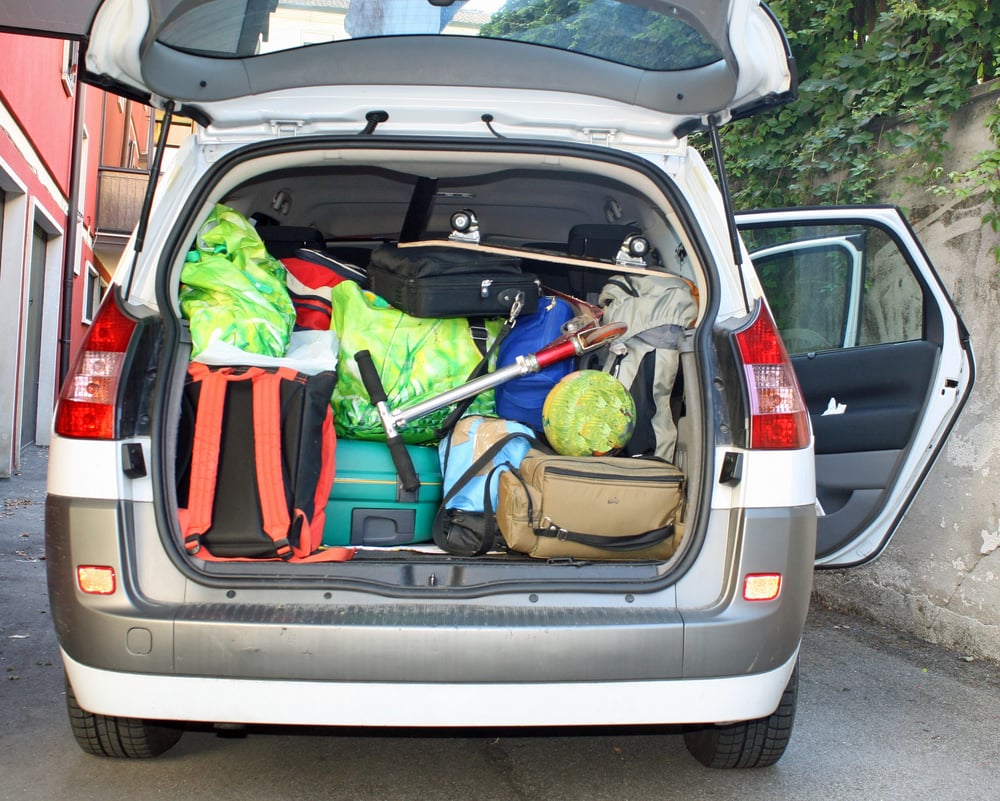
The cargo door provided weather protection for packed items while remaining accessible without the arm strength required for high-opening tailgates. Rain protection was automatic rather than optional.
Modular interior that adapted to different travel needs
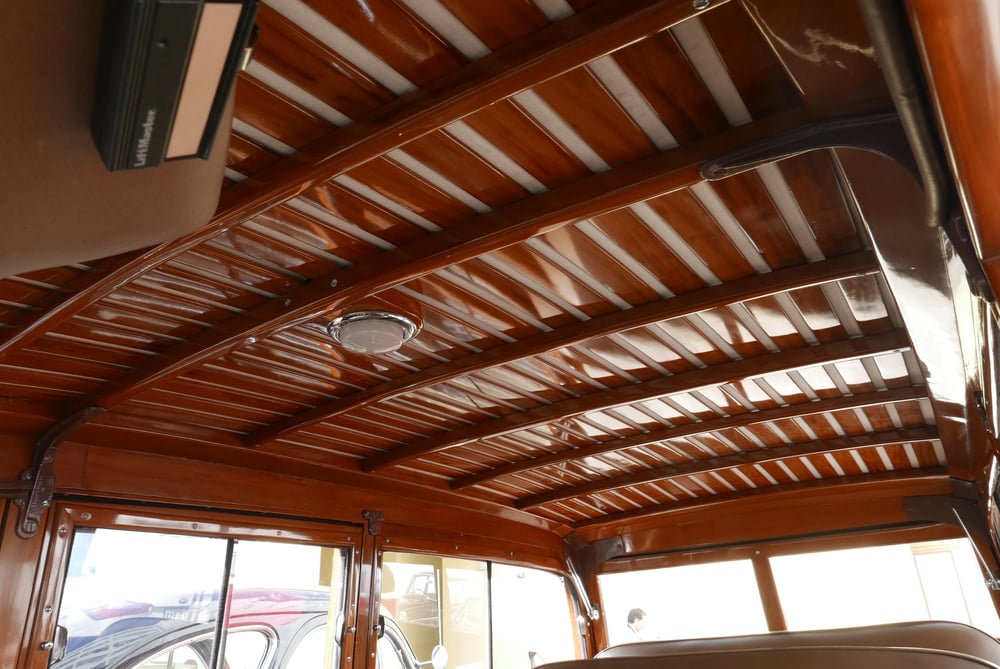
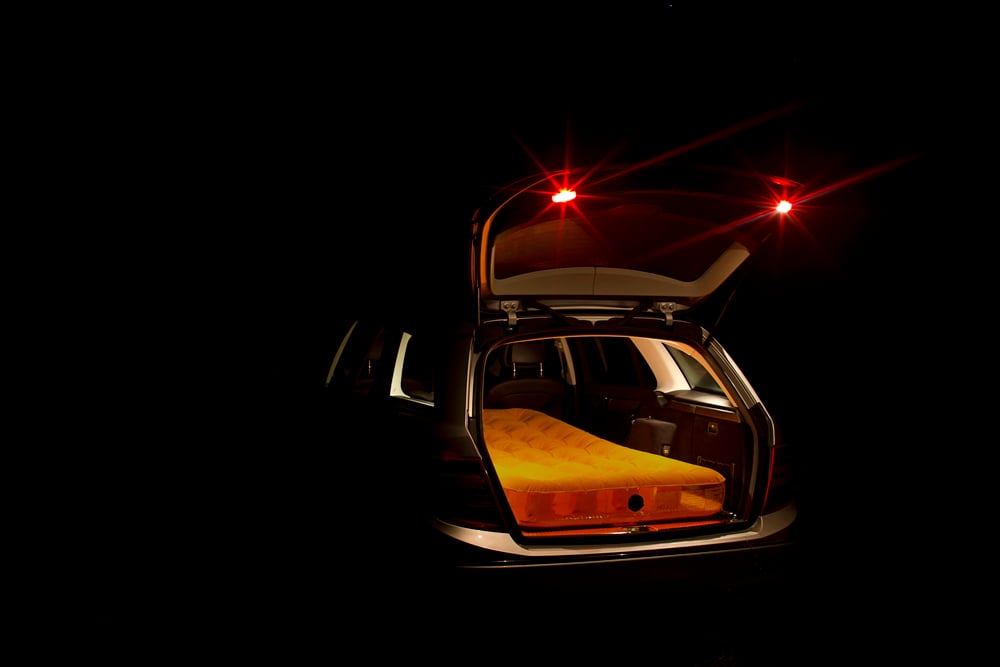
Configurations that accommodated sleeping during road trips, picnic equipment, or sports gear could be rearranged easily. Modern vehicles’ integrated designs offer less modularity.
A sense of occasion to road trips in older vehicles
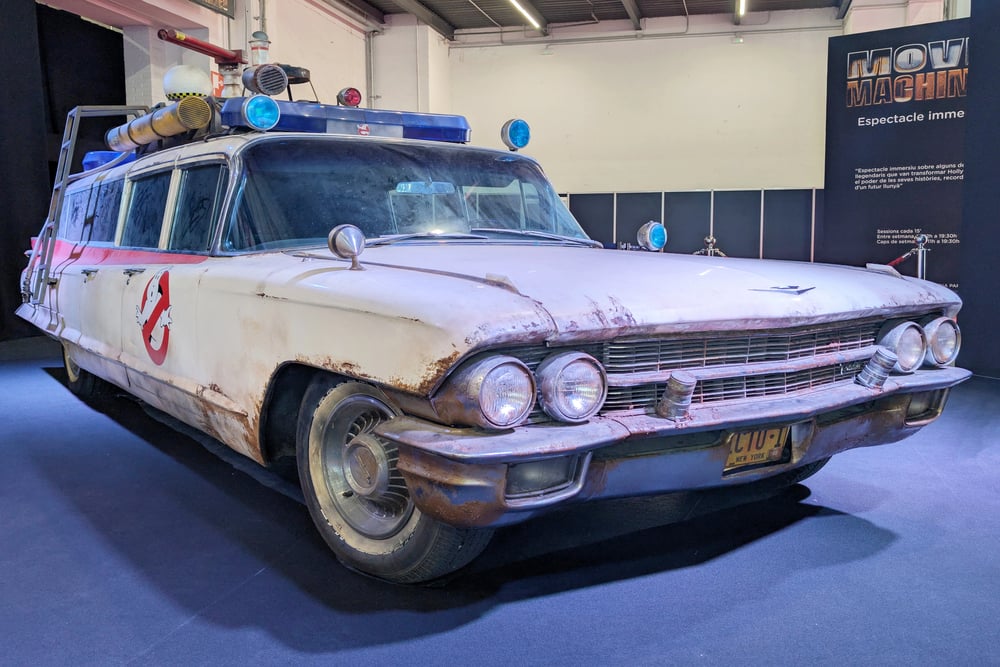
Station wagons carried cultural weight as the classic family vacation vehicle, making road trips feel more significant. Modern vehicles lack this nostalgic association.
Resilience to body damage and cosmetic aging
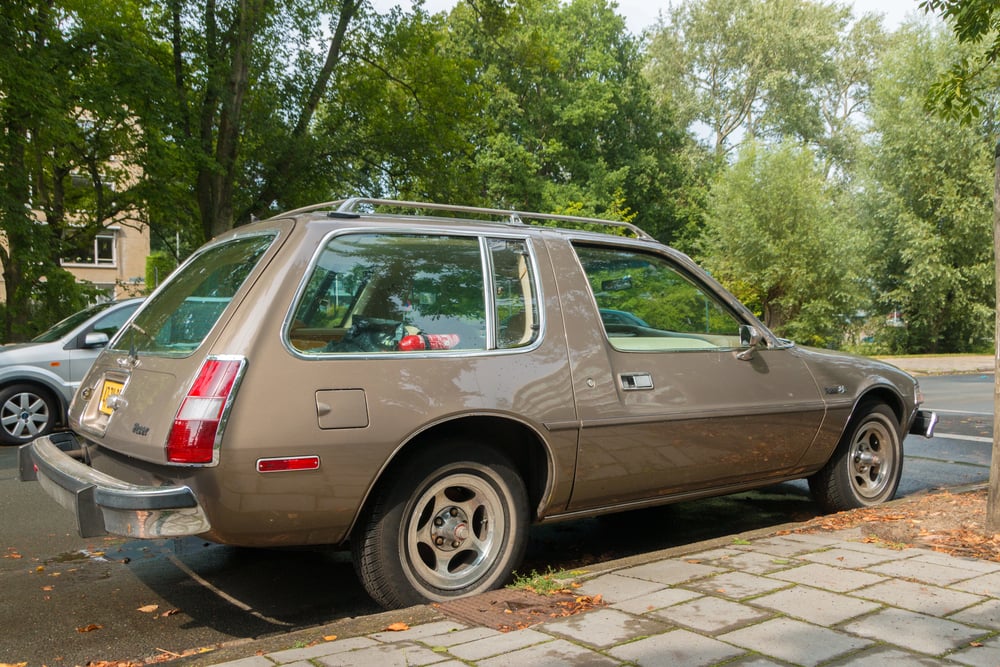
Station wagons with some cosmetic damage maintained functionality and dignity. Modern vehicles with cosmetic damage appear neglected or broken.
Simple aesthetics that didn’t dictate lifestyle
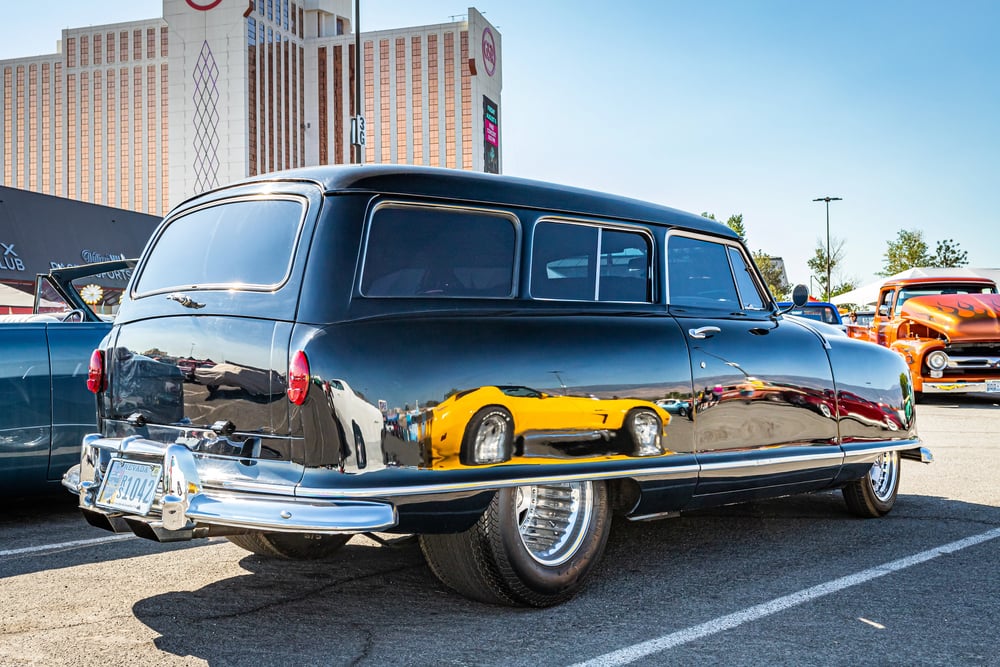
Station wagons made no claims about the owners’ personalities or values beyond practical parenthood. Modern vehicles with aggressive styling or lifestyle branding impose aesthetic expectations.
The Wagon’s Honest Legacy
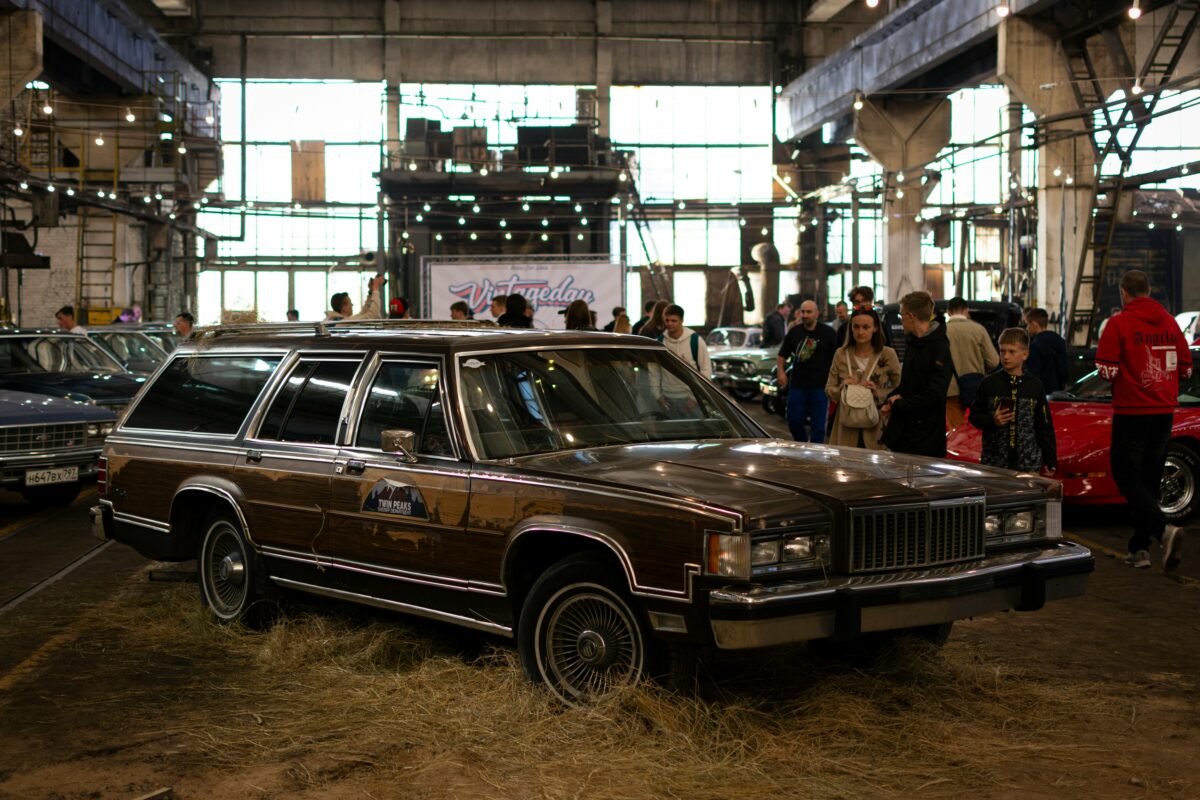
The family station wagon didn’t promise adventure or lifestyle transformation; it simply moved families efficiently. The vehicle’s honest design reflected an era when automobiles were tools rather than status symbols, when practicality outweighed image, when a car’s value was measured by what it could carry and how reliably it did so.
Modern family vehicles have become more capable in technical terms, but in the transaction toward complexity and power, something about the straightforward competence of the station wagon has been lost. Families who drove them remember not the vehicles themselves but the road trips they enabled, the capacity they provided, the predictability they offered.
In retrospect, that seems like the right thing to remember about a car.
More from Go2Tutors!

- The Romanov Crown Jewels and Their Tragic Fate
- 13 Historical Mysteries That Science Still Can’t Solve
- Famous Hoaxes That Fooled the World for Years
- 15 Child Stars with Tragic Adult Lives
- 16 Famous Jewelry Pieces in History
Like Go2Tutors’s content? Follow us on MSN.