27 Countries That Tried to Erase Languages From Existence and What Happened Next
Language erasure has been one of history’s most systematic tools of cultural control. Governments have banned languages in schools, prohibited their use in courts and government, punished speakers with physical violence, and constructed elaborate legal systems to ensure only the dominant tongue would survive.
Yet the pattern across centuries and continents reveals a consistent truth: language suppression has rarely succeeded completely.
Australia

Colonial authorities systematically suppressed the 250 distinct Aboriginal languages and 800 dialects spoken across the continent. The government passed the Aboriginal Protection Act in 1869, giving authorities total control over Indigenous communities.
On missions and reserves, English became the only permitted language in dormitories and classrooms, with speakers punished for using their native tongues. Today, the vast majority of those languages are extinct, though some revival efforts have begun.
Turkey

The Turkish government banned the use of Kurdish (Kurmanji) for much of the twentieth century, treating it as a state threat. Kurdish could not be used in public spaces, schools, or government settings.
The ban wasn’t lifted until the 1990s, by which point a generation had lost fluency. Revival movements have gained traction since then, particularly in the Kurdistan Regional Government in Iraq, where Kurdish now has official status.
Soviet Union
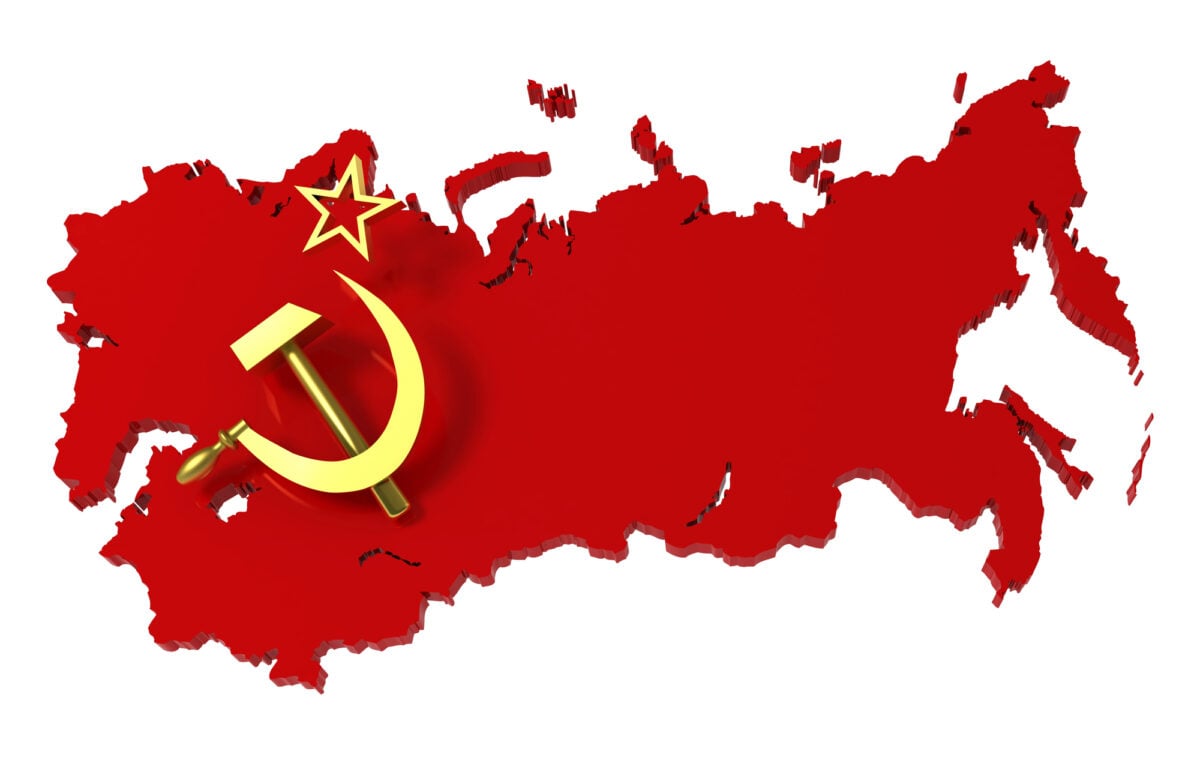
Russification policies, pursued by both Imperial Russia and the Soviet Union, systematically suppressed Ukrainian, Lithuanian, Georgian, Armenian, Azerbaijani, and dozens of other minority languages. The state promoted Russian as the sole language of education, government, and power.
While the policy didn’t eliminate these languages, it severely damaged intergenerational transmission, creating communities where younger generations had limited fluency in their heritage language.
United States

Beginning in the late nineteenth century, the U.S. government forcibly placed Native American children in boarding schools where speaking their indigenous languages was forbidden. Students were punished, shamed, and sometimes beaten for using Navajo, Cherokee, Apache, or any of the hundreds of Native languages.
The boarding school system ran through much of the twentieth century, and many students never recovered fluency in their native language.
France

The French government launched systematic suppression of Breton, Occitan, Corsican, and other regional languages, particularly after the French Revolution. Officials declared Breton a “barbarous relic” and prohibited children from using it in schools until the late 1960s.
Parents were not allowed to give their children Breton names until 1993. The policy worked: speakers of Breton have declined from over 1 million in 1950 to roughly 200,000 today, mostly elderly.
Ireland

British colonial rule suppressed the Irish language (Gaelic) in favor of English. The language was discouraged in education, government, and public life.
Native speakers were treated as inferior and resistant to “civilization.” Despite the suppression, Irish survived in remote areas and has experienced a modern revival, becoming co-official with English in Ireland.
Spain

During Francisco Franco’s regime, Catalan and Basque were banned entirely. These languages could not be used in schools, published materials, or public settings.
The suppression lasted decades, severely damaging transmission to younger generations. After Franco’s death, both languages have experienced cultural recovery and are now co-official in their respective autonomous communities.
Scotland

Gaelic was restricted under British rule, treated as a marker of Scottish backwardness. The language was banned from schools and government settings, and speakers faced discrimination.
Today, Gaelic survives in the Hebrides and parts of the Highlands, and revival initiatives have begun to restore its use in education.
Japan

During its occupation of Korea from 1910 to 1945, Japan imposed Japanese as the sole language of instruction. Korean language classes became optional before being banned entirely.
Japanese officials also pressured Koreans to abandon their names and adopt Japanese ones. The occupation ended with Japan’s World War II defeat, but the suppression created lasting damage to language transmission.
Canada

The Canadian government forced Indigenous children into residential schools where speaking their native languages was prohibited. Students were punished for using Cree, Blackfoot, Salish, Inuit languages, and dozens of others.
The residential school system operated into the late twentieth century, causing profound intergenerational trauma and language loss that continues to affect Indigenous communities today.
New Zealand

New Zealand’s 1867 Native Schools Act banned te reo Maori (the Maori language) in schools, with children beaten for speaking it. The policy successfully suppressed the language for over a century, driving it to near extinction.
Since the 1980s, however, te reo has experienced a remarkable revival through immersion schools and cultural initiatives, and it became co-official with English in 1987.
China

The Chinese government has implemented policies pressuring Tibetan and Uyghur speakers to use Mandarin Chinese. In Tibet, Mandarin increasingly dominates educational settings, reducing transmission of Tibetan to younger generations.
Uyghur faces similar pressures in Xinjiang, with government policies favoring Mandarin in schools and official settings.
Russia (Imperial and Soviet)
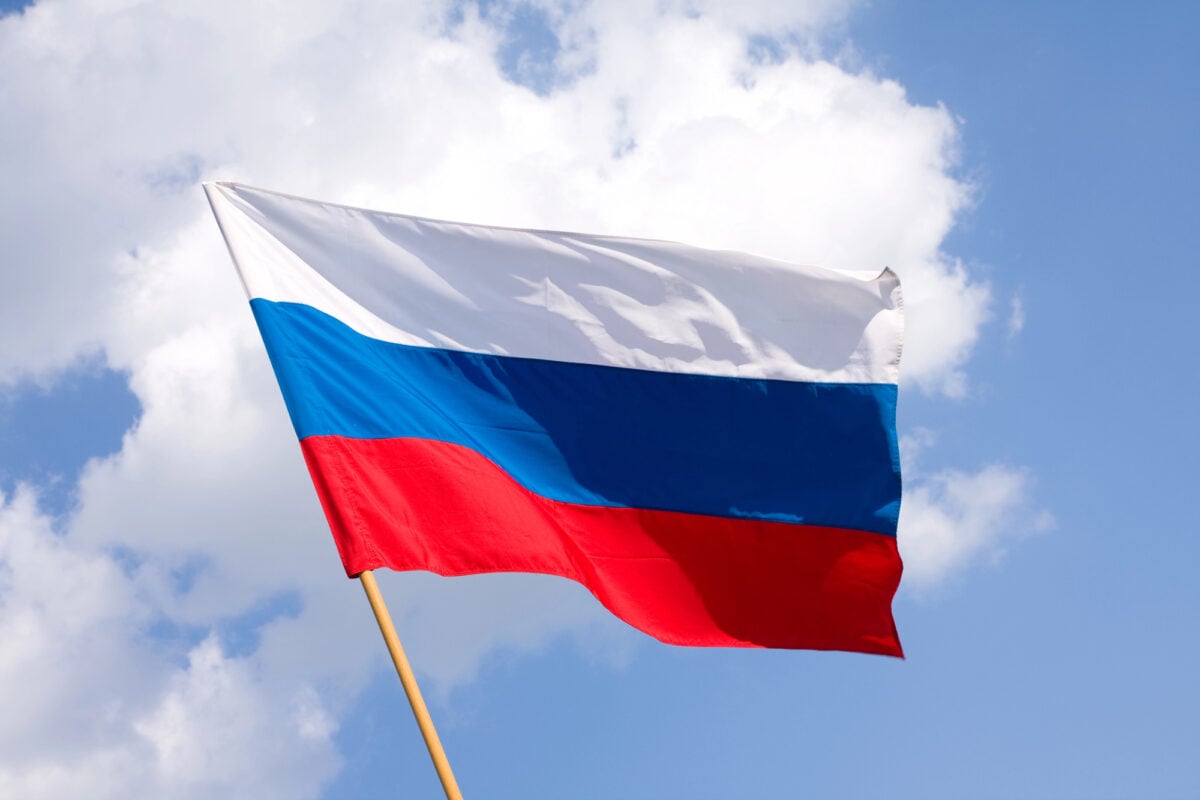
Beyond the broader Russification campaigns, Russia specifically suppressed the Caucasian languages, viewing their speakers as threats to state stability. Languages like Circassian, Abkhaz, and Dagestani tongues were pushed out of public life and education.
Some have recovered to some degree, though others remain critically endangered.
Poland

Polish language was suppressed during partitions of Poland, particularly under Russian and Prussian rule. The suppression intensified during World War II when Nazi Germany sought to eliminate Polish as part of its racial ideology.
Despite these efforts, Polish survived and is now the dominant language of the modern Polish state.
Ukraine

Ukrainian has faced recurring suppression throughout its history, first under Russian imperial rule, then Soviet policies that favored Russian, and again in some regions post-Soviet independence. The language has survived and remains the national language of Ukraine, though Russian influence persists in some areas.
Hungary
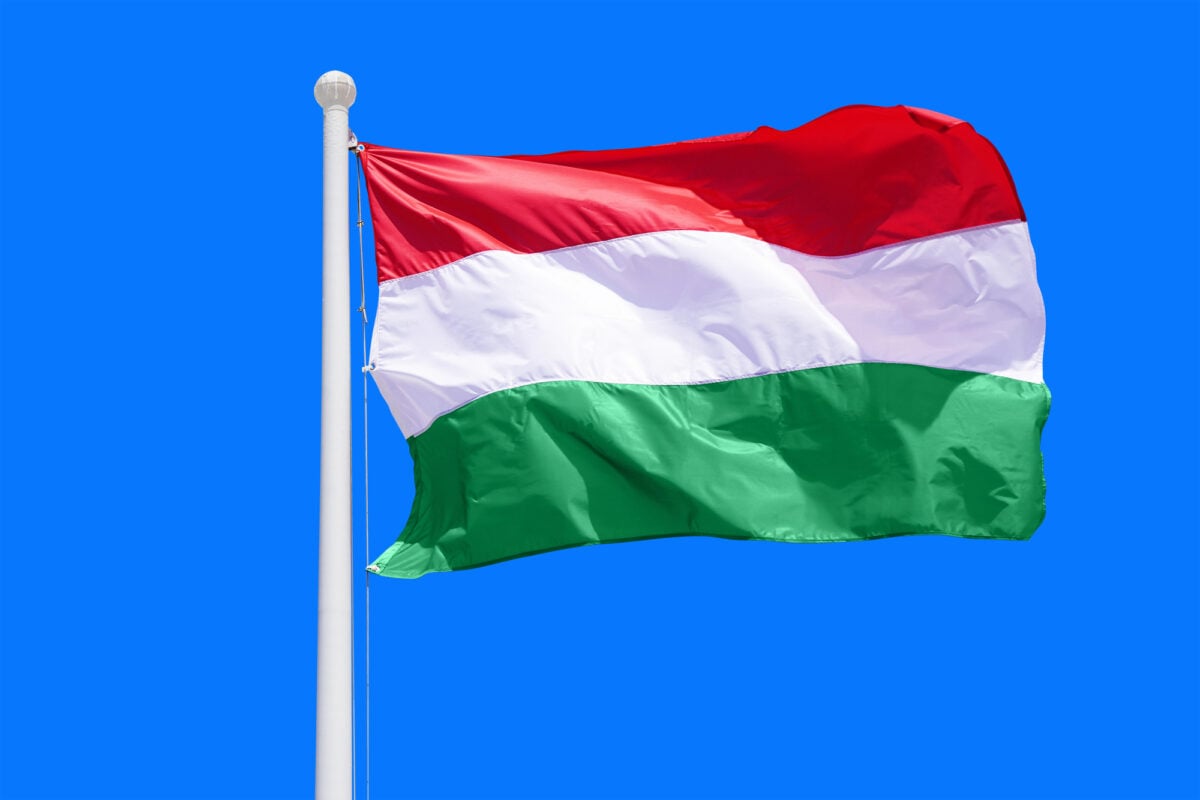
Hungary pressured minority languages to assimilate to Hungarian during Austria-Hungary and periods of Soviet rule. While Hungarian itself survived and flourished, minority languages within Hungary faced suppression and stigma, leading to the decline of Romani, Slovak, and other languages spoken by minorities.
Romania

Romania implemented language policies that marginalized Romani and other minority languages in favor of Romanian. Educational and governmental systems prioritized Romanian, resulting in reduced transmission of minority languages.
Romani remains critically endangered despite being spoken by significant populations.
Peru
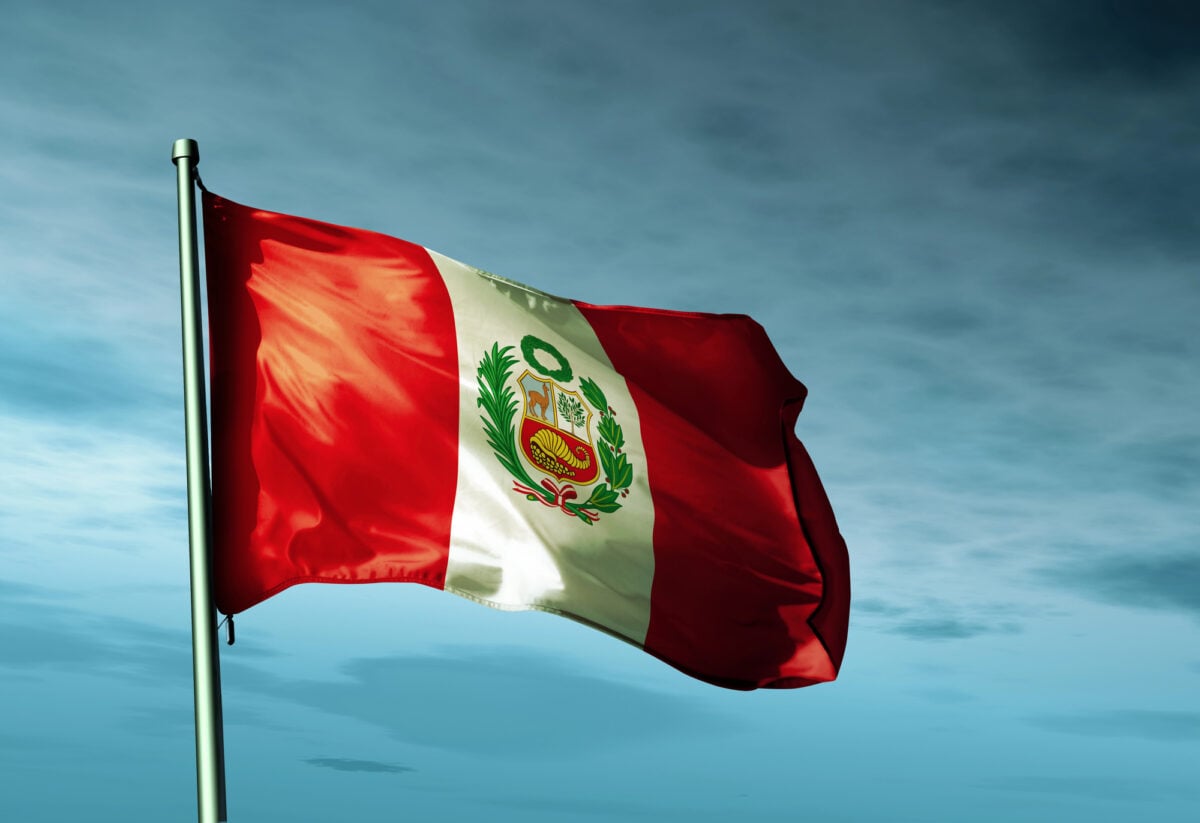
Spanish colonial powers suppressed Quechua (the Inca language) in favor of Spanish. The suppression continued after independence, with educational policies marginalizing Quechua speakers.
Today, millions still speak Quechua, though efforts to reverse centuries of language loss remain incomplete.
Mexico
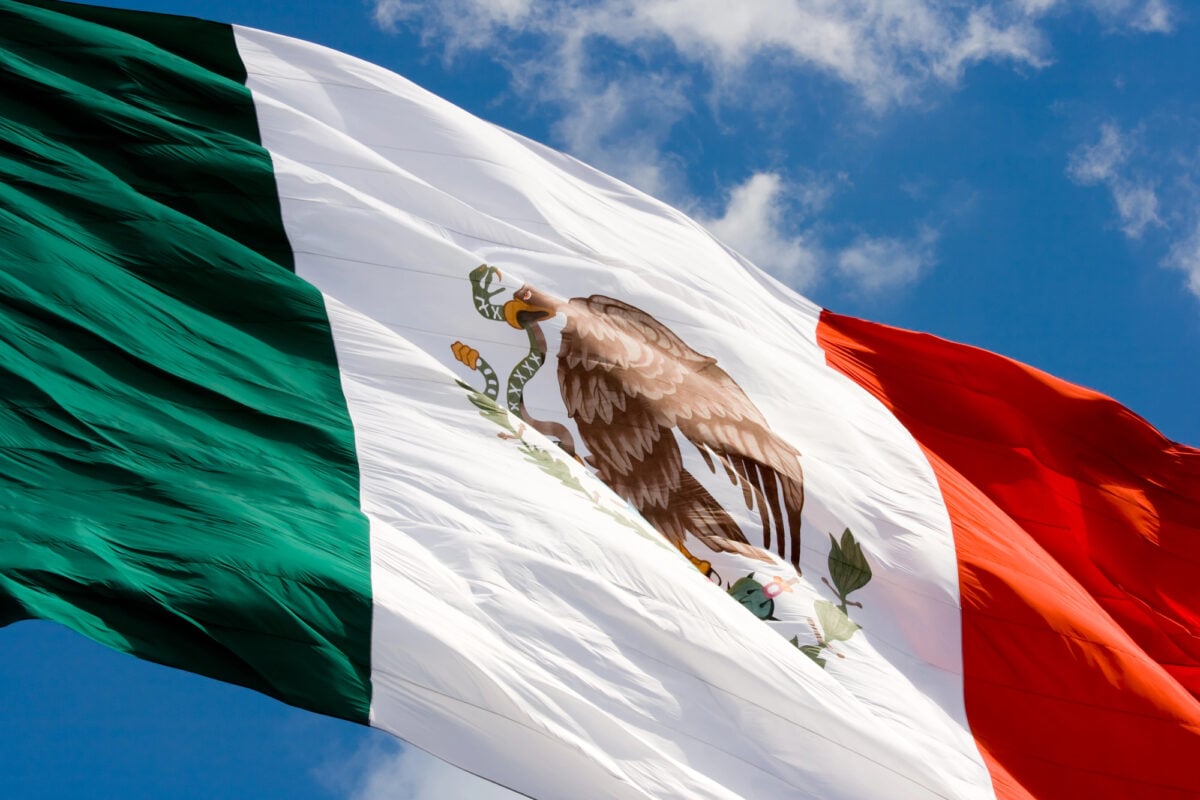
Spanish colonizers and later Mexican governments suppressed hundreds of Indigenous languages including Nahuatl, Maya languages, and Zapotec. Educational systems favored Spanish exclusively, leading to the extinction of many languages and the endangerment of dozens more.
Revival movements have gained traction in recent decades.
Brazil

Portuguese colonial rule suppressed Indigenous languages across Brazil. Policies either killed speakers outright or forcibly integrated them into Portuguese-speaking societies.
Hundreds of Indigenous languages vanished entirely, with roughly 200 remaining, many critically endangered due to centuries of systematic suppression.
Argentina

Spanish colonial rule suppressed Mapuche, Quechua, and other Indigenous languages. Assimilationist policies in the nineteenth and twentieth centuries continued the suppression.
Many languages disappeared entirely, and those remaining face critical endangerment despite recent efforts at revival.
Philippines

The Spanish colonial period and American occupation suppressed hundreds of Philippine languages in favor of Spanish and English. While major languages like Tagalog survived, hundreds of regional and ethnic languages were lost or severely endangered.
Modern Philippine policy recognizes multiple languages, but suppression effects persist.
Malaysia

The Malaysian government promoted Malay as the sole official language, marginalizing Indigenous languages including Orang Asli tongues and minority Chinese and Indian languages. Educational policies reinforced Malay dominance, reducing transmission of minority languages among younger generations.
Vietnam

The Vietnamese government suppressed minority languages including those of the Hmong, Montagnard, and other ethnic groups. Educational policies and assimilation campaigns favored Vietnamese exclusively, resulting in reduced intergenerational transmission.
Some minority languages face critical endangerment.
Egypt

The Egyptian government marginalized Berber (Amazigh) in favor of Arabic. Educational systems used only Arabic, treating Berber as a regional dialect rather than a distinct language.
Despite legal recognition in 2003, Berber remains subordinated to Arabic in educational and governmental contexts.
Morocco

Morocco suppressed Amazigh (Berber) language for decades, using exclusively Arabic in schools and government. Speakers faced discrimination for using Amazigh in public.
Recent constitutional changes granted Amazigh co-official status, and its use in education has expanded, though decades of suppression have taken toll.
Algeria

The Algerian government suppressed Tamazight (Amazigh) language throughout the twentieth century, declaring it a “regional dialect” rather than a language. Educational and governmental systems excluded it entirely in favor of Arabic.
Despite being spoken by millions, Tamazight only gained official recognition in 2016 after sustained activism.
The Pattern of Survival
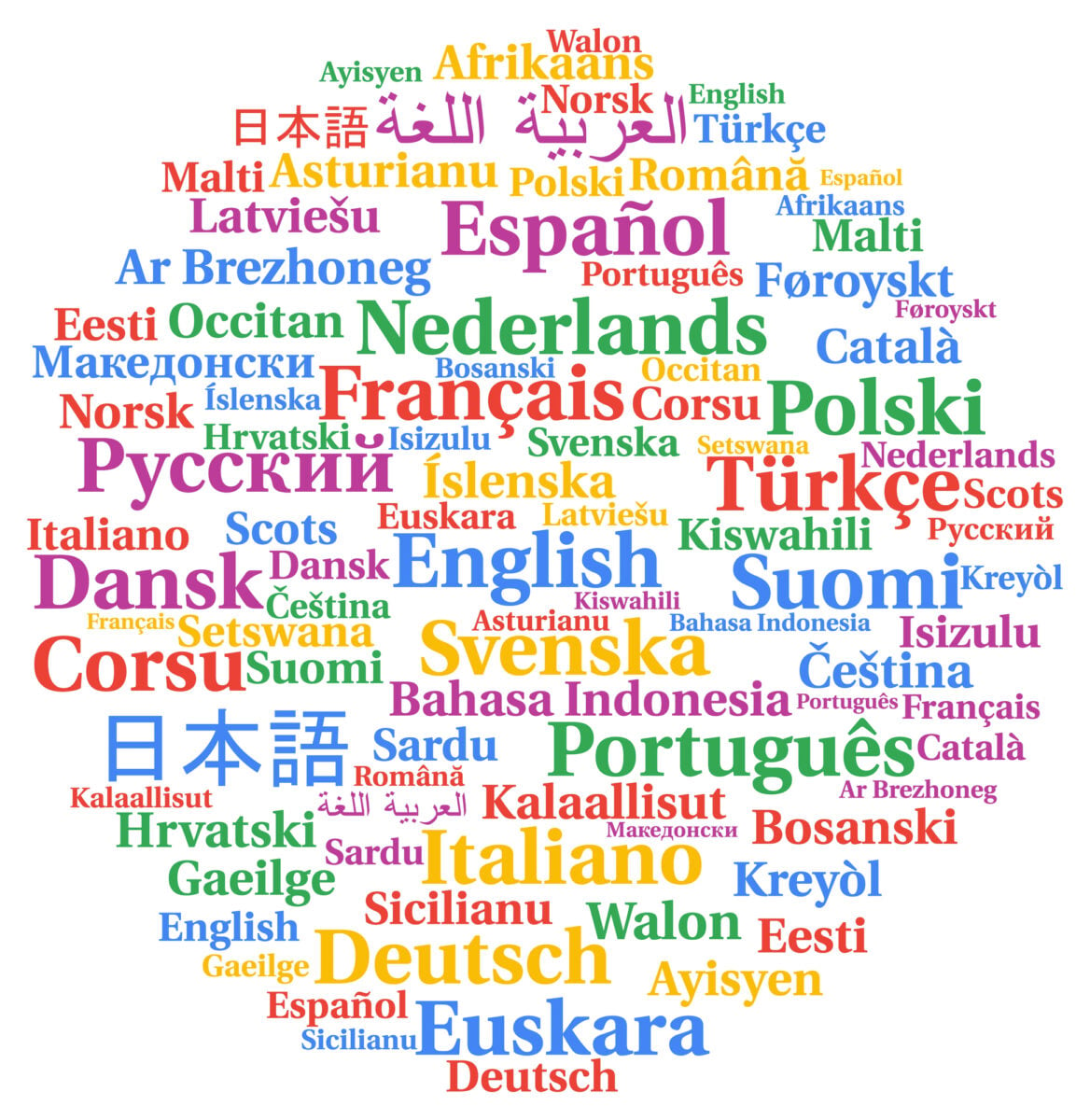
These twenty-seven countries illustrate that language erasure, for all its brutality and systematic enforcement, ultimately fails to eliminate human expression. Speakers carry languages in memory and family practice even after official suppression.
The languages that survive do so because no government can fully control the intimate spaces of home, culture, and identity.
More from Go2Tutors!

- The Romanov Crown Jewels and Their Tragic Fate
- 13 Historical Mysteries That Science Still Can’t Solve
- Famous Hoaxes That Fooled the World for Years
- 15 Child Stars with Tragic Adult Lives
- 16 Famous Jewelry Pieces in History
Like Go2Tutors’s content? Follow us on MSN.