31 Celestial Events That Caused Mass Hysteria Throughout History
Before astronomy gave us the tools to understand the heavens, celestial anomalies terrified populations into submission. Comets, eclipses, supernovae, and meteor showers appeared without warning, their meanings shrouded in superstition and dread.
Kings commissioned peace treaties, invaders changed the course of conquest, and entire cities took to the streets in panic—all because the night sky had moved in ways no one could explain. For ancient and medieval peoples, the celestial realm belonged to the gods.
When it misbehaved, catastrophe seemed inevitable. The events below reshaped empires, stopped wars, sparked invasions, and convinced masses that the world was ending.
The Battle of the Eclipse (585 BC)
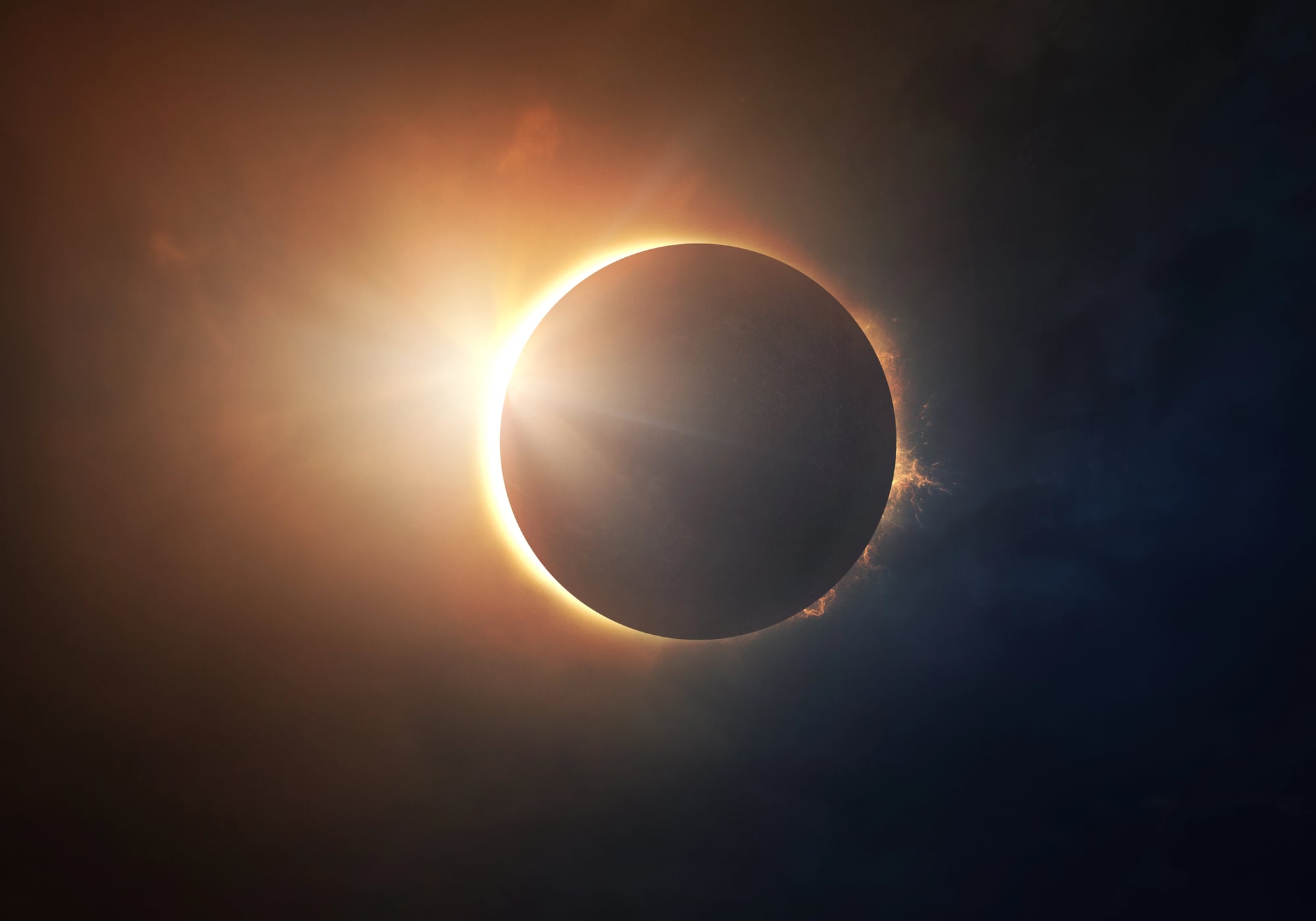
On May 28, 585 BC, armies of the Lydians and Medes clashed near the Halys River in what is now Turkey, locked in a war that had already consumed six years. As the soldiers fought with renewed fury, the sun began to disappear.
Panic seized both sides. Weapons dropped.
The Greek philosopher Thales had supposedly predicted this very moment, and whether his prediction was real or legend, the effect was undeniable: soldiers and commanders alike abandoned the battlefield in terror, convinced the gods had spoken. The two empires immediately negotiated peace, sealed by royal marriages between their houses.
The eclipse became history’s only recorded example of an astronomical event ending a major conflict mid-battle.
The “Sword Star” of Jerusalem (66 AD)
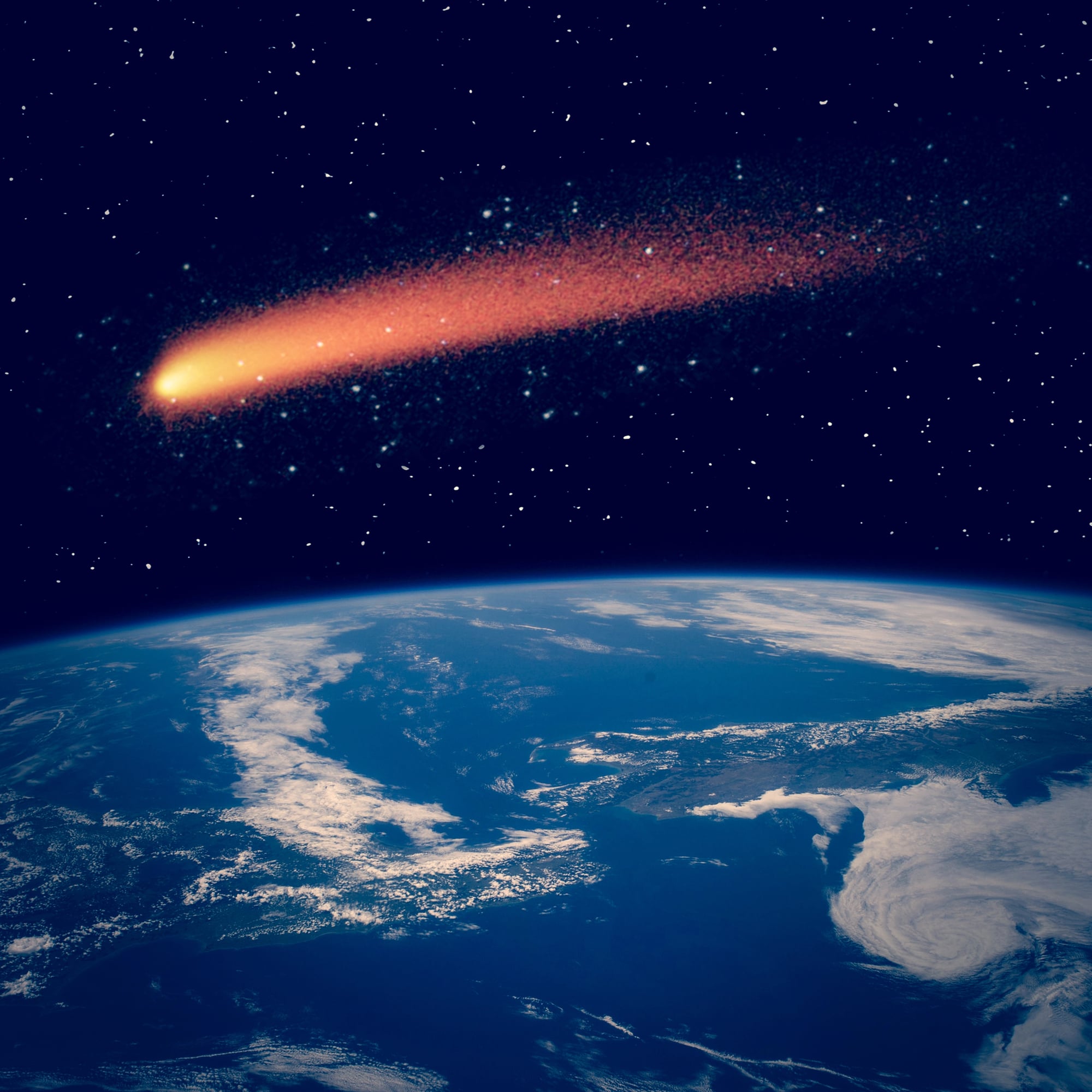
The Roman historian Flavius Josephus recorded the appearance of a comet visible before the siege of Jerusalem, which he described as a “star resembling a sword.” The omen filled the besieged city with dread and contributed to the sense of inevitable doom that hung over the population.
Many interpreted the cosmic anomaly as divine judgment against the city. Josephus himself saw it as proof of impending destruction, and within months, the city fell to Roman forces, cementing the comet’s place in the historical record as a harbinger whose prediction came terrifyingly true.
Halley’s Comet and the Fall of Attila (451 AD)
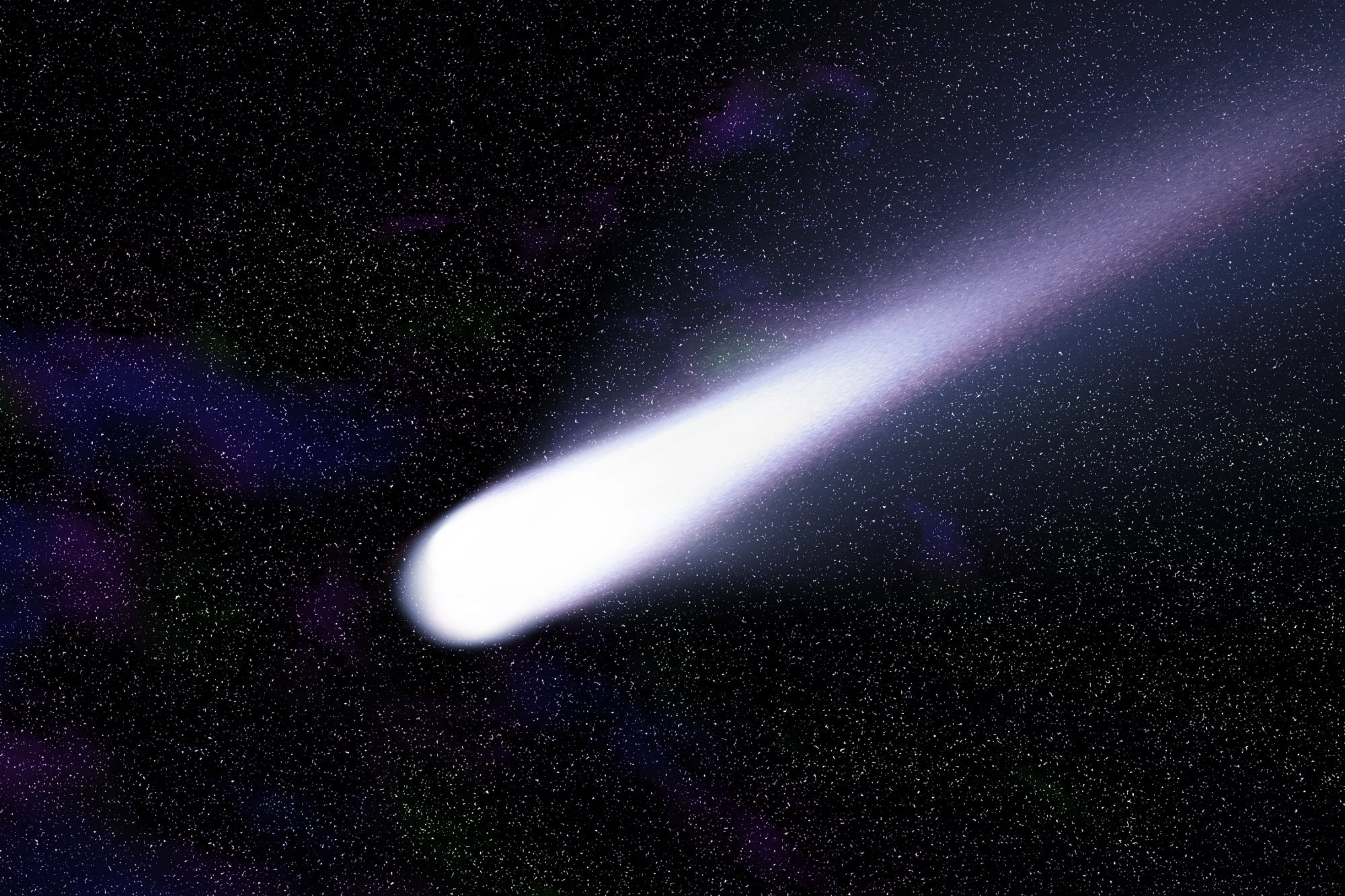
Halley’s Comet appeared in 451 AD during the Battle of the Catalaunian Plains in Gaul, where Roman and Visigothic forces clashed with the invading Hunnic armies of Attila. Contemporary observers believed the comet foretold the battle’s outcome—Attila’s defeat.
Whether the comet actually influenced Attila’s decision-making or merely coincided with a turning point in his campaign, the appearance gained legendary status. Attila did indeed withdraw after the battle, and the comet was credited by medieval chroniclers with halting the Hun’s westward expansion through sheer cosmic force.
The Comet of Emperor Louis (837 AD)
When Halley’s Comet reappeared in 837 AD, Holy Roman Emperor Louis the Pious interpreted it as a personal omen of his imminent death. The emperor became so convinced of the comet’s dire message that he began an intense regimen of fasting, prayer, and penitential acts, attempting to ward off the cosmic judgment he believed was leveled against him.
His court fell into a state of religious fervor, with masses held daily to seek divine protection. Though Louis survived the comet’s passage, the event demonstrated how celestial phenomena could trigger mass psychological phenomena even among the most powerful rulers of the age.
The Guest Star of 1054
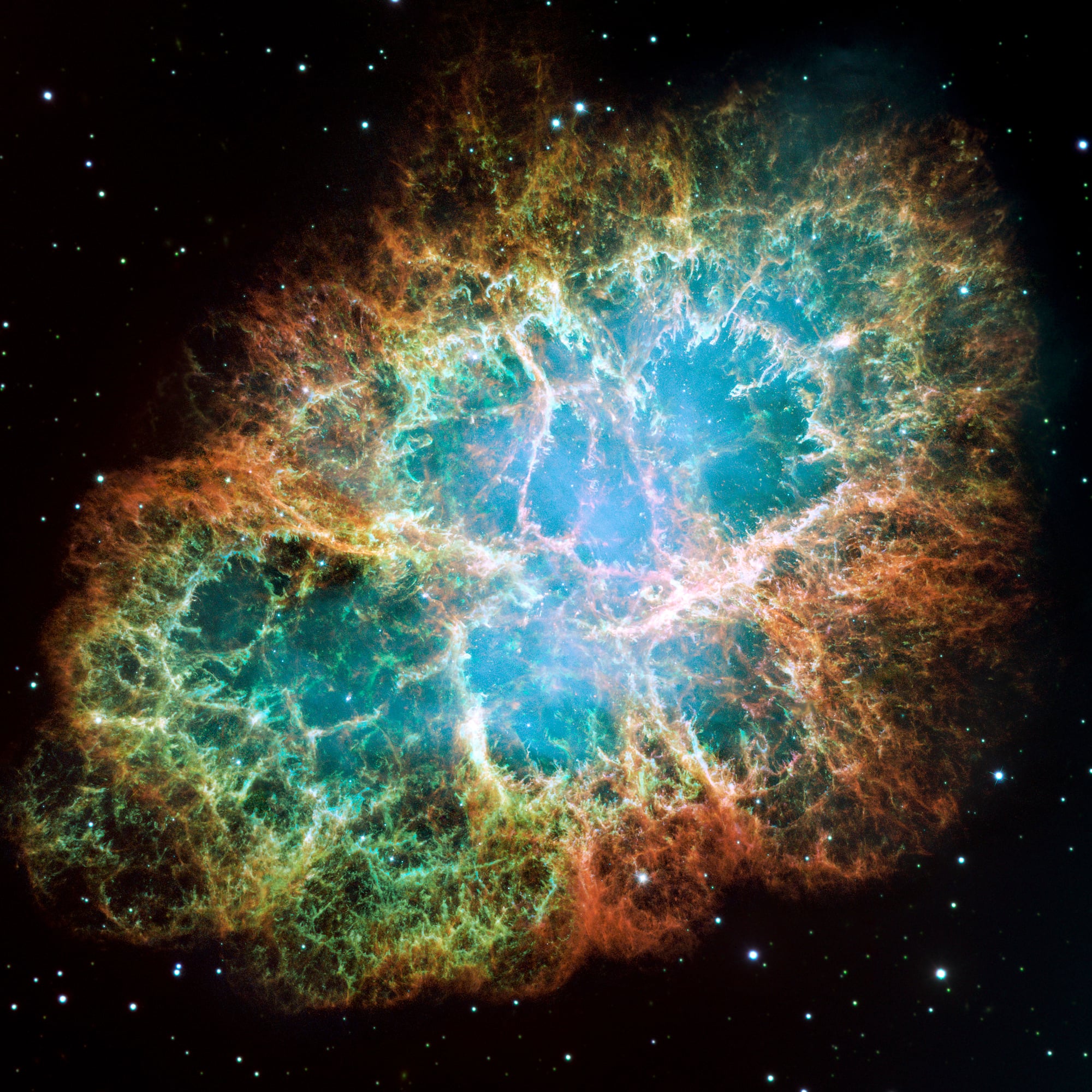
In July 1054, Chinese astronomers recorded the appearance of a “guest star”—a bright new star that had never been seen before—in the constellation Taurus. The supernova was so luminous it remained visible in the daytime sky for nearly a month.
Court astronomers recorded their observations meticulously, connecting the event to omens both positive and negative. Chinese astrology held that new stars heralded major changes in imperial affairs.
The explosion that created this guest star was the same event that modern astronomers now recognize as the birth of the Crab Nebula, one of the most energetic objects in our galaxy, though the medievals could only perceive it as an ominous shift in the celestial order.
Halley’s Comet and the Norman Conquest (1066)

In 1066, Halley’s Comet appeared in the spring sky over Europe in the weeks before the Norman invasion of England. The Bayeux Tapestry, embroidered shortly after the Norman victory, immortalized the comet in a scene showing English observers pointing upward in alarm and wonder, with the Latin caption “ISTI MIRANT STELLA”—”These men marvel at the star.”
The English interpreted the comet as a devastating omen for their king, Harold, while William of Normandy saw it as a sign of his divinely sanctioned right to the throne. The Norman troops shouted “Nova stella, novus rex”—”A new star, a new king”—as they charged at Hastings.
Harold fell in battle, and the prophecy seemed fulfilled, binding the comet forever to one of history’s most transformative military campaigns.
Genghis Khan’s Celestial Mandate (1222)

Halley’s Comet returned in 1222, appearing as a bright streak across the skies of Mongolia. Genghis Khan, known then as Temüjin, looked at the comet’s westward trajectory and declared it his personal star—a sign from heaven that his destiny lay in westward expansion.
Inspired by this celestial endorsement, Khan launched his armies across central Asia toward Europe. While rebellions in conquered Chinese territories eventually forced Khan to recall his forces, his interpretation of the comet as divine approval shaped the trajectory of one of history’s largest empires and unleashed centuries of warfare that reshaped the European and Asian continents.
The Comet of Ottoman Expansion (1456)
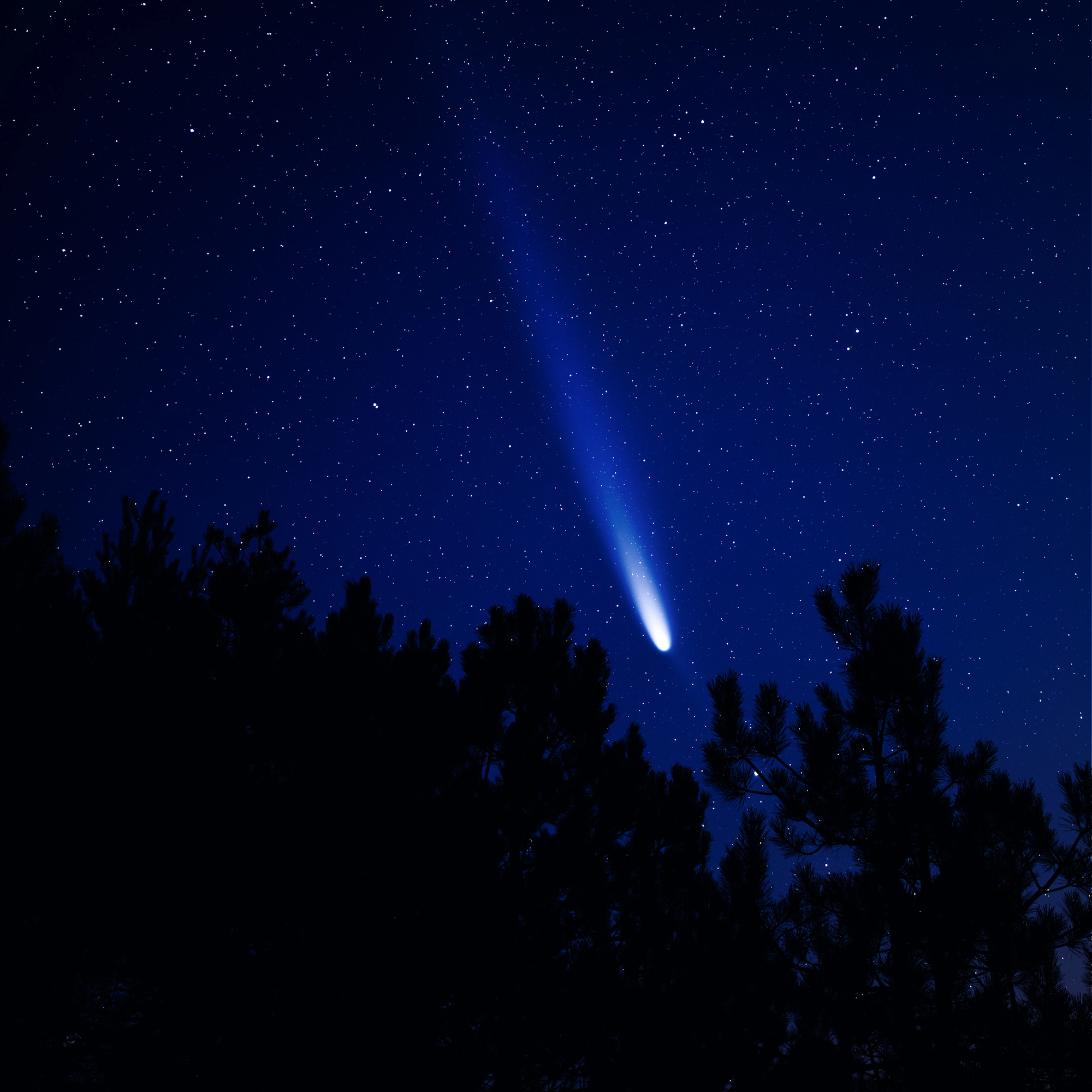
Halley’s Comet reappeared in 1456, coinciding with the Ottoman Empire’s invasion of the Balkans. Comets had long served as instruments of propaganda, and both Christian and Ottoman observers seized on this one to advance their narratives.
For Ottoman armies, it represented divine blessing; for panicked Christians, it portended invasion and conquest. The comet’s presence during this pivotal military campaign added to its historical mystique and, like its 1066 appearance, became inseparable from a major shift in geopolitical power.
Columbus Uses the Moon as a Weapon (1504)
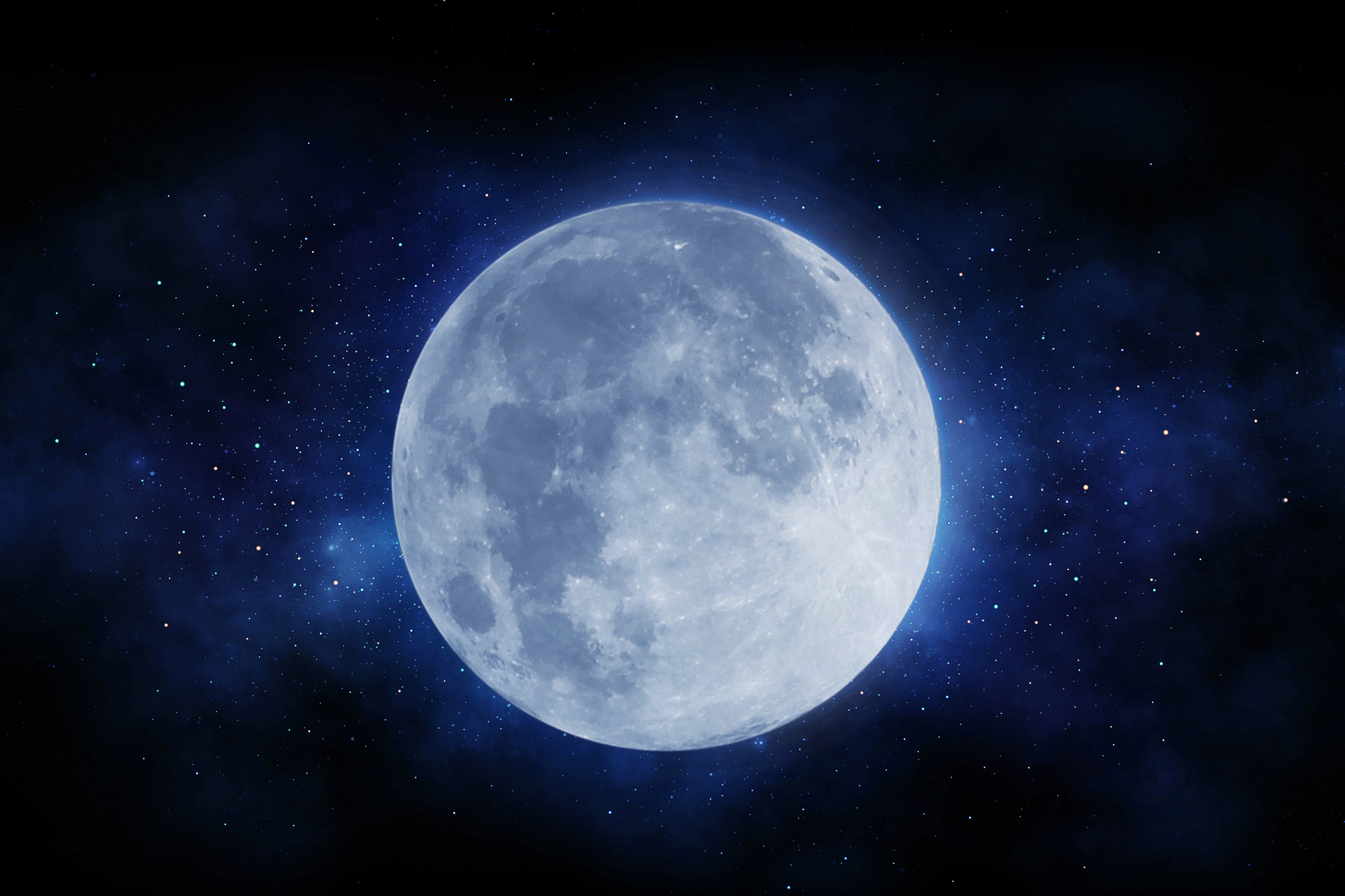
Stranded with his men on the shores of Jamaica during his fourth voyage, Christopher Columbus faced starvation when local indigenous peoples ceased providing food. Columbus possessed an almanac authored by Abraham Zacuto that contained precise predictions of celestial events.
He learned that a total lunar eclipse would occur on February 29, 1504. On February 28, Columbus summoned the tribal leaders and announced that his God would demonstrate his anger by making the moon disappear and turn red “inflamed with wrath.”
The natives dismissed this as fantasy until the eclipse occurred exactly as predicted. Terrified by the cosmic sign, they rushed to Columbus’s ships laden with provisions, begging him to intercede with his God.
For the indigenous peoples watching the moon vanish, the boundary between natural science and divine punishment had collapsed entirely.
The Dark Day of New England (May 19, 1780)

At ten o’clock in the morning on May 19, 1780, New England experienced an inexplicable darkness as profound as a total eclipse, yet no eclipse was occurring. The sky turned black as midnight over Massachusetts, Connecticut, and surrounding regions.
People abandoned their workplaces and rushed to churches and taverns, convinced Judgment Day had arrived. Flowers folded their petals.
Chickens roosted. The Connecticut Legislature moved to adjourn out of fear, though member Abraham Davenport famously refused, declaring he would continue his duties whether Judgment Day was approaching or not.
Contemporary accounts describe howling and lamentation in the streets, prayers shouted from windows, and the entire region gripped by existential dread. Scientists later determined the darkness was caused by massive forest fires in Canada whose smoke had been carried southward on the wind, but in that moment, the population had no rational explanation for daytime noon turning to absolute darkness.
The Great Comet of 1811
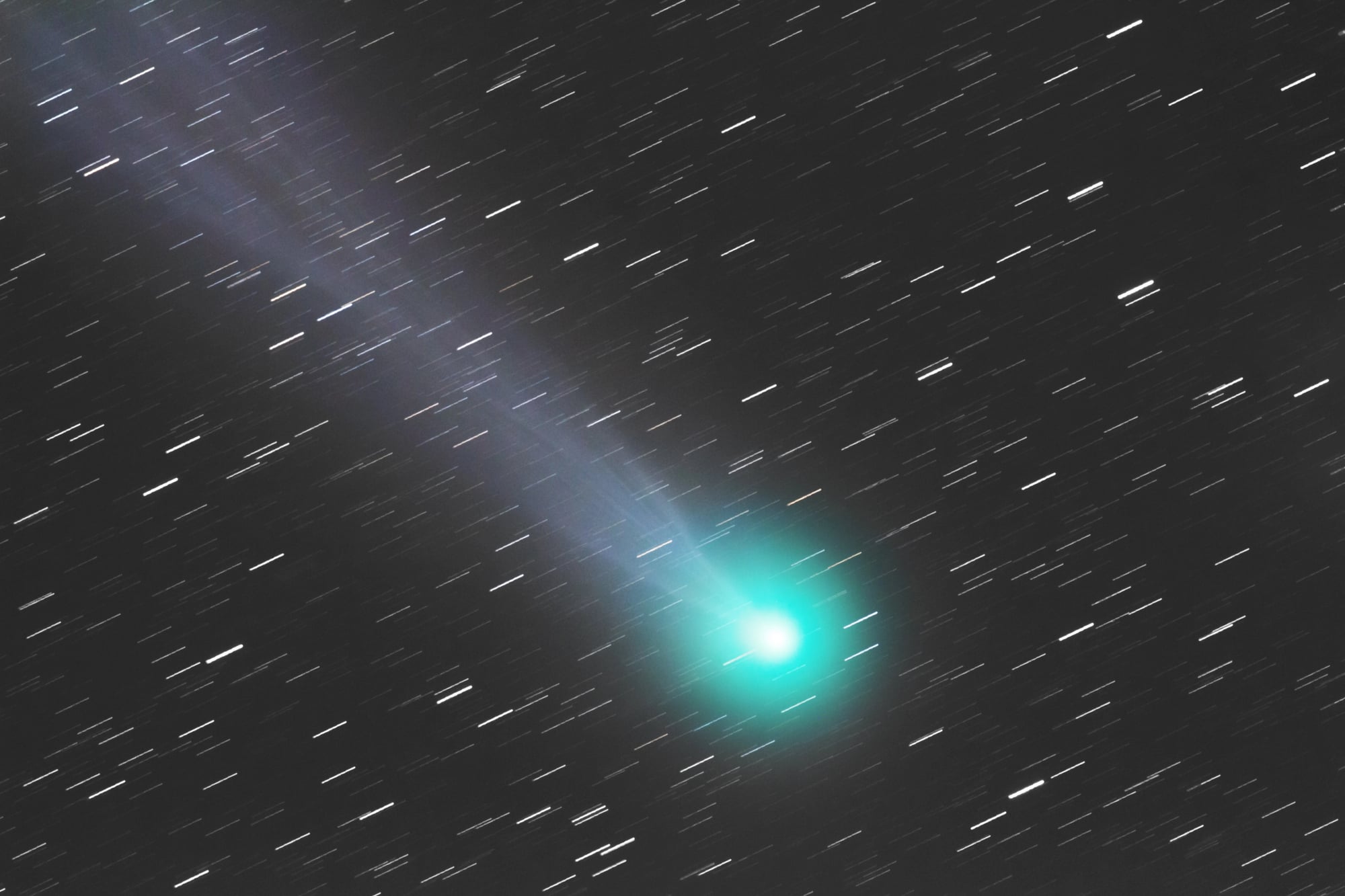
Discovered in March 1811, the Great Comet became one of the most spectacular celestial objects ever recorded, visible to the unaided eye for an unprecedented 260 days—a record that would hold until the appearance of Comet Hale-Bopp in 1997. With a coma wider than the sun itself and an equally magnificent tail, the comet was impossible to ignore.
It coincided with the Napoleonic Wars and was soon dubbed “Napoleon’s Comet” by those who believed it presaged his invasion of Russia in 1812. Tolstoy immortalized it in War and Peace, where the comet appears as an omen above Moscow.
Some observers credited it with inspiring unusual wine vintages from the 1811 harvest, while others saw it as a cosmic warning that proved tragically prophetic when Napoleon’s campaign ended in disaster.
Eclipse Panic in America (1831)
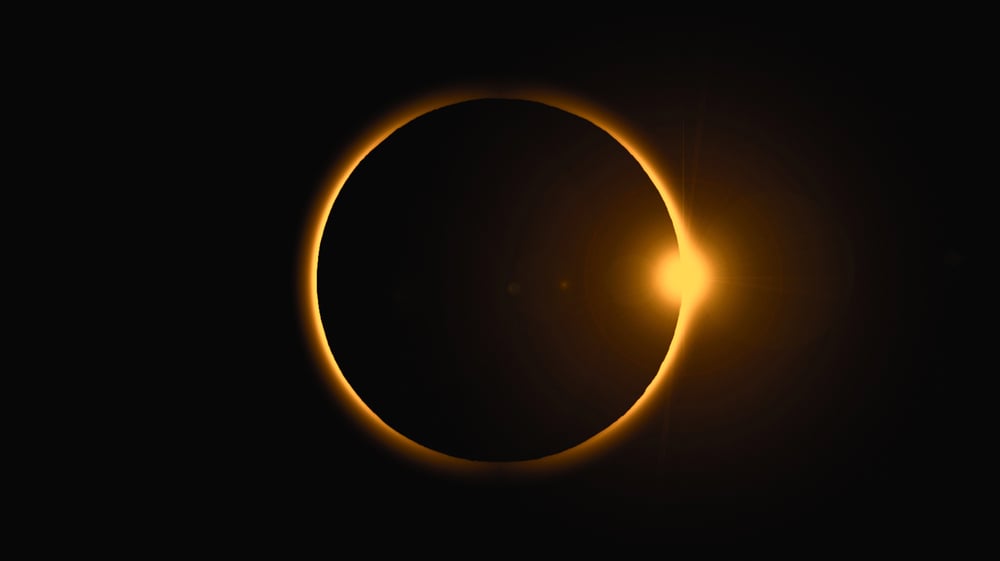
As a total solar eclipse approached in 1831, panic gripped parts of the United States despite assurances from astronomers that the event was natural and safe. Newspapers ran stories describing a “kind of vague fear, of impending danger—a prophetic presentiment of some approaching catastrophe.”
Voices predicted the end of the world with earnest conviction. People gathered in churches and prayer groups, convinced that scientific reassurance was powerless against divine judgment.
The eclipse passed without catastrophe, but the fear it inspired demonstrated that even as astronomy advanced, public understanding of celestial mechanics remained rooted in superstition and apocalyptic dread.
The Night the Stars Fell on Alabama (1833)
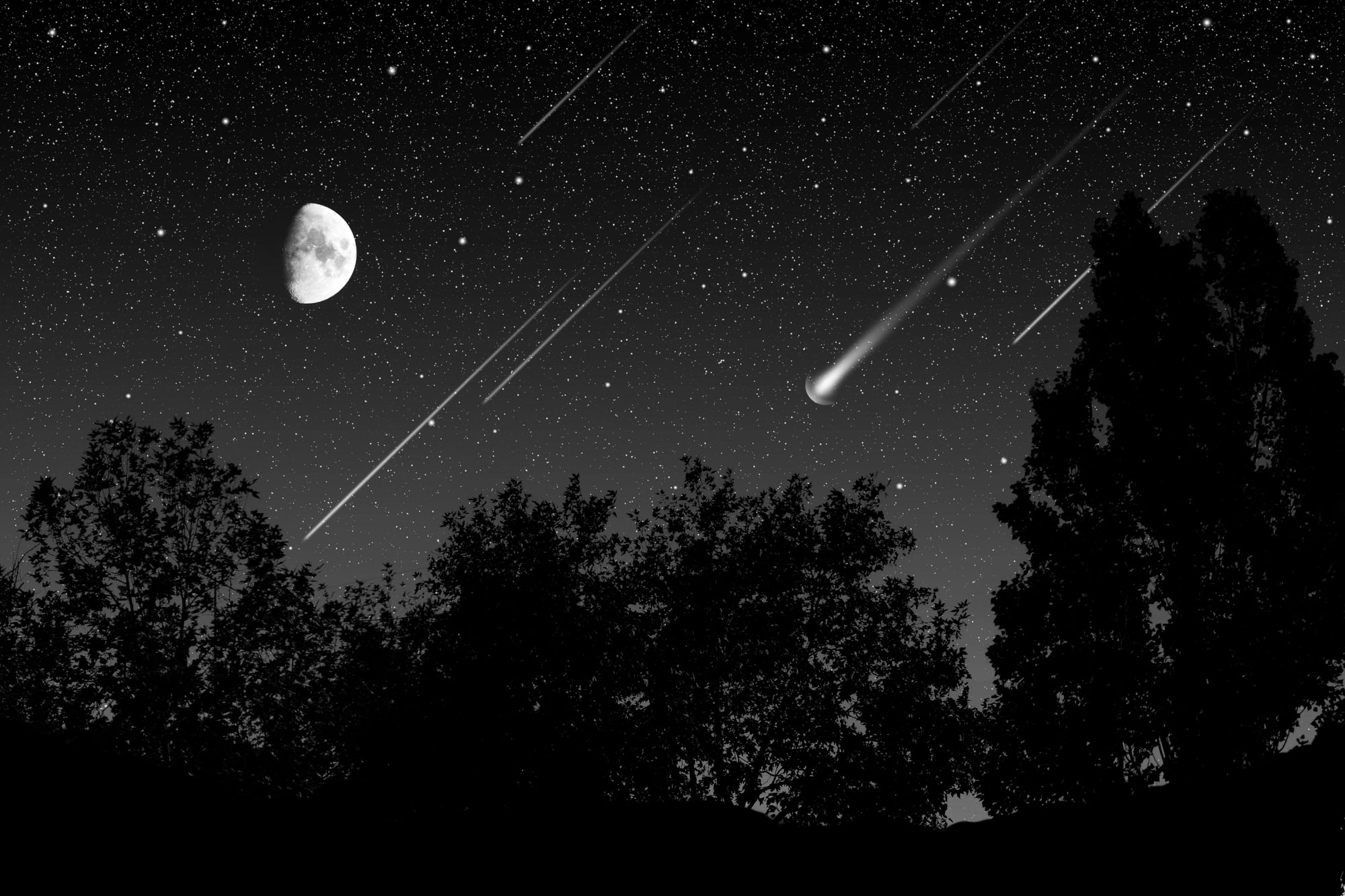
On the night of November 18, 1833, observers across North America witnessed one of the most dramatic meteor showers ever recorded. Over Alabama, as many as 14,000 meteors fell per hour, waking people from their beds and filling them with terror.
Contemporary accounts describe the shower as if the stars themselves were descending toward Earth. For many in the nineteenth-century American South, the sight confirmed their deepest apocalyptic fears.
The meteors were part of the Leonid meteor shower, which returns annually but occasionally produces extraordinary outbursts. Populations unfamiliar with this phenomenon interpreted the falling stars as signs of divine wrath or cosmic destruction, and the event passed into regional legend as one of history’s most awe-inspiring celestial displays.
The Great Comet of 1882
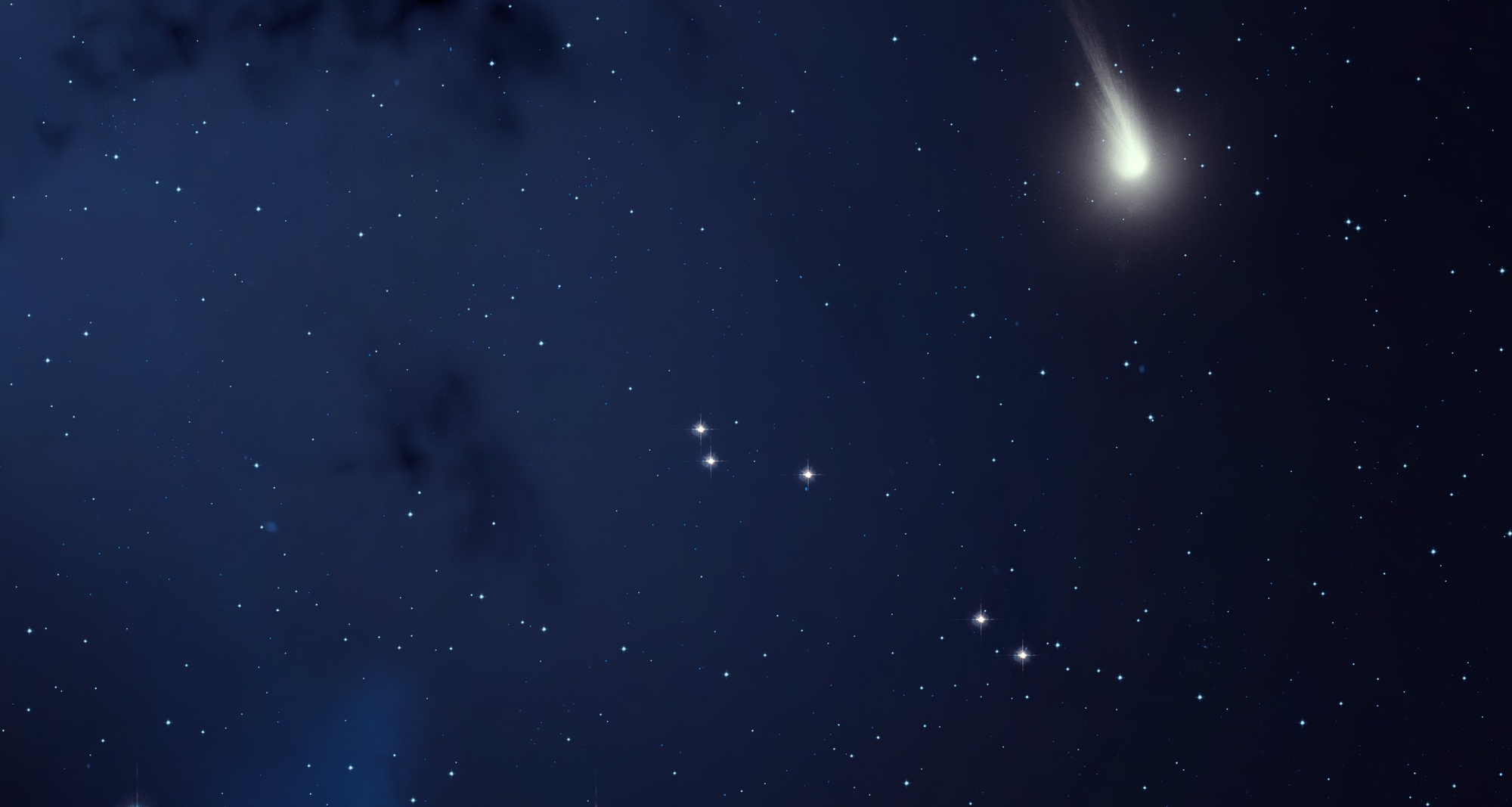
In September 1882, a brilliant comet appeared in the morning sky and approached the sun at a dangerously close distance. By September 14, it had become bright enough to see in the daytime sky with the unaided eye—a sight so astonishing that observers described their sense of unreality.
At its peak magnitude of approximately -17, it outshone the full moon. The comet was so close to the sun at perihelion that observers at the Cape Observatory in South Africa could watch it transit the solar disk itself, its silvery light forming a stark contrast against the sun’s reddish-yellow hue.
The sudden appearance of so brilliant an object in the daytime sky terrified populations who had no framework for understanding such an event. Ships’ captains reported the phenomenon, and the comet was discovered independently by dozens of observers across the globe, all of them struck by the brazen audacity of such a brilliant intruder in the domain of the sun.
The Comet Panic of 1910
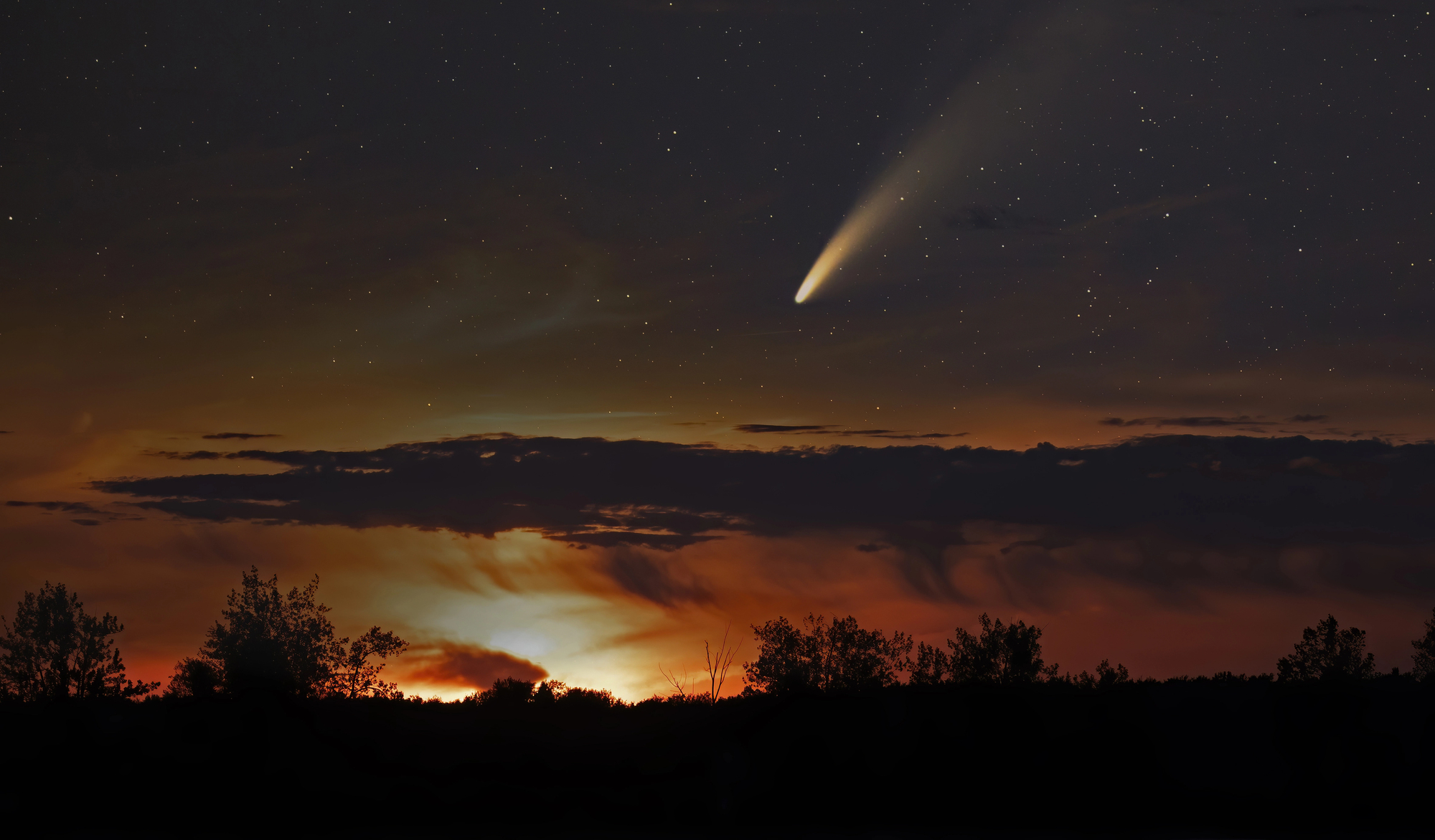
When Halley’s Comet returned in 1910, scientists had recently discovered the presence of cyanide gas in the comet’s tail—a deadly poison. Newspapers sensationalized the discovery, and public panic spread rapidly across North America and Europe.
People purchased “comet protection pills” that had no actual protective value. Churches filled with believers seeking shelter from celestial poison.
The public became convinced that Earth would pass through the comet’s tail and that toxic gases would descend upon civilization, killing millions. Astronomers repeatedly explained that the quantity of cyanide was infinitesimal and that it would disperse harmlessly in space, but panic proved immune to scientific reassurance.
Mark Twain died on April 21, 1910, more than three weeks before the comet reached its point of closest approach on May 18, 1910. Despite this timing, many observers saw poetic significance in his death during the comet’s year, given that he had been born during its previous apparition in 1835.
The Leonid Shower Peak of 1966
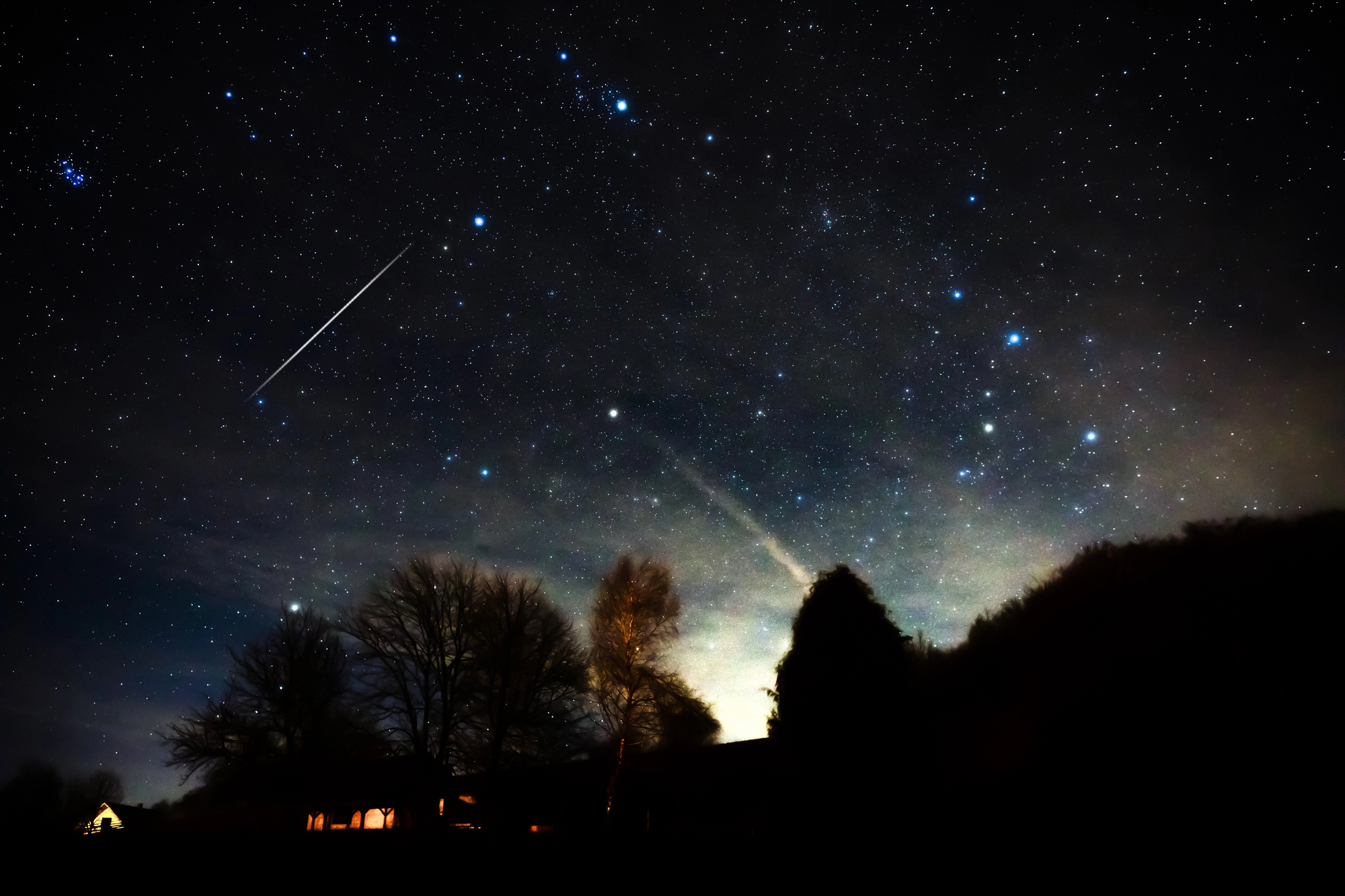
On November 17, 1966, the Leonid meteor shower reached an extraordinary peak over the western United States, particularly over Arizona and the surrounding regions. Observers reported witnessing as many as 500,000 meteors per hour—a rate so extreme that some described the sky as a “waterfall of shooting stars.”
Those watching from Kitt Peak Observatory reported that the meteors were so numerous they seemed almost threatening, as though the sky itself were pouring down onto Earth. For rural populations without sophisticated astronomical understanding, the shower created an overwhelming sense of cosmic chaos.
Though the shower caused no actual harm, the sheer quantity and intensity of the meteors evoked the apocalyptic descriptions from older cultures and suggested that the heavens retained the power to overwhelm and terrify even in the twentieth century.
The End of the World That Wasn’t (1000 AD)
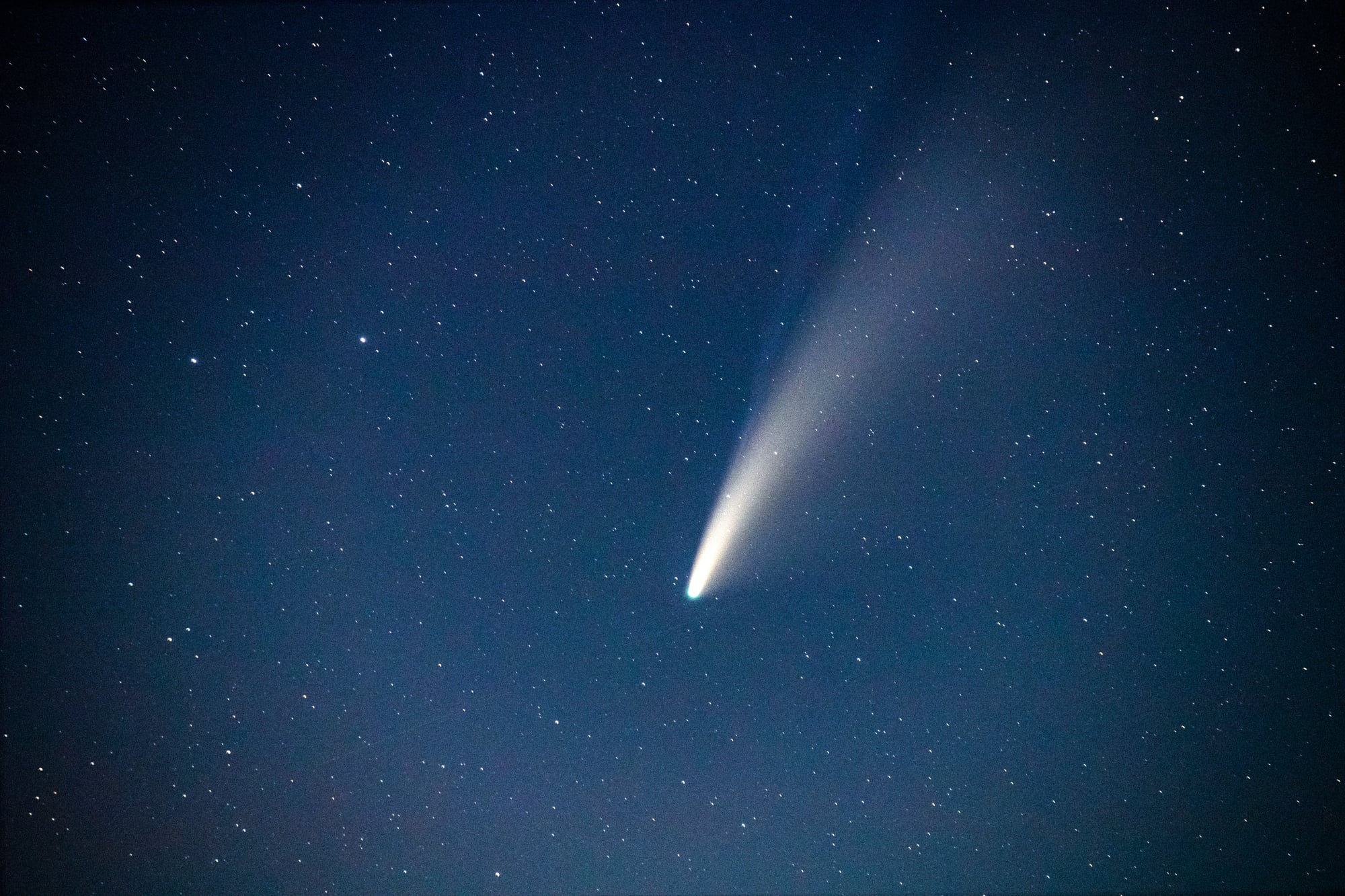
As the year 1000 approached, fears of an apocalypse gripped medieval Europe. Though celestial events were less dramatic than in other years, the anticipation of the millennium combined with a general awareness of astronomical phenomena created a psychological atmosphere of dread.
Comets and unusual celestial activity in preceding years had been interpreted as signs of the approaching End Times. Populations experienced genuine terror as the year 1000 drew near, expecting the Second Coming or divine destruction.
When midnight arrived and the world continued, the relief was palpable, though the fear had demonstrably been real enough to reshape the behavior and beliefs of millions.
The Supernova of 1604 (Kepler’s Star)
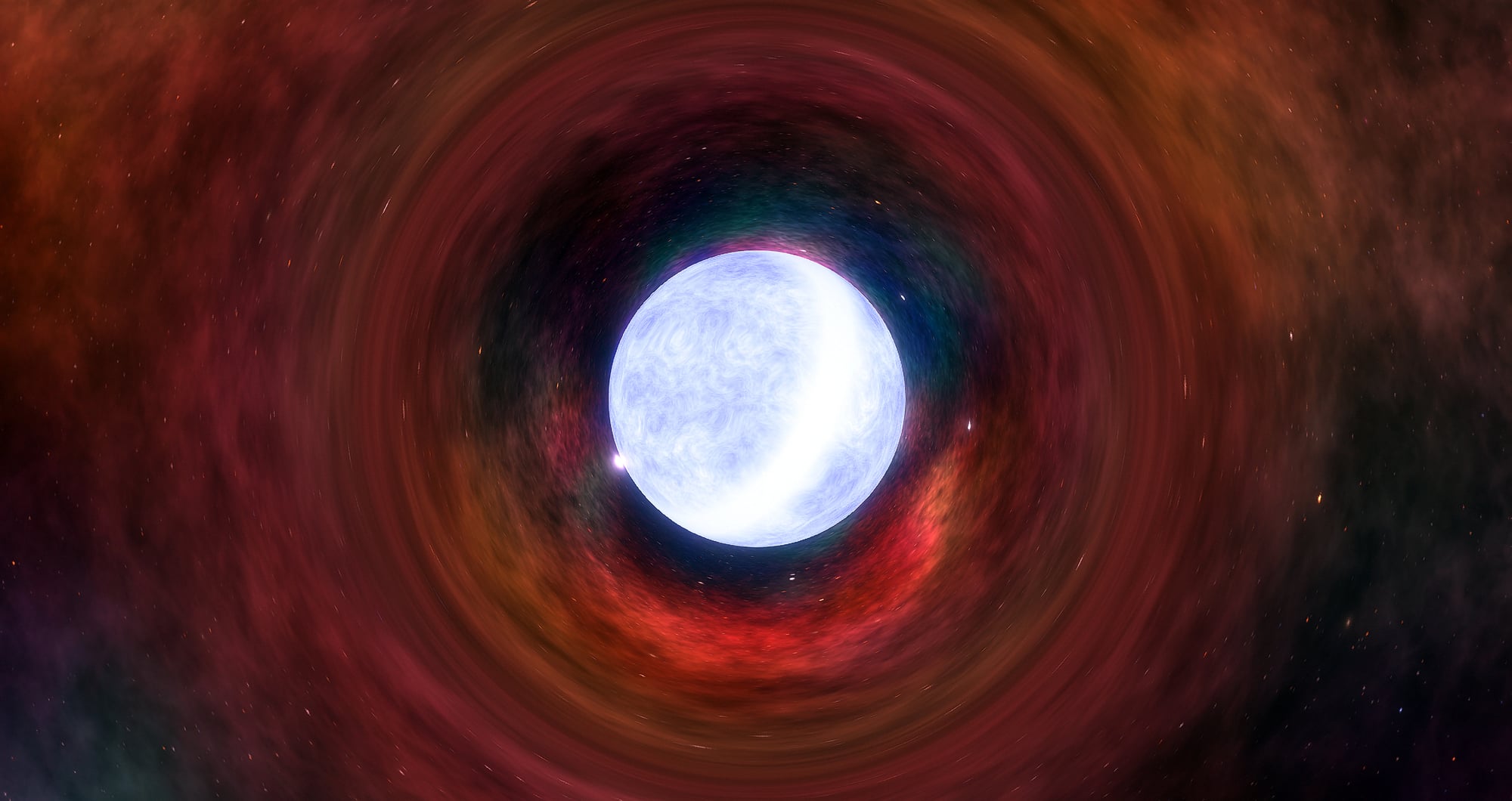
In October 1604, a new star of extraordinary brightness suddenly appeared in the night sky near the ecliptic plane, visible even during twilight and remaining bright enough to observe at midnight. The supernova, later named for Johannes Kepler who observed it, reached a magnitude comparable to Jupiter and remained visible for months.
Contemporary observers interpreted it as a portent of coming wars and plague. In a Europe already fractured by religious conflict, the appearance of such a brilliant new star seemed to confirm the apocalyptic expectations of both Catholic and Protestant populations.
Kepler himself engaged in astrological interpretation of the event, attempting to extract meaning from its position and brightness.
Aurora Displays of 1859
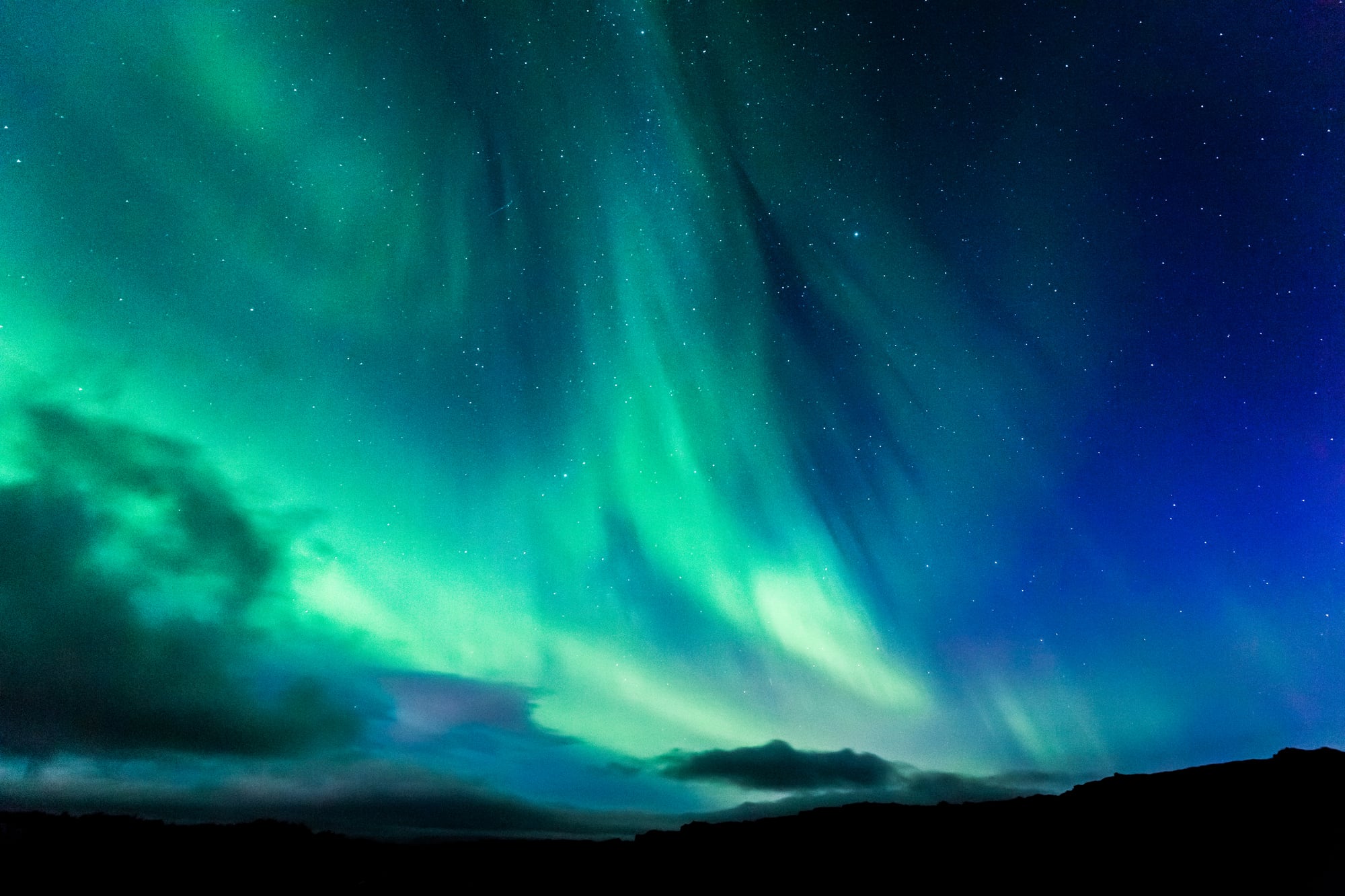
In September 1859, a powerful geomagnetic storm lit up the night sky over much of Earth with extraordinary auroral displays—the Aurora Borealis visible even at lower latitudes and with a brilliance rarely observed. For populations unfamiliar with the aurora, the sudden appearance of red and green lights dancing across the sky produced immediate terror.
In North America and Europe, observers reported seeing what looked like massive fires in the sky or the movement of ethereal creatures. Churches reported crowded pews as populations sought refuge from what they perceived as omens.
Telegraphers across the world reported disruptions to their equipment, though they did not then understand that the geomagnetic storm was responsible. The aurora’s appearance combined visible terror in the sky with disruption of the technology that moderns most trusted, creating a sense of cosmic intrusion into the world of human achievement.
The Red Aurora of 1667
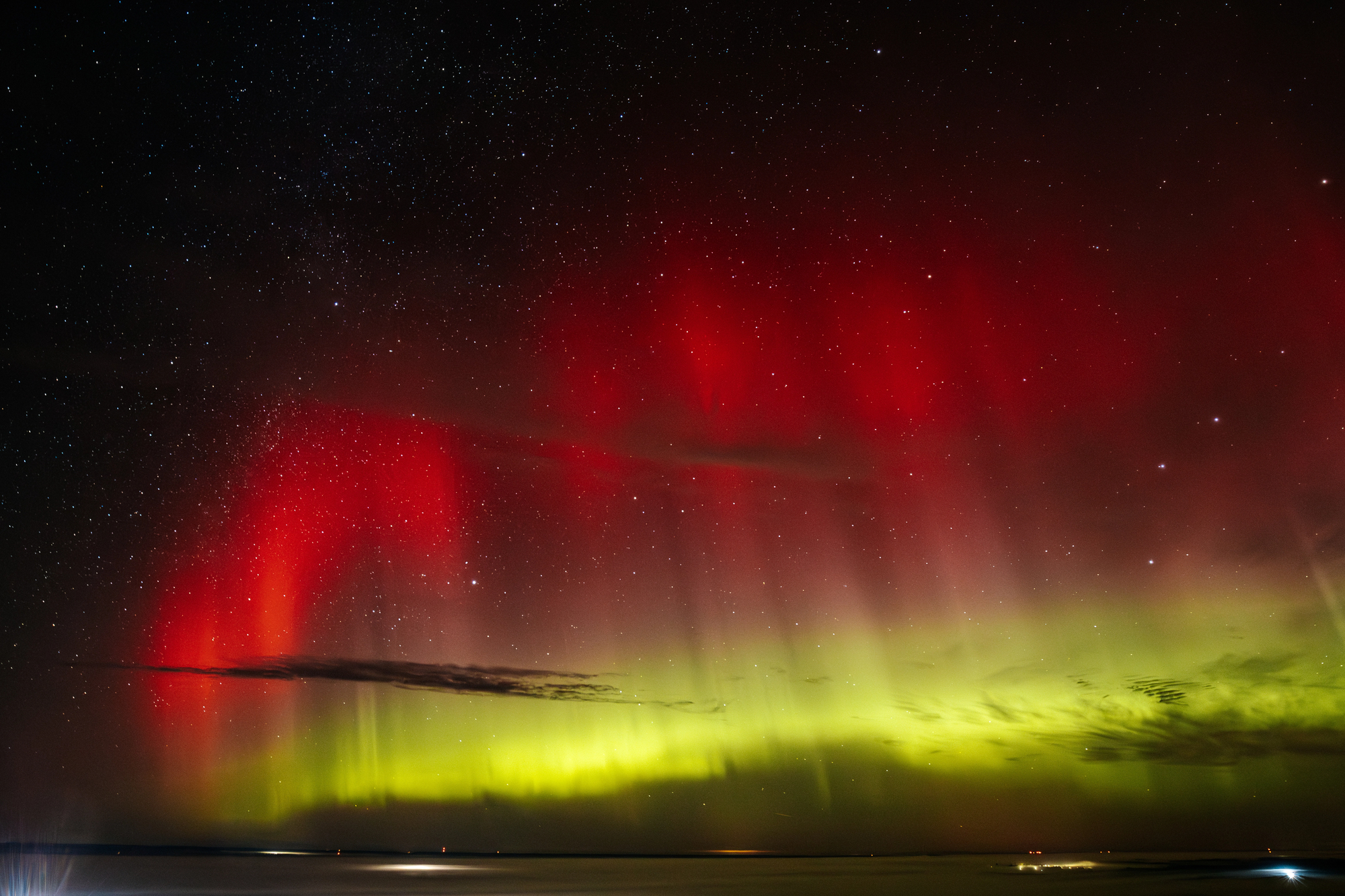
In the spring of 1667, a brilliant red aurora illuminated the night sky over Europe. Contemporary observers had no framework for understanding aurora borealis except through superstition.
The red color, resembling blood or fire, terrified populations who interpreted it as evidence of divine wrath or the approach of war. Samuel Pepys recorded the phenomenon in his famous diary, noting the public’s fearful reactions.
Preachers interpreted the display as a cosmic sermon from God, warning humanity of impending judgment. The red light seemed to emanate from the very heavens themselves, and its refusal to dissipate quickly fed speculation that it was a harbinger of disaster—a cosmic sign of suffering to come.
The Comet of 1577 (Tycho’s Comet)
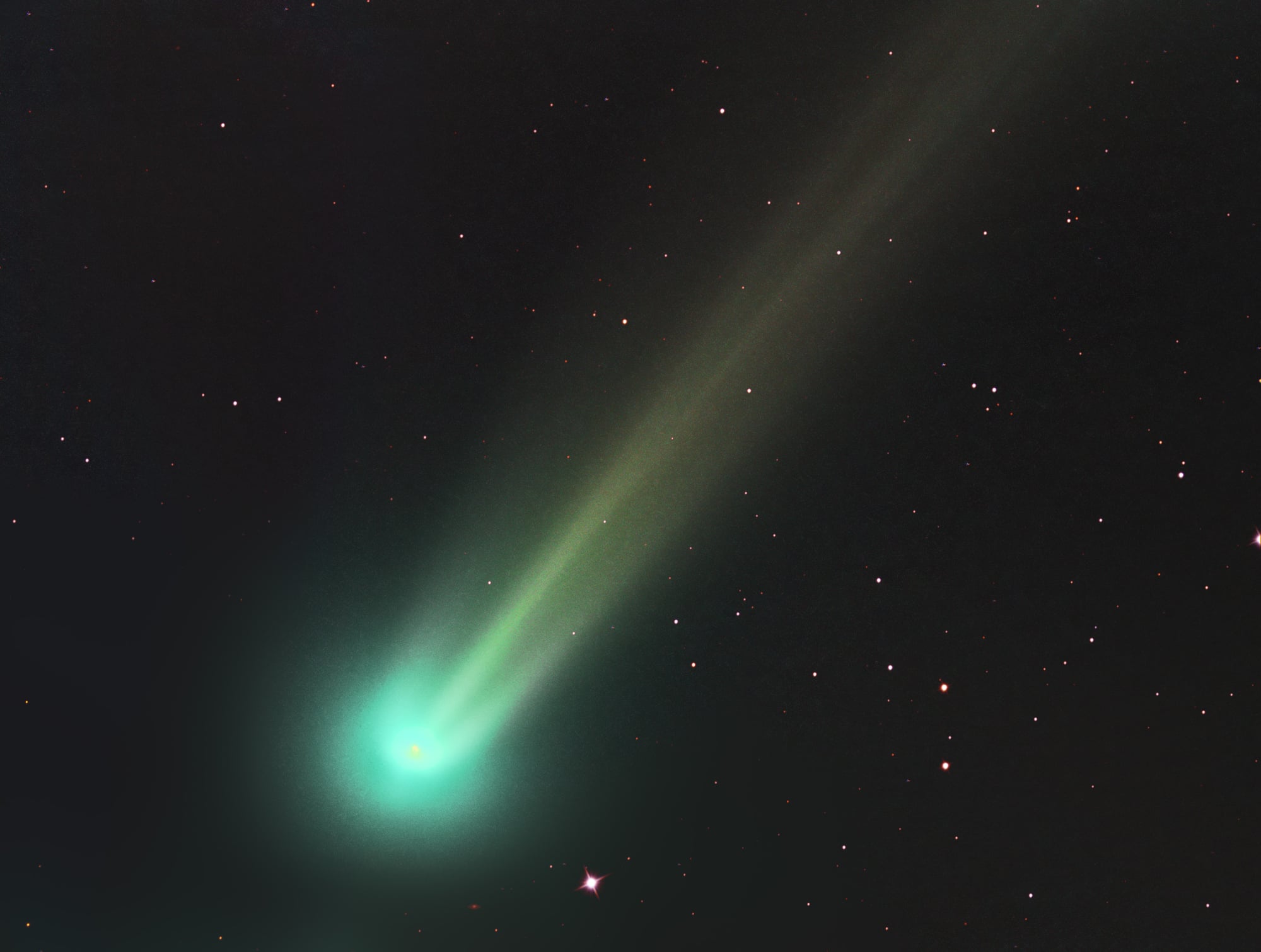
When a brilliant comet appeared in 1577, the astronomer Tycho Brahe observed it carefully and attempted to determine its distance from Earth. The appearance of such a bright comet seemed to herald religious and political conflict—the Reformation was ongoing, and comets were universally considered omens of change and upheaval.
Contemporary populations interpreted the comet through the lens of their religious beliefs, seeing it as evidence that the cosmic order was destabilizing. Despite Tycho’s careful observations, which eventually contributed to a more scientific understanding of comets, the popular interpretation remained focused on the comet as a celestial messenger bringing news of coming calamity.
The “Sword” Comets of 44 BC
Multiple comets appeared in 44 BC, the year of Julius Caesar’s assassination. Contemporary observers, including the historian Dio Cassius, interpreted these celestial anomalies as omens of the political chaos that would engulf Rome following Caesar’s death.
The comets seemed to announce the end of an era and the beginning of civil war. Though the comets had no actual causal relationship to Caesar’s murder, they were permanently linked in Roman memory to that pivotal moment.
For centuries afterward, historians cited the comets as evidence of cosmic sympathy with human affairs—proof that heaven itself had responded to the violation of Caesar’s body.
The Great Comet of 1664
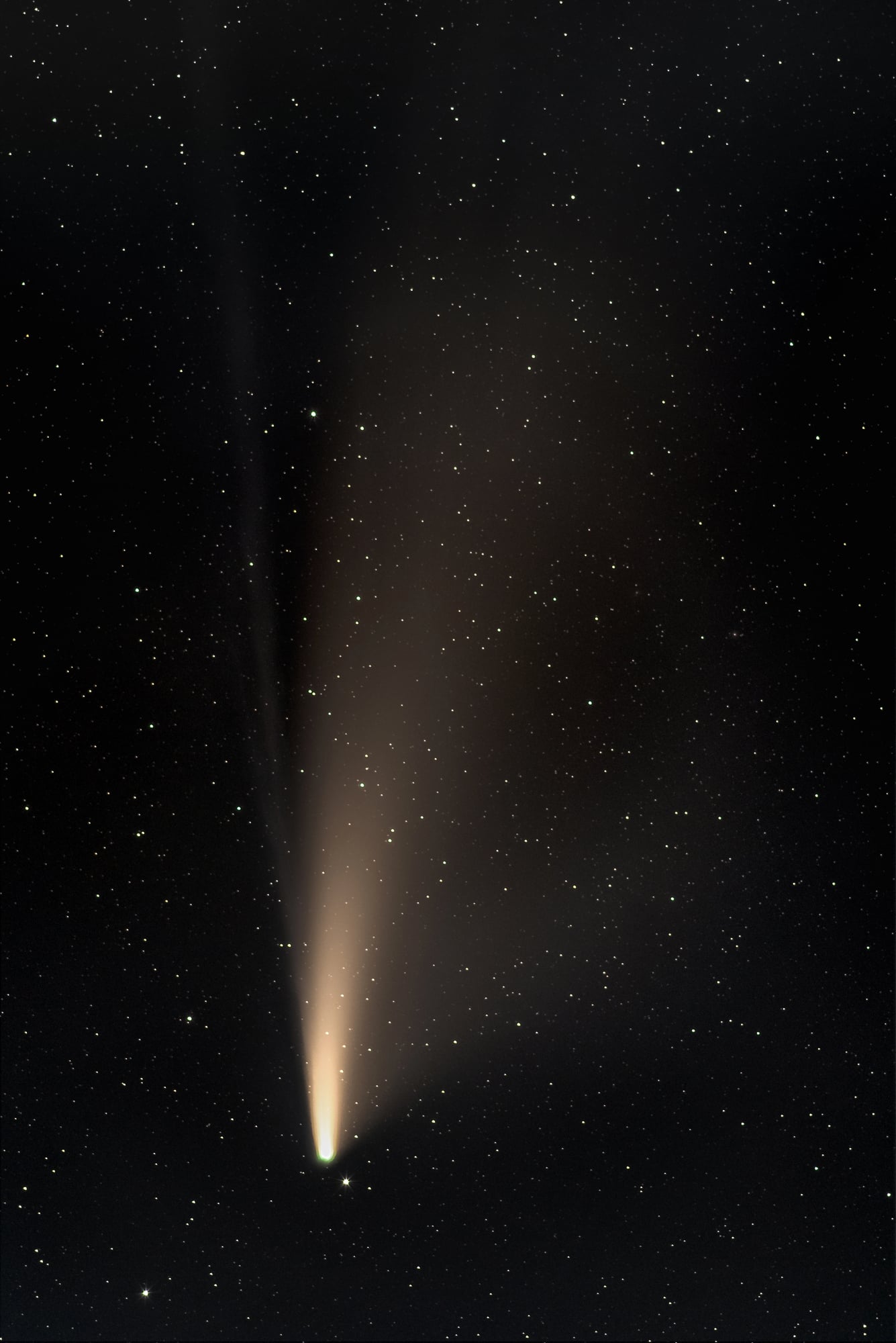
In 1664, a brilliant comet appeared during a period of plague and political unrest in England. Populations already terrified by disease interpreted the comet as confirmation that divine punishment was falling upon them.
The comet’s presence during the Great Plague of London seemed to confirm the worst apocalyptic expectations. Some preachers interpreted it as a messenger announcing God’s judgment on a sinful nation.
The coincidence of a visible comet and an actual plague created a feedback loop of terror that reinforced belief in the comet’s malevolent power. The phenomenon demonstrated how celestial events could amplify existing anxieties and confirm pre-existing beliefs about cosmic judgment.
Solar Eclipse During the American Revolution (1776)

A solar eclipse occurred on August 5, 1776, just weeks after the Declaration of Independence. Populations in the colonial territories that had just declared themselves independent from British rule interpreted the eclipse as an omen of their new nation’s fate.
Some saw it as evidence of divine disapproval and predicted rapid defeat. Others interpreted it as a cosmic sign supporting the revolution.
The eclipse’s ambiguous meaning—capable of being interpreted as either blessing or curse—was seized upon by both those who supported and those who opposed the Independence movement. For the newly independent Americans, the eclipse’s appearance at such a pivotal moment seemed to prove that even the heavens took notice of their radical political act.
The Green Comet of 1110
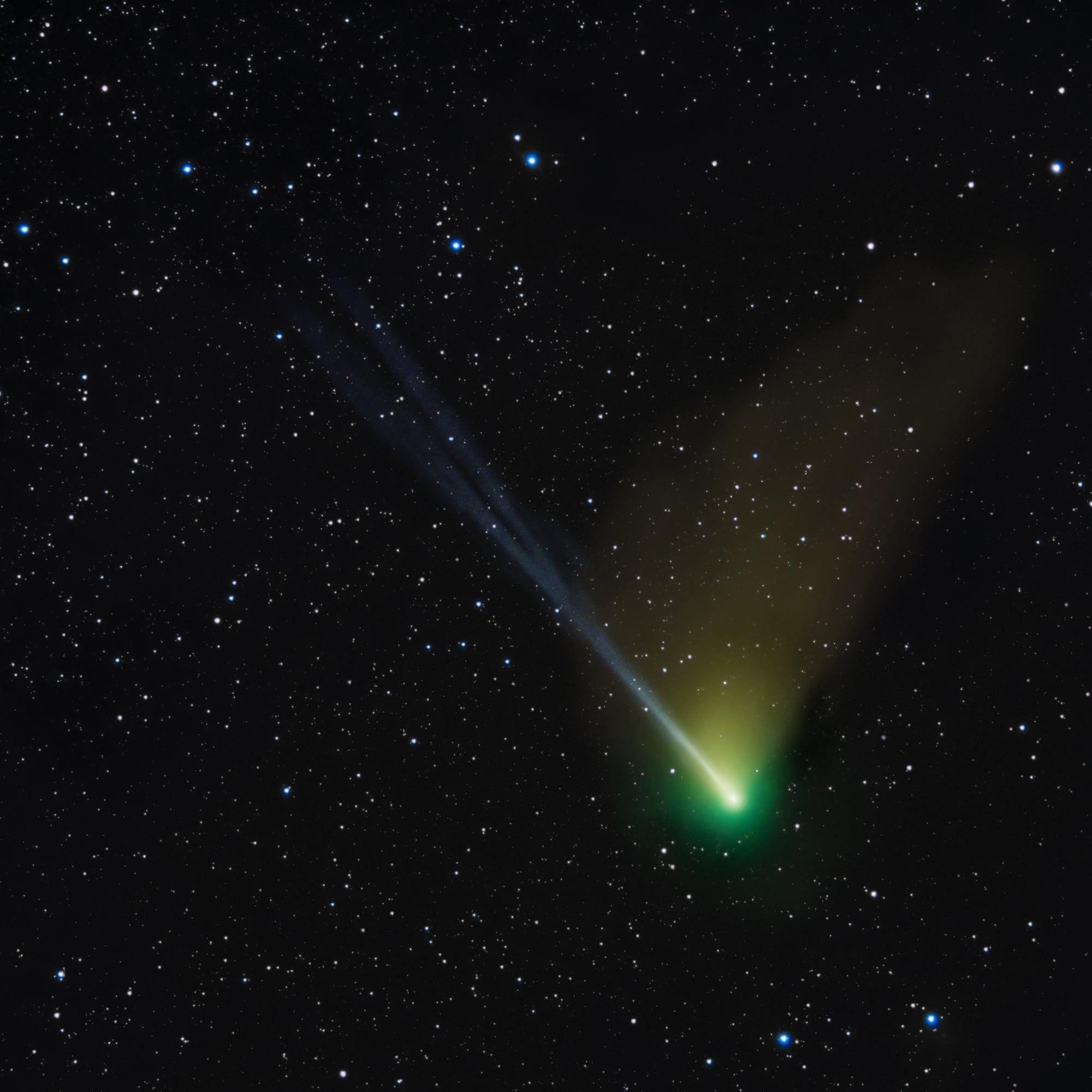
The Great Comet of 1110 displayed a distinct green hue, an unusual coloration that terrified observers unfamiliar with how comet composition could produce such effects. The green tint seemed otherworldly and malevolent.
The comet appeared during a period of famine and disease in Europe, and populations linked the cosmic anomaly to their suffering. The green color was interpreted as evidence of toxic emanations from space, a notion that would persist for centuries.
Chronicles from the period record widespread panic and religious fervor as populations attempted to determine what cosmic message the green comet was delivering.
The Comet of 1492 and Columbus

A comet appeared in the months before Christopher Columbus’s voyage in 1492. Among educated Europeans, the comet was interpreted as a positive omen, suggesting that the planned voyage would lead to significant discoveries.
For the indigenous populations of the Americas, though they could not have known of the comet’s European interpretation, celestial anomalies in this period were often seen as harbingers of coming disruption. The historical record provides limited evidence of specific indigenous reactions to comets in 1492, but the convergence of this astronomical event with the voyage that would initiate colonization suggests a cosmic punctuation mark on one of history’s pivotal moments.
The Bright Star of 1006 AD
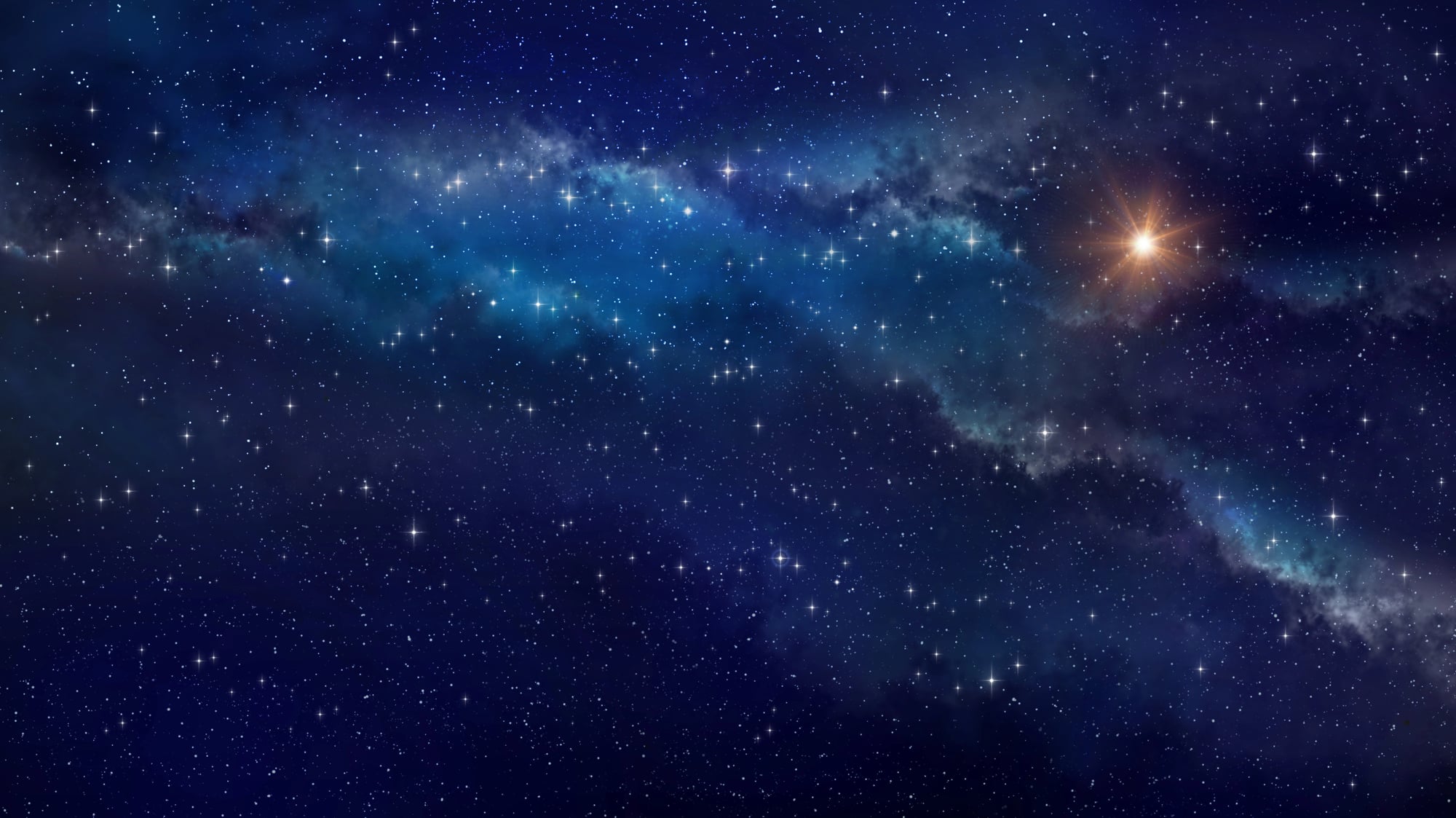
In April 1006 AD, a star brighter than any other visible in the night sky appeared and remained visible even in daylight for weeks. Modern astronomers recognize this as the brightest supernova in recorded history.
Contemporary observers were overwhelmed by its unprecedented brilliance. Chinese, Arab, and European sources all recorded the event.
Populations interpreted it as a cosmic announcement of coming change. The supernova seemed to represent a rupture in the celestial order—a star bright enough to challenge the sun’s dominion over the daytime sky.
Religious interpretations varied by culture, but the universal reaction was that the heavens had spoken with unprecedented force.
The Comet Portent of the Black Death
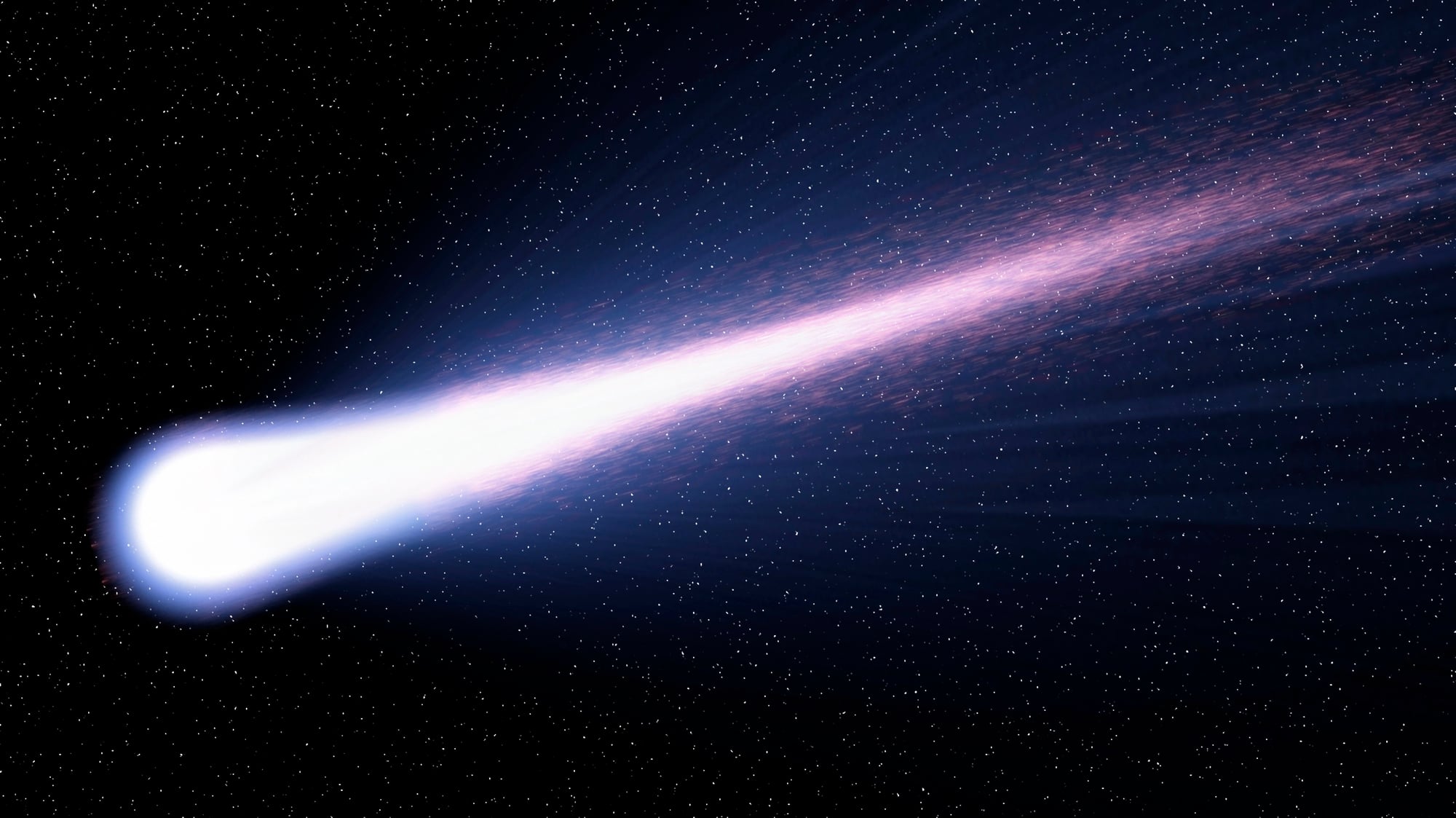
Though the exact timeline is debated, comets appeared in the years preceding the outbreak of the Black Plague in Europe. Medieval populations, already prone to interpret celestial phenomena as omens, linked these comets to the coming plague.
The comet’s appearance seemed to fulfill what they had feared: the heavens had warned of devastation, and now it arrived. The plague killed millions, and for survivors, the earlier comet represented proof that the cosmos had been attempting to communicate the coming horror.
The association of comets with plague persisted for centuries, reinforcing the cultural belief that celestial events carried literal predictive power.
The Comet Upon Constantine’s Conversion
In early Christian history, a bright comet was reported in connection with Constantine’s conversion to Christianity and his vision that led to the battle of Milvian Bridge in 312 AD. Whether or not an actual comet occurred at this precise moment, Christian chroniclers recorded it as cosmic confirmation of the rightness of Constantine’s religious conversion.
The comet thus became woven into the foundation narrative of Christian Rome—proof that heaven itself approved of Constantine’s transformation of the empire into a Christian state. For centuries, the comet remained inseparable from this pivotal religious and political moment.
Sky on Fire: The Aurora of 1989
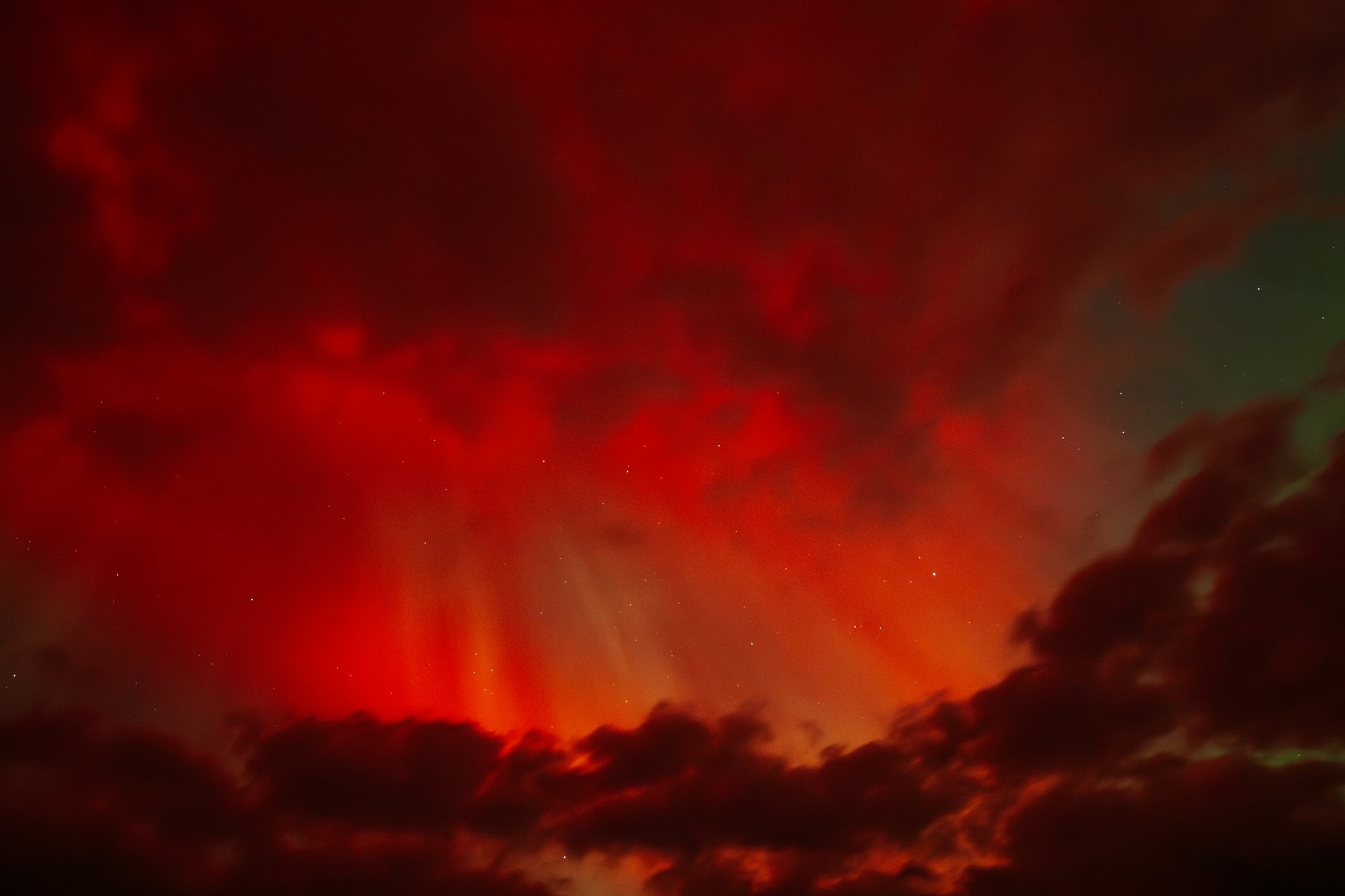
A powerful geomagnetic storm in March 1989 produced aurora displays across much of North America and Europe. Power grids failed, satellites malfunctioned, and entire regions experienced blackouts.
Though by this time most populations had scientific understanding of aurora phenomena, the combination of visible cosmic displays in the sky and simultaneous technology failures created anxiety reminiscent of pre-scientific times. The 1989 aurora demonstrated that even in the modern age, dramatic celestial phenomena could trigger emotional and psychological responses rooted in ancient fears about the fragility of human civilization in the face of cosmic forces beyond our control.
The Return of Halley’s Comet in 1456 and 1607
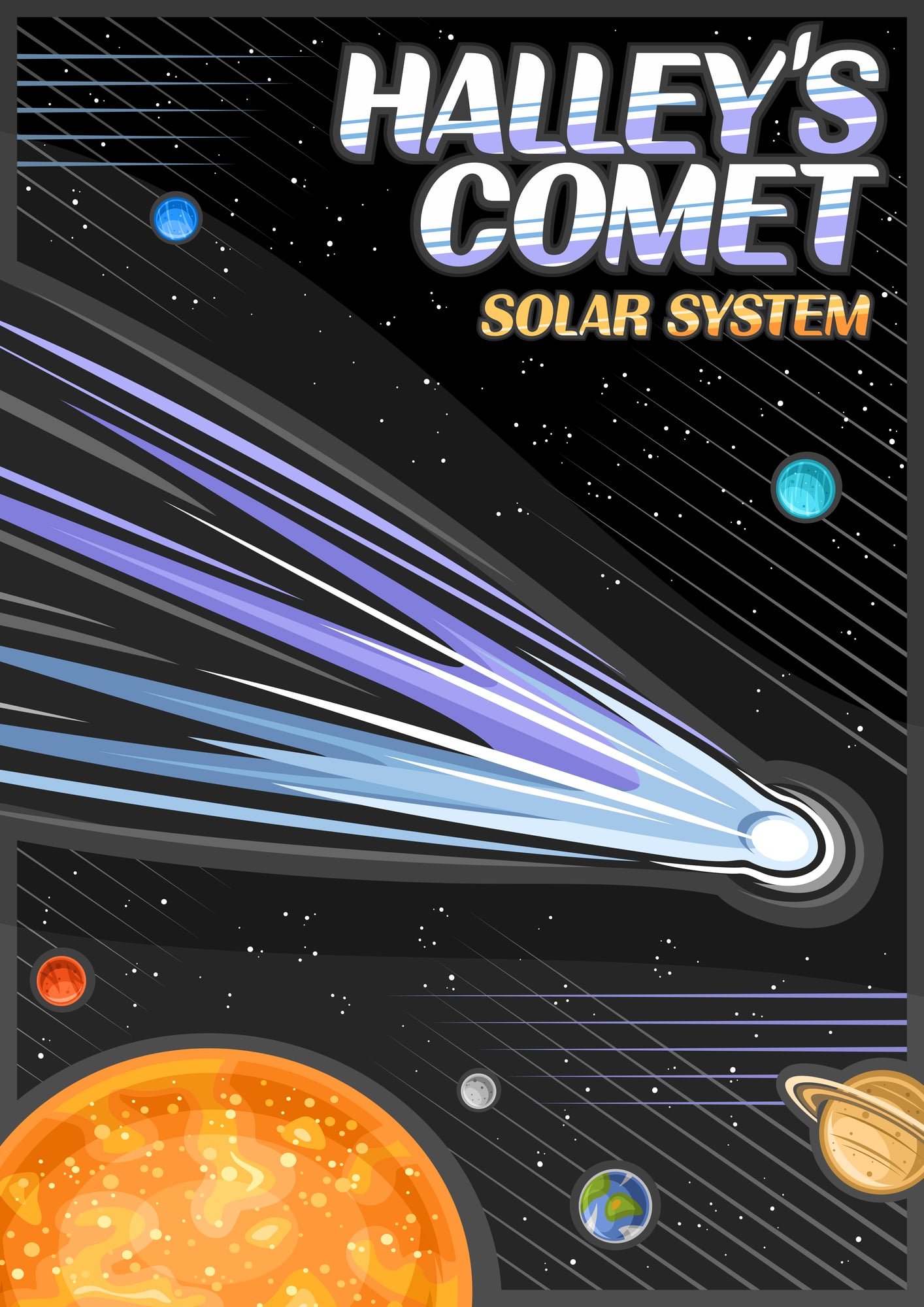
Each return of Halley’s Comet carried specific historical associations. Its 1456 appearance coincided with Ottoman military expansion, while its 1607 return occurred during the early years of English colonial expansion in North America.
Each appearance was absorbed into the historical narratives of the periods in which it occurred, with contemporary observers reading their own fears and hopes into the comet’s presence. Over centuries, this pattern of comet appearances becoming bound to major historical events convinced populations that comets carried literal predictive power—that the heavens themselves had orchestrated these coincidences as evidence of their involvement in human affairs.
The Cosmic Witness to Human History
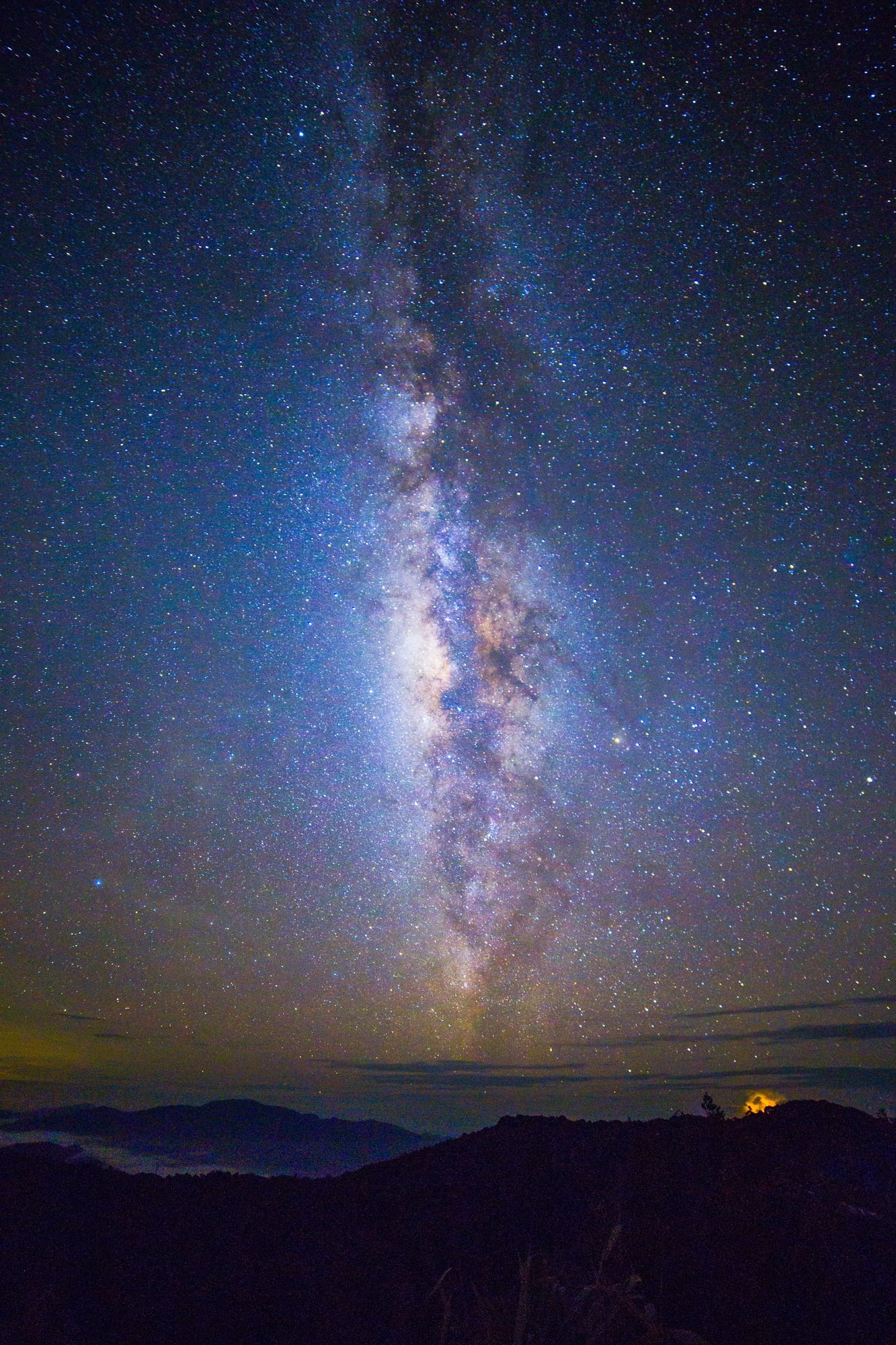
Celestial events have never caused the disasters people feared, yet they continue to shape how we interpret our world. In every era, populations have looked upward and read meaning into what they did not understand.
The hysteria surrounding these phenomena reveals not weakness in our ancestors’ reasoning but the human tendency to seek order and causation in a universe that often appears random and indifferent. As our understanding has grown, we have stopped fearing comets and eclipses, yet we have not stopped searching the sky for signs.
The celestial events that once promised apocalypse now promise only the continued beauty and strangeness of a cosmos far larger than ourselves.
More from Go2Tutors!

- The Romanov Crown Jewels and Their Tragic Fate
- 13 Historical Mysteries That Science Still Can’t Solve
- Famous Hoaxes That Fooled the World for Years
- 15 Child Stars with Tragic Adult Lives
- 16 Famous Jewelry Pieces in History
Like Go2Tutors’s content? Follow us on MSN.