17 Retired Weapons That Still Scare Modern Forces
Some weapons are so effective, so feared, and so legendary that their reputation outlives their active service. These aren’t museum pieces gathering dust — they’re retired systems that still command respect from today’s military planners.
When adversaries hear these names mentioned in strategic discussions, they still pay attention because history has shown what devastation these weapons can unleash. From battleships that could level entire coastlines to aircraft that dominated skies for decades, these retired weapons systems continue to influence modern military thinking.
Some have been kept in reserve “just in case,” while others serve as the benchmark against which new weapons are measured. Their psychological impact often exceeds their actual current threat level, but that fear factor alone makes them strategically valuable. Here is a list of 17 retired weapons that still scare modern forces.
Iowa-Class Battleships
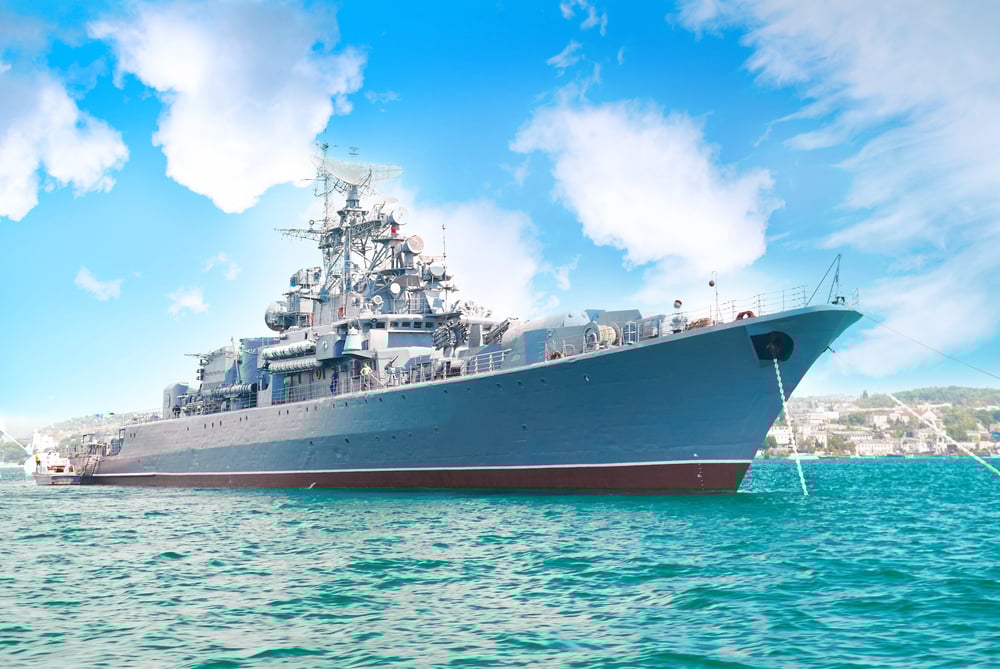
The Iowa-class battleships remain the most heavily armed warships the United States Navy has ever put to sea — and Soviet Admiral Sergey Gorshkov once declared them “the most to be feared in America’s entire naval arsenal.” These 887-foot steel leviathans could hurl 2,700-pound armor-piercing shells nearly 24 miles with pinpoint accuracy.
When reactivated in the 1980s, Gorshkov admitted that Soviet weaponry “would bounce off or be of little effect” against their massive armor. Though officially retired, their mere existence in mothballs serves as a psychological deterrent — any nation facing the possibility of these giants returning to service knows they’d be outgunned.
German 88mm Flak Gun
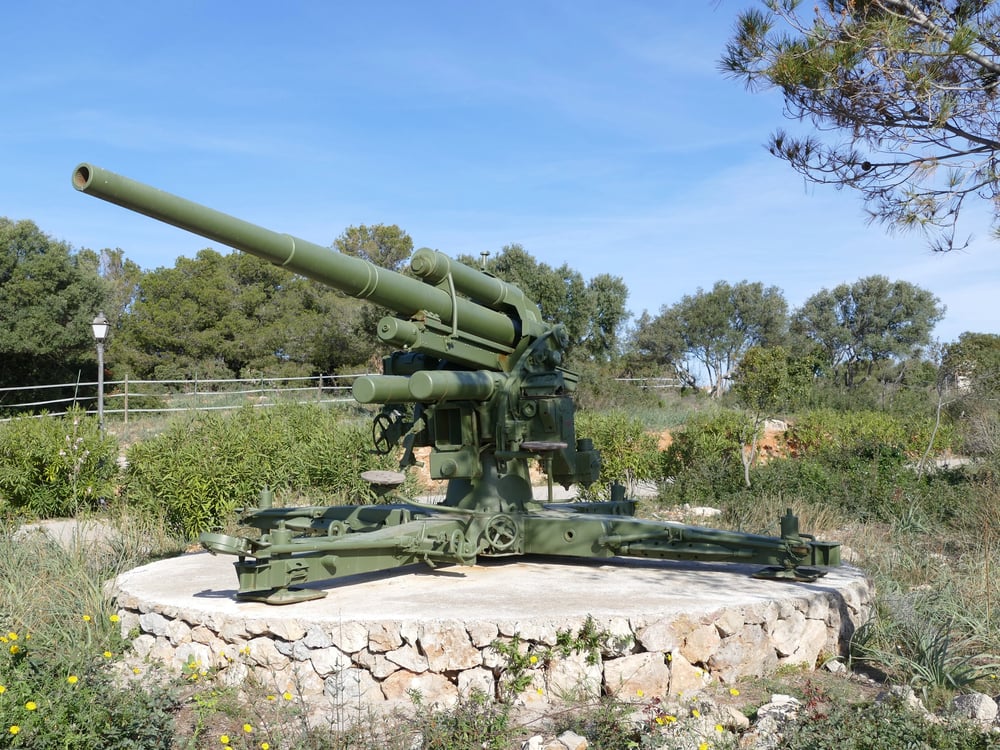
The German 88mm gun was the most feared artillery weapon of World War II, and its reputation still sends chills through modern armor commanders who study historical tactics. Originally designed as an anti-aircraft weapon, the 88 proved devastatingly effective against tanks — its 2,690 feet per second muzzle velocity could penetrate virtually any Allied armor at typical engagement ranges.
Veterans described the distinctive crack of an 88 as a sound that made experienced tankers immediately seek cover. Modern military strategists still reference the 88’s versatility when designing multi-role weapon systems.
A-10 Warthog
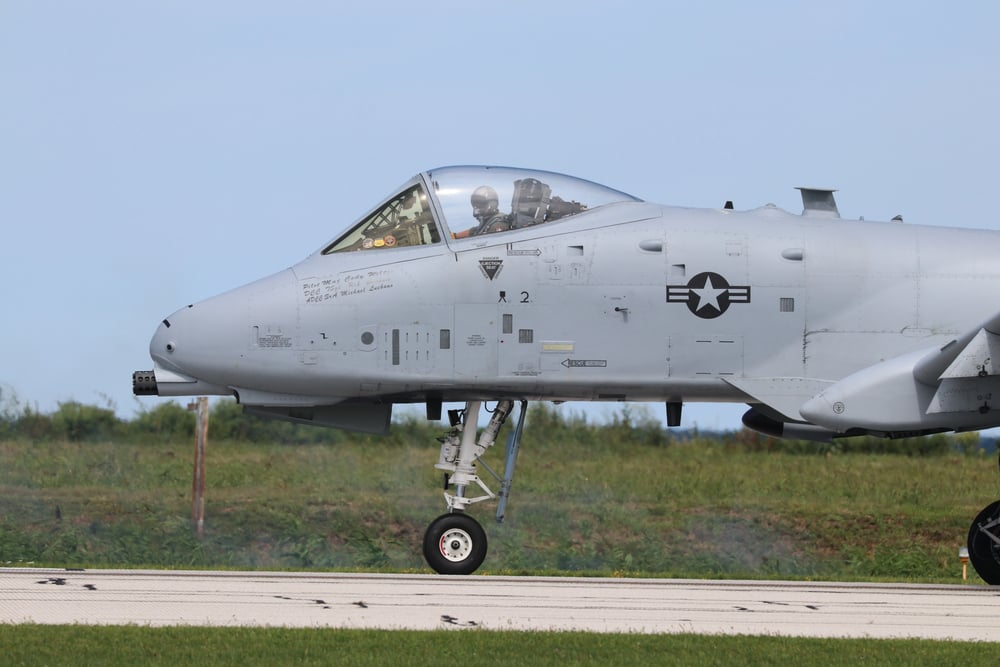
Despite being a 1970s design, the A-10 Thunderbolt II continues to strike fear into ground forces worldwide — every time the Air Force tries to retire it, political and military support rallies to keep it flying. Built around the fearsome GAU-8 Avenger 30mm cannon that fires depleted uranium rounds, the Warthog can loiter over battlefields for hours, picking apart enemy formations with surgical precision.
Enemy forces dread the distinctive “BRRRT” sound of its cannon because it usually means their armor is about to be shredded. The A-10’s reputation for survivability is so legendary that merely hearing one in the area can cause enemy troops to abandon their positions.
Tiger I Tank
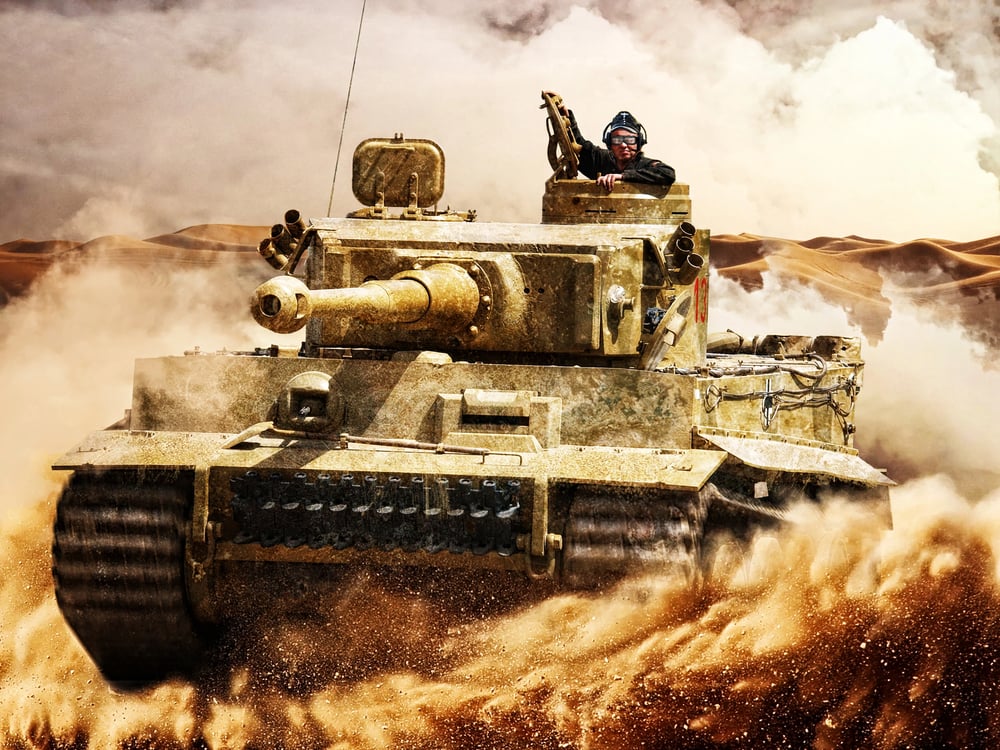
The German Tiger I tank created such psychological terror that Allied forces often reported facing “Tigers” when they’d actually encountered lighter German armor — the mere possibility of meeting a Tiger was enough to shake veteran crews. With virtually impenetrable frontal armor and the devastating 88mm cannon, the Tiger could destroy Allied tanks at ranges where return fire was ineffective.
Though only 1,340 were built, the Tiger’s reputation was so fearsome that it influenced tank design for decades. Modern tank crews still study Tiger tactics, and the psychological impact of facing seemingly invincible armor continues to shape military doctrine.
U-Boat Submarines

Winston Churchill admitted that “the only thing that ever really frightened me during the war was the U-boat peril” — and that fear of submarine warfare still influences naval planning today. German U-boats came dangerously close to starving Britain into submission, at one point reducing British food supplies to about a month’s worth.
The psychological terror of invisible underwater predators stalking merchant convoys changed naval warfare forever. Modern anti-submarine warfare doctrine still references U-boat tactics, and the threat of advanced submarines continues to give naval commanders sleepless nights.
B-52 Stratofortress
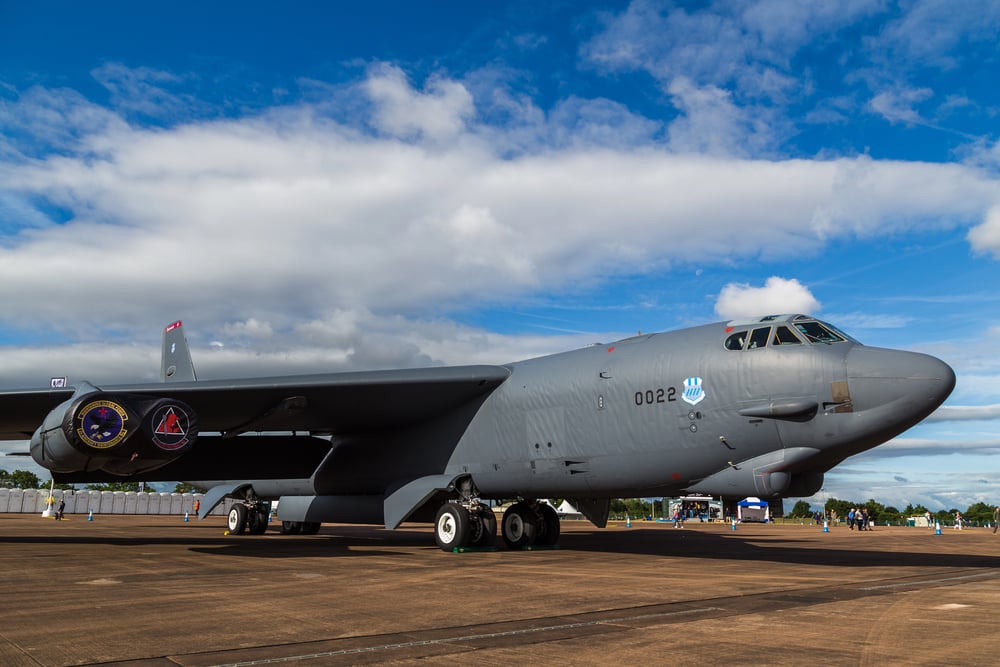
The B-52 has been dropping bombs since 1955, yet it still maintains such a fearsome reputation that enemies plan their entire air defense strategies around stopping it. This Cold War relic has outlasted its intended replacement programs and continues flying with a higher mission-capable rate than newer bombers.
Enemy forces know that when B-52s appear on the horizon, massive destruction follows — the aircraft can carry 70,000 pounds of bombs and has the range to strike anywhere on Earth. The Pentagon plans to keep flying B-52s until the 2040s because their psychological impact alone makes them valuable strategic assets.
M2 Browning Machine Gun
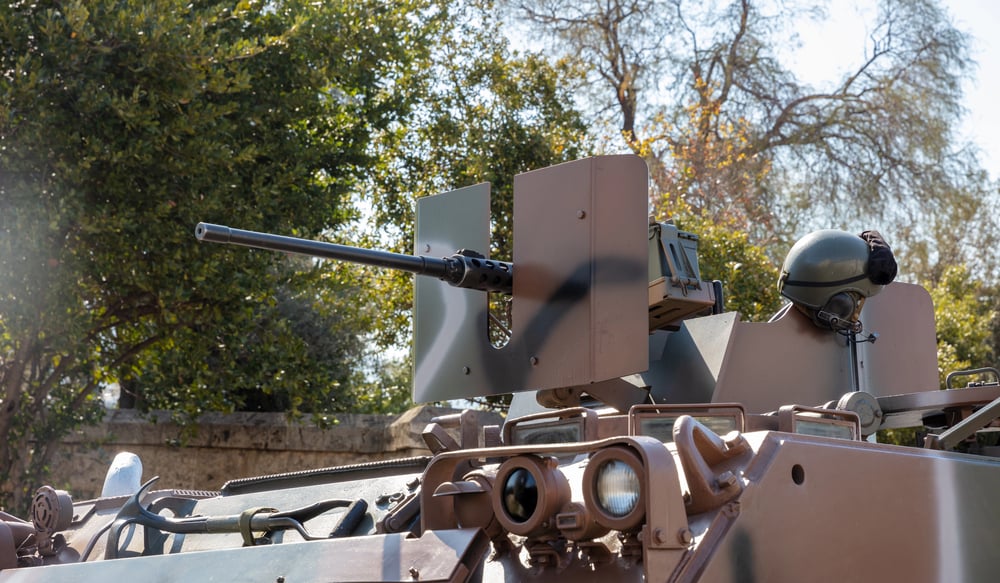
Nicknamed “Ma Deuce,” the M2 .50 caliber machine gun has been in service since 1933 — and its distinctive sound still makes enemy forces seek immediate cover. This weapon was so effective that its intended replacement, the M85, suffered so many reliability problems that the military returned to the M2.
The heavy machine gun’s ability to penetrate light armor and reach out to extreme ranges makes it a terror on the battlefield. Modern forces equipped with advanced body armor still fear the M2 because its massive rounds can defeat most personal protection, making it as relevant today as it was 90 years ago.
Carl Gustaf Recoilless Rifle

At over 65 years old, the Swedish-designed Carl Gustaf still maintains an imposing presence that makes enemy armor crews nervous when they know it’s in the area. This 84mm launcher earned the nickname “the Goose” among U.S. troops and proved devastatingly effective against fortified positions in Afghanistan.
Its versatility in firing anti-tank, high explosive, and illumination rounds makes it unpredictable and feared. Special operations forces continue using upgraded versions because the psychological impact of its distinctive launch signature often causes enemy forces to abandon their positions before the round even impacts.
Katyusha Rocket Launcher
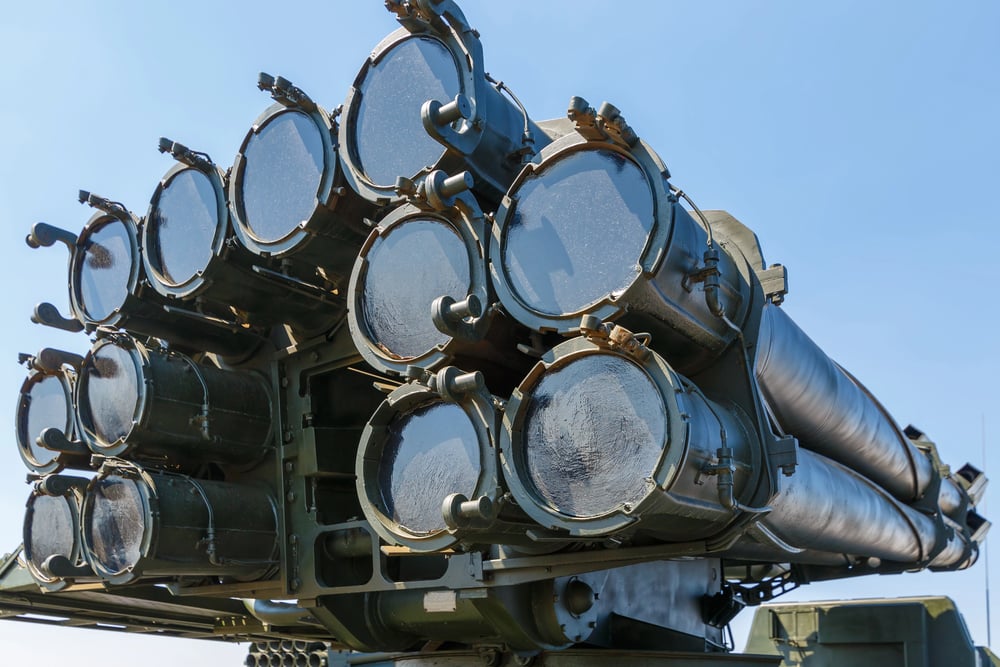
The Soviet Katyusha multiple rocket launcher created such psychological terror that German troops called it “Stalin’s Organ” — the distinctive whistling sound of incoming rockets could break the morale of veteran units. These truck-mounted systems could saturate large areas with explosive rockets, creating devastating barrages that were as much about psychological warfare as physical destruction.
Modern multiple launch rocket systems still follow the Katyusha template, and military planners continue to reference its psychological impact when designing area-effect weapons. The mere mention of “rocket artillery” in intelligence briefings still makes ground commanders request immediate air support.
Ilyushin Il-2 Sturmovik
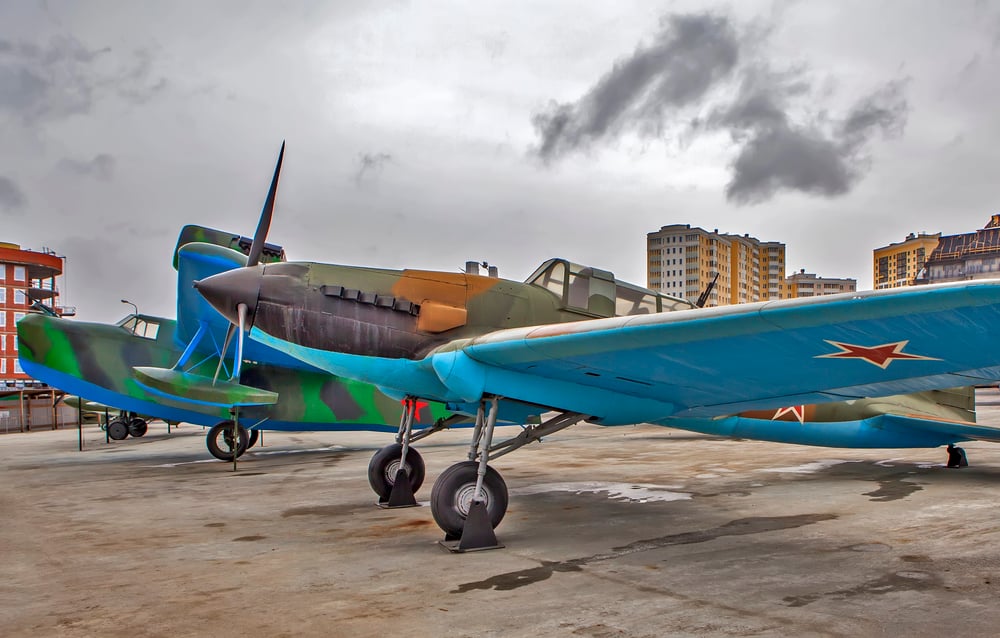
The Il-2 Sturmovik attained nearly mythological status within the Soviet military, earning the nickname “Flying Tank” for its legendary armor protection. German ground forces learned to fear its distinctive silhouette because the aircraft specialized in destroying tanks and infantry positions with ruthless efficiency.
Though Soviet aircrew suffered heavy losses against German fighters, the psychological impact on enemy ground forces was immense — entire units would scatter when Sturmoviks appeared overhead. Modern close air support doctrine still references the Il-2’s tactics, and ground attack aircraft designers continue studying its armoring concepts.
German V-2 Rocket
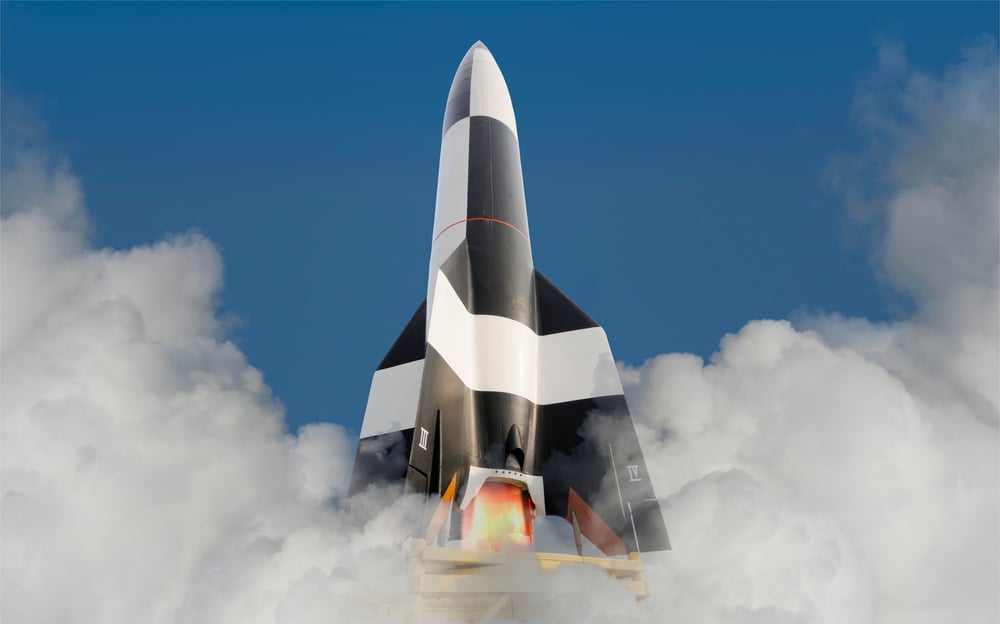
The V-2 rocket represented such a technological leap that it terrified Allied populations and continues to influence missile defense planning today. These supersonic ballistic missiles struck without warning, creating psychological terror that conventional bombing couldn’t match.
The V-2’s technology directly led to both the space program and modern intercontinental ballistic missiles, making it the grandfather of today’s most feared weapons. Modern missile defense systems are designed specifically to counter V-2 descendants, and the psychological impact of unstoppable ballistic missiles continues to shape nuclear strategy.
P-51 Mustang

The P-51 Mustang achieved such air superiority over Europe that German pilots nicknamed it “the plane that lost us the war” — its combination of range, speed, and firepower made it the most feared Allied fighter. When Mustangs began escorting bombers all the way to Berlin, German commanders knew their air force was doomed.
The psychological impact of losing air superiority was devastating to Axis ground forces who could no longer count on their own air cover. Modern air superiority doctrine still references the P-51’s escort fighter role, and air force planners continue studying how air dominance affects ground operations.
AK-47 Assault Rifle

Though millions remain in service worldwide, the original AK-47 design strikes fear into modern military forces because of its legendary reliability and simplicity. This weapon has appeared in more conflicts than any other firearm, earning a reputation for functioning in conditions that disable more sophisticated weapons.
The distinctive sound of AK fire has become synonymous with insurgency and irregular warfare, making it psychologically threatening to conventional forces. Military trainers still use the AK’s reliability as the benchmark when testing new weapons, and its presence in a conflict zone immediately signals serious opposition.
Panzer IV Tank

The Panzer IV served as the backbone of German armored divisions and created such psychological impact that Allied tank crews developed elaborate tactics just to avoid facing them in direct combat. This medium tank’s combination of decent armor, reliable mechanics, and effective firepower made it a constant threat throughout the war.
The sight of Panzer IV formations advancing created panic among inexperienced Allied units who had heard horror stories about German armor superiority. Modern tank warfare doctrine still references Panzer IV tactics, and armored vehicle designers continue studying its balance of protection, mobility, and firepower.
Sturmgewehr 44

The StG 44 assault rifle introduced a new category of weapon that fundamentally changed infantry warfare — and modern forces still respect its revolutionary design concepts. This was the world’s first true assault rifle, combining the rapid fire of a machine gun with the accuracy of a rifle in a portable package.
Enemy troops who faced the StG 44 quickly learned to fear its distinctive cyclic rate and the devastating firepower it gave to individual soldiers. Every modern assault rifle traces its lineage back to the StG 44, and military historians still study how it changed small unit tactics forever.
Flamethrower Teams

Flamethrower units created such psychological terror that even the threat of their presence could cause enemy forces to abandon otherwise strong defensive positions. The prospect of being burned alive triggered primal fears that no amount of training could overcome, making flamethrowers as much psychological weapons as tactical ones.
Japanese defenders in the Pacific often chose to commit ritual acts rather than face American flamethrower teams advancing on their bunkers. Modern military forces have largely abandoned flamethrowers due to international pressure, but the psychological impact of incendiary weapons continues to influence military doctrine and rules of engagement.
Yamato-Class Battleships
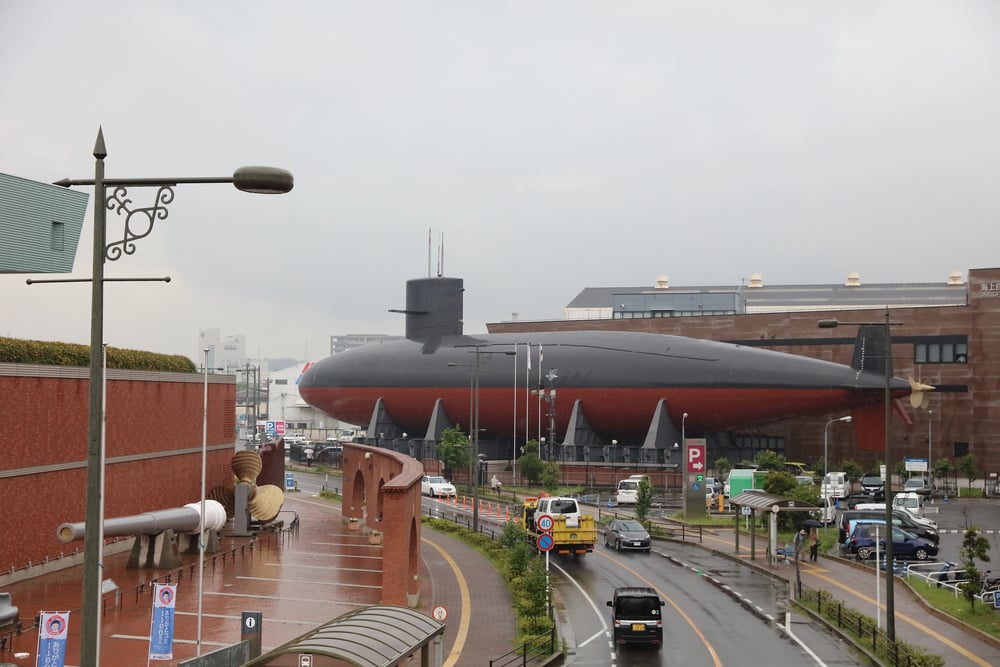
The Japanese Yamato-class battleships represented the ultimate evolution of naval firepower, mounting 18.1-inch guns that could theoretically sink any ship afloat. Though they saw limited action, their mere existence forced Allied naval planners to completely rethink fleet tactics and ship design.
The psychological impact of facing the world’s largest battleship guns was so significant that American commanders developed specific strategies to avoid surface engagements with these monsters. Modern naval warfare completely shifted to aircraft carriers partly because the Yamato demonstrated that battleship firepower had reached its ultimate limit, making these ships both the peak and the end of big-gun naval warfare.
When Legends Outlive Their Time

These retired weapons continue to influence modern military thinking because their psychological impact transcends their technical specifications. Military planners still reference their tactical innovations, psychological effects, and combat records when developing new systems or strategies.
The fear these weapons inspired wasn’t just about their destructive capability — it was about what they represented in terms of tactical innovation, technological advancement, and battlefield dominance. Modern forces study these weapons not because they expect to face them again, but because understanding why they were so effective helps prevent similar surprises in future conflicts.
The greatest tribute to these legendary systems is that even in retirement, they continue to shape how wars are planned and fought, proving that some weapons are so revolutionary they become immortal.
More from Go2Tutors!

- The Romanov Crown Jewels and Their Tragic Fate
- 13 Historical Mysteries That Science Still Can’t Solve
- Famous Hoaxes That Fooled the World for Years
- 15 Child Stars with Tragic Adult Lives
- 16 Famous Jewelry Pieces in History
Like Go2Tutors’s content? Follow us on MSN.



