23 Wartime Deceptions That Fooled Entire Armies
Military history is filled with commanders who understood that deception can achieve what weapons alone cannot. Fake armies, false intelligence, and elaborate ruses have fooled enemies into making catastrophic strategic mistakes.
These deceptions reveal how perception shapes warfare—an enemy that believes false information will position troops in the wrong place, launch attacks at the wrong time, and waste resources on non-threats.
Operation Fortitude and the Phantom Army
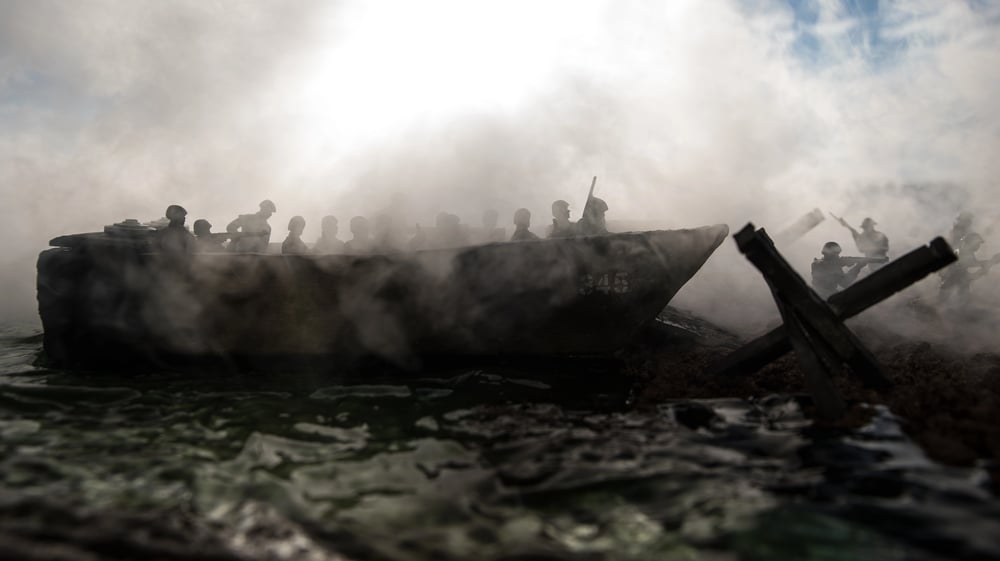
Allied planners before D-Day created an entirely fictional First United States Army Group (FUSAG) under General George Patton, stationed in southeast England and supposedly poised to invade Pas-de-Calais. Inflatable rubber tanks, dummy landing craft made from balsa wood and steel drums, and false radio traffic convinced German reconnaissance that the Allies had far more forces than they possessed.
General Patton’s reputation for aggression was weaponized as an intelligence signal—his visible presence suggested an imminent invasion. The Germans believed so completely in the fictional FUSAG that they kept entire divisions in reserve at Pas-de-Calais even after the real invasion at Normandy had begun.
The deception bought the Allies crucial days to establish the invasion foothold.
The Trojan Horse and Ancient Warfare
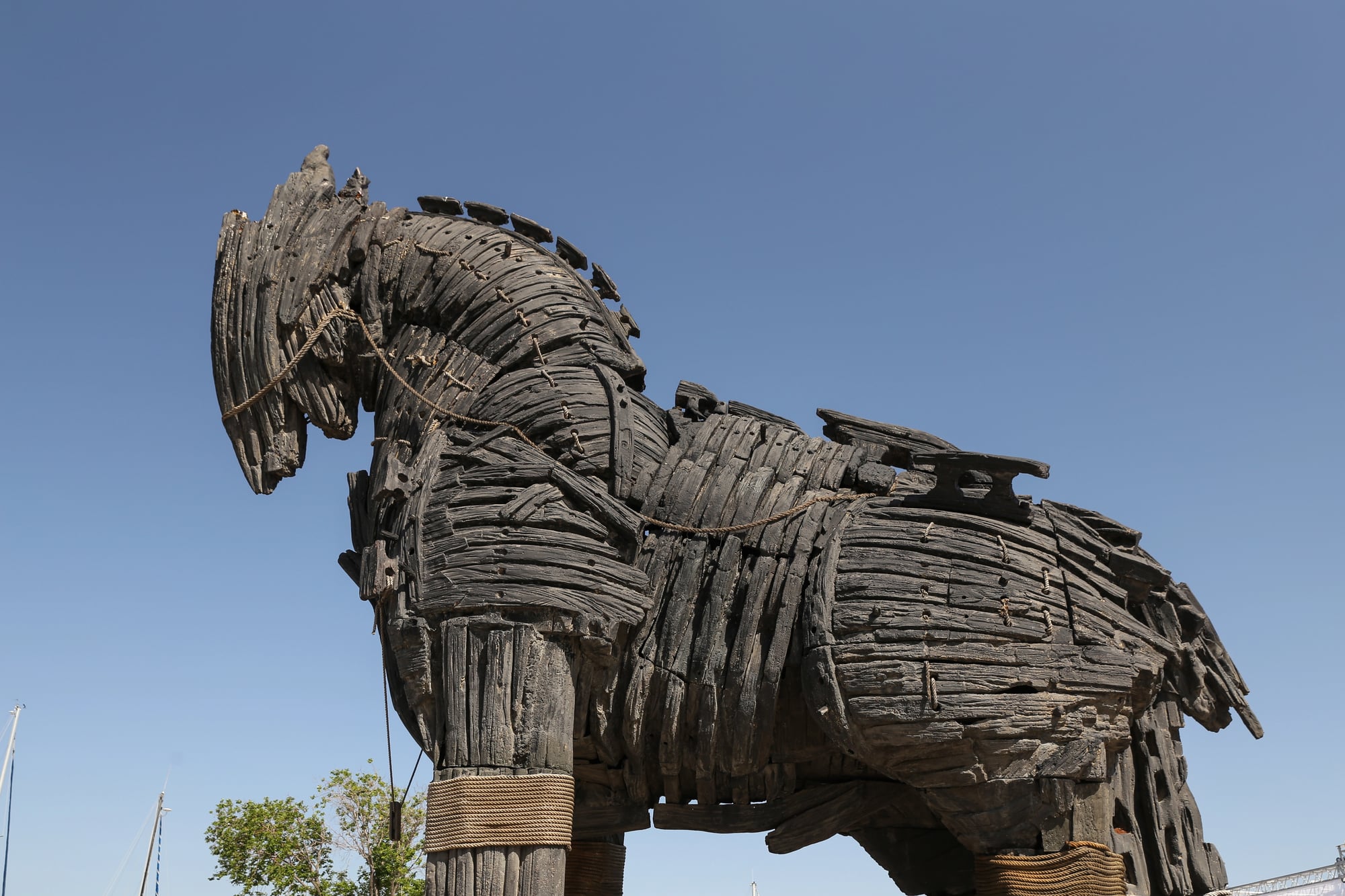
Legend holds that Greek soldiers hid inside a wooden horse offered as a gift to Troy, then emerged to open the gates to the city. Whether historically accurate, the Trojan Horse exemplifies deception as military strategy—an enemy deceived about the nature and contents of what enters their walls loses their most important asset: knowledge of what threatens them.
The story’s persistence across millennia testifies to the power of the ruse.
Double Agents and False Intelligence Networks
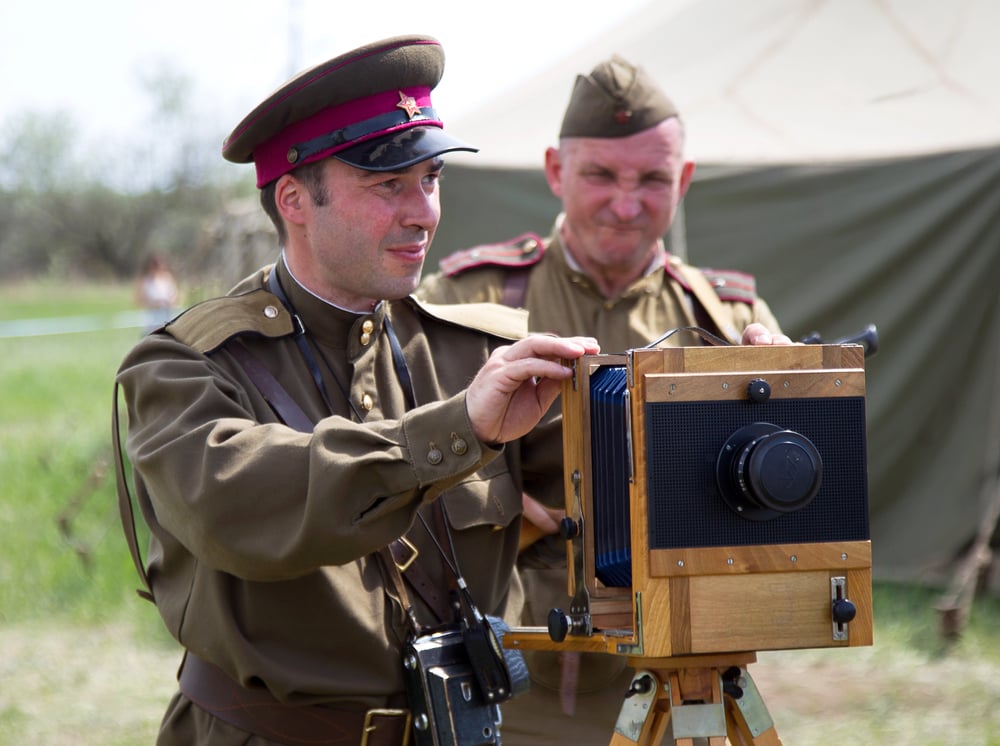
Both sides in World War II operated networks of double agents—spies supposedly reporting for one side while actually working for another. Juan Pujol García, codenamed “Garbo” by British intelligence, convinced the Germans he controlled 26 agents providing intelligence, feeding false information that reinforced Fortitude deceptions.
His false reports suggested massive Allied preparations at Pas-de-Calais, directly influencing German strategic decisions. A single spy’s false reports shifted army positions across a continent.
Inflatable Tanks and Dummy Equipment
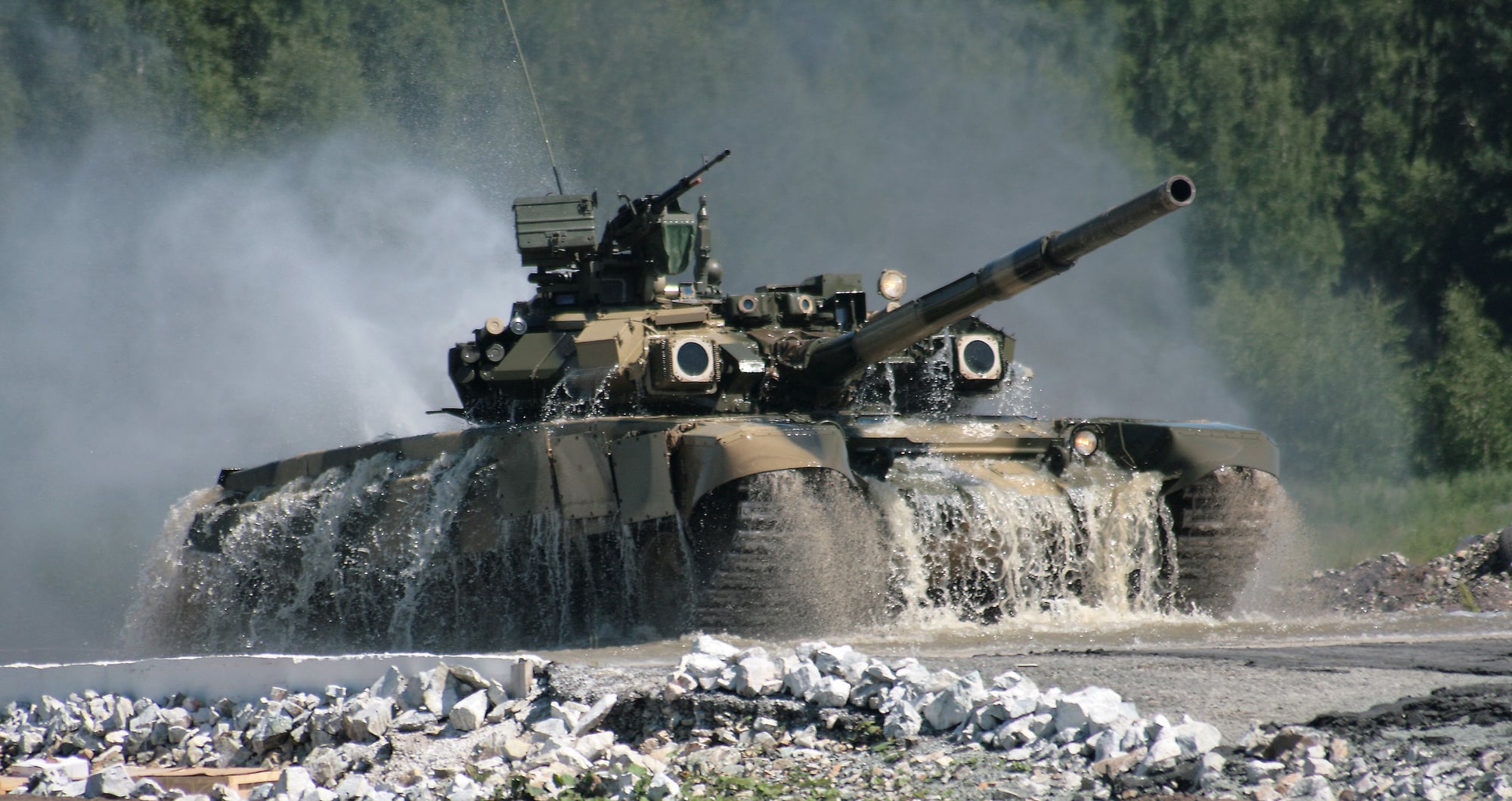
Allied forces deployed thousands of inflatable tanks, fake aircraft, and rubber landing craft across southeast England. From the air, German reconnaissance couldn’t distinguish the fakes from real equipment.
The deception worked because it exploited a fundamental truth: overhead reconnaissance provides information about quantity and positioning but not authenticity. An air-reconnaissance photograph of 100 tanks appears identical whether the tanks are real or inflatable.
False Radio Traffic and Signals Deception
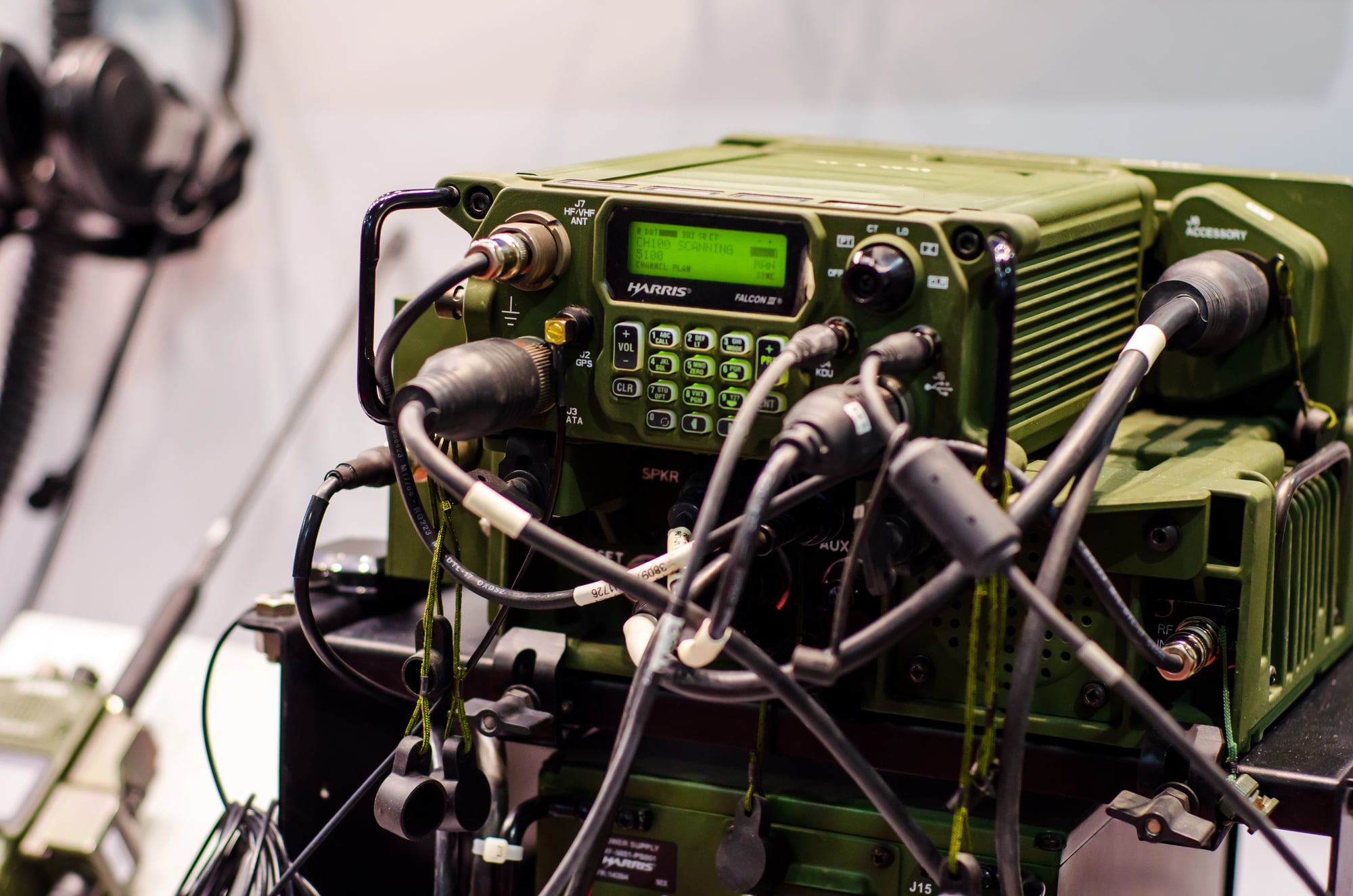
Allied operators transmitted false radio messages using military codes and procedures, simulating conversations between fictional commanders and units that didn’t exist. The transmissions used proper military protocols and included technical details that would ring true to German signals intelligence.
German intercepts of these false messages reinforced the belief that massive forces were concentrating in southeast England.
Coordinated Bombing Campaigns as Deception
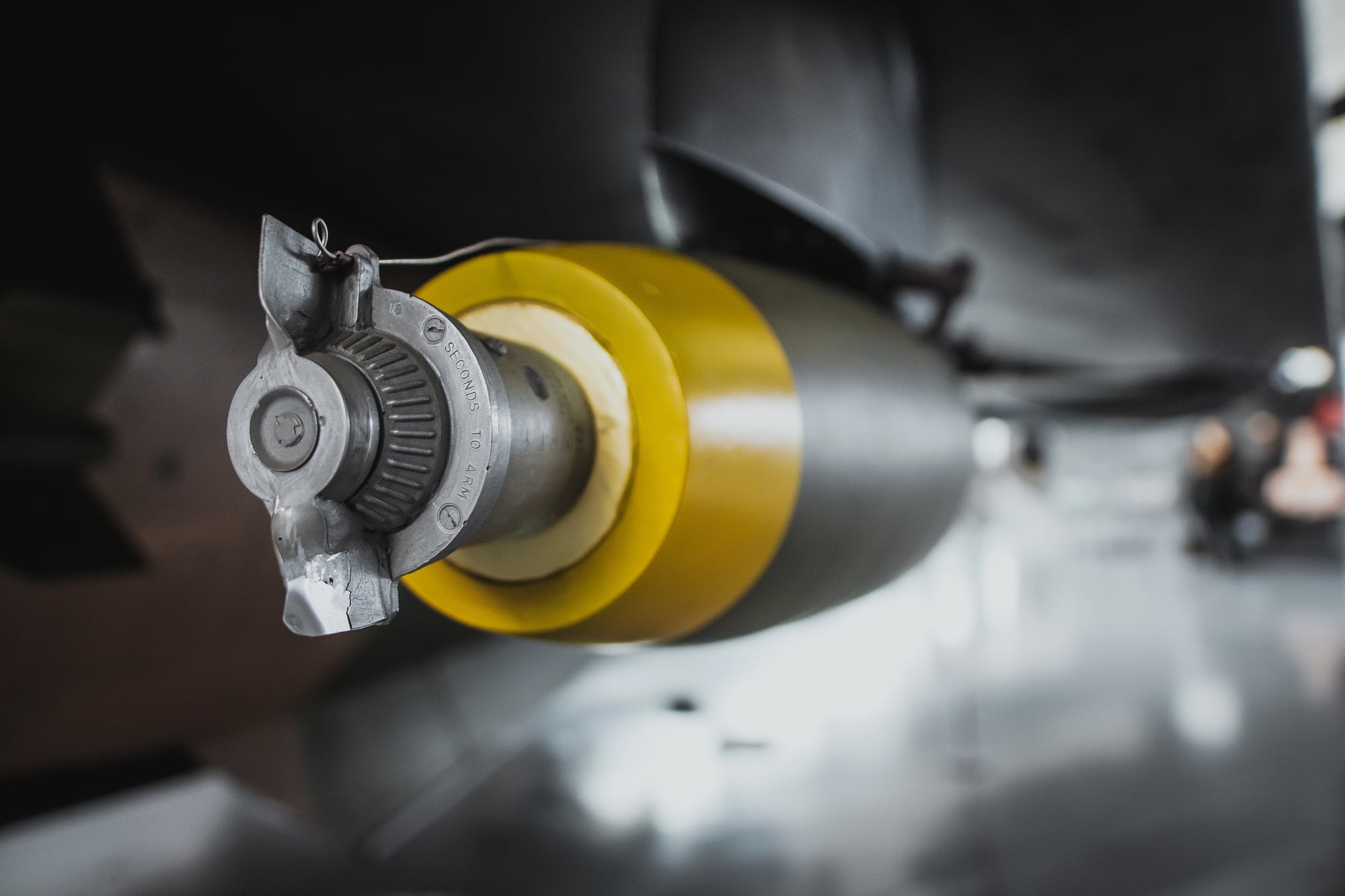
While bomb raids on Normandy’s beaches would have been counterproductive, bombing the Calais region convinced Germans that the main invasion was coming there. By targeting areas away from the real invasion site, the Allies used their air superiority to broadcast false strategic intentions.
The destruction of transportation infrastructure at Calais suggested Allied planners believed that was the invasion point.
Double Cross System and German Deception
The British turned German spies captured in Britain and forced them to transmit false information back to Germany. An entire network of captured spies reporting false intelligence convinced the German high command that their spy network was functioning perfectly, when in reality it was transmitting lies.
The Germans trusted intelligence they didn’t realize they’d lost control of.
Tactical Feints and False Attacks
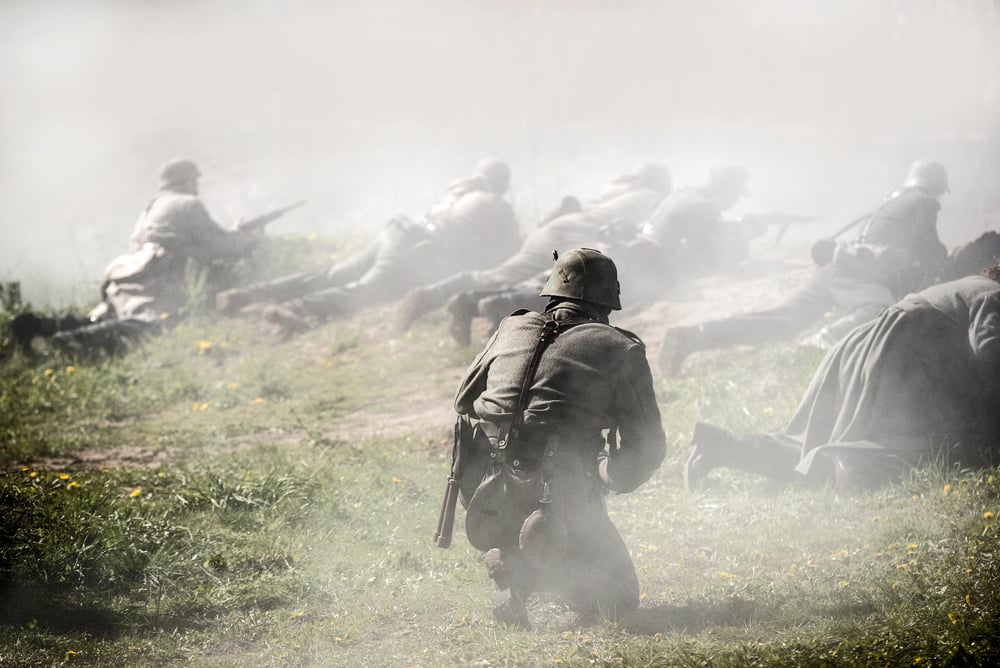
Military commanders staged fake attacks in minor areas to convince enemies that major invasions were coming elsewhere. False assault forces, artillery barrages in unimportant sectors, and visible troop movements toward dummy objectives consumed enemy resources and attention.
The enemy commits reserves to counter an attack that never materializes, leaving real invasions facing less resistance.
The Big Lie and Nazi Propaganda
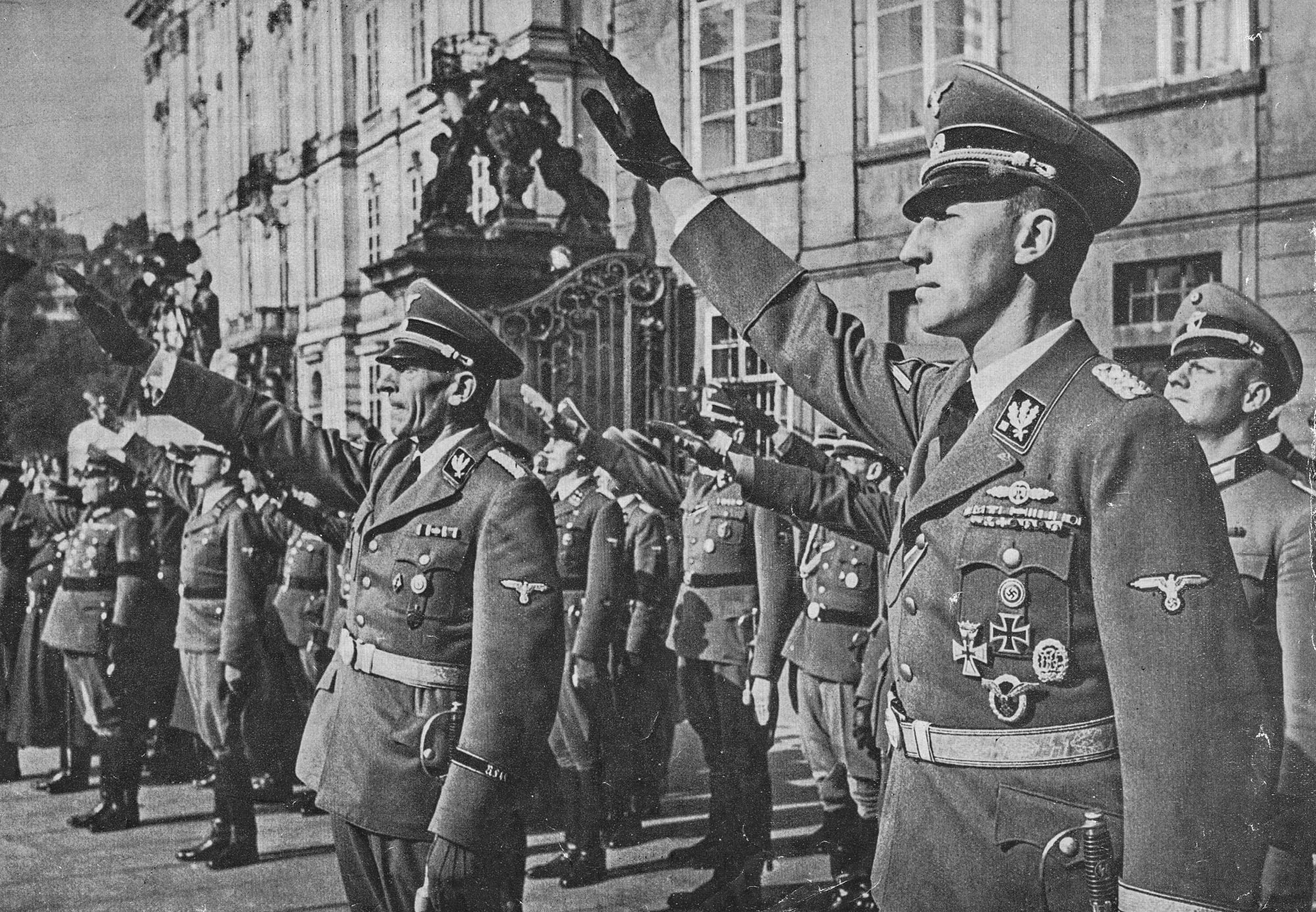
Hitler’s regime mastered propaganda as deception, conducting the Big Lie—making false claims so enormous and repeated so constantly that populations believed them over obvious truth. The Nazi regime’s claims about military successes, internal stability, and racial ideology deceived German populations long after objective reality contradicted official narrative.
Propaganda created a false picture of reality that shaped strategic decisions at the highest levels.
Phantom Units and Ghost Armies
Armies have created entirely fictitious military units, complete with fake command structures, false casualty reports, and dummy equipment. These phantom forces tie up enemy resources and deceptions planners, preventing accurate assessment of actual military strength.
An enemy forced to garrison against threats that don’t exist has reduced capability against real threats.
False Flag Operations and Staged Attacks

Military operations disguised as enemy actions—attacks conducted by one side made to appear as if done by another—create pretexts for wars and shift public opinion. False flag attacks blur the line between legitimate warfare and deception so complete it becomes impossible to determine who actually committed an action.
The Gulf of Tonkin incident, whether real or deception, changed American strategy in Vietnam.
The Decoy Fleet and Naval Deception
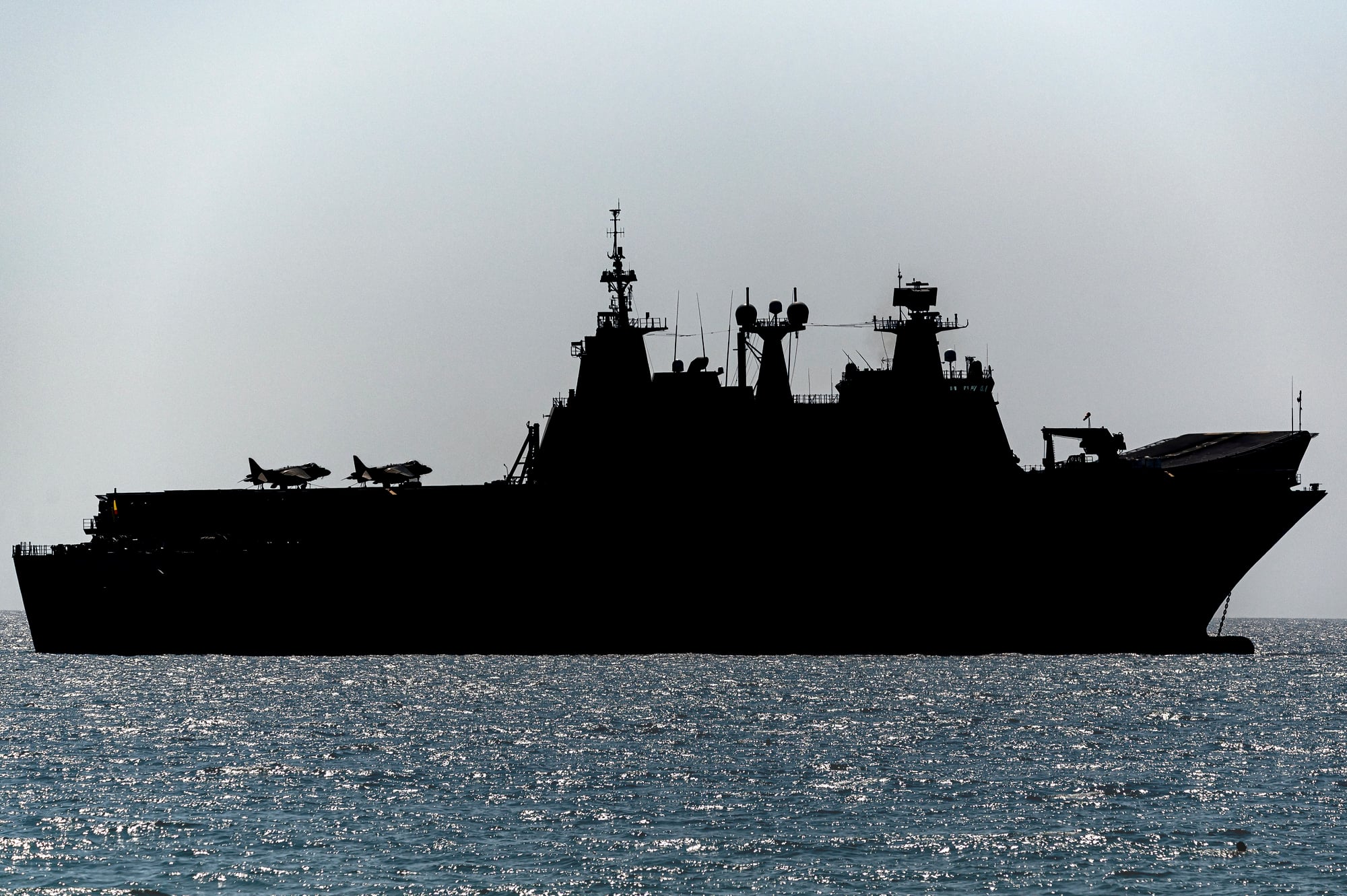
Naval commanders positioned dummy ships and rafts to simulate larger fleets, or moved fleets to appear larger through clever positioning and mirror signals. Ancient navies used false smoke signals, dummy ships, and positioning tricks to suggest forces and capabilities they didn’t possess.
Naval deception exploited the distance-challenged nature of naval reconnaissance.
Operational Security Breaches as Intelligence

Military deception sometimes works by deliberately allowing enemies to discover false information. A soldier with obvious but false battle plans deliberately allows himself to be captured.
A courier with doctored maps makes sure enemy scouts follow and capture him. The enemy discovers “true” information they believe they’ve captured, not realizing it’s a deliberate plant.
Camouflage and Visual Deception

Military camouflage deceives by making real equipment and troops invisible or by making false equipment visible. An army camouflaged to blend with terrain becomes invisible to reconnaissance.
Dummy equipment becomes visible, attracting artillery and air strikes that hit nothing. Camouflage defeats visual surveillance, the oldest and still most common form of military intelligence.
Feints Within Feints and Deception Deception
Commanders sometimes fake false information to confuse not just the enemy but their own side’s ability to leak real information. If the enemy has penetrated security and knows one false deception, a second layer of false deception about the deception keeps the enemy in confusion.
Deception becomes layered, with multiple false narratives obscuring which is false and which is true.
Misdirection Through Media Narrative

Control of media narrative shapes enemy perception. If the press reports that an army is gathering in the north, intelligence officers and commanders believe the report even when false.
Media deception influences not just public opinion but military decision-making at the highest levels.
Decoy Generals and Symbolic Figures

Placing famous commanders visibly in false locations creates intelligence impression. Enemies tracking General Patton’s movements assume he’s where a major operation is planned.
Using a famous commander as deception—placing him visibly in the wrong location—defeats intelligence collection that relies on tracking key personnel.
Smoke and Mirrors During Maneuvers
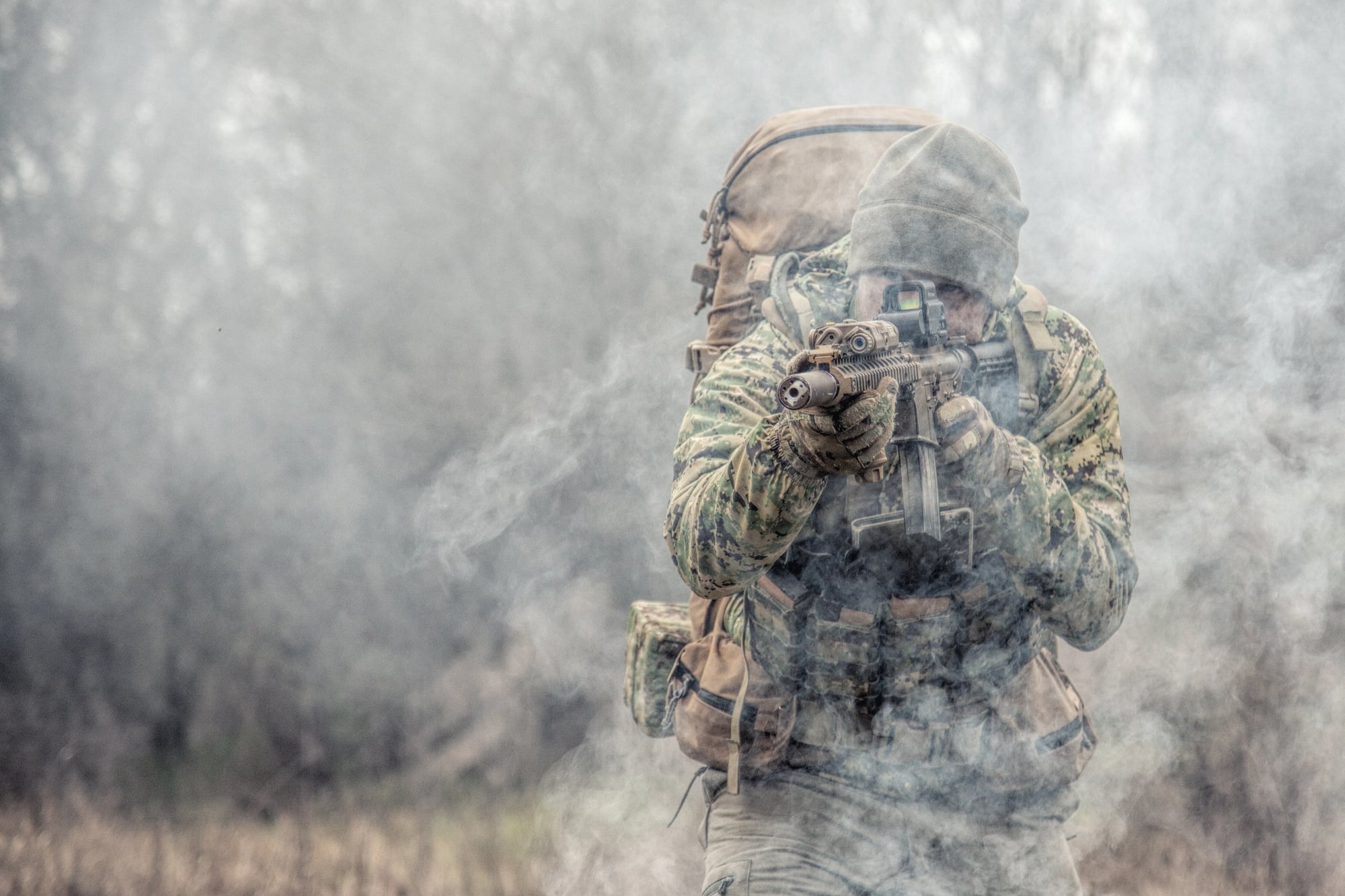
Armies use smoke screens, mirrors, and optical illusions to obscure real maneuvers and suggest false ones. Historical armies used mirrors to create false signals and smoke to hide troop movements.
Modern militaries use electronic countermeasures that create false radar returns and obscure real movements.
Disinformation Through Prisoners

Military deception includes capturing prisoners and releasing false information through them—information released prisoners believe is true based on what they’ve overheard. Prisoners believe they’ve learned valuable intelligence when in fact they’ve learned planted falsehoods.
Released prisoners become unintentional disinformation spreads.
The Deception Briefings

Military officers deliberately brief under-level personnel with false information, knowing the information will leak through prisoner interrogation or captured documents. The leaked false information from sources the enemy trusts shapes strategic decision-making more effectively than repeated official denials of truth.
Ultra Signals Intelligence Reversal
During WWII, the Allies’ Ultra intelligence (decrypted German codes) revealed German beliefs about Allied positions. The Allies then reinforced these beliefs through additional false evidence, ensuring the Germans’ intelligence interpretations remained consistently wrong even as they believed their sources were reliable.
Deception as Strategic Art

Military deception represents a fundamental principle: the commander with the most accurate understanding of reality gains advantage. Deception inverts this by convincing enemies that false reality is true, making their decisions based on maps that don’t match terrain, enemy positions that aren’t where reported, and strategic situations that differ from intelligence briefings.
The Breaking Point of Deception

Deceptions fail when contradicted by overwhelming contrary evidence. If a false army report claims massive forces in the north, yet the enemy sees those forces don’t exist, the deception collapses.
Deception planners must make false claims plausible enough to survive scrutiny. The art is making lies believable.
Lessons That Persist
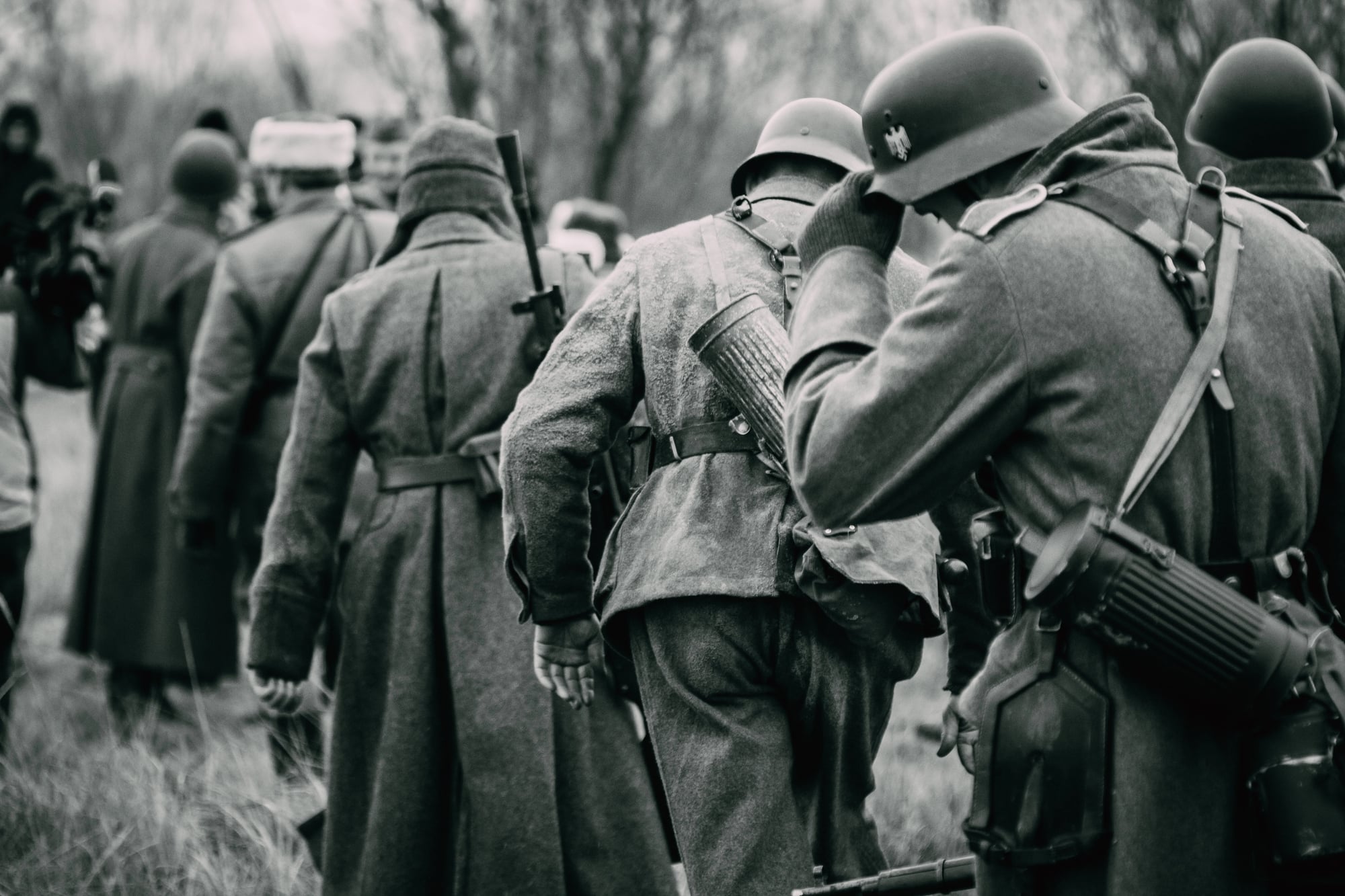
Modern militaries continue studying WWII deceptions because the principles remain constant. Control enemy perception, and you control enemy decisions.
An enemy convinced an attack is coming from the north will position defenses there, leaving other directions vulnerable. Deception remains one of warfare’s most cost-effective weapons—a few inflatable tanks can tie up divisions.
More from Go2Tutors!

- The Romanov Crown Jewels and Their Tragic Fate
- 13 Historical Mysteries That Science Still Can’t Solve
- Famous Hoaxes That Fooled the World for Years
- 15 Child Stars with Tragic Adult Lives
- 16 Famous Jewelry Pieces in History
Like Go2Tutors’s content? Follow us on MSN.