15 Photographs Governments Kept Out of Newspapers for Decades
A photograph can undercut an official version of events faster than any written report, which is exactly why so many governments have chosen to bury them rather than let a newsroom get hold of the print. Some of these images were physically impounded. Others were quietly airbrushed, classified, or simply never distributed to the press that would have run them. All of them eventually got out, though in some cases it took decades.
Dorothea Lange’s Japanese American Internment Photographs
The United States Army hired Lange in 1942 to document the forced relocation of Japanese American families, then impounded her negatives once officials realized her images showed the injustice of the policy rather than a tidy administrative process. Many prints were stamped “Impounded” and filed away in the National Archives, where they sat largely unseen for decades before researchers rediscovered them.
When the photographs finally reached a wide audience, they became some of the most important visual documentation of the internment era.
Ronald Haeberle’s My Lai Massacre Photographs
An Army photographer, Haeberle documented the 1968 killing of Vietnamese civilians by American soldiers, but the most graphic images stayed out of official channels for more than a year while military investigators and journalists worked to bring the story forward. Once published in Life magazine in 1969, the photographs forced a public reckoning with the massacre that official Army reports had downplayed.
The delay between the event and publication remains a documented example of how a government can slow the release of evidence it finds damaging.
Flag-Draped Military Coffins at Dover Air Force Base
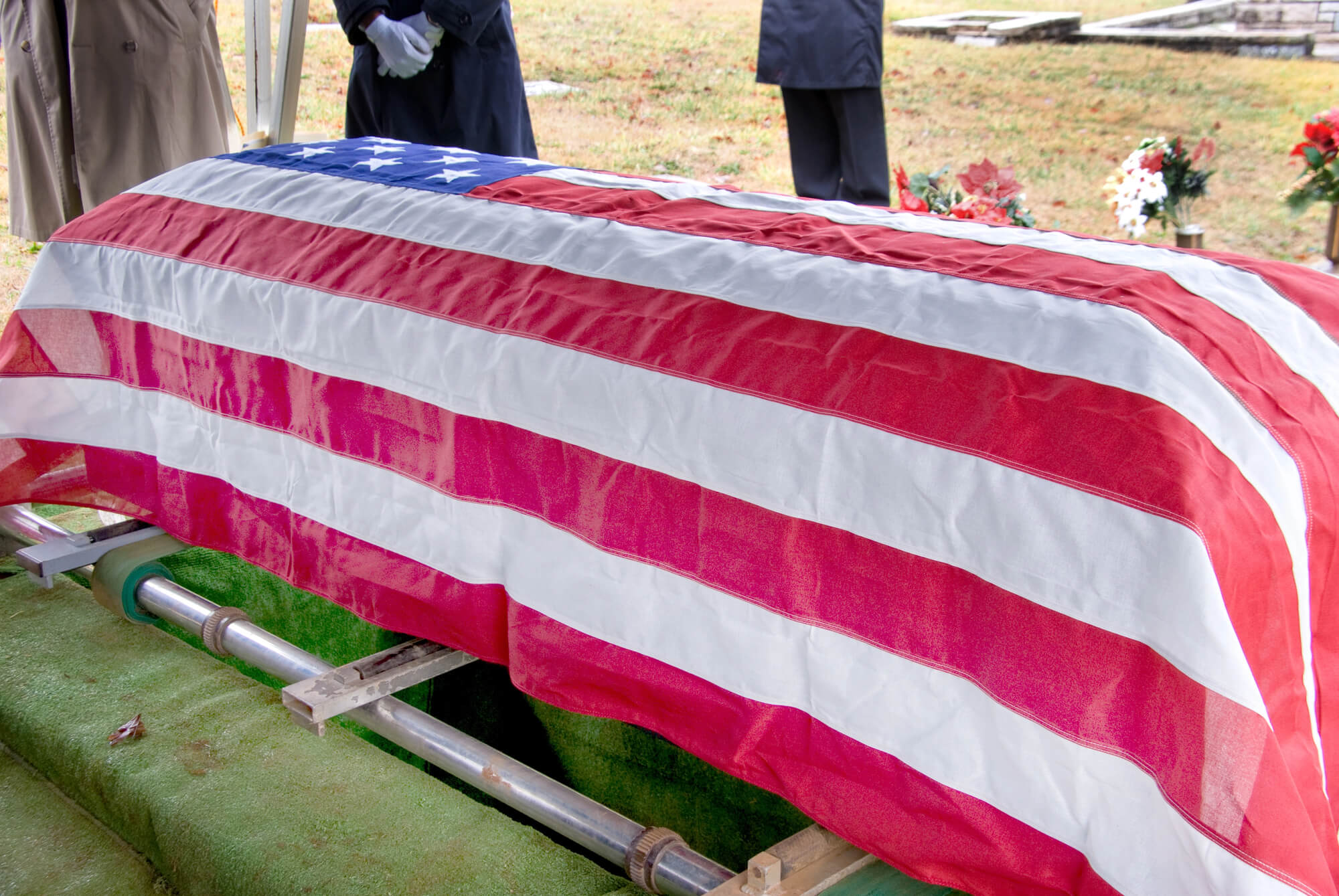
The Pentagon banned press photography of coffins returning from overseas conflicts starting in 1991, a policy that remained in place through the wars in Afghanistan and Iraq. Journalists and advocacy groups argued the restriction was designed to limit public awareness of the human cost of war rather than protect family privacy, since families could already request privacy on an individual basis.
The ban was lifted in 2009, and the previously restricted images became part of the broader historical record almost immediately.
Ken Jarecke’s Highway of Death Photograph
Jarecke photographed the charred remains of an Iraqi soldier during the 1991 Gulf War, an image so stark that most American publications declined to run it despite the photographer’s press credentials. It ran instead in European outlets before eventually being republished in the United States years later as debates over war coverage and censorship continued.
The photograph is now cited frequently in journalism courses as a case study in wartime self-censorship.
Nikolai Yezhov’s Removal From Soviet Photographs
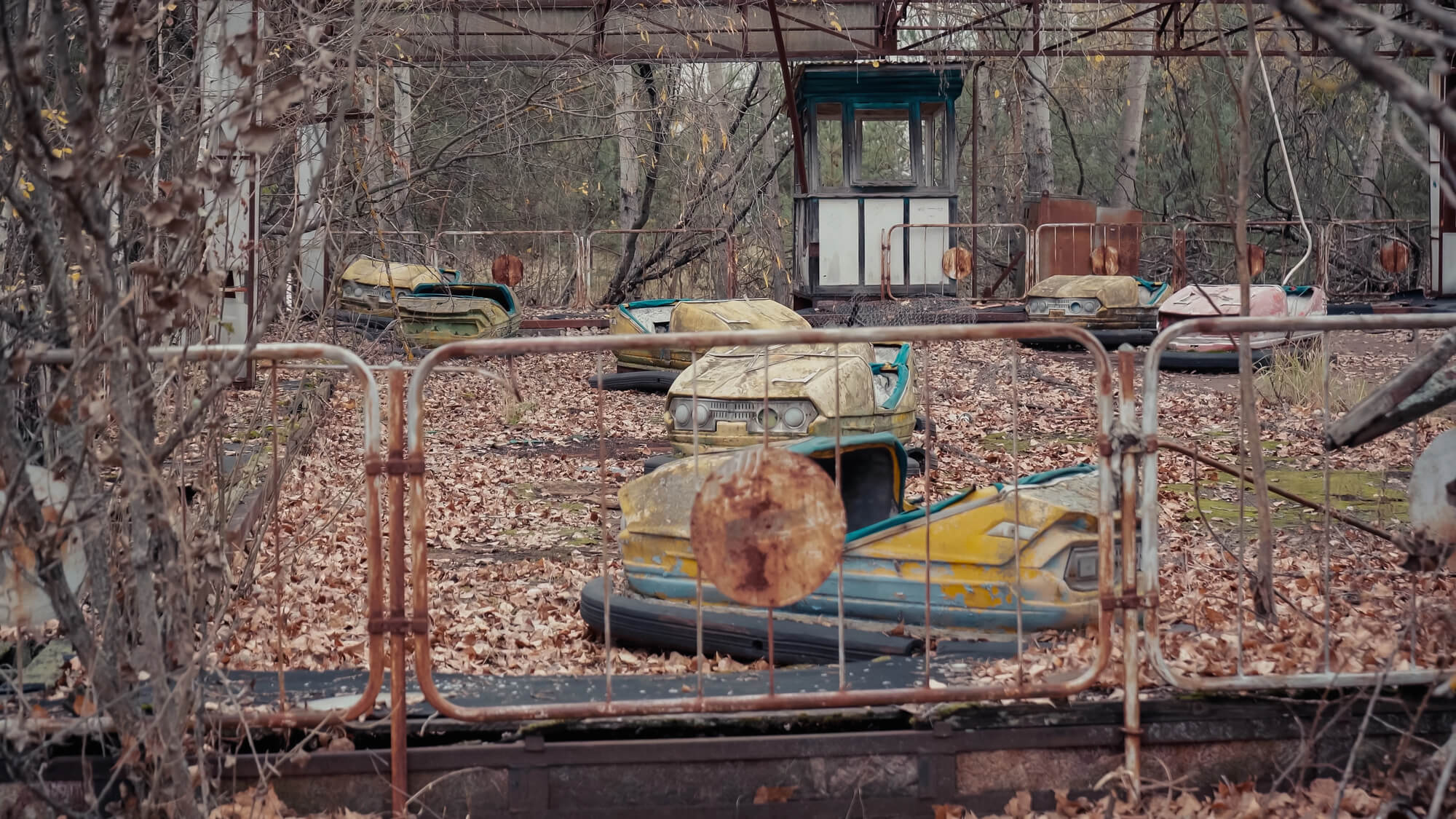
Yezhov, once the head of Stalin’s secret police, was arrested and executed in 1940, after which Soviet censors physically removed him from official photographs he had appeared in alongside Stalin. The retouched versions circulated for decades as though he had never existed in the frame at all.
Original uncensored prints only became widely known once Soviet archives opened to researchers after the country’s collapse.
Leon Trotsky’s Removal From Soviet Photographs
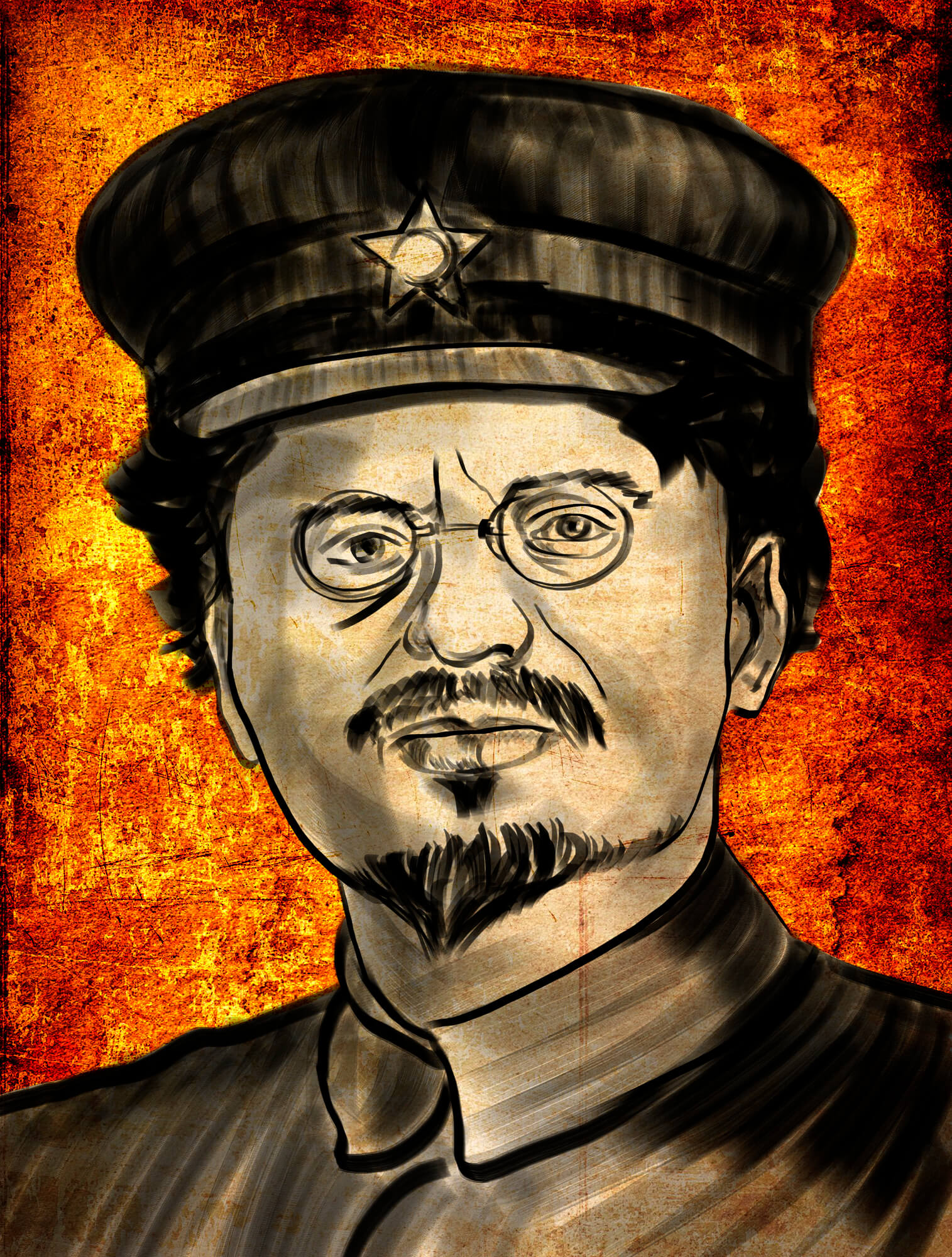
A famous 1920 photograph of Lenin addressing troops in Moscow originally showed Trotsky and Lev Kamenev standing nearby, both of whom were later edited out after falling from Stalin’s favor. The altered image was distributed as the official record for years while the original negative remained suppressed.
Comparing the two versions side by side became a widely used example of Soviet-era photographic manipulation once historians gained access to the originals.
Valentin Bondarenko’s Airbrushed Cosmonaut Photographs
Bondarenko died in a 1961 training accident just weeks before Yuri Gagarin’s historic spaceflight, and Soviet authorities responded by airbrushing him out of previously published group photographs of the cosmonaut corps. His existence and the circumstances of his death remained officially unacknowledged until 1986.
The suppressed photographs, once restored to public knowledge, became an important record of the risks hidden behind the early Soviet space program’s public image.
Yosuke Yamahata’s Nagasaki Photographs
Yamahata photographed the devastation in Nagasaki the day after the atomic bombing in 1945, but American occupation authorities imposed strict censorship on images of the bombings’ aftermath once they took control of Japan. His photographs were largely kept from wide publication until censorship restrictions eased in 1952.
They remain among the most important visual records of the bombing’s immediate human toll.
Hiroshima Aftermath Photographs Under Occupation Censorship
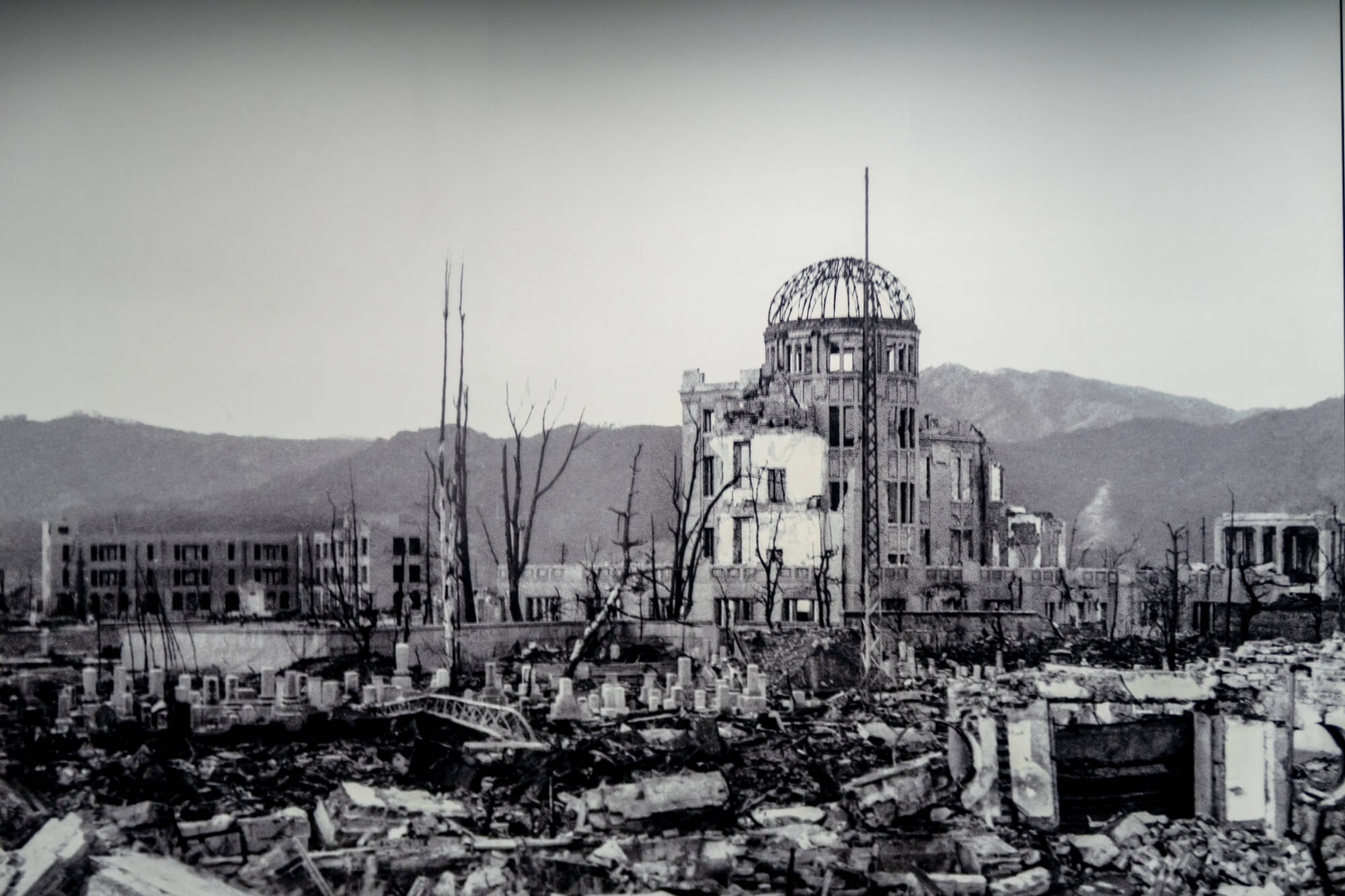
Beyond Yamahata’s work, a broader body of photography documenting Hiroshima’s destruction and the injuries suffered by survivors was restricted from publication under the same occupation-era censorship policy. Japanese photographers and newsreel crews had their footage confiscated in the immediate aftermath, with much of it not returned or released until years later.
The gap between the event and public access to its full photographic record shaped how the bombing was understood internationally for years.
Abu Ghraib Prisoner Abuse Photographs
Photographs documenting the abuse of detainees at the Abu Ghraib prison in Iraq circulated within military channels for months before reaching the public through investigative journalism in 2004. Military officials had opened an internal investigation earlier but had not made the images public, and their eventual release prompted congressional hearings and significant international backlash.
The case remains a frequently cited example of the gap between internal military knowledge of an issue and public disclosure.
Katyn Massacre Photographs
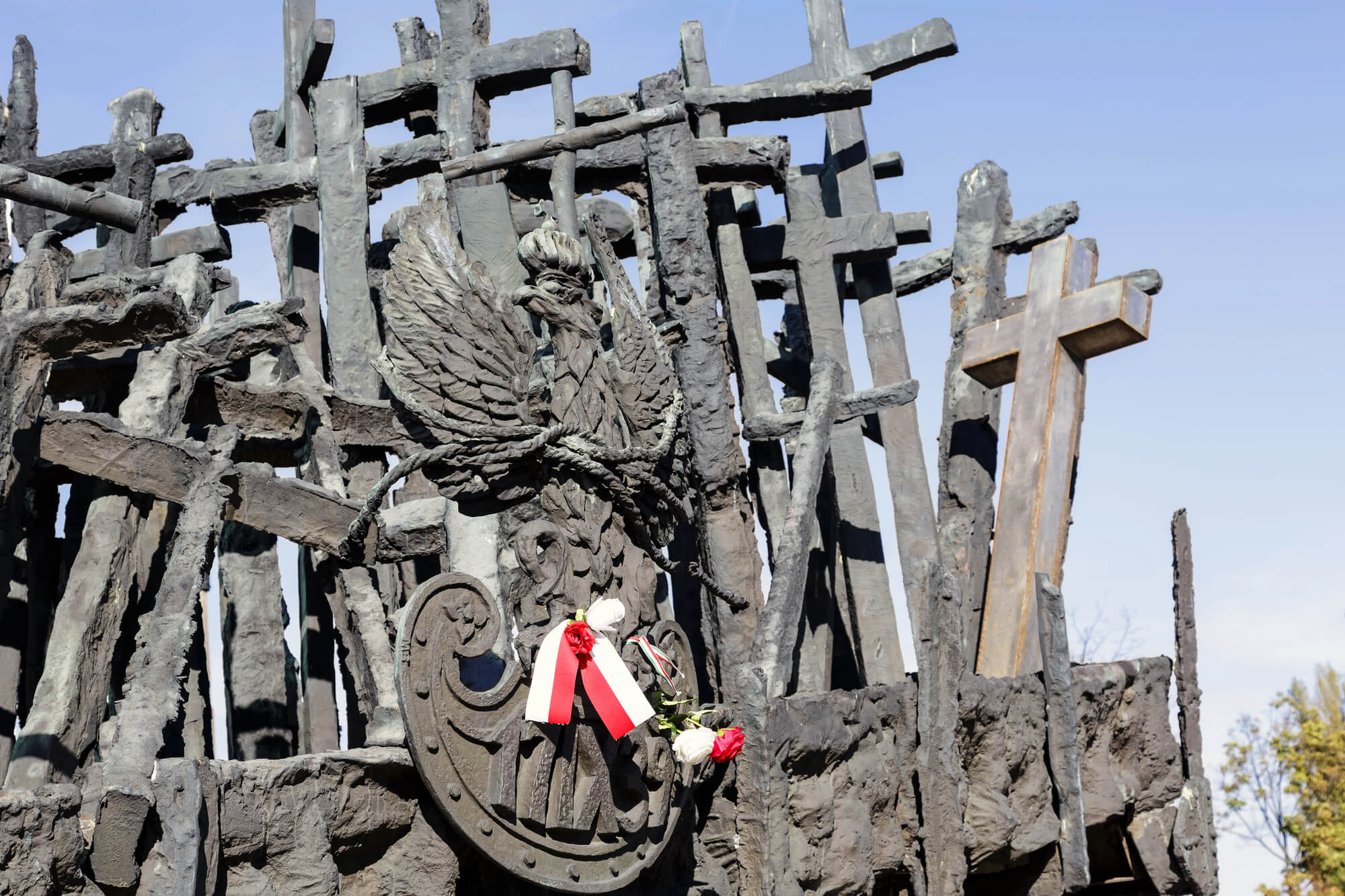
Soviet authorities suppressed photographic and forensic evidence of the 1940 killing of thousands of Polish military officers, instead blaming the massacre on Nazi Germany for decades. Western governments that had access to some of the evidence largely avoided publicizing it during the Cold War in order to maintain diplomatic relations with the Soviet Union.
The USSR did not formally acknowledge responsibility until 1990, at which point the long-suppressed documentation finally entered the public record.
Tank Man of Tiananmen Square
The 1989 photograph of a lone man blocking a column of tanks near Tiananmen Square became one of the most recognized images of the twentieth century almost everywhere except inside China itself. The Chinese government has maintained strict censorship of the image domestically for decades, removing it from search engines, textbooks, and any officially sanctioned account of the events.
Its continued suppression within the country stands in sharp contrast to its global recognition.
Attica Prison Uprising Aftermath Photographs
Photographs and forensic documentation from the state’s retaking of Attica Correctional Facility in 1971, which resulted in dozens of deaths among inmates and hostages, remained restricted by New York State for decades afterward. Investigators and journalists pursued legal action for years seeking access to the full photographic record of the assault.
Portions of the material were not made publicly available until long after the event, well after many of those involved had died.
Kursk Submarine Disaster Photographs
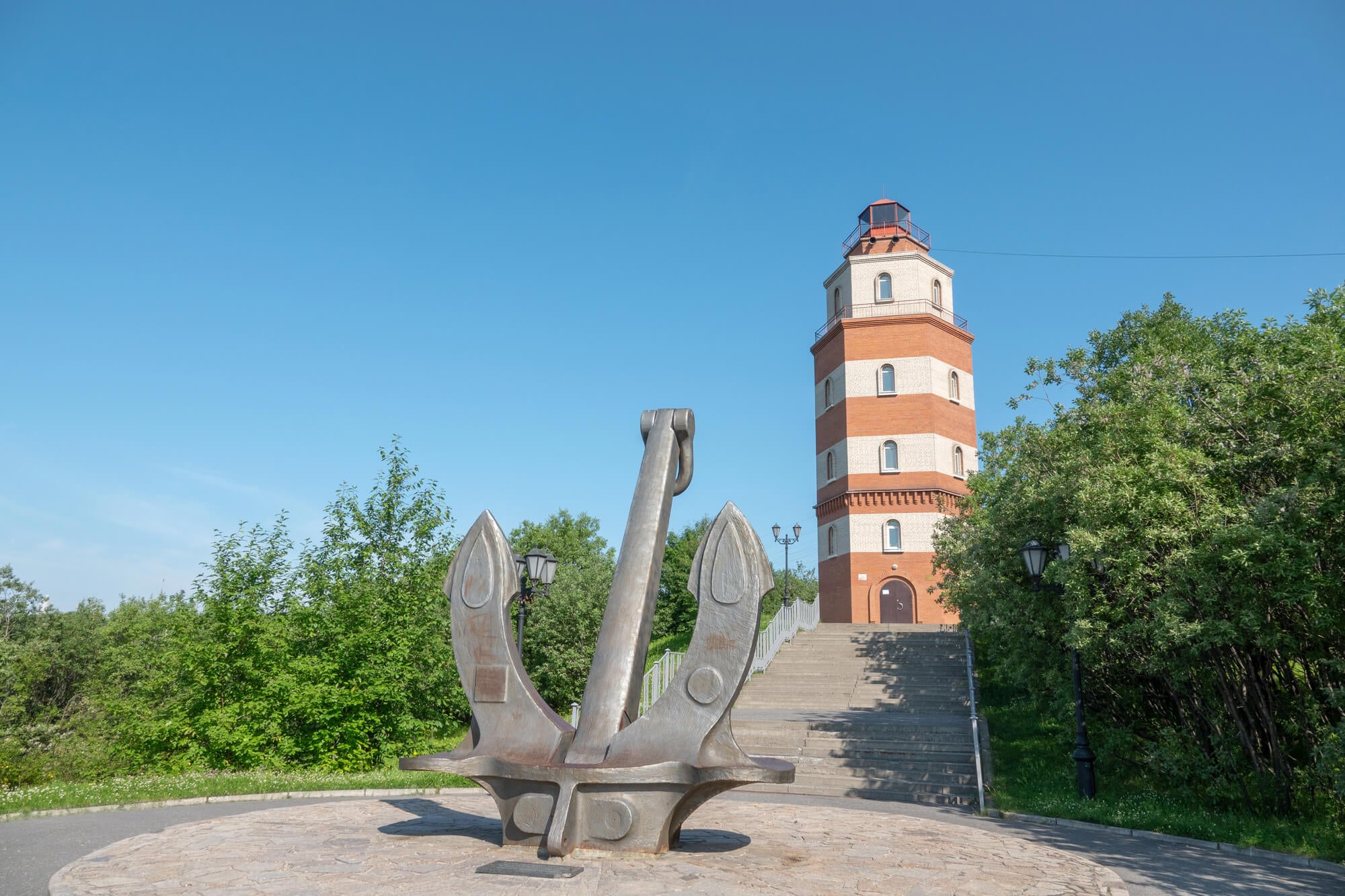
Russian authorities restricted photographic and video documentation related to the 2000 sinking of the Kursk submarine, which killed the entire crew, citing military secrecy around the vessel’s design and the rescue operation’s failures. International media faced significant difficulty obtaining independent images of the recovery effort in the months that followed.
The restricted access fueled public skepticism in Russia about the official account of what caused the disaster.
Photographs From the Sinking of the SS Cap Arcona
British intelligence sealed records, including photographic documentation, related to the 1945 sinking of the Cap Arcona, a ship carrying concentration camp prisoners that was mistakenly attacked near the end of World War II. The material was restricted for a full century, an unusually long seal even by the standards of wartime archives.
Historians have speculated for decades about what specific findings prompted such an extended restriction.
The Image That Wasn’t Supposed to Survive
Every photograph on this list threatened something specific: a policy, a reputation, a version of history that officials preferred to control. That’s the common thread running underneath wars, disasters, and political purges spanning nearly a century.
A camera doesn’t ask permission, which is exactly why the people it inconveniences have gone to such lengths to keep its results out of print.
What’s striking, looking back, is how rarely the suppression actually worked in the long run. Negatives got rediscovered in archives, witnesses talked, and censorship policies eventually lapsed or were overturned by courts and changing political winds.
The photograph nearly always outlasted the effort to bury it.
More from Go2Tutors!

- The Romanov Crown Jewels and Their Tragic Fate
- 13 Historical Mysteries That Science Still Can’t Solve
- Famous Hoaxes That Fooled the World for Years
- 15 Child Stars with Tragic Adult Lives
- 16 Famous Jewelry Pieces in History
Like Go2Tutors’s content? Follow us on MSN.