16 Escape Attempts From History That Sound Impossible on Paper
History records numerous escapes that seemed impossible given the circumstances—prisoners breaking free from maximum-security confinement, captives slipping through elaborate surveillance, and fugitives crossing borders despite seemingly insurmountable obstacles. These escapes depended on audacity, meticulous planning, luck, and often help from inside: corrupt guards, sympathetic officials, or fellow prisoners.
The most successful escapes seemed almost theatrical until you realized the stakes were execution, torture, or permanent captivity.
The Alcatraz Escape of 1962

On June 12, 1962, inmates Frank Morris, John Anglin, and Clarence Anglin are discovered missing from their cells on Alcatraz Island during an early morning bed check, and to this day, they have never been found. On June 11 they staged an elaborate escape that included papier-mâché dummy heads complete with real human hair which they placed in their beds, as well as life vests and a raft made from more than 50 raincoats and other stolen items.
The plotters used a makeshift workshop on the cellblock roof to build the raft and rubber life jackets, using the same roof to store equipment such as the makeshift drill they used to remove the cover from the ventilation shaft. The FBI concluded in 1979 that the three likely drowned, but the U.S. Marshals Service has never closed the case, and their fate remains one of America’s greatest mysteries.
The Great Escape from Stalag Luft III (1944)
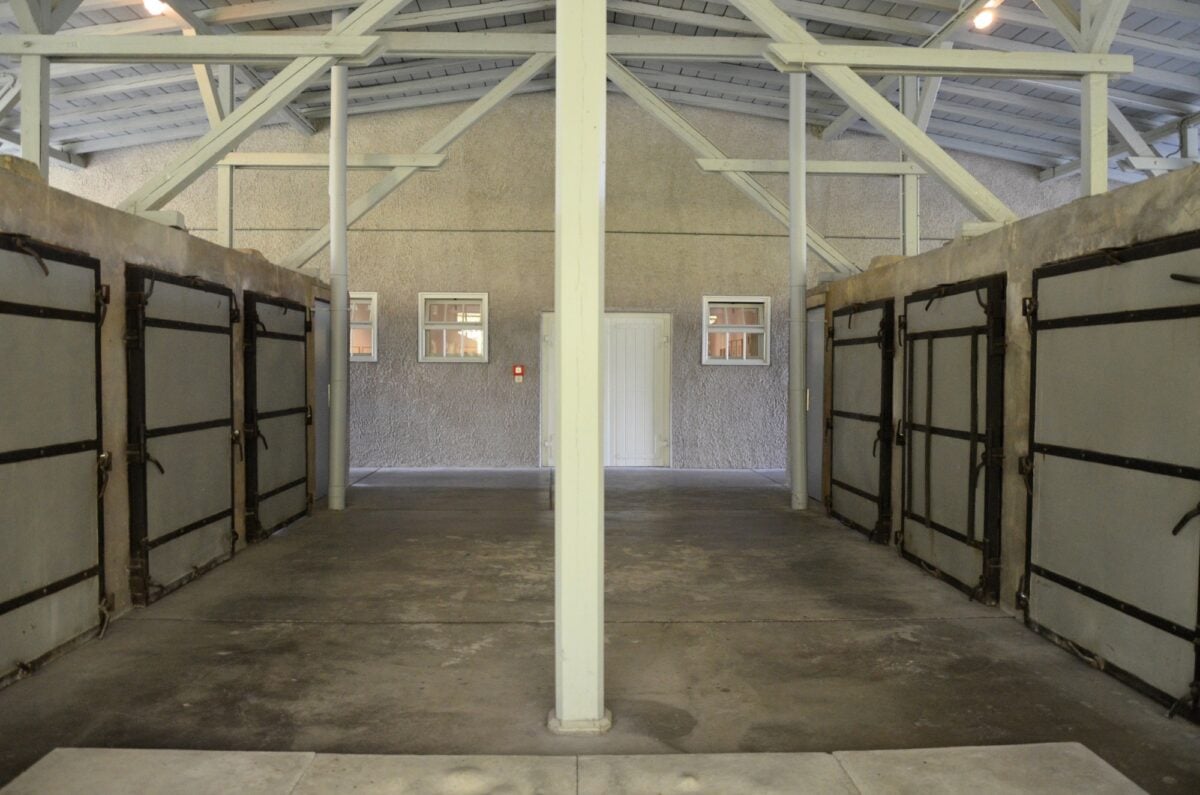
The mass breakout of Allied airmen from Stalag Luft III, a high security prison camp run by the Luftwaffe, in March 1944, involved 600 men incarcerated in the north compound at Sagan in southeast Germany. In the spring of 1943, Squadron Leader Roger Bushell and over 600 prisoners of war began building three tunnels with the code names of Tom, Dick and Harry, with each tunnel stretching for more than 300 feet to the protective cover of the forest outside.
On March 25, 1944, 76 men managed to escape through a tunnel known as “Harry,” but despite the high hopes for a successful mass escape, most were recaptured, and in a brutal response, Adolf Hitler ordered the execution of fifty of them.
The Horse Tunnel Escape from Stalag Luft III (1943)

In October 1943, three prisoners—Lieutenant Michael Codner, Lieutenant Eric Williams and Lieutenant Oliver Philpot—managed to escape through a tunnel which had been dug out over a three month period under a gymnastic vaulting horse, and the trio eventually made their way back to Britain. The escape succeeded where many others failed because the Germans never detected the tunnel beneath what appeared to be innocent exercise equipment.
This modest escape was more successful than the larger breakout that followed, as all three men reached freedom.
Rudolf Hess’s Flight to Scotland (1941)
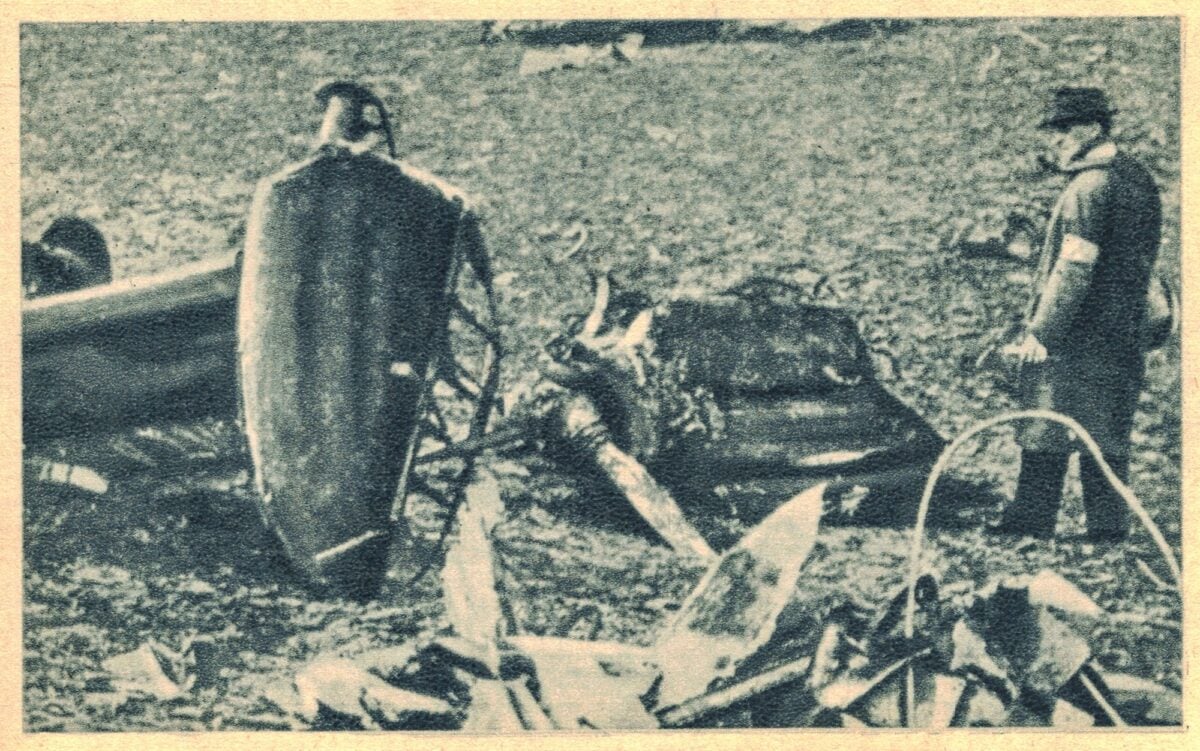
Nazi Deputy Führer Rudolf Hess flew from Germany in a Messerschmitt fighter plane in May 1941, parachuting into Scotland near the Duke of Hamilton’s estate in what he believed would lead to peace negotiations with Britain. Hess claimed he was trying to arrange a peace settlement, but the escape from Nazi Germany was audacious—he flew alone across the North Sea in enemy territory, ditched his plane, and survived the jump.
He was immediately captured but had successfully escaped Nazi control, and his motivations for the flight remain historically debated.
The Berlin Wall Escapes (1961-1989)

Over 5,000 people escaped from East Germany to West Berlin by climbing, digging under, or ingeniously hiding in vehicles attempting to cross the Berlin Wall. Some escapes involved forged documents, hidden compartments in car trunks, and elaborate tunnels dug from East Berlin apartments to the West, with dozens of successful breakouts documented during the wall’s 28-year existence.
The most famous involved “Checkpoint Charlie” incidents where people drove through barriers or hid in car engines. The Wall’s existence created desperation that motivated impossible-seeming escape attempts nearly every week.
The Pentonville Prison Escape (1961)
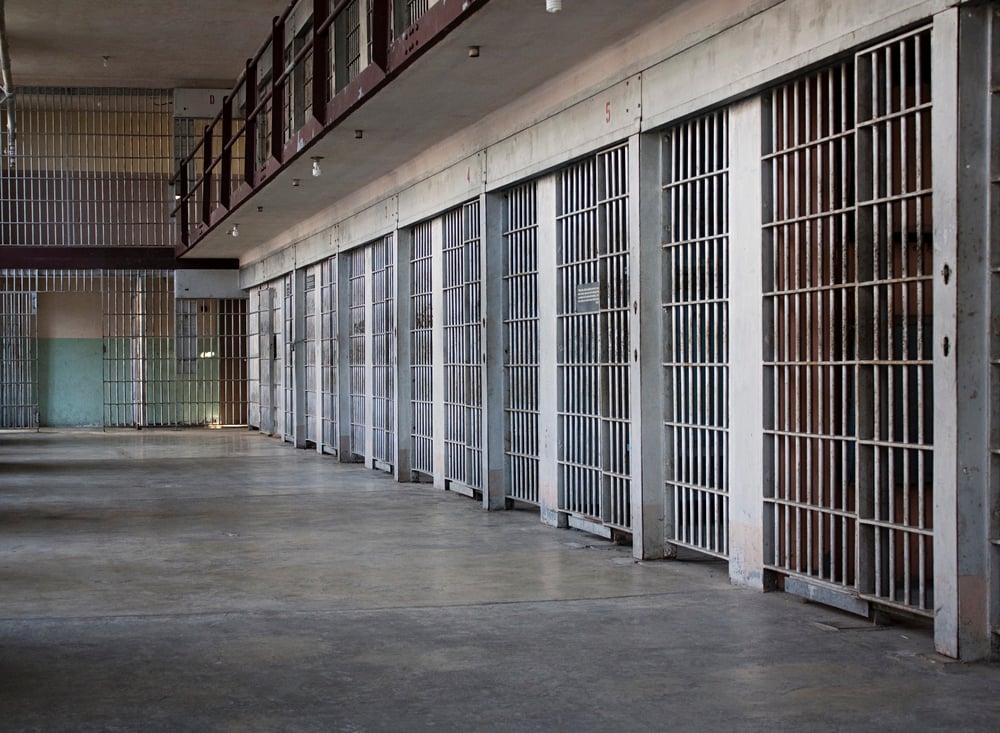
George Blake, a British intelligence officer and Soviet spy, escaped from London’s maximum-security Pentonville Prison in 1961 by scaling a 12-foot wall during exercise time. His accomplices had positioned a rope ladder outside, and Blake simply climbed out during a moment when guards weren’t watching.
He fled to the Soviet Union and lived there until his death. The escape shocked British authorities because Pentonville was considered escape-proof.
The Australian Bushranger Ned Kelly’s Siege (1880)
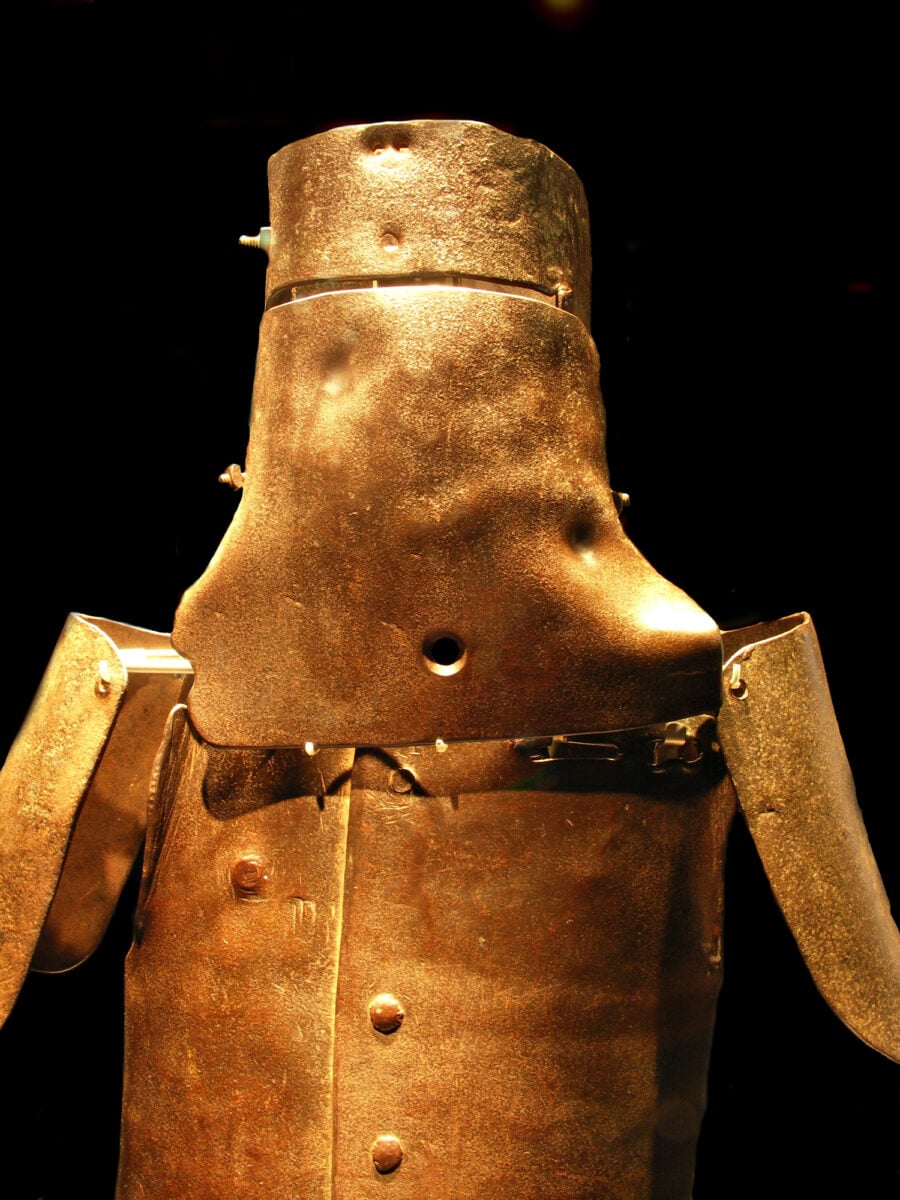
Ned Kelly, Australia’s most famous bushranger, was cornered in a farmhouse at Glenrowan in 1880 with police surrounding the building. Kelly fashioned makeshift armor from ploughshares and attempted to escape through the police cordon wearing the crude metal suit, which slowed him but made him visible and vulnerable.
He was shot and captured, but the audacity of his attempt to armor himself and break through police lines demonstrated the desperation of a hunted man. He was hanged shortly after his capture.
The Maze Prison Escape (1978)
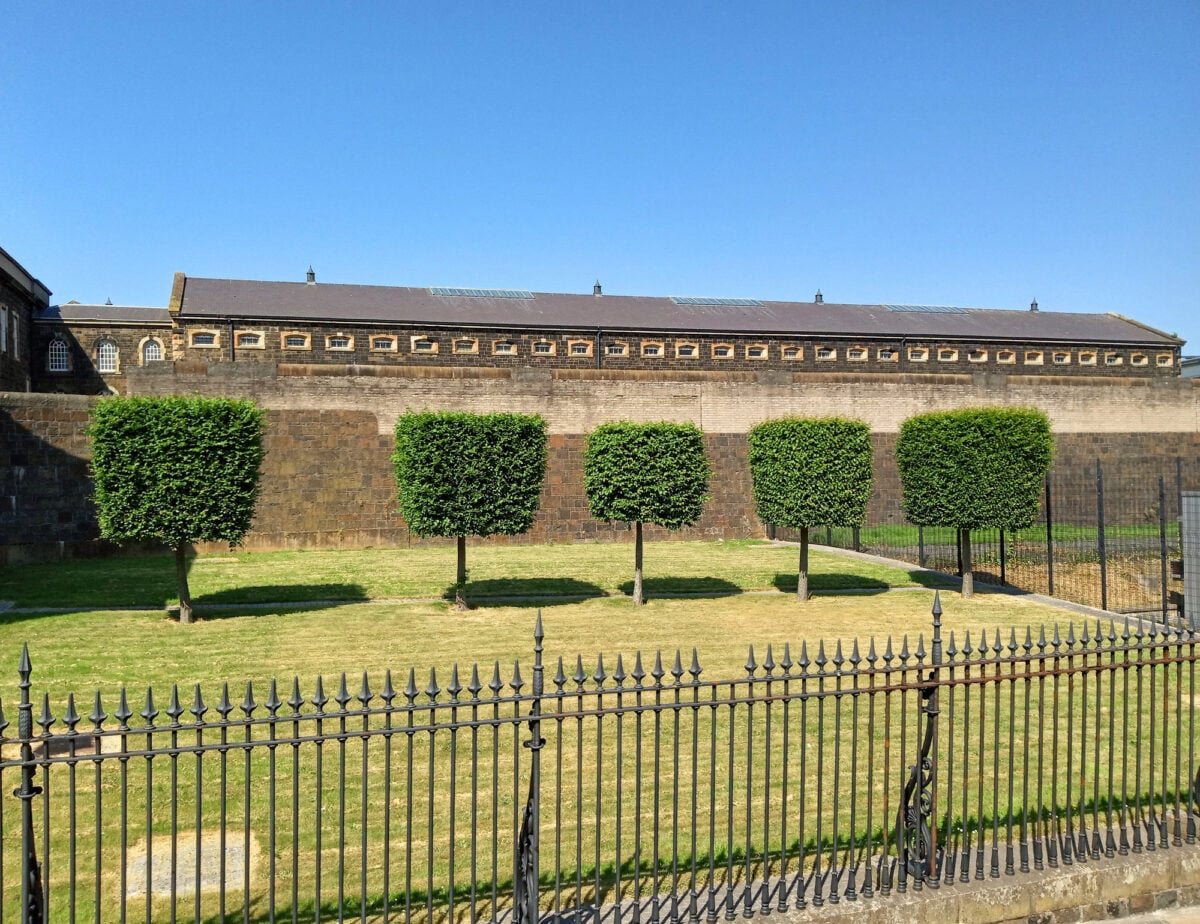
Thirty-eight IRA prisoners escaped from the H-Blocks of Belfast’s Maze Prison in 1978 through a meticulously planned breakout involving forged documents, uniforms, and a hijacked prison van. The prisoners had hidden weapons, dug through walls, and created an escape route that went undetected by guards for weeks before the breakout was executed.
Nineteen of the escapees were recaptured, but nineteen made it to safety. The escape embarrassed British prison authorities.
The Escape from Devil’s Island (Henri Charrière, 1941)
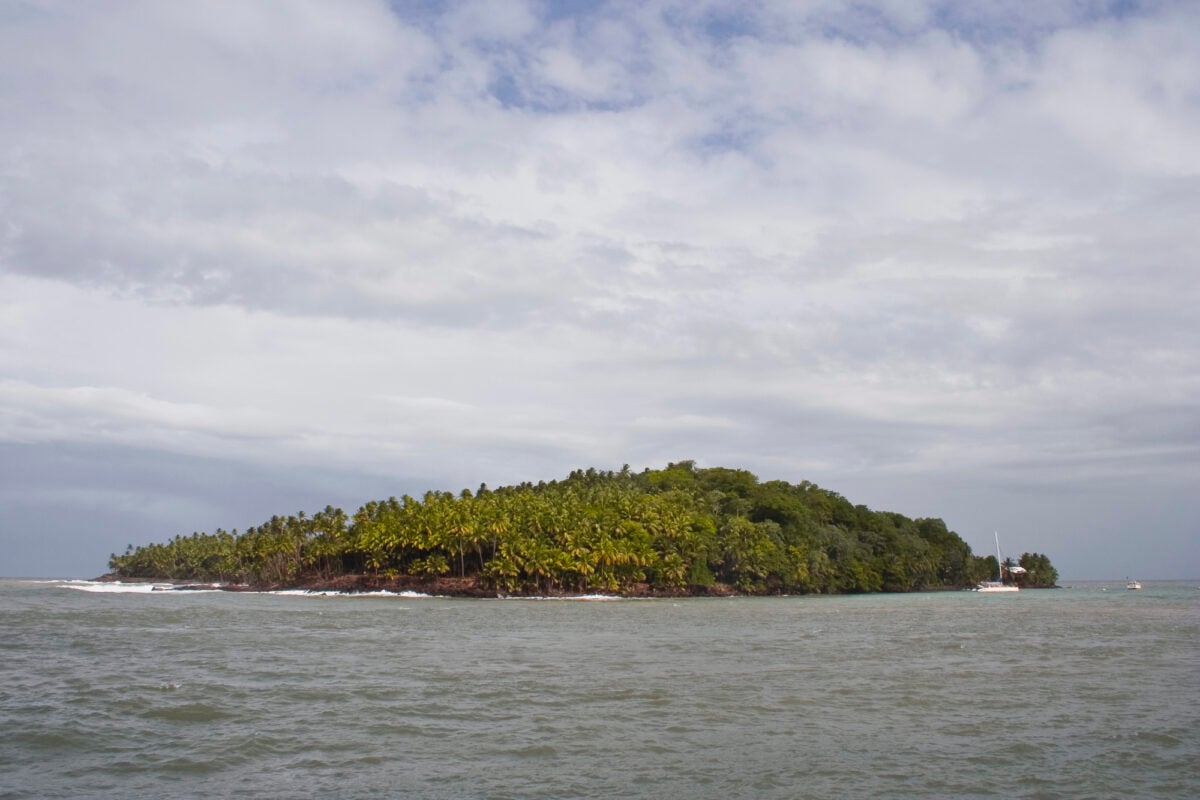
Henri Charrière, imprisoned on the infamous French penal colony of Devil’s Island off the coast of French Guiana, escaped in 1941 after years of planning. He hid on a coconut-loaded boat leaving the prison and lived as a fugitive.
Devil’s Island was considered escape-proof due to its isolation, treacherous waters, and strict security, yet Charrière managed to slip away and lived free in South America under a false identity. His later memoir became a bestseller.
The Sobibor Uprising and Escape (1943)

On October 14, 1943, over 300 prisoners at the Sobibor death camp in Poland organized an armed uprising and mass escape, overwhelming guards and fleeing into the surrounding forests with approximately 50-70 prisoners surviving to the end of the war. The escape was audacious because it involved prisoners turning against heavily armed guards in the middle of an active extermination camp.
It remains the most successful organized escape from a Nazi death camp.
The Tunnel Beneath the Berlin Wall (1964)
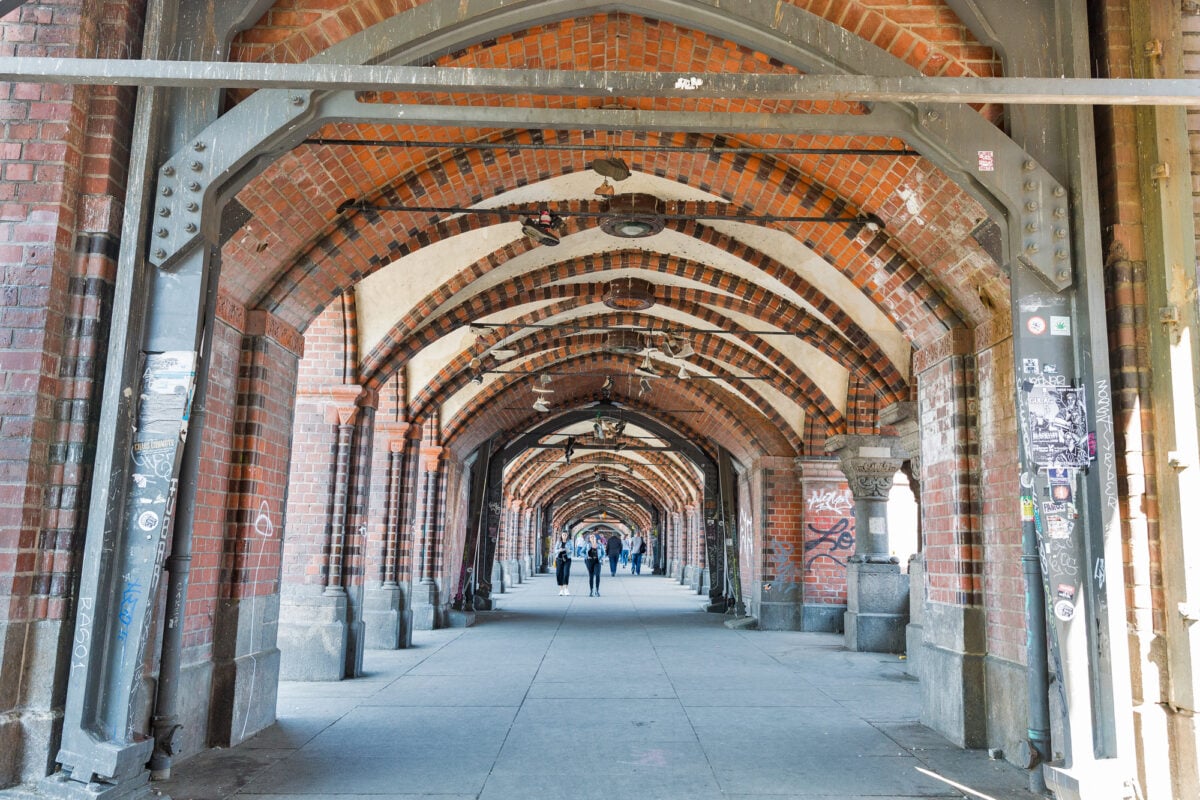
A group of West Berliners dug an elaborate tunnel from a bakery basement under the Berlin Wall in 1964. Over several weeks, they managed to move earth silently and safely enough that guards never detected the operation.
Approximately 57 people used the tunnel to escape to the West before it was discovered. The tunnel was only discovered when East German officials noticed fresh earth on the wall’s eastern side and tracked it to the entry point.
The Portuguese Prison Escape at Peniche (1960)
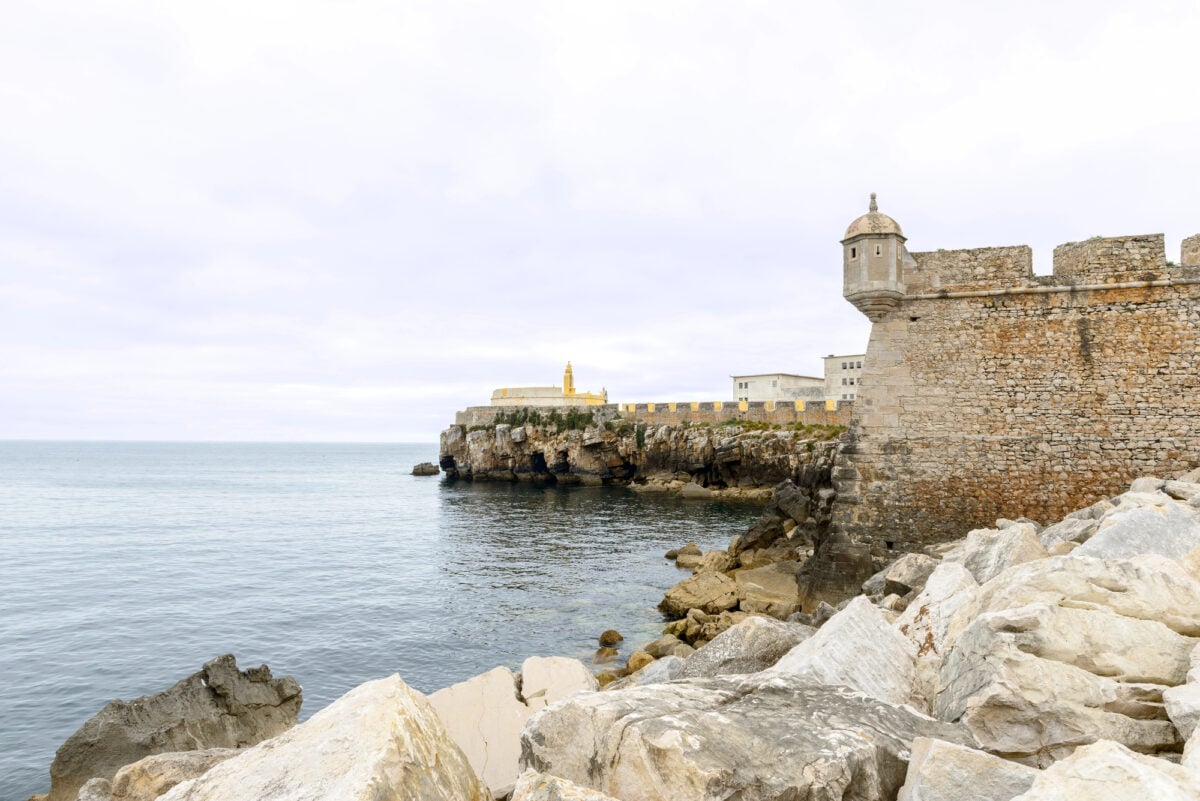
In 1960, eight political prisoners escaped from a maximum-security Portuguese prison on an island fortress by overpowering guards, stealing a boat, and sailing to safety in Morocco during the dictatorship of António de Oliveira Salazar. The escape required coordinated timing, access to a weapon (a gun smuggled in by a sympathizer), and a seaworthy vessel.
The prisoners became heroes to those opposing Salazar’s authoritarian regime.
The Attica Prison Uprising (1971)
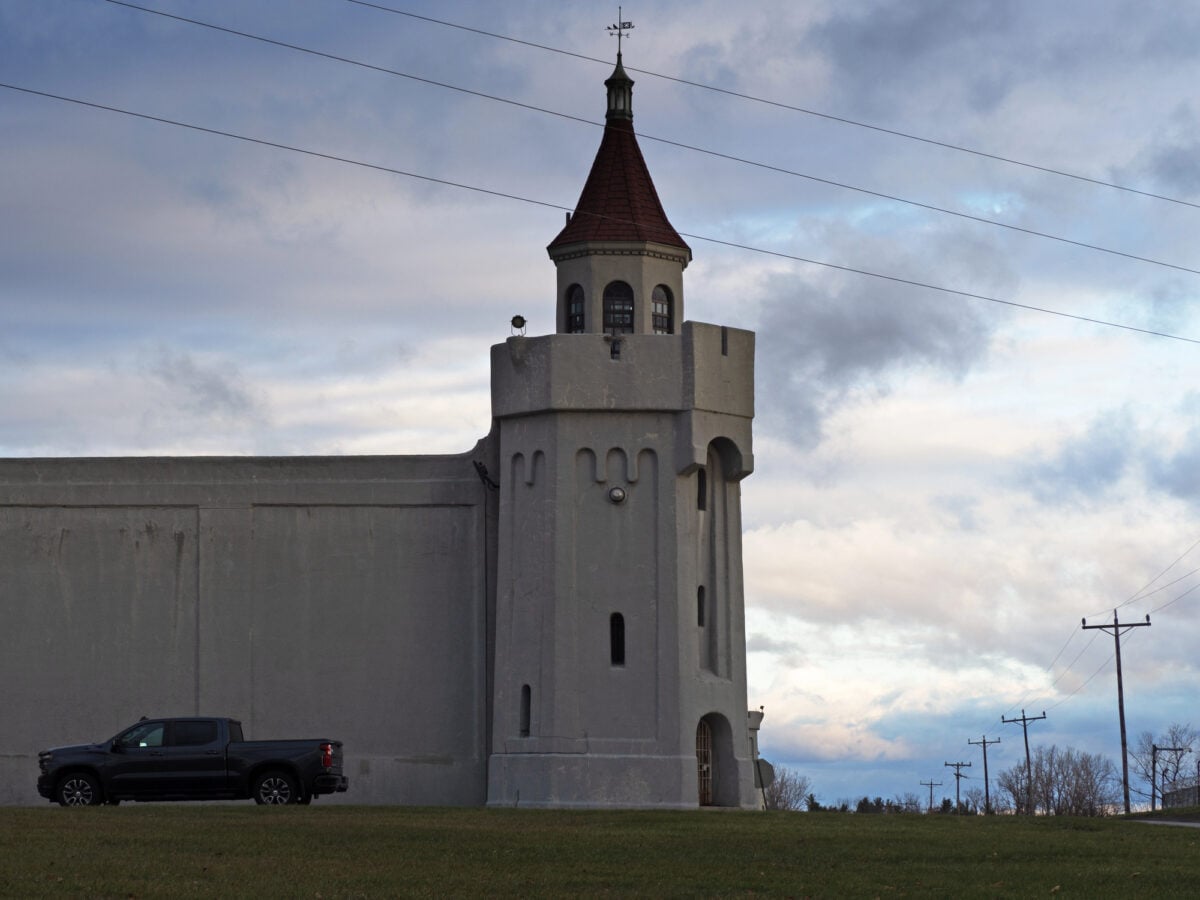
During a four-day uprising at Attica Correctional Facility in New York, prisoners took hostages and occupied the prison yard. While not a mass escape, dozens of prisoners used the chaos and guard confusion to flee the facility.
After state police retook the prison, at least 10 prisoners escaped during the violence, though the uprising ended with the deaths of 43 people including 33 inmates.
The Great Escape from Auschwitz (Vrba and Wetzler, 1944)
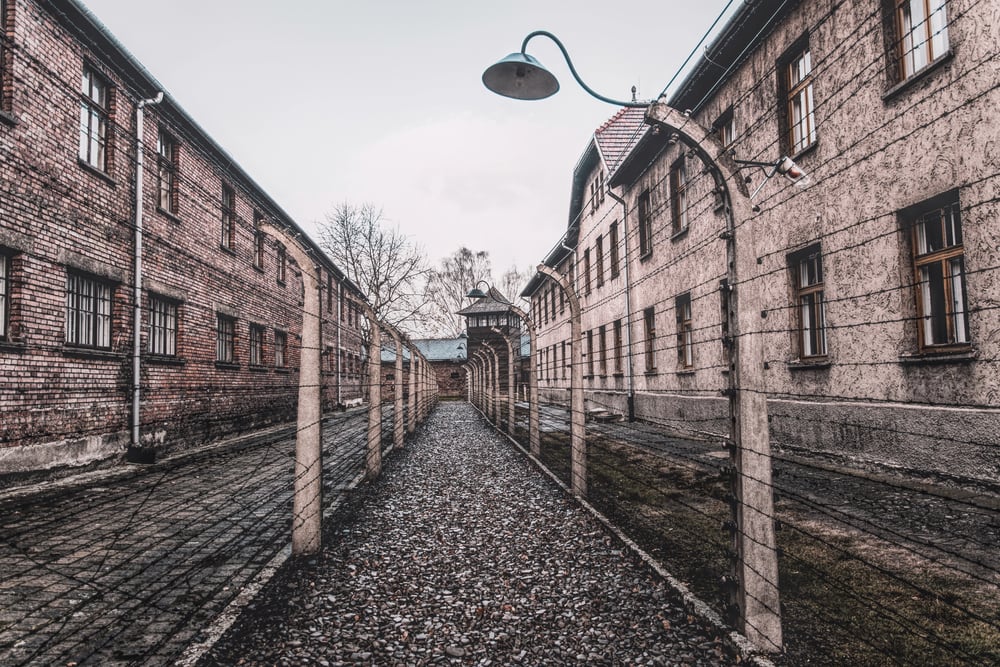
Rudolf Vrba and Alfréd Wetzler escaped from Auschwitz concentration camp on April 7, 1944, breaking through the camp’s perimeter and reaching Slovakia, where they provided the first comprehensive eyewitness account of the Holocaust that reached the Allies. They hid in a woodpile for three days near the camp and then fled through the forest.
Their escape and subsequent testimonies provided crucial evidence of Nazi genocide.
The Tegel Prison Escape (1978)

In 1978, RAF member Leila Khaled escaped from a Berlin prison with help from an outside team that created a diversion and provided her with false documents, though she was recaptured weeks later in another country. The escape demonstrated how determined organizations could mount coordinated operations to free imprisoned members.
The Colombian Prison Riot Escape (1990)

During a riot at a Colombian maximum-security prison in 1990, over 200 prisoners overwhelmed guards and escaped into the surrounding mountains, with authorities recovering only a fraction of the fugitives. Prison chaos created opportunities for mass escape that formal security could not contain.
The Dalai Lama’s 1959 Escape from Tibet

The 14th Dalai Lama escaped Chinese occupation of Tibet in March 1959, fleeing across the Himalayas with his entourage in a 15-day journey through treacherous mountain terrain pursued by Chinese soldiers. He reached safety in India and lived in exile.
The escape required endurance, guides, and luck that pursuers didn’t intercept him in the high passes.
The German Prisoners’ Escape from Camp Aliceville (1943)
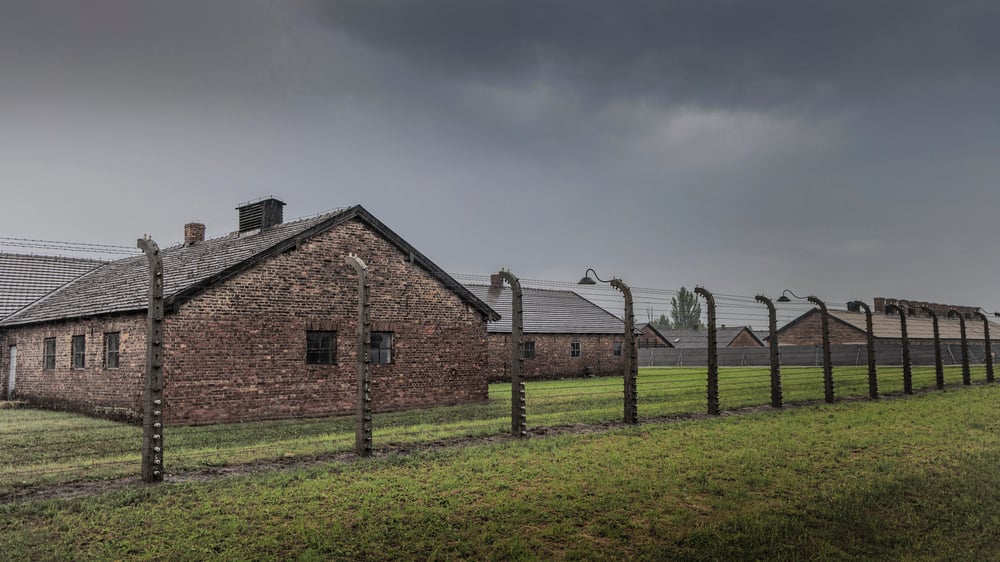
During World War II, German prisoners of war held at Camp Aliceville in Alabama escaped through an elaborate tunnel system they had dug over months. The prisoners had forged documents, created civilian clothes, and planned their breakout with military precision, though most were recaptured within weeks.
The escape demonstrated that POW camps despite their security had vulnerabilities.
The Freedom Tunnel from East to West Berlin (1986)

In one of the last major escapes before the Berlin Wall fell, a group of East Germans dug a 140-meter tunnel under the wall in 1986, successfully getting over 60 people to safety in the West before East German authorities discovered and destroyed it. The escape required months of secretive digging without detection.
The Power of Desperation and Planning

What separates successful escapes from failed ones is not simply luck but the willingness to endure extended hardship combined with meticulous planning. The greatest escapes involved months or years of preparation, resourcefulness in creating tools and documents, and careful timing.
Prison officials designed security assuming prisoners would act with limited patience or ingenuity, yet history shows that freedom’s promise motivates extraordinary persistence. The escape represents the human refusal to accept permanent captivity.
More from Go2Tutors!

- The Romanov Crown Jewels and Their Tragic Fate
- 13 Historical Mysteries That Science Still Can’t Solve
- Famous Hoaxes That Fooled the World for Years
- 15 Child Stars with Tragic Adult Lives
- 16 Famous Jewelry Pieces in History
Like Go2Tutors’s content? Follow us on MSN.