Cinema’s Greatest Sporting Contests
Sports films rely heavily on their climactic scenes.
When the final whistle blows, everything depends on whether the movie can produce a contest worth remembering, even though the character development and training montages are important.
Certain films are so flawless that their athletic scenes become cultural icons that shape our perceptions of success and failure in sports.
These scenes are more than just expertly choreographed.
These are moments that encapsulate a fundamental aspect of competition.
A closer look at the athletic competitions that turned their movies from passable to remarkable is provided here.
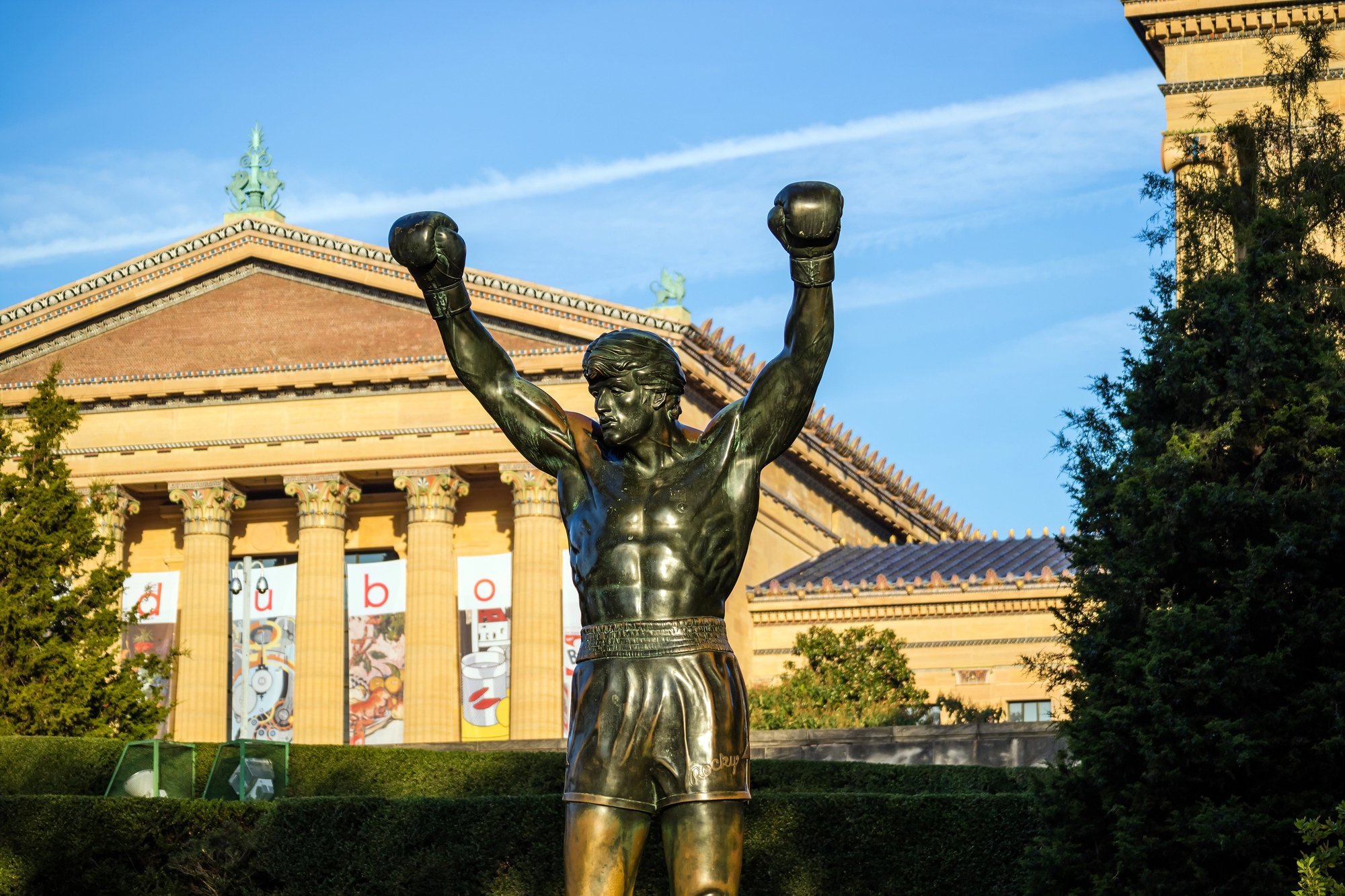
Rocky vs. Apollo Creed in Rocky
The 15-round championship fight between Rocky Balboa and Apollo Creed remains the gold standard for cinematic sporting contests.
What makes it work isn’t the choreography alone, though the punches land with brutal authenticity.
It’s how the fight builds across those rounds, with both men absorbing punishment that would hospitalize actual fighters.
Director John G. Avildsen understood that audiences needed to feel every blow, so he filmed it with an unflinching camera that stayed close to the action.
The final round delivers the emotional peak everyone remembers.
Rocky manages to go the full distance, standing on his feet when the final bell rings even though he loses by split decision.
That detail matters more than most sports movies would allow.
Rocky’s journey wasn’t about winning the belt.
It was about going the distance, proving he wasn’t just another bum from the neighborhood.
The contest gives him that validation while keeping Apollo’s championship intact, a narrative choice that feels honest rather than manipulative.
His cry for Adrian as the decision is announced caps off a fight that made underdog stories the gold standard for sports cinema.
Hoosiers’ State Championship Shot

Small-town Indiana basketball gets its definitive moment when Jimmy Chitwood takes the final shot for Hickory High.
The setup is pure sports movie formula — underdog team, impossible odds, last-second chance to win it all.
What elevates it beyond cliche is how director David Anspaugh handles the execution.
When Chitwood tells coach Norman Dale he’ll make the shot, the film commits fully to that promise.
There’s no fake drama about whether the attempt will go in.
The suspense comes from watching it unfold.
The game itself showcases fundamental basketball rather than flashy heroics.
Coach Dale’s emphasis on teamwork and conditioning pays off against a bigger, more athletic opponent.
When that final possession arrives, the camera captures the echoing bounce of an orb, the slow-motion arc toward the rim, the collective held breath of an entire gymnasium.
It sinks cleanly through the net, and Chitwood follows with an awkward little celebration that perfectly captures his character.
This wasn’t a cocky star sealing his legacy.
It was a quiet kid delivering exactly what he said he would.
Miracle on Ice

The 1980 US Olympic hockey team’s victory over the Soviet Union transcends sports into a genuine historical moment, and the film Miracle had to nail that contest without embellishment.
Director Gavin O’Connor filmed the game sequence to mirror the actual event’s progression, including the Soviets’ dominance early on and the Americans’ improbable comeback.
The decision to cast actual hockey players rather than actors for most roles gave the on-ice action an authenticity that’s impossible to fake.
What makes the contest work cinematically is how it builds tension despite everyone knowing the outcome.
O’Connor focuses on the players’ faces during breaks, showing exhaustion and doubt creeping in before coach Herb Brooks pushes them forward again.
The final minutes feel genuinely suspenseful even though history already wrote the ending.
When announcer Al Michaels delivers his famous question during the countdown, the film earns that moment by showing us why this group of college kids defeating the world’s best team actually qualified as miraculous.
The Opening of Chariots of Fire
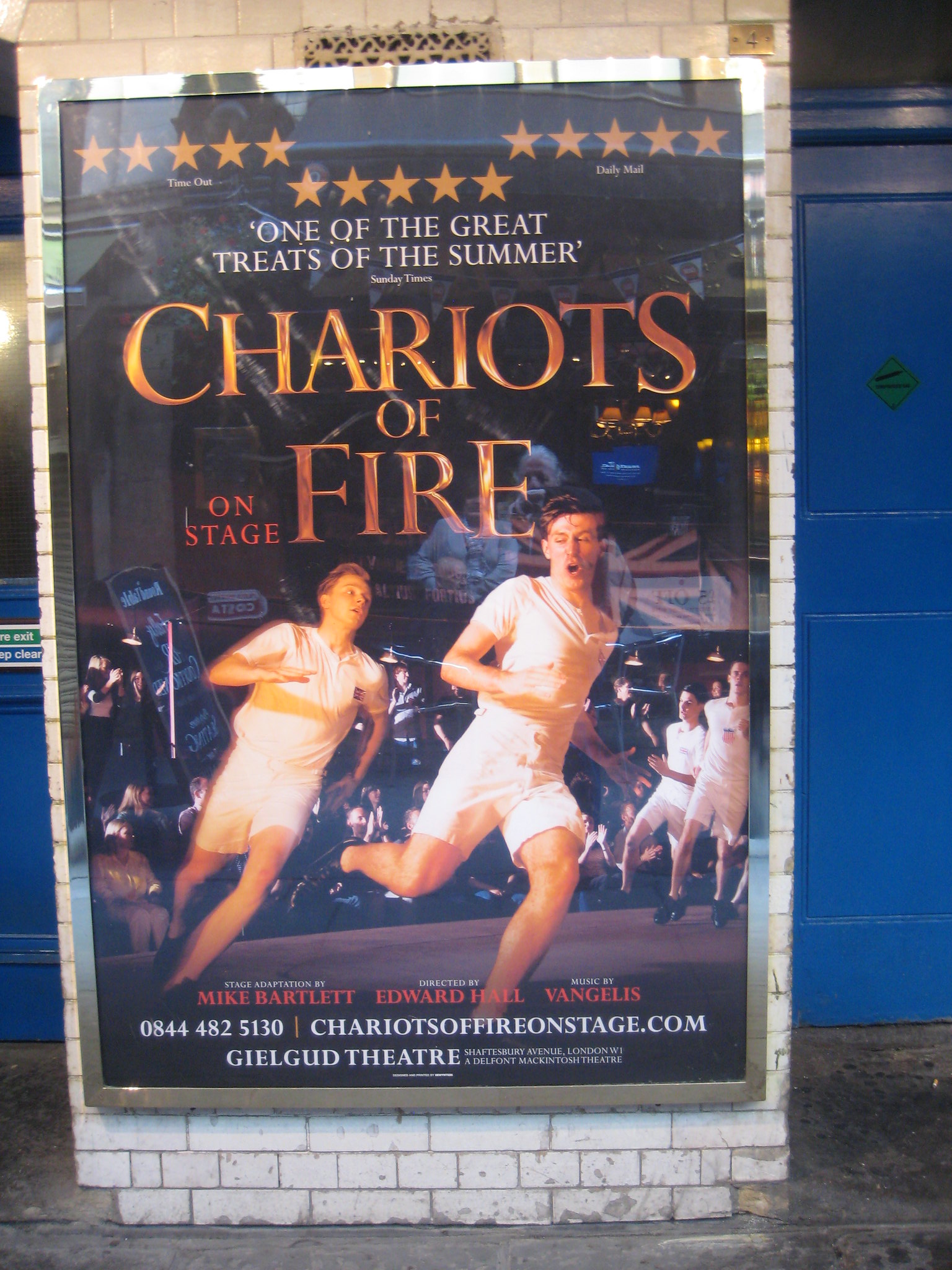
Sometimes the greatest sporting contest isn’t a competition at all.
Chariots of Fire opens with its iconic credits sequence featuring runners on West Sands beach in St Andrews, filmed in slow motion while Vangelis’ synthesizer score swells behind them.
Director Hugh Hudson created an image so memorable that it’s been parodied and referenced countless times, often by people who’ve never seen the film.
The sequence works because it distills the pure essence of running into something almost spiritual.
The runners aren’t racing each other in this opening moment.
They’re moving in harmony, finding rhythm together as the waves crash beside them.
Hudson holds the shot long enough to let audiences feel the meditative quality of the movement.
This isn’t about winning or losing.
It’s about the act itself, the simple human pleasure of pushing your body through space.
The rest of the film explores the 1924 Olympics and the two athletes’ competing motivations, but that opening credits sequence remains what people remember most.
It argues that sometimes the contest matters less than the grace athletes find within it.
Raging Bull’s Brutal Exchanges

Martin Scorsese’s boxing sequences in Raging Bull bear little resemblance to traditional sports movie fights.
He filmed them in stark black and white using Eastman Double-X film stock with specific lighting choices, creating an almost expressionistic quality where the violence feels both beautiful and horrifying.
Each fight was choreographed with a specific visual style, from the animalistic intensity of Jake LaMotta’s early bouts to the savage beating he absorbs from Sugar Ray Robinson in their final encounter.
The contest that defines the film shows LaMotta deliberately letting his opponent pummel him to prove he can take the punishment.
Blood sprays across the ropes in slow motion.
The sound design emphasizes every impact with sickening clarity.
Scorsese wasn’t interested in making boxing look heroic.
He wanted audiences to understand the self-destructive rage driving LaMotta into the ring.
The brutality serves a purpose beyond shock value.
These contests reveal character in ways dialogue never could, showing a man who communicates only through violence because he’s incapable of expressing himself any other way.
The Natural’s Mythic Home Run
Roy Hobbs’ climactic at-bat in The Natural operates on pure mythology rather than realism.
Director Barry Levinson films it like a fairy tale, complete with Randy Newman’s soaring score and cinematography that makes the lights seem almost supernatural.
When Hobbs connects with the pitch, the film goes full fantasy.
The orb doesn’t just clear the fence.
It smashes through the light tower, creating a shower of sparks as the stadium erupts.
It’s completely ridiculous and somehow completely perfect.
The contest works because the entire film has been building toward this moment of redemption.
Hobbs is a middle-aged player getting one last shot after mysterious circumstances derailed his career.
The natural talent he possessed as a young man comes roaring back when it matters most.
That the film chooses to end on triumph rather than the novel’s original downbeat conclusion sparked debate among purists, but Levinson understood what his version required.
Sometimes sports movies need to believe in miracles, even when real life rarely delivers them so cleanly.
Remember the Titans’ Championship Under Pressure
The final game in Remember the Titans dramatizes the championship with added tension through a storyline about biased referees working against the integrated team.
Director Boaz Yakin uses this fictionalized element to emphasize not just athletic competition but the broader racial tensions the team faced throughout their season.
When questionable calls threaten to derail their victory, the Titans have to overcome adversity both on and off the field.
While this specific referee angle wasn’t part of the actual 1971 T.C. Williams championship, it serves the film’s larger themes effectively.
The game’s resolution focuses on teamwork overcoming prejudice, with players who spent the season learning to trust each other finally operating as a unified squad.
Yakin doesn’t linger on individual heroics.
Instead, he shows how the bonds formed during training camp carry them through adversity.
The contest becomes about more than winning a championship.
It’s about proving that integration works, that players can put aside differences for a common goal.
The victory feels earned because the film spent two hours showing us exactly what they overcame to reach that moment.
Why These Contests Endure

Beyond technical prowess, the best athletic competitions in movies have one thing in common.
They are aware that spectators are interested in more than just athletes winning or losing.
Beyond the scoreboard, they want to know what’s at stake and what the contest means.
Rocky’s perseverance is more important than winning a championship.
The Hoosiers’ last shot symbolizes a community coming together.
The Miracle on Ice represented Cold War hostilities on ice.
These movies also understand that character development, not just athletic prowess, is what makes athletic competitions effective.
Each match reveals something fundamental about the characters’ personalities and values, whether it’s LaMotta’s self-destructive violence in the ring, Hobbs’ legendary redemption, or the Titans’ solidarity under duress.
That’s the difference between forgettable and memorable sports films.
Emotional truth is more important than technical accuracy.
A film produces something that transcends its duration when it successfully combines both, when it presents a contest that feels genuine and significant at the same time.
Because those moments spoke to a universal aspect of human competition and the dreams we ascribe to it, people still run up museum steps with their arms raised or recreate that slow-motion beach run decades later.
More from Go2Tutors!

- The Romanov Crown Jewels and Their Tragic Fate
- 13 Historical Mysteries That Science Still Can’t Solve
- Famous Hoaxes That Fooled the World for Years
- 15 Child Stars with Tragic Adult Lives
- 16 Famous Jewelry Pieces in History
Like Go2Tutors’s content? Follow us on MSN.



