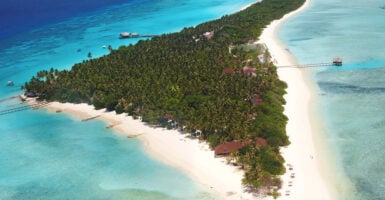
18 Places on Earth Where Almost Nobody is Allowed to Set Foot
Some locations on Earth remain virtually off-limits to casual visitors. Access restrictions range from environmental protection to military security to national sovereignty to extreme natural danger.
These forbidden places remain mysteries partly because so few people witness them directly. Whether sealing off pristine ecosystems, protecting cultural sites, guarding national secrets, or preserving sacred spaces, restricted areas represent deliberate human choices to prevent entry.
A few places bar access absolutely; others permit only researchers, diplomats, or authorized personnel under strict conditions.
Area 51, Nevada, USA
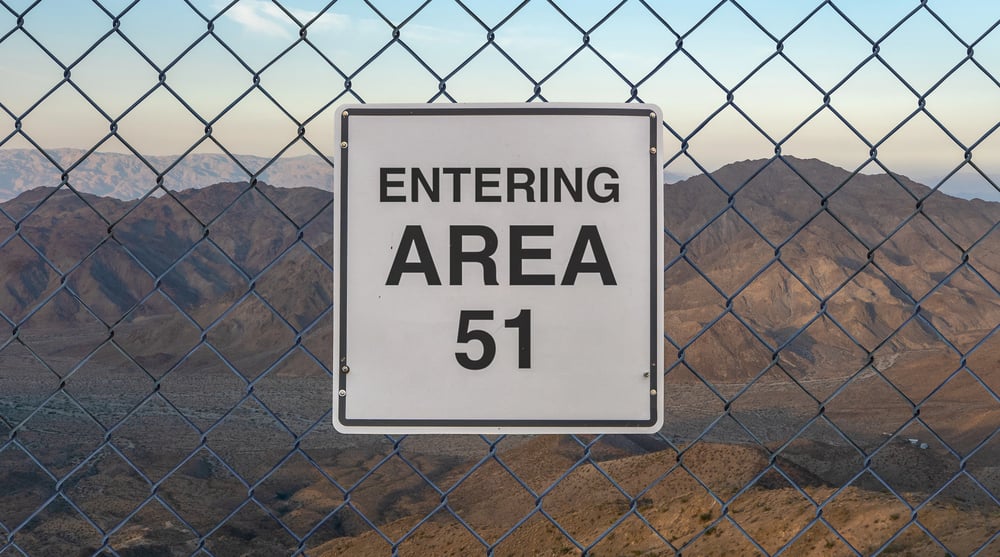
Area 51 is a military testing facility designated as top secret and strictly off-limits to the public. The restricted airspace and ground exclusion zone extend for miles, with armed guards patrolling the perimeter.
Rumors of UFO testing and classified aircraft development have made it the subject of conspiracy theories, though officially it tests military aircraft and conducts weapons development. No civilians set foot inside without authorization.
North Sentinel Island, Andaman Islands, India
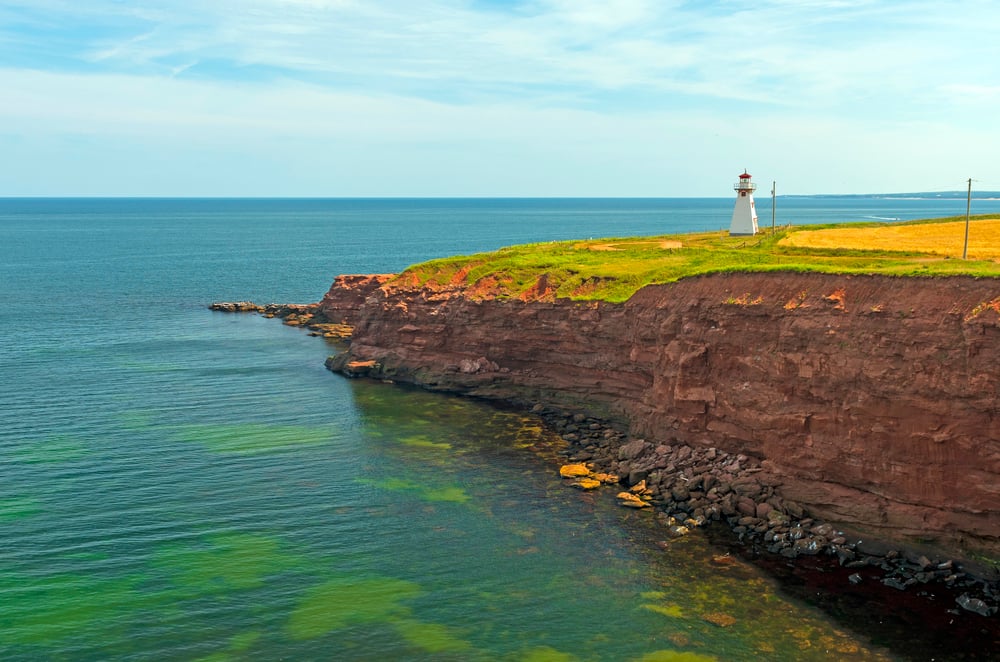
North Sentinel Island is home to the Sentinelese people, an uncontacted indigenous population estimated at 50-400 people. The Indian government legally prohibits entry to the island, enforcing strict boundaries to protect the population from disease and contact with outsiders.
Aerial and maritime approaches are forbidden by law; the Indian Coast Guard actively enforces the exclusion zone around the island.
Svalbard Global Seed Vault, Norway
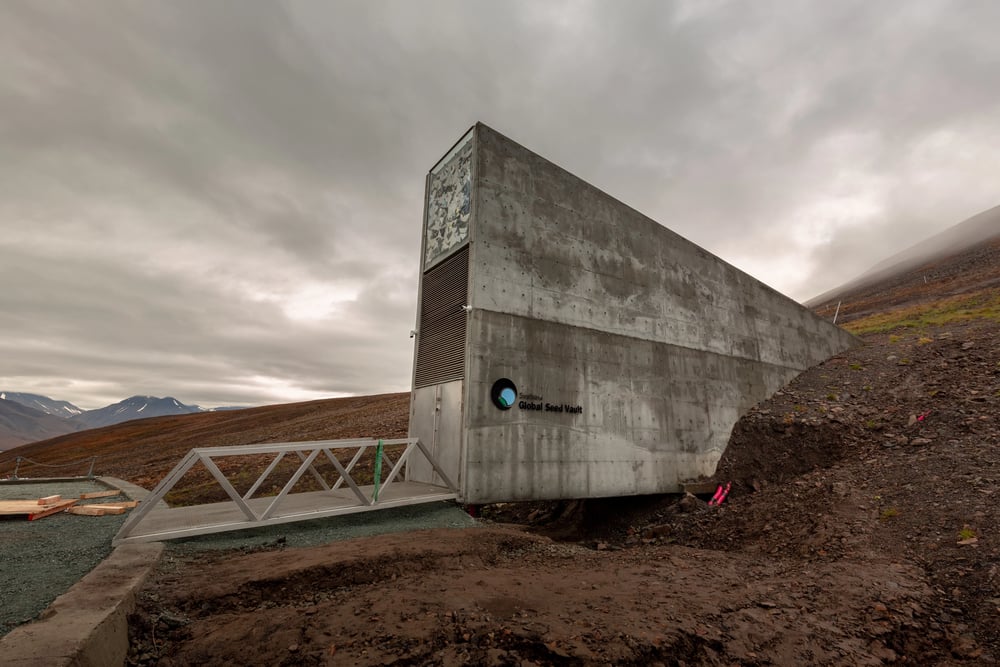
The Svalbard vault stores backup copies of crop diversity from around the world in a secure underground facility in the Arctic, serving as humanity’s insurance policy against agricultural catastrophe. Access is restricted to authorized personnel and specially trained scientists only.
The vault’s location in remote Svalbard and its security protocols ensure the world’s most critical seed collection remains protected from conflict, climate change, and human interference.
Vatican Secret Archives
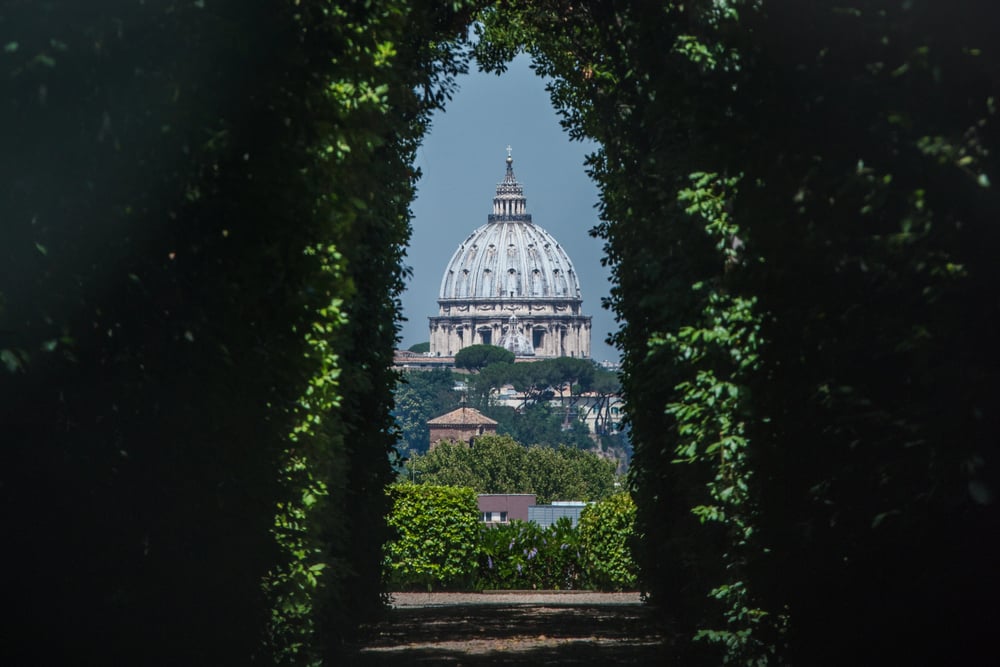
The Vatican Secret Archives contain centuries of diplomatic, historical, and religious documents accumulated since the Middle Ages. Access is restricted to credentialed researchers with special permission granted by Vatican authorities.
The restrictions protect sensitive documents and maintain privacy for individuals and institutions mentioned in records spanning over 500 years of European history.
Fort Knox, Kentucky, USA
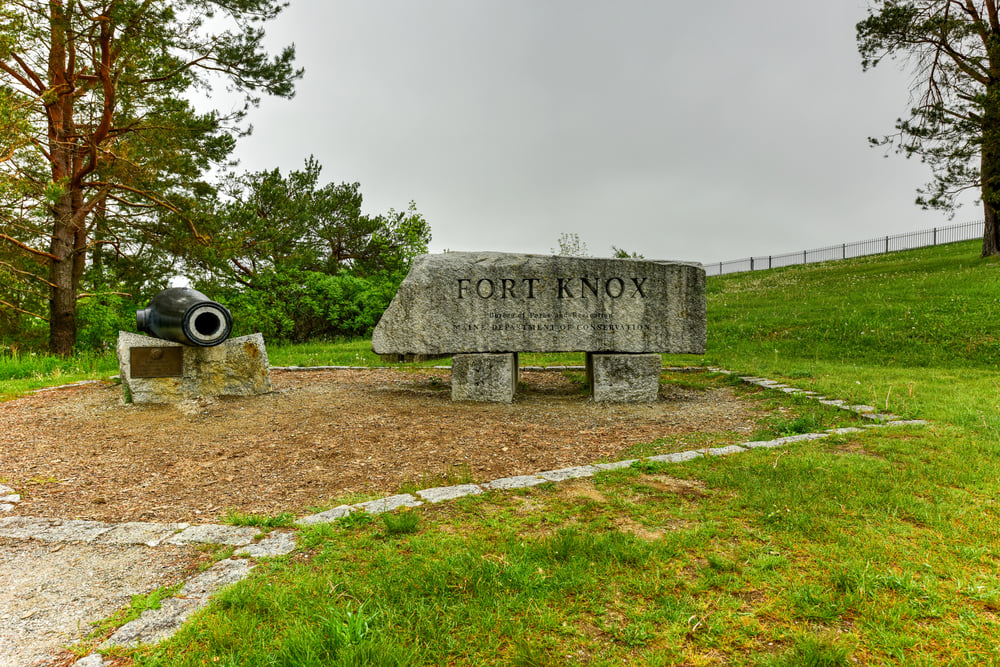
Fort Knox contains the majority of the United States’ gold reserves, making it one of the most secure facilities on the planet. The facility is restricted to military personnel with authorized access; tourists can view the exterior but cannot enter.
The fort’s security is legendary, with multiple layers of physical and electronic protection surrounding the depository.
Pine Gap, Australia
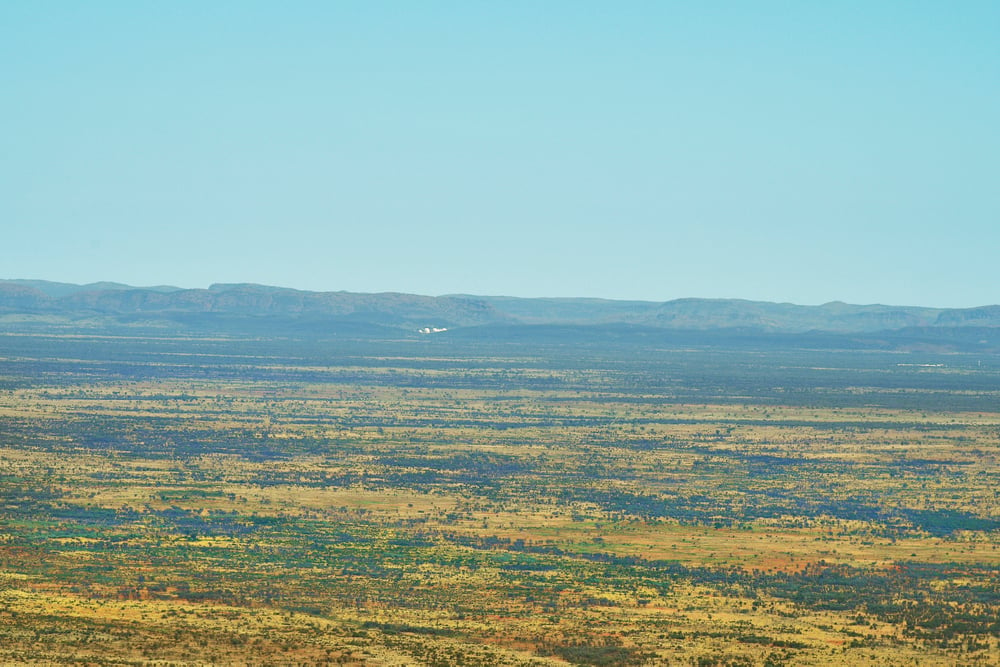
Pine Gap is a joint US-Australian military intelligence facility near Alice Springs that serves as a satellite tracking and signals intelligence station. The restricted zone excludes civilians entirely, with access limited only to authorized military and intelligence personnel.
The facility’s precise functions and operational details remain classified for national security reasons.
Groom Lake, Nevada, USA
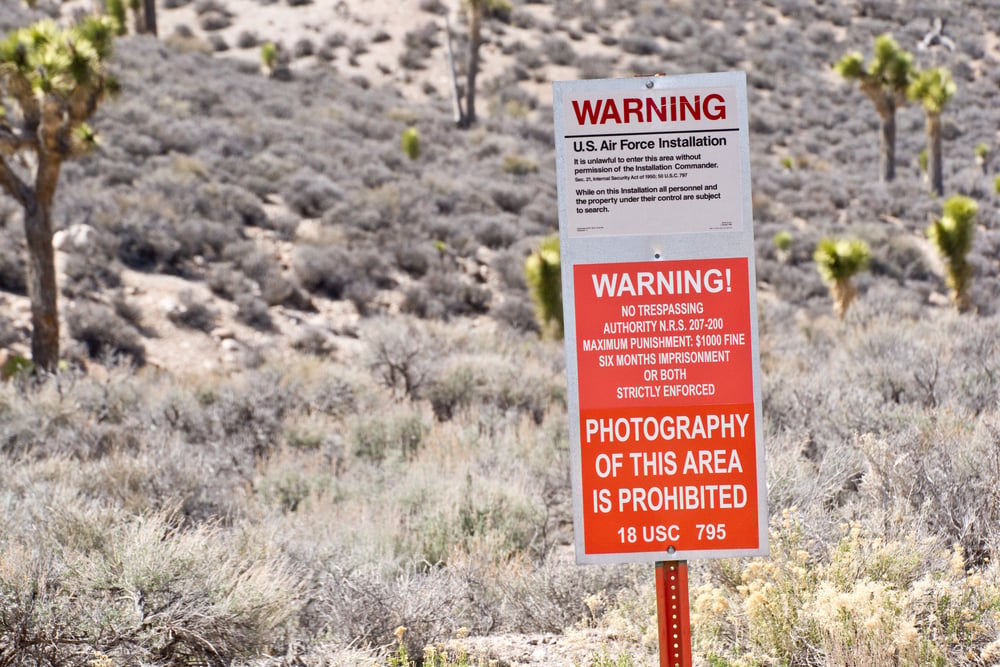
Groom Lake, adjacent to Area 51, is an even more secretive military testing facility where access is prohibited and militarily enforced. The remote desert location and extreme secrecy make it one of Earth’s most isolated and inaccessible military installations.
Guards patrol the perimeter, and any unauthorized approach triggers immediate military response.
Lascaux Cave, France
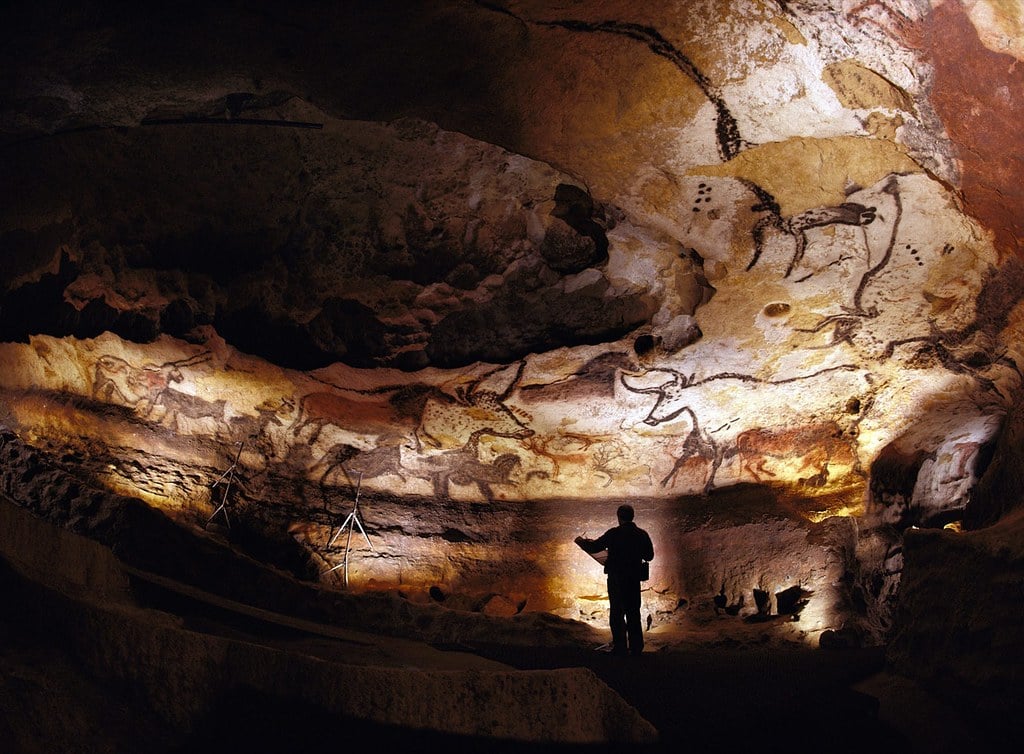
Lascaux Cave contains 17,000-year-old Paleolithic paintings representing one of humanity’s oldest artistic achievements. Public access was restricted permanently in 1963 after mold and damage from visitor presence threatened the irreplaceable artwork.
Only researchers and authorized conservators enter; a replica cave constructed nearby allows the public to experience the paintings without further degrading the originals.
Chernobyl Exclusion Zone, Ukraine
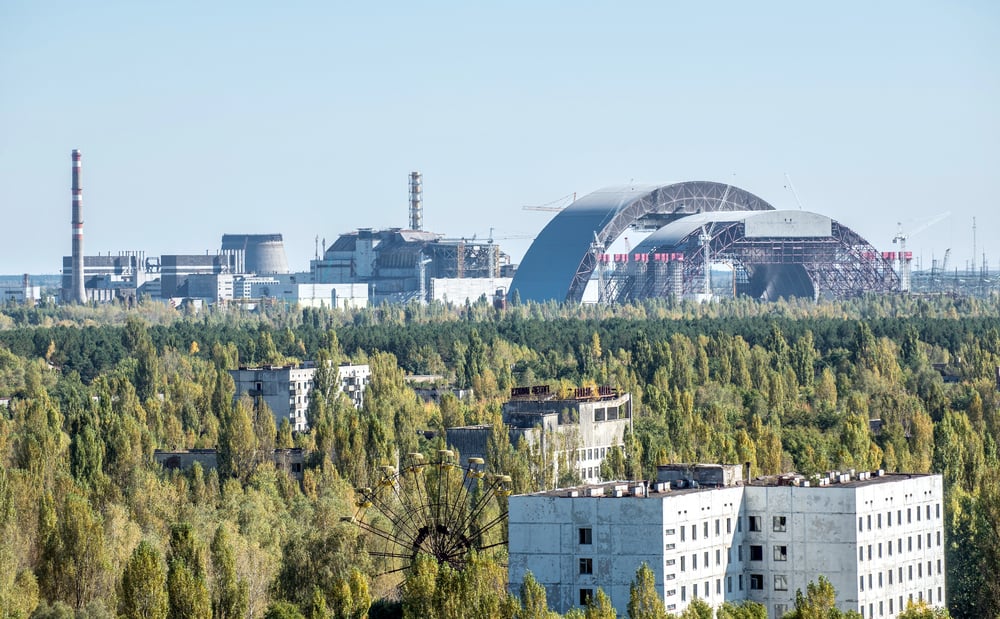
The 1,000-square-mile exclusion zone around the nuclear disaster is restricted to prevent radiation exposure to the general population and protect the contaminated environment from further human impact. Occasionally organized tours are permitted with radiation monitoring and strict safety protocols, but the zone remains largely off-limits to casual access.
The zone will remain restricted for thousands of years as radiation decays to safe levels.
Diego Garcia, Indian Ocean
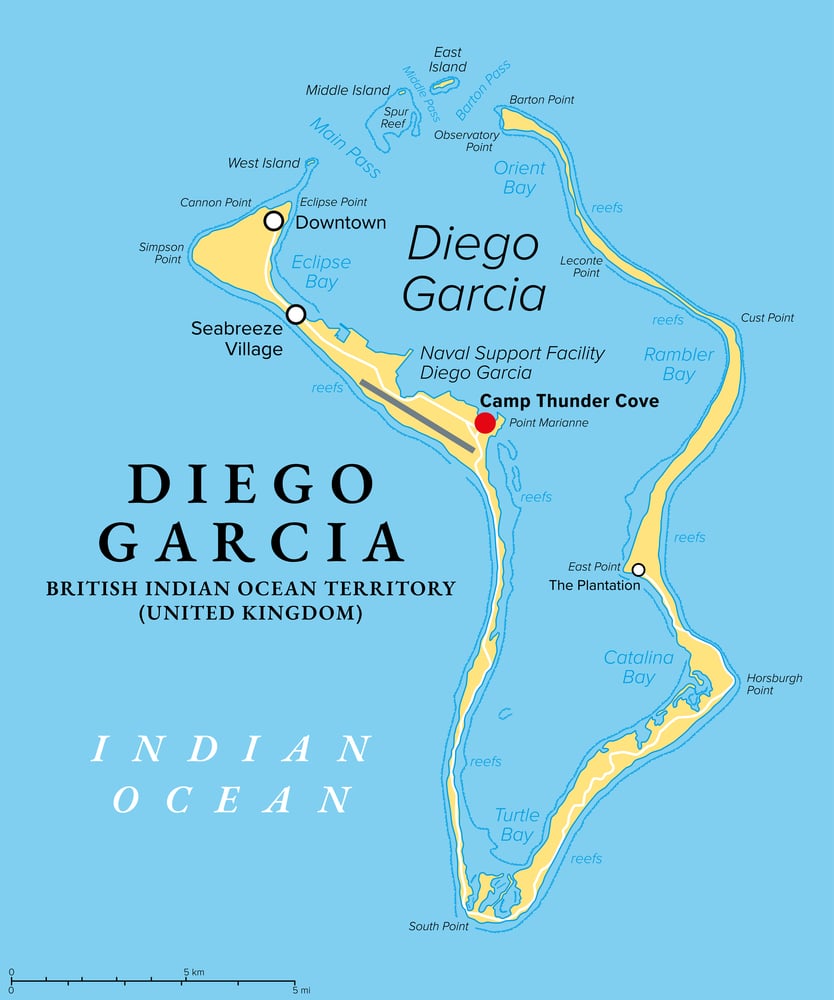
Diego Garcia is a British Overseas Territory hosting a US military base, serving as a strategic military location in the Indian Ocean. Access is restricted to military and authorized personnel only, with no civilian tourism permitted.
The small atoll’s military importance makes it one of the most isolated and restricted military installations globally.
Mount Roraima Summit, Venezuela
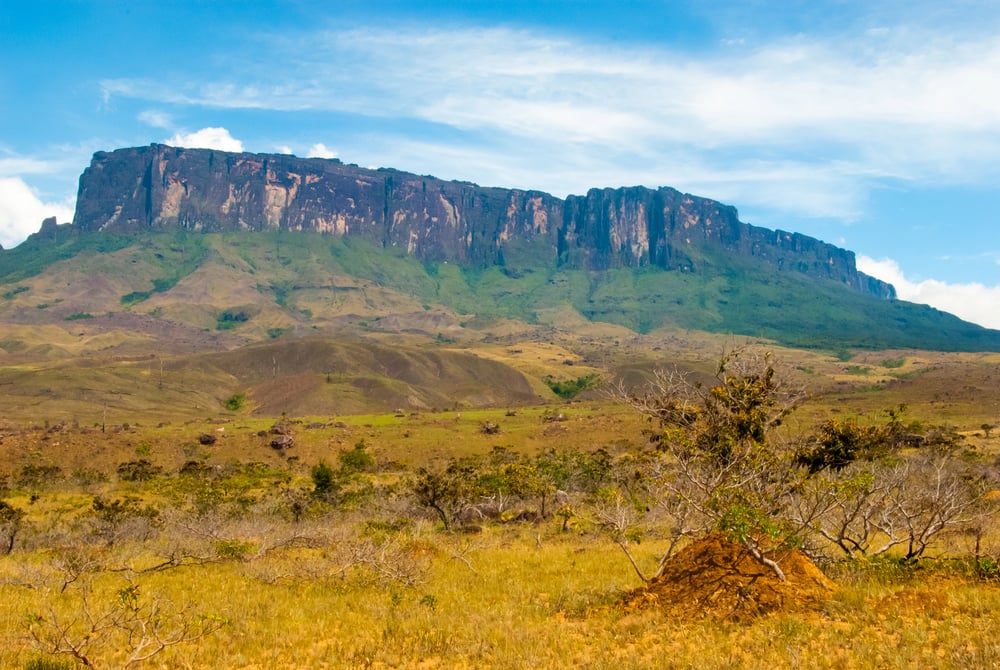
The summit of Mount Roraima is a national protected area with very limited access, requiring special permits from Venezuelan authorities to climb. Access restrictions preserve the unique table-top mountain summit’s fragile ecosystems and endemic species found nowhere else on Earth.
The mountain’s extreme isolation and protected status keep it essentially inaccessible to casual visitors.
Kerguelen Islands, French Southern Territories
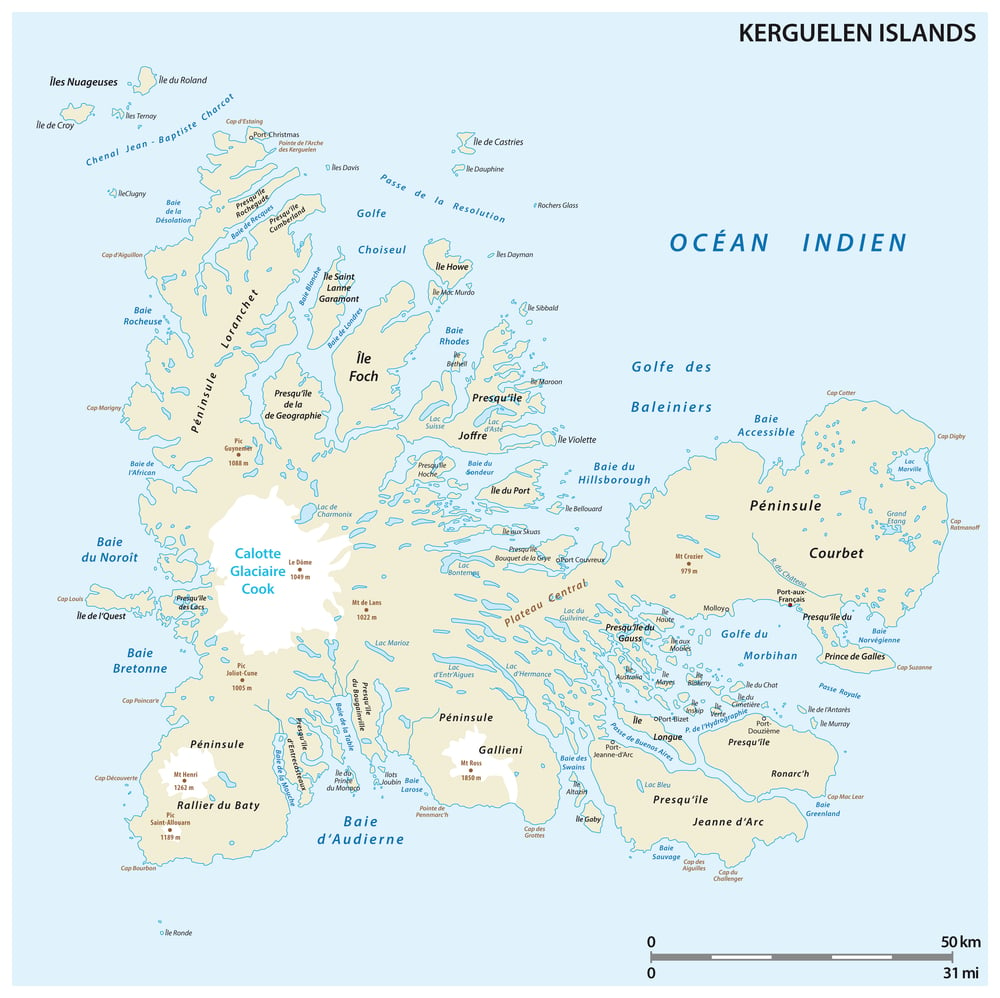
The Kerguelen Islands, one of Earth’s most remote locations located in the southern Indian Ocean, have limited access due to extreme weather, isolation, and environmental protection status. Access is restricted to French research personnel and occasional scientists conducting approved research.
The islands remain virtually untouched by civilization, with no permanent settlements except research stations.
McMurdo Station Vicinity, Antarctica
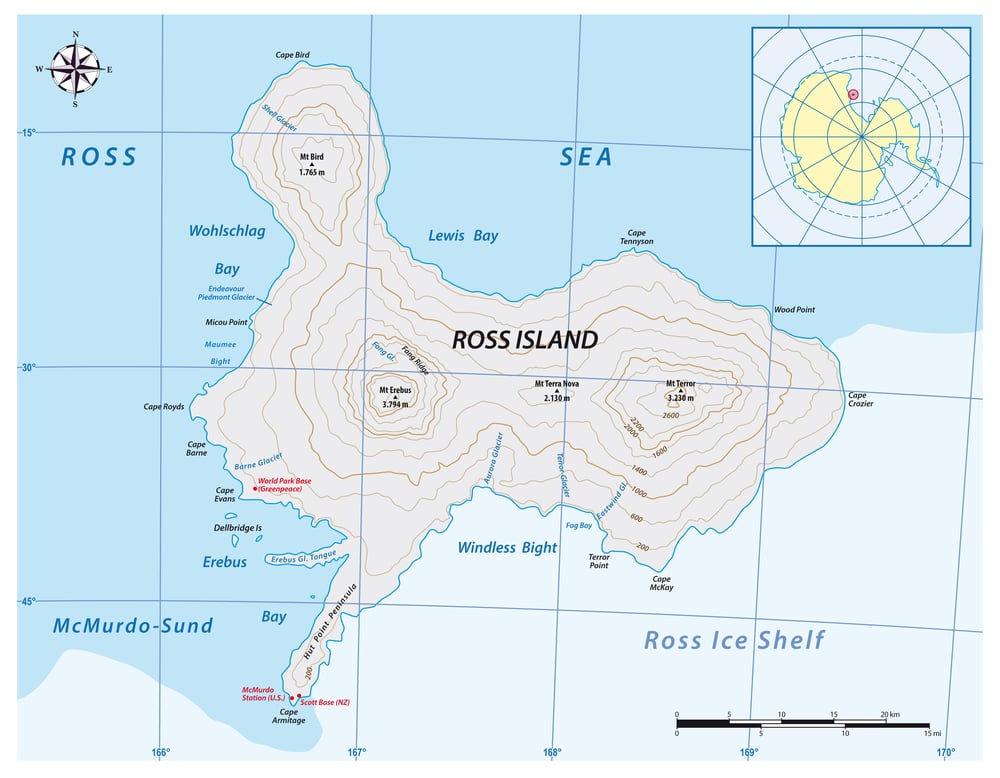
Antarctica itself is protected by the Antarctic Treaty, which restricts activities to scientific research and peaceful purposes only. McMurdo Station and other research installations restrict casual access; though some tourists visit coastal areas under strict conditions, the interior remains off-limits except for research.
The continent’s extreme conditions and international protection status ensure most of Antarctica remains inaccessible.
Inner Farne Island, United Kingdom
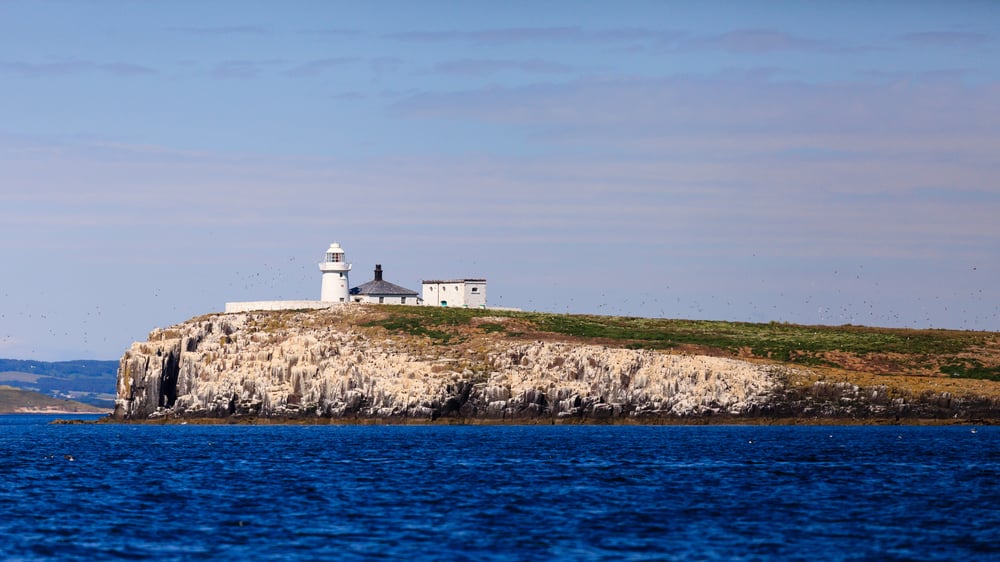
Inner Farne Island in the North Sea is restricted to protect nesting seabirds, breeding grey seals, and sensitive marine ecosystems. Access is limited to authorized conservation personnel and, during limited periods, researchers conducting approved studies.
The island represents one of Britain’s most carefully protected natural areas and is off-limits to the general public year-round.
Ise Shrine Inner Sanctum, Japan
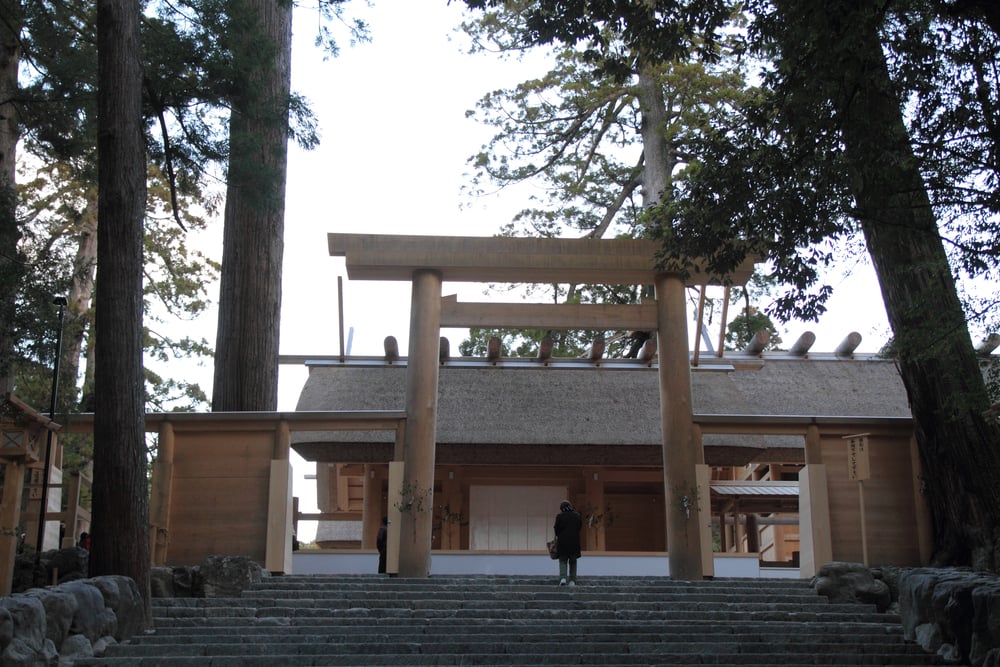
Ise Shrine’s inner sanctum can only be entered by the emperor, certain high priests, and high-ranking officials according to Shinto religious law. No photographs are permitted, and detailed descriptions of the inner shrine are not made public, maintaining the sacred space’s spiritual integrity.
It represents one of Shintoism’s most sacred and restricted locations, closed to public view for over 1,500 years.
Pitcairn Island
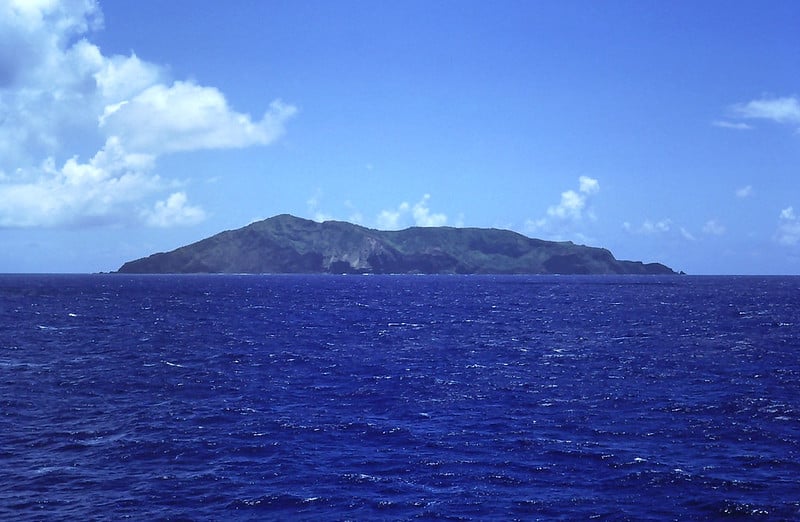
Pitcairn Island is one of Earth’s most remote inhabited island communities, with extremely limited access due to its isolation and small population of fewer than 50 residents. Its reliance on ships for supply means visitor arrivals are infrequent and carefully controlled.
The island’s remoteness—located halfway between New Zealand and Peru—naturally restricts casual visitation.
Kinkaku-ji Sacred Areas, Kyoto
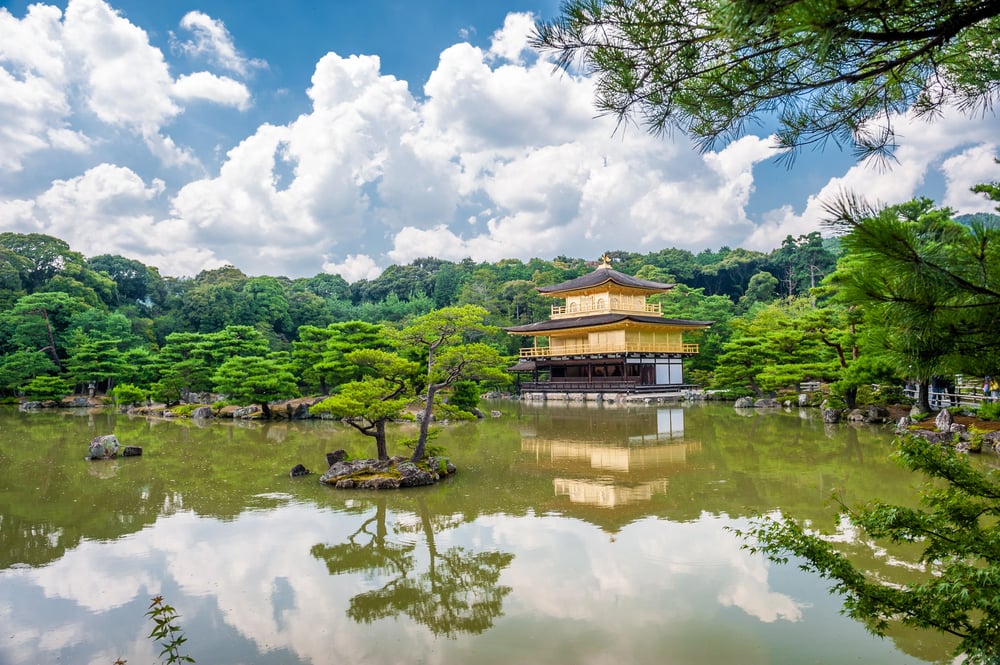
Beyond the public viewing areas of Kinkaku-ji (Golden Pavilion), certain shrine areas and the adjacent monks’ quarters remain restricted to temple staff and authorized researchers. Access restrictions protect the monastic community’s privacy and preserve sacred spaces used for religious practice.
The temple carefully controls which areas visitors can access while maintaining the site as a functioning Buddhist monastery.
The Value of Boundaries

Restricted places preserve what unrestricted access would damage. Whether protecting pristine ecosystems, archaeological treasures, classified intelligence, or sacred spaces, these boundaries reflect human recognition that some places require protection from their visibility.
The absence of human footprints becomes itself a form of preservation, maintaining these locations’ integrity, biodiversity, historical significance, or spiritual meaning for future generations.
More from Go2Tutors!

- The Romanov Crown Jewels and Their Tragic Fate
- 13 Historical Mysteries That Science Still Can’t Solve
- Famous Hoaxes That Fooled the World for Years
- 15 Child Stars with Tragic Adult Lives
- 16 Famous Jewelry Pieces in History
Like Go2Tutors’s content? Follow us on MSN.