Old Matchbook Collections Tucked in Drawers That May Actually Be Worth Something
Most people stumble across them during spring cleaning or while sorting through a relative’s belongings—dusty matchbooks crammed into kitchen drawers, stuffed in old jewelry boxes, or forgotten in basement storage bins. These small paper artifacts, once ubiquitous promotional tools for restaurants, hotels, and nightclubs, often get tossed without a second thought.
Yet some of these humble advertising remnants have quietly transformed into genuine collectibles, with certain examples commanding surprising prices among enthusiasts and nostalgia hunters. The matchbook collecting hobby, known as phillumeny, peaked during the mid-20th century when nearly every business handed out custom-printed books as walking advertisements.
While most remain worth pennies, specific categories—particularly those tied to famous establishments, rare events, or unique designs—have developed devoted followings and corresponding market values.
Pre-1920 Matchbooks
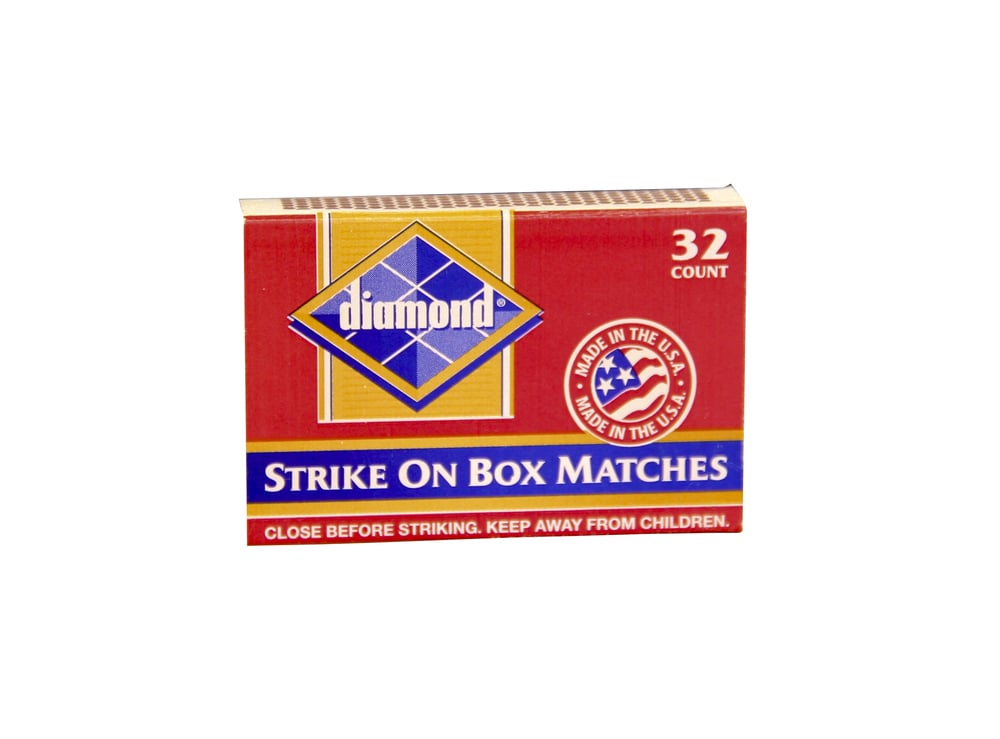
Early matchbooks represent the foundation of the entire industry. The Diamond Match Company pioneered the modern matchbook design in 1892, but surviving examples from before 1920 are exceptionally scarce.
Most were used and discarded, making intact specimens genuine rarities. These primitive books often featured simple typography and basic illustrations.
The paper quality was inconsistent, and the printing techniques were crude compared to later standards. Collectors pay premium prices for any pre-1920 matchbook in decent condition, with some examples selling for several hundred dollars regardless of the business advertised.
Prohibition-Era Speakeasies
Here’s where things get interesting (and expensive): matchbooks from illegal drinking establishments during Prohibition carry both historical significance and scarcity value. Speakeasy owners walked a fine line between advertising their services and avoiding police attention, which resulted in cleverly coded matchbooks that are now prized artifacts.
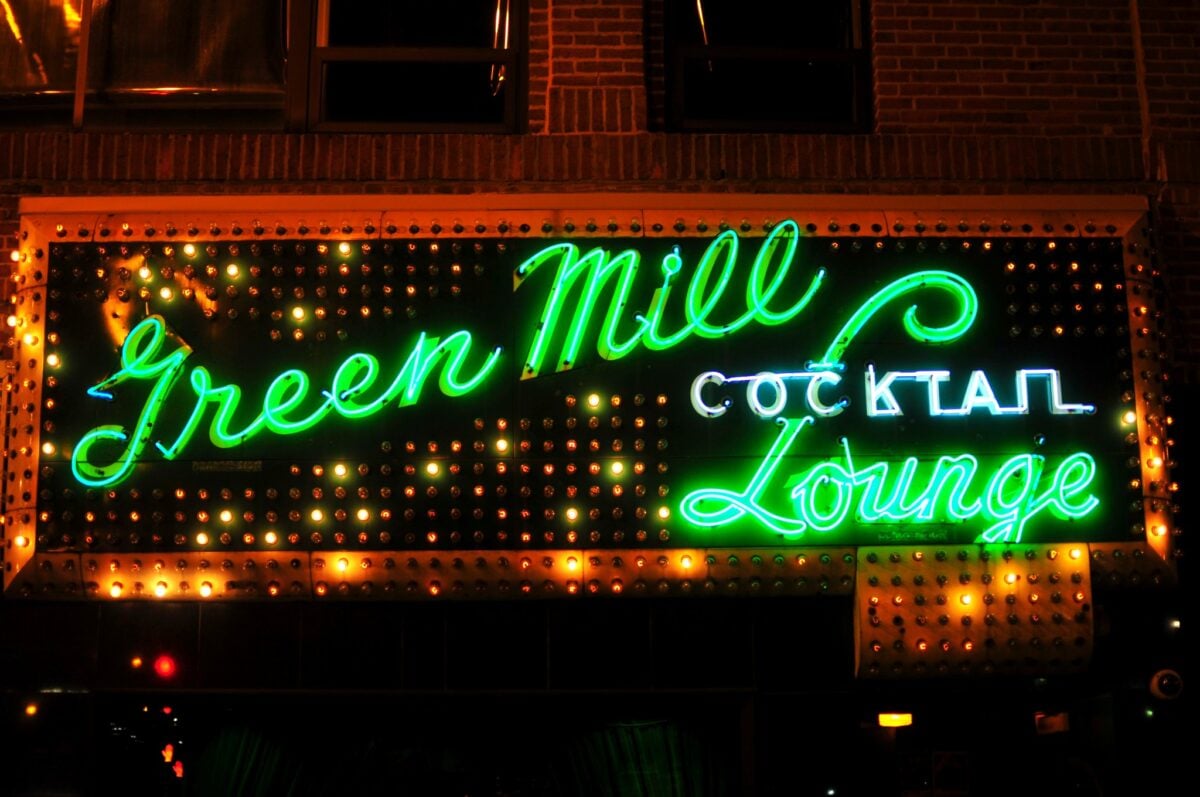
These books often featured cryptic messages, hidden symbols, or innocent-looking business fronts that concealed their true purpose. A matchbook from Chicago’s Green Mill Cocktail Lounge—a known Al Capone hangout—recently sold for over $800.
And that’s assuming you can authenticate it, which becomes the tricky part with pieces this old. But when legitimate examples surface, collectors don’t hesitate to pay substantial sums for a tangible piece of America’s most colorful prohibition period.
World War II Military Bases
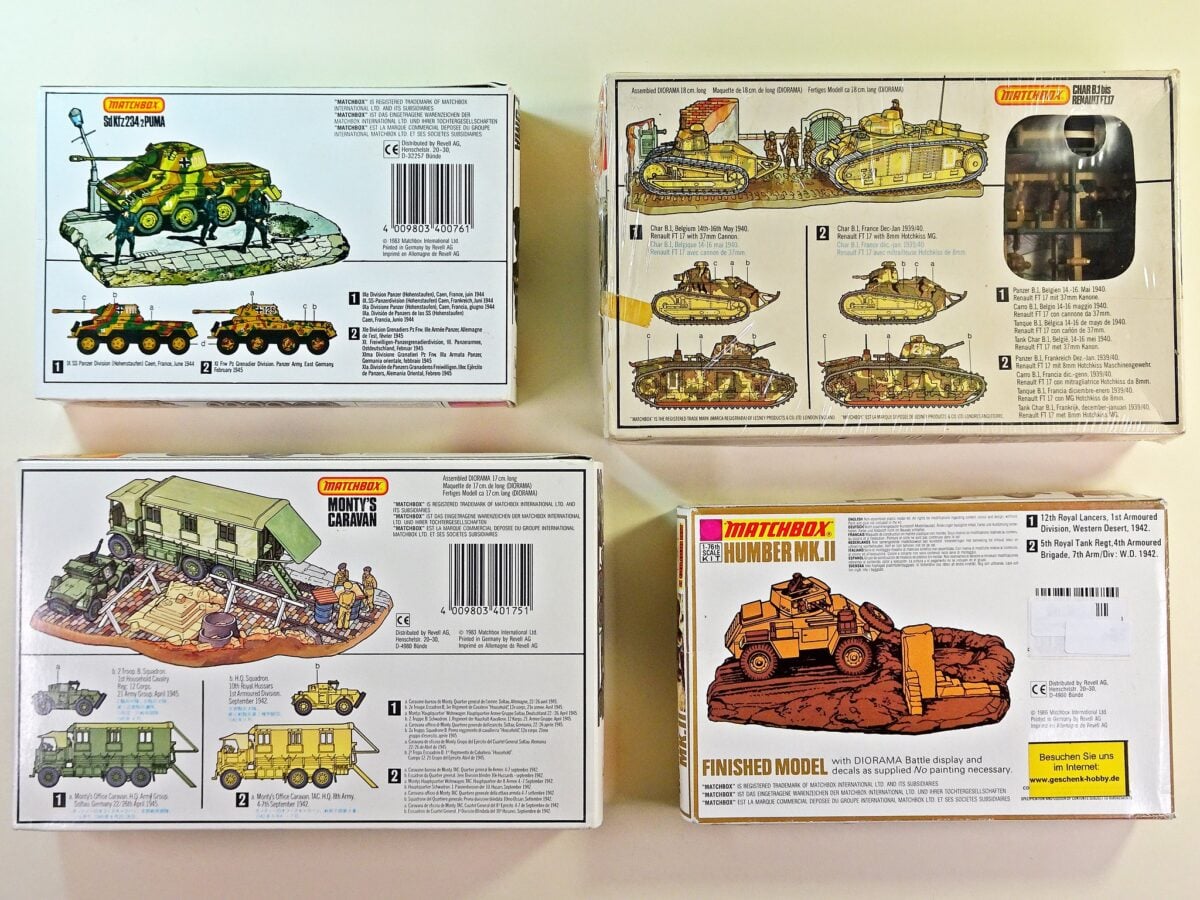
Matchbooks from military installations during the 1940s occupy a special category in collecting circles. These weren’t commercial establishments in the traditional sense, but rather service clubs, officers’ quarters, and recreation facilities on bases both domestic and overseas.
The combination of historical significance and natural scarcity—many servicemen kept these as mementos—has created a robust market. Pacific Theater bases command the highest prices, particularly those from locations that saw heavy action or were later abandoned.
A matchbook from the Doolittle Raiders’ departure point or from a base in the Philippines can easily reach $200-400. European theater examples are somewhat more common but still valuable.
The appeal runs deeper than mere collecting; these items represent tangible connections to pivotal moments in world history, which explains why military collectors and history buffs drive up demand beyond typical matchbook enthusiasts.
Las Vegas Casino Openings
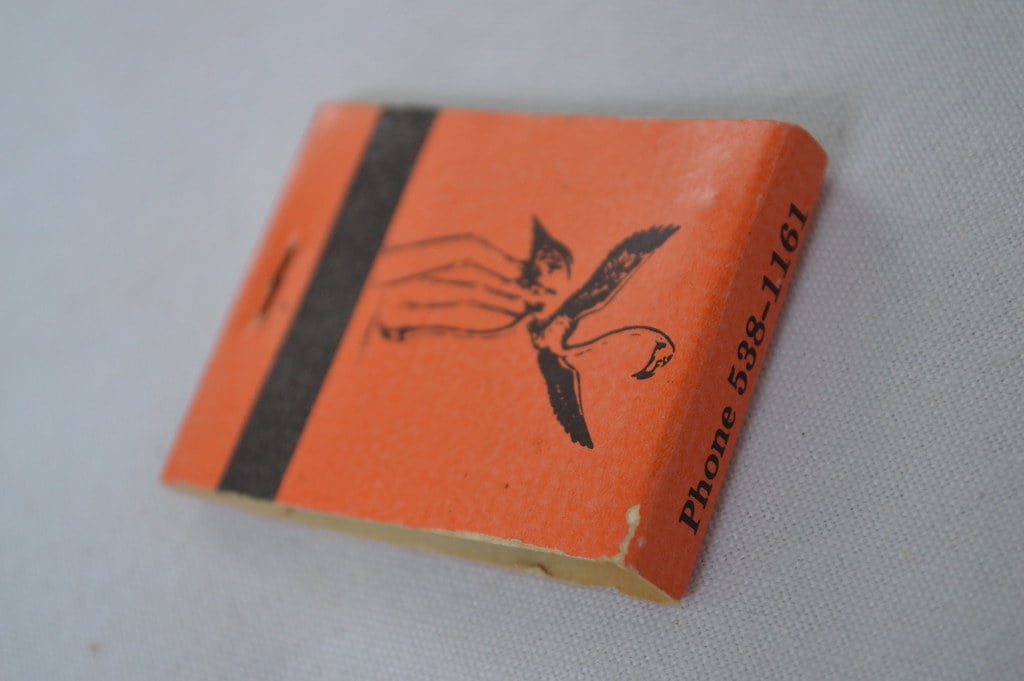
The early Las Vegas strip generated matchbooks that have become miniature time capsules of American entertainment history. Original Flamingo matchbooks from Bugsy Siegel’s 1946 opening are legendary among collectors, though authenticated examples are vanishingly rare and can command four-figure sums when they surface at auction.
Desert Inn, Sahara, and Sands matchbooks from their opening years regularly sell for $100-300, depending on condition and specific design variations. The key factor is timing—matchbooks from a casino’s first few years of operation are significantly more valuable than later printings.
Collectors can often distinguish early examples by subtle design differences, paper quality, and printing techniques that changed as establishments grew and standardized their promotional materials. Even the smaller, long-defunct casinos produce valuable matchbooks.
The Dunes, Stardust, and Hacienda all closed decades ago, but their opening-era matchbooks continue appreciating as Las Vegas nostalgia reaches new audiences.
Famous Restaurant Chains
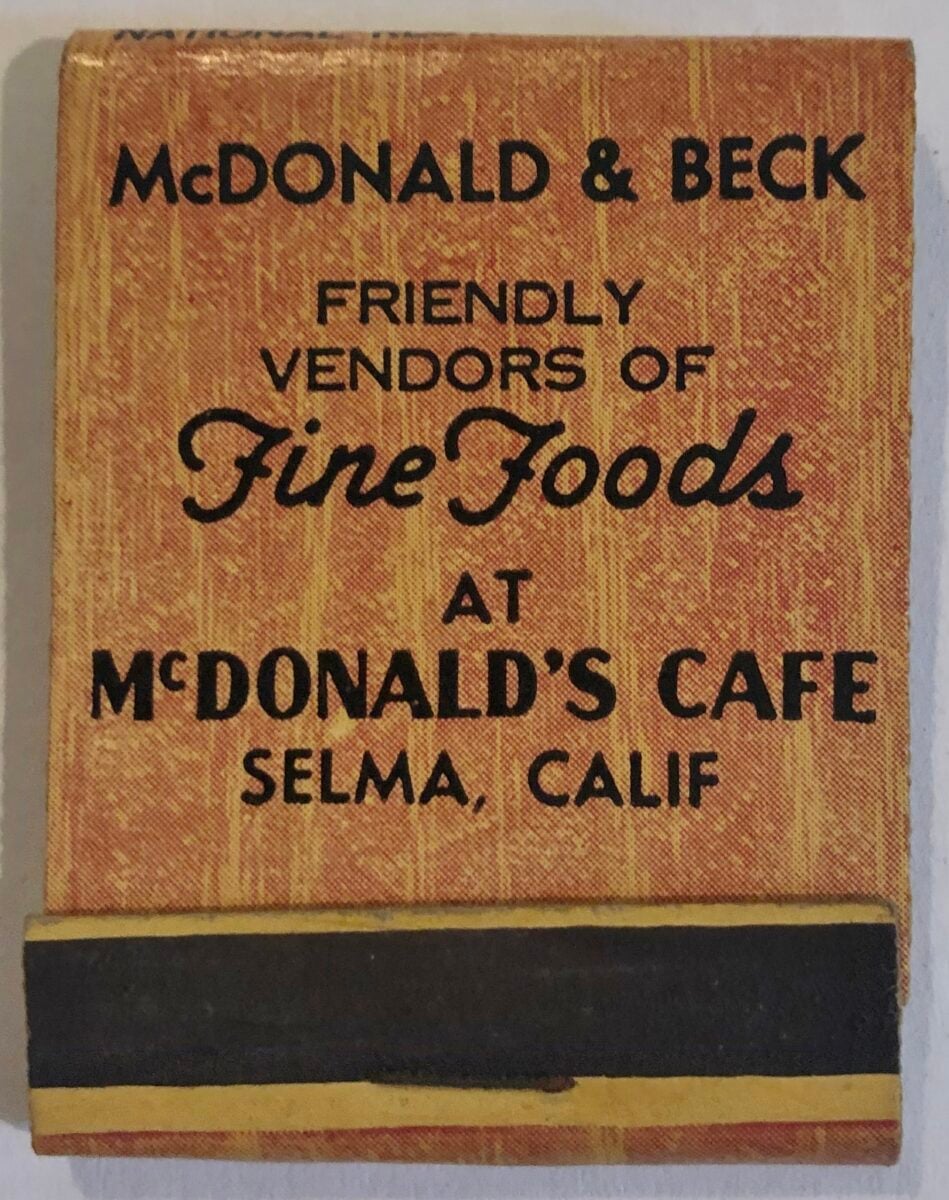
McDonald’s matchbooks from the early franchise years tell the story of American fast food expansion in miniature form. Pre-1970 examples, particularly those featuring the original “Speedee” mascot or early Ronald McDonald designs, can sell for $50-150.
The company distributed millions of these, but most were used and discarded, creating unexpected scarcity for such a common item. Howard Johnson’s matchbooks present a similar dynamic.
The orange-roofed restaurant chain blanketed America’s highways for decades, and their matchbooks evolved alongside the company’s branding. Early examples with the Simple Simon mascot or art deco styling command premium prices.
Regional variations—different matchbooks for different franchise territories—add another layer of collectibility that dedicated enthusiasts pursue with surprising intensity.
Olympic Games and World’s Fairs
Major international events produced commemorative matchbooks that have aged into legitimate collectibles. The 1939 New York World’s Fair generated dozens of different matchbook designs from various pavilions, restaurants, and attractions within the fairgrounds.
Complete sets are extremely difficult to assemble, which drives individual prices upward as collectors compete for missing pieces. Olympic matchbooks from the 1960 Rome games or the 1968 Mexico City Olympics surface occasionally and typically sell for $75-200 depending on rarity and condition.
The appeal extends beyond matchbook collectors to Olympic memorabilia enthusiasts, creating cross-market demand that supports higher values. These events lasted only weeks or months, but they attracted millions of visitors who carried matchbooks home as inexpensive souvenirs—most of which were eventually thrown away, making surviving examples increasingly scarce.
Nightclub and Music Venue
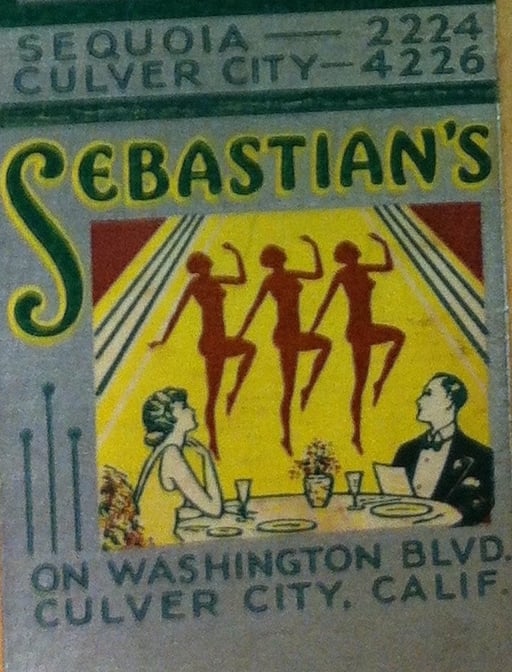
The Cotton Club. The Rainbow Room. The Copacabana. These legendary New York nightspots produced matchbooks that have become cultural artifacts representing America’s golden age of entertainment.
Original Cotton Club matchbooks—particularly those from the Harlem location during its 1920s and 1930s heyday—can sell for $300-600 when authenticated. Smaller music venues that hosted famous acts also generated collector interest.
A matchbook from the Cavern Club in Liverpool (where The Beatles performed regularly) or from Fillmore West in San Francisco during the 1960s psychedelic era carries value far beyond its promotional origins. The challenge lies in verification, since these venues often used multiple matchbook designs over the years, and reproductions occasionally surface to confuse the market.
Airlines and Travel
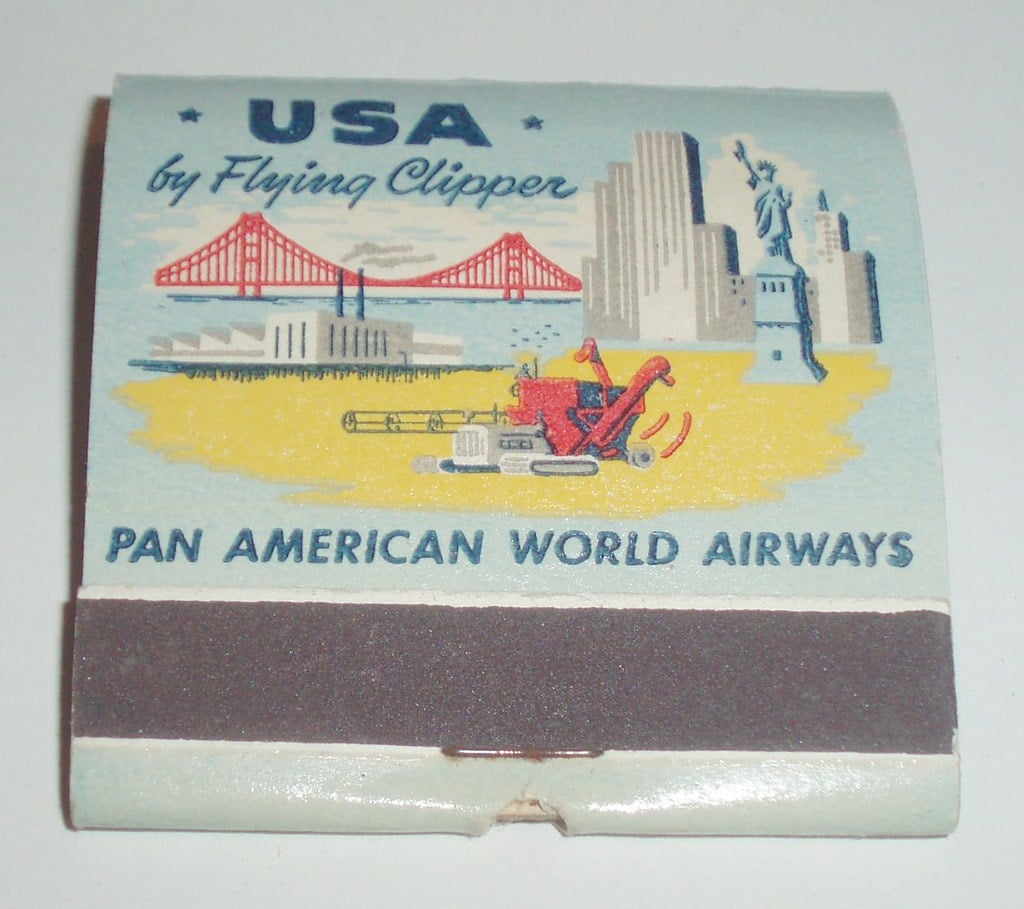
Pan American World Airways produced some of the most recognizable matchbooks in aviation history. Their globe logo and sleek typography captured the glamour of international jet travel during the industry’s golden age.
Pan Am matchbooks from the 1950s and 1960s regularly sell for $25-75, with earlier examples commanding higher prices. TWA, Eastern, and other defunct carriers also generate collector interest, though values vary widely based on design and era.
The key insight is that airline matchbooks weren’t just promotional items—they represented aspirational lifestyle marketing during an era when air travel remained exotic and exciting for most Americans. Today’s collectors aren’t just buying matchbooks; they’re acquiring symbols of mid-century optimism and technological progress.
Hotels and Resorts
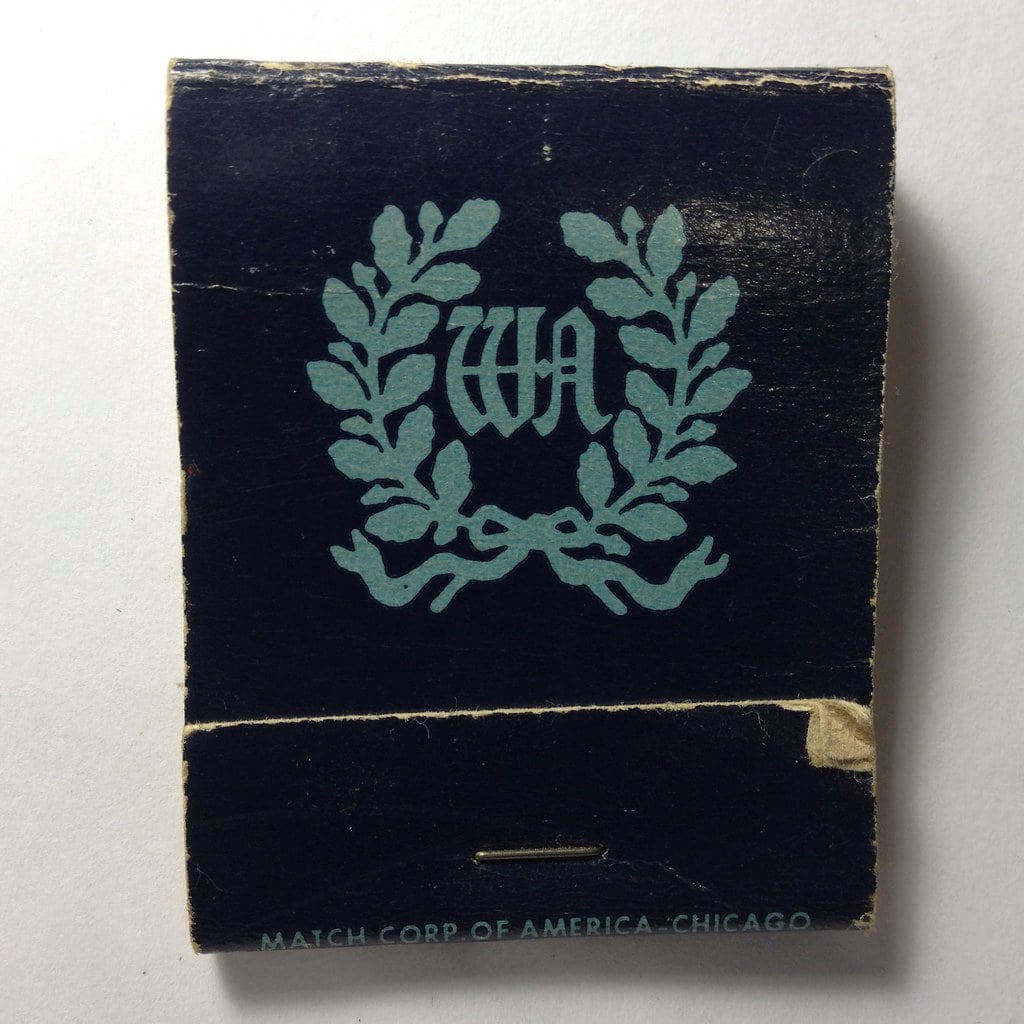
The Waldorf-Astoria, Plaza, and other legendary hotels produced matchbooks that reflected their establishments’ prestige and attention to detail. These weren’t mass-market promotional items but rather elegant accessories that reinforced the hotel’s brand image.
Original matchbooks from these properties’ golden eras—roughly 1930s through 1960s—can sell for $30-100. Resort matchbooks tell stories of changing American vacation patterns.
Miami Beach hotels from the 1950s, Catskills resorts from their heyday, and California motor lodges from the early freeway era all have dedicated collector followings. The matchbooks serve as miniature advertisements for lifestyles and destinations that have often disappeared entirely, making them nostalgic touchstones for bygone travel experiences.
Advertising Matchbooks
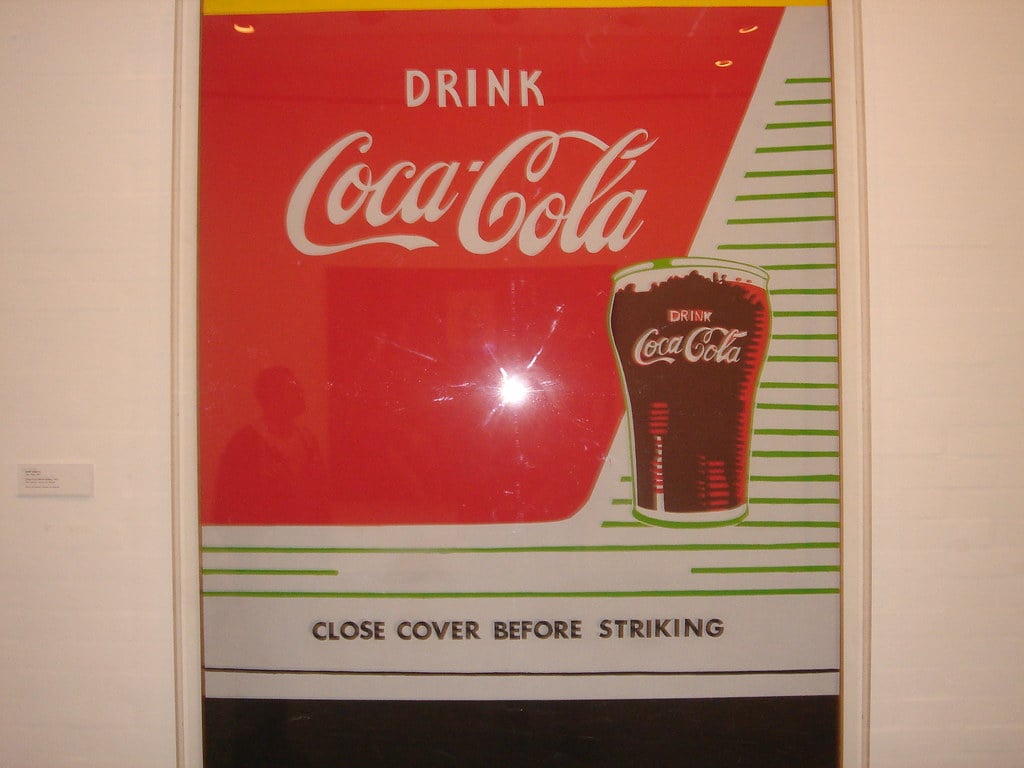
Coca-Cola produced countless matchbook variations over the decades, but early examples with distinctive artwork or slogans can reach $40-80 in collector markets. The key is identifying genuinely vintage matchbooks versus modern reproductions, which requires familiarity with printing techniques, paper types, and design evolution over time.
Companies were prolific matchbook advertisers before health concerns changed marketing strategies. Camel, Lucky Strike, and Chesterfield matchbooks from the 1940s and 1950s represent a vanished era of cig promotion and can sell for $20-60.
These items appeal to both matchbook collectors and advertising memorabilia enthusiasts, creating multiple demand sources that support steady values.
Regional and Local Businesses
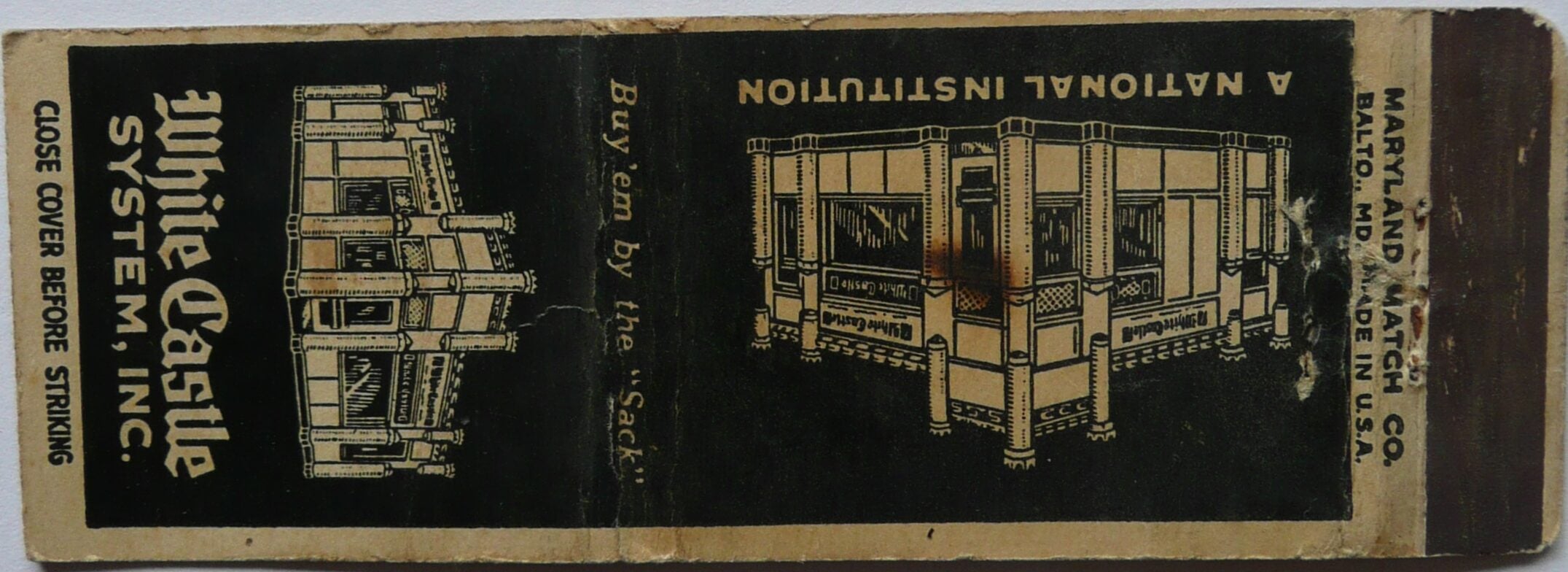
Small-town restaurants, local bars, and neighborhood businesses often produced the most charming matchbook designs precisely because they weren’t constrained by corporate branding guidelines. A matchbook from “Joe’s Diner” in small-town Nebraska might seem worthless, but if Joe’s Diner was a beloved local institution or if the matchbook features particularly appealing artwork, collectors will pay $15-50 for the right example.
Regional chain restaurants that have since disappeared also generate interest. White Castle matchbooks from the 1940s, Howard Johnson’s regional variations, and local drive-in chains all have dedicated followers who appreciate the grassroots marketing aesthetic of mid-century American commerce.
Political Campaign Matchbooks
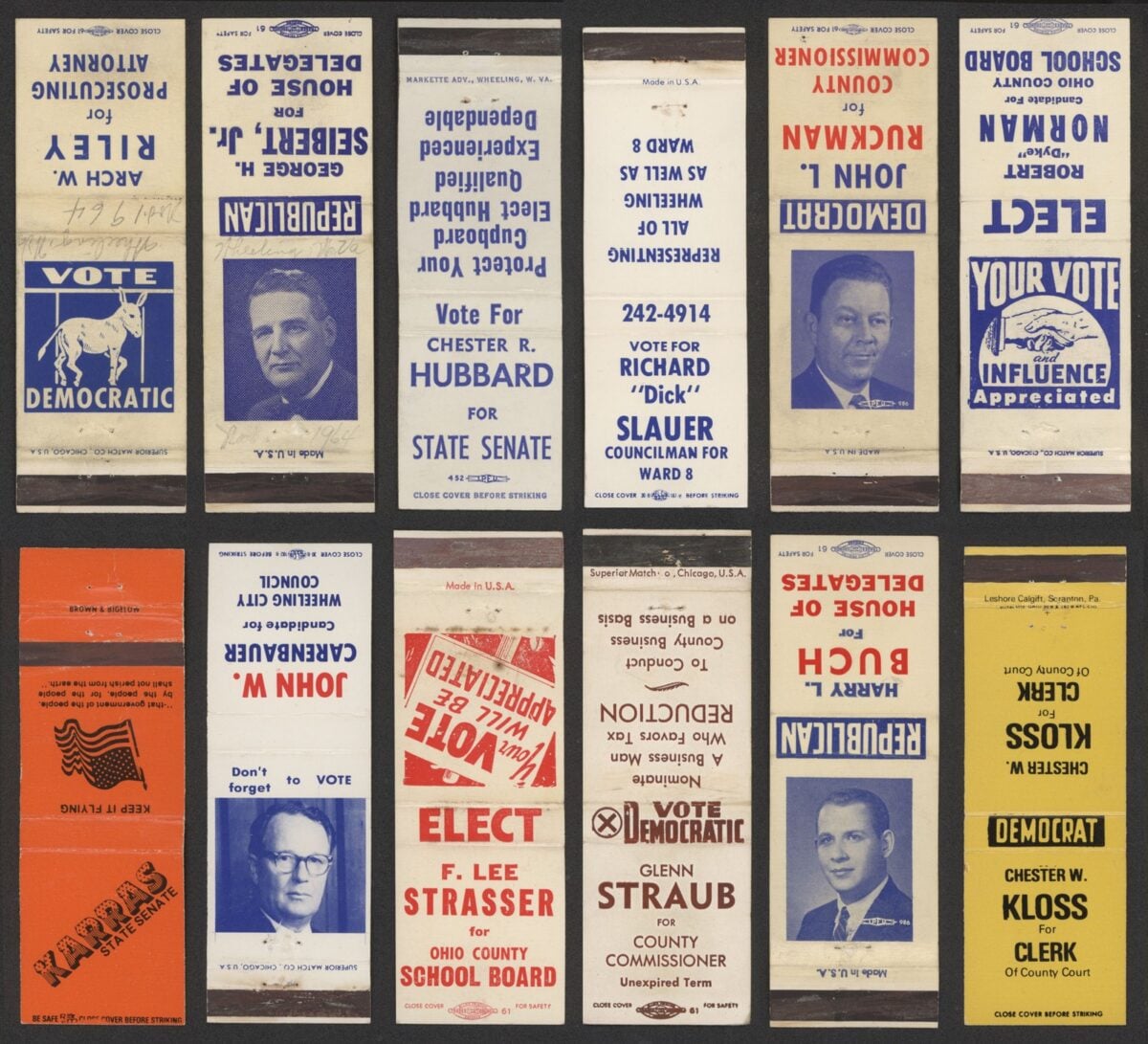
Presidential campaigns produced matchbooks as inexpensive promotional tools, particularly during the 1940s through 1960s when the format remained popular. Harry Truman, Dwight Eisenhower, and John F. Kennedy campaign matchbooks surface regularly in collector markets and typically sell for $25-75 depending on rarity and condition.
Local political campaigns often produced more interesting designs since they weren’t bound by national party restrictions. A matchbook promoting a small-town mayoral candidate or a state legislative race might feature quirky slogans or unusual artwork that appeals to political memorabilia collectors.
The combination of historical significance and limited original distribution creates natural scarcity that supports collector values.
Complete Vintage Sets
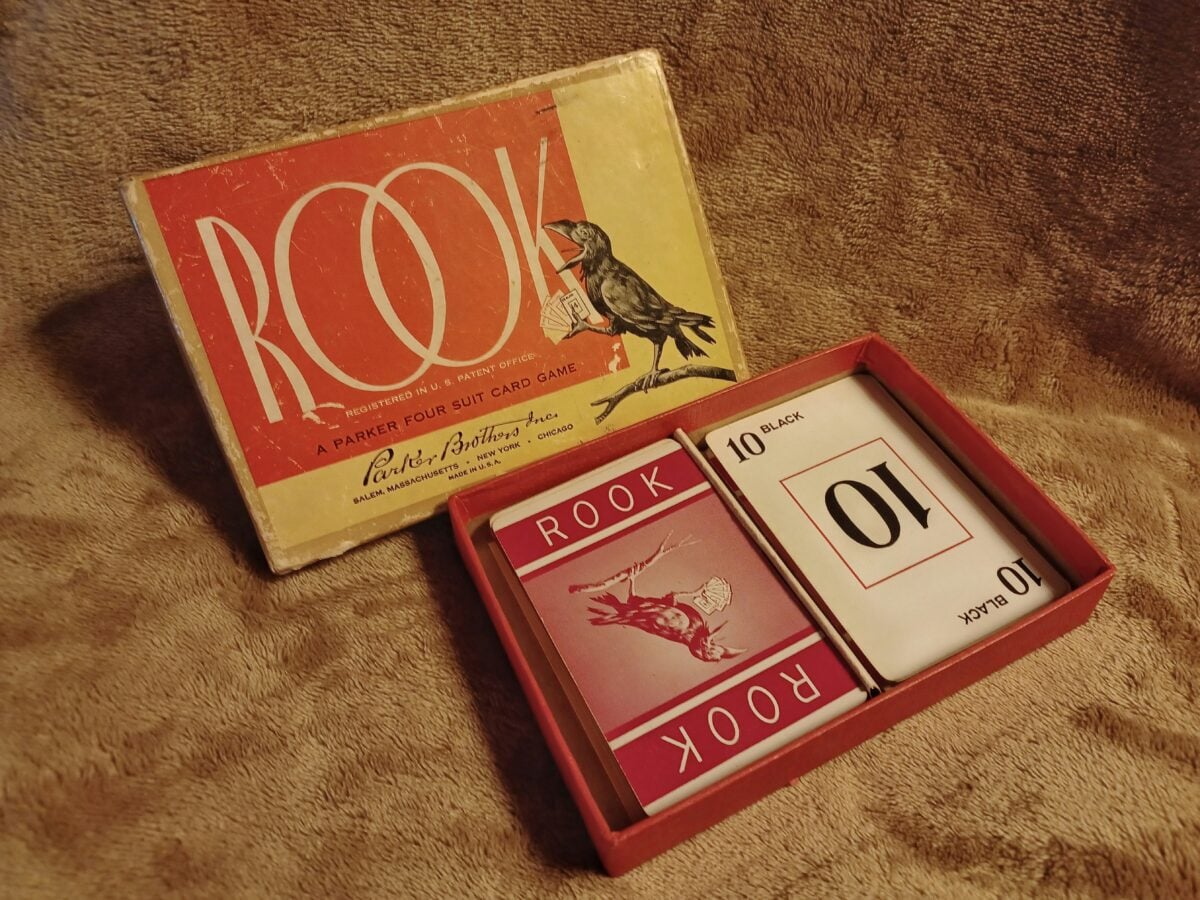
Individual matchbooks have value, but complete sets from particular establishments or events command premium prices that exceed the sum of their parts. A complete set of matchbooks from all the restaurants at a particular World’s Fair, or all the variations produced by a specific hotel chain during a particular era, requires patience and dedication to assemble.
Set collecting drives some of the highest prices in the matchbook market because completing a set often takes years of hunting and trading. Collectors will pay substantial premiums for the final piece needed to complete a long-sought set, which creates opportunities for sellers who recognize these dynamics.
Even common individual matchbooks can become valuable when they represent the missing piece in someone’s collection puzzle.
Error and Variation Matchbooks
— Photo by b_deboer.icloud.com
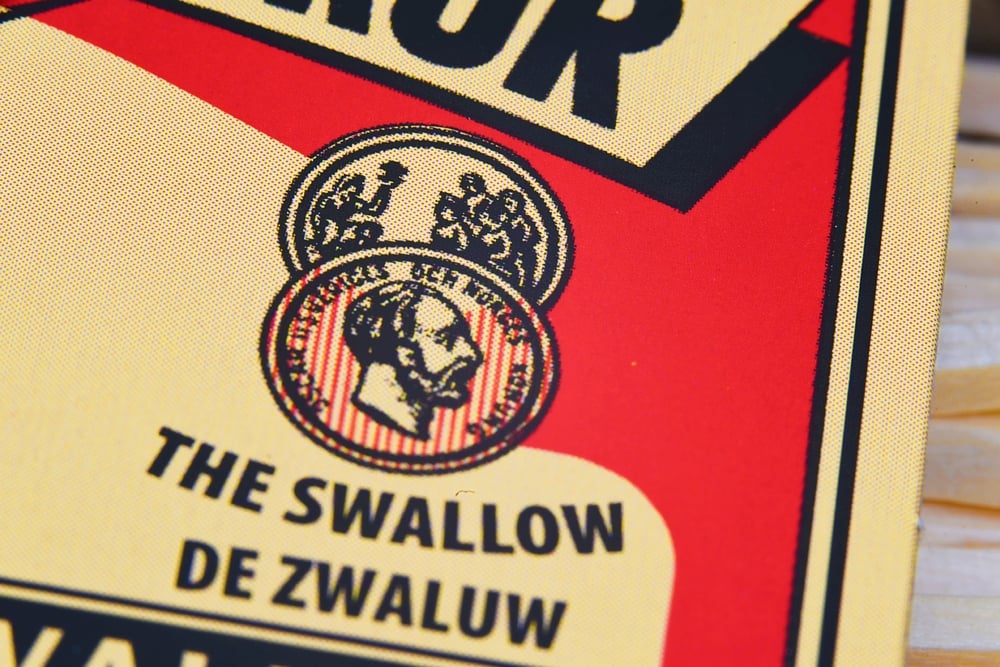
Printing errors, color variations, and design mistakes create some of the most valuable matchbooks in collector markets. A restaurant matchbook with the wrong phone number, a hotel matchbook with inverted colors, or a campaign matchbook with a misspelled candidate name might seem like worthless mistakes, but error collectors pursue these anomalies with surprising intensity.
The appeal lies in their genuine rarity—printing errors were usually caught and corrected quickly, making surviving examples extremely scarce. A simple printing mistake can transform a common matchbook worth pennies into a collector item worth $100 or more.
The challenge is recognizing errors versus intentional design variations, which requires deep knowledge of particular categories and printing standards from different eras.
Where Hidden Value Lives
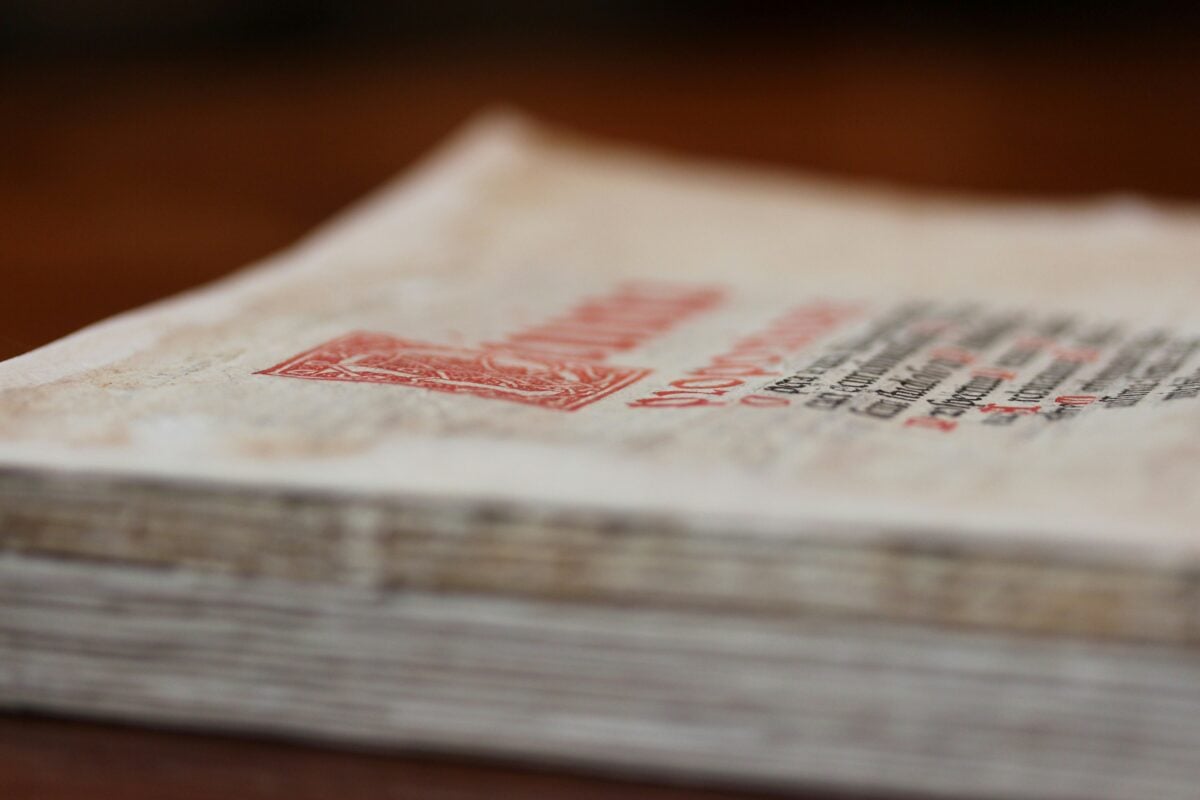
Matchbook value often hides in unexpected places, which means collections tucked away in drawers might contain genuine surprises. The key factors that drive collector interest include historical significance, genuine scarcity, design appeal, and connection to vanished businesses or cultural moments.
Condition matters enormously—unused matchbooks with intact match heads and clean covers command the highest prices, while worn or damaged examples often have minimal value regardless of rarity. Authentication becomes crucial for high-value items, since reproduction matchbooks occasionally surface to confuse unwary sellers and buyers.
The matchbook collecting community remains relatively small but passionate, with established dealers, reference guides, and online forums that help determine values and verify authenticity. For anyone discovering old matchbook collections, a few hours of research can reveal whether those forgotten promotional items represent genuine value or simple nostalgia.
Sometimes the difference between trash and treasure lies in recognizing the stories these small paper artifacts tell about American business, culture, and daily life from decades past.
More from Go2Tutors!

- The Romanov Crown Jewels and Their Tragic Fate
- 13 Historical Mysteries That Science Still Can’t Solve
- Famous Hoaxes That Fooled the World for Years
- 15 Child Stars with Tragic Adult Lives
- 16 Famous Jewelry Pieces in History
Like Go2Tutors’s content? Follow us on MSN.