Skills That Were Once Basic Knowledge and Almost Nobody Has Today
Every generation believes the previous one learned things that didn’t matter. Except sometimes they were right.
The abilities that once earned respect—that marked you as competent, educated, or responsible—have vanished so completely that finding someone who can do them has become harder than finding someone who has heard of them. These weren’t exotic talents or rare expertise.
They were the ordinary tools people reached for to navigate a day.
The erosion happened quietly, powered by convenience and automation. No dramatic moment announced that something mattered no longer.
Instead, the need simply stopped, and with it, the training ceased, and within a generation, the knowledge was gone. What follows are skills that were absolutely basic—that your grandparents would have assumed any competent adult knew—and that most people alive today couldn’t demonstrate even if their lives depended on it.
Map Reading and Spatial Navigation

Before GPS calculated turns with robotic precision, reading a map required genuine skill. You had to understand topographic lines, calculate distances using map scales, orient a folded road map in the direction you were traveling, and plan a route before you left.
The process wasn’t just practical—it trained spatial awareness and forced you to think several steps ahead. Today’s generation drives with a phone announcing every turn, which means most people couldn’t navigate out of an unfamiliar town if the device died.
Cursive Handwriting
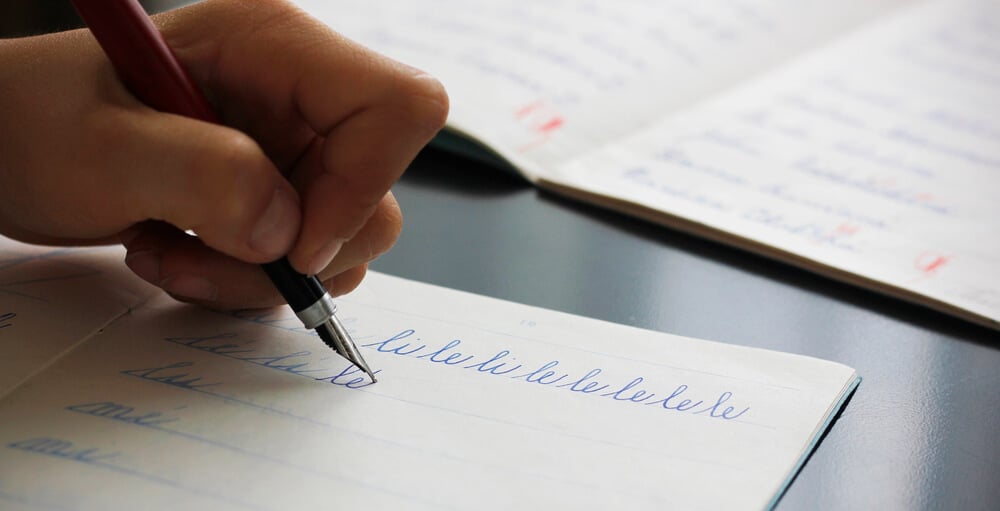
Schools once devoted substantial classroom time to cursive, treating it as a fundamental literacy skill. Students practiced flowing letters, proper pen angle, and consistent slant for hours.
Cursive handwriting was so ingrained that it marked whether you were educated and disciplined. Today many children graduate without learning it at all, and most adults write cursive so poorly they can barely read their own notes.
A generation is learning to communicate in writing while unable to read historical documents or handwritten letters from relatives in anything other than digital photos.
Using a Slide Rule
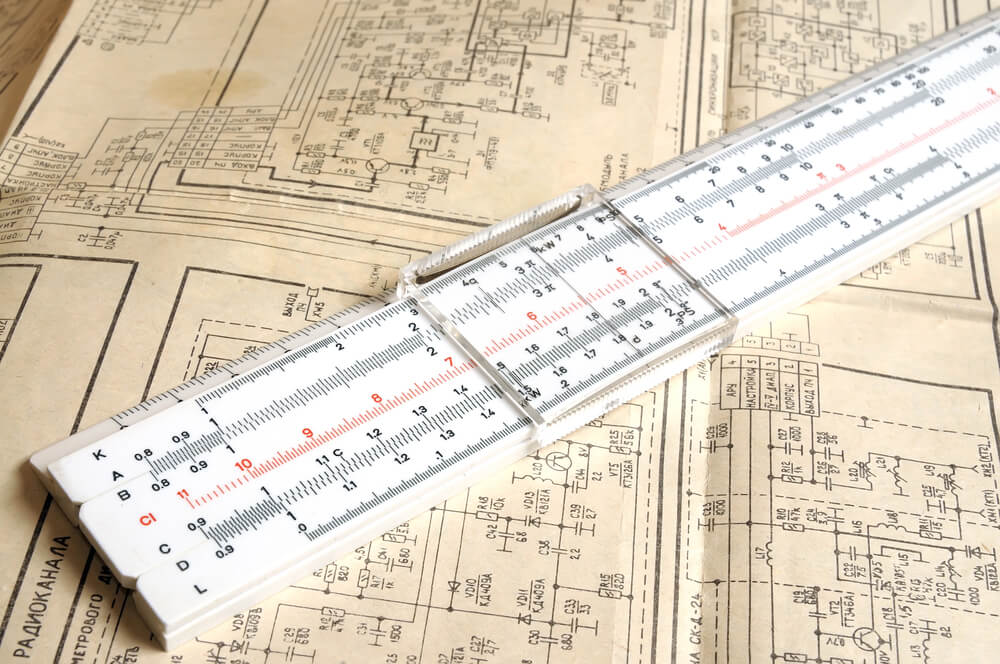
Engineers and scientists relied on slide rules to perform complex calculations before calculators existed. The tool required understanding logarithms and physical precision—you had to position the cursor exactly, read multiple scales correctly, and mentally calculate where the decimal point belonged.
Mastery of the slide rule demonstrated genuine mathematical fluency. Now most people don’t know these devices exist, let alone understand the mathematical principles that make them work.
Penmanship and Formal Script
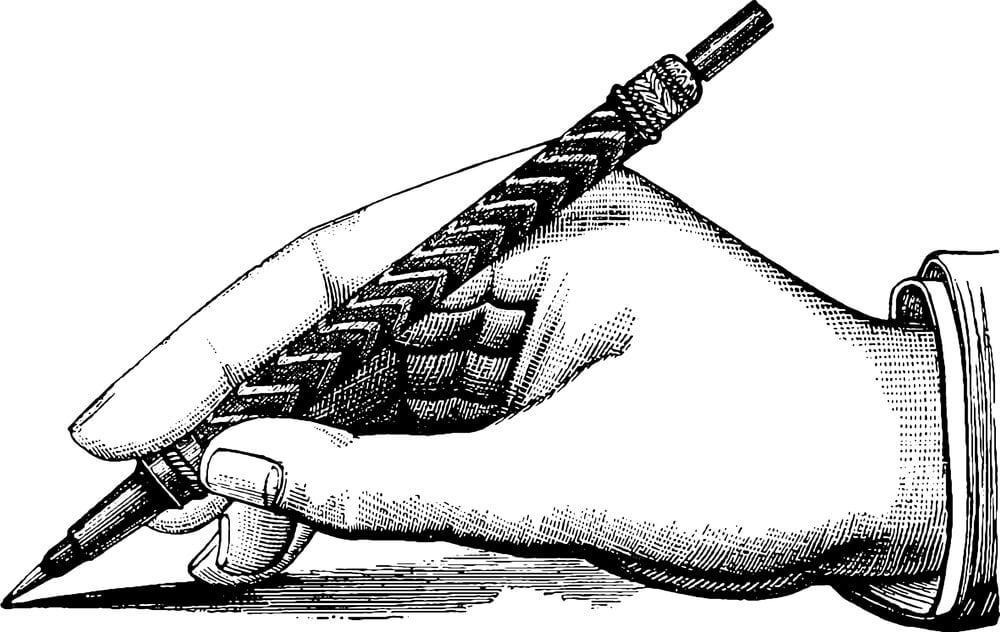
Beyond cursive, penmanship was its own discipline. Letters had to be formed with consistent angle, height, and pressure.
Formal copperplate script or Palmer Method handwriting was taught from elementary school through high school, and bad handwriting could affect your grades in other subjects. A person’s handwriting was as distinctive as their voice.
Today’s reliance on digital communication means most people have never spent more than a few minutes learning how to form letters with precision.
Mending and Darning Clothes

The ability to extend a garment’s life through repair was once essential. Darning a tear in a sock required specific stitching techniques that created a nearly invisible patch.
Mending a tear, replacing a zipper, or taking in seams were routine household tasks that every adult knew. The throwaway consumer culture reversed this completely—replacing an item costs less than the time required to repair it, so the skills atrophied.
Most people under 40 have never attempted to darn anything.
Reading an Analog Clock by Hand

It sounds impossible until you realize it’s true: many young people struggle to tell time on a clock face with hands. Understanding that the hour hand moves gradually as minutes pass, reading the position of both hands in relation to numbers, and translating that into hours and minutes was automatic for previous generations.
Digital time displays eliminated the need to learn this, which means an entire skill set—”quarter past,” “half past,” the mental math of time intervals—has vanished.
Balancing a Checkbook

Keeping track of personal finances meant maintaining a ledger of deposits and withdrawals, manually calculating your running balance, and catching discrepancies when your bank statement arrived. This required attention to detail, arithmetic, and reconciliation skills.
Online banking and automated systems now do all of this instantly and invisibly. Most people today have never entered a transaction into a physical ledger or verified that their math matched the bank’s math.
Operating the Dewey Decimal System

Libraries were organized by a numeric classification system developed in 1876 that divided all knowledge into hierarchical categories. Finding a book meant understanding how to move from the card catalog to the shelves using these numbers.
It was logical, systematic, and required learning to navigate an organizing principle. When card catalogs disappeared and library searches moved online, this skill became completely irrelevant, and the ability to browse physical collections using a classification system died with it.
Shorthand Writing

Secretaries and journalists learned stenography—a system of abbreviated symbols that allowed writing at the speed of speech. This skill was so valuable that secretarial positions required demonstrating speeds of 100+ words per minute.
Mastering shorthand took serious training and practice. Voice recorders, digital transcription, and audio note-taking eliminated the need entirely, which means nobody develops the incredible hand speed and symbol recognition that shorthand demanded.
T9 Predictive Text and Phone Keypad Typing

Before touchscreen smartphones, typing on a phone required pressing number keys multiple times to cycle through letters—using the 5 key to type “J,” “K,” “L.” This developed muscle memory and rhythm that had no practical parallel elsewhere.
Then T9 technology arrived, letting you type faster by predicting words. A small subset of people developed near-fluency with this system.
One user reported forgetting the skill entirely after less than a decade away from it—six years to completely lose what had been muscle memory built from years of practice.
Telegraph Operation and Morse Code

Telegraph operators were skilled professionals who could send and receive messages in Morse code at high speed, understanding the technical details of the machines themselves. This wasn’t a casual hobby—it was a professional skill that required apprenticeship and years of practice to master.
The telegraph faded, then the need for operators faded, and now knowing Morse code marks you as either a hobbyist or a historical enthusiast rather than a practical professional.
Sewing Without Patterns

The ability to take measurements, drape fabric on a body, and construct a garment without a pre-printed pattern was once standard knowledge. People understood how seams worked, how to estimate fabric needed, and how to adjust proportions.
Today most people have never attempted to sew anything more complex than a button, let alone construct a garment from scratch. Pattern-free sewing required spatial reasoning and understanding of how fabric moves on a body that few people develop anymore.
Mental Arithmetic and Division
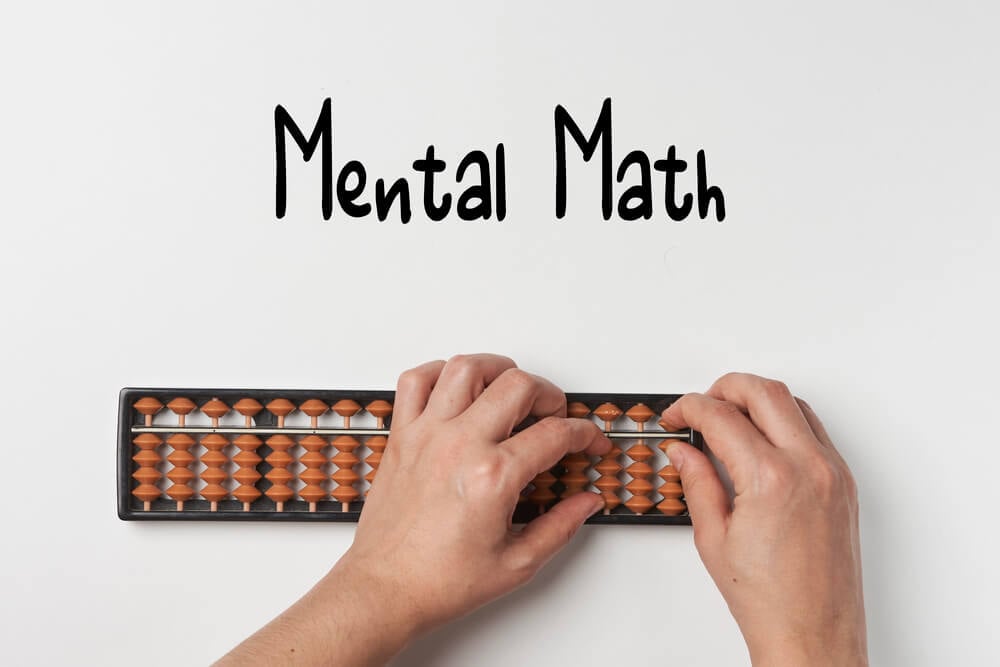
Parents once emphasized quick calculation—being able to multiply two-digit numbers in your head or divide without a calculator was a point of pride. These skills trained number sense and relationships.
Calculators eliminated the need, and with it, the practice that developed mathematical intuition. Most people today reach for a device to solve problems their parents would have done mentally.
Identifying Plants for Foraging and Herbal Use

Knowing which plants were edible, which had medicinal value, and which were poisonous was survival knowledge. Families understood local plants and passed this knowledge down.
The shift to commercial food and pharmaceutical industry made this knowledge unnecessary for daily survival, so it stopped being taught. Now acquiring this knowledge requires deliberate study rather than casual family transmission.
Maintaining a Typewriter

Typewriter repair was a technical skill—understanding ribbons, platens, key mechanics, and the various components that could jam or break. Someone with this knowledge could keep a machine working indefinitely.
With electric typewriters and then computers, the mechanical knowledge became completely obsolete. The machines are now curiosities, and nobody under 40 could diagnose a simple jam.
Calculating Fractions by Hand
Before calculators, dividing fractions required understanding the principle of inverting and multiplying, then reducing the result. This process trained mathematical reasoning.
Today’s reliance on decimal notation and calculators means many people freeze when faced with a fraction problem that can’t be solved with a device.
Finding Information in an Encyclopedia

An encyclopedia was the family’s knowledge reference, organized alphabetically across multiple volumes. Finding information meant knowing where to start, following cross-references, and synthesizing information across different entries.
This trained research skills and gave you an overview of connected topics as you searched. Today people search digitally and rarely encounter information outside what they specifically requested.
The Apprenticeship Method of Learning a Trade

Before formal certification and standardized training, knowledge was transmitted through years of working alongside a master. An apprentice blacksmith, mason, or carpenter learned by doing, watching, and gradually taking on more responsibility.
This method developed deep understanding of materials and problem-solving. Modern training is modularized and accelerated, which trades depth of physical knowledge for breadth of theoretical understanding.
Operating a Manual Spinning Wheel
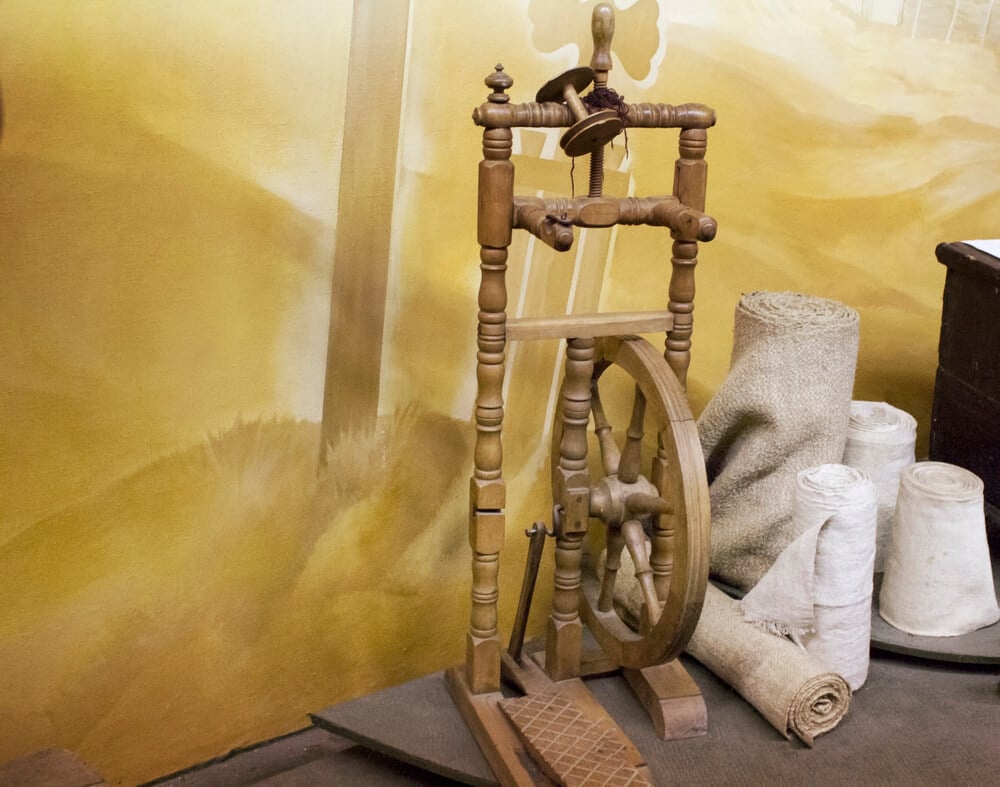
Creating thread from raw fiber was once essential. A manual spinning wheel required developing coordination, understanding fiber preparation, and learning to maintain consistent thread thickness.
The skill demanded hours of practice to develop the muscle memory. Commercial thread production made this completely unnecessary, which means the entire tactile, meditative practice is gone from general knowledge.
Recognizing Weather Patterns Without Forecasts

People once read clouds, wind direction, and animal behavior to predict weather. This knowledge developed observation skills and understanding of atmospheric conditions.
Modern weather forecasting is so reliable and ubiquitous that these observations are museum pieces. Nobody needs to predict rain by cloud formation when a phone provides an hourly forecast.
Speaking Latin or Classical Greek

These languages were once part of an educated person’s expected knowledge base, taught in schools and used in academic writing, religious contexts, and literature. Learning them trained linguistic reasoning.
As their practical uses evaporated, the instruction stopped, and now they are specialty subjects rather than basic education. The ability to read classical texts in the original language has become a rare accomplishment rather than something expected of educated people.
The Practiced Skill of Formal Letter Writing

Letter writing was an art with strict conventions about structure, salutation, closing, and tone. People practiced this extensively and took pride in their ability to compose a formal letter.
Email eliminated the need for most correspondence, and with it, the training in this particular form of communication evaporated. Most people today would struggle to compose a letter following traditional business letter format.
Wax Paste-Up for Graphic Design

Before digital design software, graphic designers worked physically with materials—cutting out type printed on film, positioning it on a layout board, and using wax adhesive on the back to position elements. This hands-on process meant designers understood spatial relationships at a tactile level, learned patience and precision, and could see the entire layout at once.
The process disappeared almost overnight when Photoshop and similar software arrived, taking with it a form of training that developed certain design instincts.
The Skill of Functional Ambidexterity

Generations ago, teachers actually forced left-handed children to write with their right hand, which meant some people developed functional ability in both hands. This wasn’t celebrated as particularly unusual.
Modern acceptance of left-handedness means nobody tries this anymore, which means fewer people develop the coordination advantage of working with both hands equally well.
Delivering an Oration from Memory
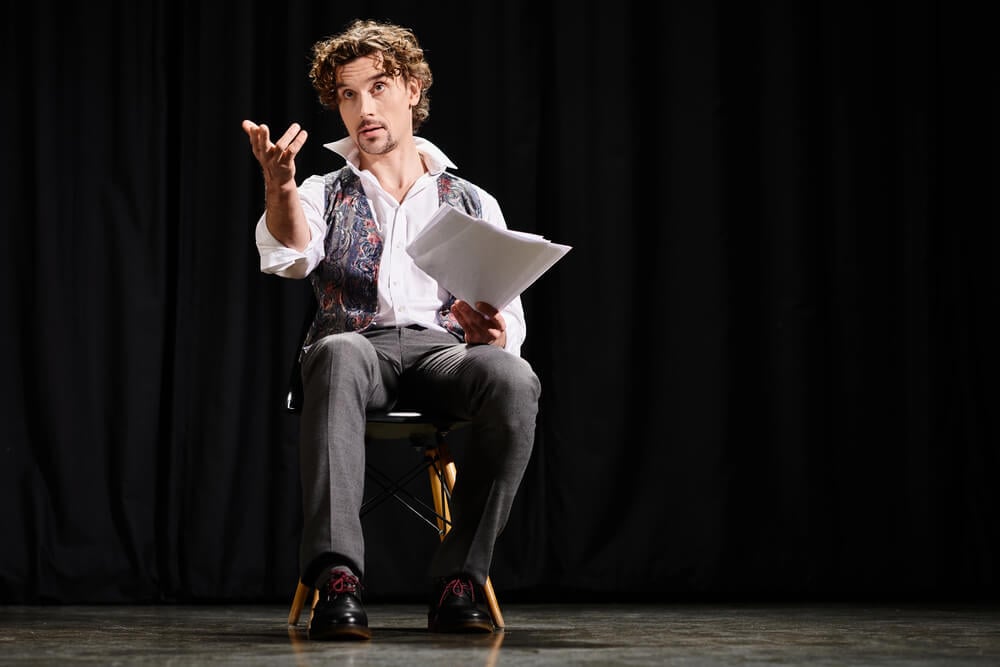
Students once memorized and delivered speeches, poetry, and passages, training their memory and public speaking skills simultaneously. Modern presentations rely on notes, scripts, or prompters.
The practice that trained both memory capacity and the ability to speak fluidly without references is no longer routine, which means people develop less rhetorical skill and weaker memory for longer passages.
Understanding Weight and Measurement Conversions
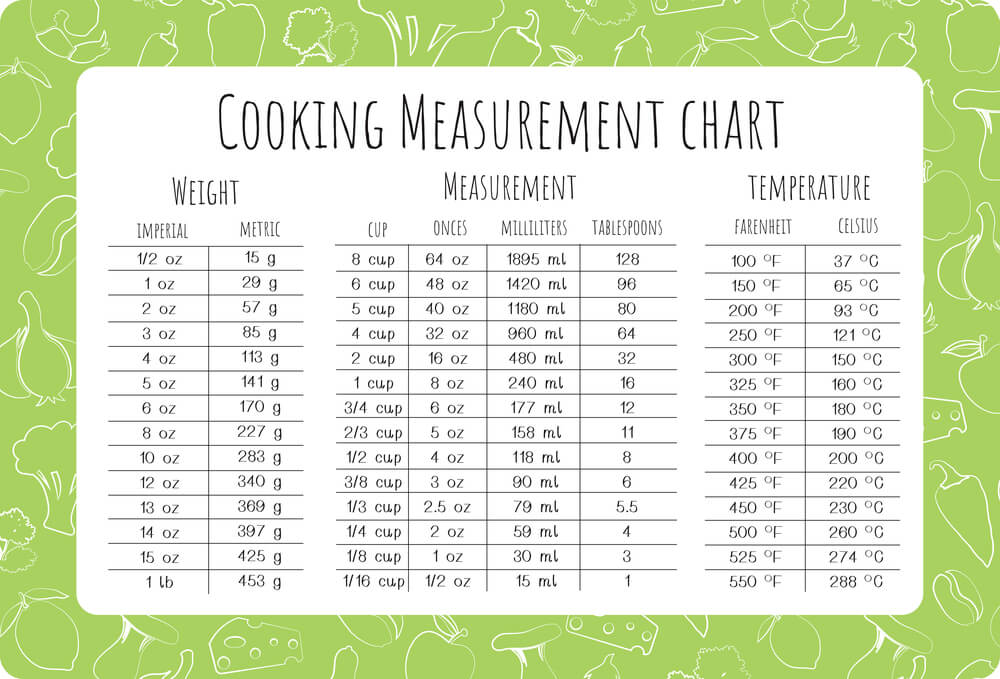
Before digital conversion tools, people understood the relationships between different systems—how many ounces in a pound, grains in an ounce, the difference between weight and volume. This knowledge trained proportional thinking.
Now someone needing to convert 16 ounces to pounds reaches for a device rather than knowing it instantly. The casual mathematical relationships that once organized everyday life have become invisible.
Handmade Bookbinding and Repair
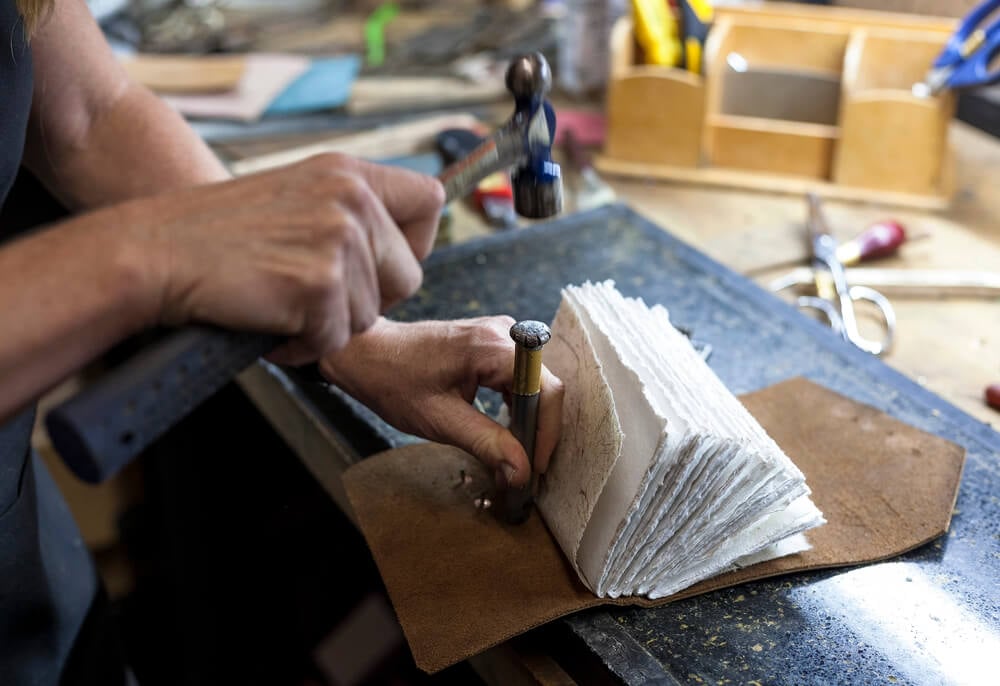
Creating or repairing a book required specific skills—understanding signatures, sewing sections together, creating endpapers, and covering the finished block. This was craftwork that trained precision and understanding of how objects are constructed.
Commercial bookbinding eliminated the need for home practitioners, and now this skill is barely taught even in specialized contexts.
The Ability to Direct and Discipline Without Reference Materials

Parents and teachers once raised and educated without books on parenting or education psychology. They relied on received wisdom, observation, and adjustment.
Modern culture expects reference to experts and written guidance. This shift changed the nature of authority and the expectation that adults should develop intuition through experience.
One Skill Remembers Another
Every lost skill cost more than itself. Map reading taught spatial reasoning; cursive developed fine motor control; mental arithmetic trained number sense; and shorthand taught rhythm and listening.
When these skills disappeared, they took with them entire forms of training that developed different ways of thinking. Nobody set out to eliminate the skills themselves—they were simply rendered unnecessary by tools that did the work faster and more reliably.
But in trading speed for depth, a generation learned to think differently than the one before it, in ways we’re still discovering.
What matters isn’t recovering every lost skill, but recognizing that we lost them, and with them, certain forms of discipline, attention, and understanding that no app can quite replicate. Every generation makes that trade-off.
The question is whether we’re aware of what we’re trading away.
More from Go2Tutors!

- The Romanov Crown Jewels and Their Tragic Fate
- 13 Historical Mysteries That Science Still Can’t Solve
- Famous Hoaxes That Fooled the World for Years
- 15 Child Stars with Tragic Adult Lives
- 16 Famous Jewelry Pieces in History
Like Go2Tutors’s content? Follow us on MSN.