Photos Of 16 Famous Landmarks And How Long It Took To Build
Decades passed before some famous buildings were done. Others rose faster than anyone expected.
Each one stands for its place now, pulling crowds from everywhere. How long they needed to rise speaks of drive, tools at hand, yet also refusal to quit.
Some of these buildings rose fast, others stretched on for ages. What you see today began with slow hands shaping stone wood or steel over years that turned into decades.
The Great Wall Of China
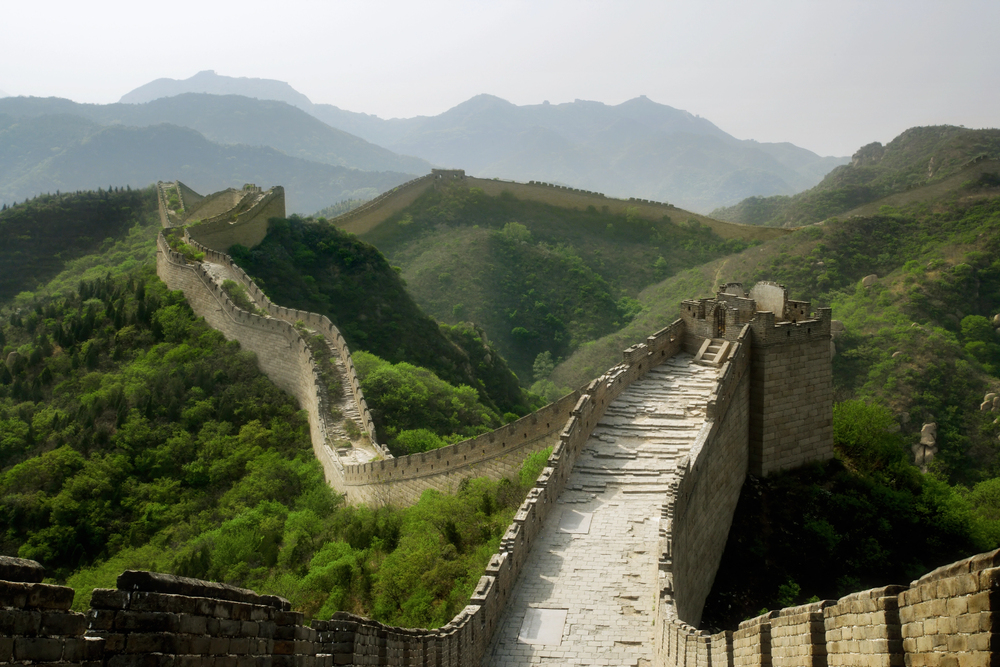
This huge wall runs over thirteen thousand miles through northern China, rising bit by bit across two millennia. Not until the Ming era – between 1368 and 1644 – did it gain the parts people now recognize.
Earlier rulers had started pieces here and there, each adding their own stretch over time. Builders gathered rock, bricks, and compacted soil from nearby spots to form strong blocks.
Men labored under rough circumstances: conscripted troops, farmers pulled from fields, even captives sentenced to dig and lift. Though finished long ago, its weight still lies heavy on history.
The Eiffel Tower

Out of nowhere, Gustave Eiffel began building his iron tower in Paris one morning in 1887. By 1889 it stood finished – just over two years later – a pace that stunned onlookers used to decades-long projects.
More than eighteen thousand pieces of metal came together during construction, held by two and a half million rivets. Because plans were precise, each part snapped into place as if made for nothing else.
Though expected to vanish after twenty years, the structure stayed – and grew famous. Now it draws more paying visitors than any other monument on Earth.
Taj Mahal

Starting construction in 1632, Emperor Shah Jahan commissioned a grand marble tomb in Agra, India, honoring his late wife Mumtaz Mahal – work stretched over two decades, ending in 1653. Workers, nearly twenty thousand of them, came together from across Asia, hauling stone and effort mile by mile.
Craftsmen set gems into walls, forming blossoms made not with paint but lapis, jade, and other rare minerals. Though symmetry defines the structure, its harmony breaks near the center, where the emperor’s own grave rests – an addition never meant to exist.
His presence shifts the design, quietly altering what was once intended as her solitary memorial.
Colosseum
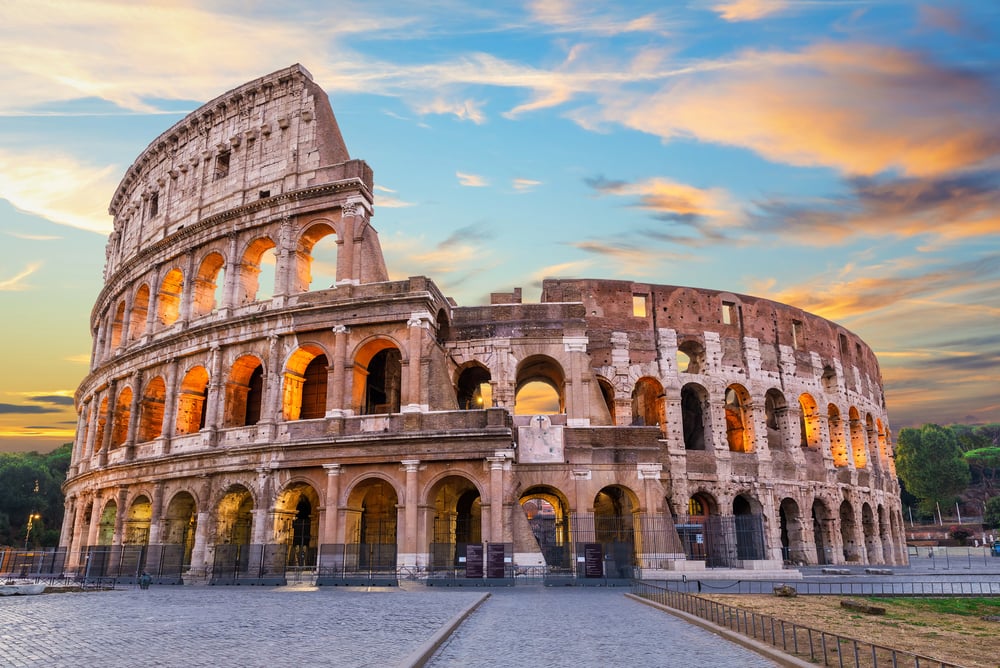
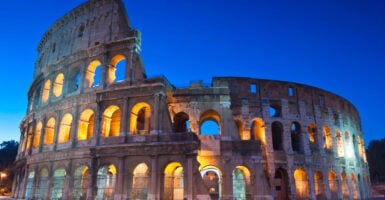
Built fast – only eight years, from 72 to 80 AD – Rome’s famous oval rose under Vespasian and his son Titus. Thanks to smart planning and strong concrete, workers pulled it off without delay.
Crowds as big as 80,000 filled the seats for battles between fighters or grand shows put on by leaders. Though quakes shook it and people took stones away later, most of the frame remains standing now.
What you see today survived time because its bones were built too tough to vanish.
Statue Of Liberty

A gift from France arrived piece by piece – this copper figure rose slowly over nearly a decade, from 1876 to 1885. Though Bartholdi shaped its outer form, the skeleton inside came from Gustave Eiffel, better known for another famous structure.
Crafted overseas, it was split into sections, loaded into hundreds of wooden cases, and carried across the ocean on a ship. Once reassembled, it watched over newcomers sailing into New York, standing tall where dreams often began.
Big Ben

Thirteen years passed while workers raised the clock tower at Britain’s Houses of Parliament, now named Elizabeth Tower – construction ran from 1843 to 1856. Inside, a huge bell bears the nickname Big Ben; oddly enough, most people think that’s the tower’s name.
After the original bell split when tested, builders poured metal again for another version – but this second one also fractured later on, creating its unique chime. Each face of the clock stretches 23 feet wide, hard to miss against London’s skyline.
Then there’s those hands marking minutes: they stretch out full 14 feet, slow but steady through time.
Sydney Opera House

A Danish architect named Jørn Utzon shaped this structure, its roof curving like sails catching wind. Though plans began in 1959, workers didn’t finish until 1973 – years stretched by delays.
Costs ballooned since the roof’s form pushed engineering limits at the time. Clashes with officials grew so sharp that Utzon walked away long before opening day.
Today, its outside glimmers with well over a million tiles, hosting performance after performance – more than 1,500 annually.
Mount Rushmore
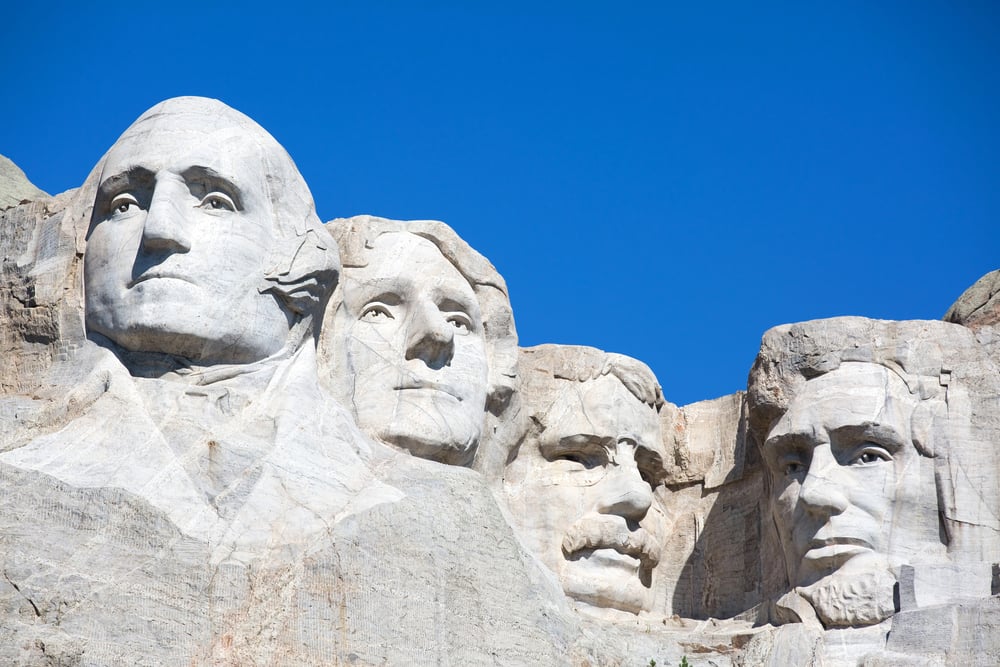
Starting in 1927, work began on a massive sculpture deep within a rocky peak of South Dakota. Over nearly a decade and a half, hundreds helped shape stone into faces that rise sixty feet high.
Not just any figures – four presidents were chosen to stand side by side: Washington, then Jefferson, followed by Theodore Roosevelt, ending with Lincoln. Their likenesses came alive through blasts of dynamite, hours of chiseling, almost half a million tons hauled away.
While Gutzon Borglum led it all, guiding vision and hammer alike, he did not see the last detail placed. That task fell to another – his son – who carried forward what the father started.
Each leader stands there now as something different – one for founding, one for expansion, one for conservation, one for unity.
Golden Gate Bridge
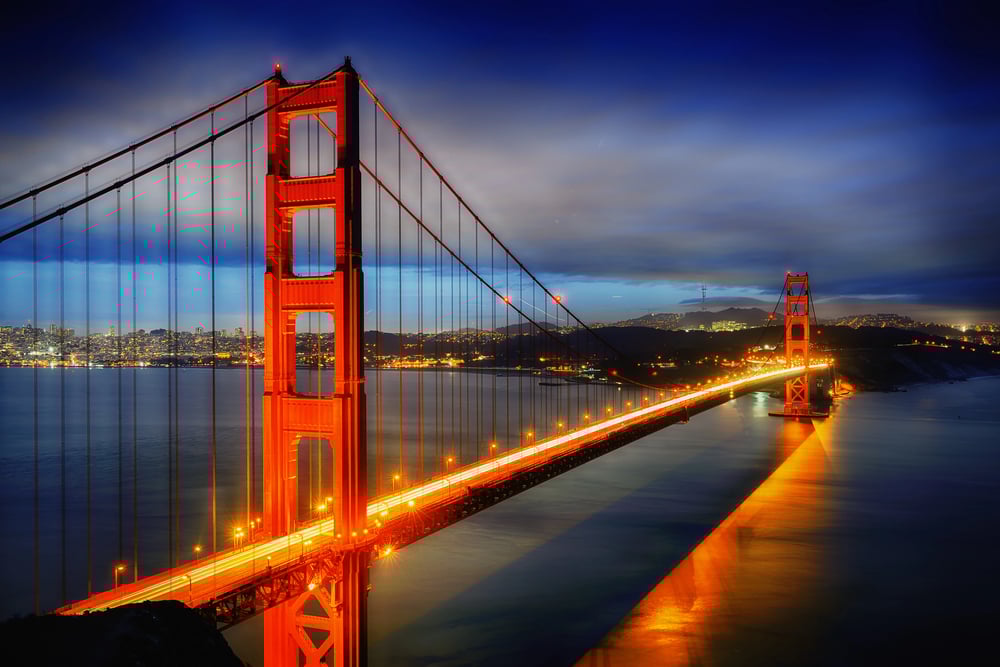
San Francisco’s famous orange suspension bridge took just over four years to build, from 1933 to 1937, during the Great Depression. Chief engineer Joseph Strauss led a team that had to deal with strong currents, frequent fog, and challenging winds.
The bridge stretches 1.7 miles across the Golden Gate Strait and was the longest suspension bridge in the world when it opened. Eleven workers lost their lives during construction despite safety innovations like a net that saved 19 others.
Burj Khalifa
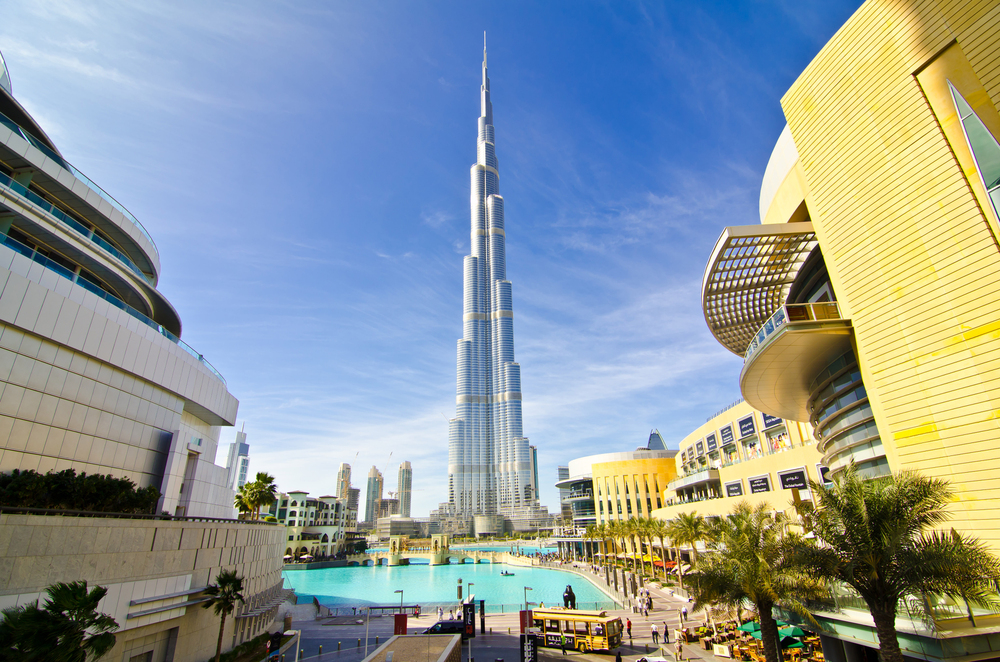
Dubai’s record-breaking skyscraper took six years to build, from 2004 to 2010, and stands 2,717 feet tall with 163 floors. The building required a special concrete mix that could handle the desert heat and had to be poured at night.
Workers used enough rebar to stretch a quarter of the way around the world. The tower holds multiple records, including tallest building, highest occupied floor, and highest outdoor observation deck.
Stonehenge
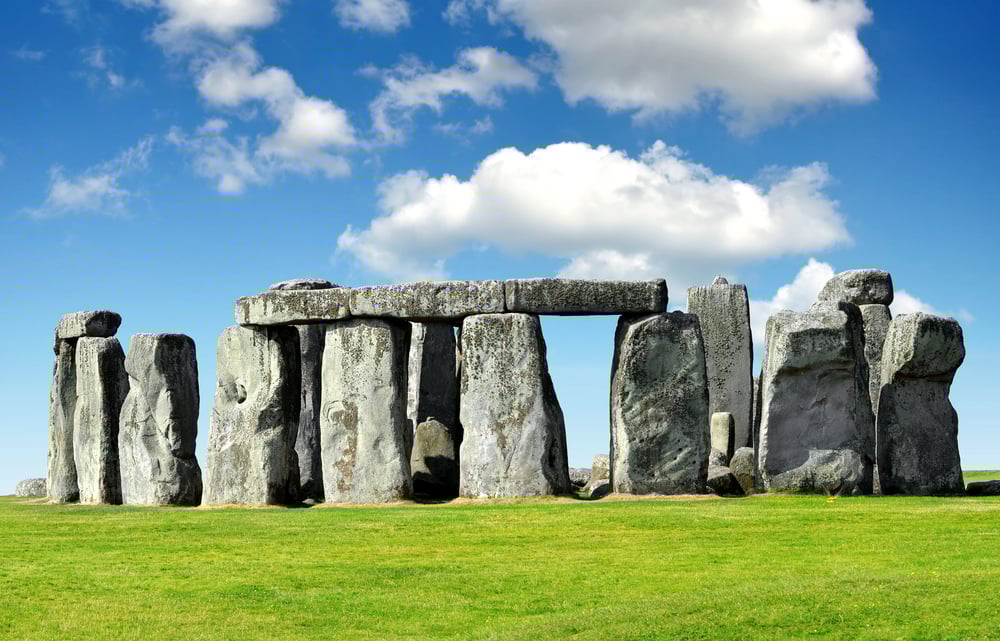
These mysterious standing stones in England went up in several stages over roughly 1,500 years, from about 3000 BC to 1500 BC. The massive stones, some weighing 25 tons, came from quarries up to 140 miles away.
Nobody knows exactly how prehistoric people moved and positioned them without modern machinery. The site aligns with the summer solstice sunrise, suggesting it had astronomical or religious importance.
Sagrada Familia

Antoni Gaudí’s Barcelona basilica started construction in 1882 and still isn’t finished after more than 140 years. Gaudí took over the project in 1883 and devoted the last 15 years of his life to it, even living in the workshop.
The building relies entirely on private donations, which slows progress considerably. Construction crews now estimate completion around 2026, though delays keep pushing that date back.
Panama Canal
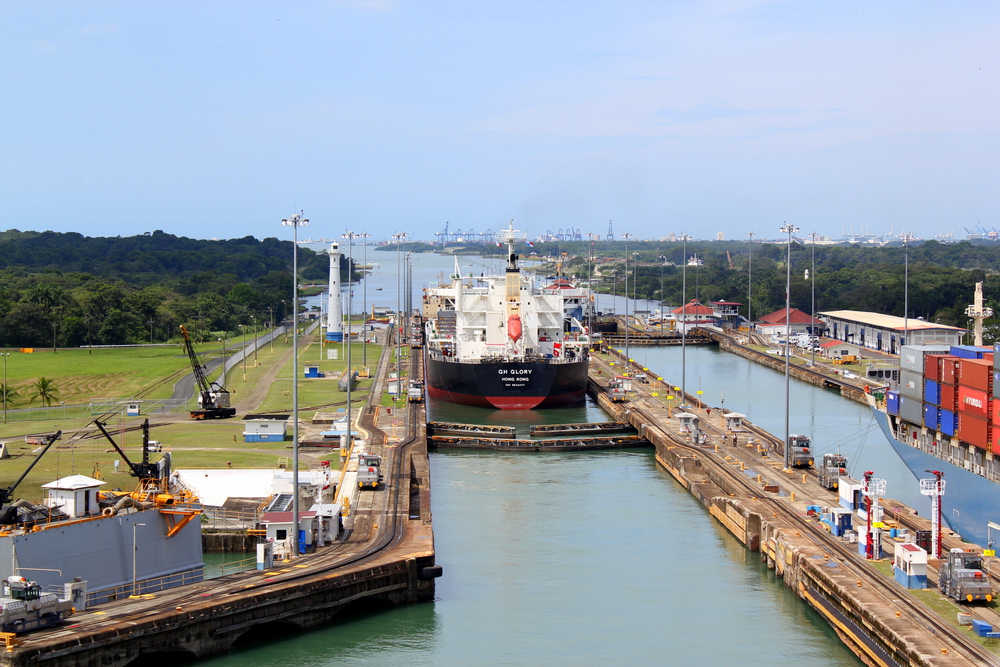
This 51-mile waterway connecting the Atlantic and Pacific oceans took 10 years to build under American leadership, from 1904 to 1914. The French had tried earlier and failed after losing thousands of workers to disease and accidents.
American engineers conquered the challenge by controlling mosquitoes that spread malaria and yellow fever, then building massive locks to raise and lower ships. The canal cut travel time between the two oceans by thousands of miles.
Neuschwanstein Castle

King Ludwig II of Bavaria built this fairy tale castle in the Bavarian Alps over 17 years, from 1869 to 1886, though it still wasn’t complete when he died. The king wanted a romantic retreat that looked like something from medieval legends, complete with towers and turrets.
Ironically, Ludwig only spent 11 nights there before his mysterious death. The castle later inspired the design of Sleeping Beauty’s castle at Disneyland.
Angkor Wat

This massive temple complex in Cambodia took about 30 years to build in the early 12th century under King Suryavarman II. The structure covers 400 acres and used sandstone blocks brought from a quarry 25 miles away.
Workers carved intricate bas-reliefs depicting Hindu epics across the walls and towers. The temple originally honored the Hindu god Vishnu but later became a Buddhist site.
Notre-Dame Cathedral
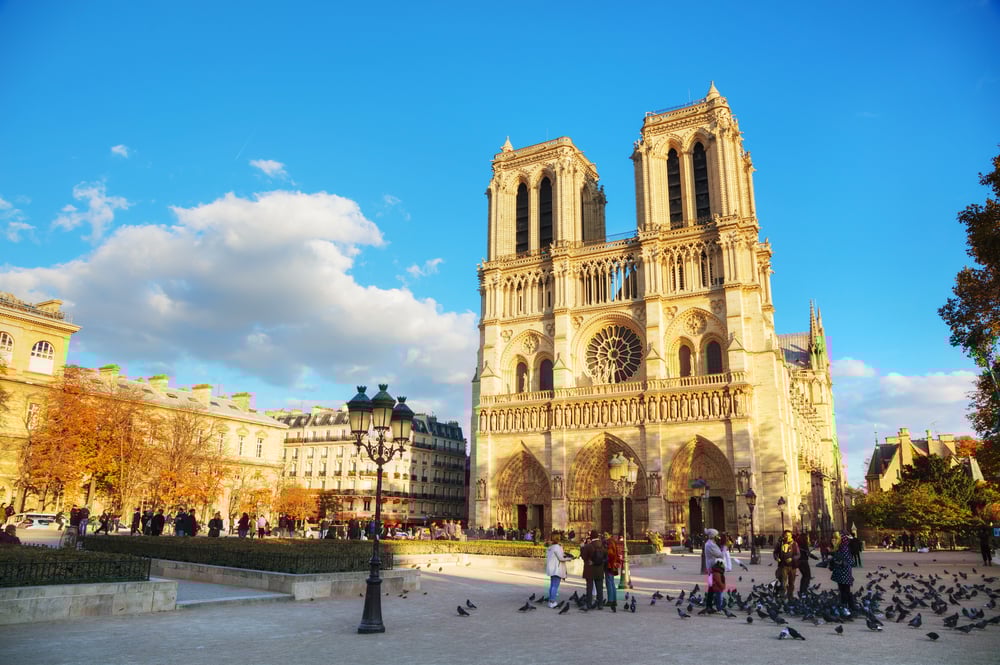
Paris started building this Gothic cathedral in 1163, and it took nearly 200 years to finish the main structure by 1345. The cathedral featured innovations like flying buttresses that allowed for large stained glass windows and soaring ceilings.
Generations of craftsmen worked on it, each adding their own touches to the design. The 2019 fire destroyed the spire and roof, but restoration work aims to reopen the cathedral by December 2024.
From Then To Now

The time needed to build these landmarks says a lot about what people valued and what technology they had available. Ancient builders worked for generations on projects they’d never see finished, while modern crews can raise skyscrapers in just a few years.
Some structures like Sagrada Familia blur those timelines entirely, starting in one era and continuing into another. These buildings prove that patience and vision can create something that lasts for centuries, whether it takes eight years or eight hundred.
More from Go2Tutors!

- The Romanov Crown Jewels and Their Tragic Fate
- 13 Historical Mysteries That Science Still Can’t Solve
- Famous Hoaxes That Fooled the World for Years
- 15 Child Stars with Tragic Adult Lives
- 16 Famous Jewelry Pieces in History
Like Go2Tutors’s content? Follow us on MSN.