Old Coins Passed Down in Families That Are Worth More Than Face Value
Inheritance coin collections sitting in drawers for decades represent potential financial windfalls that most families completely overlook. A single silver dollar from the right year with the right mint mark can be worth $50 to $500.
A particularly rare key-date dollar can command thousands. The problem is most people cannot distinguish between a worthless common coin and a genuinely valuable one.
An 1885 Morgan dollar looks identical to an 1893-S Morgan to the untrained eye, but the 1893-S is infinitely rarer and worth substantially more. The 1893-S Morgan dollar is so scarce that any example commands collector premiums.
Silver prices have doubled in recent years, reaching $80 per ounce as of late 2025, creating both numismatic and melt value that makes inherited coin collections worth reassessing. The coins listed here represent categories and specific dates actively sought by collectors.
Age alone means nothing—a 1960 penny is worthless, while an 1879 penny variant can command hundreds. Mint marks, dates, and metallurgy determine everything.
1804 Dollar (Original Proofs)
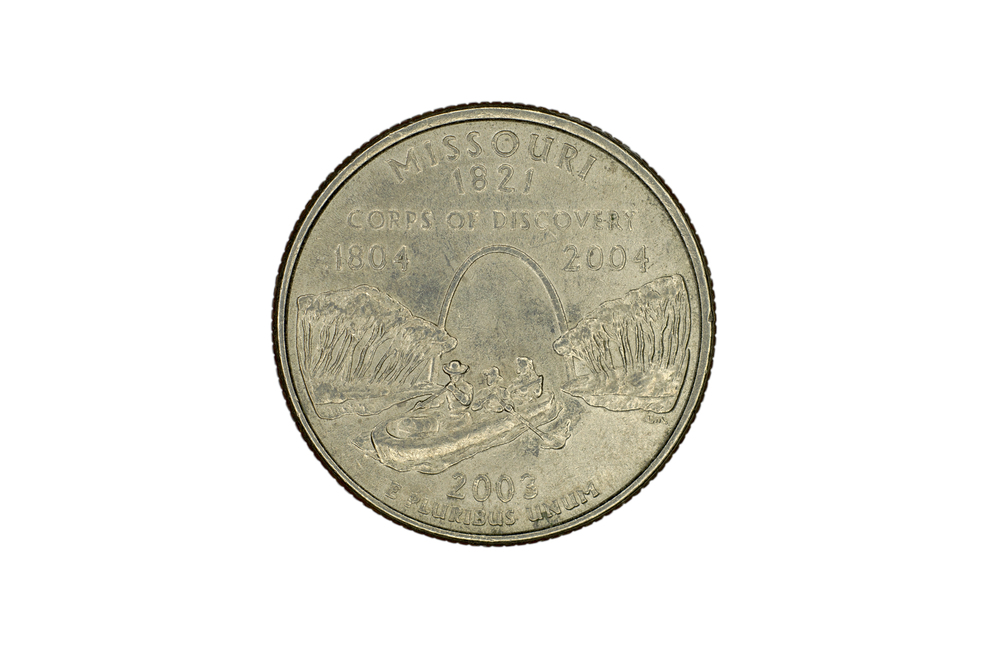
The 1804 Dollar, referred to as the “King of U.S. Coins,” is extremely rare and has sold for over $10 million. Only original proofs exist, making this the holy grail for serious collectors.
Finding one of these would represent a life-changing financial discovery.
1913 Liberty Head Nickel
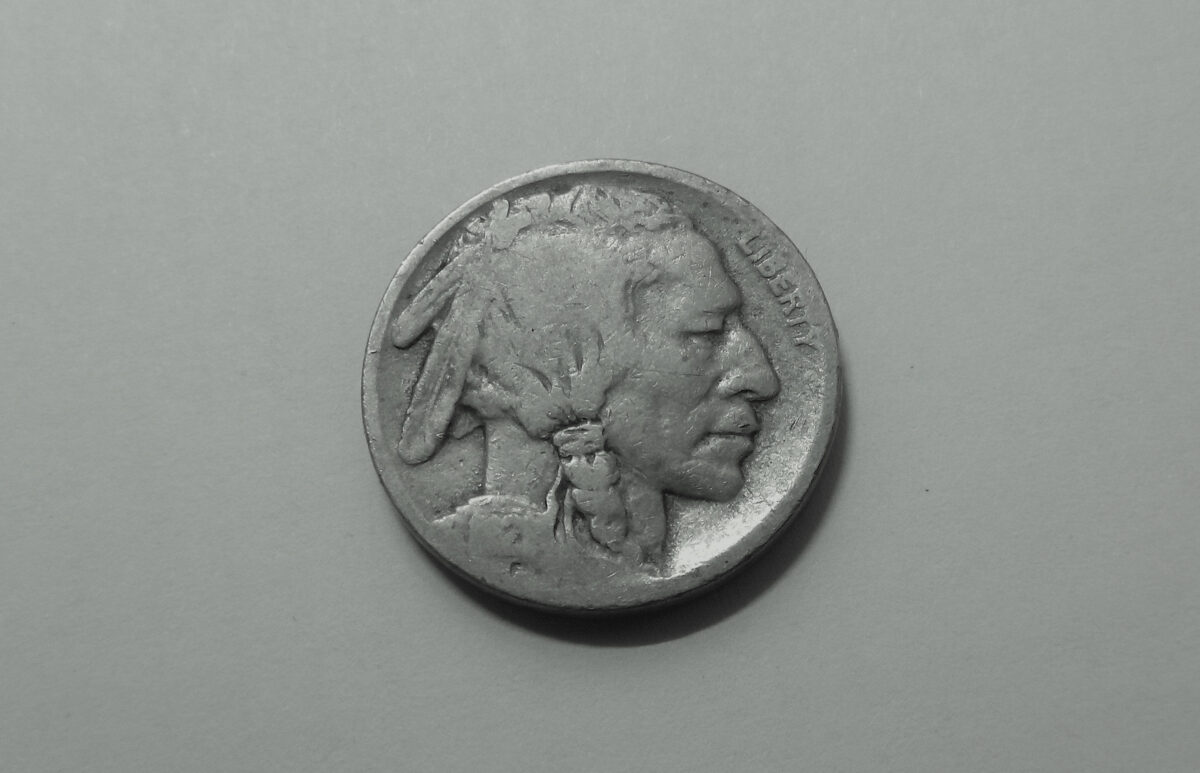
The 1913 Liberty Head nickel is one of the rarest coins in American history. Only five authentic specimens are known to exist.
Any authentic example would command $4 million to $5 million at auction.
1933 Double Eagle ($20 Gold)
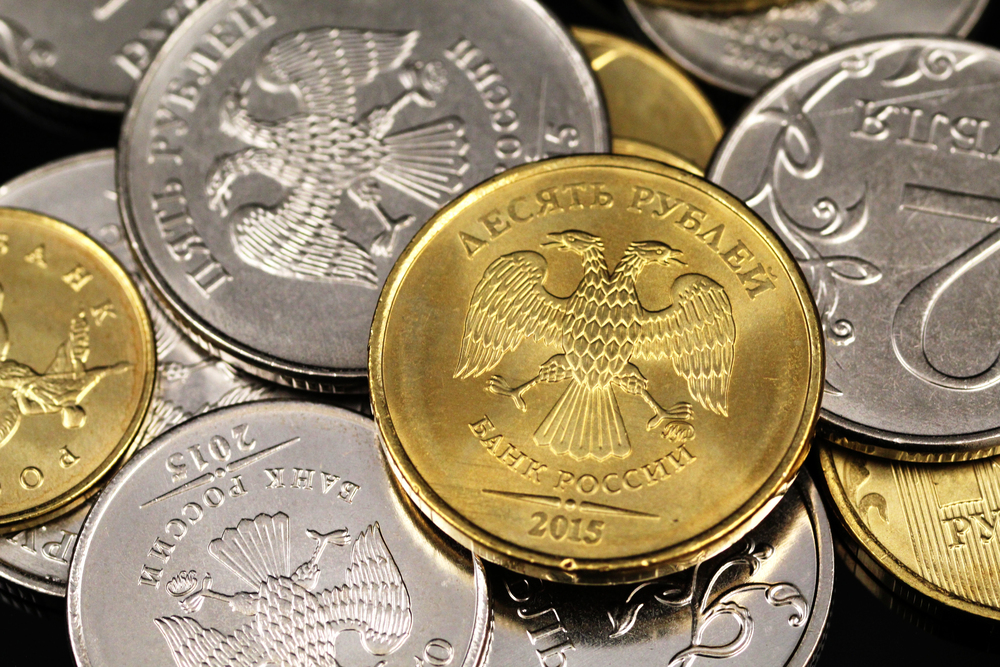
These $20 gold coins were never officially released due to Roosevelt’s gold recall. Most were melted down, making survivors extraordinarily rare.
Authenticated examples command $7 million to $20 million at auction.
1893-S Morgan Dollar (Key Date)
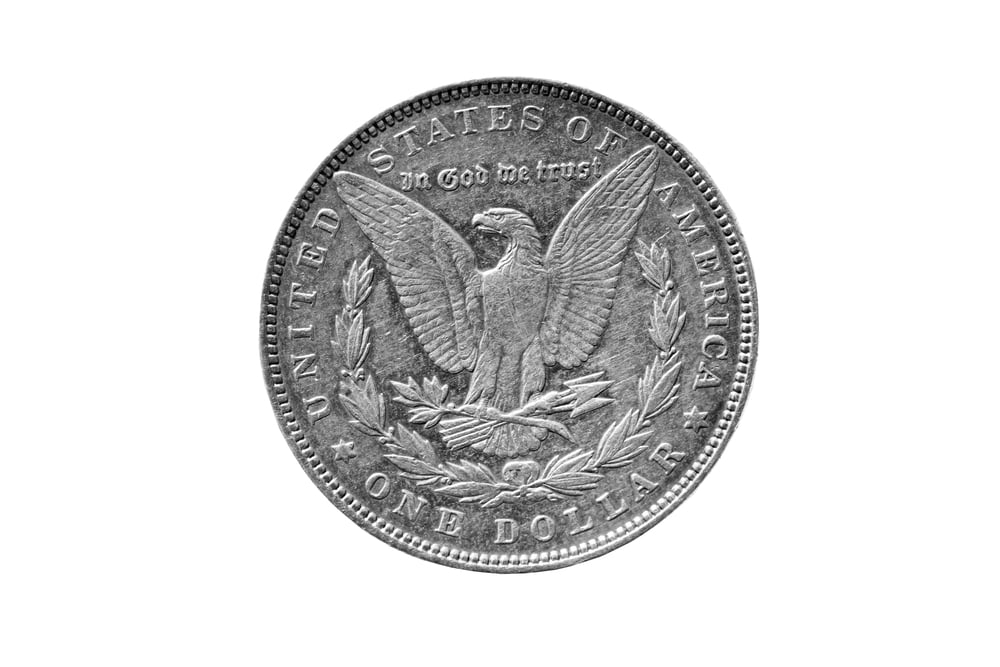
The 1893-S Morgan dollar is one of the rarest common-looking coins. Any example commands substantial premiums over typical Morgan dollars.
Even circulated examples fetch $1,500 to $3,000.
Morgan Dollars (Carson City Variant, Any Date Marked “CC”)
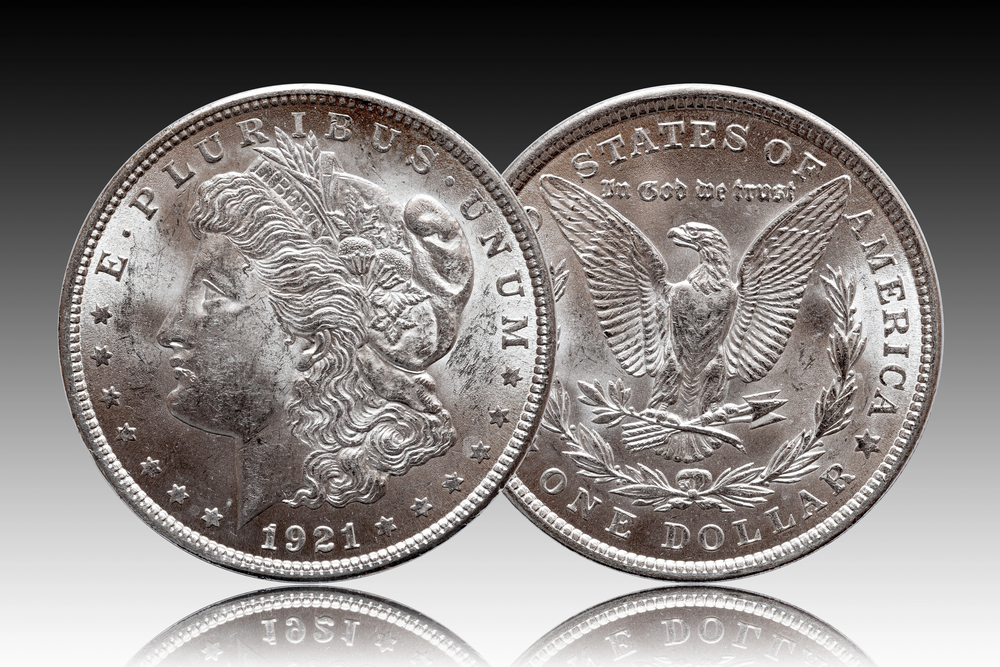
Morgan dollars with the “CC” Carson City mint mark command premiums. Common dates like 1882-CC are worth $80 to $150 in circulated condition.
Scarcer dates fetch $500 to $5,000.
Peace Dollars (Key Dates: 1928, 1934-S)
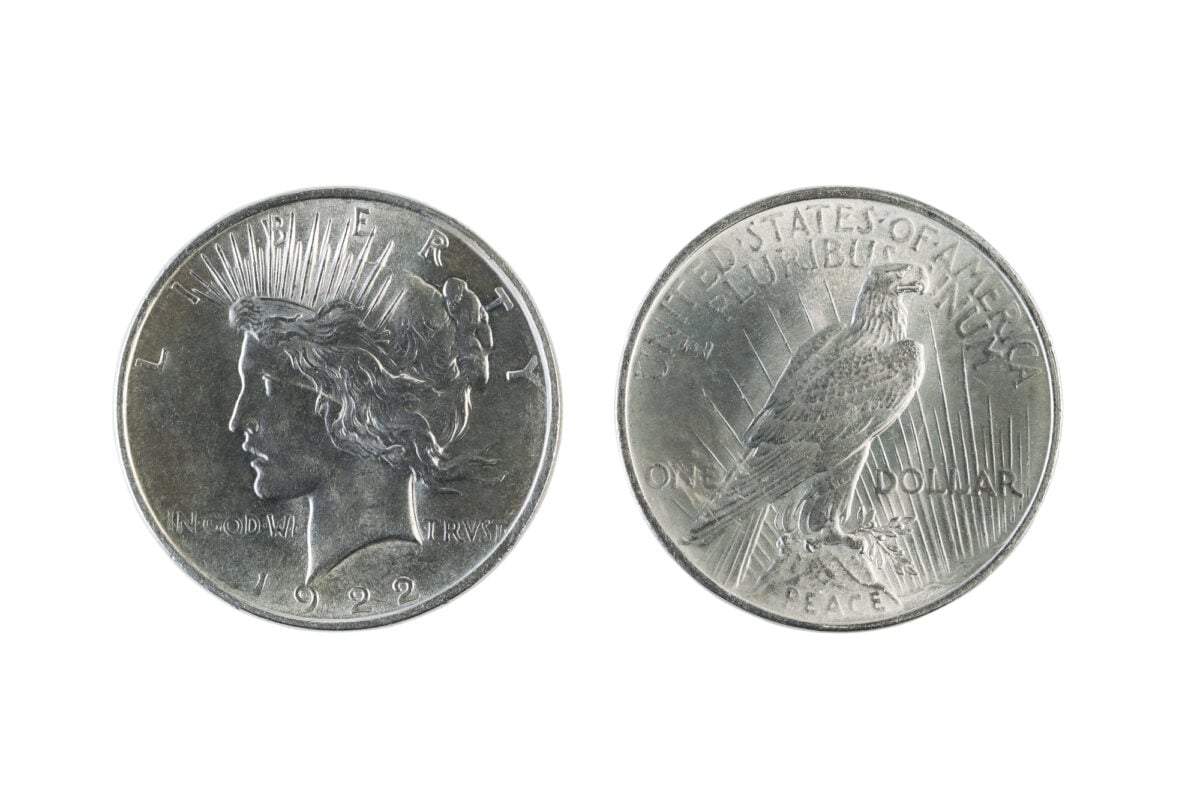
Peace dollars from specific scarce dates command significant premiums. The 1928 and 1934-S issues are particularly sought.
These command $50 to $200+ depending on date and condition.
1938-D Buffalo Nickel (Denver Mint)
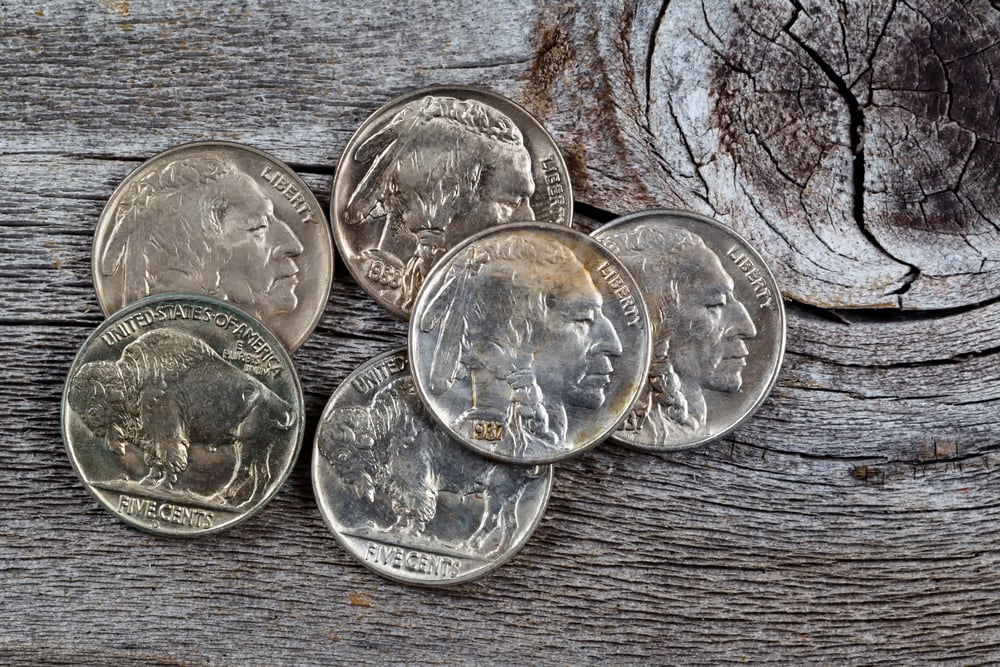
Buffalo nickels from Denver in 1938 are significantly scarcer than other dates. Circulated examples command $15 to $80.
Uncirculated examples fetch $200 to $600.
1895-S Morgan Dollar (Rare San Francisco Issue)
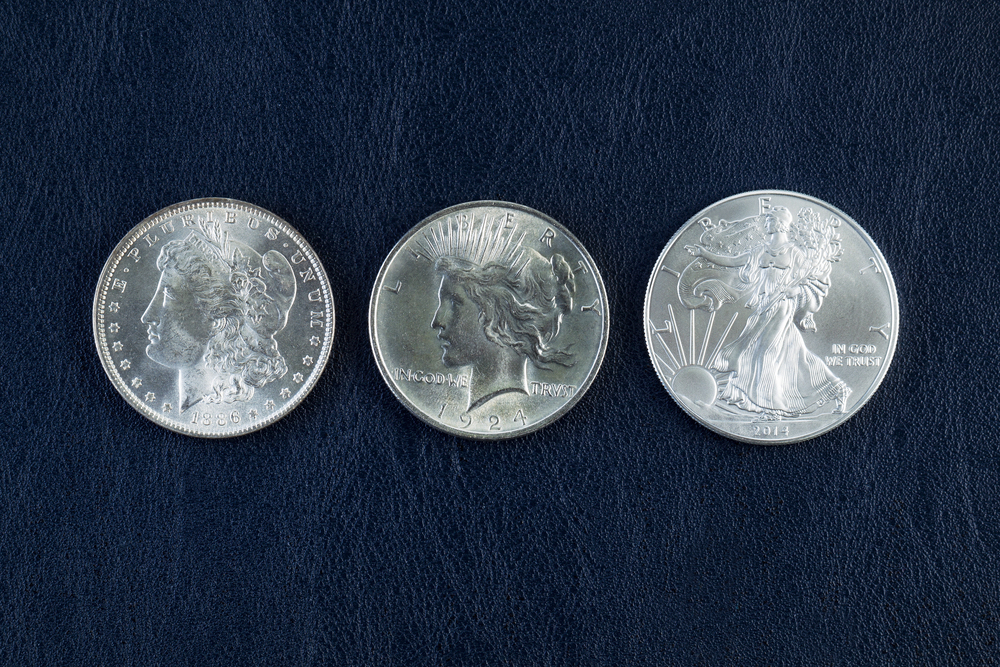
The 1895-S Morgan dollar represents a scarce San Francisco mint production. Any example commands premiums.
Circulated examples fetch $200 to $600.
Walking Liberty Half Dollar (90% Silver, Any Date)
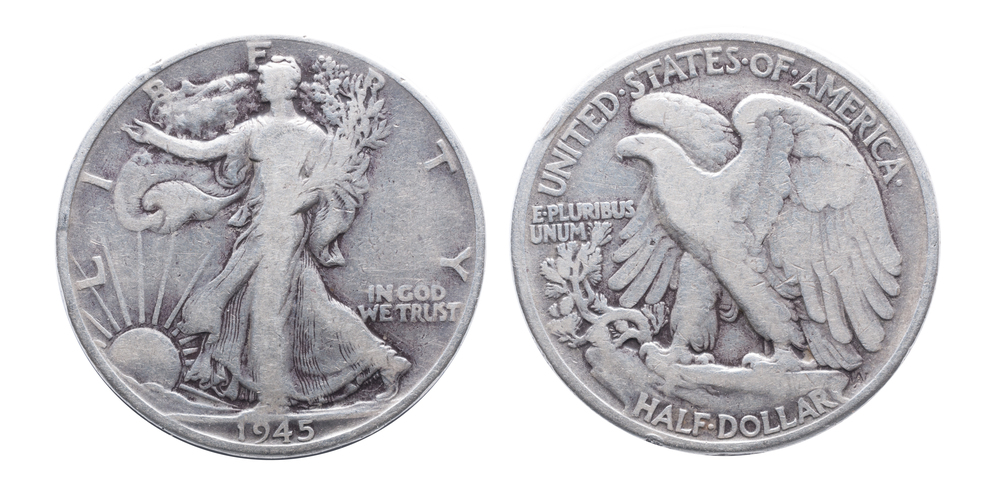
All Walking Liberty half dollars contain 90% silver and command at least their melt value ($8 to $10 in 2026).
Key dates and special variants command $50 to $500.
Pre-1965 Dimes, Quarters, Half Dollars (90% Silver)
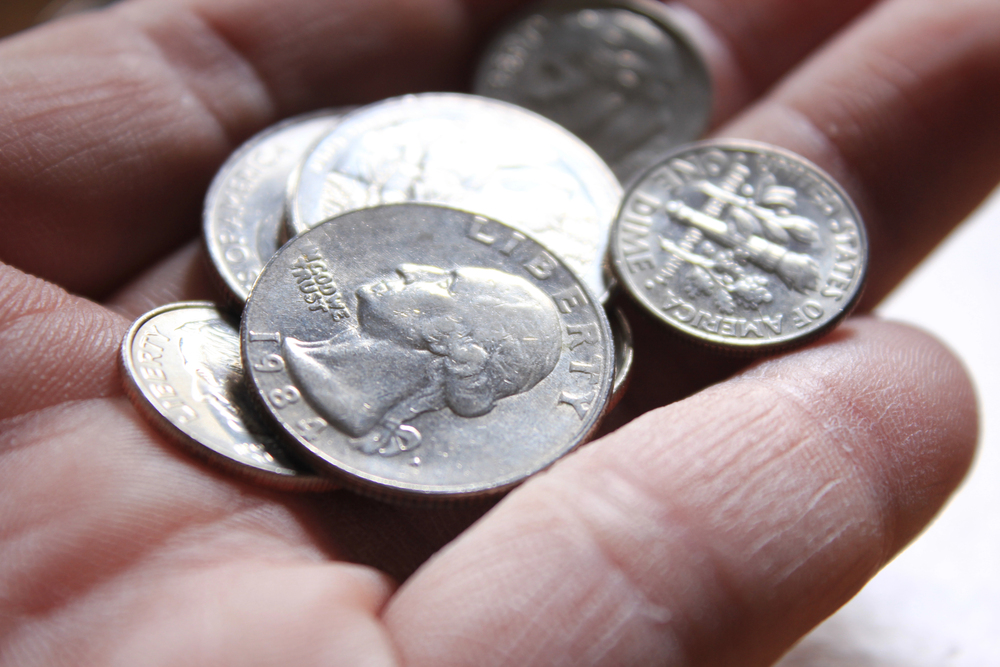
All U.S. coins minted before 1965 in these denominations are 90% silver. They command at least their melt value—approximately $2 to $15 per coin depending on denomination.
Complete rolls or sets fetch premiums.
Susan B. Anthony Dollars (1979–1981)
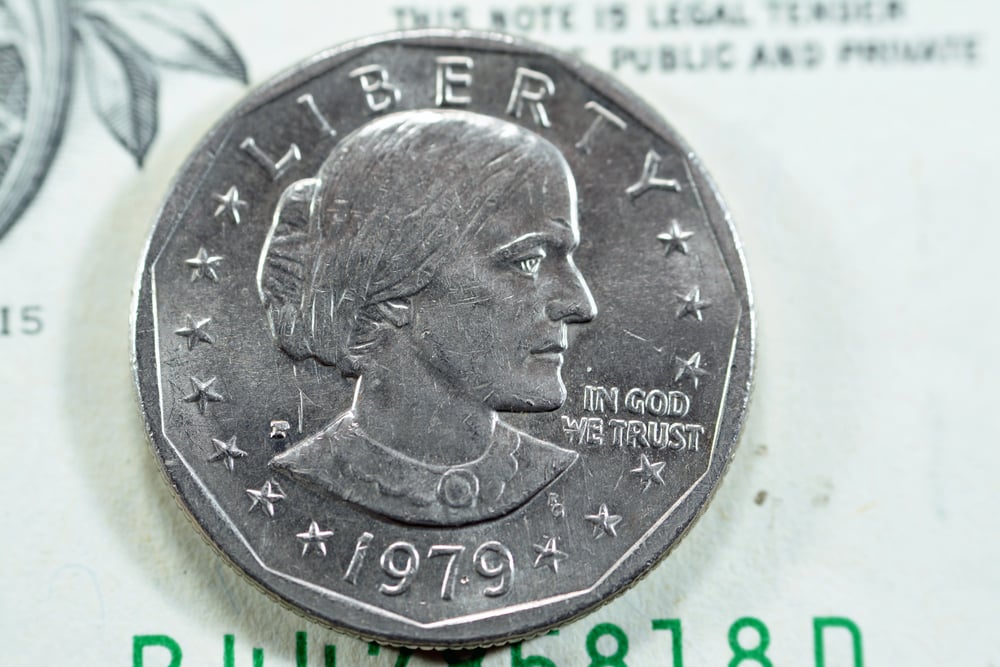
Some Susan B. Anthony dollars are worth significantly more than face value. The 1979-S and 1981-S proof coins command $15 to $50.
Certain circulated varieties are worth $5 to $15.
Eisenhower Dollars (Silver Content, 1971–1976)
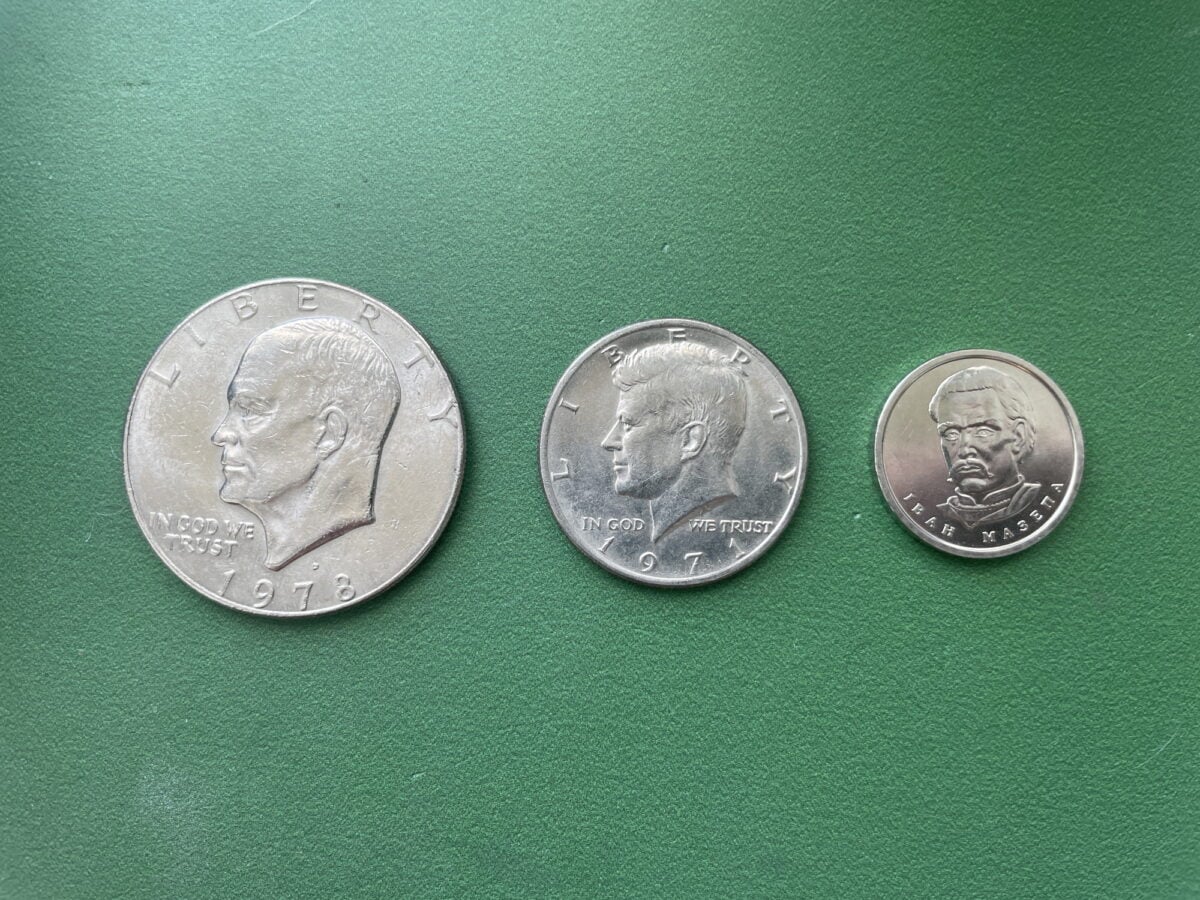
Eisenhower dollars dated 1971–1976 containing 40% silver command $10 to $25 depending on type and condition.
Proof versions command higher premiums.
Bicentennial Quarters, Dimes, Half Dollars (1976)
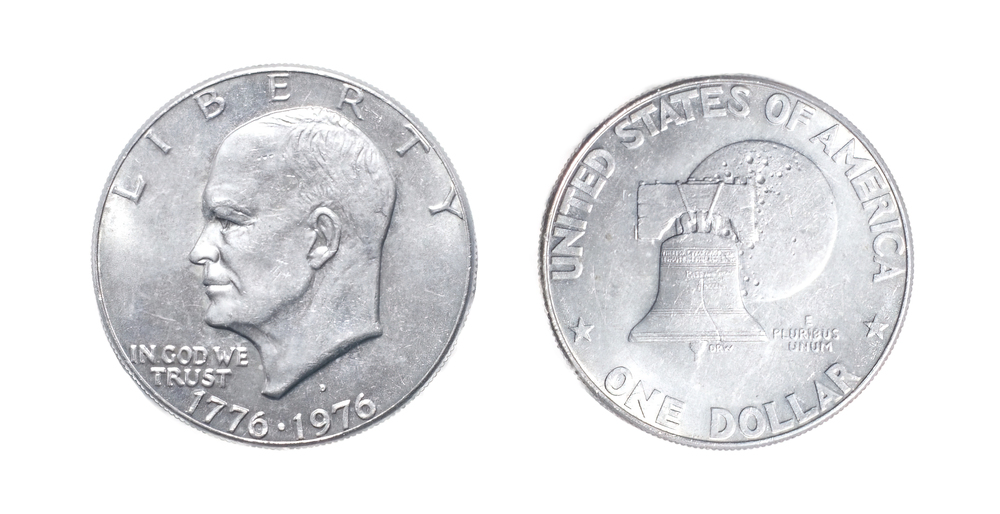
The 1976 bicentennial issues contain 90% silver in special 40% silver versions. These command $8 to $15 depending on type and condition.
Kennedy Half Dollars (1964 and Earlier)
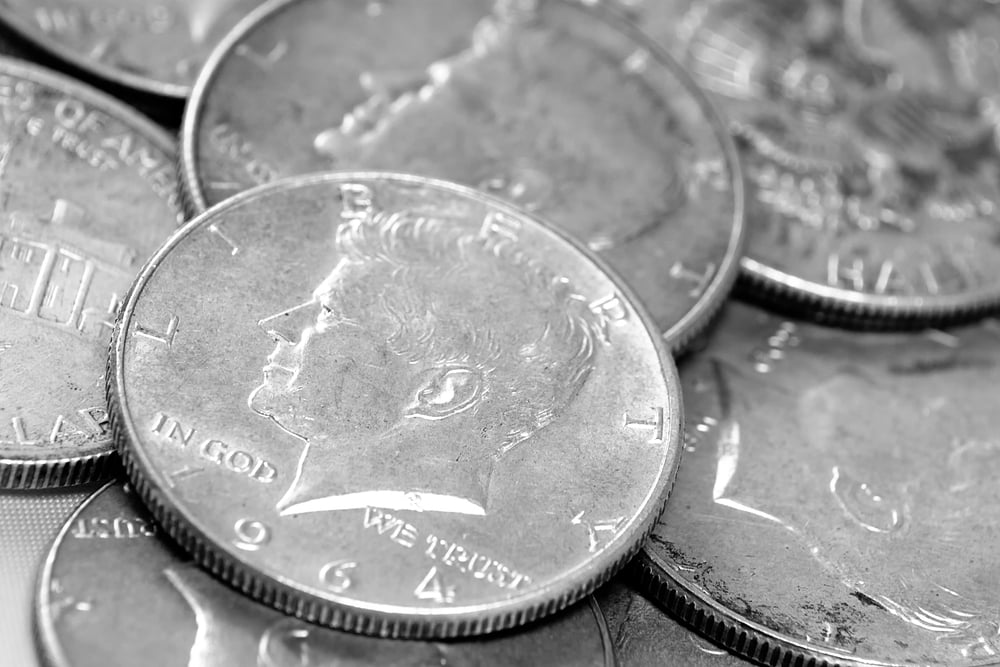
Kennedy half dollars dated 1964 and earlier are 90% silver and command $8 to $15 per coin. Proof versions command higher premiums.
Barber Coins (Dimes, Quarters, Half Dollars, 1892–1916)
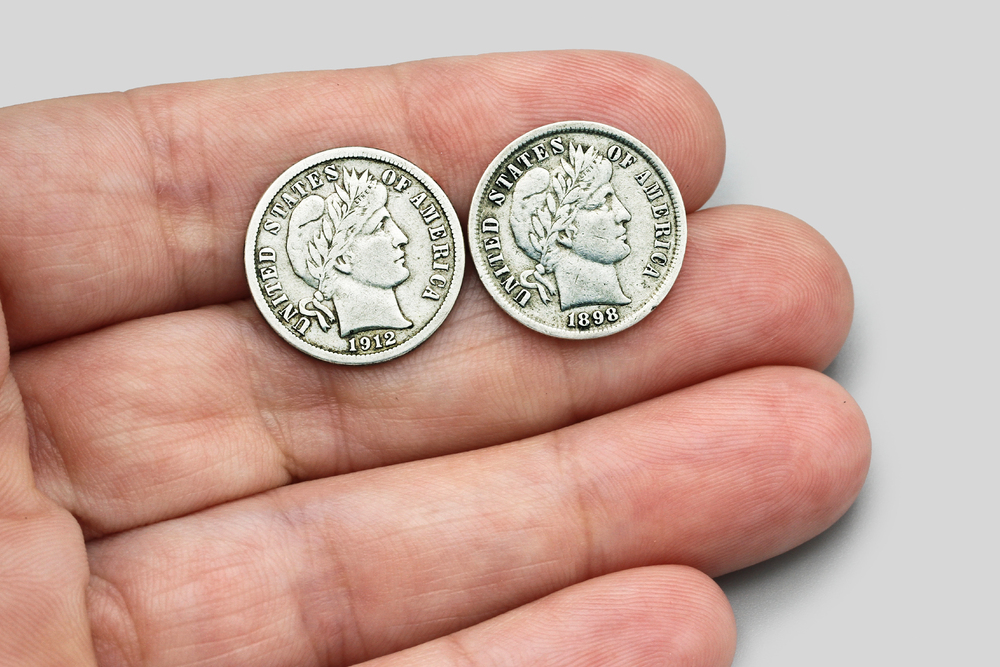
Barber coins are 90% silver and command significant premiums over common dates. Rare dates and mint marks fetch $20 to $500. Even common dates command $8 to $15 in melt value.
Peace Dollars (Common Dates, 1921–1928)
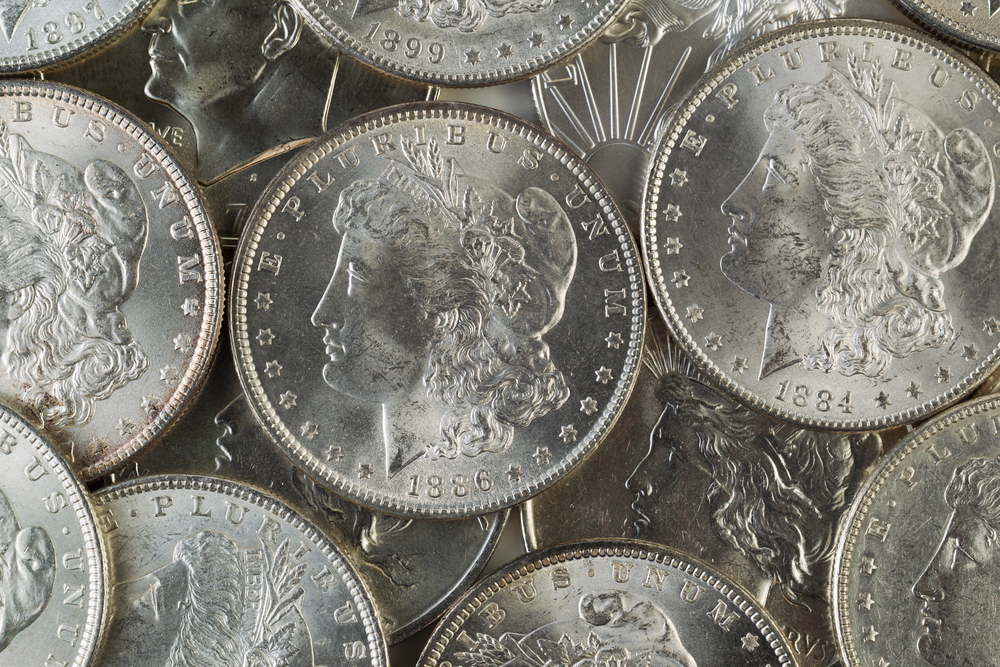
Peace dollars from common dates still command $25 to $40 for their 90% silver content. They remain popular with both collectors and investors.
Native American Dollar Series (Golden Dollar, 2009–2016)
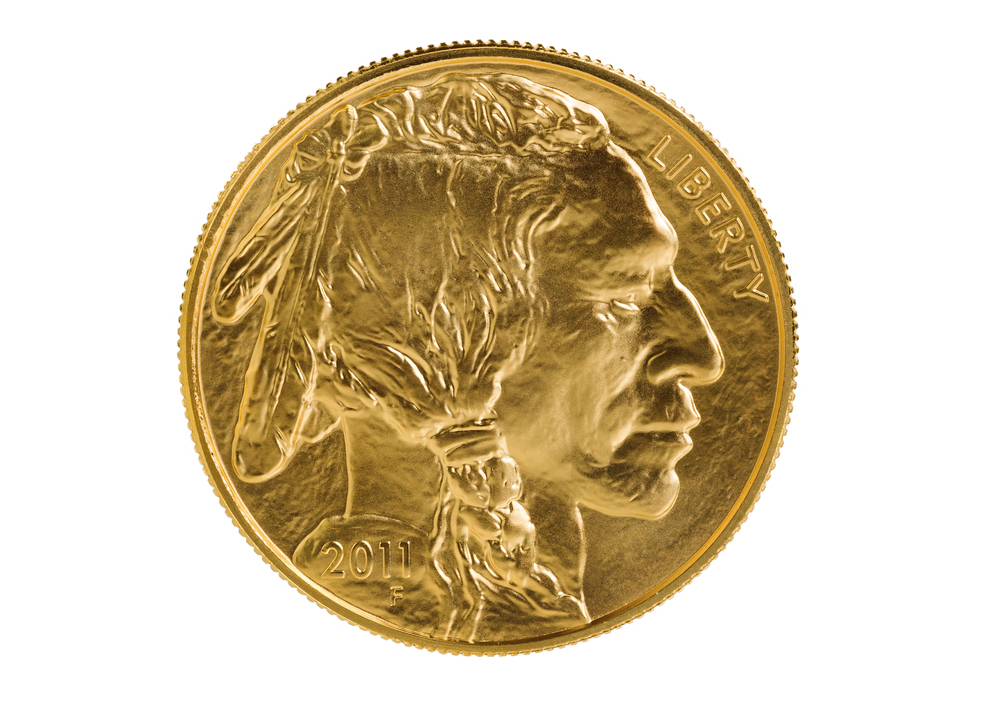
Certain Native American dollar issues, particularly the 2008-S proof versions, command collector premiums. Proof versions fetch $5 to $25.
Presidential Dollars (2007–2016, Uncirculated Sets)
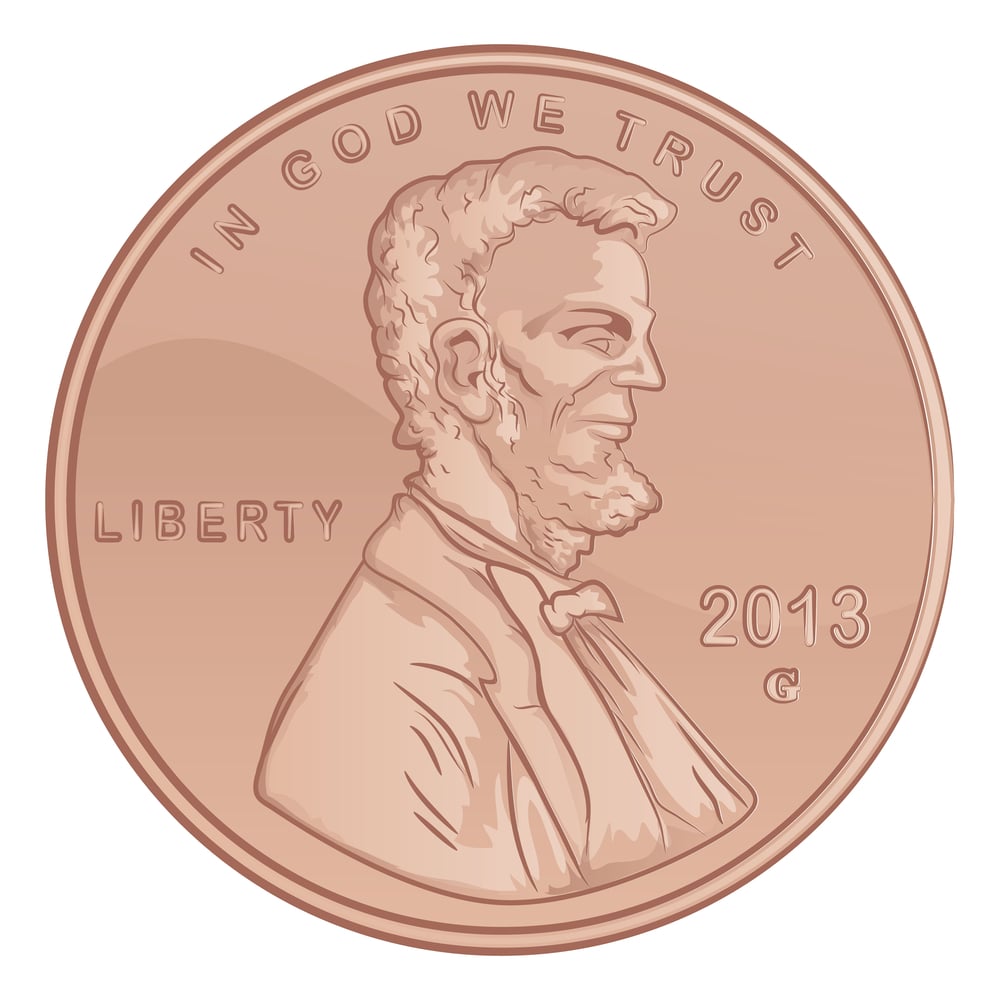
Complete uncirculated sets of presidential dollars command $150 to $250. Individual rare proof versions command $10 to $50.
Sacagawea Dollars (2000 Proof)
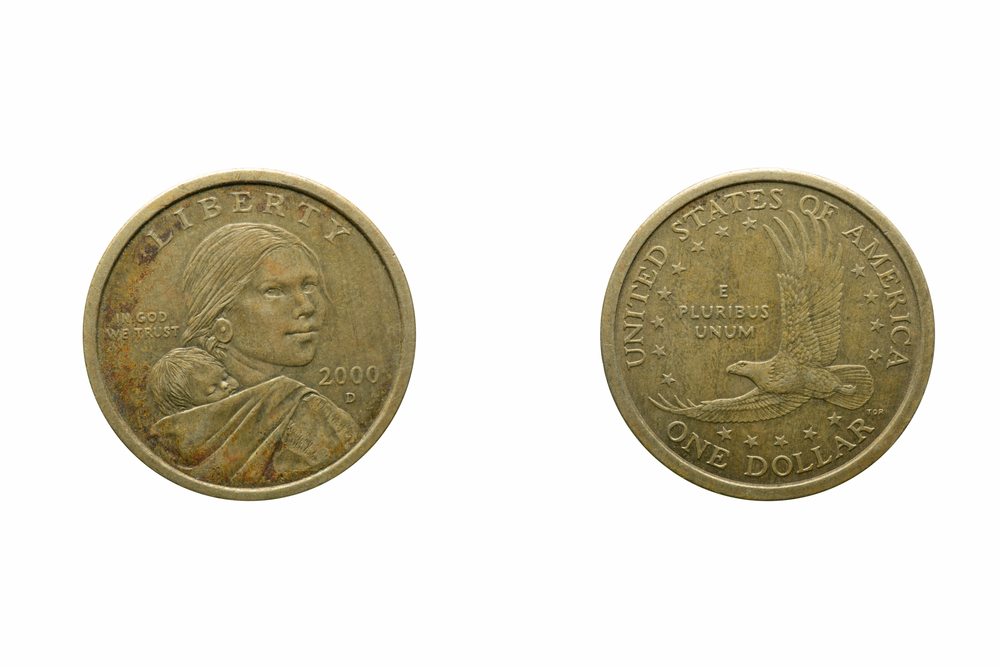
The 2000 proof Sacagawea dollars command collector interest. Proof versions fetch $15 to $50 depending on condition.
Old Pennies (Pre-1959, Wheat Penny Reverse)
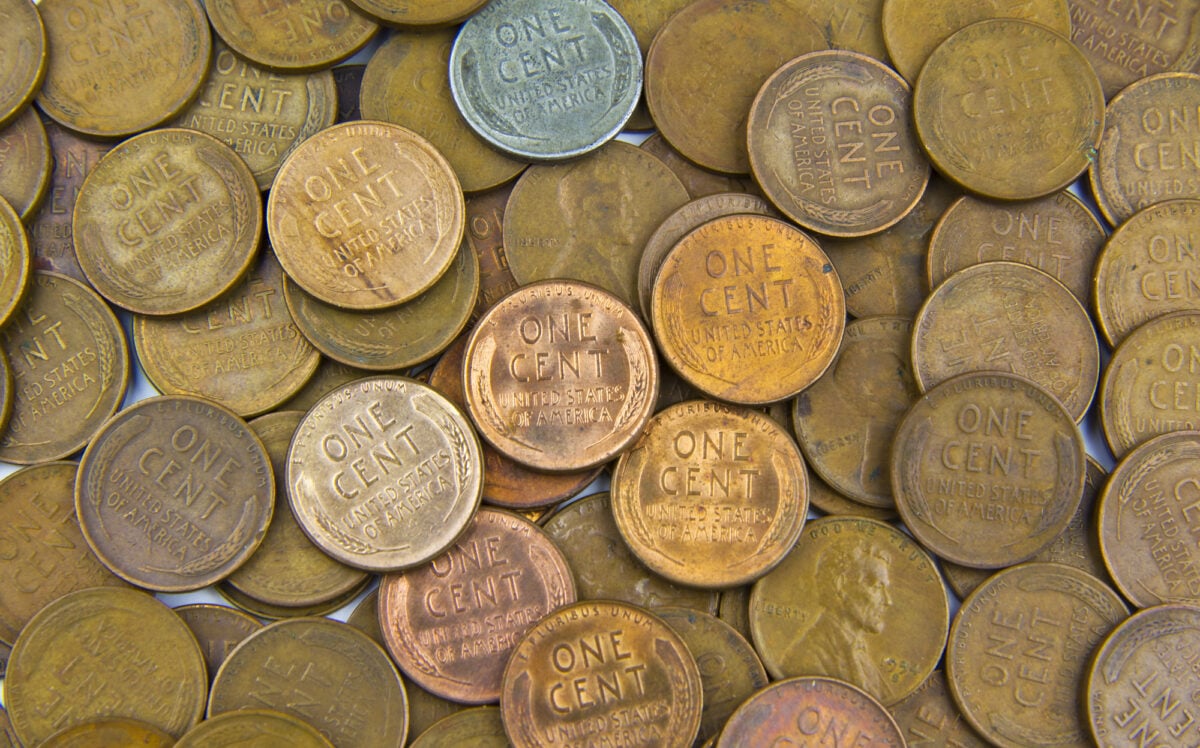
Wheat pennies minted before 1959 remain collectible. Rare dates and mint marks command $1 to $50. Even common dates command $0.05 to $0.50.
Large Cent Coins (1793–1857)
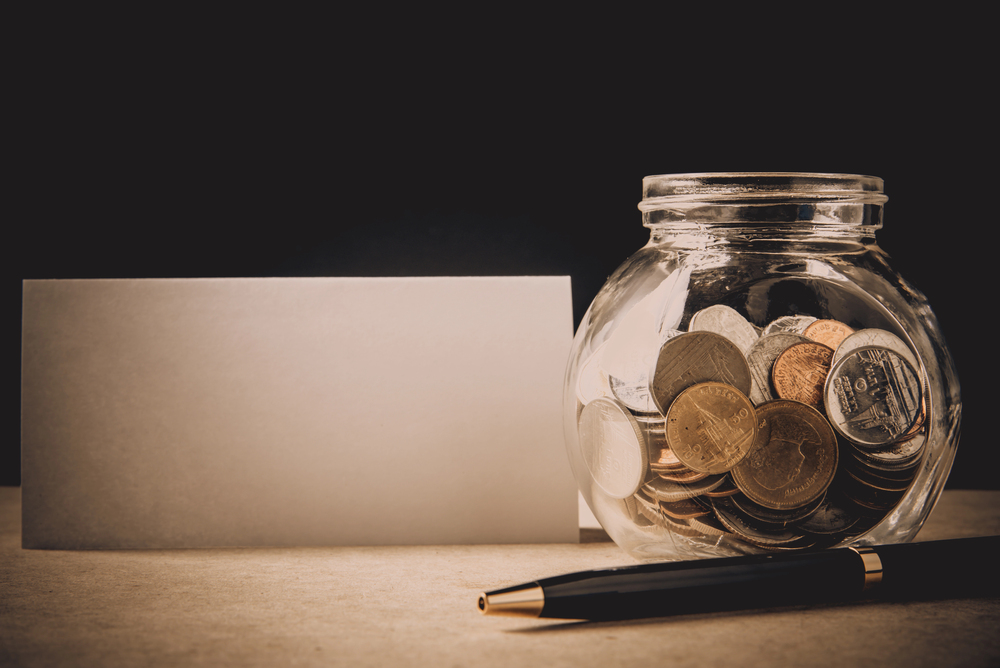
Large cent coins from early American production command collector premiums. Rare dates and types command $50 to $5,000. Even common dates in circulated condition fetch $5 to $50.
Two-Cent Pieces (1864–1873)
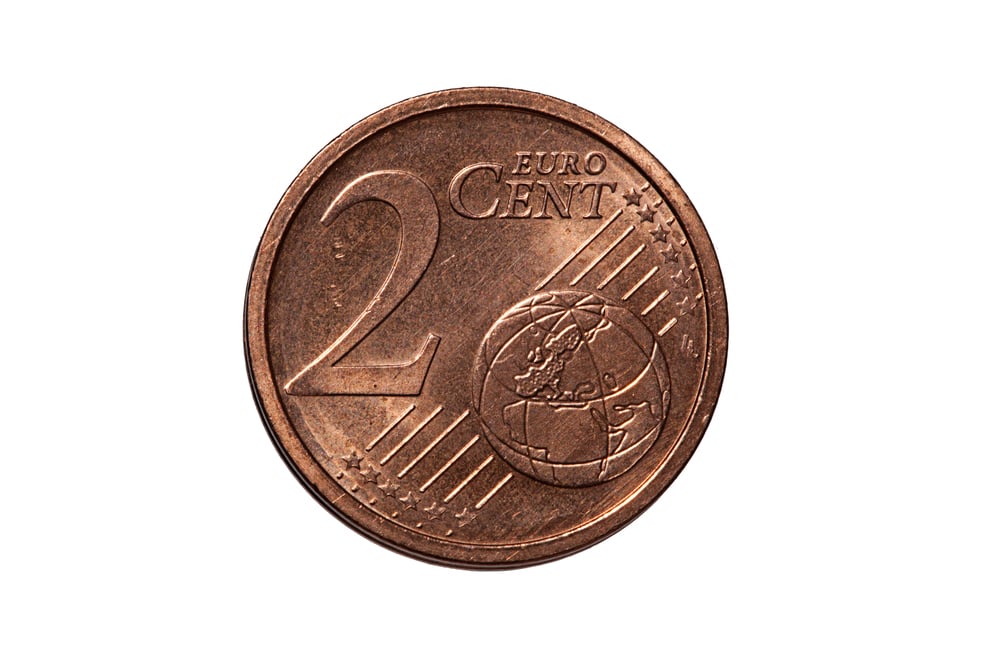
Two-cent pieces are rare coins from early American production. Any example commands collector premiums. Examples typically fetch $50 to $500 depending on condition.
Three-Cent Pieces (Silver, 1851–1889)
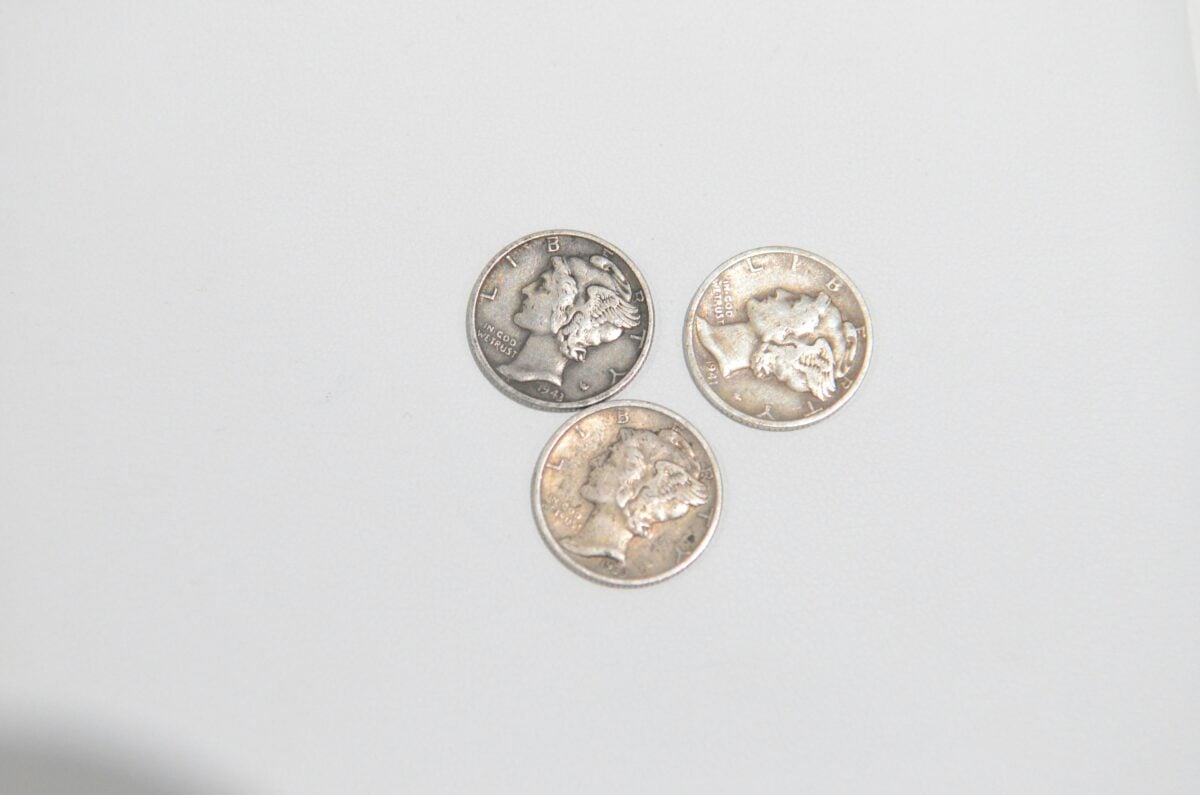
Silver three-cent pieces command collector premiums. Circulated examples fetch $30 to $150. Uncirculated examples command $200 to $600.
Twenty-Cent Piece (1875–1878)
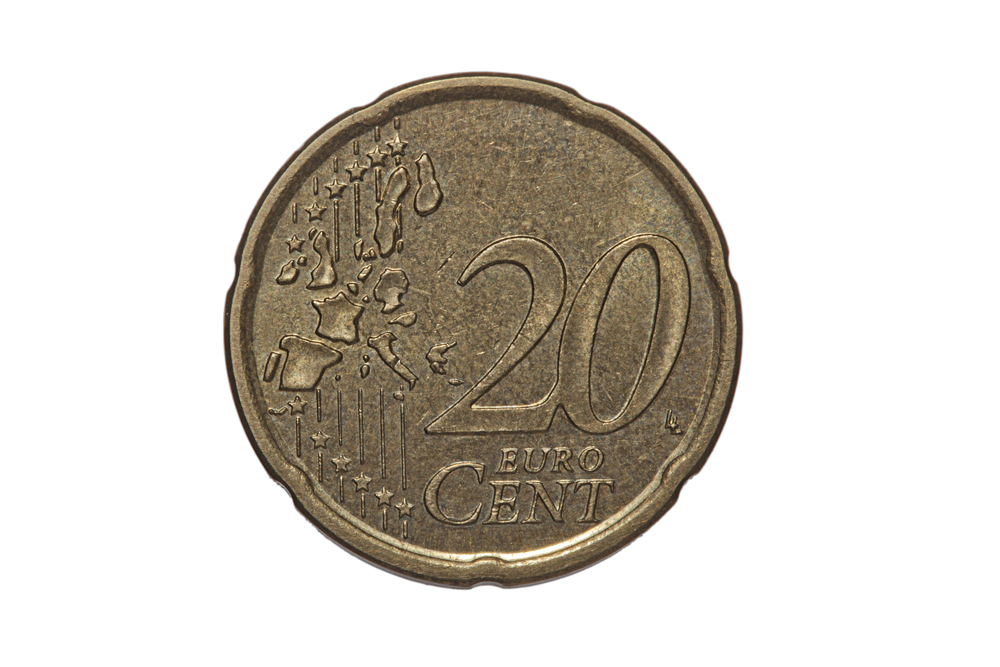
Twenty-cent pieces are rare coins from limited production. Any example commands collector interest. Examples typically fetch $100 to $500 depending on condition.
Inherited Treasure in Drawers
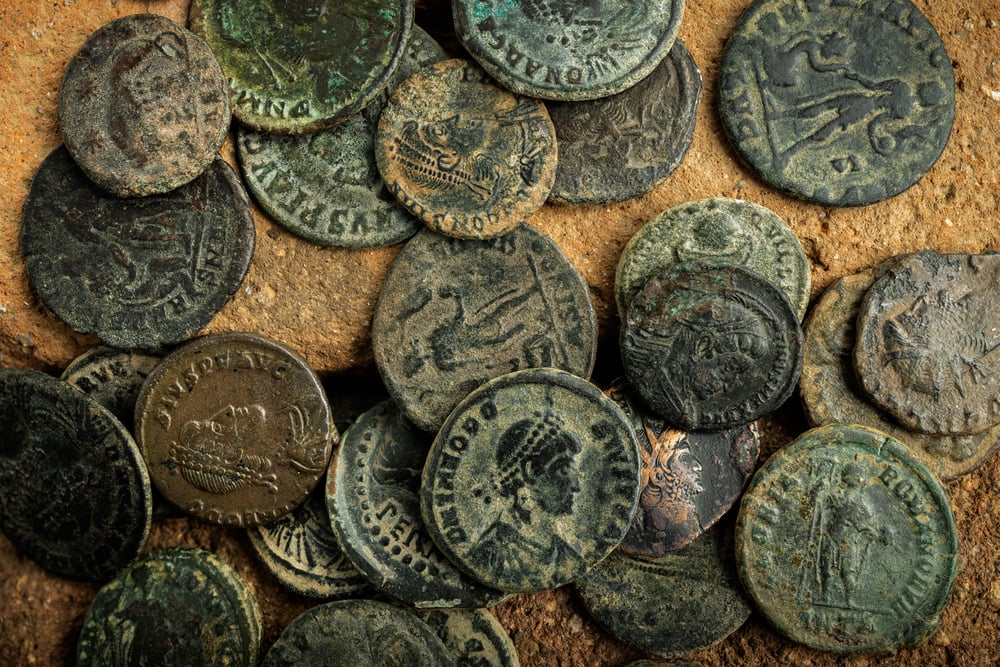
The overwhelming majority of inherited coins are common-date, common-mint pieces worth their melt value or modest collector premiums. But statistical probability means that larger collections almost certainly contain some key-date pieces, rare mint marks, or unusual variants that command actual collector premiums.
Taking time to identify specific dates and mint marks using standard coin references or online tools can reveal unexpected value. Professional grading by PCGS or NGC is essential before selling any coin suspected of value exceeding $150—proper grading can mean the difference between a $500 coin and a $5,000 coin.
For anyone inheriting coins, consulting with a professional coin appraiser before deciding whether to keep, sell, or have items professionally graded is financially prudent.
More from Go2Tutors!

- The Romanov Crown Jewels and Their Tragic Fate
- 13 Historical Mysteries That Science Still Can’t Solve
- Famous Hoaxes That Fooled the World for Years
- 15 Child Stars with Tragic Adult Lives
- 16 Famous Jewelry Pieces in History
Like Go2Tutors’s content? Follow us on MSN.