25 Summer Camp Traditions That Faded Away
Summer camp existed in a singular space in American childhood—a period away from home with other children, guided by counselors, structured around group activities and shared experience. The institution promised independence, friendship, and personal growth through weeks of enforced community living.
Camp operated on specific rhythms and rituals, creating traditions that became embedded in the camp experience itself. Those traditions persisted because camps valued consistency and cultural transmission.
Returning campers taught newcomers the camp songs, traditions, and expectations. Counselors reinforced camp identity through nightly gatherings, competitive events, and shared meals.
The camp experience was built on the assumption that children would disconnect from home, submit to group structure, and participate enthusiastically in prescribed activities. Modern camps still exist, but the rituals and traditions that once seemed essential to the camp experience have largely vanished.
Campers maintain contact with home through technology, resisting the separation that camps once enforced. Parents and camps have become liability-conscious, restricting activities and traditions that created the shared risk and challenge camps once promised.
Campfire Gatherings
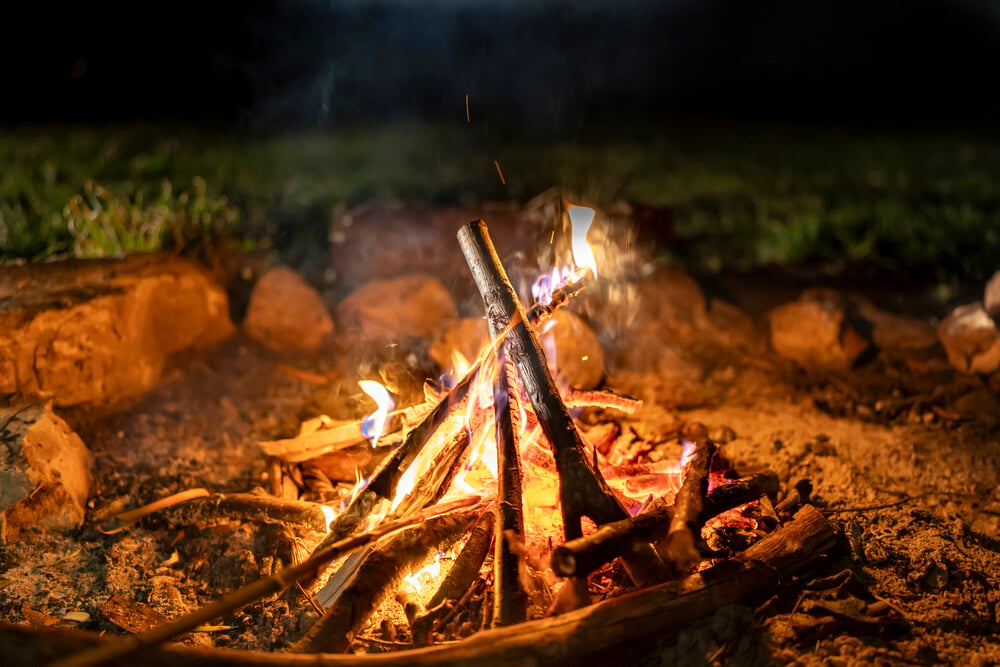
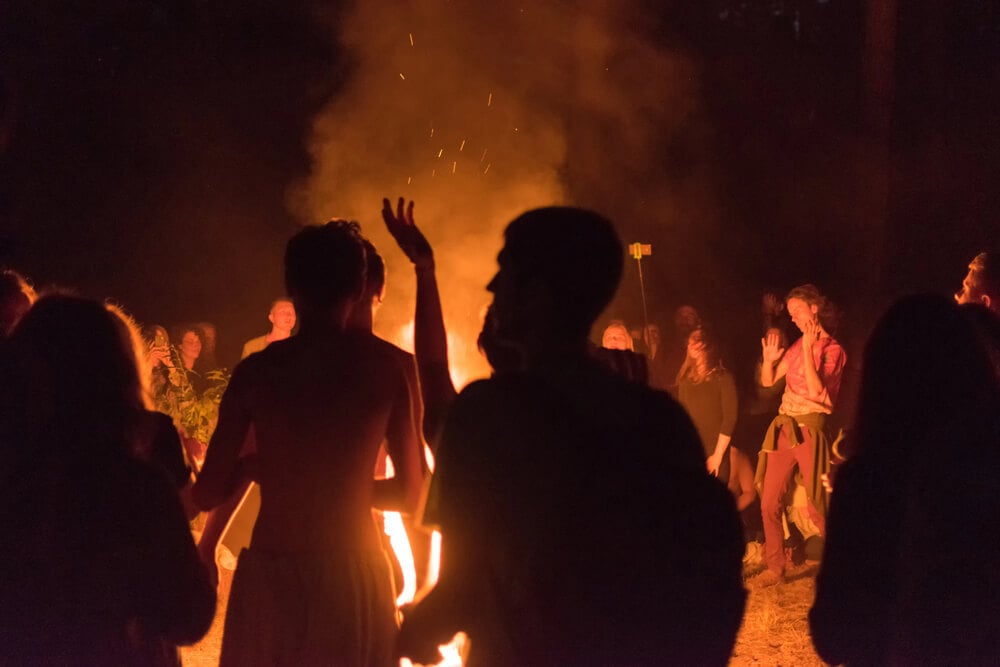
The nightly campfire, where the entire camp gathered to sing, share skits, and listen to stories, was central to camp identity. Campers sat in bleachers or on logs, with counselors and senior campers leading singing and activities.
The campfire was simultaneously entertainment, community-building, and the space where camp identity was reinforced through shared experience and specific rituals.
Camp Songs
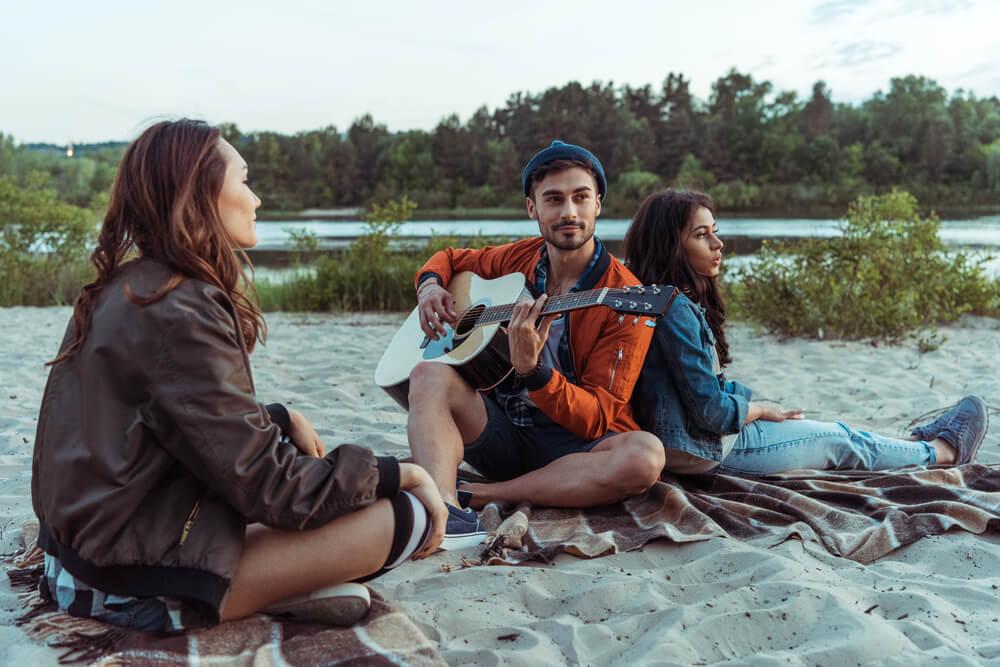
Specific songs were associated with particular camps, taught to every camper and sung together nightly. The songs often featured camp names, inside jokes, and camper references that made each camp’s song collection unique.
Learning camp songs was an initiation experience, and singing them together created instant community.
Color Wars

Multi-day competitions dividing the camp into teams by color (Red, Blue, Green, Yellow) featured athletic events, talent competitions, and field day activities. Color Wars created intense group loyalty and competitive dynamics that spanned days.
Campers wore color-coordinated clothing and campers from different colors competed with genuine intensity.
Talent Shows
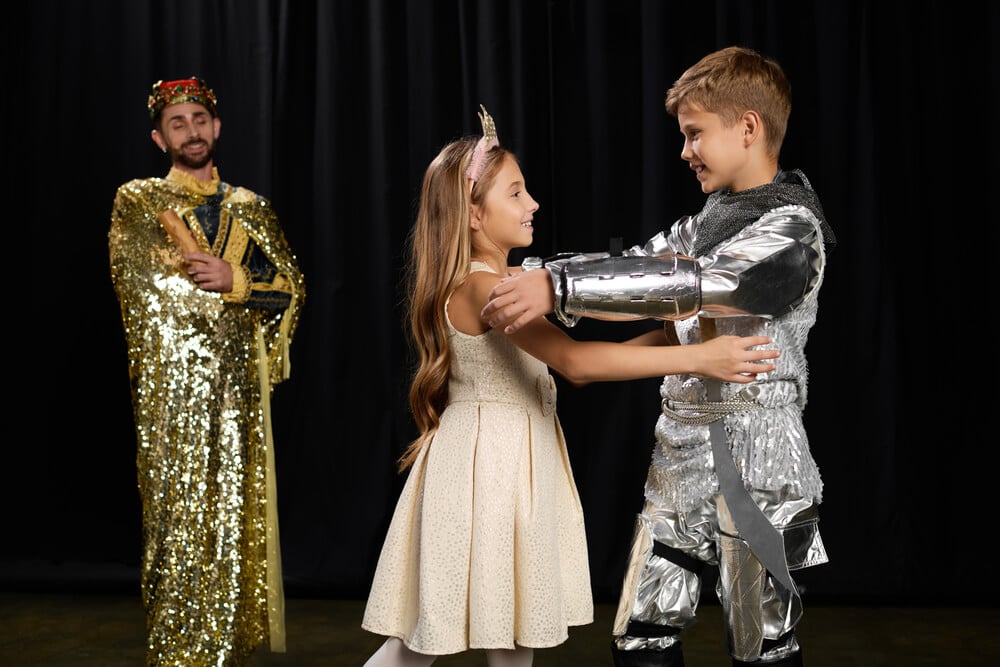
End-of-summer talent shows featured camper acts—skits, musical performances, comedy—displayed before the entire camp community. Campers invested in comedy sketches or musical numbers, with the talent show becoming a major social event.
Counselors sometimes participated, blurring the staff/camper divide.
Themed Meals
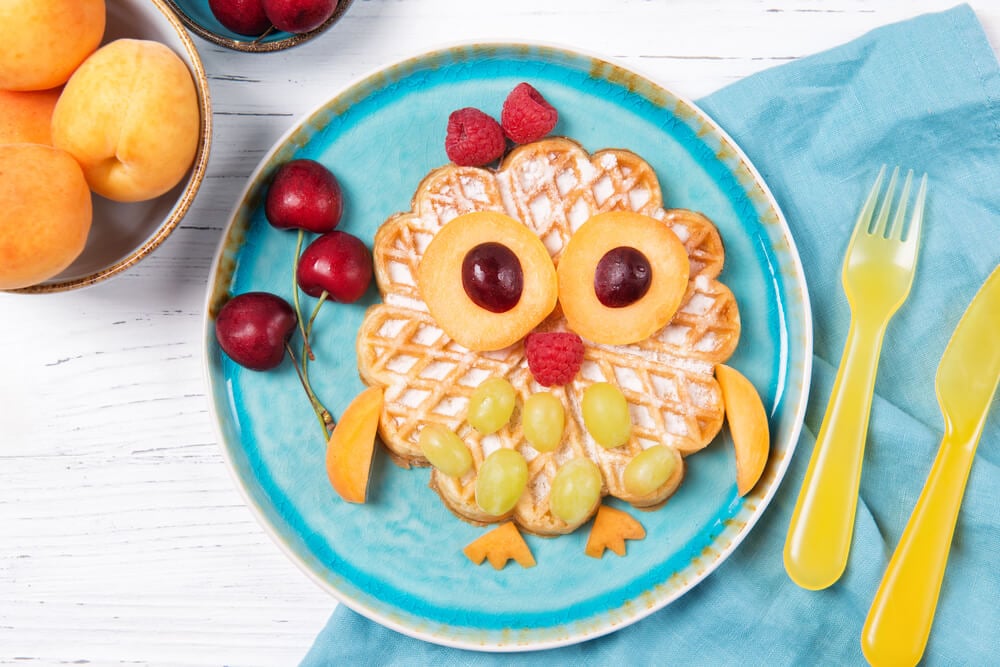
Certain dinners were themed—”Backwards Dinner” where food was served in reverse order, “Pajama Dinner,” or “Crazy Hat Dinner.” The themed meals broke monotony and created opportunities for collective joke-making and shared experience.
Counselors often participated, making the meal a community event.
Free Swim
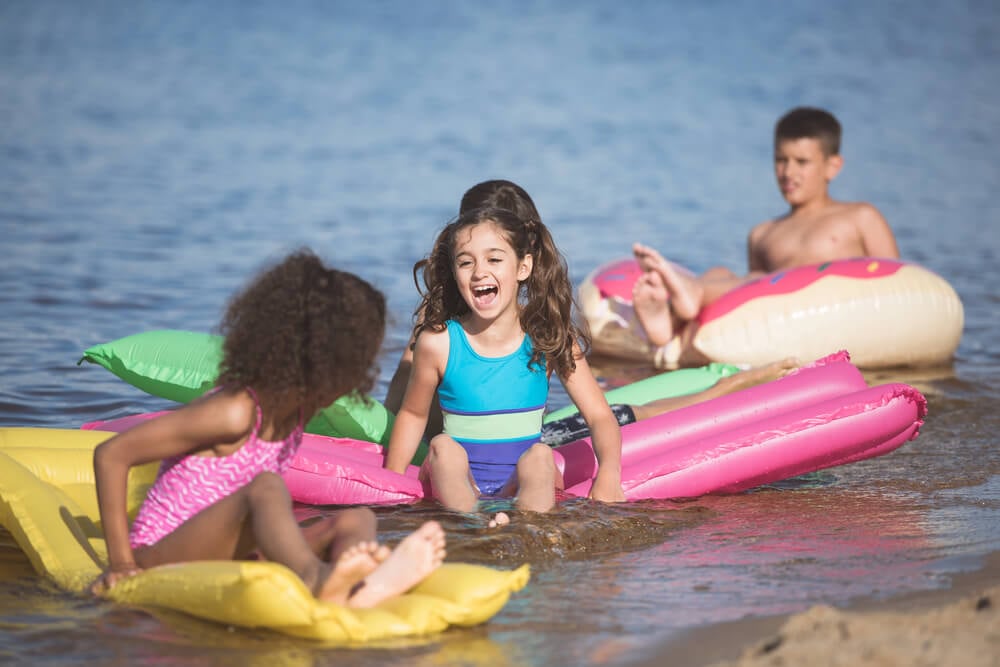
Designated free swim times were non-instructional periods where campers could swim or play in the water without structured activity. Free swimming was a prime social time where friendships formed and hierarchies solidified.
The unstructured time was valuable precisely because it wasn’t organized.
Bunk Raids
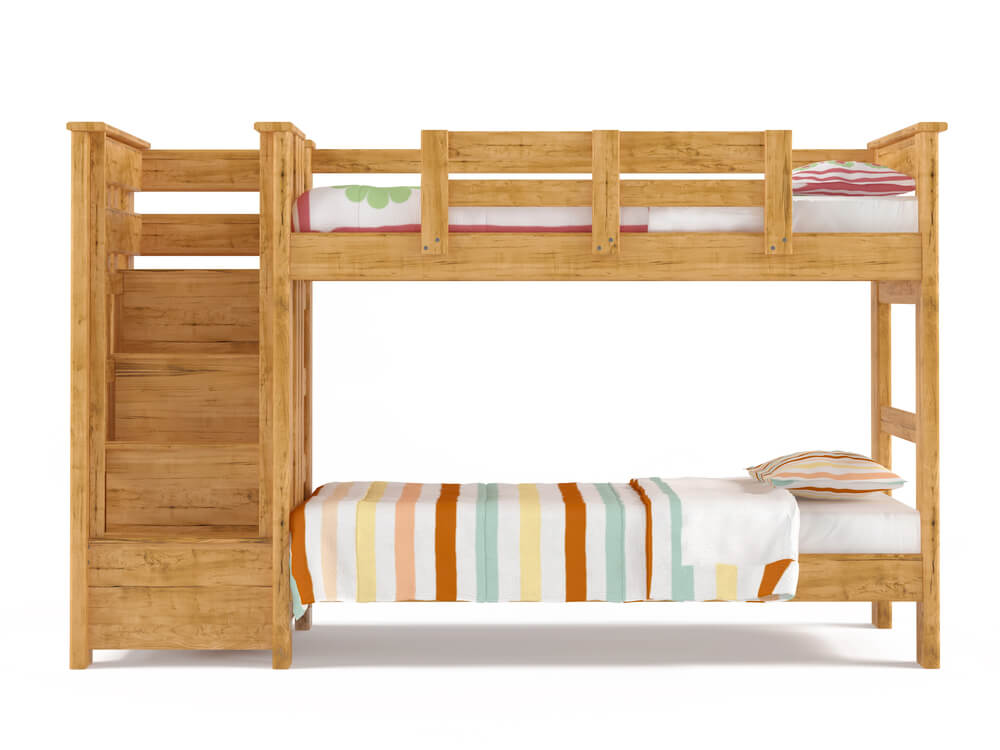
Inter-bunk competitions or friendly “raids” where bunks visited other bunks for skits or games created a community among multiple bunk groups. The raids were often competitive but maintained a friendly tone, with winning bunks earning small privileges or bragging rights.
Capture the Flag

The after-dinner or evening game where teams competed to capture the opposing team’s flag and return it to their base. Capture the Flag was a camp staple that created all-camp excitement and required maximum participation.
The game’s simple rules accommodated varying athletic abilities.
Tie-Dye Day

Sessions dedicated to tie-dying t-shirts or fabric allowed campers to create wearable camp memories. The messy, creative activity was often held midcamp and created personalized mementos.
Campers wore their completed projects as camp identity markers.
Talent Show Auditions
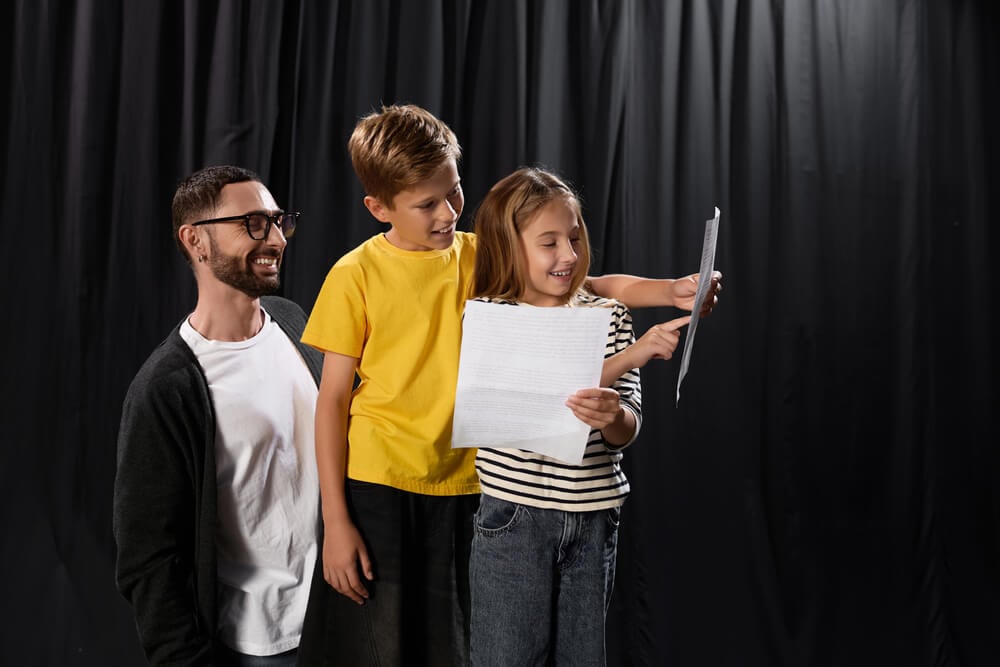
Formalized audition processes where campers were expected to prepare short performances demonstrated the seriousness with which camp treated camper talent. The audition structure created pressure and formality around the talent show process.
Buddy System
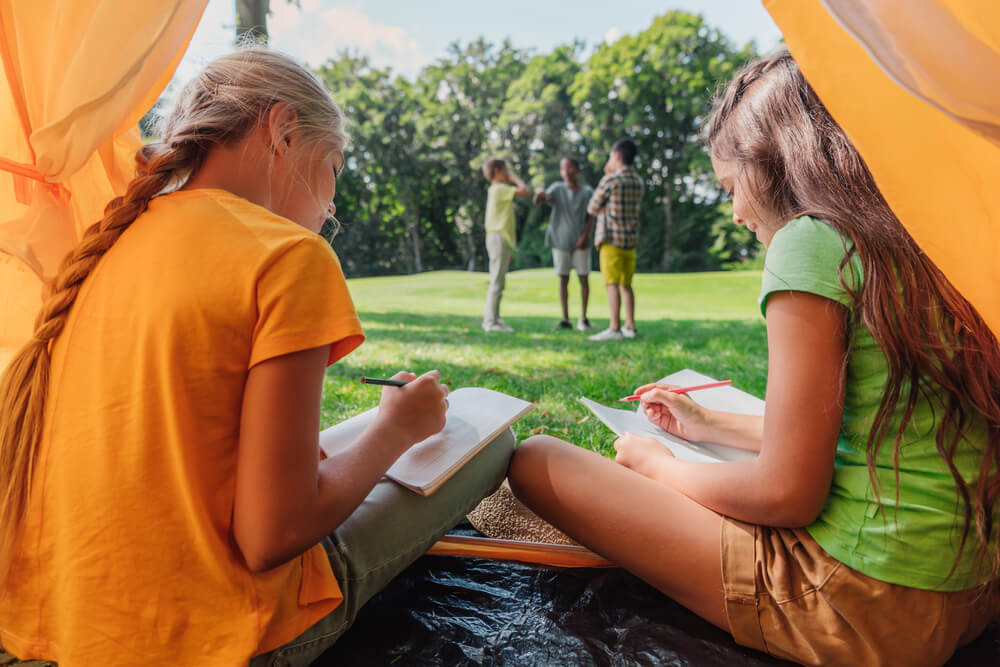
Mandatory pairing of campers for all off-bunk activities (meals, activities, free swim) created responsibility and prevented isolation. Buddy systems were reinforced through daily buddy checks.
Campers were expected to maintain awareness of their buddy’s location and wellbeing.
Bunk Cleanup Competitions
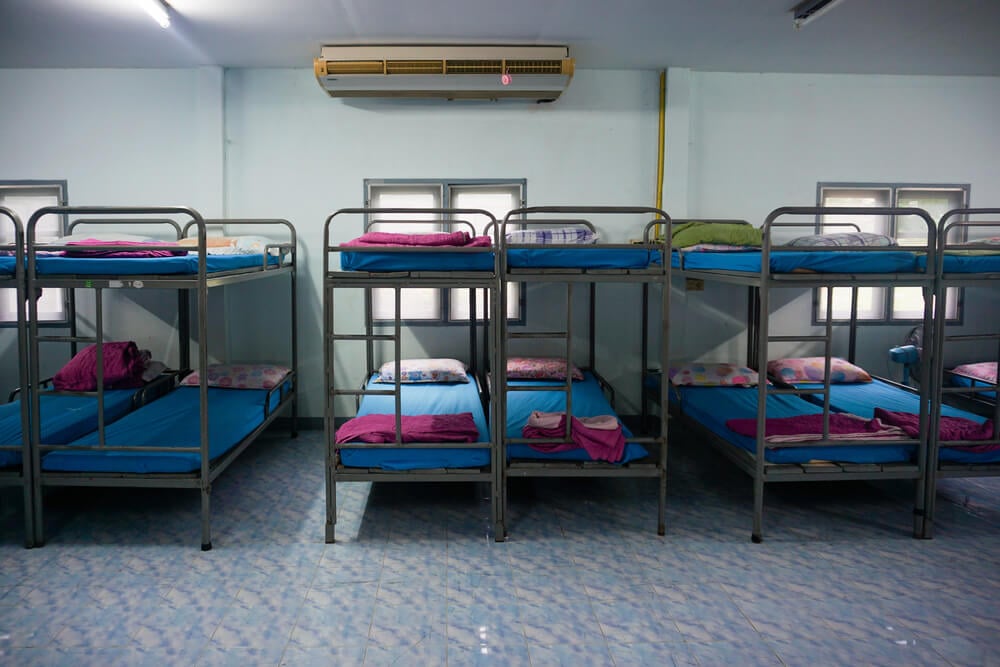
Daily judging of bunk cleanliness with points awarded created incentive for organization. Judges evaluated whether beds were made, floors swept, and belongings organized.
Winning bunks earned points toward end-of-summer awards.
All-Camp Olympics
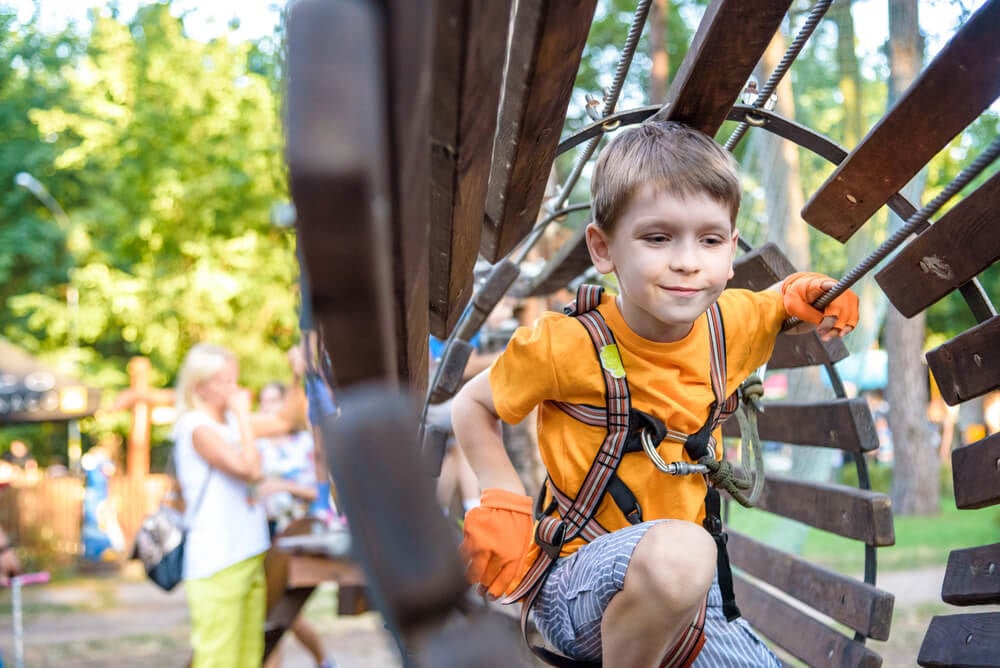
End-of-summer field day competitions featuring relays, obstacle courses, and athletic events divided the camp into competing units. The all-camp Olympics was the major sports event, with opening and closing ceremonies and medal awards.
Canoe Trips
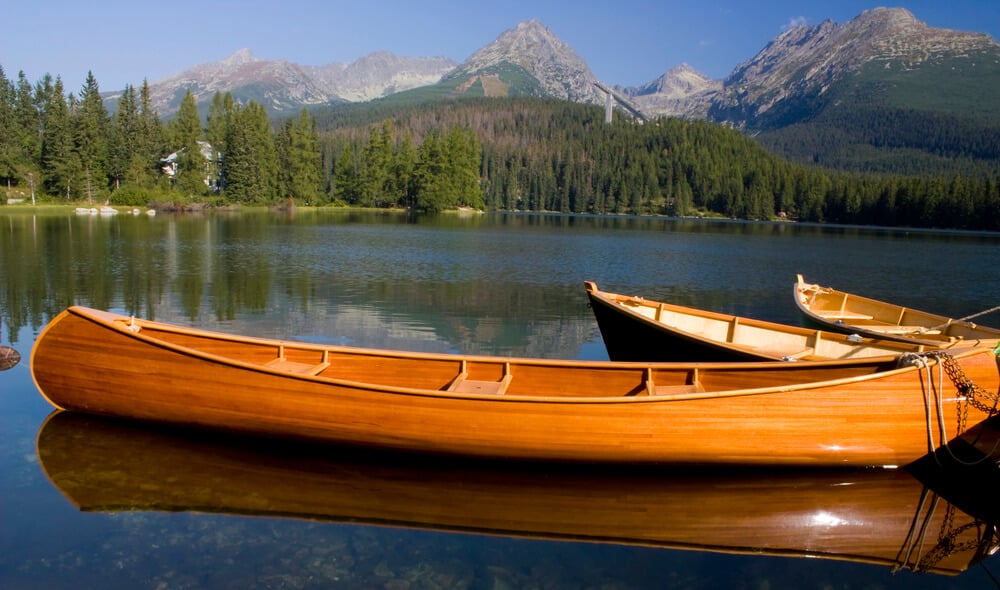
Multi-day canoe expeditions where bunk groups paddled to remote locations and camped overnight created bonding and outdoor adventure. The trips tested camper endurance and created shared challenges.
Trips were considered essential camp experiences that built character.
Dance Night
Evening dances where older campers danced together—often as major social events—created heterosocial interaction in a supervised environment. Dance night was often a highlight, with campers looking forward to it days in advance.
The structured interaction was considered developmentally important.
Visiting Day

Designated day when parents were invited to camp, touring facilities and attending a performance showcasing the camp experience. Visiting day was a preparation target, with activities rehearsed and facilities cleaned.
The day balanced camper homesickness with continued camp immersion.
Camp Newspaper

Student-produced newspapers documenting camp events, featuring jokes about counselors, and publishing camper-written columns. The newspaper was written, illustrated, and distributed during the camp session, creating community journalism.
Overnight Hikes
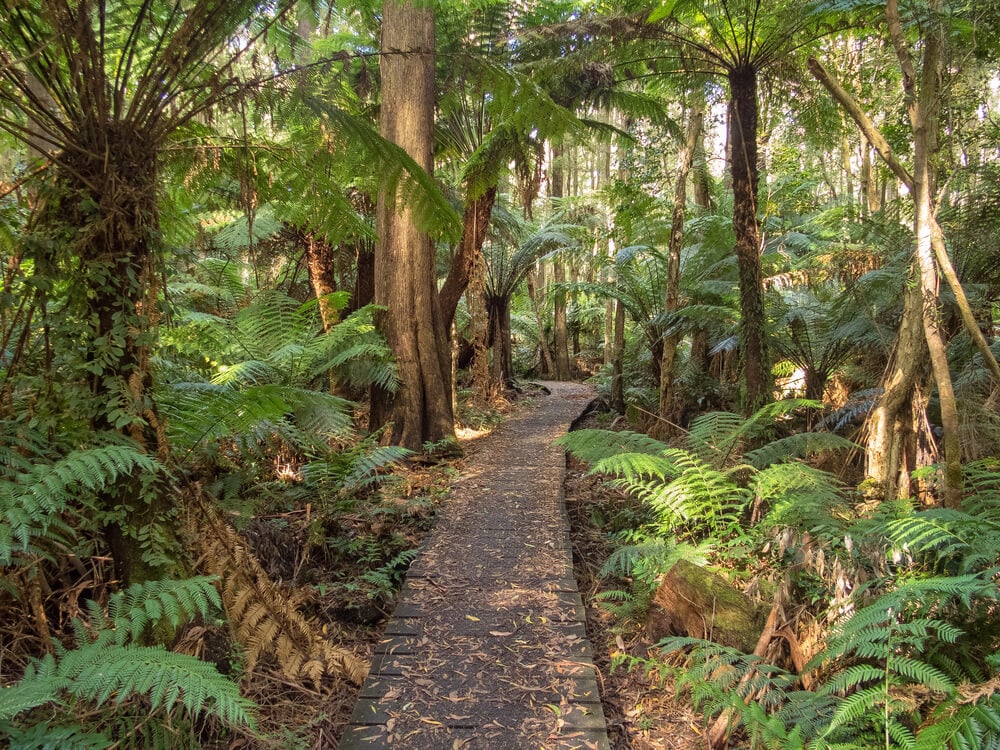
Evening hikes to campsites where campers slept outdoors and hiked back the next morning. The overnight hikes created structured wilderness experience and required camper self-sufficiency.
Campers often looked forward to overnight hikes months in advance.
Skit Night

Designated night where bunks performed comedy skits, dances, or musical performances for entertainment. Unlike talent show, skit night was mandatory group participation.
Bunks collaborated on skit writing and rehearsal, creating collective creative projects.
Campfire Tales
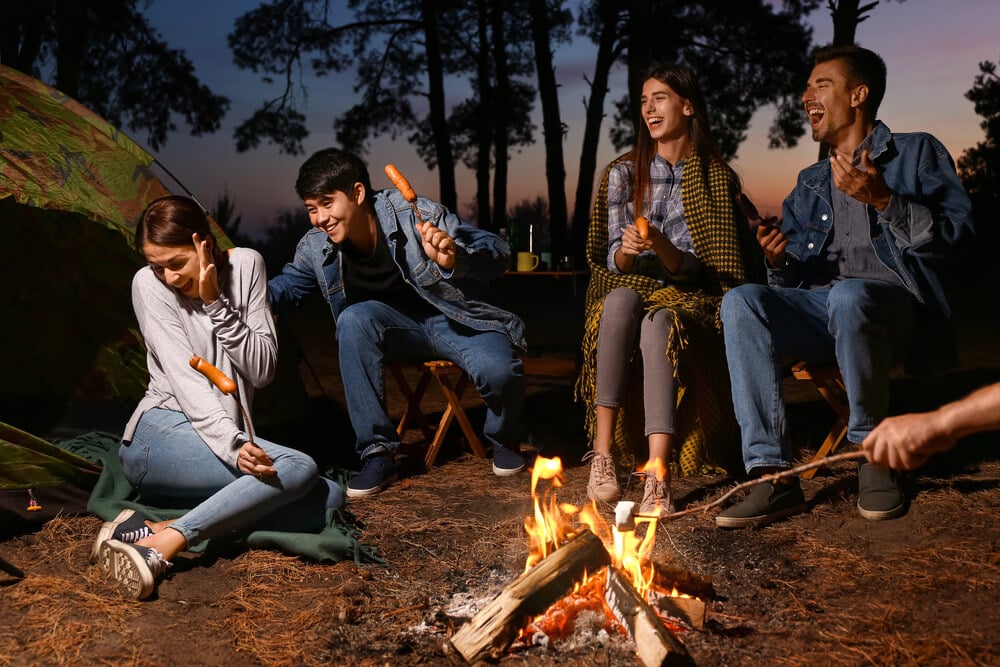
Designated older campers or counselors told scary stories around the campfire, creating genuine suspense and mild fear. The stories were often camper-specific, with references to camp locations or camper personalities.
Tale-telling was considered an art form at dedicated camps.
Last Night Banquet
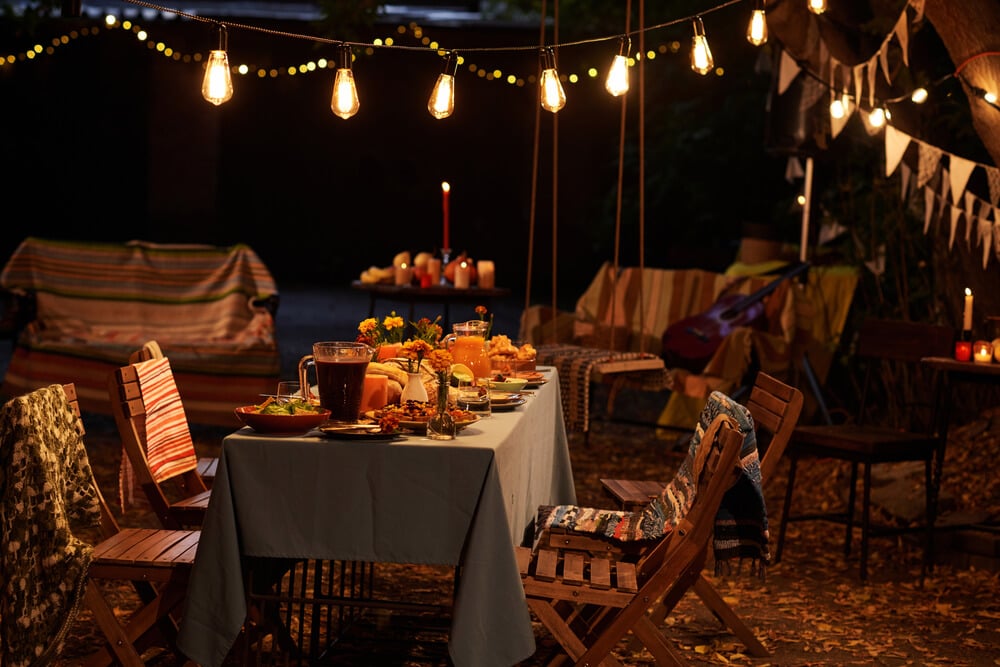
Formal final night dinner where campers dressed up, special food was served, and awards were distributed. The banquet recognized camper contributions and created ceremonial closing to the camp session.
Campers received certificates, superlative awards, or other recognition.
Post-Camp Reunions
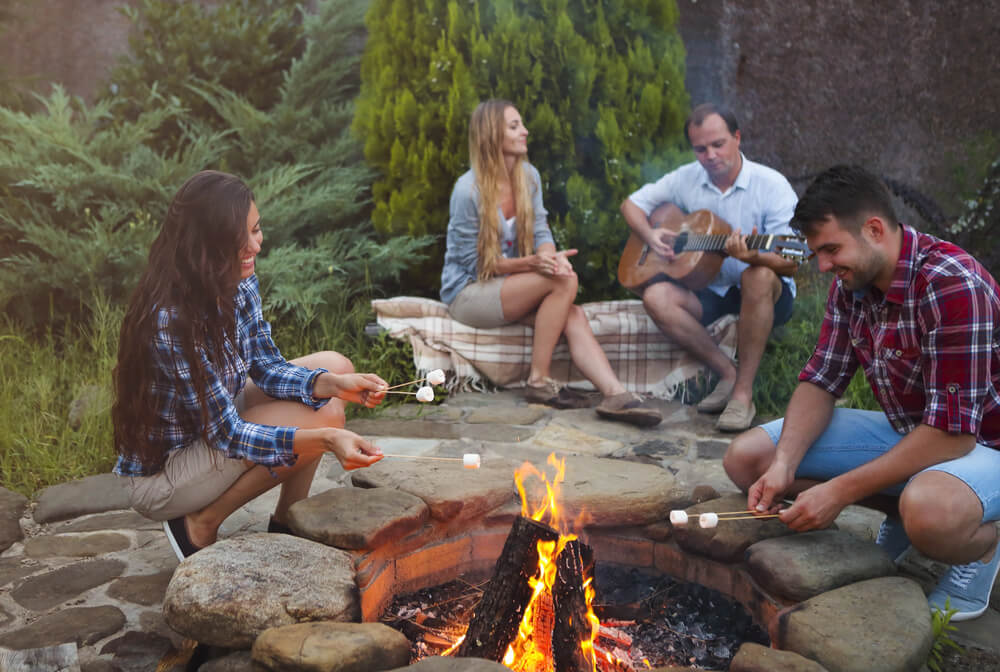
Organized reunions where campers returned after summer to reconnect and relive shared experiences. Some camps organized winter reunions or end-of-summer reunions.
The reunions extended the camp community beyond the summer session.
Cabin Names
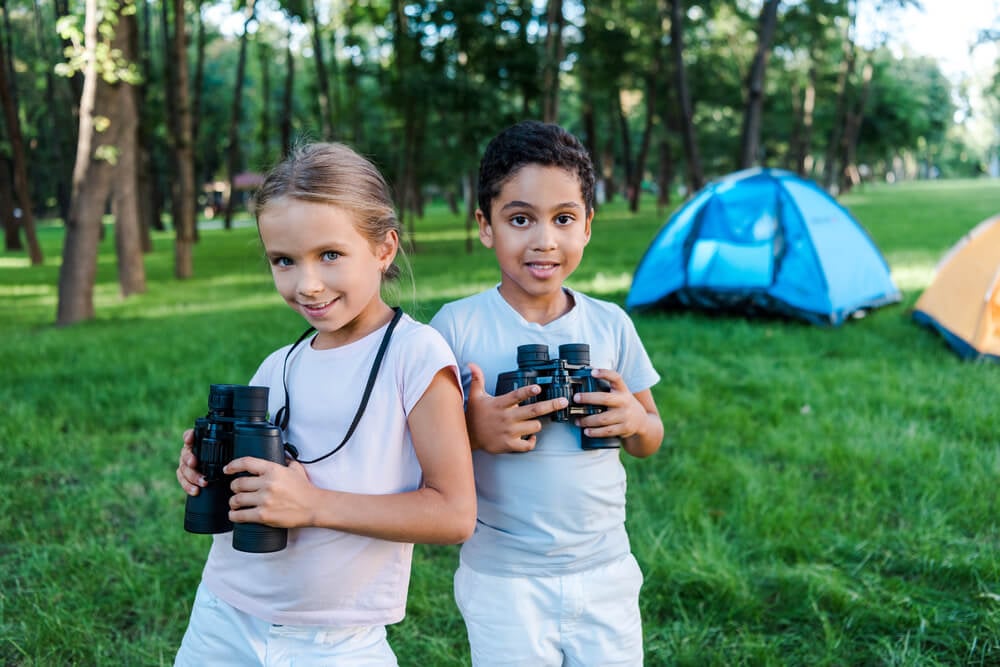
Bunk groups were organized around thematic names—animals, colors, or place names—creating identity and enabling quick reference. Cabin names were often displayed on signs and reinforced through daily announcements.
Different year groups might rotate through identical names.
Campfire Skits by Counselors
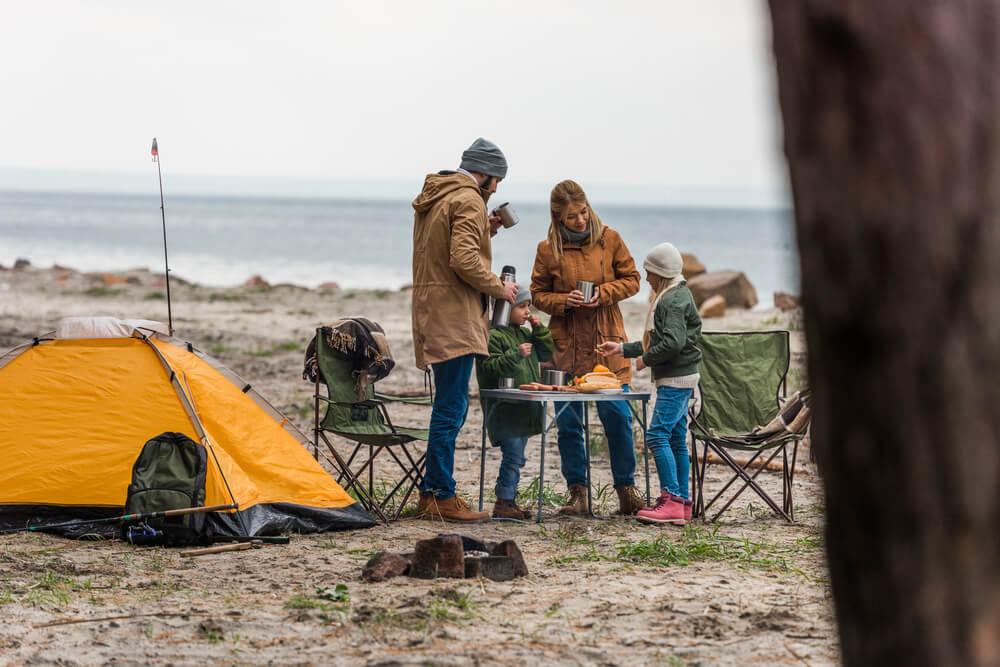
Counselor-performed skits highlighted camp life, poked fun at camper personalities, and reinforced camp culture. Counselors prepared skits throughout the summer, building anticipation for campfire performance.
The skits were often crude and bawdy humor inappropriate for current norms.
End-of-Summer Awards
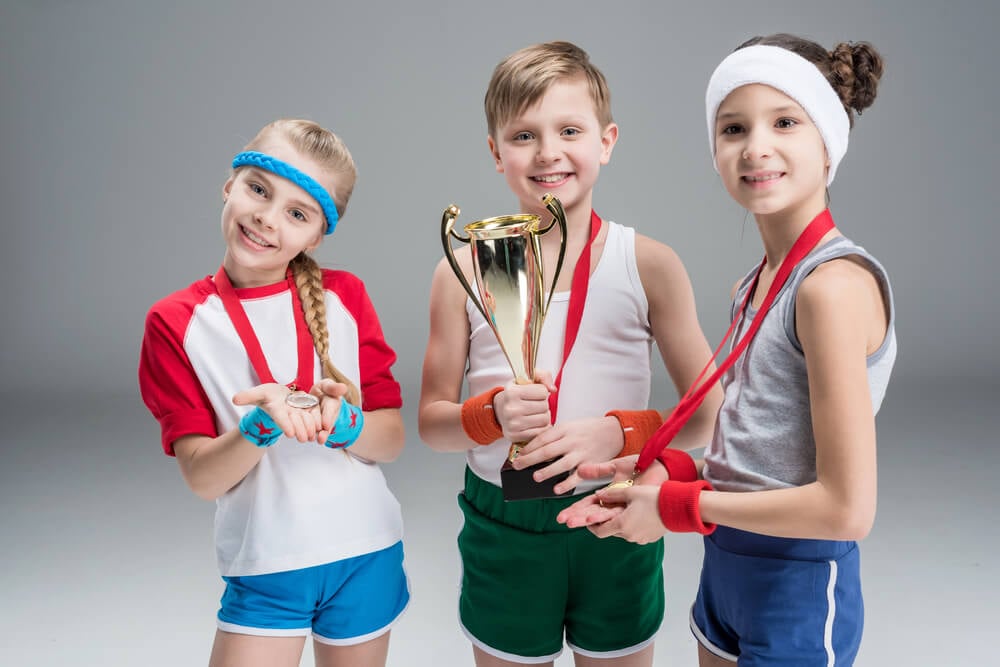
Superlative awards recognizing camper achievement—”Best Dancer,” “Funniest Camper,” “Friendliest,” etc.—honored individual accomplishment and personality. The awards reinforced specific camper identities and created public recognition.
Some awards were prestigious; others were self-deprecating.
The Dissolution of Camp Community
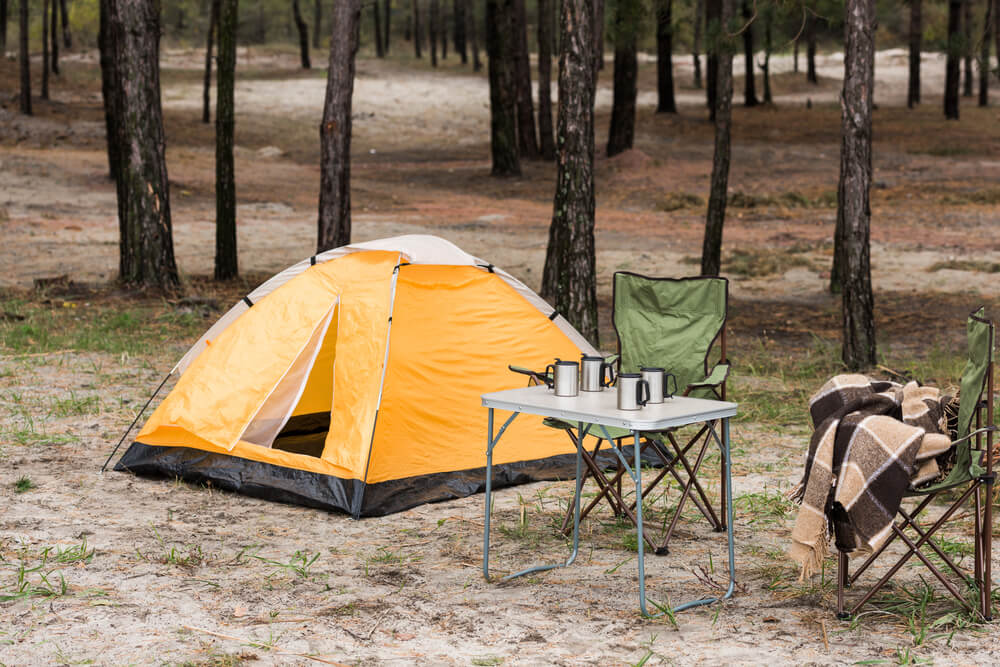
Modern camps struggle to maintain traditional rituals as schedules fragment, technology intrudes, and liability concerns restrict activity. Campers who maintain contact with home parents resist the separation and immersion that camp culture depended on.
The structured community that camp offered—alternative to home, bounded in time and space, with clear hierarchies and shared experience—has become difficult to maintain. Modern camps exist but lack the ceremonial density that once made them transformative.
The loss represents a change in how American culture values separation, shared experience, and group identity formation.
More from Go2Tutors!

- 16 Historical Figures Who Were Nothing Like You Think
- 12 Things Sold in the 80s That Are Now Illegal
- 15 VHS Tapes That Could Be Worth Thousands
- 17 Historical “What Ifs” That Would Have Changed Everything
- 18 TV Shows That Vanished Without a Finale
Like Go2Tutors’s content? Follow us on MSN.



