23 Mall Storefronts From the ’90s Teenagers Treated as a Second Home
The 1990s mall represented far more than a shopping destination—it functioned as a social hub, meeting place, and cultural institution where teenagers spent countless weekend hours; Specific storefronts became gathering points, identity markers, and rites of passage for an entire generation. These retailers offered not just clothing and accessories but communities, atmospheres, and the ability to signal one’s social status, musical taste, or fashion philosophy to peers.
The mall’s decline in the 2000s coincided with the closure or transformation of nearly all these establishments, but their cultural resonance remains intact for those who remember them.
Many of these stores no longer exist in their original form, having closed entirely or been absorbed into larger retail structures. Yet teenagers who spent their formative years navigating mall corridors still recall specific storefronts with nostalgia, remembering the exact merchandise displays, the specific crowds each store attracted, and the unspoken social signals each location represented during an era before online shopping reshaped how people acquired clothing and accessories.
The Gap
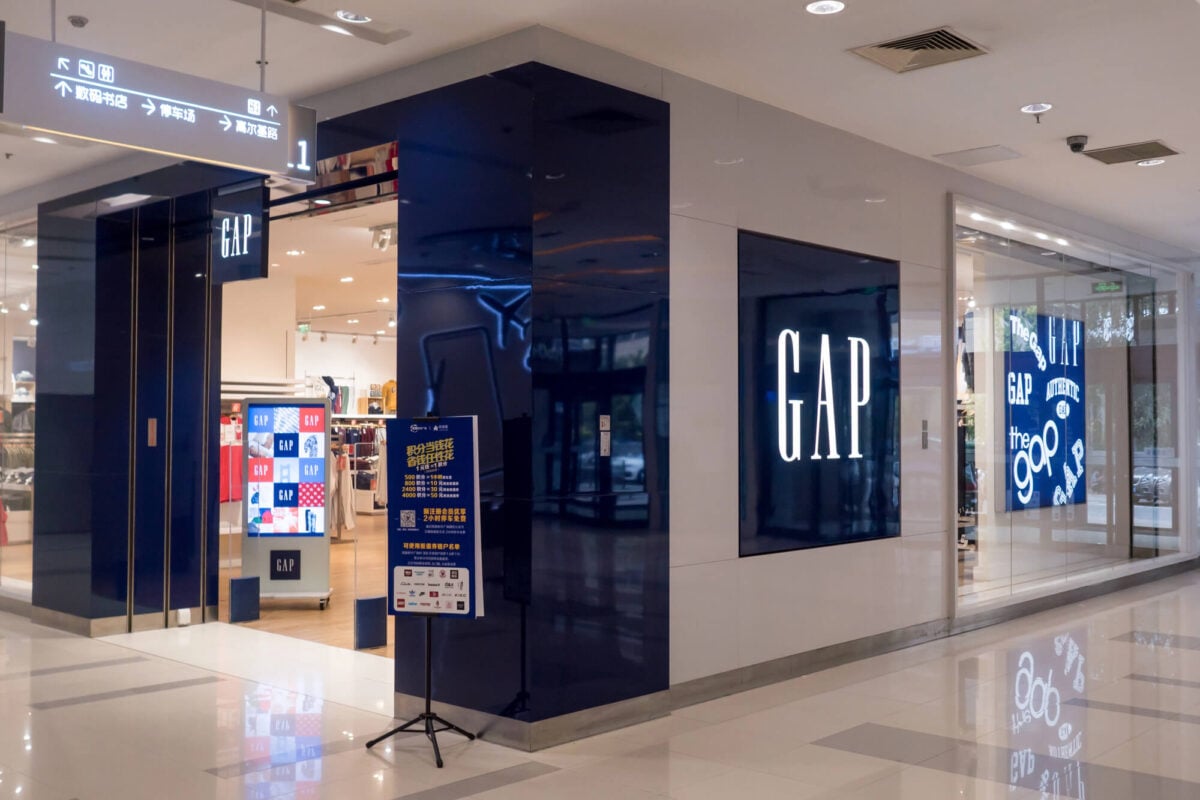
Gap dominated ’90s mall culture with its simple basics, perfect fold stacks of jeans, and iconic advertising campaigns. The store’s casual aesthetic defined the decade’s look, from denim jackets to oversized logo sweatshirts.
Teens visited Gap not just for clothing but for the aspirational version of casual American style the brand represented, making mall visits incomplete without browsing the organized sections of khakis and basics.
Abercrombie & Fitch
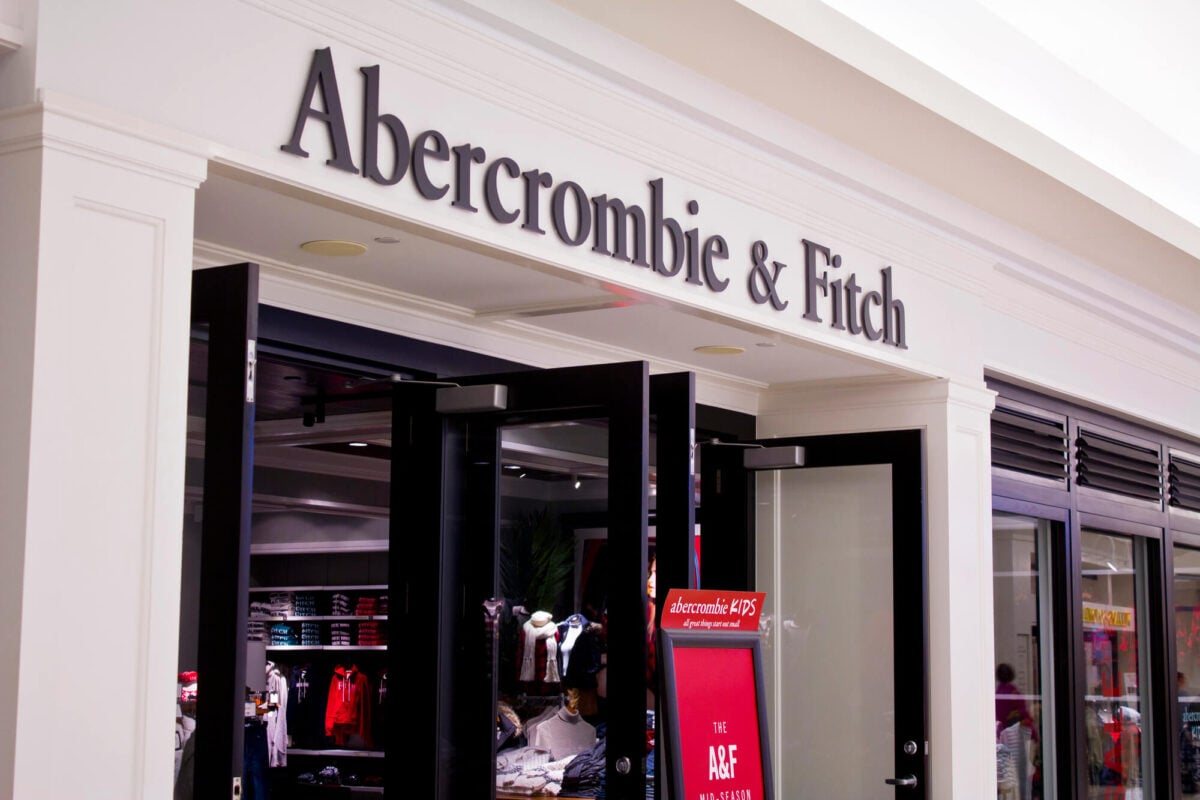
The late-’90s juggernaut created an aspirational mall destination with dimly lit interiors, overwhelming cologne scent, and impossibly attractive staff members. Abercrombie became less about acquiring clothing and more about the experience of entering what felt like an exclusive club.
The store’s powerful branding and controversial exclusionary marketing made it a status symbol for many teens and a point of resentment for others.
The Limited

The Limited represented sophisticated adult fashion for female shoppers seeking professional yet stylish apparel; With over 700 locations by the mid-’90s, The Limited offered elegant designs and modern styles that elevated the mall experience beyond teen-focused retailers. Its spinoff Limited Too targeted younger girls while the main brand served professionals seeking polish without excessive trend-chasing.
Limited Too
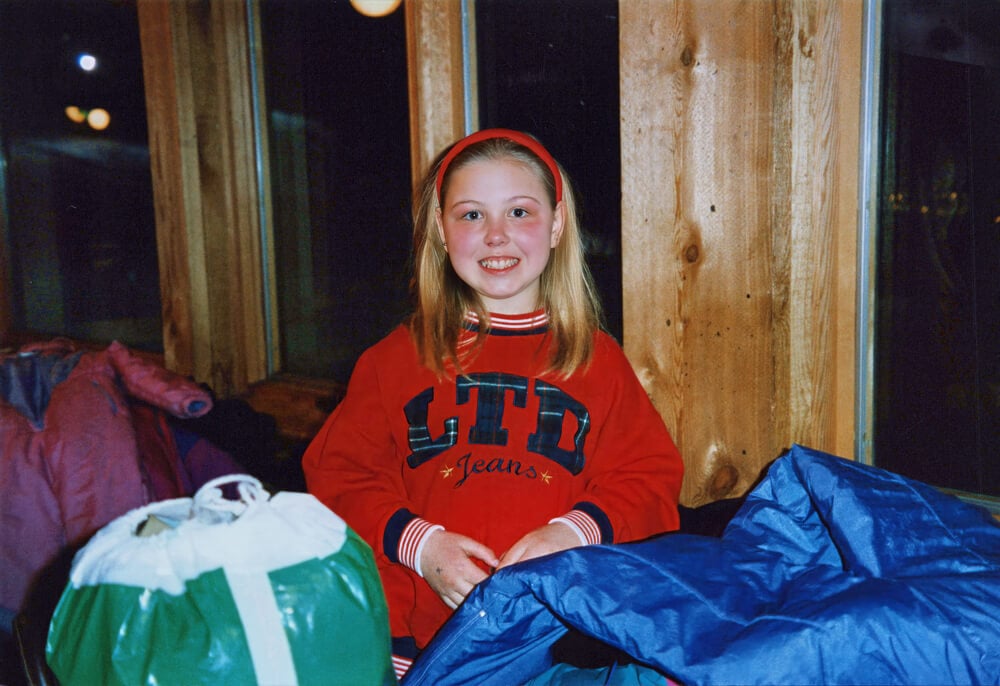
Bright, colorful, and specifically designed for pre-teen girls, Limited Too provided an introduction to fashion independence. The store’s glittery, pastel-filled aesthetic and trendy slogans gave girls their first authentic shopping experience, separating them from children’s stores while remaining age-appropriate.
Hot Topic

Hot Topic became the sanctuary for teens embracing alternative aesthetics—punk, goth, emo, and metal cultures found representation through band merchandise, studded belts, and black clothing. The store’s rebellious positioning attracted teens seeking to express individuality through fashion, creating an identity-affirming mall destination for those outside mainstream fashion circles.
Spencer’s
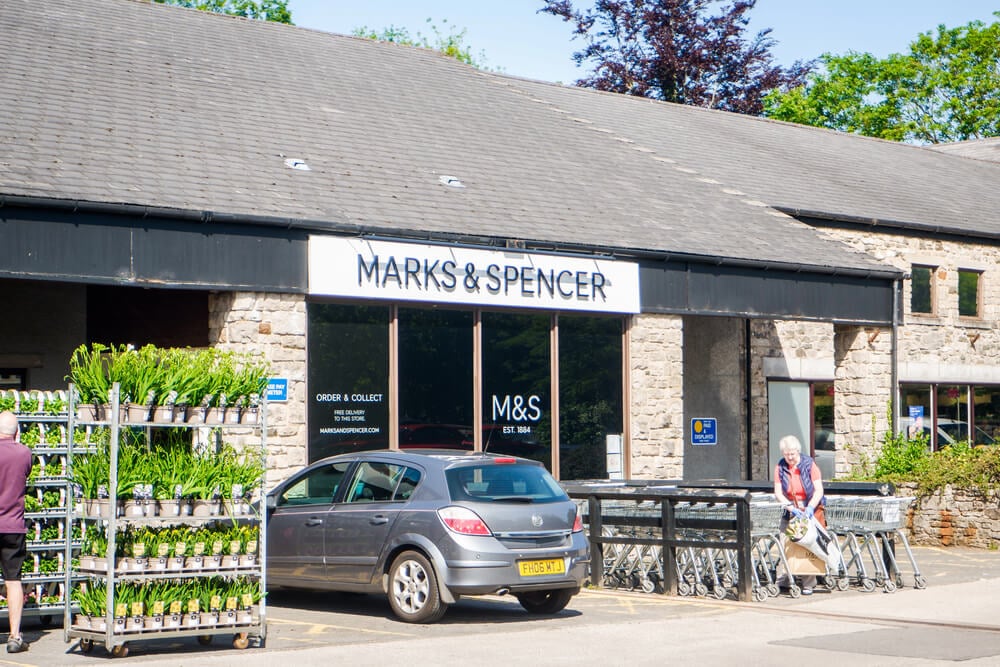
Part novelty shop, part comedy club, Spencer’s offered teens an opportunity to explore boundary-pushing merchandise—lava lamps, cheeky graphic t-shirts, prank gadgets, and adult-oriented humor. A Spencer’s visit functioned as a mini-rebellion for teens, a place to encounter items their parents would disapprove of while technically remaining a legitimate mall store.
Claire’s
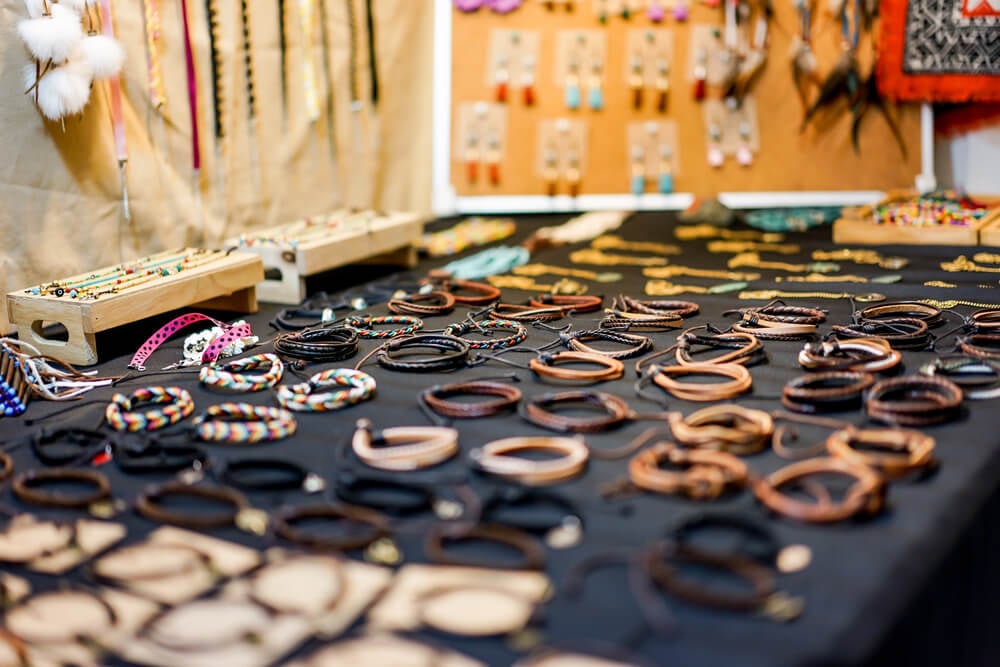
No mall trip felt complete for young girls without a stop at Claire’s for sparkly everything—friendship bracelets, statement earrings, DIY ear piercings, and hair accessories. Claire’s functioned as tween heaven, offering affordable fashion accessories that allowed young girls to experiment with style and self-expression through jewelry and accessories.
Wet Seal
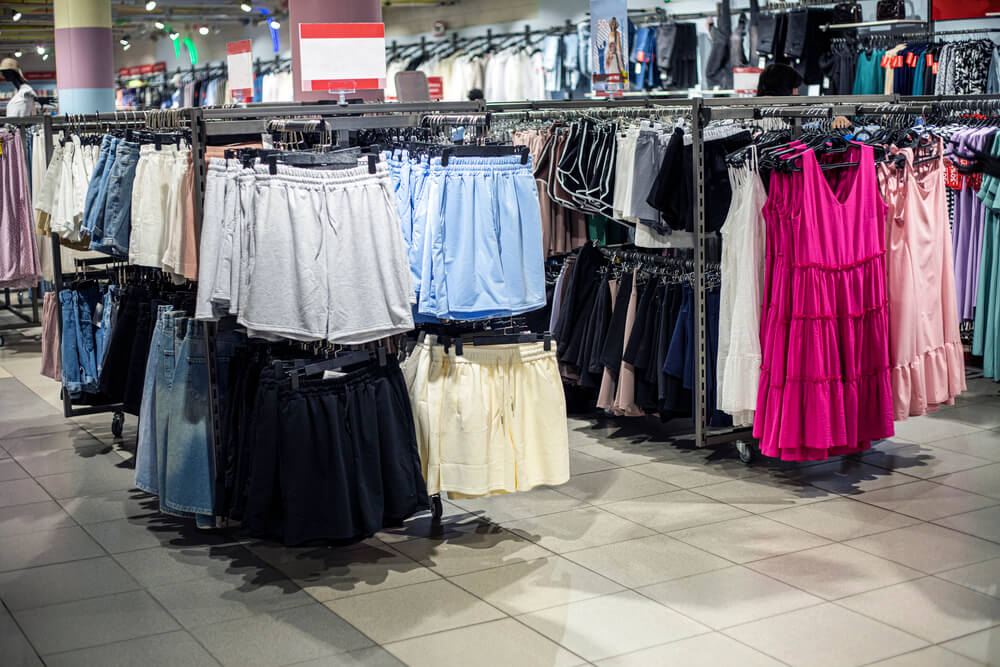
Trendy, affordable, and fast-fashion before the term existed, Wet Seal attracted teens seeking crop tops, platform sandals, slinky dresses, and constantly rotating new styles. The store’s rapid inventory changes ensured shoppers discovered different merchandise on each visit, creating a treasure-hunt dynamic that drove repeated mall trips.
Structure
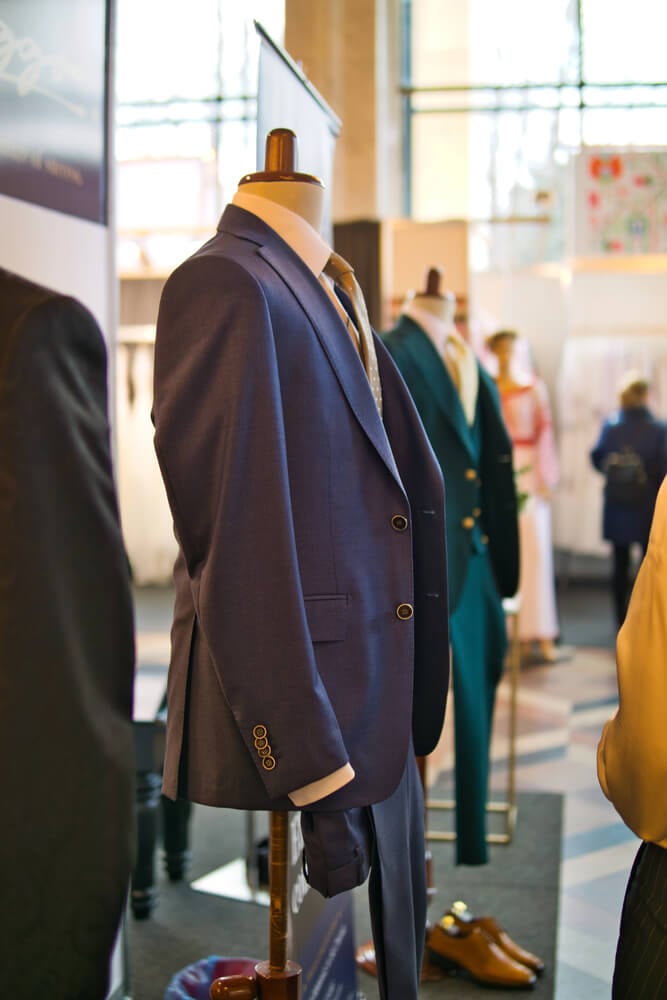
Structure positioned itself as the male equivalent to The Limited, offering button-downs, slacks, leather jackets, and sophisticated pieces for young men seeking to look sharp. The store’s evolution into Express Men meant Structure became a nostalgic memory for older ’90s shoppers who recall it as a distinct destination before brand consolidation.
American Eagle
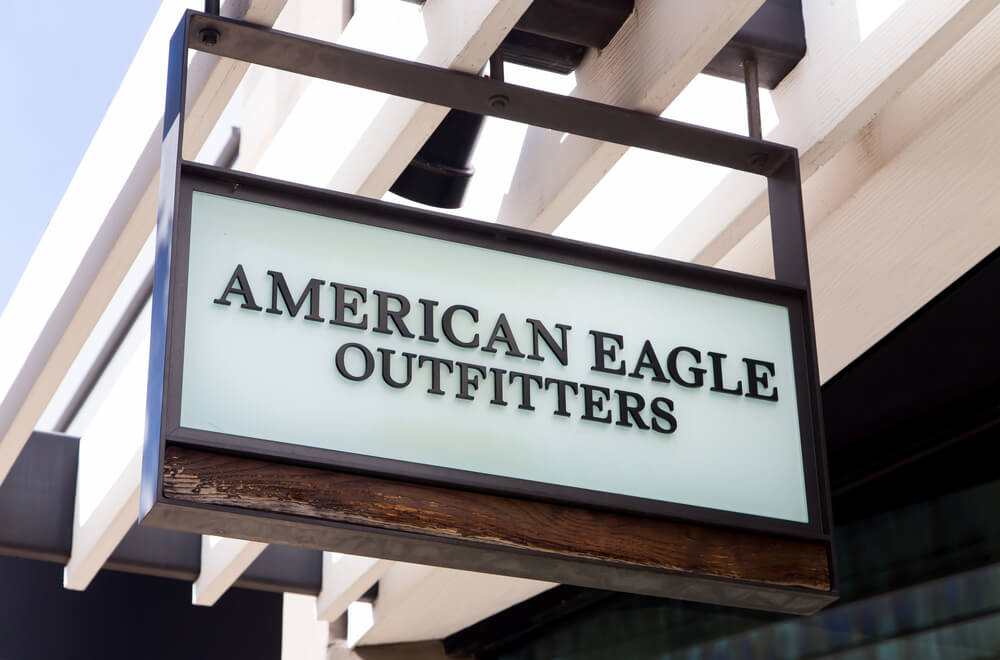
American Eagle offered casual cool through plaid shirts, cargo pants, and lived-in denim that felt less exclusive than Abercrombie yet equally stylish. The brand’s approach to casual authenticity attracted teens seeking style without the social gatekeeping that defined other retailers, making it accessible to a broader demographic.
Banana Republic
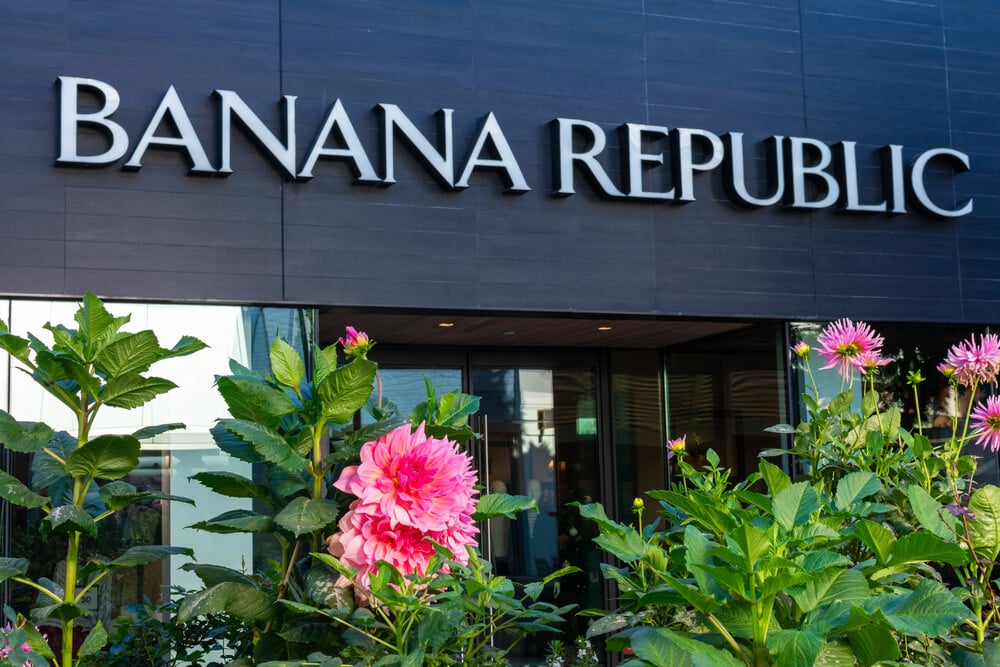
Banana Republic in the ’90s leaned toward adventure-inspired fashion with safari-style jackets and natural fabrics, offering a slightly more upscale experience than Gap but less formal than The Limited. The brand’s unique positioning provided a middle ground for shoppers seeking sophistication without full professional styling.
Delia’s
Famous for its mail-order catalog, Delia’s maintained physical mall storefronts where shoppers could browse merchandise in person. The store offered trendy, affordable clothing that felt current without premium pricing, making fashion accessibility available to budget-conscious teens.
Foot Locker
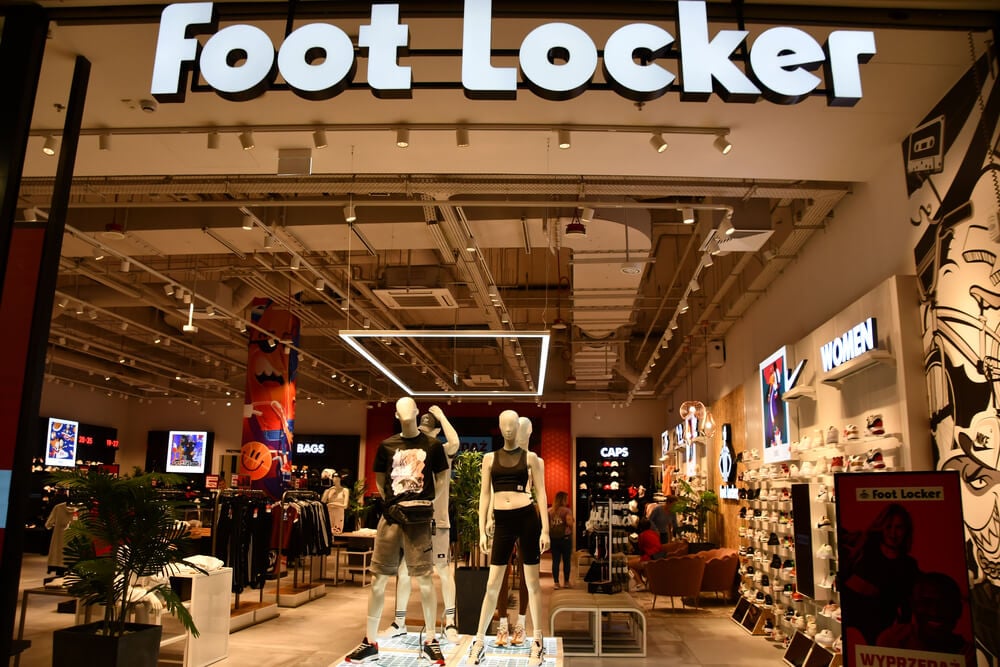
Every sneaker drop meant a rush to Foot Locker, where athletic teens encountered walls of shoes, referee-striped employee uniforms, and the latest performance footwear. The store transcended simple shoe retail to become a cultural destination where athletic identity was performed and validated through sneaker selection.
PacSun
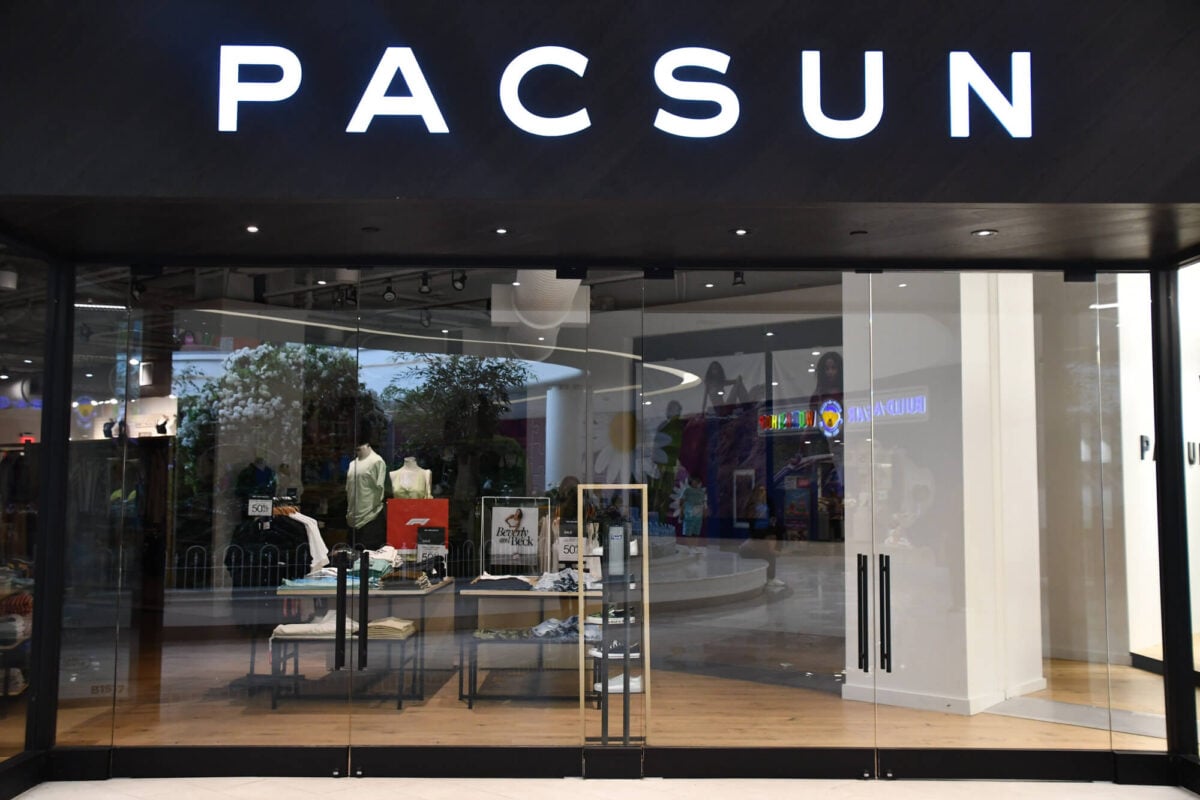
California cool met surf and skate culture at PacSun, which offered board shorts, graphic tees, sunglasses, and the lifestyle accessories of beach and skate culture. For teens emulating West Coast aesthetics, PacSun provided the visual markers of that aspirational lifestyle.
Tower Records
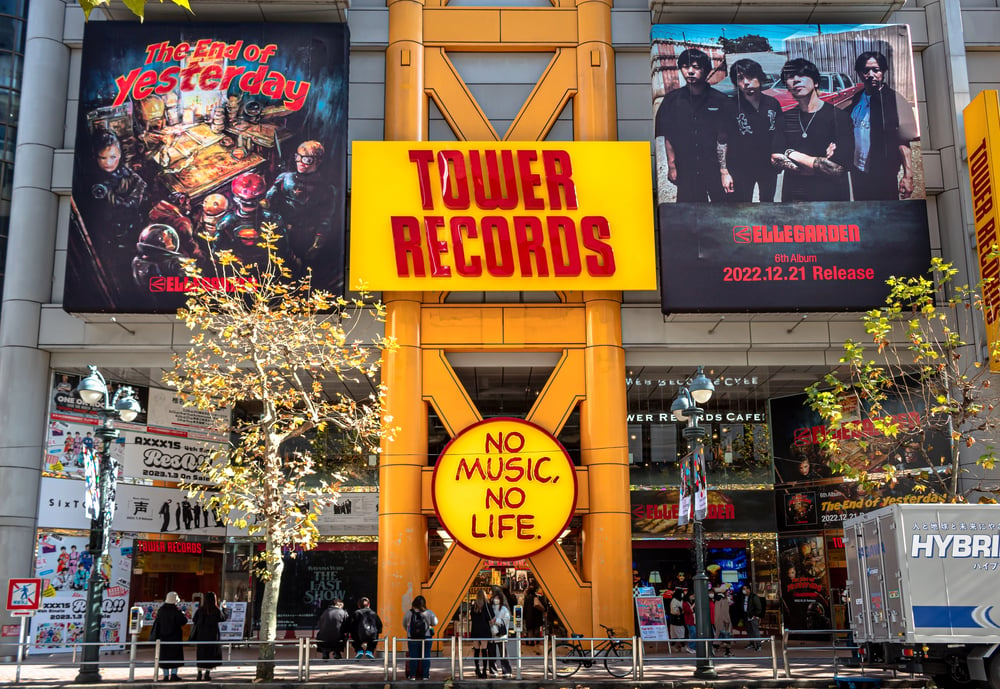
Tower Records’ legendary status among music lovers made it an essential mall destination for serious music fans. The store’s massive selection, electric atmosphere, and knowledgeable staff created a cultural hub where musical taste was respected and expanded through employee recommendations and cross-genre browsing.
Merry-Go-Round
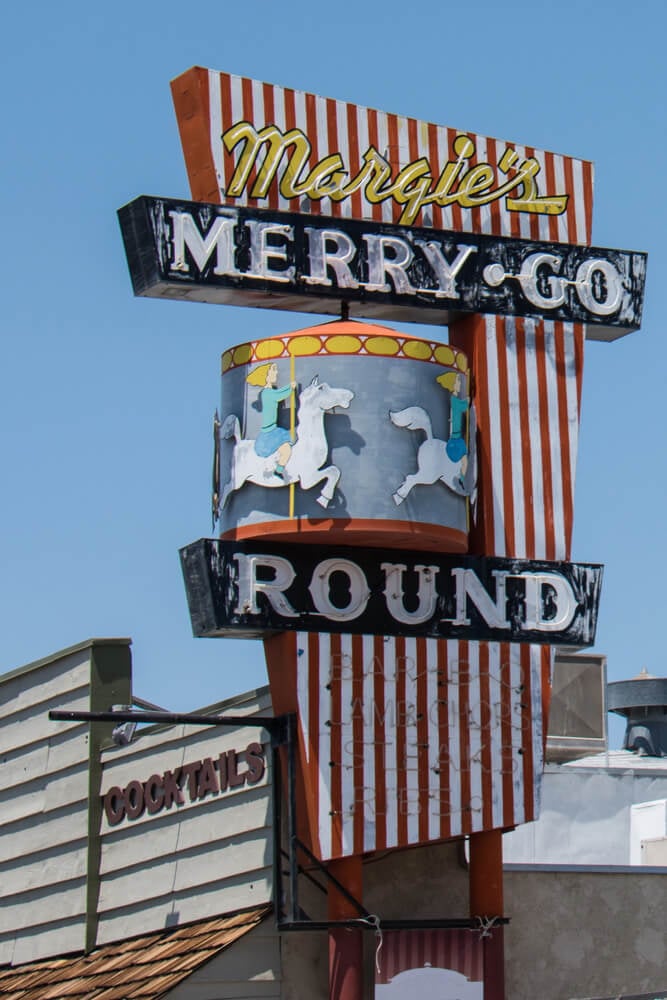
Merry-Go-Round offered casual streetwear and trendy fashions at accessible price points, making it a mall mainstay for teens seeking stylish clothes without premium pricing. The store’s emphasis on current trends and affordable access made it a essential destination for fashion-conscious shoppers with limited budgets.
Chess King
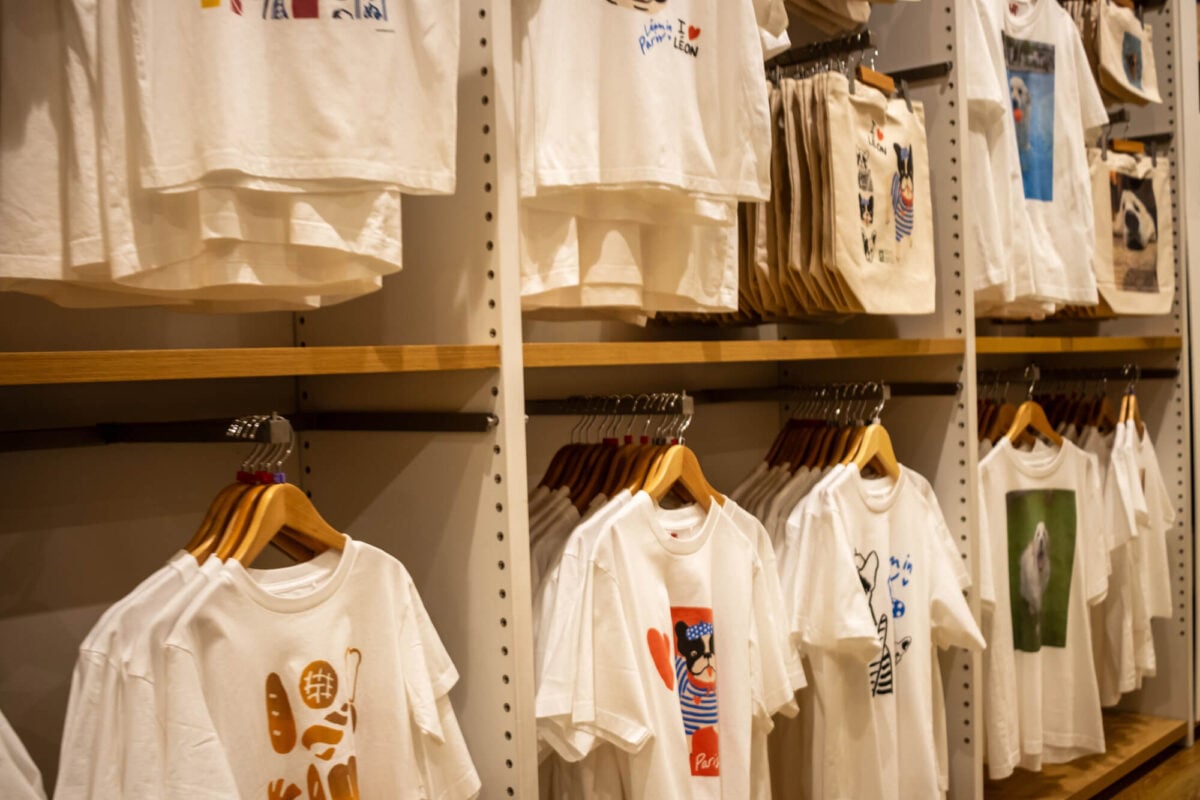
Chess King was well-known for graphic shirts, oversized suits, and preppy looks during the 1980s and early 1990s before being overwhelmed by larger retailers like Gap and Abercrombie & Fitch. The store represented a particular aesthetic that eventually faded from cultural relevance as shopping preferences shifted.
Lerner New York
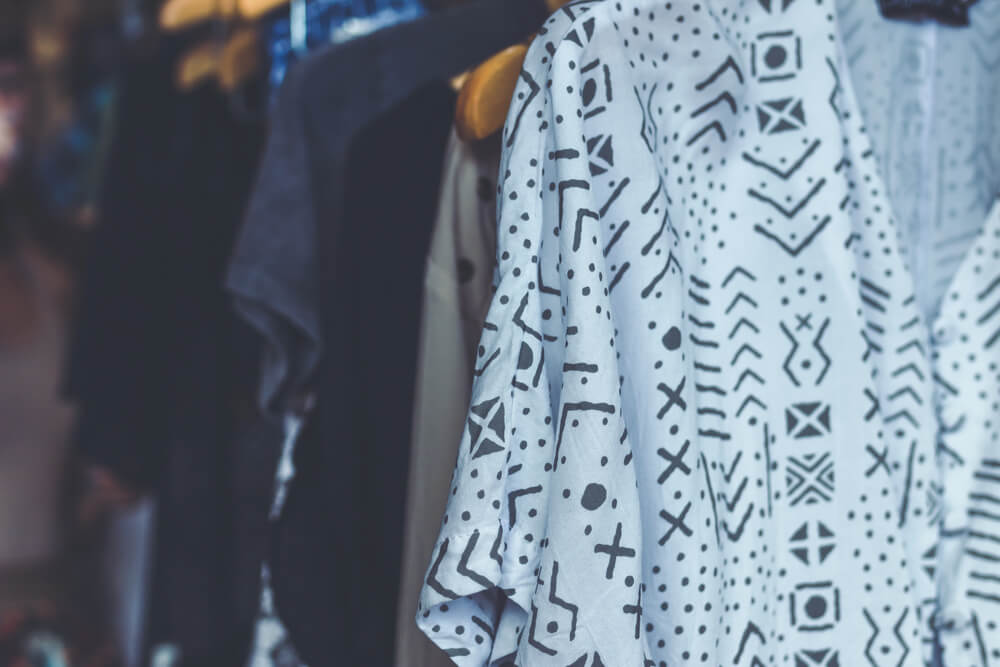
A sister brand to The Limited, Lerner New York offered professional fashion for young women seeking workplace-appropriate styling. The store’s positioning between casual teen retail and formal professional wear made it a bridge destination for young women entering the workforce or seeking more adult fashion perspectives.
Lane Bryant
Lane Bryant represented size-inclusive fashion during an era when most teen retailers focused narrowly on standard sizing. The store’s commitment to diverse body representation made it an important destination for customers excluded from mainstream fashion retail’s narrow size ranges.
Journeys
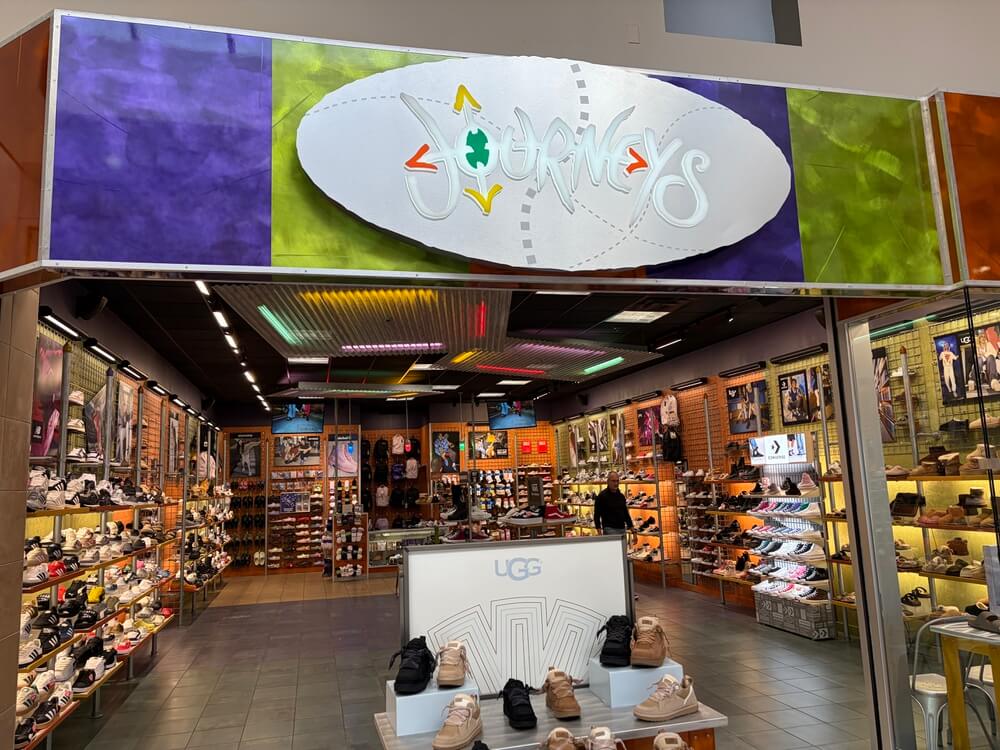
Journeys offered an alternative to Foot Locker for footwear shopping, emphasizing lifestyle brands alongside performance shoes. The store attracted teens seeking less aggressive athletic positioning and more casual, fashion-forward shoe selections that acknowledged skateboarding and street culture aesthetics.
Hollister
Though technically emerging in the late ’90s rather than dominating the entire decade, Hollister offered beachy California vibes through worn-in t-shirts, distressed denim, and surf culture aesthetics. The store’s rapid expansion in the early 2000s made it an essential mall destination for the next generation of teens.
Aeropostale
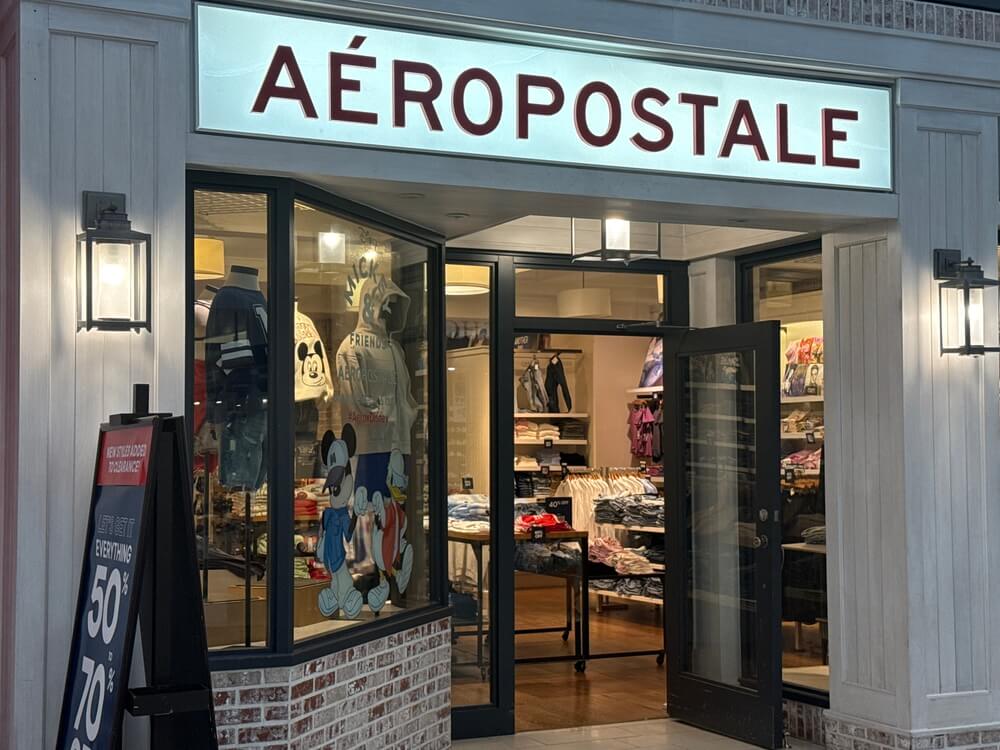
Aeropostale positioned itself as an affordable alternative to Abercrombie & Fitch, offering casual basics and graphic tees at lower price points. The brand attracted price-conscious teens seeking similar aesthetics without the exclusionary pricing and social gatekeeping of premium competitors.
Rage
Rage targeted young teens with trendy, affordable clothing that felt age-appropriate yet stylish. The store’s positioning between childhood retail and teen-focused destinations made it an important transition point for preteens entering the teen mall experience.
The Nostalgia
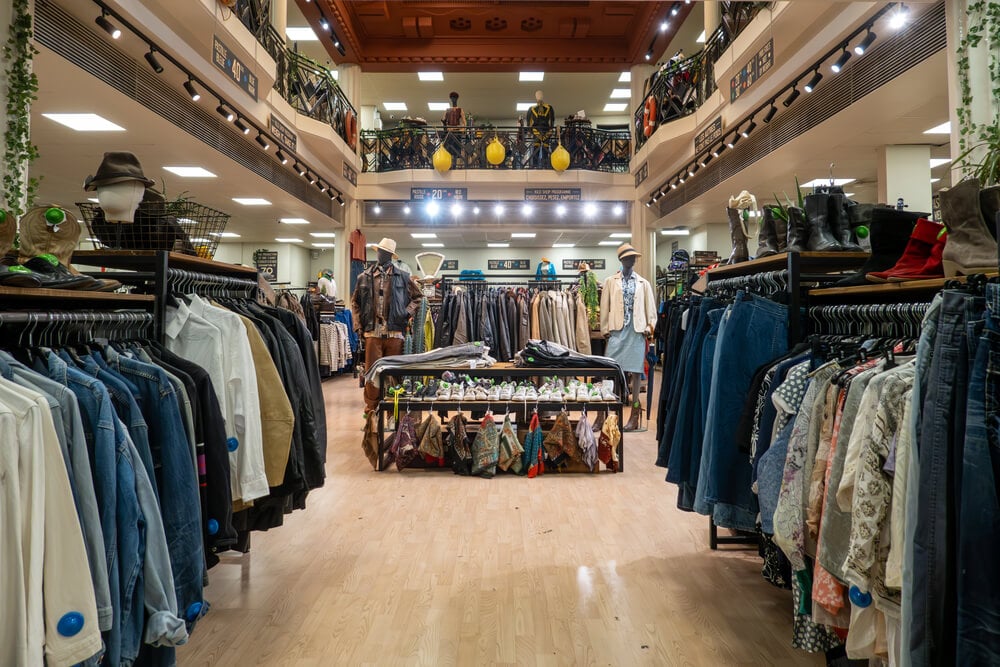
These storefronts represented more than merchandise—they were identity laboratories where teens discovered who they were or wanted to become; Each store attracted different crowds, creating invisible social hierarchies based on which retailers teens frequented. The mall’s decline eliminated these physical gathering spaces, fundamentally altering how teenagers socialize, shop, and construct identity in the contemporary era.
More from Go2Tutors!

- The Romanov Crown Jewels and Their Tragic Fate
- 13 Historical Mysteries That Science Still Can’t Solve
- Famous Hoaxes That Fooled the World for Years
- 15 Child Stars with Tragic Adult Lives
- 16 Famous Jewelry Pieces in History
Like Go2Tutors’s content? Follow us on MSN.