Sports Rooted In Ancient Rituals
Most people watch sports without thinking about where they came from. You see athletes competing for medals and trophies, but these activities started somewhere else entirely—in temples, on battlefields, and during ceremonies that honored gods and marked seasons.
The line between sport and ritual used to be invisible.
Wrestling: Combat as Offering

Ancient Sumerians carved images of wrestlers into stone over 5,000 years ago. These weren’t just athletes training for competition.
They performed for deities, turning physical struggle into a form of prayer. Egyptian pharaohs watched wrestling matches during festivals dedicated to fertility gods, believing the combat would ensure good harvests.
Greek wrestlers covered themselves in oil and dust before matches, a ritual purification that connected them to sacred traditions. When they grappled, they weren’t just fighting—they were reenacting cosmic battles between order and chaos.
Archery: Hitting Targets for the Divine
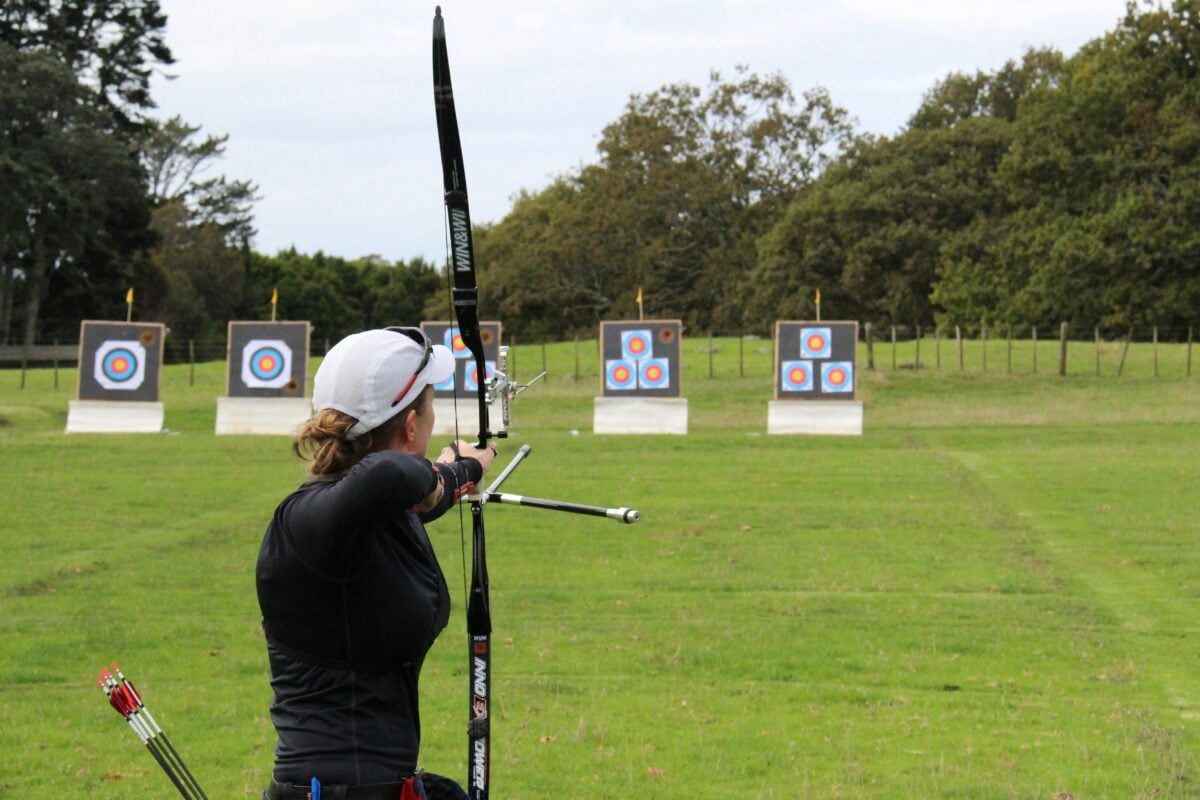
Japanese kyudo transforms archery into meditation. Practitioners spend years learning to shoot a single arrow, because the act itself matters more than hitting the target.
This philosophy comes directly from Shinto rituals where archers would fire arrows to drive away evil spirits and bring blessings to their communities. Medieval English archers practiced on Sundays after church services.
The connection between worship and marksmanship wasn’t coincidental. They believed skill with a bow reflected spiritual discipline and divine favor.
Sumo: Where Every Match is Sacred

Step into a sumo ring and you’re entering sacred ground—literally. The dohyo gets purified with salt before each match, and the wrestlers perform elaborate rituals that date back centuries.
They clap to summon the gods, stamp to drive away demons, and throw salt to cleanse the space. Sumo started as entertainment for Shinto deities during harvest festivals.
Winners weren’t just champions. They were chosen by the gods themselves, vessels of divine strength.
ven today, referees dress like Shinto priests and matches follow ceremonial patterns that haven’t changed in hundreds of years.
Javelin Throwing: Weapons as Worship

Ancient Greeks didn’t separate athletic training from religious observance. Athletes competed in the Olympics to honor Zeus, and javelin throwing connected directly to martial prowess that protected the city-state.
Before competitions, they offered sacrifices and prayers, asking the gods for strength and accuracy. Celtic warriors threw spears during festivals celebrating the sun god.
Each throw represented a prayer for victory in battle and protection for the tribe. The trajectory of the spear through the air mirrored the sun’s path across the sky—an act of imitation magic that bound earth to heaven.
Boxing: Fists in Service of Gods

Minoan boxers wore thick leather wraps that protected their hands but made matches brutal. Frescoes from Crete show young men fighting while priests and priestesses watch from elevated positions.
These weren’t sporting events in the modern sense. They were religious spectacles where blood spilled on sacred ground pleased the gods and ensured fertility for the coming year.
Ancient Indian texts describe malla-yuddha, a form of wrestling and boxing performed during religious festivals. Fighters trained in temples under the guidance of priest-warriors who taught that physical strength reflected spiritual purity.
Horse Racing: Running Toward the Sacred

Romans turned horse racing into elaborate religious ceremonies at the Circus Maximus. Races honored Mars, the god of war, and Neptune, god of horses. Before the competitions began, priests led processions through the streets, carrying statues of deities and burning incense.
The outcome of races could predict everything from military victories to crop yields. Mongolian horse racing during Naadam festival celebrates ancient shamanistic traditions.
Children ride horses across vast distances, and the winning horse gets sprinkled with airag (fermented mare’s milk) in a ritual that honors the spirits of the steppe.
Lacrosse: The Creator’s Game

Cherokee people called it “little brother of war,” but lacrosse served a higher purpose than combat training. Matches could last for days and involve hundreds of players.
Medicine men blessed the sticks and prepared the players through ritual, because the game helped settle disputes between tribes, healed the sick, and pleased the Creator. When someone fell ill, the community might organize a lacrosse game, believing the competition’s energy and the players’ dedication could restore balance and drive away disease.
The wooden sticks weren’t just equipment—they were sacred objects that connected players to spiritual forces.
Swimming: Moving Through Sacred Waters
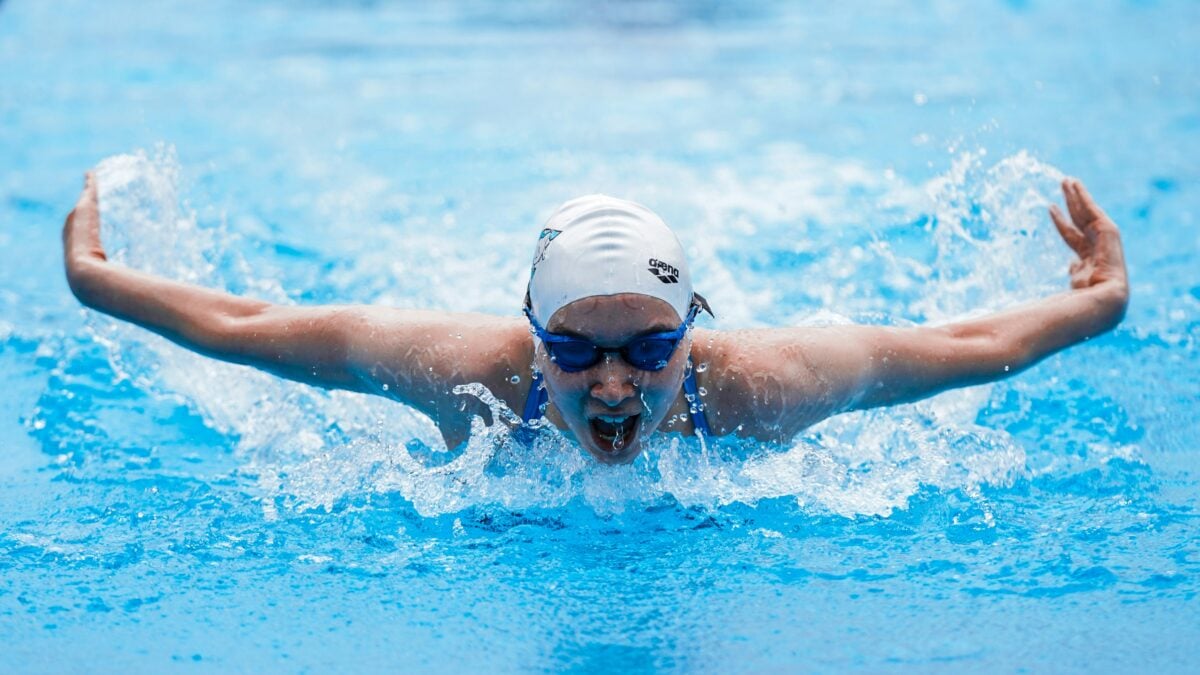
Ancient Egyptians swam in the Nile as part of purification rituals. Priests and priestesses had to demonstrate swimming ability before they could serve in certain temples, because water represented both death and rebirth.
Royal children learned to swim as part of their spiritual education, not just for physical fitness. Hindu tradition considers swimming in sacred rivers like the Ganges an act of spiritual cleansing.
During Kumbh Mela, millions of pilgrims swim in designated spots, believing the water washes away sins and brings them closer to moksha (liberation from the cycle of rebirth).
Running: Racing Toward Enlightenment

The ancient Greeks organized foot races as funeral games to honor dead heroes. Winners received nothing material—just glory and the knowledge that they’d pleased the spirits of the deceased.
The very first Olympic Games in 776 BCE featured only one event: a sprint that ended at the altar of Zeus, where the winner would light the sacred flame. Tarahumara runners in Mexico cover impossible distances through canyon country, a practice rooted in ceremonies that honor corn spirits and ensure successful harvests.
They run for days, entering trance states that dissolve the boundary between physical endurance and spiritual journey.
Polo: Kings and Gods on Horseback

Persian nobility played polo to prepare for war, but the sport carried religious significance too. Kings sponsored matches during Nowruz (Persian New Year), and victories were interpreted as signs of divine approval for their rule.
The fast-moving action, with riders controlling horses at full gallop, mimicked the chaos of battle and the heavenly struggles between good and evil. Tibetan polo integrated Buddhist symbolism, with teams representing different spiritual concepts.
Monasteries sometimes sponsored matches, and monks would bless the horses and equipment before play began.
Tug of War: Pulling Between Worlds

Korean farmers performed juldarigi (tug of war) during harvest festivals to ensure good crops. The two teams represented east and west, or male and female principles, and their struggle symbolized cosmic balance.
The rope itself—sometimes hundreds of feet long and made from rice straw—became a sacred object after the competition, cut into pieces and distributed as protective talismans. Ancient Cambodian kings organized massive tug of war contests during ceremonies to bring rain.
Thousands of participants pulled on giant ropes while priests chanted prayers. Victory for one side meant abundant rainfall; victory for the other meant drought. The stakes transcended sport entirely.
Bull Leaping: Dancing with Death
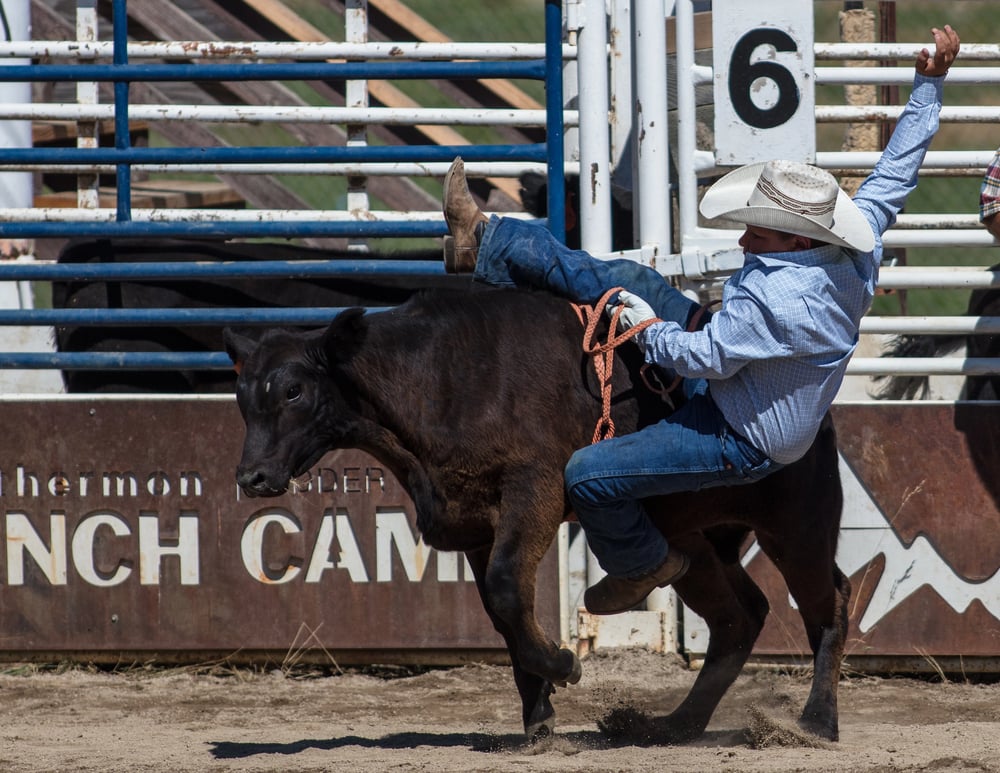
Minoan athletes vaulted over charging bulls in displays that combined gymnastics, bravery, and religious ecstasy. This wasn’t entertainment—it was a sacred rite possibly connected to a bull deity or fertility cult.
Young men and women participated, suggesting the ritual had meanings beyond simple athletic competition. The danger was the point. By facing the bull’s horns and living, participants proved their worthiness to the gods and renewed the community’s spiritual power.
Surviving meant divine favor. Failing meant sacrifice.
Falconry: Partnering with Sky Spirits

Nobles in medieval Europe flew hawks not just for game but also as a kind of prayer. Though trained to kill, the bird’s loyalty mirrored how people hoped to serve God.
Since each raptor stood for a holy trait, catching prey felt like heaven giving approval. Because trust shaped every flight, the hunt became something more than skill alone.
Falconers among Arab communities crafted complex ways of training, shaped by Bedouin customs where birds were seen as soulful partners. Moments before chasing prey, they whispered prayers and carried out rites seeking luck, viewing the bird as a bridge linking ground to heavens.
When Rivals Become Reverence
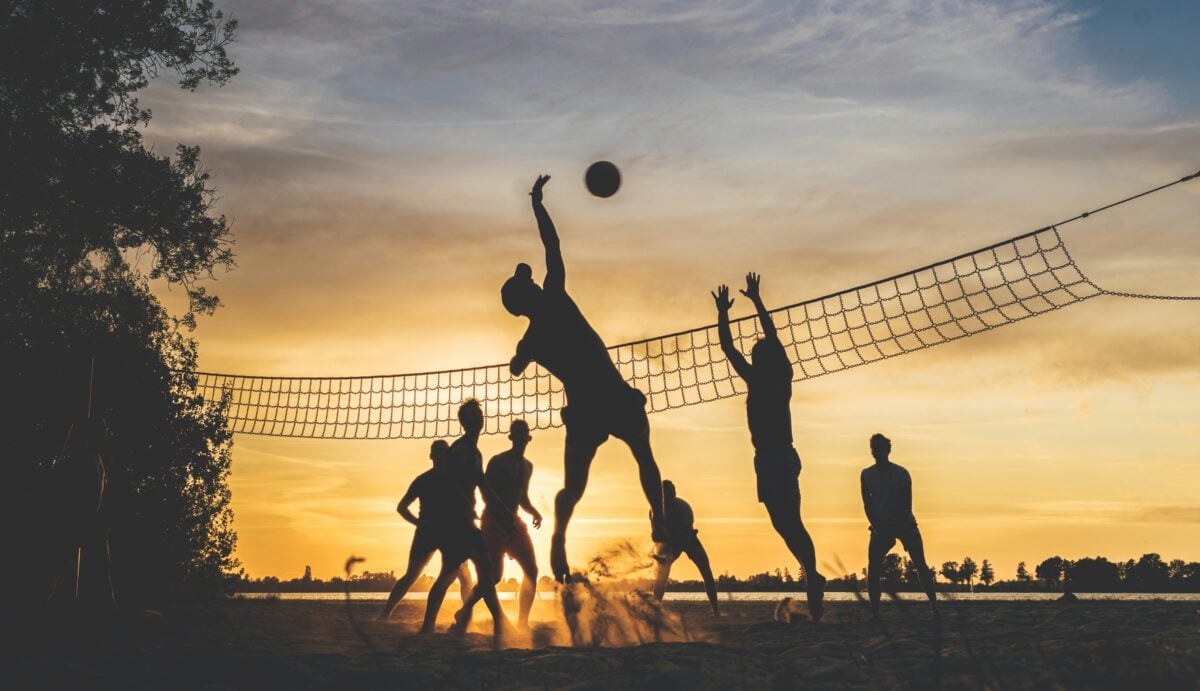
Long ago, games grew out of sacred acts, yet a quiet thread remained through time. Watch closely – you might spot a player pausing to touch their chest before the whistle blows.
Routines form without words: certain socks, repeated steps, chants passed like secrets. Belief slips in sideways, not loud, just present – the sense that shouting loud enough shifts luck.
Even now, these gestures carry weight, remnants dressed as habit. Pushing yourself physically once meant touching something beyond flesh.
Back then, strength and spirit moved together, not apart. Today’s games rarely speak of holiness, yet ask total surrender anyway.
To compete is to give every part – you know which ones – even the unnamed weight beneath thought. Perhaps that explains why eyes stay fixed on fields where nothing real seems at stake.
More from Go2Tutors!