31 Old Tools Collectors Compete Over at Farm Auctions
Farm auctions attract serious tool collectors who arrive with detailed knowledge of plow designs, planter variants, and obscure implements no one else recognizes. A cast iron moldboard plow from the 1800s, priced at $20-40 by an auctioneer unfamiliar with collector markets, becomes a $300-800 online listing.
Collectors bid against each other during auctions, driving prices higher than estate sale pricers ever imagined. The mechanical ingenuity of 19th and early 20th-century farm equipment commands respect from people who understand agricultural history.
The challenge with farm tools is that auctions attract local collectors who know the market. The real bargains disappear before online bidding even begins.
But farm auctions still surface tools that nobody recognizes—obscure implements, regional manufacturer variations, and poorly-labeled items that get hammered down cheap because no one knows what they are. Collectors with reference guides and smartphone apps can spot value in seconds, acquiring inventory that online bidders never see.
Cast Iron Moldboard Plow (1800s-Early 1900s)
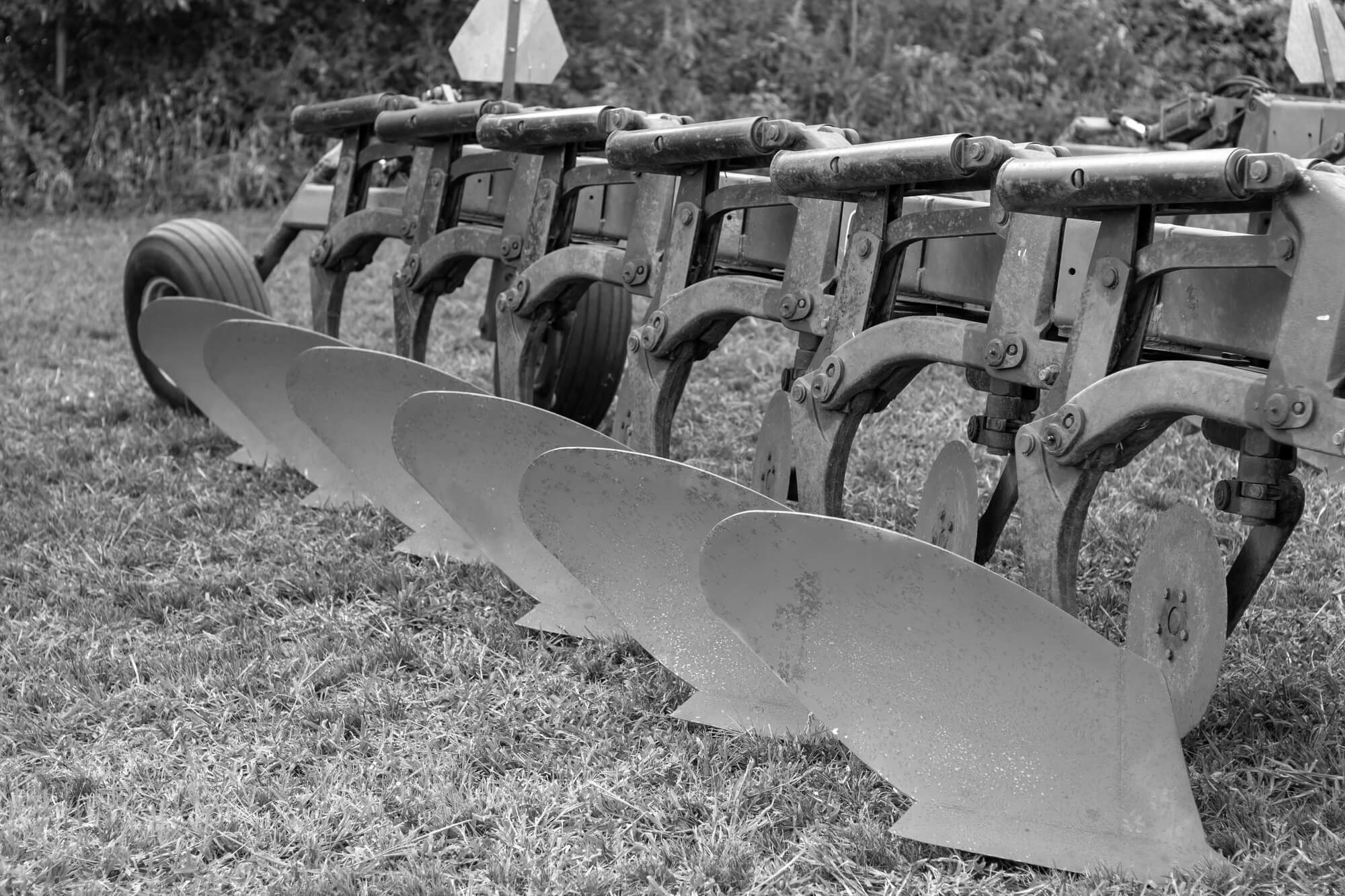
Cast iron moldboard plows, the iconic plow design that solved the prairie soil-sticking problem, attract intense collector interest. Early examples by regional blacksmiths or early manufacturers priced at $20-50 become $300-800 online depending on condition and maker marks.
John Deere plows especially attract premium bidding. Condition and patent marks multiply value significantly.
Horse-Drawn Corn Planter
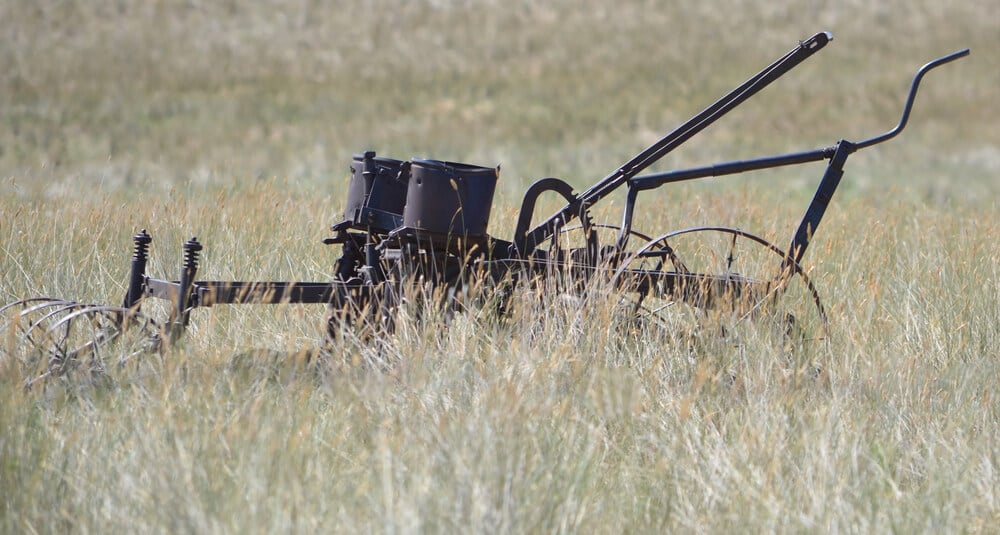
Early 20th-century corn planters made from wood and iron, designed to plant seeds efficiently, attract strong collector demand. Examples priced at $30-75 become $250-600 online.
The painted details and mechanical complexity appeal to agricultural historians. Working condition or restorable condition drives prices upward.
Harrow (Chain or Disk Type)
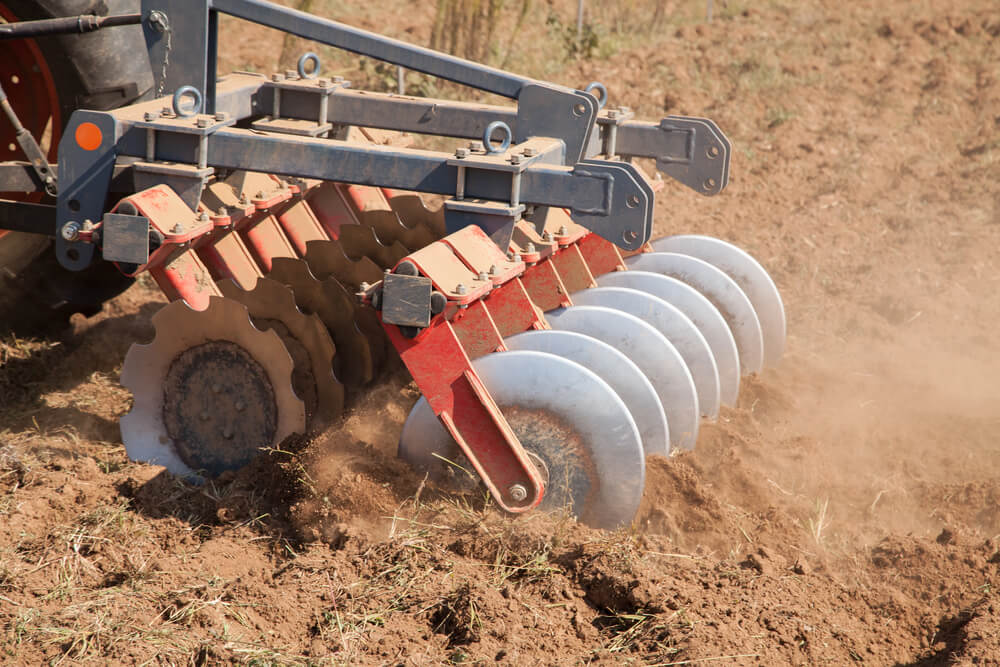
Harrows used for spreading and evening out soil after plowing come in various types. A complete cast iron disk harrow priced at $40-80 at auction becomes $300-700 online depending on size and condition.
The implements represent important agricultural evolution. Regional manufacturers and marked examples fetch premiums.
Grain Seeder (Hand-Crank or Hopper)

Vintage grain seeders show a glimpse of farming history through mechanical precision. Well-preserved seeders priced at $15-35 become $150-400 online.
Mechanical completeness matters—missing gears or gears that don’t function reduce value. The evolution of seed-distribution methods appeals to agricultural collectors.
Antique Wooden Hay Rake
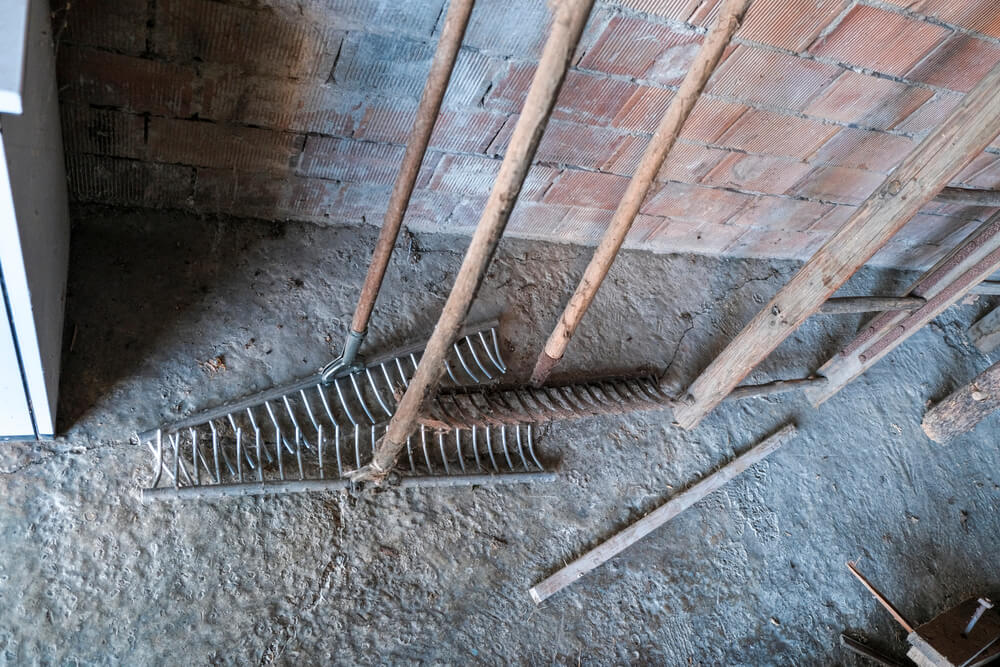
Long-handled wooden hay rakes with weathered tines, priced as rustic décor at $5-15, become $50-200 online among functional collectors. The craftsmanship and aging appeal to both decorators and working farmers.
Rakes in good structural condition fetch highest prices.
Cast Iron Blacksmith Anvil
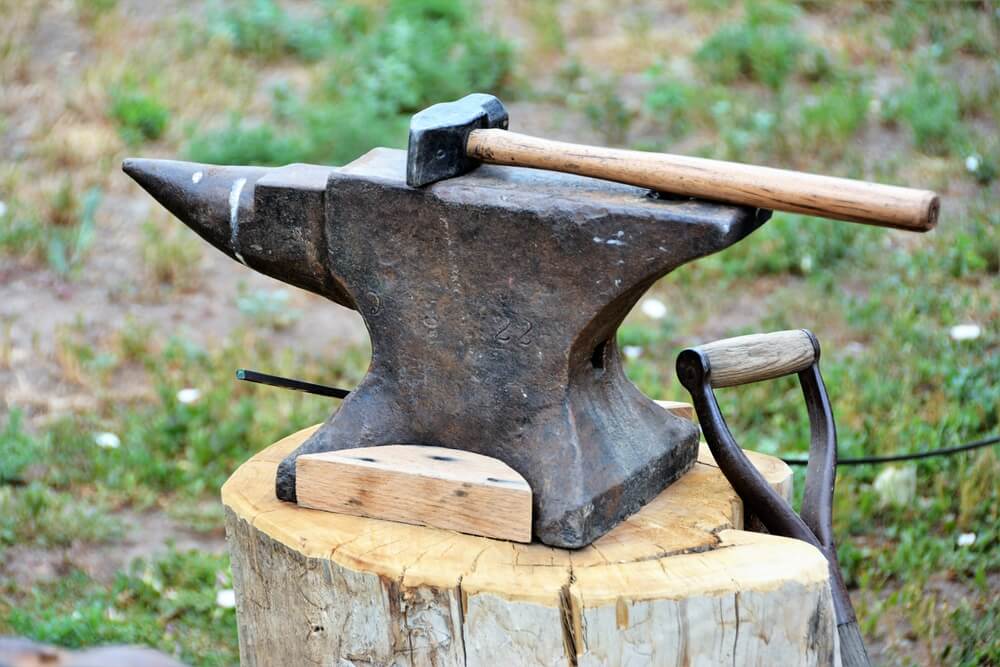
Blacksmith anvils essential to farm operations, priced at $40-100 at auctions, become $200-600 online depending on maker marks and condition. Marked anvils from known manufacturers command premiums.
These tools carry weight—literally and metaphorically—among collectors.
Antique Handheld Sickle

Curved metal sickles used for harvesting, sometimes with decorative hilts or handles, priced at $3-10 auction, become $30-100 online. European examples and those with interesting handle materials fetch premiums.
Condition of the blade matters—rust significantly reduces value.
Shovel (Various Types – Long-Handle, Short-Handle)
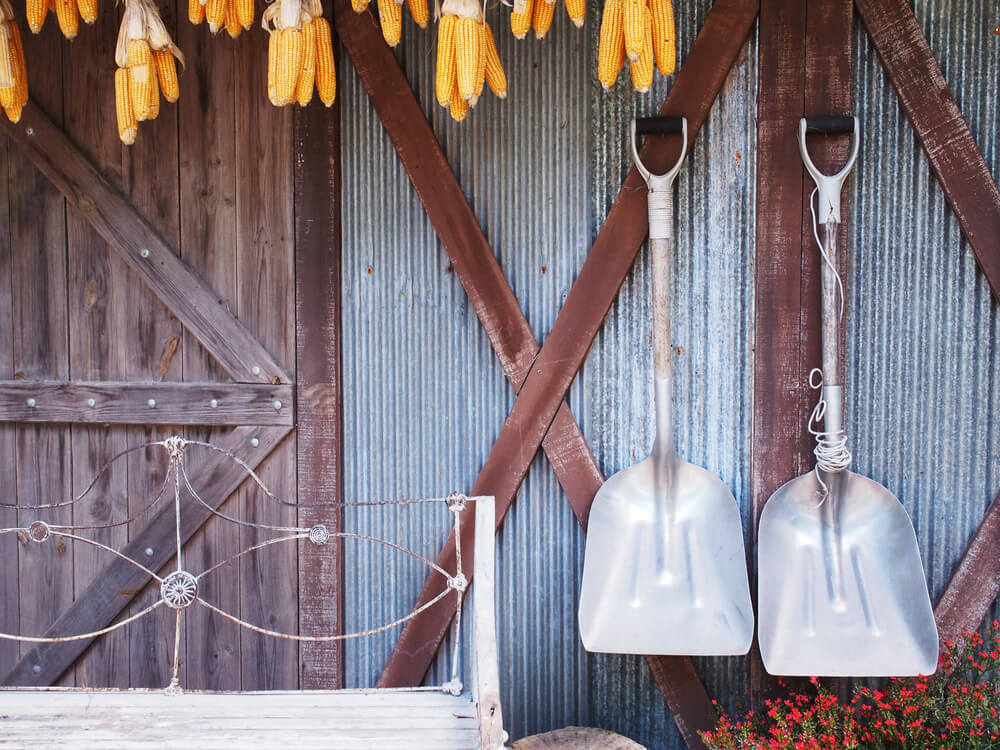
Branded vintage shovels with legible maker marks, priced at $2-8, become $20-60 online. Certain regional makers and unusual designs command higher prices.
Condition of the handle and blade affects value. Matched pairs or sets fetch multiples.
Hoe (Various Types)
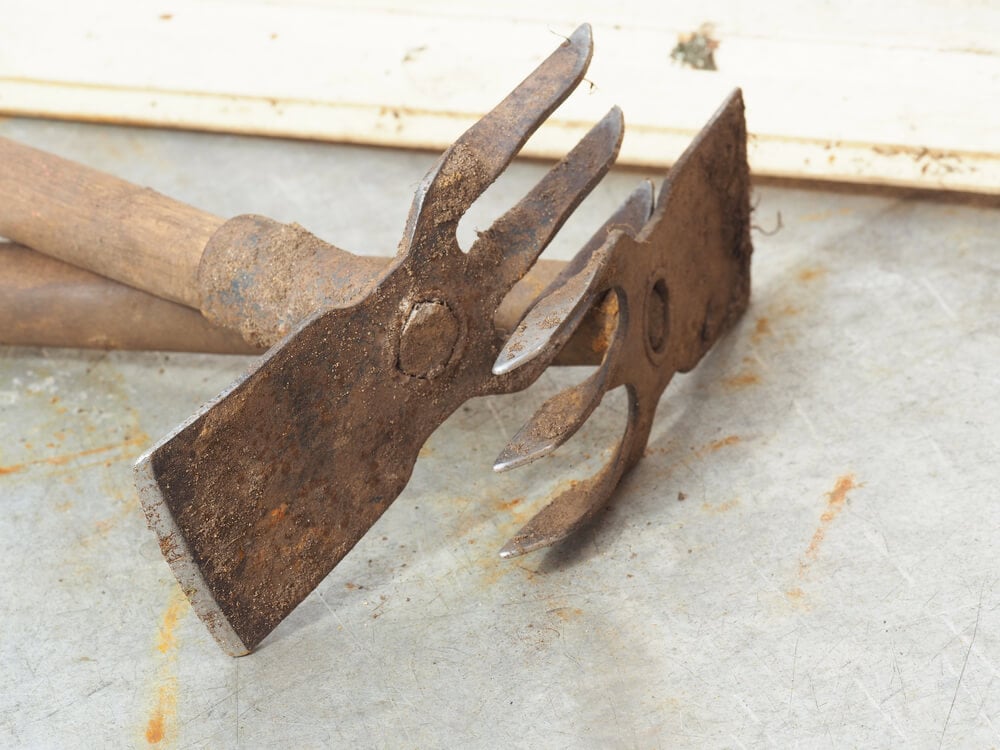
Vintage hoes, especially those from known makers or with unusual blade shapes, priced at $1-5, become $15-50 online. Aesthetic appeal and handle condition matter.
Tool collectors seeking example pieces for display drives steady demand.
Pitchfork (Two or Three Prong)
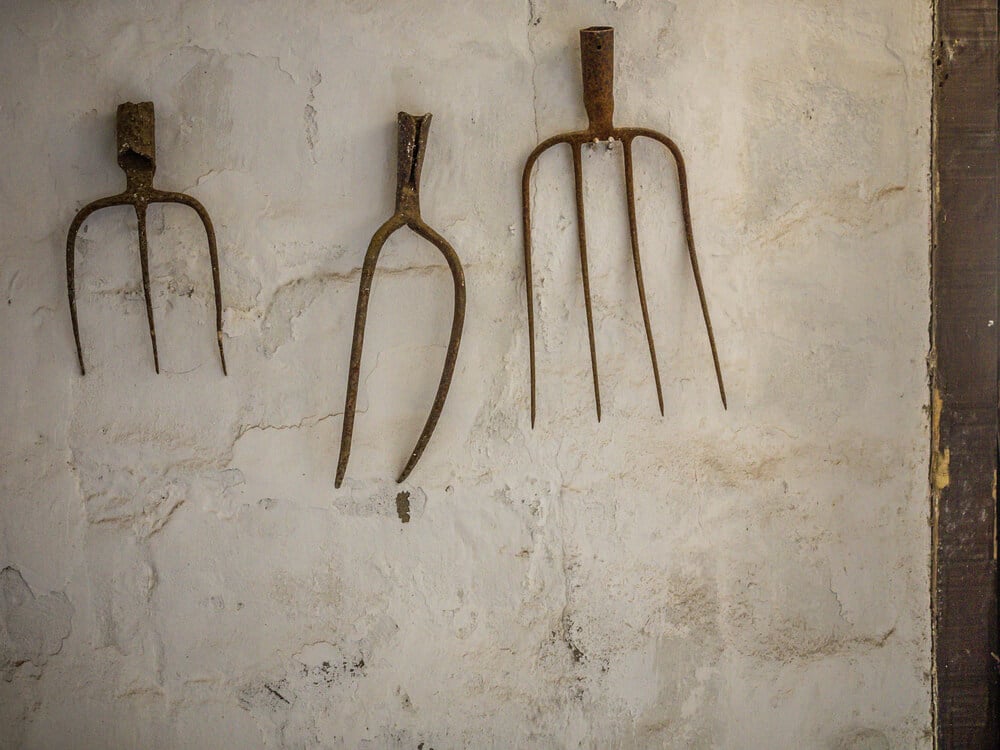
Three-prong and two-prong pitchforks, especially those with interesting tines or branded handles, priced at $2-8, become $20-80 online. Wooden-handled examples in good condition fetch premiums.
Decorators buying for farmhouse aesthetic purchase these steadily.
Scythe (With or Without Cradle)
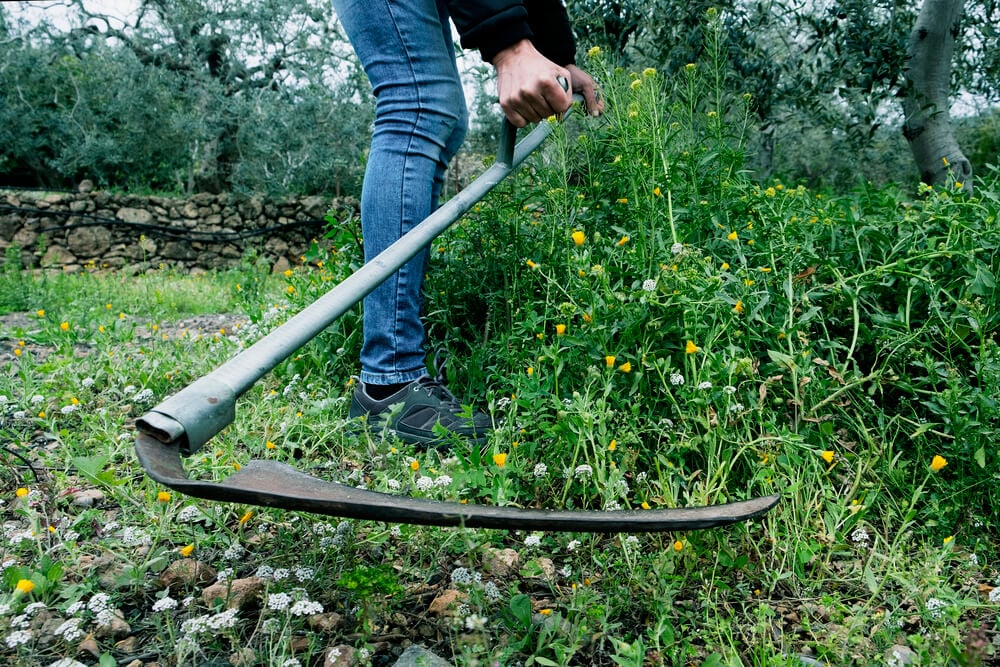
Curved scythes used for cutting grain, sometimes with attached wooden craddles, priced at $5-15, become $40-150 online. The mechanical beauty of the curved blade appeals to collectors.
Quality of the metal and handle condition drive pricing.
Flail (Hand-Operated Threshing)
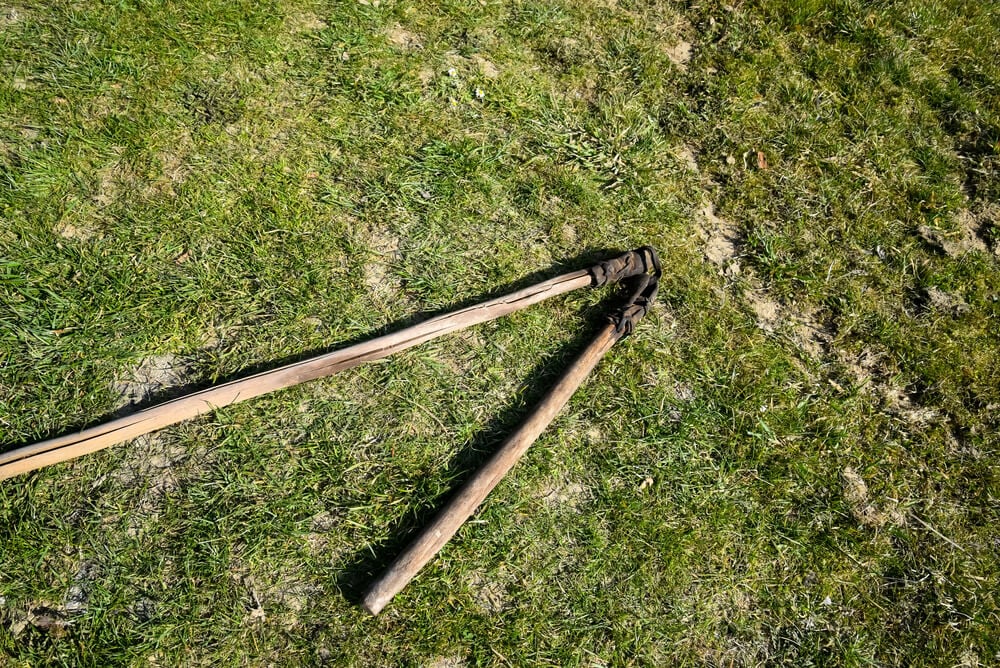
Hand-operated threshing flails with wooden handles and swinging beaters, priced at $3-10, become $30-100 online. The mechanical simplicity and functional design appeal to agricultural history enthusiasts.
Completeness of the swinging mechanism matters.
Chaff Cutter (Hand-Crank)
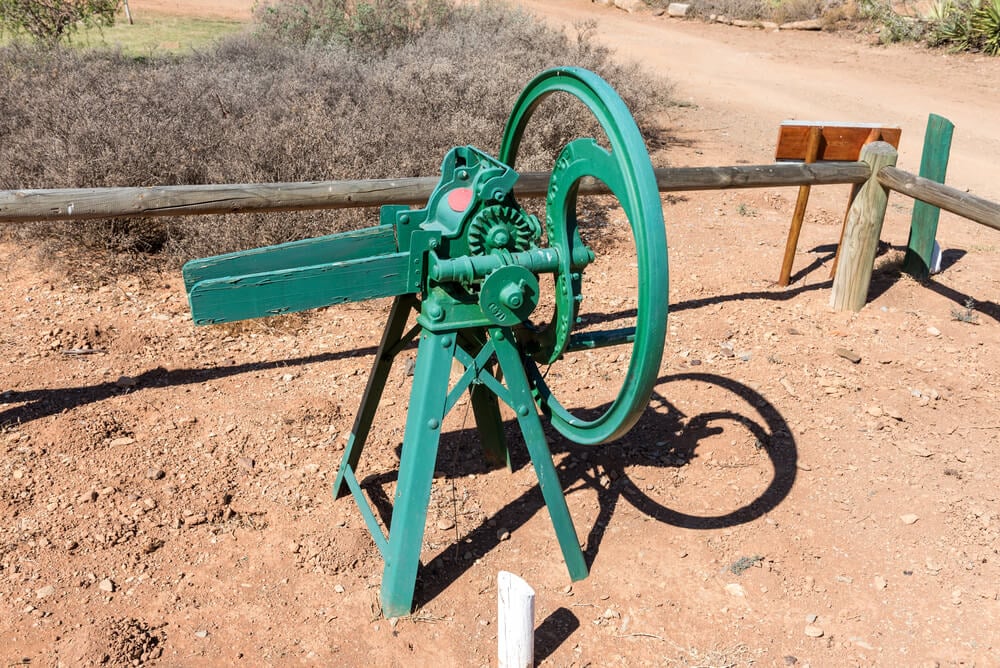
Hand-cranked chaff or feed cutters used to prepare livestock feed, priced at $8-20, become $80-250 online. The mechanical gears and engineering appeal to collectors.
Working condition or restored functionality fetches premiums.
Seed Fiddle (Sowing Broadcast Spreader)
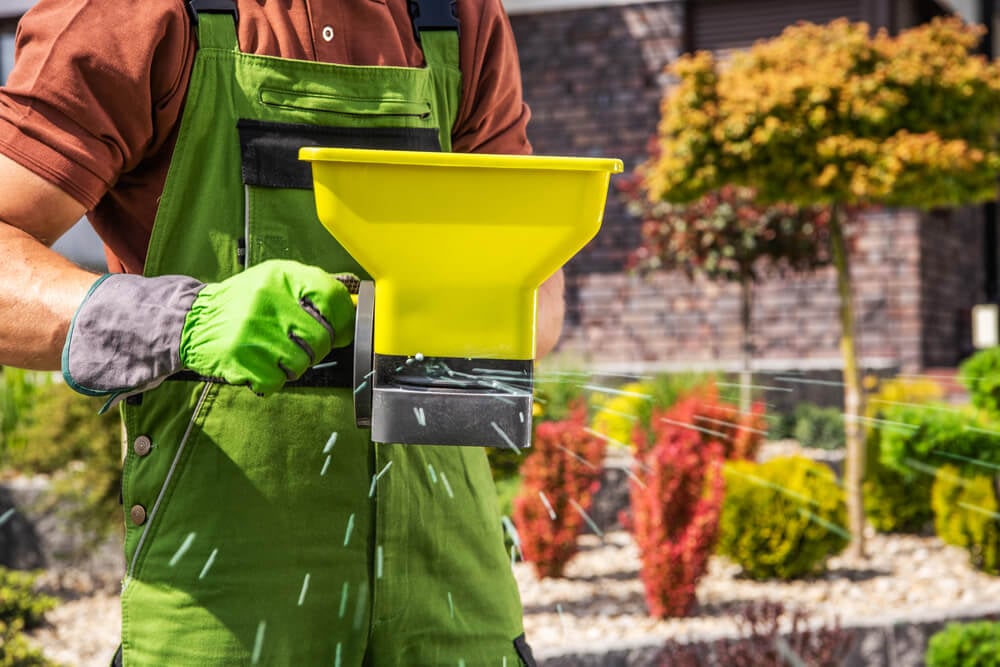
Seed fiddles used for broadcasting seeds across fields, sometimes called fiddle seeders, priced at $4-12, become $40-120 online. The mechanical novelty appeals to collectors.
Completeness of all moving parts matters significantly.
Winnowing Scoop (Wood or Metal)
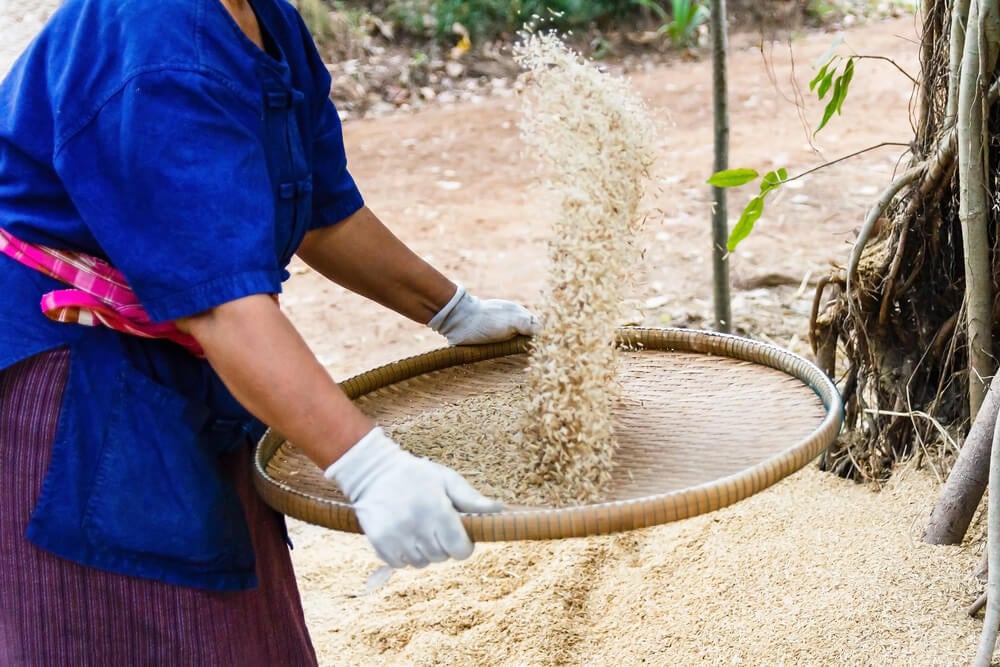
Wooden or metal winnowing scoops used to separate chaff from grain, priced at $2-6, become $15-50 online. Simple construction but essential function draws collector interest.
Carved examples or those with maker marks fetch premiums.
Farrier Pinchers (Horseshoe Removal)
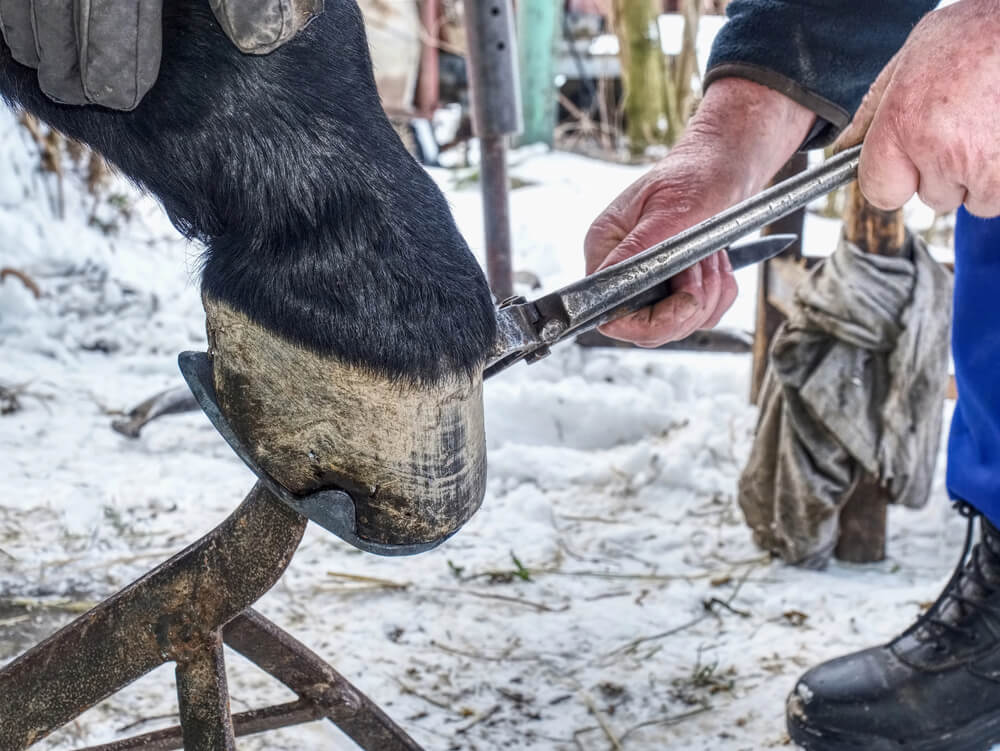
Metal clamps resembling ice block holders, used to remove old horseshoes, priced at $4-12 auction, become $30-80 online. The specialized function and mechanical design appeal to equestrian and tool collectors.
Marked examples command premiums.
Breast Plow (Smaller Manual Plow)
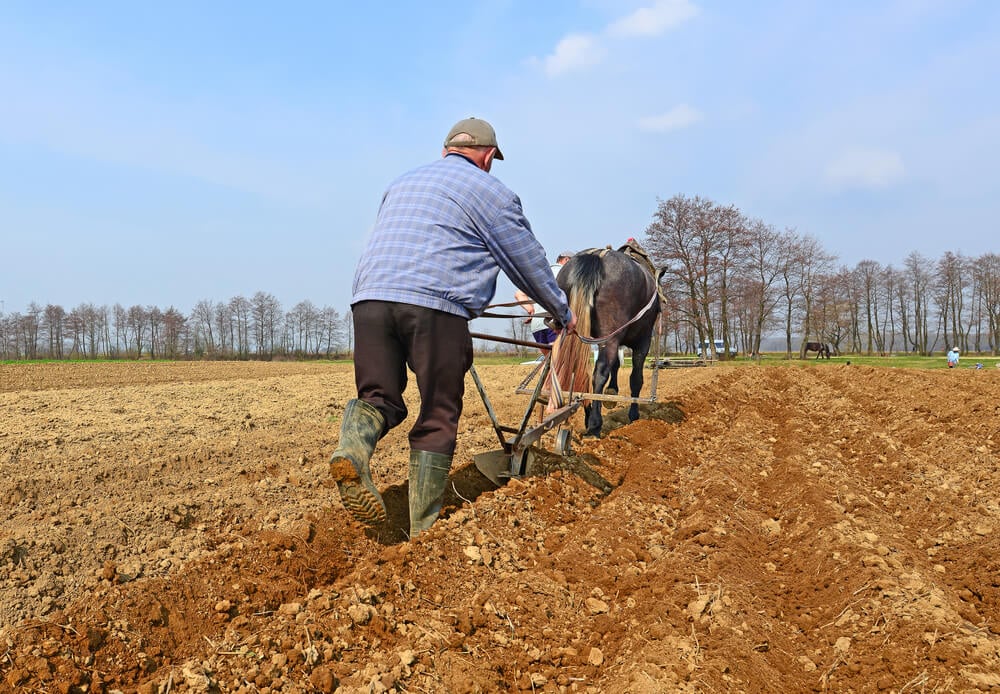
Chest-mounted plows operated by one person, originating from 1650s-1850s, priced at $10-30, become $100-300 online. The rarity and unusual operation method appeal to agricultural historians.
Condition of the handles and metal parts drives value.
Haybob (Hay Windrow Turner)
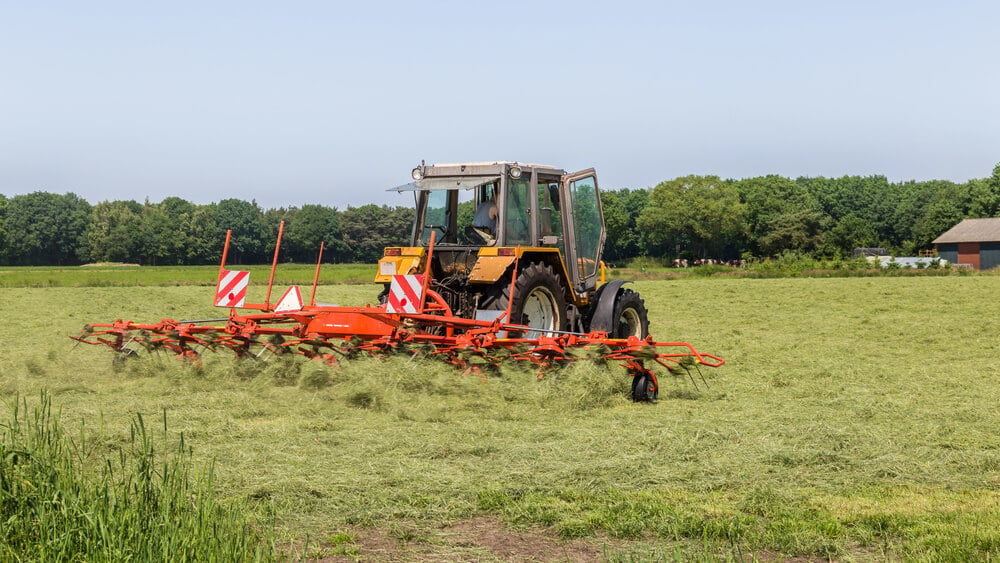
Horse-drawn or tractor-mounted haybobs used to turn dried hay for further curing, priced at $20-50, become $150-400 online. The mechanical complexity appeals to working farmers and collectors alike.
Paint preservation and mechanical completeness matter.
Van Berkel Meat Slicer (Commercial or Farm Model)
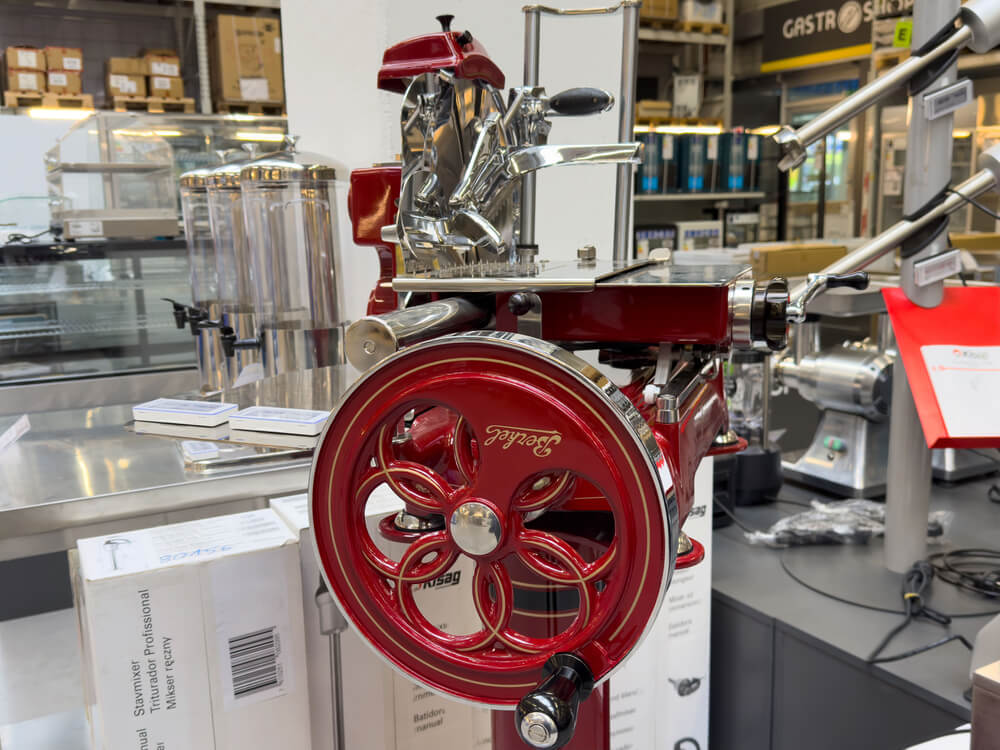
Commercial Van Berkel meat slicers from early 1900s, priced at $15-40, become $300-500 online. The Dutch manufacturer’s reputation for quality drives collector interest.
Working examples command premiums over decorative pieces.
Vintage John Deere Tractor (Early Models)
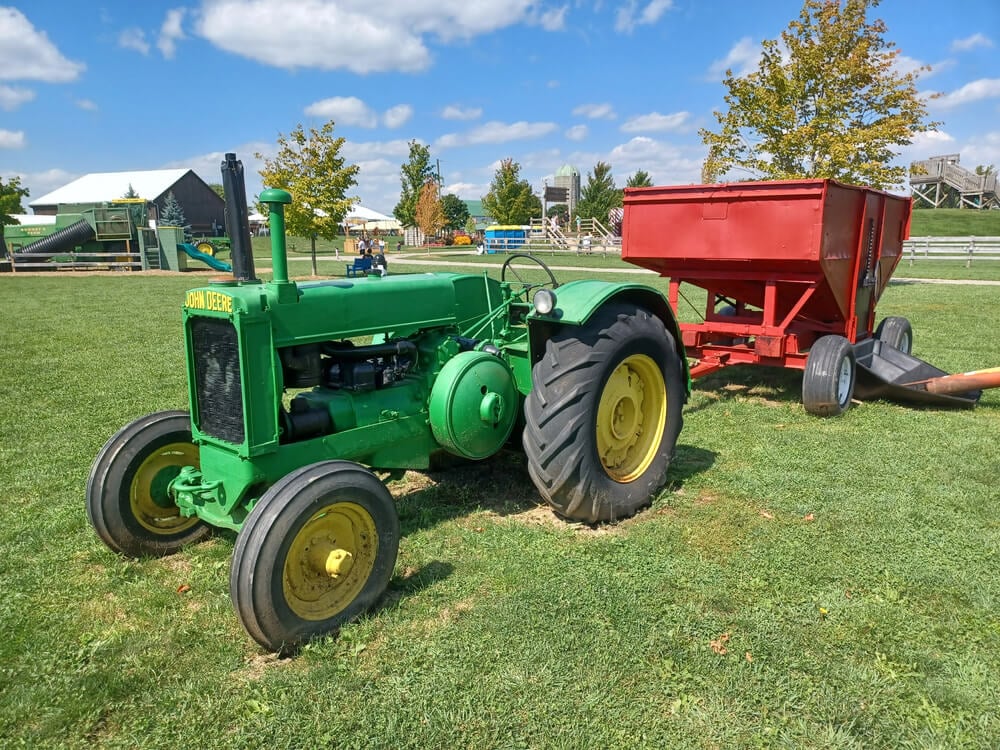
Early John Deere tractors from the 1920s-1950s attract intense competition at farm auctions. Models that hammer at $500-1,000 can reach $3,000-8,000 online depending on rarity and condition.
Rare models and working examples drive highest bidding.
Farm Wagon or Cart (Horse-Drawn)
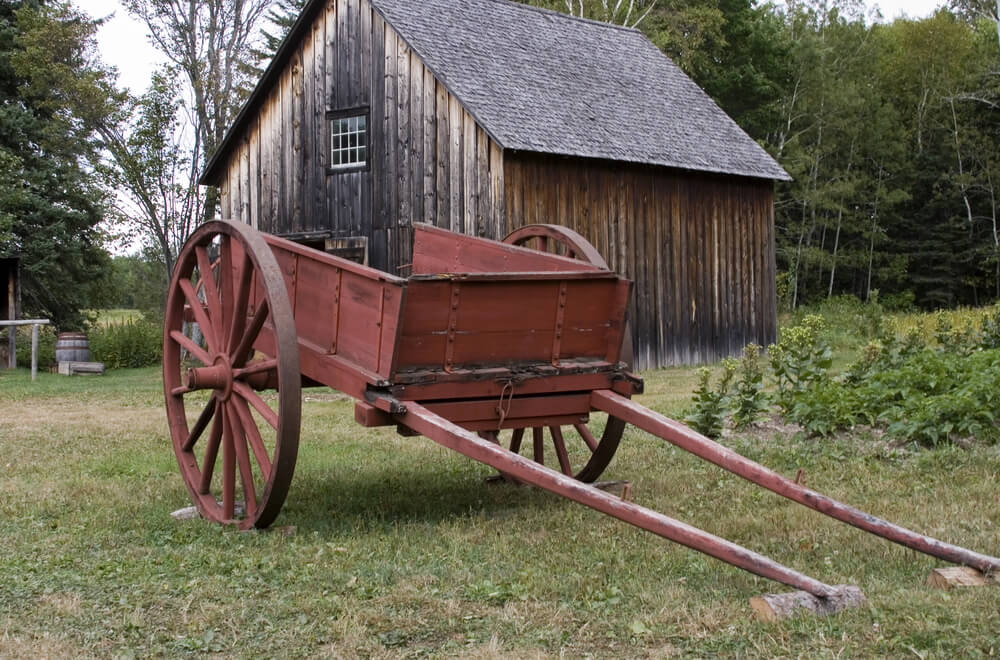
Wooden farm wagons or carts with metal bands and hardware, priced at $50-150 at auctions, become $400-1,000 online depending on condition and completeness. Original paint and intact wooden construction fetch premiums.
Decorators and working farmers both seek these.
Wooden Yoke (Ox Yoke)
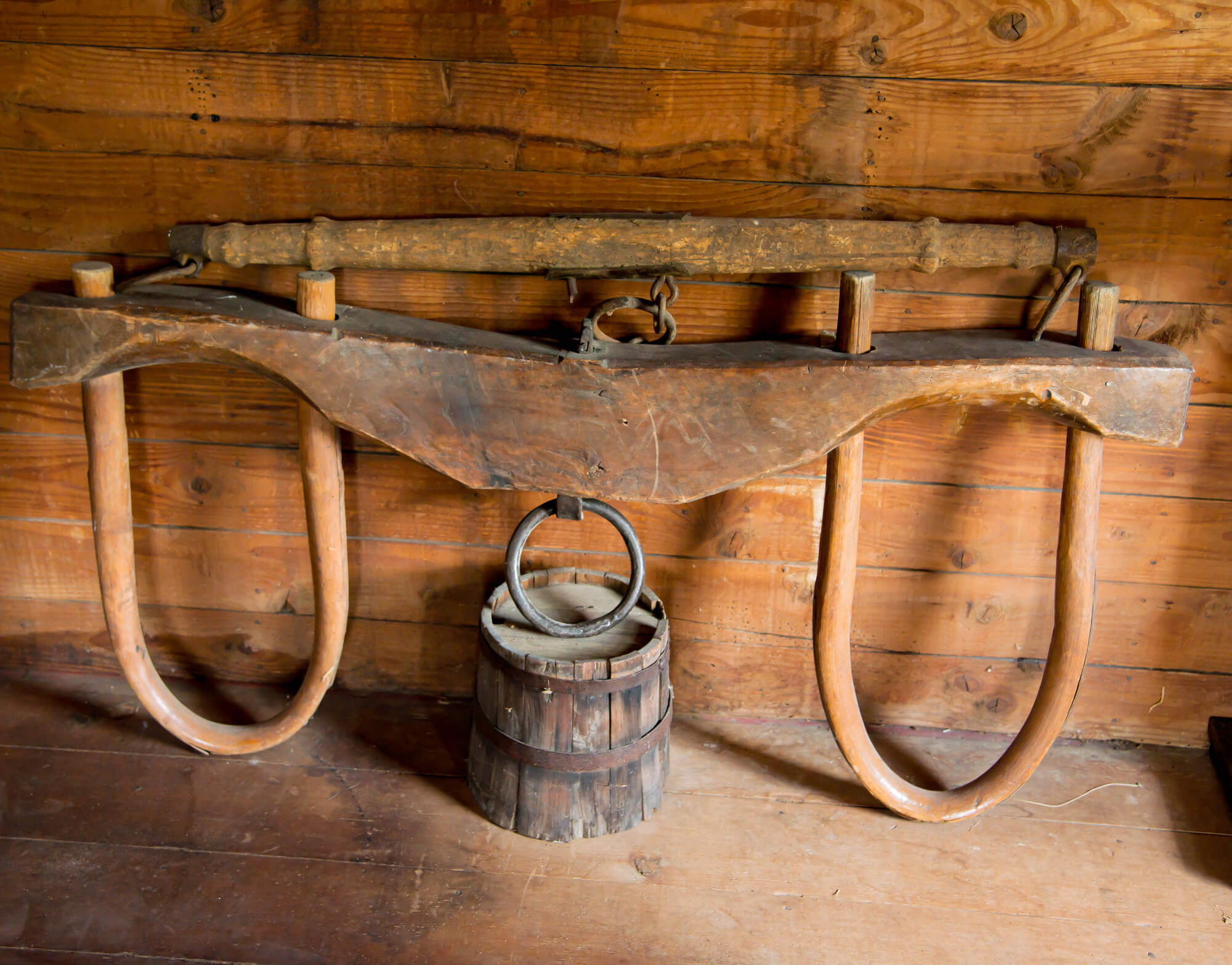
Carved or simple wooden yokes used to harness oxen, priced at $8-20, become $60-200 online. The hand-carved examples and those with interesting details attract decorators.
Functionality and wood condition matter.
Hand-Crank Grain Mill
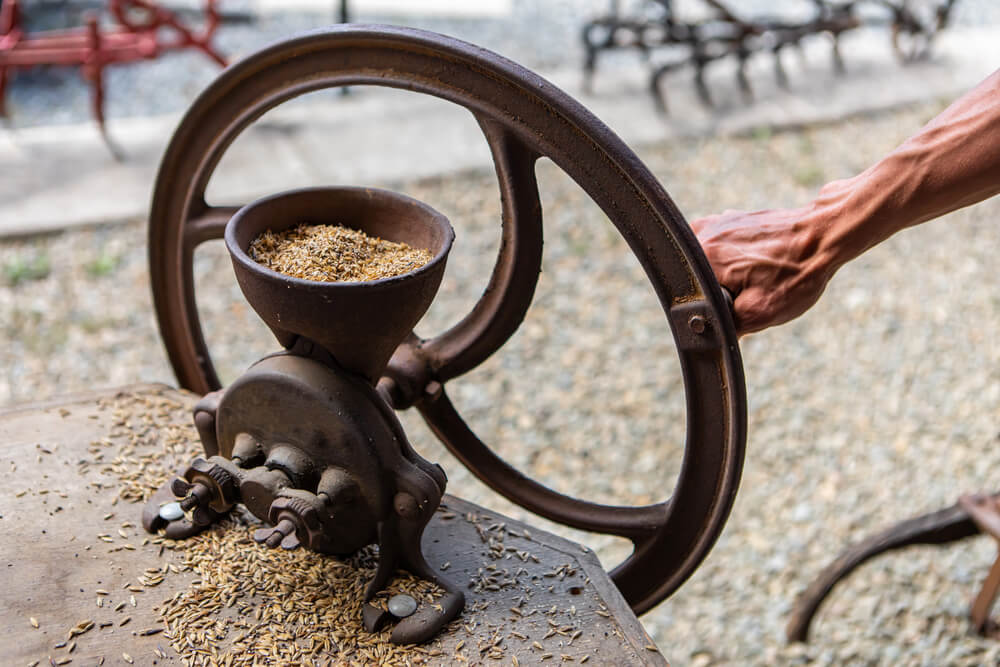
Cast iron hand-crank grain mills, priced at $15-35 at auctions, become $150-350 online. The mechanical complexity and brand reputation drive prices.
Working mills command premiums. Complete mills with all parts intact fetch highest values.
Grain Cleaner (Fanning Mill)
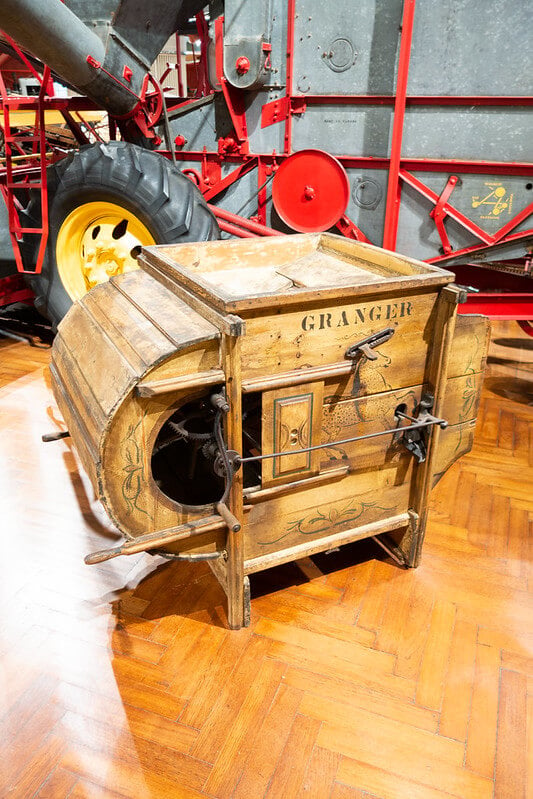
Mechanical grain cleaners or fanning mills that separate chaff from good grain, priced at $20-50, become $150-400 online. The engineering appeal to agricultural and mechanical collectors drives demand.
Operational examples with all screens intact fetch premiums.
Cast Iron Feed Trough
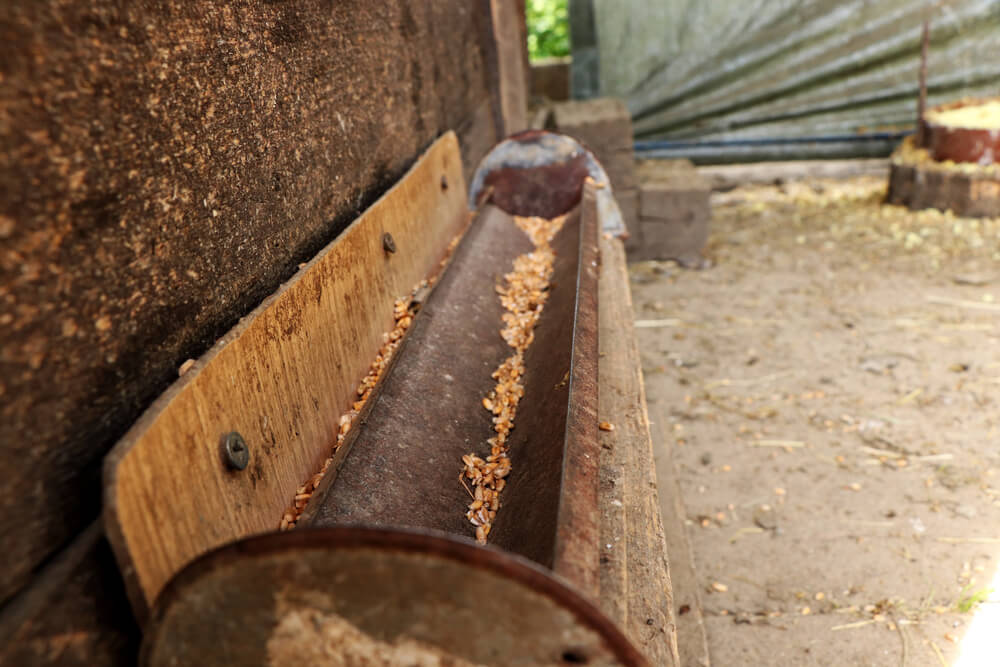
Heavy cast iron feed troughs used for livestock, priced at $10-25 at auctions, become $80-250 online depending on size and design. These functional pieces appeal to decorators and working farmers.
Marked examples and larger sizes fetch premiums.
Horse-Drawn Potato Planter
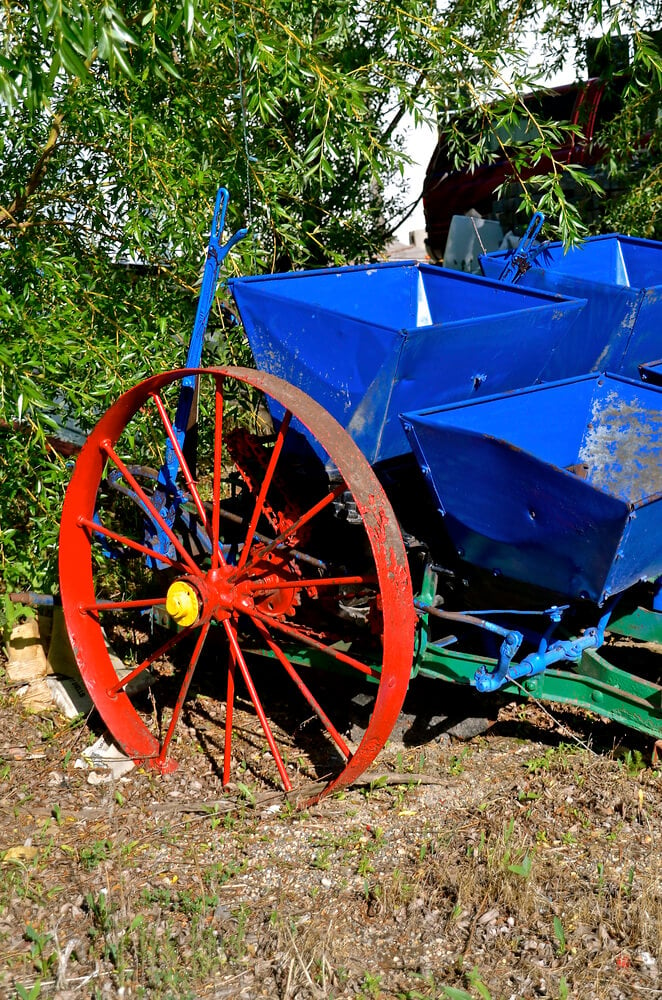
Specialized planting equipment for potatoes, priced at $30-75, becomes $200-500 online. The specialized function and mechanical complexity appeal to potato-farming region collectors.
Working condition drives value upward significantly.
Potato Cutter (Hand-Cranked or Foot-Operated)
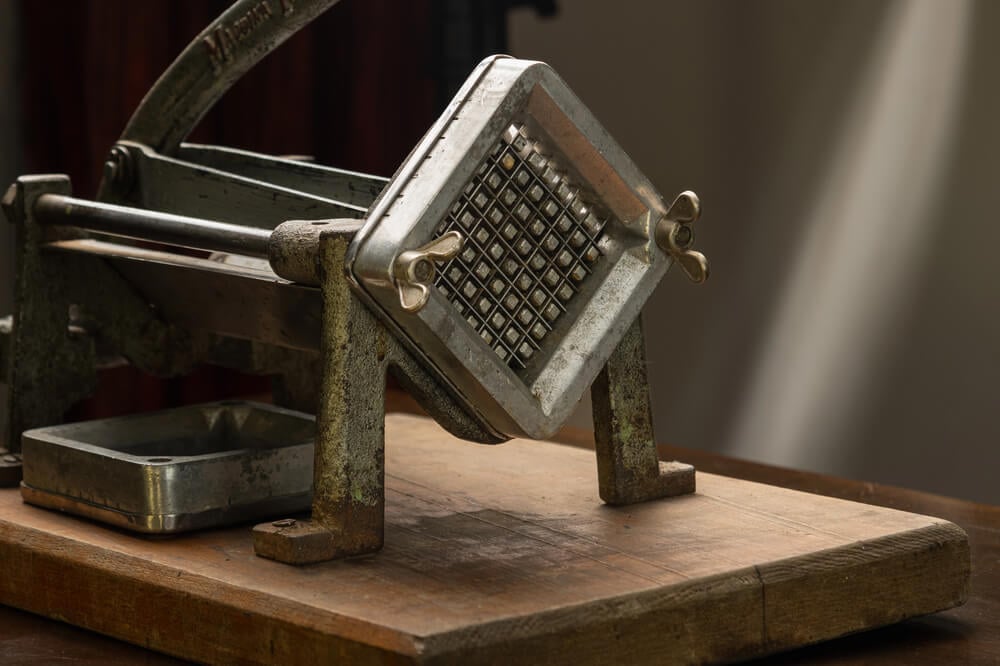
Equipment that cut seed potatoes into appropriate pieces for planting, priced at $5-15, becomes $40-120 online. Mechanical cutters appeal to specialized collectors.
Completeness and blade condition matter.
Potato Elevator or Conveyor (Mechanical)
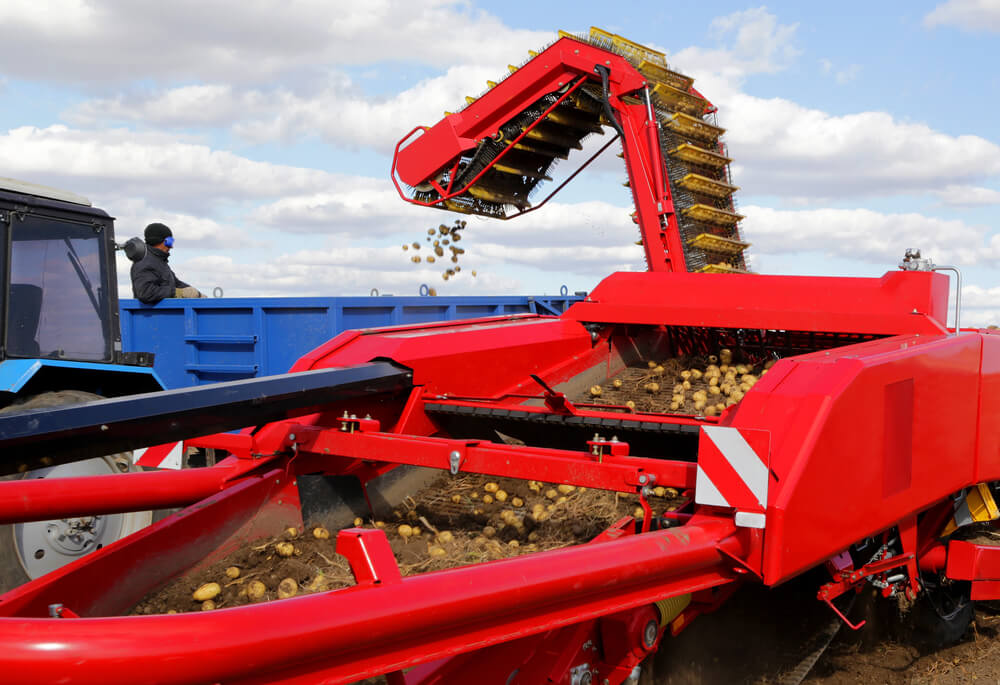
Belt-driven or mechanical potato elevators used for harvest processing, priced at $25-60, become $200-500 online. The engineering and seasonal functionality appeal to potato farmers.
Working condition or restorable condition drives prices upward.
Grain Elevator (Small Portable Type)
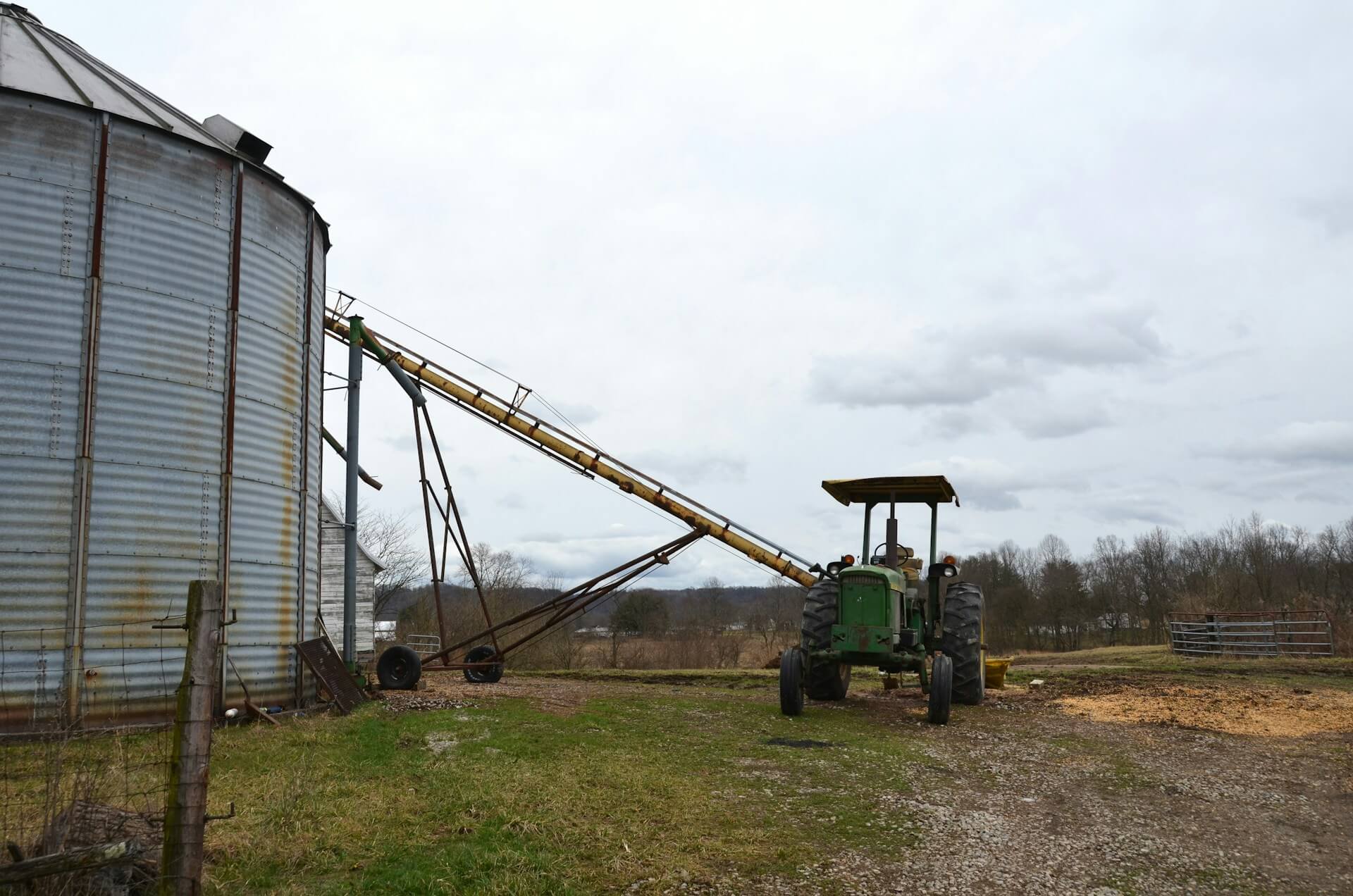
Hand-operated or motor-driven grain elevators, priced at $20-50, become $150-350 online. The mechanical complexity and still-useful function appeal to working farmers.
Gas-powered or electric models fetch premiums.
Sharpening Stone (Complete Set or Whetting Stone)

Complete sets of sharpening stones or whetstones used to maintain tool edges, priced at $5-15 per set, become $30-80 online. Mounted sets or those in original boxes fetch premiums.
The utility and aesthetic of organized stone sets appeals to collectors.
Horse-Drawn Cultivator (Crop Row Cultivation)
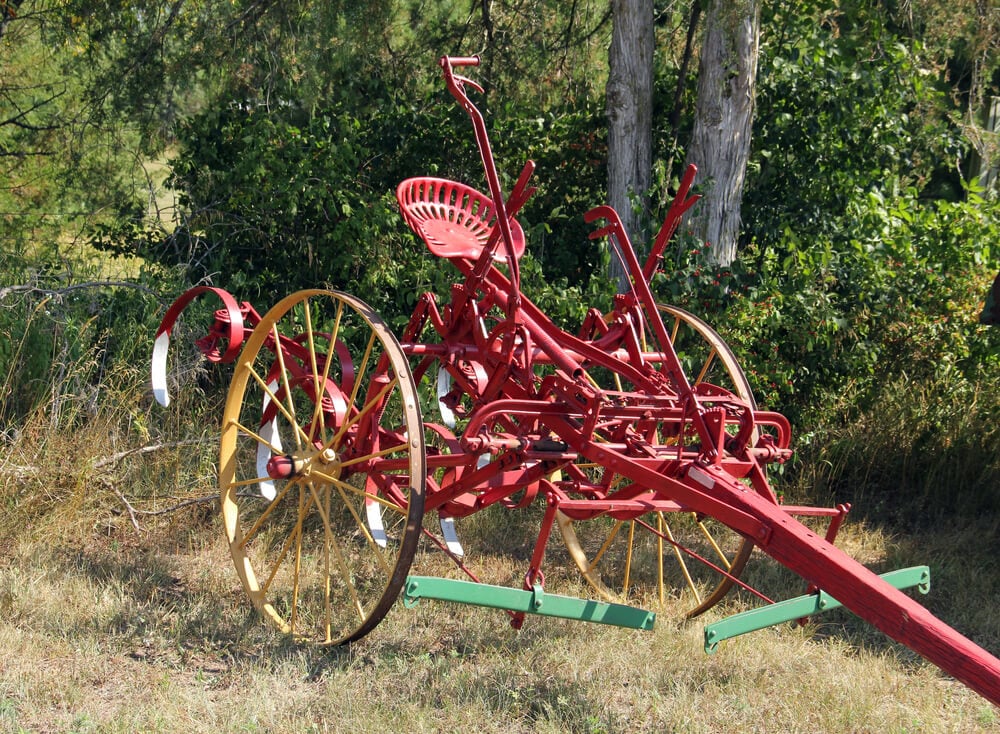
Multi-row cultivators dragged behind horses to remove weeds between planted rows, priced at $30-75, become $250-600 online. The mechanical design for precise spacing appeals to agricultural engineers and collectors.
Adjustment mechanisms and tine condition matter.
The Quiet Bidding Wars
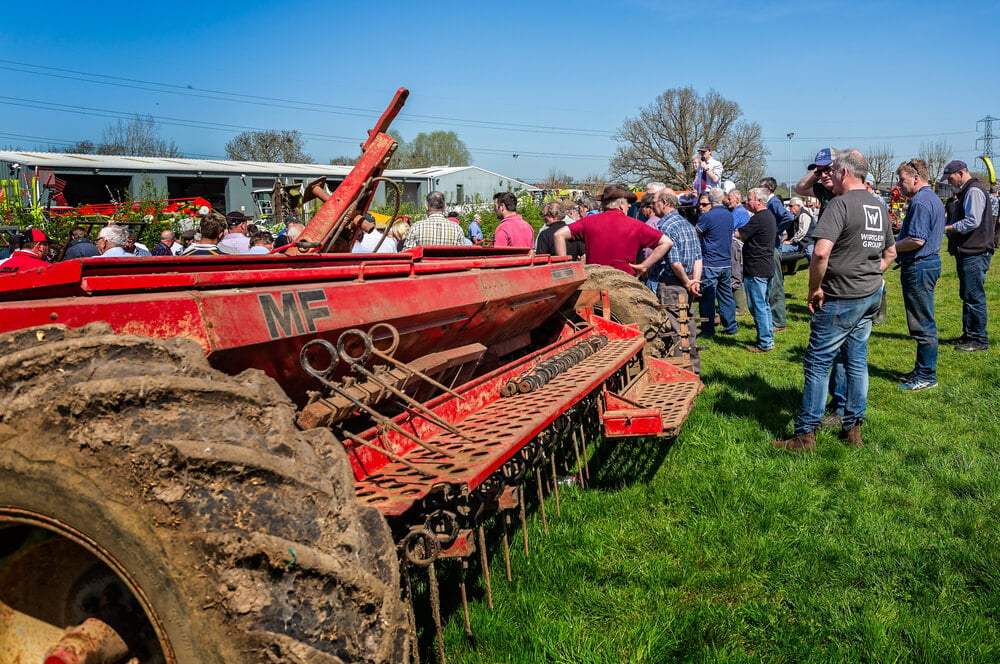
Farm auctions attract dedicated collectors who know the difference between a generic plow and a John Deere plow from a specific era. They sit quietly through lots of machinery, then suddenly engage when something rare surfaces.
A tool that’s been sitting in a barn for forty years, unmarked and unrecognized, gets hammered down cheap because the auctioneer doesn’t know its significance. A collector who recognizes the maker or patent date wins at $40, then lists it online for $400.
The knowledge separates winners from watchers.
More from Go2Tutors!

- The Romanov Crown Jewels and Their Tragic Fate
- 13 Historical Mysteries That Science Still Can’t Solve
- Famous Hoaxes That Fooled the World for Years
- 15 Child Stars with Tragic Adult Lives
- 16 Famous Jewelry Pieces in History
Like Go2Tutors’s content? Follow us on MSN.