22 Machines Factories Retired Faster Than Workers Expected
Factories built industrial equipment intended to last decades, then watched the machines become economically obsolete within years. Workers trained on specific equipment found themselves obsolete before they retired, replaced not by newer versions of the same machine but by entirely different technology.
The equipment itself was scrapped, melted down, or left to rust in industrial graveyards.
Glass Bottle Manufacturing Machines

Late 1800s glassblowing and bottle-shaping equipment was rendered obsolete within a generation by mechanized bottle makers. Skilled glassblowers who trained for years found their craft eliminated, with their machines scrapped as factories standardized on automated production.
Textile Looms and Spinning Wheels

Early Industrial Revolution textile machinery dominated factory floors for a century before computerized looms arrived, making millions of dollars in equipment instantly obsolete. Factories scrapped functional machines to avoid the appearance of operating outdated technology.
Letterpress Printing Equipment
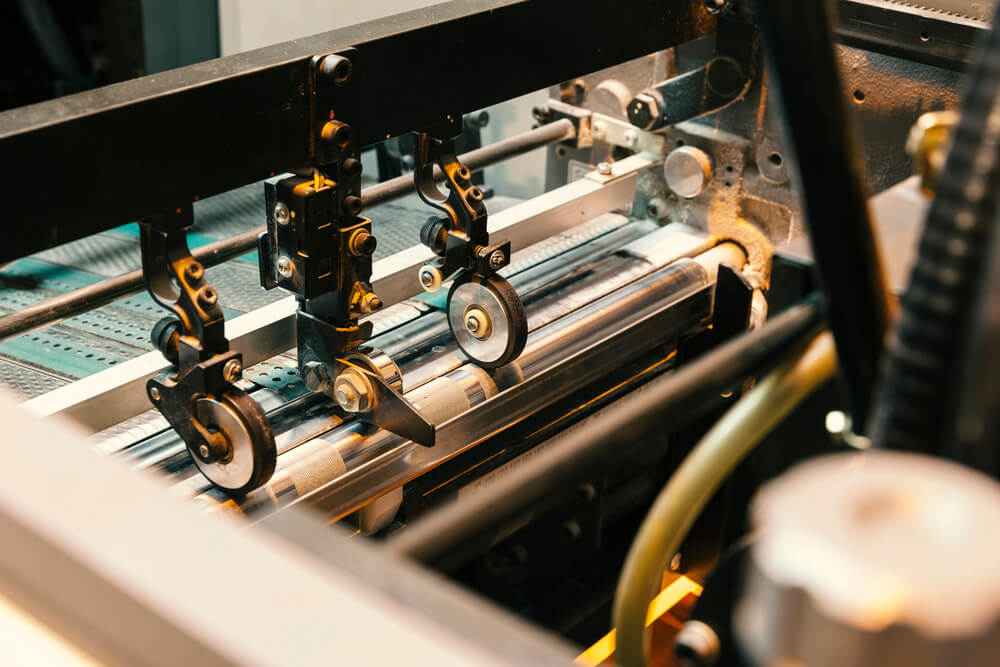
Linotype machines and hot-metal printing presses dominated from the 1880s through the 1970s. When phototypesetting and digital printing arrived, thousands of printing shops discarded perfectly functioning letterpress equipment, leaving machines that cost tens of thousands of dollars as scrap metal.
Typesetting Machinery

Linotype and monotype machines that set lead type were completely abandoned within two decades of phototypesetting’s arrival. Equipment that required years to master was rendered worthless so quickly that skilled operators couldn’t transition before retirement age.
Rotary Telephone Manufacturing Equipment

Telephone assembly lines built to produce rotary phones for decades were torn out when push-button phones arrived. The machinery had decades of life remaining but was scrapped because rotary phones were considered obsolete.
Switchboard Manufacturing and Assembly Lines
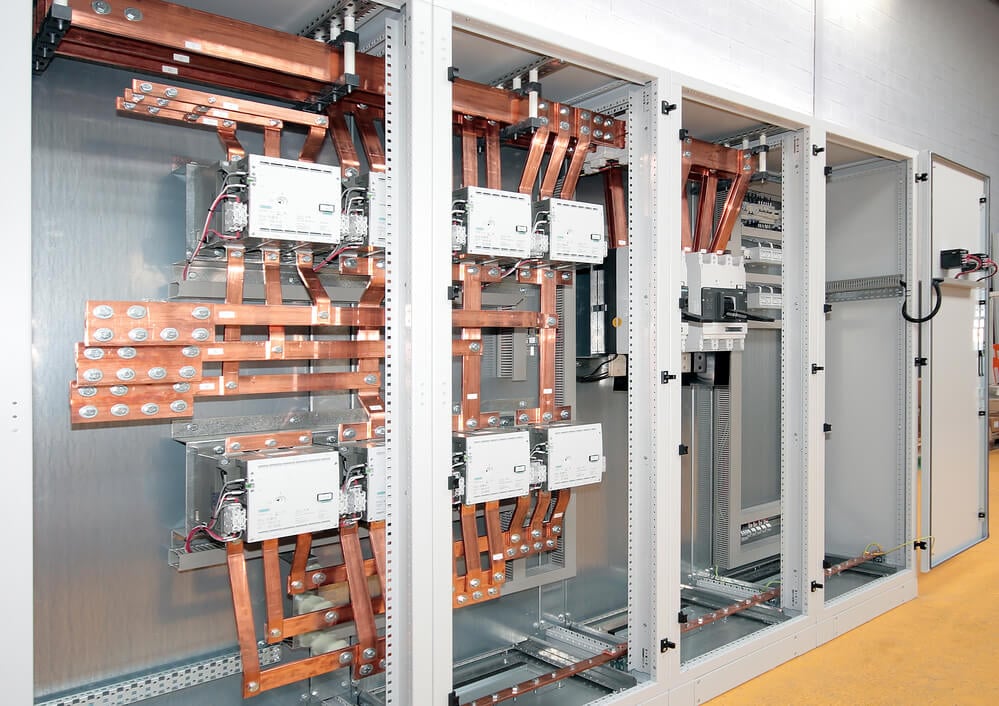
Manual telephone switchboards employed thousands in switchboard operations until electronic switching arrived in the 1960s. The machinery that produced switchboards was decommissioned, and the human operators were let go almost simultaneously.
Cathode Ray Tube (CRT) Manufacturing Equipment
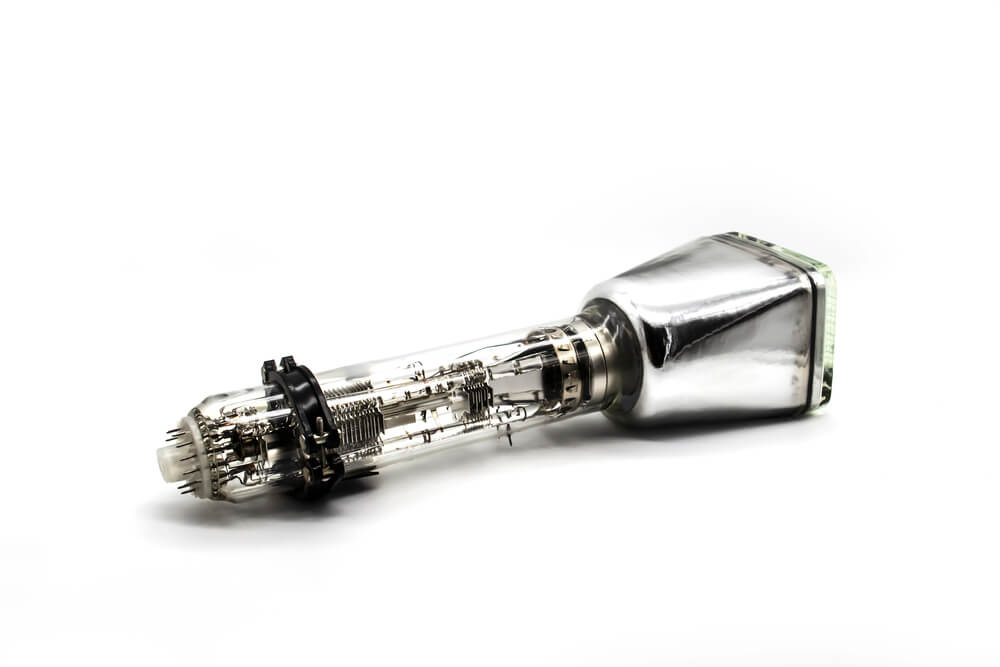
Massive factories filled with specialized machinery to manufacture CRT tubes for televisions and monitors became worthless within a decade when LCD screens arrived. The transition from CRT to flat-panel happened so fast that factories couldn’t recoup investment in the expensive equipment.
Vacuum Tube Manufacturing Machinery
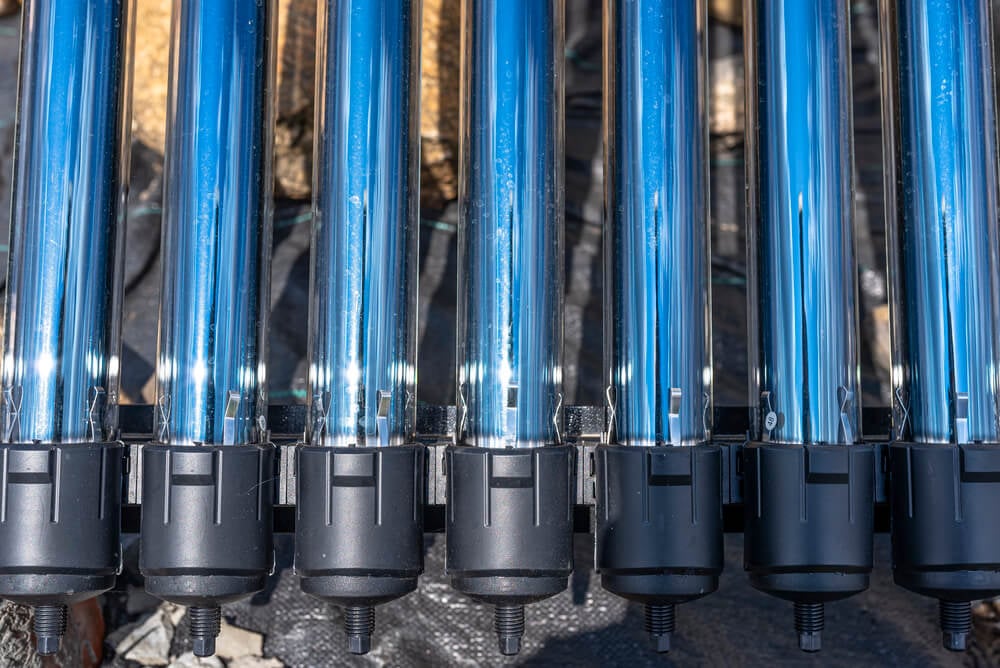
Radio and television tube production required specialized equipment that became instant waste when semiconductor transistors were adopted. The machinery that produced tubes had no secondary use and was scrapped by the thousands.
Film Photography Equipment Manufacturing

Kodak’s film manufacturing equipment, refined over a century, was rendered economically obsolete when digital cameras became consumer products. The company that invented digital photography shelved the equipment to protect film profits, only to watch the entire market shift anyway.
Punch Card Computing Equipment

IBM’s specialized machinery for manufacturing punched cards and card readers was scrapped as digital computing eliminated the technology. Equipment designed to last decades became waste within years of direct-recording electronic systems’ adoption.
VCR Manufacturing Equipment

Factories that manufactured VCRs for decades suddenly found no market for the products once DVD players arrived. Equipment representing enormous capital investment was shuttered or scrapped within five years.
DVD Manufacturing Equipment
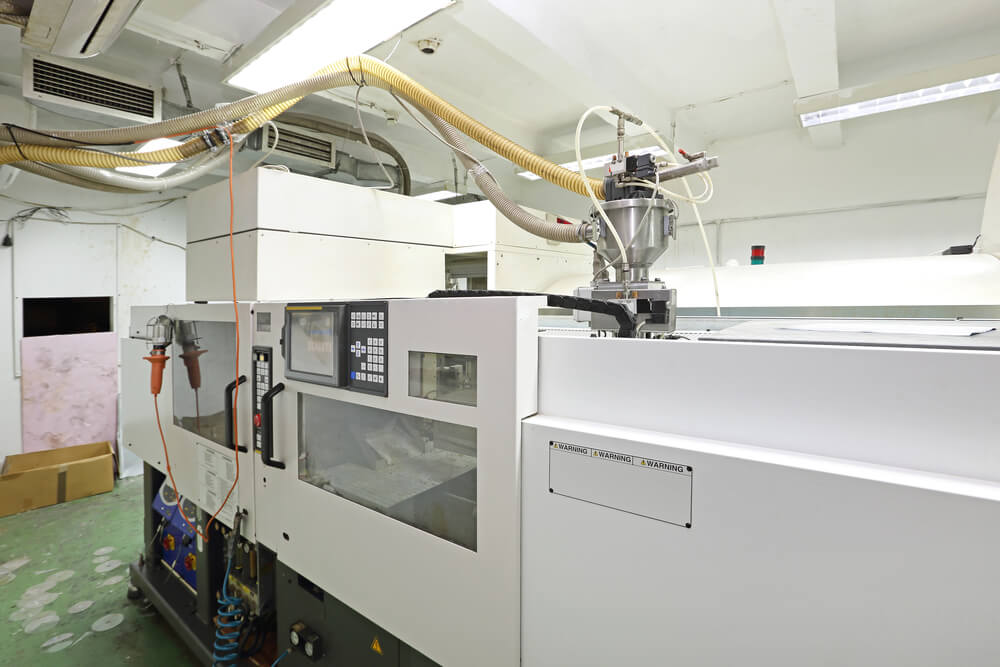
The same fate befell DVD production equipment within another decade when streaming services made physical media economically pointless. Factories built to churn out DVDs sat idle or were dismantled.
Typewriter Assembly Lines

Typewriter manufacturing equipment, refined over a century to produce machines that would outlast any human owner, was abandoned when word processors arrived. The machinery was sometimes exported to poorer nations but often simply scrapped.
Floppy Disk Manufacturing Equipment
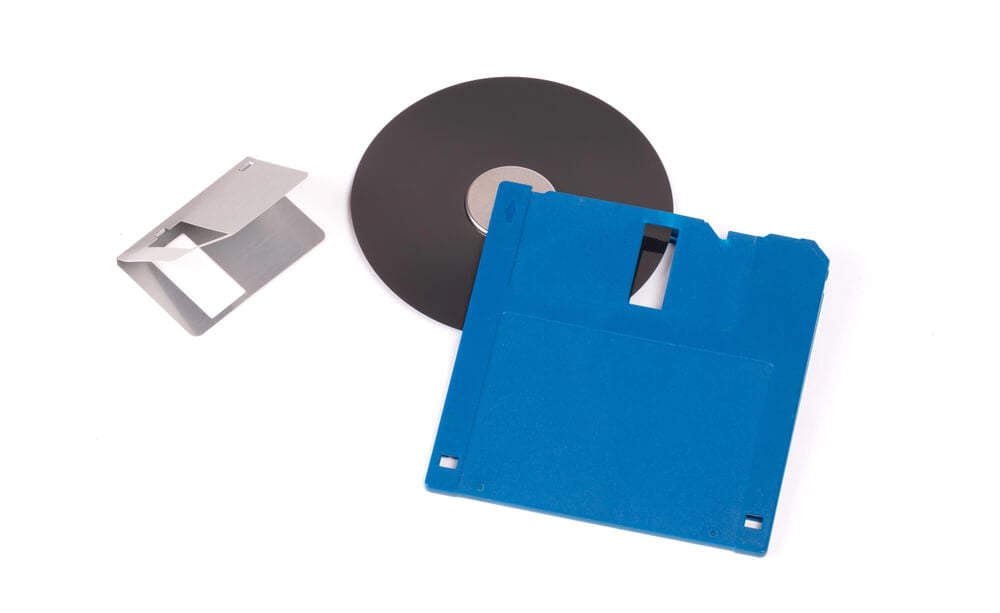
Specialized machinery to manufacture floppy disks became worthless almost overnight when USB drives and cloud storage provided cheaper alternatives. Factories closed within years of the technology becoming irrelevant.
Film Processing and Developing Equipment

Darkrooms full of sophisticated photographic chemistry equipment became waste when digital photography eliminated the need for film development. Chemical processing equipment with decades of potential utility was scrapped.
Telegraph Equipment Manufacturing
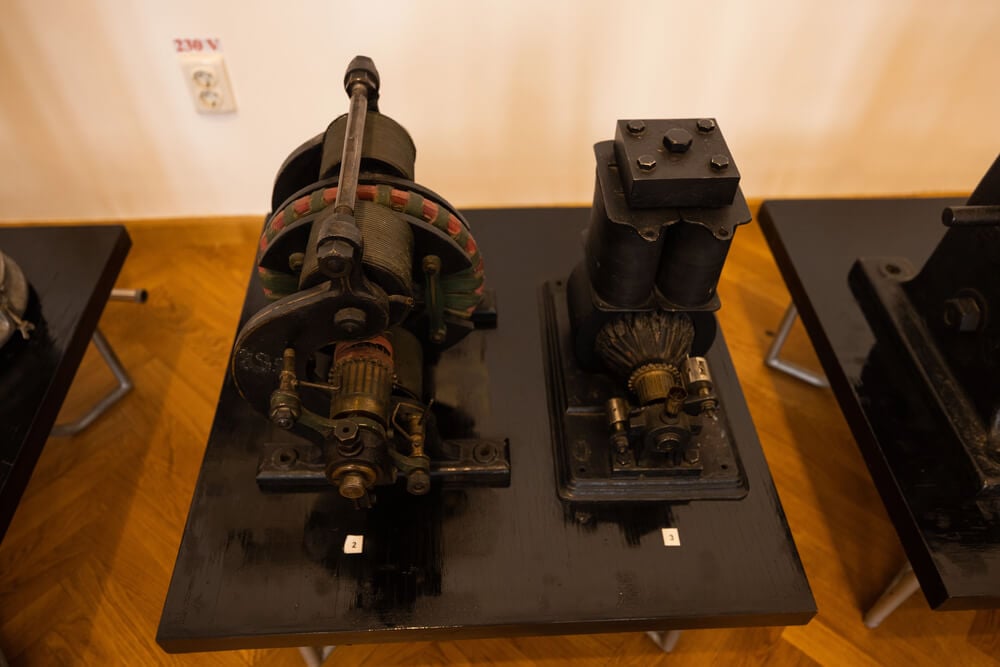
Factories that produced telegraph equipment for over a century saw the technology vanish within decades of radio and telephone dominance. The specialized machinery became obsolete before any of it wore out from use.
Coal Ash Handling Equipment

Coal-fired power plants installed massive machinery to handle, process, and dispose of coal ash. When coal power plants were decommissioned or converted to natural gas, the specialized equipment became worthless instantly.
Diesel Locomotive Manufacturing Equipment
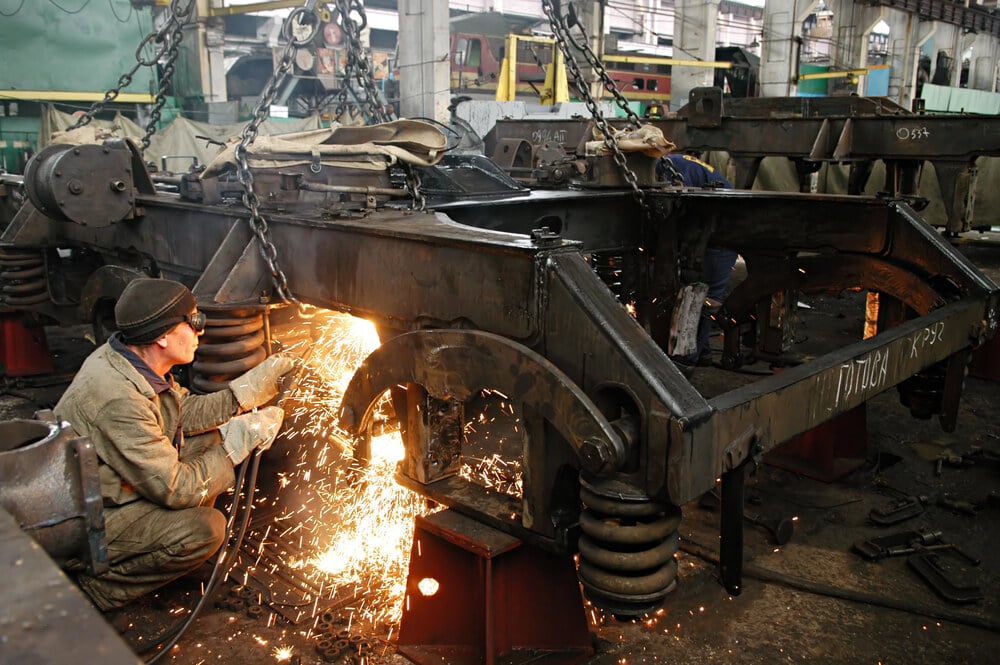
Factories producing diesel locomotives across decades watched the equipment become obsolete as railroads modernized to electric or different locomotive models. The specialized tooling had no secondary purpose.
Tape-Based Data Storage Manufacturing
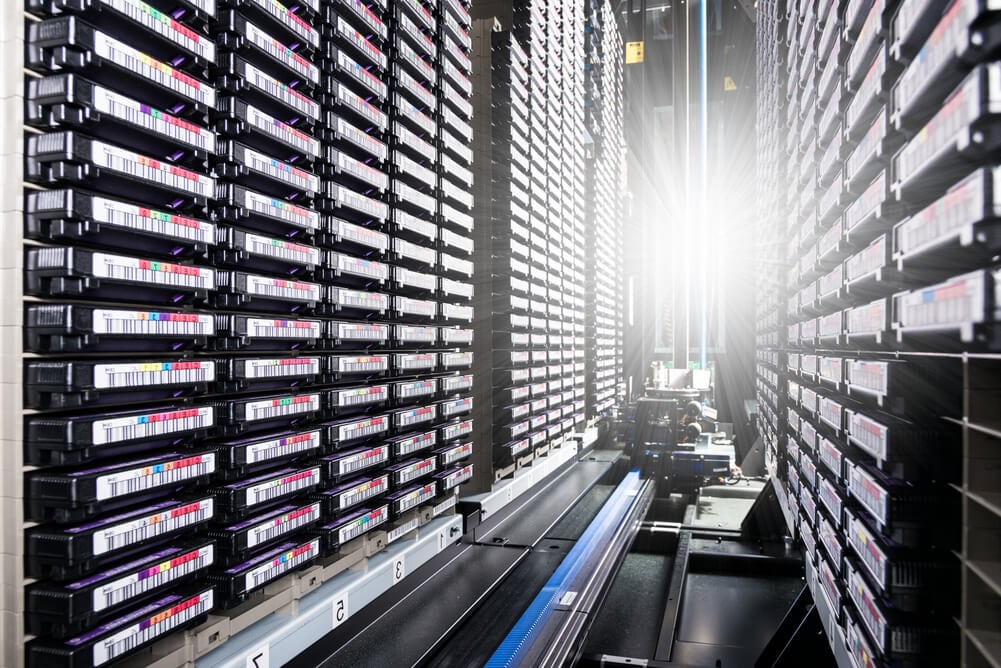
Machinery to manufacture magnetic tape cartridges for data backup became waste as solid-state storage arrived. The equipment was specialized and couldn’t be retooled for alternative purposes.
Film Negative Manufacturing Equipment

Machines to coat and manufacture photographic film negatives were scrapped as digital photography eliminated the need for film itself. The precision manufacturing equipment had no alternative application.
Betamax and LaserDisc Manufacturing
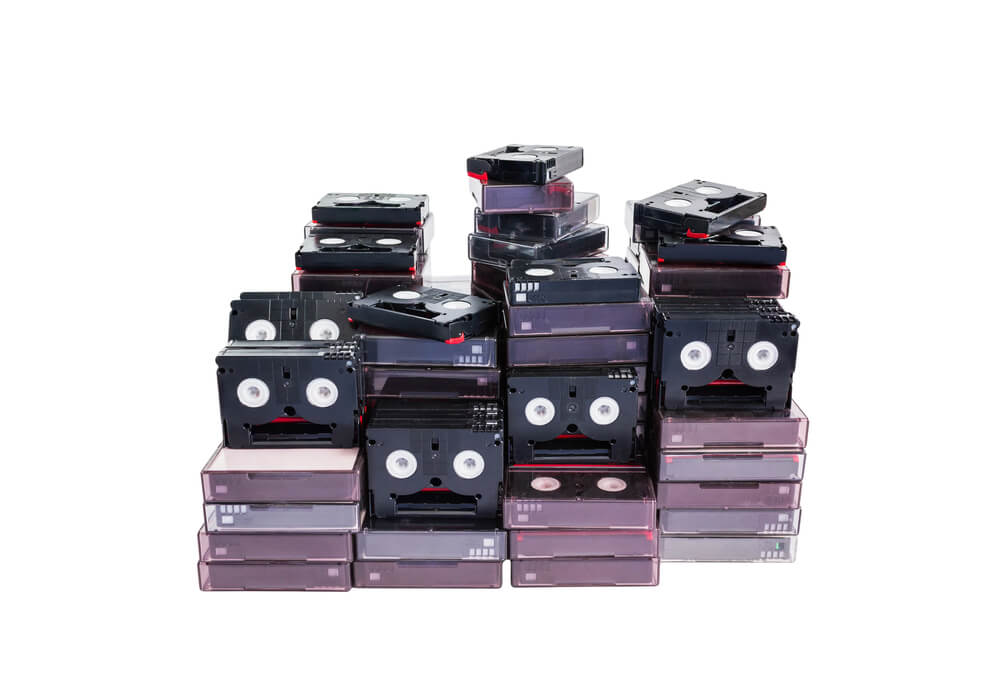
Factories briefly produced Betamax recorders and LaserDisc players before market forces eliminated both technologies within years. The manufacturing equipment was either scrapped or retooled for competing formats that were also doomed.
Cassette Tape Manufacturing Equipment
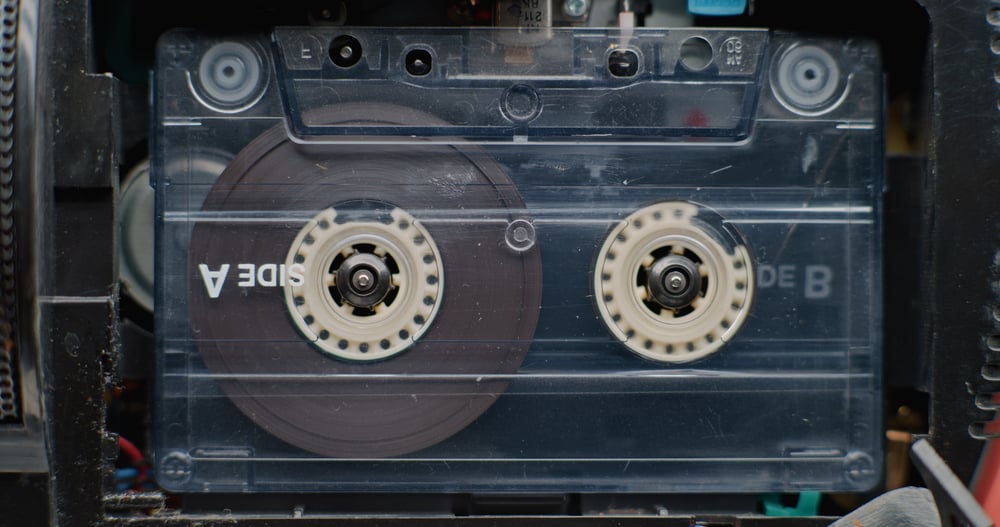
Factories producing cassette tapes as late as the 1990s had to shut down machinery when MP3s and digital music eliminated the format. Tape-winding machinery was rendered obsolete almost overnight.
The Conclusion: Technological Obsolescence of Capital
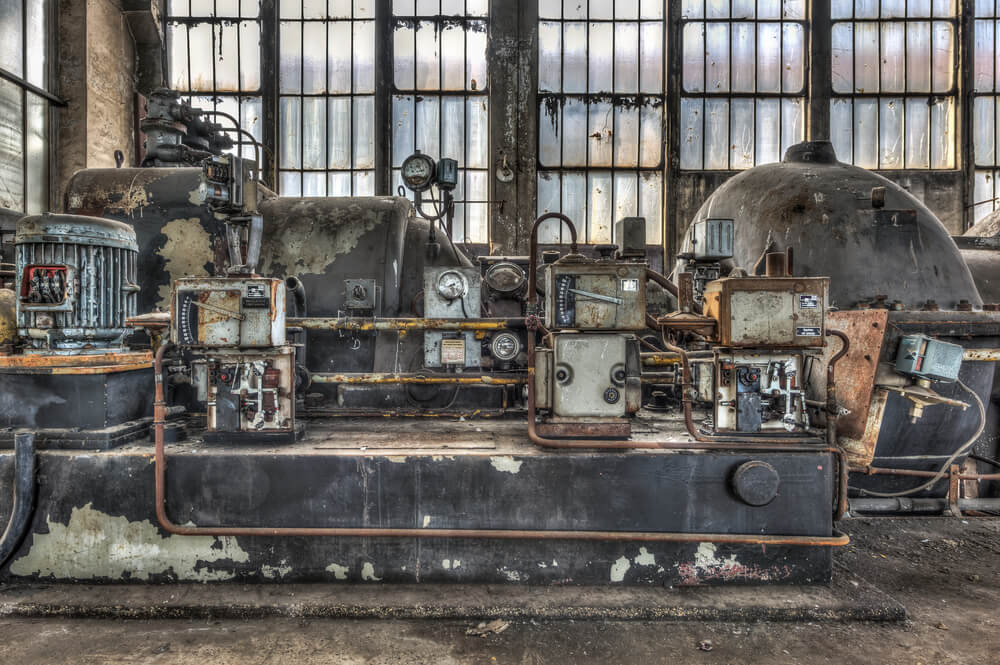
These machines represent billions of dollars in industrial capital investment, scrapped not because they wore out but because the products they produced became economically obsolete faster than anyone anticipated. Workers who trained on specific equipment found the equipment gone before they were ready to retire, their expertise worthless in the new regime.
The machines themselves—many capable of decades more productive service—became scrap metal, melted down for raw materials, having failed not from defect but from the marketplace’s ruthless pace of change.
More from Go2Tutors!

- The Romanov Crown Jewels and Their Tragic Fate
- 13 Historical Mysteries That Science Still Can’t Solve
- Famous Hoaxes That Fooled the World for Years
- 15 Child Stars with Tragic Adult Lives
- 16 Famous Jewelry Pieces in History
Like Go2Tutors’s content? Follow us on MSN.