15 Movie Endings That Confused Audiences
Some films leave you walking out of the theater scratching your head, wondering what just happened. While ambiguous endings can be brilliant storytelling tools, others simply muddle the narrative so much that audiences spend more time debating what occurred than appreciating the journey. These movies either wrapped up too abruptly, introduced last-minute twists that made no sense, or left so many questions unanswered that viewers felt cheated.
Here’s a list of 15 movie endings that left audiences more puzzled than satisfied, sparking endless debates and theories long after the credits rolled.
The Sopranos Movie – The Many Saints of Newark
The prequel to the beloved HBO series promised answers about Tony Soprano’s origins — yet delivered an ending that felt disconnected from the show’s mythology. Young Tony’s transformation feels rushed and unconvincing. Fans were left wondering how this version connects to the complex character they knew, though the film’s conclusion doesn’t bridge the gap between the movie’s events and the series’ beginning.
No Country for Old Men
Cormac McCarthy’s adaptation builds incredible tension throughout, only to end with Sheriff Bell’s quiet retirement monologue about dreams. After following Llewelyn Moss’s cat-and-mouse game with Anton Chigurh, audiences expected a climactic confrontation that never came. Instead, the film shifts focus to Bell’s philosophical musings about a changing world — leaving many viewers feeling like they missed the actual ending.
The Tree of Life
Terrence Malick’s ambitious epic jumps between a 1950s family drama and the creation of the universe before ending on a mysterious beach where all characters from different time periods meet. This ethereal conclusion, while visually stunning, left audiences debating whether it represented heaven, a dream, or some abstract spiritual realm. The ending’s symbolic nature overshadowed the more grounded family story that preceded it — creating confusion rather than clarity.
Shutter Island
Martin Scorsese’s psychological thriller builds to a revelation about Teddy Daniels’ true identity, but the final scene throws everything into question again. After seemingly accepting his delusion treatment, Teddy asks his doctor if it’s better to live as a monster or die as a good man — suggesting he might be faking his relapse. This ambiguity left viewers wondering whether the entire film was real or another layer of delusion.
Inception
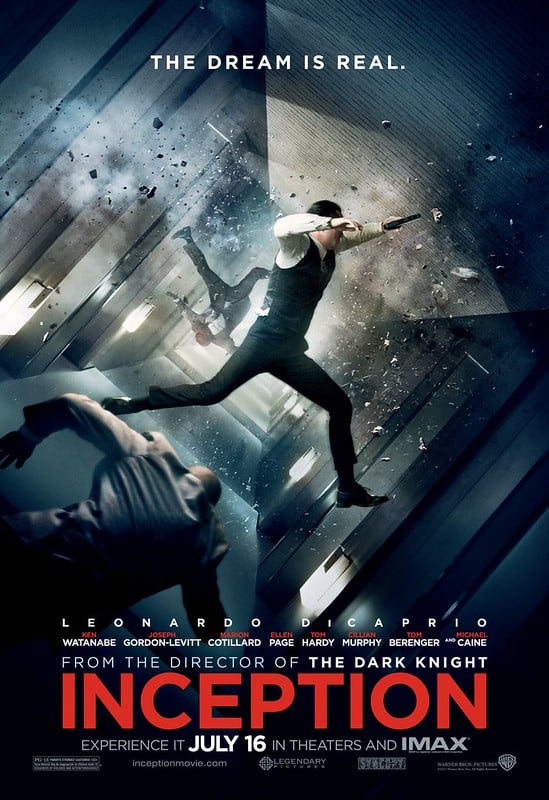
Christopher Nolan’s mind-bending heist film ends with a spinning top that may or may not fall, leaving Dom Cobb’s reality status permanently unclear. While some appreciate this ambiguity, others felt frustrated after investing in Cobb’s journey home to his children. The ending’s focus on the spinning top rather than emotional resolution left many viewers debating physics instead of feeling satisfied by the character’s arc — though perhaps that was Nolan’s intention.
The Mist

Frank Darabont’s adaptation of Stephen King’s story ends with a devastating twist that comes just moments too late. After David mercy-kills his companions to spare them from the creatures, military forces arrive to reveal the mist is clearing. This brutal irony, while impactful, left audiences feeling emotionally manipulated rather than genuinely moved by the tragedy — even though it departed from King’s original ending.
Lost Highway

David Lynch’s psychological thriller follows a jazz musician who may or may not transform into a different person after a mysterious encounter. The film’s circular structure ends where it began, with the protagonist delivering a cryptic message to himself. Lynch’s surreal storytelling style created an ending so abstract that even devoted fans struggle to explain what actually happened — assuming there’s a logical explanation at all.
Mulholland Drive

Another Lynch film that defies conventional narrative structure, ending with a revelation that the first two-thirds might have been a dream or dying hallucination. The shift from Hollywood fairy tale to gritty reality happens so abruptly that audiences were left piecing together which version of events was real. The film’s final images of the blue-haired woman saying ‘Silencio’ provide no clear resolution to the mystery — though Lynch rarely offers such clarity.
The Handmaiden

Park Chan-wook’s erotic thriller builds through multiple perspectives and time shifts before ending with the two female protagonists escaping together. However, the final act’s revelation about their plan and the aristocrat’s fate feels rushed after the careful pacing of earlier segments. The ending’s focus on liberation comes at the expense of resolving several plot threads that seemed important throughout the film — particularly the complex family dynamics.
Vanilla Sky
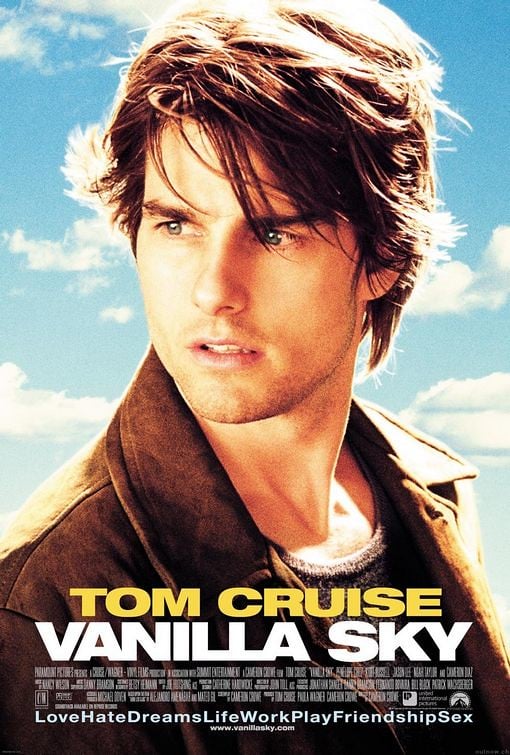
Cameron Crowe’s remake of ‘Abre los Ojos’ ends with the revelation that most of the film occurred in a lucid dream during cryogenic suspension. While this explains the surreal elements, it undermines the emotional journey audiences experienced with the protagonist — making their investment feel wasted. The ending’s science fiction twist felt disconnected from the romantic drama that preceded it, leaving viewers questioning what parts of the story actually mattered.
The Prestige
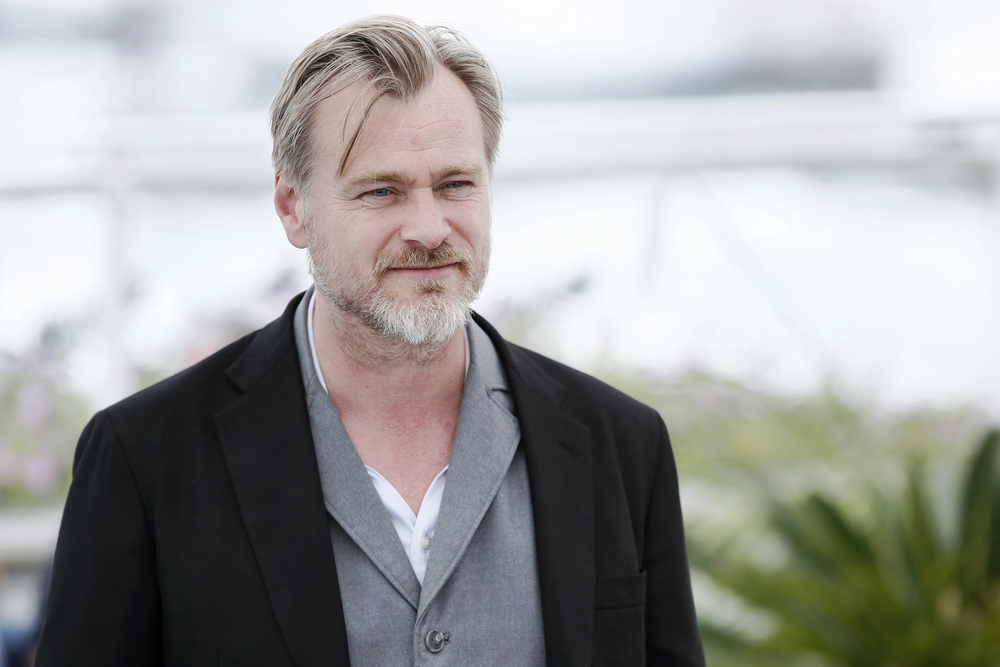
Nolan’s tale of dueling magicians ends with the revelation that one protagonist has been cloning himself for his ultimate trick. This scientific explanation for what appeared to be supernatural events divided audiences who had invested in the film’s period setting. The ending’s focus on the mechanics of the trick overshadowed the emotional cost of the characters’ obsession with outdoing each other, though it did provide a logical conclusion to the mystery.
Donnie Darko
Richard Kelly’s cult classic ends with Donnie’s decision to stay in bed and die, supposedly saving the timeline from collapse. The film’s time travel mechanics and the significance of various supernatural elements remain deliberately unclear. While some viewers appreciated the ambiguity, others felt frustrated by the lack of clear rules governing the story’s science fiction elements, particularly regarding the tangent universe concept.
The Village
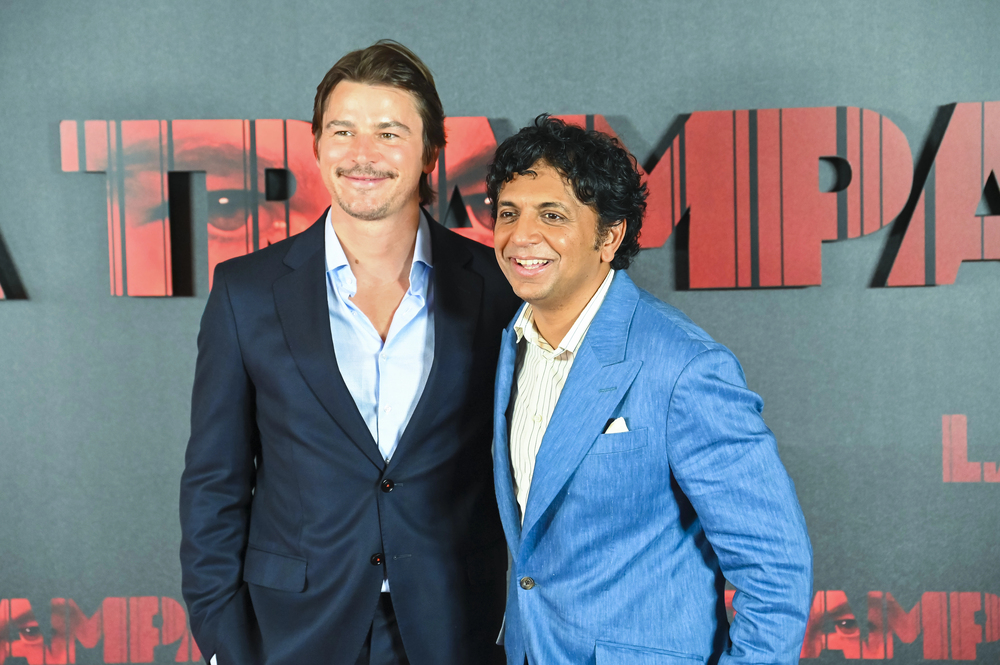
M. Night Shyamalan’s thriller builds supernatural tension only to reveal that the monsters are fake and the village exists in modern times. This twist undermines the period setting and supernatural elements that drove the plot, making earlier scenes feel pointless. The ending’s focus on the deception rather than character resolution left audiences feeling manipulated by the filmmaker’s misdirection, though it does explain the film’s anachronisms.
Signs

Another Shyamalan film that builds toward an alien invasion before revealing that water defeats the extraterrestrial threat. The ending’s religious themes about faith and coincidence felt forced to many viewers who had invested in the science fiction premise. The aliens’ weakness to water seemed particularly illogical given Earth’s abundant H2O, making their invasion attempt appear poorly planned, yet the film treats this as a divine intervention.
The Happening
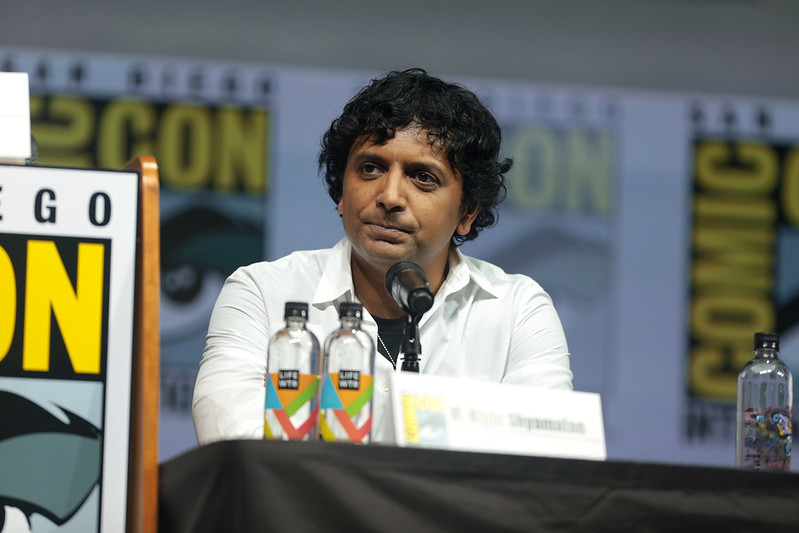
Shyamalan’s environmental thriller ends with the revelation that plants caused humans to harm themselves, then simply stops the threat without explanation. The film’s tone shifts between serious drama and unintentional comedy, particularly in the final act. The ending’s suggestion that nature might repeat this attack feels more like a threat than a resolution, leaving audiences uncertain about the story’s message regarding environmental destruction.
When Stories Leave Us Hanging

These films remind us that not every story needs a neat resolution, though audiences still crave some sense of closure after investing their time and emotions. The best ambiguous endings leave room for interpretation while still providing emotional satisfaction, yet these examples often prioritize mystery over meaningful resolution. Whether through last-minute twists, unexplained supernatural elements, or simply stopping mid-story, these movies demonstrate how challenging it can be to stick the landing when you’ve built something truly complex. Sometimes the journey matters more than the destination — even when that destination doesn’t make complete sense.
More from Go2Tutors!

- The Romanov Crown Jewels and Their Tragic Fate
- 13 Historical Mysteries That Science Still Can’t Solve
- Famous Hoaxes That Fooled the World for Years
- 15 Child Stars with Tragic Adult Lives
- 16 Famous Jewelry Pieces in History
Like Go2Tutors’s content? Follow us on MSN.