27 Museum Artifacts Removed from Display Without an Explanation
Museums contain not only what they show but also what they hide. In storage rooms and behind closed doors sit thousands of artifacts quietly removed from public view, sometimes with cryptic explanations and sometimes with none at all.
The reasons range from preservation concerns to ethical reckonings, from fragility to repatriation disputes. These invisible collections raise questions about institutional accountability and what we choose to remember.
Michael Jackson’s Fedora and Glove
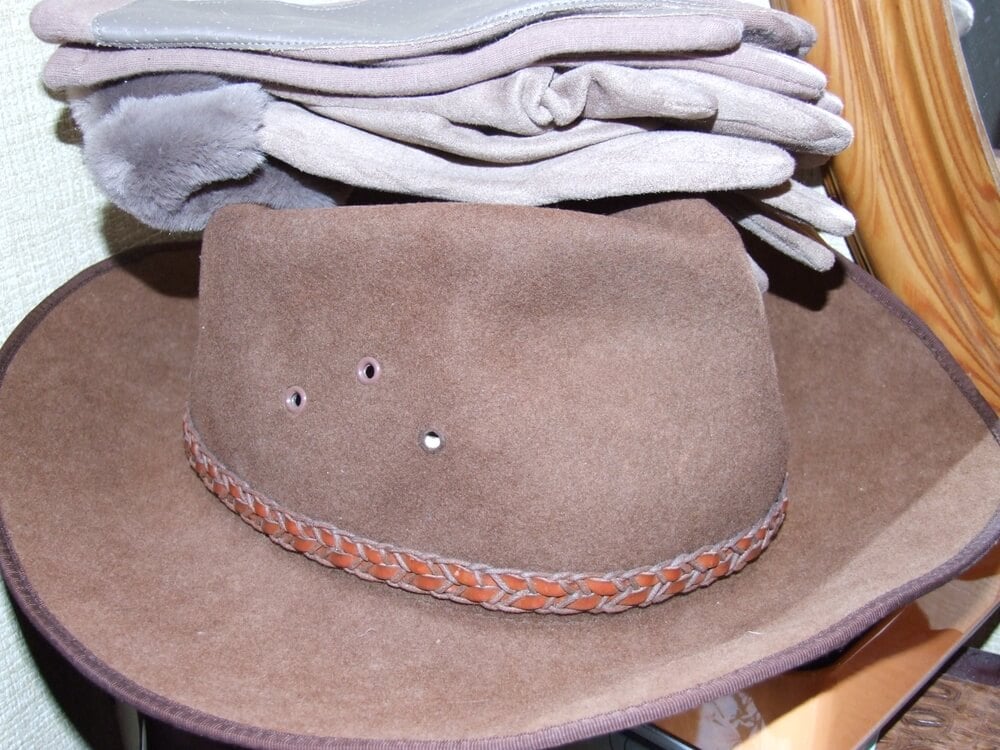
The Children’s Museum of Indianapolis removed an iconic fedora and white glove belonging to Michael Jackson in 2019, along with a signed poster, in what the museum described as “an excess of caution” following allegations of child abuse detailed in the HBO documentary “Leaving Neverland.” The items had been acquired for the museum’s “American Pop” exhibit years earlier and suddenly became too sensitive to display in an institution primarily serving child visitors.
Shuar Tsantsa (Shrunken Heads)
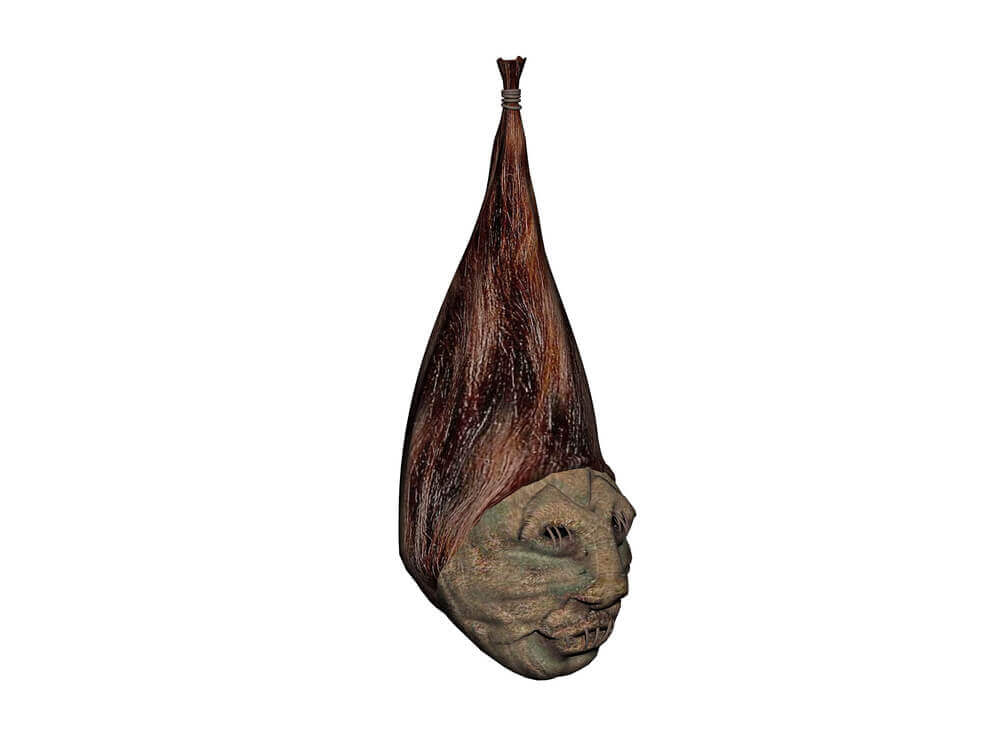
The Pitt Rivers Museum in Oxford removed 120 human remains from display in 2020, including tsantsa from the Shuar and Achuar peoples of Ecuador, after recognizing that the exhibits reinforced racist stereotypes depicting other cultures as “savage” and “primitive.” Despite popular with some visitors, the museum’s audience research showed these displays fundamentally misrepresented indigenous peoples and their practices, leading to the items’ permanent removal from public view.
Māori Taonga From Global Institutions
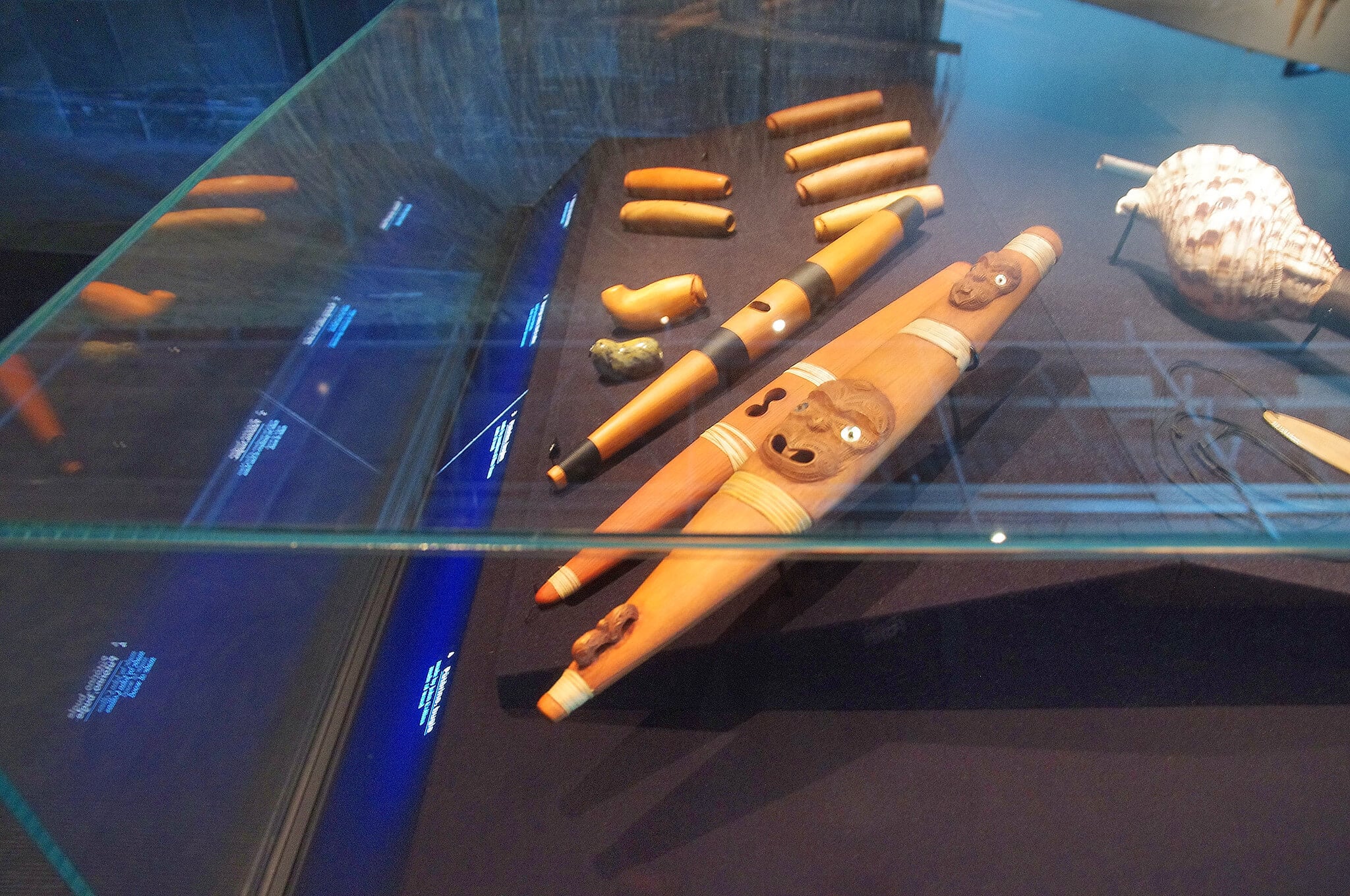
Thousands of Māori cultural artifacts called taonga—heirlooms, ancestral items, and sacred objects—have been quietly rotated out of display at museums worldwide as repatriation claims mount. Institutions in Sweden, Germany, England, and beyond have removed these items from exhibition as they await return to Māori communities, with many remaining in storage limbo for years during negotiation processes.
Nepali Copper Deity Mask
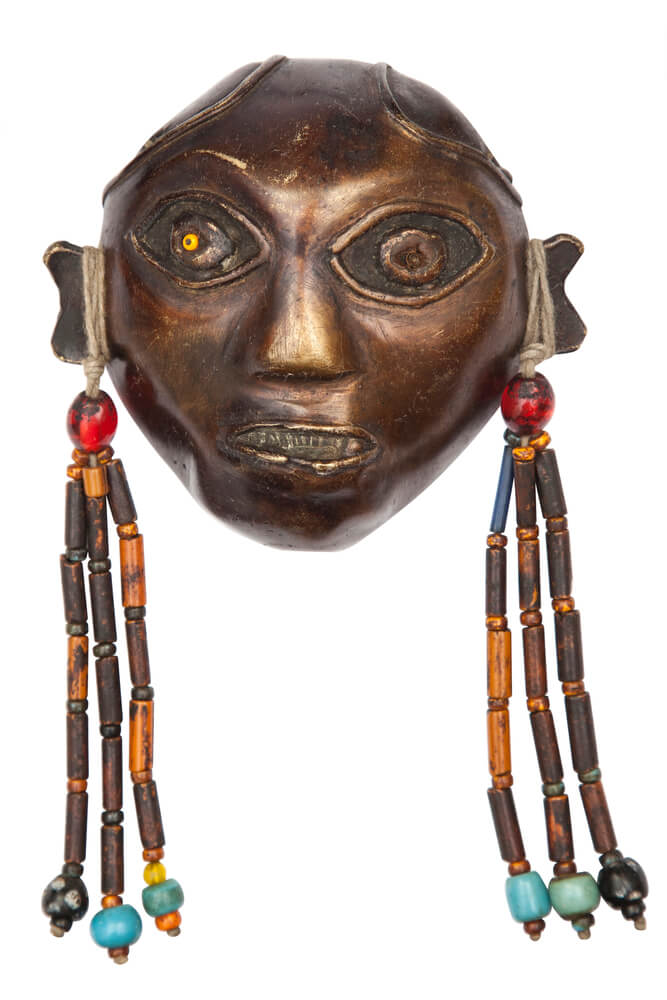
The Rubin Museum in New York removed a 16th-century Nepali copper mask from display after a repatriation claim suggested it had been stolen in 1995. The museum kept the pedestal empty for months with minimal signage as it worked with authorities to determine provenance, leaving visitors to confront an absence without clear explanation of what once occupied the space.
120 Blackamoor Porcelain Figurines
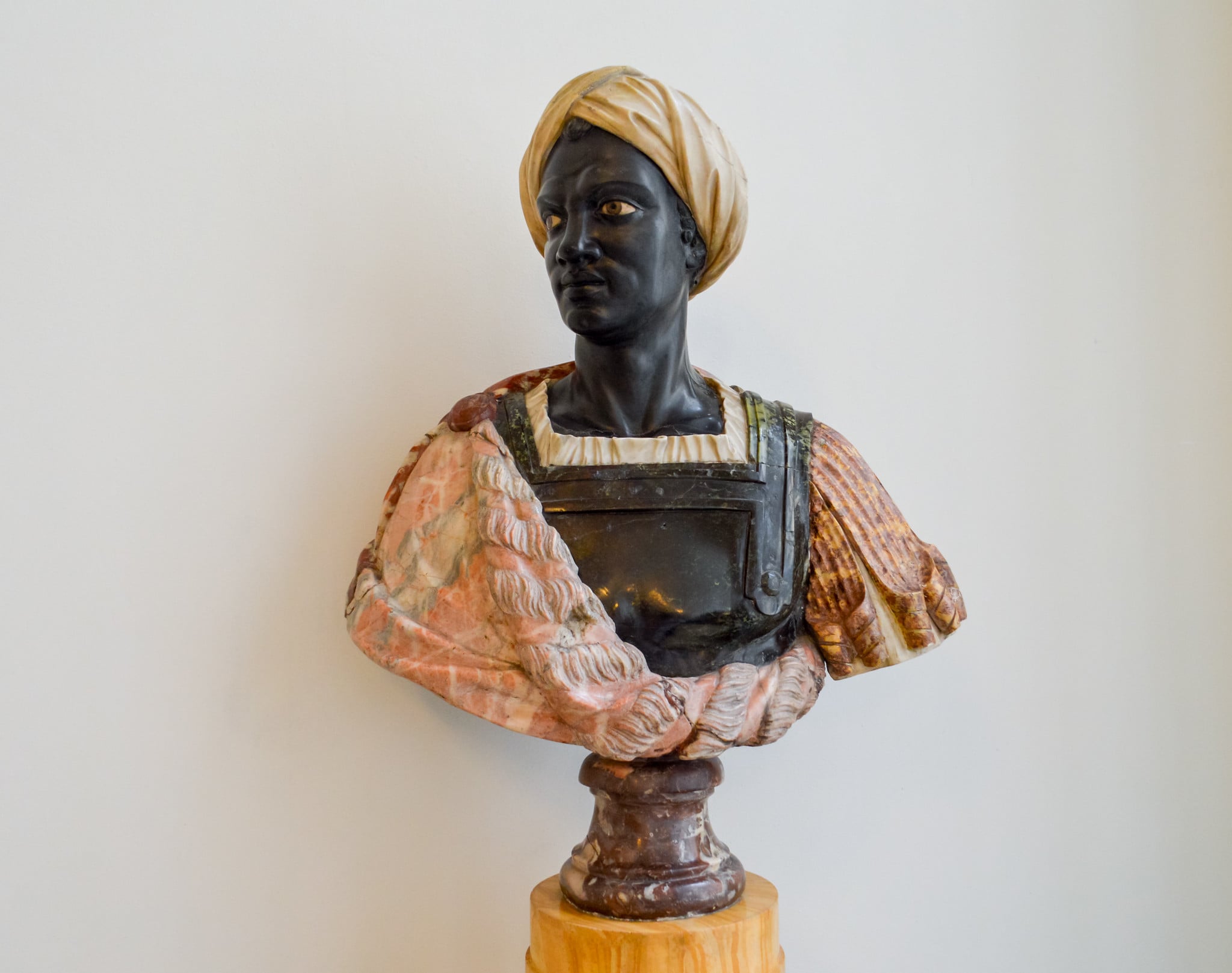
Museums including the Fitzwilliam Museum in Cambridge have quietly removed 18th and 19th-century “blackamoor” porcelain statuettes from public display following complaints that the racist caricatures perpetuated offensive stereotypes of Black Africans and romanticized colonial exploitation. These small figurines, once considered fashionable decorative objects, now sit in storage while institutions consider how—or whether—to recontextualize them.
Māori Flag From the Battle of Omaruhakeke
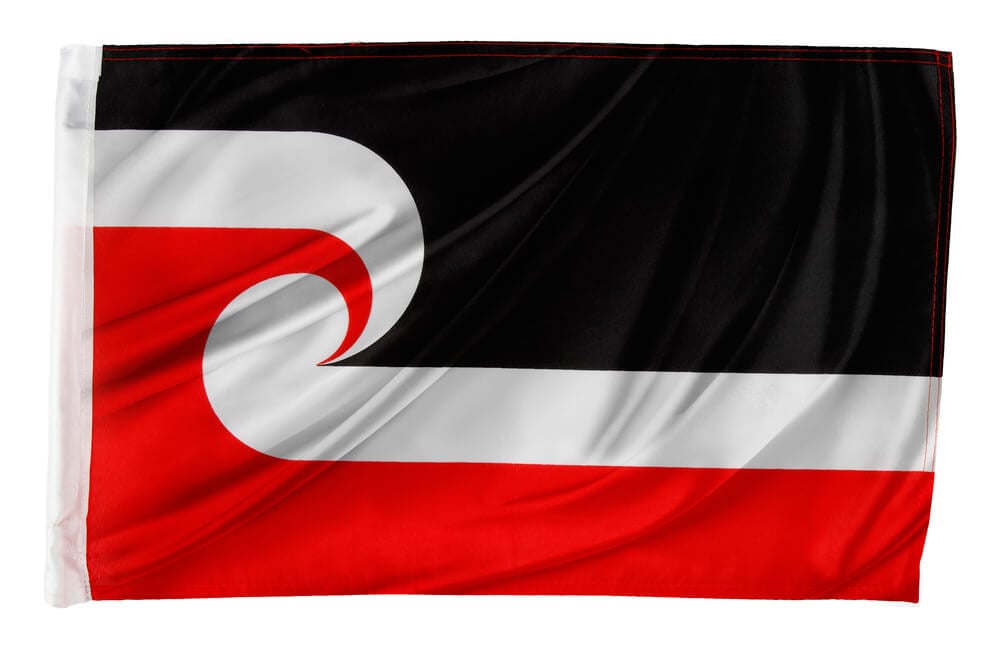
A flag captured by Crown forces in 1865 during the Battle of Omaruhakeke was held in a Scottish museum for over 150 years before descendants of key figures involved in the battle requested its return. The flag was quietly withdrawn from display and repatriated to New Zealand in 2015, where it now resides in Wairoa Museum rather than in the institution that held it so long.
Human Remains From German Pseudoscience Studies
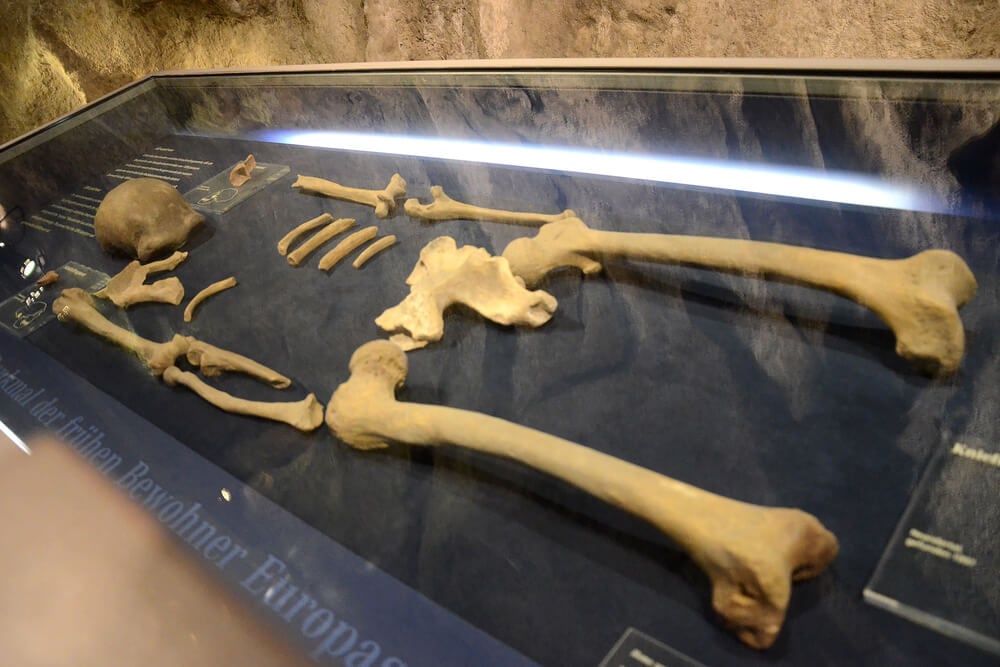
Germany returned human remains to Namibia in 2018 that had been taken from Herero and Nama people who resisted colonial occupation between 1904 and 1908. The remains had been used in Nazi-era pseudoscientific studies to falsely support claims of European racial superiority, and museums quietly withdrew them from display as the historical context of their acquisition became undeniable.
Igbo Mask With Restricted Viewing
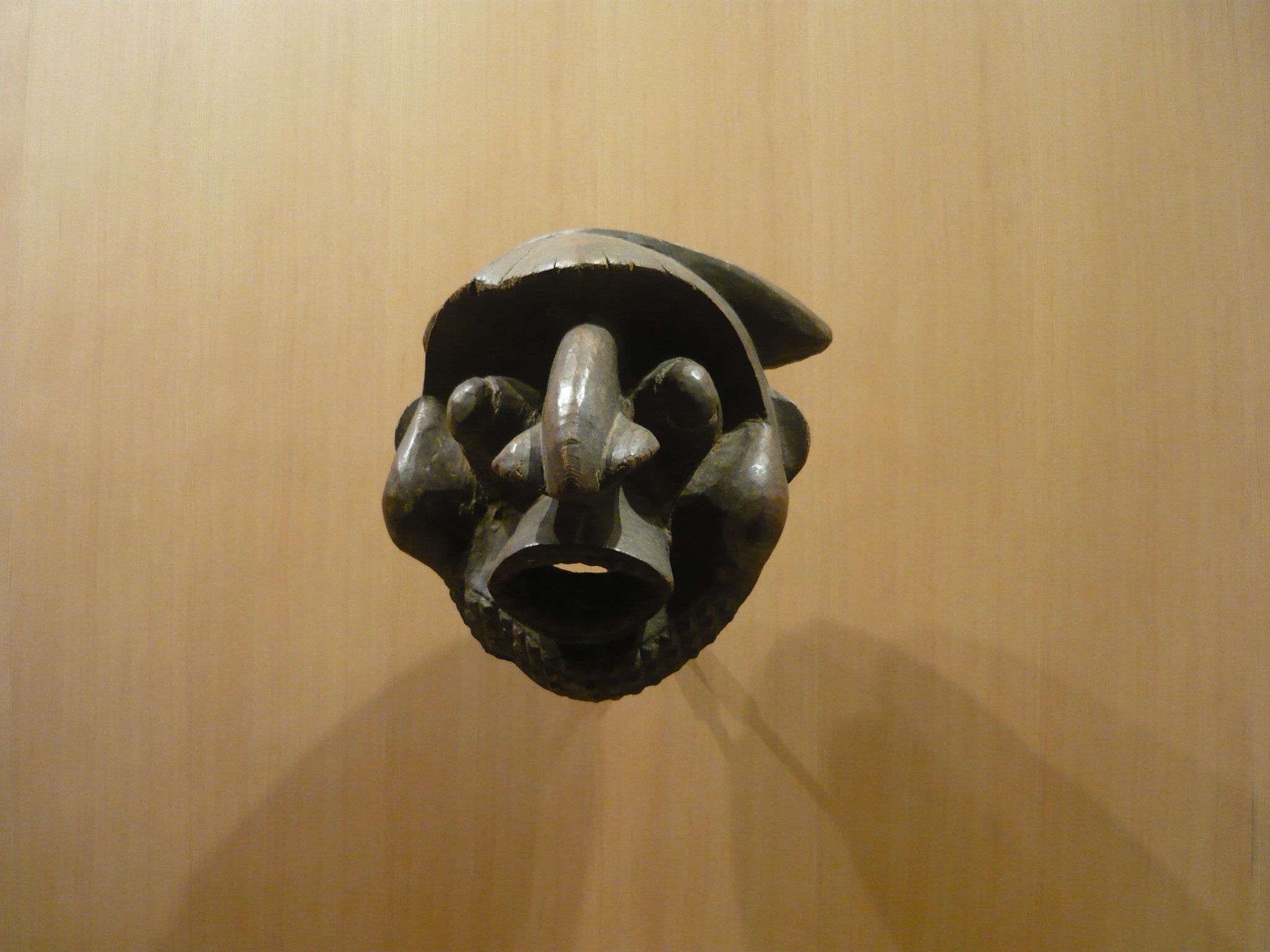
The Pitt Rivers Museum removed images and restricted physical display of an African mask after learning that Igbo people of Nigeria consider it forbidden for women to view the object. The museum removed it not out of skepticism but out of respect for the cultural prohibition, though the decision to exclude certain groups from viewing sparked its own controversy.
Māori Ancestral Remains at the American Museum of Natural History
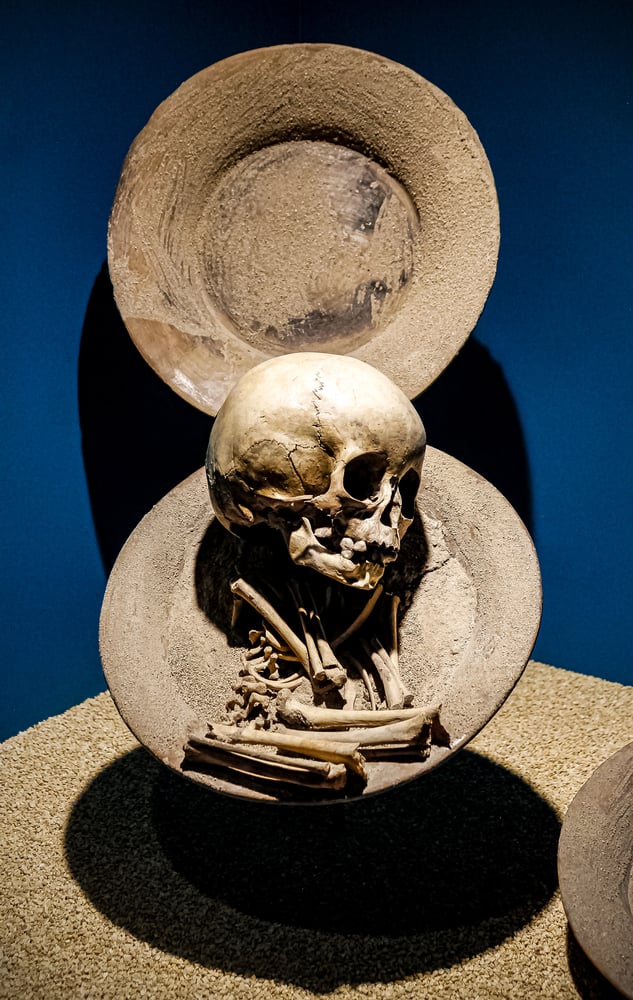
The American Museum of Natural History in New York indefinitely closed two entire halls and removed dozens of Native American and indigenous artifacts from display in response to federal regulations requiring consultation with tribes about sacred and funerary objects. The removal happened quietly, with small signs explaining the absence to confused visitors.
Racist Ceramics From the Victoria & Albert Museum
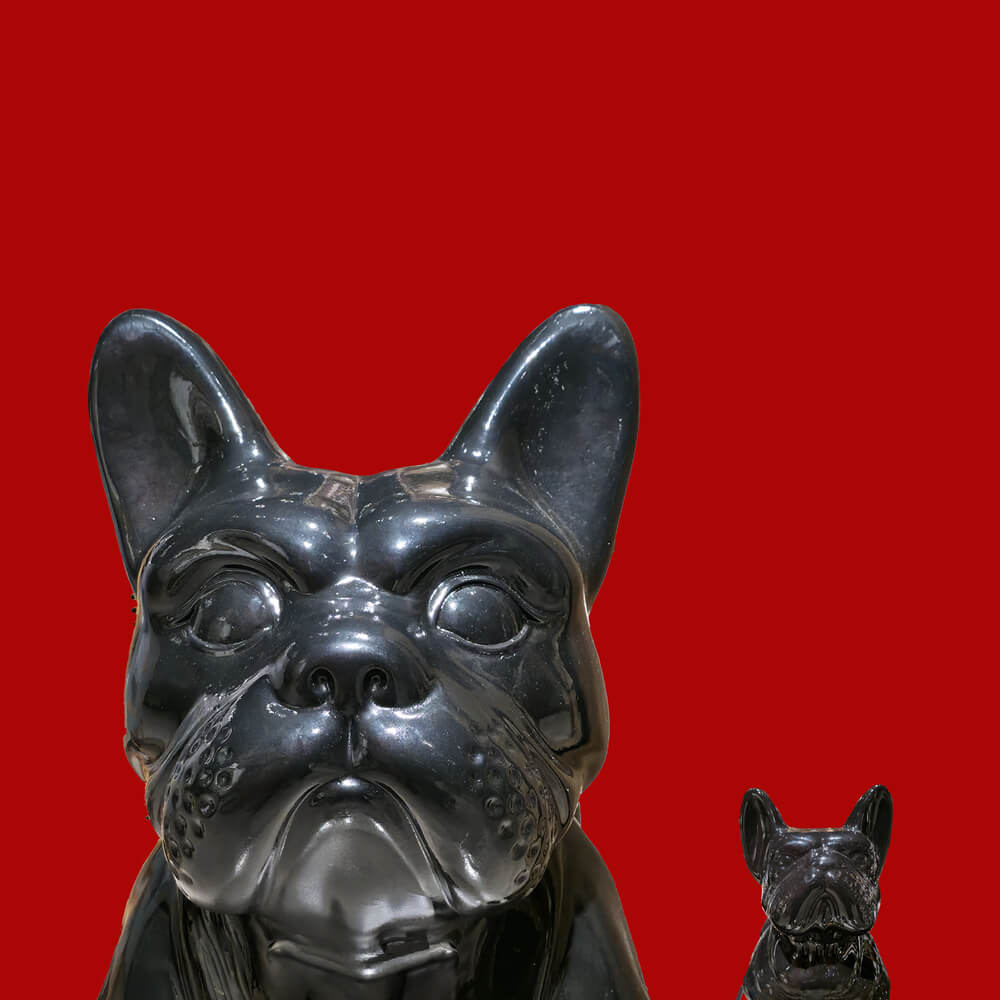
The V&A has quietly worked to contextualize and remove from prominent display racist ceramic pieces including a cig jar shaped as a Black shoeshine boy. The museum continues to hold these degrading objects but keeps them out of public view as it develops more ethical exhibition strategies with artist collaborators and historians.
Ethiopian Tabot Tablets
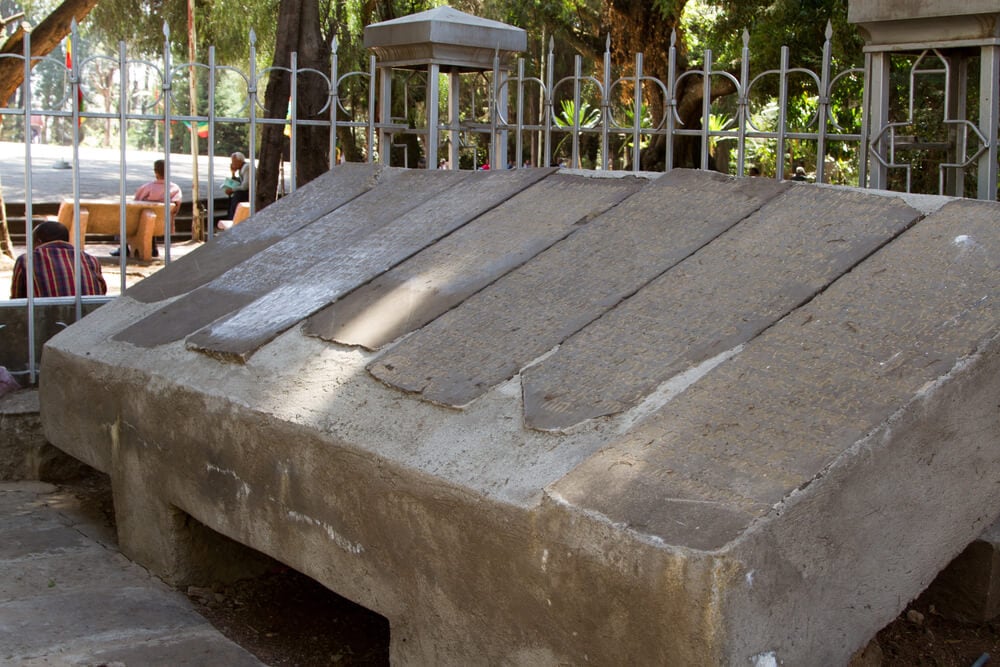
Sacred Ethiopian Orthodox tabot tablets, believed to represent the Ark of the Covenant and seized during an 1868 British raid, remain on display at the British Museum under contested circumstances, though their status remains unstable as Ethiopia continues demanding their return. The tablets are considered so sacred that only ordained priests are permitted to view them, creating an irresolvable conflict between Western museum practices and religious requirements.
Tricot Artwork Discovered to Be by a Fraud

A museum in New Zealand discovered that a piece of Māori art it had displayed was created by someone claiming to represent a cultural tradition they did not belong to. The artwork was removed from display immediately, exemplifying a broader concern about authenticity that affects acquisitions made during periods when provenance research was less rigorous.
Redundant Roman Oil Lamps
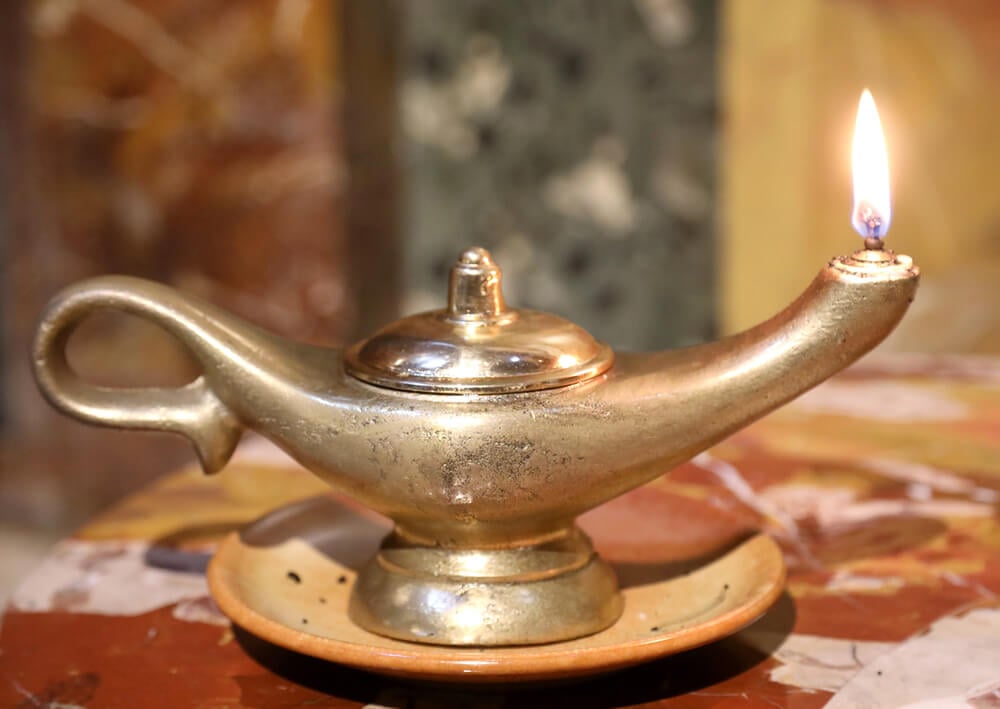
Museums routinely remove items from display when they hold multiple identical or nearly identical objects. Major institutions like the Metropolitan Museum maintain hundreds of Roman oil lamps in storage while displaying only representative examples, relegating thousands of perfectly preserved artifacts to darkness.
Māori Whare Te Hau-ki-Tūranga
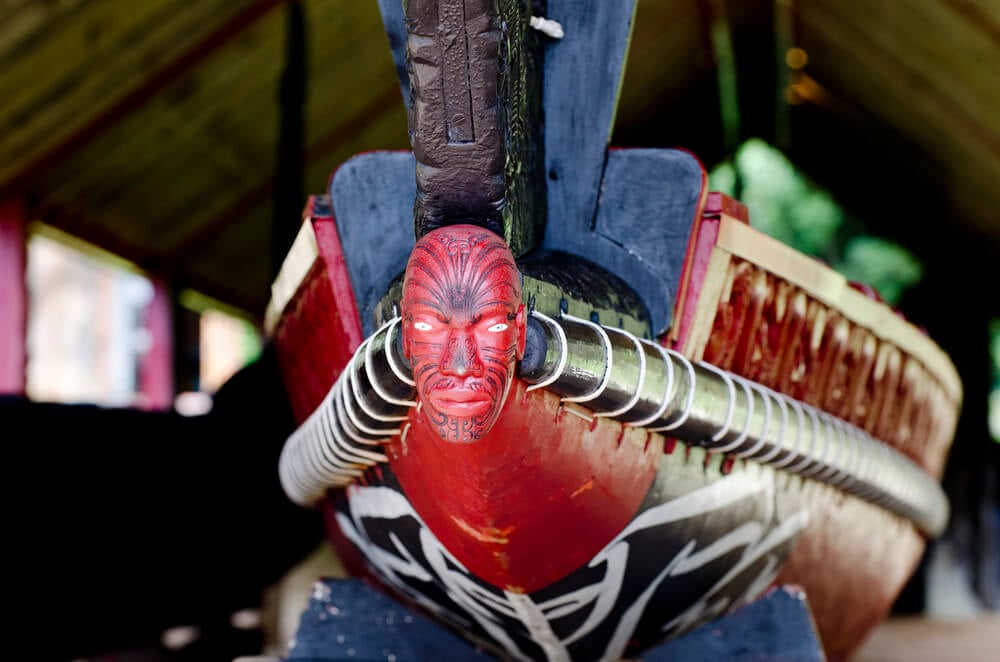
A carved whare (traditional house) built in the 1840s by Raharuhi Rukupō was confiscated in 1867 and placed in Wellington’s Colonial Museum over the protests of the Rongowhakaata iwi. The structure remained effectively hidden in museum storage for over 140 years before the Crown finally agreed to return it in 2012, withdrawing it from institutional display to its rightful community.
Fragile Ancient Textiles
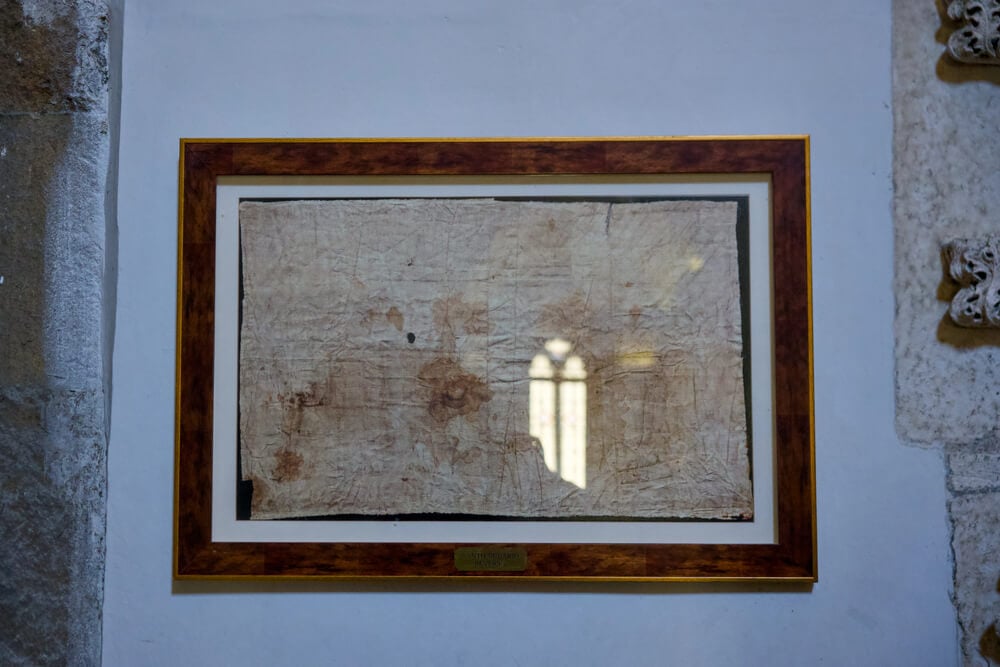
Egyptian linens, Roman silks, and medieval tapestries have been removed from continuous display across major museums because light exposure—even filtered light—causes irreversible damage to ancient fibers. These artifacts, sometimes thousands of years old, rotate through dark storage to prevent the slow fade that would otherwise obliterate their colors and weaken their structure.
Trump Impeachment Placard

The Smithsonian’s National Museum of American History quietly removed a placard displaying President Trump’s impeachments from the “American Presidency: A Glorious Burden” exhibit in 2024, citing aesthetic and presentation concerns rather than political reasons. The removal occurred with minimal public notice despite the political sensitivity of the decision.
Mummified Māori Heads (Toi Moko)
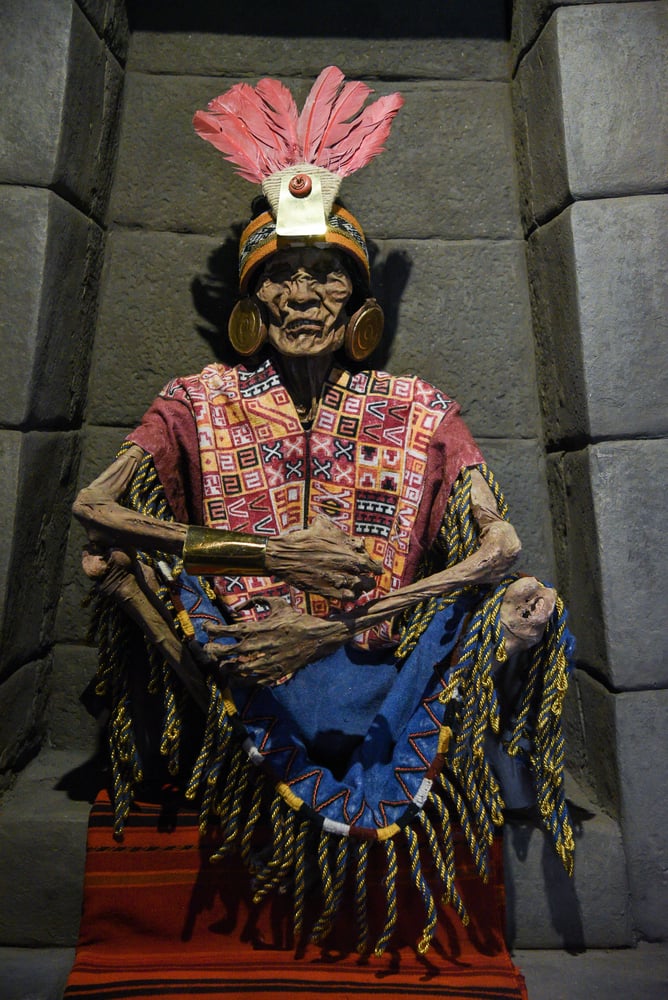
Multiple institutions including Manchester University Museum, the Pitt Rivers Museum, and the Karolinska Institutet in Sweden have removed tattooed preserved Māori heads from display and repatriated them to New Zealand. These deeply sacred objects were treated as scientific specimens for over a century before institutions acknowledged their status as ancestors requiring respectful burial.
Benin Bronzes
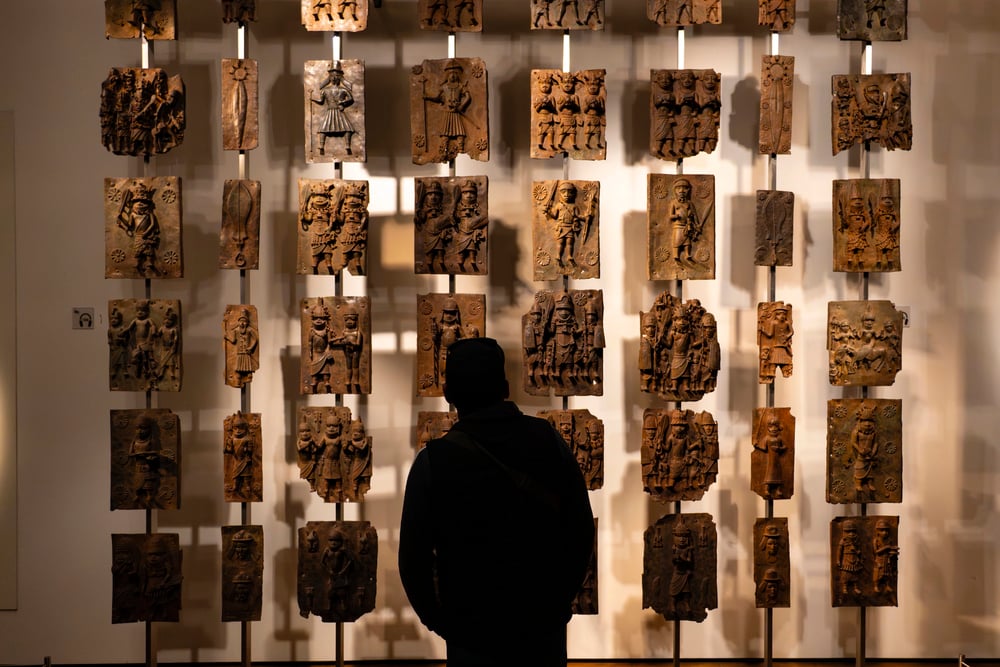
Museums worldwide have quietly begun removing Benin Bronzes from display as institutions including the Horniman Museum in London agree to repatriate the brass plaques looted from the Kingdom of Benin’s royal palace. The items remain in storage limbo at many institutions caught between repatriation movements and legal complexities, their future display status uncertain.
Objects Acquired Through Illicit Trade
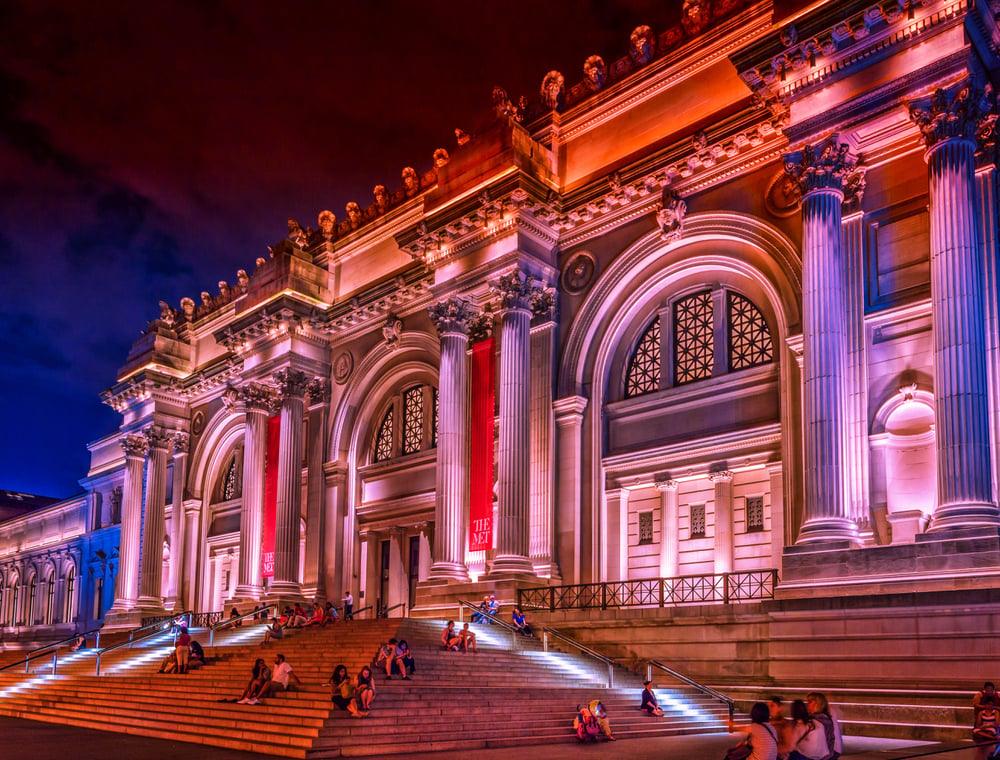
The Metropolitan Museum and other major institutions regularly discover that acquisitions made decades ago were looted or illegally exported. These items are withdrawn from display as legal investigations proceed, sitting in secure storage while provenance research and repatriation negotiations continue—sometimes for years.
Damaged Beyond Safe Restoration
Artifacts deteriorated so severely that restoration poses greater risk than careful storage are routinely removed from exhibition. A bronze statue consumed by corrosion, a manuscript so brittle its pages shatter at air currents, or a ceramic vessel with a hairline fracture running through its center all disappear into climate-controlled vaults rather than continue facing gallery conditions.
Objects Mislabeled During Colonial Collecting
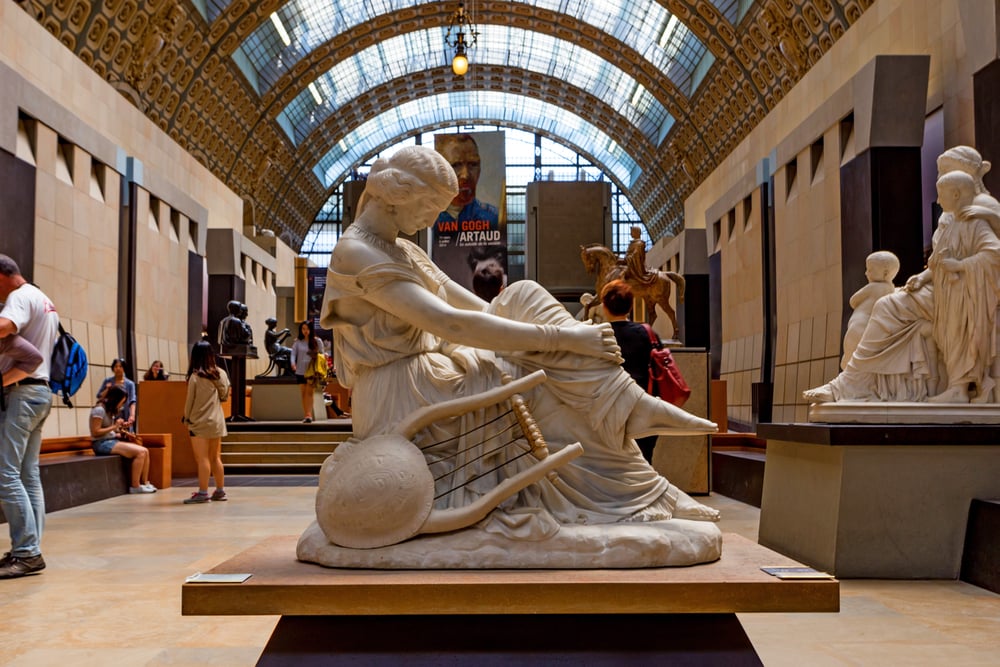
Museums have discovered that items catalogued generations ago with derogatory terms or inaccurate cultural attributions require relabeling, contextualization, or removal from display. The Rijksmuseum in Amsterdam systematically removed approximately 200 objects from online view to revise labels removing offensive colonial terminology.
Religious Objects Considered Too Sacred to Display
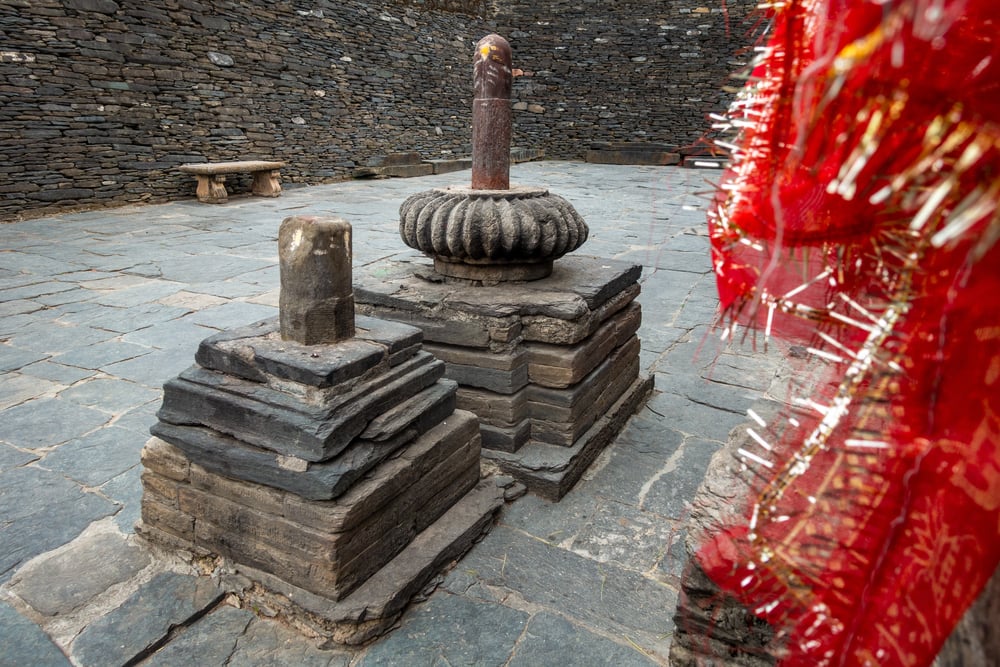
Hindu temple sculptures, Islamic manuscripts, and Buddhist reliquaries have been removed from display at various institutions after consultation with faith communities indicated that public exhibition violates sacred protocols. Museums increasingly accommodate these requests, though doing so creates empty spaces in galleries.
Items Subject to Competing Repatriation Claims
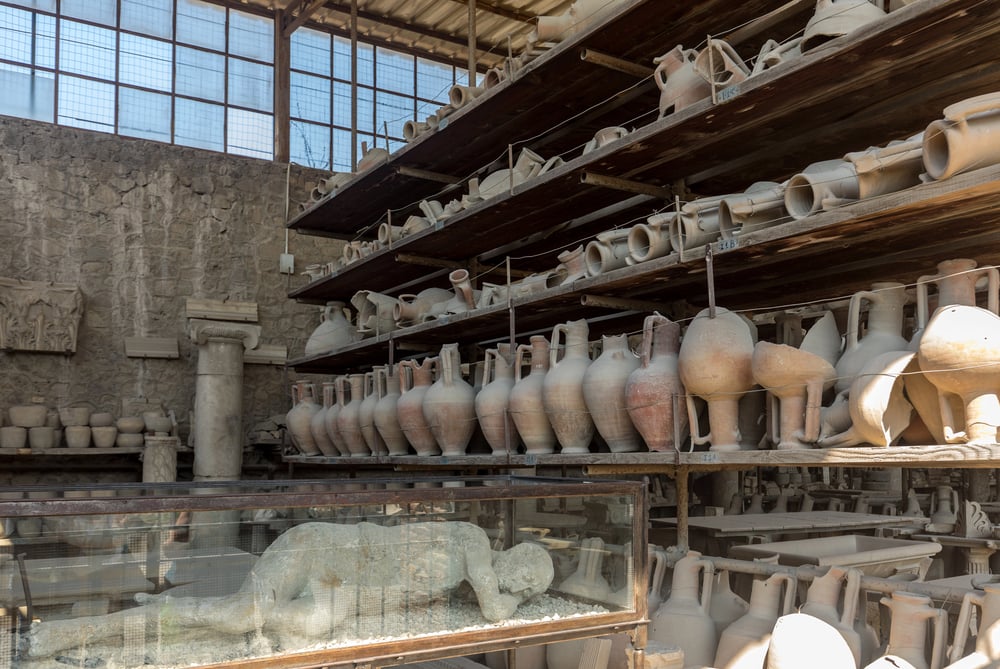
Some artifacts sit in storage precisely because ownership remains disputed—multiple nations or communities claim legitimate title. Rather than risk displaying an object at the center of legal conflict, museums withdraw the item pending resolution that may never arrive.
Confederate and Colonial Monuments
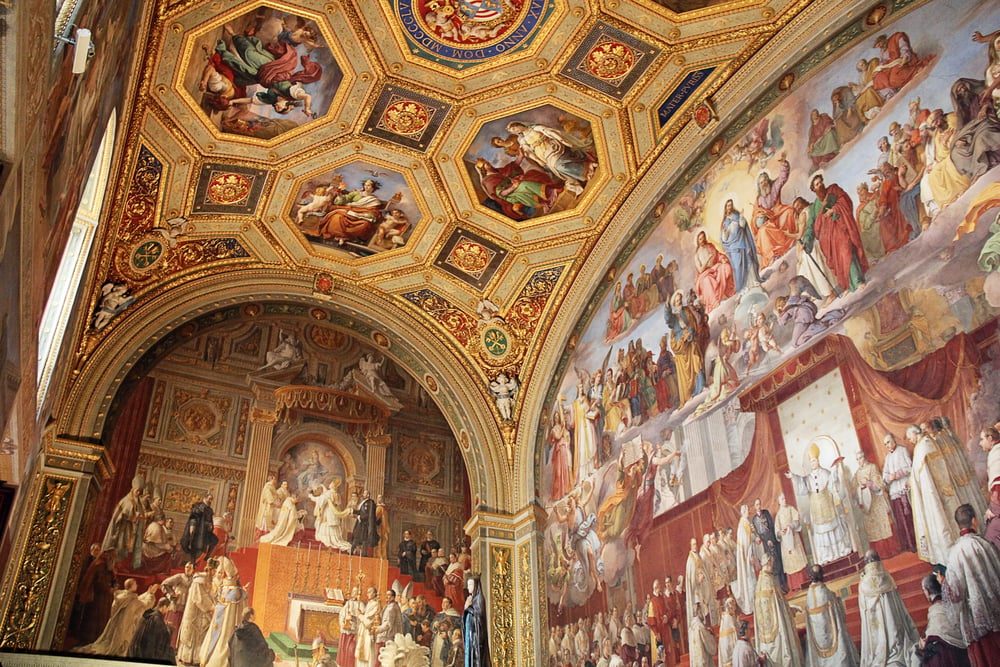
Following 2020 protests, museums removed statues, busts, and commemorative objects celebrating Confederate generals, slave traders, and colonial figures. Many remain in storage or designated “controversial objects” areas rather than returned to public view, illustrating how institutions navigate politically contentious history.
Photographs Deemed Offensive or Harmful
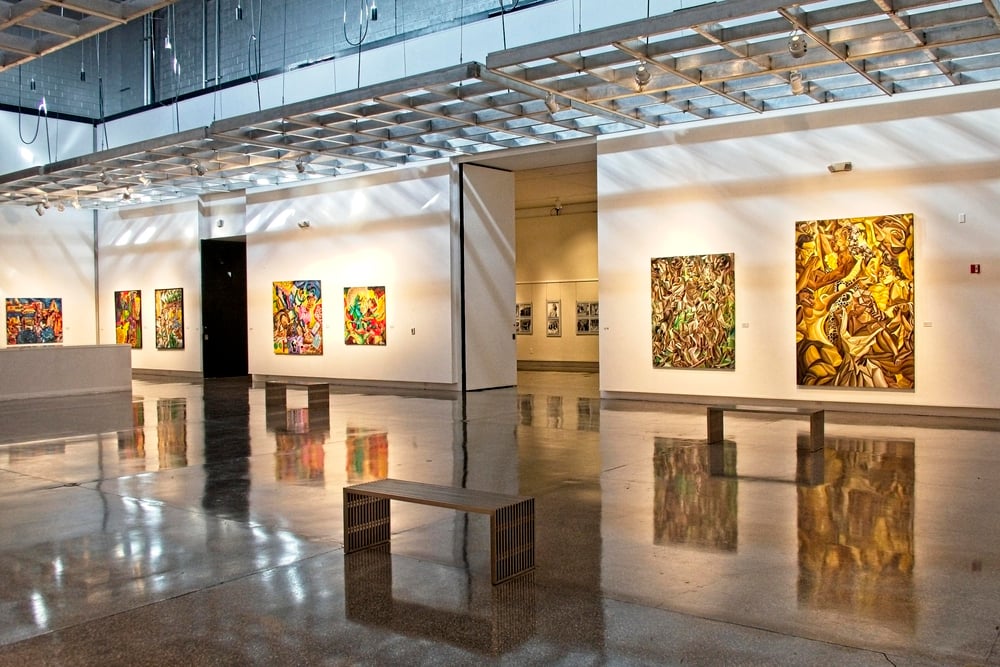
Museums have removed historical photographs from display when the images perpetuate harmful stereotypes or commemorate violence. Lynching photographs, racist propaganda materials, and dehumanizing depictions of colonized peoples sit in archival storage rather than on public walls, though their complete removal raises questions about historical accountability.
Objects Without Clear Provenance
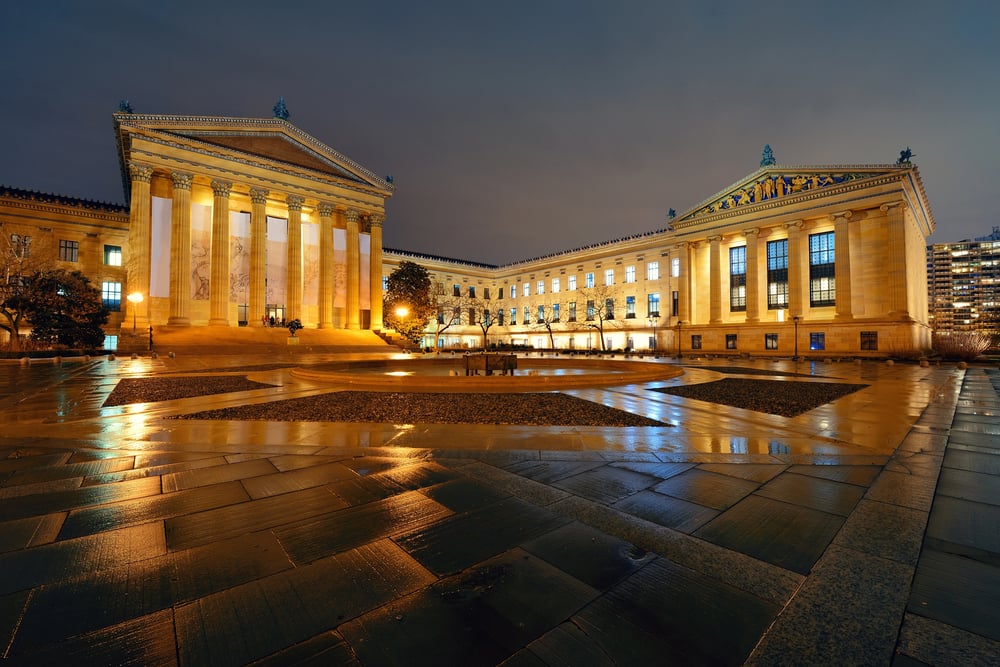
When museums cannot definitively establish how an object entered their collection—whether it was donated, purchased, or acquired through questionable means—they often withdraw it from display pending research. Thousands of artifacts remain in permanent storage simply because their origin story cannot be verified.
Textile Fragments Rotated From View
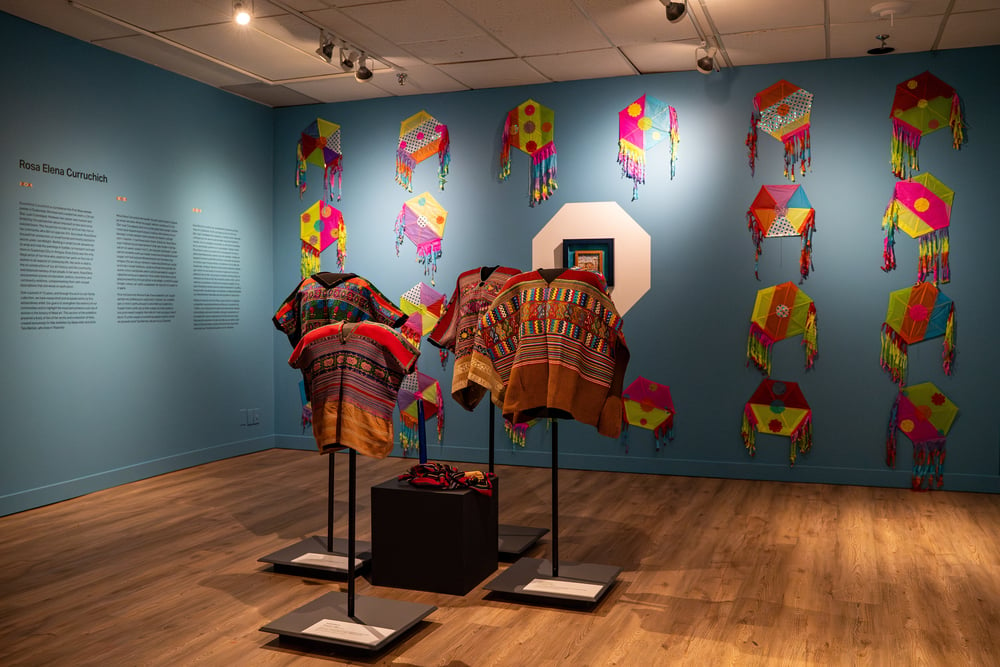
Museums rotate ancient textiles through dark storage on rigid schedules because even dim gallery light causes measurable fading. A medieval fragment might spend six months on display and two years in darkness, its visibility rationed across decades to extend its existence.
The Conclusion: The Silent Museum
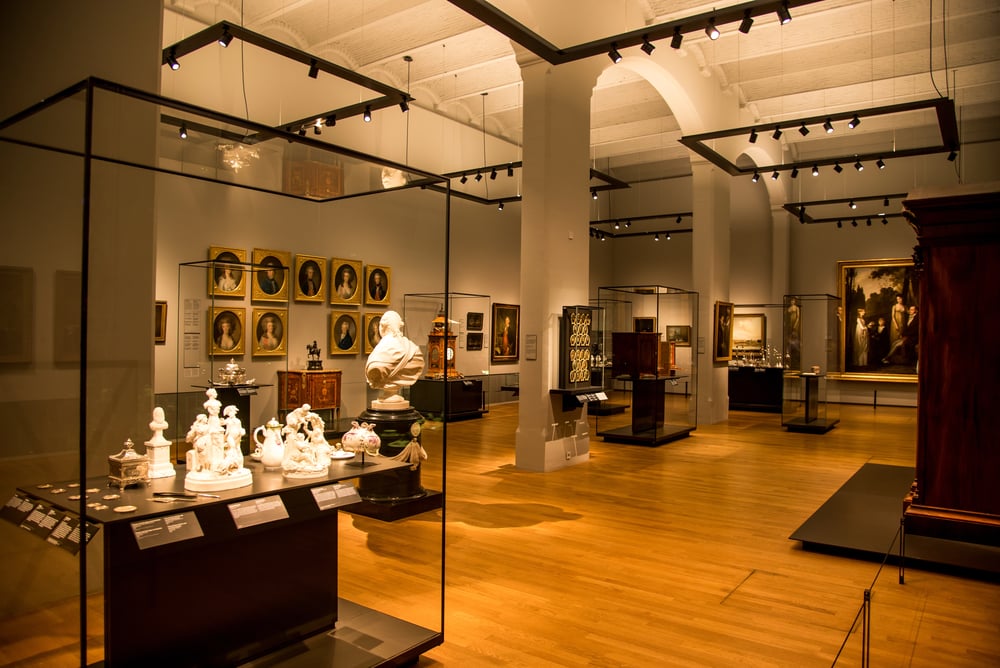
The artifacts removed from display represent a reckoning that institutions are still conducting incompletely. Some removals respond to demands for repatriation and cultural respect; others protect fragile objects from the very act of being seen.
The distinction between temporary rotation and permanent absence often blurs, leaving museums with hidden collections whose stories remain largely untold to the public they serve.
More from Go2Tutors!

- The Romanov Crown Jewels and Their Tragic Fate
- 13 Historical Mysteries That Science Still Can’t Solve
- Famous Hoaxes That Fooled the World for Years
- 15 Child Stars with Tragic Adult Lives
- 16 Famous Jewelry Pieces in History
Like Go2Tutors’s content? Follow us on MSN.