26 Toys From the ’70s That Families Kept Long After the Boxes Fell Apart
The 1970s produced toys engineered to outlast the cardboard they came in. Not because manufacturers designed them with longevity in mind, but because they were built from heavier materials, moved with mechanical logic, and inspired the kind of daily engagement that made them permanent fixtures of childhood.
These toys sat on shelves and bedroom floors for years, accumulating evidence of use but refusing to break completely. Some were handed down.
Others were stuffed in attics and rediscovered decades later, still functional despite decades of neglect. The boxes dissolved into cardboard confetti, but the toys themselves remained.
What made these toys keepable wasn’t advertising or fashion, but durability. They were designed in an era before planned obsolescence became industry standard.
A toy that worked on Tuesday was expected to work the same way on Thursday without requiring new batteries or replaceable components. The result was a generation of objects that actually lasted.
Star Wars Action Figures
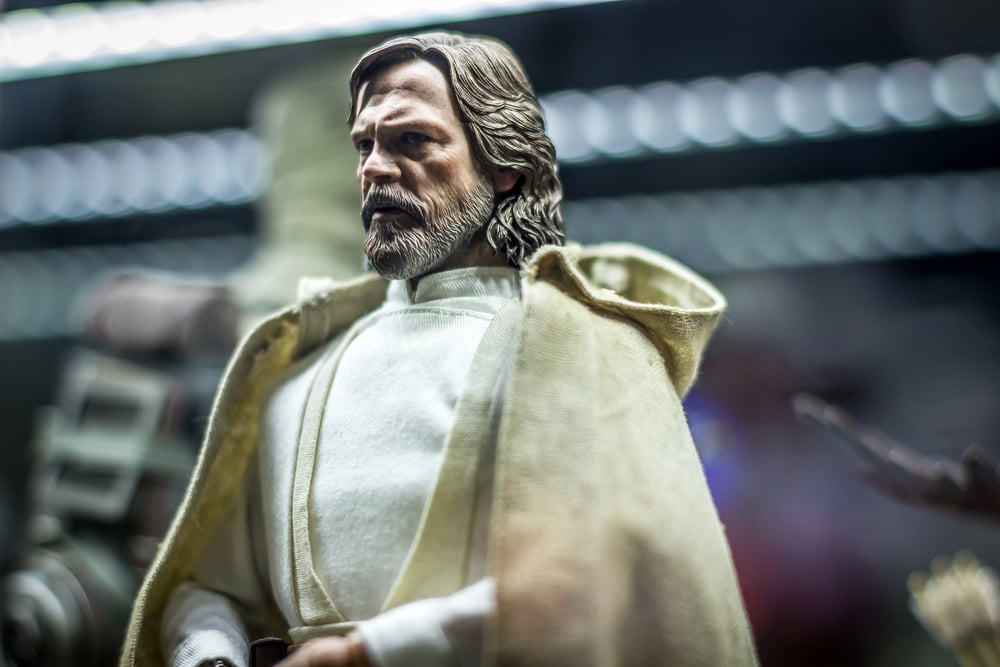
Kenner’s 1977 figures became the template all others followed—small, articulated, relatively indestructible. Luke Skywalker, Han Solo, and Princess Leia became permanent residents.
Kids owned them, lost them, rediscovered them in boxes decades later, and they were still recognizably the same figures, often still capable of holding a lightsaber or turning their heads.
Stretch Armstrong
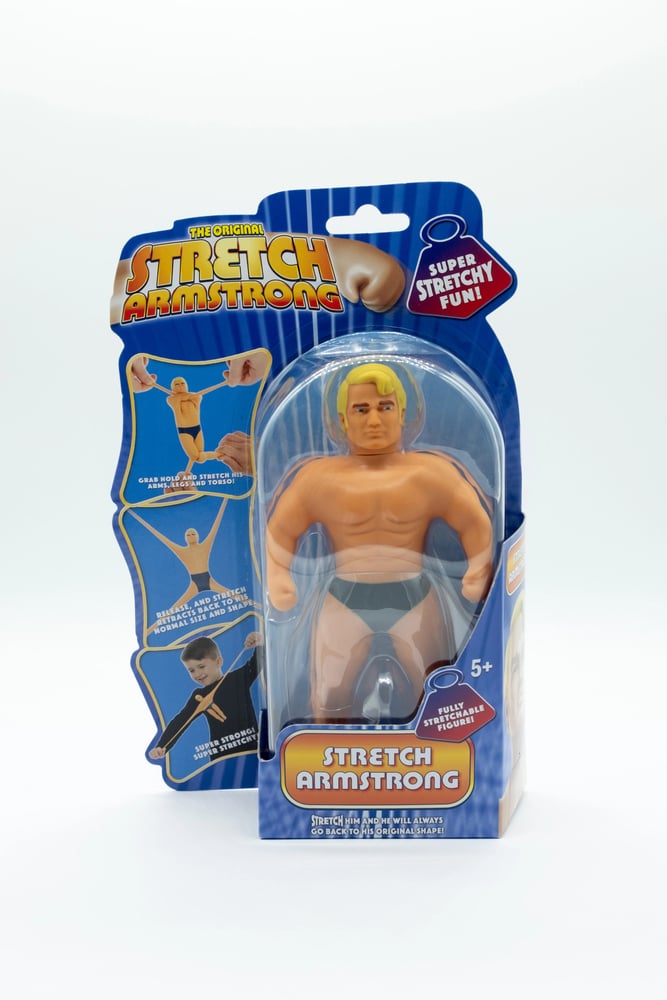
This gel-filled action figure could be stretched to four times its normal size without breaking—exactly what kids wanted to test repeatedly. The figure had no moving parts and relied on nothing but a latex body and an internal gelatin-cornstarch suspension.
Decades later, uncovered Stretch Armstrongs still demonstrated their original function, intact and essentially unchanged.
Evel Knievel Stunt Cycle
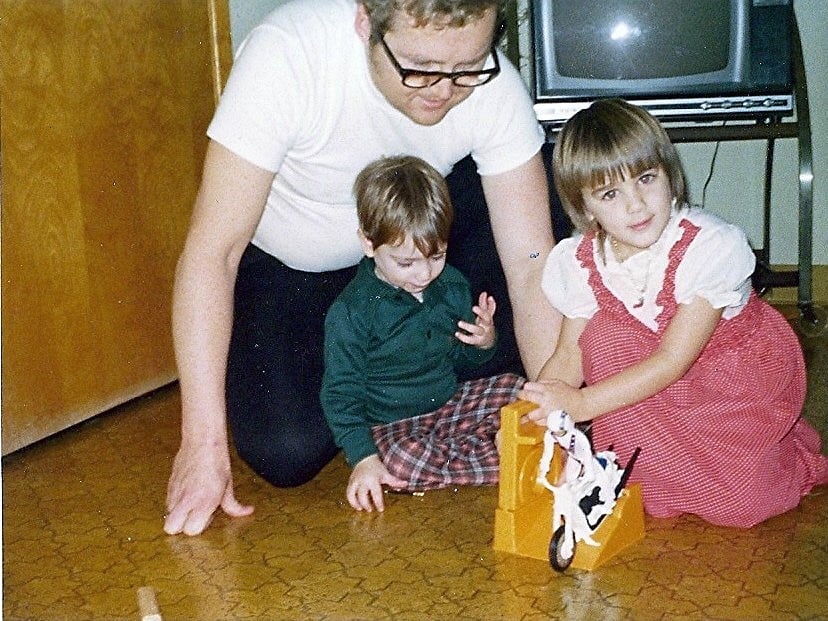
A motorcycle with a ramp, an action figure with a removable helmet, and the promise of performing jumps. The mechanical simplicity meant few failure points.
The toy kept working long after the stuntman’s popularity waned, performing motorcycle tricks in basements and attics for kids who had never seen Evel Knievel live.
G.I. Joe Adventure Team
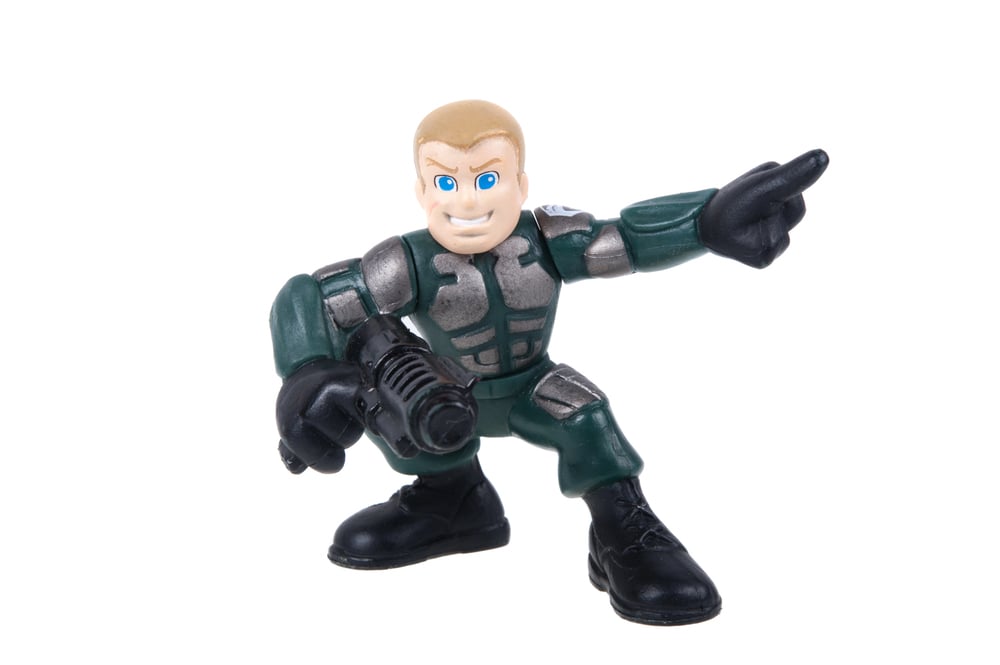
Hasbro’s answer to Barbie eventually abandoned military pretense and became an adventure figure—explorers and outdoor enthusiasts who could survive multiple decades in toy boxes. The articulated bodies and cloth clothing meant they could be redressed and reimagined.
Generation after generation of families kept the same Joe figures active across fifty years.
Hot Wheels Cars
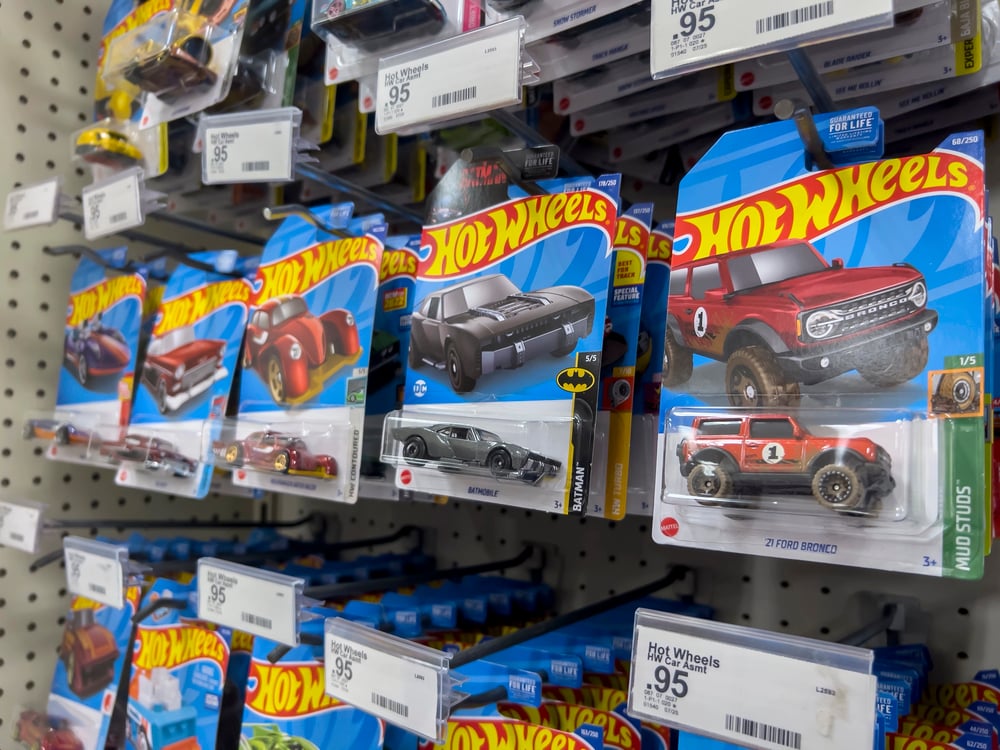
The Redline series, discontinued in 1977, featured tiny die-cast vehicles with red-striped tires. These didn’t require batteries or maintenance. A Redline car lost in 1975 could be discovered thirty years later still capable of rolling down a Hot Wheels track.
Families accumulated hundreds, stored them in shoe boxes, and passed them forward because they never broke.
Barbie Dolls
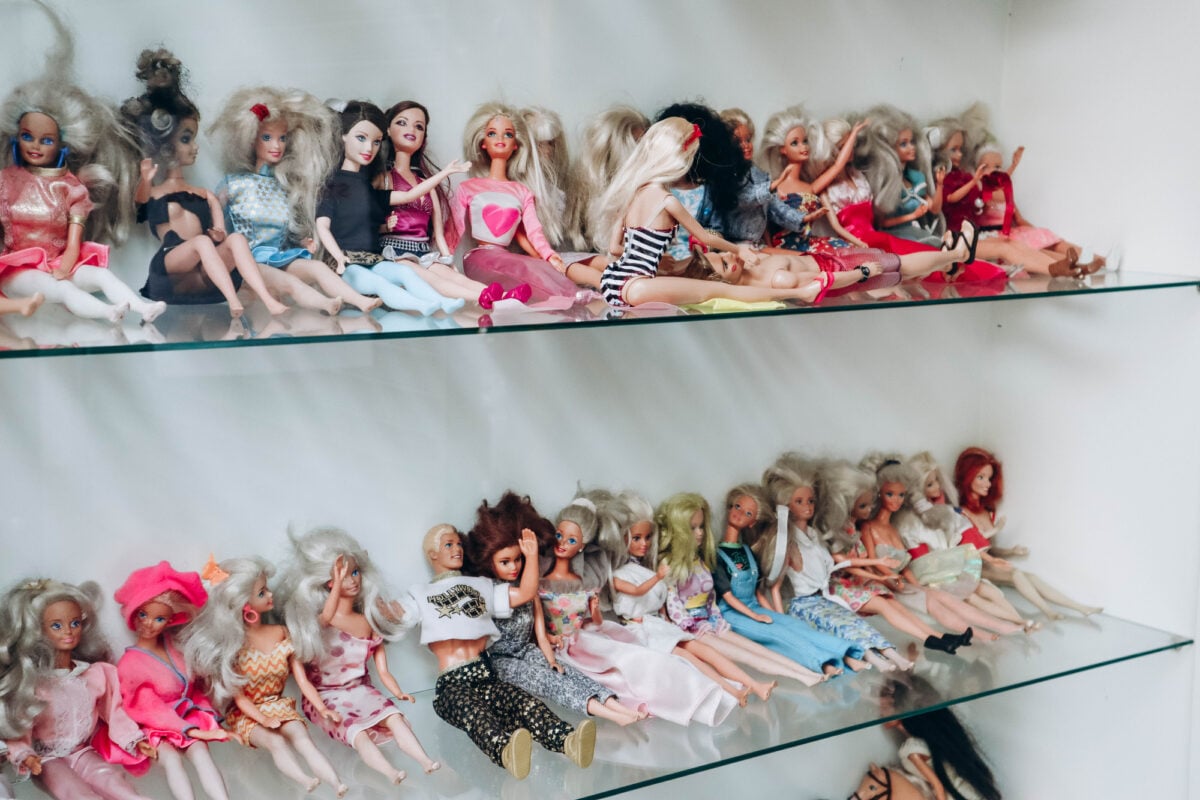
Available in countless versions throughout the 1970s, Barbie represented a toy system rather than a single object. The dolls themselves were remarkably durable, though their plastic hair often tangled beyond redemption.
Families kept multiple Barbie dolls precisely because they offered a modular play system—bodies could be separated, clothing mixed and matched, furniture repurposed.
Barbie Dream House
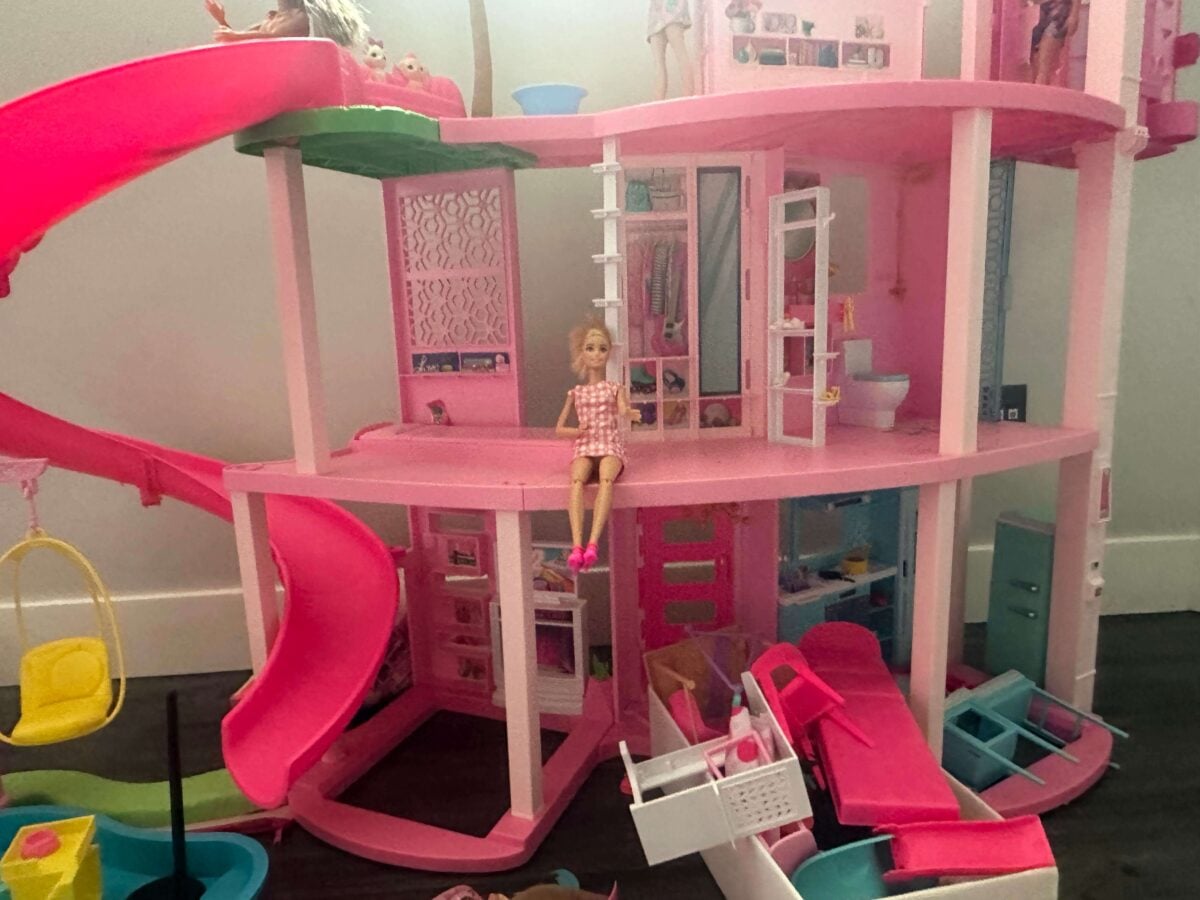
An elaborate plastic house with working lights and furniture, this represented a substantial investment. It was heavy enough that it didn’t require maintenance, and simple enough that it never broke.
Families kept these structures intact because they served as the centerpiece of an entire play universe that spanned years.
LEGO Bricks
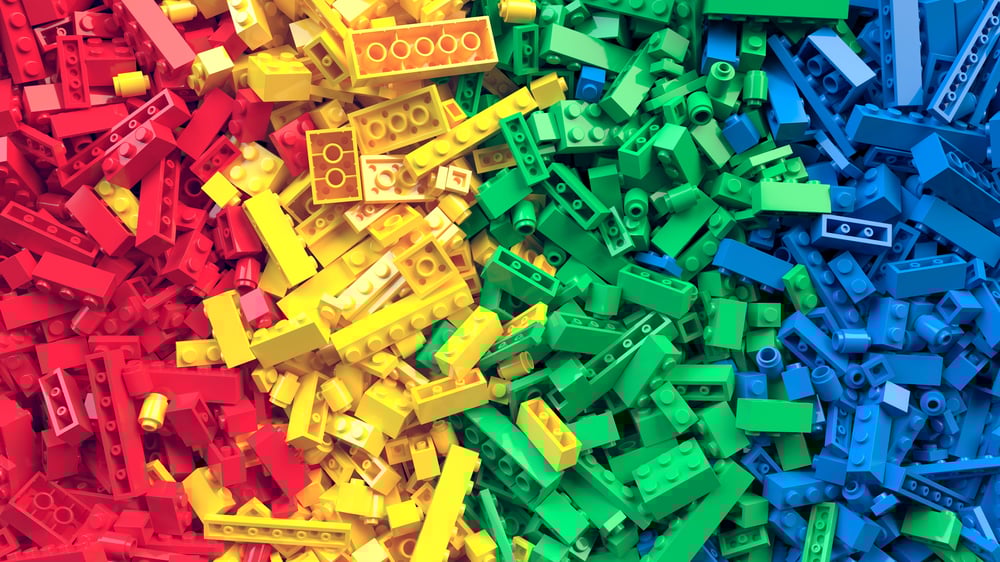
The genius of LEGO was structural simplicity—colored plastic bricks that connected mechanically and never wore out. A brick from 1970 still connects perfectly to a brick from 2020.
Families saved LEGO collections because the system was fundamentally cumulative and timeless. Whether in an attic or a closet, LEGO never stopped being functional.
Tonka Trucks
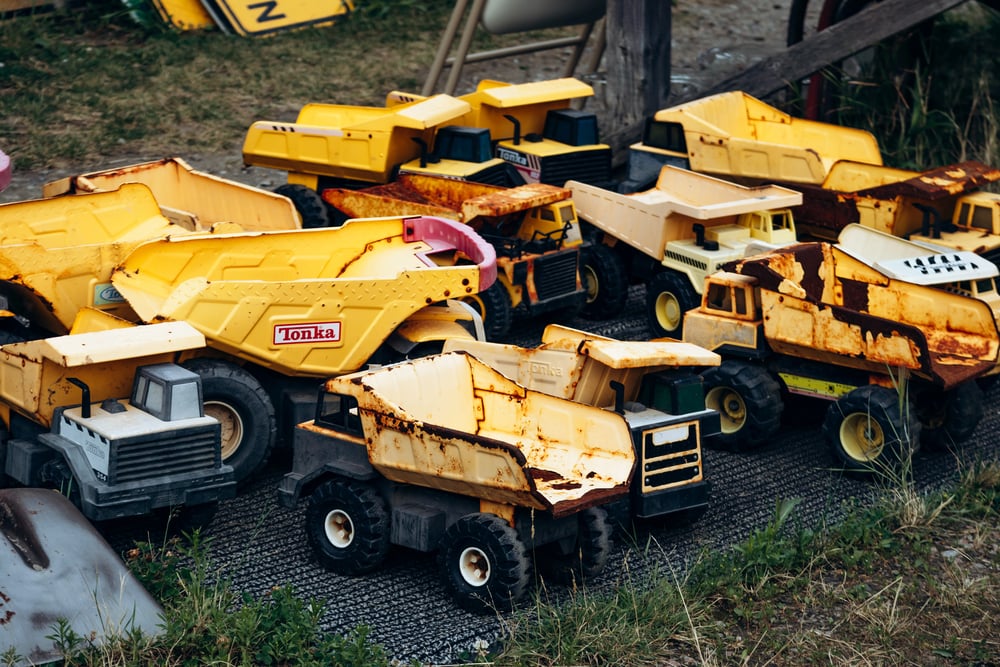
Heavy steel toy trucks painted in bold primary colors. These were industrial-grade toys meant to withstand abuse.
Kids ran them through dirt, left them in the weather, dropped them off stairs, and they kept running. Tonka trucks discovered in their original containers decades later often still worked, mud and rust notwithstanding.
Matchbox Cars

Competitors to Hot Wheels but produced with the same principle—die-cast metal vehicles that required no maintenance or power source. A Matchbox car from 1972 was identical in function to one from today.
Families kept them because they accumulated naturally, cost little, took up minimal space, and never truly broke.
Weebles

The egg-shaped toys that “wobbled but didn’t fall down” had a weighted bottom and a smooth-curved body that practically guaranteed their survival. When knocked over, they returned to upright.
This simple physics meant they were nearly impossible to break. Families kept them because they were genuinely unbreakable toys.
Fisher-Price Little People Playsets
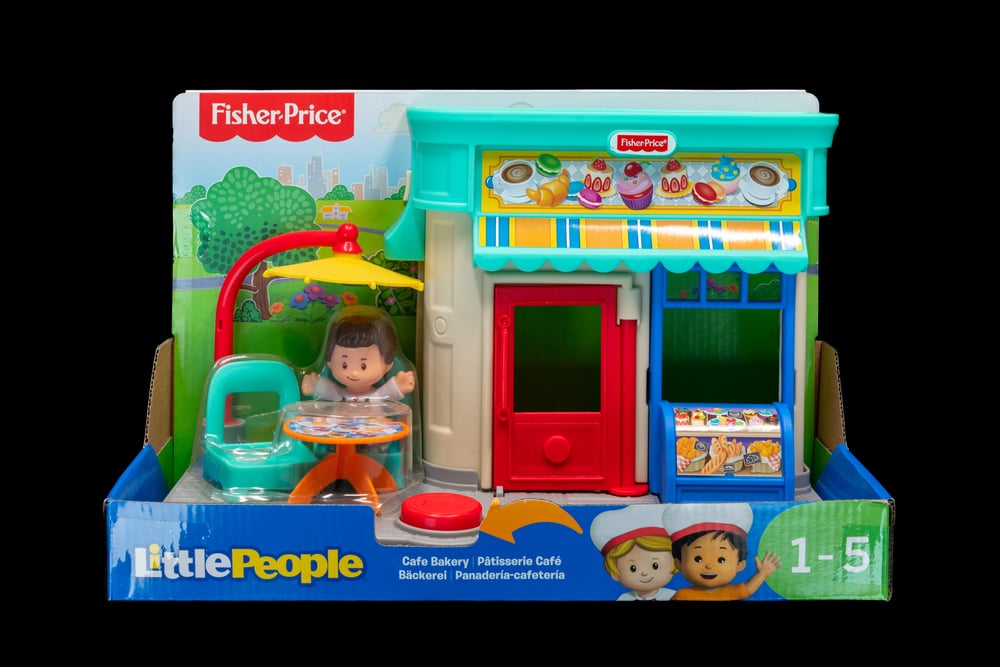
Chunky plastic figurines and folding playsets with magnetic bases for the figures to stick to. The chunky construction and simple magnetic system meant they survived decades of rough play.
Families kept entire collections of Little People playsets because they were engineered with parents’ durability expectations in mind.
Easy-Bake Oven
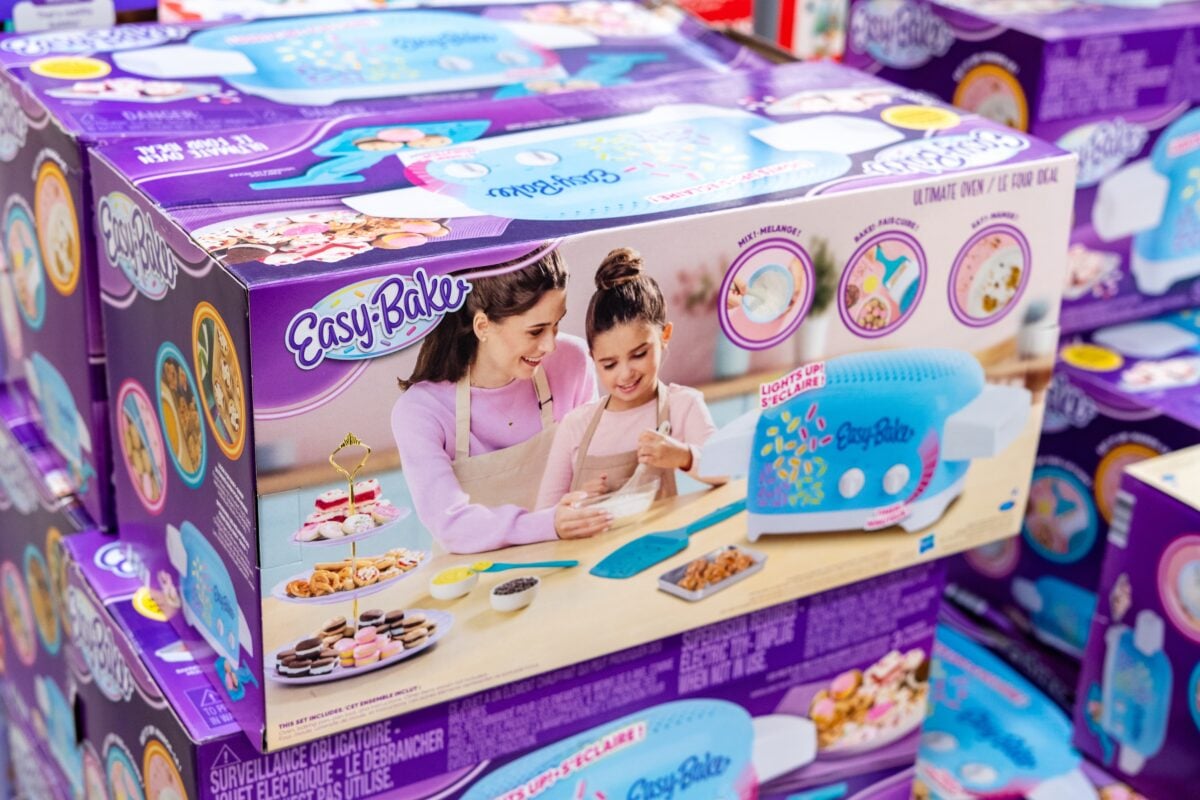
A toy oven with a light bulb for heat, producing tiny cakes from proprietary mixes. The mechanical concept was so simple that ovens from the 1970s are still baking actual food today.
Families kept Easy-Bake Ovens not out of nostalgia but because they continued to function exactly as designed.
Lite-Brite
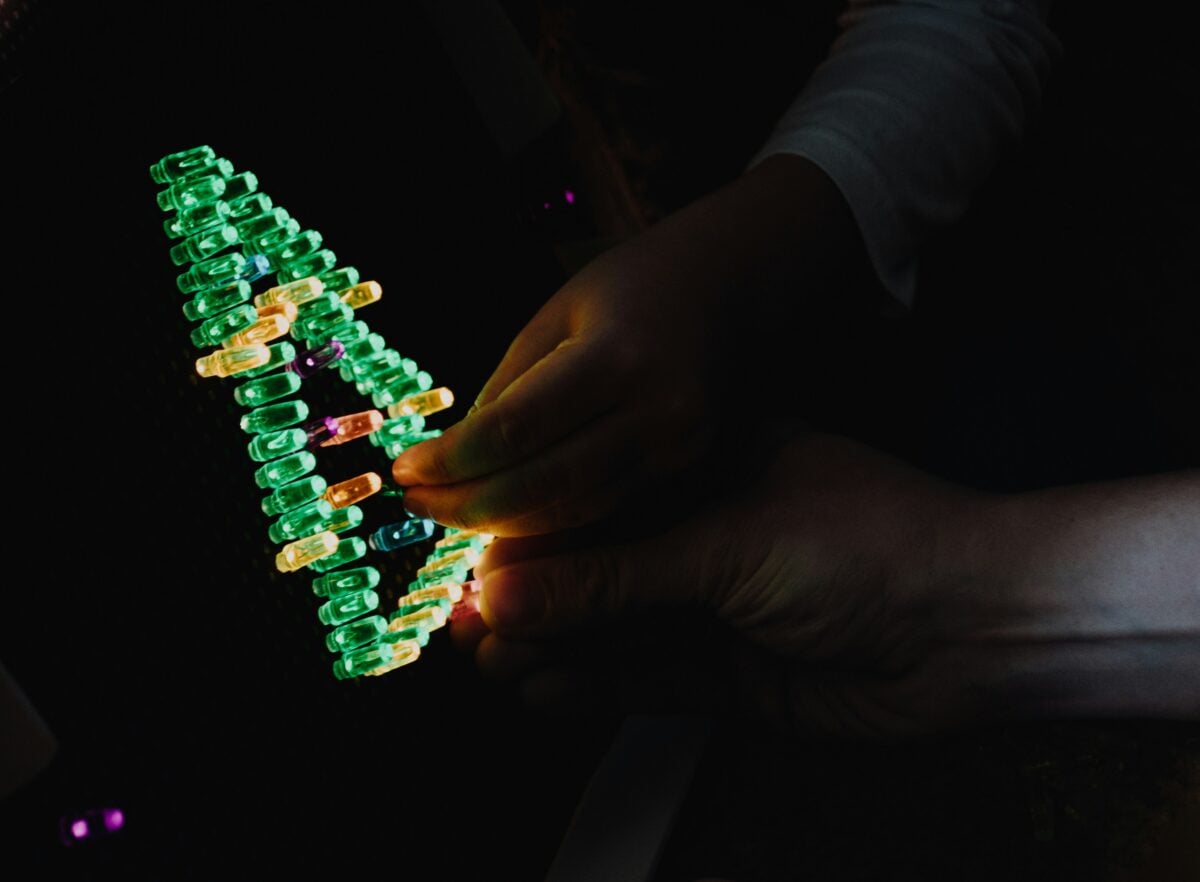
A light board with a grid of openings and small colored plastic pegs that lit up when inserted. No moving parts, no processing.
The bulb was replaceable, but the basic mechanism couldn’t fail. Families stored Lite-Brite sets because they represented pure, unbreakable utility.
Etch A Sketch
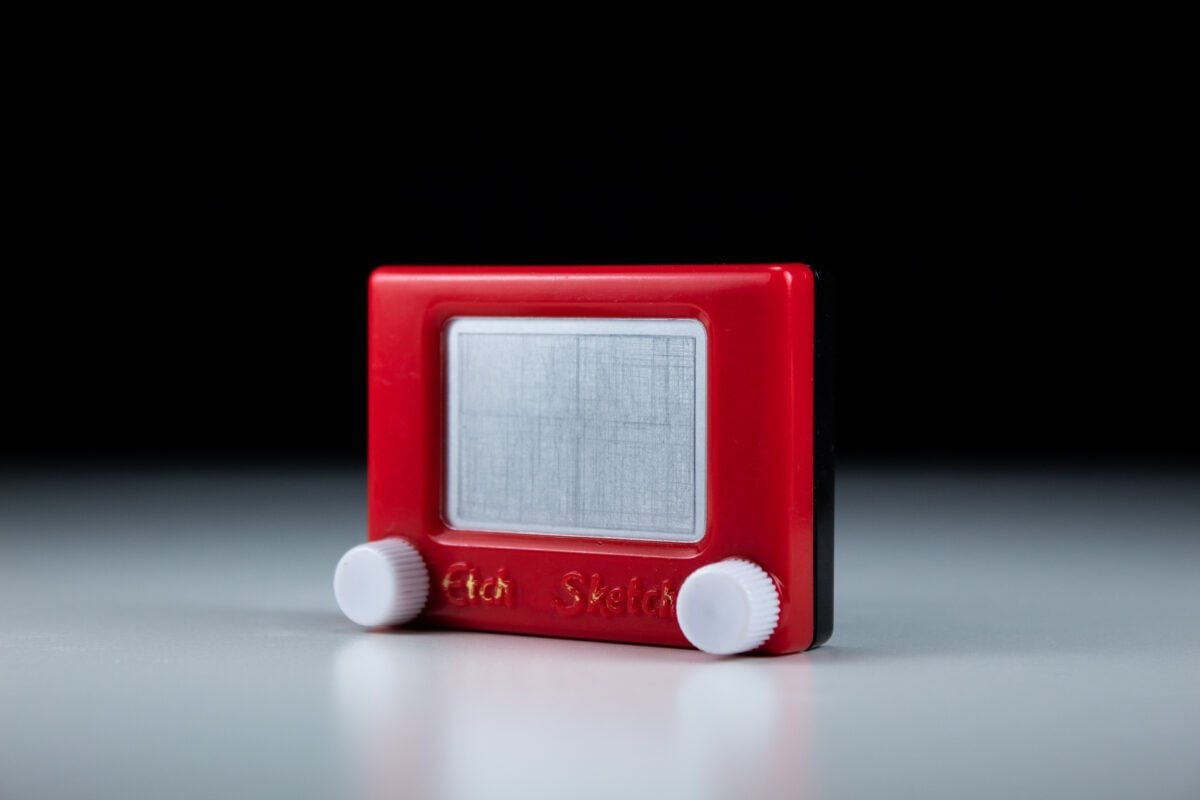
An aluminum frame containing a stylus connected to two knobs that controlled the drawing mechanism. Essentially mechanical, essentially un-breakable.
An Etch A Sketch discovered in a closet today works identically to its 1975 version. The screen was always blank and ready for new images.
Spirograph
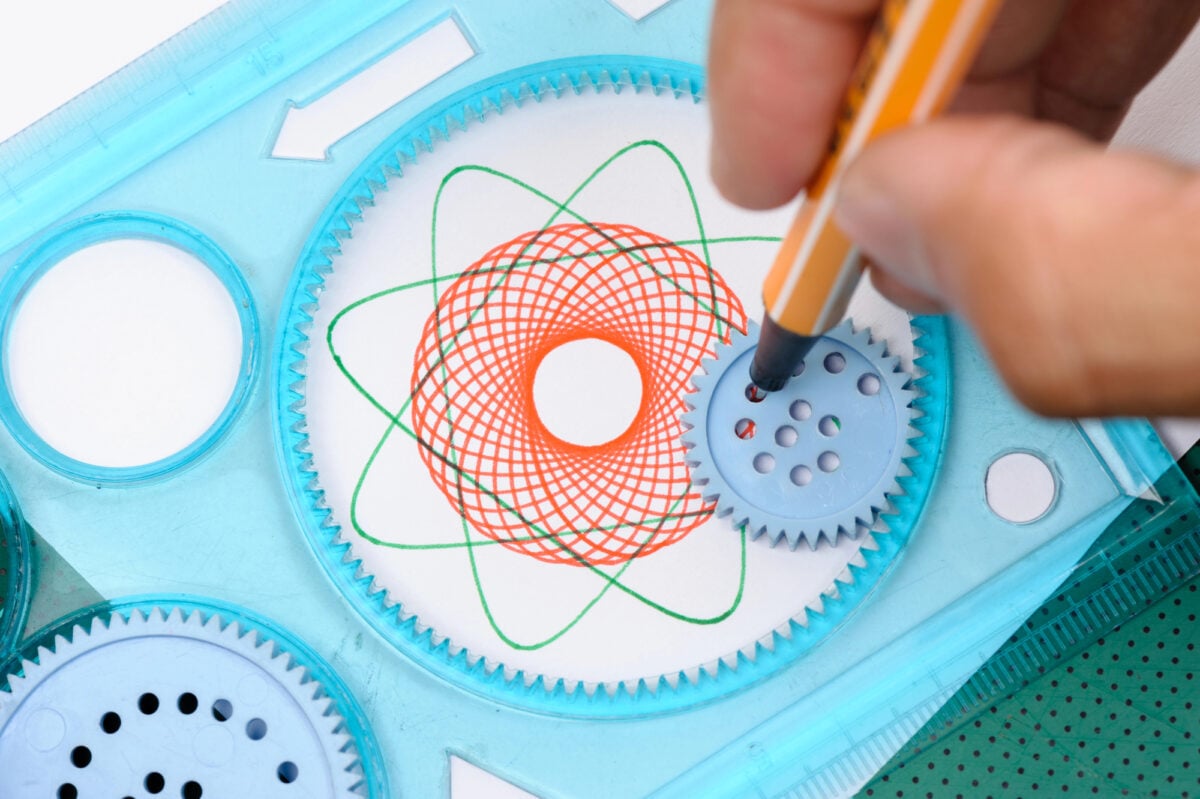
A set of plastic templates and gears with pegs and pencils. The mechanism was purely mechanical—wheels turning against each other.
No batteries, no failure points beyond physical snapping. Families kept Spirograph sets because they literally could not break unless you deliberately destroyed them.
Play-Doh
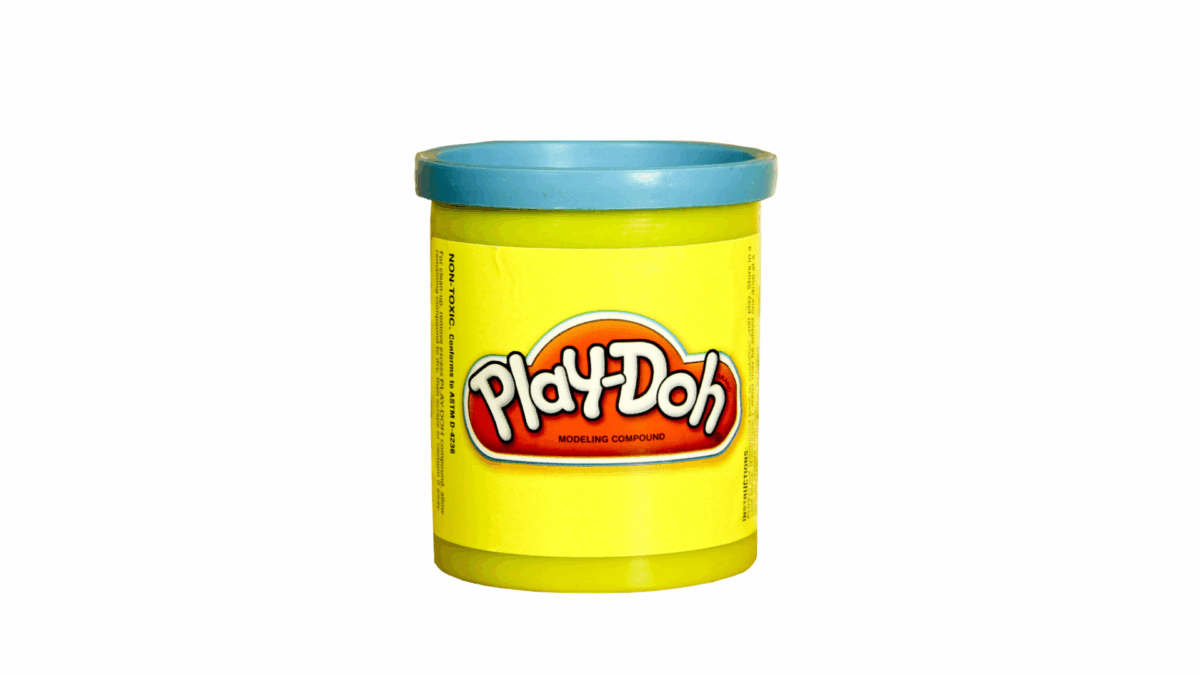
Colorful modeling compound in cylindrical plastic containers. Play-Doh never truly wore out—it just hardened if not sealed properly.
A container of Play-Doh from 1975, properly stored, was still usable. Kids kept their collections because the toys were infinitely renewable.
Rubik’s Cube
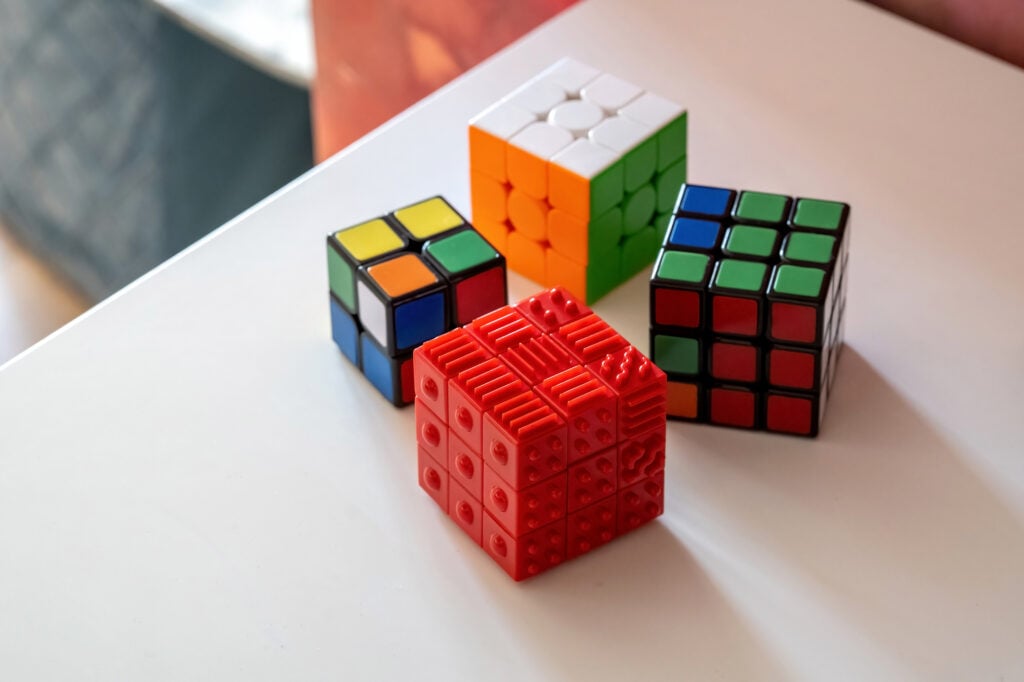
A mechanical puzzle introduced in 1977, consisting of colored squares on rotating faces. The basic mechanism has never changed.
A cube from 1977 performs identically to one from today. Families kept them because they were effectively eternal objects.
Simon Electronic Memory Game
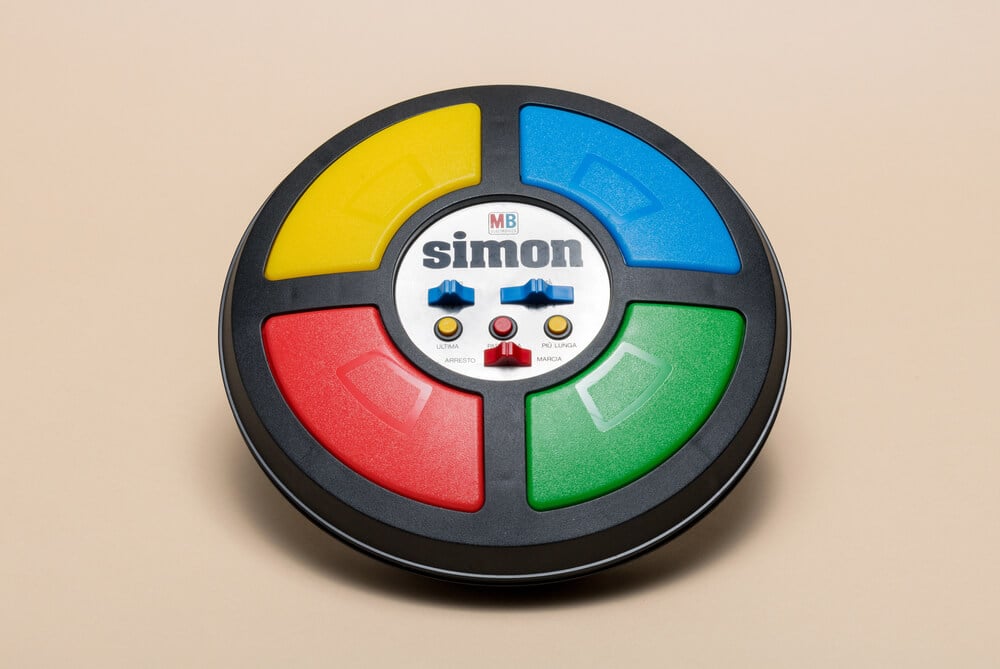
A dome-shaped electronic game with four colored buttons that played sequences players had to remember. The circuit board and simple switch system made it remarkably reliable.
Simon games from the late 1970s still function, still produce their characteristic tones, still play their memory sequences.
Atari 2600 Game Console
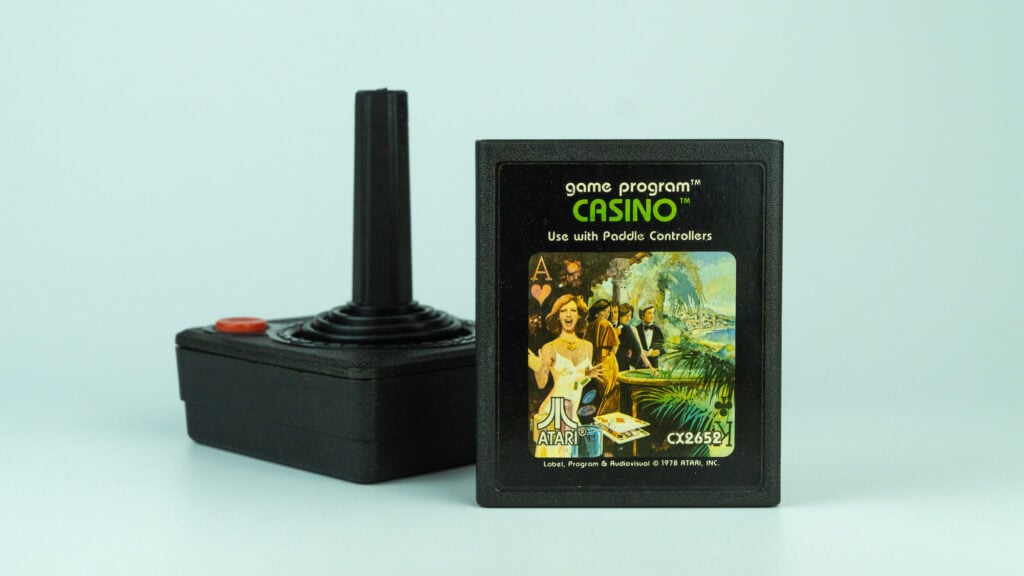
The first major home video game system arrived in 1977 and established a principle: games required hardware, and hardware needed to be durable. Atari 2600 consoles produced in the 1970s are still playable today.
Families kept them because they never really broke—they just became outdated.
Mego World’s Greatest Super-Heroes
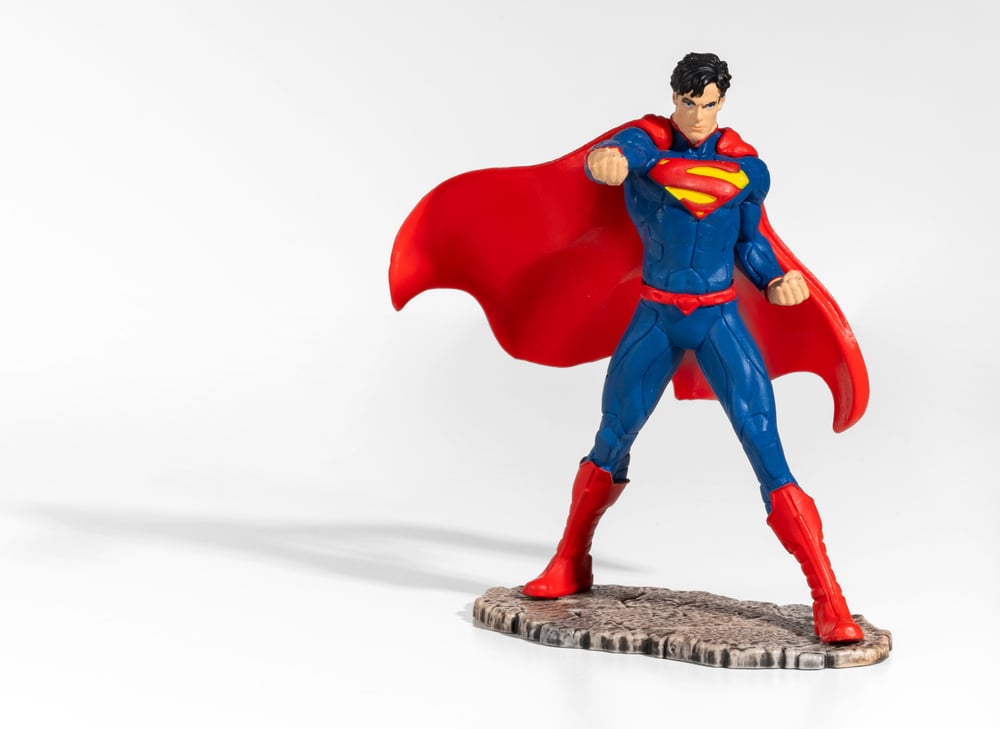
Articulated 8-inch action figures representing comic book characters. The cloth clothing was replaceable, and the plastic bodies were robust enough to survive multiple decades of articulation.
Kids could actually pose these figures dynamically, and they didn’t break from the stress.
Strawberry Shortcake Dolls
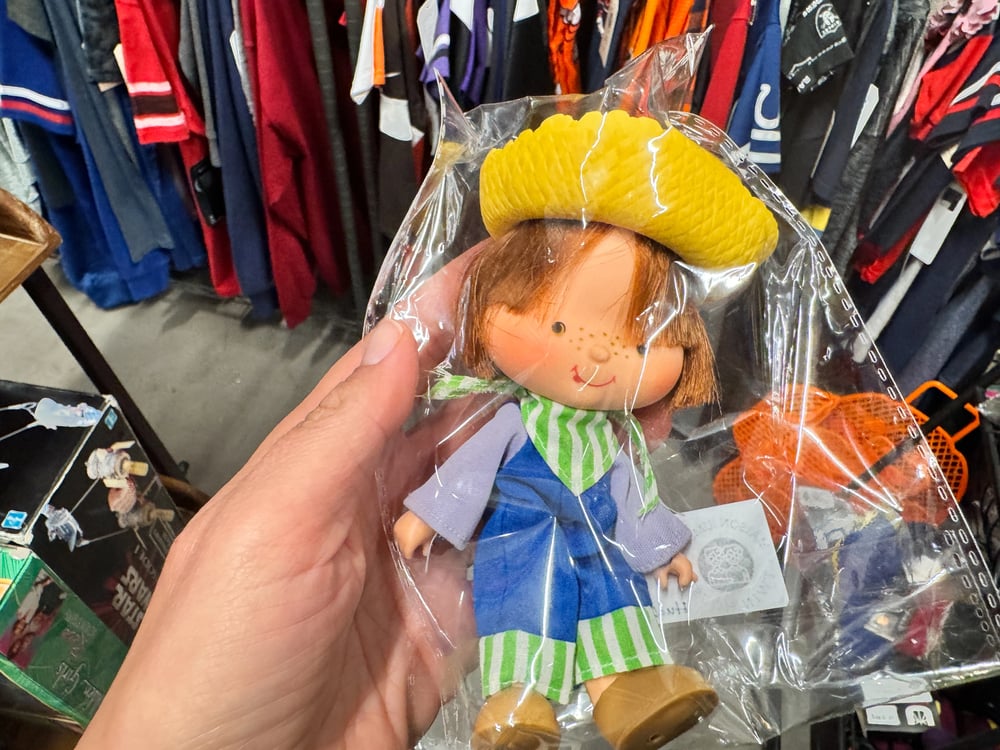
Soft vinyl dolls with rooted hair and strawberry-scented bodies. The scent eventually faded, but the dolls themselves didn’t.
Families kept Strawberry Shortcake collections because the dolls were simple, sturdy, and took minimal space.
Baby Alive Doll
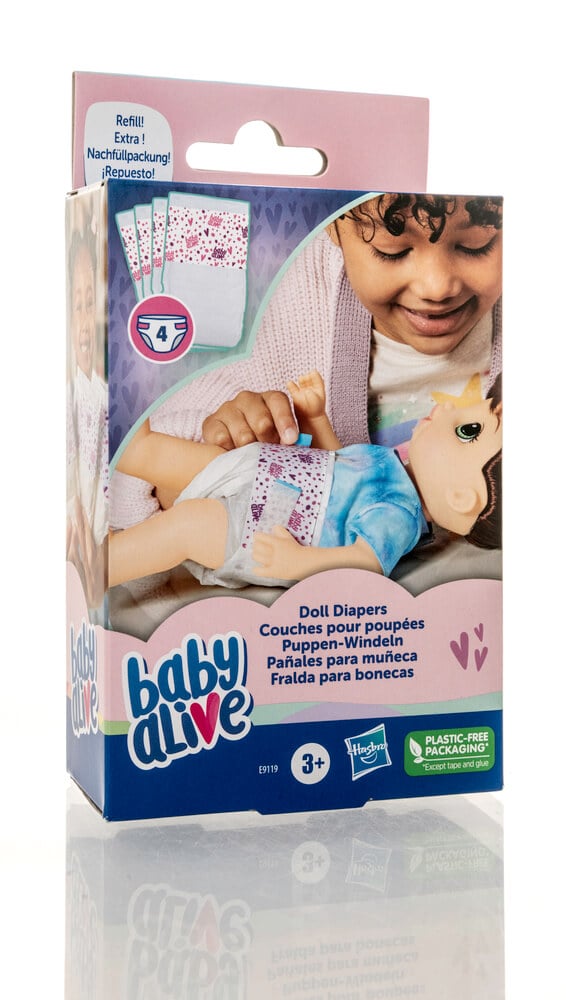
An eating, drinking, and bathroom-function doll that represented a substantial toy investment. The mechanical complexity was minimal—plastic tubes, simple water circulation, basic battery operation.
Families kept them because replacement parts were unnecessary and the dolls worked for years.
Hungry Hungry Hippos
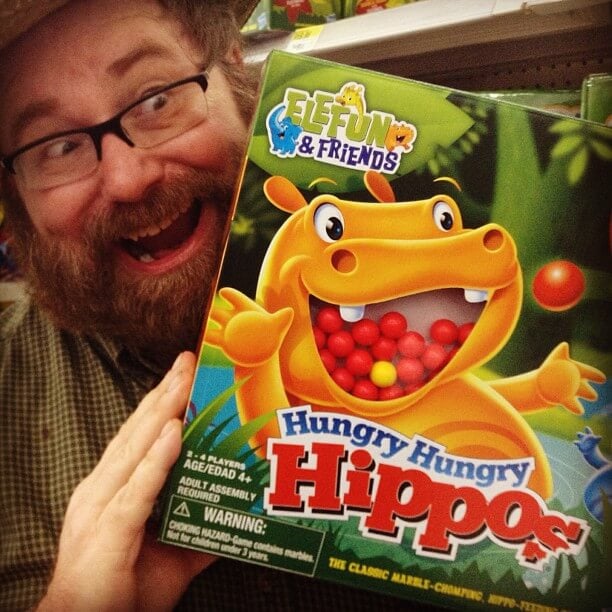
A game featuring mechanical hippos that snapped shut to collect marbles. The gears and switch mechanisms were robust.
An Hungry Hungry Hippos game from 1978 still plays identically to the current version. Families kept them because the basic mechanism was essentially immortal.
Tinker Toys
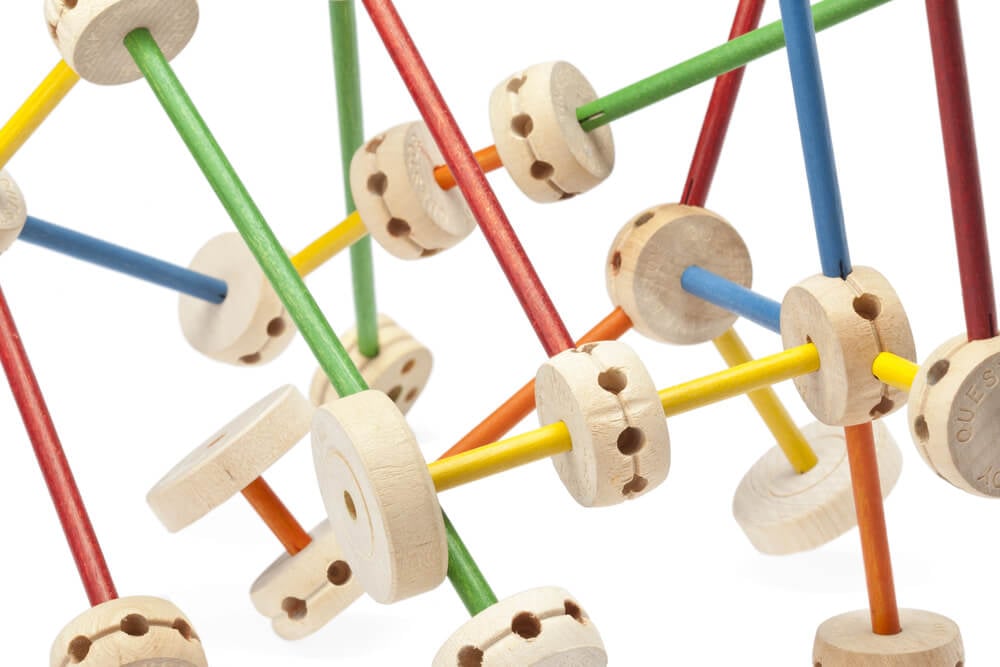
Wooden dowels and connector pieces for building three-dimensional structures. Wood doesn’t break easily, and connector pieces were purely mechanical.
Families accumulated Tinker Toy collections because they never wore out and could be combined with later purchases.
Lincoln Logs
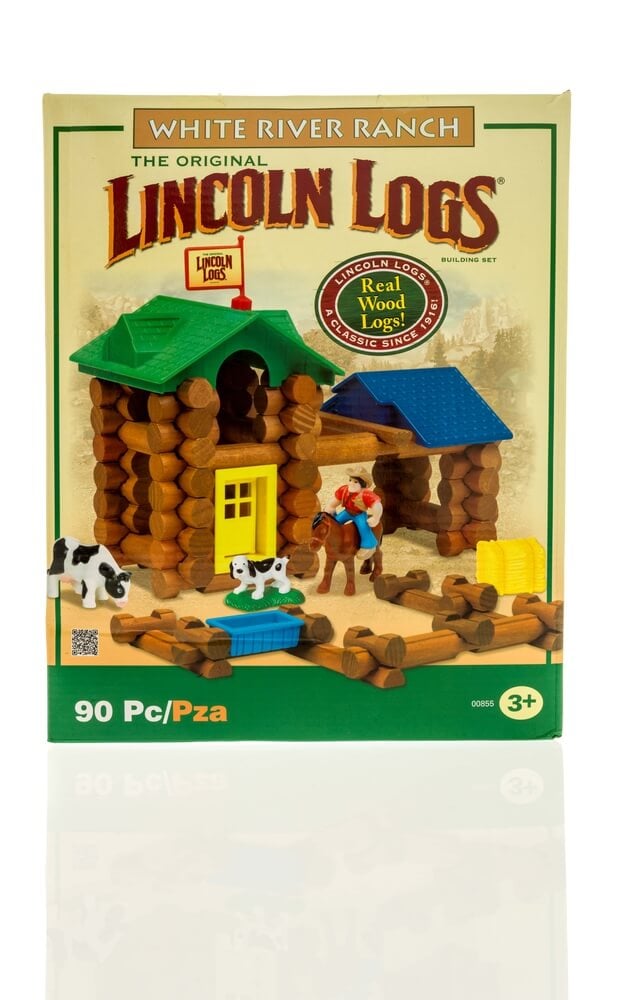
Notched wooden logs for building log structures. Wood is nearly indestructible unless exposed to extreme moisture.
A Lincoln Log from 1975 stacks identically to one from today. Families kept complete sets because wood toys didn’t degrade, didn’t require batteries, and supported multi-generational play.
ViewMaster and Reels
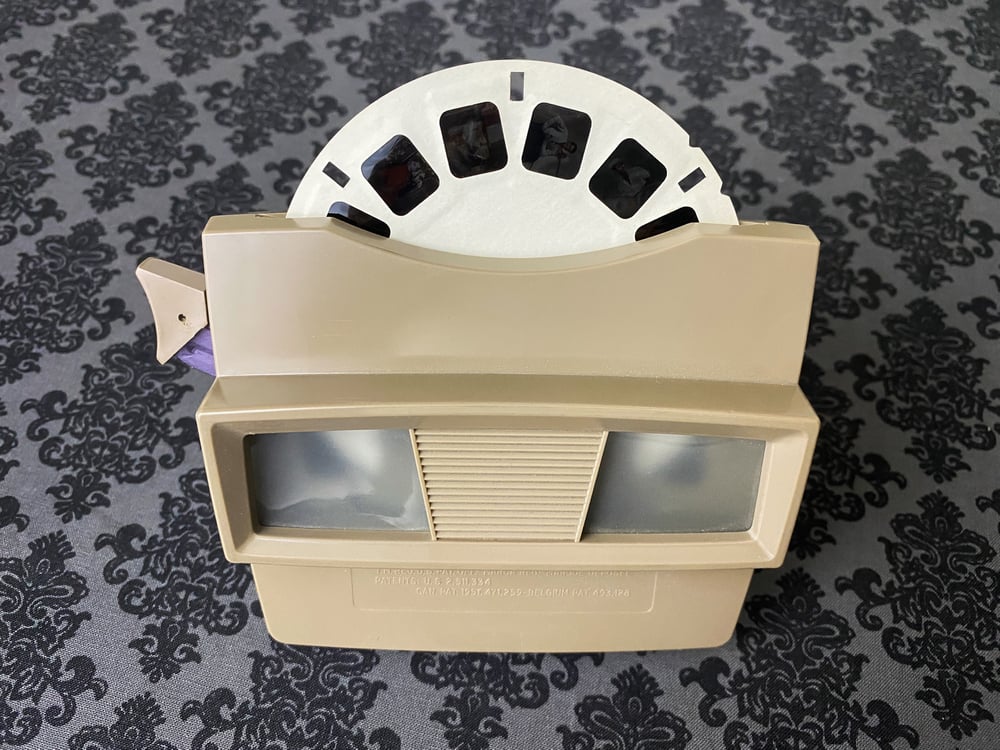
A stereoscopic viewing device with cardboard reels containing photographic slides. The mechanism was mechanical and robust.
Families kept ViewMaster devices and accumulated reels because the system was modular—new reels could be acquired indefinitely without replacing the viewer.
The Permanence of Simplicity
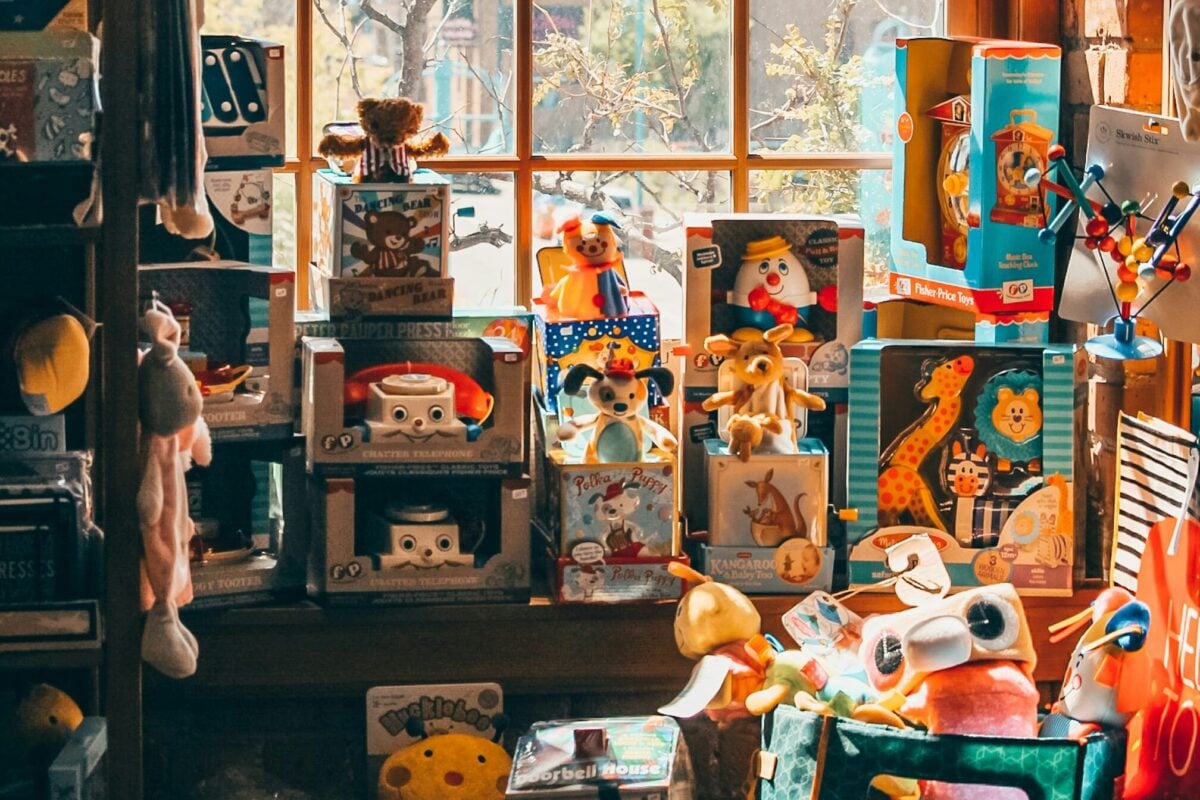
What these toys shared was engineering simplicity. No processors, no computerized logic, no materials engineered to fail.
They required wind-up mechanisms, mechanical articulation, or basic physics. This simplicity meant there was essentially nothing to break.
Families kept them not out of intended preservation, but out of practical refusal to discard objects that continued performing their original function. A toy that works is a toy that stays.
That principle held through the 1970s until manufacturing philosophy shifted toward disposability, leaving behind a generation of objects designed to last through childhood and into the attics of adulthood.
More from Go2Tutors!

- The Romanov Crown Jewels and Their Tragic Fate
- 13 Historical Mysteries That Science Still Can’t Solve
- Famous Hoaxes That Fooled the World for Years
- 15 Child Stars with Tragic Adult Lives
- 16 Famous Jewelry Pieces in History
Like Go2Tutors’s content? Follow us on MSN.