27 Classroom Supplies That Quietly Left School Desks for Good
School supply aisles transformed without announcement. Items that occupied regular shelf space in 1985 disappeared from inventory by 2000, then from memory by 2010.
Students who sat at desks using overhead projectors, hand-crank sharpeners, and Ditto machines now work jobs that have never used any of those tools. The transition from analog to digital wasn’t revolutionary in classrooms—it was funeral-quiet.
Objects simply stopped appearing, teachers stopped mentioning them, and new students never learned they existed. No goodbye ceremonies marked these departures.
The supplies just faded into the attics where school textbooks go to rest. What’s striking isn’t that these supplies became obsolete—technology does that to everything eventually.
What’s striking is how completely they vanished from collective memory. Ask a student today if they’ve heard of a Ditto machine and they’ll stare blankly at the word.
Yet for thirty years, every student in America defined themselves partly by how it smelled.
Chalk and Chalkboards

The focal point of every classroom before whiteboards, interactive boards, and digital projectors arrived. Teachers wrote lessons using colored chalk, filling rooms with dust and sound.
Students took turns erasing the board, learning through the physical act of erasure. The sound of chalk on board became synonymous with school itself.
Overhead Projectors
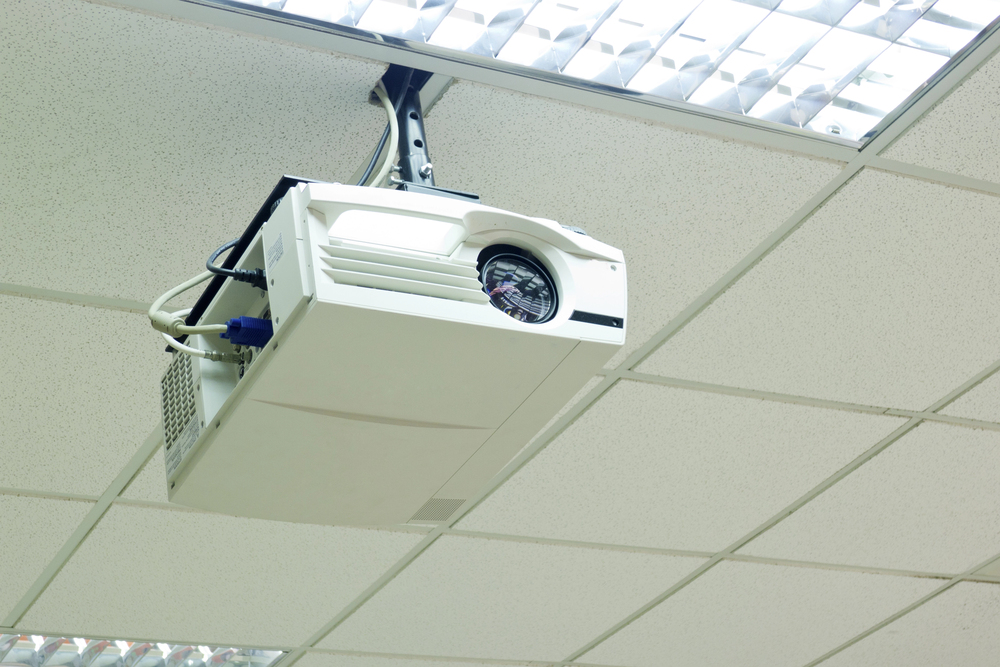
Machines that displayed transparent sheets on a screen using a bright light and fan. Teachers wrote directly on sheets, sliding new ones into place as lessons progressed.
The hum and heat were unmistakable. Digital projectors replaced them without students or teachers protesting the loss.
Filmstrip Projectors
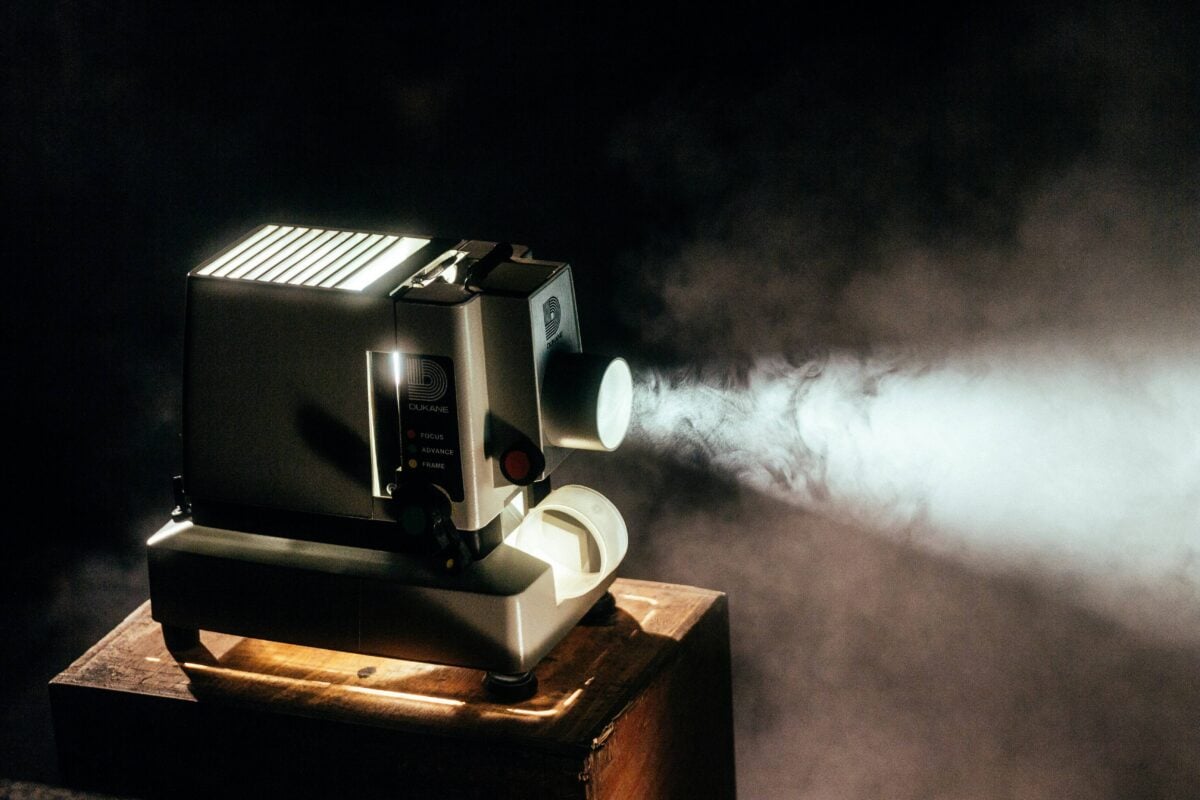
Narrated slide shows that clicked forward one frame at a time. Teachers dimmed lights, adjusted focus, and students watched in anticipation.
These simple tools brought lessons to life before YouTube made them museum pieces. No student today has experienced the specific boredom of waiting for a filmstrip to advance.
Trapper Keepers
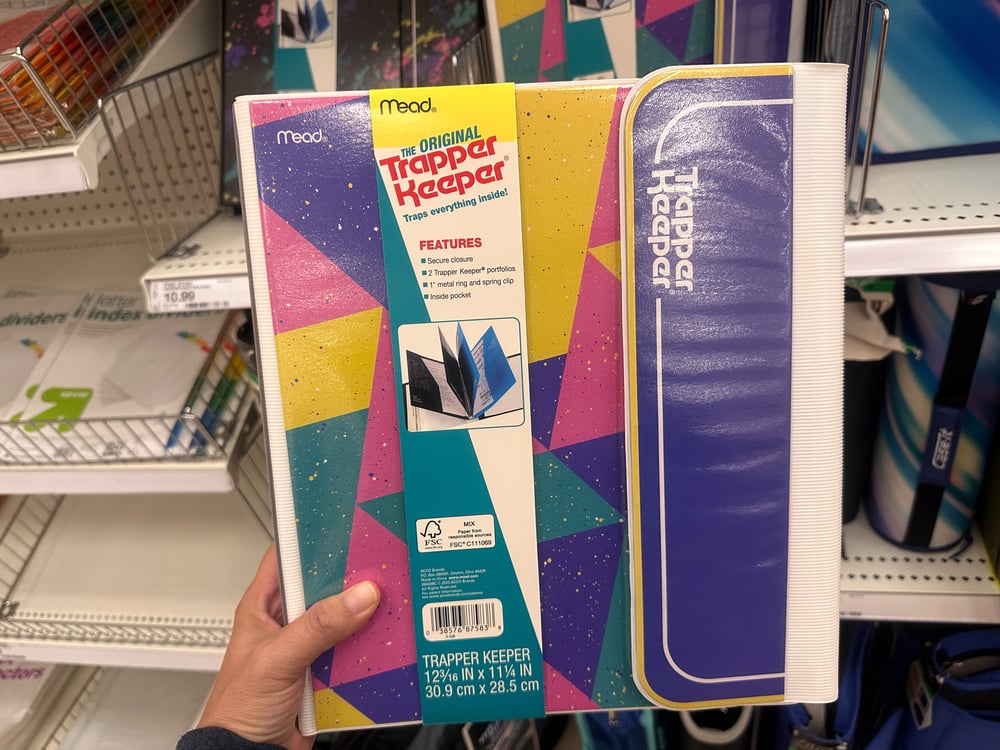
Organizers with Velcro flaps and built-in folders that felt impossibly sophisticated in the 1980s-1990s. The loud ripping sound of Velcro opening in classrooms was iconic.
Inside, specially designed folders prevented papers from sliding out. Nothing contemporary has matched the organizational status these binders conveyed.
Hand-Crank Pencil Sharpeners
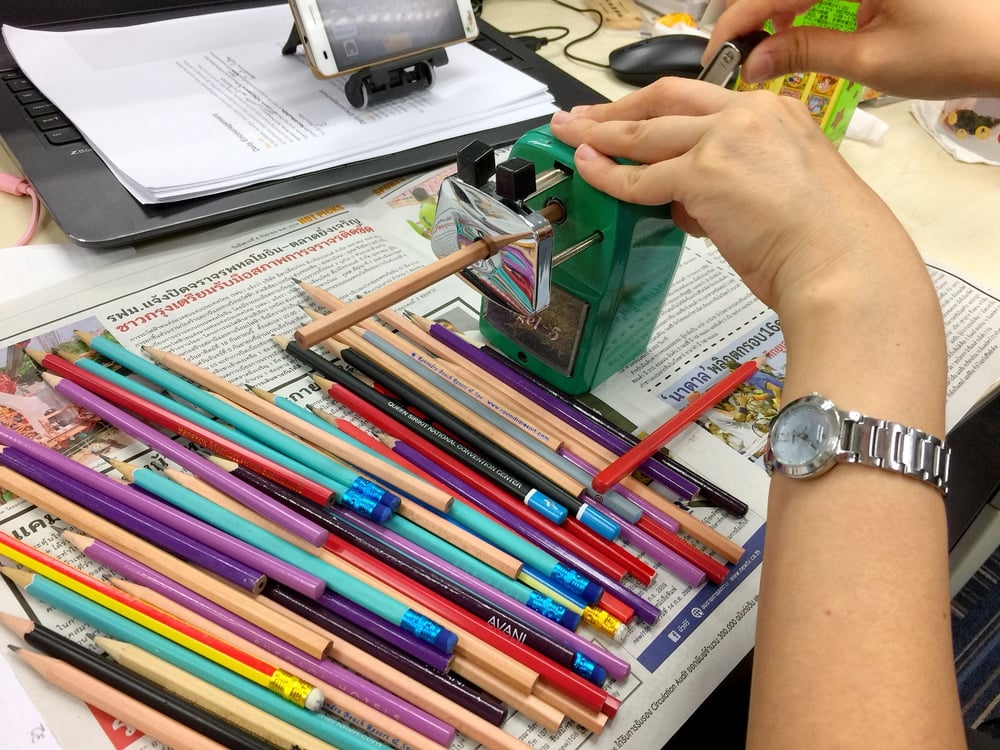
Metal devices mounted permanently on classroom walls. Students took turns manually cranking pencils sharp, making distinctive grinding sounds audible throughout classrooms.
Modern electric sharpeners lack the mechanical character and the built-in social pause that hand-crank sharpeners enforced.
Scented Pencils
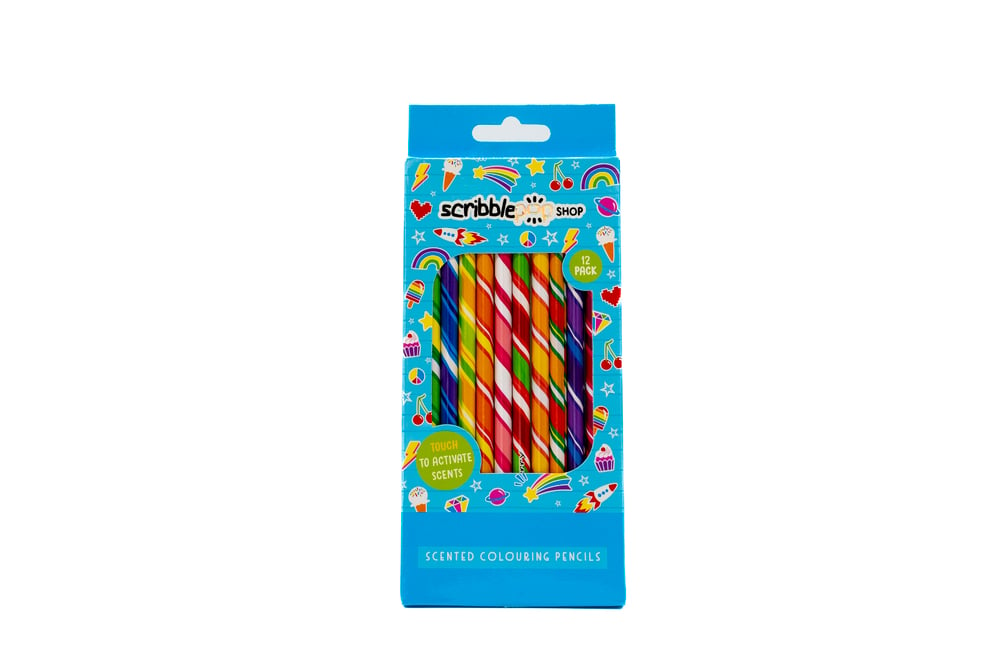
Pencils in colors that matched their scents—grape, cherry, licorice. Some delightful, others questionable.
The scent indicator made color selection meaningful beyond mere aesthetics. Purple pencils always had the largest fanbase, regardless of whether the scent was actually pleasant.
Scented Markers

Every color came with its own scent marker attached. Smelling markers before selecting them was part of the ritual.
Teachers eventually banned scented supplies when classrooms descended into chaos from students sniffing markers instead of working. The novelty was too powerful for the learning environment to contain.
Mechanical Pencils (Click-Click-Click)
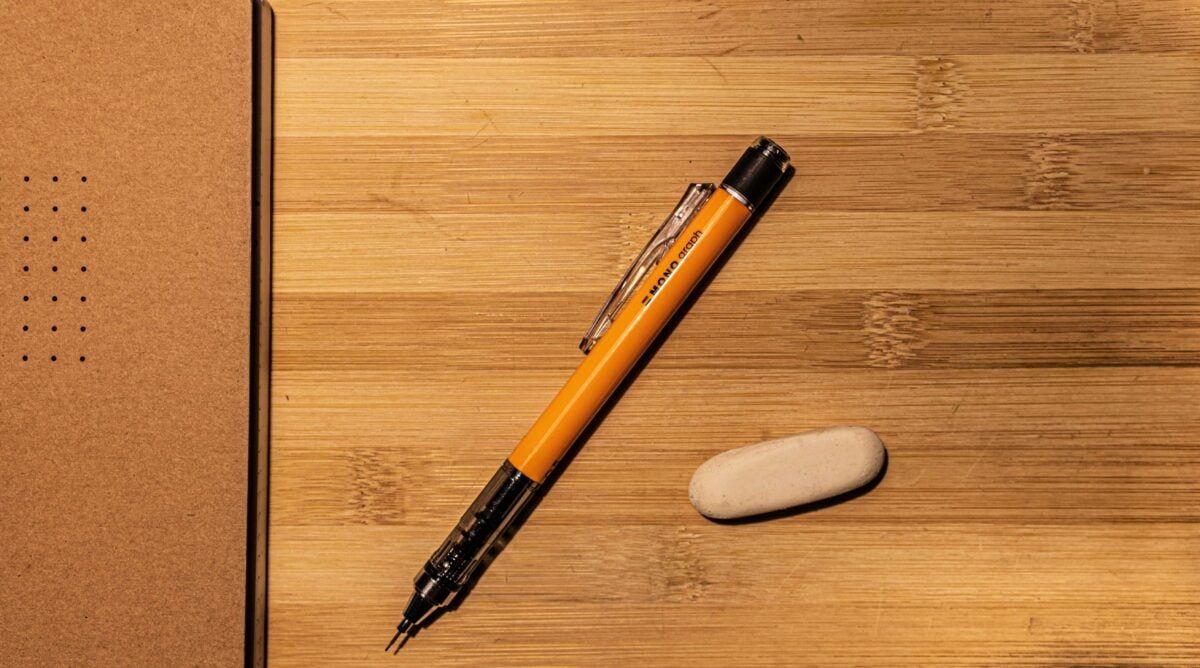
The clicking sound that echoed through classrooms all day as students extended lead from the mechanical mechanism. They felt high-tech even when the lead snapped constantly.
Students carried them as status symbols until regular pencils simply stopped being purchased.
Eraser Caps
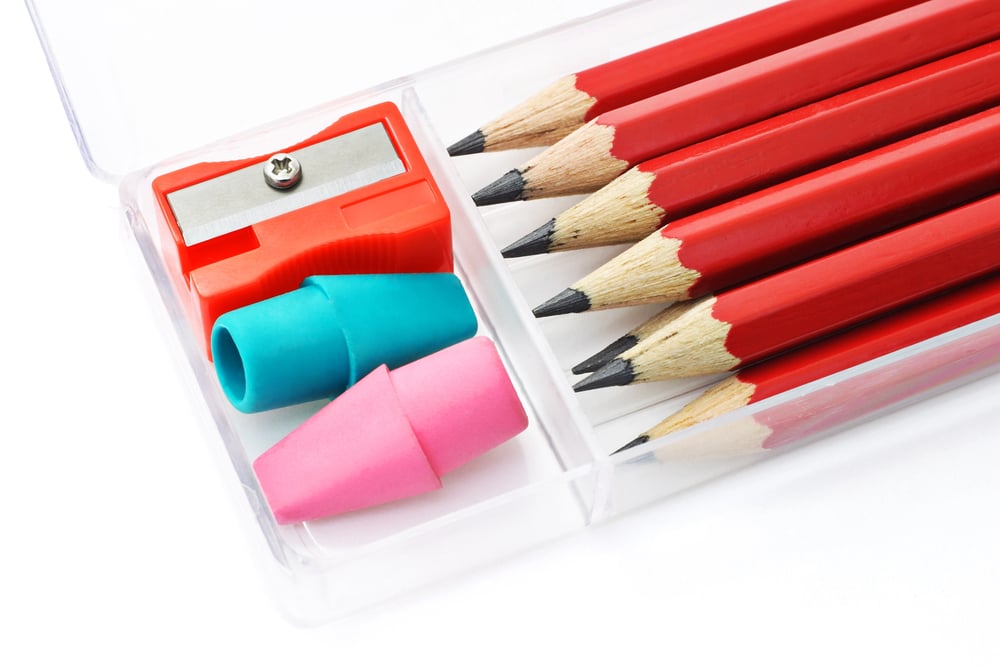
Replaceable erasers that slid onto pencil tops once the original eraser wore out. A simple object, easy to lose, frequently missing when you needed them.
Students with spare eraser caps occupied a minor social advantage.
Eraser Mates
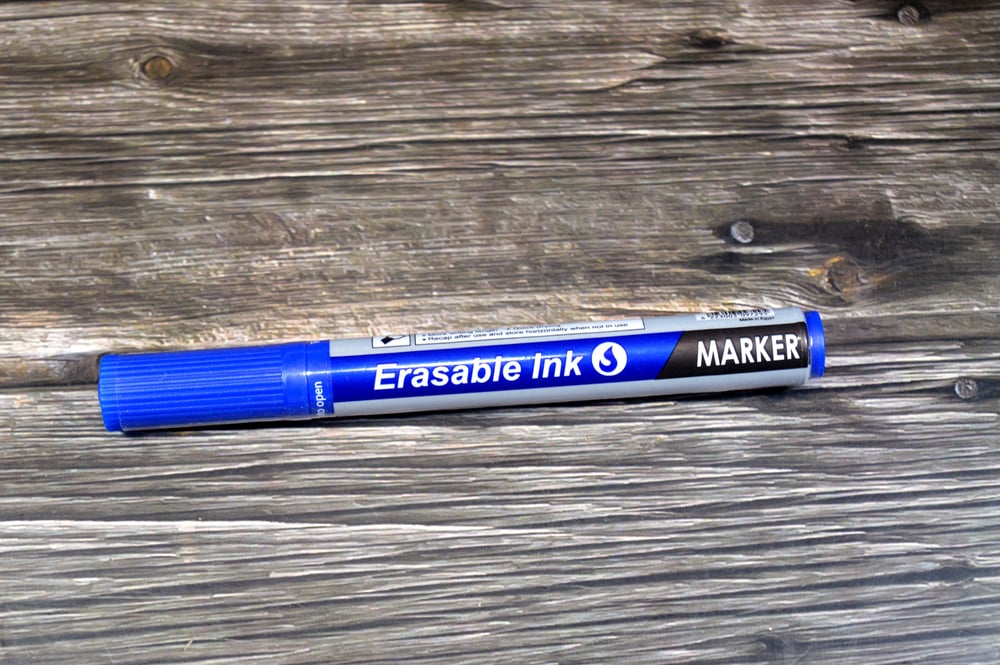
Erasable ink pens introduced in 1979 that promised to eliminate pencil lead completely. The novelty of erasable ink overwhelmed concerns about the smell and tendency to smudge.
Paper Mate Eraser Mates occupied a specific cultural moment in the 1980s before superior alternatives replaced them.
Pop-A-Point Pencils
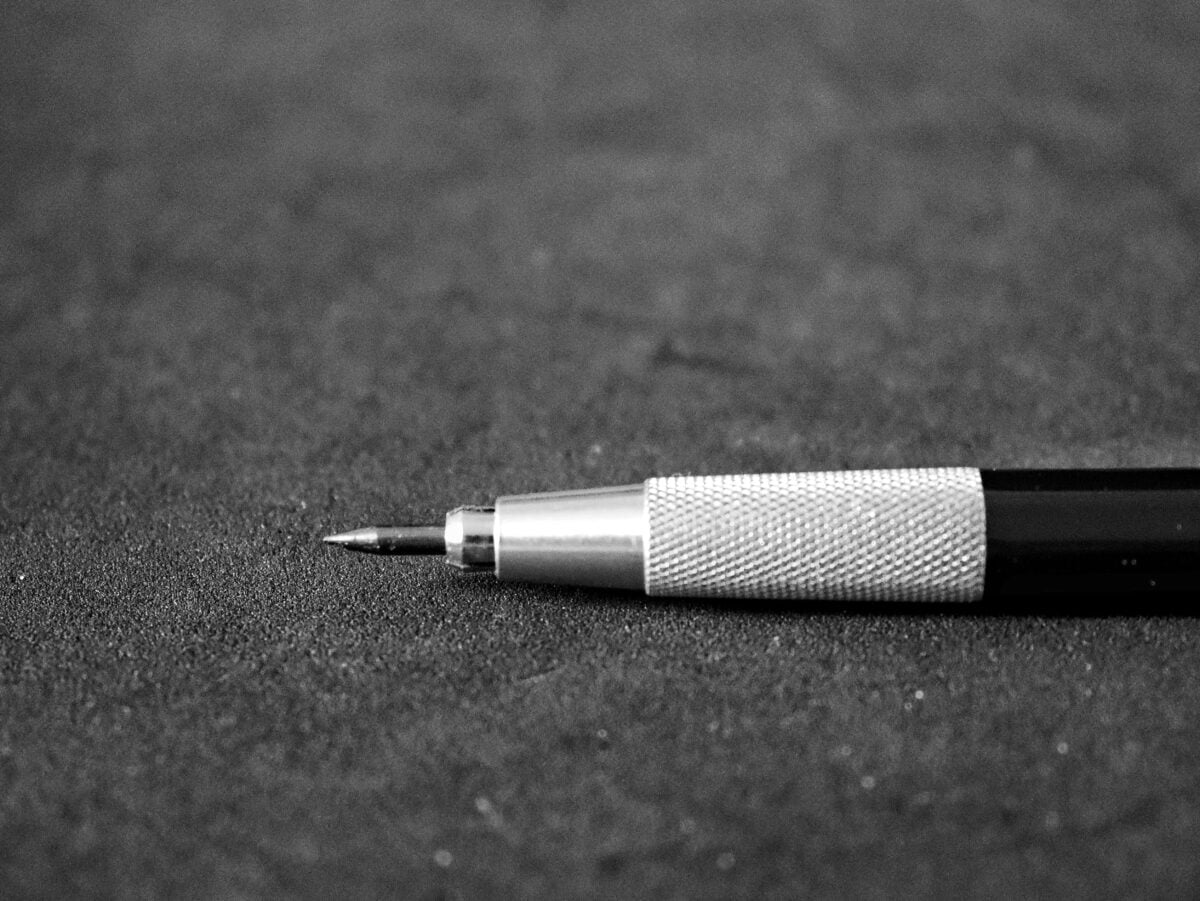
Mechanical pencils where new pointed tips popped out from a dispenser without needing sharpening. The mechanism was clever, the concept was brilliant, and if one lead piece went missing, the entire pencil became worthless.
Students carried them as proof of technological advancement.
Lisa Frank Notebooks and Folders
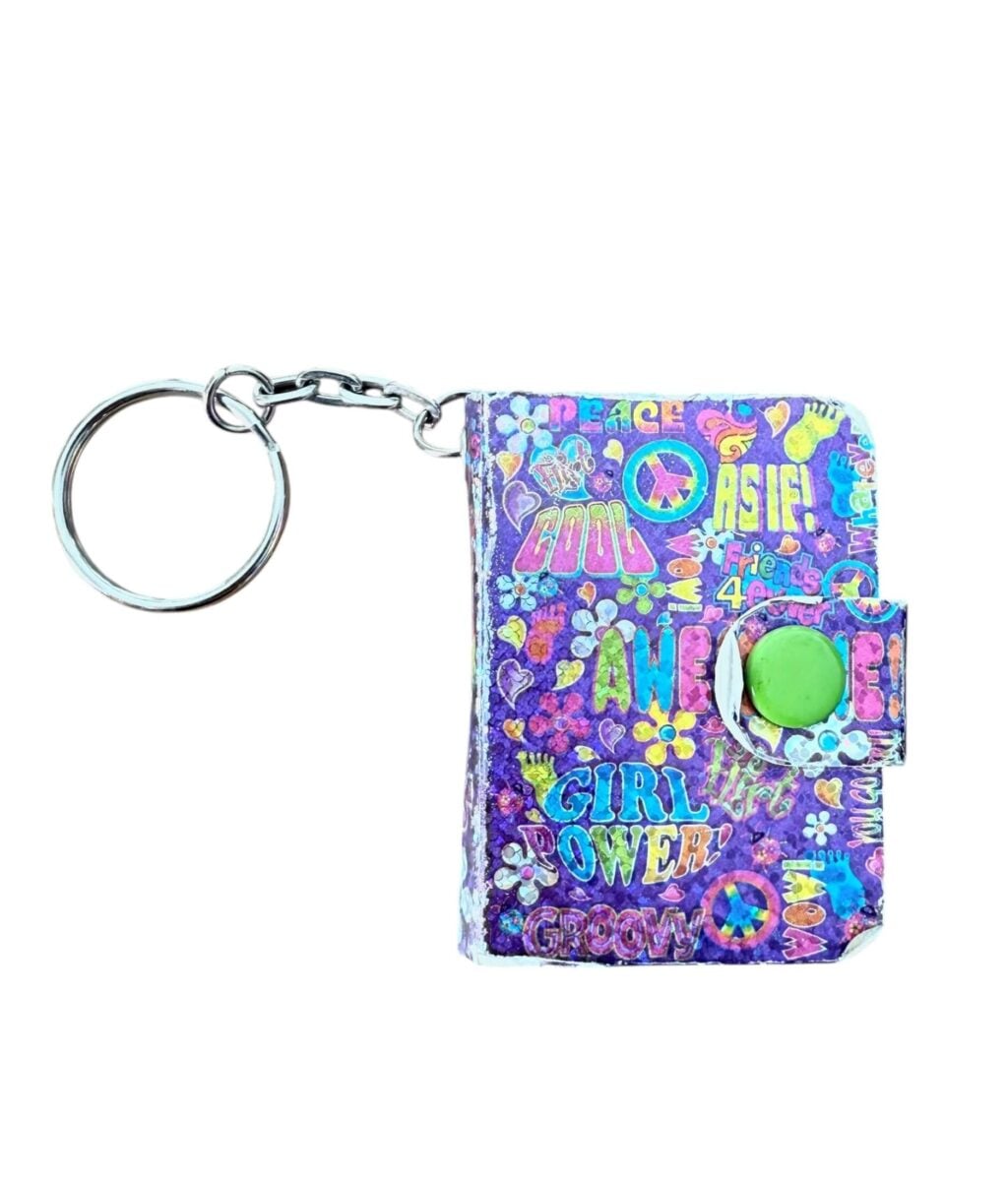
Neon rainbows, wide-eyed animals, glossy finishes covering everything stationery-related. Full Lisa Frank sets—folders, stickers, erasers, pencil boxes all matching—conveyed complete command of the back-to-school aesthetic.
Lisa Frank products represented the height of school supply sophistication in the late 1980s-1990s.
Gel Pens (Novelty Varieties)
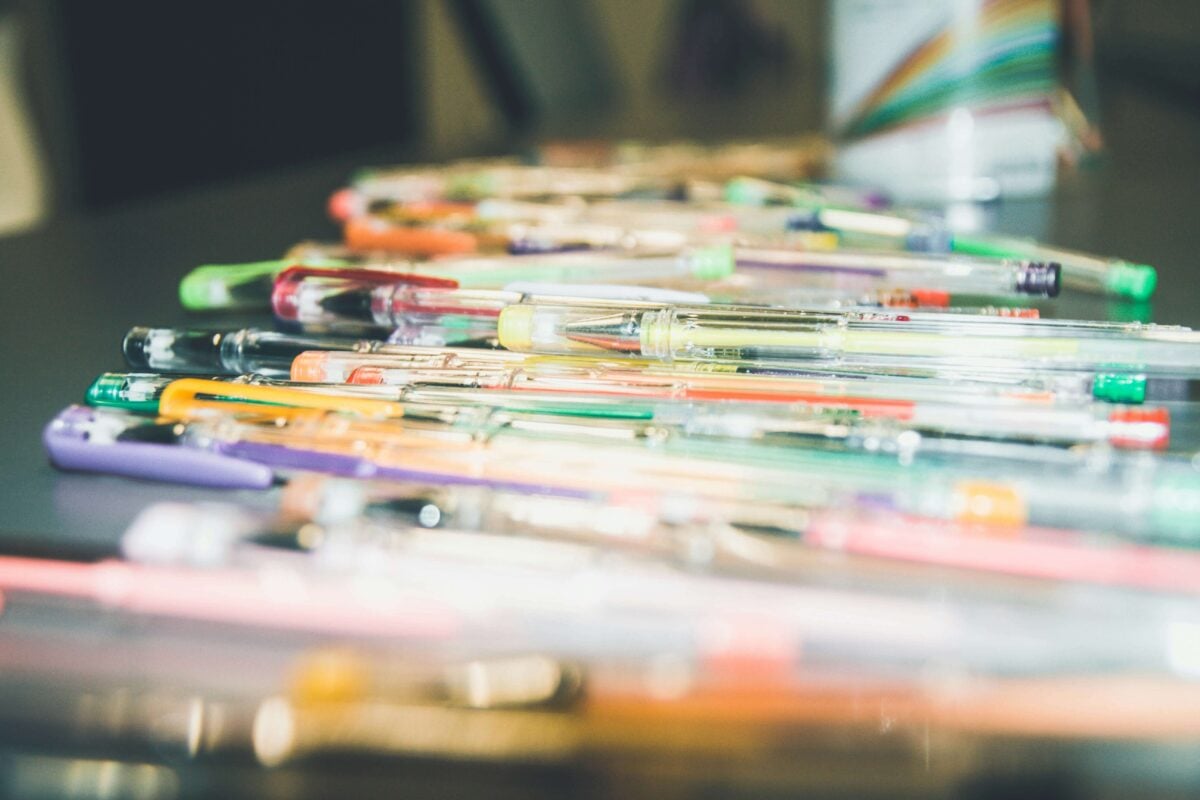
Brightly colored gel pens with fruity scents, glitter, or metallic finishes. These felt futuristic compared to ballpoint alternatives.
The social status of owning multiple gel pen colors was genuine enough that students traded them like currency.
Graphing Calculators
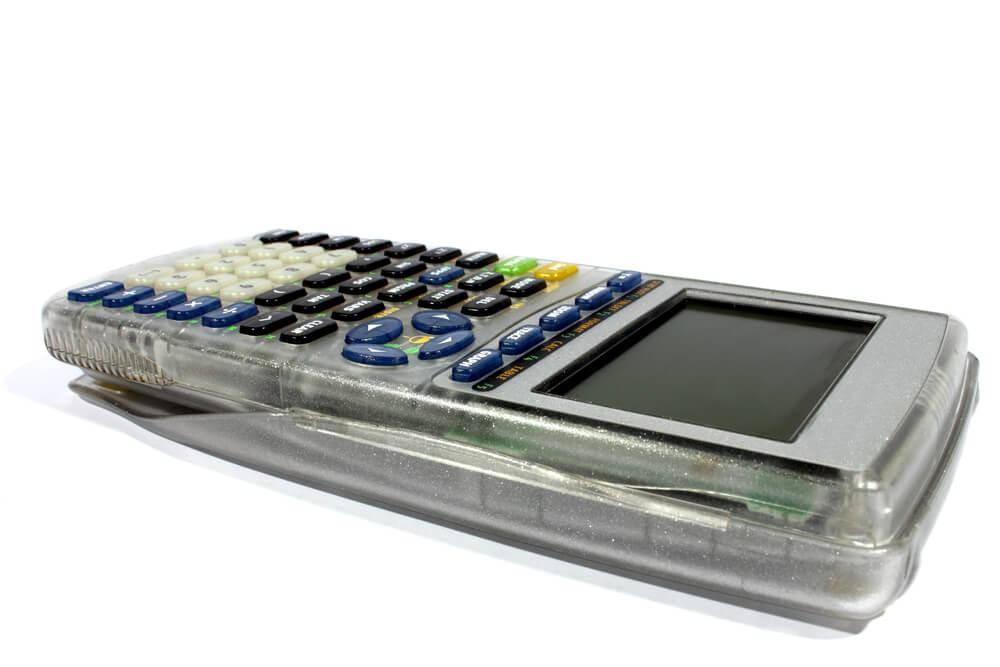
The Texas Instruments TI-81 and subsequent models cost around $100 in the early 1990s, making them the first genuinely expensive school gadgets most students owned.
They could plot functions and perform complex calculations on small screens. Modern phones eliminated the necessity of dedicated graphing devices.
Scratch-And-Sniff Stickers
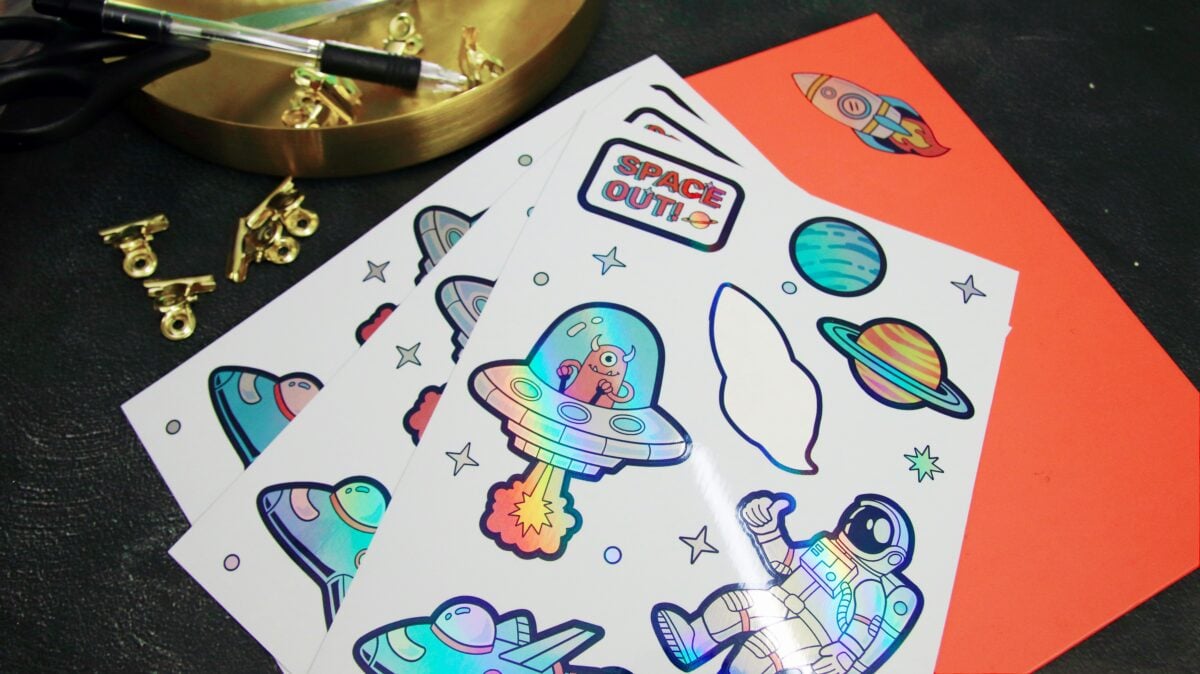
Stickers that release scent when scratched. Teachers distributed them as rewards for good work or correct answers.
The novelty of multi-sensory stickers made them powerful motivators despite the scent fading rapidly from overuse.
Novelty Erasers
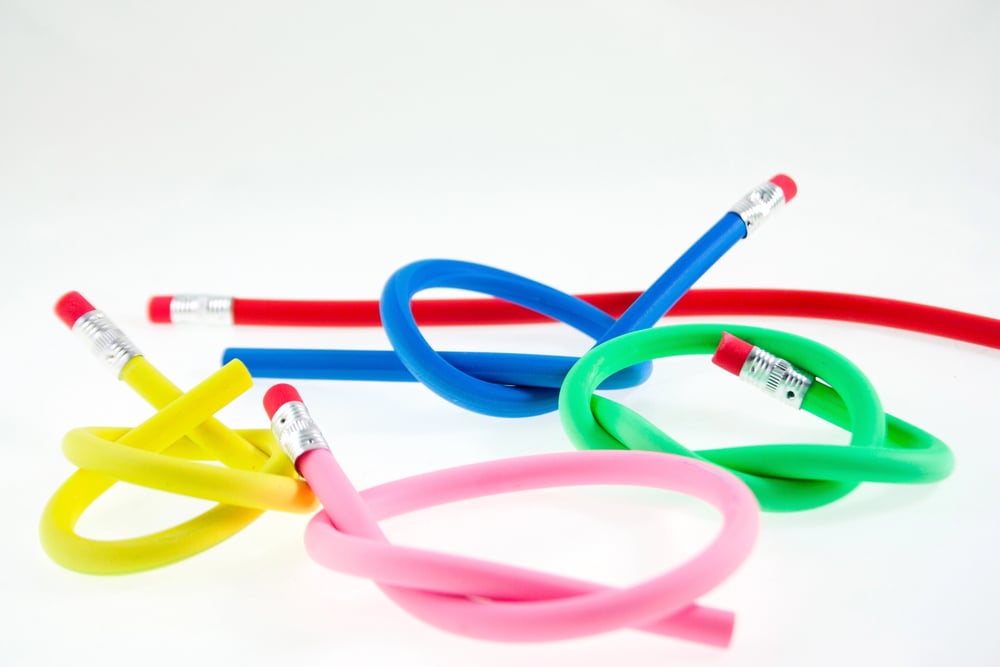
Erasers shaped like food, animals, or objects. These were less functional than regular erasers and mostly for show.
Students collected them, displayed them, and rarely used them for actual erasing. They represented the boundary between school supplies and toys.
Wooden Pencil Boxes
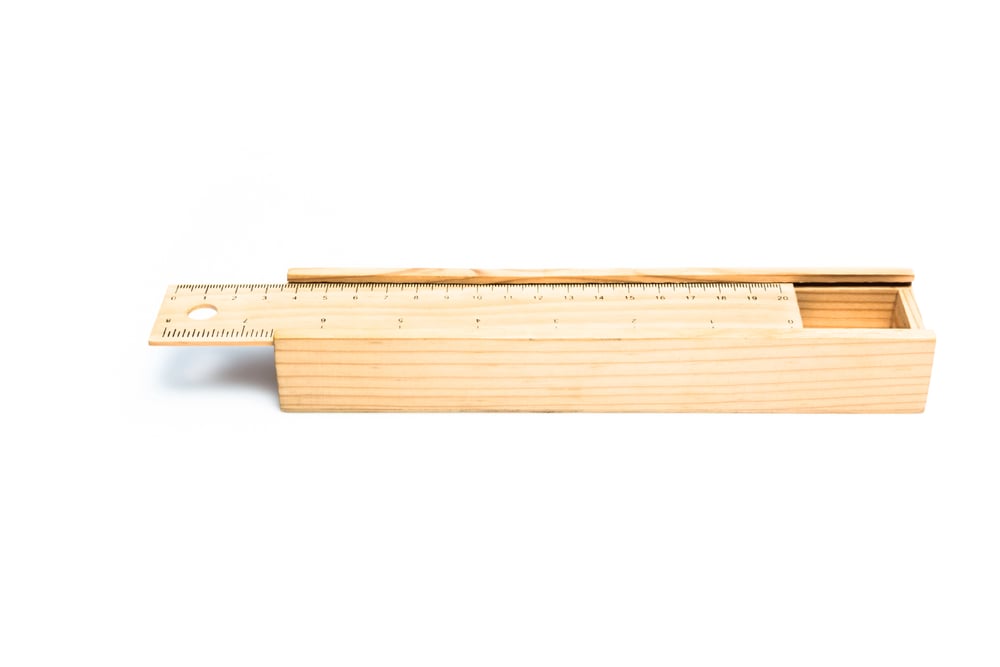
Individual storage boxes made from wood or cardboard designed specifically for pencil and supply storage. Complete with divisions and small compartments.
These evolved into plastic pencil cases and eventually disappeared as students simply carried loose supplies in backpacks.
Pocket Folders

Cardstock folders with pockets for holding papers. Students carried multiple pocket folders color-coded by subject.
Digital files made physical folders purely decorative, leading to their eventual disappearance from supply lists.
Card Catalog Drawers
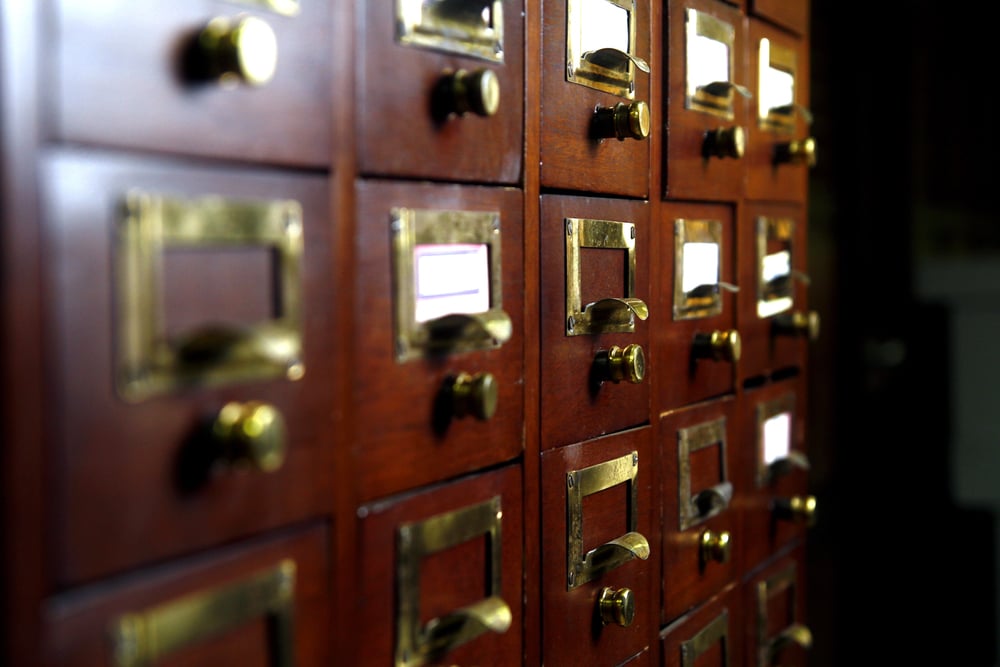
Library research required physical index cards organized in wooden drawers. Students learned library navigation by pulling drawers and reading cards.
Online search engines eliminated card catalogs entirely, removing a complete skill set from education.
Encyclopedia Sets

Families paid substantial money for complete encyclopedia sets, understanding that knowledge required physical books. Students used them for research before the internet made them obsolete.
No student today has used encyclopedias for actual research.
Typewriters in Classrooms
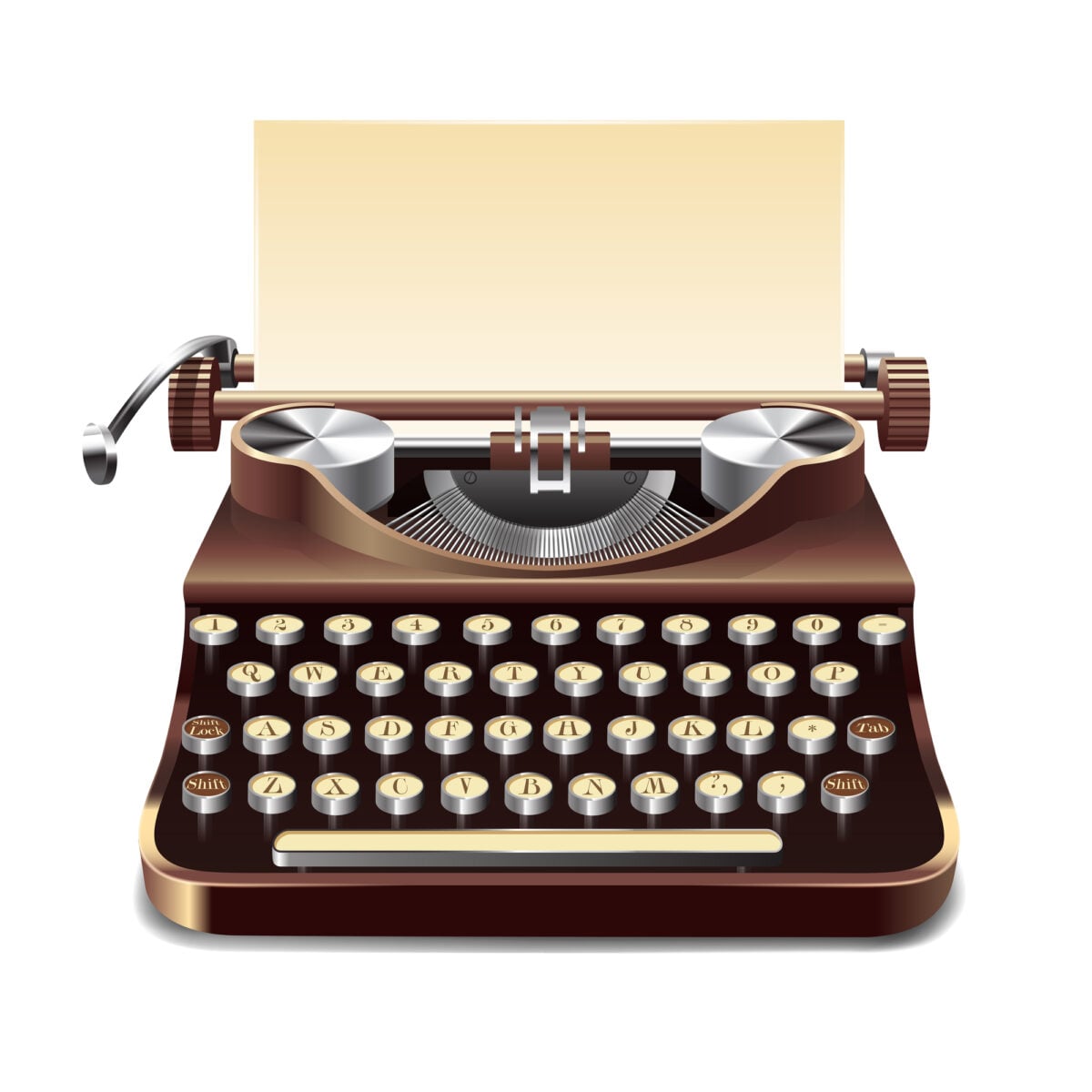
Machines for learning typing and producing written work. These occupied dedicated spaces in classrooms and curriculum.
Computers eliminated the need for specialized typing instruction separate from regular computer labs.
Ink Cartridges (Non-Digital Printing)
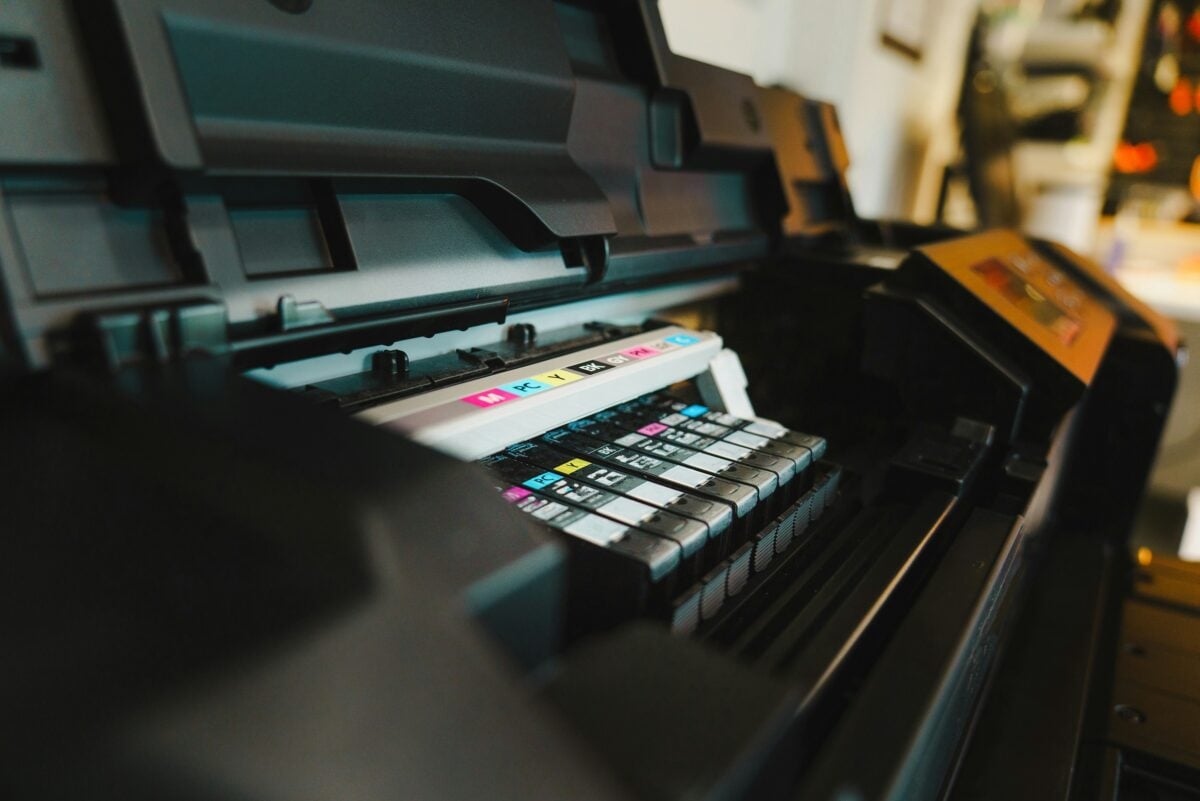
Replaceable cartridges for certain pen and marker styles that are no longer manufactured. Students carried them as specialized equipment.
Modern pens rarely require cartridge replacement.
Carbon Paper
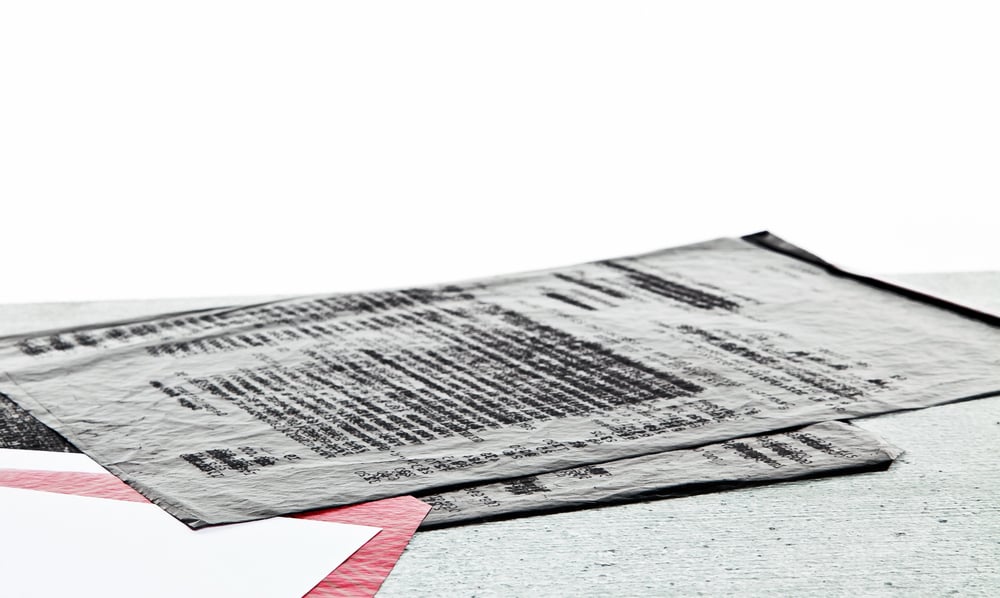
Thin sheets used between pages to create duplicate copies through pressure. Creating carbonless copies required this intermediary step.
Photocopiers eliminated the necessity, and carbon paper disappeared from supply lists entirely.
Index Cards
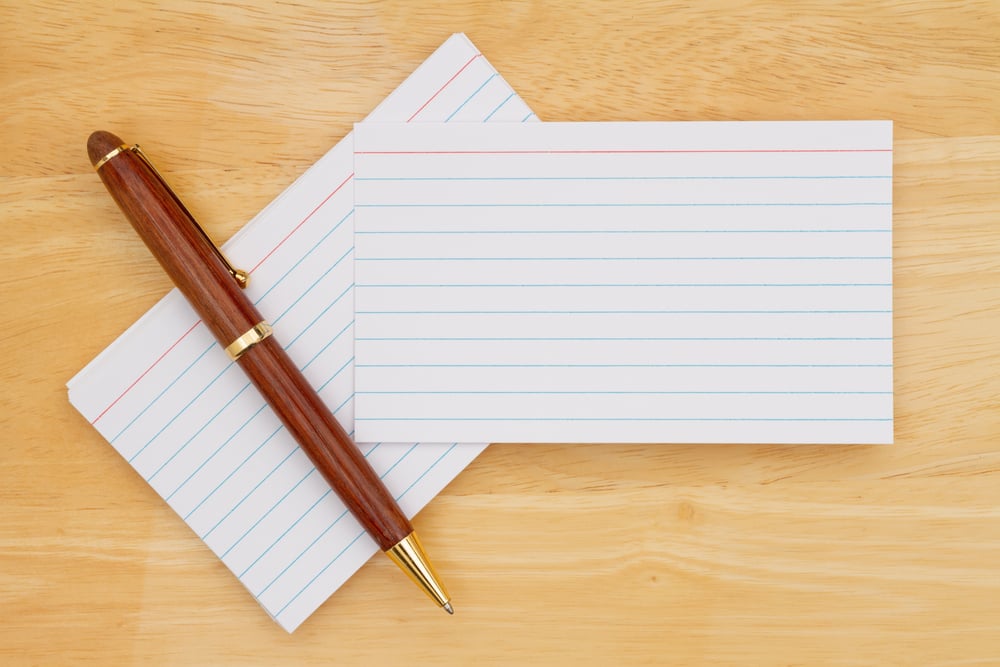
Three-by-five index cards used for note-taking and organizing information. Students created physical card collections for studying.
Digital note-taking eliminated the need for physical index card systems.
Spiral Notebook Dividers
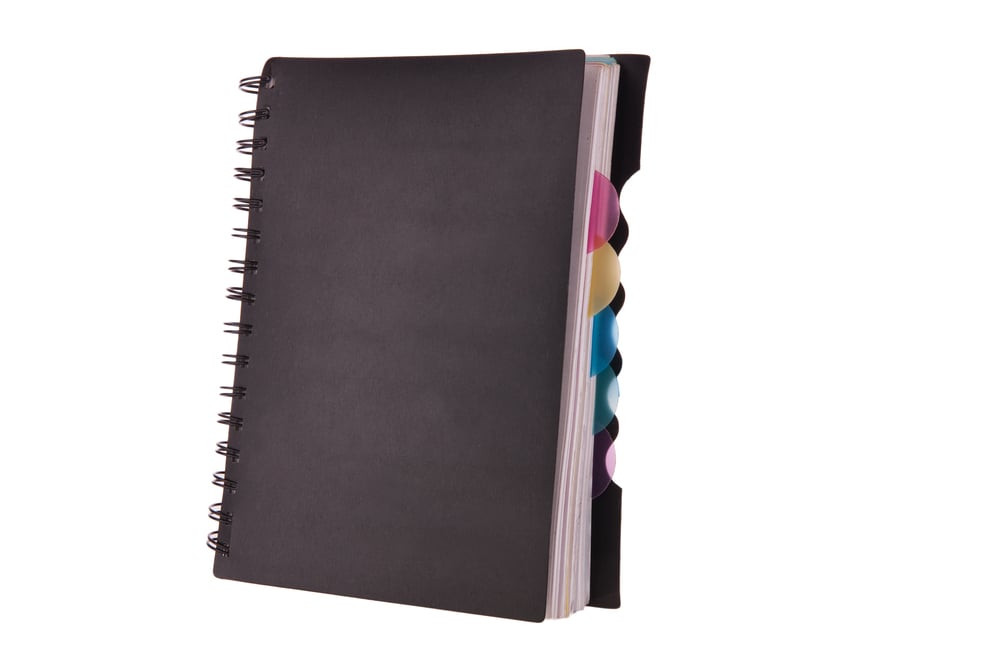
Plastic tabs inserted into spiral notebooks to separate subjects. These reduced the need for multiple notebooks.
As digital organizations replaced physical notebooks, these dividers became unnecessary.
Typewriter Ribbons
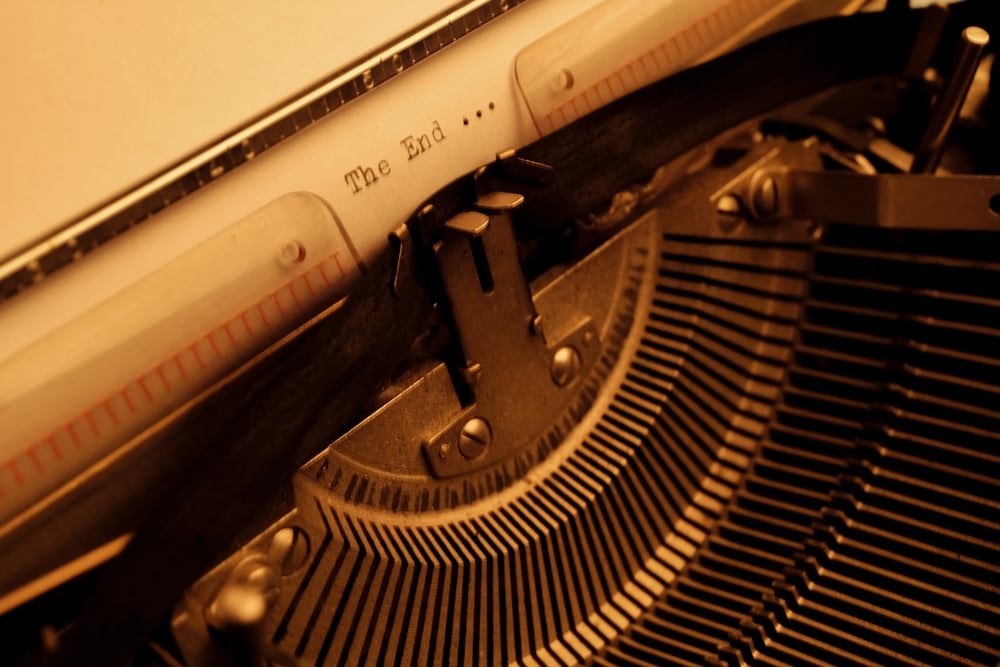
Cloth ribbons impregnated with ink that typed through letterforms. Typewriters required periodic ribbon replacement and maintenance.
Computers eliminated typewriter usage entirely, removing the need for ribbon maintenance.
Correction Fluid (Liquid Paper)
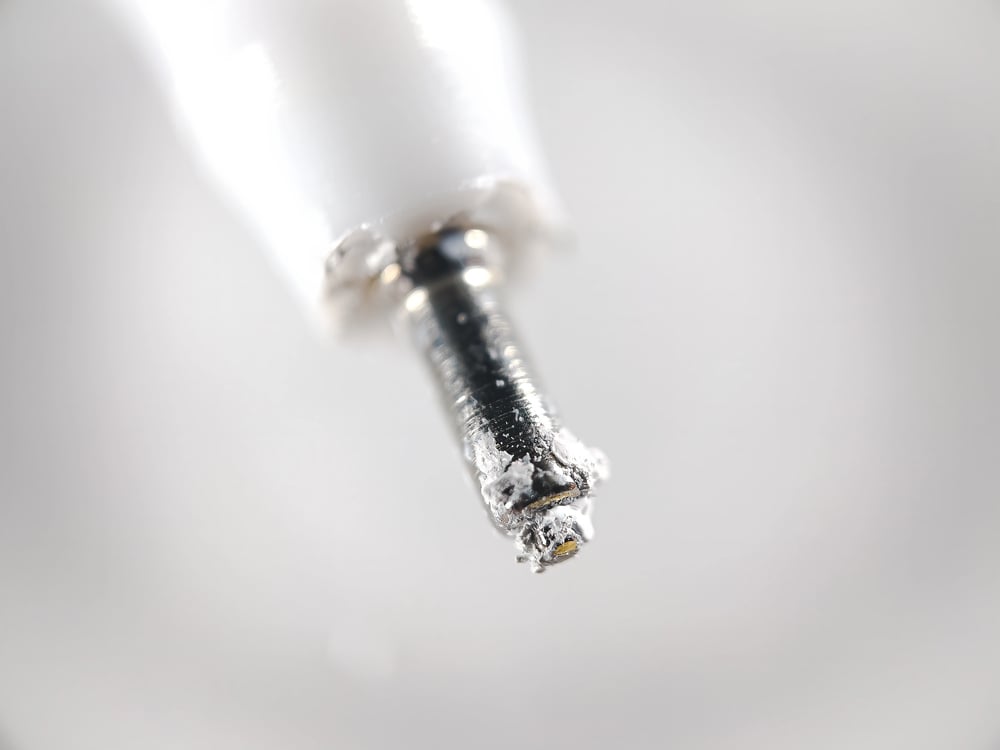
White liquid used to cover mistakes on typed or handwritten documents. Essential for document correction before digital documents allowed unlimited revision.
The need for correction fluid evaporated when delete keys replaced erasure.
The Rhythm of Replacement

School supplies didn’t disappear through planned obsolescence but through functional replacement. Each new technology didn’t just offer advantages—it made previous tools literally incompatible with contemporary work.
A student today cannot use a Ditto machine because Ditto machines no longer exist. They can’t use filmstrips because no school maintains the projectors.
They won’t carry eraser caps because mechanical pencils with permanent erasers became standard. What looks like progress to educators is the total erasure of specific childhood experiences from possibility.
No student will ever walk into a classroom and smell purple ditto copies for the first time. That experience is gone, replaced by something presumably better but definitely different.
The supplies didn’t fade away—they were obsoleted by systems that made them incompatible with new ways of working. That’s how school supplies disappear: not through dramatic retirement but through the quiet incompatibility of formats, devices, and systems that eventually render the old tools physically unusable.
More from Go2Tutors!

- The Romanov Crown Jewels and Their Tragic Fate
- 13 Historical Mysteries That Science Still Can’t Solve
- Famous Hoaxes That Fooled the World for Years
- 15 Child Stars with Tragic Adult Lives
- 16 Famous Jewelry Pieces in History
Like Go2Tutors’s content? Follow us on MSN.