15 Strange Animal Hybrids You Didn’t Know Existed
Nature has always been full of surprises, but some of the most fascinating creatures on Earth are the result of two different species coming together to create something entirely new. While most people know about mules and hinnies, the animal kingdom contains far stranger hybrid combinations that sound like they belong in a fantasy novel rather than real life.
These remarkable animals challenge our understanding of species boundaries and showcase the incredible diversity that’s possible when genetics get creative. Some occur naturally in the wild, while others exist only in captivity, but all represent the amazing adaptability of life on our planet. Here is a list of 15 strange animal hybrids you didn’t know existed that prove truth really is stranger than fiction.
Liger
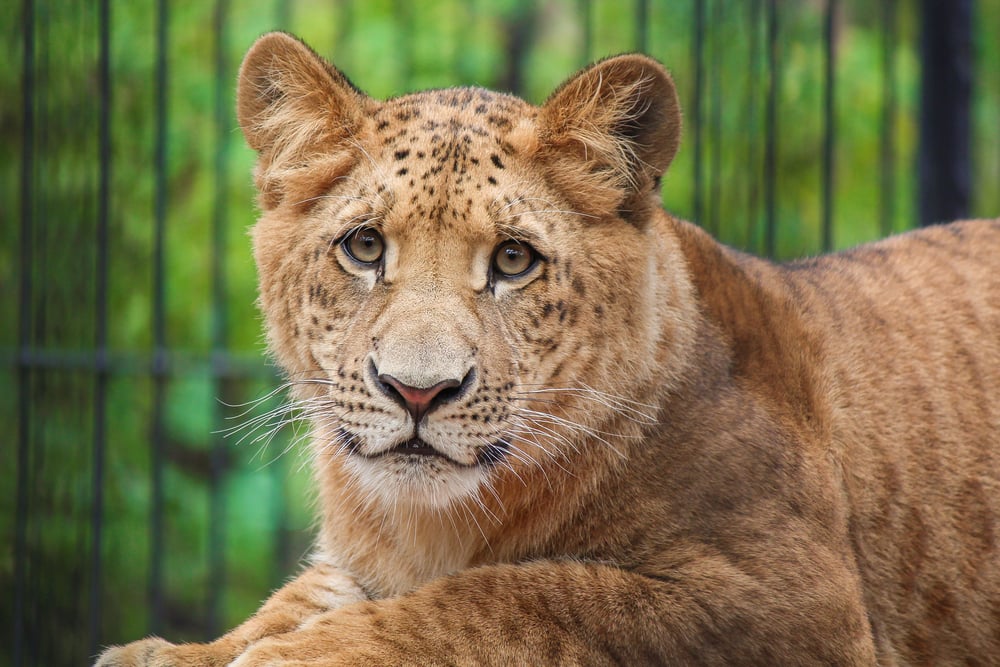
The liger holds the title of world’s largest living cat, and for good reason. Born from a male lion and female tiger, these massive felines can weigh over 900 pounds and stretch more than 11 feet in total length.
What makes them so enormous? Male lions carry growth-maximizing genes designed to help their offspring compete, while tigresses lack the growth-limiting genes that lionesses possess.
This genetic combination creates cats that grow larger than either parent species. Ligers display faint tiger stripes on a golden background and, despite their intimidating size, tend to have surprisingly gentle temperaments.
Grolar Bear
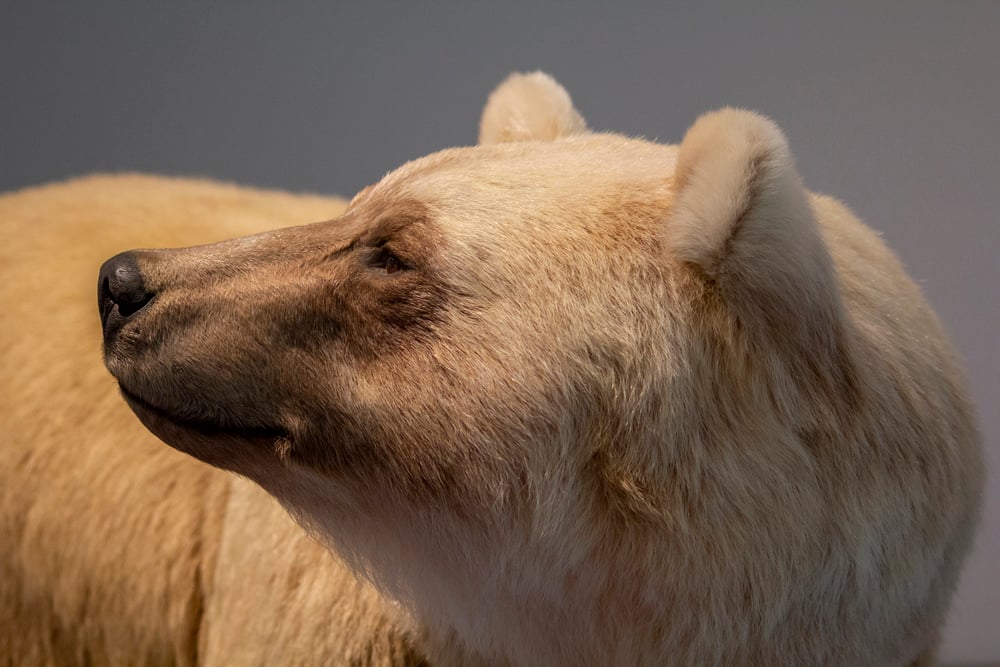
Climate change has created an unexpected consequence in the Arctic — bear hybrids. When polar bears venture south seeking food due to melting sea ice and grizzly bears expand northward, these two species occasionally cross paths and mate.
The result is a grolar bear (also called a pizzly when the father is a polar bear). These hybrids possess thick white fur like polar bears but inherit the grizzly’s humped back, long claws, and brown patches around their eyes and feet.
Only eight confirmed grolar bears exist worldwide, making them among the rarest animals on Earth.
Wholphin
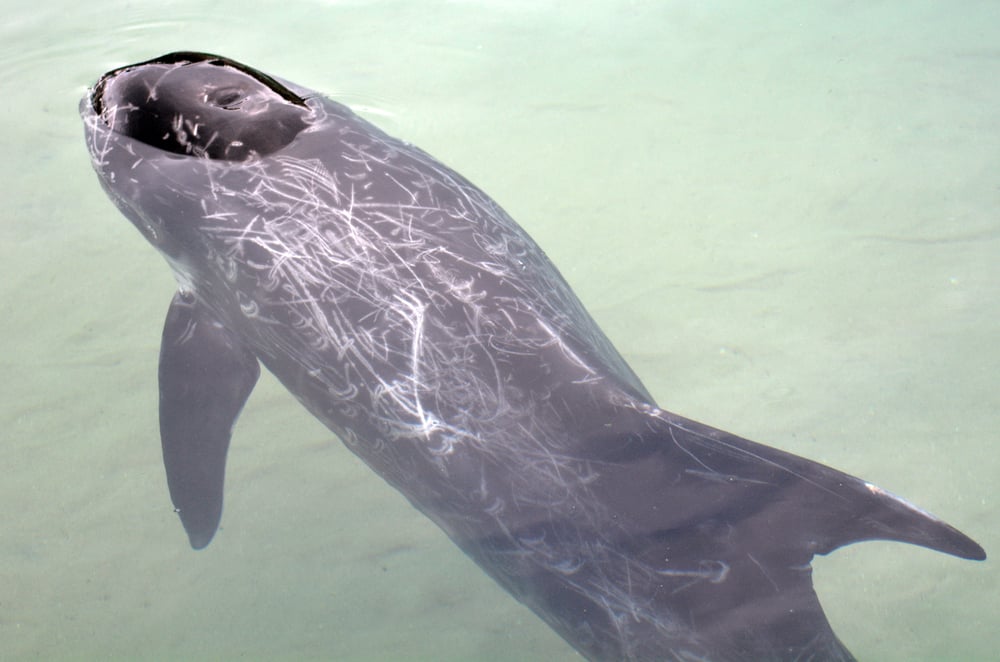
Perhaps one of the most unlikely animal pairings, the wholphin results from a male false killer whale mating with a female bottlenose dolphin. Given the massive size difference — false killer whales can weigh 2,000 pounds while bottlenose dolphins typically weigh around 400 pounds — this hybrid seems biologically impossible.
Yet it happened at Sea Life Park in Hawaii when these two species shared an enclosure. The resulting wholphin combines features of both parents, with a head shape resembling the false killer whale but fins more similar to a dolphin’s.
Only a handful of wholphins have ever been born.
Savannah Cat
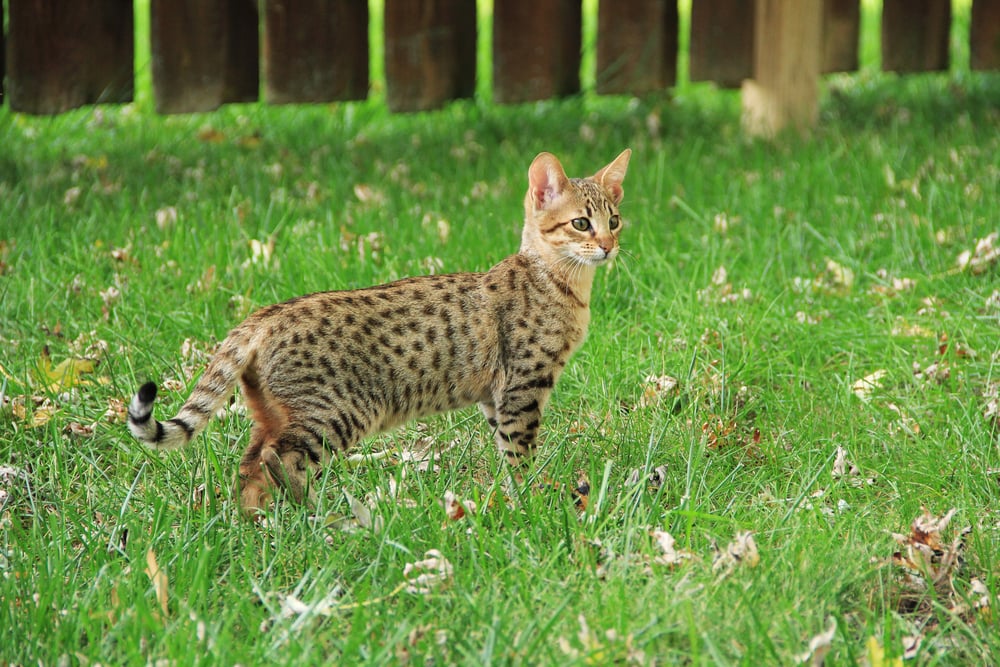
When African servals mate with domestic cats, the result is a stunning hybrid that looks like a miniature cheetah. Savannah cats inherit the serval’s long legs, large ears, and distinctive spotted coat, creating an exotic appearance that’s captivated cat enthusiasts worldwide.
Unlike typical house cats, Savannahs often enjoy swimming, can be trained to walk on leashes, and even play fetch like dogs. Their wild heritage makes them more active and intelligent than average domestic cats, though they retain the affectionate nature that makes them suitable pets.
Zonkey
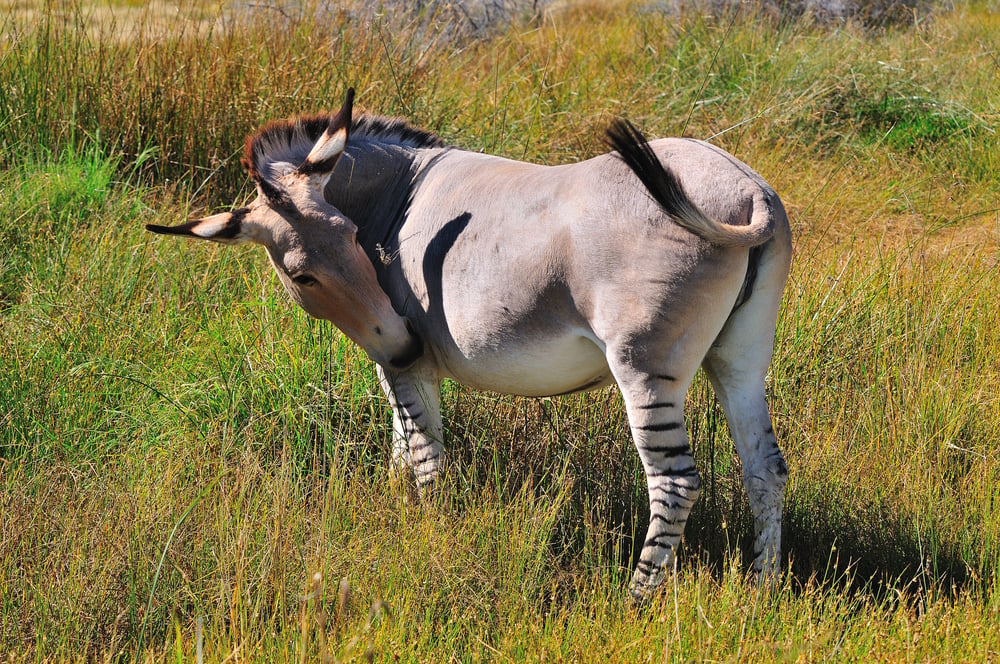
The zonkey perfectly captures the whimsical nature of animal hybrids. Born from a male zebra and female donkey, these creatures sport the zebra’s distinctive black and white stripes on their legs while maintaining the donkey’s sturdy build and gentle temperament.
Each zonkey’s stripe pattern is unique, creating natural artwork that no two animals share. While they inherit the donkey’s calm personality, they also possess some of the zebra’s wariness, making them fascinating examples of how behavioral traits blend in hybrid offspring.
Beefalo
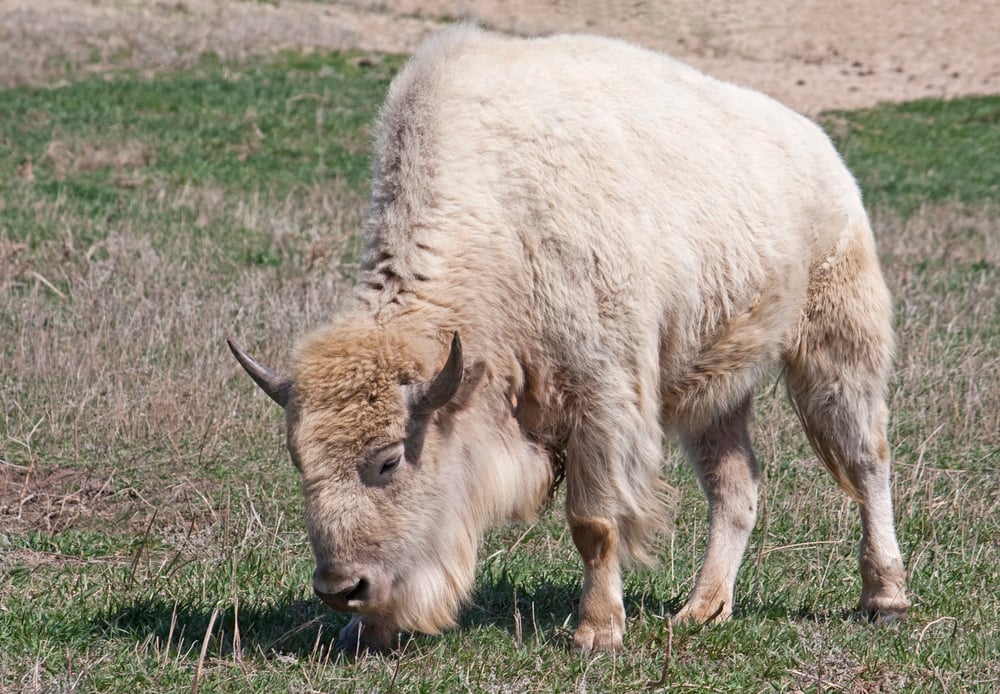
Created intentionally for agricultural purposes, beefalo represent a successful marriage of buffalo hardiness with cattle docility. These hybrids combine the lean, flavorful meat of American bison with the easier management and higher milk production of domestic cattle.
Beefalo are more resilient to harsh weather conditions and diseases than traditional cattle, making them valuable livestock in challenging environments. The American Beefalo Association has worked for decades to perfect these hybrids, which now produce meat that’s lower in cholesterol and higher in protein than regular beef.
Tigon
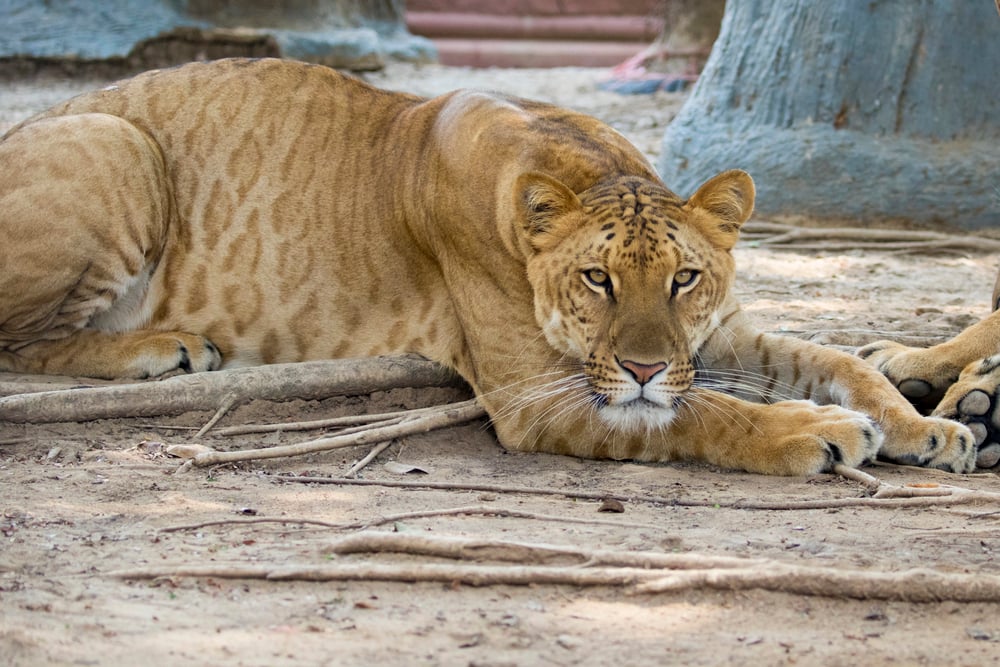
While ligers grab headlines for their massive size, tigons tell a different genetic story. Born from male tigers and female lions, tigons are typically smaller than either parent species because both parents carry growth-limiting genes.
They often display tiger stripes overlaying a lion’s tawny coat, and males may develop small manes that look more like a tiger’s ruff than a full lion’s mane. Tigons tend to be more solitary and reserved than ligers, reflecting their tiger father’s independent nature rather than the lion’s social behavior.
Jaglion
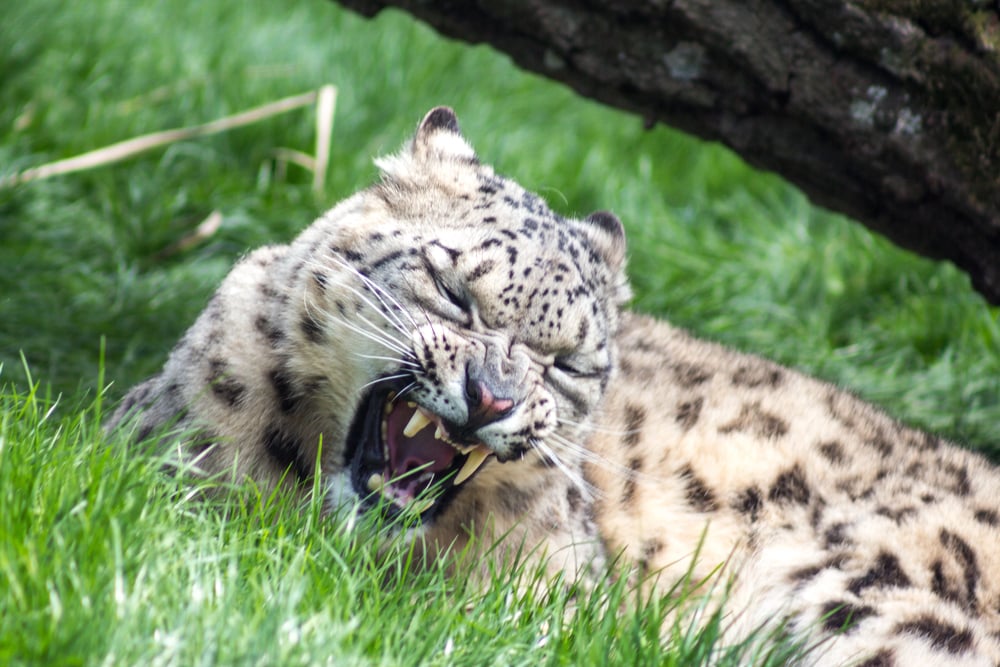
The jaglion combines two of the Americas’ most powerful predators — jaguars and lions. These extremely rare hybrids display the jaguar’s distinctive rosette patterns alongside lion-like features, creating one of the most striking big cat combinations imaginable.
Male jaglions may develop partial manes, while their powerful build reflects the jaguar’s incredible bite strength. Only a few jaglions have ever been born in captivity, making them among the rarest hybrid animals in existence.
Leopon
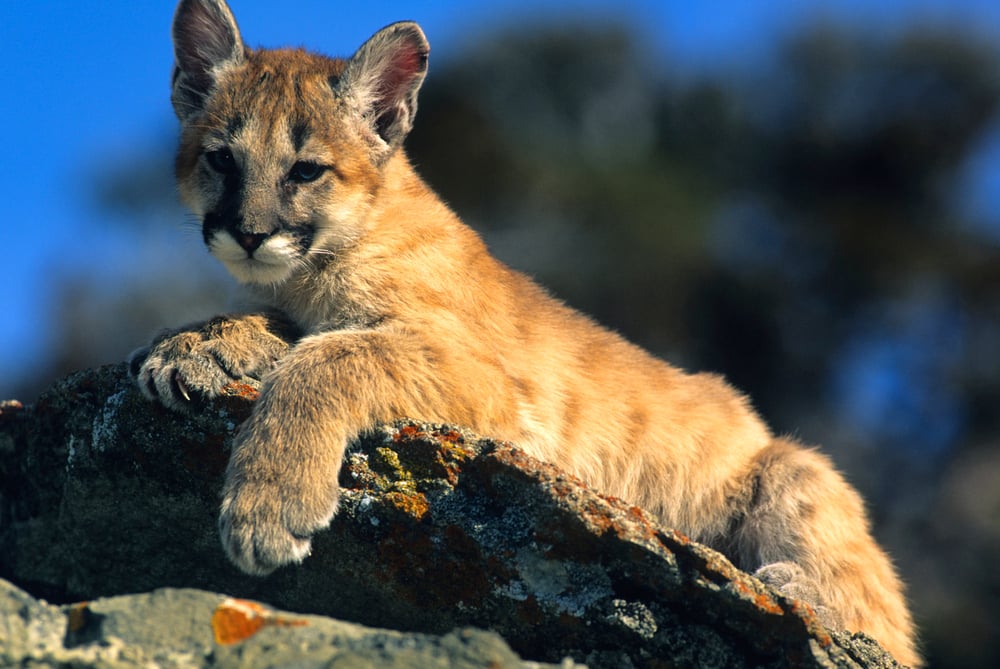
With a lion’s head and mane combined with a leopard’s spotted body, leopons look like creatures from ancient mythology. These hybrids inherit the best physical features of both parent species, creating cats that are both beautiful and formidable.
Male leopons develop impressive manes while retaining the leopard’s agility and climbing ability. The contrast between their lion-like faces and spotted bodies makes them instantly recognizable, though their rarity means few people have ever seen one in person.
Cama
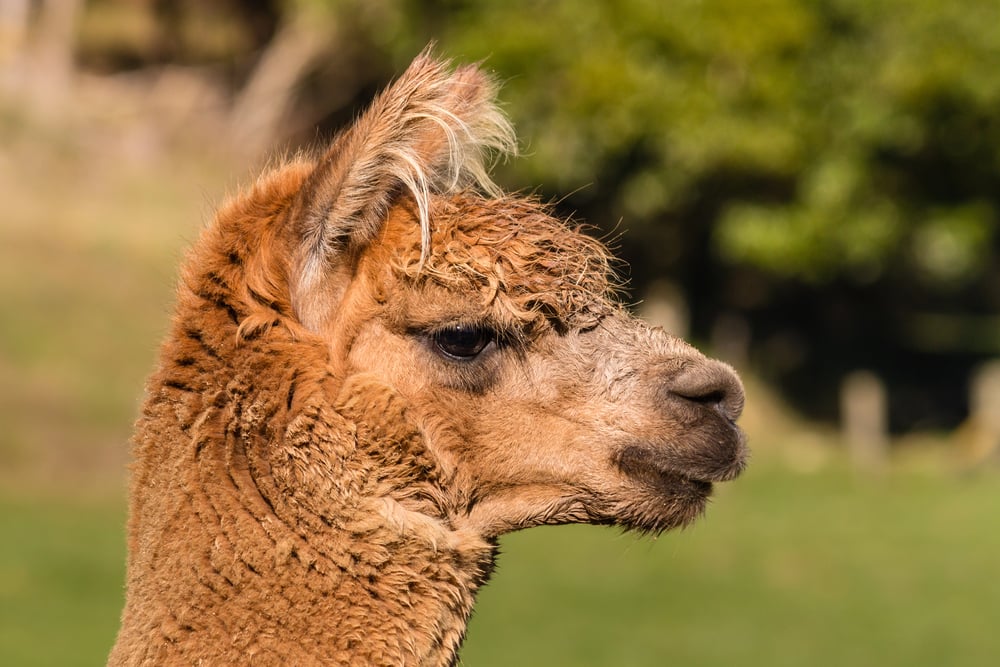
The cama represents human ingenuity in hybrid breeding, combining a camel’s endurance with a llama’s valuable wool. Due to the significant size difference between camels and llamas, camas can only be created through artificial insemination.
These hybrids inherit the camel’s ability to thrive in arid conditions while producing the fine, soft fiber that makes llama wool so prized. Camas are primarily used in regions where their combined traits provide economic advantages to local communities.
Geep
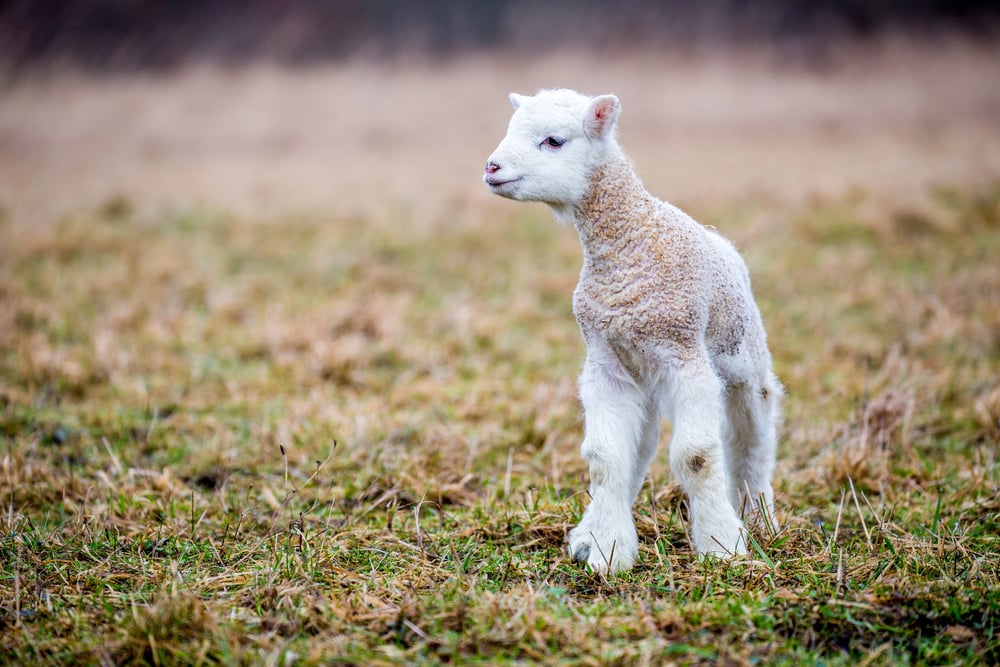
The geep challenges everything we think we know about mammalian genetics. When goats and sheep — two species with different numbers of chromosomes — somehow manage to produce offspring, the results are truly remarkable.
These rare hybrids typically combine a sheep’s woolly coat with a goat’s more agile frame and climbing abilities. Most geep are sterile due to the genetic differences between their parents, making them biological curiosities that fascinate scientists studying the limits of interspecies breeding.
Narluga
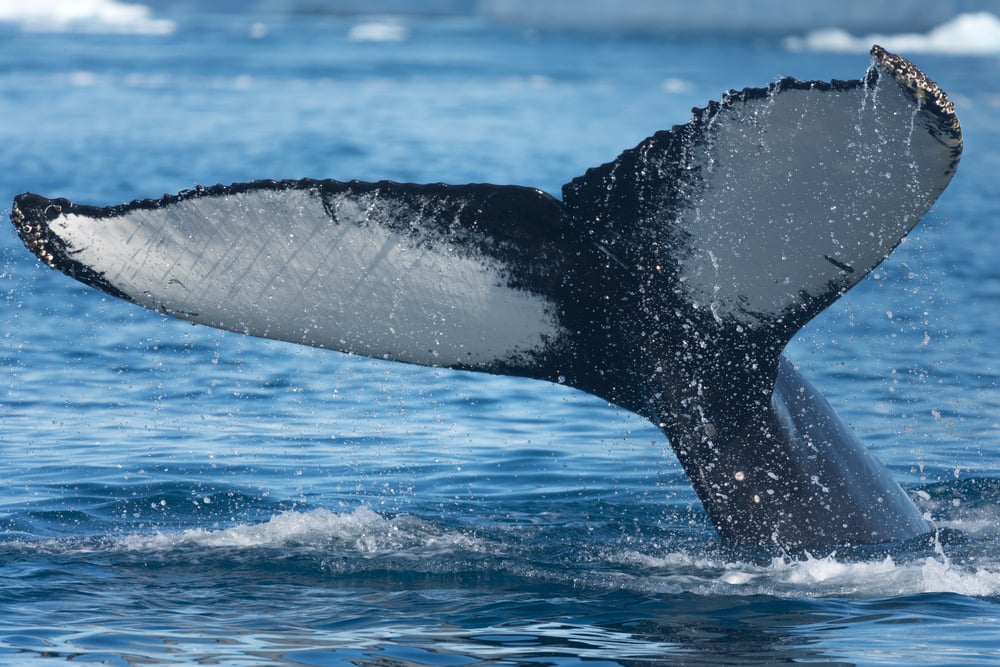
In 2019, DNA analysis confirmed something that sounded like Arctic folklore — a hybrid between a narwhal and a beluga whale. Found in Greenland, this narluga represents a natural occurrence of hybridization between two of the Arctic’s most iconic marine mammals.
The hybrid possesses physical characteristics of both species, though without the narwhal’s distinctive tusk. As Arctic ice continues to change, these whale species may encounter each other more frequently, potentially making narlugas less rare in the future.
Dzo
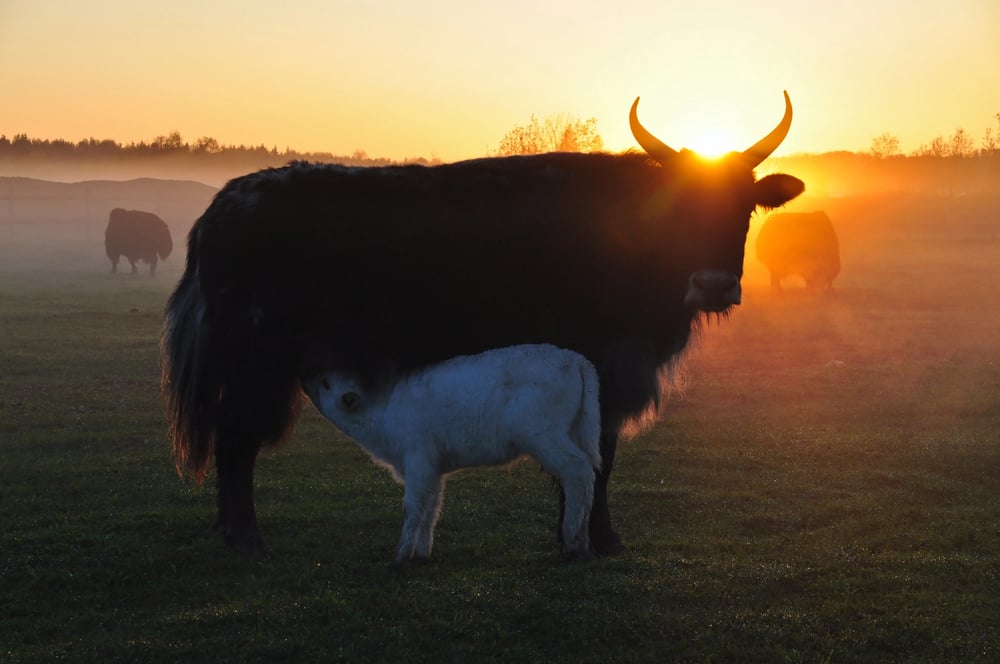
High in the mountains of Tibet and Nepal, the dzo serves as a vital working animal that combines the best traits of yaks and domestic cattle. These hybrids possess the yak’s incredible strength and ability to thrive at high altitudes while maintaining the cow’s more manageable temperament.
Dzos are essential to mountain communities, providing transportation, milk, and labor in environments where neither parent species could perform as effectively alone. Their hybrid vigor makes them larger and stronger than either parent, perfectly adapted to their harsh mountainous habitat.
Coywolf
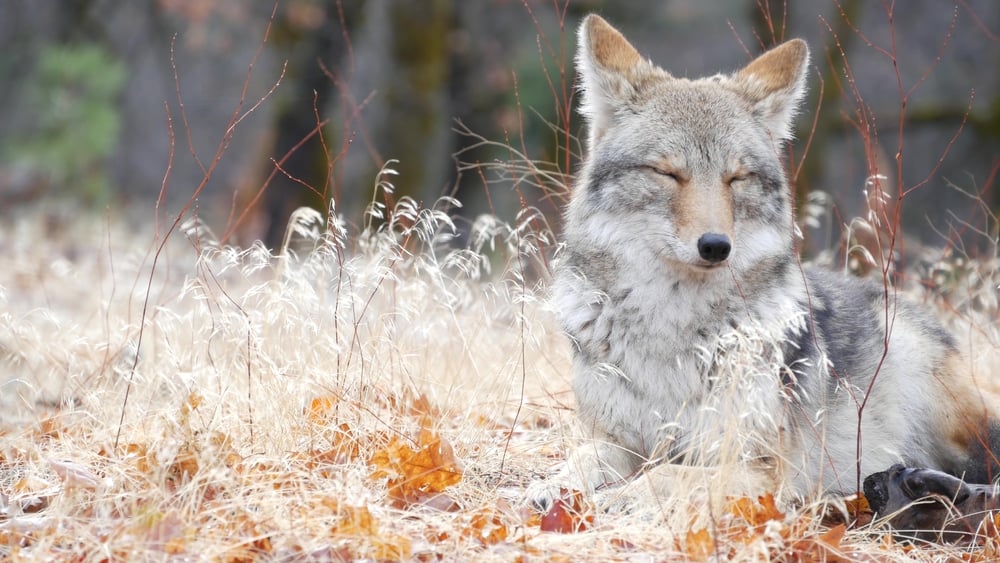
The coywolf represents evolution in action, occurring naturally across North America as coyotes and wolves adapt to changing environments. These hybrids combine the coyote’s adaptability and intelligence with the wolf’s size and pack-hunting abilities.
Coywolves have successfully colonized urban areas where pure wolves cannot survive, demonstrating remarkable flexibility in their behavior and diet. Some scientists believe coywolves represent a new species emerging in real time, showing how hybridization can drive evolutionary change.
Blood Parrot Cichlid
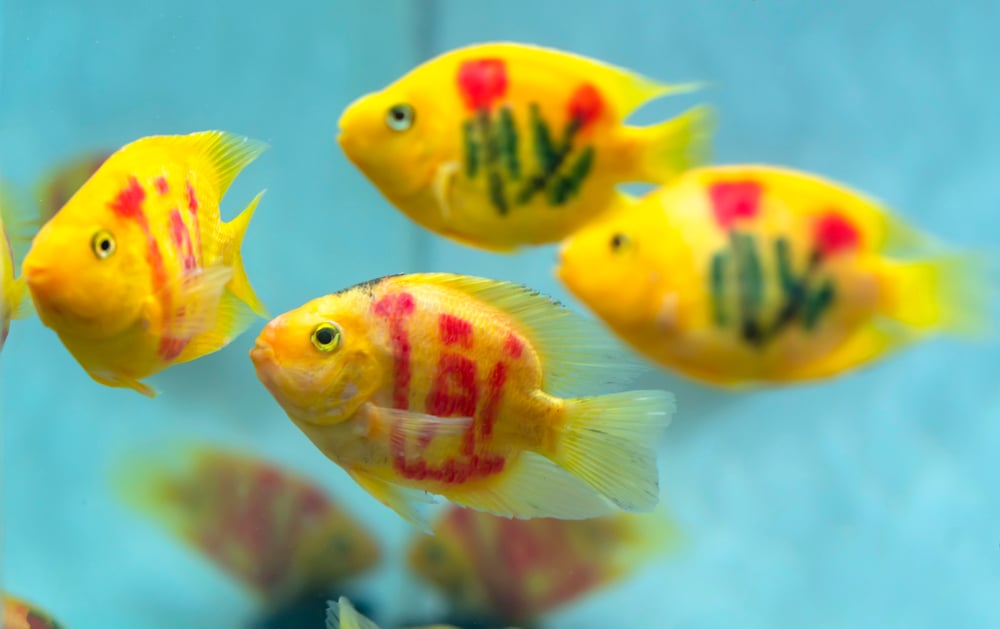
In the aquarium trade, the blood parrot cichlid stands out with its vibrant orange coloration and distinctive rounded body shape. Created by crossing various cichlid species, these fish have become popular pets despite their artificial origins.
Their unique beak-like mouths and bright colors make them instantly recognizable, though their hybrid nature means they often have difficulty feeding and may have shortened lifespans. Blood parrot cichlids represent how human intervention in breeding can create entirely new forms of life.
Nature’s Endless Possibilities
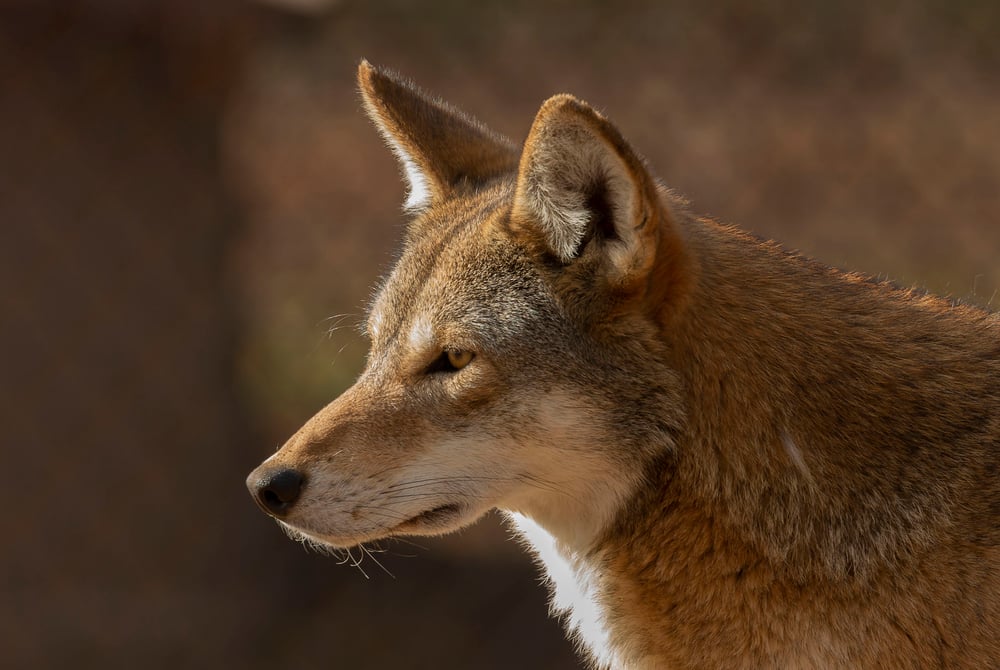
These extraordinary hybrids remind us that the natural world still holds countless surprises. While some raise ethical questions about breeding practices and conservation priorities, they also demonstrate the incredible plasticity of life itself.
From the massive liger to the tiny blood parrot cichlid, each hybrid tells a unique story about genetics, adaptation, and the blurred lines between species. As our planet continues to change, we may discover even more surprising combinations that challenge our understanding of what’s possible in the animal kingdom.
These creatures prove that sometimes the most amazing animals are the ones that shouldn’t exist at all — yet somehow, remarkably, they do.
More from Go2Tutors!

- The Romanov Crown Jewels and Their Tragic Fate
- 13 Historical Mysteries That Science Still Can’t Solve
- Famous Hoaxes That Fooled the World for Years
- 15 Child Stars with Tragic Adult Lives
- 16 Famous Jewelry Pieces in History
Like Go2Tutors’s content? Follow us on MSN