25 Government Programs Buried Before the Public Ever Heard About Them
Throughout the twentieth century, government agencies launched initiatives that were quietly terminated, archived without public announcement, or simply abandoned without formal disclosure. These programs operated with significant budgets and personnel yet left minimal public trace.
The lack of announcement was never necessarily a cover-up—merely bureaucratic indifference to explaining why appropriations were reallocated or why agencies discontinued operations no longer producing measurable returns.
COINTELPRO Operations (1960-1971)

The FBI’s Counterintelligence Program targeted political organizations deemed subversive through systematic surveillance, infiltration, and discreditation.
Details of illegal wiretapping, bogus mailings, and harassment campaigns emerged only on March 8, 1971, when activists broke into an FBI office in Media, Pennsylvania and stole over 1,000 classified documents, leaking them to reporters and the public for the first time.
Operation Northwoods (1962)

The Joint Chiefs of Staff drafted a comprehensive proposal in March 1962 outlining staged false flag operations—including fabricated attacks on Guantanamo Bay, sinking civilian ships, and hijacking aircraft—intended to manufacture public support for military invasion of Cuba.
President Kennedy rejected the plan outright, but the proposal never received formal public disclosure until the JFK Assassination Records Review Board declassified it in 1997, thirty-five years after conception.
MKUltra Continuation Programs
After the main MKUltra program officially ended, related research continued under different budget lines and agency names without public knowledge or formal discontinuation notices.
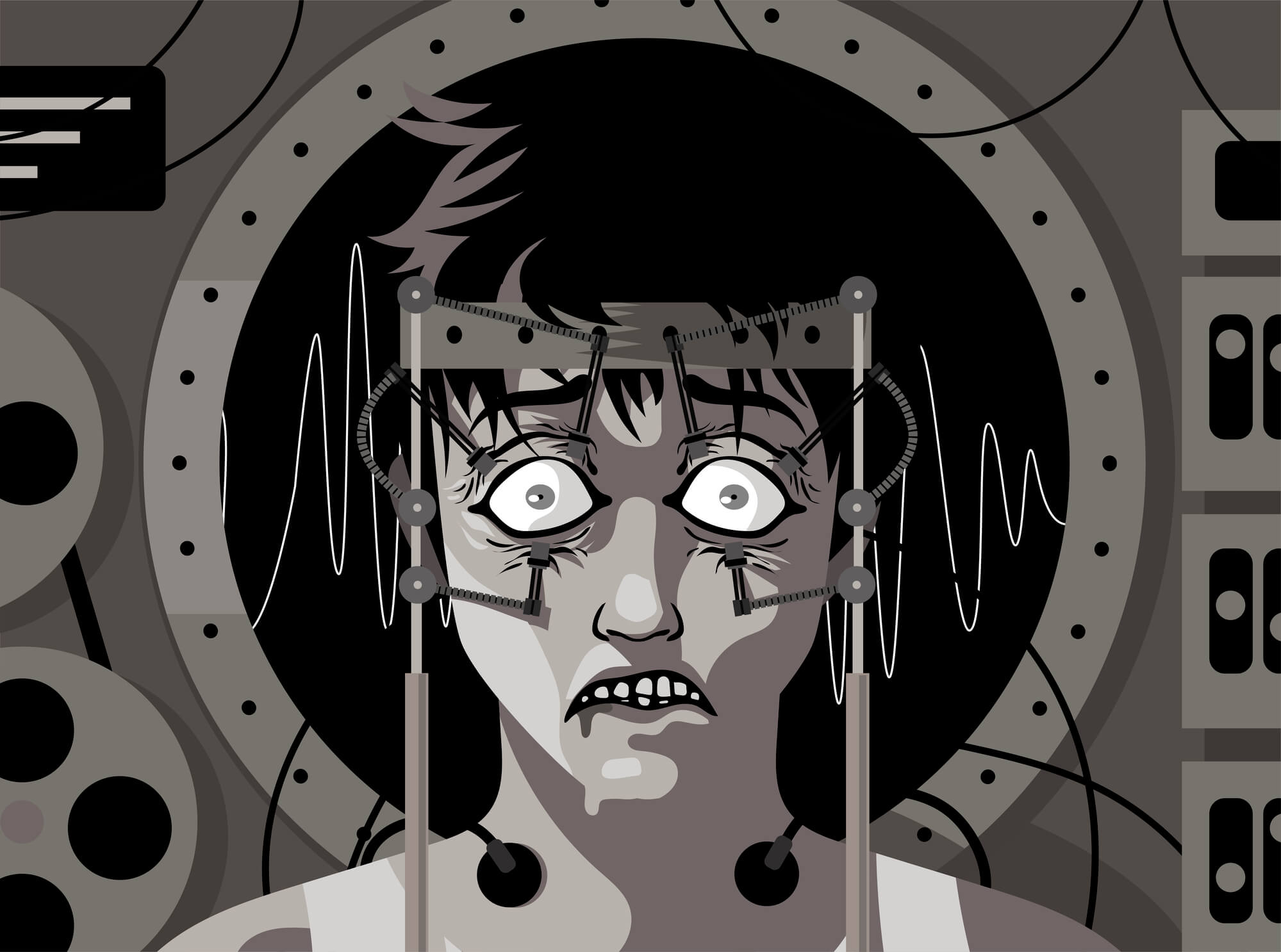
The continuation programs involved similar mind-control experiments at multiple institutions, operating in classified bureaucratic spaces that escaped congressional oversight and public awareness until years later.
Tuskegee Study Continuation Programs
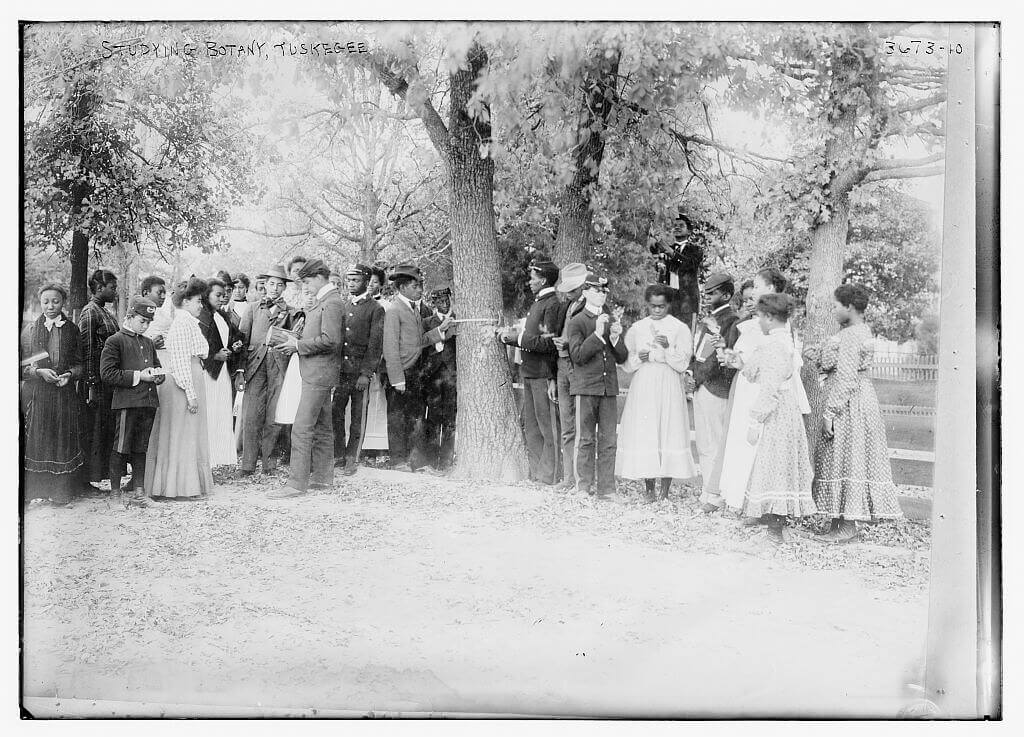
After the original Tuskegee syphilis experiment became publicly known in 1972, related medical research programs on incarcerated and institutionalized populations continued with minimal oversight or disclosure.
These successor programs operated under different institutional frameworks with reduced but still insufficient informed consent procedures.
CIA Assassination Programs

Operation CHAOS and related operations targeting foreign leaders and domestic figures operated for years without public knowledge, formal congressional authorization, or accountability mechanisms.
The existence and scope of these programs remained classified through multiple administrations until leaked documents and congressional investigations in the 1970s revealed their extent.
NSA Domestic Surveillance (Pre-2013)
Mass surveillance programs targeting American citizens operated for years before Edward Snowden’s 2013 disclosures exposed them to public scrutiny.
The NSA’s PRISM program and phone metadata collection accessed data from major internet companies and telecommunications providers without warrants or formal legal authorization, with programs like Verizon metadata collection operating since 2006 without public knowledge.
Department of Defense Weather Modification Research

Ongoing research into precipitation control and weather modification operated with minimal public disclosure or formal program announcements.
These classified initiatives continued across multiple budget cycles without clear public accounting of expenditures or operational objectives.
Biological Warfare Research Continuation
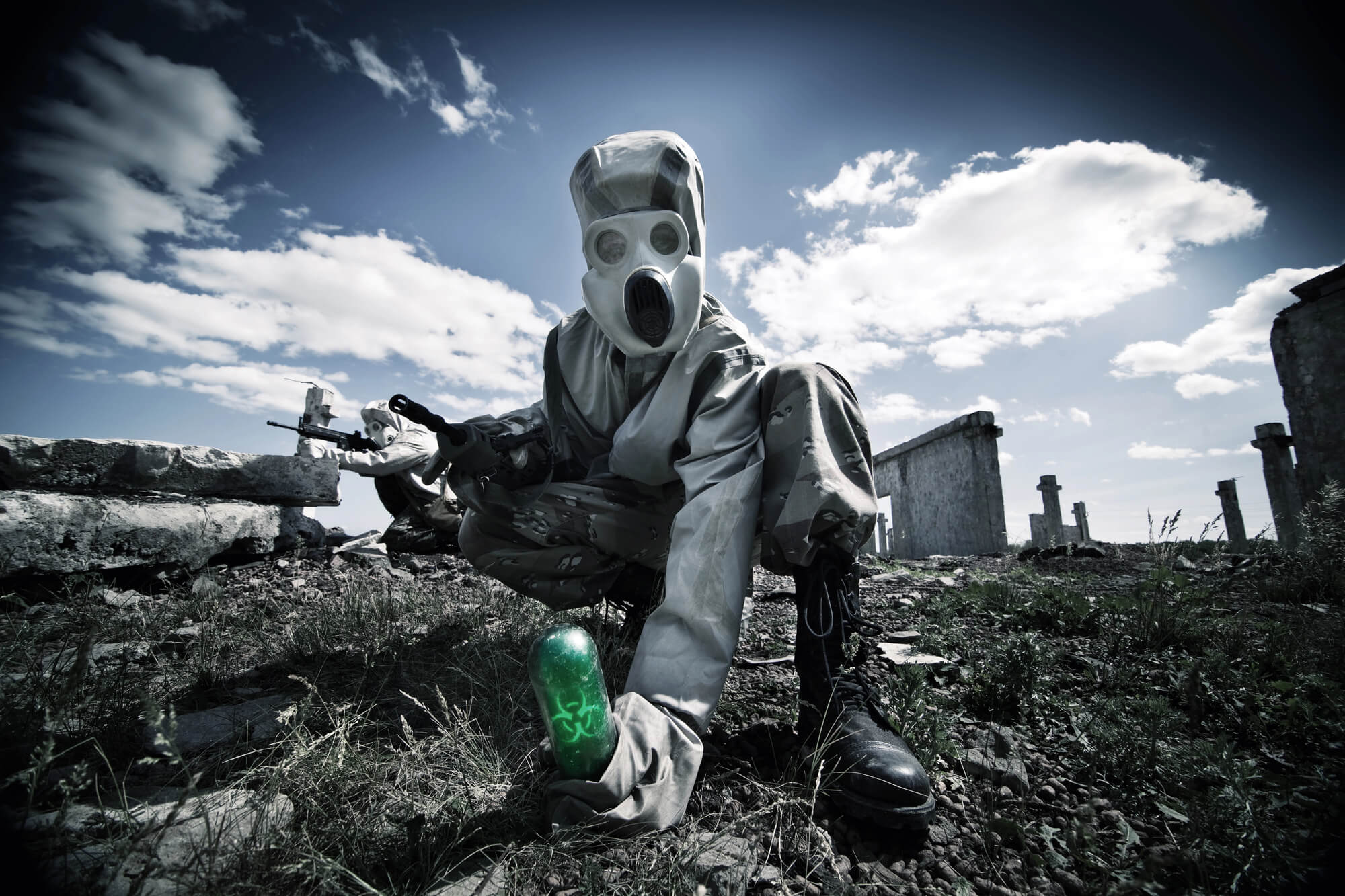
After official U.S. cessation of biological weapons programs, related research continued under different institutional arrangements and classified budget lines.
The continuation operated through Department of Defense and university partnerships without public disclosure of research scope or objectives.
Radiation Exposure Studies

Multiple programs exposing subjects to radiation continued after public programs were discontinued, using different agency frameworks and classified funding mechanisms.
These studies proceeded with minimal informed consent procedures and no public disclosure of experimental parameters or participant outcomes.
Prison Behavior Modification Programs
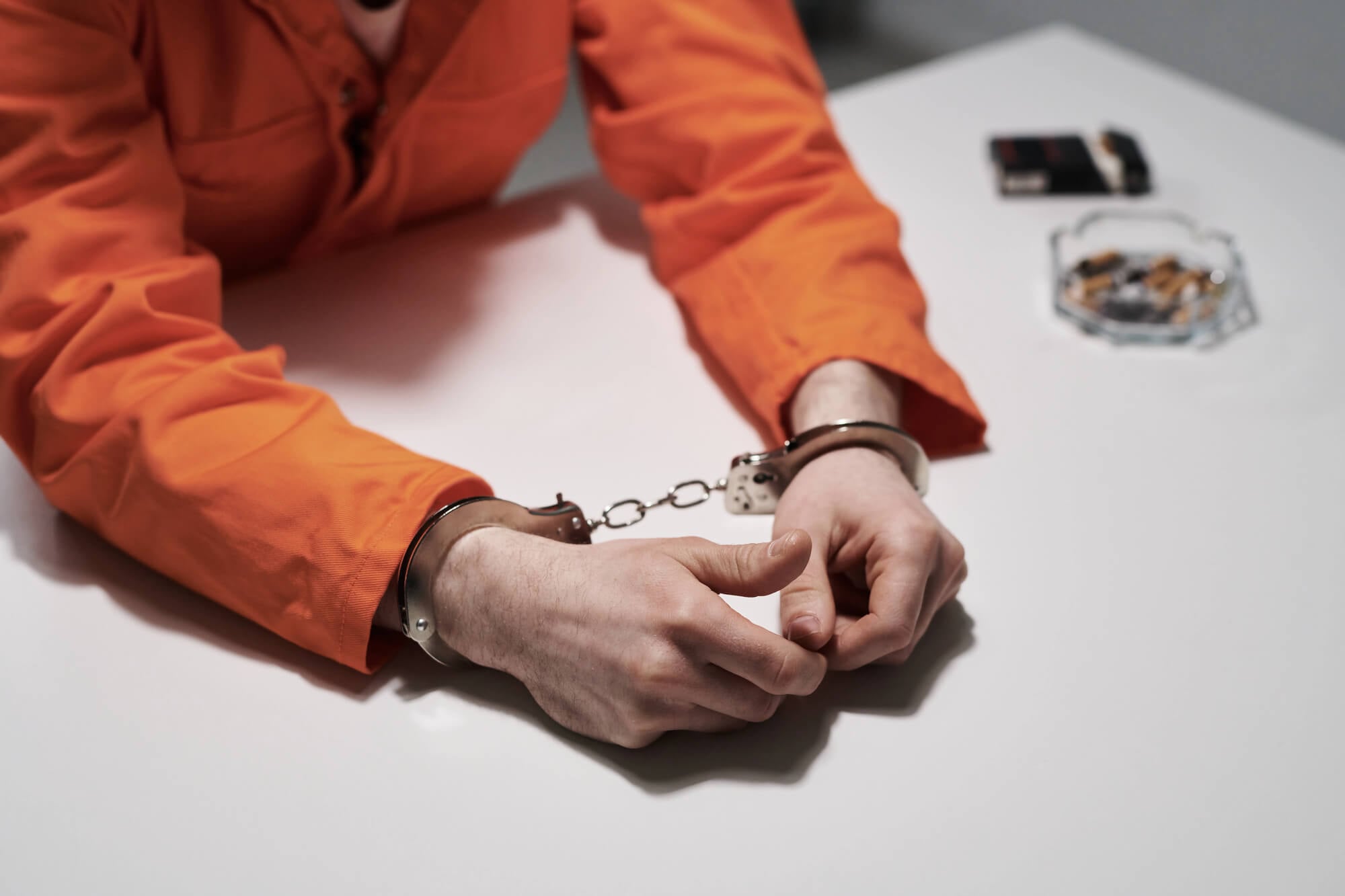
Classified research into behavioral control and psychological conditioning in incarcerated populations continued without public disclosure or systematic oversight.
These programs operated through corrections departments and contracted researchers with minimal accountability to external monitoring bodies.
Military Interrogation Technique Development

Programs developing enhanced interrogation methods and psychological manipulation tactics operated with minimal oversight or public knowledge.
The development continued across classified military contracts and intelligence agency partnerships without formal congressional disclosure or public debate.
Strategic Defense Initiative Components

SDI research directions were pursued through classified budgets separate from publicly announced programs, with actual expenditure and development timelines remaining hidden from public accounting.
Portions of the broader initiative continued under different program names and budgetary categorizations after public SDI discussions ended.
CIA Heart Attack Gun and Assassination Research
Programs developing biological assassination methods allegedly continued years after official denials and program termination statements.
Documentation of these programs remained classified until congressional investigations in the 1970s and 1980s exposed their existence and scope.
Air Force Surveillance Drone Programs (1990s)

Unmanned aerial vehicle programs operated for years with minimal public knowledge before mainstream disclosure.
The RQ-1 Predator system, beginning development in 1994 and first deployed to Bosnia in 1995, operated under classified Advanced Concept Technology Demonstration contracts without public announcement until after successful combat deployment.
Military Mind Control Research

Programs investigating electromagnetic and psychological mind control continued beyond official program terminations through classified defense contracts.
Research frameworks shifted to different institutional arrangements and budget categories to avoid public scrutiny and congressional questioning.
NSA Telephone Records Program

Metadata collection programs operated before any legal or public disclosure of their scope, with Verizon Business Services receiving collection orders continuously since 2006.
The full extent of telephone metadata collection across multiple carriers remained unknown to the public until Snowden’s 2013 revelations.
Defense Department Indefinite Detention Research
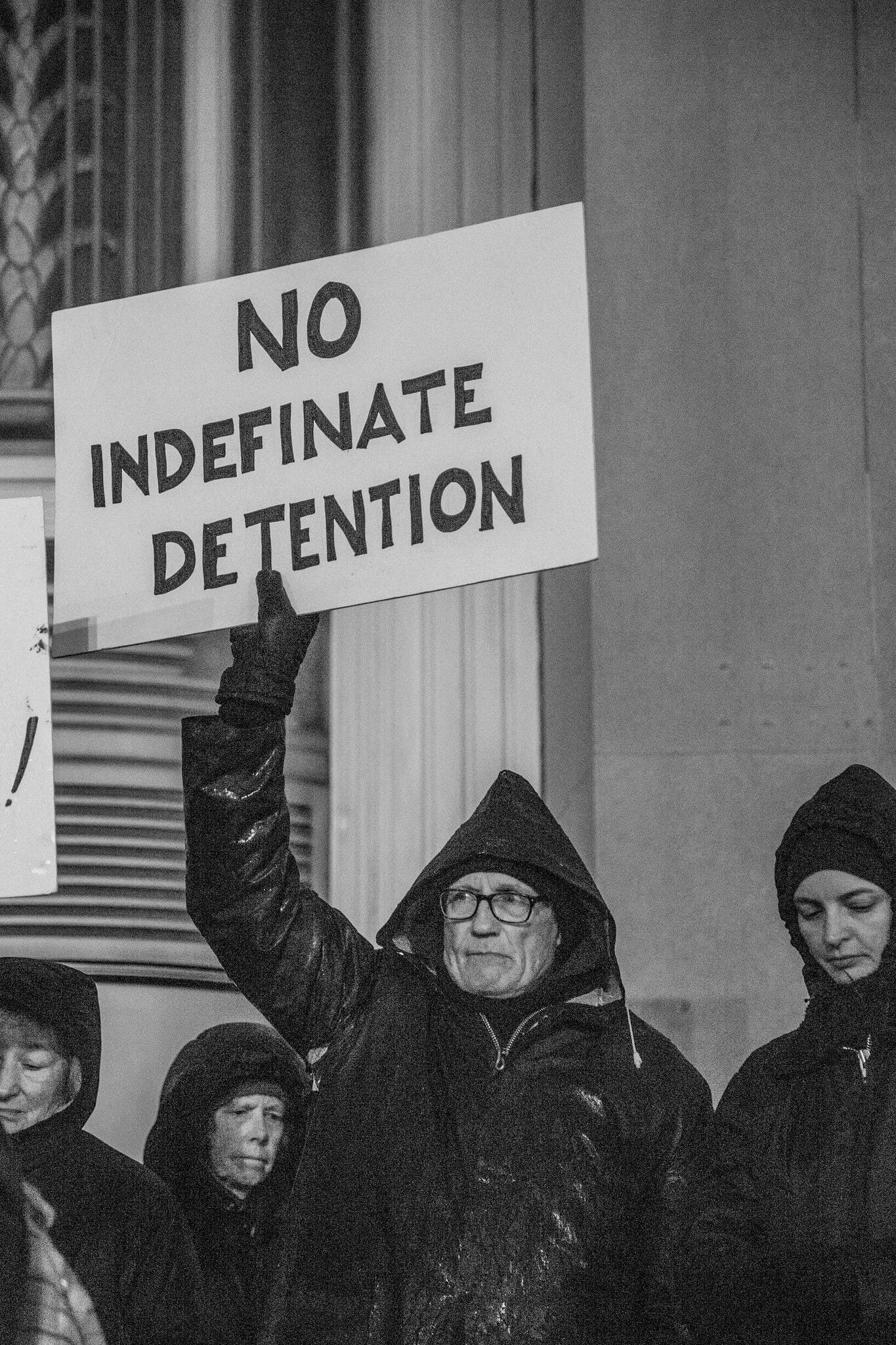
Programs researching detention procedures and indefinite confinement protocols operated with classified funding and minimal external oversight.
These initiatives developed policy frameworks and operational procedures without formal public disclosure or congressional debate.
Military Artificial Intelligence Targeting Research
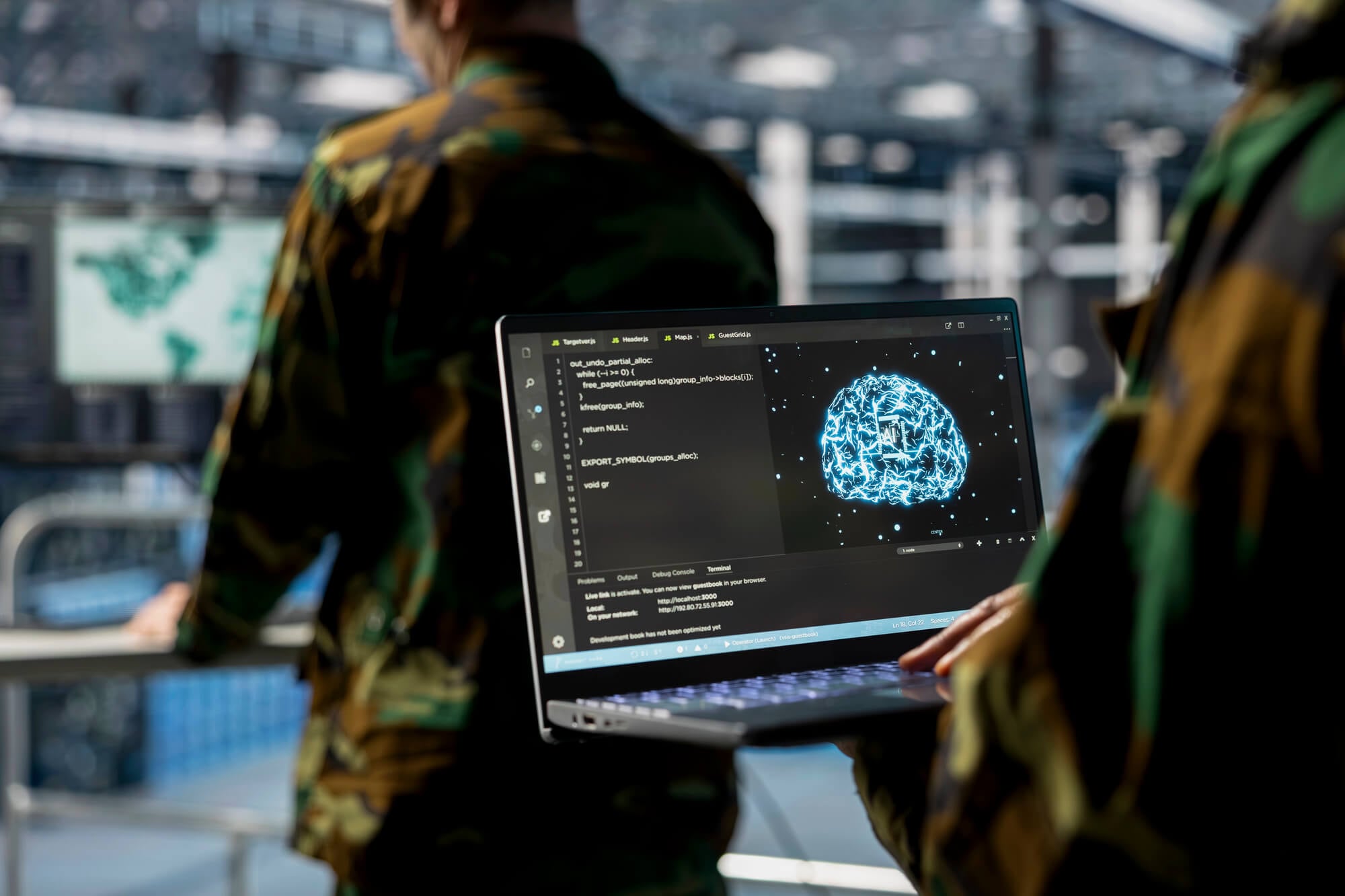
Autonomous weapons research continued in classified programs separate from disclosed defense initiatives.
Development of targeting algorithms and autonomous decision-making systems proceeded through Defense Advanced Research Projects Agency contracts without public disclosure or ethical review.
Police Surveillance Technology Development
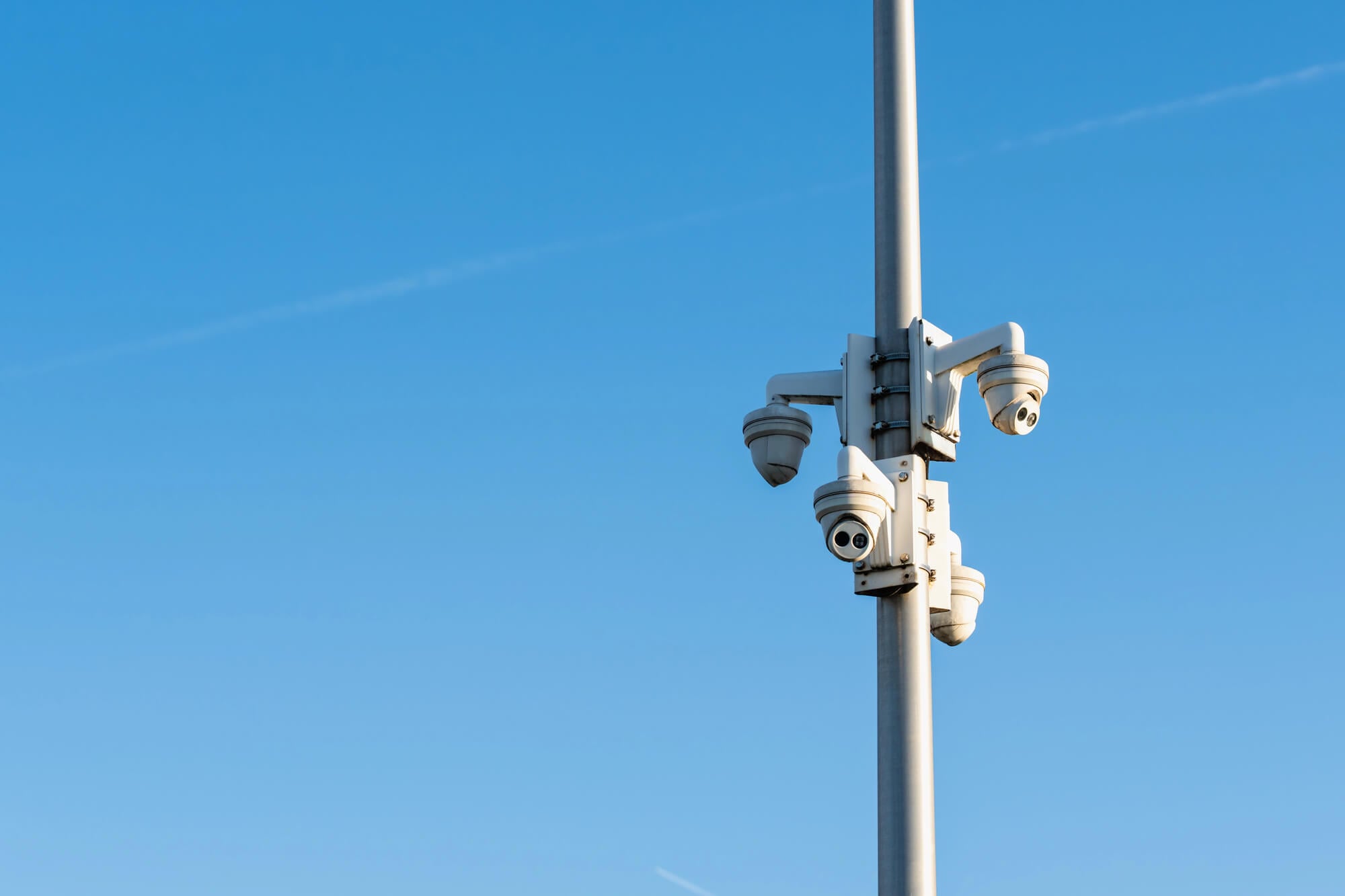
Law enforcement agencies developed facial recognition and tracking technology programs with minimal public oversight or legal framework.
These systems were deployed and expanded in jurisdiction after jurisdiction without formal public notice or community consent procedures.
Immigration Detention Research Programs
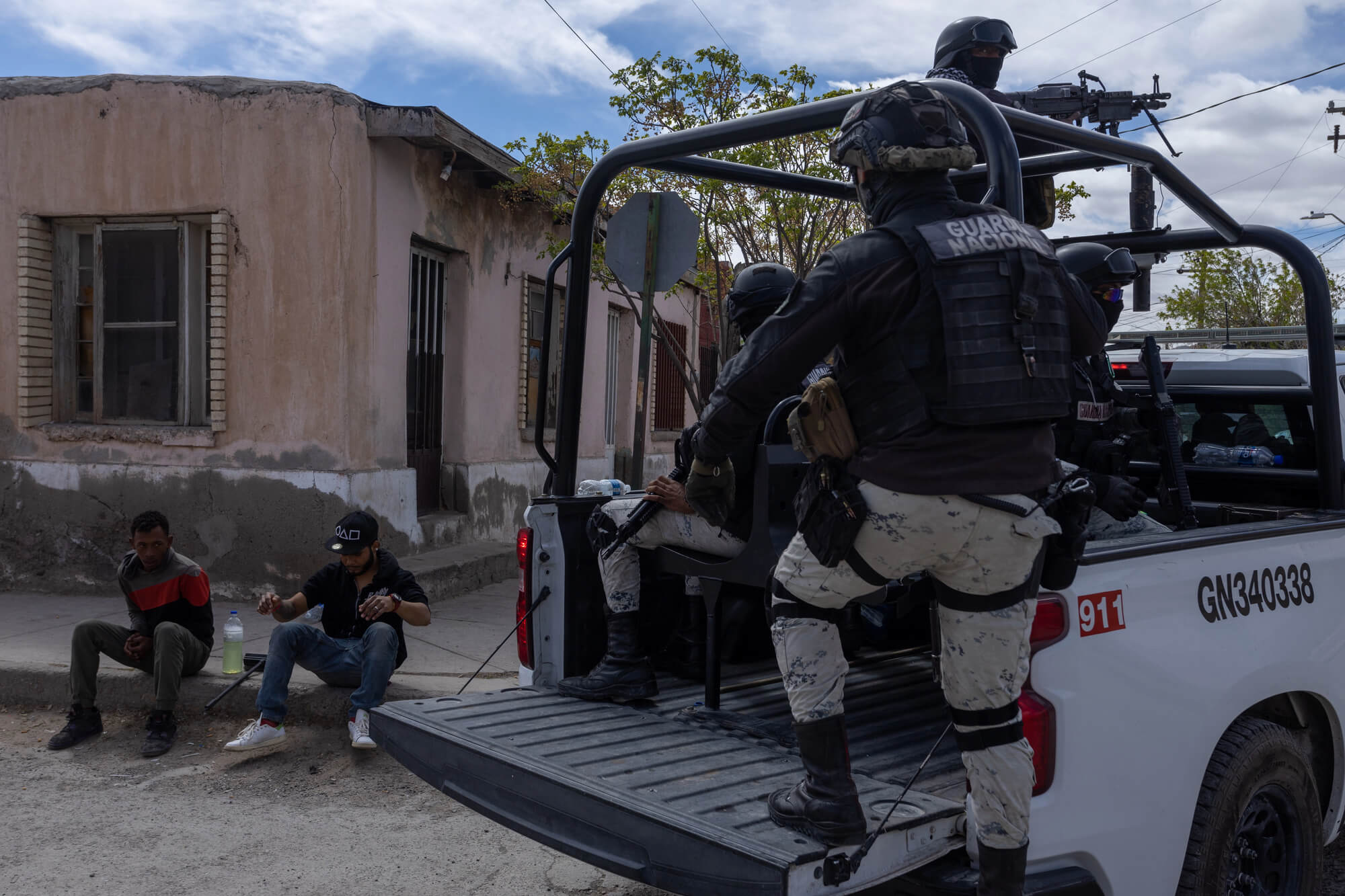
Studies of detention procedures and conditions operated at border facilities without public disclosure, informed consent procedures, or systematic external oversight.
Research on detainee populations continued across multiple agencies with minimal transparency or accountability mechanisms.
Prison Population Genetics Research
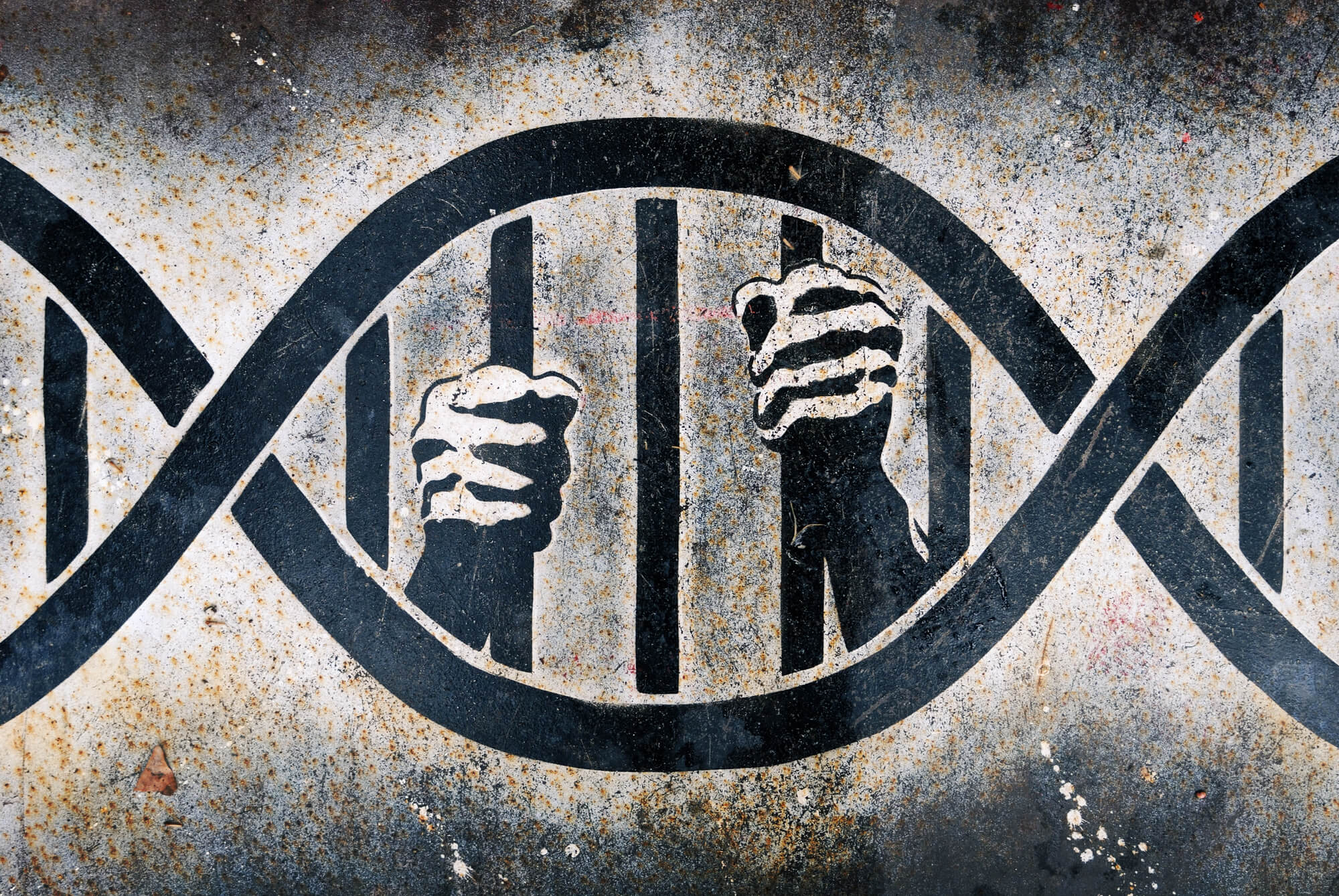
Genetic research on incarcerated populations continued with minimal informed consent or disclosure procedures.
These programs collected and analyzed biological samples from vulnerable populations without comprehensive transparency or clear public benefit justification.
Criminal Justice Risk Assessment Algorithm Development

Secretive development of predictive policing algorithms operated without public knowledge or transparency regarding methodology and validation.
These systems were deployed in jurisdictions nationwide without public disclosure of how they functioned or what data they incorporated.
Predictive Prosecution Software

Programs developing prosecution prediction algorithms operated through classified law enforcement contracts.
These systems were built and deployed with minimal disclosure of their accuracy rates, potential for bias, or constitutional implications.
Facial Recognition Training Database Programs

Programs building facial recognition training databases operated without public knowledge or disclosure.
These initiatives compiled biometric data from driver’s licenses, mugshots, and surveillance footage without systematic consent or transparency.
Automated Racial Profiling Research

Programs researching automated demographic targeting operated within law enforcement agencies with minimal oversight or public awareness.
These systems incorporated algorithmic bias and predictive targeting methodologies without formal ethical review or public debate.
When Institutional Silence Becomes the Default

The pattern connecting these programs is not elaborate conspiracy but bureaucratic machinery operating without obligation to explain itself. Once a program’s utility declined or its methods became legally questionable, agencies simply allowed it to fade from budget lines without formal announcement.
The practical effect is the same: Americans funded, participated in, or became subjects of major government operations without knowledge they existed. Until disclosure becomes mandatory rather than discretionary, this pattern will persist among agencies operating at the margins of public awareness.
More from Go2Tutors!

- The Romanov Crown Jewels and Their Tragic Fate
- 13 Historical Mysteries That Science Still Can’t Solve
- Famous Hoaxes That Fooled the World for Years
- 15 Child Stars with Tragic Adult Lives
- 16 Famous Jewelry Pieces in History
Like Go2Tutors’s content? Follow us on MSN.