Kitchen Tools Grandparents Used Daily That Modern Homes Dropped
Grandparents’ kitchens contained implements now rarely seen in contemporary homes, tools so integral to daily cooking that their disappearance represents significant cultural shift in food preparation methodology. These devices reflected specific cooking techniques, ingredient priorities, and household labor distributions that have evolved as appliance technology and food culture transformed.
The abandonment of these tools marks not mere outdated gadgetry but wholesale changes in how families prepare, process, and consume food. These implements weren’t discarded due to malfunction but rather because advancing technology offered convenient alternatives or because the specific dishes requiring them fell out of regular rotation.
The absence of these tools from modern kitchens reveals how thoroughly food preparation has been transformed by contemporary appliance design and ingredient availability.
The Manual Can Opener
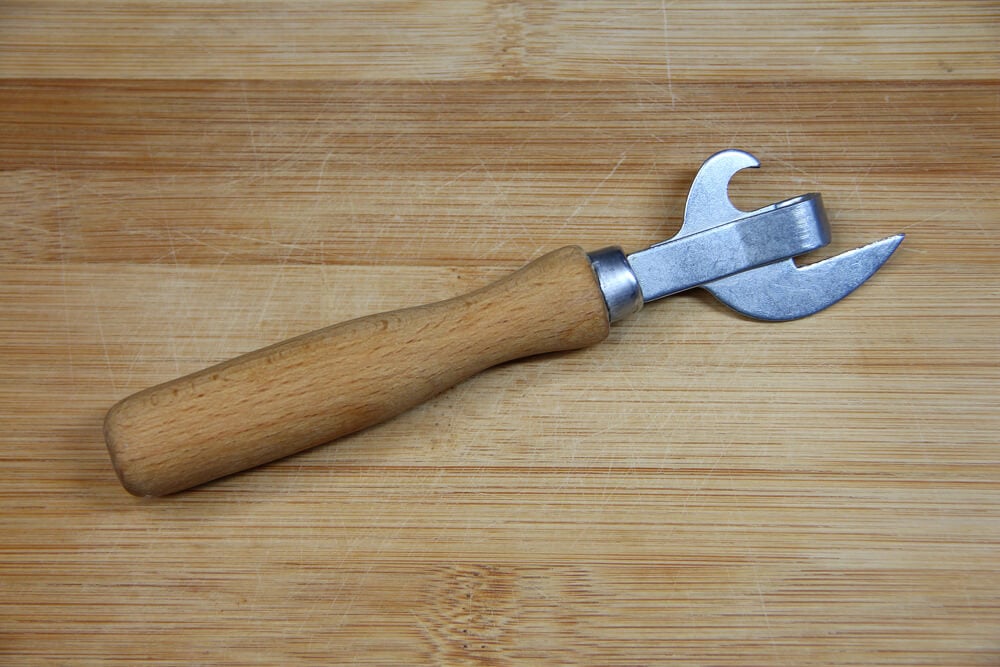
Hand-crank can openers required physical effort and coordination but appeared in virtually every kitchen before electric alternatives eliminated the daily tactile experience of food preparation. Contemporary versions with built-in magnets represent technological evolution that most families now consider essential rather than optional.
The Rotary Egg Beater
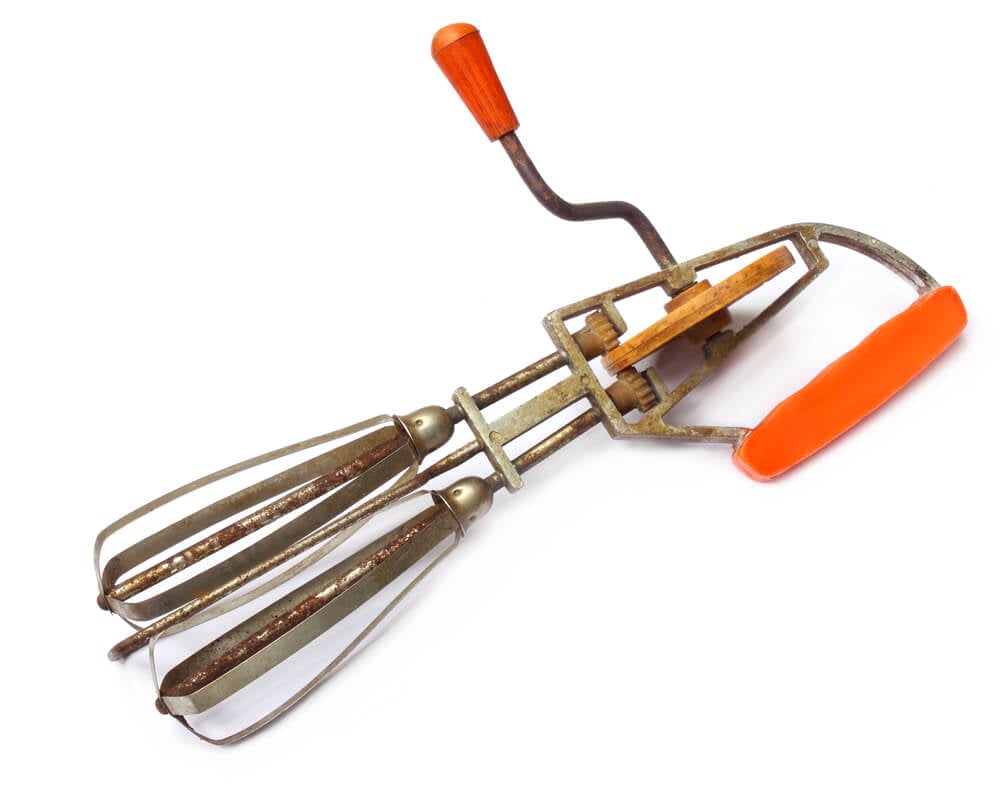
Before electric mixers, families used hand-crank egg beaters for whipping cream, beating eggs, and mixing batters. The tool’s disappearance reflects broader shift toward electric appliances that eliminated labor-intensive food preparation processes.
The Flour Sifter
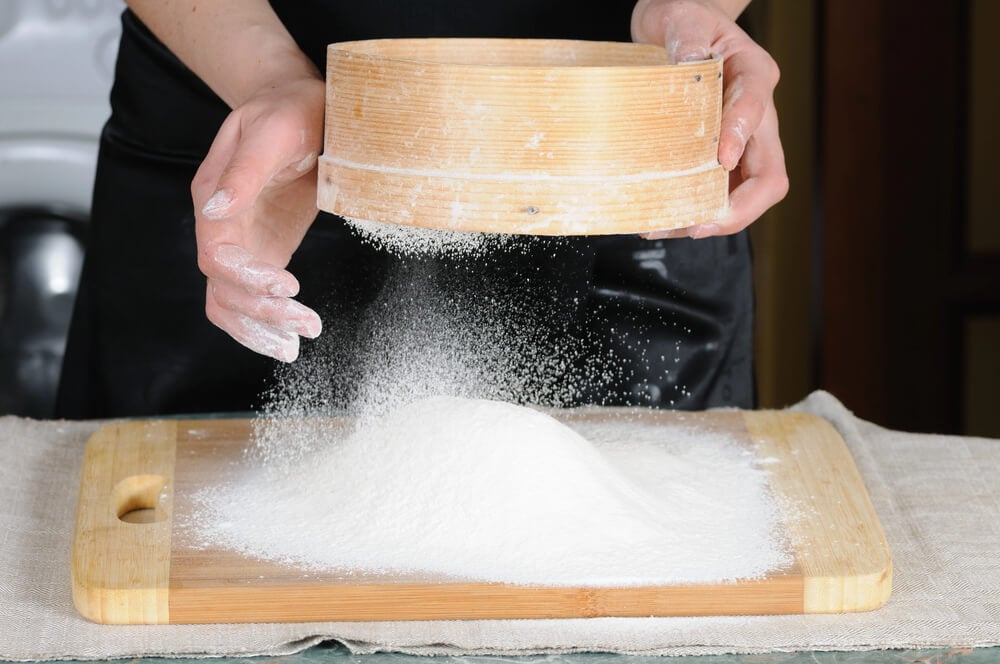
Grandmothers sifted flour through handheld mesh devices before mixing into batters, a practice modern recipes rarely recommend. The tool’s abandonment reflects updated understanding of flour processing and simplified baking techniques requiring less preparation.
The Food Mill
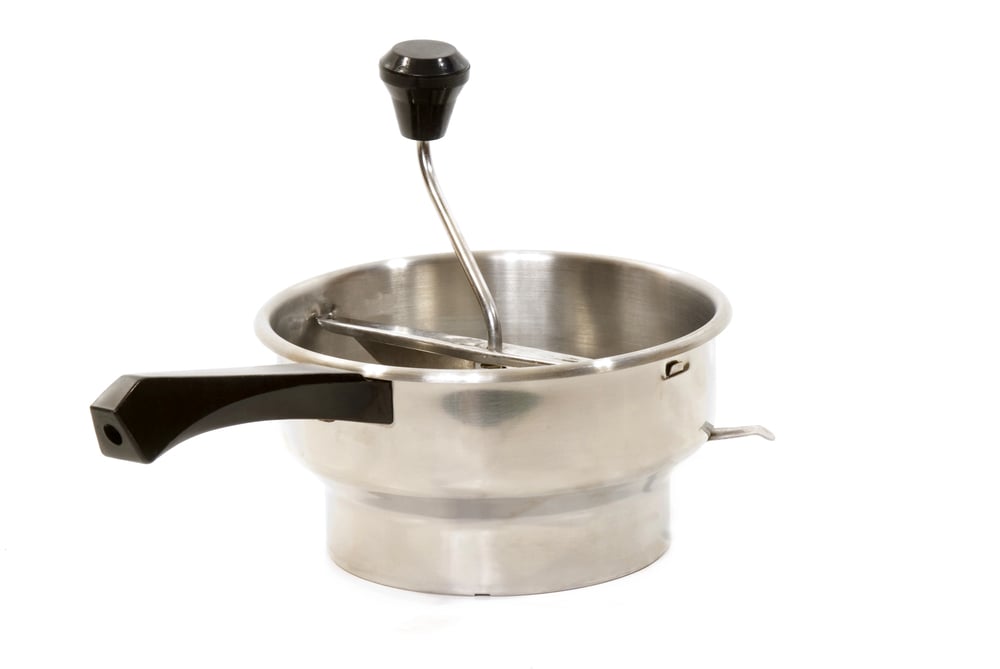
This crank-operated device processed vegetables and fruits into purées without the noise or mess of modern food processors. The tool served purposes (texture modification, separation of seeds and skins) now accomplished through different methods.
The Meat Grinder
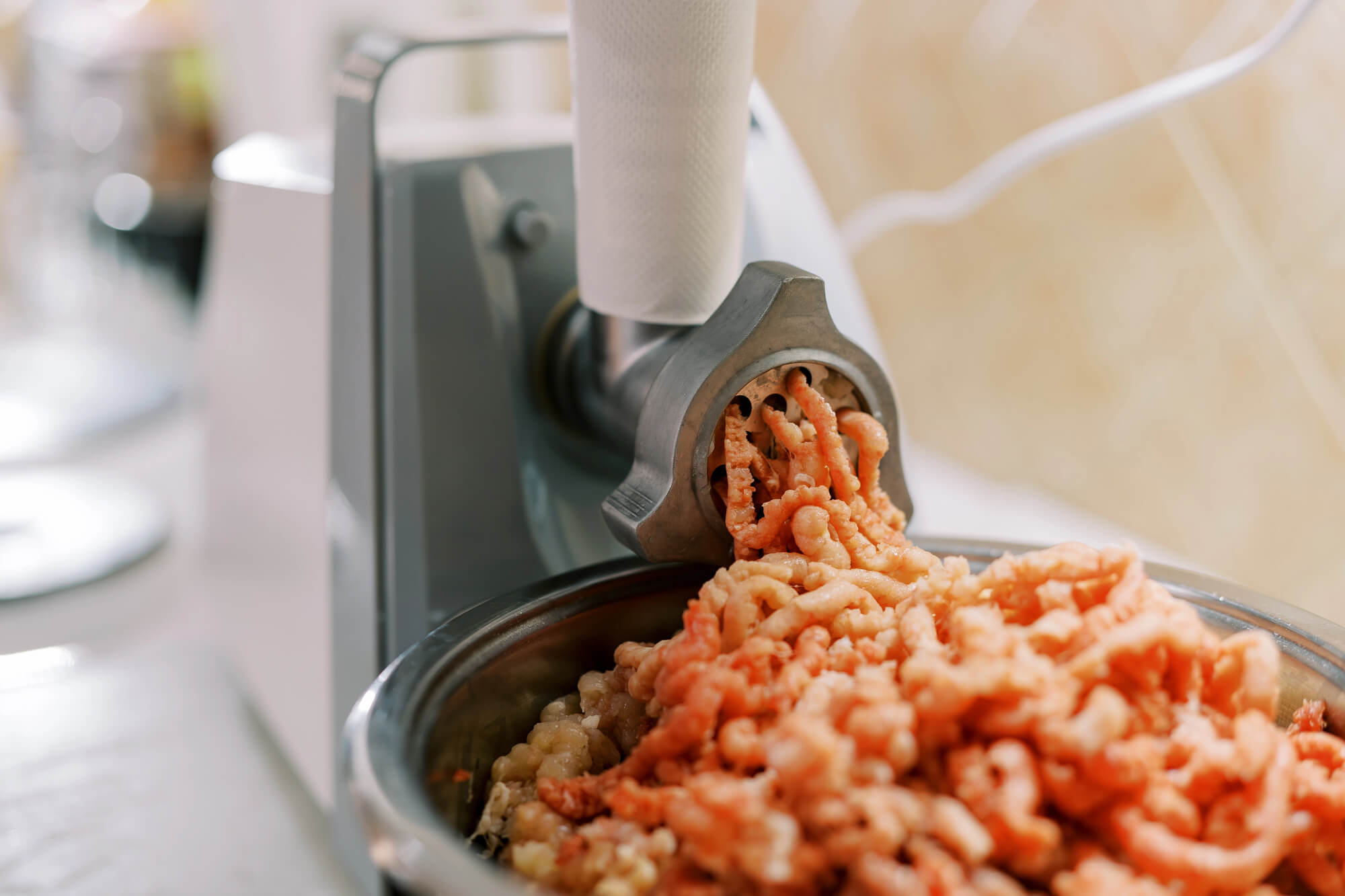
Handheld meat grinders that clamped to counters or tables represented essential equipment for families who purchased whole cuts and ground meat at home. Contemporary pre-ground meat availability eliminated the need for this labor-intensive processing tool.
The Butter Churn
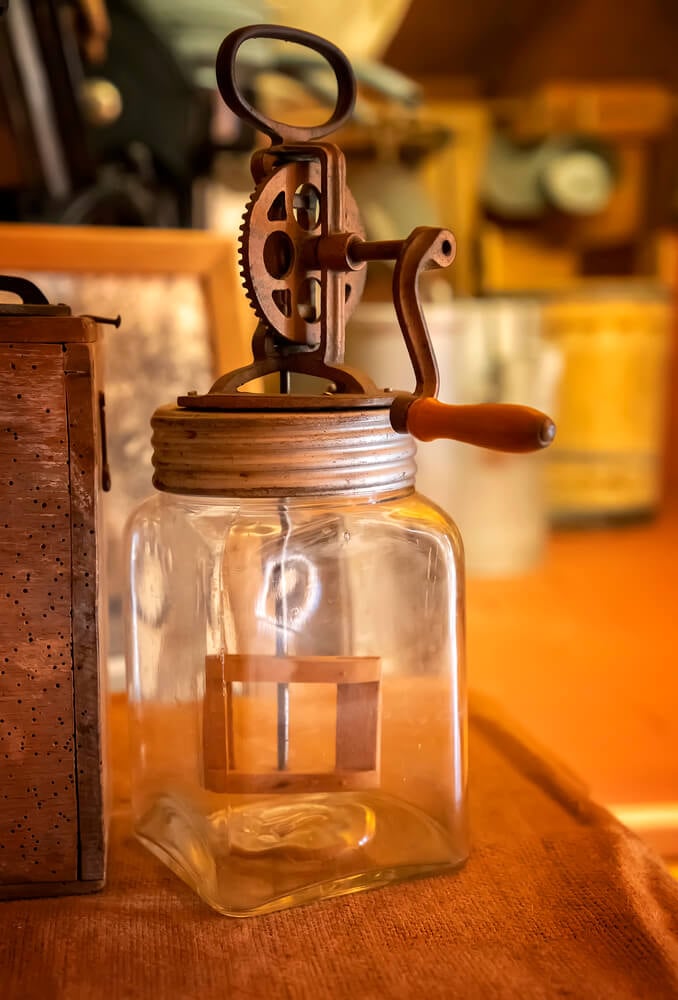
Grandmothers churned cream into butter, a process modern kitchens almost never undertake given commercial butter’s availability and affordability. The complete elimination of this tool represents how thoroughly industrialized food production has displaced home food processing.
The Bread Box
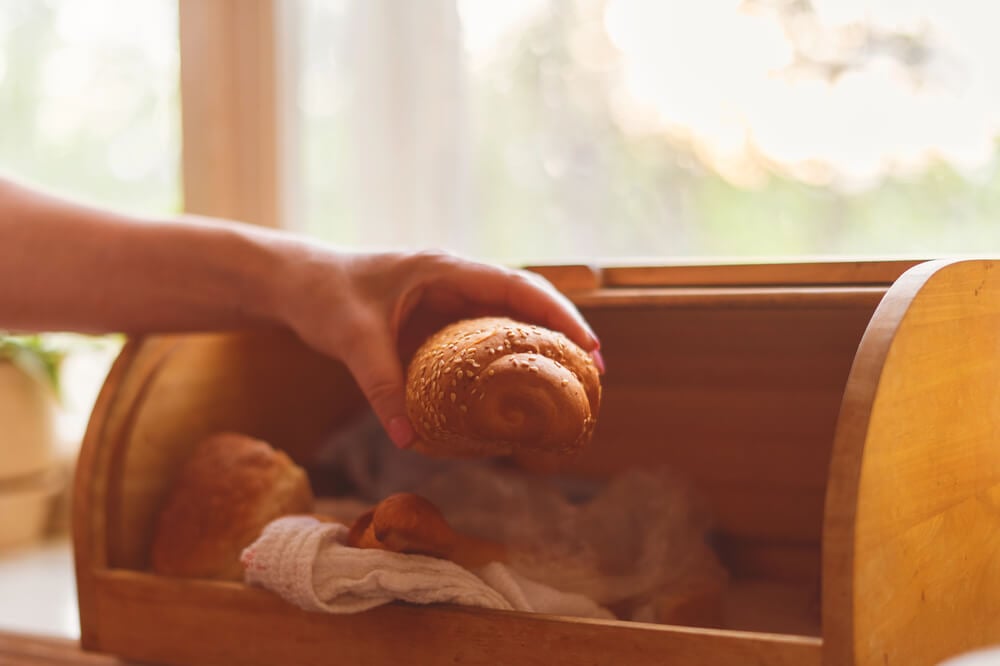
Decorative bread storage containers maintained appropriate humidity for bread storage, keeping loaves fresh without refrigeration. Modern kitchen organization and wrapped bread packaging have eliminated the need for specialized bread storage.
The Aspic Jelly Mold
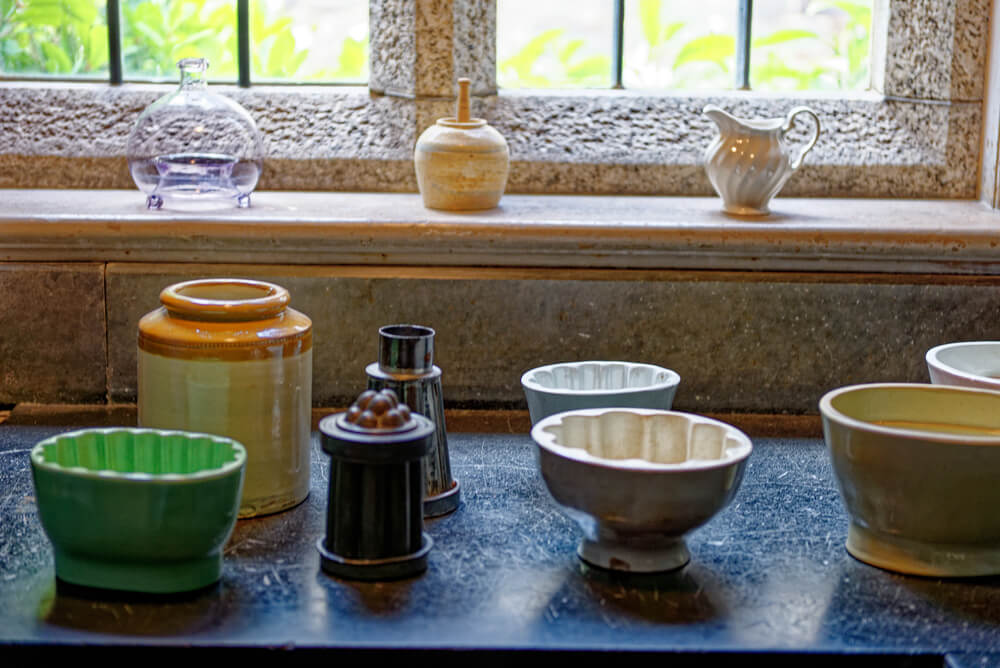
Aspic preparation, once considered elegant presentation, required specialized molds and techniques now rarely employed. The artifact reflects food preparation traditions that have faded from contemporary cooking practice.
The Cream Separator
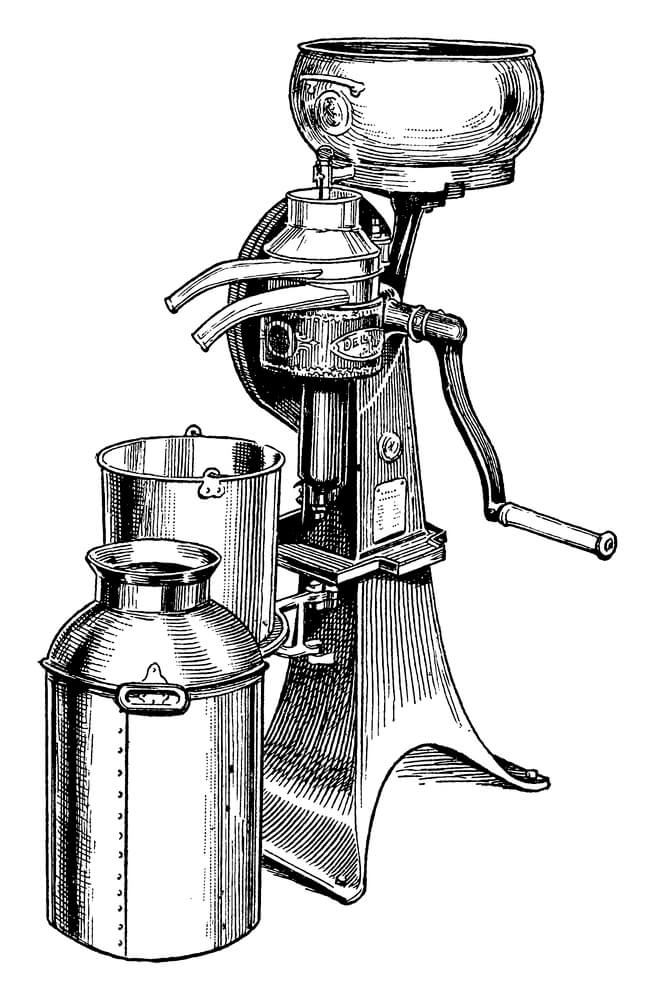
Handheld cream separators allowed separation of cream from whole milk, enabling butter and cream production at home. Modern pasteurized milk and commercial cream availability eliminated this processing step.
The Lard Strainer
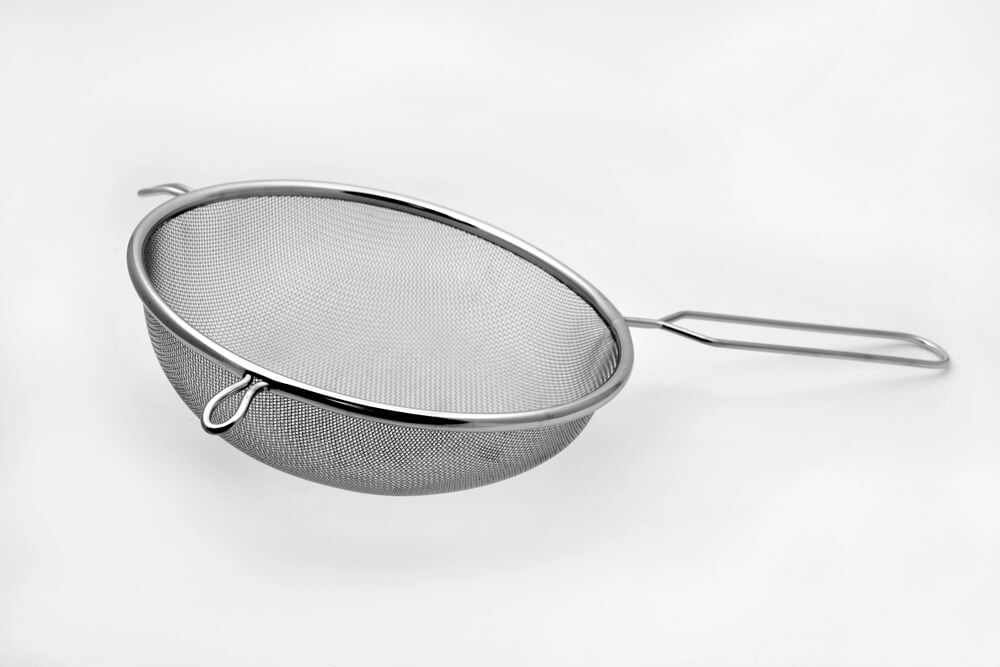
Specialized mesh strainers filtered rendered lard for storage, a critical preservation technique for families without refrigeration. Modern cooking oils and refrigeration have eliminated the need for this tool.
The Pastry Blender
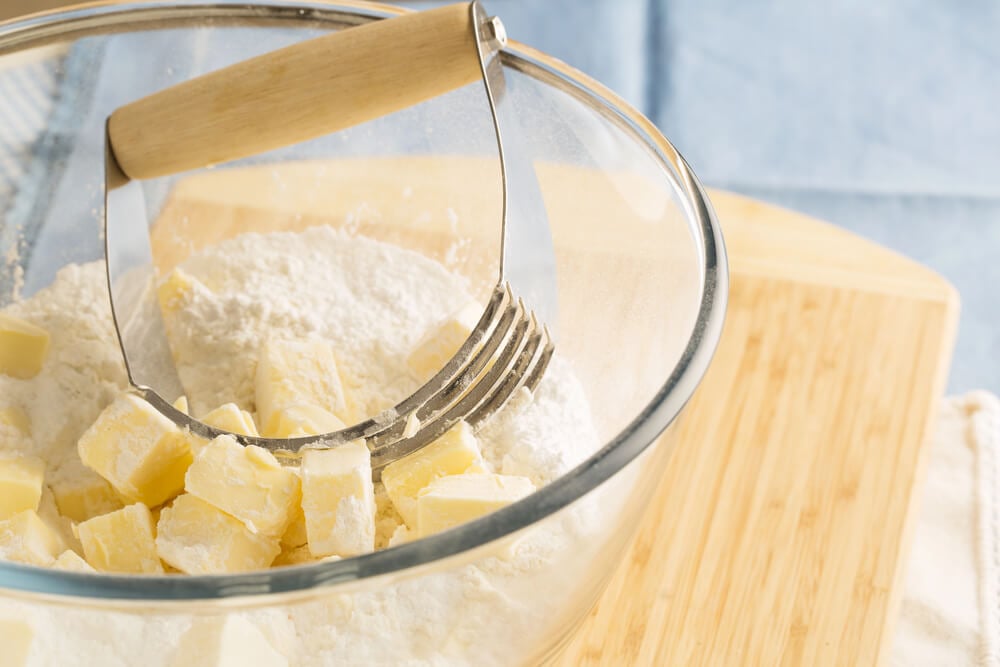
This handheld comb-like device cut butter into flour for pie crusts and biscuits before food processors provided convenient alternatives. The tool reflected baking techniques requiring specific texture manipulation now achieved through modern appliances.
The Mortar and Pestle
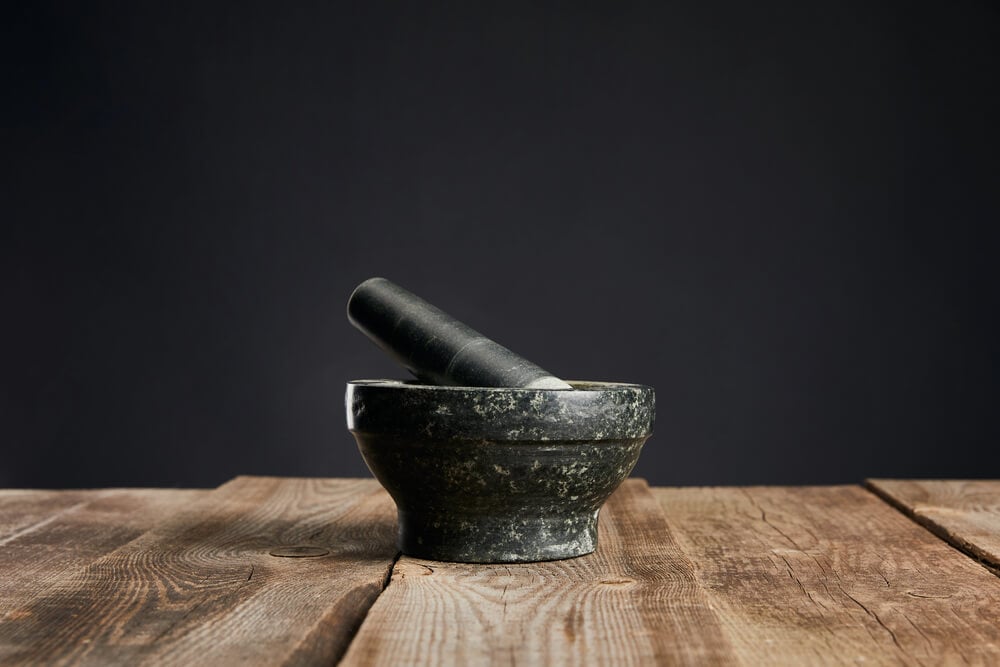
Though still available, contemporary kitchens rarely feature the handheld grinding and crushing tool once essential for spice grinding and ingredient processing. Modern pre-ground spices and food processors have largely displaced this tool.
The Jelly Bag
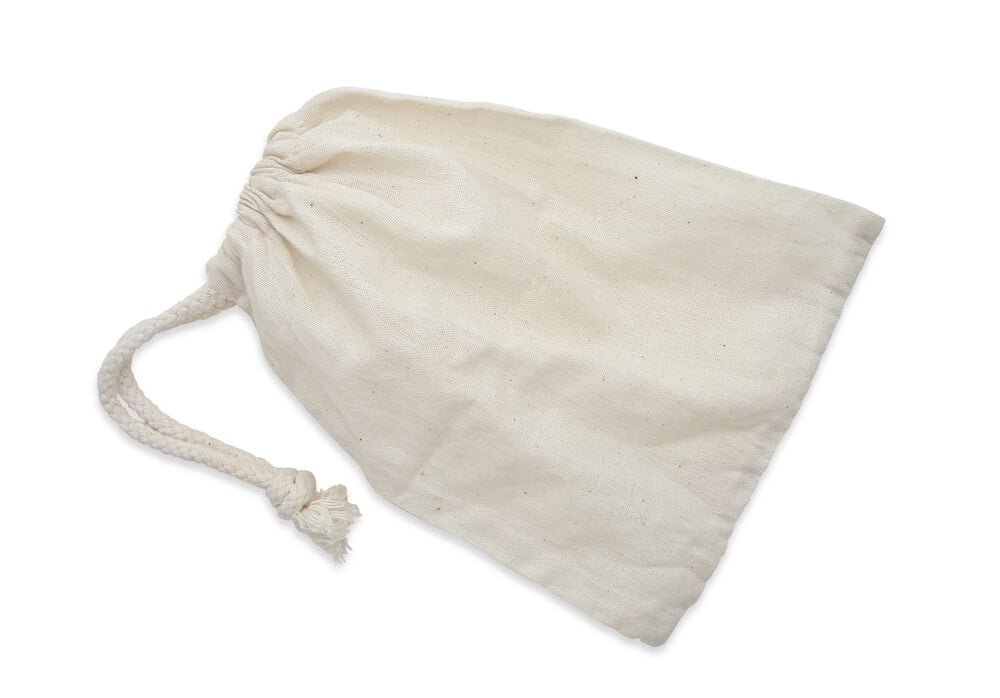
Cheesecloth straining bags for making fruit jellies represented essential equipment for food preservation. Modern canning techniques and commercial jelly availability have made this specialized straining no longer necessary.
The Vegetable Grater
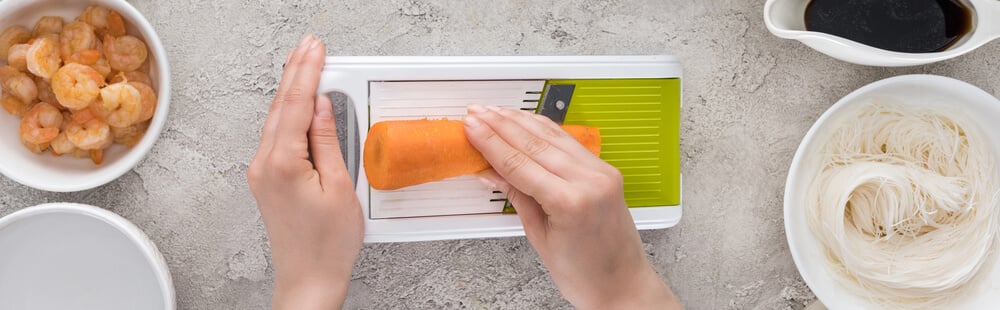
Before food processors, families used handheld graters for shredding vegetables and cheese. The tool remains available but is rarely employed given modern appliance alternatives.
The Nut Grinder
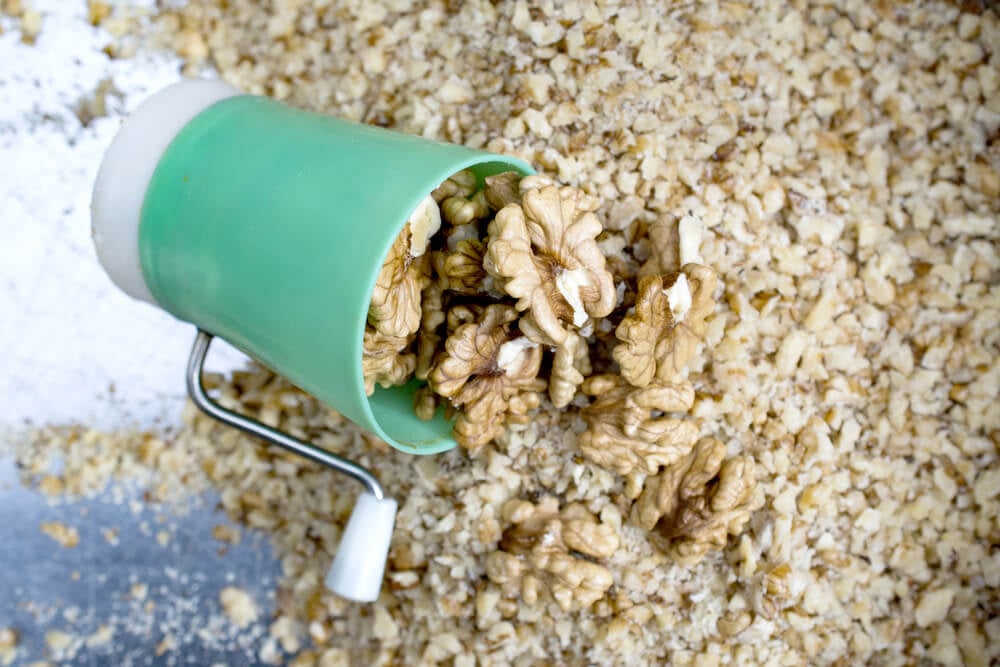
Handheld nut grinding mills processed nuts into meal or flour for baking and cooking. Modern food processors have displaced this specialized tool entirely.
The Cheese Grater
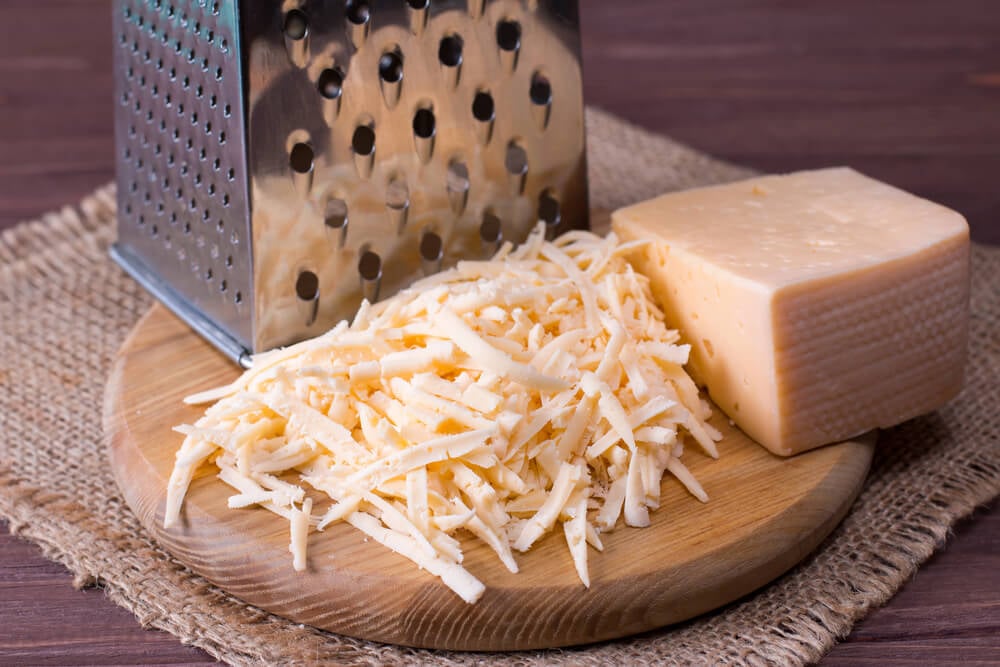
Though available in forms, the large wooden-handled cheese grater that dominated grandmother’s drawers has been largely replaced by pre-shredded alternatives and more modern grater designs.
The Meat Pounder
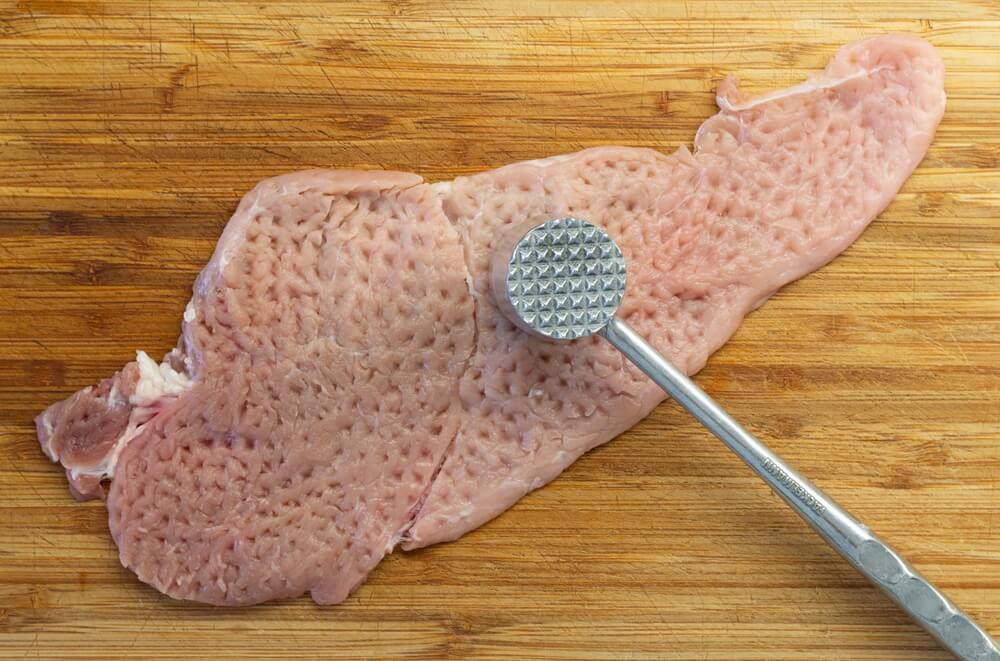
Wooden mallets for tenderizing meat are rarely used in modern kitchens where pre-tenderized meat and different cooking techniques have reduced need for this preparation step.
The Pickle Crock
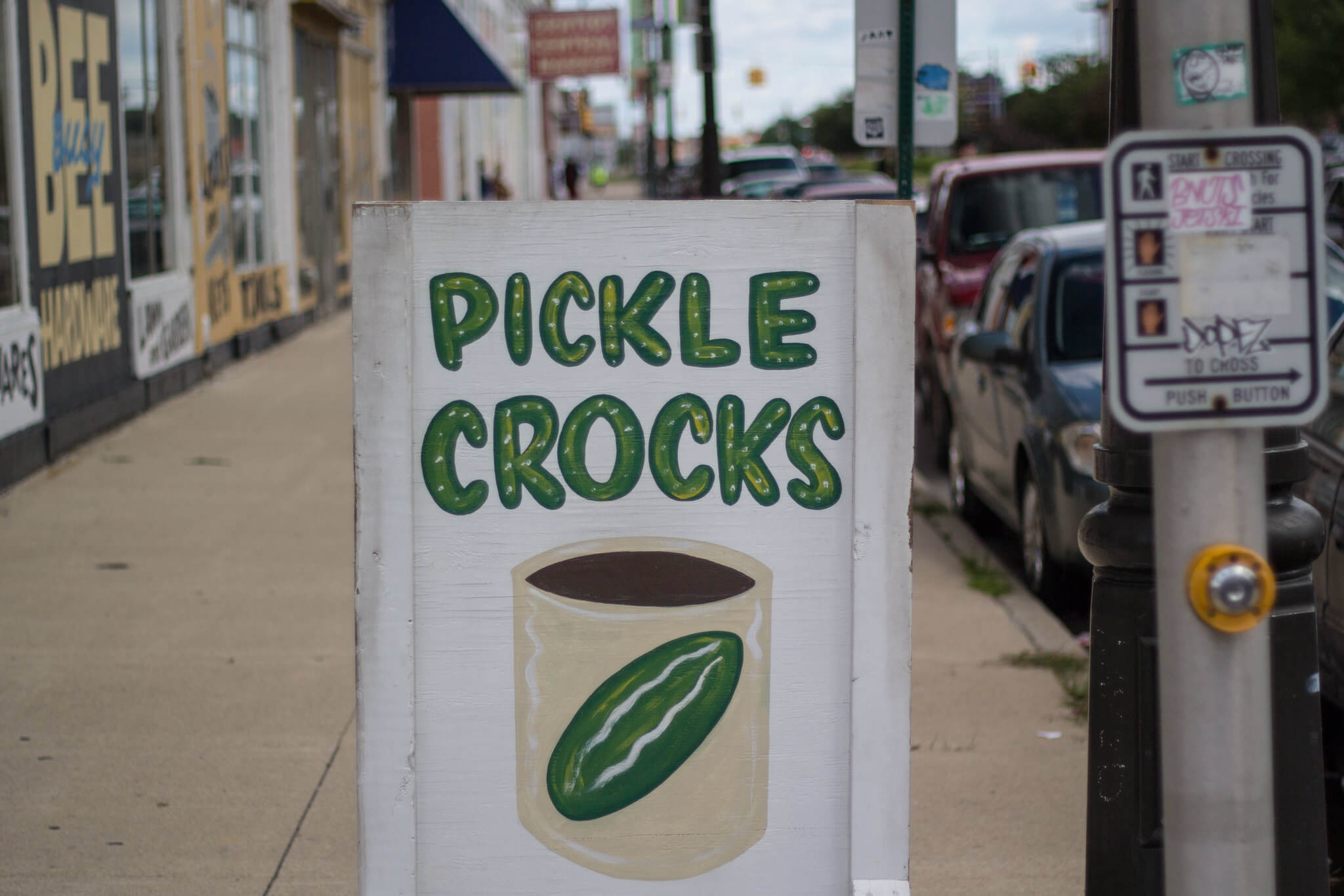
Large ceramic containers for fermenting and storing pickles represented essential food preservation equipment. Modern refrigeration and commercial pickle availability have eliminated fermentation crock necessity.
The Colander With Stand
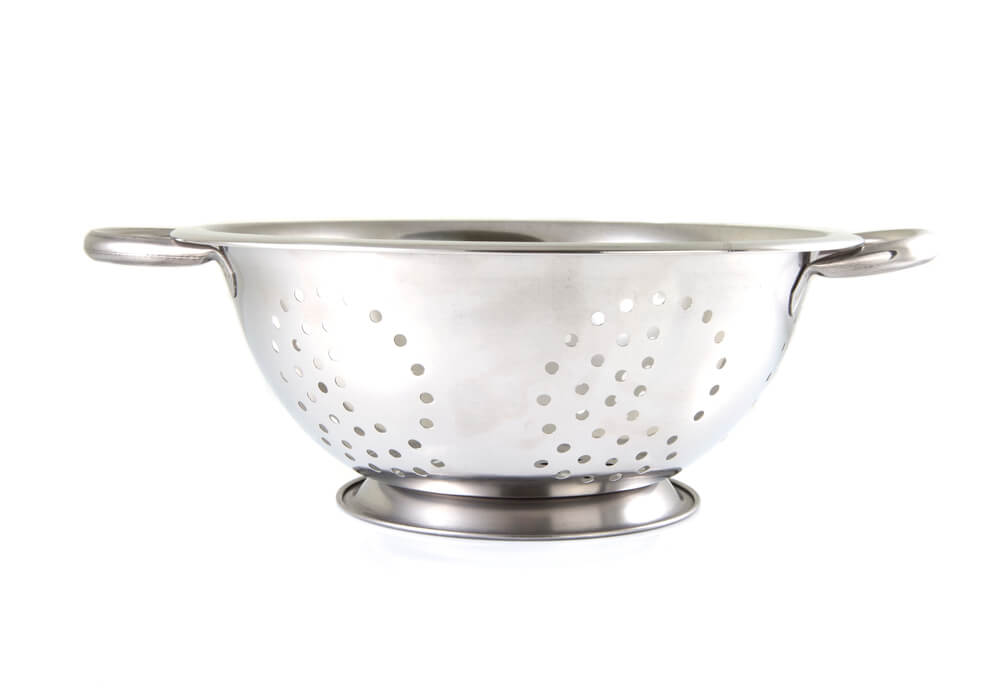
Handheld metal colanders with integrated stands for draining pasta and vegetables have been replaced by modern designs without integrated stands, reflecting changed usage patterns and storage approaches.
The Cooling Rack
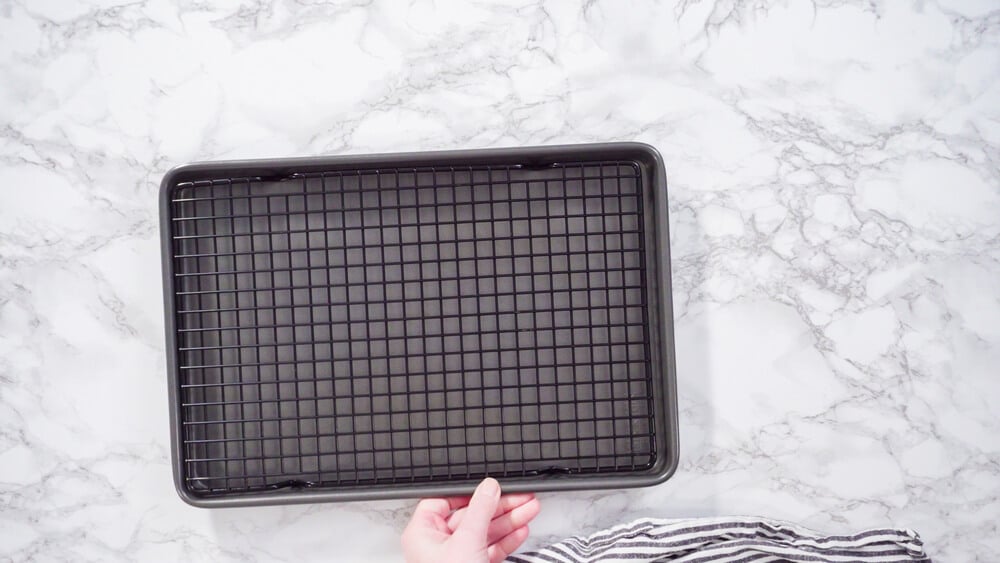
Simple wire racks for cooling baked goods have been supplemented but not entirely replaced by modern versions, though contemporary kitchens contain fewer of these specialized tools.
The Basting Syringe
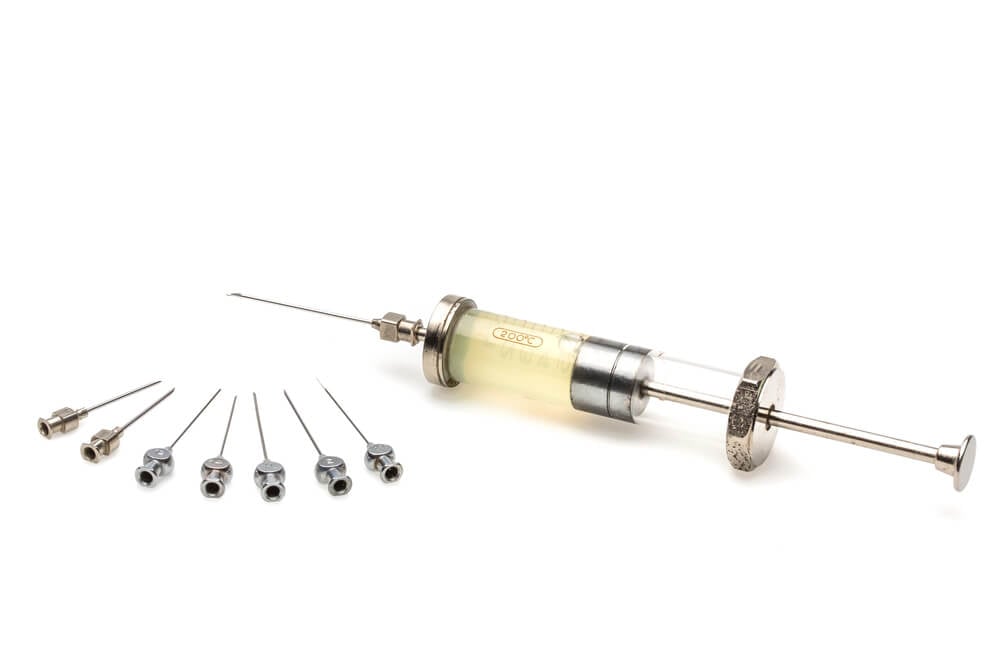
Large manual injection syringes for basting meat without opening ovens represented cooking technique now largely abandoned in favor of other preparation methods or oven access.
The Kitchen Scale
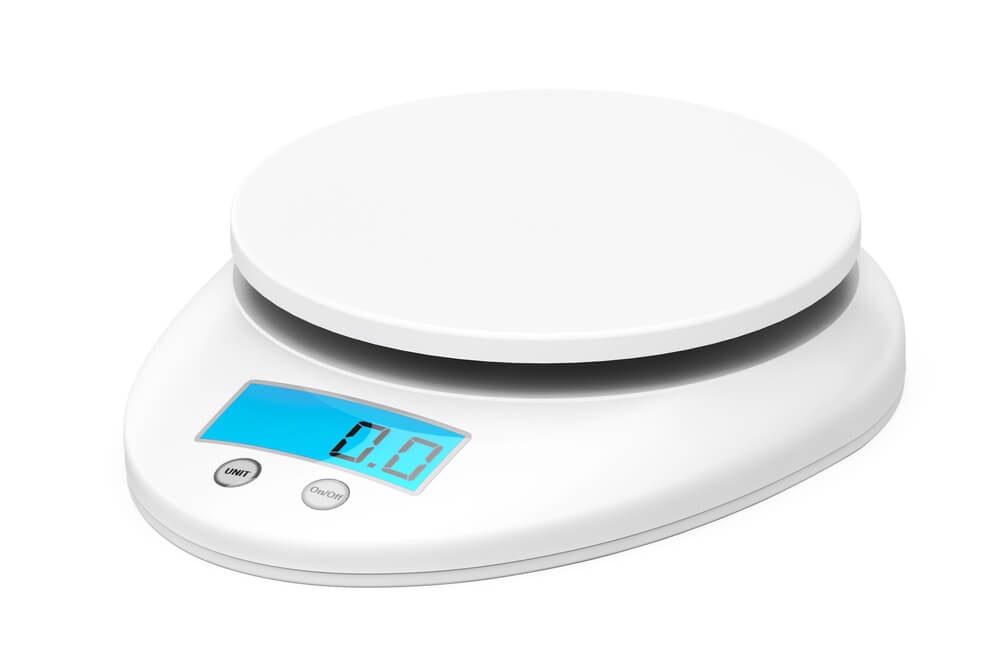
Before volumetric measuring cups, families weighed ingredients using handheld or balance scales. Modern measuring cup standardization has displaced weight-based measurement in American kitchens.
The Tea Infuser Orb
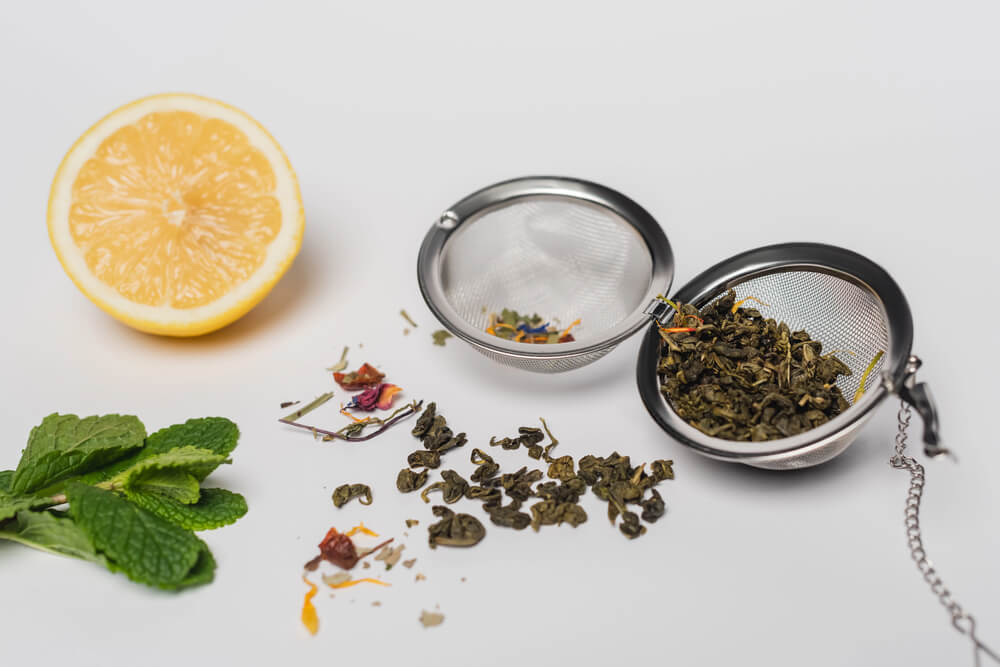
Handheld metal mesh orbs for steeping loose tea have been supplemented though not entirely replaced by modern infuser designs as convenient teabag alternatives became available.
The Pie Crimper
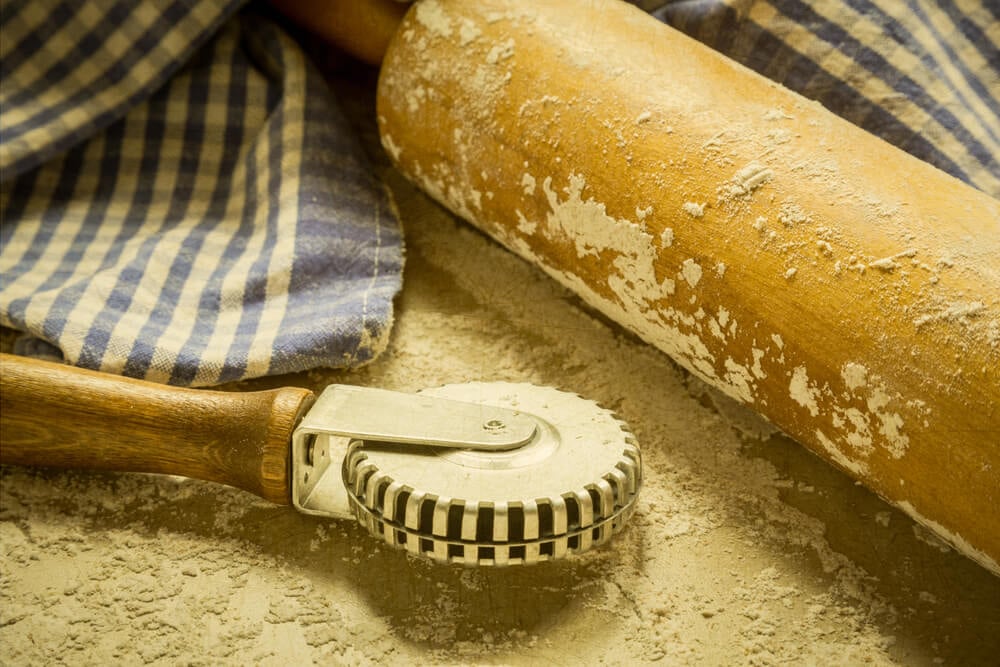
Specialized tools for crimping pie crust edges have become nearly obsolete as decorative pie-making has declined in frequency and pre-made pie crusts have reduced hand-crafting necessity.
The Asparagus Cooker
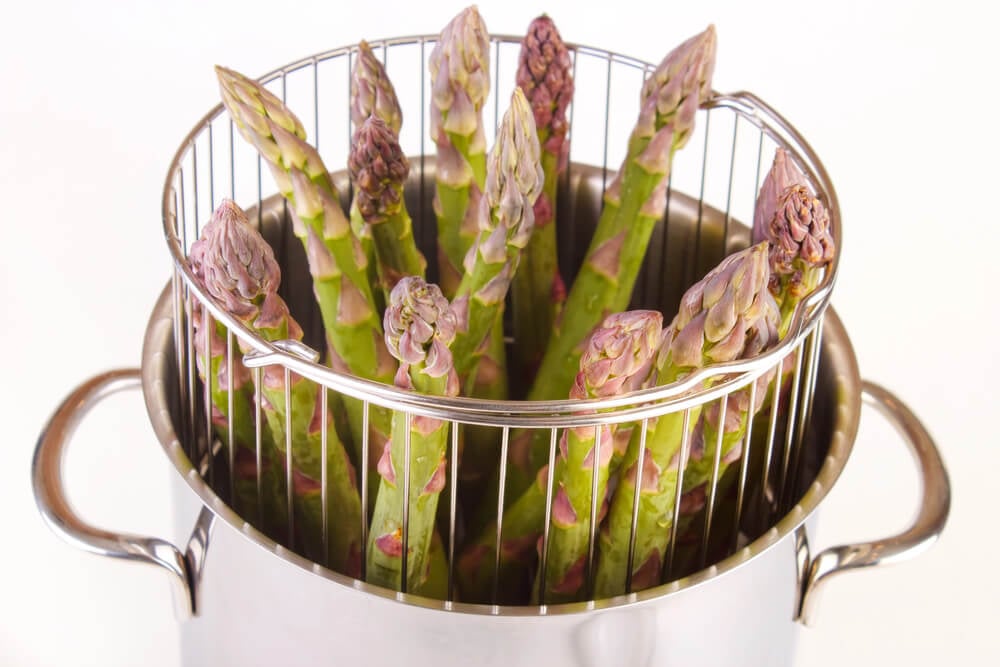
Specialized tall pots for cooking asparagus standing upright have disappeared as modern cooking techniques simplify vegetable preparation.
The Egg Separator
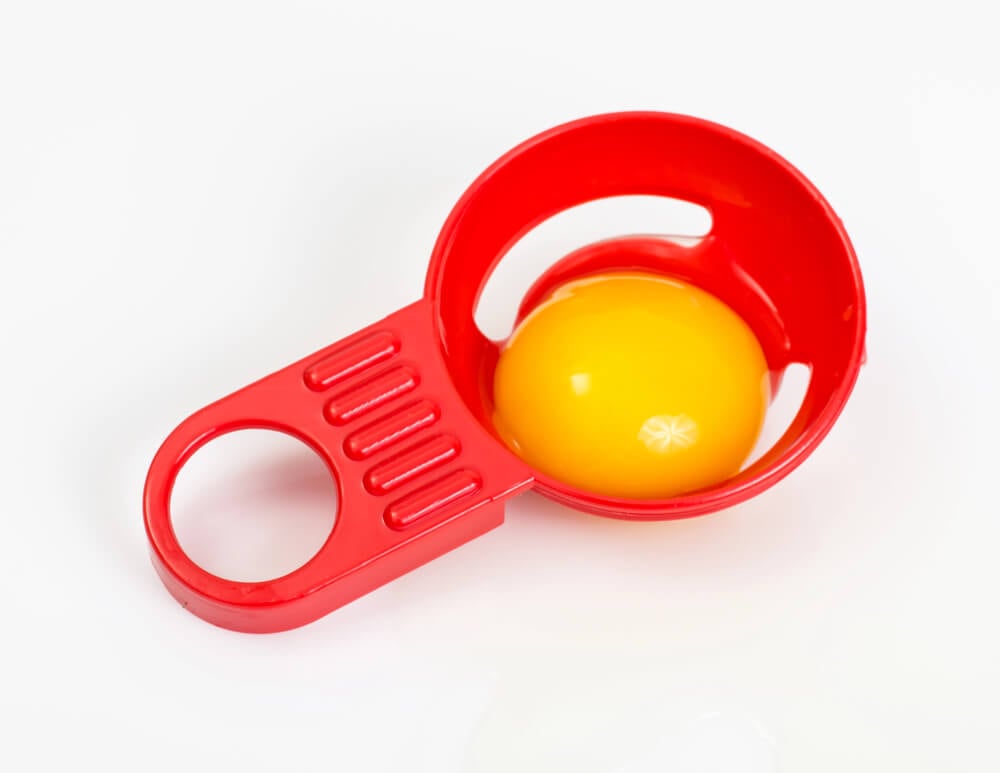
Simple ceramic or metal forks designed specifically for separating yolks from whites have been displaced by modern techniques and simpler shell-separation methods.
The Wooden Utensil Holder
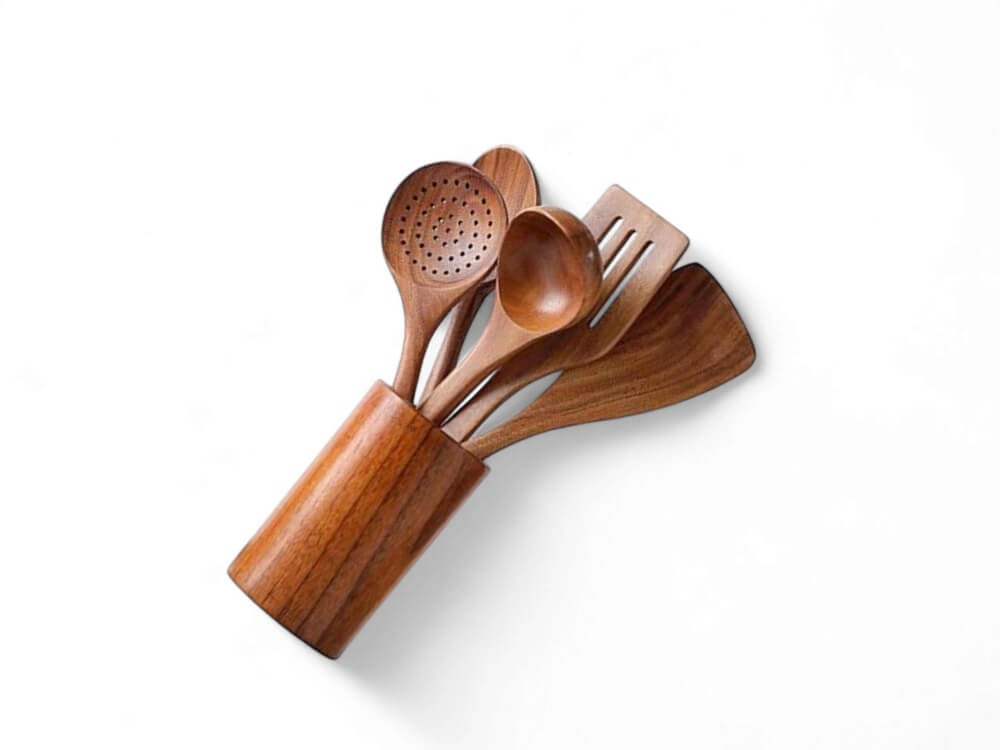
While utensil storage containers still exist, the specific wooden wall-mounted holders for storing wooden spoons and utensils have declined as modern kitchen organization reflects different storage priorities and aesthetic approaches.
The Disappearing Tradition
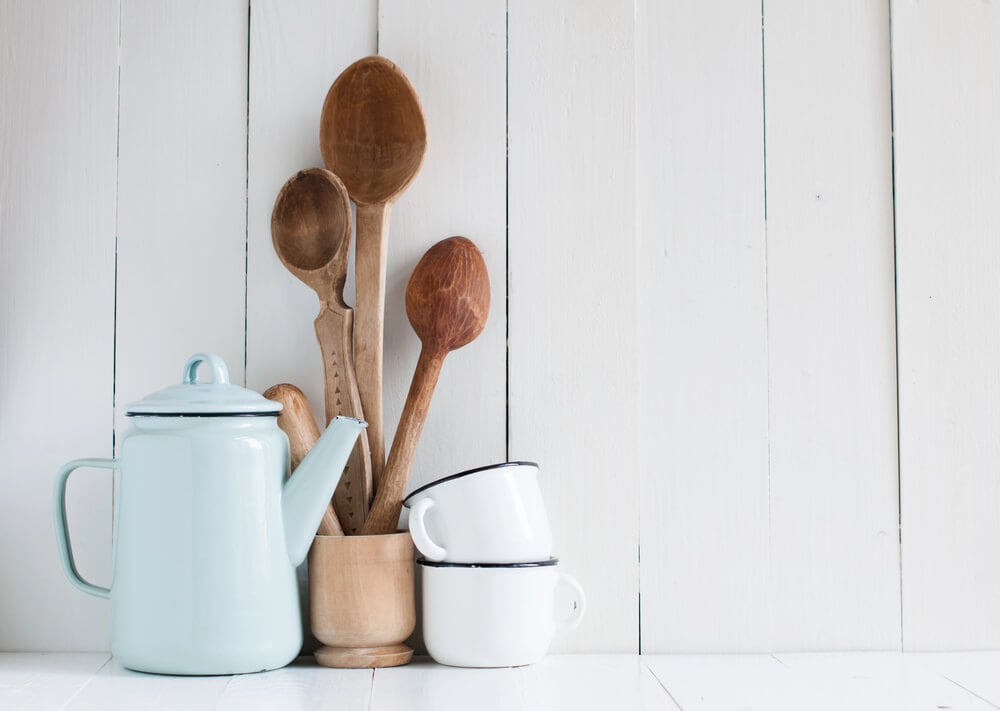
These tools collectively represent cooking practices, food preservation techniques, and meal preparation labor distributions that have fundamentally transformed. Their absence from modern kitchens marks not simply changed technology but profound shifts in food culture, family labor distribution, and the relationship between home food preparation and commercial food production.
More from Go2Tutors!

- The Romanov Crown Jewels and Their Tragic Fate
- 13 Historical Mysteries That Science Still Can’t Solve
- Famous Hoaxes That Fooled the World for Years
- 15 Child Stars with Tragic Adult Lives
- 16 Famous Jewelry Pieces in History
Like Go2Tutors’s content? Follow us on MSN.



