14 Surprising Origins of Holiday Traditions
You probably light candles, hang wreaths, or kiss under mistletoe without thinking twice about why. These rituals feel natural because they’ve been around forever. But the stories behind them? Those are anything but ordinary.
Most holiday traditions started for reasons that have nothing to do with how people celebrate them today. Some began as pagan rituals. Others came from practical needs or ancient superstitions. A few just happened by accident and stuck around because people liked them. Understanding where these customs come from makes them more interesting, even if the original meanings have long disappeared.
Mistletoe Kisses Started with Viking Funerals

The Norse goddess Frigg made every plant promise not to harm her son Baldur, but she forgot about mistletoe. When Loki used it to kill Baldur, Frigg’s tears turned into the white berries you see on mistletoe branches.
After Baldur came back to life, Frigg declared mistletoe a symbol of love and promised to kiss anyone who passed beneath it. The kissing tradition came much later. English servants started it in the 1700s. A man could kiss any woman standing under mistletoe, and she couldn’t refuse. He had to pluck a berry with each kiss, and when the berries ran out, so did the kissing rights. Victorian society eventually made the custom more polite, but that weird berry-counting rule existed for a while.
Christmas Trees Were Portable Property Markers

German guilds in the Middle Ages stuck evergreen trees in front of their buildings during winter festivals. The trees showed which guild owned which space during crowded market celebrations.
Families picked up the habit because evergreens stayed green all year, which people saw as a symbol of eternal life. Martin Luther supposedly brought the first tree indoors in the 1500s after seeing starlight through pine branches. That story might be made up, but Germans definitely started decorating indoor trees with candles, fruits, and nuts around that time. Queen Victoria and Prince Albert made it fashionable in England and America when newspapers printed pictures of their decorated tree in 1848. The trees had nothing to do with Christianity originally. Early church leaders actually banned them because they looked too pagan. But people kept doing it anyway, and eventually the church gave up fighting it.
Candy Canes Were Straight Sugar Sticks

A choirmaster in Cologne, Germany wanted to keep children quiet during long Christmas services in 1670. He asked a candy maker to create white sugar sticks and bent them into shepherd’s crooks to justify giving candy in church.
The children could suck on them quietly, and the shape had a religious connection. The red stripes didn’t appear until the 1900s. Nobody knows who added them or why. The peppermint flavor came around the same time. Before that, candy canes were just plain white sugar in a hook shape. All those stories about the colors representing different religious meanings? Those were invented much later by people looking for symbolism that wasn’t there originally.
Jack-O’-Lanterns Used to Be Turnips

Irish folklore tells of a man named Stingy Jack who tricked the devil and was forbidden from entering both heaven and hell. He wandered the earth with only a carved turnip holding a burning coal to light his way.
People started carving scary faces into turnips and potatoes to ward off Jack’s spirit and other wandering souls during Samhain, the Celtic festival that marked the end of harvest season. When Irish immigrants came to America, they discovered pumpkins were bigger and easier to carve than turnips. The tradition transferred over, and pumpkins became the standard. If you’ve ever tried carving a turnip, you understand why they made the switch. Those things are dense and small and miserable to work with.
Easter Eggs Came from Spring Cleaning

Early Christians living in Mesopotamia stained eggs red to represent Christ’s blood during Easter. But the egg tradition itself goes back further. Persians painted eggs for Nowruz, their new year celebration that falls on the spring equinox.
They gave eggs to symbolize fertility and rebirth when winter ended. The timing worked out perfectly for Christians. Eggs were forbidden during Lent, so people had tons of eggs saved up by Easter. They decorated them to make them special, then ate them to celebrate. The egg hunts started in Germany, where kids would search for eggs that the “Easter hare” supposedly laid. Yes, that means children originally thought rabbits laid eggs, which explains a lot about how weird that whole concept actually is.
Valentine’s Day Hearts Look Nothing Like Real Hearts

The heart symbol came from a plant called silphium that grew near the ancient city of Cyrene in Libya. The plant’s seed looked like a heart shape, and people used it as a contraceptive and aphrodisiac.
Cyrene made so much money trading silphium that they put the heart-shaped seed on their coins. Eventually the plant went extinct from overharvesting, but the symbol stuck around. Ancient Romans connected the shape with love and reproduction, which made sense given what people used silphium for. Over centuries, artists kept drawing hearts more and more simplified until it became the shape you see everywhere today. By the time Valentine’s Day became popular in the Middle Ages, nobody remembered silphium. They just knew the heart symbol meant love.
Thanksgiving Turkey Replaced Swan and Peacock

Wealthy Europeans ate swans and peacocks at harvest feasts because those birds looked impressive on the table. After cooking them, servants would reattach the feathers so the birds looked alive.
The meat tasted terrible, but the nobility cared more about presentation than flavor. When English settlers came to America, they couldn’t find swans or peacocks, but turkeys were everywhere. The birds were big enough to feed a crowd and easier to hunt than deer. Plus they actually tasted good. The tradition of eating turkey at harvest celebrations stuck, and by the 1800s, turkey became the standard Thanksgiving centerpiece. Benjamin Franklin never wanted turkey as the national bird. That’s a myth. He did write a letter calling the turkey “more respectable” than the bald eagle, but he was joking around with his daughter. People took him seriously and the story took on a life of its own.
New Year’s Fireworks Scared Away Evil Spirits

The Chinese invented fireworks around 200 BC, though not on purpose. They were heating bamboo stalks over fire when the air pockets inside exploded and made loud noises.
They thought the sounds frightened away evil spirits and bad luck, so they started setting off bamboo explosions at important celebrations. When they invented gunpowder, they packed it into bamboo tubes to make even louder explosions. The tradition spread worldwide as gunpowder reached other countries. Europeans started using fireworks for celebrations in the 1400s, and they became standard for New Year’s Eve by the 1800s. Now fireworks just look pretty and make noise. Nobody sets them off to scare spirits anymore. But that sharp smell of gunpowder and those loud booms started as spiritual protection, not entertainment.
Halloween Costumes Hid People from Ghosts

The ancient Celts believed that on Samhain, the boundary between the living and the dead became thin. Ghosts of the deceased would return to cause trouble and damage crops.
People wore costumes and masks so the spirits couldn’t recognize them. If a ghost couldn’t tell you from another spirit, it would leave you alone. The trick-or-treating part came from a medieval Christian practice called “souling.” Poor people would go door-to-door offering to pray for the dead in exchange for soul cakes. Kids eventually took over the tradition and dropped the prayer part. They started demanding treats or threatening pranks, which is how “trick-or-treat” became the standard phrase. The commercial Halloween costume industry didn’t exist until the 1930s. Before that, people made their own costumes at home or just threw on old clothes and called it good enough.
Birthday Candles Were Ancient Greek Offerings

Ancient Greeks baked round cakes to honor Artemis, goddess of the moon. They put candles on top because the lit candles looked like moonlight.
They thought the smoke from blown-out candles carried their prayers to the gods living on Mount Olympus. That’s why people make wishes when blowing out birthday candles today. Germans started the modern birthday cake tradition in the 1700s with kinderfests, celebrations for children’s birthdays. They put one candle for each year of the child’s life, plus an extra candle representing the “light of life.” The child had to blow out all the candles in one breath for their wish to come true. The “Happy Birthday” song only dates to 1893, and it was originally a classroom greeting song called “Good Morning to All.” Teachers added the birthday lyrics later, and somehow it became the most recognized song in the English language.
Champagne Toasts Started as Poison Tests

Ancient Greeks and Romans mixed wine with water during toasts and bumped cups hard enough that wine would splash from one cup into another. If someone poisoned your drink, that person would also consume poison when the drinks mixed.
The host would usually drink first to prove the wine wasn’t poisoned, which is where “drinking to someone’s health” comes from. Clinking glasses together kept this tradition alive even after poison testing became unnecessary. The practice moved from wine to champagne in the 1600s when Dom Pérignon improved the sparkling wine process.
Champagne became associated with celebrations and special occasions, and the New Year’s toast tradition spread from there. The loud clink supposedly scared away evil spirits too, according to medieval beliefs.
So you were both proving your drink was safe and protecting yourself from demons. Two benefits in one gesture.
Wedding Rings Go on the Left Hand Because of Egyptian Anatomy

Ancient Egyptians believed a vein ran directly from the fourth finger on the left hand to the heart. They called it the “vena amoris” or vein of love. Romans adopted this belief and started placing wedding rings on that finger to symbolize the connection between the couple’s hearts.
The vein doesn’t actually exist. All fingers have similar blood flow. But the anatomy mistake stuck around for thousands of years, and now the left hand ring finger is the standard placement for wedding rings in most Western cultures.
Some Eastern European and South American countries use the right hand instead, which makes just as much sense since the whole vein thing was wrong anyway. The tradition of expensive diamond engagement rings is even more recent than you think.
De Beers launched their “A Diamond is Forever” campaign in 1938, and that marketing slogan created the expectation that engagement rings needed to cost a fortune. Before that, any ring would do.
Christmas Stockings Started with Gold Coins
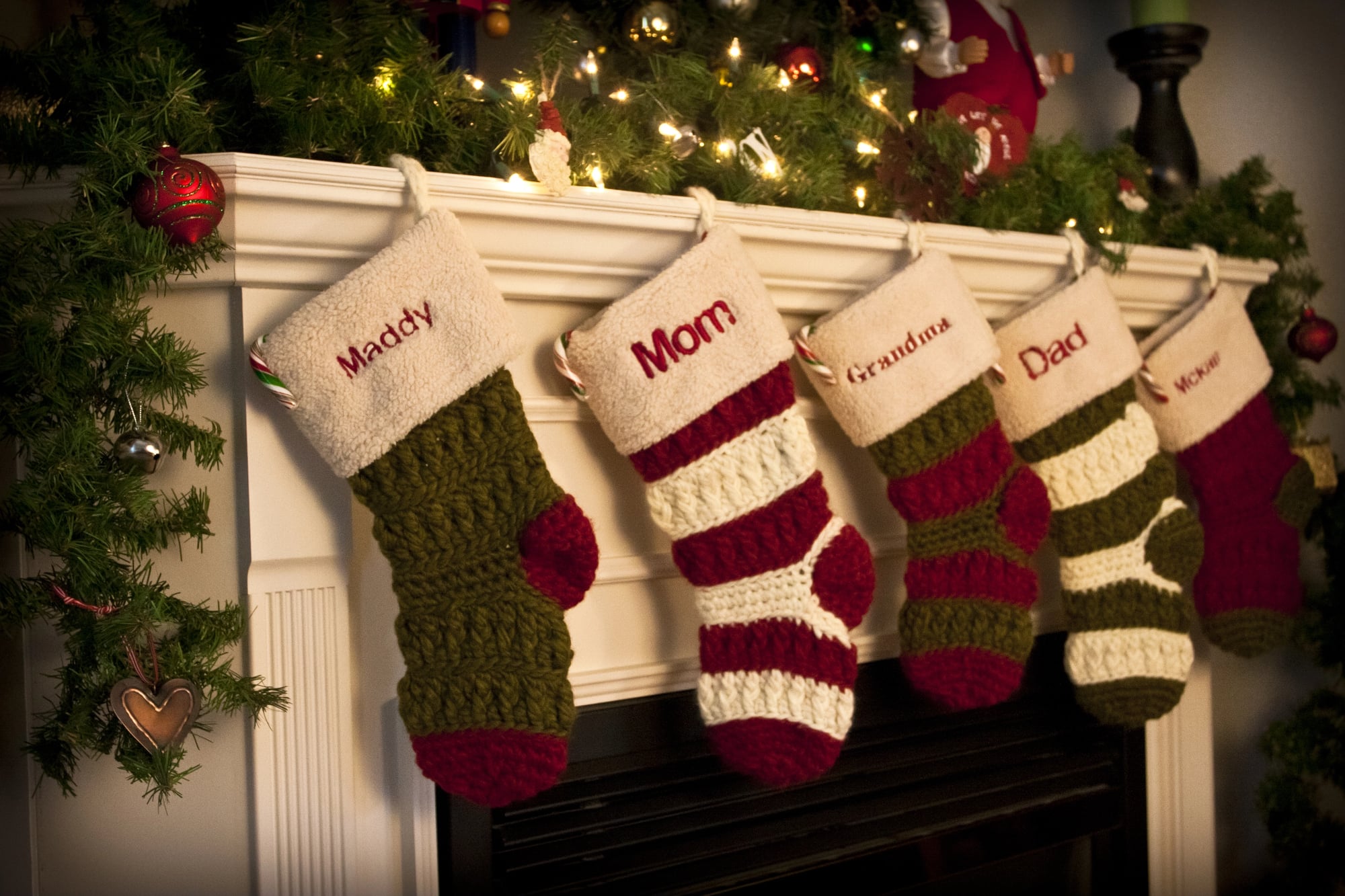
Saint Nicholas supposedly threw bags of gold coins down a chimney to help three poor sisters avoid being sold into servitude. The coins landed in stockings that were hanging by the fire to dry.
The father tried to thank Nicholas, but Nicholas asked him to keep it secret and help others instead. The story spread, and children started hanging stockings by fireplaces on Saint Nicholas Day, hoping for similar gifts. Dutch settlers brought the tradition to America, where it merged with Christmas celebrations.
The stockings got bigger over time as people realized they could fit more than just coins inside. Santa Claus himself is a mashup of Saint Nicholas, Father Christmas, and various European winter gift-givers. The modern image of Santa in a red suit came from Coca-Cola advertisements in the 1930s, though the red and white outfit appeared in illustrations before that.
But Coke definitely made that particular version standard worldwide.
April Fools’ Day Mocked Calendar Confusion

When France switched from the Julian calendar to the Gregorian calendar in 1582, New Year’s Day moved from April 1 to January 1. Some people didn’t hear about the change or refused to accept it. Others kept celebrating the new year in late March and early April because that’s what they’d always done.
Those who adopted the new calendar made fun of the holdouts by sending them on fool’s errands and calling them “April fools.” The pranks stuck around even after everyone accepted the calendar change. The tradition spread to other countries, each adding their own twist to acceptable pranks.
Scotland turned April Fools’ into a two-day event. The first day involved pranks, and the second day focused on pranks involving the backside, which they called Taily Day. People would pin fake tails or “kick me” signs on others. Kids basically invented pranks that office workers still use today.
How Rituals Outlive Their Reasons
People hold onto traditions long after the original purpose disappears. You hang mistletoe without thinking about Norse mythology.
You carve pumpkins without worrying about Stingy Jack’s ghost. You set off fireworks on New Year’s without trying to scare away spirits.
That’s how culture works. The actions feel meaningful even when the reasons fade. Maybe that makes traditions more powerful, not less.
They adapt and survive because people want them, not because they remember why they started. The origins might be surprising, but what matters is what these rituals mean to you now.
The next time you follow a holiday tradition, you can smile knowing the strange story behind it. Or you can just enjoy the moment and pass on the custom to whoever comes next. Both approaches work fine. The tradition will outlive your understanding of it either way.

More from Go2Tutors!
- The Romanov Crown Jewels and Their Tragic Fate
- 13 Historical Mysteries That Science Still Can’t Solve
- Famous Hoaxes That Fooled the World for Years
- 15 Child Stars with Tragic Adult Lives
- 16 Famous Jewelry Pieces in History
Like Go2Tutors’s content? Follow us on MSN.