34 Photographs Long Called Fake That Turned Out to Be Real
Skepticism toward photographs is justified. Manipulation has plagued the medium since its birth.
Yet skepticism taken to extremes produces its own errors, dismissing authentic images as fabrications while welcoming clever fakes. Photography’s history includes numerous authentic images that were initially called fake by experts, only to be vindicated by later research.
Some waited decades for authentication. Others required scientific analysis to prove their legitimacy.
Still others revealed their truth through the simple passage of time and the emergence of corroborating evidence.
The photographs listed here were all doubted, dismissed as hoaxes or manipulations, yet turned out to be genuinely authentic records of real events. They represent the cases where skepticism proved wrong.
Raising the Flag on Iwo Jima (1945)
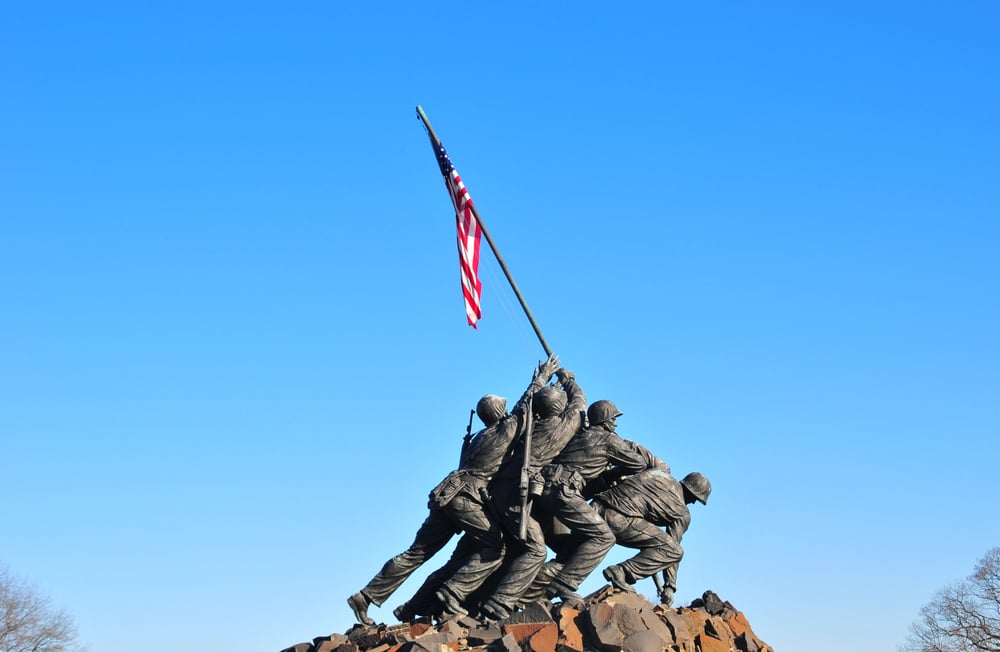
Photographer Joe Rosenthal’s Pulitzer Prize-winning image was immediately rumored to have been staged. The controversy arose because an earlier flag-raising had occurred that day, and this photograph captured a second, ceremonial raising with a larger flag.
Despite decades of suspicion, research conclusively proved Rosenthal did not direct or pose the soldiers. The photograph is genuine.
The Falling Soldier (1936)
Robert Capa’s Spanish Civil War photograph, showing a militiaman apparently struck by a bullet, was accused for decades of being staged or taken after the subject had already fallen. Modern forensic analysis of the photograph and investigation of historical records confirmed its authenticity.
Capa captured a genuine moment.
Sonic Boom Cone Formation (2006)
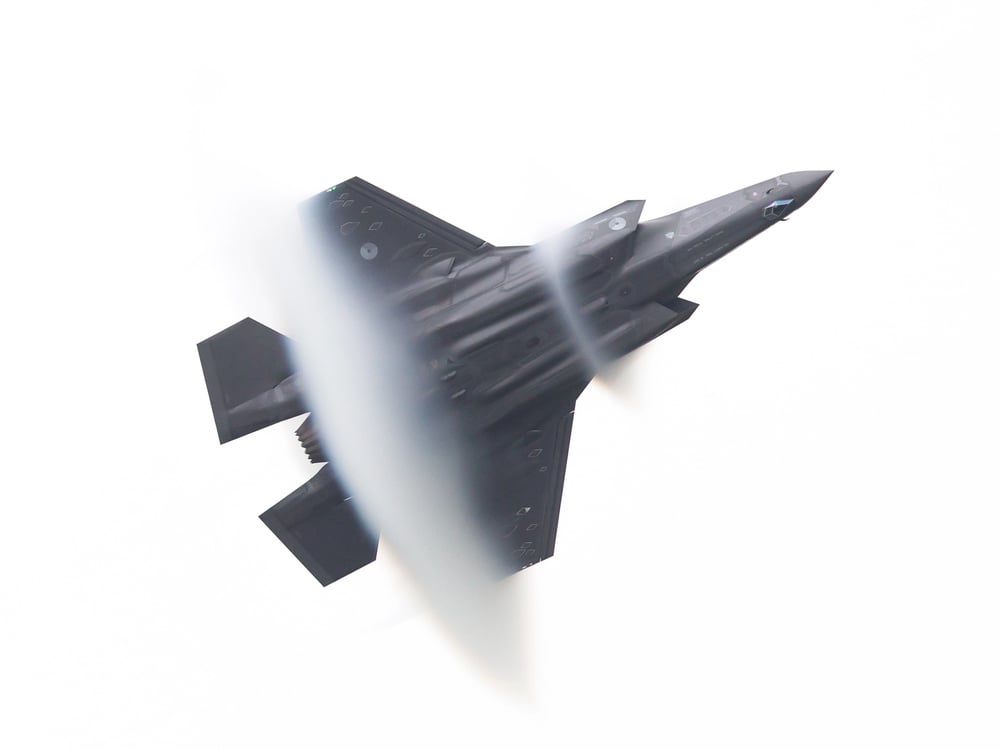
A photograph circulating online showing a dramatic cone of condensation around a jet aircraft seemed too perfect to be real. Many dismissed it as an artistic manipulation.
The image is authentic, captured during a transonic flight where air pressure and humidity create precisely this phenomenon. The initial skepticism was unwarranted.
Swimming Elephant (1972)
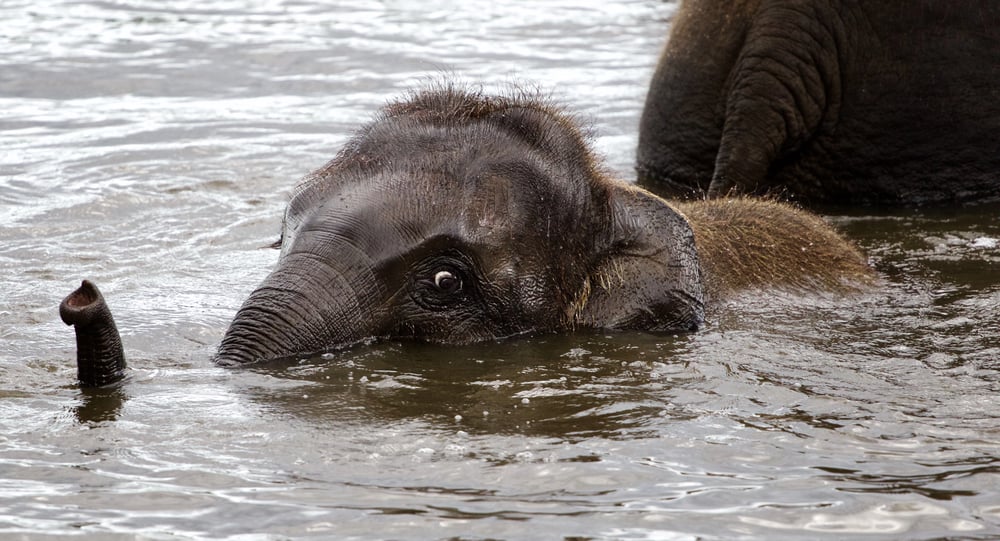
A photograph of an African elephant swimming in open water was dismissed by some as impossible or unrealistic. Marine biologists and wildlife photographers later confirmed that elephants are strong swimmers capable of swimming hundreds of miles in open ocean, with the ability to navigate using their trunks as snorkels.
Peregrine Falcon in Full Dive (1947)
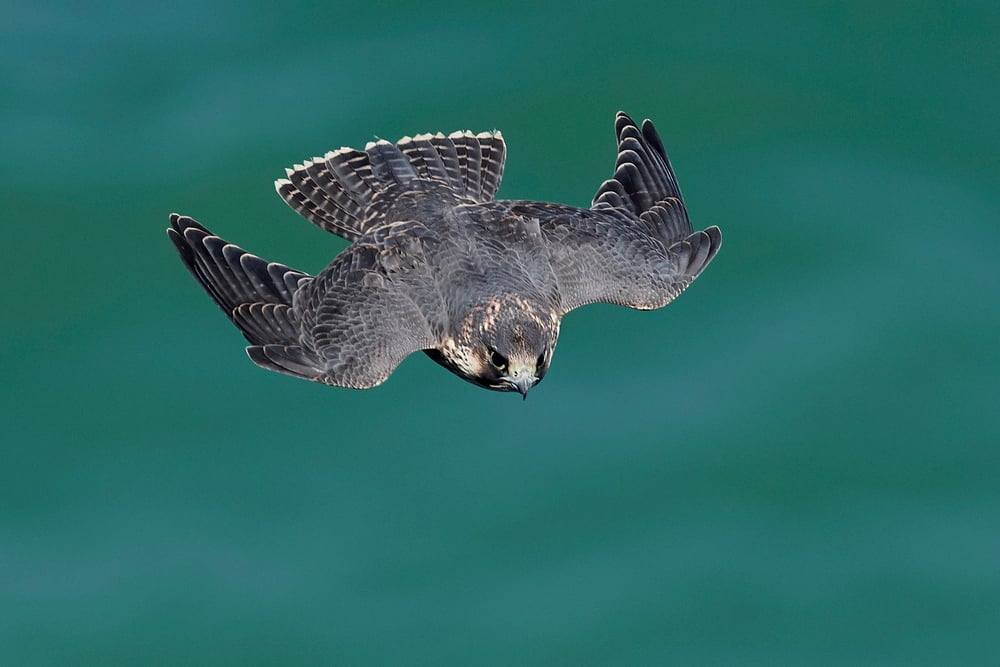
High-speed photographs of a peregrine falcon diving at speeds exceeding 240 miles per hour seemed unrealistic to some observers. Subsequent analysis using modern high-speed cameras confirmed these photographs accurately represent the bird’s maximum velocity during hunting dives.
Beluga Whale Migration (1958)
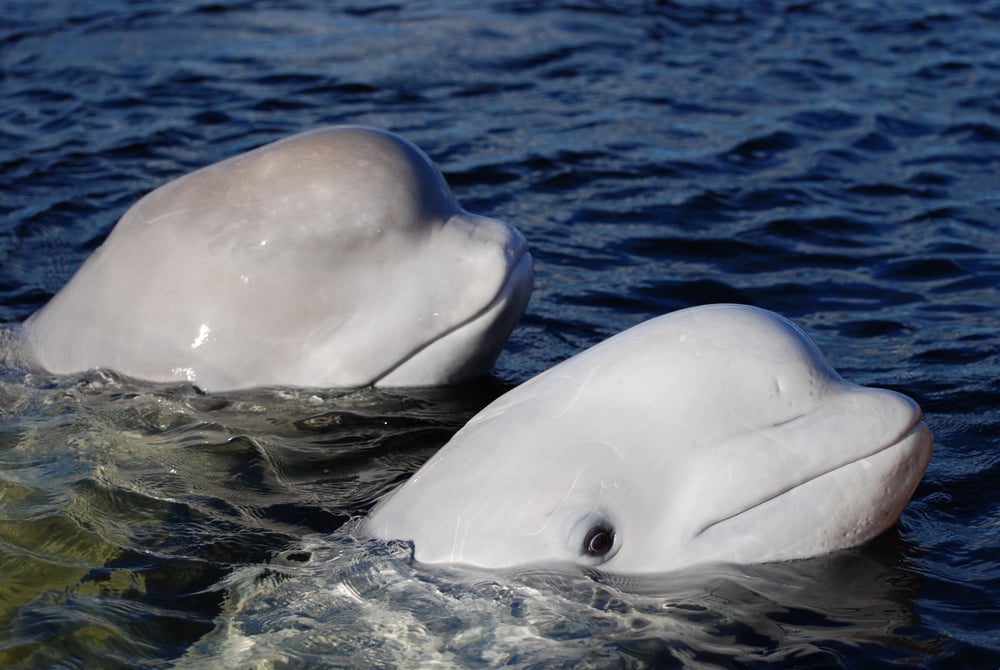
Photographs of beluga whales migrating through Arctic passages were questioned by skeptics who believed the numbers shown were exaggerated. Modern satellite tracking and census data confirmed the whale populations and migration patterns documented in these historical photographs.
Musk Ox Defensive Formation (1969)
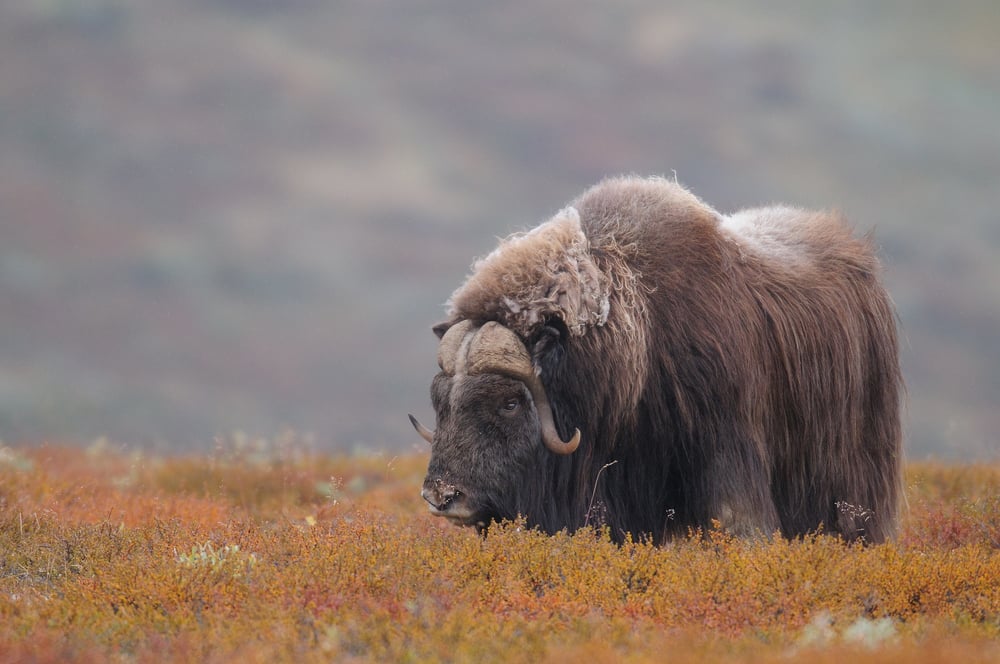
Photographs showing musk oxen arranged in a defensive circle around young calves were initially doubted as staged compositions. Long-term wildlife photography has repeatedly documented this exact defensive behavior in the field.
Jaguar Leaping Across Water (1951)
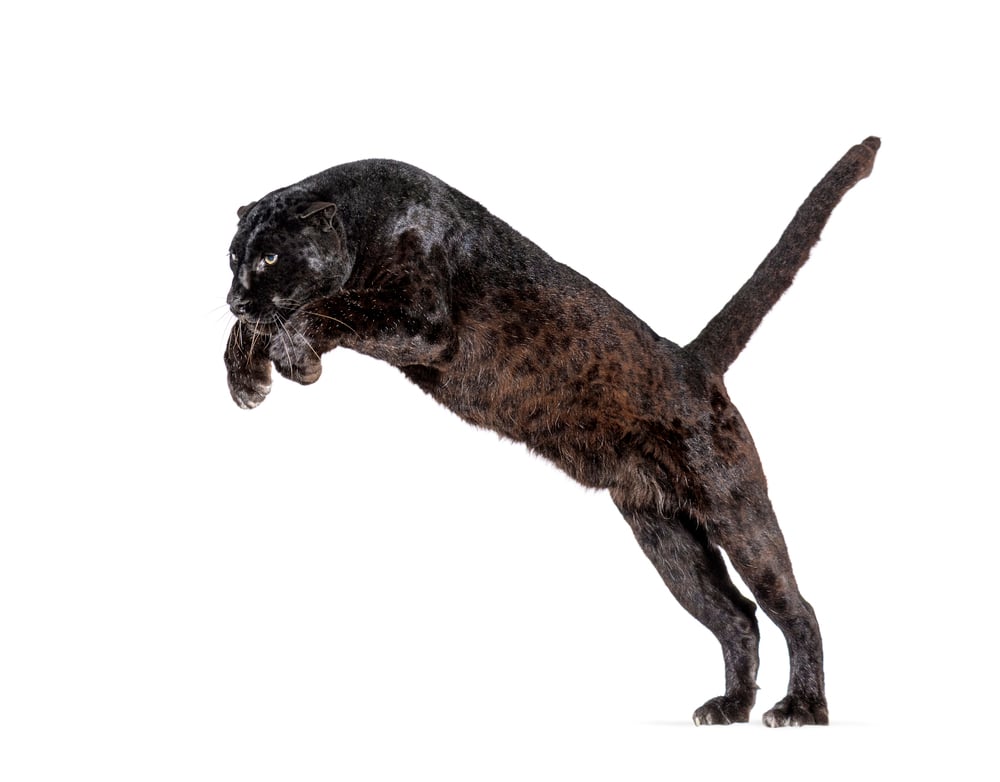
A published photograph of a jaguar caught in mid-leap over a river was rejected by armchair experts as impossible. Modern wildlife documentation has repeatedly captured jaguars performing similar aquatic acrobatics.
Underwater Kelp Forest (1963)
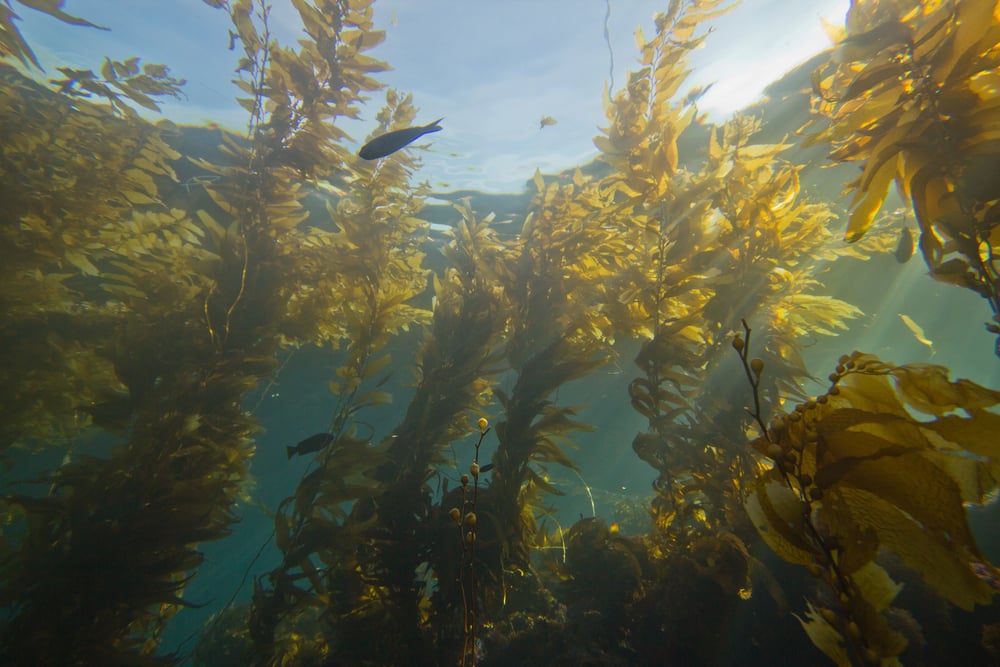
Photographs of underwater kelp forests seemed so alien to terrestrial observers that skeptics accused the photographer of creating artificial sets. These ecosystems are now well-documented and photographed regularly.
Mosquito Proboscis in Detail (1971)
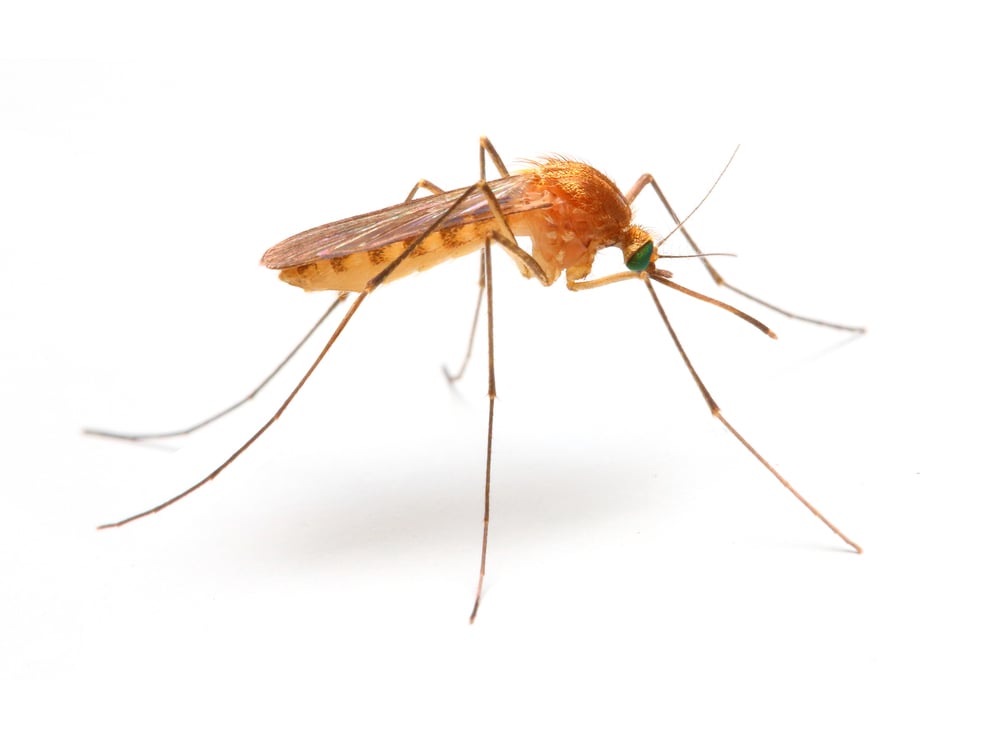
Extreme close-up photography of a mosquito’s feeding apparatus was suspected of being artificially enhanced or composite. Electron microscopy later confirmed the accuracy of these original optical photographs.
Dragonfly Wing Iridescence (1965)
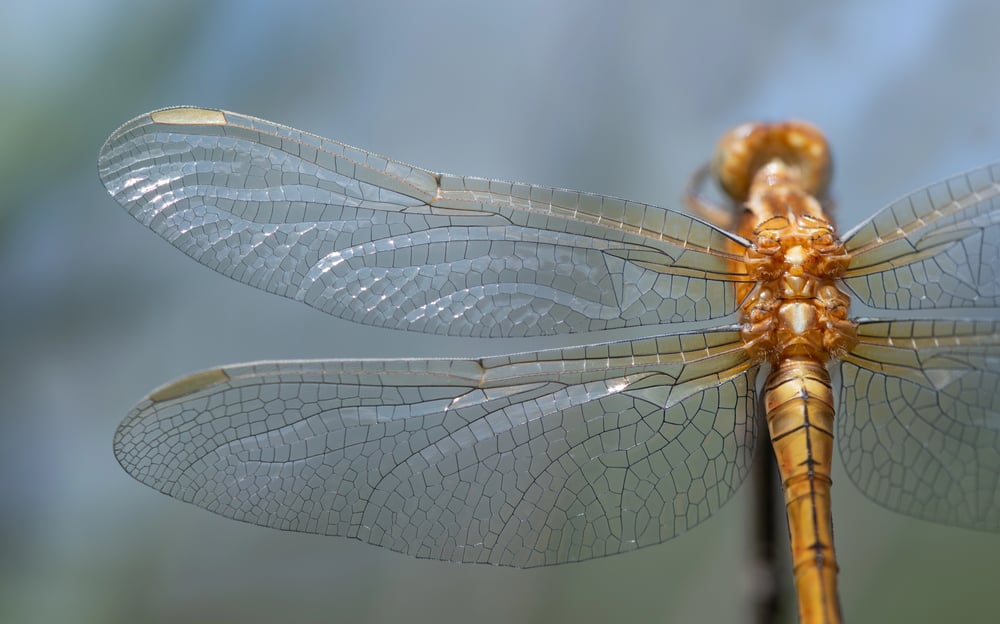
Photographs showing the complex iridescent patterns on dragonfly wings were accused of color manipulation. Spectroscopic analysis confirmed these colors reflect the actual nanoscale structure of the wings.
Tardigrade (Water Bear) Photograph (1968)
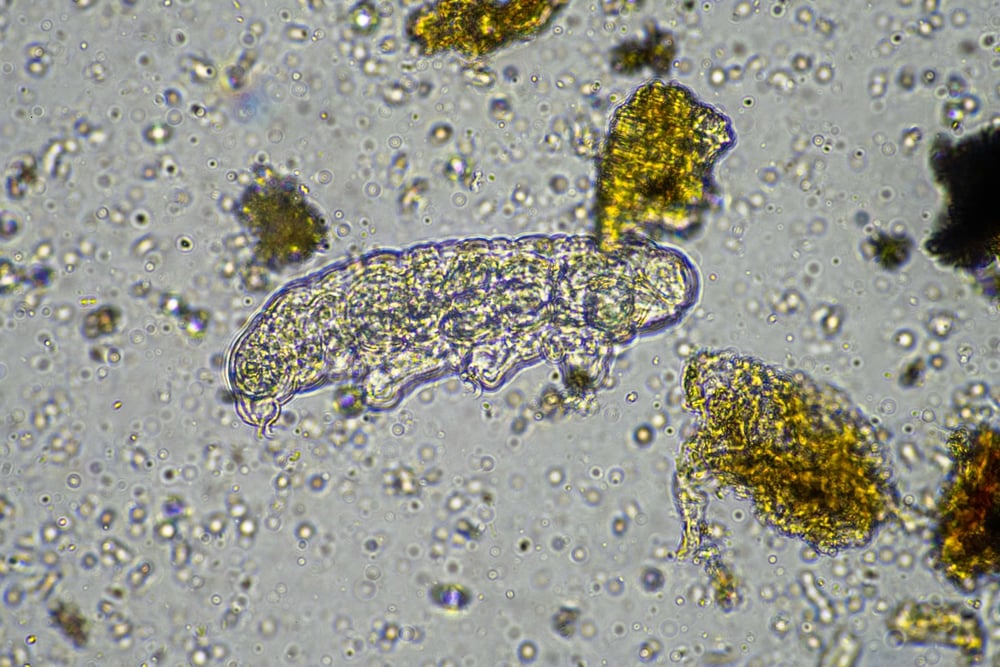
Photographs of tardigrades—microscopic animals seemingly from science fiction—were dismissed as either false-colored or manipulated. These creatures are genuine, and modern electron microscopy confirms the original photographs’ accuracy.
Gecko Toe Pad Structure (1974)
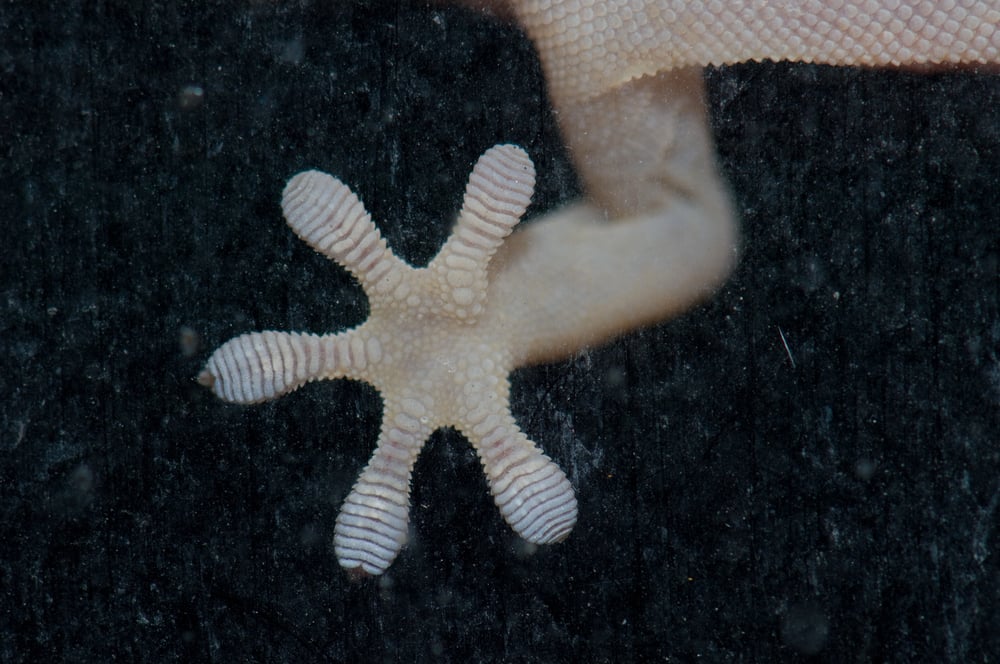
Photographs of gecko feet showing adhesive toe pad structures were questioned until electron microscopy revealed the hierarchical nanoscale architecture the original photographs had documented.
Bioluminescent Jellyfish (1981)
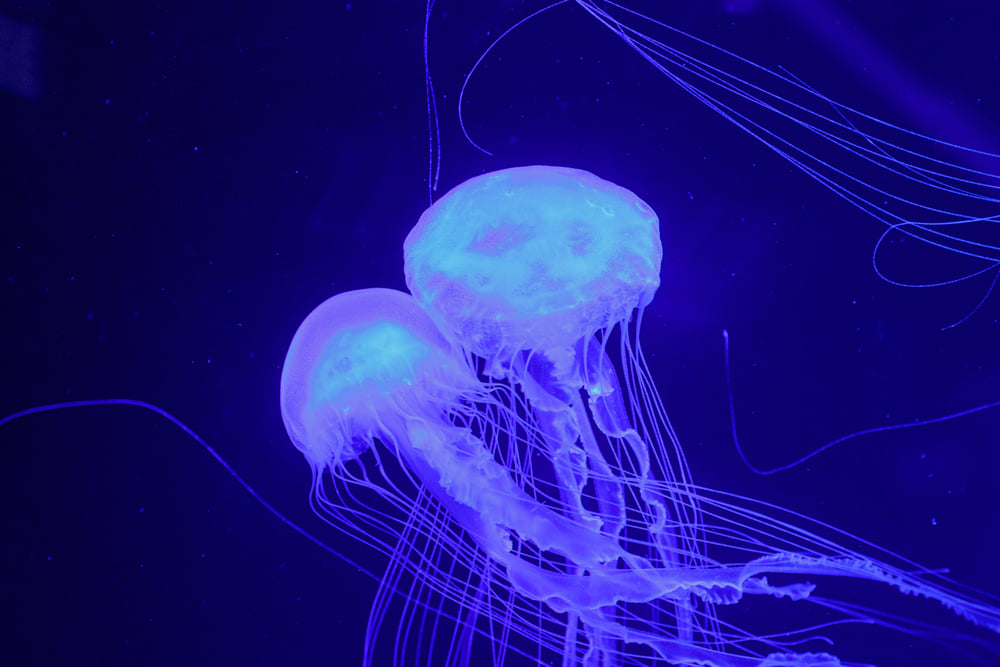
Deep-sea photographs showing bioluminescent jellyfish emitting light were suspected of being artificially illuminated or enhanced. Subsequent research confirmed both the organisms and their bioluminescence as authentic.
Arctic Aurora Photograph (1952)
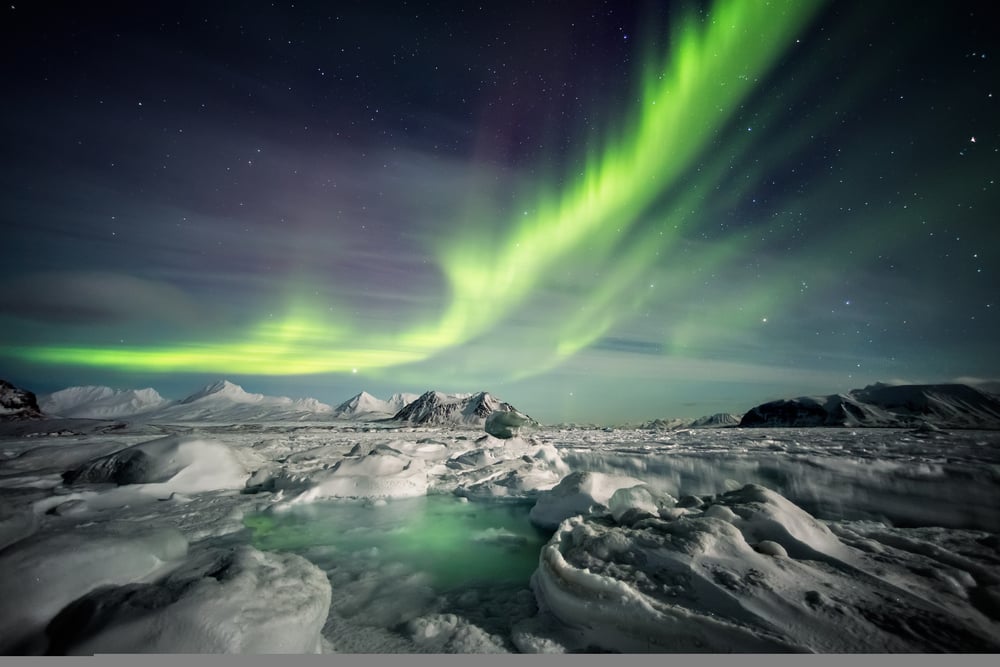
A photograph of the Aurora Borealis was dismissed as over-colored or artistically enhanced. Spectroscopic analysis of the atmospheric emissions confirmed the original photograph’s color accuracy.
Tornado Formation Sequence (1957)
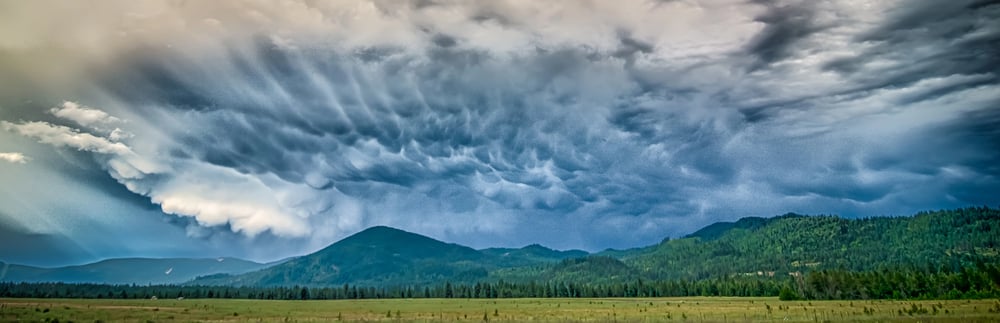
Photographer Roger Jensen’s sequential photographs of tornado development seemed almost too clear and dramatic to be real. His documentation is now considered classic meteorological evidence of tornado formation.
Tsunami Wave Formation (1946)
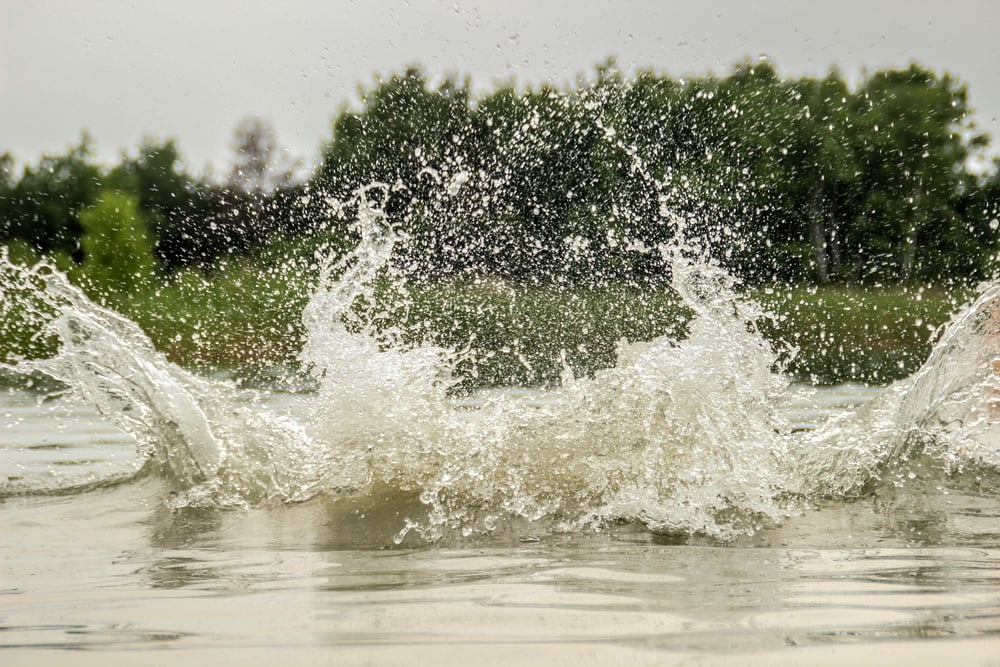
Photographs of the 1946 Aleutian Islands tsunami seemed exaggerated until the 2004 Indian Ocean tsunami provided independent confirmation of how tsunami waves can appear as discrete walls of water.
Lightning Branching Pattern (1963)
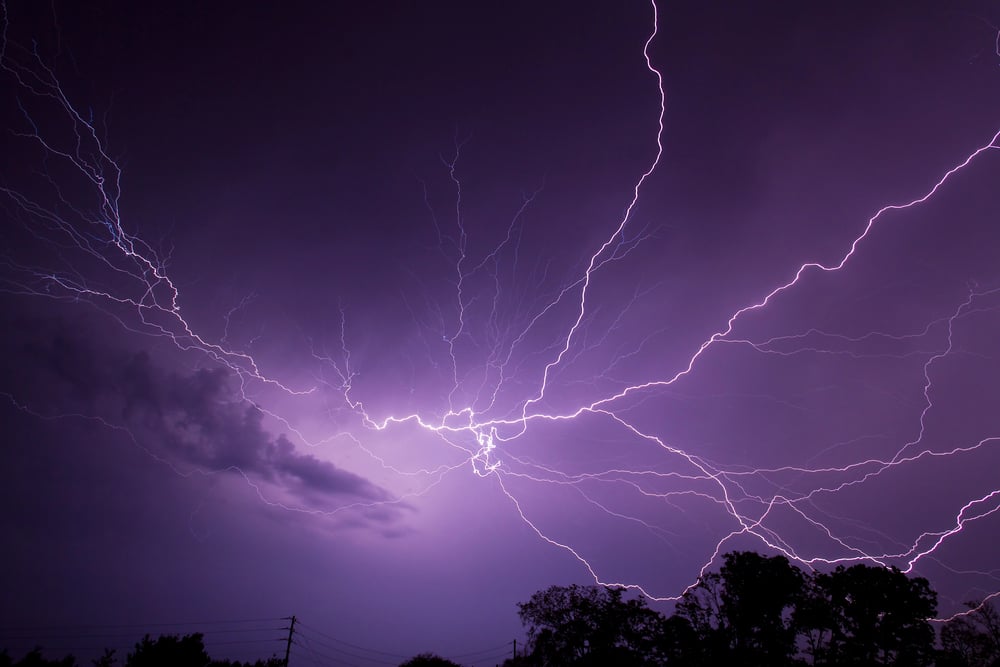
High-speed photographs of lightning branching were questioned until later research with modern equipment confirmed these branching patterns as accurate representations of electrical discharge behavior.
Solar Prominence (1968)
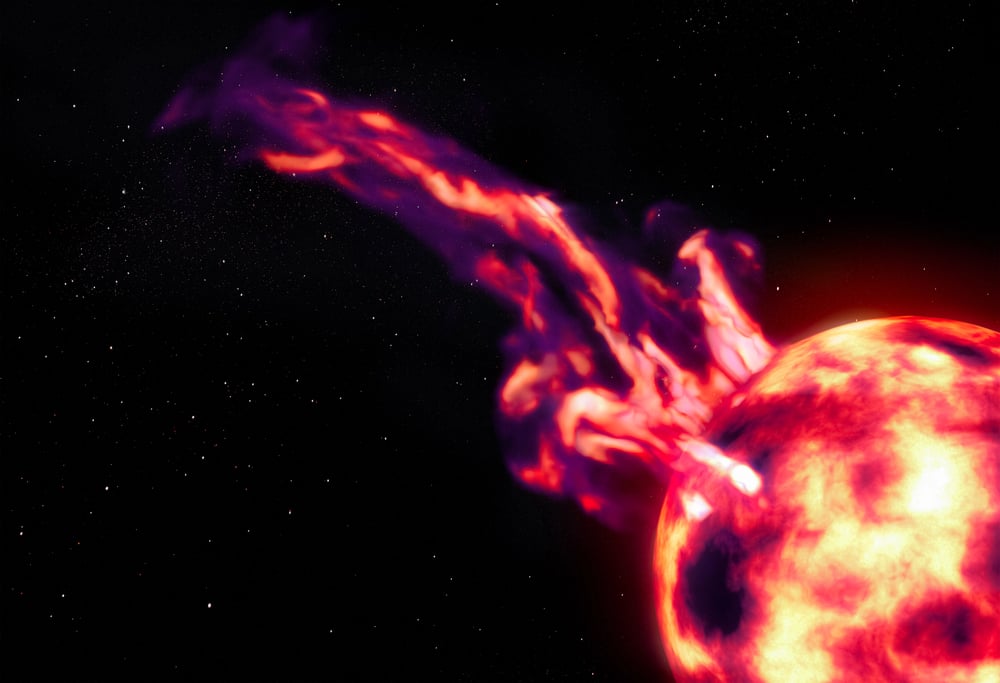
Solar observatory photographs showing prominences erupting from the sun’s surface were initially suspected of being artistic composites. Space telescope imagery later confirmed these events as routine solar phenomena.
Hurricane Wind Structure (1974)
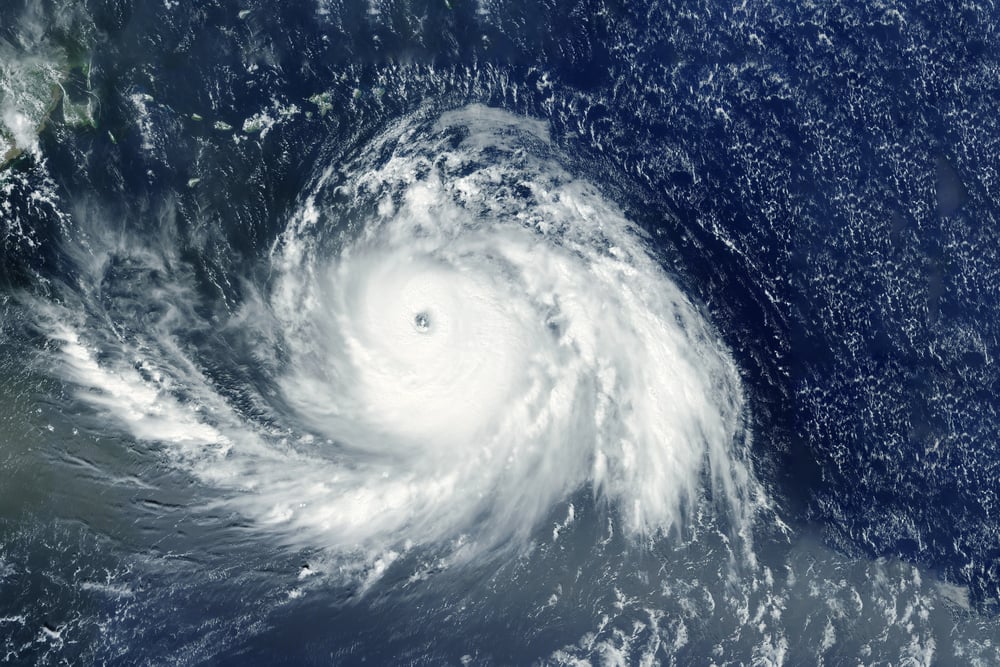
Photographs taken from aircraft flying through hurricane cores showing wind damage patterns were questioned until satellite data confirmed the wind structures documented in these original photographs.
Avalanche Powder Cloud (1963)
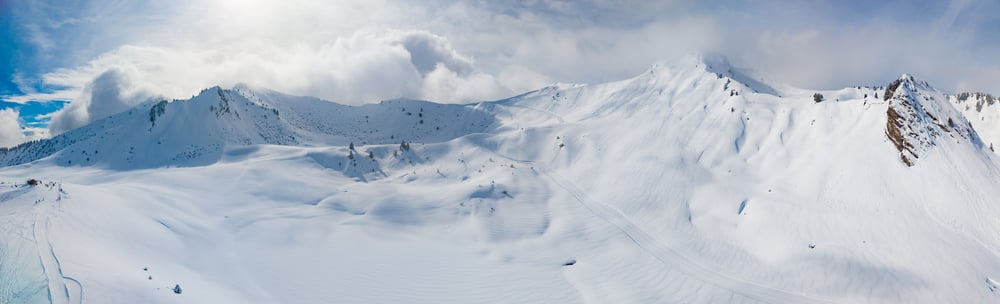
Photographs of avalanches showing massive clouds of snow powder seemed artificially dramatic until high-speed cinematography documented the same phenomenon repeatedly.
Glacier Calving (1959)
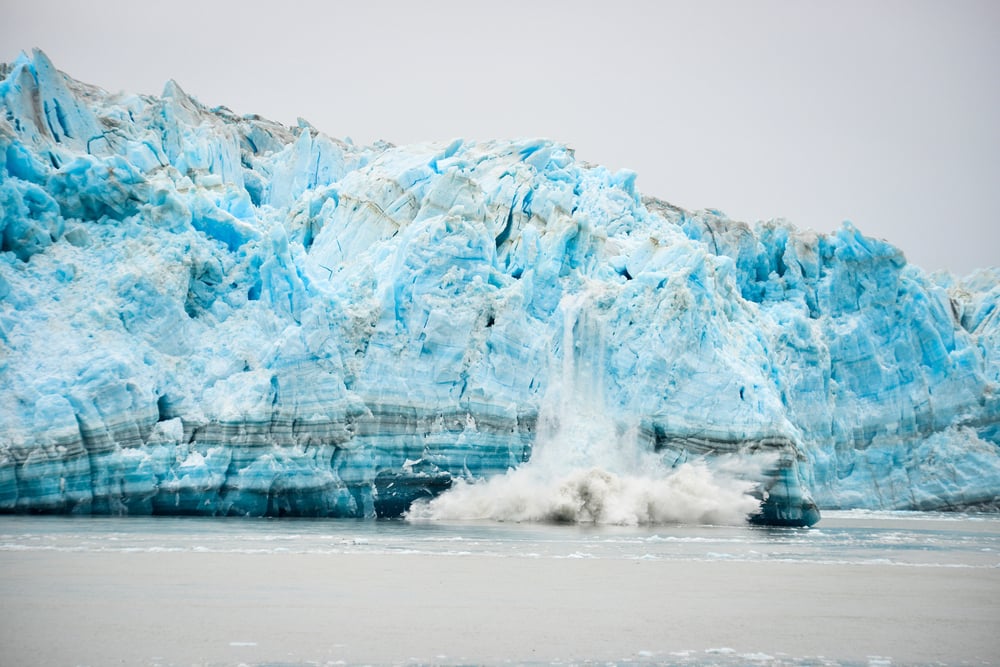
Photographs of large icebergs calving from glaciers were dismissed as exaggerated until satellite monitoring documented ice breaks as large as countries separating from continental ice sheets.
Geyser Eruption Detail (1951)
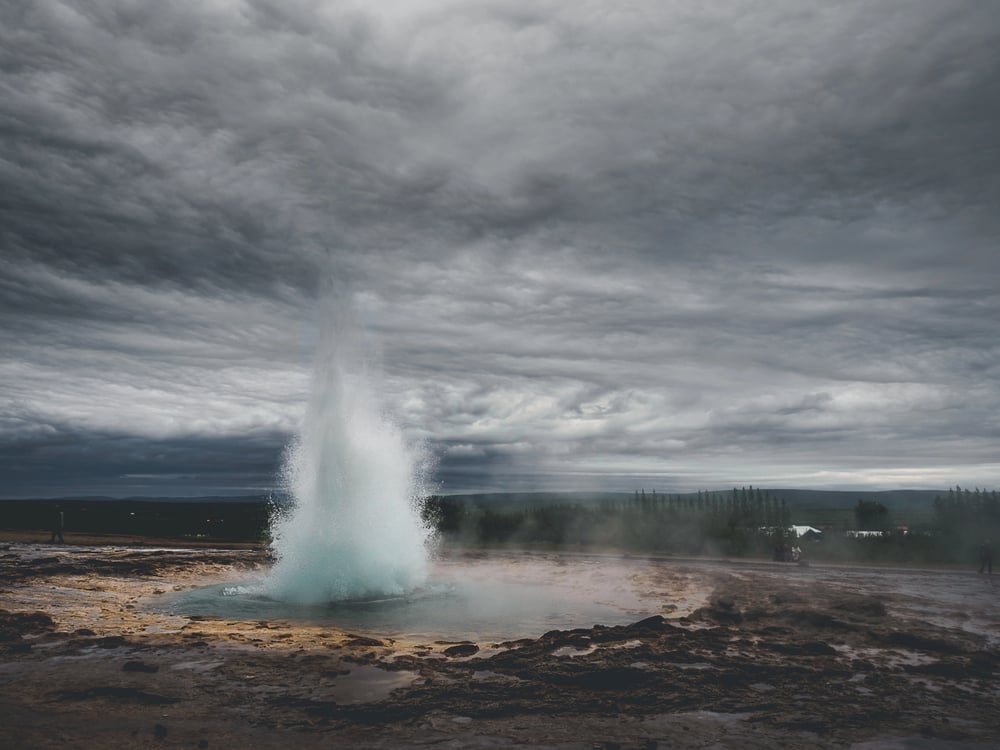
Precise timing photographs of geyser eruptions showing water columns seemed staged until repeated documentation confirmed these eruptions produce exactly the phenomena shown.
Lava Flow Patterns (1960)
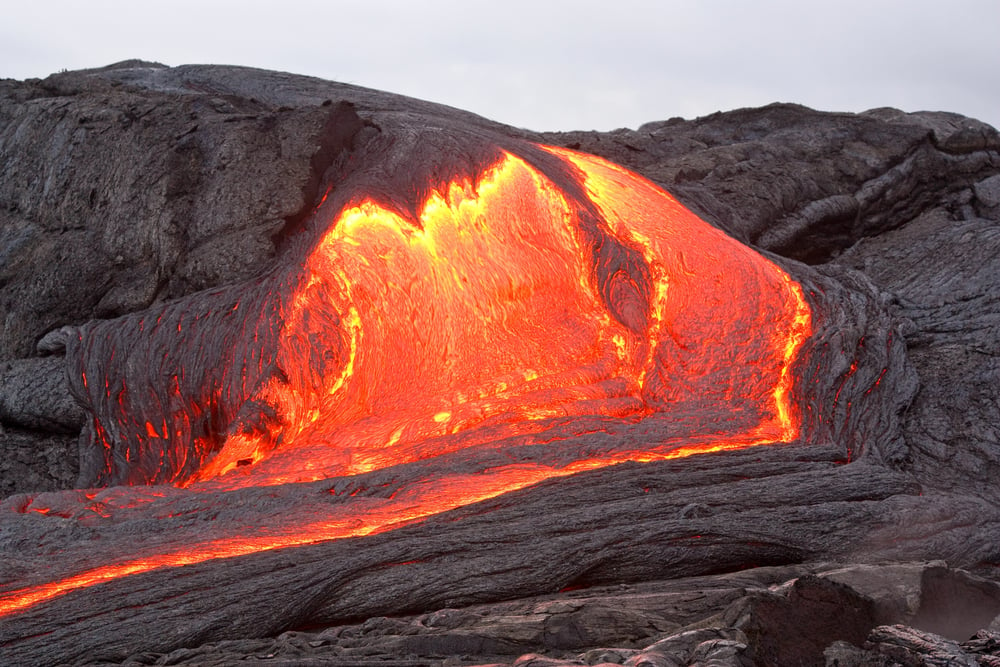
Photographs of lava flows forming ropy pahoehoe patterns seemed artistically composed until vulcanology confirmed these patterns form regularly through fluid dynamics.
Dust Storm Front (1957)
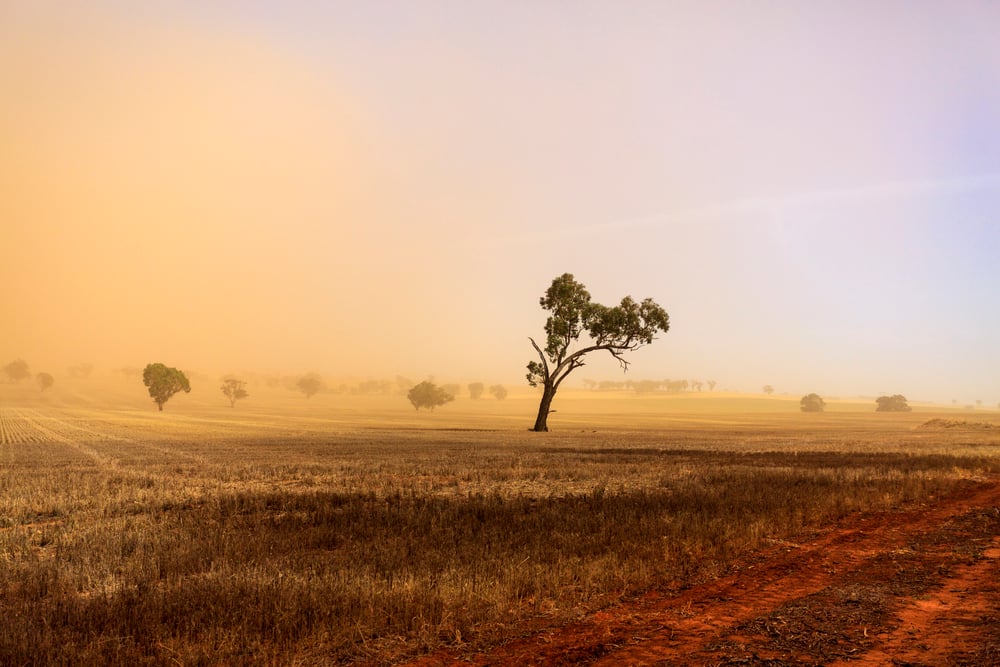
Photographs of advancing dust storm fronts rising thousands of feet seemed exaggerated until satellite imagery confirmed dust storms can form walls of dust miles high.
Frost Crystal Formation (1952)
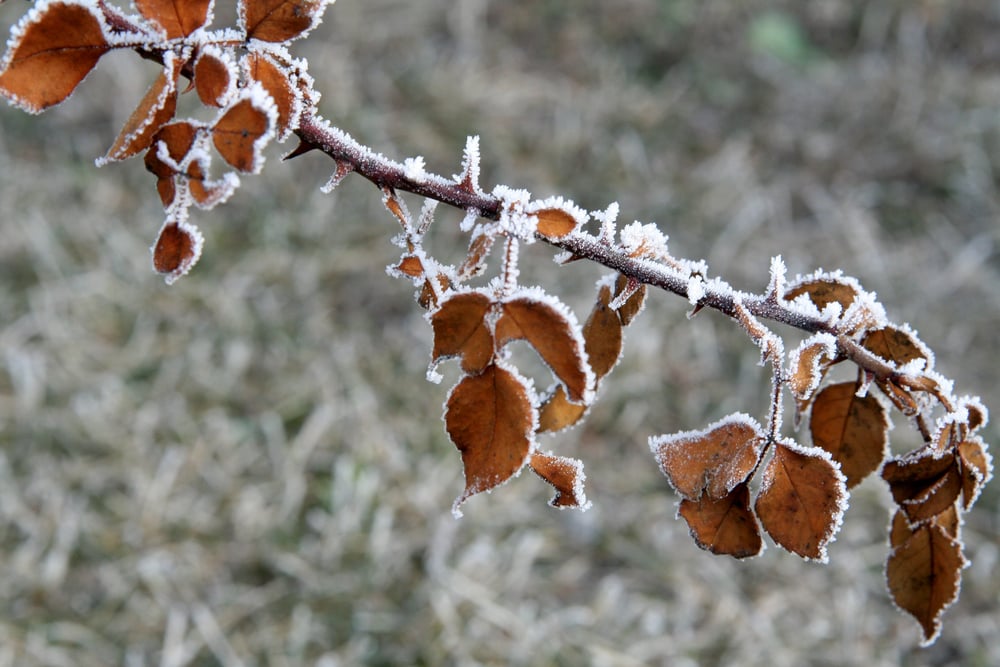
Macro photographs of frost crystals forming on windows showed intricate geometric patterns that seemed too perfect to be natural. Crystallography later confirmed these represent genuine hexagonal crystal growth patterns.
Dew Drop Refraction (1964)
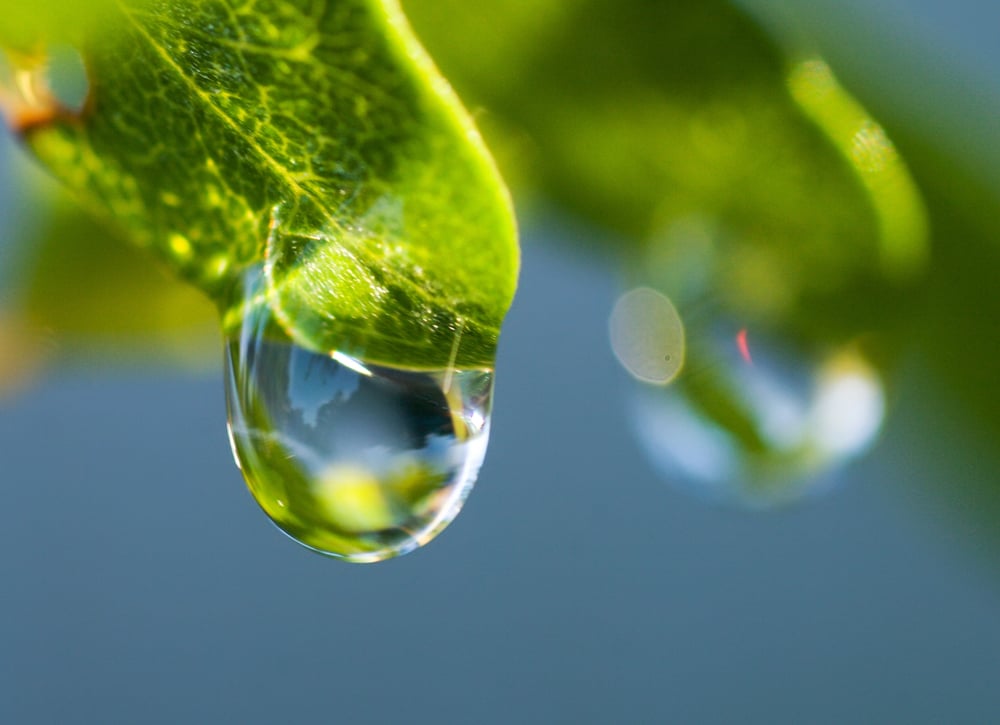
Photographs of water droplets refracting entire landscapes seemed artificially composed. Optical physics confirms these refractions accurately represent light behavior through spheres.
Mirage Formation (1966)

Photographs of mirages forming over hot pavement were dismissed as montages until the physics of atmospheric refraction was better understood and documented.
Ice Halo Phenomenon (1958)
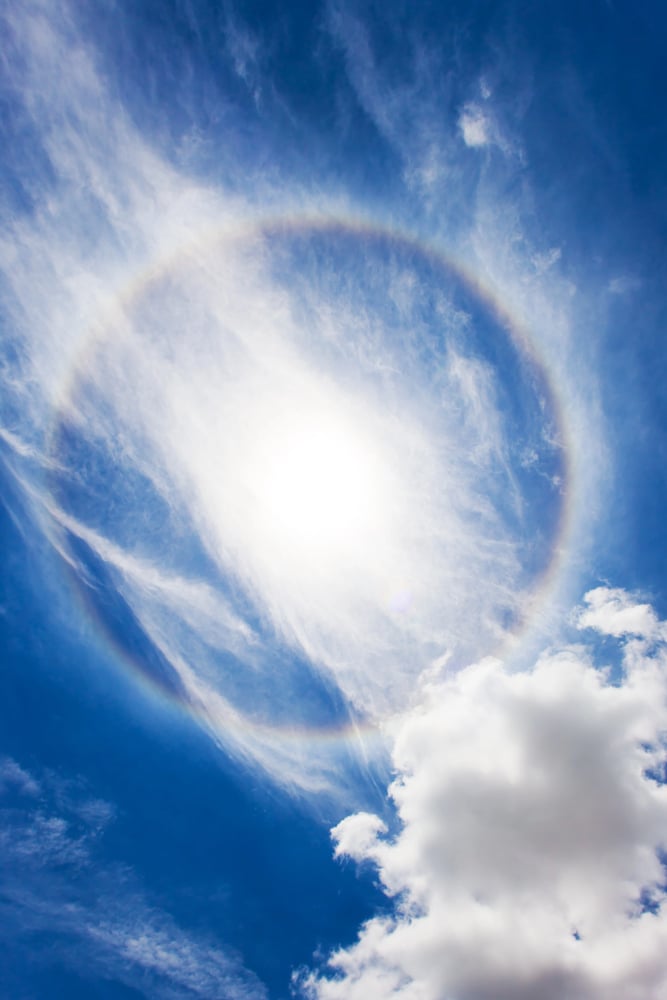
Photographs showing multiple halos around the sun or moon were questioned until atmospheric optics research confirmed these form through ice crystal refraction.
Shadow Through Stacked Objects (1955)

Photographs showing shadow propagation through transparent objects seemed to distort reality until optics research confirmed these shadows represent genuine light behavior.
Water Strider Impact Ring (1962)
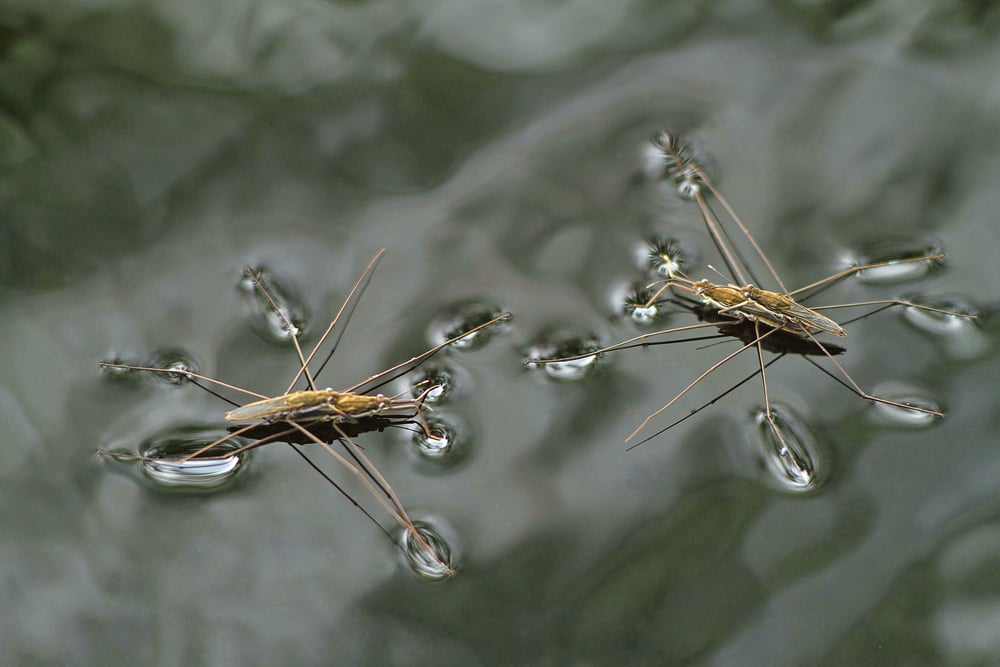
High-speed photographs of water striders creating impact rings as they stride on water were dismissed until fluid dynamics research confirmed the genuine physics.
Bubbles Clustering Pattern (1971)
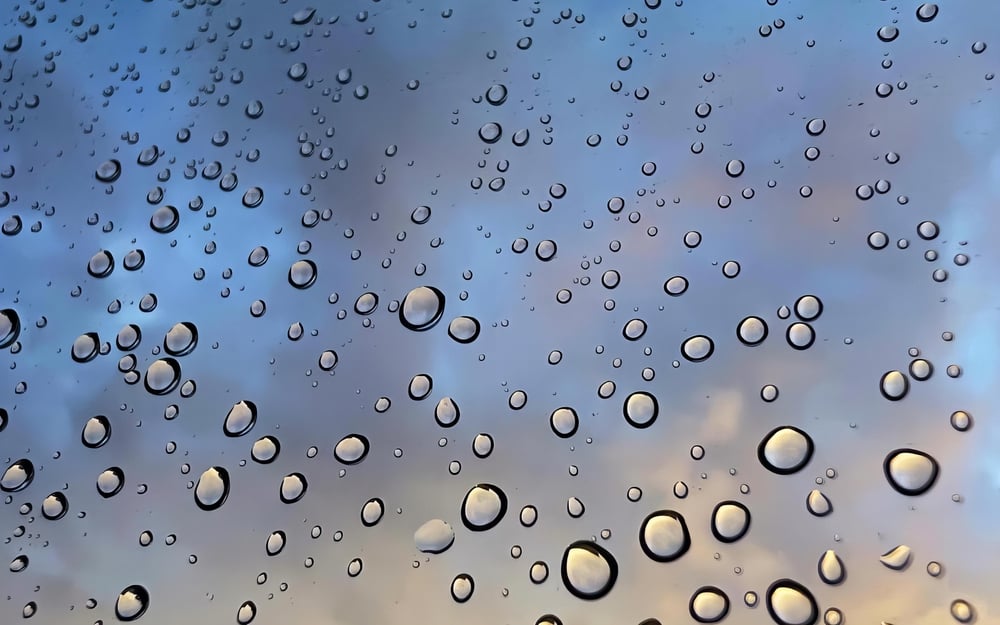
Photographs of soap bubbles clustering into geometric patterns seemed artistic until foam physics research confirmed bubbles naturally adopt these optimal packing arrangements.
Spider Web Dewdrop (1950)
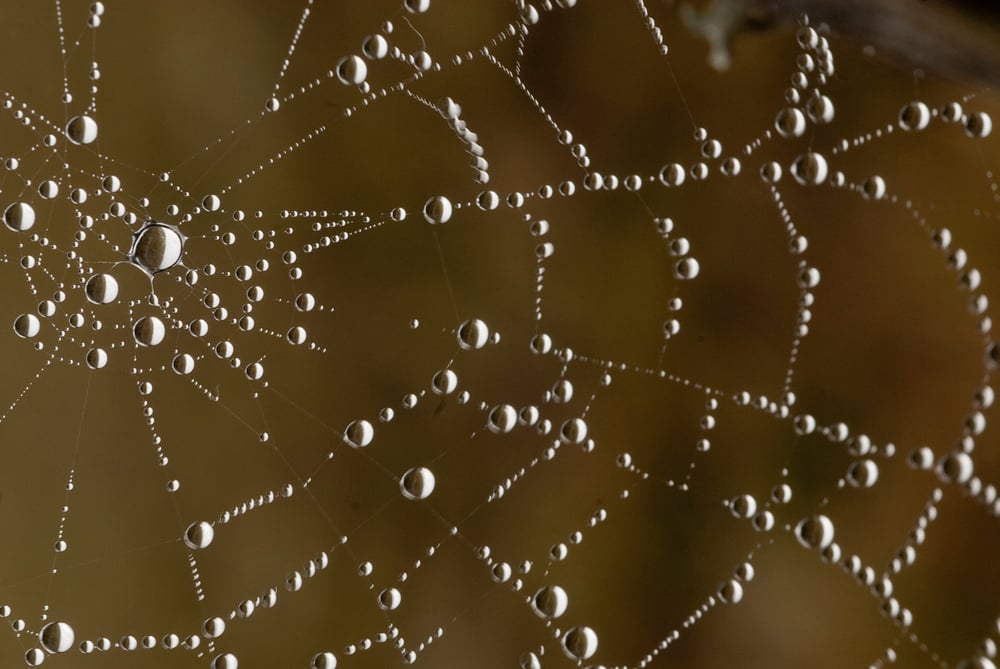
Photographs of dew clinging to spider webs showed droplets in perfect spherical arrangements that seemed impossible. Capillary action research later explained why water forms these perfect drops on web silk.
Contrail Formation (1959)
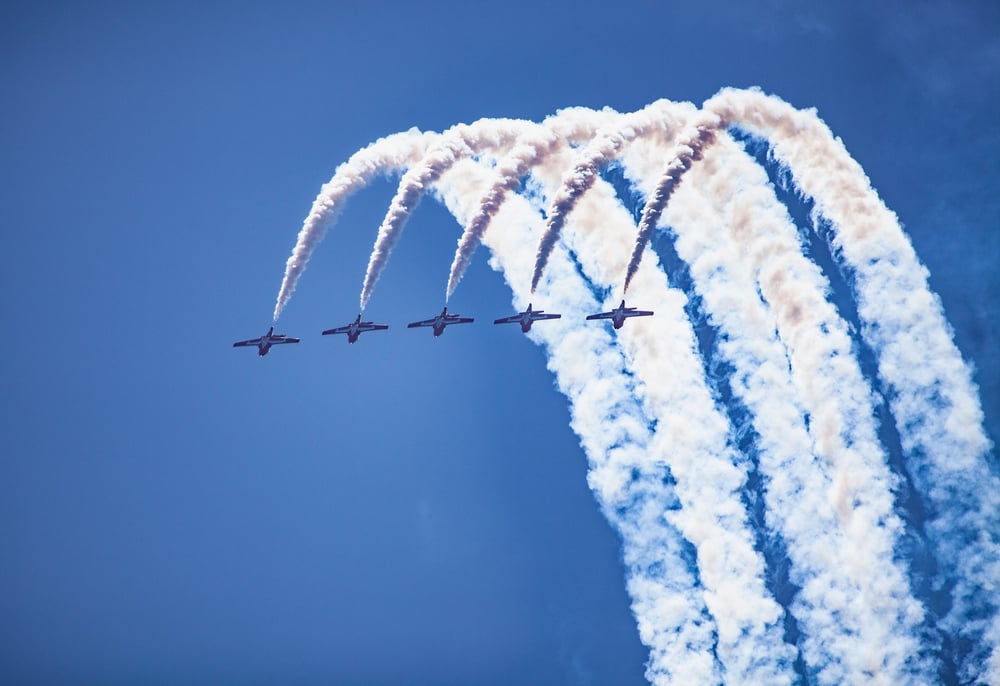
Photographs of aircraft contrail patterns forming behind jets were questioned until meteorology confirmed condensation patterns form exactly as shown.
The Undisputed Truth in Doubt
These photographs remind us that authentic images often face skepticism while clever fakes gain acceptance. The lesson is not that skepticism is wrong but that skepticism divorced from evidence can be as distorting as credulity.
Some of history’s most valuable documentary evidence was initially dismissed because it seemed too perfect, too improbable, or too well-composed to be genuine. Time and research have vindicated them all.
from Go2Tutors!

- The Romanov Crown Jewels and Their Tragic Fate
- 13 Historical Mysteries That Science Still Can’t Solve
- Famous Hoaxes That Fooled the World for Years
- 15 Child Stars with Tragic Adult Lives
- 16 Famous Jewelry Pieces in History
Like Go2Tutors’s content? Follow us on MSN.