Most Disgusting Foods That All ’90s Kids Ate
The ’90s were a wild time for food. Looking back, it’s amazing what parents let slide into lunch boxes and what kids begged for at the grocery store.
These weren’t just questionable snacks — they were full-on culinary crimes that somehow became beloved childhood staples. Yet every ’90s kid has fond memories of at least half of these horrifying treats.
Dunkaroos
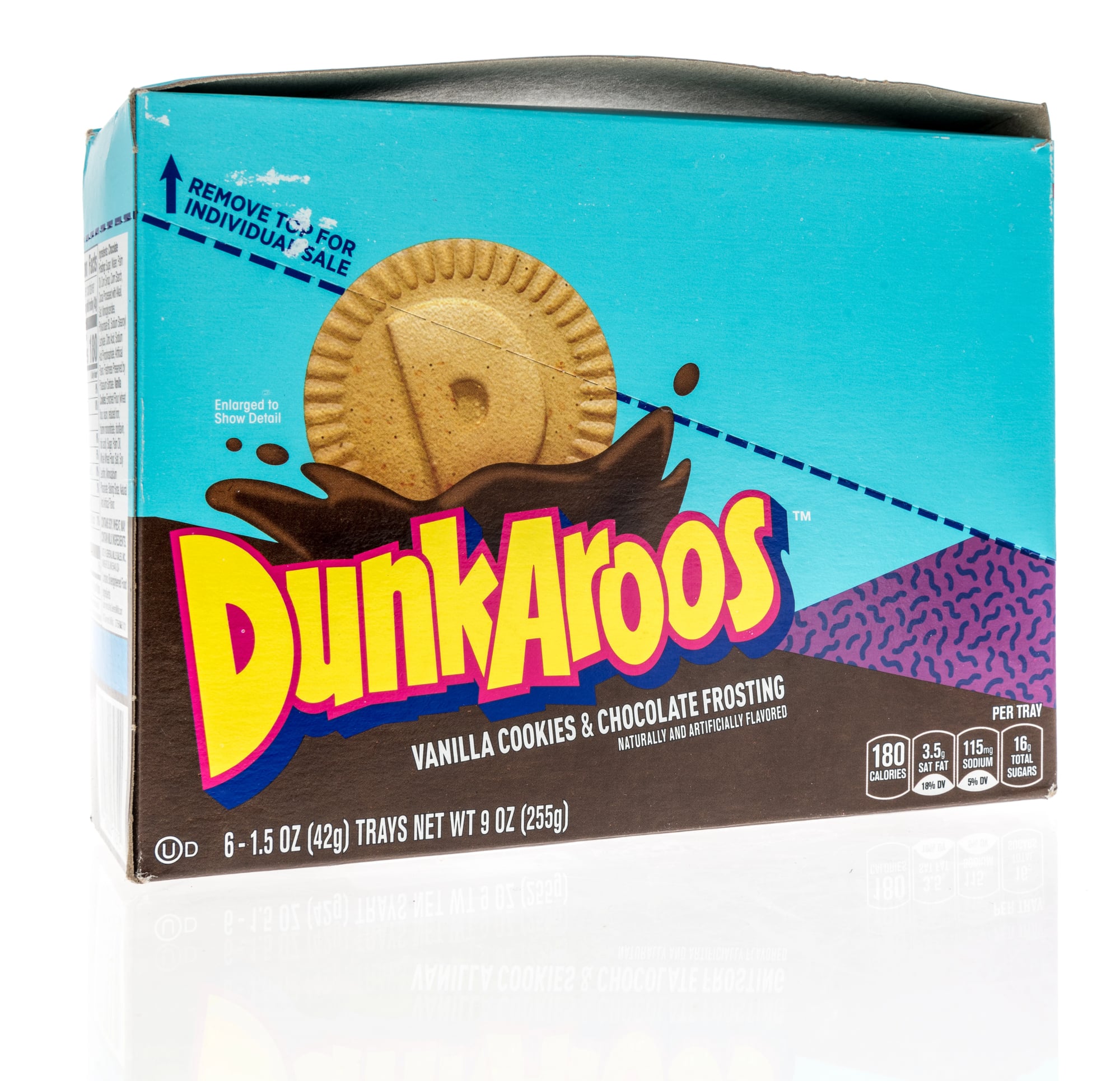
Cookies shaped like kangaroos paired with frosting for dipping. The cookies were barely sweet, more like cardboard crackers.
The frosting was pure sugar with artificial vanilla flavoring and rainbow sprinkles that added nothing but food coloring to your teeth.
Bagel Bites
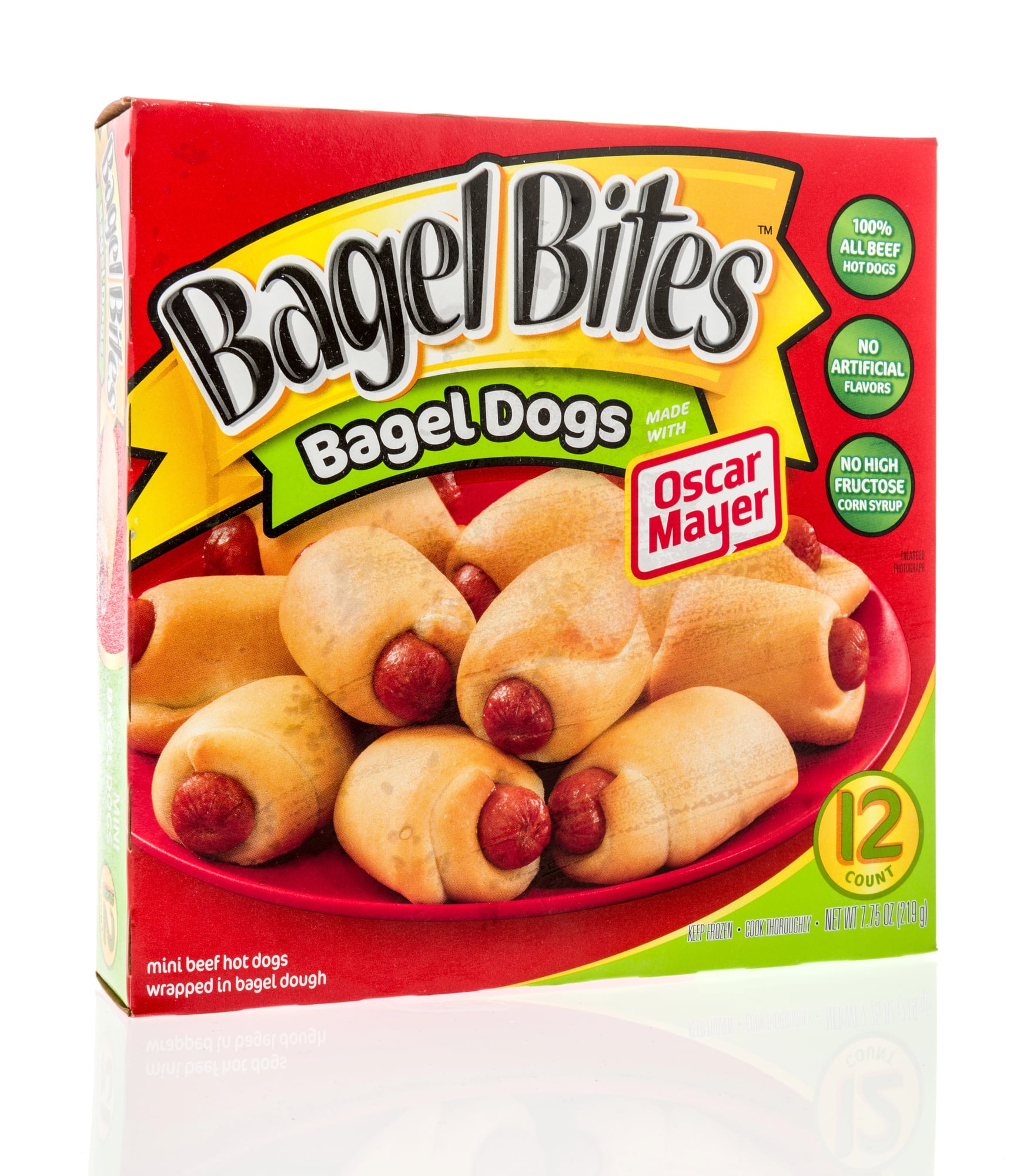
Frozen mini bagels topped with what could generously be called pizza sauce and cheese. They emerged from the toaster oven either frozen solid in the middle or molten lava hot.
The “cheese” had the texture of plastic and somehow managed to burn your tongue while remaining completely flavorless.
Gushers
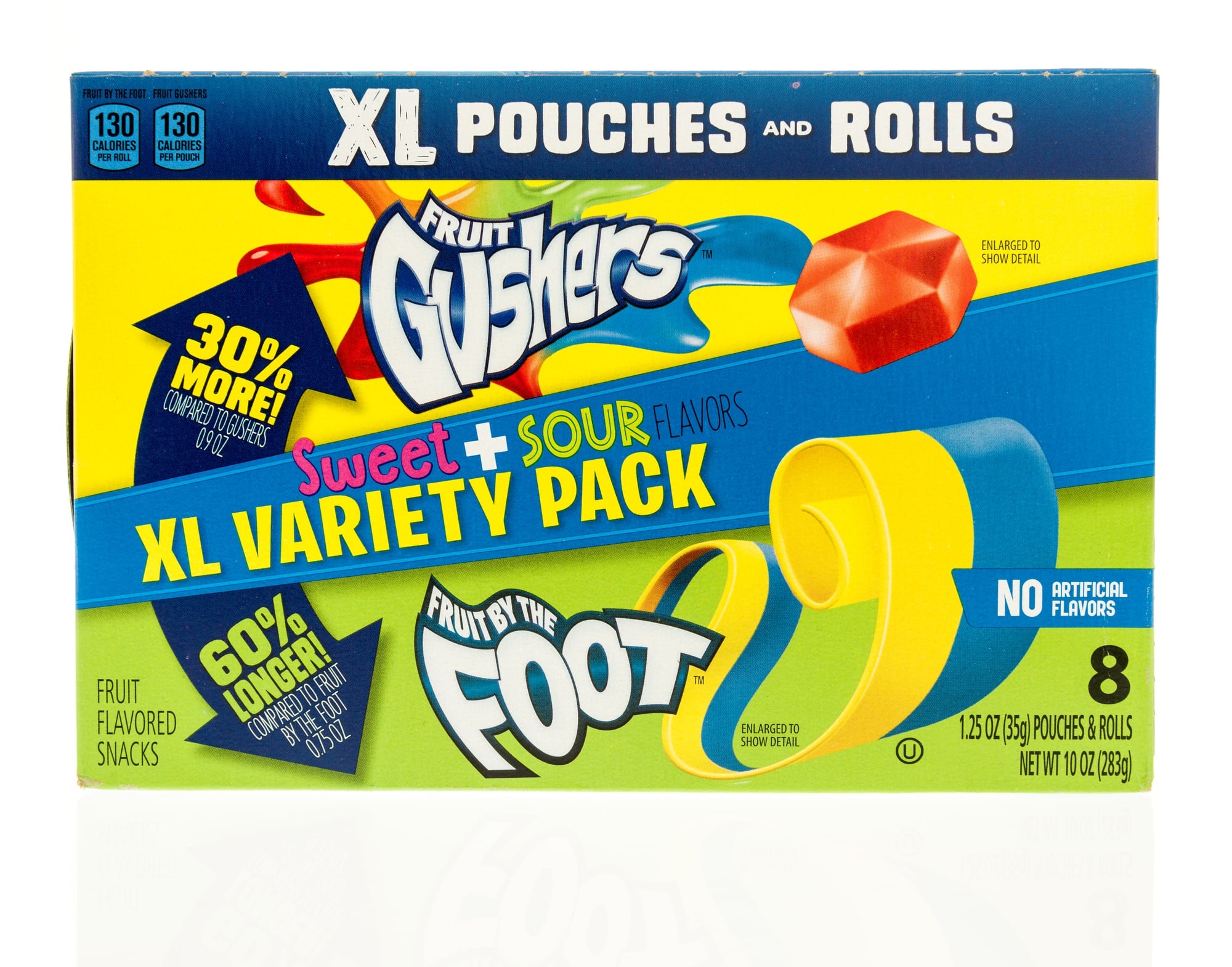
These fruit snacks promised an explosion of flavor in your mouth, and they delivered — if your idea of fruit flavor came exclusively from a chemistry lab. The outer shell had the consistency of rubber, while the liquid center tasted like concentrated sugar syrup with a hint of artificial cherry or tropical punch.
And yet there was something almost ritualistic about biting down and waiting for that syrupy burst, like a tiny food ceremony that happened dozens of times during recess (because who could eat just one), and even though you knew exactly what was coming, the anticipation somehow made it worthwhile. The flavors were completely unnatural.
So were the colors, which seemed designed to stain everything they touched.
Lunchables
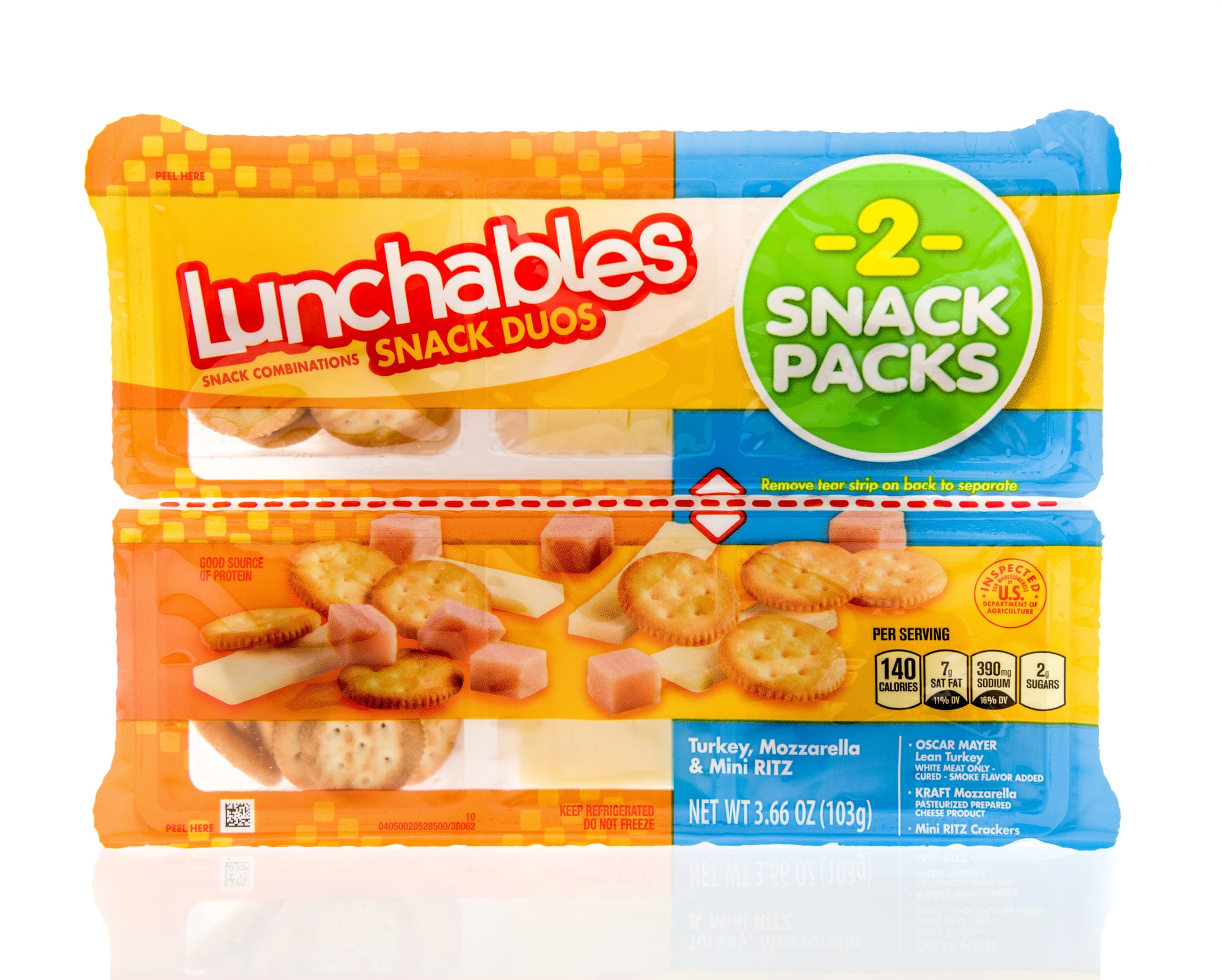
The concept sounds reasonable enough: pre-packaged lunch components that kids can assemble themselves, giving them a sense of control over their meal while ensuring they get something resembling nutrition. But the execution was something else entirely.
The crackers had all the flavor and structural integrity of cardboard coasters, the lunch meat possessed that distinctive processed texture that squeaked against your teeth. The cheese — if it could be called cheese — had been engineered to never quite melt, no matter how long it sat in a hot car or warm classroom.
Pizza Rolls
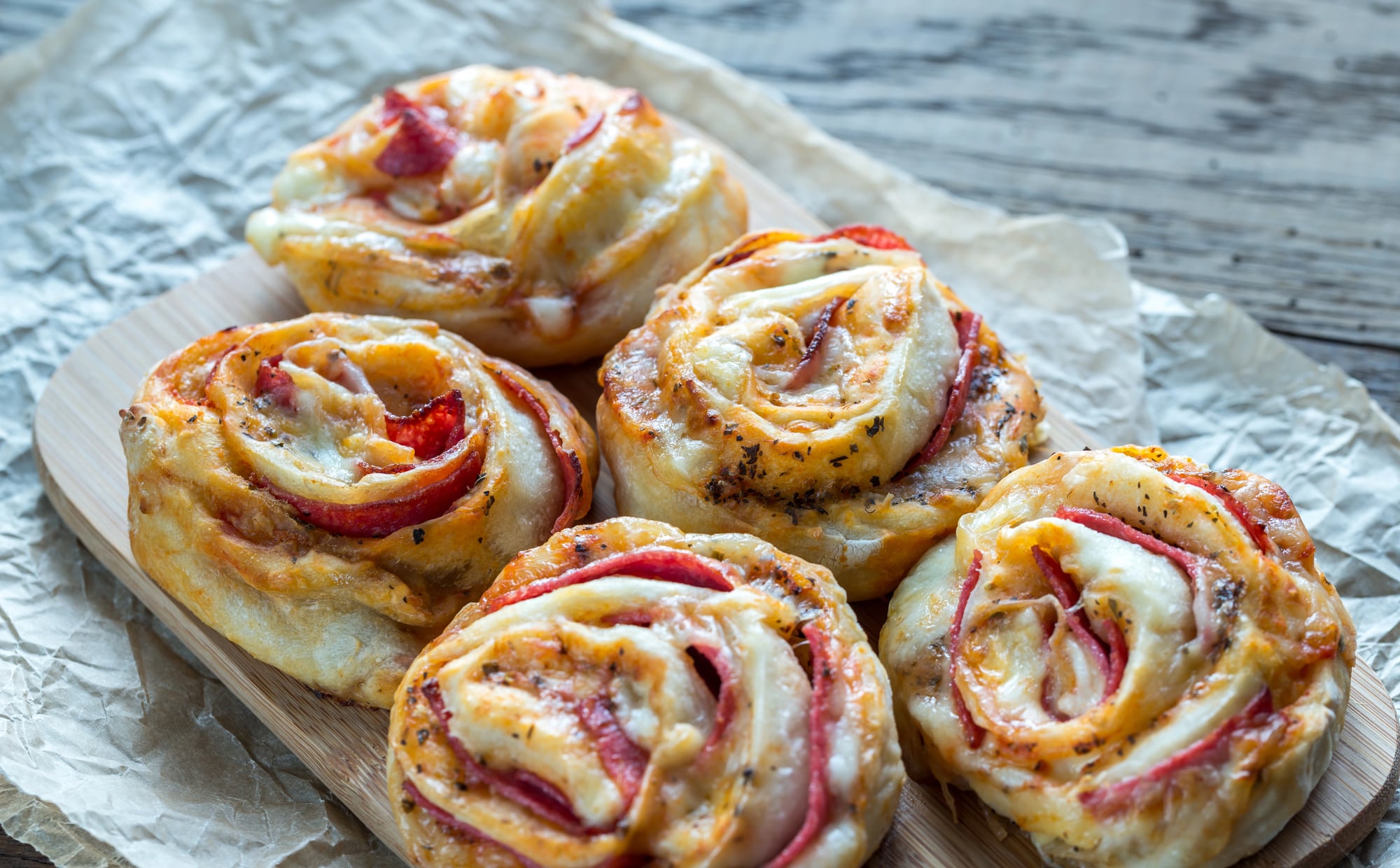
These were pockets of molten disappointment wrapped in dough. The outside burned your fingers while the inside destroyed the roof of your mouth.
The pizza filling bore no resemblance to actual pizza ingredients — just a red paste that might have been tomato sauce and mysterious white chunks.
Squeezit
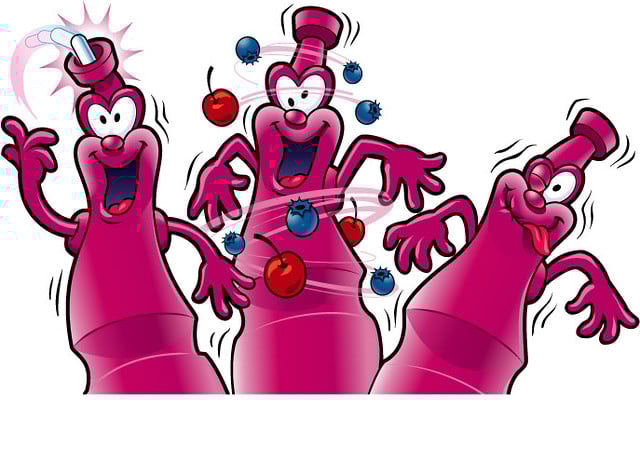
Plastic bottles filled with artificially flavored sugar water that you had to physically squeeze to drink. The bottles were designed to make drinking feel like work.
The flavors had names like “Chucklin’ Cherry” and “Grumpy Grape” but tasted like liquid candy with a chemical aftertaste that lingered for hours.
Pop Rocks
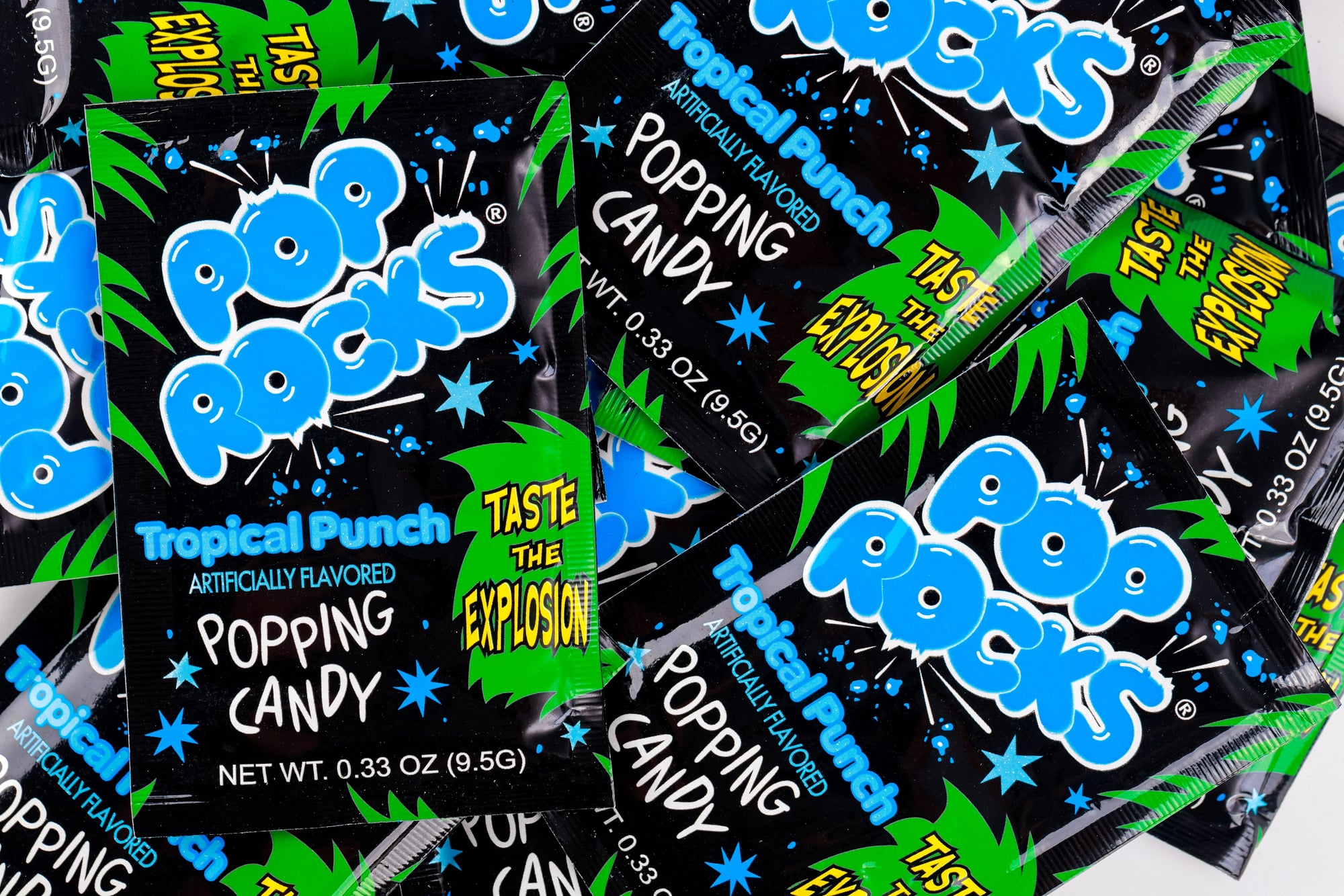
Candy that literally exploded in your mouth seemed like the pinnacle of snack innovation to ’90s kids. The sensation was genuinely startling — tiny crystals that popped and crackled against your tongue like edible fireworks, creating a sound you could feel more than hear.
The flavors themselves were unremarkable, standard artificial fruit varieties that any other hard candy could deliver, but the experience turned eating into performance art. And yet the novelty never quite wore off because each handful delivered that same small shock of surprise, that moment where your mouth became a tiny celebration, complete with its own soundtrack.
Hot Pockets
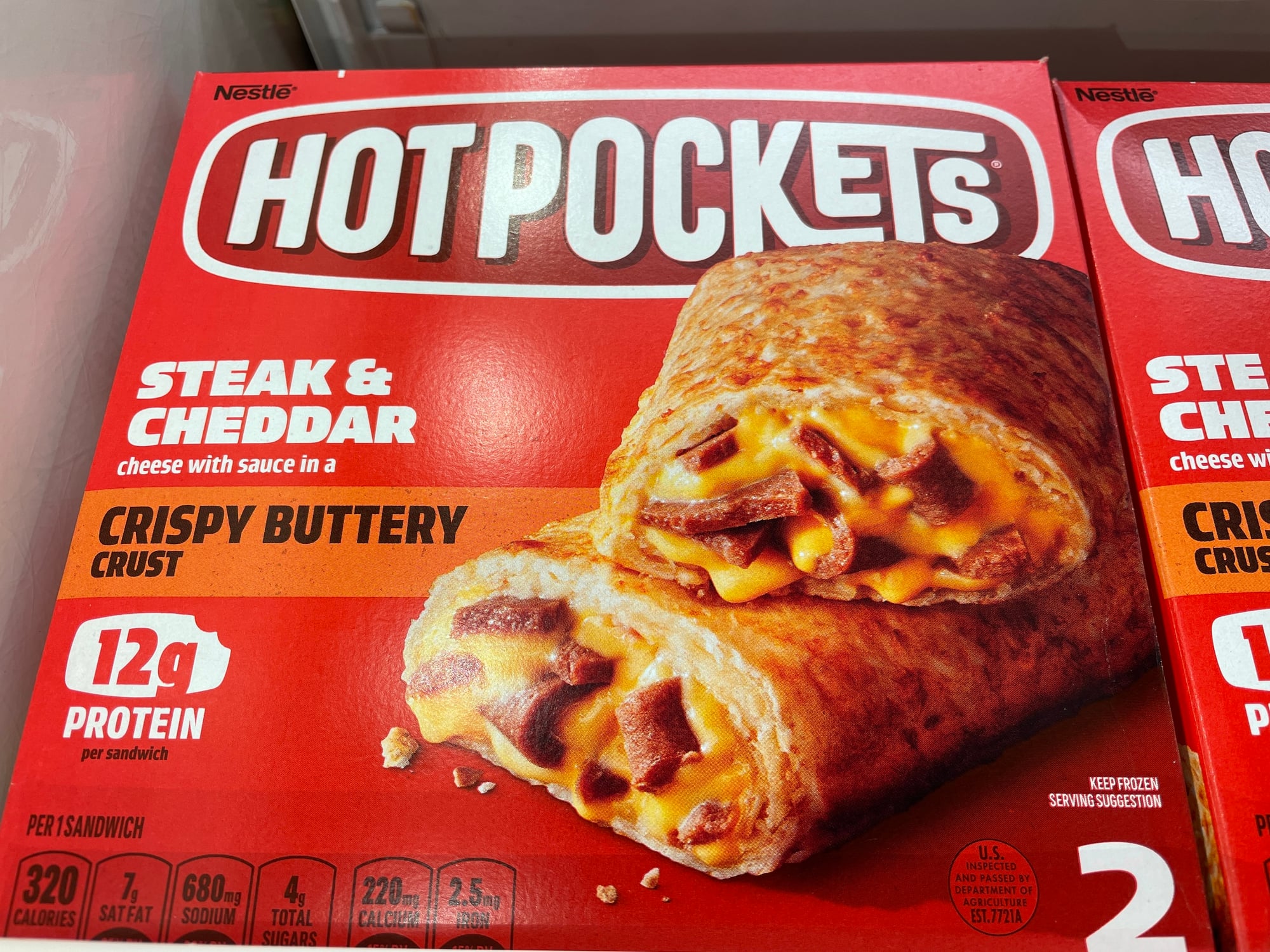
The instruction to “let cool before eating” was printed right on the box, which should have been the first warning sign. These were pockets of uneven temperature distribution wrapped in a sleeve that somehow made everything worse.
The crust alternated between soggy and rock-hard, often within the same bite.
String Cheese

This wasn’t technically cheese so much as a cheese-like product that had been engineered to peel apart in long, fibrous strips. The fun was supposed to be in the peeling process, turning snack time into a small craft project.
The taste was bland and rubbery, with a texture that squeaked against your teeth in an unsettling way.
Capri Sun
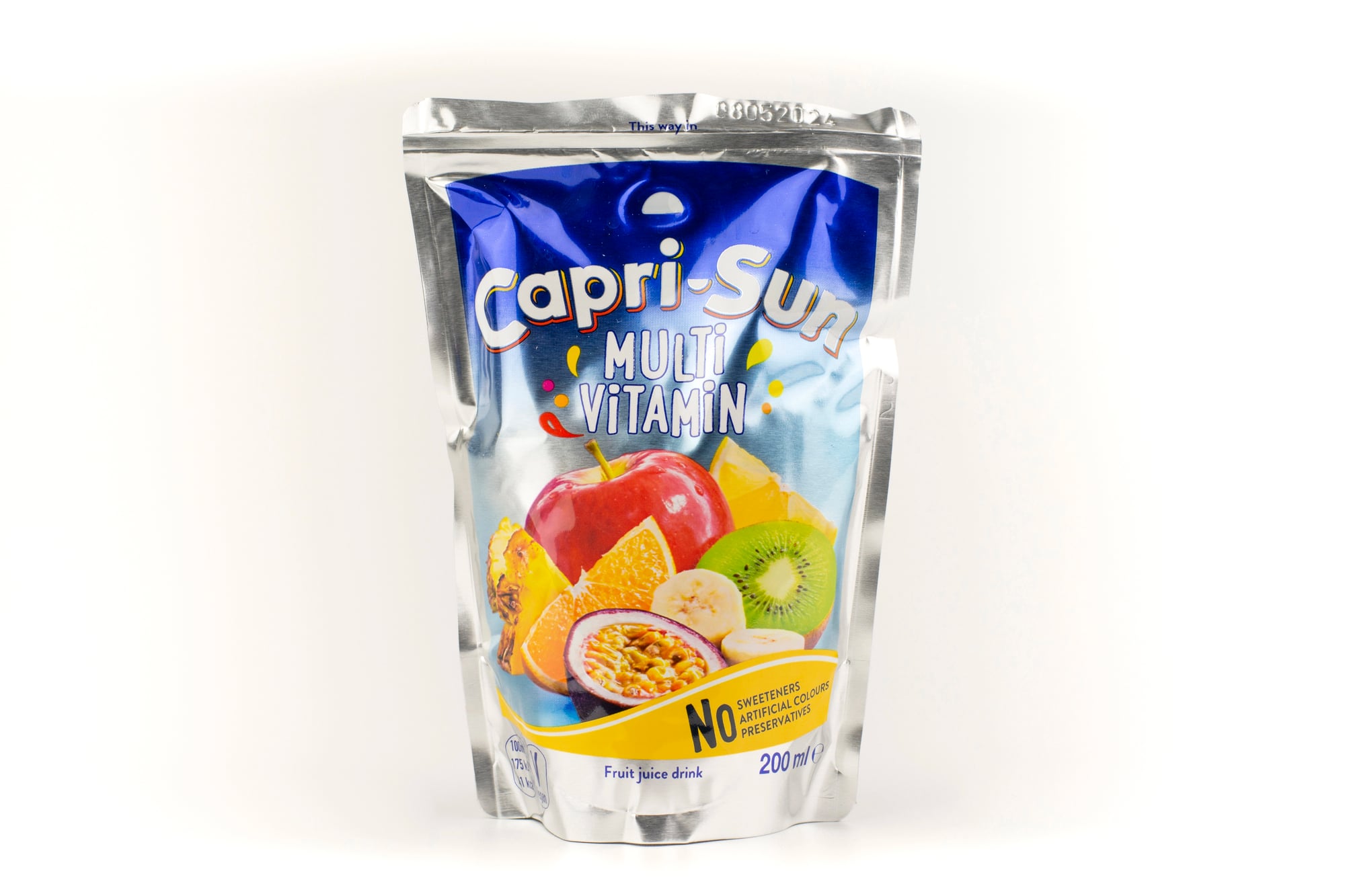
Pouches of sugar water with fruit flavoring that required a tiny straw to puncture and drink. Half the time, you’d stab the straw through both sides of the pouch, creating a mess.
The other half, you’d struggle to get the straw in at all. The drink itself tasted like diluted Kool-Aid with an odd metallic aftertaste from the foil pouch.
Airheads

Sour-like candy bars that came in aggressively artificial flavors and colors. The texture was simultaneously chewy and sticky, guaranteed to glue your teeth together for several minutes of uncomfortable jaw work.
The flavors were so intensely chemical that they seemed designed to overpower any actual taste buds, leaving behind a synthetic fruit aftertaste that lingered like a warning.
Looking Back With Questionable Fondness
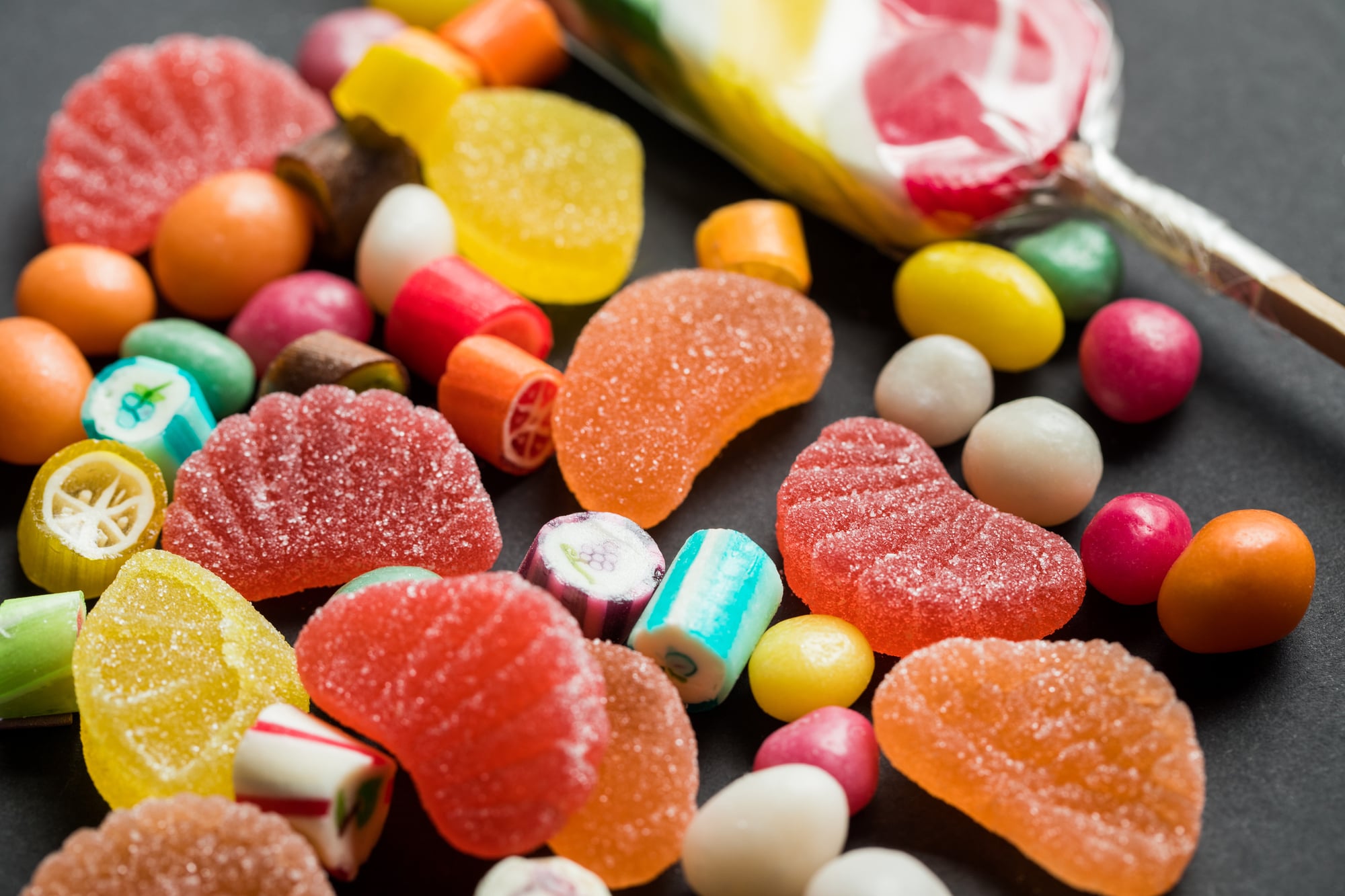
Nostalgia has a way of making even the most questionable childhood foods seem charming in hindsight. These snacks were nutritional disasters wrapped in bright packaging and marketed with the kind of enthusiasm usually reserved for actual food.
Yet they defined a generation’s relationship with processed convenience foods. Maybe the real appeal was never the taste — maybe it was the independence of choosing your own terrible snack, the shared experience of surviving these culinary experiments together, or simply the fact that they were ours.
More from Go2Tutors!

- The Romanov Crown Jewels and Their Tragic Fate
- 13 Historical Mysteries That Science Still Can’t Solve
- Famous Hoaxes That Fooled the World for Years
- 15 Child Stars with Tragic Adult Lives
- 16 Famous Jewelry Pieces in History
Like Go2Tutors’s content? Follow us on MSN.



