28 Photographs from the 1960s That Set Off a National Argument
The 1960s photographed America’s internal conflicts so vividly that single images became flashpoints for national argument. Photographs of police violence against civil rights activists shaped perception of the movement. Images of Vietnam War casualties transformed public opinion. Photographs of political assassinations became permanent cultural trauma. Other photographs documented the era’s cultural upheaval. Each controversial image prompted intense debate about what it showed, what it meant, and what it revealed about American society. Some photographs became so iconic they transcended their immediate context to become symbols of the era itself.
The 1960s proved that photographs could argue more powerfully than words.
Sit-In Violence Photography
Photographs of white segregationists attacking Black sit-in protesters shocked Americans who hadn’t previously seen such violence visually documented. The images shifted public perception of civil rights movement legitimacy and police neutrality.
The March on Washington
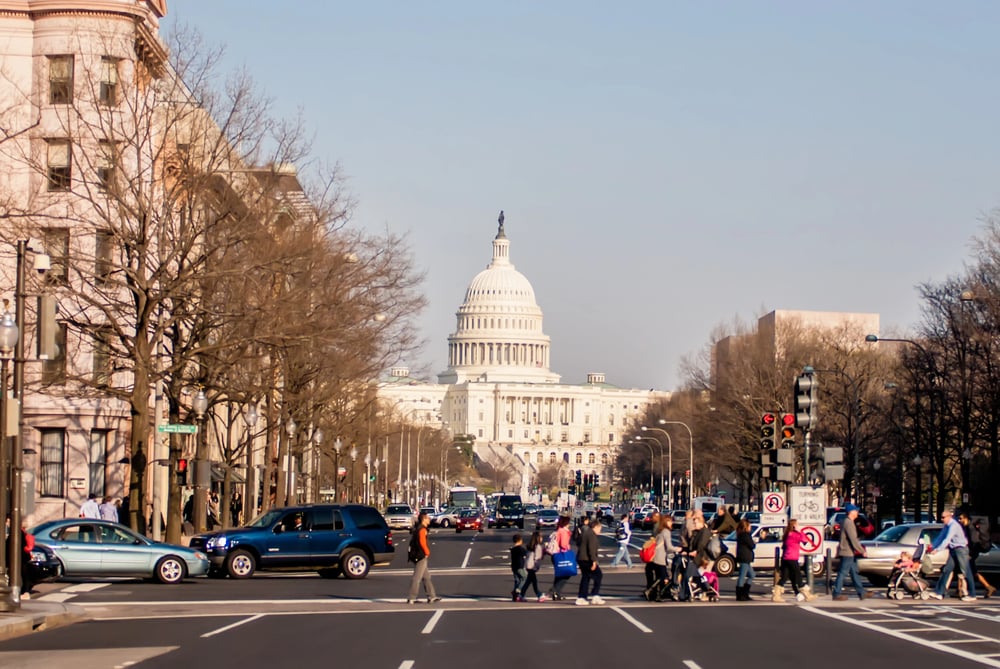
Photographs from the 1963 March on Washington showed the scale of civil rights participation that hadn’t been fully represented in previous coverage. The visual documentation of hundreds of thousands unified behind civil rights shifted national perception.
Police Dog Attacks
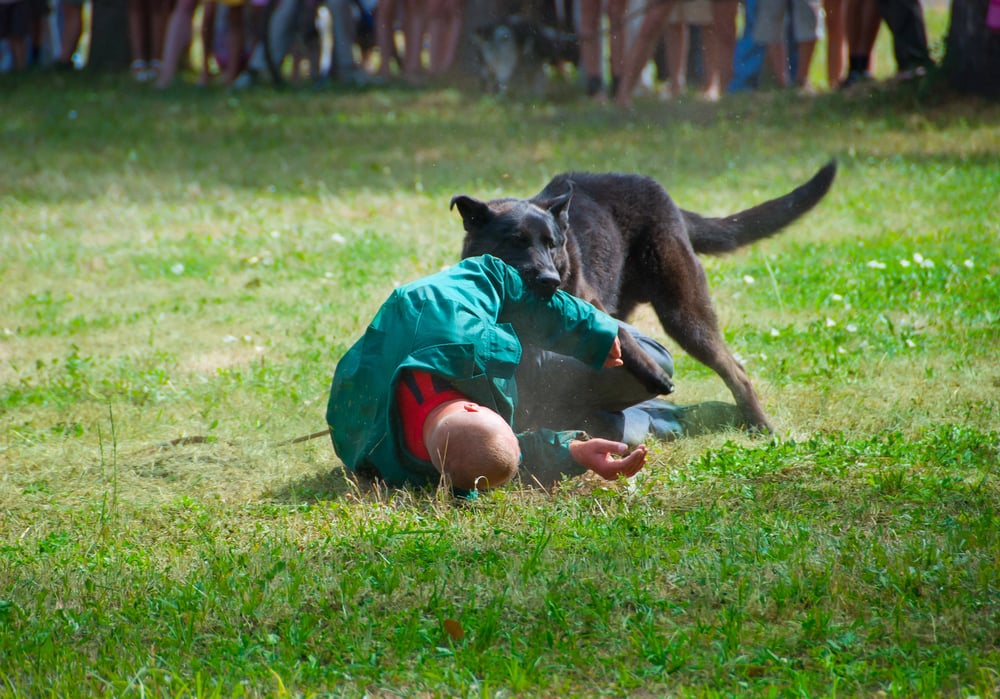
Photographs of police dogs attacking civil rights demonstrators in Birmingham became iconic documentation of state violence. The images were so shocking that they prompted national outcry and contributed to legislative change.
Water Cannon Against Protesters
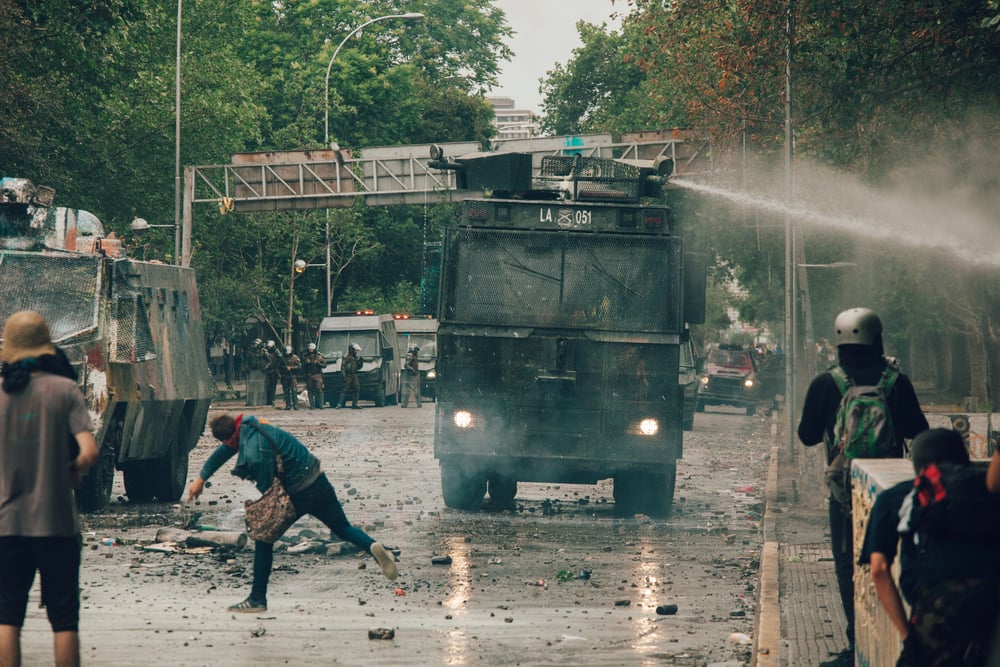
Photographs of firefighters using water cannons against civil rights marchers documented American law enforcement using weapons against its own citizens. The visual evidence shocked many Americans who considered such tactics foreign to democratic societies.
JFK Assassination Photography
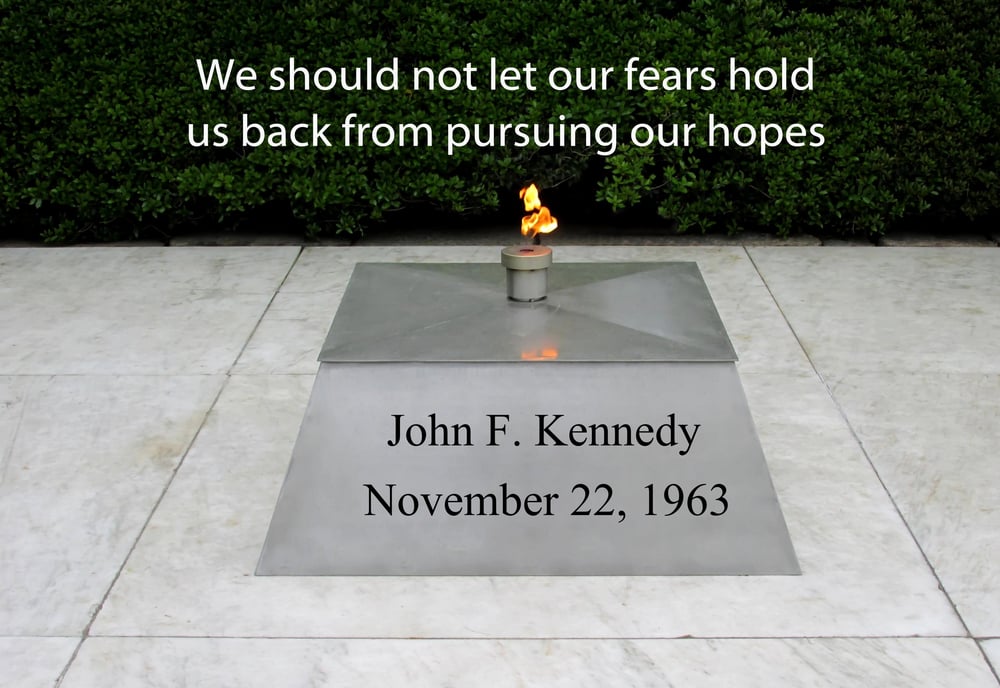
The famous Zapruder film footage and still photographs from Kennedy’s assassination became permanent cultural artifacts that fueled decades of debate about what the images actually showed.
Oswald’s Assassination
Jack Ruby shooting Lee Harvey Oswald in front of police—captured by photographers—became an iconic image of American violence and institutional failure.
Robert Kennedy Assassination Scene
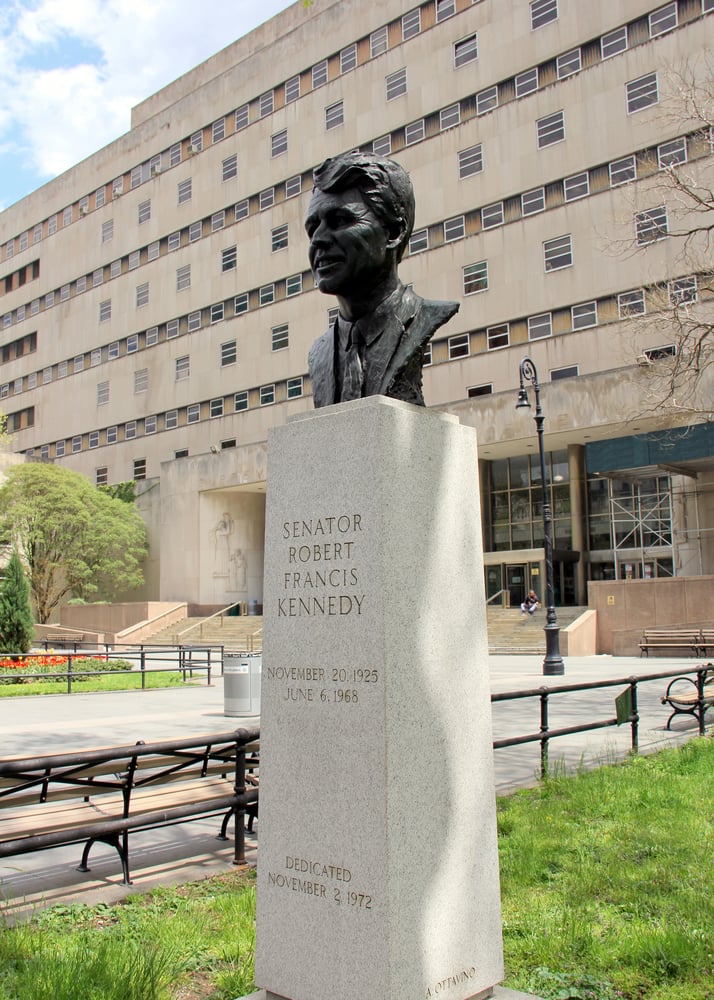
Photographs of RFK dying in Los Angeles contributed to the sense that American democracy itself was under assault. The violence seemed endemic and systemic.
MLK Assassination Aftermath
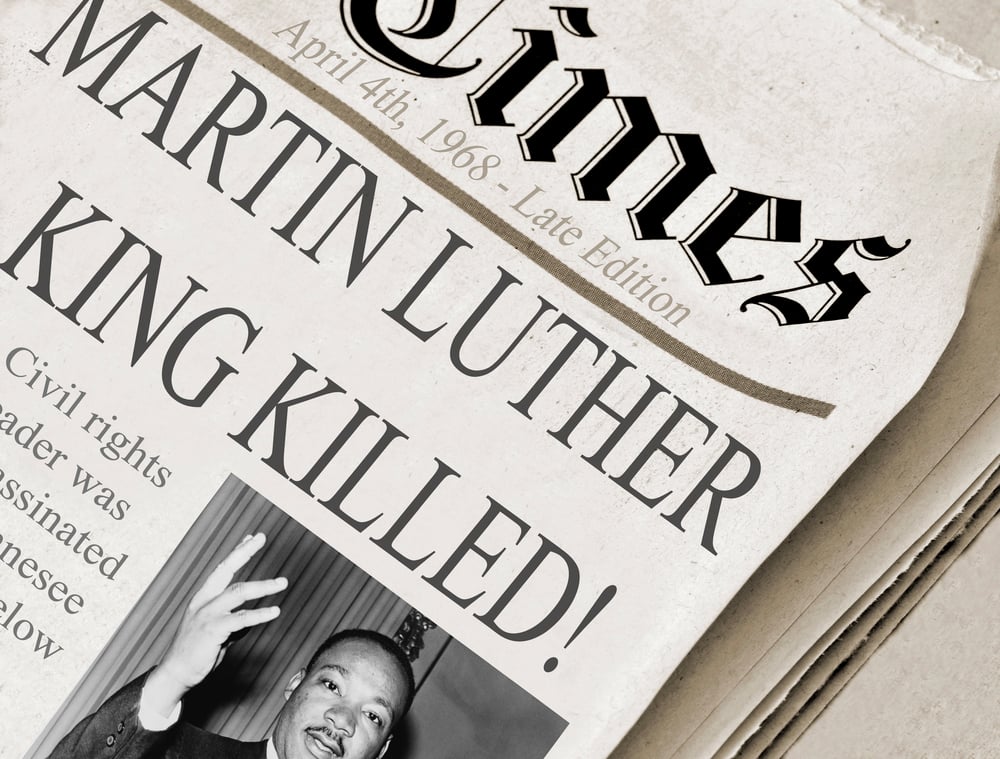
Photographs of King’s assassination and its aftermath documented the moment when the civil rights era turned toward greater militancy and despair among Black Americans.
Democratic Convention Violence
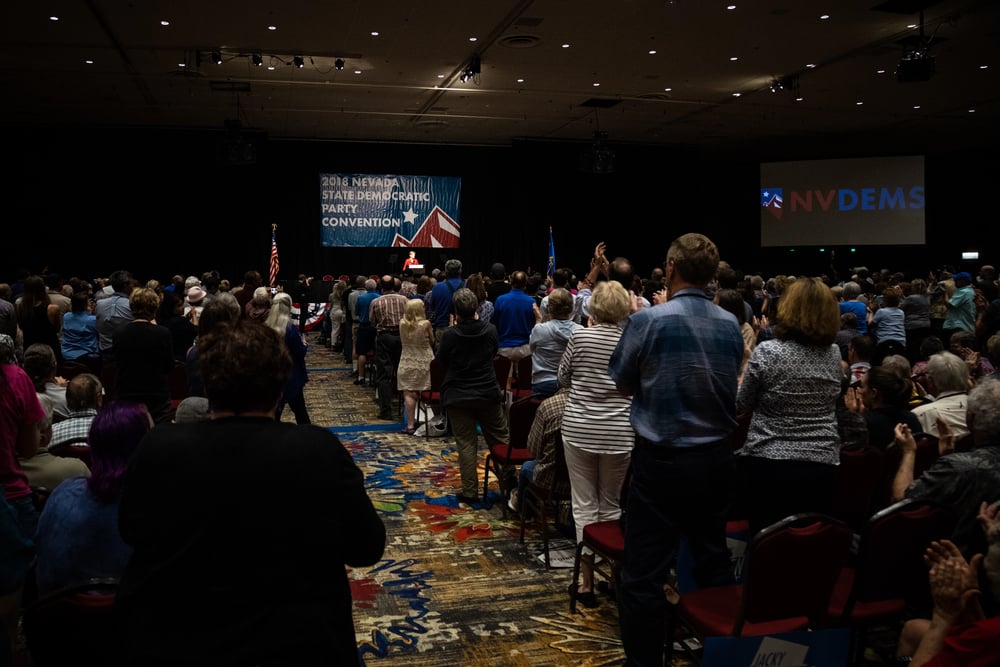
Photographs of Chicago police brutality against anti-war demonstrators at the 1968 Democratic Convention documented state violence against American citizens protesting government policy.
Anti-War Protest Photographs
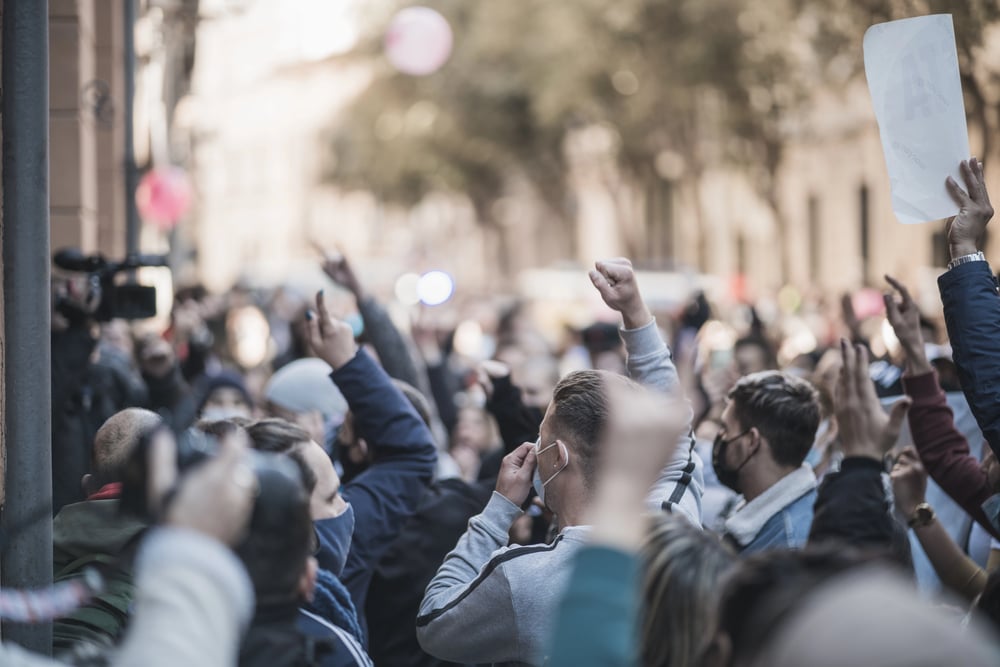
Images of massive anti-war demonstrations showed the scale of opposition to Vietnam that had developed by the late 1960s. The visual documentation shifted perception of war legitimacy.
The Vietnam Execution Photograph

The photograph of a Viet Cong prisoner being executed shocked Americans and prompted debate about war morality and American military conduct.
Tet Offensive Photographs
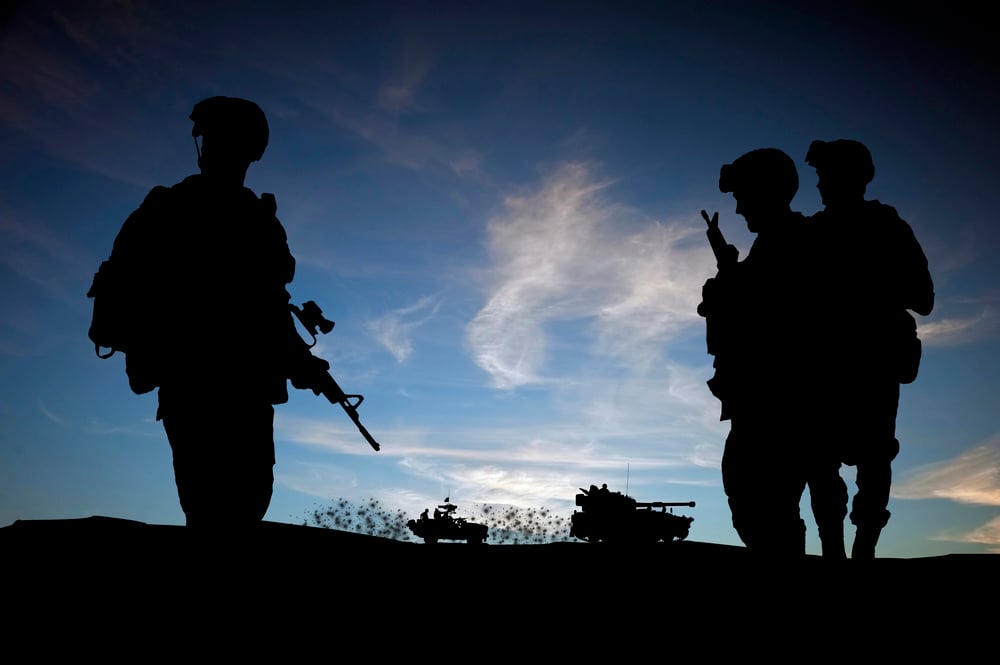
Images from the Tet Offensive showed the scale of fighting and Vietnamese military capability, contradicting official American claims about war progress.
Stonewall Uprising Photography
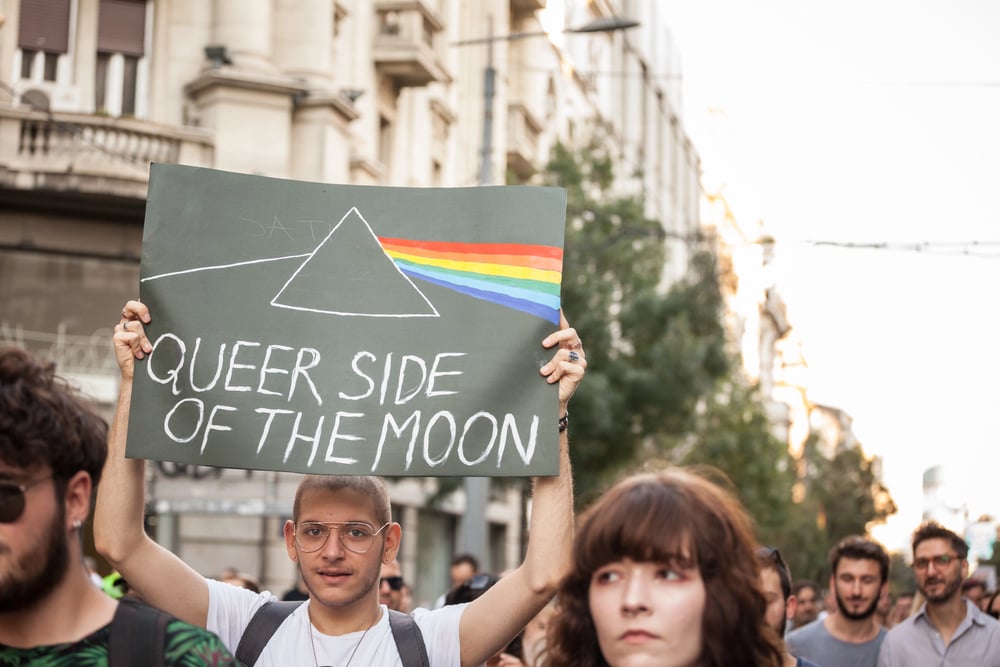
Photographs of police violence against LGBTQ individuals at Stonewall documented state violence and discrimination that had previously been largely invisible in mainstream media.
The Pentagon March
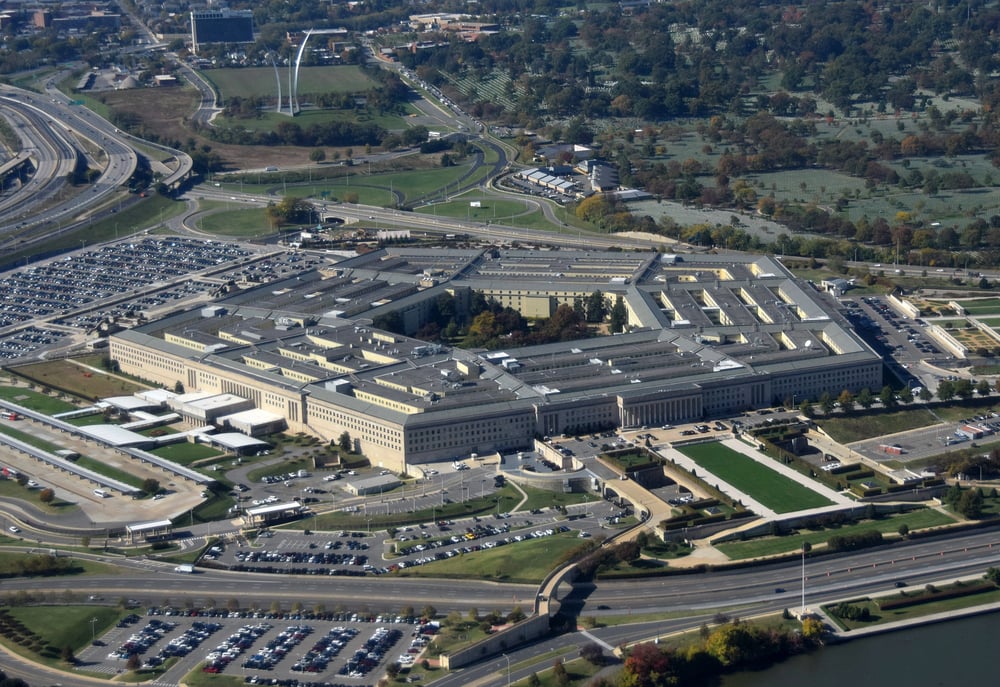
Photographs of anti-war demonstrators attempting to stop the Pentagon during a massive march showed the scale of opposition and the confrontational nature of 1960s protest.
Hippie Culture Photography

Photographs of hippie dress, behavior, and alternative lifestyle choices became flashpoints for generational argument about American values and social change.
The Summer of Love
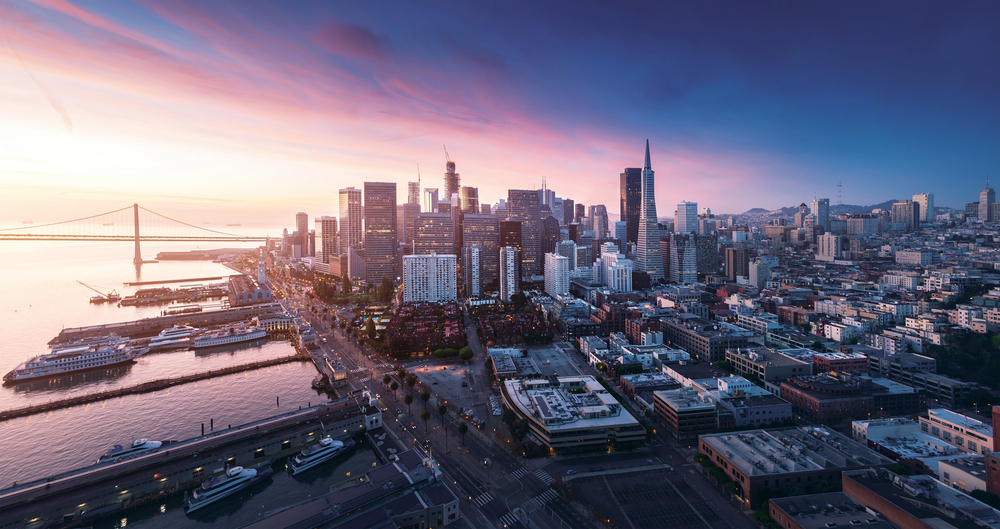
Photographs from San Francisco’s summer of 1967 documented the emergence of youth counterculture and prompted conservative backlash against the visible transformation of American youth.
Motorcycle Culture Photography
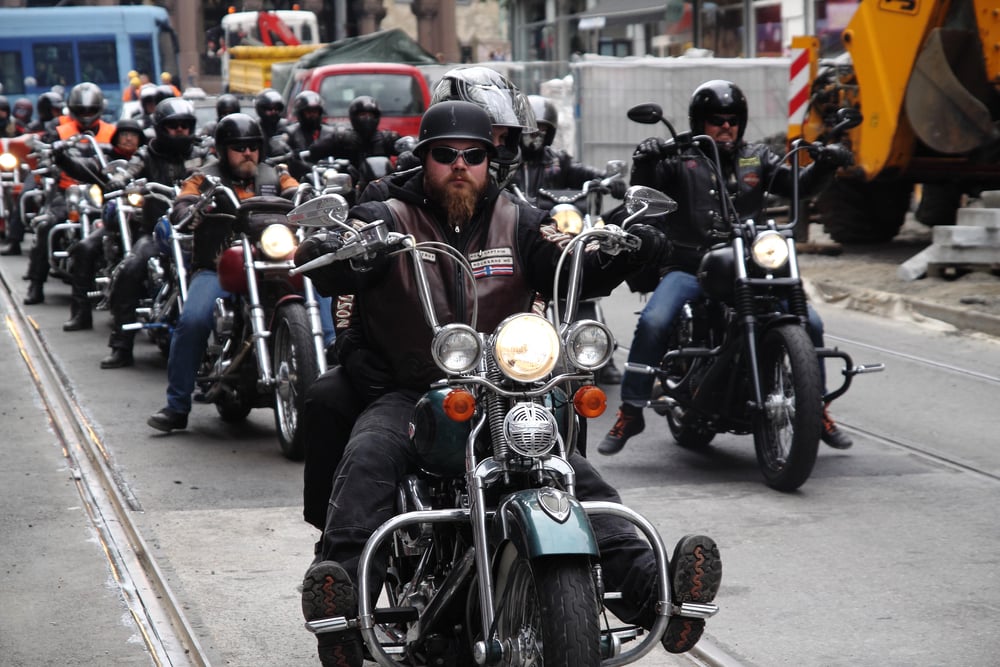
Images of motorcycle gangs and outlaw culture documented youth rebellion and prompted anxiety about social dissolution.
Drug Culture Photographs

Photographs documenting drug use, particularly among middle-class white youth, prompted national concern about drug epidemics and social change.
Women’s Liberation Photography
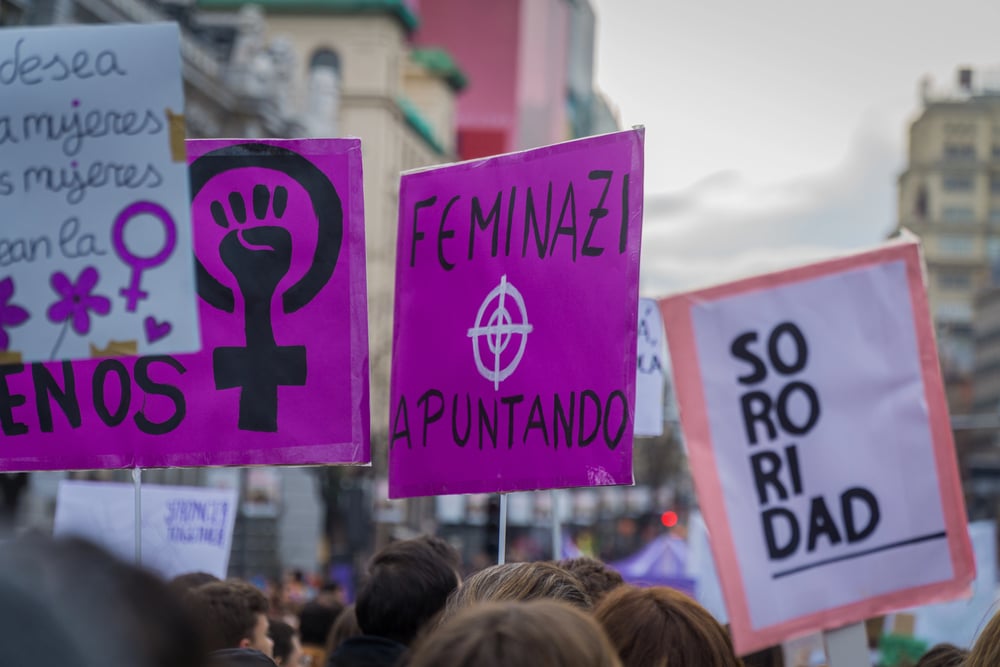
Photographs of women burning bras and protesting gender discrimination documented the emergence of second-wave feminism and prompted fierce cultural debate.
Black Panther Photographs
Images of armed Black Panthers became iconic documentation of Black militancy and prompted intense national debate about race, power, and self-defense.
Cesar Chavez and Farm Workers
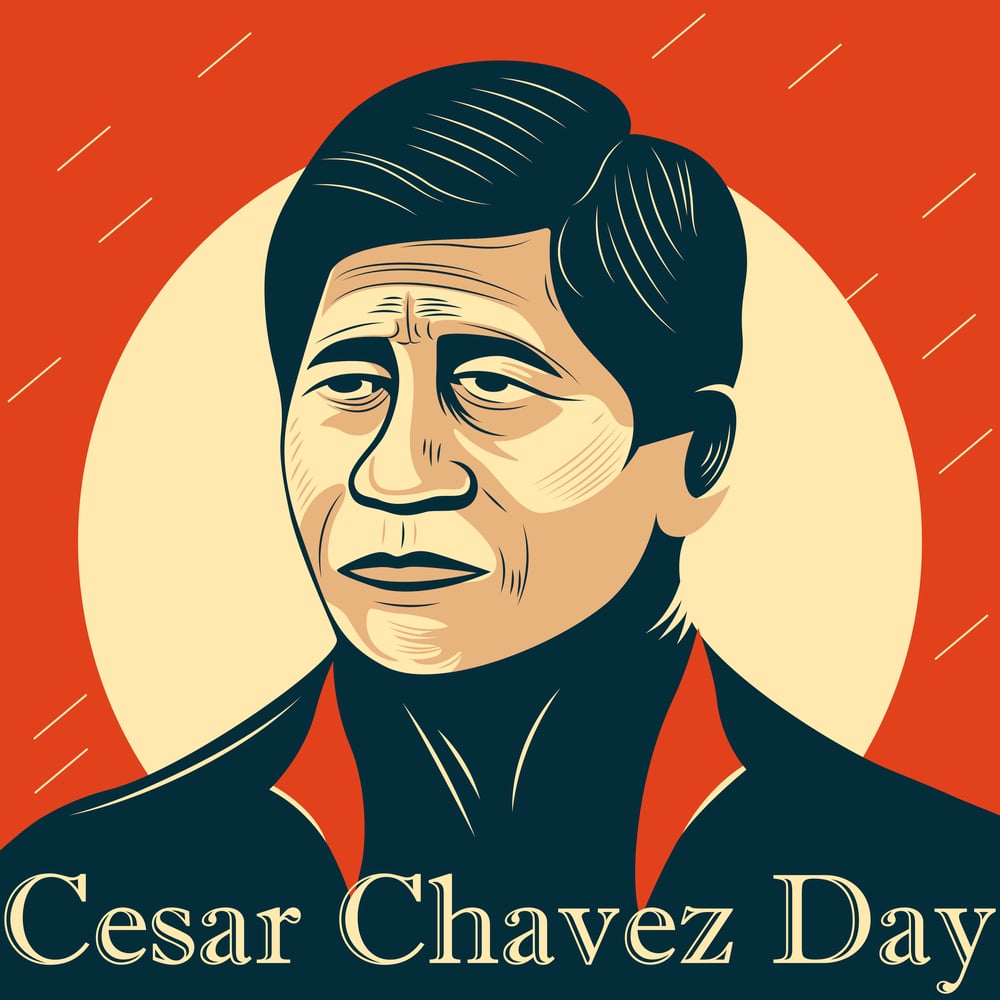
Photographs of farm workers organizing with Cesar Chavez documented labor activism and prompted debate about immigrant rights and agricultural labor.
Native American Activism

Photographs of Native American activists occupying Alcatraz and other sites documented indigenous self-determination movements and prompted broader conversations about American history.
Space Program Photographs

Images of the moon landing, particularly the Earthrise photograph showing Earth from space, transformed human perception of global interconnection and environmental fragility.
Apollo Astronaut Photographs
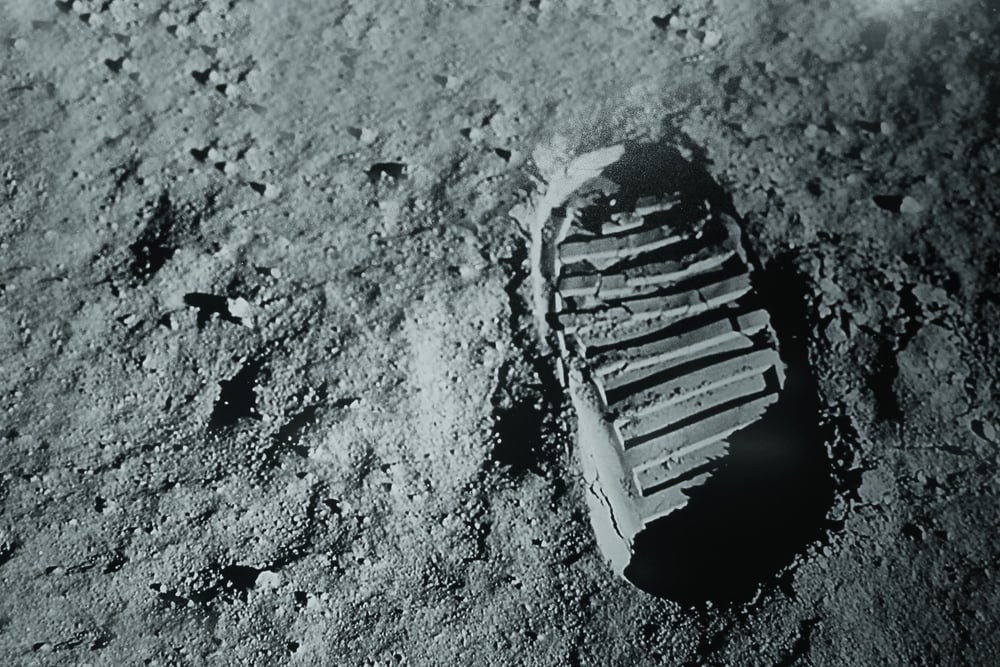
Images of astronauts on the moon became symbols of American technological achievement and national pride during the Cold War space race competition.
Muddy Woodstock Photography
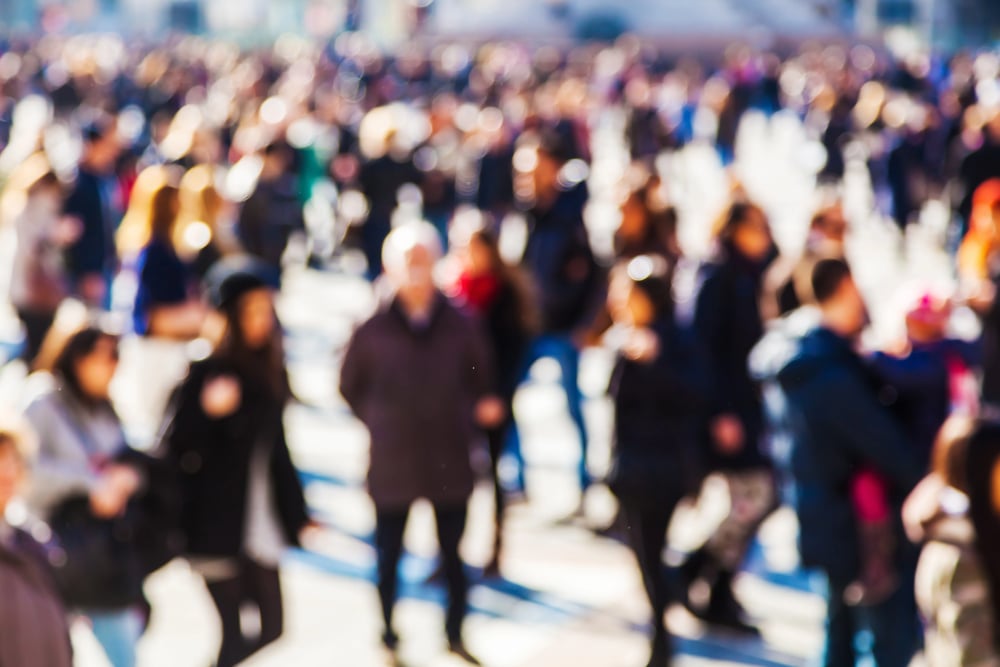
Photographs of half a million young people at Woodstock documented generational gathering and counterculture assembly that seemed to represent the era’s possibilities and perils.
Environmental Disaster Photography

Images of polluted rivers and industrial destruction documented growing awareness of environmental crisis and prompted early environmentalism.
Urban Decay Photography
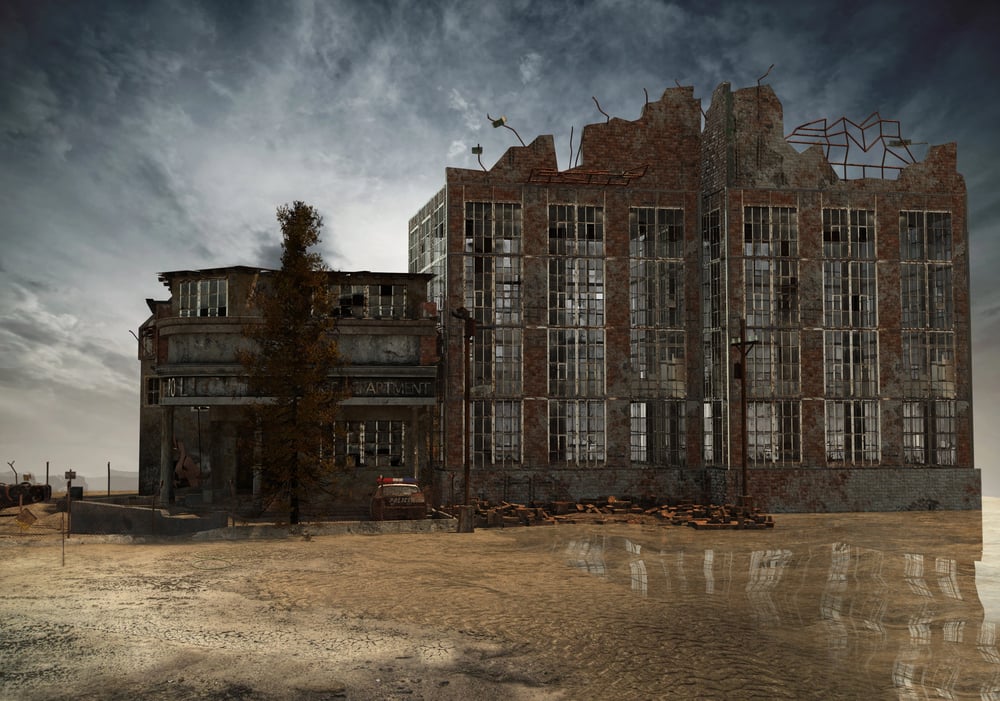
Photographs of deteriorating American cities documented urban crisis and prompted national debate about infrastructure and racial segregation.
The March on Washington Images
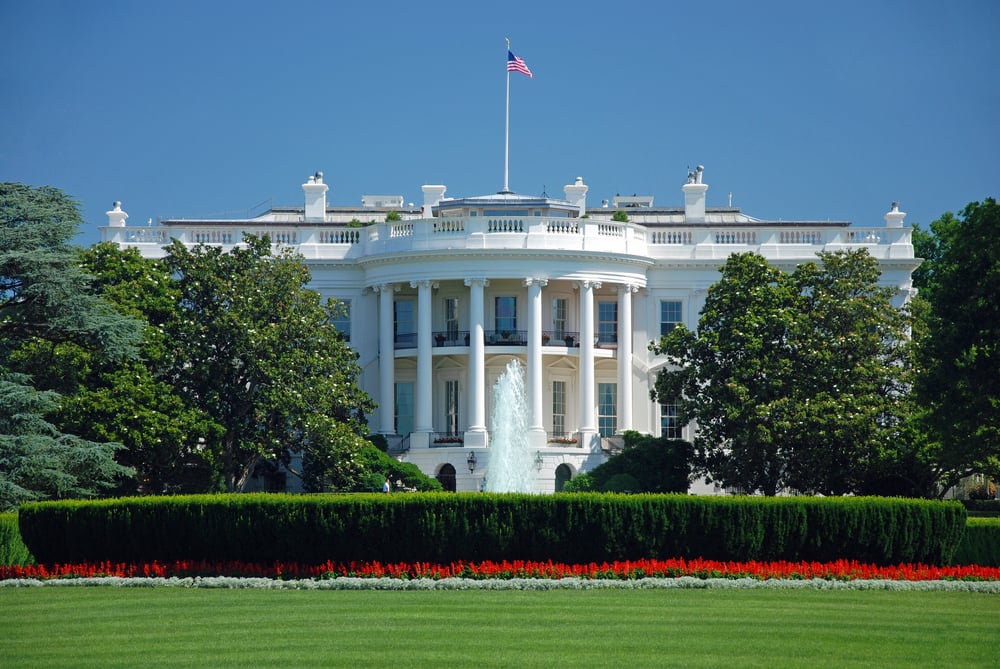
Photographs of the final march on Washington in 1969 showed aging activists and new generation replacing them, documenting the moment when 1960s idealism faced questions about continuity and change.
What Photographs Could Prove
The 1960s established that photographs could argue forcefully for social change. Visual documentation of injustice created pressure for legislative action in ways that words alone could not. This lesson transformed American political activism and media coverage—protesters increasingly understood that spectacular visual moments could influence national opinion through photograph distribution.
from Go2Tutors!

- The Romanov Crown Jewels and Their Tragic Fate
- 13 Historical Mysteries That Science Still Can’t Solve
- Famous Hoaxes That Fooled the World for Years
- 15 Child Stars with Tragic Adult Lives
- 16 Famous Jewelry Pieces in History
Like Go2Tutors’s content? Follow us on MSN.