Places Where the Sun Never Sets
The idea sounds impossible at first. A day that refuses to end.
A sun that hangs in the sky for weeks, circling the horizon but never dipping below it. Yet this phenomenon happens every year in certain parts of the world, and thousands of travelers seek it out.
The midnight sun occurs when the Earth’s axial tilt causes polar regions to face the sun continuously during summer months. Above the Arctic Circle and below the Antarctic Circle, this creates periods where daylight stretches for 24 hours or more.
The farther you travel toward the poles, the longer these endless days last.
Norway’s Northern Coast
Norway claims the title of Land of the Midnight Sun, and the country has earned it. From late May through late July, the sun circles the sky above the Arctic Circle without setting.
Tromsø, one of the largest cities in this region, experiences midnight sun from approximately May 20 to July 22. The light changes everything about daily life during this period.
Restaurants serve dinner at midnight. Children play outside at 2 AM.
The concept of bedtime becomes negotiable. Your body clock protests at first, but blackout curtains solve that problem for those who need sleep.
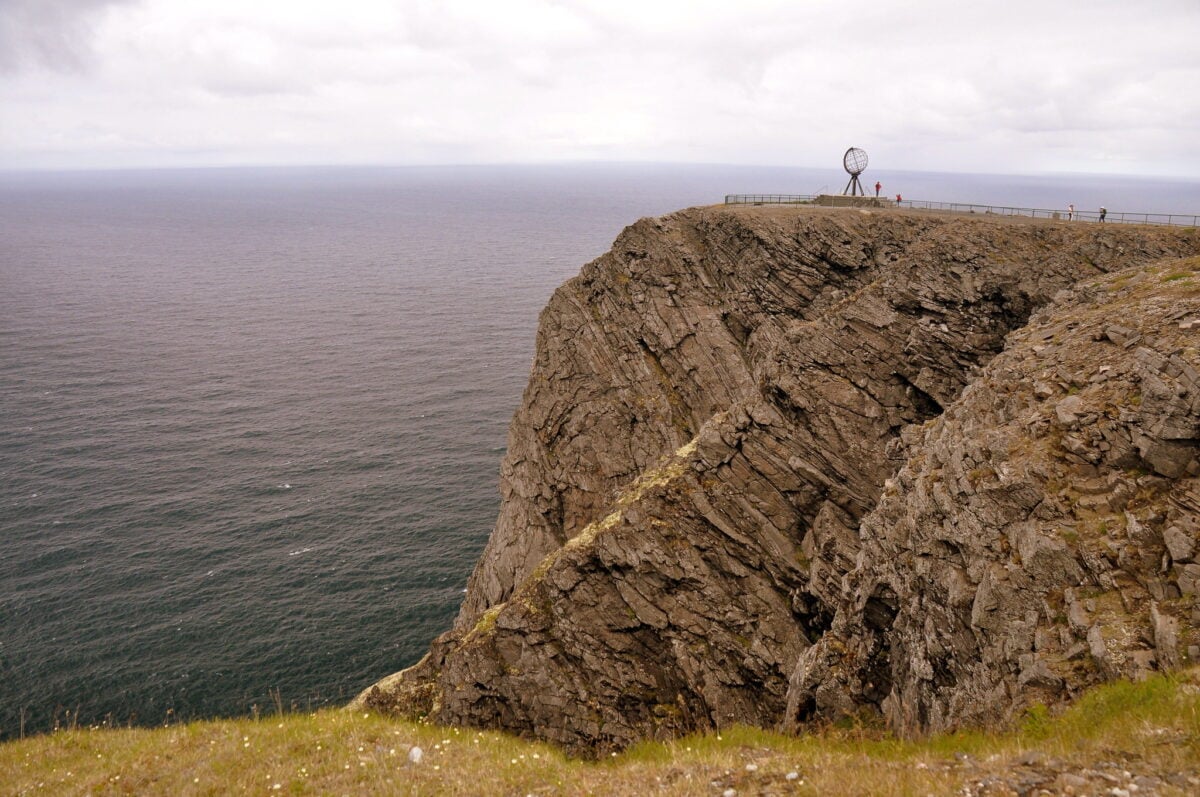
North Cape, at the northern tip of mainland Europe, draws visitors who want to stand at the continent’s edge and watch the sun make its full circle. The view from the cliff stretches across the Barents Sea, and on clear nights, you can watch the sun dip toward the water before rising again without ever disappearing.
Svalbard’s Polar Extremes

Svalbard pushes the midnight sun to its limits. This Norwegian archipelago sits so far north that the sun doesn’t set from April 20 to August 22.
That’s four months of continuous daylight. The landscape matches the extremeness of the light.
Glaciers dominate the terrain. Polar bears outnumber people.
The town of Longyearbyen, the world’s northernmost settlement with a population over 1,000, adapts to these conditions with a practical attitude. People carry rifles when hiking.
Buildings are built on stilts because of permafrost.
The constant light affects wildlife dramatically. Reindeer graze at all hours.
Arctic foxes hunt without regard for day or night. Birds nest and raise their young in perpetual sunshine, cramming months of activity into the brief summer window before darkness returns.
Iceland’s Summer Glow

Iceland doesn’t technically experience true midnight sun except in its northern reaches, but even in Reykjavik, the sun barely sets during summer. From May through July, you get what locals call “twilight” rather than darkness.
The sun dips below the horizon for a few hours, but the sky never goes fully dark. This extended daylight fuels Iceland’s festival season.
Music events run all night. Hiking trails stay busy at hours that would seem absurd elsewhere.
The Golden Circle route and other tourist attractions extend their hours because visitors keep showing up. The light also reveals Iceland’s landscapes in ways that winter darkness hides.
Waterfalls catch the low-angle sun at midnight, creating photographs that look like they were taken at dawn. Moss-covered lava fields glow green for hours on end.
The whole island takes on a dreamlike quality when the usual rules of light and dark no longer apply.
Finland’s Lakeland Under Endless Sky

Finnish Lapland offers midnight sun experiences with a different character than Norway’s coastal version. The landscape here revolves around forests and lakes rather than mountains and fjords.
Inari, one of the northernmost municipalities, sees the sun stay up from May to August. The Sami people, indigenous to this region, have lived with these light cycles for thousands of years.
Their traditional livelihoods of reindeer herding and fishing continue through the midnight sun period, but the rhythms change. Reindeer move to higher, cooler ground.
Fish feed at irregular times. You can rent a cabin on one of Finland’s countless lakes and watch the sun circle the sky reflected in still water.
The silence in these remote areas amplifies the strangeness of the experience. No traffic noise.
No city lights. Just you, the lake, and a sun that forgot how to set.
Alaska’s Vast Territory
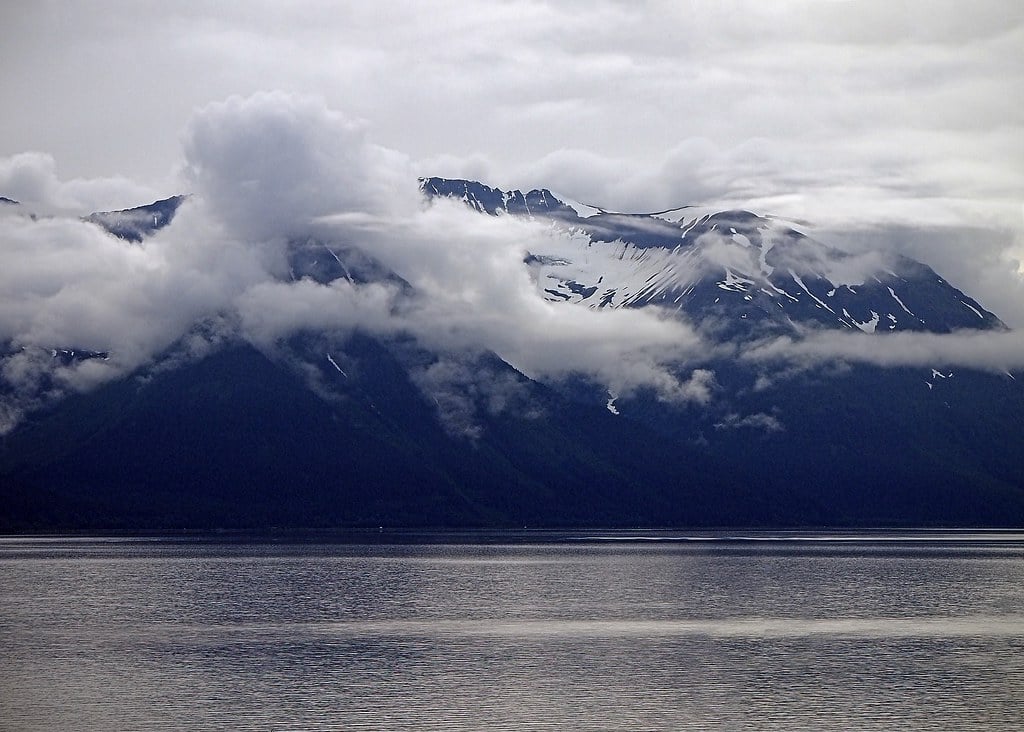
Alaska’s size means the midnight sun experience varies widely across the state. In Utqiaġvik (formerly Barrow), the northernmost American city, the sun doesn’t set from May 10 to August 2.
That’s 82 consecutive days of sunlight. Fairbanks, located just below the Arctic Circle, doesn’t get true midnight sun but comes close.
During the summer solstice, the sun dips below the horizon for less than two hours, and the sky never goes completely dark. Locals call it civil twilight, and it’s enough to read a newspaper outside at midnight.
The midnight sun affects Alaska’s economy and culture significantly. Commercial fishing operates around the clock during summer.
Construction projects run extended shifts to make up for the short building season. The Midnight Sun Baseball Game in Fairbanks starts at 10:30 PM on the summer solstice and runs past midnight without artificial lights.
Sweden’s Northern Wilderness

Swedish Lapland experiences midnight sun from late May through mid-July above the Arctic Circle. Kiruna, Sweden’s northernmost town, uses the phenomenon to attract tourists interested in experiencing something most of the world never sees.
The Icehotel in Jukkasjärvi stays open through summer now, taking advantage of the constant light. The building melts and gets rebuilt each winter, but summer programs let visitors experience the midnight sun from unique vantage points.
Dog sledding shifts to wheeled carts. Reindeer herding demonstrations continue regardless of the hour.
The Kungsleden trail, one of Sweden’s premier hiking routes, sees constant traffic during midnight sun season. Hikers can walk for 24 hours straight if they want to, and some do.
The light eliminates the usual camping concerns about darkness and safety, though it creates new ones about remembering to sleep.
Greenland’s Frozen Coast
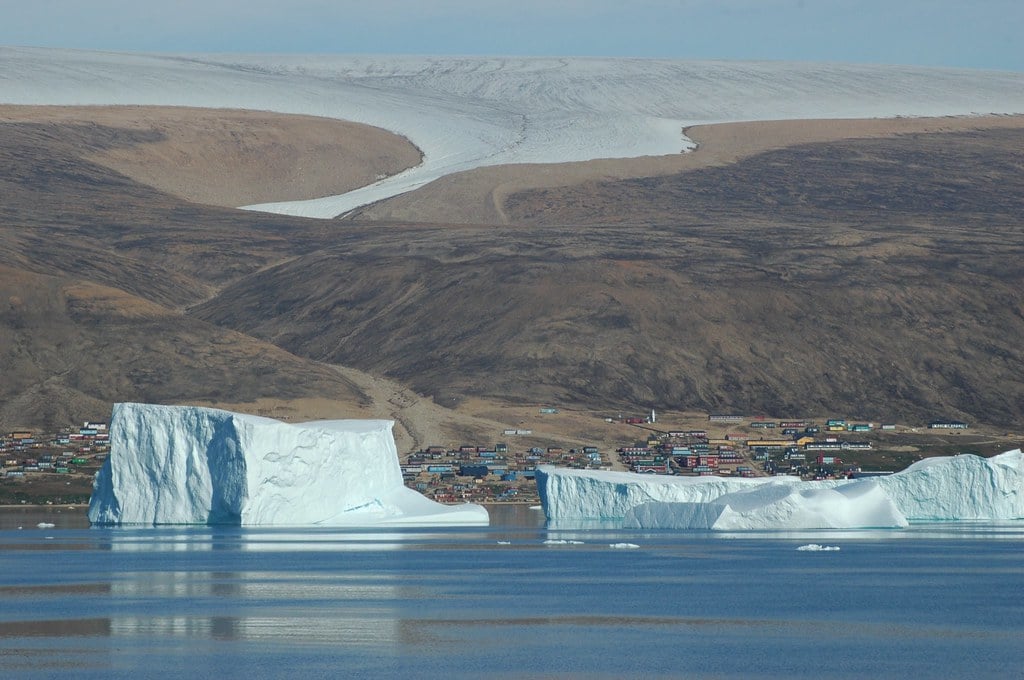
Greenland takes the midnight sun to extremes that few populated places match. In Qaanaaq, one of the world’s northernmost inhabited settlements, the sun stays visible from April to August.
The combination of constant light and Arctic environment creates conditions unlike anywhere else accessible to travelers. The Inuit communities here have adapted their traditions to these light cycles over centuries.
Hunting happens when conditions are right, not when the clock says it should. Children grow up without the concept of bedtime as a fixed point in the day.
The rhythms of life follow practicality rather than the position of the sun. Ice fjords glow in the midnight sun, creating scenes that seem pulled from another planet.
Icebergs reflect light in shades of blue and white that shift as the sun circles. The scale of Greenland’s glaciers becomes more apparent when you can see them clearly at any hour.
Russia’s Arctic Cities
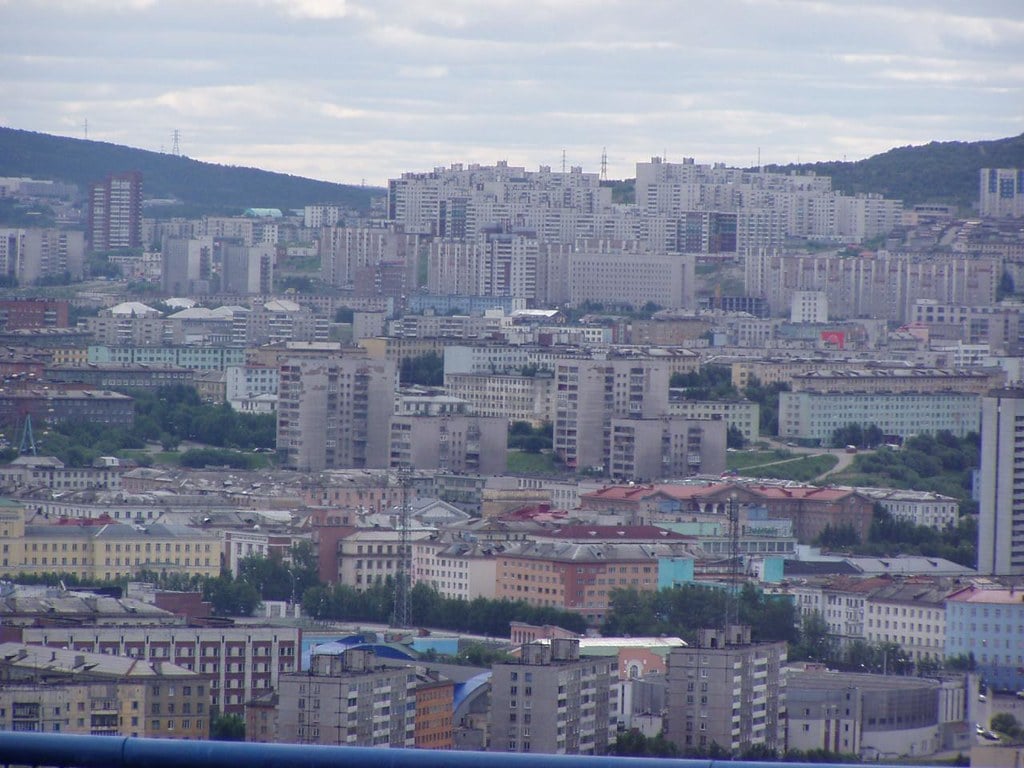
The Russian Arctic hosts several cities that experience midnight sun, though they receive fewer international visitors than their Scandinavian counterparts. Murmansk, Russia’s largest Arctic city with a population over 300,000, sees the sun stay up from May 22 to July 23.
Life in these cities during midnight sun follows distinct patterns. Work schedules remain conventional, but leisure time expands.
Parks and public spaces stay busy through the night. The White Nights festivals in various Russian cities celebrate the extended daylight with concerts, cultural events, and parties that run until morning—except morning never really comes.
The Northern Sea Route, which connects European Russia to the Far East through Arctic waters, operates primarily during the midnight sun months when ice conditions improve and visibility stays constant. The economic importance of these few months shapes the entire region’s activity patterns.
Canada’s High Arctic
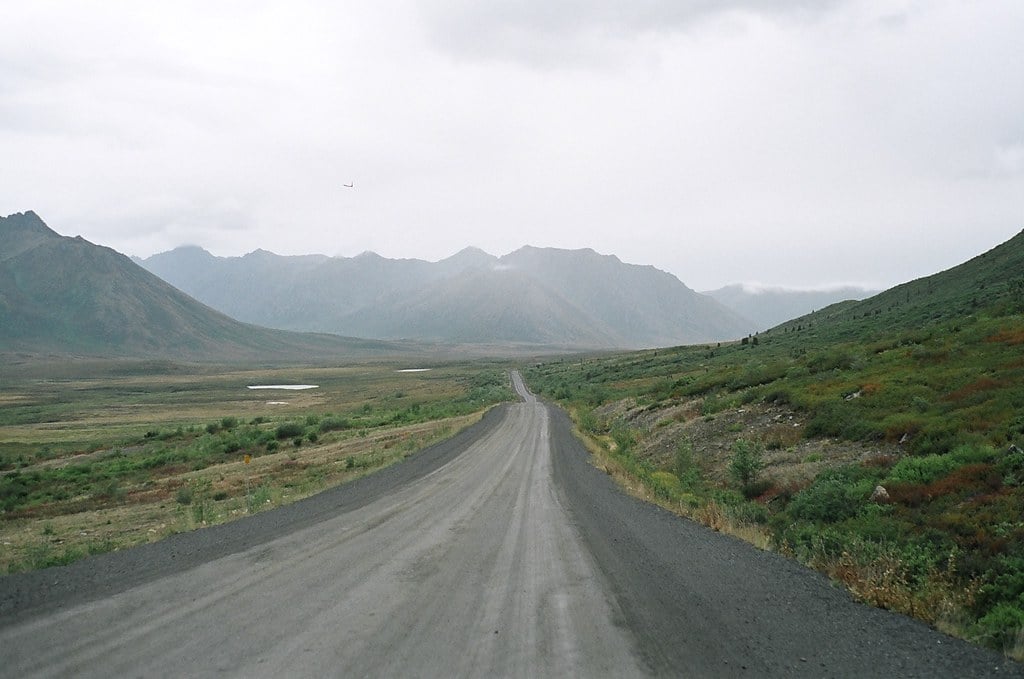
Canada’s Arctic territories experience varying degrees of midnight sun depending on latitude. Alert, the world’s northernmost permanently inhabited settlement, sees continuous daylight from early April through late August. Getting there requires military or government authorization, but other Canadian communities offer more accessible midnight sun experiences.
Inuvik in the Northwest Territories experiences midnight sun from early June through mid-July. The town celebrates with the Midnight Sun Fun Run, a 5K race that starts at midnight.
The Dempster Highway, which connects Inuvik to southern Canada, becomes one of the few roads where you can drive to the Arctic Ocean under a sun that never sets. The midnight sun affects Canadian Arctic wildlife patterns dramatically.
Caribou migrations peak during this period. Arctic char run up rivers to spawn.
Birds arrive from southern wintering grounds and compress their entire breeding cycle into the short window of constant daylight.
Antarctica’s Summer Extremes
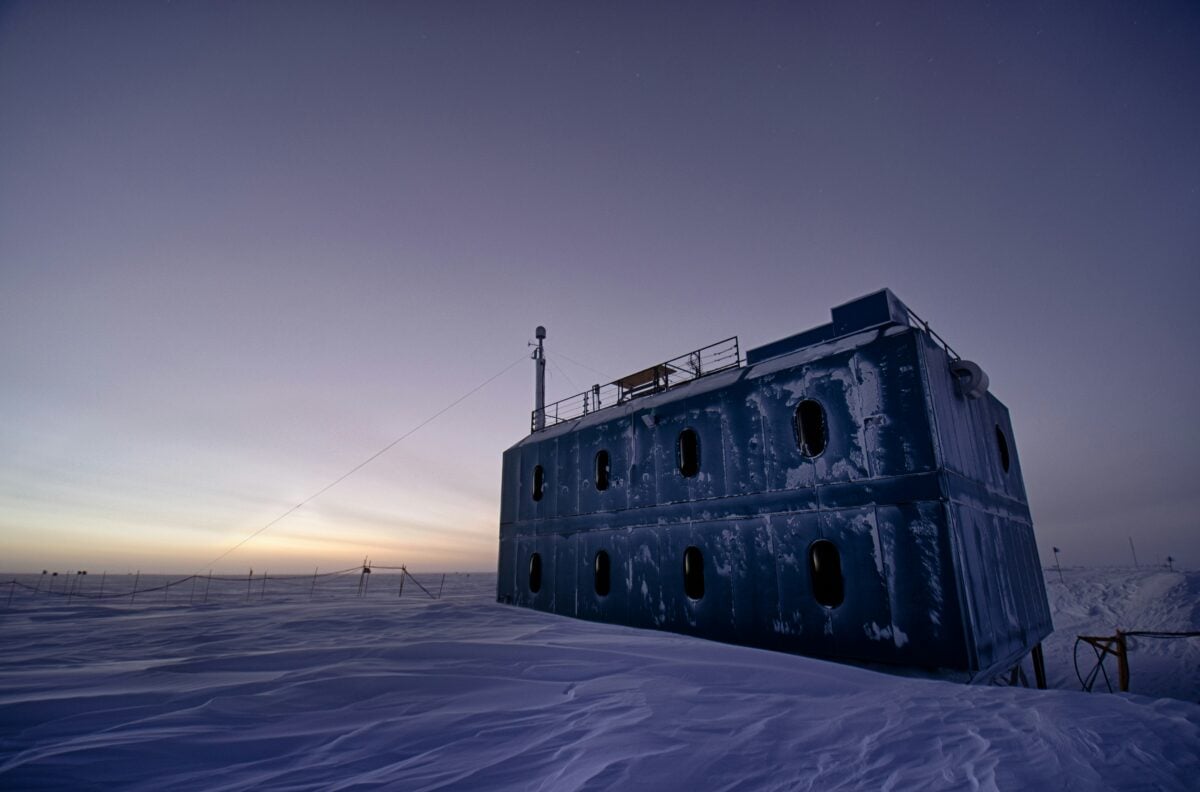
Antarctica represents the midnight sun in its purest form, though reaching it requires more effort than any northern location. From late October through late February, the sun circles the sky continuously at the South Pole.
Research stations experience months of daylight before months of darkness. Scientific work in Antarctica revolves around these light cycles.
The summer season, when the sun stays up, is when most research and construction happens. Supply ships can only reach coastal stations during this period.
Personnel rotate in and out while conditions allow. Tourists who visit Antarctica during summer cruises experience a version of the midnight sun, though most don’t venture far enough south for true 24-hour daylight.
Still, the extended twilight above the Antarctic Circle creates surreal conditions where penguins waddle about at midnight under a bright sky.
The Photography Challenge

Photographing the midnight sun presents unique technical problems. Your camera meter expects darkness.
The constant light washes out colors that usually appear during golden hour. The sun’s position in the sky—always low, always circling—creates shadows that move in unexpected directions.
The best midnight sun photographs often come at the lowest point of the sun’s arc, when it skims the horizon without dropping below it. The light quality resembles sunset, but stretched out for hours.
Landscapes that would look ordinary in normal sunlight take on a magical quality when lit from this perpetual low angle. You need to plan your sleep around photography rather than darkness.
The light conditions you want might occur at 2 AM. Your body complains.
Your camera settings require constant adjustment. But the results capture something most people never see with their own eyes.
Flora and Fauna Adaptations

Plants above the Arctic Circle compress their entire growing season into the midnight sun months. Flowers bloom in rapid succession.
Berries ripen quickly. The constant light allows photosynthesis to continue around the clock, and Arctic plants take full advantage.
Animals respond to the midnight sun in varied ways. Some species, like caribou and reindeer, remain active throughout the light period, grazing and moving when food is available.
Others, particularly smaller mammals and birds, maintain something resembling a normal sleep-wake cycle despite the constant light. The extended daylight creates a burst of biological activity that sustains these ecosystems through the long dark winter.
Insects emerge in massive swarms. Fish populations explode.
The food chain operates at maximum capacity for a few brief months before everything slows down again.
When Darkness Returns

The shift toward regular light and dark slowly kicks in. At first, sunlight just barely hides behind the edge of the world for a short while.
Soon, that brief pause grows into longer stretches. Around mid-August in places used to endless daylight, shadows come back – bringing quiet signs of the deep winter nights soon to follow.
The mental toll from going without sunlight can run deep. When night falls again, seasonal depression hits plenty in far-north areas.
To handle the change, folks rely on bright lamps, extra vitamin D – also local networks that check in regularly. Yet during those short months when sunlight never fades, odd things start.
Time stretches or shrinks. Bedtime rules?
More like loose ideas. Seeing the planet wide awake at midnight shifts your view.
That constant glow isn’t only brightness – it’s living on a tilted globe where night doesn’t always show up.
More from Go2Tutors!

- The Romanov Crown Jewels and Their Tragic Fate
- 13 Historical Mysteries That Science Still Can’t Solve
- Famous Hoaxes That Fooled the World for Years
- 15 Child Stars with Tragic Adult Lives
- 16 Famous Jewelry Pieces in History
Like Go2Tutors’s content? Follow us on MSN.



