32 Retired Job Titles That Once Ran Entire Towns
In the 19th and 20th centuries, entire communities existed to support single industries, and the jobs that built those towns were as specialized as they were essential. Telegraph operators, coal breakers, and lamplighters were not curiosities—they were the backbone of urban life, the workers who made commerce possible, who lit streets, who kept information flowing.
Automation, electrification, and the telephone dismantled these professions almost systematically, leaving behind histories that feel increasingly foreign. Today these occupations are nearly unrecognizable to most, relegated to museum exhibits and historical footnotes.
The jobs that once commanded respect and solid wages evaporated within a generation, erased not by collapse but by progress.
Knocker-Up
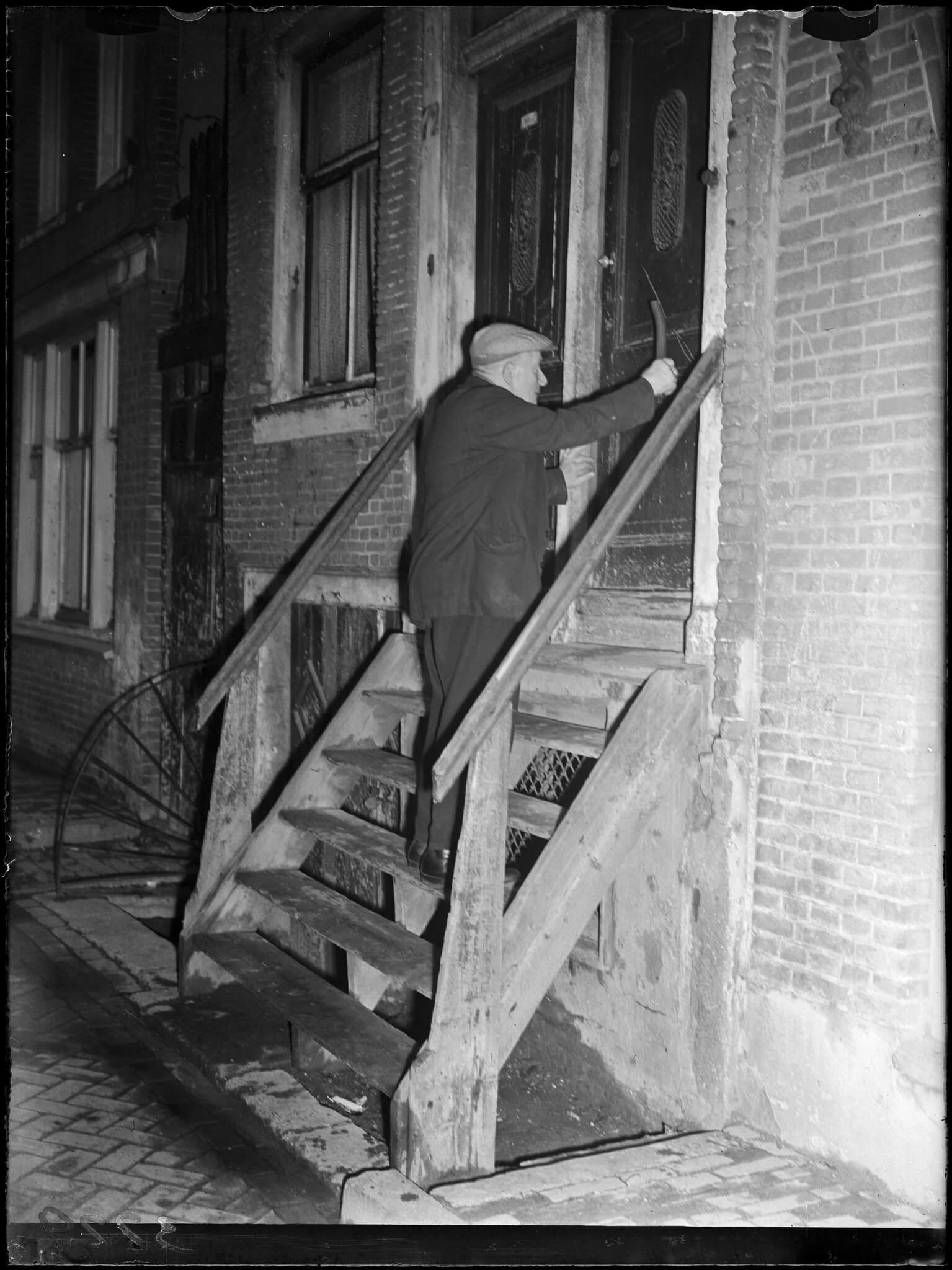
Before affordable alarm clocks, industrial towns employed professional knocker-uppers to wake workers by tapping on windows and doors with long poles or shooting dried peas at glass. The profession thrived during the Industrial Revolution in Britain, Ireland, and the Netherlands, remaining common in English industrial areas into the early 1970s.
A single knocker-up might maintain dozens of regular clients, each at a specific time, their entire morning schedule dependent on reliable timing.
Town Crier

Medieval town criers announced proclamations, court orders, and news to illiterate populations by ringing bells and shouting in public squares. The job peaked during the 19th century but declined sharply with newspapers and postal systems.
A handful of official town criers still exist in ceremonial capacity, most notably in London, where competitive town crier championships award prizes for clarity, sustained volume, and presentation.
Lamplighter

These workers made evening rounds through city streets using long poles to light gas lamps at dusk, then returned at dawn to extinguish them. The profession dominated urban landscapes during the Industrial Revolution but vanished within decades of electric streetlights.
London still maintains approximately a dozen ceremonial lamplighters who tend roughly 1,500 remaining gas lamps on historic streets as cultural heritage.
Telegraph Operator
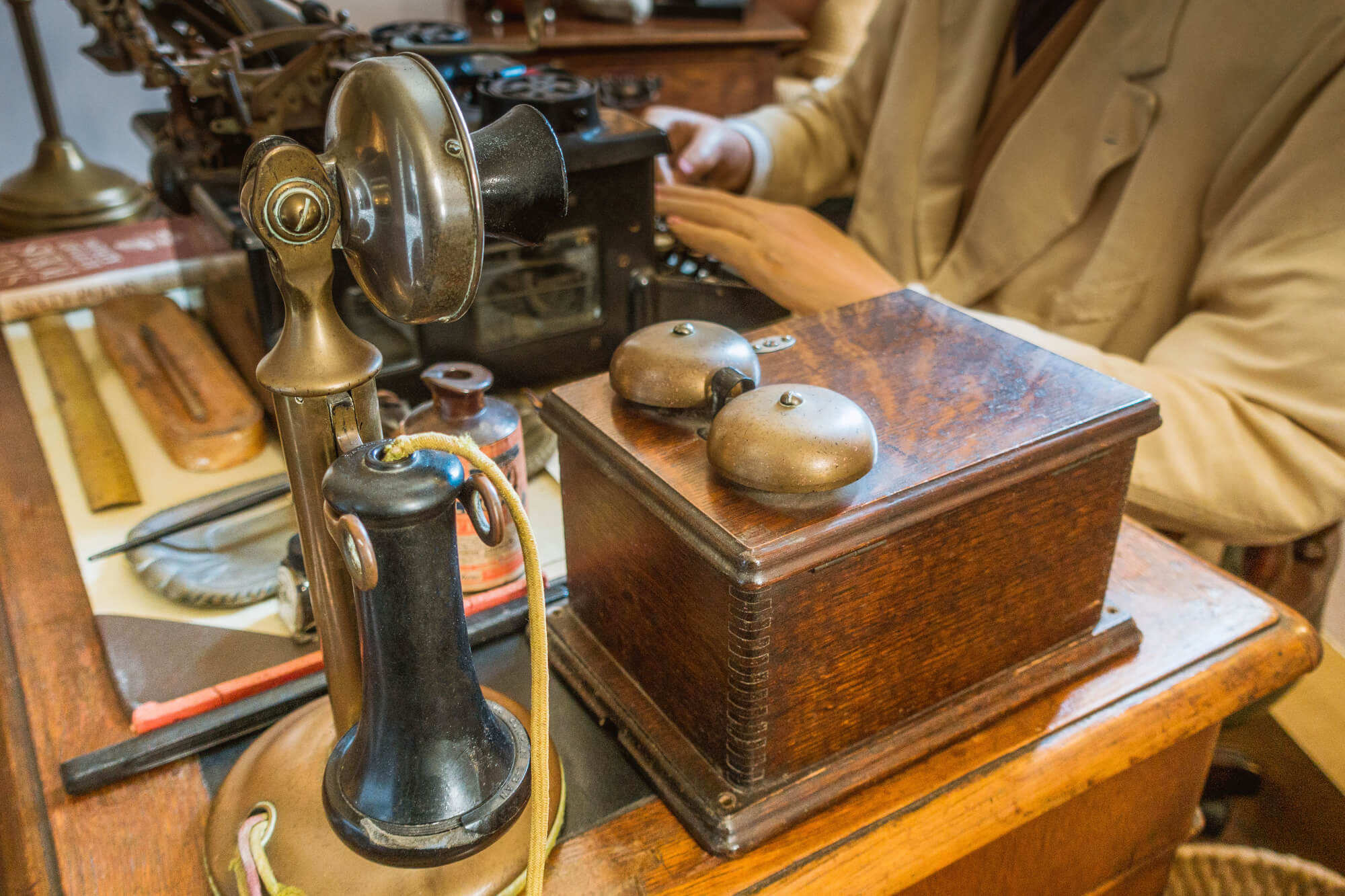
Telegraph operators translated written messages into Morse code, transmitting them across vast distances at speeds previously unimaginable. Railroads, newspapers, governments, and businesses depended on their expertise and accuracy.
The profession commanded generous wages and fierce competition for positions, but the telephone eventually rendered telegraphy obsolete. Western Union ended its American telegram service in 2006.
Telegram Messenger

After telegraph operators sent messages, another workforce delivered them to recipients’ homes and businesses. Young messengers became fixtures of city streets, carrying everything from business notices to urgent family news.
As telephones reached more households, both telegram traffic and the messenger jobs supporting it collapsed almost entirely by the mid-20th century.
Switchboard Operator
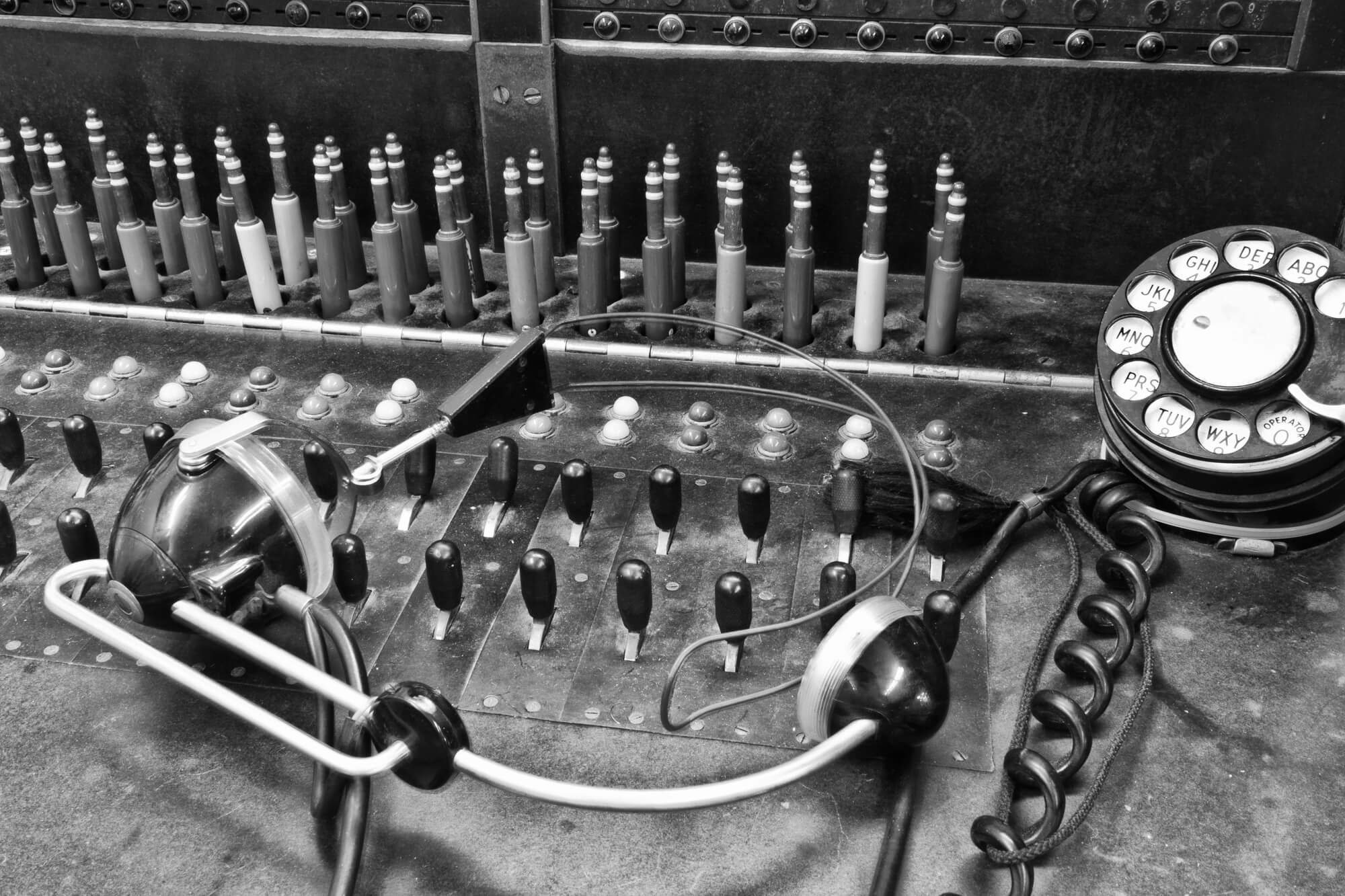
Mostly women, switchboard operators manually connected telephone calls by plugging cables into switchboards, often memorizing hundreds of numbers while providing early customer service. Early phone books listed operator numbers rather than individual business lines.
Automated switching systems introduced in the mid-20th century phased out manual operators. Though the role technically persists, it is now considered obsolete in industrialized countries.
Linotype Operator
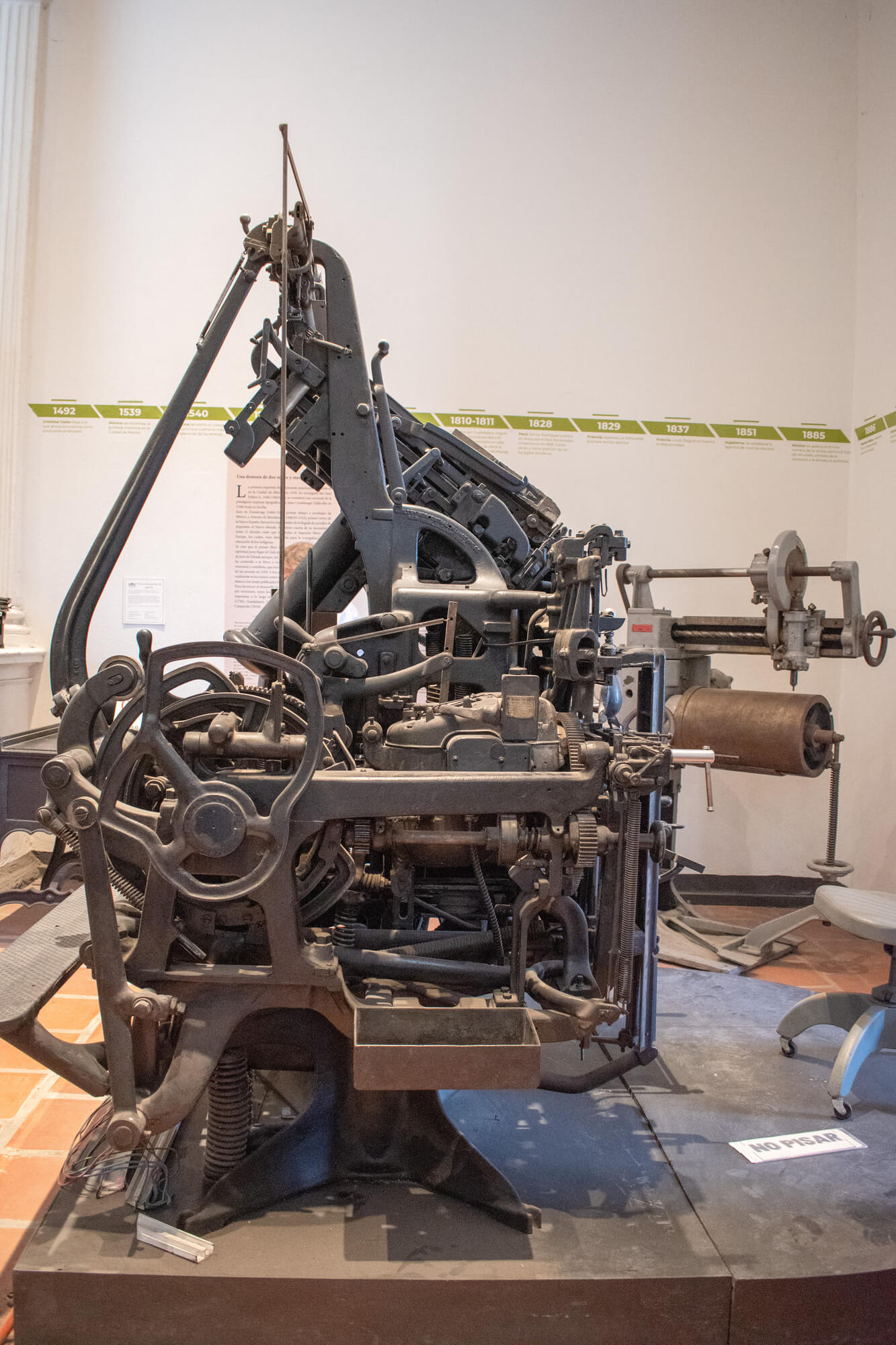
Skilled operators worked piano-sized linotype machines that converted typed text into hot metal type for printing newspapers, magazines, and books. A union linotype operator in 1954 could out-earn schoolteachers and bank clerks.
Phototypesetting introduced in the early 1960s rapidly rendered the profession obsolete. The last major American newspaper retired its linotype machine in 1978.
Coal Breaker
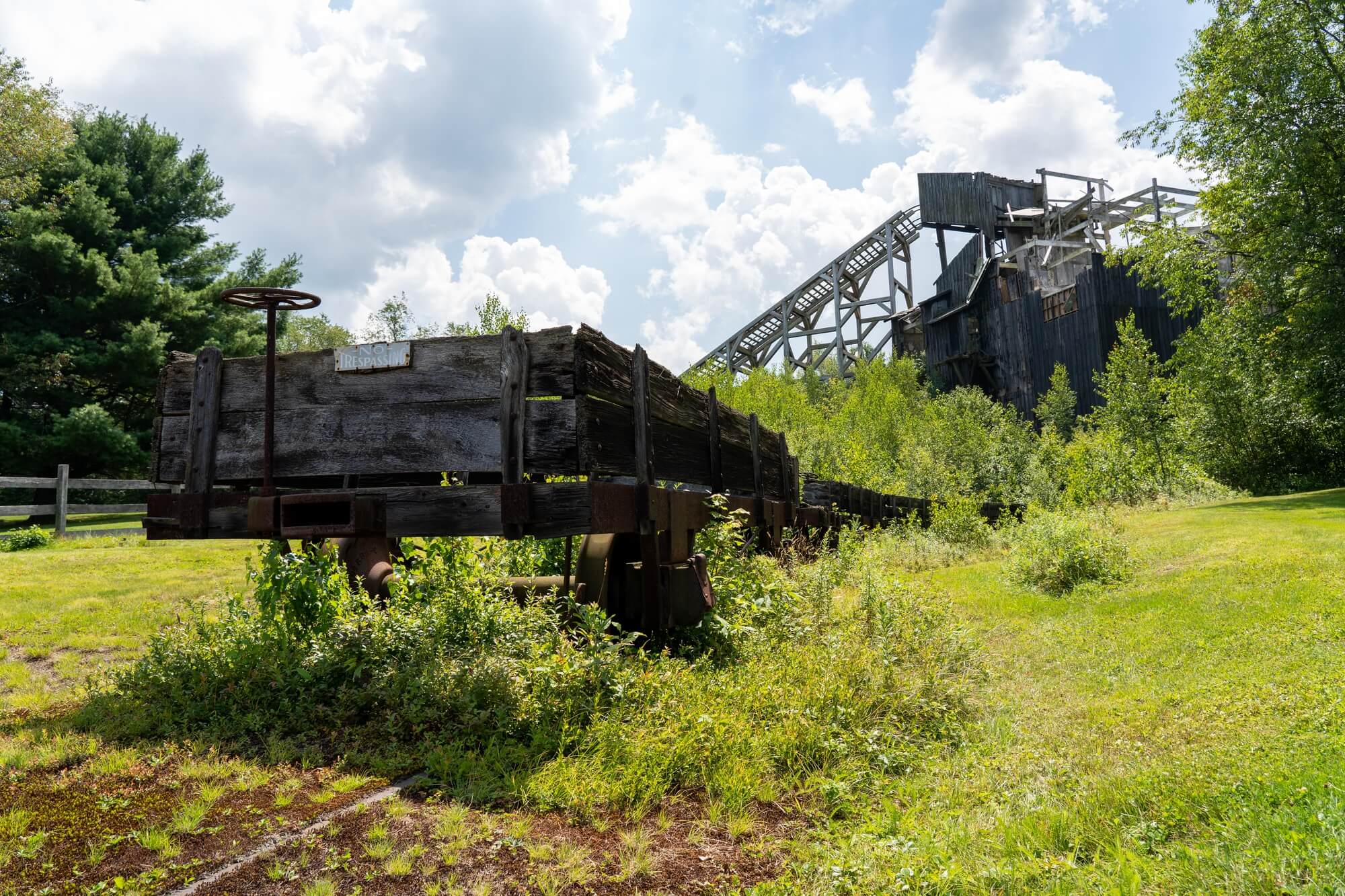
Young boys aged 8 to 12 worked in coal mines, sitting at chutes to separate impurities from coal by hand. The work was dangerous, poorly paid, and common during the American Civil War period and into the early 1920s.
Improved coal separation technology and stricter child labor law enforcement finally ended the practice, though not before countless children suffered injuries and respiratory disease.
Breaker Boy
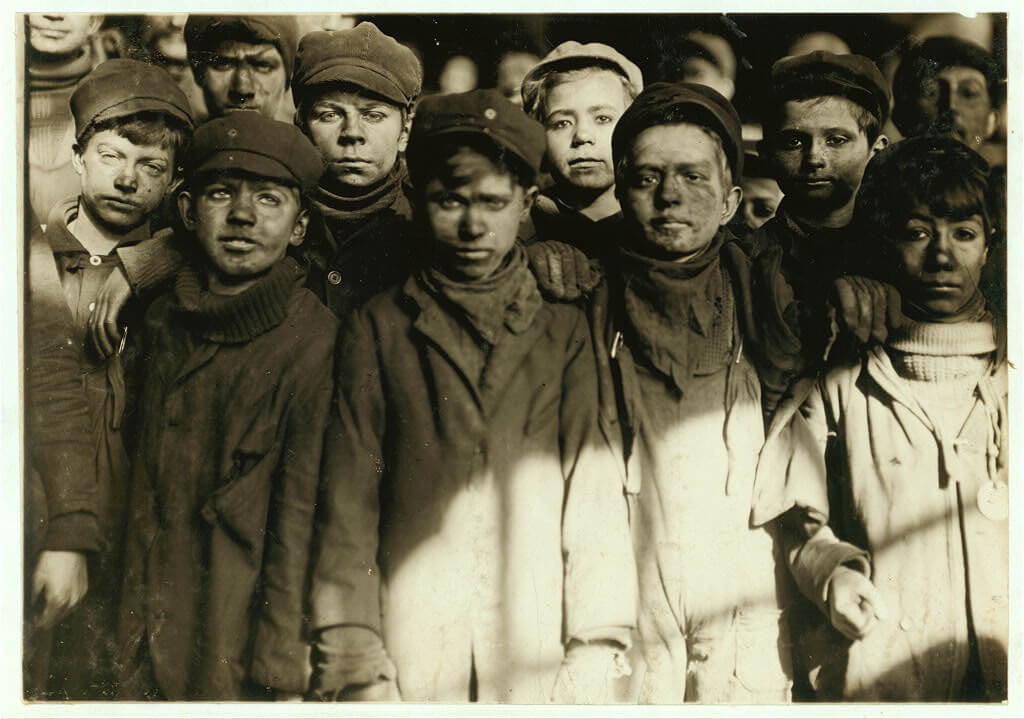
These child laborers, primarily boys aged 10 to 14, separated impurities from coal ore by hand in dangerous mining operations. Their small fingers were ideal for picking through coal, but the work exposed them to dust, injuries, and long-term respiratory damage.
The profession exemplified the industrial exploitation of childhood and became a flashpoint for child labor reform movements.
Bobbin Boy
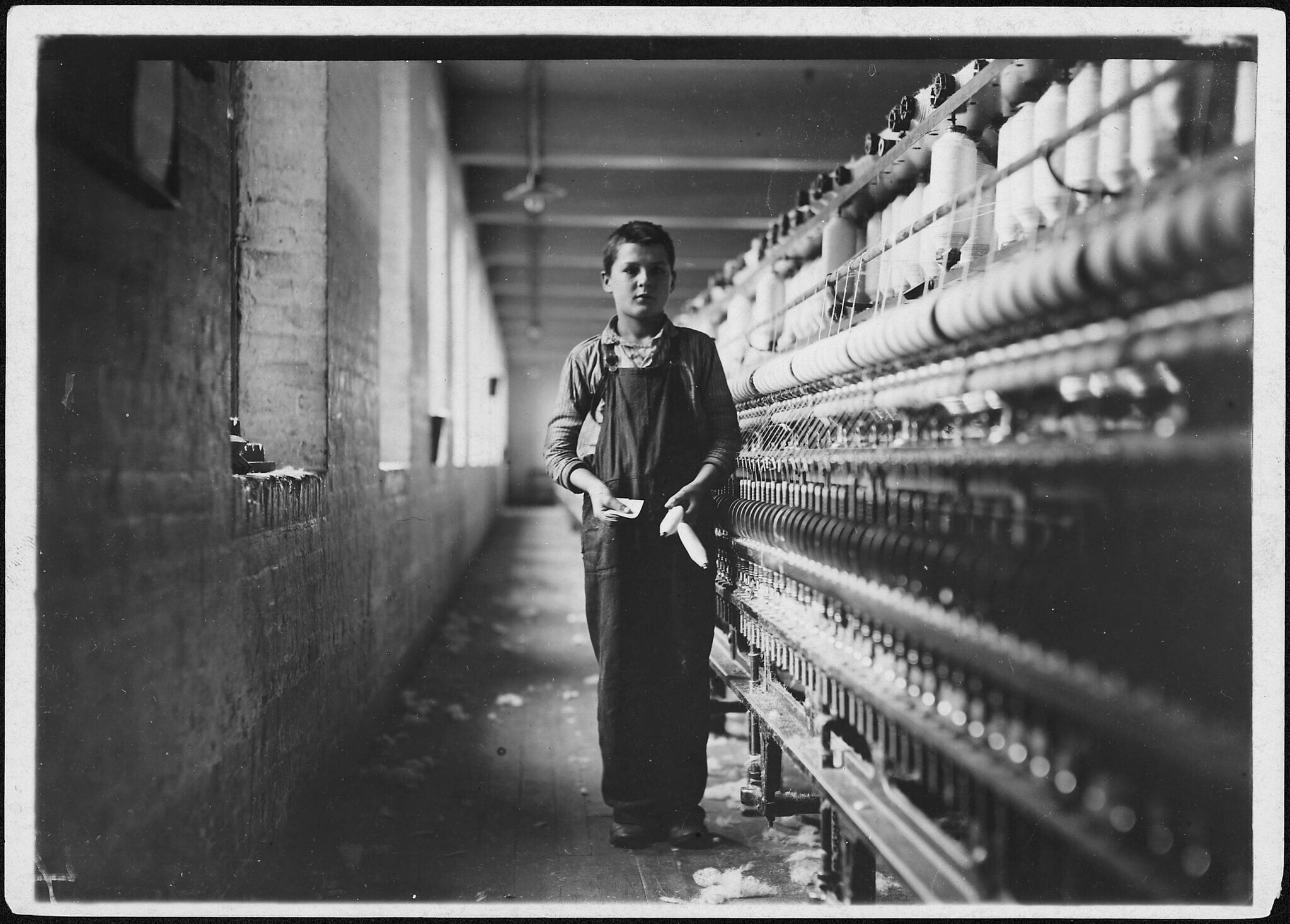
Textile mills employed young boys to bring empty bobbins to women at looms and collect full bobbins of spun cotton or wool thread. They also fixed minor machine problems and swept floors, with shifts often running from 5:30 am to 7:30 pm six days weekly for about one dollar per week.
The work carried extreme injury risk. Prominent figures including industrialist Andrew Carnegie and poet Robert Frost began their careers as bobbin boys.
Mud Clerk

Steamboat apprentices served as mud clerks, managing landings when vessels became stuck in mud during navigation of American rivers. The role flourished during the American Civil War period but required broader menial duties to maintain steamboats.
The profession disappeared as steamboat travel declined and river navigation improved.
Elevator Operator

Early elevators required onboard operators to manually control speed, open and close doors, and announce floors with authority and finesse. These workers stood for twelve-hour shifts on rubber mats inside brass boxes, requiring the precision of tugboat captains to land the car level with each floor.
Automatic elevators with easy-to-use buttons eliminated the need for human operators by mid-century.
Lamplighter Assistant
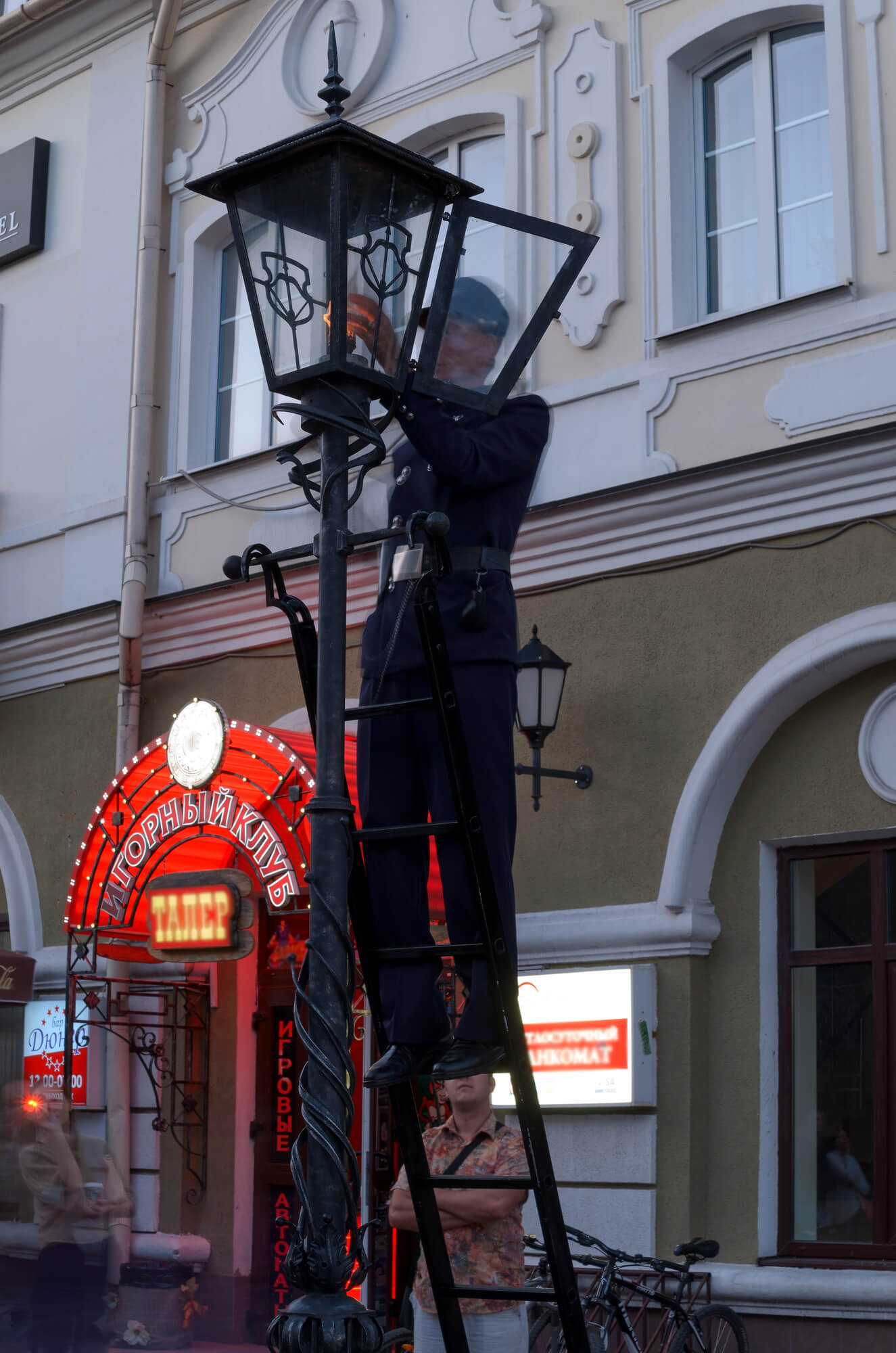
Junior workers assisted lamplighters in maintaining city street lighting systems, learning the routes and timing essential for urban evening operations. As electric streetlights spread, these apprenticeships evaporated, leaving few pathways for young people to enter the lighting trade.
The profession represents a lost rung in industrial apprenticeship ladders.
Film Projectionist
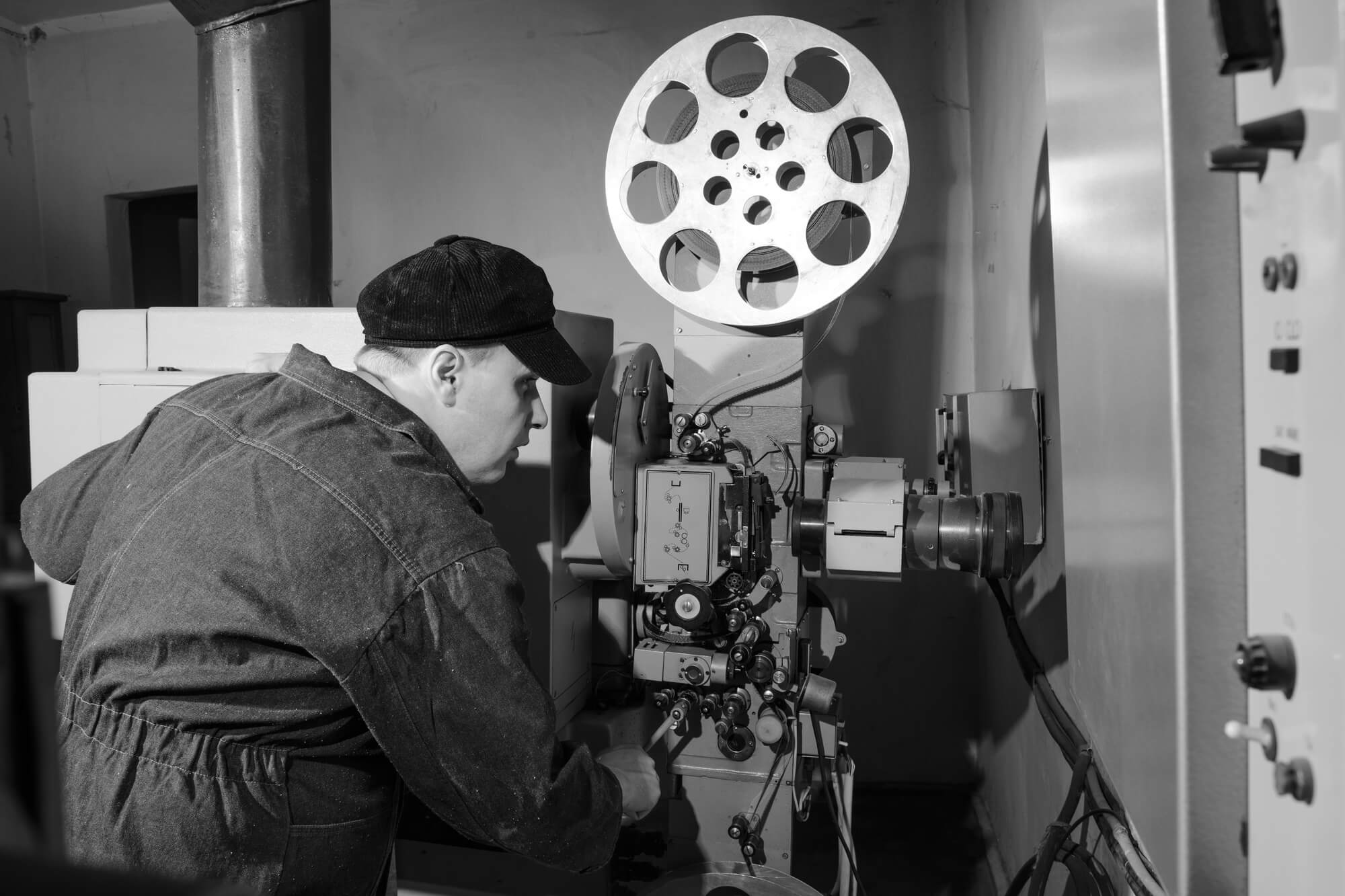
Cinemas employed projectionists to thread film reels, adjust focus, and manage projection equipment throughout screenings. The role required technical skill and constant attention to maintain picture quality.
Digital projection systems, which operate automatically, rendered film projectionists obsolete in most areas within a single generation.
Iceman

Before electric refrigeration became standard, icemen hauled massive blocks of ice up stairs on their shoulders, often multiple times daily. The work destroyed backs and knees quickly, and a single slip on wet stairs while carrying hundred-pound blocks could be fatal.
The profession vanished almost overnight once electric refrigerators became commonplace in American homes.
Milkman

Every morning in the 1950s, milkmen delivered bottles and jugs of fresh milk to households on fixed routes, remembering each customer’s standing orders and preferences without written notes. Whole neighborhoods depended on consistent service, and the milkman earned solid working-class wages plus Christmas bonuses and tips.
Supermarket refrigerated dairy cases dismantled the entire delivery system by the mid-1960s.
Chimney Sweep

Even into the early 1900s, small children were sent up narrow, soot-choked chimneys to scrape creosote buildup by hand in total darkness. Chimney sweeps faced constant risk of getting stuck, falling, or suffering lung disease from breathing concentrated soot.
The profession represented one of the most exploitative child labor practices in industrial history until mechanized sweeping equipment emerged.
Candlemaker or Chandler

These craftspeople made and sold candles for household and commercial lighting, a profession spanning centuries. The chandler’s craft represented honest artisanal work until electricity rendered candles unnecessary for primary illumination.
The occupation now survives only in niche hobby markets, though artisanal candle-making has experienced limited revival among DIY enthusiasts.
Night Soil Collector

The most revolting of all obsolete occupations, night soil collectors removed human waste from privies and outhouses before modern sewage systems. The work required a weak sense of smell and an extraordinary ability to endure disgust.
The profession essentially ended with the expansion of municipal sewer infrastructure and indoor plumbing in cities.
Town Crier Assistant
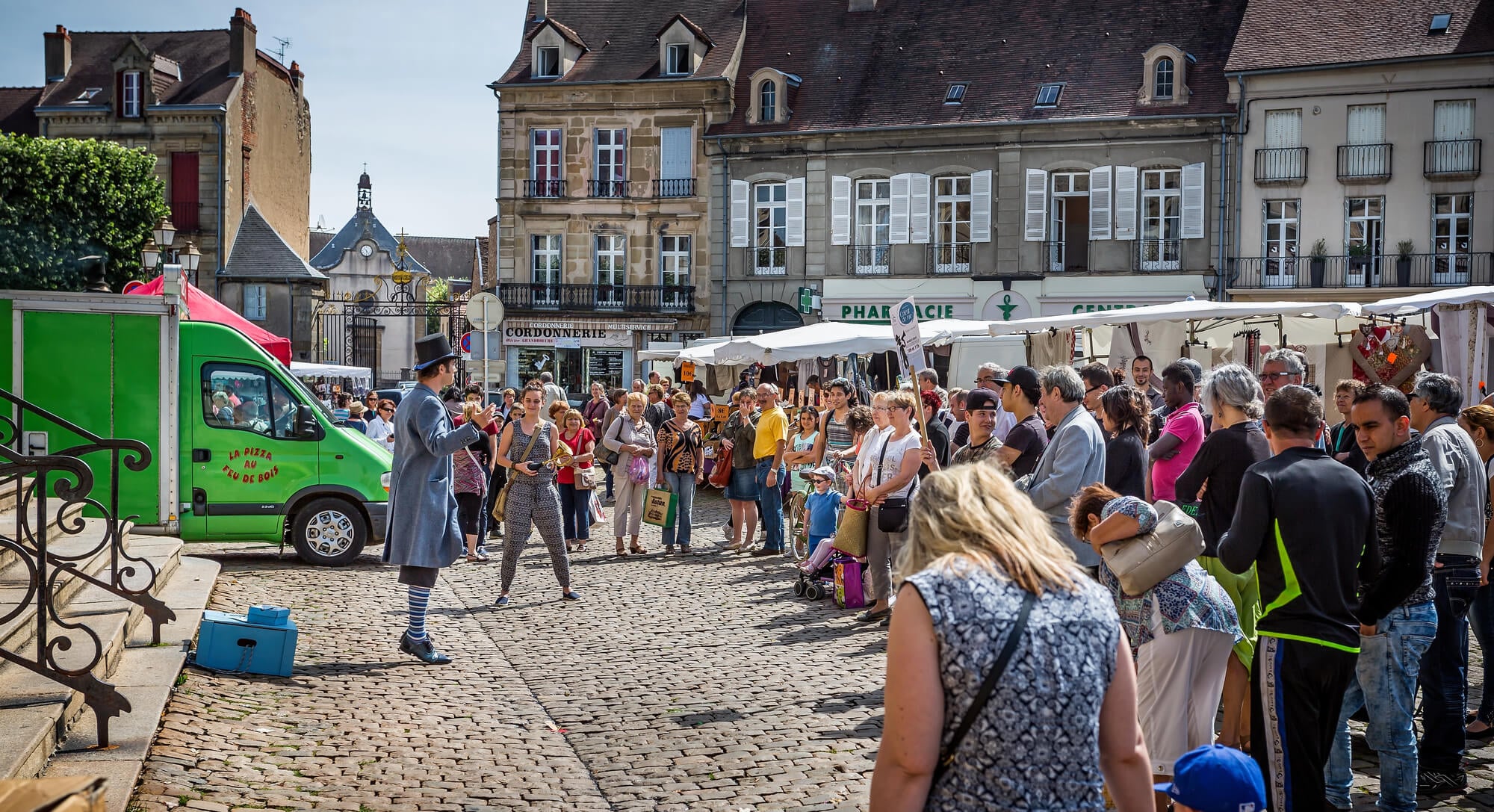
These workers accompanied official town criers on their rounds, learning proclamations and helping carry bells and documents through city streets. As printed news became standard, assistant positions disappeared alongside the town crier role itself.
The profession represented one of the earliest forms of civic apprenticeship and public information work.
Gandy Dancer
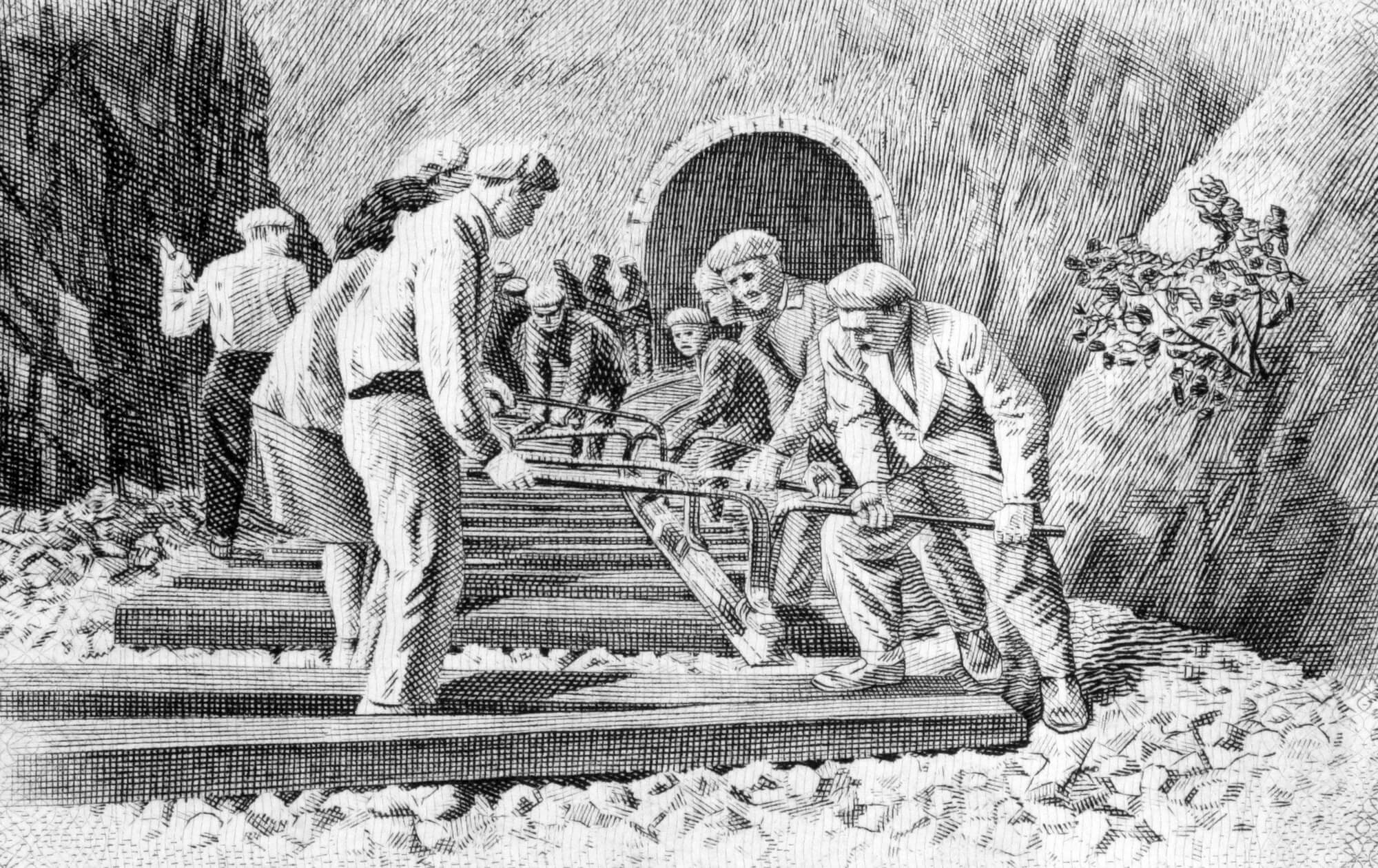
Railroad workers maintained tracks using rhythmic, coordinated movements that earned them the nickname gandy dancer, or “navvy” in England. The work required physical strength and timing as men drove spikes and aligned rails by hand.
Mechanized railroad maintenance equipment eliminated the need for this specialized labor force entirely.
Clockkeeper

These workers rang centralized bells several times daily, managing city timekeeping before mechanical and electric clocks became widespread. When mechanical clocks were invented, clockwinders would wind and maintain municipal timepieces.
Electric systems eventually replaced both roles, as automated clocks required minimal maintenance or human oversight.
Clockwinder

Clockwinders maintained city clocks by winding mechanisms daily and performing repairs to keep public timepieces accurate. The position emerged during the Industrial Revolution as municipal timekeeping became crucial to factory scheduling.
Electric clockwinders and automatic mechanisms rendered the job completely obsolete by the early 20th century.
Aircraft Listener
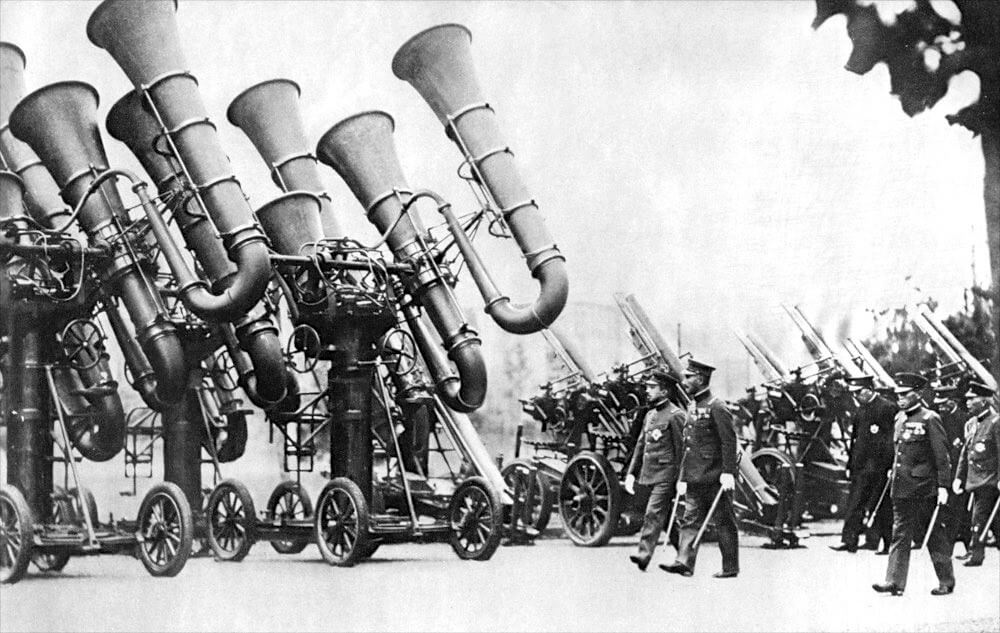
Before radar and modern military technology, soldiers used acoustic mirrors and listening devices to detect enemy aircraft engines by sound alone. The role required exceptional hearing and concentration to distinguish engine signatures from ambient noise.
The profession became instantly obsolete with the invention of radar and electronic detection systems.
Phrenologist

Phrenologists claimed to read intelligence and mental traits from precise measurements of the human head, calling their pseudoscience “the only true science of mind.” The practice enjoyed widespread credibility during the 19th century but collapsed entirely as neurology and psychology advanced.
Phrenology had been scientifically discredited by the late 19th and early 20th centuries, with the pseudoscience effectively abandoned from mainstream academic practice long before the mid-20th century.
Farrier
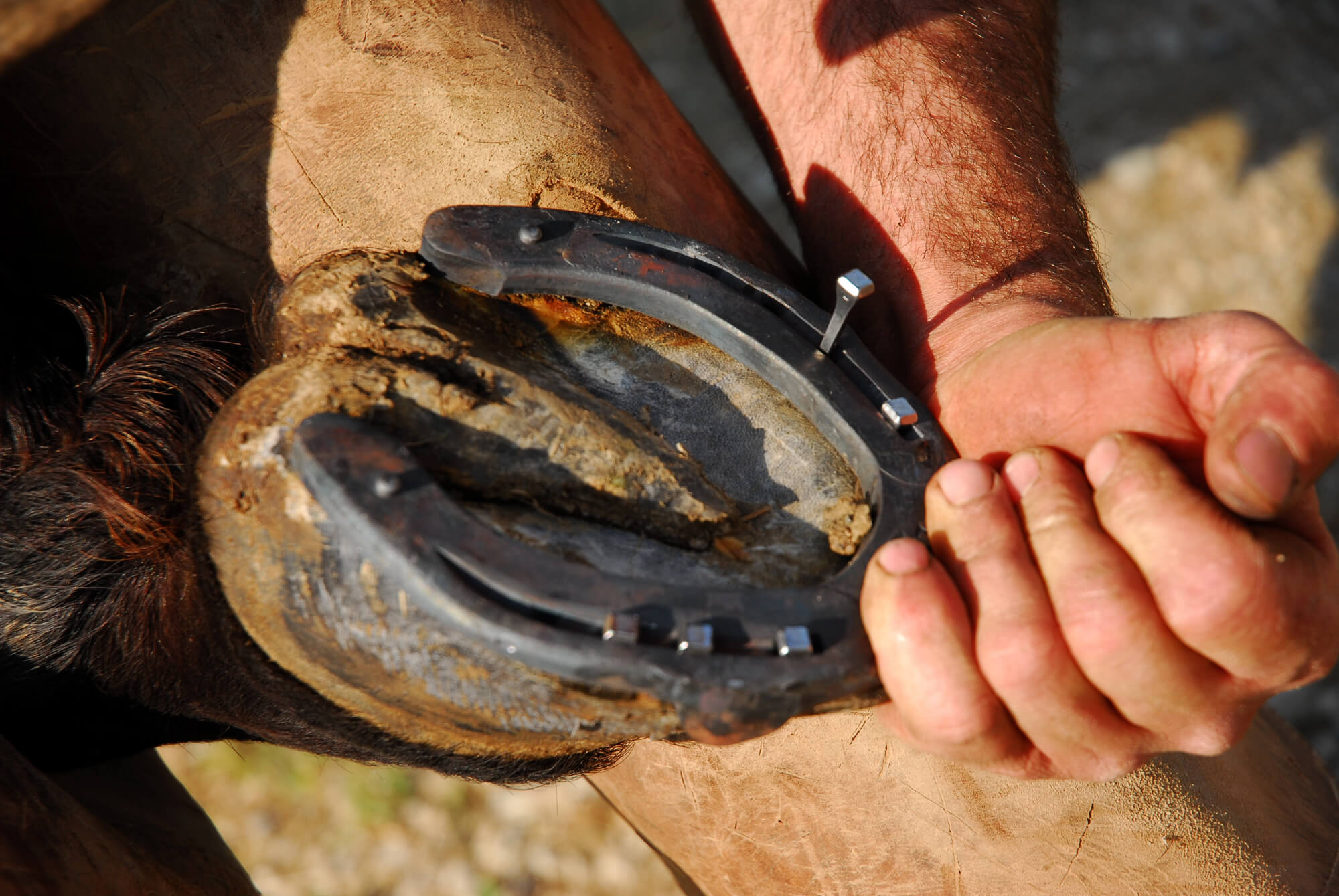
Farriers shoed horses and maintained their hoof health, serving as essential professionals in every town and rural community. The profession remained robust through the 19th and early 20th centuries, supporting entire local economies.
The transition to motorized transportation eliminated most farrier work, though equestrian enthusiasts and ranchers still employ them in limited capacity.
Drover

Drovers herded cattle and sheep across long distances to markets and ports, guiding livestock through unfenced territory using only knowledge and skill. The profession required years of apprenticeship and deep understanding of animal behavior.
Railroads and motorized transport rendered long-distance livestock herding unnecessary and economically unviable.
Dock Loader

Heavy manual labor loading and unloading ships defined port towns for centuries. Dock loaders organized cargo, managed ropes, and coordinated massive shipments using only mechanical advantage and brute strength.
Containerization and mechanized loading systems eliminated the need for armies of dock workers, leaving permanent economic scars on port communities.
Boiler Room Operator

These workers tended ship and factory boilers, maintaining steam pressure and managing fuel supplies in the boiler rooms below decks or beneath factory floors. The job required constant vigilance as pressurized steam could cause catastrophic explosions.
Diesel engines and automated heating systems eliminated most boiler room positions.
Switchboard Manager

Supervisors oversaw teams of switchboard operators, ensuring efficient call routing and resolving issues during manual telephone operations. Managers handled customer complaints, coordinated schedules, and maintained system integrity.
Automated switching systems rendered both operators and their managers redundant simultaneously.
Factory Computer

Human computers performed mathematical calculations by hand, assembling large rooms of workers who computed ballistic tables, navigation data, and engineering figures. During World War II, these rooms of women calculators became essential to military operations.
Electronic computers made human calculation obsolete within a decade. The term “computer” itself transformed from job title to machine name.
Canary Girl
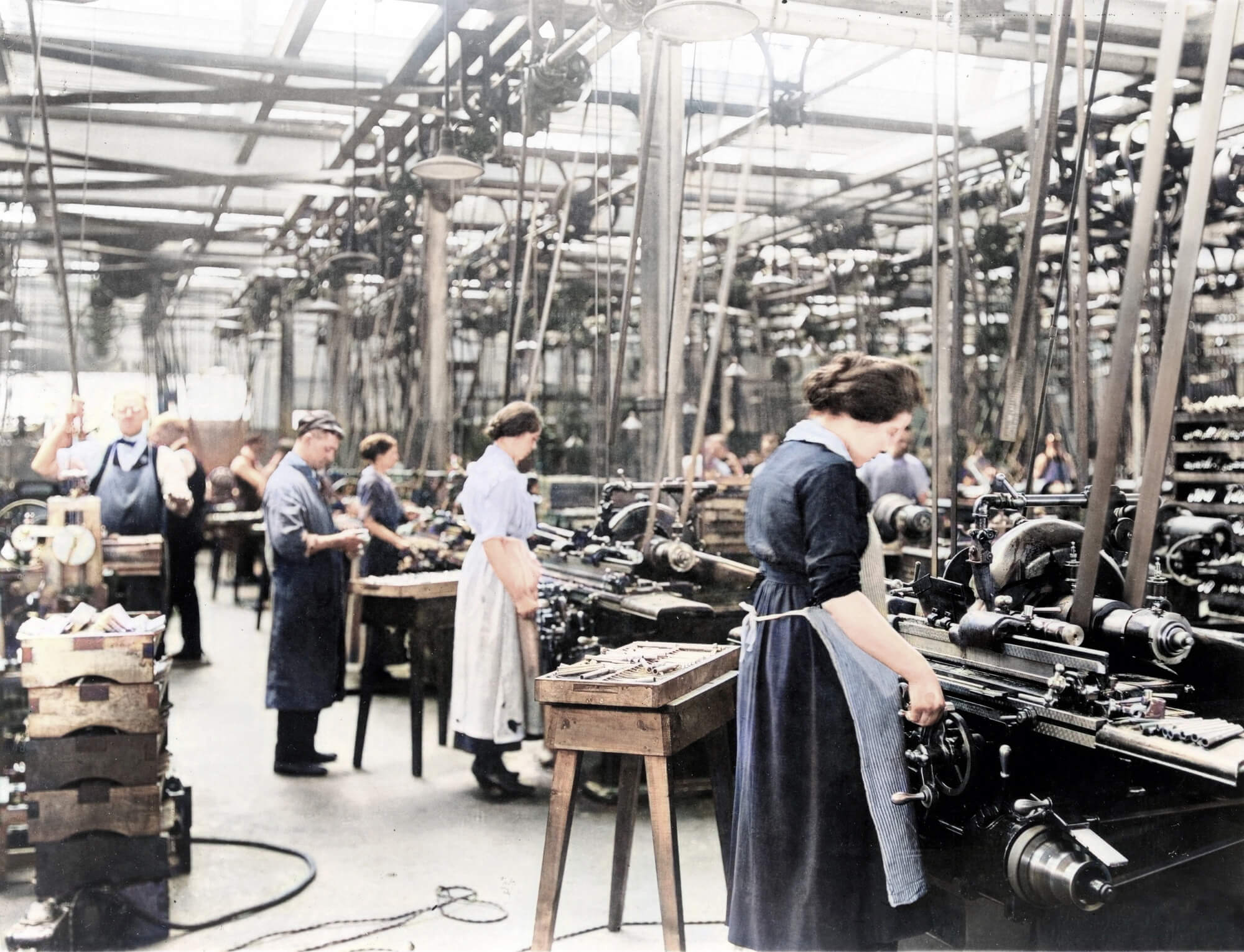
Factory workers assembled artillery shells and bullets by hand during both World Wars, handling raw explosive powder that stained their skin yellow and earned them the nickname canary girls. The constant exposure to explosive materials created daily risk of accidental detonation and severe injury.
The profession ended with wartime demobilization and the development of safer ammunition manufacturing.
The Extinction of Necessity

These professions represent more than forgotten occupations—they embody entire economic systems that vanished within human lifespans. Entire families planned careers around positions that would not exist by the time children reached adulthood, yet each worker believed their skills would remain valuable indefinitely.
Technology replaced them so systematically that by the time most workers retired, no young person would ever learn their trade. The towns built around these jobs suffered disproportionately from their extinction.
Unlike modern career transitions that offer retraining programs and geographic mobility, industrial workers found their skills incompatible with new economies and their towns economically gutted by the loss of principal employment. Many such communities never recovered, their decline marking the long shadow of job loss across generations.
More from Go2Tutors!

- The Romanov Crown Jewels and Their Tragic Fate
- 13 Historical Mysteries That Science Still Can’t Solve
- Famous Hoaxes That Fooled the World for Years
- 15 Child Stars with Tragic Adult Lives
- 16 Famous Jewelry Pieces in History
Like Go2Tutors’s content? Follow us on MSN.