How Saturday Morning Cartoons Shaped an Entire Generation’s Childhood
Saturday morning existed in a different temporal dimension than the rest of the week. Kids didn’t just watch cartoons between eight and noon—they inhabited a separate world with its own rules, social hierarchies, and collective consciousness.
The experience unified millions of children watching the same programs simultaneously across the country, creating a shared national experience that felt both private and universal. This wasn’t accidental.
Networks engineered the entire Saturday morning block to be must-watch television for children while their parents slept in. What’s remarkable isn’t that cartoons entertained children.
It’s how completely Saturday mornings colonized the childhood experience and how thoroughly they shaped who those children became as adults.
The Saturday Morning Ritual Created Sacred Time

Kids woke up early on Saturday for the first time all week. No school.
No oblig ations. But the anticipation was genuine—specific shows aired at specific times and couldn’t be missed.
The ritual mattered as much as the content: cereal bowl, television, pajamas still on, everything aligned for this protected four-hour window. The compulsion to wake up early wasn’t parental enforcement but internal drive, the child’s first experience of choosing to organize their own time around something they loved.
This trained attention structures that persist into adulthood.
Television Created the First Generation-Spanning Shared Culture
Before Saturday morning cartoons achieved dominance, childhood entertainment was largely fragmented. Different regions watched different content.
Parents had little idea what their kids consumed. But by the 1970s, millions of children across the country watched Scooby-Doo simultaneously.
Playground conversations unified around the same references. Jokes and catchphrases propagated nationally in real-time.
Saturday morning cartoons created the first truly synchronized national childhood experience.
Networks Deliberately Targeted Children as an Advertising Demographic

By the 1970s, Saturday morning had become the most lucrative four hours in broadcasting. Networks weren’t selling entertainment—they were selling children’s attention to toy manufacturers.
Commercial time during cartoons cost premium rates because networks could deliver millions of children watching with minimal skepticism. This was the birth of children as a recognized marketing demographic, and the entire infrastructure of children’s consumer culture built from this foundation.
Merchandising Created Entire Economic Ecosystems

The cartoons weren’t separate from the toys—they were hour-long commercials that made children desperately want products. He-Man figures sold because children watched He-Man cartoons.
Children watched Transformers cartoons because Transformers were collectible. This created feedback loops where toys drove cartoon development and cartoons drove toy sales.
A single character could generate millions in annual revenue across multiple product categories.
Cartoon Characters Became Cultural Mythology
Kids didn’t just watch characters—they incorporated them into identity formation. Playground games recreated cartoon scenarios.
Children imitated catchphrases and mannerisms. Characters became archetypes that structured how kids understood heroism, villainy, humor, and social interaction.
Bugs Bunny’s confidence, She-Ra’s leadership, Scooby-Doo’s cowardly but loyal personality—these became templates for understanding human behavior.
Cartoons Introduced Music to Generations
The Beatles got their own animated series in 1965. Saturday morning music exposure was often children’s first contact with rock music, R&B, or other genres.
Theme songs created earworms that lasted decades. Kids memorized openings and closings like folk ballads.
This was MTV before MTV existed—animated music videos introducing young audiences to sounds they wouldn’t encounter elsewhere.
Toy Collections Became Childhood’s Primary Project
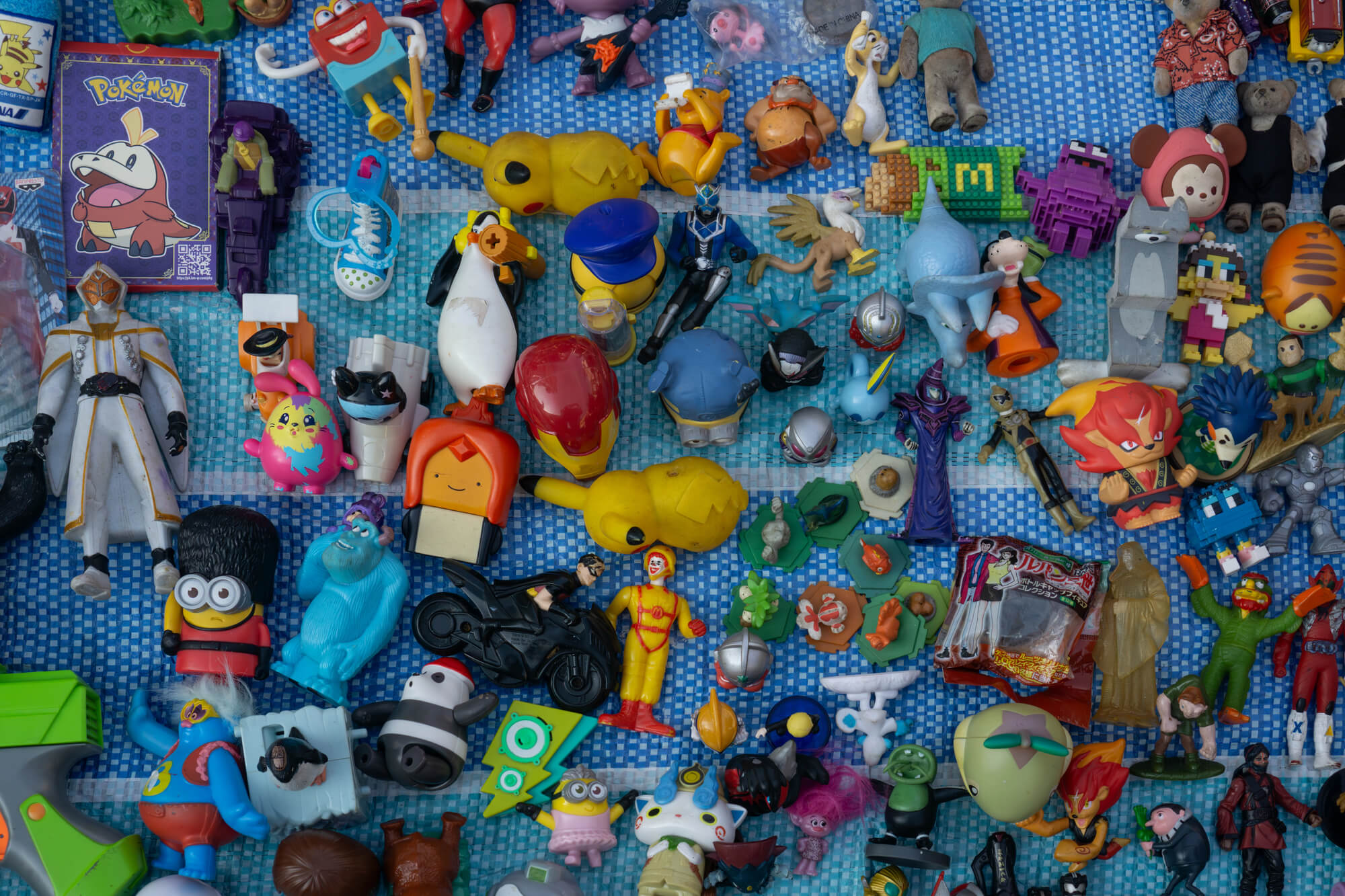
Accumulating action figures, vehicles, and accessories became the central organizing principle of childhood. Kids strategized about which figures to request for birthdays.
Trading and displaying figures became social currency. This trained early consumer behavior and taught the logic of collecting, completion, and value assessment.
A child with an incomplete action figure collection felt genuine deprivation.
Animation Studios Became Recognizable Brands

Hanna-Barbera, Warner Bros., DePatie-Freleng, Filmation—kids learned to recognize studio logos and associated quality levels. Some studios were known for heroic action shows, others for comedies, others for mysterious adventures.
This early brand recognition shaped how children understood creative institutions and taught that different creators had distinct sensibilities.
The Format Created Cliff-Hangers and Serialization
Unlike theatrical cartoons that were self-contained, Saturday morning shows often ended episodes on unresolved notes. Series like Scooby-Doo perfected the mystery format where questions remained until the final reveal.
This structure taught narrative expectations and created anticipation for subsequent episodes. Kids learned the logic of serialized storytelling before they encountered serialized books or films.
Catchphrases Became Linguistic Shorthand

“He-Man, I have the power!” “Cowabunga!” “Yabba-Dabba-Doo!” The lexicon of childhood spoke in cartoon quotes.
Kids used these phrases to signal group membership and cultural fluency. Playground conversations were dense with cartoon references.
This created a generation that spoke partially in animese—a dialect composed of cartoon dialogue remixed into daily conversation.
Saturday Morning Created the Distinction Between “Kids’ Stuff” and Adult Culture
The explicit marketing to children created a clear boundary. Kids knew what was “for them” and what wasn’t.
This trained early cultural discrimination and positioned childhood as a distinct life phase with its own entertainment. Unlike earlier eras where children consumed adult culture in miniature, Saturday morning cartoons created a separate children’s cultural sphere.
Advertisements Shaped Consumer Desires Before Children Could Read

Kids couldn’t read most print advertising, but they could understand television commercials. Cartoon advertisements used animation, music, and repetition to create desire.
Toys that seemed worthless in still photographs became essential when animated and voiced by familiar characters. This was marketing to pre-literate consumers, training consumer instinct before critical literacy developed.
Limited Animation Shaped Aesthetic Preferences

The economic constraints of Saturday morning animation created distinctive visual styles. Limited animation, fewer frames per second, flat designs—these weren’t artistic choices but budgetary necessities.
Yet generations grew up believing this aesthetic was intentional and beautiful. The limitations created a specific visual vocabulary that became inseparable from childhood memory.
Cartoon Violence Introduced Consequences and Ethics

Kids encountered violence constantly, but cartoon violence was consequence-free. Explosions, falls, collisions—all repeated without lasting damage.
Yet cartoons also encoded moral lessons about why violence mattered. Some showed actual consequences.
Others presented violence as pure spectacle. This taught children ambivalent relationships with conflict and action.
Educational Messages Became Mandatory After 1990
The Children’s Television Act of 1990 forced networks to include educational content and limit advertising. Suddenly cartoons couldn’t be pure entertainment—they had to teach.
This transformed Saturday morning from pleasure to managed learning. The requirement to include moral lessons and educational content fundamentally changed what cartoons could be.
Regulatory Compliance Made Cartoons Less Subversive
Before regulations, cartoons could get away with edgy content and ambiguous morality. Bugs Bunny could ridicule authority.
Wile E. Coyote could express frustration through extreme violence. Post-1990 cartoons had to be safer, more clearly moral, less willing to undermine authority.
Kids who grew up before and after the regulatory shift experienced fundamentally different Saturday morning environments.
Time Slot Competition Created Intense Loyalty

Because networks arranged cartoons in blocks, kids had to choose which shows to watch. Intense preference for specific programs developed.
Fan communities formed around particular series. This created early experiences of fandom and allegiance to specific creative properties.
Saturday morning channeled children’s natural tribalism into structured brand loyalty.
Cable Fragmentation Destroyed the Universal Audience
By the 1990s, cable networks offered children’s programming all week. Nickelodeon, Cartoon Network, and Disney Channel broke the Saturday morning monopoly.
This allowed more specialized programming but destroyed the unified national childhood moment. Kids no longer all watched the same cartoons simultaneously—they watched fragmented, personalized programming.
This marked the end of Saturday morning as a cultural institution.
The Decline Was Gradual But Inevitable

Networks replaced cartoon blocks with educational programming to meet regulatory requirements. Younger audience members stayed occupied with cable networks and later streaming services.
By the 2010s, major broadcast networks had abandoned Saturday morning cartoons entirely. The tradition didn’t end dramatically—it simply faded as the structural conditions supporting it dissolved.
Nostalgia Became the Primary Relationship to Saturday Morning
Adults who grew up with Saturday morning cartoons returned to them not as current entertainment but as memory. Reboots and remakes capitalized on nostalgia, introducing original characters to new generations while allowing older viewers to relive childhood moments.
This transformed Saturday morning from lived experience to preserved artifact, something to be revisited rather than inhabited.
Saturday Morning Still Echoes in Memory

Decades after the programs ended, the mention of Saturday morning cartoons triggers specific visceral memories. The smell of cereal.
The color of early morning light through living room windows. The feeling of temporal freedom.
The exact position on the couch. The experience was so complete and so unified that it created permanent neurological imprints.
Those who experienced it carry Saturday morning inside them permanently.
The Golden Age That Can’t Return

The specific conditions that created Saturday morning cartoons—broadcast television scheduling, protected children’s blocks, national audience synchronization, limited entertainment options—no longer exist. Streaming services offer infinite choice.
Kids watch individually rather than collectively. There’s no cultural moment equivalent to Saturday morning cartoons anymore.
The experience was historically contingent, possible only in that particular era, now impossible to replicate. This makes Saturday morning both infinitely nostalgic and genuinely lost.
More from Go2Tutors!

- The Romanov Crown Jewels and Their Tragic Fate
- 13 Historical Mysteries That Science Still Can’t Solve
- Famous Hoaxes That Fooled the World for Years
- 15 Child Stars with Tragic Adult Lives
- 16 Famous Jewelry Pieces in History
Like Go2Tutors’s content? Follow us on MSN.